In China, there is a saying “Farmers rely on the sky for their livelihood,” which means that farmers depend on the weather to grow crops. Rain, as an important climate element in nature, has a significant impact on agricultural production. Therefore, it is crucial for farmers to accurately measure rainfall. Rain gauges, as key monitoring tools of rainfall, help us understand precipitation in real-time, enabling better water resource management, reducing waste, and improving production efficiency.
Let’s explore the relationship between rainfall and agriculture, as well as the role of rain gauges in agriculture.
The Importance of Rainwater for Agriculture
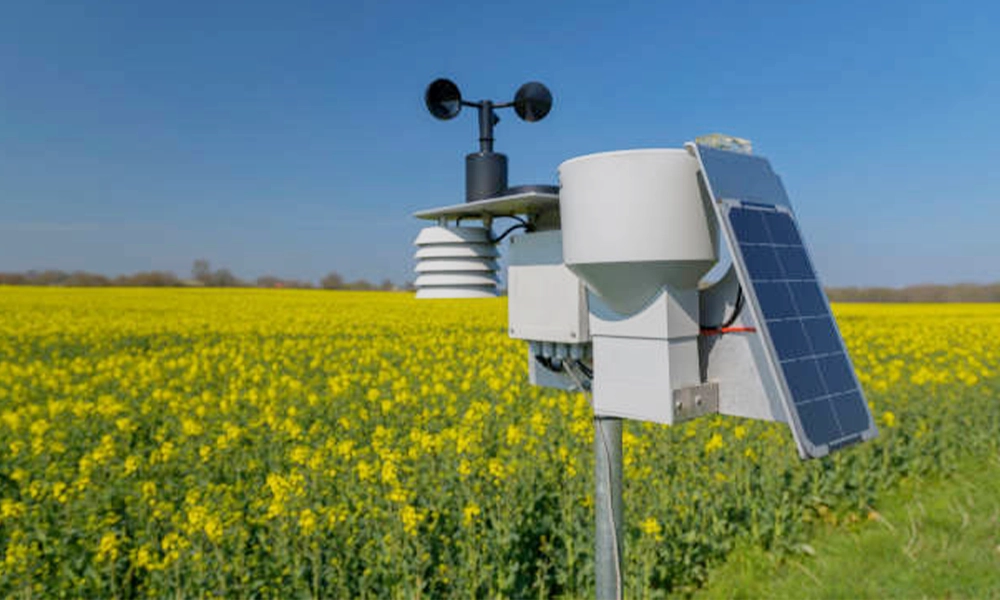
Farmers need water to nourish the soil and promote plant growth, and rainwater serves as the fundamental water source for crops. In most areas, variations in rainfall directly affect the growth cycle and yield of crops.
Insufficient water can lead to soil drought, which in turn affects the normal growth of crops. But does more rainfall always mean better crop growth?
Not necessarily. Excessive water can cause flooding and soil damage, which includes the depletion of essential nutrients needed for plant growth. This can result in crops losing nutrients, with plants becoming stunted or even dying.
Rain Gauges: Precise Rainfall Measurement
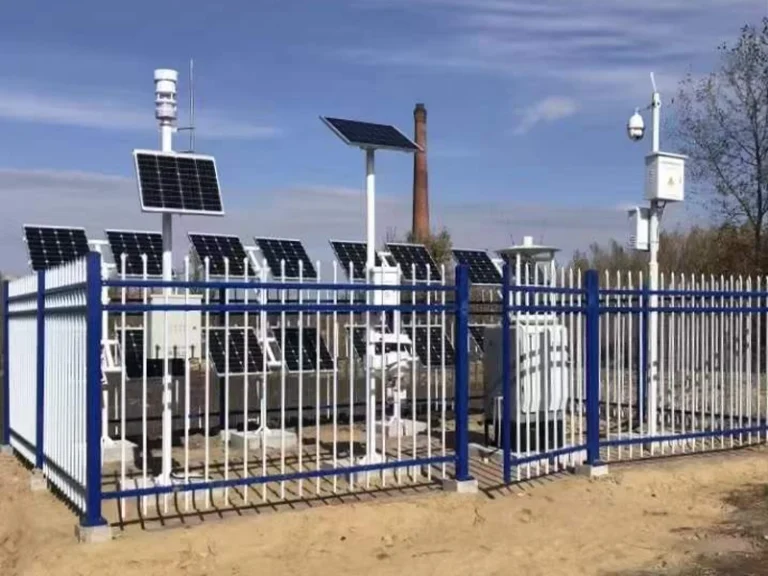
To avoid water scarcity or flooding, it is necessary to monitor rainfall accurately. Rain gauges can measure precipitation in real-time and with high precision. Once farmers have accurate data, they can make better decisions for optimal crop growth.
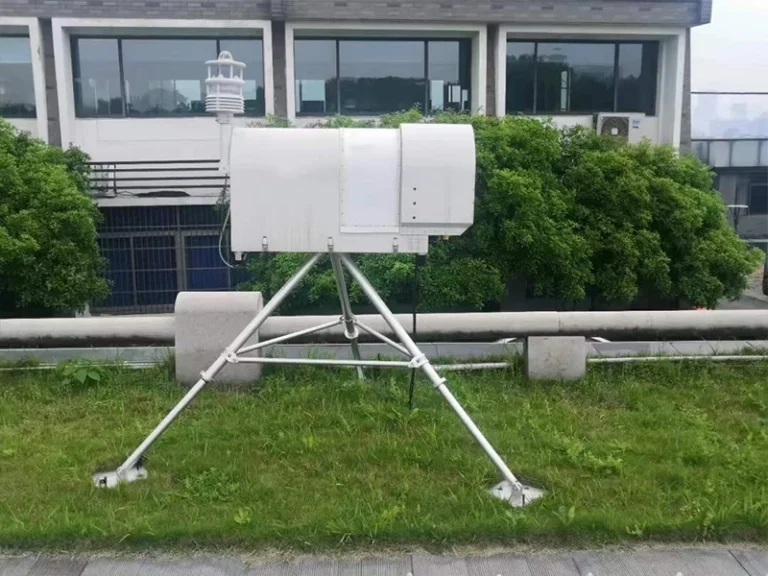
There are various types of rain gauges, including tipping bucket rain gauges, optical rain gauges, and piezoelectric rain gauges. Let’s now discuss the main functions of rain gauges.

Functions of Rain Gauges
Real-time Monitoring of Rainfall
Rain gauges provide real-time rainfall data, helping farmers avoid over-irrigation and reduce water waste. Moreover, farmers can adjust their irrigation plans based on rainfall trends, ensuring crops grow under optimal moisture conditions.
Automatic Data Recording
Many rain sensors on the market come with data loggers that store and automatically record data. For example, an 8GB memory card can often store two years of historical rainfall data, making it easy for us to analyze and compare.
Water Resource Conservation
With accurate rainfall data, farmers can adjust irrigation practices based on the available water, preventing both over-irrigation and water waste.
Rainfall Alerts
When rainfall reaches a preset threshold, the system will issue an alert, allowing timely flood prevention measures. This makes rain gauges particularly valuable during extreme weather events, reducing agricultural losses and improving emergency response capabilities.
Practical Applications of Rain Gauges
Scientific Irrigation
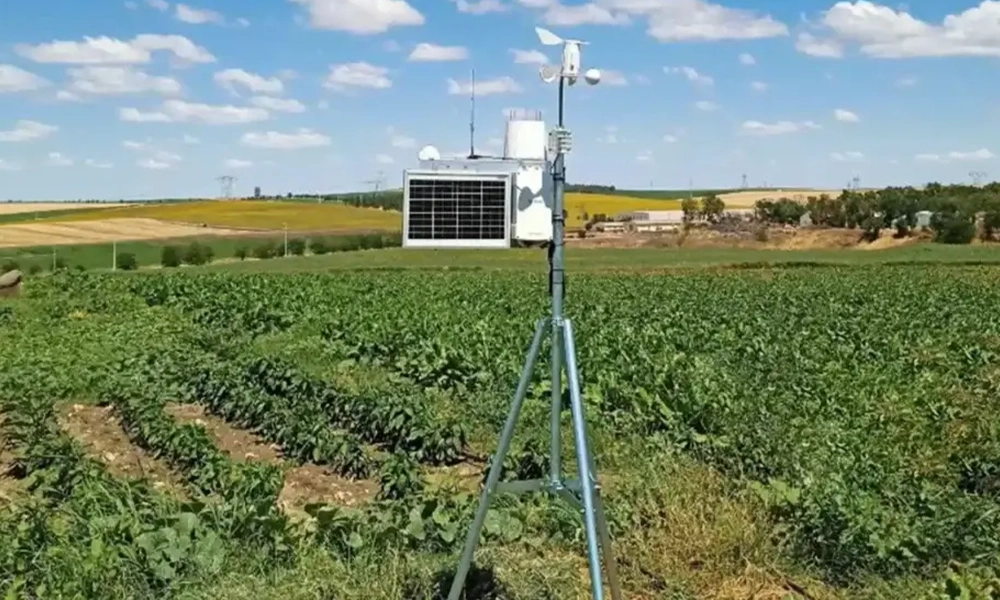
Rain gauges provide precise data that helps farmers better understand soil conditions. When rainfall is insufficient, farmers can activate irrigation systems to provide more water. On the other hand, during periods of abundant rainfall, they can reduce irrigation frequency, ensuring crops thrive in the optimal growing environment.
Agricultural Meteorology Monitoring
Rain gauges enable farmers to monitor changes in rainfall in real-time. When rainfall continues to increase, farmers can take timely drainage measures to prevent flooding and mitigate weather-related losses.
Precision Planting Requires Rain Gauges
The amount of rainfall can affect the quality of certain crops, such as grapes. Excessive rainfall can cause soil saturation, poor root aeration, and increase the risk of disease. Insufficient rainfall can lead to shriveled grapes and poor taste.
Rain gauges play a crucial role in agriculture, serving as essential foundational equipment for precision farming and smart farmland management. By continuously monitoring rainfall, these devices enable farmers and agricultural authorities to accurately track soil moisture changes and effective precipitation levels. This allows for scientifically informed irrigation planning, preventing overwatering or water shortages while enhancing water usage efficiency. Additionally, rainfall monitoring data supports disaster early warning systems for events like heavy downpours, flooding, and droughts. This enables proactive protective measures to minimize agricultural losses.

How to Choose a Rain Gauge?
There are many types of rain gauges available in the market. When choosing a rain gauge, consider the following factors:
Measurement Accuracy of the Rain Gauge
Choose a rain gauge with high precision to ensure accurate monitoring.
Data Recording and Transmission
Opt for a rain gauge that can record and transmit data. This ensures that data can be sent to a platform and stored for future analysis and comparison.
Durability of the Rain Gauge
Since rain gauges are used outdoors and must withstand various weather conditions, select one that is waterproof and corrosion-resistant, ensuring it remains stable under different environmental conditions.
Of course, rain gauges with different working principles have their own applicable scenarios and performance characteristics, making the selection of the right product crucial. As an important monitoring device in smart agriculture, rain gauges not only accurately record rainfall, optimize irrigation strategies, and reduce water waste, but also effectively increase crop yields, making agricultural management more scientific and efficient.
If you would like to learn more about rain gauge selection advice or obtain a quote, please contact our professional team. We will provide you with customized solutions.