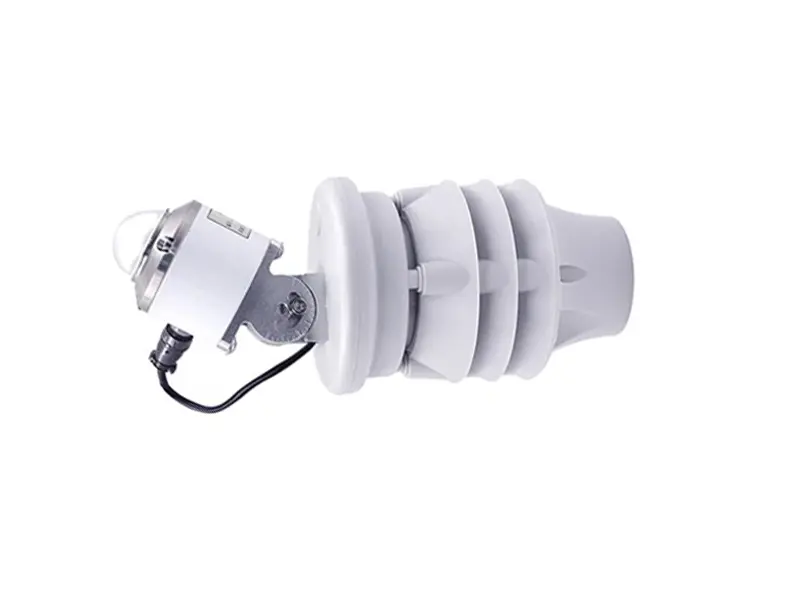
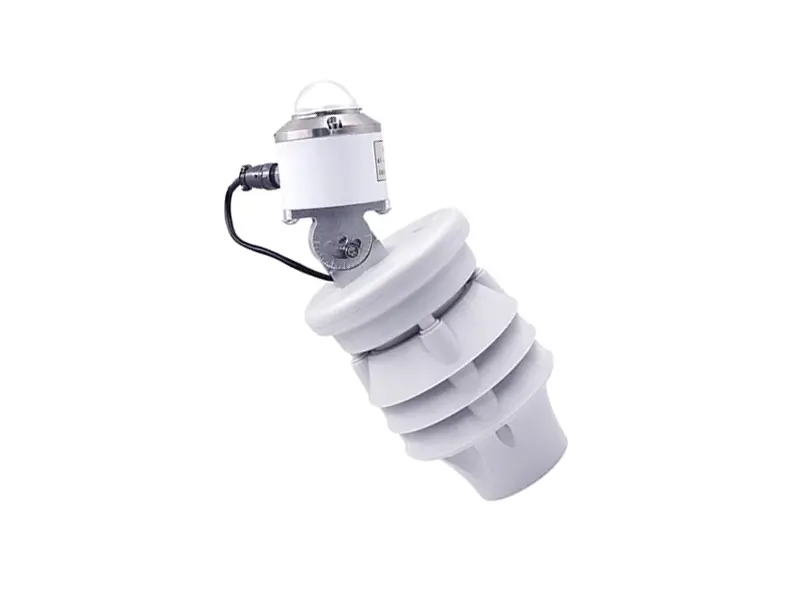
XF100S-CWB 소형 태양광 모니터링 기상 관측소
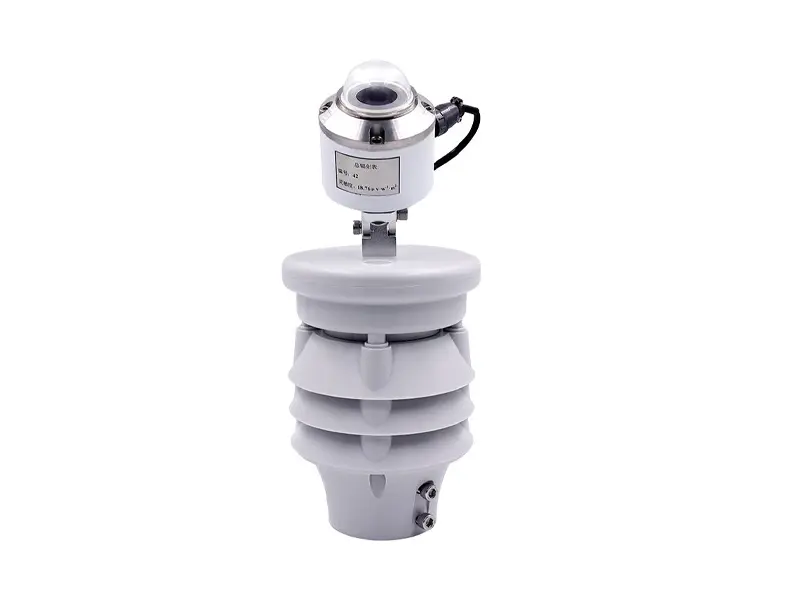
XF100S-CWB 소형 태양광 모니터링 기상 관측소는 태양광 발전소 및 신재생 에너지 모니터링 분야에 적용되는 기기입니다. 모니터링 항목: 총 태양 복사량(POA, 배열면 기준), 주변 온도, 구성 요소 온도, 일일 누적 복사량. 이 기기는 기존의 RYQ-3 태양광 환경 모니터링 기기를 대체할 수 있습니다.
- 주변 온도: -40-85℃
- 부품 온도: -20℃~+80℃
- 배열면(POA) 기준 총 태양 복사량: 0~2000W/m²
- 일일 누적 방사선량: 0~65MJ
- 작동 온도: -40℃-80℃
- 전원: DC 12~24V
- 방진·방수 등급: IP65
가격: $507~$546
소개
XF100S-CWB 소형 태양광 모니터링 기상 관측소는 태양광(PV) 발전소 및 재생에너지 모니터링 용도로 특별히 설계된 소형 올인원 기상 모니터링 장치입니다. 이 제품은 태양광 발전소의 운영 및 유지보수 관리 시 모니터링이 필요한 기존의 일사량 및 기상 매개변수들을 하나의 구조에 통합하고, RS485 인터페이스를 통해 태양광 인버터와 연결되므로 분산형 태양광 발전소 모니터링 시스템에 폭넓게 활용될 수 있습니다.
태양광 기상 관측소 구조
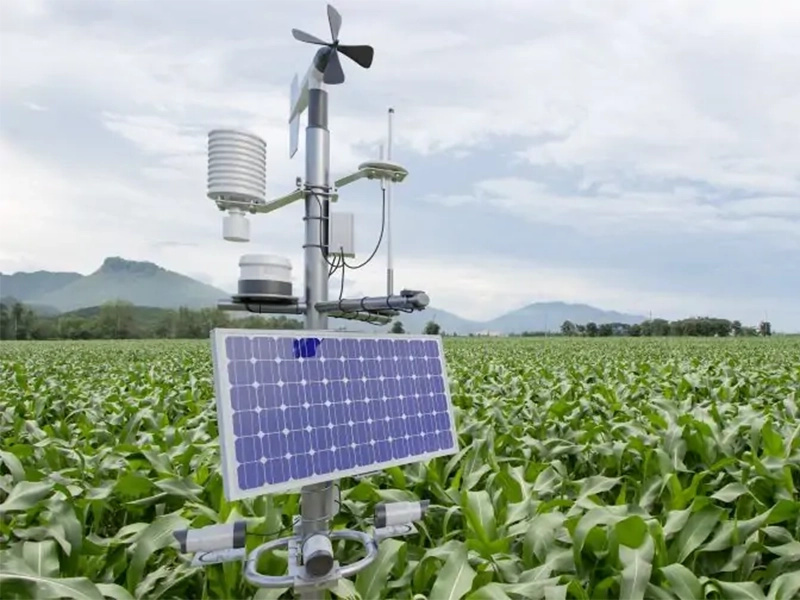
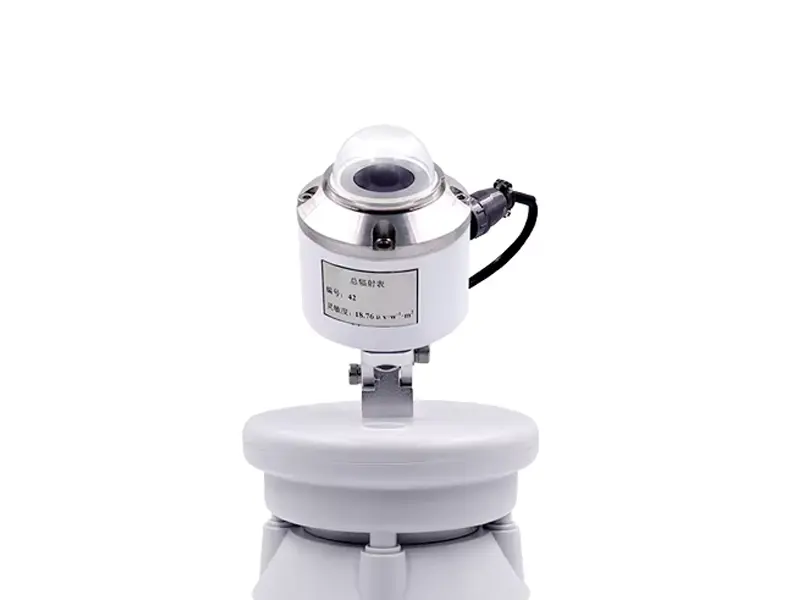
- POA 총 태양 복사량 센서: 태양광 모듈의 설치 각도와 일치하는 배열 평면상의 총 태양 복사량을 측정하여, 모듈의 실제 일조 조건을 정확하게 반영합니다.
- 주변 온도 센서: M태양광 발전소 주변의 기온을 모니터링하여, 발전 효율 분석 및 운영 평가를 위한 기초 데이터를 제공합니다.
- 모듈 온도 센서: 태양광 모듈의 표면 온도를 직접 측정하여 열 손실과 출력 저하를 평가합니다.
- 일일 누적 방사선량 계산 모듈: 태양 복사량 데이터에 대해 적분 계산을 수행하여 일별 누적 복사량 값을 산출함으로써, 발전량 분석 및 비교를 용이하게 합니다.
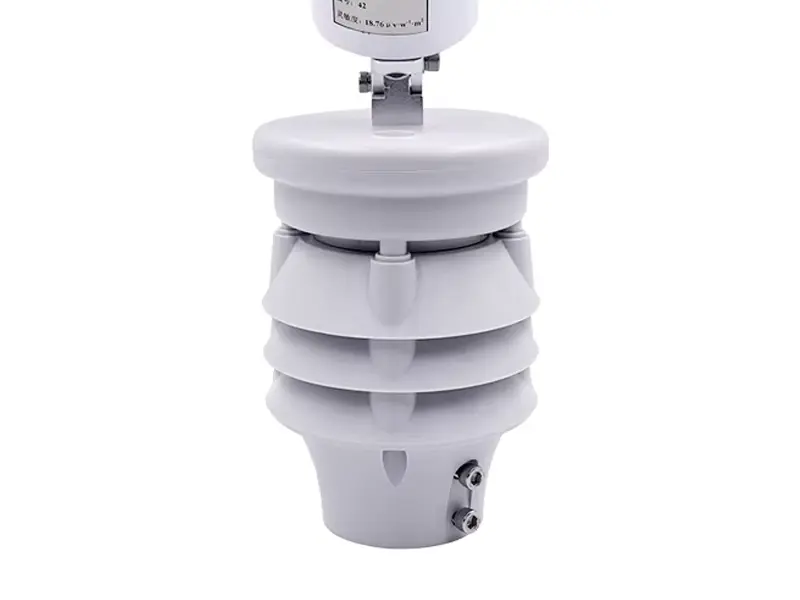
- 통합 구조형 주택: 소형 구조 내에 여러 개의 센서를 통합하여 현장 설치의 복잡성을 줄이고 시스템의 신뢰성을 높입니다.
- RS485 통신 인터페이스: PV 인버터 또는 모니터링 시스템과의 직접 통신을 지원하여 안정적인 데이터 전송과 원활한 시스템 통합을 가능하게 합니다.
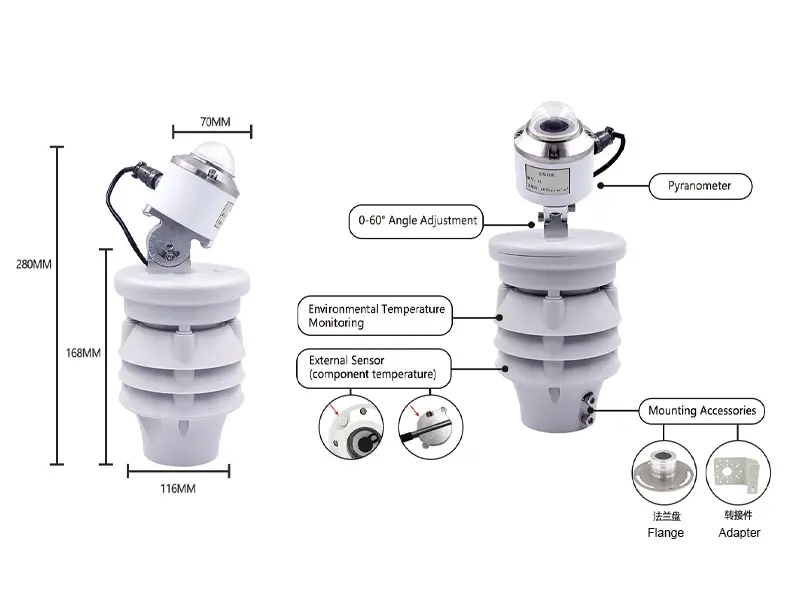
세부 정보 표시
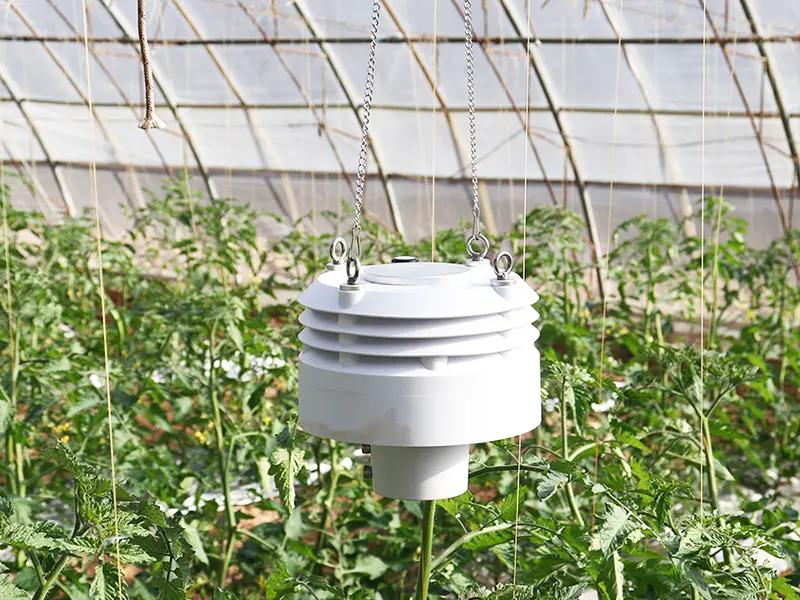
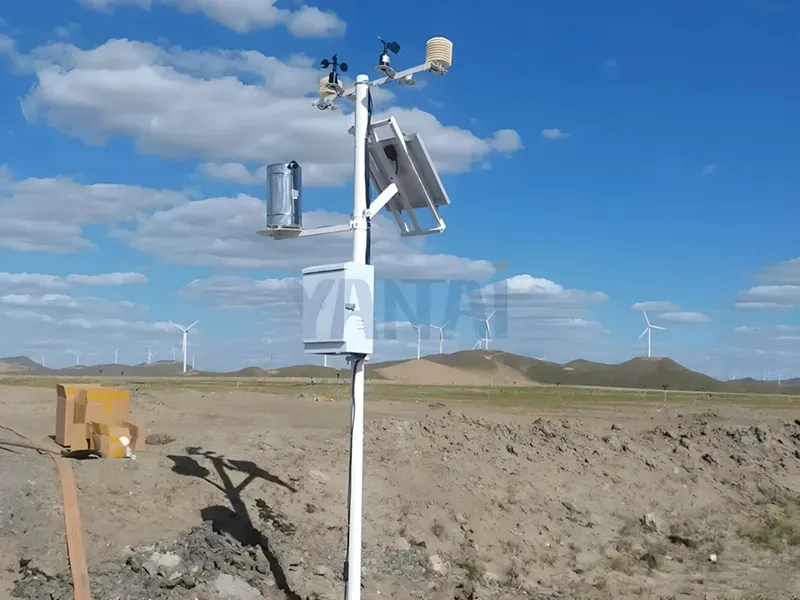
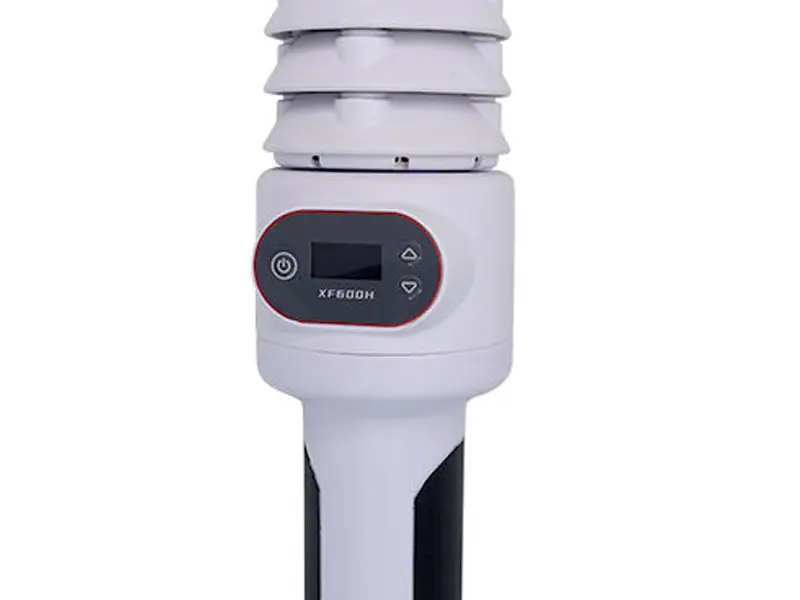
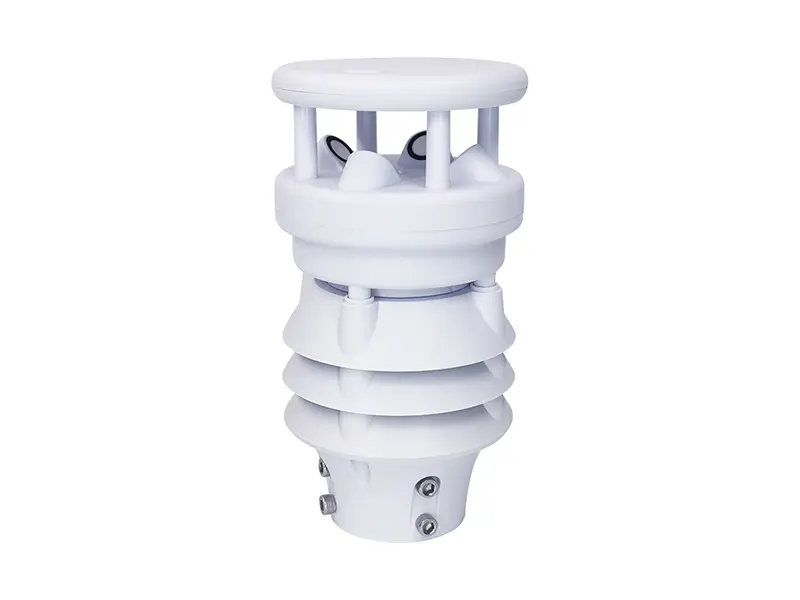
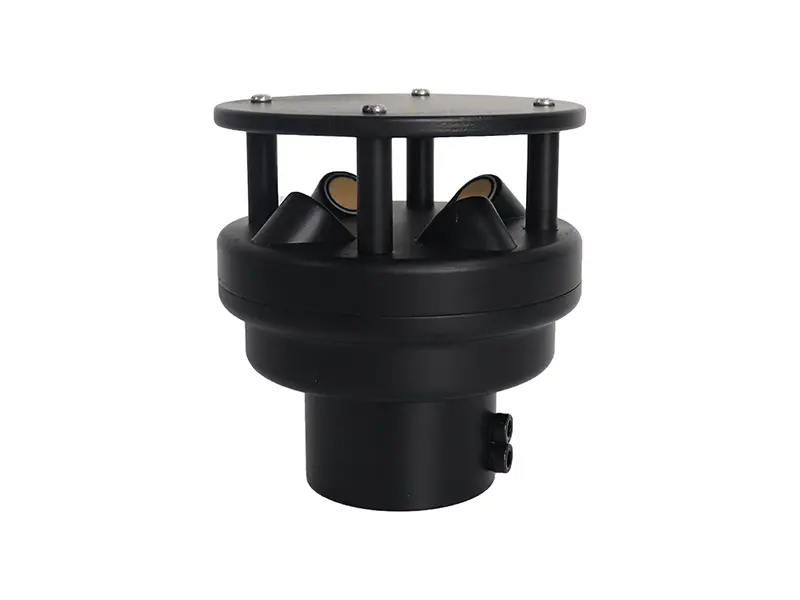
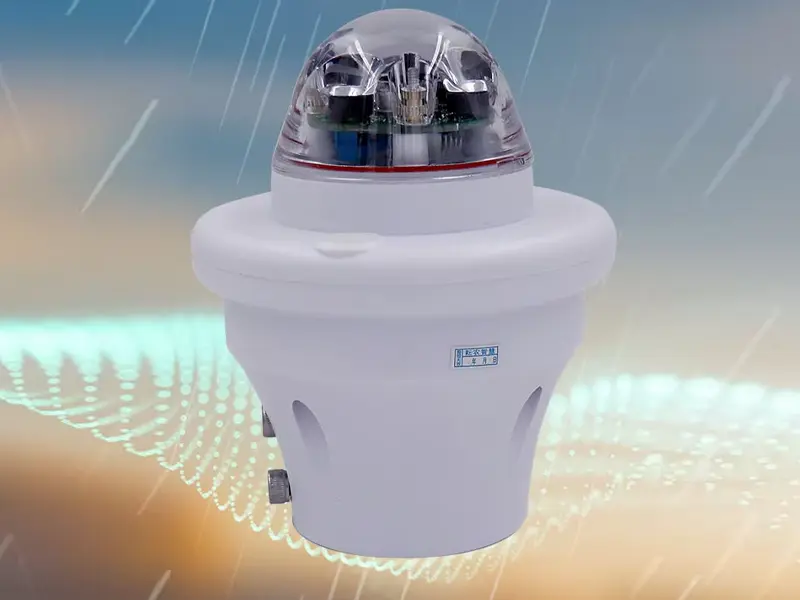
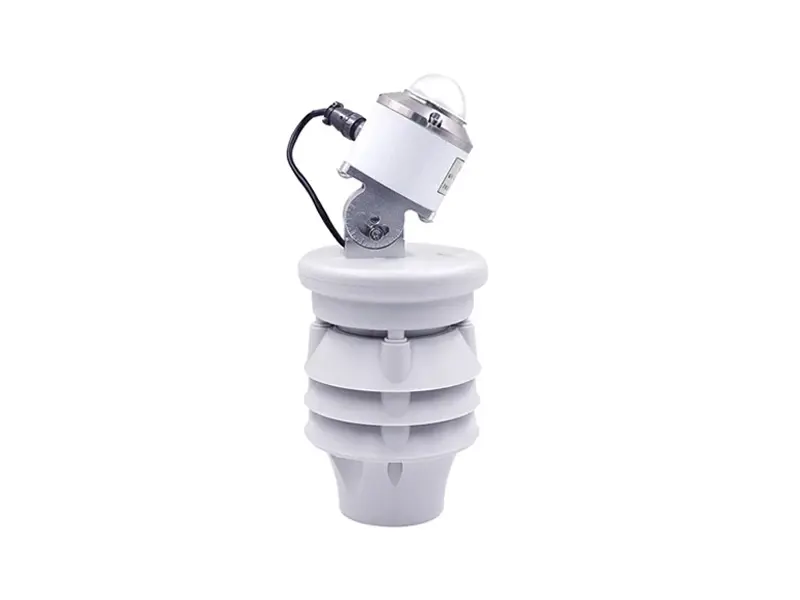
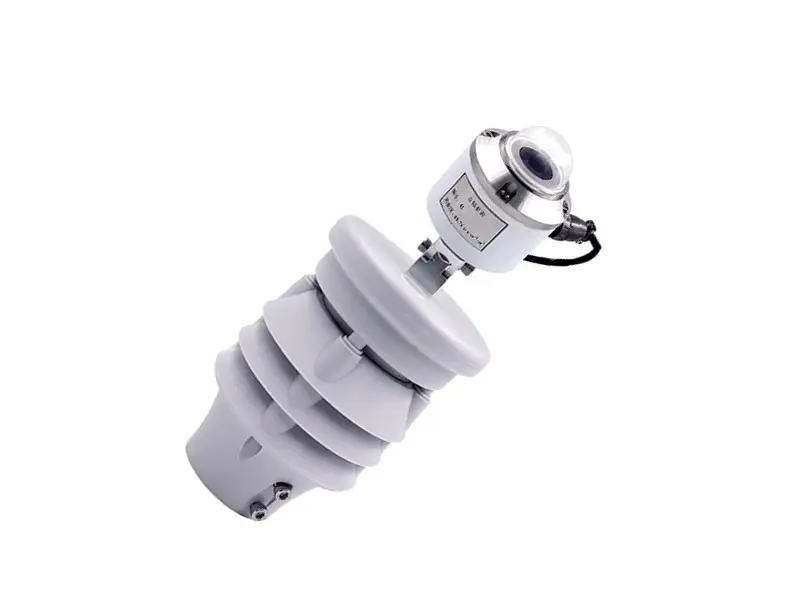
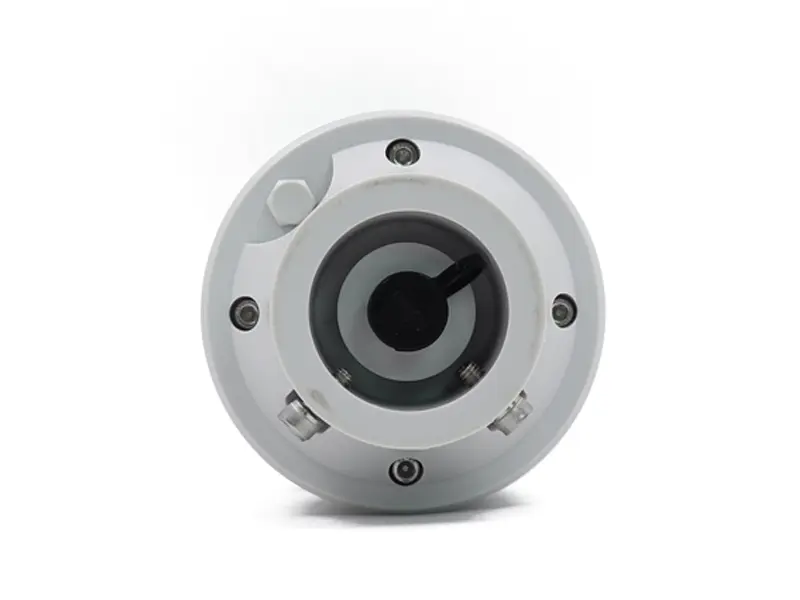
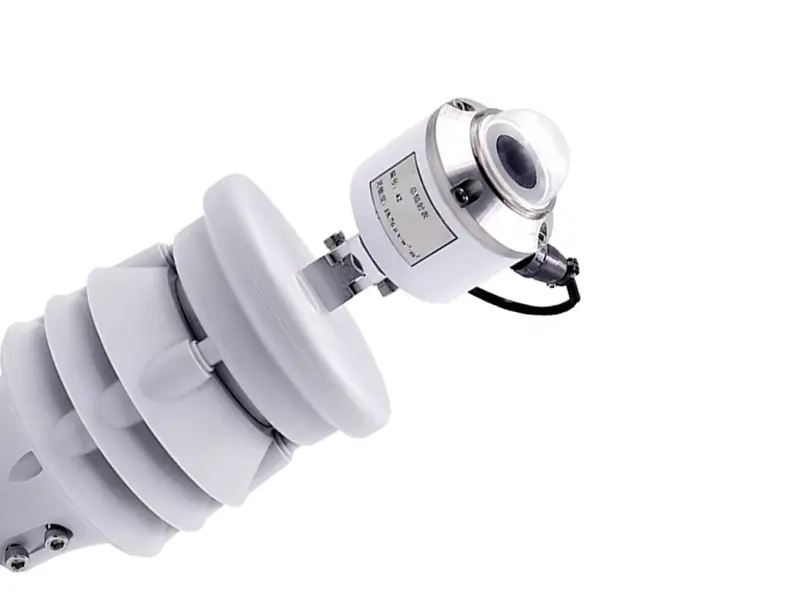
이 태양광 모니터링 기상 관측소는 센서 배치부터 하우징에 이르기까지 모든 세부 사항이 측정 정확도, 장기간의 실외 내구성, 손쉬운 시스템 통합을 위해 최적화된 콤팩트한 일체형 디자인을 특징으로 합니다. 아래 이미지는 제품의 다양한 각도에서 촬영한 모습을 보여주며, 실용적인 태양광 발전에 맞춰 설계된 구조적 디자인, 센서 배치 및 편리한 설치 기능을 강조하고 있습니다.
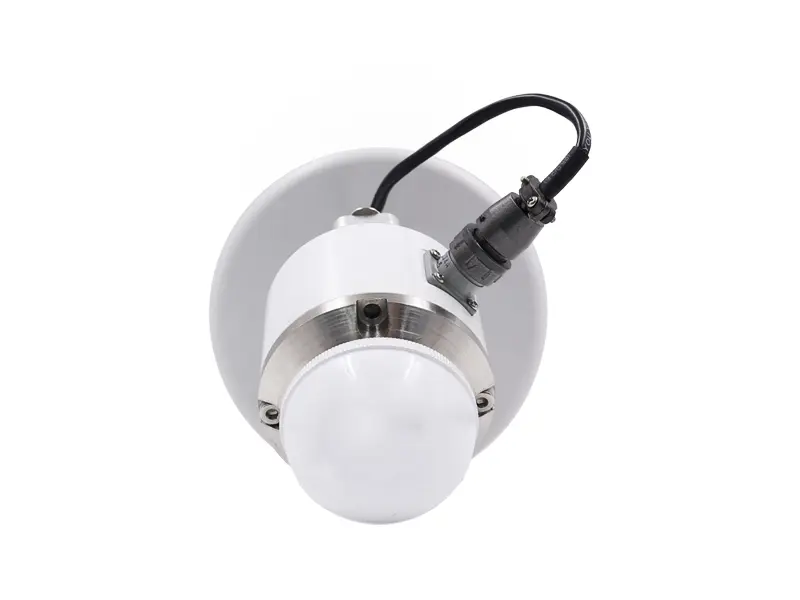
사양
태양광 모니터링 기상 관측소의 기술 사양은 태양광 발전 시스템의 정밀한 성능 분석과 안정적인 운영을 지원하도록 설계되었습니다. 핵심 사양에는 일사량 측정, 온도 모니터링, 통신 인터페이스 및 환경 적응성이 포함되어 있어 다양한 현장 조건에서 데이터를 수집할 수 있습니다. 아래의 상세 매개변수는 태양광 발전소 적용 시 시스템 통합, 프로젝트 설계 및 장비 선정에 대한 명확한 참고 자료를 제공합니다.
매개변수
| 매개변수 | 측정 범위 | 정확성 | 해상도 | 샘플링 빈도 |
| 주변 온도 | -40-85℃ | ±0.3℃@25℃ | 0.01℃ | 1HZ |
| 구성 요소 온도 | -20℃~+80℃ | ≤ ±0.2℃ | 0.1℃ | 1HZ |
| 총 태양 복사량 (POA: 배열면) | 0~2000W/m2 | ≤ ±3% | 1W/m2 | 1HZ |
| 일별 누적 방사선량 | 0에서 6,500만까지 | 1에서 3, 5까지 | 0.1 MJ | 1분에 한 번 |
| 작동 온도 | -40℃-80℃ | |||
| 출력 | RS485 인터페이스(Modbus RTU)가 탑재된 표준 제품; SDI-12 맞춤 설정 옵션(추가 비용 발생) | |||
| 최대 출력 주파수 | 패시브 모드: 1/S 액티브 모드: 1/분 | |||
| 전원 공급 장치 | DC12-24V | |||
| 태양 복사 게이지 조정 패널 | 조정 가능한 범위: 0-60°(일반 표준 선택 40°) | |||
| 보호 수준 | IP65 | |||
| 장착 방법 | 표준 제품은 슬리브 고정 방식이며, 제품 치수를 참조하십시오. (옵션: 추가 비용이 발생하며, ‘부속품 및 부품’ 항목을 참조하십시오. 플랜지 고정 또는 벤딩 플레이트 고정 방식) | |||
| 케이블 | 3미터 케이블 라인(옵션: 추가 비용으로 10미터 케이블 라인 구매 가능) | |||
| 고정 가대 | 옵션: 1.5미터 또는 1.8미터 브래킷(추가 비용 적용) | |||
| 비고 | XF100S-CWB 소형 기상 관측소는 온도계식 원리의 피라노미터 TBQ-2C-D(2차)를 기본 사양으로 장착하고 있습니다. 사용자는 피라노미터로 EKO/MS-802(A급), MS-60(B급), MS-40(C급) 중 하나를 선택할 수 있습니다. Kipp&Zonen/CMP6(B급), CMP10(A급) 피라노미터 용어 해설: A/B/C 등급: ISO 9060:2018에 따른 등급으로, 세계기상기구(WMO)의 피라노미터 분류 기준에 정의된 등급입니다. 2차: GBT 19565-2017 피라노미터 국가 표준에 따른 등급입니다. XF_PcSoftV1.0: XF 시리즈 소형 기상 관측소를 위해 Nong-IoT에서 개발한 상위 컴퓨터 판독 소프트웨어입니다. | |||
태양광 기상 관측소의 특징
컴팩트한 크기
공간이 제한된 태양광 설치를 위해 고도로 집적된 설계로 설치 면적을 최소화했습니다.
낮은 전력 소비
장기간의 무인 작동에 적합한 최적화된 저전력 설계.
움직이는 부품 없음
완전한 솔리드 스테이트 구조는 안정성을 높이고 유지보수 필요성을 줄여줍니다.
간편한 설치
간단한 장착 설계 덕분에 신속한 구축과 손쉬운 시스템 통합이 가능합니다.
확장 가능한 매개변수
필요에 따라 확장된 기상 매개변수 측정을 지원합니다.
고정밀 조도
열전쌍을 이용한 태양 복사 감지 방식은 안정적이고 정밀한 측정을 보장합니다.
태양광 기상 관측소의 활용 분야
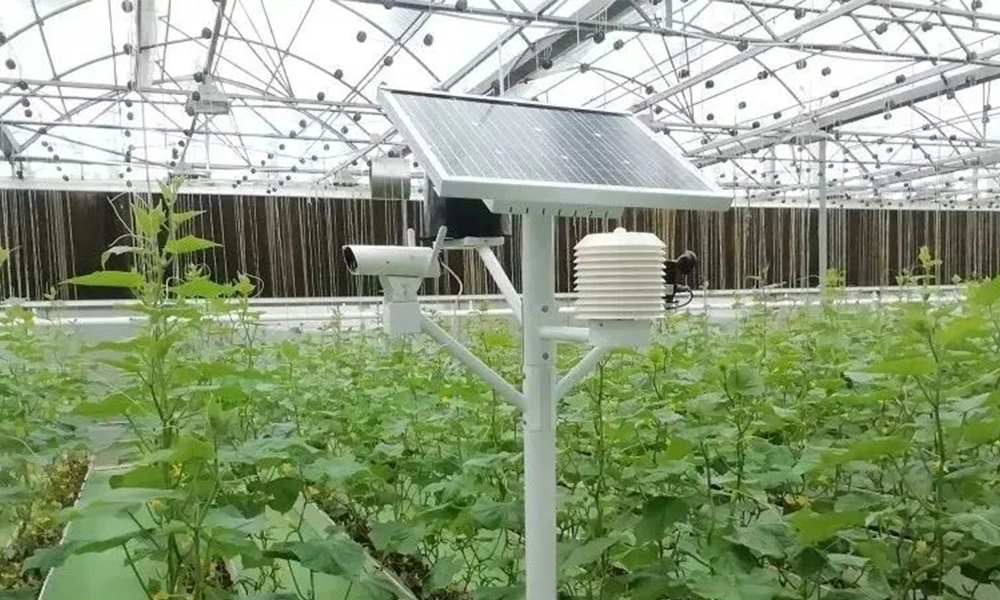
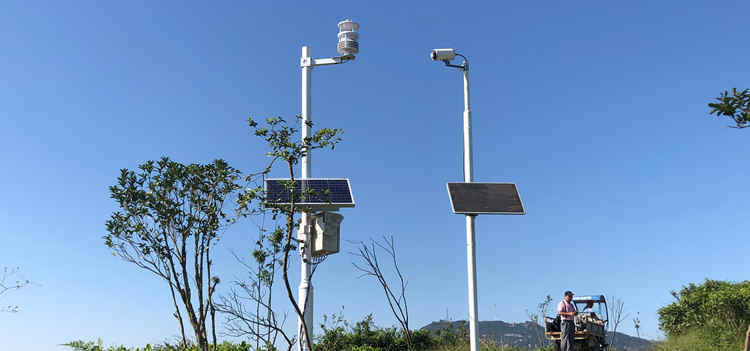
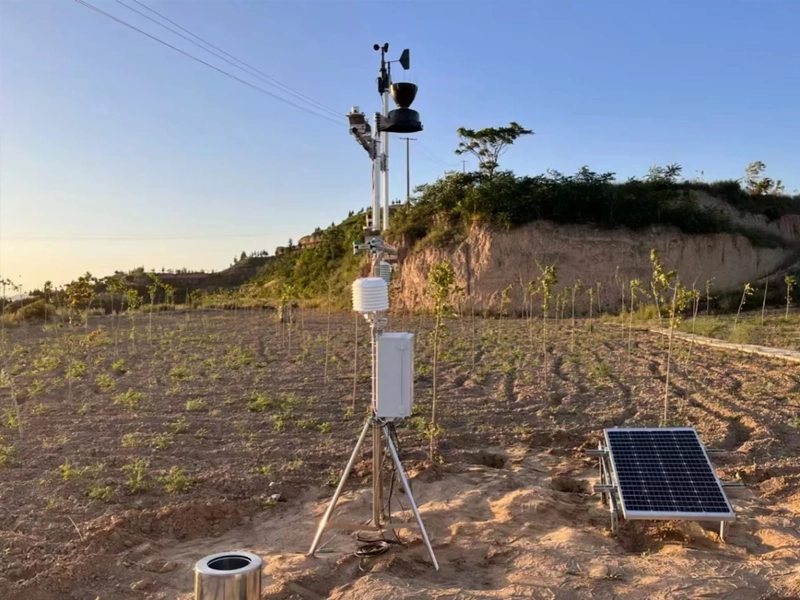
태양광 모니터링 기상 관측소는 태양광 발전, 농업 생산, 생태 모니터링 및 기상 관측 분야에서 널리 사용되고 있습니다. 컴팩트한 설계, 높은 집적도, 안정적인 데이터 성능을 특징으로 하며, 고정형 설치와 분산형 배치 모두에 적합합니다. 이 시스템은 안정적인 환경 파라미터와 태양 복사량 데이터를 제공하여, 다양한 실외 환경에서 에너지 효율 분석, 작물 생육 모니터링, 생태 평가 및 자동 기상 관측을 강력하게 지원합니다.
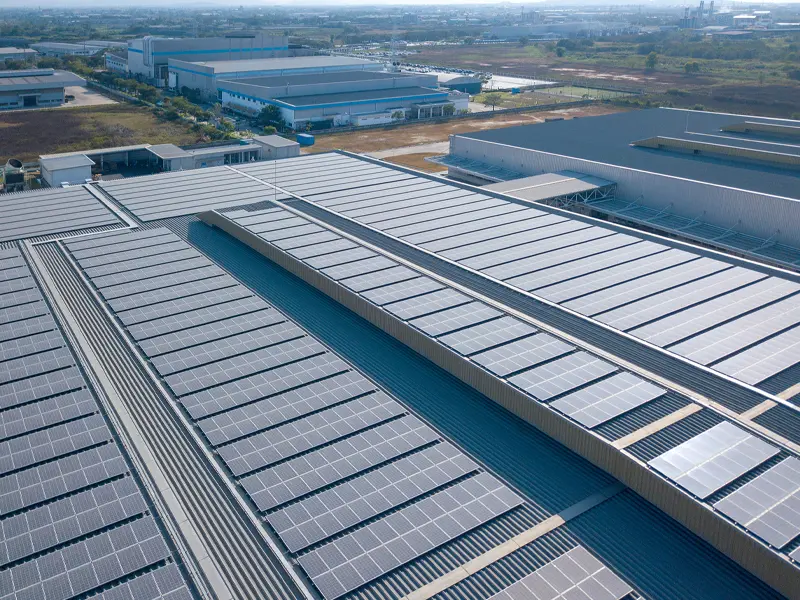
태양광 발전소
지속적인 기상 데이터 수집을 위해 자동 기상 관측소 및 지역 기후 관측 시스템에서 사용됩니다.
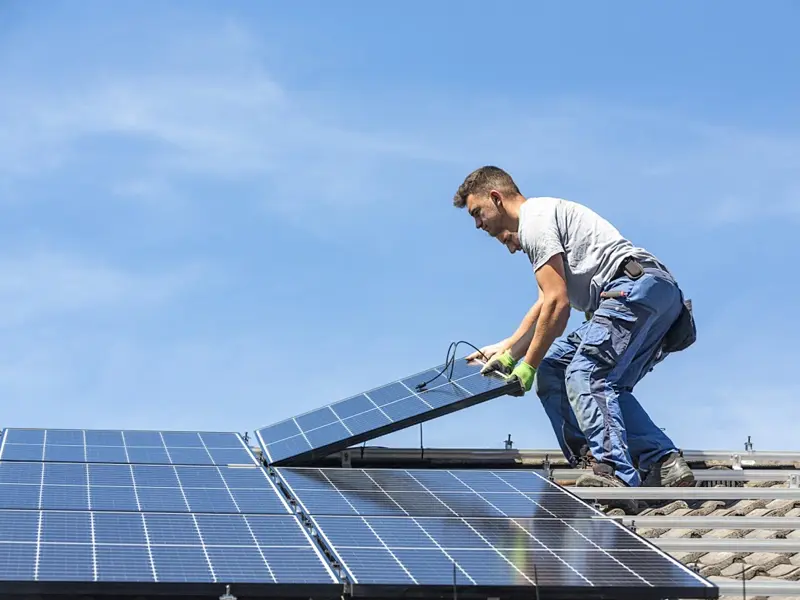
분산형 태양광 발전 시스템
컴팩트하고 통합된 모니터링이 필요한 옥상 및 소규모 태양광 발전 프로젝트에 이상적입니다.
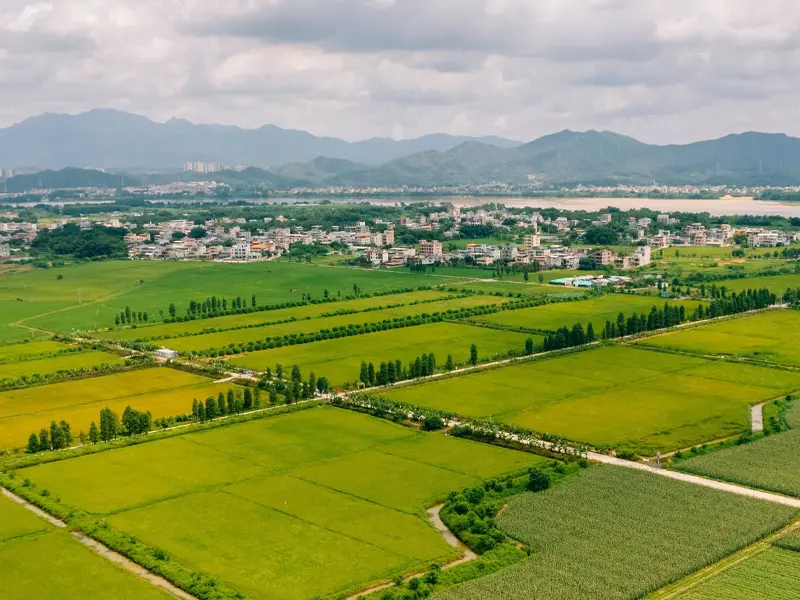
스마트 농업
작물 생육 조건을 최적화하기 위한 농업 환경 모니터링을 지원합니다.

산림 모니터링
산림 미기후 관측 및 생태 환경 평가에 활용된다.

생태관광 명소
관광 및 경관 지역의 환경 관리를 위한 실시간 기상 데이터를 제공합니다.
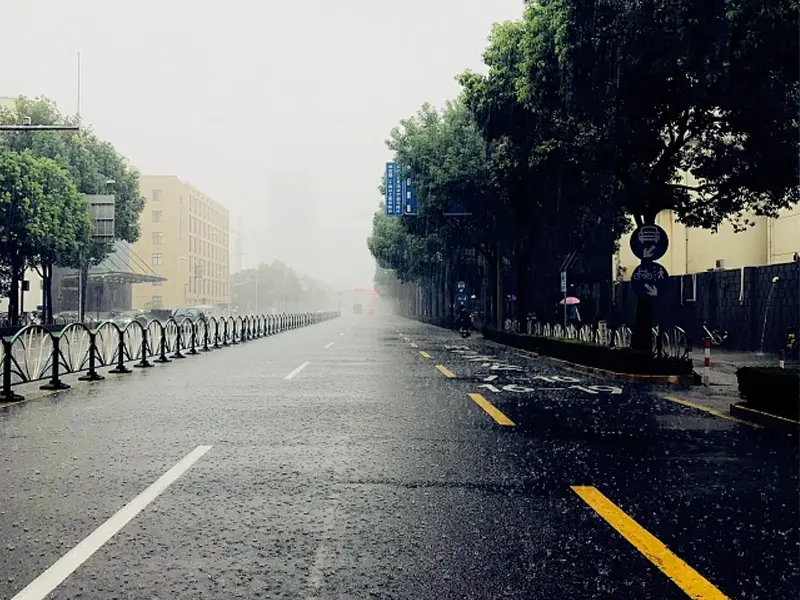
자동 기상 관측소
전문 기상 관측망 내에서 신뢰할 수 있는 감지 장치로 활용됩니다.
태양광 모니터링 기상 관측소의 사양
XF100S-CWB 소형 태양광 모니터링 기상 관측소는 다양한 프로젝트 표준 및 적용 요구 사항을 충족할 수 있도록 유연한 구성과 맞춤 설정을 지원합니다. 피라노미터 등급 선택부터 통신 인터페이스, 설치 방식, 액세서리에 이르기까지, 이 시스템은 대규모 태양광 발전소, 분산형 태양광 프로젝트 및 전문적인 기상 모니터링 응용 프로그램.
사용자 지정 옵션
- 피라노미터 선정
ISO 9060:2018 표준을 준수하는 TBQ-2C-D(표준), EKO MS-802(A급), MS-60(B급), MS-40(C급) 및 Kipp&Zonen CMP6/CMP10을 포함한 다양한 등급의 피라노미터를 지원합니다. - 통신 인터페이스
표준 RS485, 다음 기능을 갖춘 모드버스 RTU 프로토콜; 선택 사항 SDI-12 요청 시 인터페이스를 제공해 드립니다. - 태양 복사량 계측기의 보정 각도
0°에서 60°까지 장착 각도를 조절할 수 있으며, 일반적인 태양광 설비에 맞춰 40°가 표준 구성으로 설정되어 있습니다. - 장착 방법
표준 슬리브 고정 방식; 다양한 현장 조건에 따라 플랜지 고정 또는 벤딩 플레이트 고정 방식을 선택적으로 사용할 수 있습니다. - 케이블 길이
표준 3미터 케이블; 설치 거리를 늘리기 위한 10미터 케이블(선택 사항). - 마운팅 브래킷
다양한 현장 설치 요구 사항에 맞춰 높이 1.5m 또는 1.8m의 고정식 트레슬을 선택하여 사용할 수 있습니다.
태양광 모니터링 기상 관측소 제조업체 및 공급업체
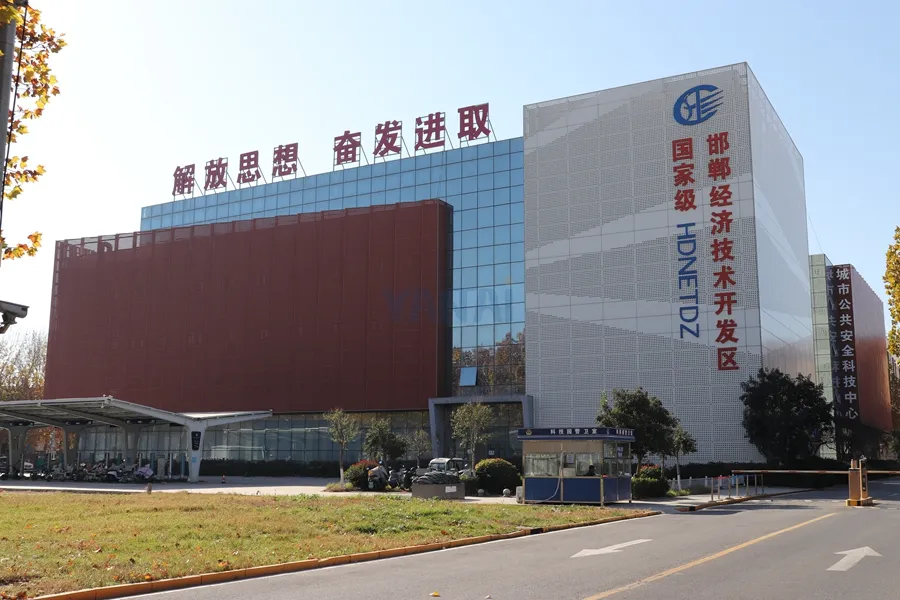
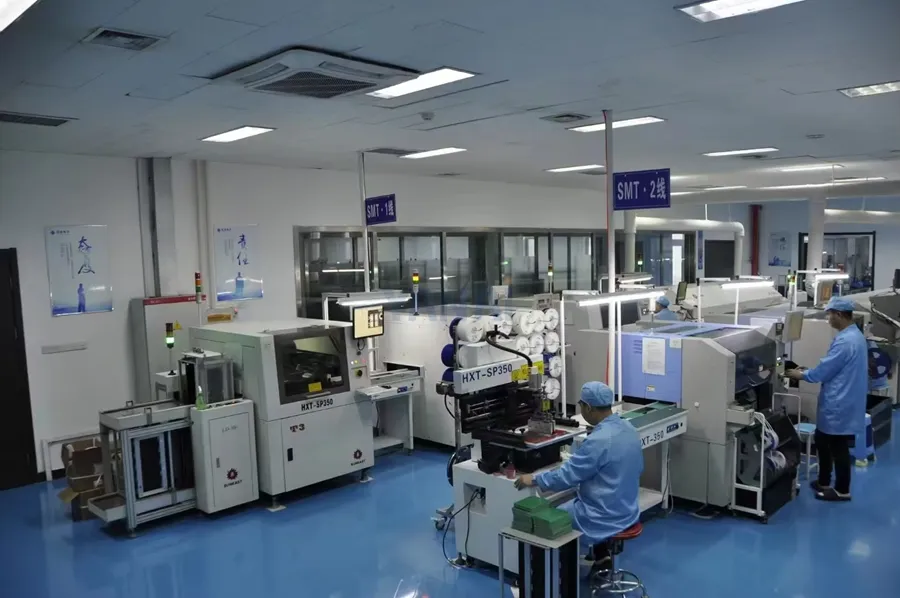
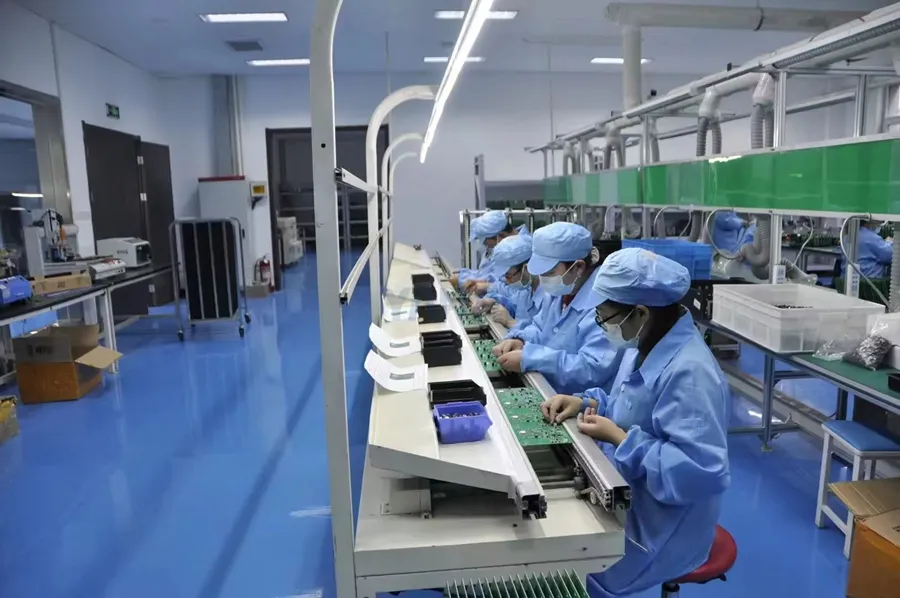
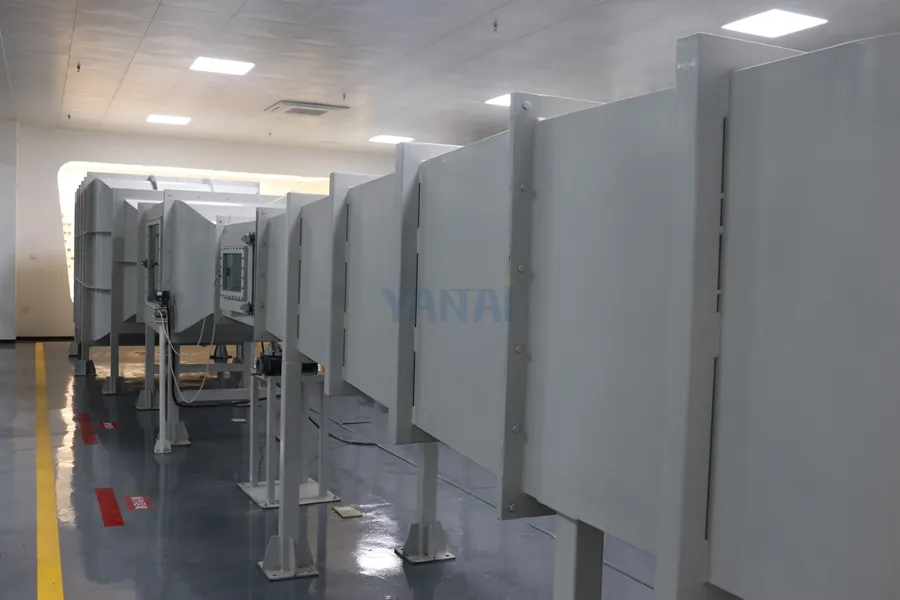
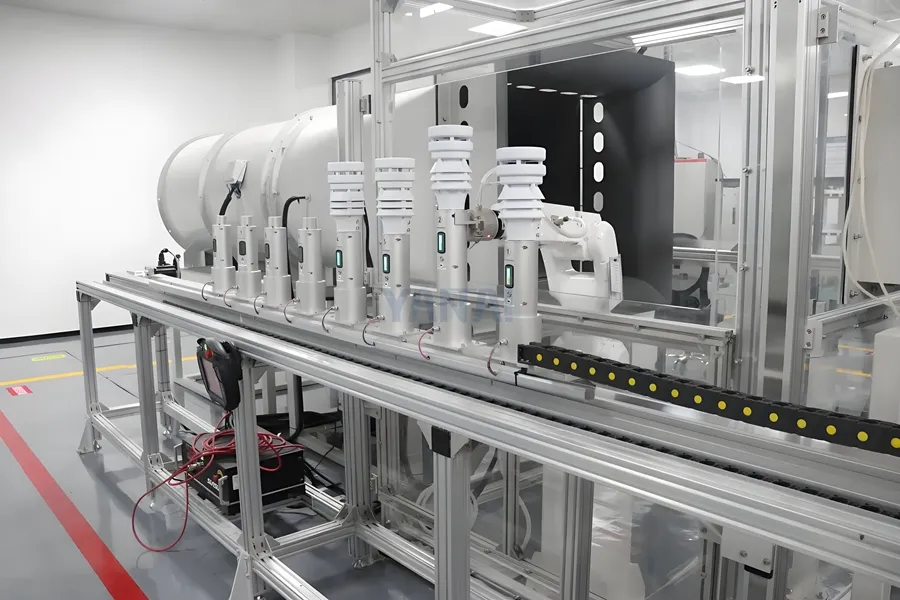
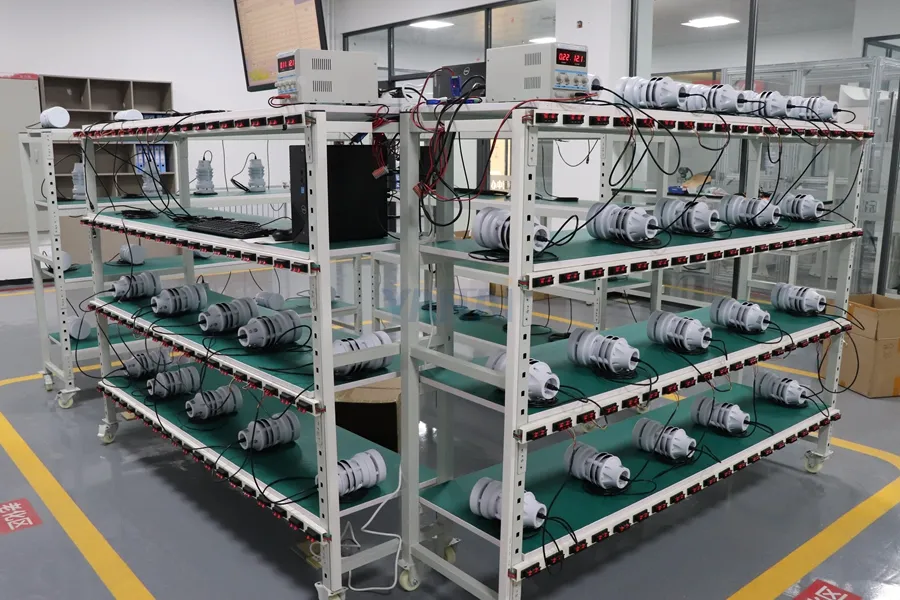
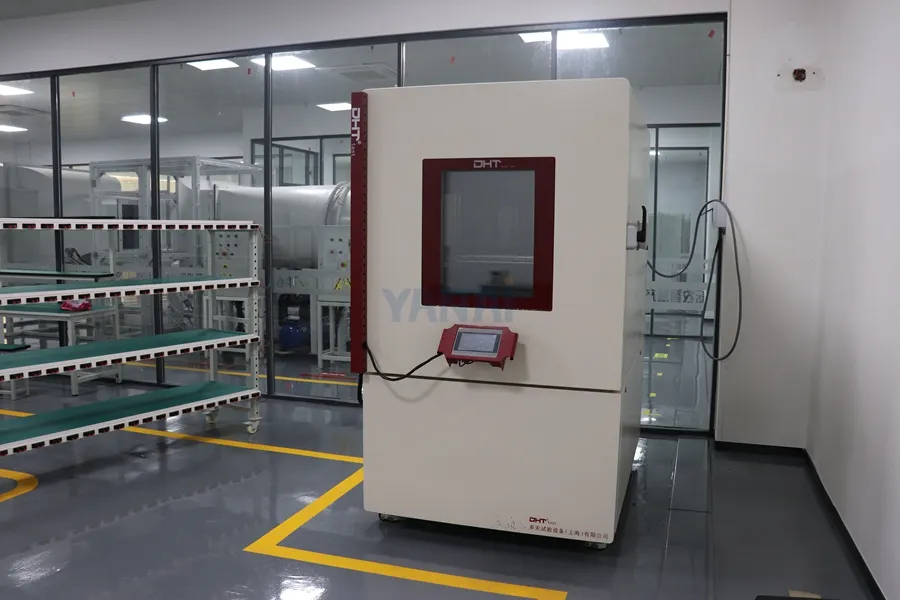
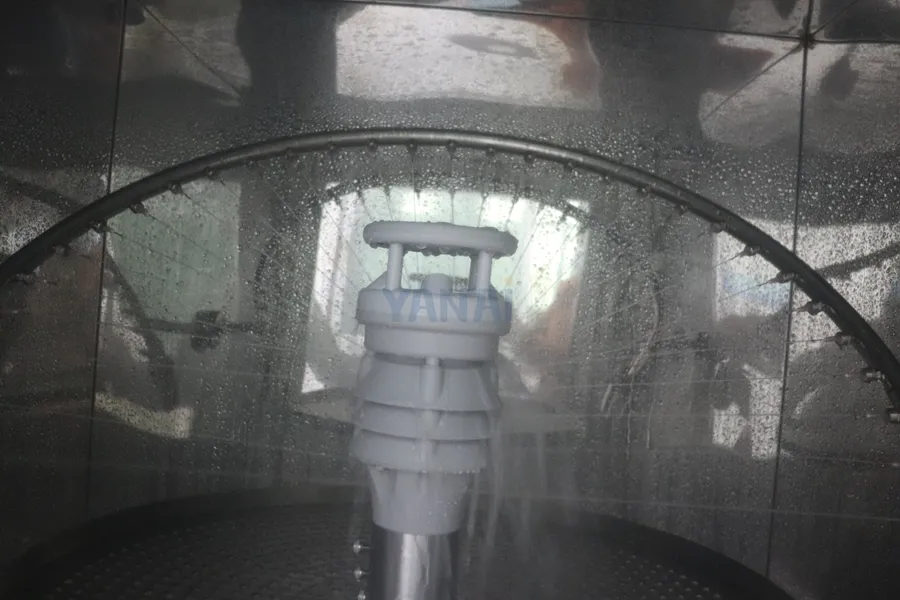
옌타이 센서(Yantai Sensor)는 태양광 모니터링 기상 관측소의 전문 제조업체이자 공급업체로, 태양광 발전소 및 장기적인 실외 재생에너지 응용 분야를 위한 고신뢰성 솔루션을 제공하는 데 전념하고 있습니다. 경험이 풍부한 사내 연구개발(R&D) 팀, CNAS 인증 실험실, 첨단 환경 및 풍동 시험 시설을 바탕으로, 당사의 제품은 극한 온도 사이클링, 내습성 시험, 태양 복사 영향 시뮬레이션, 장기 실외 노출 테스트를 통해 엄격한 검증을 거쳐, 가혹한 현장 조건에서도 안정적이고 정확한 성능을 보장합니다.
당사의 태양광 모니터링 기상 관측소는 독자적인 핵심 기술과 특허 받은 구조 설계를 통합하고 있으며, CE, ISO, RoHS 등 국제 표준을 준수합니다. 이 제품은 대규모 및 분산형 태양광 발전 시스템, 에너지 성능 모니터링, 신에너지 인프라 프로젝트 등에 널리 도입되어 있습니다. 표준 구성 외에도, 당사는 다양한 프로젝트 요구 사항을 충족하고 태양광 모니터링 시스템의 장기적이고 안정적인 운영을 보장하기 위해 센서 선정, 통신 인터페이스, 설치 솔루션 및 데이터 통합을 아우르는 유연한 맞춤형 설계 및 시스템 통합 서비스를 제공합니다. 문의하기 기술 자문 및 솔루션 제안에 관하여.