Pyranometer Installation Guide | Proper Setup for Accurate Solar Radiation Measurement

소개

A pyranometer is a precision instrument used to measure solar radiation received on a flat surface, typically expressed in watts per square meter (W/m²). It is widely applied in meteorological monitoring, photovoltaic system performance evaluation, and agricultural research to assess solar energy availability. Accurate installation is essential because even small errors in positioning, leveling, or shading can significantly affect measurement results. Improper setup may lead to distorted data, reducing the reliability of energy yield calculations and climate analysis. Proper installation ensures consistent, high-quality readings across various environmental conditions and applion.

This article will guide you through the key steps of pyranometer installation, including site selection, mounting, leveling, wiring, and best practices to ensure accurate and reliable solar radiation measurements.

Equipment and Tools Required Before Installation

To ensure accurate solar irradiance measurement, you need the right equipment, and a properly prepared sensor. With Yantai pyranometers, we complete key calibration and quality checks before delivery, so you can focus on correct installation and reliable data collection from day one. All configurations are aligned with ISO 9060 and guidance from the World Meteorological Organization.

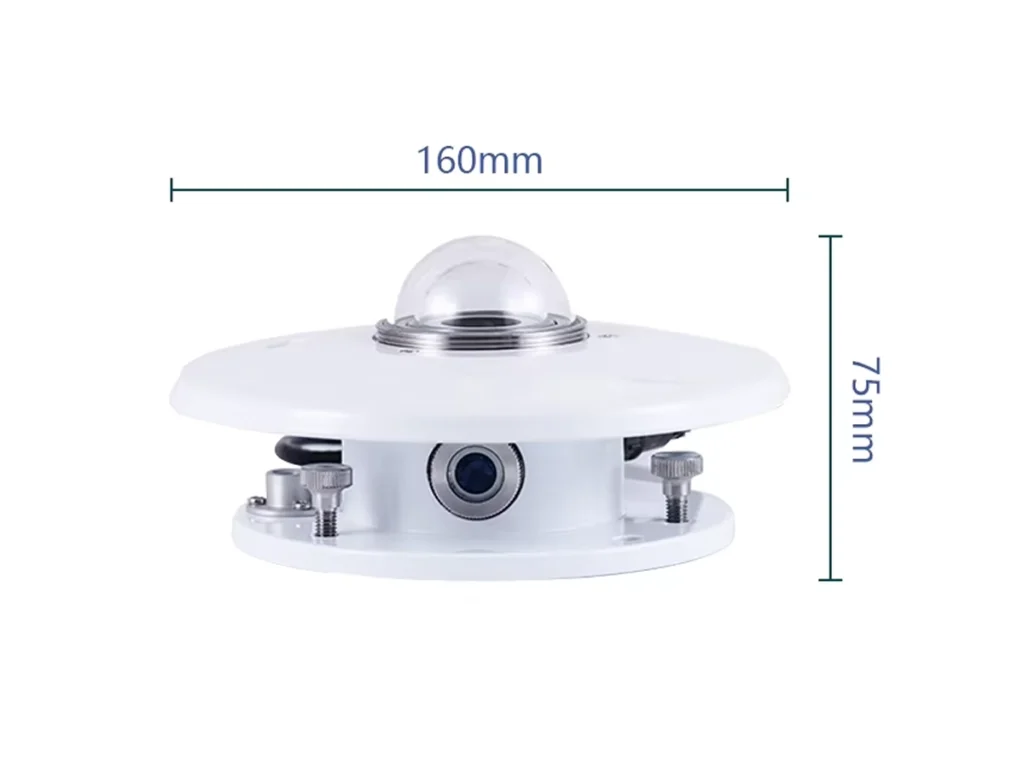
Pyranometer Sensor

When you choose a Yantai pyranometer, we provide a factory-calibrated sensor with a verified sensitivity coefficient (μV/W/m²), serial-number traceability, and classification (Class A/B/C). Before shipment, we complete calibration, signal verification, and basic environmental checks to ensure stable output performance.

Data Logger

You will need a compatible data logger to record the sensor signal. We can recommend or supply matched loggers based on your interface requirements (analog, RS485, Modbus). If needed, we also provide pre-configuration support, including wiring guidance and parameter setup.

Mounting Bracket & Leveling Base

We recommend using a robust mounting bracket with an adjustable leveling base. Yantai can supply compatible mounting accessories designed for stable outdoor installation, helping you maintain precise horizontal positioning and reduce installation errors.

Bubble Level

Each sensor is equipped with an integrated bubble level or compatible leveling tool. You can quickly verify alignment during installation to keep tilt error within ±1°, ensuring measurement accuracy.

Compass / GPS

For applications such as solar PV monitoring, you may need a compass or GPS to confirm installation position and orientation. We can provide guidance on optimal placement based on your project location and measurement goals.

Cleaning Kit

To maintain long-term accuracy, you should regularly clean the sensor dome. We recommend using a basic cleaning kit (lint-free cloth and distilled water). We also provides maintenance guidelines to help you minimize contamination-related errors and extend sensor lifespan.

How to Install Pyranometer Properly?

Proper pyranometer installation is essential to achieve accurate and repeatable solar irradiance data. When you install a pyranometer, even small deviations in location, leveling, or wiring can lead to measurable errors over time. With Yantai support, we help you standardize the entire setup process, from site evaluation and mounting to signal integration, so you can minimize uncertainty and ensure long-term measurement stability. Before installation, we recommend confirming the installation environment, verifying mounting conditions, and preparing compatible data acquisition systems. Our team can also provide remote guidance, installation manuals, and pre-configured solutions to help you complete deployment efficiently and correctly.

Step 1 – Select the Installation Location

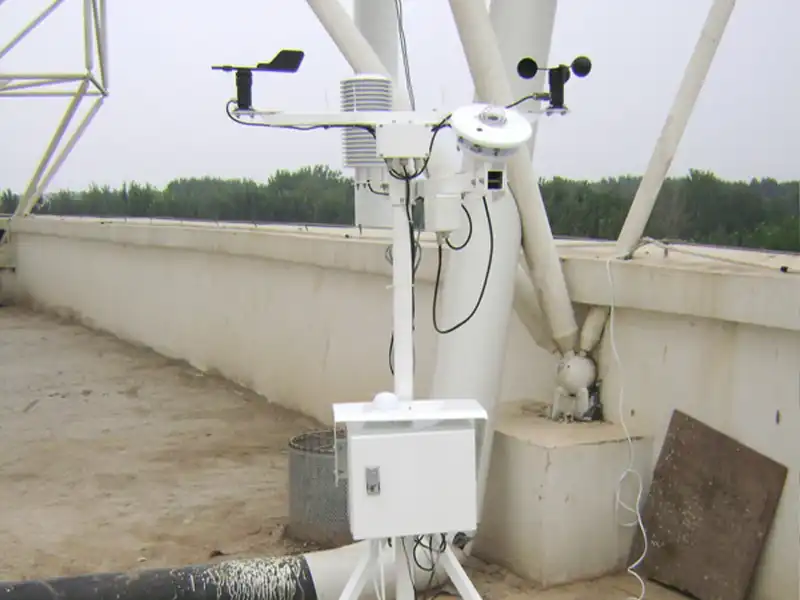
You should install the pyranometer in an open, unobstructed area with no shading throughout the year. Avoid nearby objects such as buildings, trees, or poles that may cast shadows.
We also recommend keeping the sensor away from reflective surfaces like glass or metal, which can cause measurement bias. Yantai can provide site selection guidance based on your project conditions.

Step 2 – Mount the Sensor Horizontally

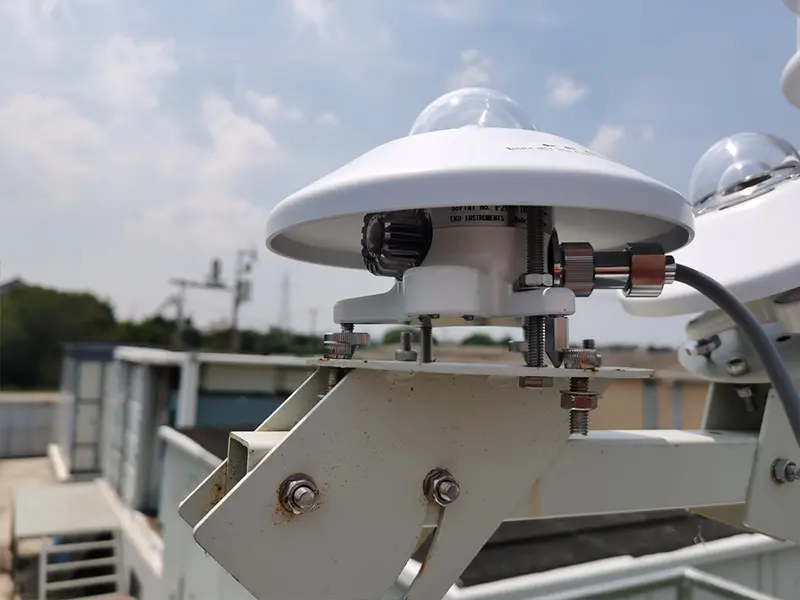
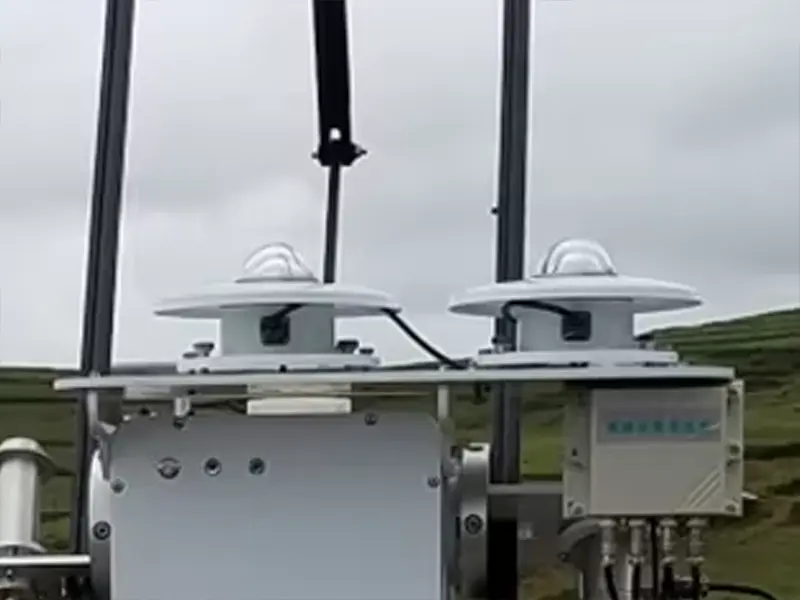
You need to mount the sensor on a stable base and ensure it is perfectly level. Use the built-in or external bubble level to adjust alignment.
The tilt error should be controlled within ±1° to avoid significant irradiance deviation. We provide mounting accessories and installation instructions to help you achieve precise leveling.

Step 3 – Align Orientation (if required)

For standard global horizontal irradiance (GHI), no directional alignment is needed.
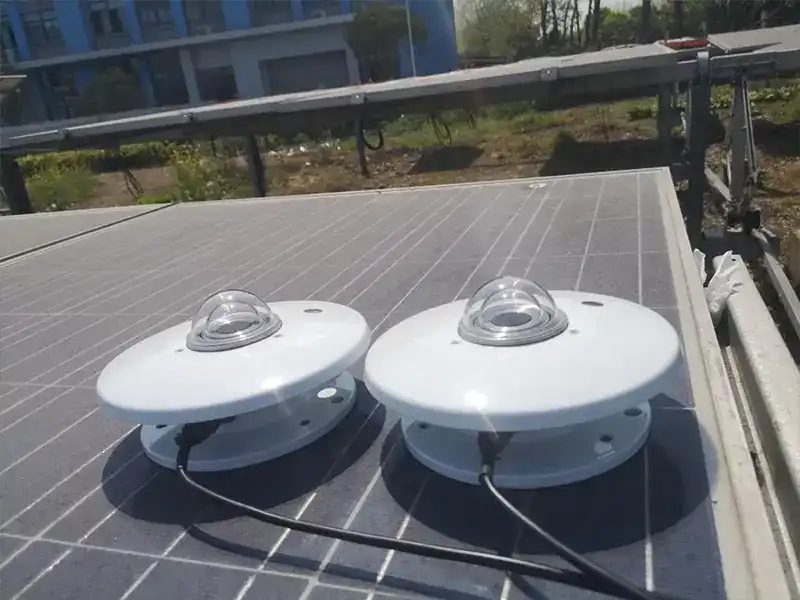
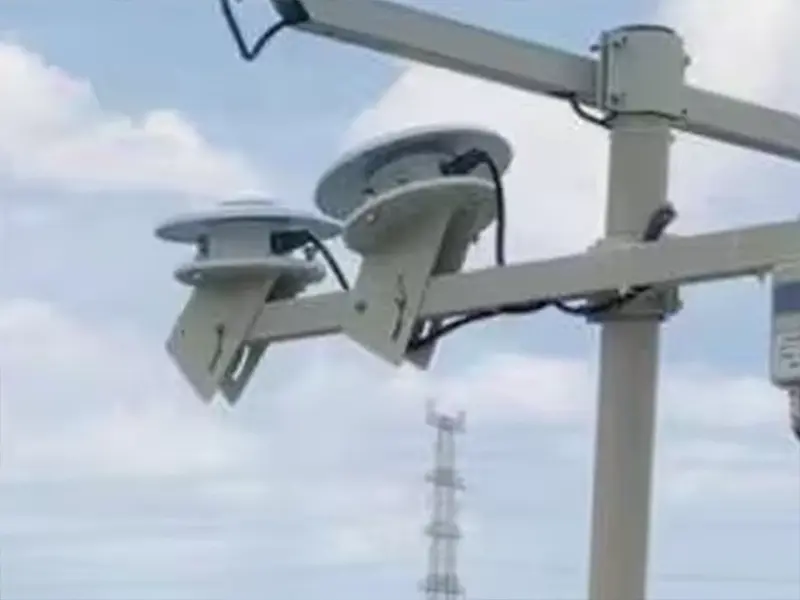
However, if you are measuring tilted or plane-of-array irradiance (e.g., for solar PV systems), you should align the sensor according to panel orientation. Yantai can assist with orientation recommendations and setup guidance.

Step 4 – Connect to Data Logger

You then connect the pyranometer to a data logger or monitoring system.

  • Standard models output analog signals (μV/mV)
  • Smart models support RS485 / Modbus communication

We provide wiring diagrams, parameter setup support, and optional pre-configured systems, so you can quickly complete integration and start data acquisition.

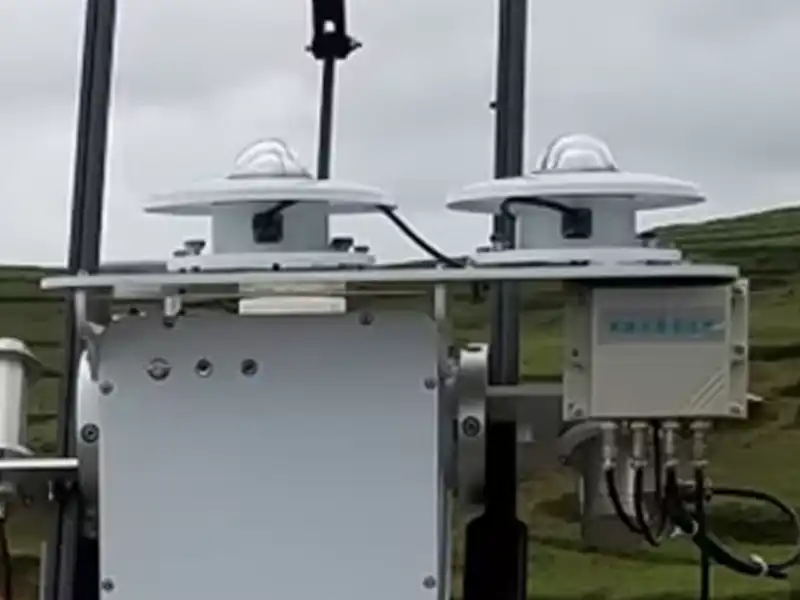
Our Cases Show

Installation Height and Positioning Guidelines

Proper pyranometer installation height and positioning are essential to ensure reliable and accurate pyranometer measurements. Even small deviations in height, angle, or surrounding environment can introduce significant measurement errors, so we recommend following standard installation practices carefully.

Standard Installation Height Recommendations

In most meteorological applications, we suggest installing the pyranometer at a height of around 1.5 to 2 meters above ground level. This range helps reduce the influence of ground heat reflection while maintaining ease of maintenance and calibration. For rooftop or photovoltaic systems, the installation height may vary depending on the system structure, but the sensor should always remain fully exposed to the sky.

Distance from Surrounding Obstructions

To avoid shading and reflection interference, you should ensure a clear installation area. A common rule is to keep the sensor at least 10 times the height of any nearby obstacle away from objects such as buildings, trees, or towers. This helps maintain an unobstructed view of the sky and improves data accuracy throughout the day.

Differences Between PV Systems and Meteorological Stations

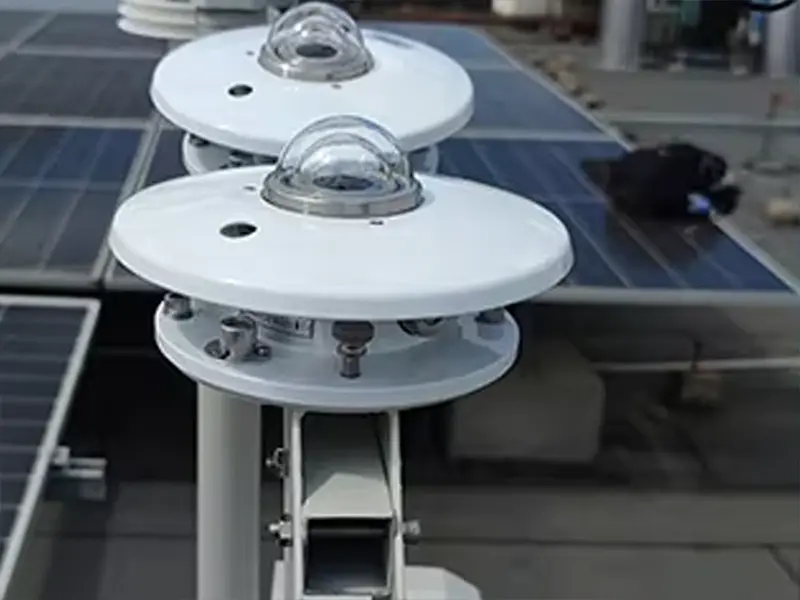
In meteorological stations, pyranometers are typically installed in open environments with strict requirements for unobstructed sky exposure and standardized height. In photovoltaic applications, however, the sensor is often mounted in the same plane as the solar panels (plane-of-array) to directly measure system performance. While both setups aim for accuracy, their positioning strategies differ based on measurement goals.

Common Installation Mistakes to Avoid

In practice, many pyranometer measurement errors come from small installation oversights that we can easily avoid. If you want stable and accurate solar radiation data, you should pay attention to the following points during setup.

  • Incorrect leveling (±1–2° error matters): Even a slight tilt can cause noticeable deviation in daily irradiance readings, especially in long-term monitoring.
  • Shading issues: If you place the sensor near objects such as poles, buildings, or cables, even partial shading for 10–15 minutes per day can distort total energy values.
  • Poor cable protection: Without proper waterproof sealing, moisture can enter the cable or connector, leading to signal instability or data spikes.
  • Wrong orientation: If you install the sensor without correct directional alignment, you may reduce measurement consistency by 3–5% in some field conditions.

Calibration and Post-Installation Checks

After installation, you should not assume everything is correct—verification is essential to ensure data reliability from day one.

  • Initial data check (first 24–48 hours): We recommend observing the output under stable sunny conditions to confirm smooth and realistic irradiance curves.
  • Reference comparison (±2–5% tolerance): If possible, compare your readings with a calibrated reference pyranometer to detect systematic deviation.
  • Signal stability review: You should check whether the output remains stable without sudden drops or noise caused by wiring or grounding issues.
  • Routine recalibration (every 12 months recommended): Regular calibration helps maintain long-term accuracy, especially in harsh outdoor environments.

Best Practices for Long-Term Stability

To ensure your pyranometer continues delivering reliable data over years of operation, consistent maintenance is necessary.

  • Regular cleaning (every 2–4 weeks in dusty areas): We recommend cleaning the dome gently to avoid dust or water film affecting light transmission.
  • Weather protection: You should take care to prevent snow, frost, or dew accumulation, which can reduce measurement accuracy by 5–10% temporarily.
  • Mechanical inspection: Check mounting structures every 3–6 months to ensure the sensor remains stable under wind load or vibration.
  • Seasonal adjustment: If you operate in regions with strong seasonal changes, re-check leveling and positioning at least twice a year.

Applications After Proper Installation

Once you install the pyranometer correctly, you can rely on it for consistent solar radiation data across multiple industries and scenarios.

  • Solar PV monitoring systems: You can evaluate panel efficiency and detect performance losses of around 2–8% caused by environmental factors.
  • Meteorological stations: It provides continuous irradiance data that supports weather modeling and climate trend analysis.
  • Agricultural radiation analysis: You can better understand sunlight distribution, helping improve crop planning and yield prediction.
  • Climate research projects: Long-term datasets (often 5–10 years) are used to study solar energy patterns and environmental change trends.

Conclusion

Proper pyranometer installation is essential for ensuring accurate and reliable solar radiation measurements across meteorological, photovoltaic, and agricultural applications. From correct site selection and mounting height to precise leveling, wiring protection, and long-term maintenance, every step directly impacts data quality and system performance. By following the installation guidelines and best practices outlined in this article, you can significantly reduce measurement errors and improve long-term stability.

If you have any technical questions about pyranometer installation, calibration, or system integration, or if you need professional guidance for your specific application, please feel free to contact us. Our technical team is ready to support you with practical solutions and reliable expertise.

자주 묻는 질문

1. What is the correct installation height for a pyranometer?

For most meteorological applications, we recommend installing a pyranometer at 1.5–2 meters above ground level. In photovoltaic systems, the height depends on the mounting structure, but the sensor must always have a fully unobstructed view of the sky.

2. How important is leveling during pyranometer installation?

Leveling is critical. Even a tilt of 1–2° can cause measurable errors in solar radiation data. We recommend using the built-in spirit level and checking alignment carefully during installation.

3. Can shading affect pyranometer readings?

Yes. Even partial shading from nearby objects such as poles, buildings, or cables can significantly reduce accuracy. Ideally, the sensor should be placed where no obstruction blocks sunlight throughout the day.

4. How often should a pyranometer be cleaned and maintained?

In typical outdoor environments, we suggest cleaning the sensor dome every 2–4 weeks. In dusty or harsh conditions, more frequent cleaning and seasonal inspections are recommended to maintain data quality.

5. What is the difference between installing a pyranometer in PV systems and weather stations?

Meteorological stations require open-sky, horizontal installation for global radiation measurement. In PV systems, the pyranometer is often installed in the same tilt angle as the solar panels (plane-of-array) to evaluate system performance.

6. Do I need to recalibrate a pyranometer after installation?

Yes. Initial validation is recommended after installation, and full recalibration should typically be performed every 12 months to ensure long-term measurement accuracy and reduce data drift.

관련 기사