자동 태양 추적 측정 시스템이란 무엇인가?

소개

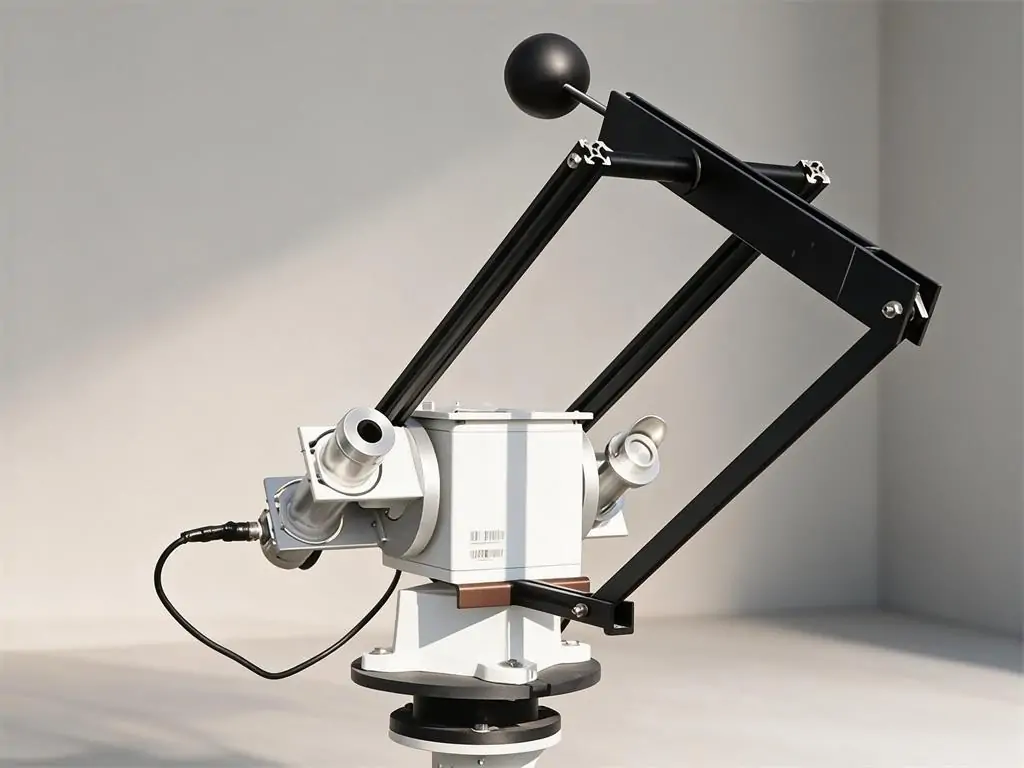
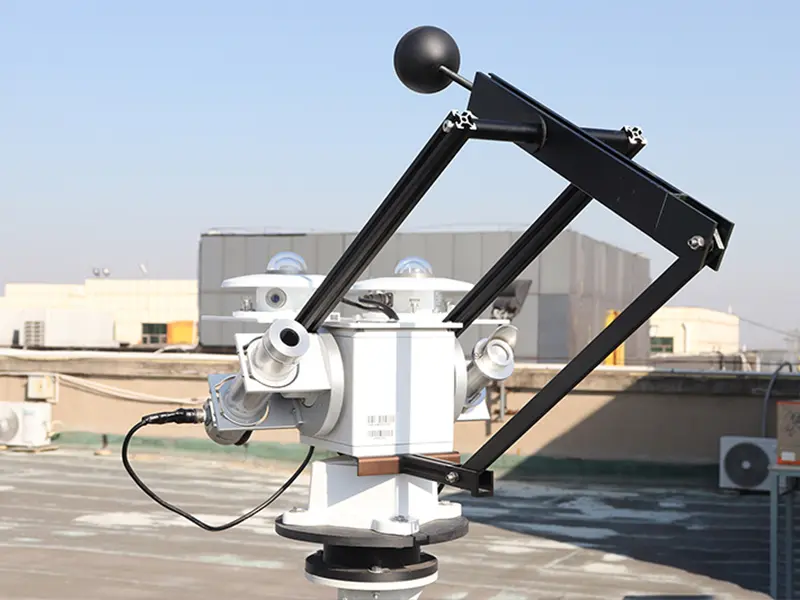
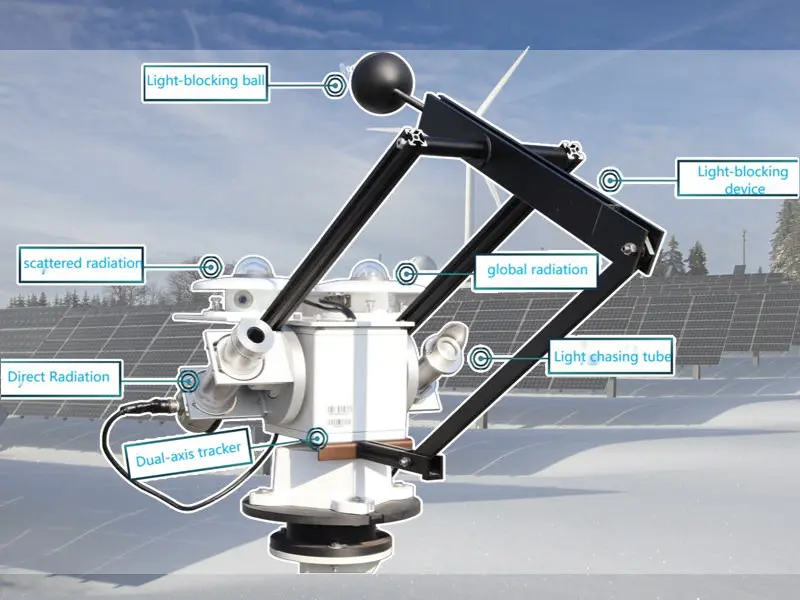
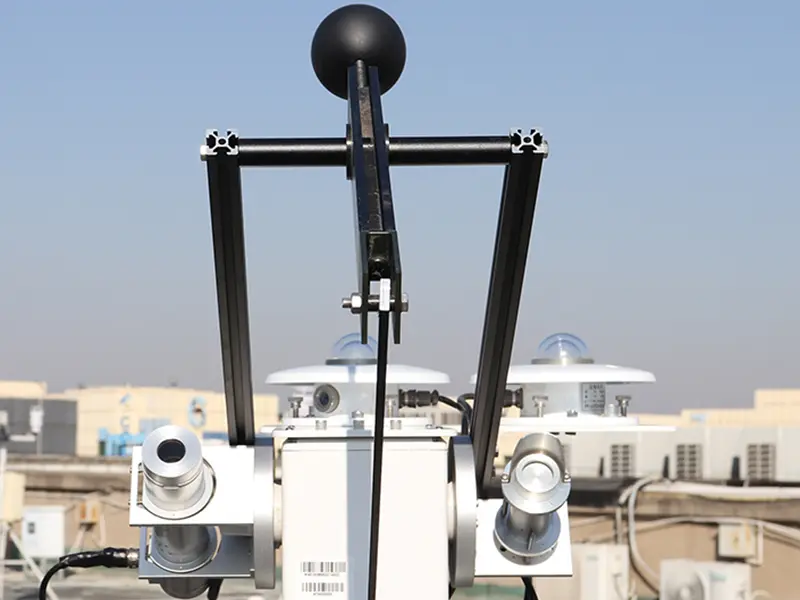
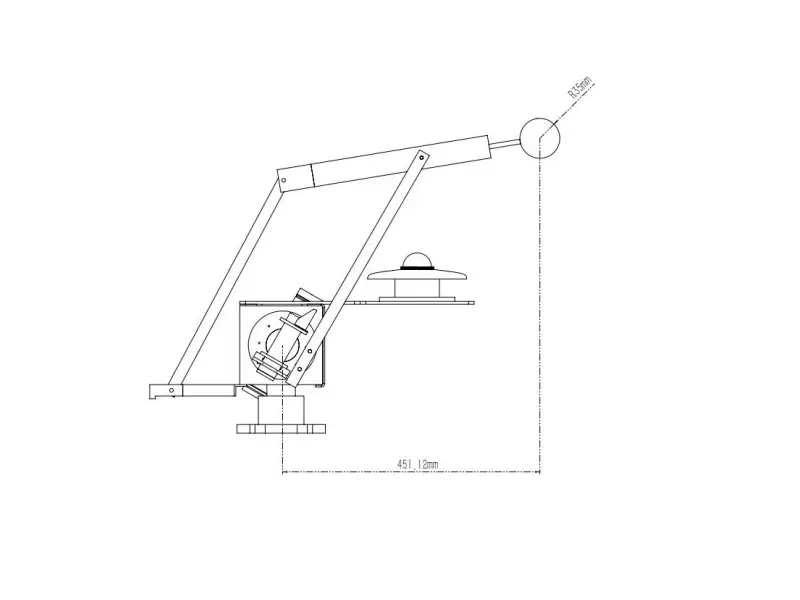
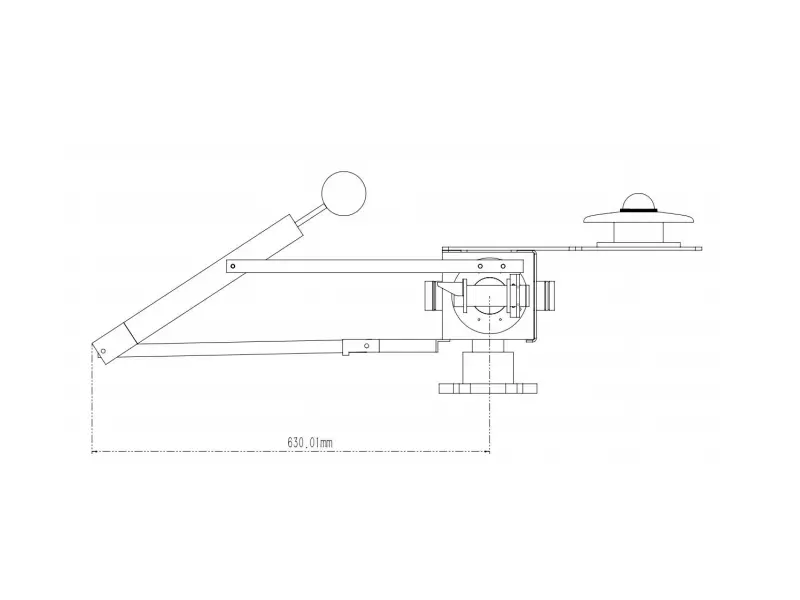
An Automatic Solar Tracking Measurement System is a high-precision solution designed to improve the accuracy and reliability of solar radiation monitoring by continuously maintaining the correct alignment between measurement instruments and the sun. Combining automatic positioning technology, dual-axis tracking, and compatible solar sensors, these systems are widely used for applications such as DNI measurement, solar resource assessment, photovoltaic evaluation, and meteorological observation.

This guide explains the key aspects of a Solar Tracking System, including its working principles, main components, tracking technologies, measurement applications, and factors to consider when selecting a suitable solution. It also introduces how advanced systems such as the SAUT Fully Automatic Tracking System support accurate solar radiation measurement under different environmental conditions.If you would like to learn more, click on “복사 측정에서 태양 추적의 이점.

What Is a Solar Tracking System?

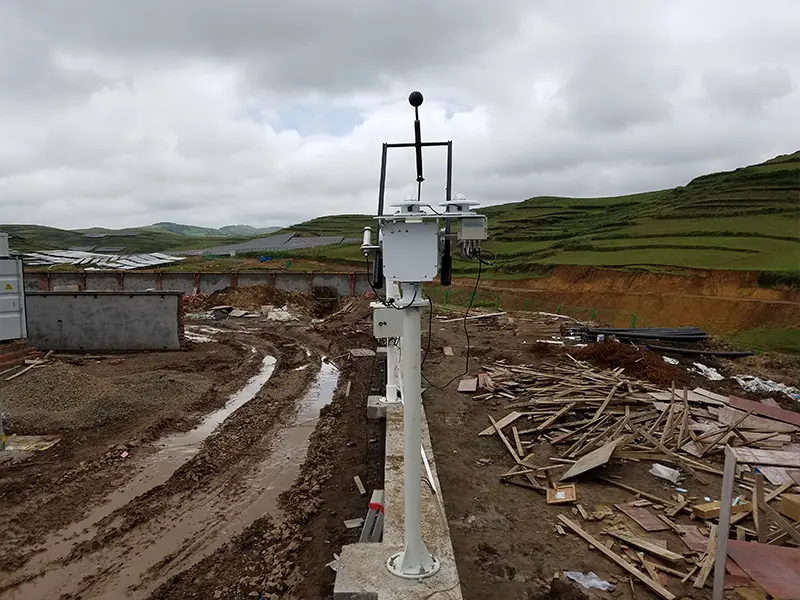
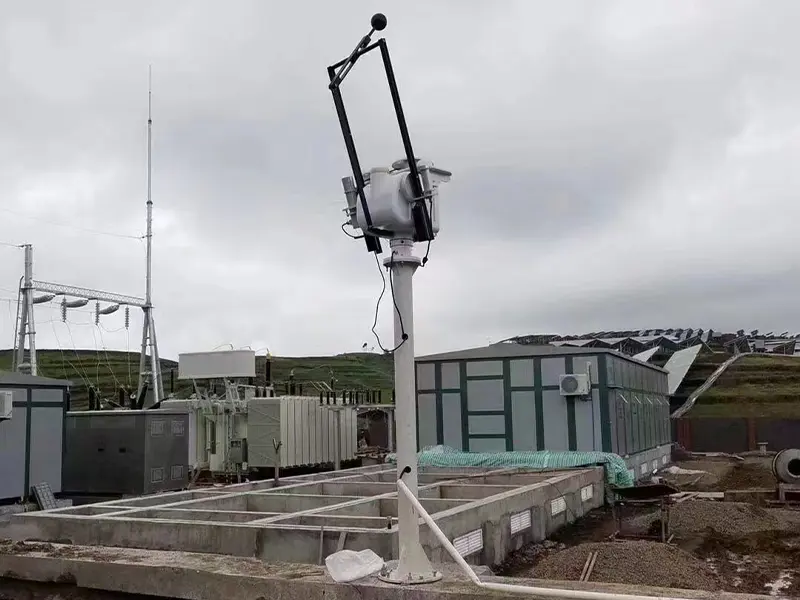
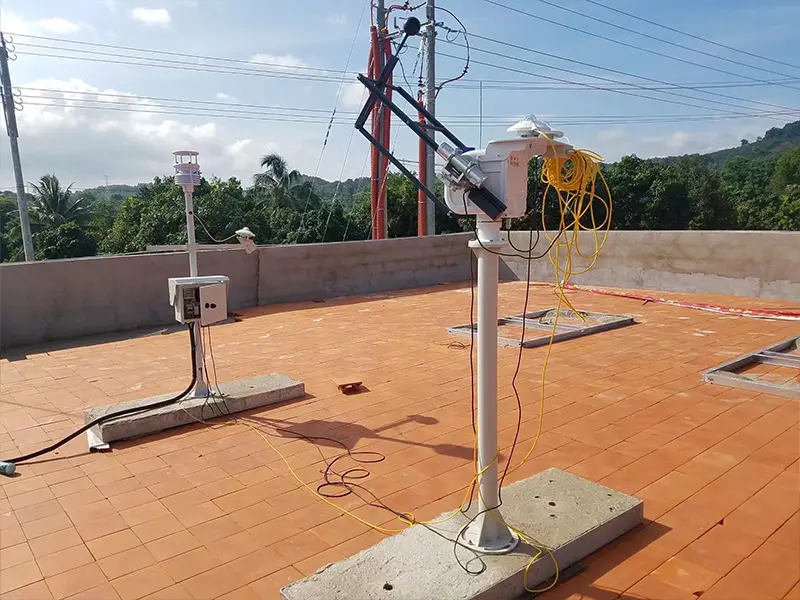
A Solar Tracking System is an automatic positioning device that continuously adjusts the orientation of solar sensors toward the sun to maintain accurate solar radiation measurements. By following the sun’s movement throughout the day, the system keeps measurement instruments properly aligned with incoming solar radiation, helping reduce positioning errors and improve the reliability of collected solar data. Unlike fixed solar installations, an automatic tracking system can adjust both azimuth and elevation angles, making it especially suitable for applications that require precise solar radiation monitoring, such as DNI measurement.

Solar Tracking Systems are widely used in solar resource assessment, PV site evaluation, meteorological monitoring, and research stations. They provide accurate solar position control for evaluating solar energy potential, analyzing photovoltaic project conditions, monitoring long-term solar radiation changes, and supporting renewable energy research. By integrating automatic positioning technology with solar radiation sensors, a Solar Tracking System provides a reliable solution for professional solar measurement applications where data accuracy and consistency are essential.If you’d like to learn more, click on “일사계(Pyranometer)란 무엇이며 어떻게 작동하나요?

Why Is Solar Tracking Important for Solar Radiation Measurement?

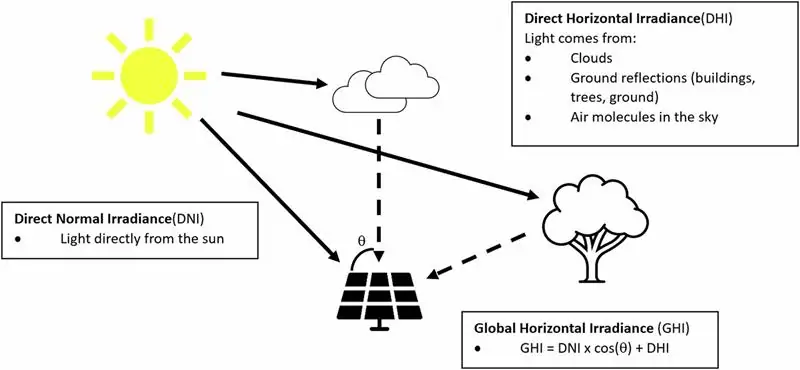
Accurate solar radiation measurement depends on both sensor performance and precise alignment with the sun. Among GHI, DNI, and DHI measurements, DNI measurement has the strictest requirements because the instrument must directly receive parallel solar radiation from the solar disk. Any deviation between the sensor and the sun’s position can affect the amount of radiation received and reduce measurement accuracy.

A Solar Tracking System provides continuous solar positioning control to keep measurement instruments aligned with the sun throughout the day. By reducing tracking-related errors, it improves the reliability of solar radiation data used for solar resource assessment, photovoltaic evaluation, meteorological monitoring, and scientific research.

Reducing Cosine Error and Improving DNI Measurement Accuracy

One of the main challenges in solar radiation measurement is cosine error, which occurs when the sensor surface is not perpendicular to incoming sunlight. As the incident angle increases, the effective radiation received by the sensor decreases, causing measured values to deviate from the actual solar irradiance. This issue is especially important for DNI measurement because direct radiation requires precise optical alignment.

Fixed-position measurement systems cannot compensate for the sun’s continuous movement across the sky. An automatic solar tracking system continuously adjusts the instrument direction to reduce angular deviation, minimize cosine error, and maintain more accurate solar radiation measurements over long monitoring periods.

Maintaining Accurate Solar Alignment for Reliable Solar Data

The sun’s position changes continuously throughout the day due to variations in solar altitude and azimuth angles. A high-precision Solar Tracking System uses astronomical algorithms, GPS positioning, and sun sensor feedback to calculate and correct the solar position, controlling both azimuth and elevation movements to maintain accurate alignment.

Reliable solar tracking ensures that instruments such as pyrheliometers remain pointed directly toward the sun under changing environmental conditions. This stable positioning improves the quality of radiation data, supporting applications including solar resource evaluation, PV project analysis, meteorological observation, and renewable energy research.

How Does an Automatic Solar Tracking Measurement System Work?

An Automatic Solar Tracking Measurement System works by calculating the sun’s position and automatically adjusting the direction of measurement instruments to maintain accurate solar alignment. The system combines solar position algorithms, control technology, and mechanical movement to ensure that sensors such as pyrheliometers and pyranometers remain correctly oriented toward the sun, enabling continuous and reliable solar radiation measurement throughout the day.

Solar Position Calculation

The system first determines the sun’s position based on key parameters including latitude, longitude, date, and time. Using astronomical algorithms, it calculates the solar azimuth and elevation angles, allowing the tracking system to predict the sun’s movement and provide accurate positioning information for continuous solar tracking.

Tracking Drive and Control System

After obtaining the solar position data, the controller sends commands to the drive system, which includes components such as the motor drive, gear mechanism, and position feedback sensors. These components work together to adjust the azimuth and elevation angles, ensuring that the tracking platform follows the sun’s movement with stable and precise control.

Sensor Platform Alignment

The tracking platform supports the installation of pyrheliometers, pyranometers, and other solar radiation sensors. By continuously adjusting the sensor orientation to match the sun’s position, the system ensures that measurement instruments maintain the correct direction, which is especially important for accurate DNI measurement and long-term solar radiation monitoring.

Main Components of a Solar Tracking System

An Automatic Solar Tracking Measurement System consists of several key components that work together to calculate the sun’s position, control movement, and maintain accurate alignment of radiation instruments. Although system designs may vary depending on application requirements, professional solar measurement systems typically include tracking controllers, dual-axis drives, positioning sensors, mounting platforms, and communication modules.

구성 요소기능
Tracking ControllerCalculates sun position and controls tracking movement based on time, location, and sensor feedback
Dual-axis DriveAdjusts azimuth and elevation angles to follow the sun’s movement accurately
GPS ModuleProvides geographic positioning data for accurate solar position calculation
Sun SensorDetects sunlight direction and improves real-time tracking accuracy
Mounting PlatformSupports pyrheliometers, pyranometers, and other solar radiation instruments
통신 인터페이스Transfers measurement data and system status information for monitoring

In solar radiation measurement applications, each component plays an important role in maintaining measurement accuracy. The controller determines the required tracking position, the drive mechanism performs precise movement adjustments, and the mounting platform ensures that sensors remain correctly oriented toward the sun. Together, these components allow the system to provide stable and reliable solar radiation data for long-term monitoring.

Dual Axis vs Single Axis Solar Tracking System

Solar tracking systems are mainly classified into single-axis and dual-axis designs based on the number of movement directions. The main difference is that single-axis systems follow the sun along one rotational direction, while dual-axis systems adjust both azimuth and elevation angles to maintain alignment with the sun’s complete movement path.

For photovoltaic power generation, single-axis trackers are widely adopted because they provide a practical balance between energy gain, system complexity, and investment cost. However, for professional solar radiation measurement, tracking accuracy is the priority. Dual-axis tracking systems are generally preferred because they can maintain more precise solar alignment and provide more reliable radiation measurement data.

기능Single Axis Solar Tracking SystemDual Axis Solar Tracking System
MovementTracks one solar movement direction, usually east-westTracks both azimuth and elevation angles
추적 정확도Moderate accuracyHigher positioning accuracy
구조Simpler design with fewer moving partsMore complex mechanical and control structure
주요 적용 분야Large-scale photovoltaic power plantsSolar radiation measurement, research, and high-precision applications
DNI MeasurementLimited suitability due to incomplete solar alignmentRecommended for maintaining direct solar alignment

Why Dual Axis Tracking Is Preferred for Solar Measurement?

The main difference between single-axis and dual-axis tracking is not only the number of movement axes but also the ability to maintain accurate solar positioning. During the day, the sun continuously changes both its azimuth and elevation angles. A single-axis system cannot fully compensate for these changes, which may introduce alignment errors in high-precision measurement applications.

For Direct Normal Irradiance (DNI) measurement, instruments such as pyrheliometers must remain accurately pointed toward the sun’s direct beam. Therefore, professional automatic solar tracking measurement systems usually adopt dual-axis designs to reduce angular deviation, maintain sensor alignment, and ensure reliable solar radiation data under changing solar conditions.

Solar Tracking System for DNI, GHI and DHI Measurement

A Solar Tracking System is an essential component in professional solar radiation measurement because different radiation parameters require different sensor configurations and positioning methods. By combining accurate solar tracking with appropriate radiation instruments, monitoring systems can measure Direct Normal Irradiance (DNI), Global Horizontal Irradiance (GHI), and 확산 수평 조도(DHI) with higher reliability and consistency.

Understanding the differences between these three radiation components is important for selecting the correct measurement setup. For more details about solar radiation parameters, refer to our guides: 태양광 에너지에서 GHI, DNI, DHI란 무엇인가? 그리고 How to Measure Direct Normal Irradiance (DNI) Accurately.

DNI Measurement with High-Precision Solar Tracking

Direct Normal Irradiance (DNI) measurement requires the highest tracking accuracy because the sensor must directly face the solar disk and receive only direct solar radiation. Professional systems typically use a pyrheliometer mounted on a dual-axis Solar Tracking System to continuously follow the sun’s azimuth and elevation changes.

Because even small alignment deviations can affect DNI measurement accuracy, high-precision tracking is essential for maintaining the correct optical path between the sun and the instrument. This configuration is widely used in solar resource assessment, CSP evaluation, and advanced meteorological monitoring.

GHI Measurement Using Pyranometers

Global Horizontal Irradiance (GHI) represents the total solar radiation received on a horizontal surface, including both direct and diffuse components. GHI measurement is commonly performed using a pyranometer, which can operate on a fixed horizontal installation without continuous solar tracking.

However, when GHI measurements are combined with other radiation parameters, a Solar Tracking System can provide a complete monitoring platform by supporting multiple sensors and maintaining consistent measurement conditions for professional solar observation stations.

DHI Measurement with Shading Mechanism

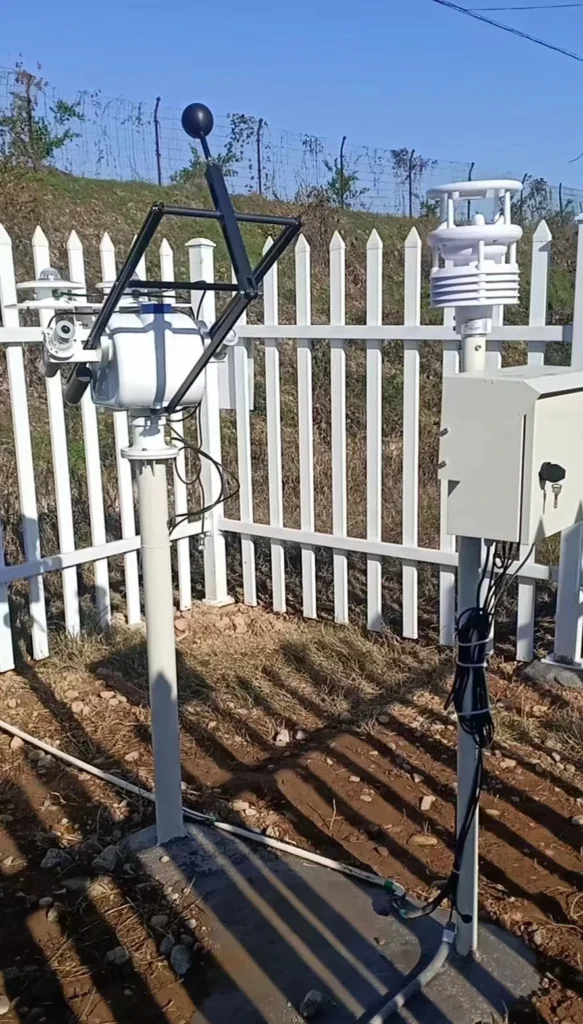
Diffuse Horizontal Irradiance (DHI) measures solar radiation scattered by the atmosphere and requires blocking direct sunlight from reaching the sensor. A typical DHI measurement setup uses a pyranometer combined with a shading mechanism, such as a shading ball or shading ring, mounted on a precise tracking platform.

The Solar Tracking System ensures that the shading device remains correctly positioned relative to the sun, preventing direct radiation interference and improving the accuracy of diffuse radiation measurement. This combination enables comprehensive solar radiation monitoring together with DNI and GHI measurements.

Complete Solar Radiation Measurement Solution

A professional solar radiation monitoring system is not based on the tracking device alone but on the combination of Solar Tracking System + Radiation Sensors. By integrating dual-axis tracking technology with pyrheliometers, pyranometers, and shading mechanisms, users can obtain accurate DNI, GHI, and DHI data for solar resource evaluation, PV performance analysis, climate research, and meteorological applications.

For photovoltaic applications, accurate irradiance measurement is essential for evaluating system performance, analyzing energy yield, and improving long-term operation strategies. A complete measurement setup combines appropriate solar sensors with reliable tracking technology to ensure consistent data quality. Learn more about photovoltaic irradiance measurement methods in our guide: 태양광 시스템을 위한 일사량 측정 방법.

Solar Tracking Accuracy and Performance Factors

The performance of a Solar Tracking System depends on tracking accuracy, mechanical stability, and environmental adaptability. For professional solar radiation measurement, positioning errors directly affect data reliability, especially in DNI measurement, where instruments must maintain precise alignment with the sun. Key factors such as angular error, calibration accuracy, control algorithms, and mechanical design determine whether the system can maintain stable tracking performance over long-term operation.

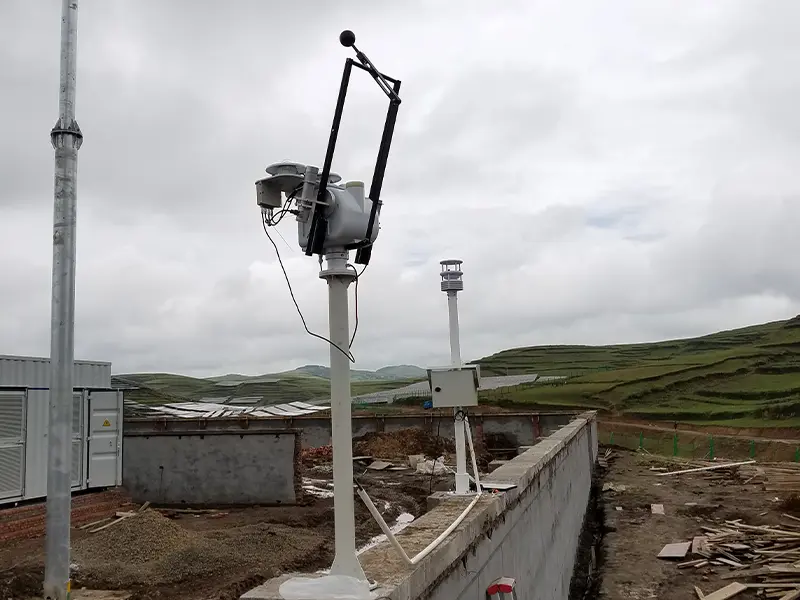
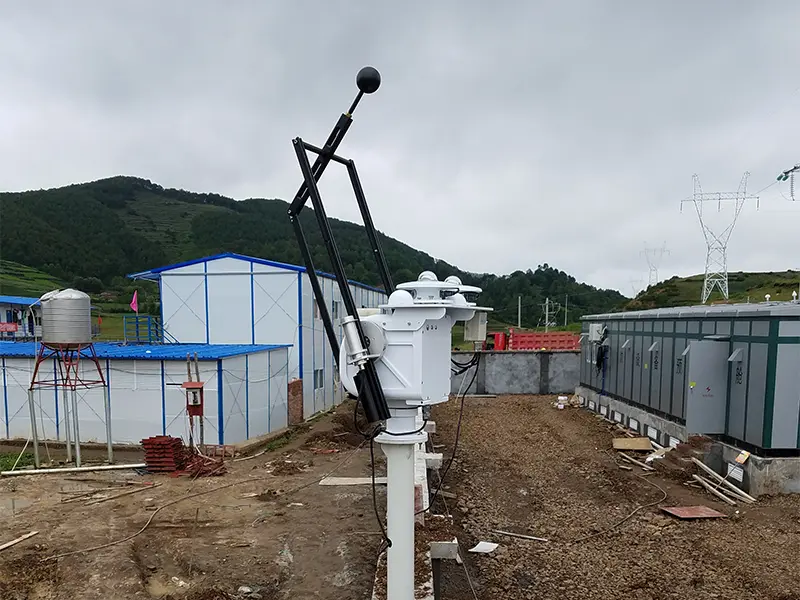
In addition to accuracy, reliable solar tracking systems must be designed for outdoor conditions, including wind resistance, temperature variations, dust protection, and continuous operation requirements. Factors such as motor durability, maintenance frequency, and remote monitoring capability also influence system reliability, ensuring that radiation sensors can continuously collect accurate solar data for solar resource assessment, PV evaluation, and scientific research.To learn more, click here: 태양 측정 오류: 태양 일사량 데이터 품질에 영향을 미치는 일반적인 오류.
How to Choose the Right Solar Tracking System?

Choosing the right Solar Tracking System depends primarily on the measurement purpose and required accuracy. For applications such as solar resource assessment, meteorological monitoring, and scientific research, users should prioritize high-precision dual-axis tracking and sensor compatibility. For PV monitoring or general solar observation, the system configuration may vary depending on data requirements, installed instruments, and project objectives.

Installation conditions and system integration requirements are also important factors during selection. Users should consider the operating environment, including climate conditions, wind exposure, dust protection, and maintenance accessibility. In addition, communication capabilities such as RS485, Modbus, and data logger integration should be evaluated to ensure reliable data transmission and convenient long-term monitoring.

Future Trends

The future development of automated solar measurement solutions will focus on improving positioning precision, system intelligence, and data management capabilities. Advanced tracking technologies are evolving from traditional astronomical positioning toward smarter solutions that combine AI-based optimization, sensor feedback, improved algorithms, and remote monitoring functions. These innovations help enhance solar alignment accuracy, enable automatic calibration, and support the integration of smart solar monitoring stations for long-term irradiance monitoring.

However, future technologies still need to overcome challenges related to system complexity, environmental durability, and maintenance requirements. Outdoor solar monitoring equipment must maintain stable performance under changing weather conditions while ensuring mechanical reliability, calibration stability, and compatibility with different radiation sensors. The next generation of intelligent solar tracking solutions will need to achieve a balance between precision, reliability, and cost efficiency to support wider applications in renewable energy assessment and scientific research.

결론

A Solar Tracking System is an essential component of accurate solar radiation monitoring, helping maintain precise solar alignment and improve measurement reliability. When integrated with suitable radiation sensors, it enables accurate DNI, GHI, and DHI monitoring and provides reliable solar resource data for photovoltaic assessment, meteorological observation, and scientific research.

As solar measurement requirements continue to evolve, advanced tracking solutions with higher positioning precision, automated operation, and stronger environmental adaptability will become increasingly important. Selecting the right system based on measurement objectives, installation conditions, sensor compatibility, and communication requirements helps ensure stable and valuable long-term solar data collection.

If you are looking for a reliable solar tracking measurement solution for your project, 팀에 문의 to discuss your application requirements, measurement goals, and suitable system configuration. Our engineers can provide professional support to help you select the right tracking solution for accurate and continuous solar monitoring.

자주 묻는 질문

자동 태양 추적 측정 시스템은 태양 복사 계측기의 위치를 지속적으로 조정하여 태양의 움직임을 추적하도록 설계되었습니다. 이 시스템은 센서 정렬을 유지함으로써 태양 데이터 수집의 정확성과 일관성을 향상시킵니다. 이러한 시스템은 태양 자원 평가, PV 성능 평가, 기상 모니터링 및 과학 연구 응용 분야에서 일반적으로 사용됩니다.

이중 축 태양 추적 시스템은 방위각과 고도각을 모두 자동으로 조정하여 태양의 전체 경로를 추적할 수 있습니다. 단일 축 솔루션과 비교하여 더 정확한 태양 위치 파악과 방사선 센서의 더 나은 정렬을 제공합니다. 이는 신뢰할 수 있는 일사량 데이터와 높은 측정 정확도가 요구되는 응용 분야에서 선호되는 선택입니다.

태양 추적 시스템은 프로젝트 요구 사항에 따라 다양한 방사선 센서로 구성할 수 있습니다. 일반적인 장비로는 직접 일사량 측정용 직달 일사계, 전일사 및 산란 일사 모니터링용 전일사계, 그리고 DHI 측정용 차폐 장치가 포함됩니다. 센서 구성은 필요한 데이터 유형과 모니터링 목적에 따라 달라집니다.

추적 정확도는 제어 알고리즘, 기계 구조, 교정 방법 및 위치 피드백 기술에 따라 달라집니다. 고정밀 시스템은 천문 계산과 센서 피드백을 결합하여 안정적인 태양 정렬을 유지합니다. 전문 태양 모니터링 애플리케이션의 경우 정확한 위치 설정은 측정 오류를 줄이고 장기간 신뢰할 수 있는 복사 데이터 수집을 보장하는 데 도움이 됩니다.

네, 전문 태양광 추적 시스템은 다양한 환경 조건에서 지속적인 옥외 운영을 위해 설계되었습니다. 온도 범위, 풍압 저항, 방진 성능, 기계적 내구성과 같은 요소는 시스템 설계 시 고려됩니다. 적절한 환경 보호는 까다로운 설치 지역에서 안정적인 추적 성능을 유지하고 유지보수 요구 사항을 줄이는 데 도움이 됩니다.

Yes. A solar tracking system can be used for various applications by integrating different sensors and measurement devices. It supports solar resource assessment, photovoltaic monitoring, meteorological stations, and research projects. The system configuration can be adjusted based on measurement goals, required accuracy, communication methods, and data management requirements.

When selecting a solar tracking system, users should consider measurement objectives, required tracking precision, sensor compatibility, installation environment, communication interfaces, and maintenance requirements. A suitable configuration should match the project conditions to ensure reliable operation, accurate data collection, and long-term system performance.

Maintenance frequency depends on the system design, operating environment, and usage conditions. Reliable tracking systems are typically designed with durable drive components, stable control systems, and monitoring functions to reduce manual intervention. Regular inspection, calibration checks, and basic mechanical maintenance help maintain tracking accuracy and extend system service life.

관련 기사