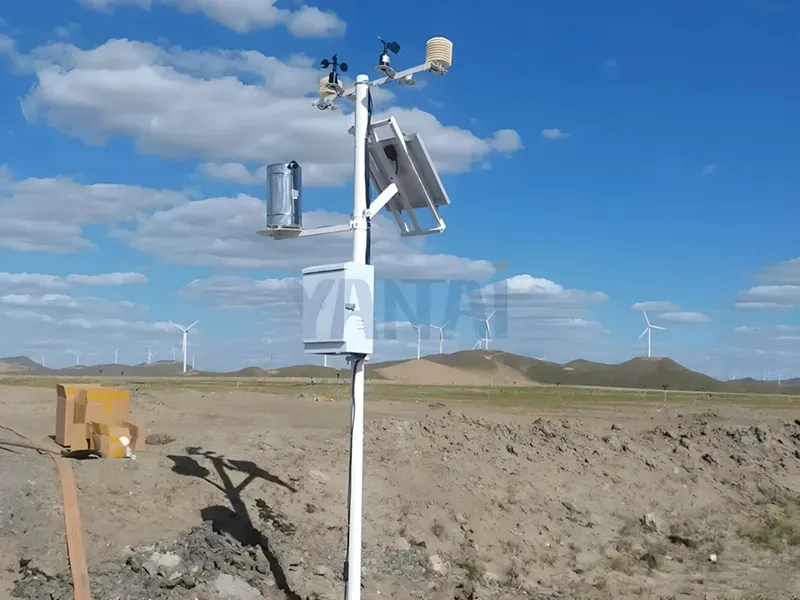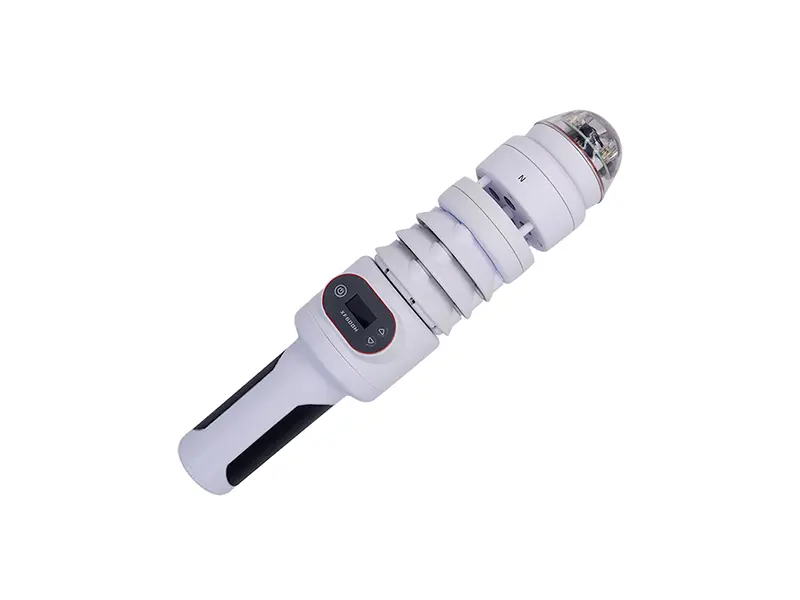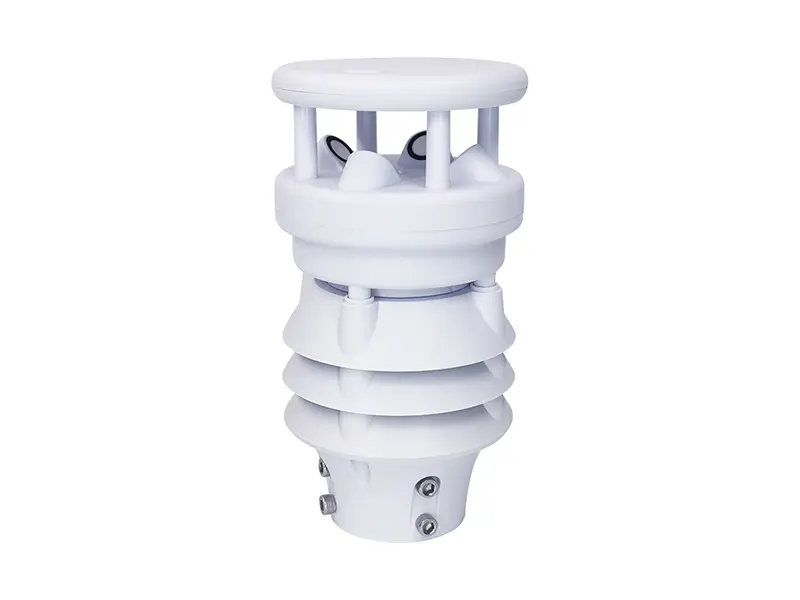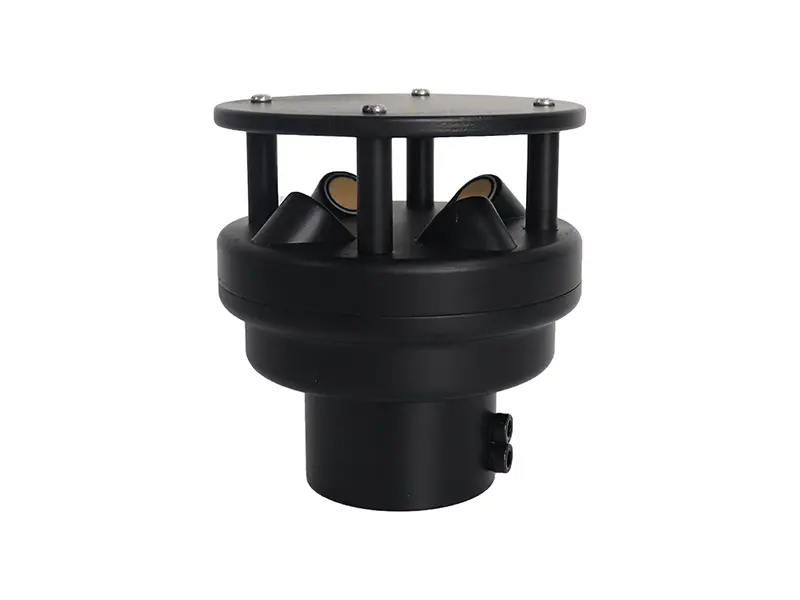
XFC2-2 Marine Automatic Weather Station

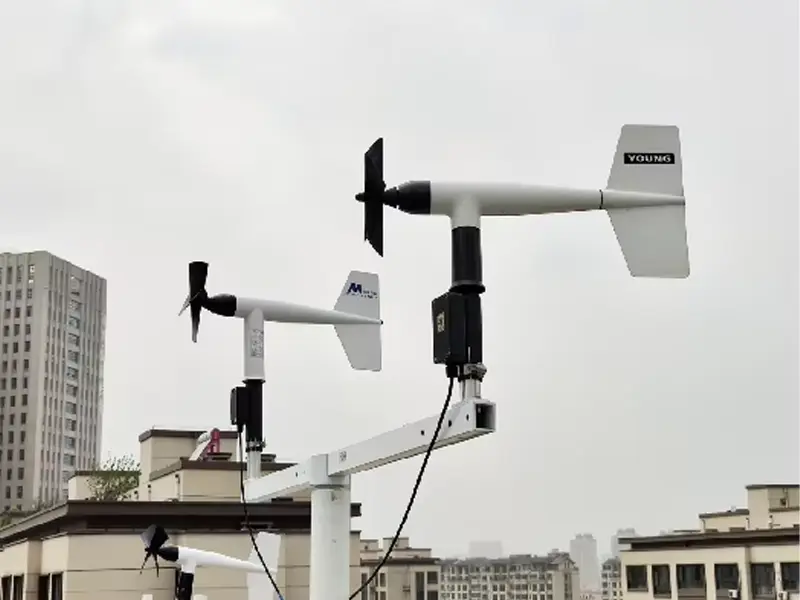
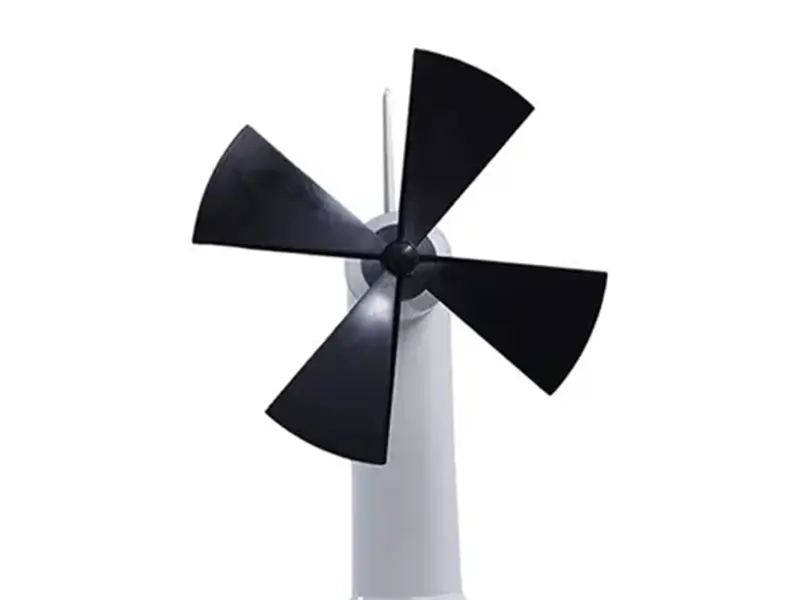
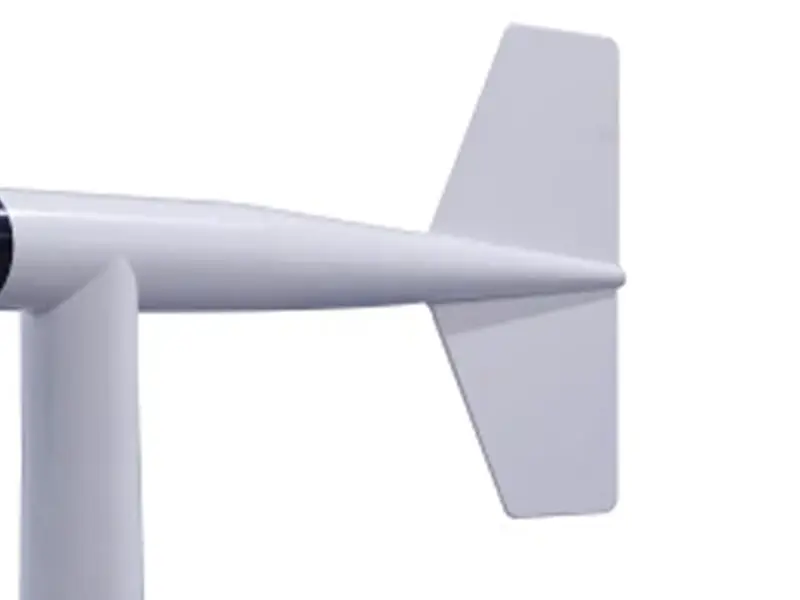
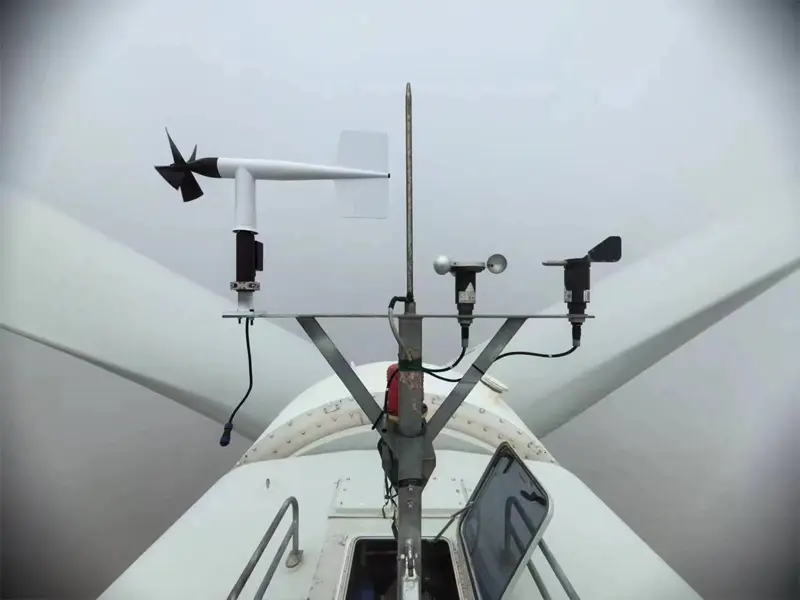
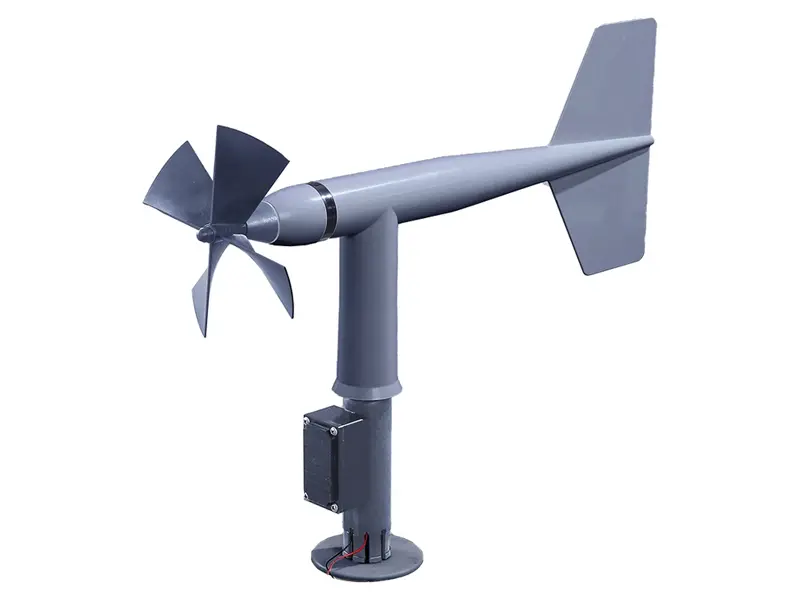
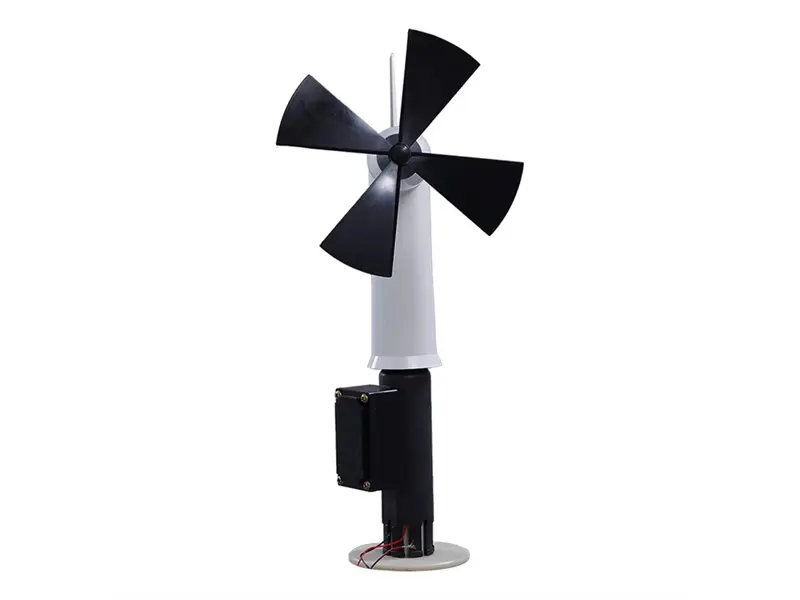
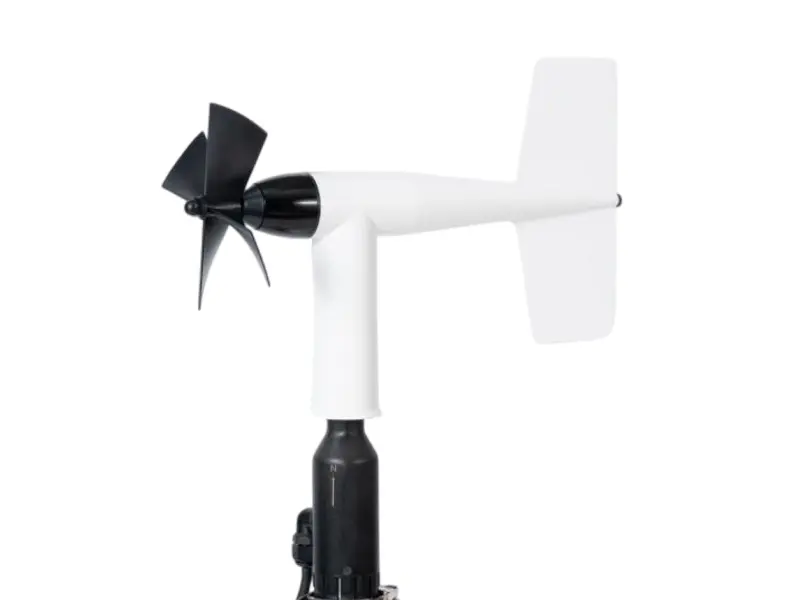
XFC2-2 marine automatic weather station is a standardized instrument used to measure the wind speed and direction data of horizontal wind field. This wind sensor is developed for ocean observation buoys. It is characterized by high strength, light weight, high precision and corrosion resistance. It consists of tail wing, propeller, nose cone, wind shaft, mounting column and other internal parts. In addition to magnetic guide shaft and purchased standard parts, other parts are made of injection mold parts to ensure the consistency of product quality. The tail wing, propeller and nose cone are made of anti-ultraviolet and oxidation-resistant plastic materials, which can ensure that the wind sensor will not plasticize or turn yellow within one year.

  • Ambient Temperature: 0-60m/s/0-100m/s
  • Wind speed accuracy: ±(0.5+0.05×V)m/s
  • Wind speed starting value: 1.0m/s/1.1m/s
  • Wind direction range: 0-360°
  • Corresponding wind Angle: <±10°

소개

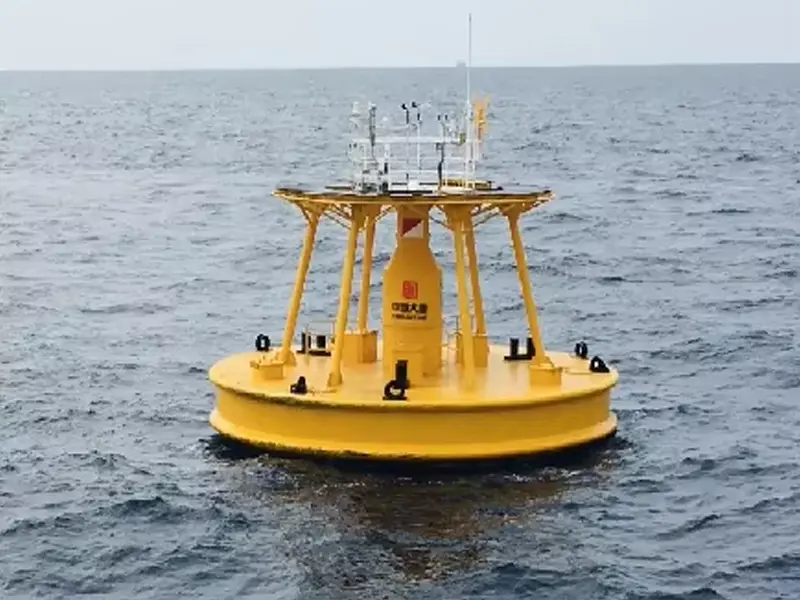
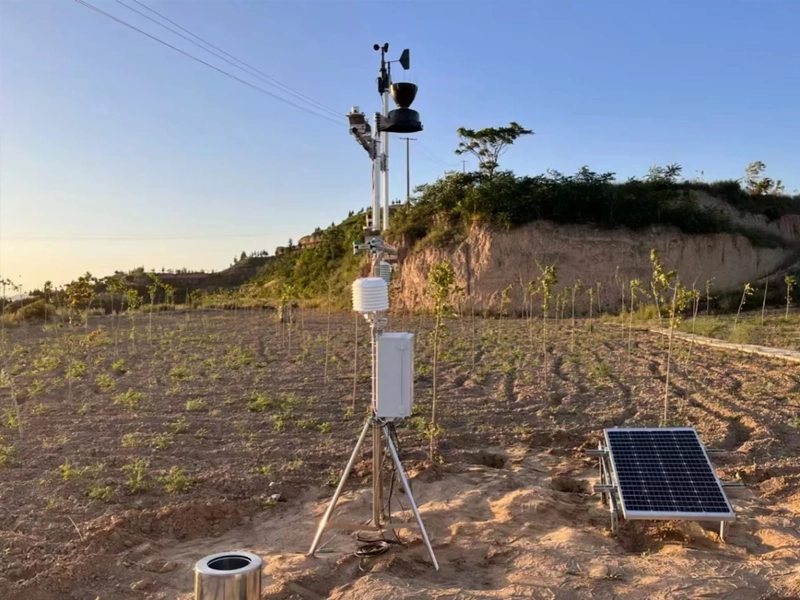
The marine automatic weather station is an automated observation device specifically designed for meteorological monitoring in marine environments. It can be deployed long-term on ocean buoys, offshore platforms, or coastal monitoring stations to measure and record real-time marine meteorological data. The system typically integrates multiple sensors for wind speed, wind direction, air temperature, humidity, atmospheric pressure, precipitation, and solar radiation, and is equipped with data acquisition and remote transmission modules. It operates reliably in harsh marine conditions. The Marine Automatic Weather Station features a robust structure, corrosion resistance, salt spray protection, low power consumption, and high automation. It finds extensive applications in marine meteorological observation, marine environmental monitoring, maritime shipping safety, marine scientific research, and offshore energy development.

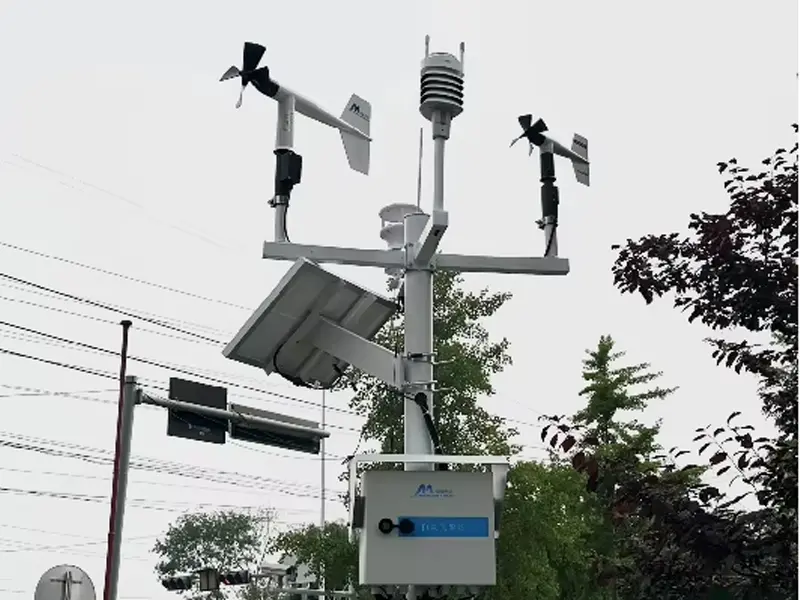
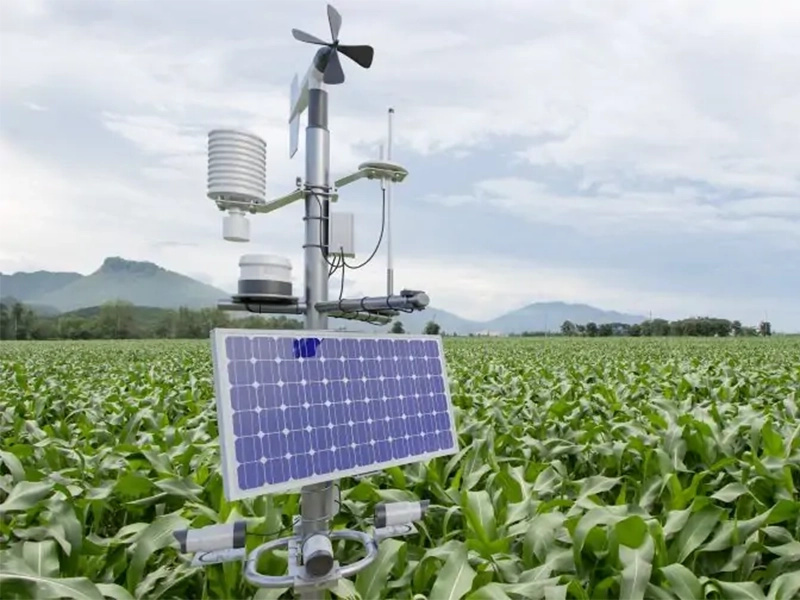
Structure a marine weather station

  • Wind Speed & Direction Sensor: Measures wind speed and direction data in the horizontal wind field at sea level, serving as critical parameters for marine meteorological observations.
  • Air Temperature Sensor: Monitors real-time changes in air temperature near the sea surface.
  • Relative Humidity Sensor: Measures air humidity, providing data support for marine meteorological analysis.
  • Barometric Pressure Sensor: Used to monitor atmospheric pressure changes, which are crucial for weather forecasting and marine environmental research.
  • Rain Gauge: Used to measure rainfall amount and intensity (configured at some marine stations based on application requirements).
  • Solar Radiation Sensor: Used to monitor total solar radiation or light intensity, commonly employed in marine climate research and renewable energy monitoring.
  • Data Logger / Data Acquisition Unit: Collects, stores, and processes sensor data while managing information.
  • Communication Module: Supports GPRS, 4G, satellite, or radio communication for remote data transmission and monitoring.
  • Power Supply System: Typically comprises solar panels, batteries, and a power management system, enabling long-term stable operation.
  • Mounting Structure & Protective Housing: Includes mounting brackets, protective enclosures, and corrosion-resistant structures to withstand marine environments characterized by high salt fog, humidity, and strong winds.
marine-automatic-weather-station

세부 정보 표시

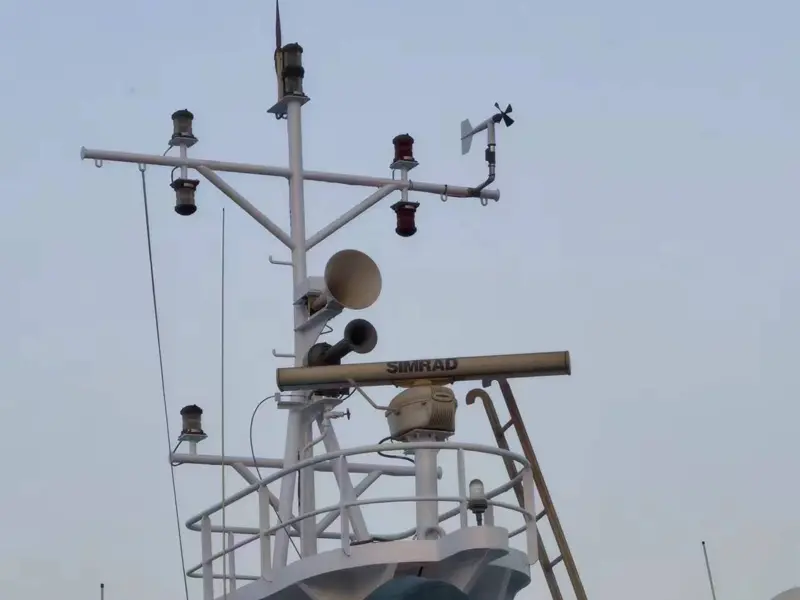
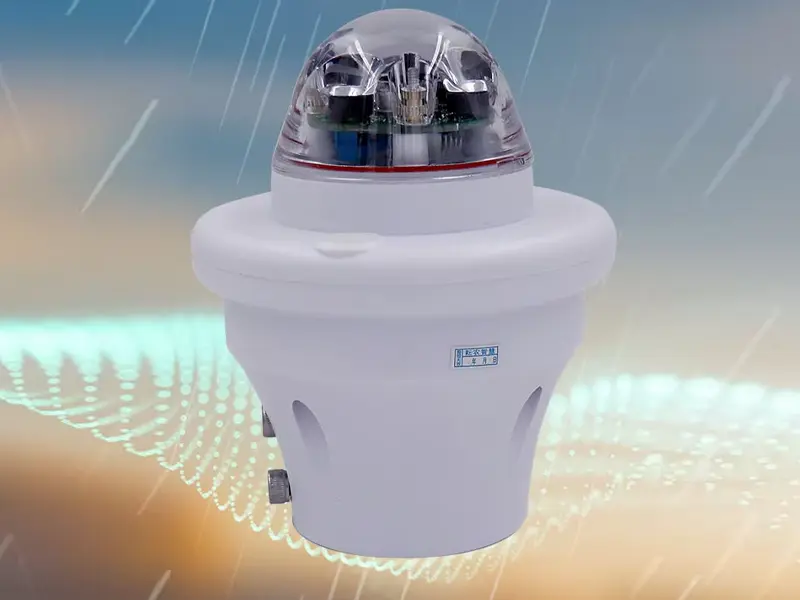
The following multi-angle images provide a closer look at the structural details and key components of the marine weather station for boats, highlighting its durable design for long-term marine meteorological monitoring.

사양

The following technical specifications outline the core performance parameters of the XFC2-2 marine anemometer series, including wind speed and direction measurement ranges, accuracy, resolution, operating temperature, and output interfaces. This series provides stable wind condition monitoring for marine automatic weather stations. Below are the product’s specific technical specifications:

 매개변수

 No. ItemTechnical data
XFC2-2MXFC2-2LXFC2-2HXFC2-2S
1Wind speed measuring range0-60m/s0-100m/s
2Wind direction measuring range0-360°
3Corresponding wind Angle<±10°
4Wind speed accuracy±(0.5+0.05×V)m/s±(0.5+0.025×V)m/s±(0.5+0.05×V)m/s
5Wind speed starting value0.5m/s1.1m/s1.0m/s
6Wind speed resolution0.1m/s0.2m/s0.1m/s
7Wind direction accuracy±3°±5°
8Wind direction resolution0.1°
9BearingsCarbon Fiberstainless steel
10MaterialAASPC
11Operating temperature range-55℃ to 55℃-70℃ to 70℃
12출력analog signal, 0-5V, 4-20mA, Serial port (485.422.232 can be customized)
13Authentication certificateCMA Report, Low temperature storage, Low temperature operation, High temperature operation, alternating wet and heat, constant wet and heat, temperature change, salt spray, water test, shock, vibration

Features marine automatic weather station

Applications marine automatic weather station

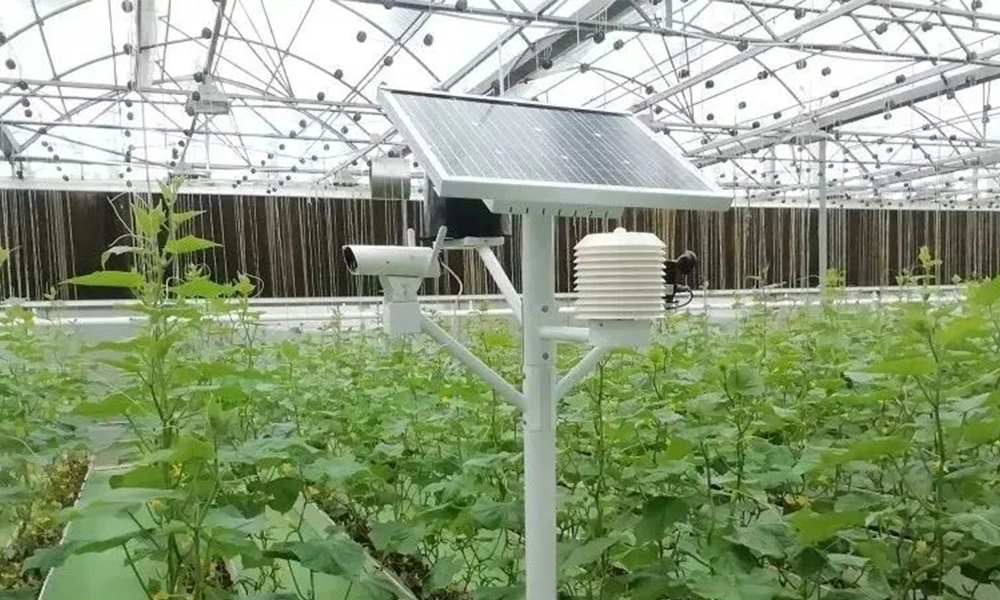
XFC2-2 marine automatic weather station is specifically designed for reliable meteorological monitoring in diverse environments, providing real-time weather data to support safety management, environmental monitoring, and scientific analysis. Its automated operation design enables widespread application across multiple industries and monitoring scenarios. Below are applications for the XFC2-2 marine automatic weather station:

marine-automatic-weather-station

Unattended Meteorological Monitoring

Enables 24/7 automatic collection and remote transmission of meteorological data, reducing manual monitoring and enhancing operational efficiency.

Mobile Meteorological Monitoring System

Features a compact design and easy installation, suitable for temporary monitoring stations or mobile meteorological observation needs.

marine-automatic-weather-station

Power Safety Monitoring

Provides real-time meteorological data support for power grids, transmission lines, and substations, ensuring safe and stable operation of power systems.

marine-automatic-weather-station

Solar or Wind Power Generation

Monitors critical meteorological parameters such as wind speed, wind direction, and radiation, offering data references for new energy power generation systems.

marine-automatic-weather-station

Ship Ports and Navigation

Delivers real-time marine meteorological information to enhance port management efficiency and ensure vessel navigation safety.

marine-automatic-weather-station

Scenic Area Environmental Monitoring

Used for meteorological environment monitoring and weather information dissemination in tourist attractions, improving tourism services and safety management.

cases

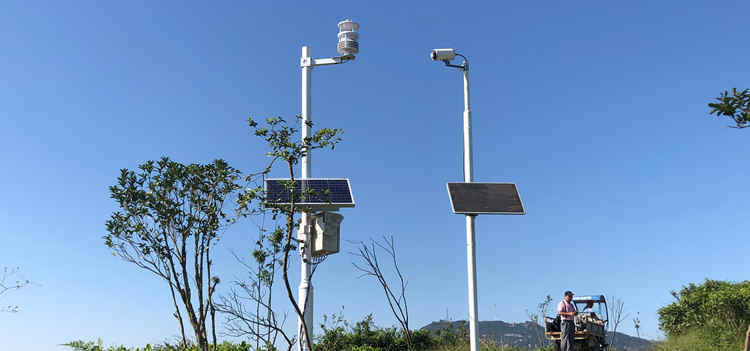
The best marine weather station have been widely deployed in marine meteorological monitoring, port and vessel navigation safety, offshore wind and solar power generation monitoring, marine scientific research observations, and coastal environmental monitoring. Through practical project applications, the equipment operates reliably in complex marine environments, providing users with accurate, continuous meteorological data support to enhance monitoring efficiency and management standards.

custom marine automatic weather station

Yantai Sensor Marine Automatic Weather Station offers highly flexible customization services. We tailor sensor configurations, output interfaces, power supply methods, and communication modules to meet diverse application requirements and environmental conditions, ensuring precise and reliable marine weather monitoring. Whether for scientific research, shipping, energy, or industrial applications, our customized solutions guarantee long-term stable operation in harsh marine environments while enhancing data collection efficiency and monitoring accuracy.

Customization Options

  • Custom Sensor Combinations: Flexibly select from wind speed, wind direction, temperature/humidity, barometric pressure, precipitation, solar radiation, and other sensors to achieve comprehensive meteorological monitoring.
  • Diverse Output Interfaces: Supports RS485, 4–20mA, analog signals, serial ports (485/422/232), and other interfaces for seamless integration with data acquisition systems and monitoring platforms.
  • Customizable Power Supply: Choose solar, wind, or grid power to adapt to diverse marine and terrestrial environments, ensuring stable 24/7 operation.
  • Customizable Communication Modules: Add GPRS, 4G, or satellite communication modules for remote real-time data transmission and monitoring.
  • Positioning and Navigation Capabilities: Integrate GPS and electronic compass for maritime positioning and heading monitoring, meeting vessel and buoy application needs.
  • Structural and Protective Optimization: Customized corrosion-resistant, salt-fog-proof, wave-resistant, and UV-resistant enclosures ensure long-term durability.
  • Low-Temperature Heating Function: Built-in heating devices guarantee normal operation in frigid or icy conditions, enhancing winter observation reliability.
marine-automatic-weather-station

Marine Automatic Weather Station 제조업체 및 공급업체

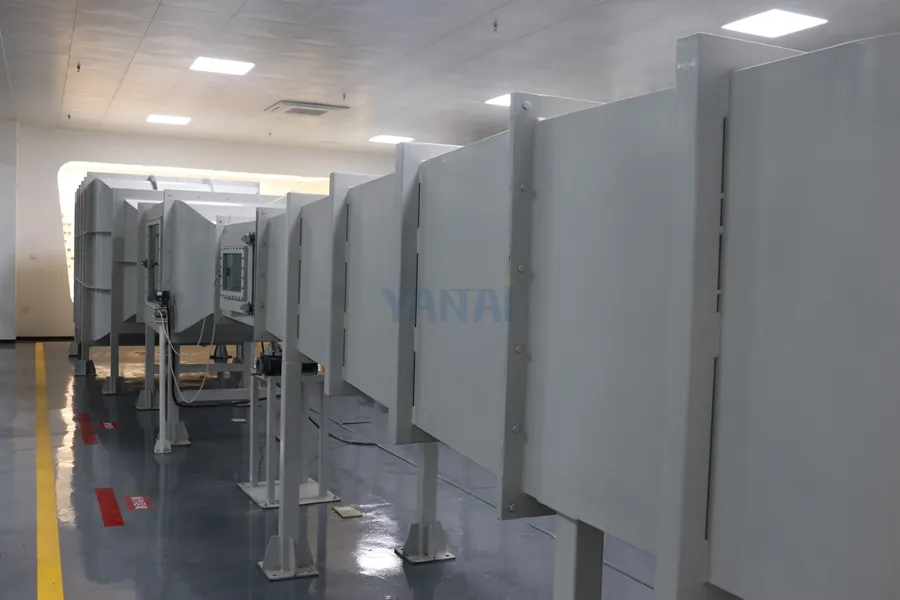
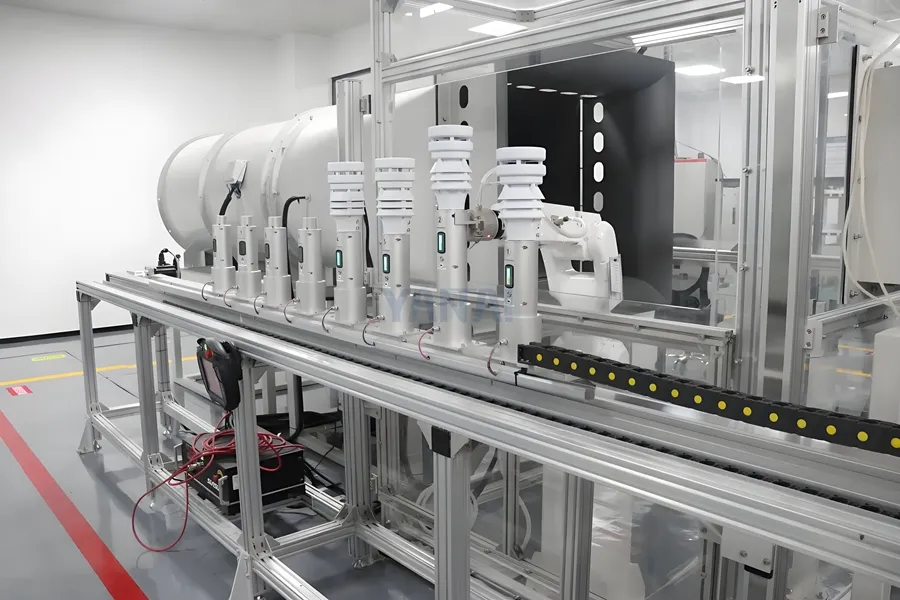
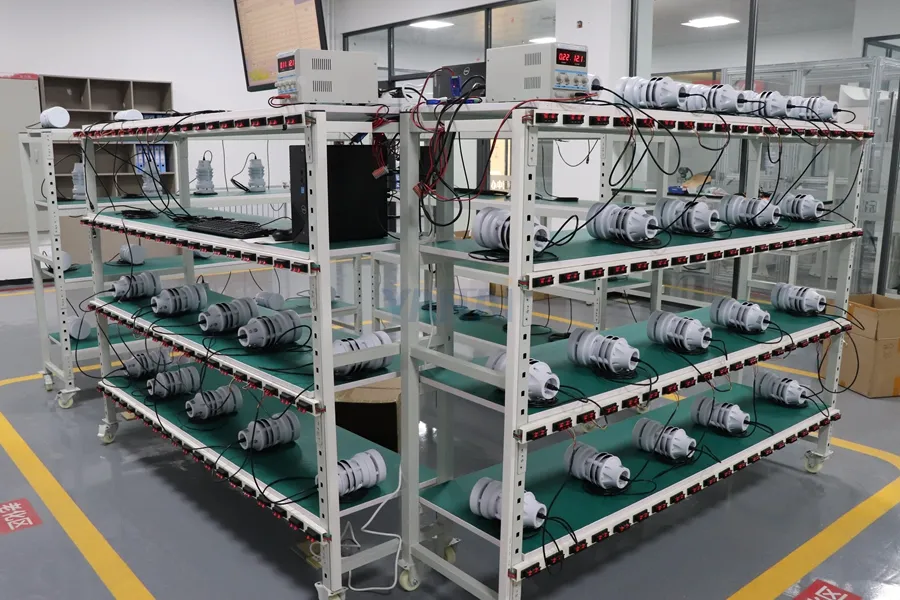
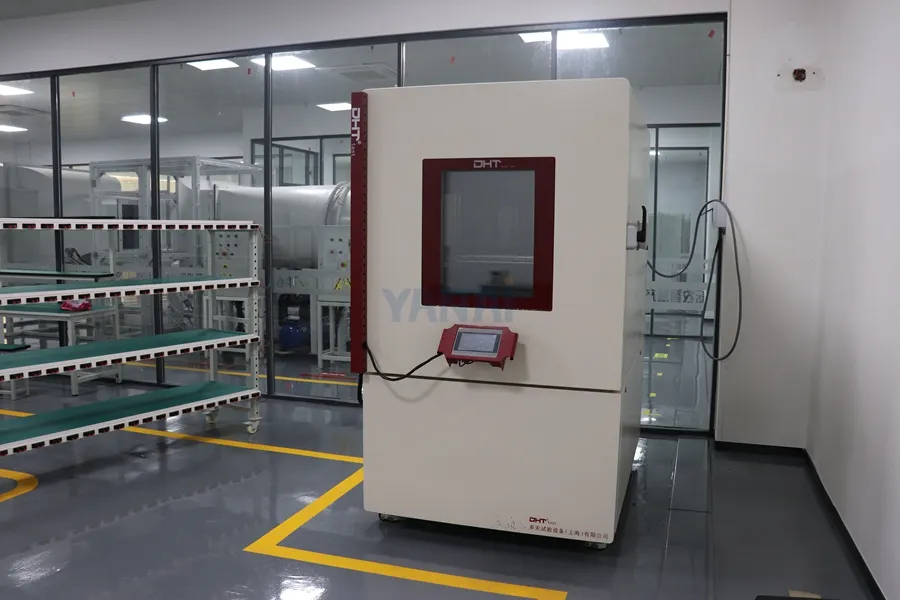
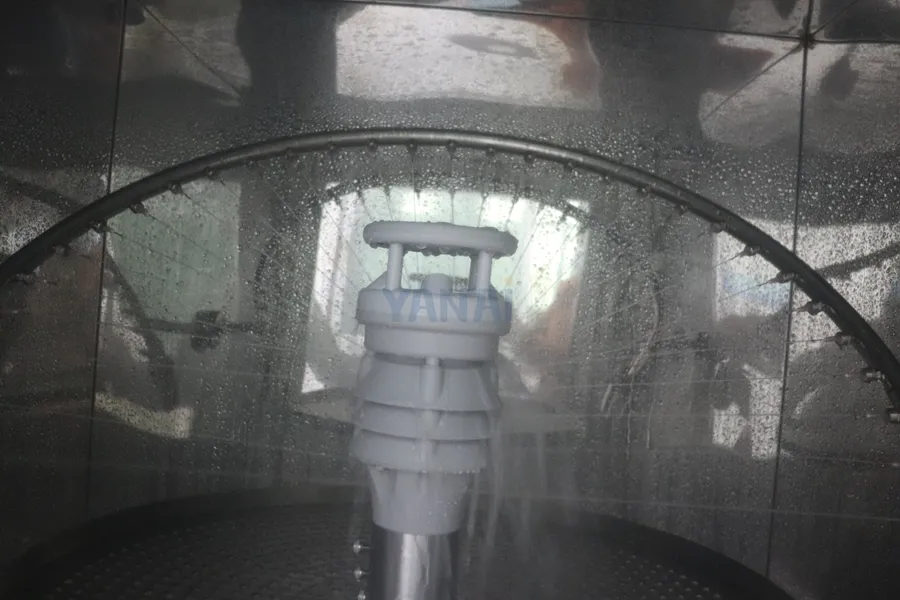
Yantai Sensor is a leading Marine Automatic Weather Station manufacturer and supplier, specializing in high-precision ocean and environmental monitoring solutions. Our stations are designed for reliable, long-term operation in harsh marine environments, including offshore platforms, ports, ships, and coastal research sites. Equipped with independent R&D facilities, advanced production lines, and a professional wind tunnel laboratory, each station undergoes rigorous testing — including high-temperature and high-humidity aging, freeze-thaw cycles, salt spray resistance, and strong wind impact assessments — ensuring stable and accurate measurements in all conditions.

With multiple independent brands, over 10 patents, and certifications such as CE, ISO, and RoHS, our marine automatic weather stations are widely applied in oceanographic research, renewable energy monitoring, smart grids, ports, and shipping safety. From single customized stations to fully integrated monitoring systems, our expert team provides tailored solutions to meet diverse project requirements, delivering reliable performance and fostering long-term global partnerships.

인증서

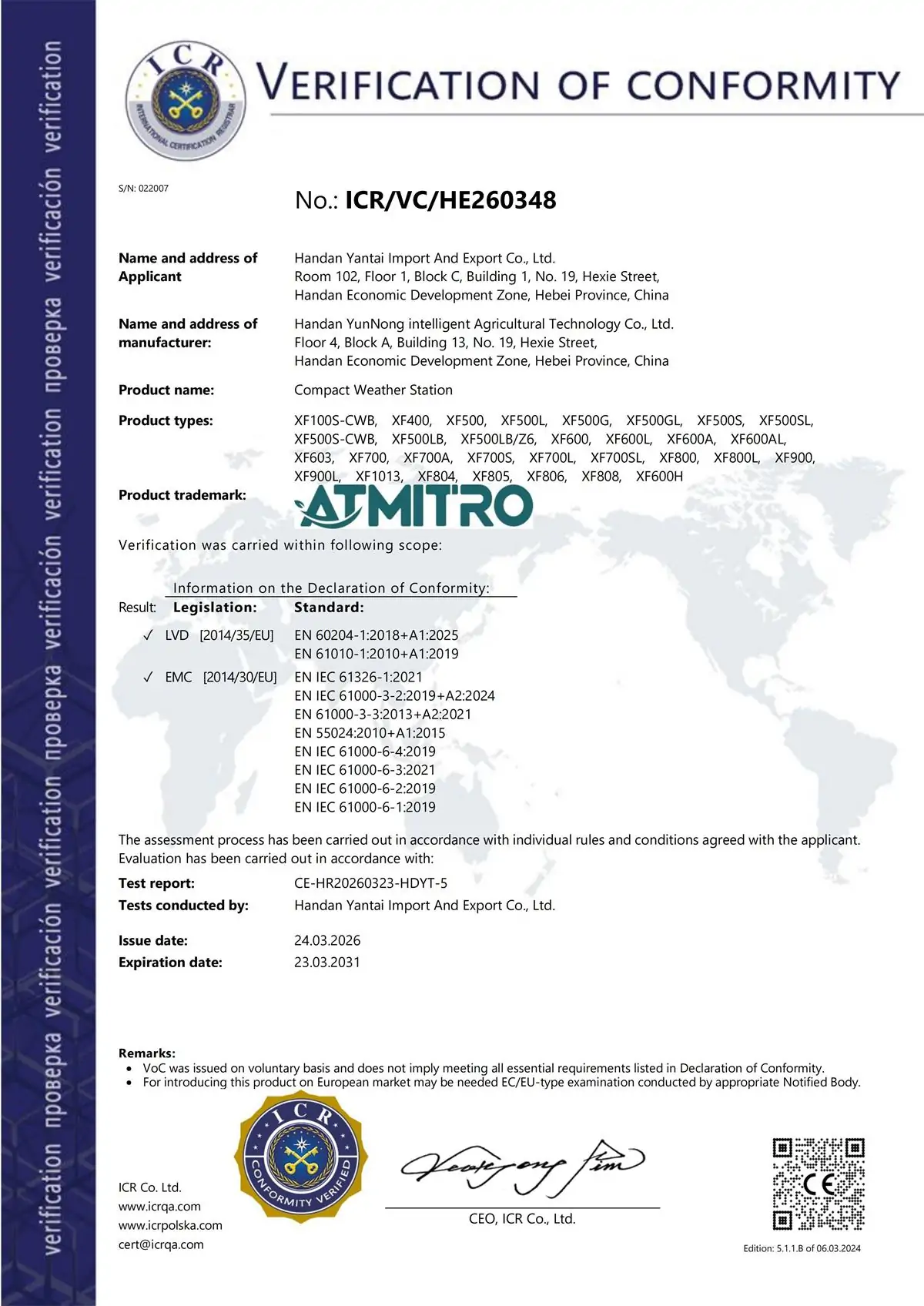
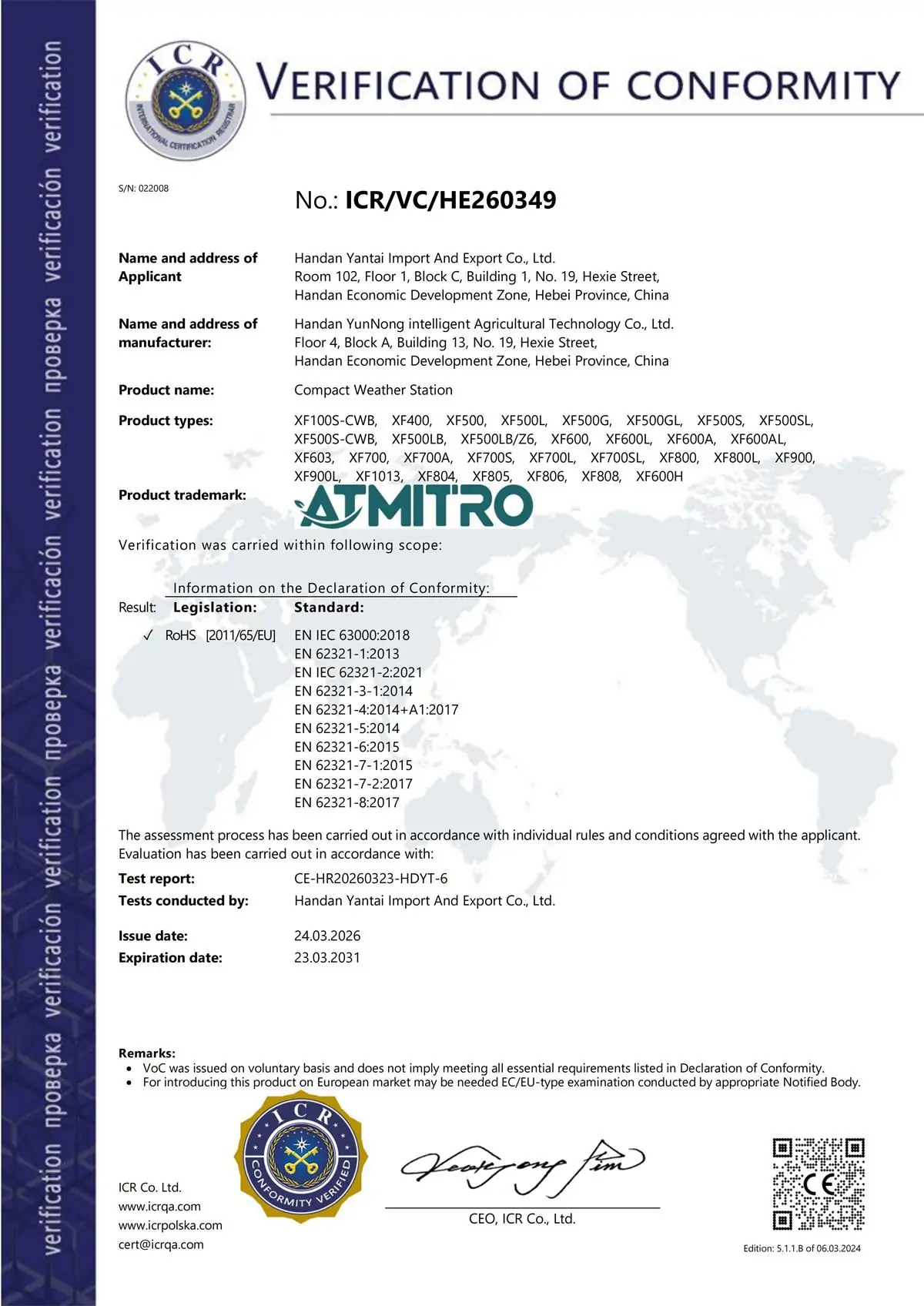
We have CNAS, ISO, CE, and RoHS certifications, and all weather monitoring systems meet rigorous international standards.

자주 묻는 질문

What is a Marine Automatic Weather Station?

A Marine Automatic Weather Station is a fully automated system designed for continuous ocean and coastal weather monitoring, measuring parameters such as wind speed, wind direction, air temperature, humidity, pressure, precipitation, and solar radiation.

Where can Marine Automatic Weather Stations be used?

They are widely applied in offshore platforms, ships, ports, coastal research stations, wind and solar power monitoring sites, and environmental observation projects.

How accurate are Marine Automatic Weather Stations?

Our stations feature high-precision wind sensors and other meteorological instruments, with rigorous testing to ensure reliable and accurate data even in harsh marine environments.

Can Marine Automatic Weather Stations operate in extreme conditions?

Yes. They are designed for all-weather and harsh ocean conditions, including high humidity, salt spray, strong winds, and low temperatures. Optional heating modules ensure operation in cold climates.

Is it possible to customize a Marine Automatic Weather Station?

Absolutely. We offer customizable sensor combinations, output interfaces, power options (solar, wind, or AC), communication modules (GPRS/4G/Satellite), and optional GPS/electronic compass modules to meet specific project needs.

How is maintenance handled for Marine Automatic Weather Stations?

Most models are maintenance-free, with no moving mechanical parts in the wind sensor and corrosion-resistant materials to ensure long-term stability.