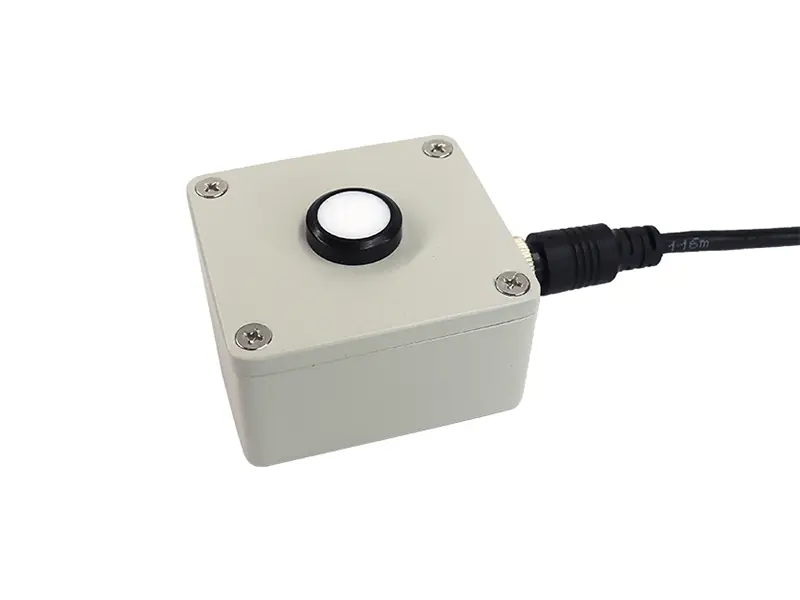
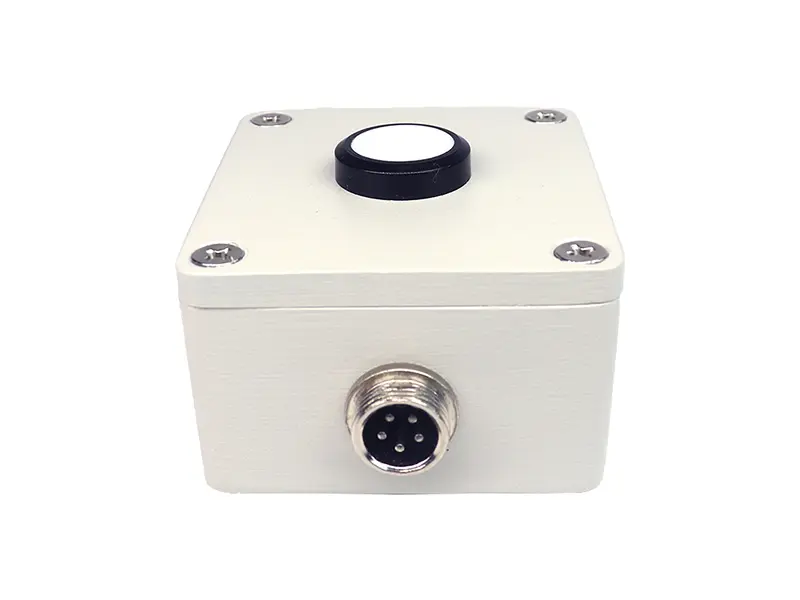
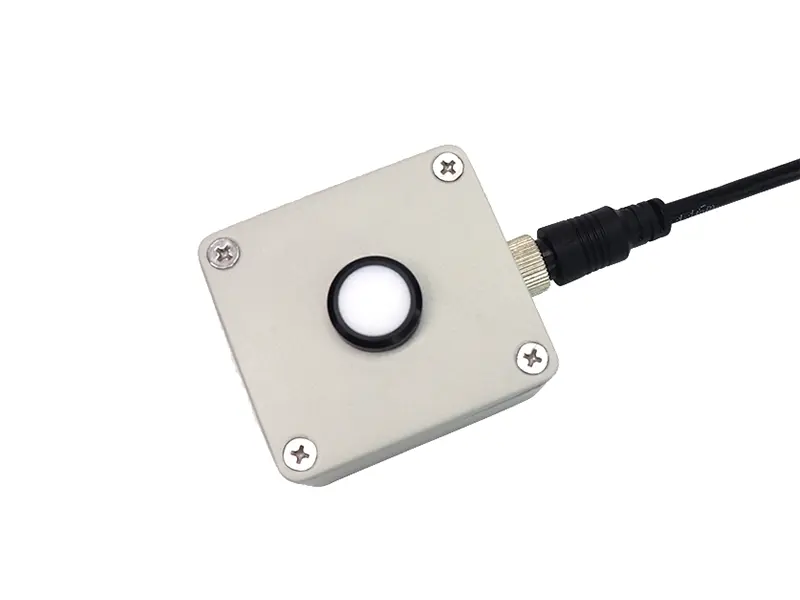
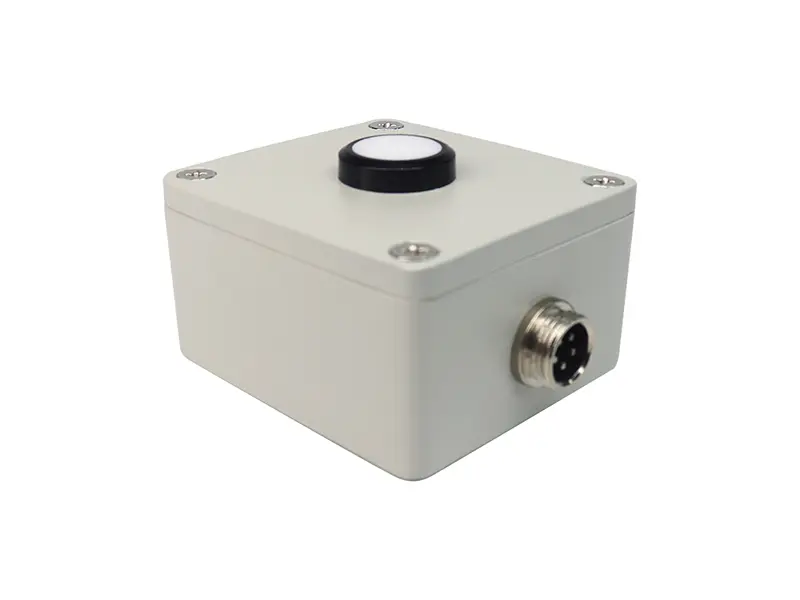

RY-CGH photosynthetic radiation sensor
The photosynthetically active radiation sensor is a professional instrument used to measure photosynthetically active radiation (PAR) in the 400–700 nm band of natural light, which can reflect the level of light energy available for plant photosynthesis. This sensor uses a silicon photodetector and an optical filter to convert the incident light intensity into a voltage signal proportional to it, and can be converted into μmol/(m²·s) output. It has the characteristics of response consistent with cosine characteristics, simple structure, and can work around the clock. It is widely used in agricultural meteorological monitoring, crop growth research, greenhouse management, ecological environment research and other fields.
|
매개변수 |
사양 |
|---|---|
|
출력 |
RS485 |
|
Spectral Range |
400-700nm |
|
Response time |
<1s (99%) |
|
Temperature related |
maximum 0.05% / ℃ |
|
Working temperature |
-40℃~65℃ |
Introduct
RY-CGH photosynthetically active radiation sensor is mainly used to measure the photosynthetically active radiation of natural light in the wavelength range of 400-700nm. It is simple to use and can be directly connected to a digital voltmeter or data collector, and can be used under all-weather conditions.
Structure of photosynthetic active radiation sensor
- Optical Receiving Component: Includes a light-transmitting cover and diffuser to receive illumination from multiple directions.
- Optical Filter (400–700 nm): Precisely defines the spectral response range, allowing only photosynthetically active radiation to pass through while blocking interference from ineffective wavelengths.
- Silicon Photodetector: Converts received light signals into electrical signals proportional to radiation intensity, serving as the sensor’s core sensing unit.
- Signal Processing and Output Circuitry: Amplifies, stabilizes, and outputs weak electrical signals, supporting millivolt, voltage, or standard signals for seamless integration into data acquisition systems.
- Sensor Housing and Sealing Structure: Constructed with waterproof, dustproof, and UV-resistant materials for stable operation in outdoor and harsh environments.
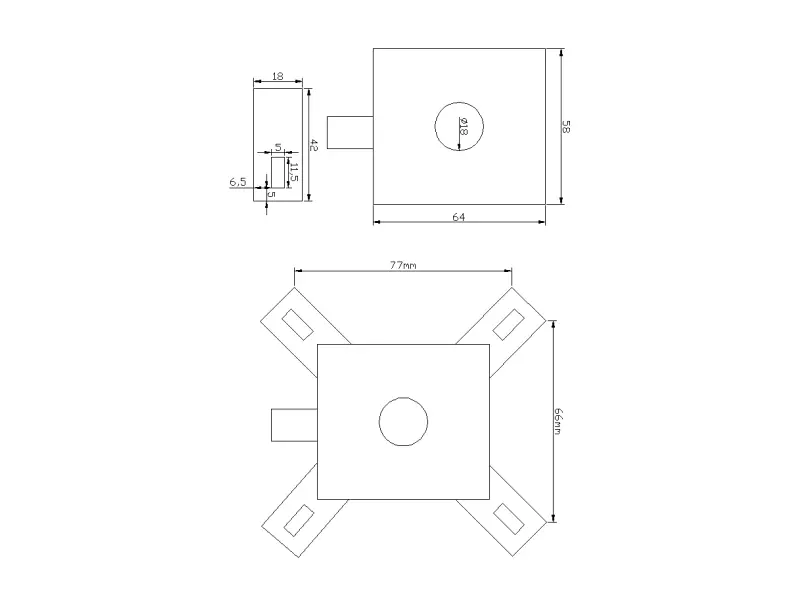
- Mounting and Interface Structure: Includes mounting bases, securing threads, and cable connectors for rapid deployment in agricultural weather stations, greenhouses, or field monitoring systems.
세부 정보 표시
From optical filters to core detectors, each photosynthetic radiation sensor undergoes rigorous material selection and precise calibration, ensuring stable measurements and reliable data. We adhere to meticulous manufacturing and multiple testing phases to maintain high precision and durability during long-term outdoor use.
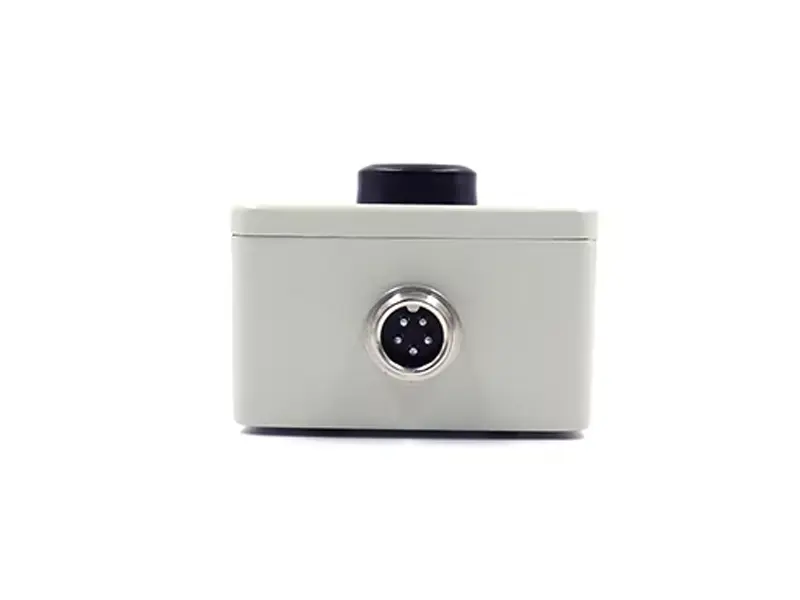

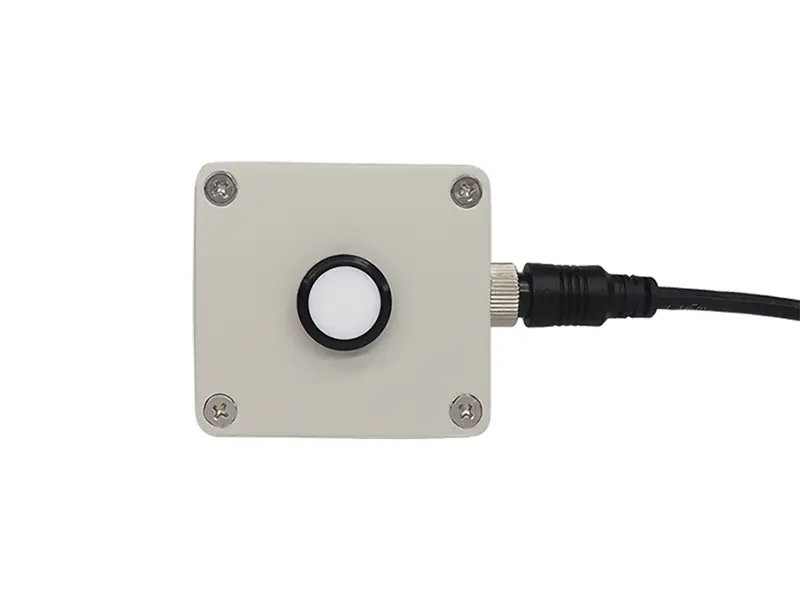
사양
RY-CGH Photosynthetic Radiation Sensor features high sensitivity, rapid response, and stable output performance. It precisely covers the 400–700nm PAR wavelength range, making it suitable for agricultural meteorology, greenhouse monitoring, and scientific research applications. The sensor supports multiple signal outputs for seamless system integration.
매개변수
| Mounting Type | accessories | Model Number | RY-CGH |
| Type | 기상 관측소 | Brand Name | XINFENG |
| Usage | photosynthetically active radiation | Description | photosynthetically active radiation |
| Place of Origin | Hebei, China | Series | HCD |
| Features | HIGH SENSITIVITY | 출력 | RS485 |
| Description | RY-CGH PAR Sensor | Spectral Range | 400-700nm |
| Response time | <1s(99%) | Temperature related | maximum 0.05%/℃ |
| Cosine correction | up to 80℃ incident angle | Internal resistance | <2K |
| Working temperature | -40℃~65℃ | Working humidity | <90% |
| 출력 | original output 200mv | Farthest lead length | 200m for current, 100m for RS485, 50m for voltage |
| Sensitivity | Sensitivity 7-50μv/pmol |
Features of Photosynthetic Radiation Sensor
Precise measurement
Covers the 400–700nm spectrum, truly reflecting the light available to plants
High sensitivity
Accurate capture can also be done under weak light, and the data is stable and reliable
Quick response
Response time is less than 1 second, reflecting lighting changes in real time
cosine correction
Comply with cosine law to ensure accurate multi-angle measurement
Stable and durable
High and low temperature resistant design, suitable for long-term outdoor operation
Flexible output
Multiple output interfaces for easy access to monitoring systems
application Photosynthetically active radiation meter
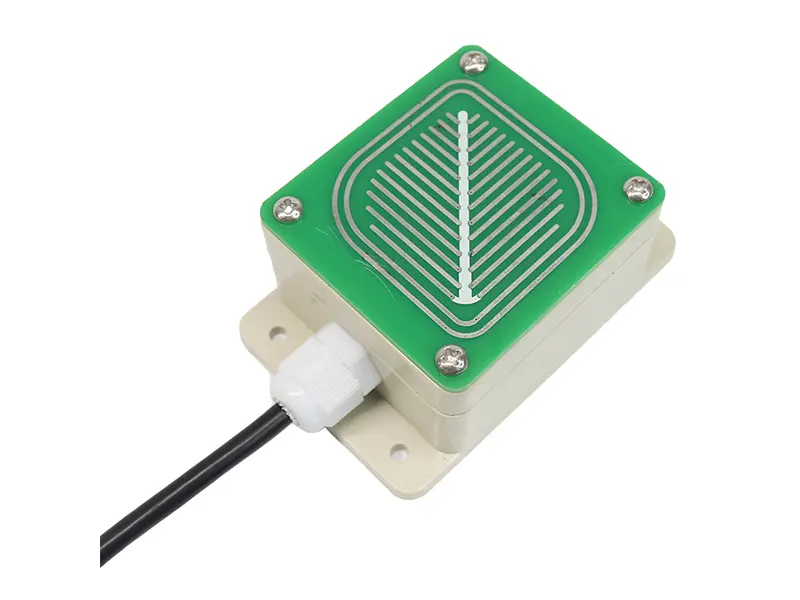
Rain and snow detection sensor is suitable for qualitative monitoring of precipitation conditions in various industries. It can determine the presence of rain or snow in the environment and serves as a basis for operational management, automatic control, and safety warnings. It is widely used in outdoor and complex environmental applications.

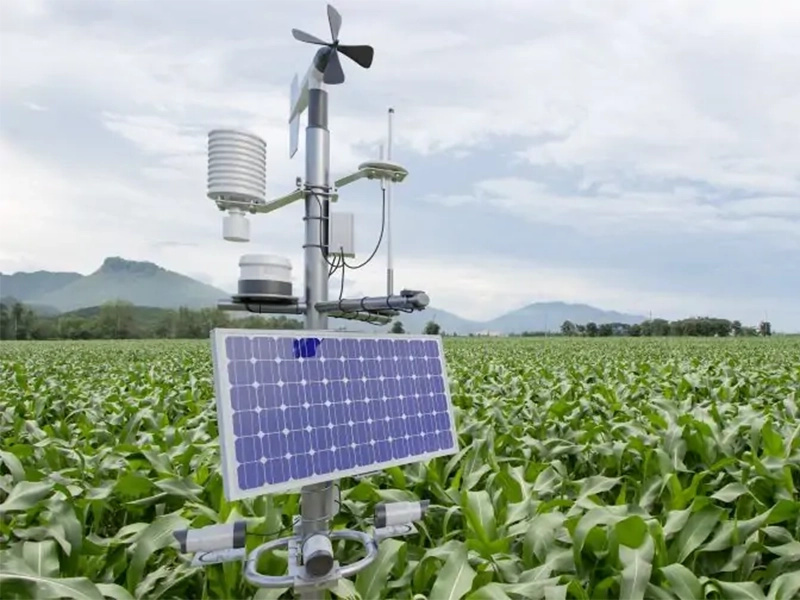
agricultural meteorology
Accurately monitor field lighting conditions to guide crop planting and yield analysis
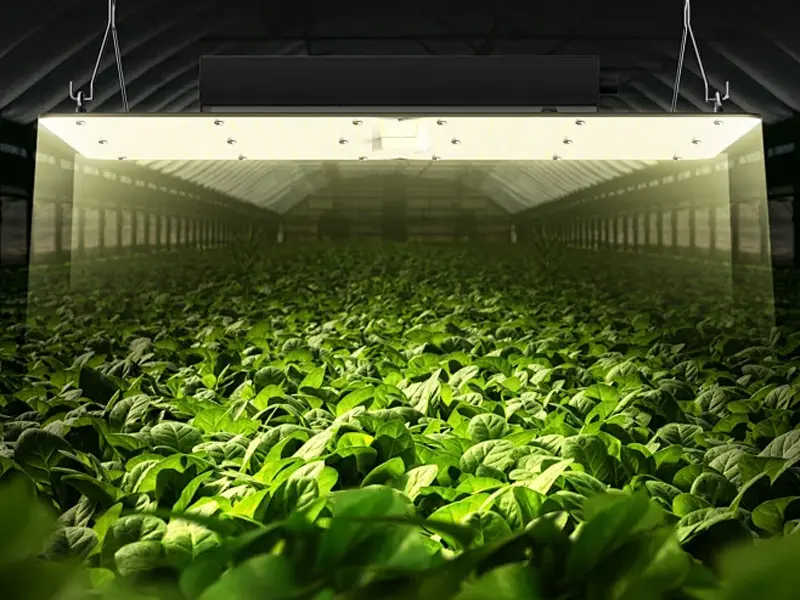
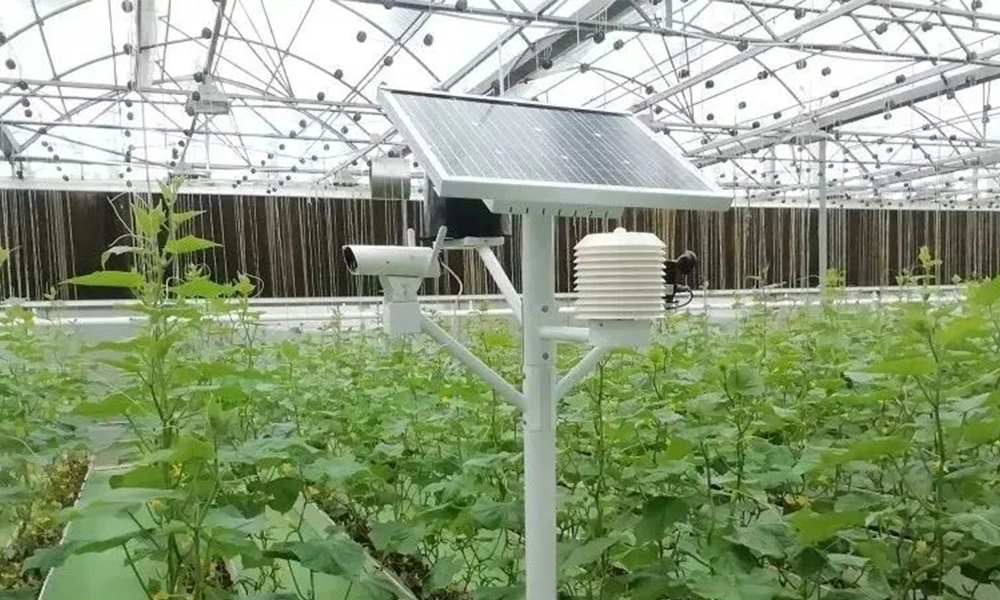
Greenhouse cultivation
Monitor the light level in the greenhouse, optimize supplementary light and light environment control

crop growth research
Record the effects of light changes on photosynthesis and crop growth

Ecological environment monitoring
Used for research on light energy utilization efficiency of vegetation coverage areas and ecosystems

Smart agricultural system
Combined with automated control systems to achieve precise lighting management and improve crop yield and quality

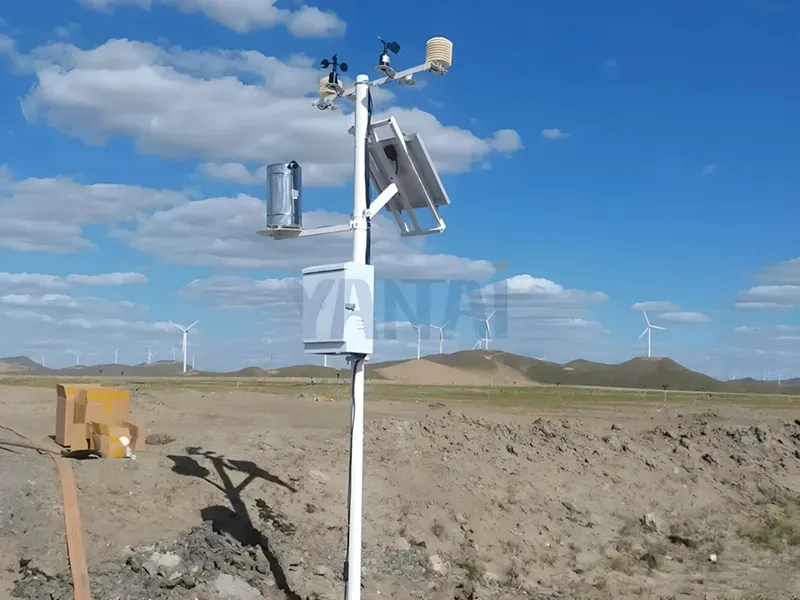
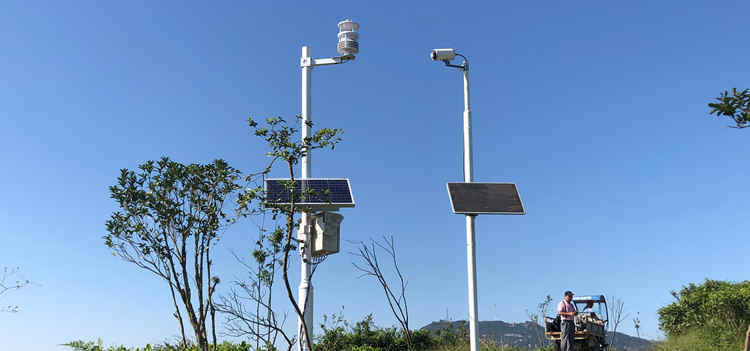
Weather station monitoring
Integrated into weather stations to provide lighting data to support weather analysis and environmental assessment
사례
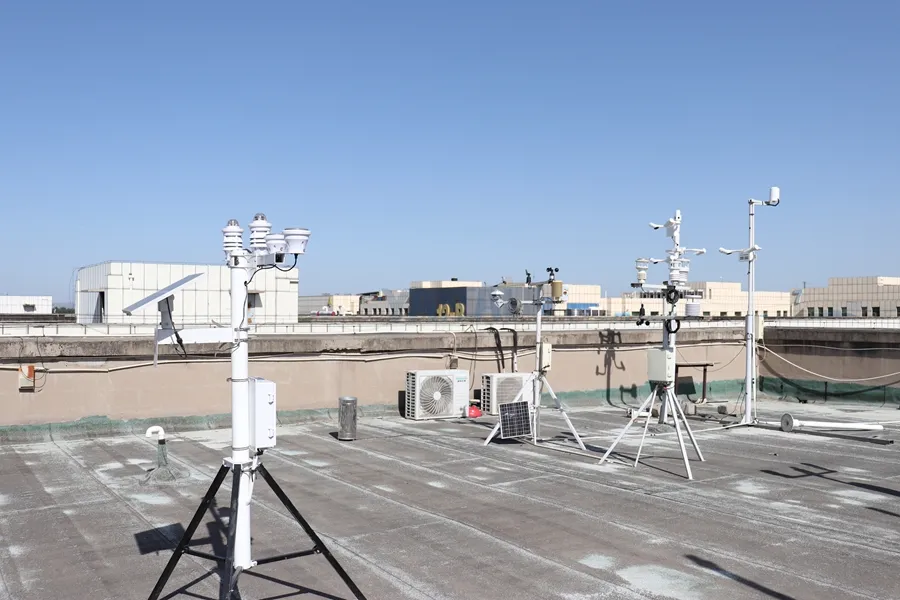
Through real-world application examples, gain a clear understanding of the RY-CGH photosynthetic radiation sensor’s precise performance and stable operation in agricultural, greenhouse, and scientific research monitoring. This helps you evaluate the product’s application value and effectiveness across various scenarios.
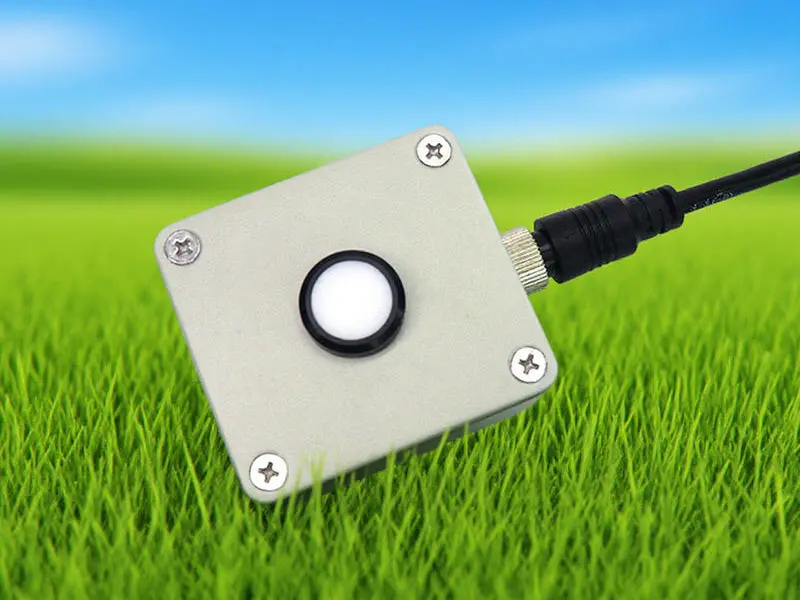
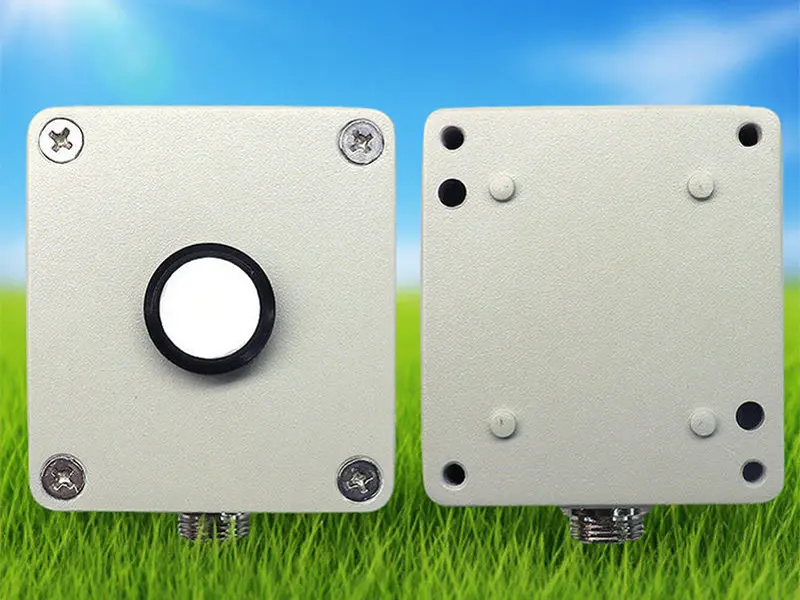
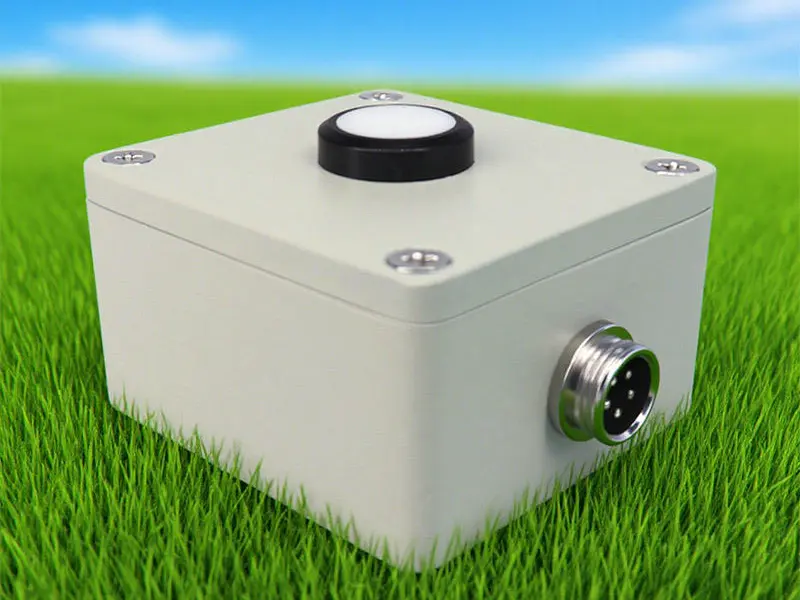
custom Photosynthetic Radiation Sensor
RY-CGH Photosynthetic Radiation Sensor Customization Service Adjust sensor specifications, interfaces, and functions to meet diverse application requirements, ensuring seamless integration with your projects and systems.
Customization Options
- Measurement Range and Sensitivity: Customizable measurement range and sensitivity based on crop type and light conditions
- Output Interfaces: Supports multiple signal outputs including RS485, voltage, and current
- Mounting Options: Flange mounting, bracket mounting, or custom mounting solutions
- Environmental Adaptability: Enhanced waterproofing, dustproofing, and high/low temperature resistance
- Appearance and Dimensions: Customizable housing design tailored to on-site space constraints and aesthetic requirements
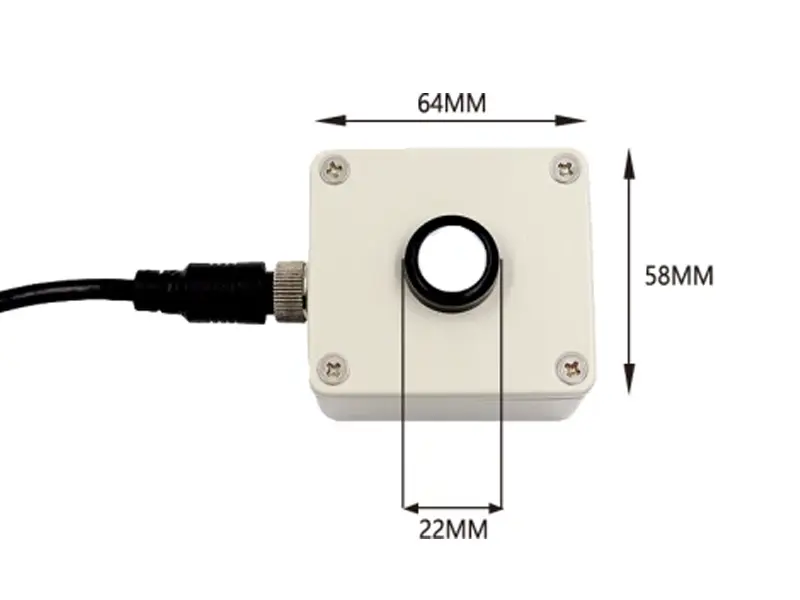
Photosynthetic Radiation Sensor 제조업체 및 공급업체
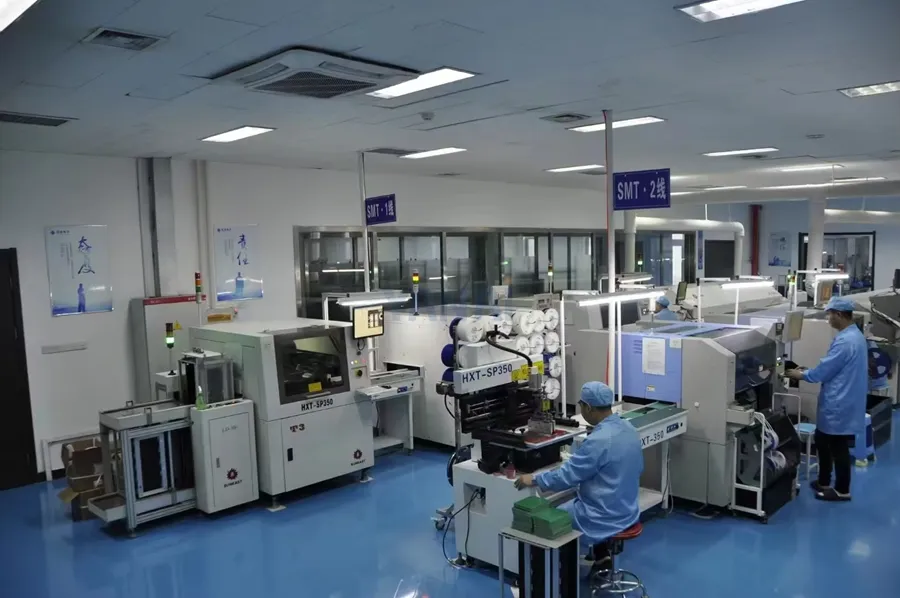
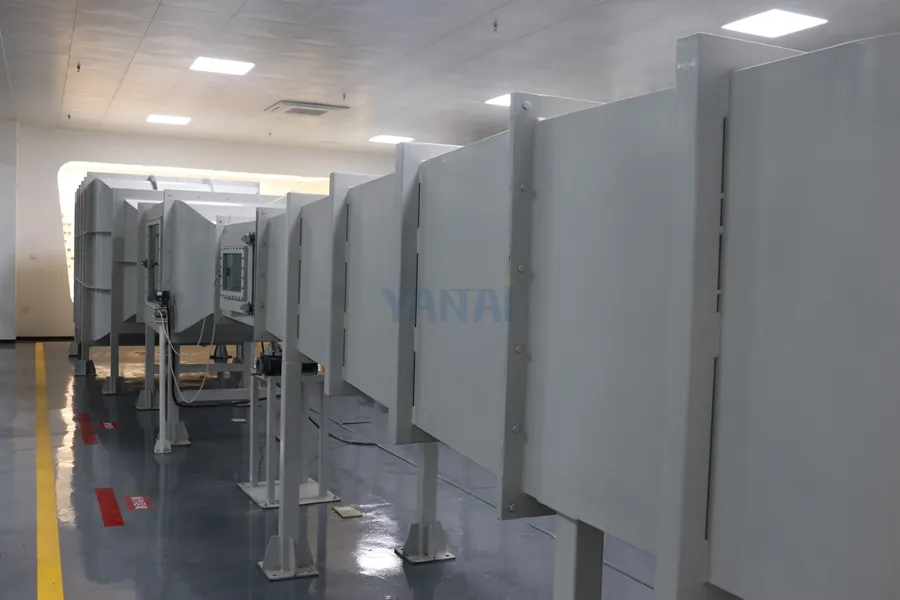
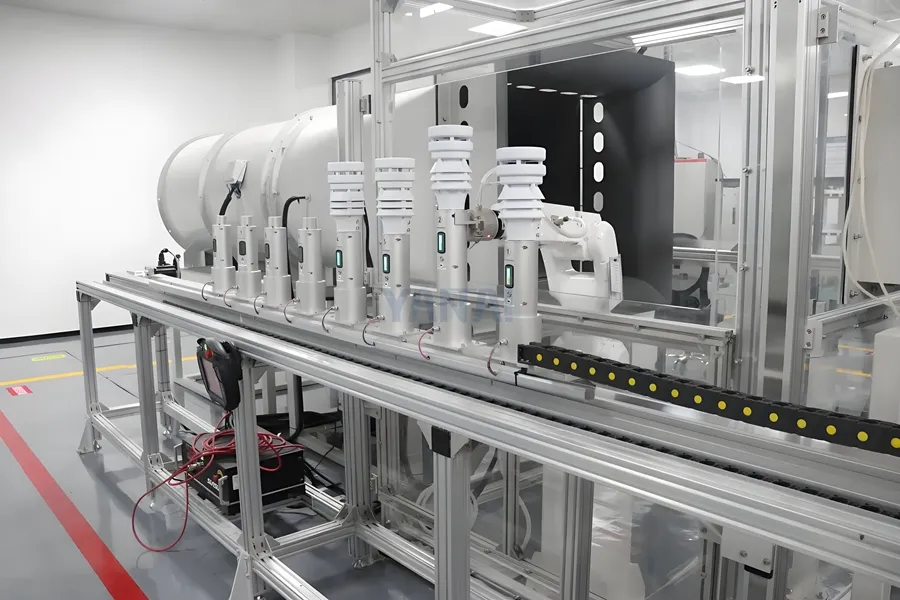
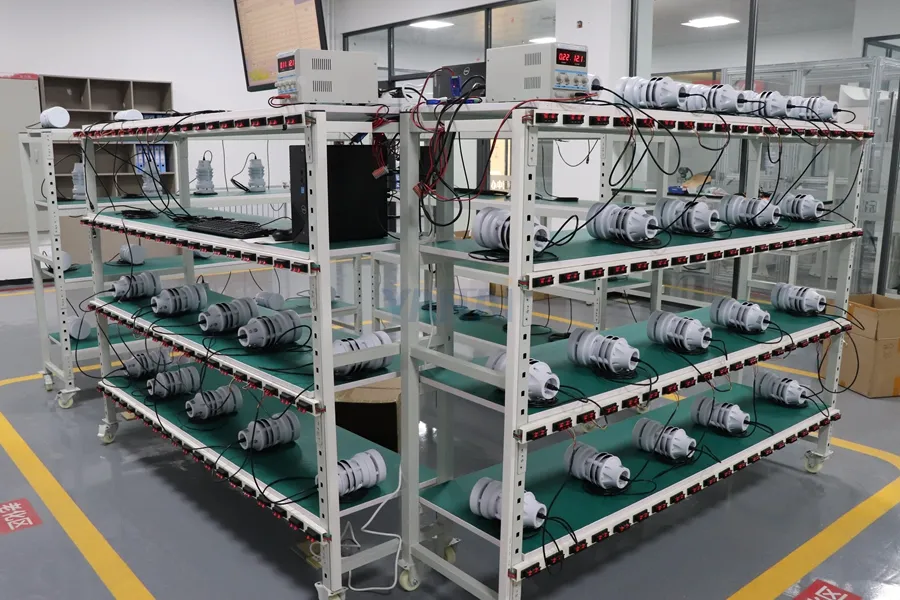
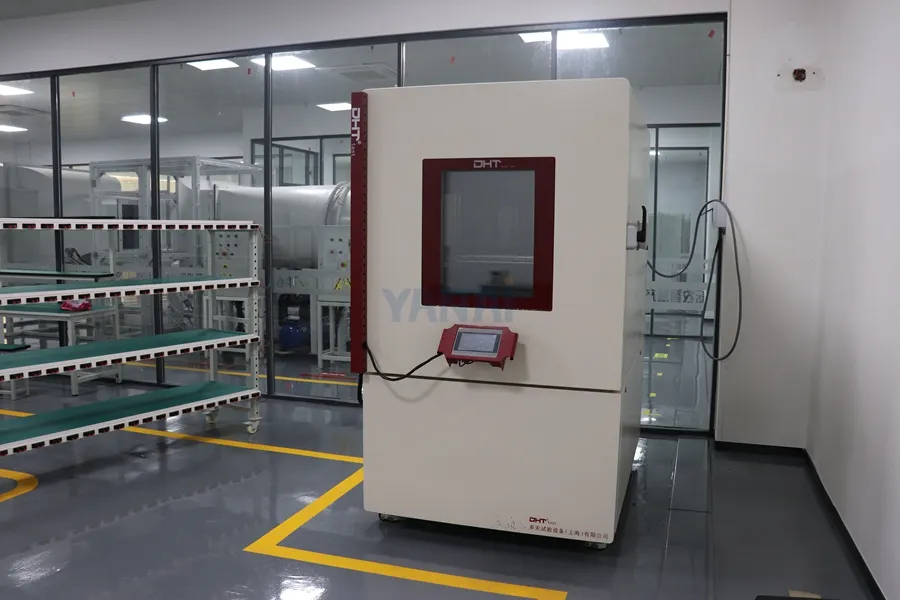
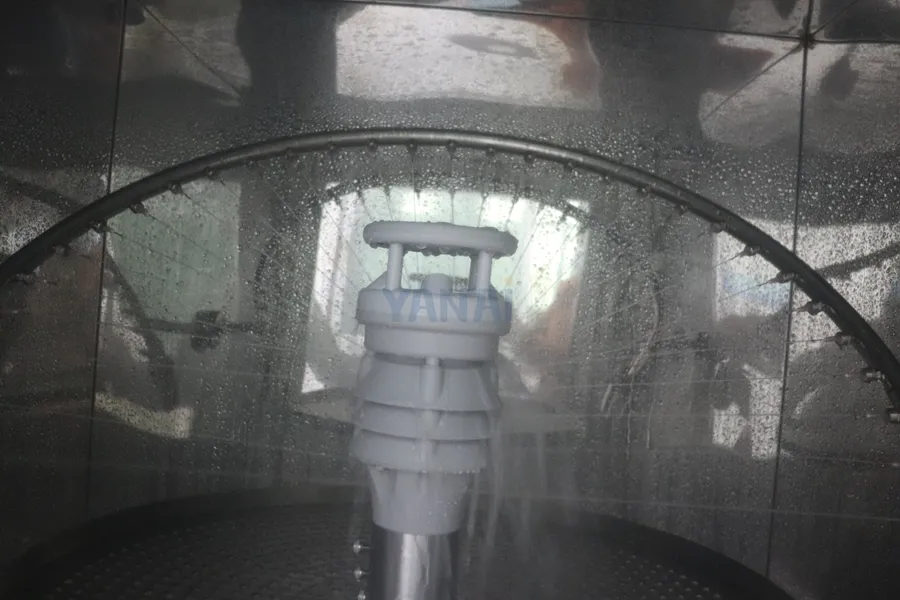
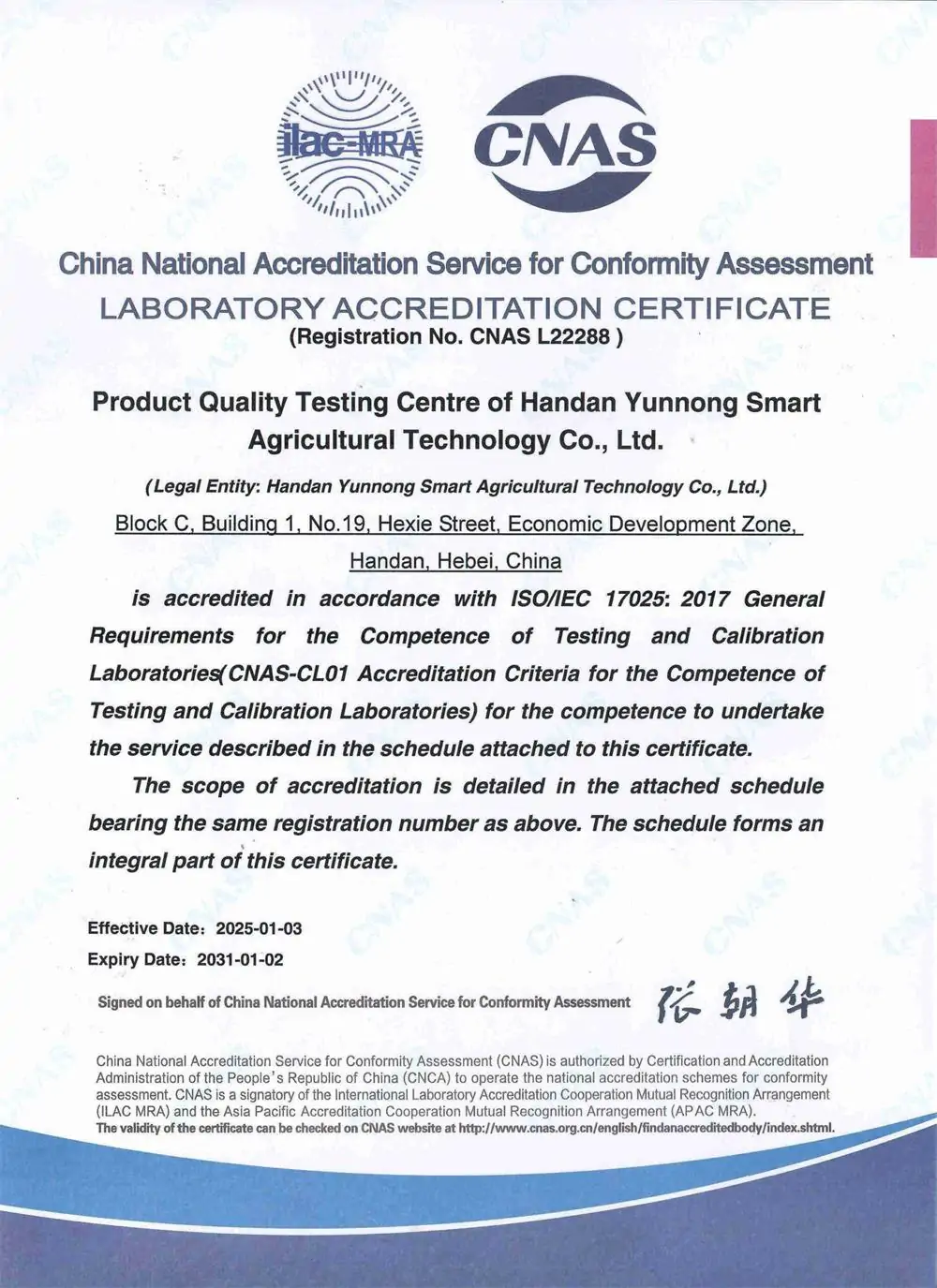
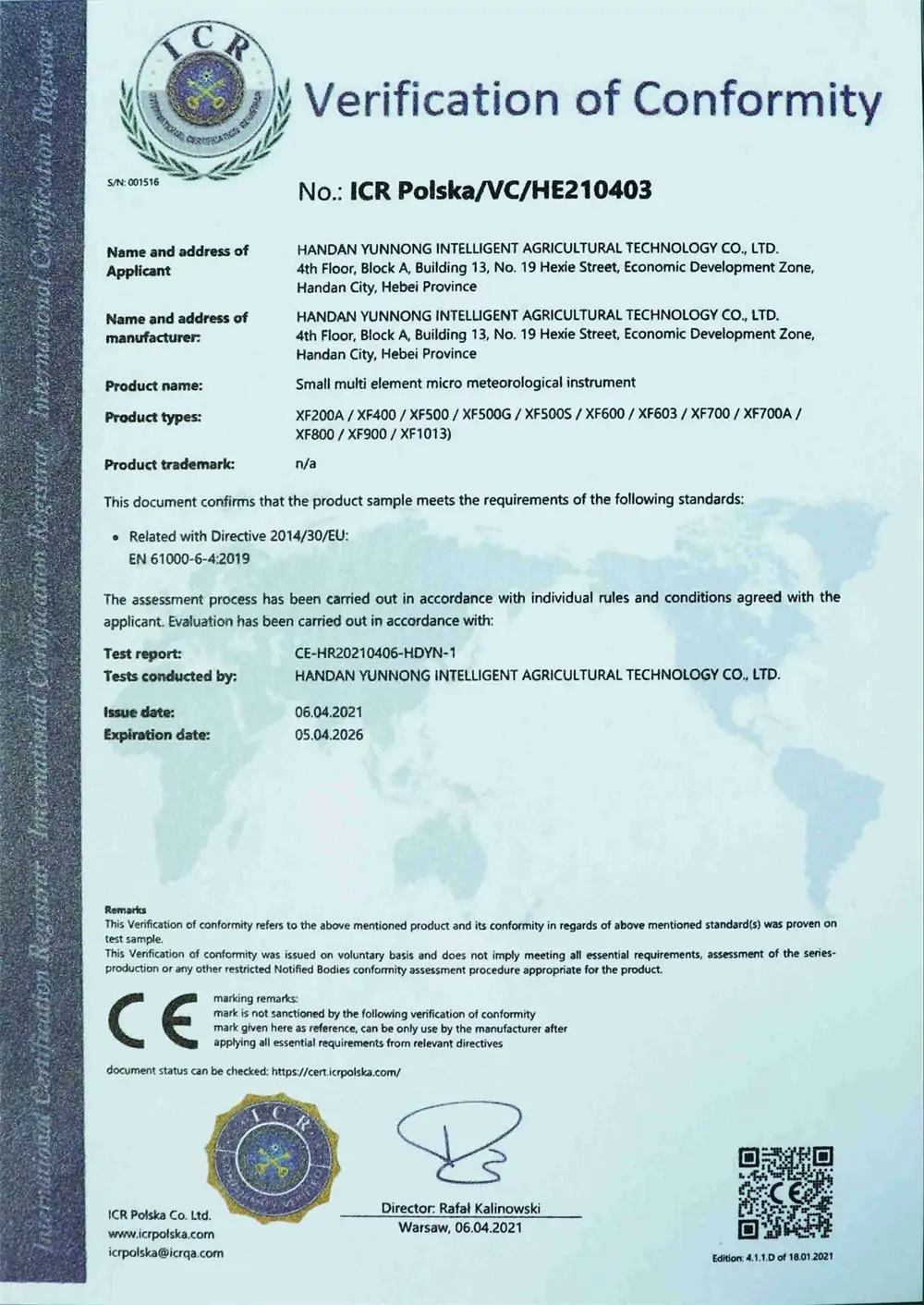
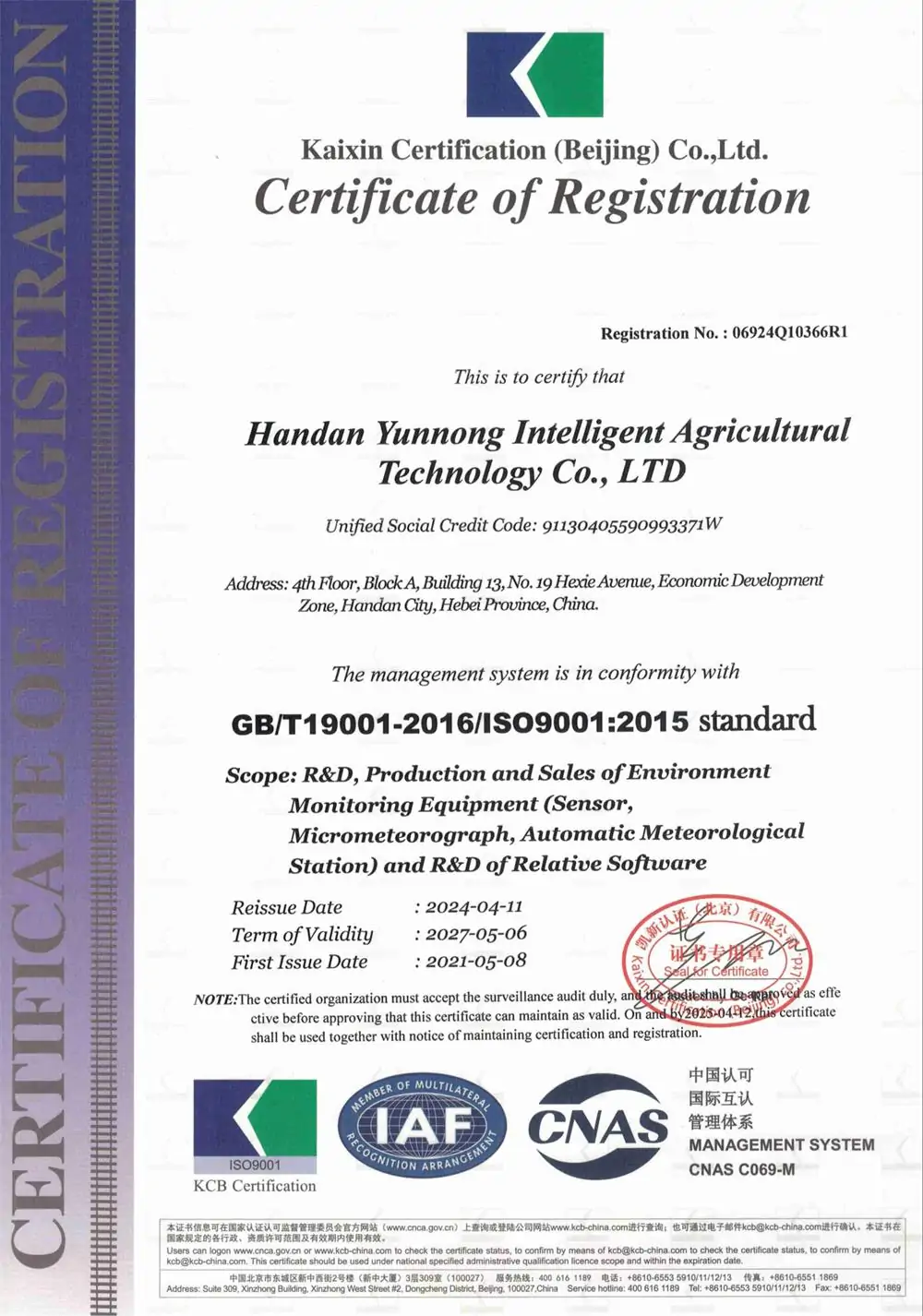
We are a modern sensor manufacturer and supplier specializing in the R&D and production of RY-CGH photosynthetic radiation sensors. Our company boasts an experienced R&D team, a mature production system, and comprehensive testing equipment. Products utilize premium components and employ stable, reliable detection principles. After undergoing multiple environmental and reliability tests, the sensors demonstrate outstanding sensitivity, weather resistance, and long-term stability. They are widely applied in agricultural meteorology, greenhouse cultivation, crop growth research, ecological environment monitoring, and other fields. We offer flexible custom solutions and system integration services, tailoring designs to project requirements. We are committed to providing reliable, durable, and easily integrated photosynthetic radiation monitoring solutions for our customers.