소개
Air quality monitoring stations play a critical role in understanding the condition of the atmosphere we live in. From urban pollution control to industrial emissions management and smart city development, these systems continuously measure a wide range of environmental parameters that determine air quality levels and human exposure risks.
But what parameters are measured at air quality monitoring stations? And why are so many different sensors required? This guide provides a complete breakdown of the key pollutants, meteorological variables, and advanced environmental parameters measured at modern air quality monitoring stations, along with how the data is used in real-world applications.

What Is an Air Quality Monitoring Station?
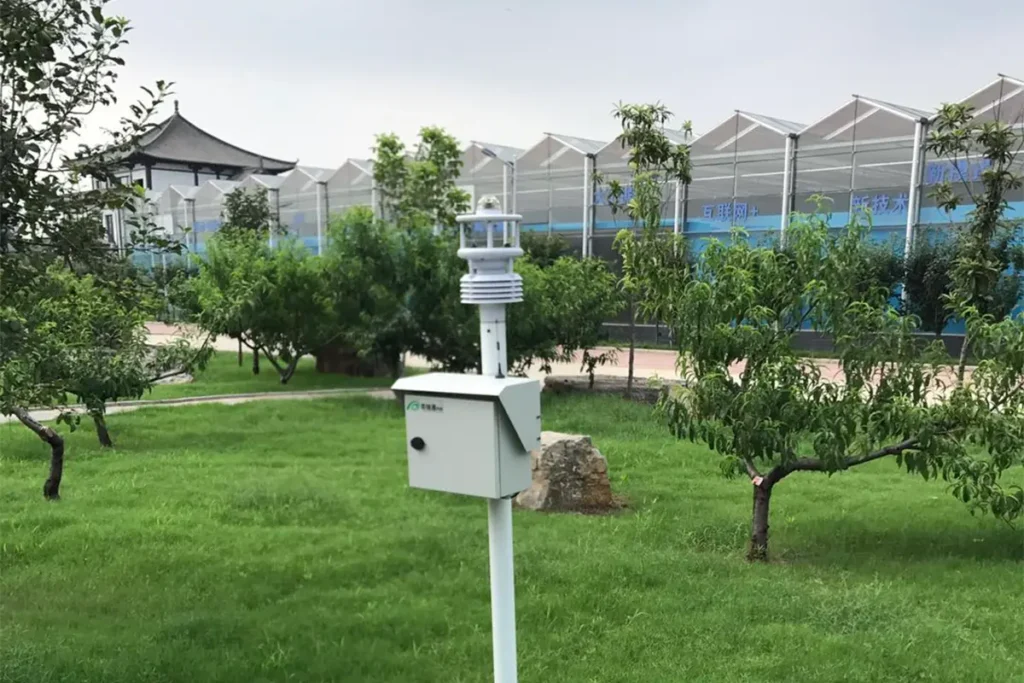
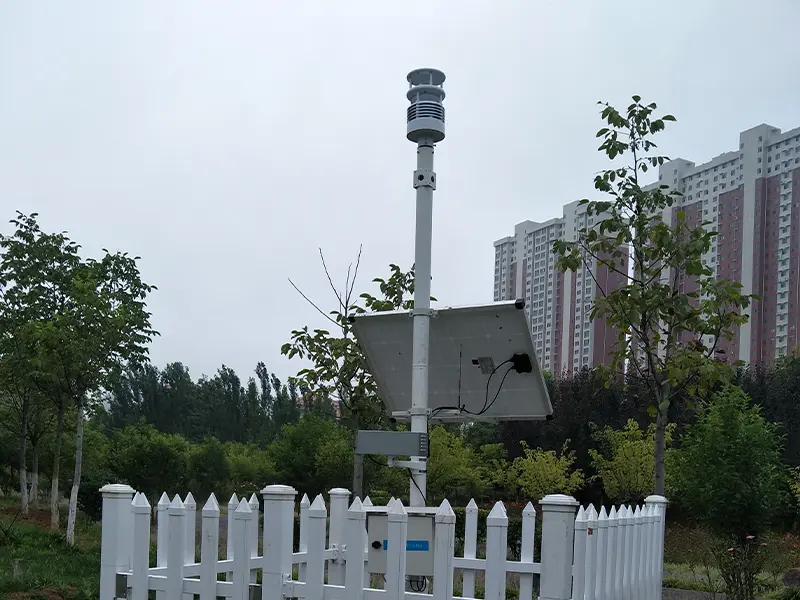
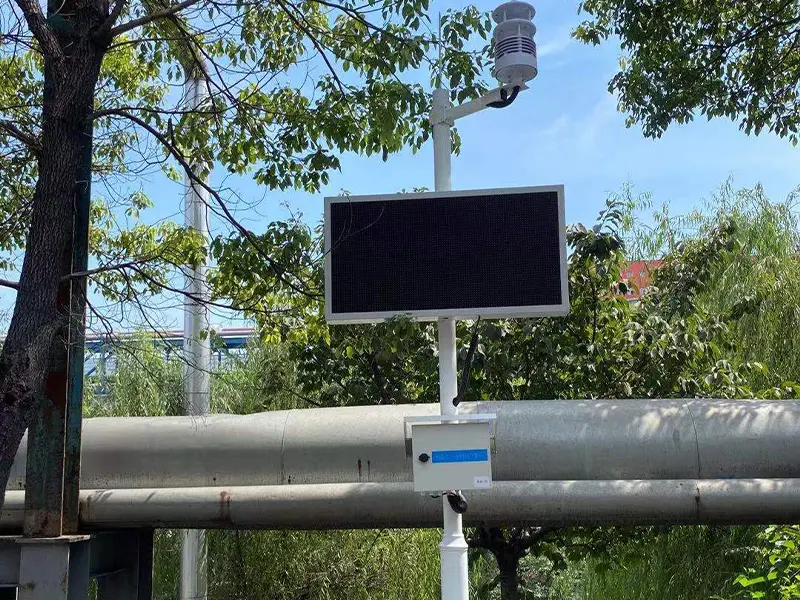
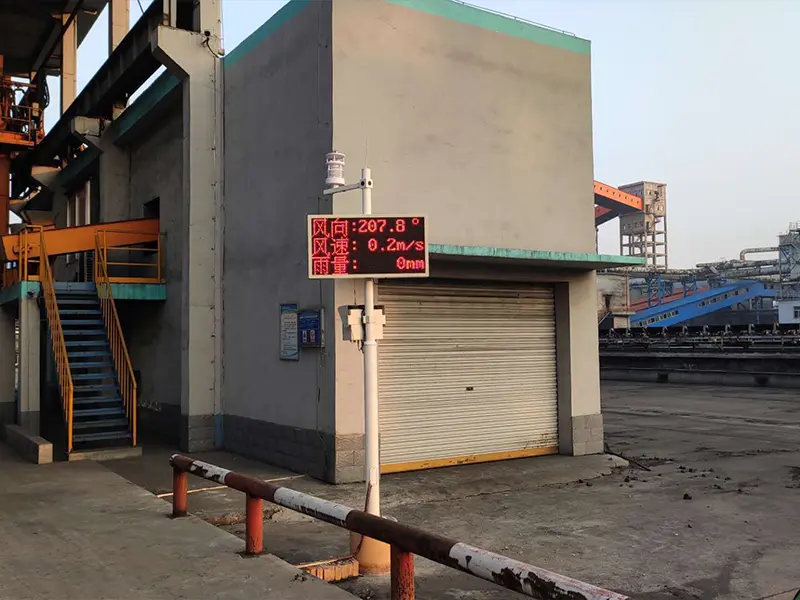
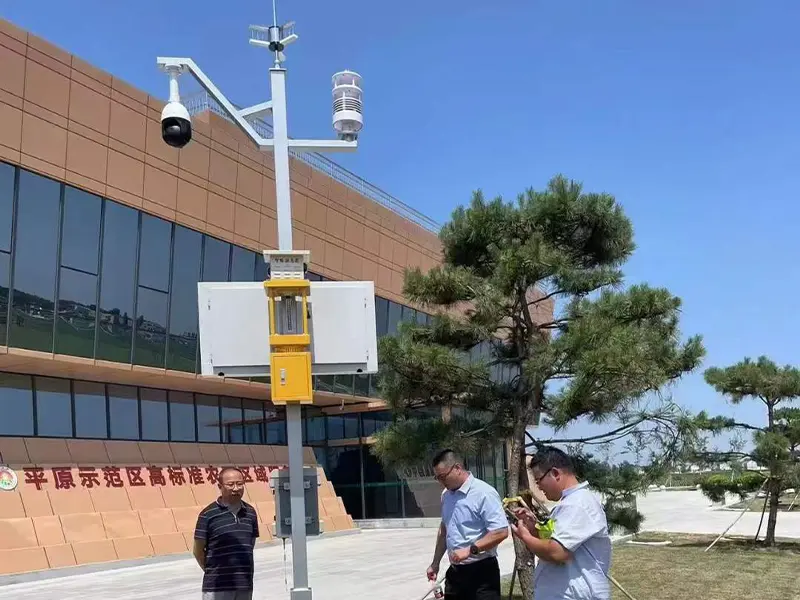
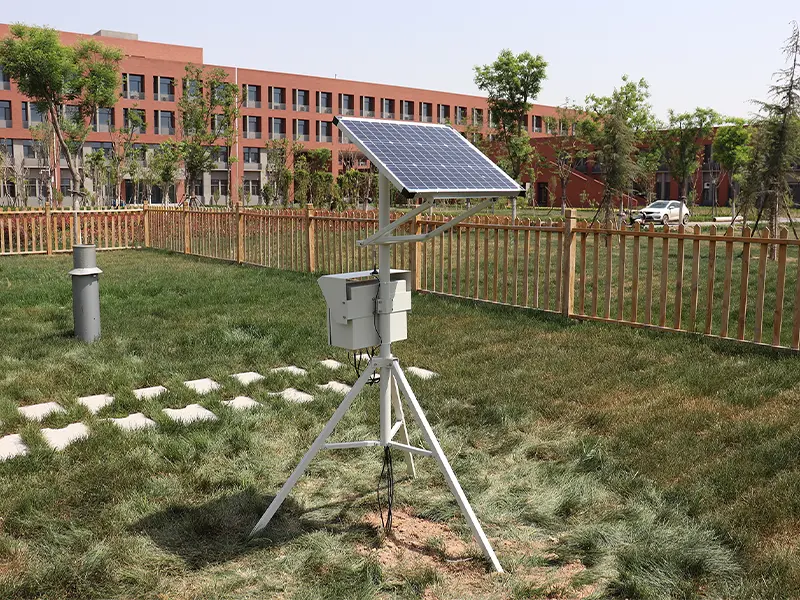
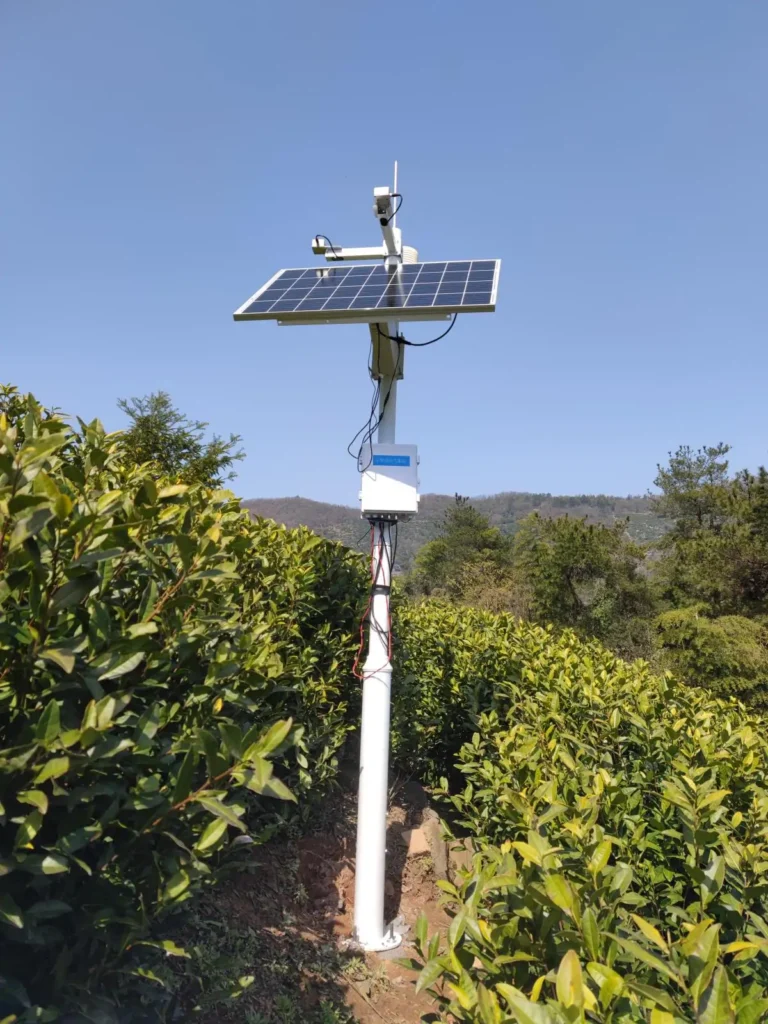
An air quality monitoring station is an integrated environmental system designed to continuously measure and record pollutants and atmospheric conditions in real time. These stations combine multiple sensors, data acquisition systems, and communication modules (often IoT-enabled) to deliver accurate environmental data to cloud platforms or control centers.
애플리케이션:
- Smart City Environmental Monitoring: Air quality monitoring stations provide real-time pollution data to support urban planning, traffic control, and public health management in smart city systems.
- Industrial Emission Monitoring: Used in factories and industrial zones to continuously track harmful gas emissions and ensure compliance with environmental regulations.
- Traffic Pollution Monitoring: Deployed along highways, tunnels, and urban roads to measure vehicle exhaust pollution and analyze traffic-related air quality trends.
- Construction Site Dust Control: Monitors PM2.5 and PM10 levels in real time to control dust pollution and meet environmental protection requirements on construction sites.
- Weather and Climate Research: Combines pollutant and meteorological data to support scientific research on atmospheric conditions and long-term climate change analysis.
- Agricultural Environmental Monitoring: Helps farmers and agricultural systems track air quality, ammonia levels, and environmental conditions for optimized crop growth.
- School and Residential Area Monitoring: Ensures public health safety by monitoring air pollution levels in sensitive areas such as schools, hospitals, and residential communities.
- Airport and Transportation Hub Monitoring: Provides continuous air quality and visibility data to ensure safe operations in airports, stations, and logistics hubs.
- Smart Factory & Industrial Parks: Integrates IoT air quality systems to manage workplace environmental safety and optimize industrial production conditions.
- Environmental Protection Agency Monitoring: Supports government agencies in pollution control, environmental law enforcement, and regional air quality assessment.
- Forest and Ecological Monitoring: Used in natural reserves and forests to monitor ecosystem health and detect environmental changes over time.
Modern systems are no longer limited to just pollution detection—they also integrate meteorological sensing to provide a full environmental profile.
공기질 모니터링 스테이션 매개변수
The core indicators for air quality assessment, which also form the basis for calculating the AQI (Air Quality Index), are standard equipment at all monitoring stations:
- Particulate Matter: PM₂.₅ (fine particulate matter, diameter ≤ 2.5 micrometers), PM₁₀ (inhalable particulate matter, diameter ≤ 10 micrometers); some devices can be expanded to measure PM₁ and TSP (total suspended particulates)
- Gaseous Pollutants: Sulfur dioxide (SO₂), nitrogen dioxide (NO₂), carbon monoxide (CO), ozone (O₃); nitrogen oxides (NO_x) can also be measured
Fine particulate matter (PM₂.₅)
Refers to fine suspended particles with an aerodynamic diameter of ≤2.5 micrometers, and is the primary pollutant associated with smog that is most widely recognized by the public. Its sources are extremely diverse; industrial emissions, vehicle exhaust, coal combustion particulates, crop residue burning, and secondary formation of particulate matter all contribute to PM₂.₅. Due to their extremely small size, high reactivity, long suspension time, and ability to travel long distances, these particles not only directly reduce atmospheric visibility and cause haze but, more critically, can penetrate the respiratory tract, reach the alveoli, and enter the bloodstream. Long-term exposure can lead to cardiovascular and pulmonary diseases, posing a significant threat to human health and making PM₂.₅ a top priority in air quality monitoring.
Particulate Matter (PM₁₀)
Refers to particles with an aerodynamic diameter of ≤10 micrometers. Primarily consisting of coarse particulate matter, it serves as a key indicator of urban dust pollution. Its main sources include road dust, construction dust, mining operations, wind-blown sand, and industrial dust. Compared to PM₂.₅, PM₁₀ particles are larger in size and mostly remain in the upper respiratory tract. Long-term inhalation can lead to pharyngitis, coughing, and respiratory tract inflammation. Additionally, high concentrations of PM₁₀ significantly reduce air transparency, causing haze that directly affects the visual quality of the urban environment and visibility during daily travel. It serves as the primary monitoring basis for urban dust control.
Sulfur dioxide (SO₂)
A typical gaseous industrial pollutant, it is one of the key indicators used to measure industrial exhaust gas pollution. Its primary sources of emissions are concentrated in industrial activities such as thermal power generation, coal combustion, metal smelting, and chemical production, with a small portion originating from residential coal burning. Sulfur dioxide is highly irritating; prolonged exposure can damage the mucous membranes of the respiratory tract and trigger respiratory diseases such as bronchitis, asthma, and emphysema. In the atmosphere, sulfur dioxide undergoes oxidation to form sulfates, which are major contributors to acid rain and smog. It corrodes buildings, damages vegetation, and acidifies soil and water bodies, causing sustained damage to ecosystems. As such, it is a priority pollutant for control in industrial cities.
Nitrogen dioxide (NO₂)
Primarily a gaseous pollutant generated by combustion processes, its main source in urban areas is motor vehicle exhaust emissions. Additionally, thermal power generation, industrial boilers, and combustion exhaust from fuel-burning equipment also produce large amounts of nitrogen dioxide. This pollutant is highly irritating and causes significant damage to the lungs and respiratory tract; children, the elderly, and individuals with respiratory diseases are particularly sensitive to it. Furthermore, nitrogen dioxide is a key precursor to atmospheric photochemical reactions. Under sunlight, it readily contributes to the formation of secondary pollutants such as ozone, triggering photochemical smog and exacerbating urban complex air pollution. As such, it serves as a critical monitoring indicator for urban traffic pollution and industrial combustion pollution.
Carbon monoxide (CO)
A colorless, odorless, and non-irritating toxic gaseous pollutant primarily produced by the incomplete combustion of carbon-containing substances. In urban areas, the main sources of emissions include vehicle exhaust, coal combustion, and industrial furnace exhaust. Carbon monoxide has a strong affinity for the human body and readily binds to hemoglobin in the blood, displacing oxygen from its binding sites. This reduces the blood’s ability to carry oxygen, leading to symptoms such as dizziness, fatigue, and hypoxia. Exposure to high concentrations can cause poisoning and, in severe cases, be life-threatening. This parameter accurately reflects the extent of combustion and exhaust pollution in urban areas and is an indispensable routine monitoring indicator.
Ozone (O₃)
Ground-level ozone is a typical secondary air pollutant that is not produced by direct emissions. Under conditions of high summer temperatures and intense sunlight, nitrogen oxides and volatile organic compounds in the atmosphere undergo complex photochemical reactions to form ozone; therefore, ozone pollution is most prevalent in the afternoons during the summer and fall. High concentrations of ground-level ozone strongly irritate the mucous membranes of the eyes, nose, and throat, damage the respiratory tract and lung tissue, and cause discomfort. It also inhibits plant photosynthesis, disrupts vegetation growth, and harms farmland and ecological vegetation, making it a key monitoring parameter for summer air pollution control.
Expandable gaseous pollutant parameters
Sulfur Dioxide (SO₂)
Sulfur dioxide is primarily produced by the combustion of sulfur-containing fuels, such as coal and petroleum. Major sources include coal-fired power plants, industrial facilities, and oil refineries. Sulfur dioxide contributes to the formation of acid rain and can cause respiratory diseases.
Volatile Organic Compounds (VOCs)
VOCs are a class of carbon-based chemicals that readily evaporate at room temperature. They primarily originate from industrial solvents, paints and coatings, fuel emissions, and chemical manufacturing. VOCs are significant because they contribute to ozone formation and may have long-term health effects.
Hydrogen Sulfide (H₂S)
Hydrogen sulfide is a toxic gas with a strong odor resembling rotten eggs. It primarily originates from wastewater treatment plants, landfills, and oil refineries. Even at low concentrations, hydrogen sulfide can be harmful to human health; therefore, continuous monitoring is required in industrial areas.
Ammonia (NH₃)
Ammonia is typically associated with agricultural activities. It primarily originates from fertilizer application, livestock farming, and the decomposition of organic waste. Monitoring NH₃ is particularly important in agricultural air quality monitoring systems.
Meteorological and Environmental Parameters
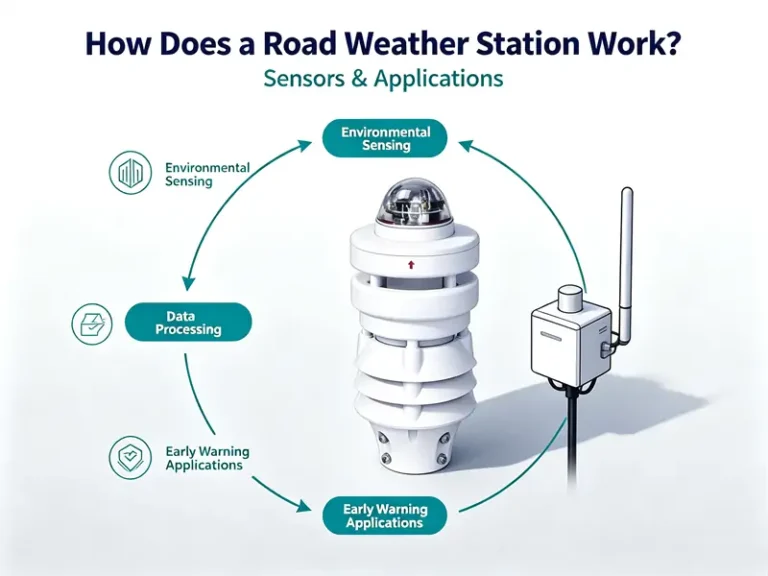
Almost all monitoring stations can integrate meteorological parameter measurements, and some also support noise monitoring:
온도
Temperature affects the chemical reactions in the atmosphere and the dispersion of pollutants.
- High temperatures can accelerate ozone formation
- Low temperatures may trap pollutants near ground level
습도
Humidity influences how particles behave in the air.
- High humidity can increase particulate aggregation
- It can also affect sensor accuracy if not compensated
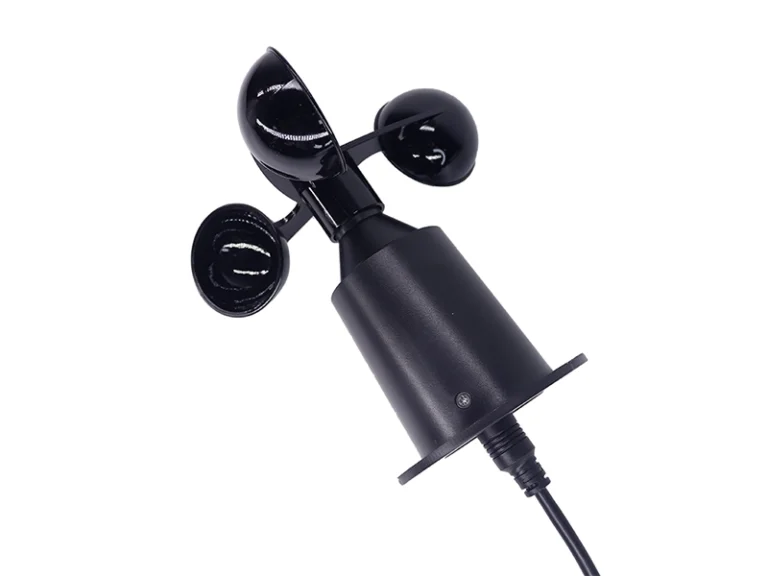
풍속
Wind speed determines how quickly pollutants disperse.
- High wind speed = better air circulation
- Low wind speed = pollutant accumulation
바람 방향
Wind direction helps identify pollution sources.
For example:
- Industrial zone wind direction → identifies emission origin
- Traffic corridor direction → maps urban pollution flow
대기압
Atmospheric pressure is used to understand weather stability.
- High pressure often leads to stagnant air and pollution buildup
- Low pressure improves vertical air movement and dispersion
강우량
Rain plays a natural role in cleaning the atmosphere.
- Washes out dust and particulate matter
- Temporarily improves air quality
However, rainfall data is also used to analyze pollutant deposition patterns.
Advanced Environmental Parameters in Modern Monitoring Stations
Modern air quality systems are increasingly multifunctional, integrating additional environmental measurements.
태양 복사
Solar radiation influences photochemical reactions (such as ozone formation) and atmospheric temperature dynamics. This is particularly important in climate and solar energy research applications.
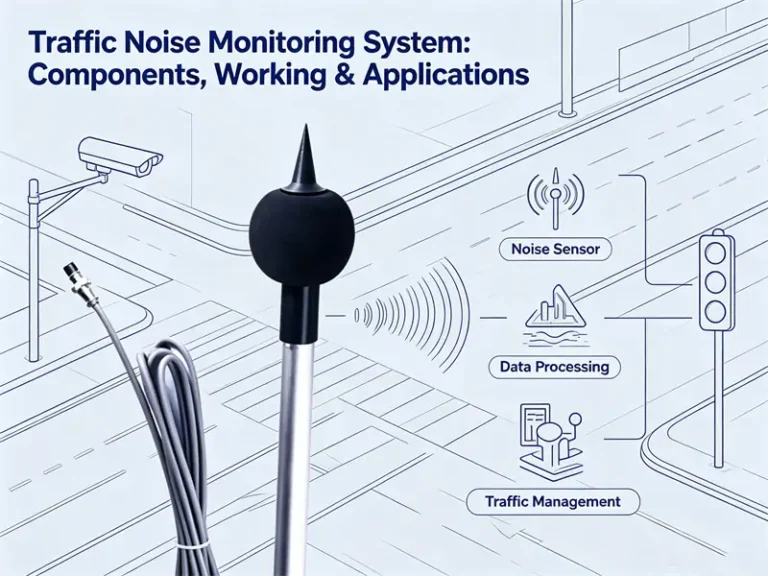
Noise Levels (Optional Feature in Smart Cities)
Some smart monitoring systems are also equipped with acoustic sensors to measure environmental noise pollution.
Ultraviolet Radiation
Ultraviolet sensors are used to measure UV intensity, which is helpful for health risk assessments, environmental research, and agricultural applications.
Sensors Used in Air Quality Monitoring Stations
Air quality monitoring stations rely on multiple sensor technologies working together to ensure accurate, real-time environmental data collection.
| Sensor Type | 측정된 매개변수 | 설명 |
|---|---|---|
| Laser Particle Sensors | PM2.5 / PM10 | Measure fine and coarse particulate matter in the air using laser scattering technology. |
| Electrochemical Sensors | CO, NO2, SO2, O3 | Detect harmful gases through electrochemical reactions for real-time pollution monitoring. |
| Infrared Sensors | CO2 | Use infrared absorption technology to measure carbon dioxide concentration accurately. |
| 초음파 풍속계 | Wind speed, Wind direction | Provide precise wind data without moving parts, improving durability and accuracy. |
| Temperature & Humidity Sensors | Temperature, Humidity | Monitor basic atmospheric conditions that influence pollutant behavior and dispersion. |
| VOC Sensors | Volatile Organic Compounds | Detect organic gas emissions from industrial, chemical, and urban sources. |
These sensors are integrated into a single system for synchronized environmental monitoring and comprehensive air quality analysis.
How Air Quality Data Is Collected and Transmitted
Modern systems rely heavily on IoT architecture.
Step 1: Data Collection
Sensors continuously collect real-time environmental data.
Step 2: Data Processing
A data acquisition system (DAQ) filters and calibrates raw signals.
Step 3: Transmission
Data is transmitted via:
- 4G/5G networks
- LoRa wireless communication
- NB-IoT systems
Step 4: Cloud Analysis
Data is uploaded to cloud platforms for:
- Visualization dashboards
- Historical trend analysis
- Alert systems
Why Multi-Parameter Monitoring Is Important
Air quality cannot be accurately assessed using a single parameter.
For example:
- High PM2.5 alone does not explain the pollution source
- Combining wind data helps identify the origin
- Gas + weather data improves predictive models
Multi-parameter systems allow:
- Accurate diagnosis
- Better environmental policies
- Improved public health decisions
How to Choose an Air Quality Monitoring Station
Accuracy and Calibration: High-precision sensors ensure reliable data.
Sensor Configuration: Industrial needs, Urban monitoring, Agricultural applications, Environmental Durability.
Stations must withstand: Extreme temperatures, humidity variations, dust, and corrosion.
Communication Compatibility: IoT platforms, Remote monitoring systems.
결론
Air quality monitoring stations measure far more than just pollution levels. They integrate a wide range of chemical pollutants, particulate matter, and meteorological parameters to provide a complete understanding of environmental conditions. From PM2.5 and CO2 to wind speed and solar radiation, each parameter plays a vital role in building a real-time picture of air quality and its impact on human health and the environment.
As smart cities and environmental regulations continue to evolve, these systems will become even more advanced, integrating AI, IoT, and multi-sensor fusion technologies to deliver deeper insights and more accurate environmental intelligence. If you’re unsure which option fits your project, we often suggest speaking directly with engineers at Yantai Sensor. In real applications, a short discussion about your system setup can usually save a lot of time and avoid costly selection mistakes later