소개
태양광 발전소, 기상 관측소 또는 기타 태양광 모니터링 시스템용 일사계를 선택할 때, 구매자는 종종 실질적인 질문에 직면합니다: 프로젝트에 열전퇴식 또는 실리콘 일사계를 사용해야 하는가? 두 기술 모두 태양 일사량을 측정하지만, 감지 원리의 차이로 인해 분광 응답, 측정 성능, 응답 시간 및 비용에 영향을 미칩니다.
구매 결정에 있어 이러한 차이는 중요한데, 소형 분산 모니터링 시스템에 적합한 센서가 장기 태양 자원 평가나 고정밀 PV 모니터링에는 적합하지 않을 수 있기 때문입니다. 열전퇴식 일사계는 일반적으로 광대역 태양 복사 측정에 선호되는 반면, 실리콘 일사계는 빠른 응답, 소형 크기 및 배포 비용이 우선시될 때 더 실용적일 수 있습니다.
다음 섹션에서는 측정 원리, 분광 응답, 정확도, 응답 시간, 비용 및 일반적인 적용 분야 측면에서 두 기술을 비교한 후, 구매자가 일사계를 선택할 때 확인해야 할 사항과 다양한 프로젝트 요구 사항에 적합한 태양 복사 모니터링 옵션을 살펴봅니다.
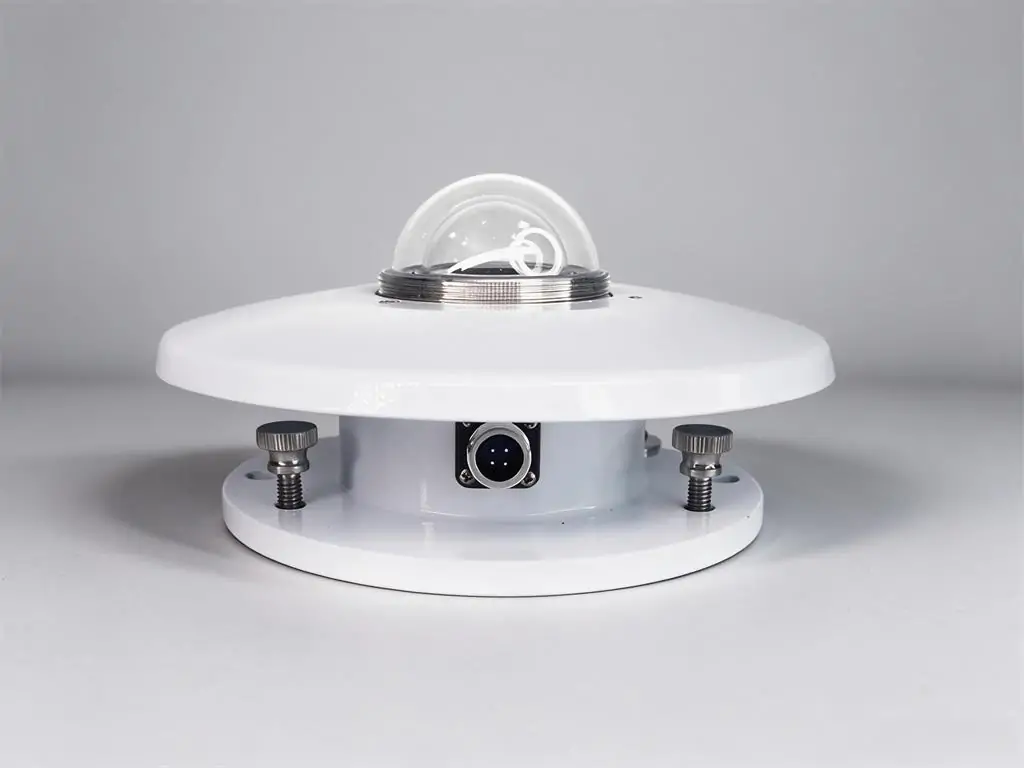
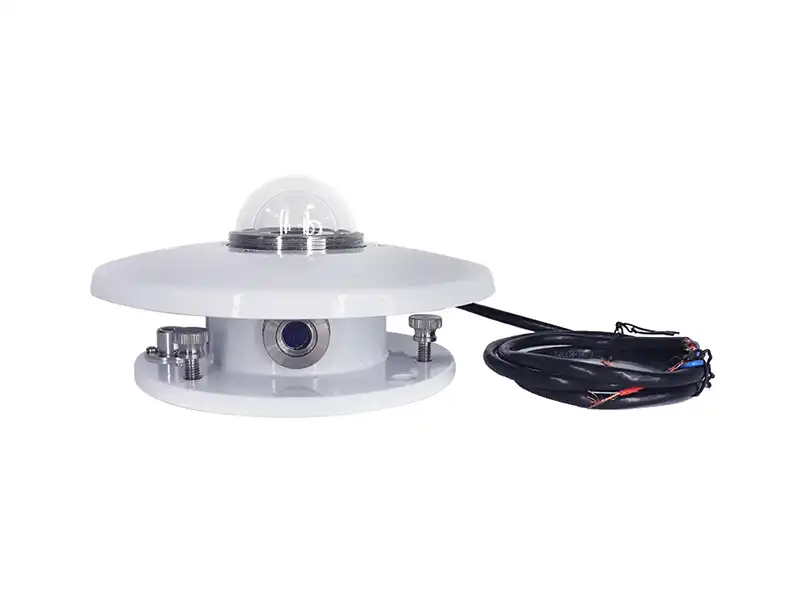
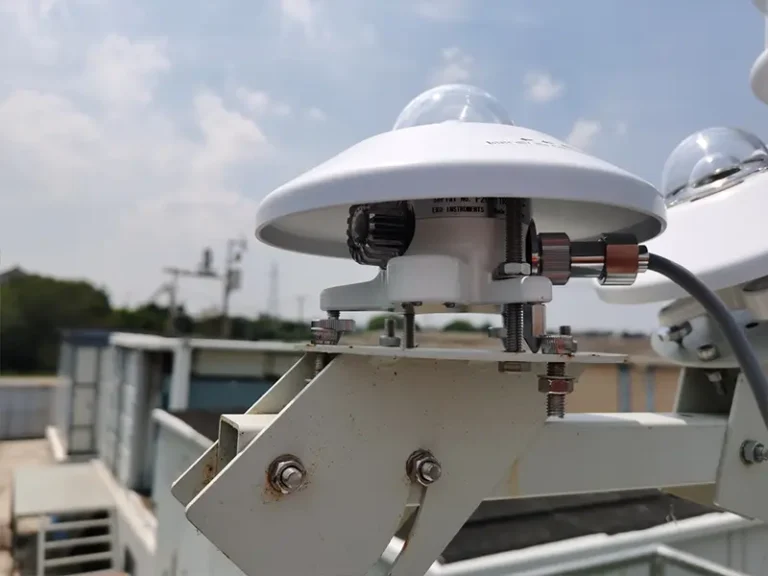
열전퇴식 vs 실리콘 일사계: 차이점은 무엇인가?
언뜻 보면 열전퇴식과 실리콘 일사계는 동일한 역할을 합니다: 태양 일사량 측정. 차이점은 햇빛을 감지하는 방식에서 명확해집니다. 열전퇴식은 흡수된 복사에 의해 생성된 열을 측정하는 반면, 실리콘 일사계는 실리콘 포토다이오드를 사용하여 빛을 감지하고 전기 신호를 생성합니다. 이러한 차이는 센서의 분광 응답, 응답 시간, 가격 및 가장 적합한 모니터링 작업 유형에 영향을 미칩니다.
| 기능 | 서모파일 일사계 | 실리콘 일사계 |
| 감지 원리 | 열전 효과 | 실리콘 포토다이오드 |
| 분광 응답 | 광범위한 태양 스펙트럼 | 보다 선택적인 분광 응답 |
| 응답 속도 | 일반적으로 느림 | 일반적으로 빠름 |
| 광대역 측정 | 매우 적합 | 분광 응답에 더 의존적 |
| 일반적인 비용 | 일반적으로 더 높음 | 일반적으로 더 낮음 |
| 일반적인 적용 분야 | 기상 모니터링, 태양 자원 평가, PV 모니터링 | PV 모니터링, 소형 기상 관측소, 분산 감지 |
실질적으로 선택은 센서 데이터가 무엇을 나타내기를 기대하는지에 달려 있습니다. 열전퇴식은 일반적으로 광대역 태양 복사와 안정적인 장기 측정이 중요할 때 고려됩니다. 실리콘 센서는 빠른 응답, 소형 크기 및 낮은 비용이 더 높은 우선순위일 때 종종 더 편리합니다. 어느 기술도 모든 프로젝트에 자동으로 적합한 선택은 아니며, 측정 목표와 현장 조건이 우선되어야 합니다.
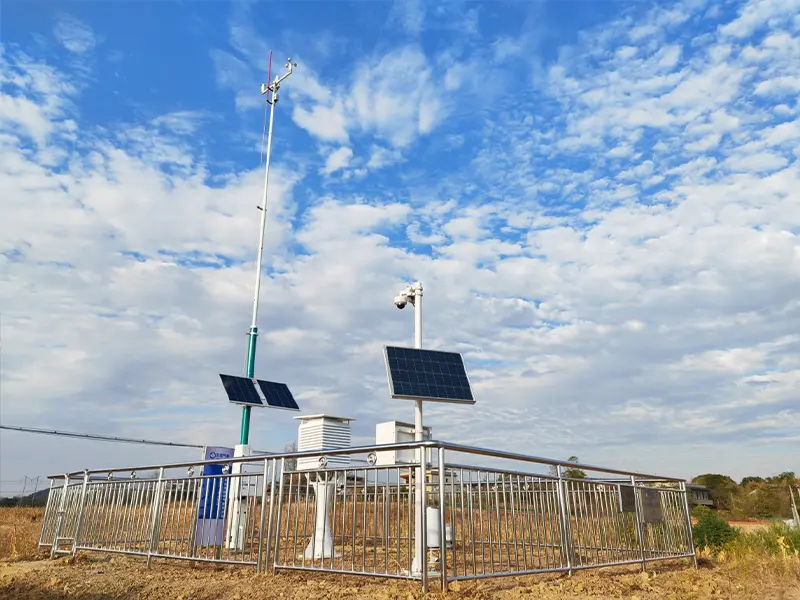
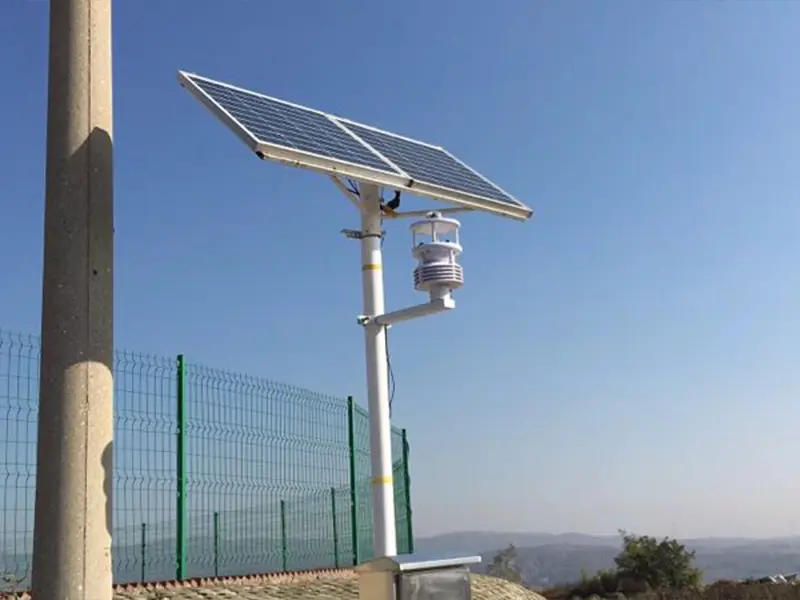
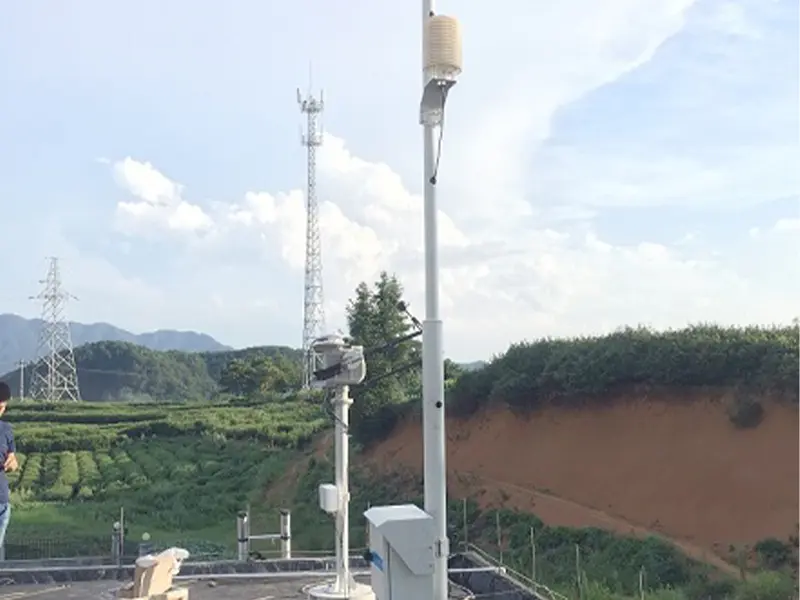
열전퇴식과 실리콘 일사계는 태양 복사를 어떻게 측정하는가?
열전퇴식과 실리콘 일사계의 차이는 감지기가 햇빛에 반응하는 방식에서 시작됩니다. 하나는 흡수된 복사의 열 효과를 측정하고, 다른 하나는 빛을 직접 전기 신호로 변환합니다. 이 기본적인 차이를 이해하면 두 기술이 분광 응답, 속도 및 실제 태양 복사 모니터링에서 다르게 작동하는 이유를 더 쉽게 알 수 있습니다.
서모파일 일사계
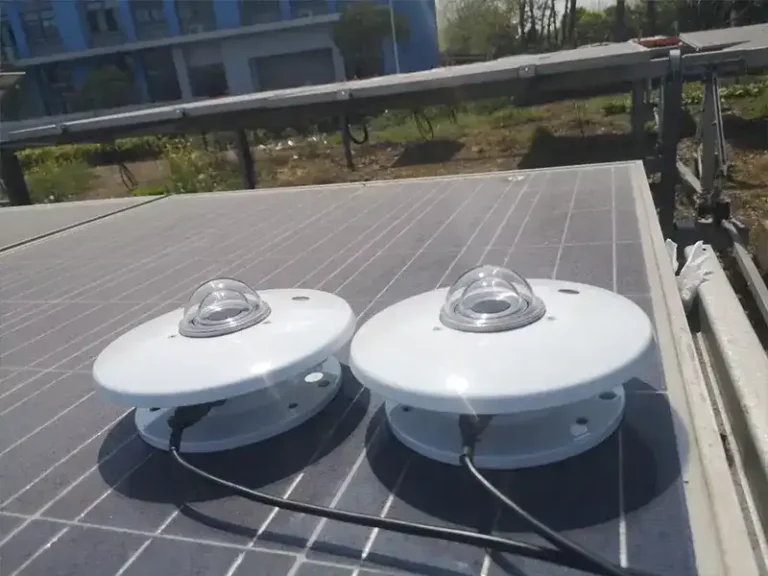
열전퇴식 일사계는 흡수된 복사를 열로 변환한 다음 전기 신호로 변환하여 태양 복사를 측정합니다. 감지 표면이 들어오는 복사를 흡수하여 열전퇴의 고온 접합부와 저온 접합부 사이에 온도 차이를 생성합니다. 이 온도 차이는 입사 태양 일사량과 상관될 수 있는 작은 전압을 생성합니다.
주요 장점은 광범위한 분광 응답입니다. 반도체 감지기의 응답 특성에 의존하는 대신, 열전퇴 감지 소자는 태양 스펙트럼의 넓은 부분에 반응하도록 설계되었습니다. 이것이 열전퇴식 일사계가 연속 태양 복사 측정, 기상 관측 및 광대역 일사량 데이터가 중요한 응용 분야에 일반적으로 사용되는 이유입니다.
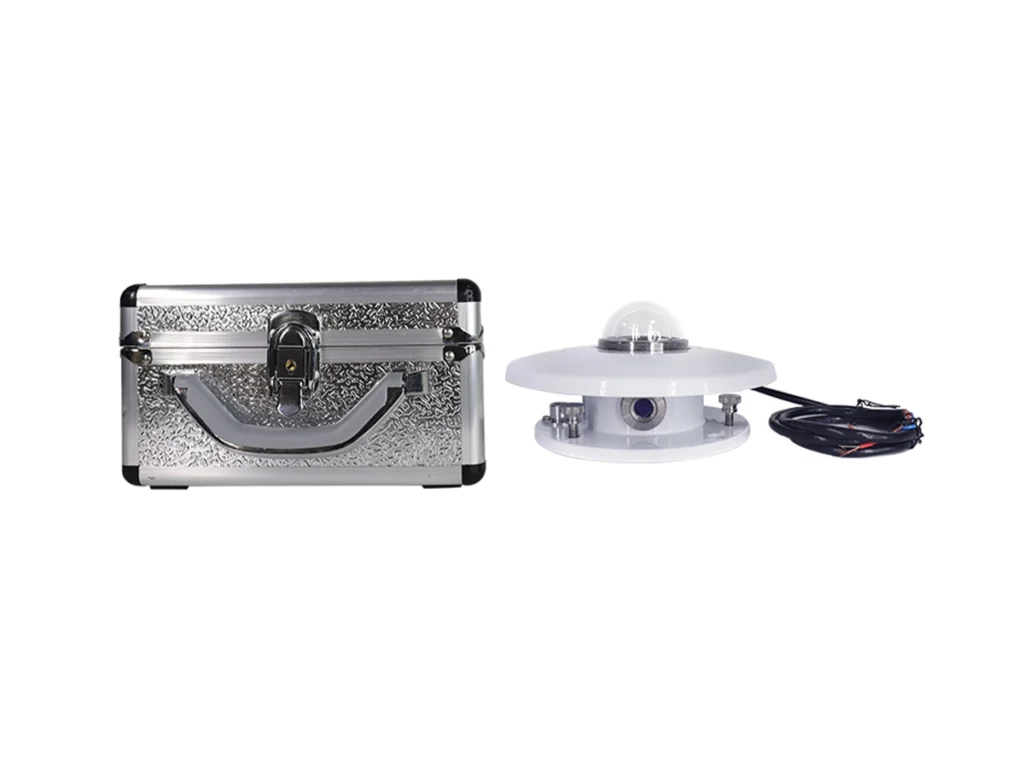
예를 들어, YanTai Sensor의 TBQ-2C는 권선형 열전퇴와 이중층 석영 유리 커버를 사용합니다. 공개된 분광 범위는 0.3–3.2 μm이며, 99% 응답 시간은 35초 미만이고 연간 안정성은 ≤±2%입니다. 이러한 사양은 열전퇴 구조가 현장 태양 복사 센서에 어떻게 적용되는지에 대한 실용적인 예를 제공합니다.
실리콘 일사계
실리콘 일사계는 다르게 작동합니다. 실리콘 포토다이오드를 사용하여 들어오는 빛을 직접 전기 신호로 변환하므로 열전퇴 측정 경로와 비교할 수 있는 열 과정이 없습니다. 결과적으로 실리콘 감지기는 일사량 변화에 매우 빠르게 반응할 수 있으며 비교적 소형 모니터링 장치에 내장될 수 있습니다.
한계는 분광 응답입니다. 실리콘 감지기는 광대역 열전퇴 감지기보다 자연적으로 더 선택적이므로 측정된 신호는 들어오는 햇빛의 스펙트럼에 더 강하게 의존합니다. 이는 구름 덮개 중이나 센서가 특정 분광 응답을 가진 PV 모듈과 함께 사용될 때와 같이 조건이 변할 때 중요합니다. 이러한 이유로 실리콘 일사계는 응답 속도만이 아니라 실제 모니터링 목적, 교정 및 요구되는 측정 성능에 따라 선택해야 합니다.
열전퇴 vs 실리콘 일사계: 장단점
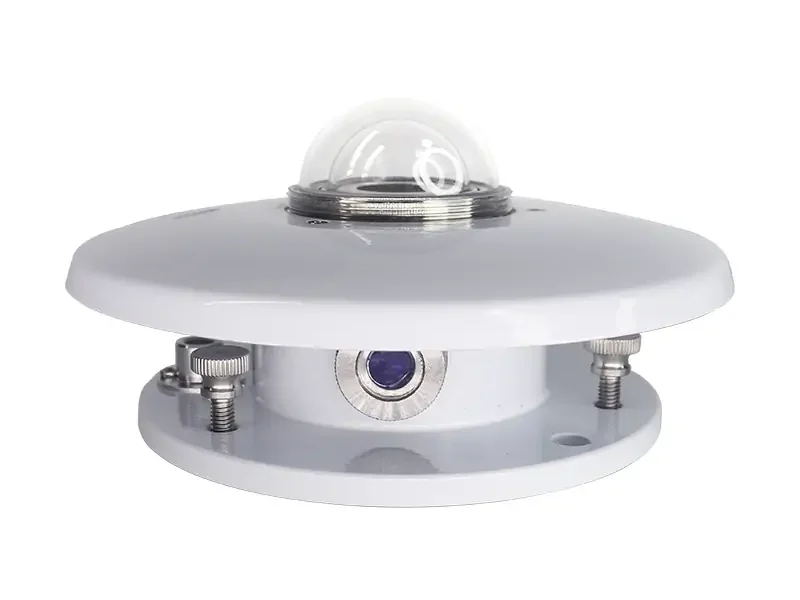
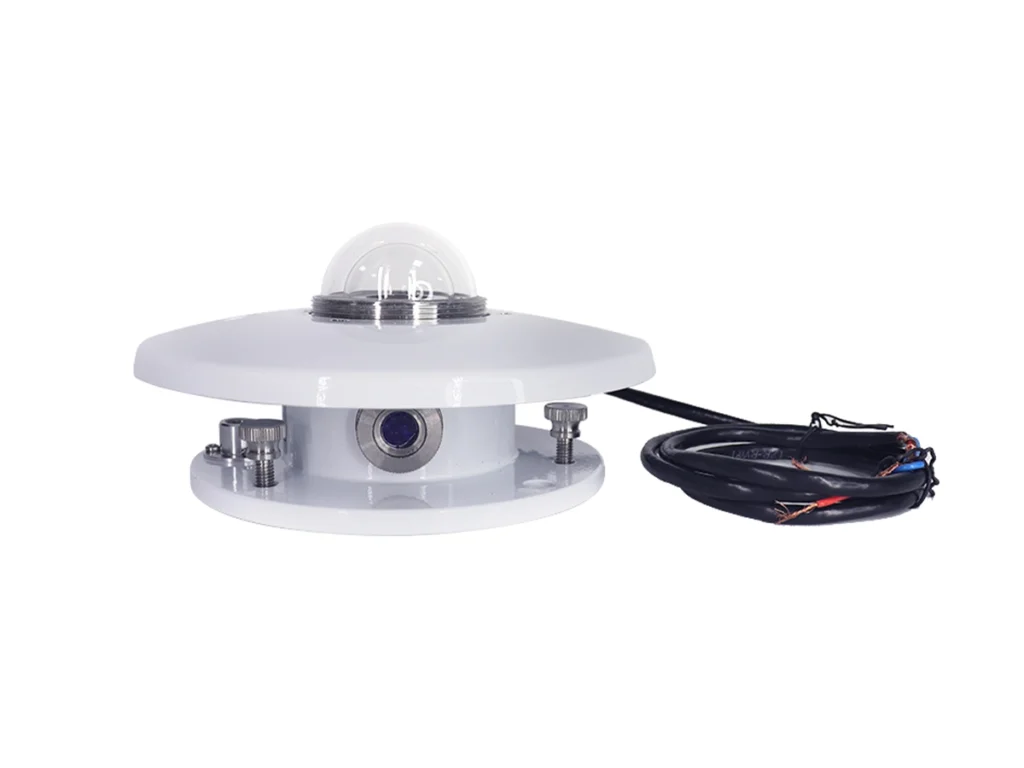
센서 원리에서 실제 수행해야 할 작업으로 넘어가면 차이를 판단하기가 더 쉽습니다. 실제로 어느 기술도 모든 모니터링 시스템에 적합하지는 않습니다. 열전퇴식은 일반적으로 광대역 복사 데이터와 장기 측정이 우선순위일 때 더 합리적인 반면, 실리콘 센서는 빠른 응답, 소형 설치 및 배포 비용이 더 중요할 때 더 실용적일 수 있습니다.
열전퇴식: 장점이 있는 경우
열전퇴식 일사계는 일반적으로 전용 태양 복사 기기로 사용됩니다. 들어오는 태양 스펙트럼의 넓은 부분을 포착하고 연속 일사량 데이터를 제공하도록 설계되었으며, 이 때문에 기상 관측소, 태양 자원 측정 시스템, 연구 설비 및 PV 모니터링 장비에서 흔히 볼 수 있습니다.
그 강점은 변화하는 햇빛 조건 전반에 걸친 일관성입니다. 목적이 장기 복사 기록을 구축하거나 보다 상세한 태양 분석을 위해 일사량 데이터를 사용하는 것이라면, 열전퇴의 더 넓은 응답 범위는 종종 추가 비용을 감수할 가치가 있습니다. 절충점은 명확합니다: 열 검출은 반응하는 데 더 오래 걸리고, 고성능 기기는 더 세심한 교정이 필요하며 일반적으로 비용이 더 많이 듭니다.
.변화하는 햇빛 조건에서도 일관성을 유지하는 것이 강점입니다. 장기적인 복사 기록을 구축하거나 보다 상세한 태양 분석을 위해 일사량 데이터를 사용하는 것이 목적이라면, 열전퇴의 더 넓은 응답 범위는 추가 비용을 지불할 가치가 있는 경우가 많습니다. 절충점은 명확합니다. 열 감지 방식은 반응하는 데 시간이 더 오래 걸리고, 고성능 기기는 더 세심한 교정이 필요하며 일반적으로 비용이 더 많이 듭니다.
Silicon: Where It Has an Advantage.
실리콘: 장점이 있는 부분.
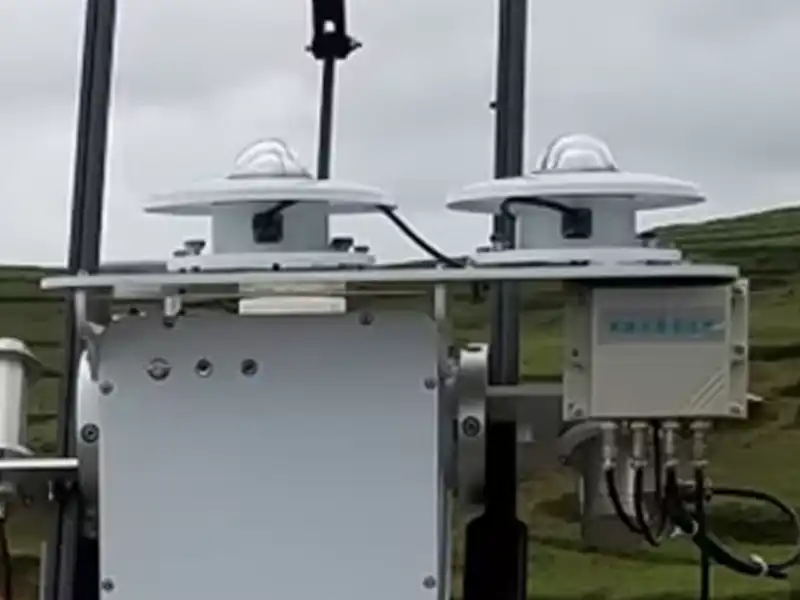
A silicon pyranometer is a more compact type of solar radiation sensor built around a silicon photodiode. It responds directly to incoming light, so it can detect rapid changes in irradiance without waiting for a thermal element to heat up. This makes the technology useful where sensors need to be small, responsive, and easy to deploy at multiple locations.
실리콘 일사계는 실리콘 포토다이오드를 기반으로 만들어진 더 소형화된 유형의 태양 복사 센서입니다. 입사광에 직접 반응하므로 열 소자가 가열될 때까지 기다리지 않고 일사량의 급격한 변화를 감지할 수 있습니다. 이는 센서가 작고 반응성이 좋으며 여러 위치에 쉽게 배치되어야 하는 곳에서 이 기술을 유용하게 만듭니다.
The trade-off is that the detector has a more selective spectral response. For a simple monitoring system, this may not be a major issue, but it becomes important when the measured value needs to represent broadband solar irradiance under different weather or spectral conditions. In those cases, the sensor’s actual spectral characteristics and calibration should be checked before making a purchasing decision.
단점은 검출기의 분광 응답이 더 선택적이라는 점입니다. 단순한 모니터링 시스템에서는 이것이 큰 문제가 아닐 수 있지만, 측정값이 다양한 기상 또는 분광 조건에서 광대역 태양 일사량을 나타내야 할 때는 중요해집니다. 그러한 경우에는 구매 결정을 내리기 전에 센서의 실제 분광 특성과 교정 상태를 확인해야 합니다.
Why Spectral Response Matters?.
분광 응답이 중요한 이유는 무엇인가?.
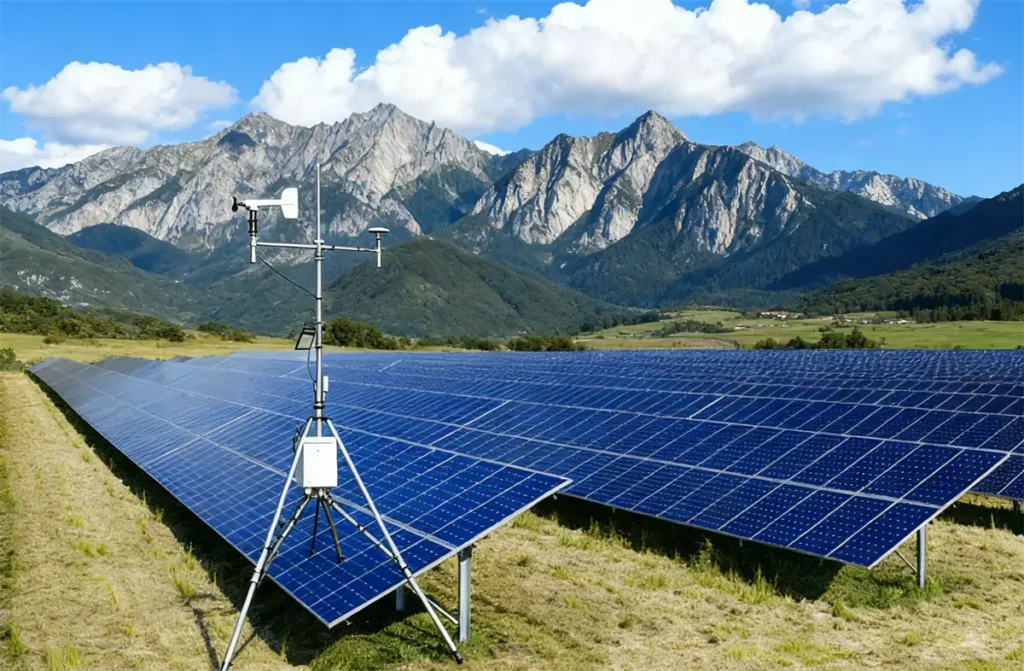
Sunlight reaching a sensor is not spectrally constant. Solar elevation, air mass, cloud cover, atmospheric moisture, and aerosols can all change the distribution of wavelengths reaching the ground. Since thermopile and silicon detectors respond to these wavelengths differently, two properly calibrated sensors can produce different irradiance readings under the same outdoor conditions.
센서에 도달하는 햇빛은 분광적으로 일정하지 않습니다. 태양 고도, 대기 질량, 구름량, 대기 중 수분, 에어로졸은 모두 지표에 도달하는 파장 분포를 변화시킬 수 있습니다. 열전퇴와 실리콘 검출기는 이러한 파장에 다르게 반응하므로, 적절히 교정된 두 센서도 동일한 야외 조건에서 서로 다른 일사량 판독값을 생성할 수 있습니다.
This is why spectral response should be considered together with accuracy, calibration, and application requirements when selecting a pyranometer.

이것이 일사계를 선택할 때 분광 응답을 정확도, 교정 및 적용 요구사항과 함께 고려해야 하는 이유입니다.
How Thermopile and Silicon Sensors Differ Spectrally?.
열전퇴와 실리콘 센서는 분광적으로 어떻게 다른가?.
What Should You Check on the Datasheet?
| 매개변수 | What to Look For |
| 분광 응답 | Check whether the wavelength range matches the radiation you actually need to measure. |
| Accuracy / performance class | Compare the stated performance class or measurement accuracy rather than relying on detector type. |
| 코사인 응답 | Important for outdoor measurements because the angle of incoming sunlight changes throughout the day. |
| Temperature dependence | Shows how much the sensor output may change as the installation temperature varies. |
| 연간 안정성 | Useful for evaluating whether the sensor can maintain consistent readings during long-term deployment. |
| 응답 시간 | Worth checking when the system needs to capture rapid changes caused by moving clouds or changing irradiance. |
| 교정 | Check the calibration method, certificate, and available measurement traceability before purchasing. |
Which Pyranometer Is Better for Solar PV?
For a PV project, the right pyranometer depends on what the irradiance data is expected to do. A sensor used to assess solar resources or support performance testing has different requirements from one installed at dozens of monitoring points around a plant. So the choice should start with the measurement task, not with the sensor name.
| PV Requirement | Recommended Direction |
| 태양광 자원 평가 | 열전더미 |
| Broadband reference measurement | 열전더미 |
| Long-term irradiance records | 열전더미 |
| Distributed monitoring points | Silicon can be practical |
| Rapid irradiance changes | Silicon |
| 소형 기상 관측소 | Silicon or compact thermopile |
| PV performance measurement | Choose according to the required standard and performance class |
When Thermopile Makes More Sense for PV?
If irradiance data will be used as a reference for evaluating the solar resource or the performance of a PV system, a thermopile pyranometer is often the safer starting point. Its broad spectral response makes it suitable for measurements where the goal is to characterize incoming solar radiation rather than simply detect changes in light intensity. This is particularly relevant to long-term monitoring and higher-quality performance measurements.
The sensor still needs to be selected against the project’s actual requirements. Performance class, cosine response, temperature dependence, calibration, installation angle, and maintenance conditions can all affect the final data. Paying more for a thermopile does not automatically solve these issues.
When Silicon Can Be a Practical Choice?
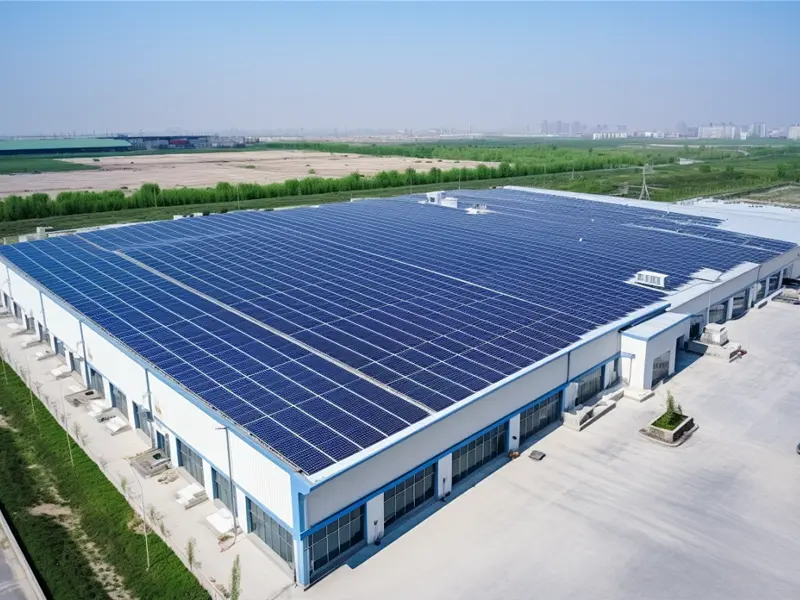
Silicon pyranometers can make more sense when the monitoring system needs a large number of sensors and the priority is quick response, compact installation, or keeping the cost of each measuring point under control. They are suitable for many routine PV monitoring applications, provided that the detector’s spectral characteristics and calibration are appropriate for the intended use.
For a purchasing team, this distinction is useful: if the sensor is part of the measurement reference, focus on measurement performance first; if it is one of many distributed monitoring points, response, integration, power consumption, and cost may become more important. The final selection should be based on the role of the sensor in the PV system and the specifications required by the project.
Thermopile Pyranometer or Silicon Pyranometer: What Should Buyers Check?
Choosing between a thermopile and silicon pyranometer should start with the project requirements rather than the detector type. Before requesting a quotation, buyers should confirm what needs to be measured, the required data quality, the installation environment, and how the sensor will connect to the existing monitoring system.
What Are You Actually Measuring?
Define the measurement target first: global irradiance, plane-of-array (POA), UV, PAR, or another radiation quantity. For PV projects, also clarify whether the sensor is for routine monitoring, performance assessment, or reference measurement, because each application can have different requirements for spectral response and measurement performance.
What Measurement Performance Is Required?
Do not judge a pyranometer by the stated accuracy alone. Check the performance class, spectral response, cosine response, temperature dependence, annual stability, and calibration information together, especially if the data will be used for testing, reporting, or long-term performance analysis.
How Quickly Must the Sensor Respond?
Response time becomes important when the system needs to capture rapid irradiance changes, such as those caused by moving clouds. If the application mainly tracks longer-term solar trends, an extremely fast response may offer little practical benefit, so define the required sampling and monitoring frequency first.
Where Will the Sensor Be Installed?
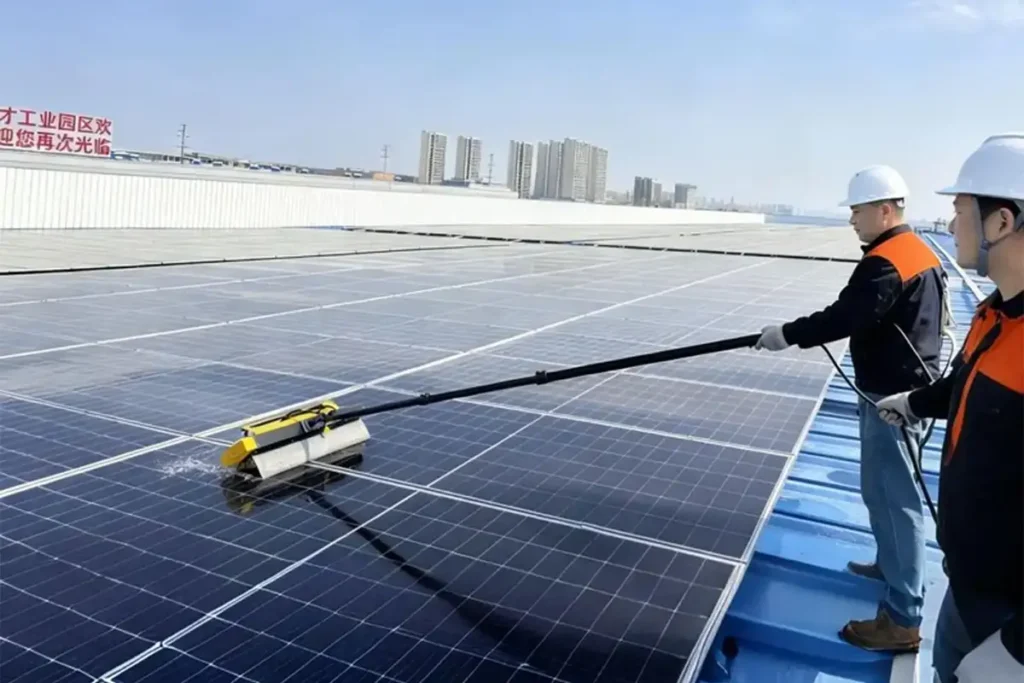
Consider the actual outdoor conditions, including temperature, humidity, rain, dust, snow, mounting angle, and maintenance access. Operating temperature, IP rating, cable configuration, and cleaning requirements are worth checking before purchase, particularly for sensors that will remain outdoors for years.
How Will the Sensor Connect to Your System?
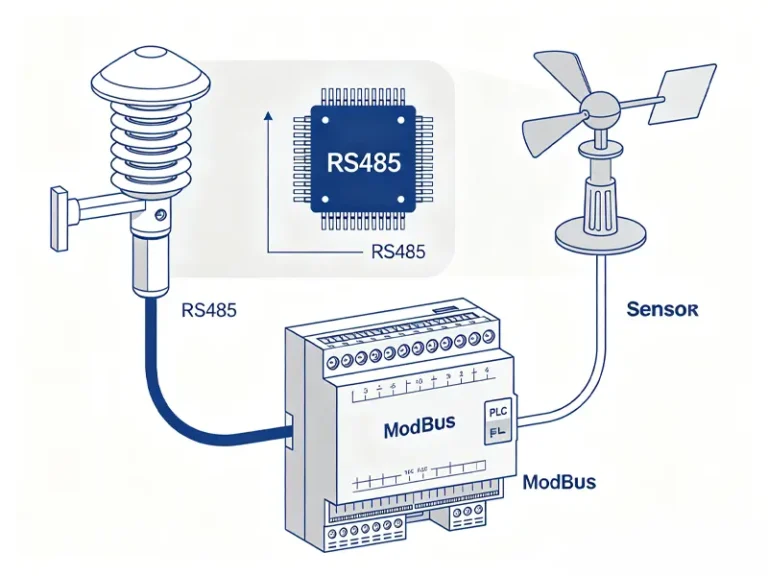
Confirm the available RS485/Modbus, analog output, supply voltage, cable, connector, and data logger compatibility before ordering. A sensor can meet the measurement requirements but still create integration problems if its communication interface or power requirements do not match the existing monitoring system.
Yantai Sensor Solar Radiation Sensor Options
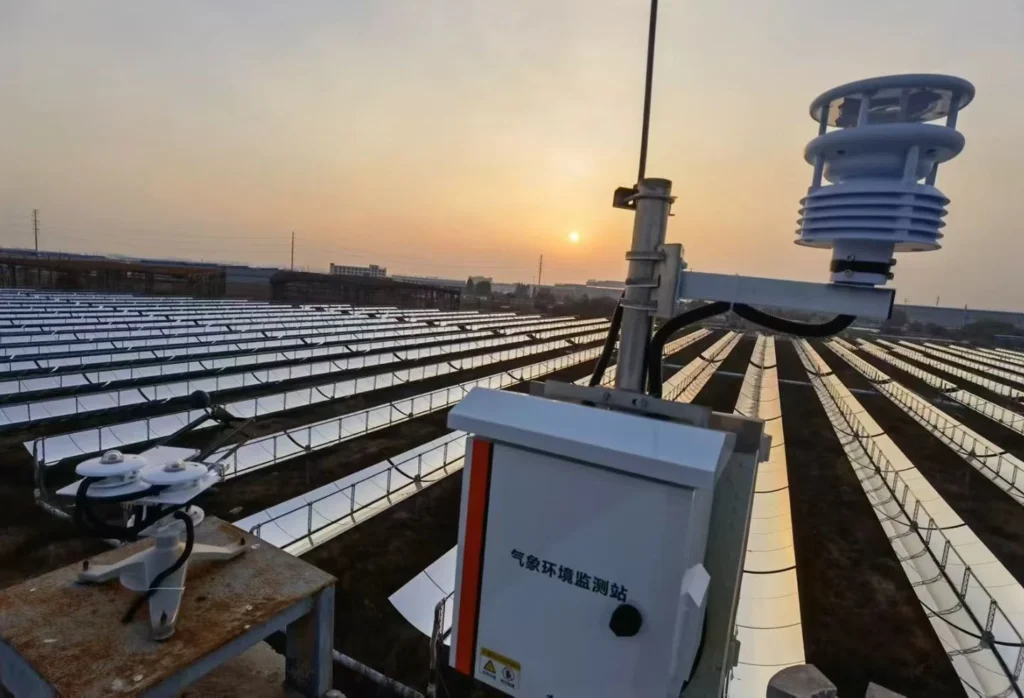
Yantai Sensor provides different solar radiation measurement options depending on whether the project requires a standalone pyranometer, integrated weather monitoring, or automated solar radiation measurement.
TBQ-2C Thermopile Pyranometer
0.3–3.2 μm | <35 s response | ≤±2% annual stability
TBQ-2C is a thermopile-based total solar radiation sensor designed for broadband solar radiation measurement. It is suitable for meteorological observation, environmental monitoring, solar resource assessment, and other outdoor irradiance applications. View TBQ-2C Pyranometer
XF500S-CWB Compact Solar Weather Sensor
POA Radiation | RS485/Modbus RTU | IP65
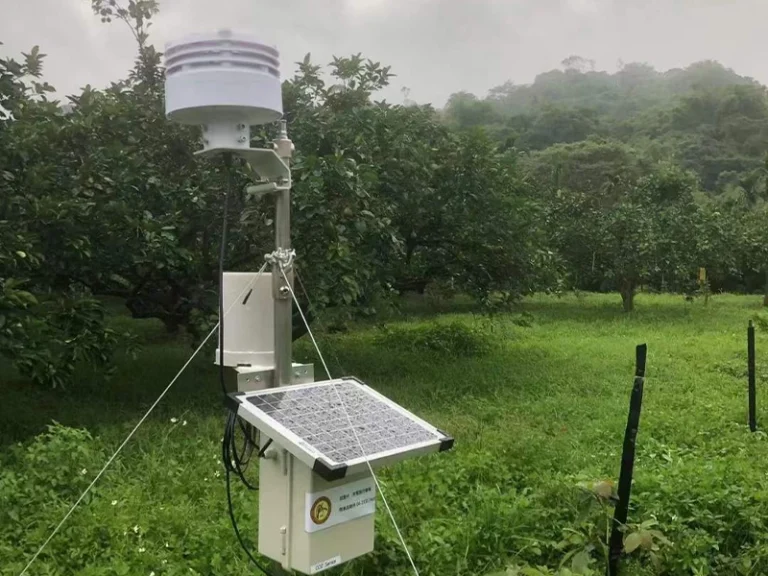
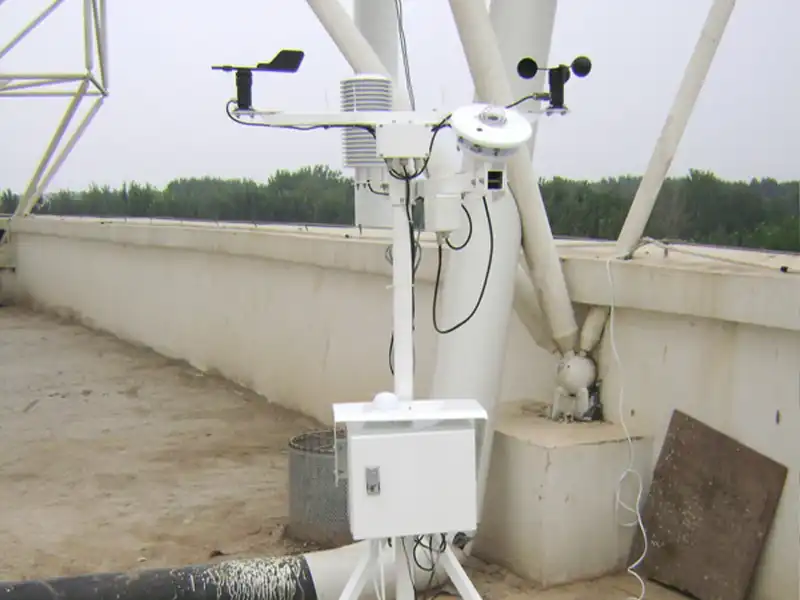
XF500S-CWB is suited to projects that need solar irradiance data together with weather parameters in one compact monitoring unit. It supports POA radiation measurement and digital communication for integration with data acquisition systems. View XF500S-CWB Solar Weather Sensor

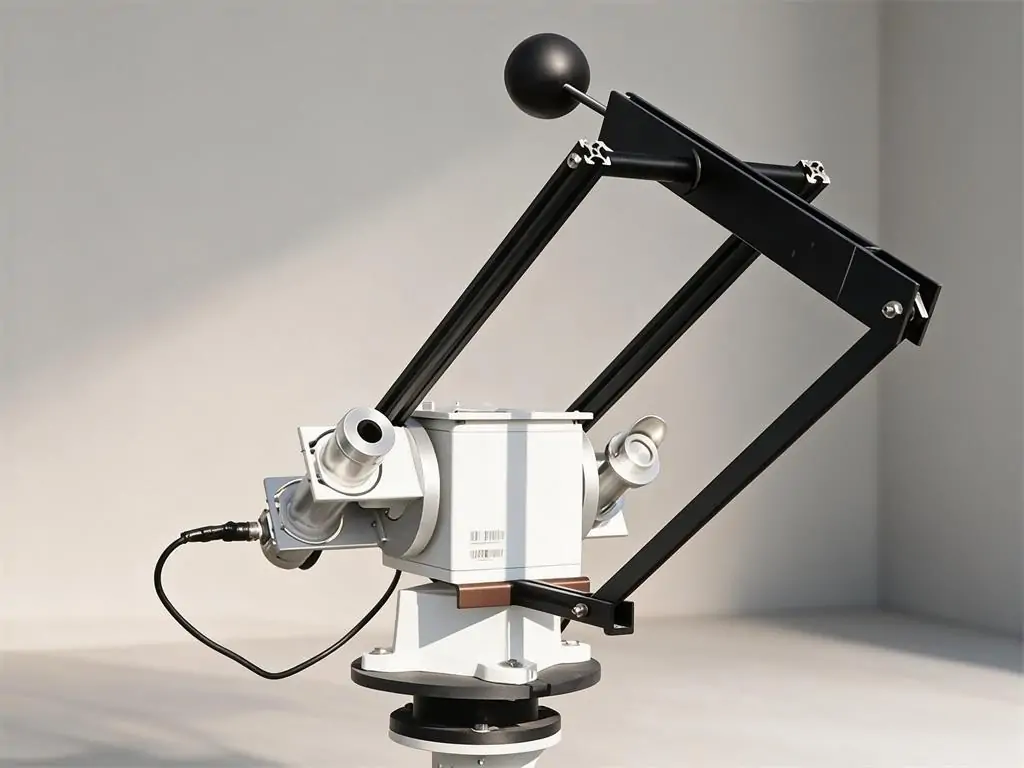
SAUT 자동 태양복사 측정 시스템
Automatic Tracking | Multiple Radiation Measurements | RS485
For projects requiring automated solar radiation observation with sun tracking, SAUT provides a complete measurement system rather than a standalone pyranometer. It can support multiple radiation sensors and automated positioning for continuous solar radiation measurements. View SAUT Automatic Tracking System
결론
Thermopile and silicon pyranometers are not simply “high-accuracy” and “low-cost” alternatives. Their different detection technologies affect spectral response, response time, cost, and application suitability. For standalone broadband solar radiation measurement, thermopile is often the safer choice, while silicon can be practical for compact, fast, and cost-sensitive monitoring. The final selection should be based on the required measurement performance, installation environment, and overall system configuration.
Have a solar radiation monitoring project? Send us your measurement target, installation environment, required accuracy, communication interface, and number of monitoring points. Yantai Sensor에 문의하세요 to discuss your requirements and get a suitable solar radiation sensor configuration for your project.