소개
For EPC contractors, solar developers, and PV plant operators, sensor selection is often more complicated than it first appears. A solar power plant may need irradiance, module temperature, ambient temperature, wind, humidity, rainfall, or soiling measurements, but not every project requires the same configuration. An unsuitable sensor package can result in incomplete performance data, unnecessary equipment costs, or integration problems with the plant’s data acquisition and SCADA system.
So, what sensors are required for a solar power plant solar sensors list ? The answer depends on plant size, PV module configuration, site climate, monitoring objectives, and applicable performance requirements. This solar sensors list explains the main sensor types used in PV plants, their measurement purposes, typical applications, installation considerations, and selection factors, helping project teams determine which sensors are essential and which are only needed for specific operating conditions.If you want to see how IEC 61724 affects PV monitoring and sensor selection, our [IEC 61724 가이드]에서 실용적인 개요를 제공합니다.
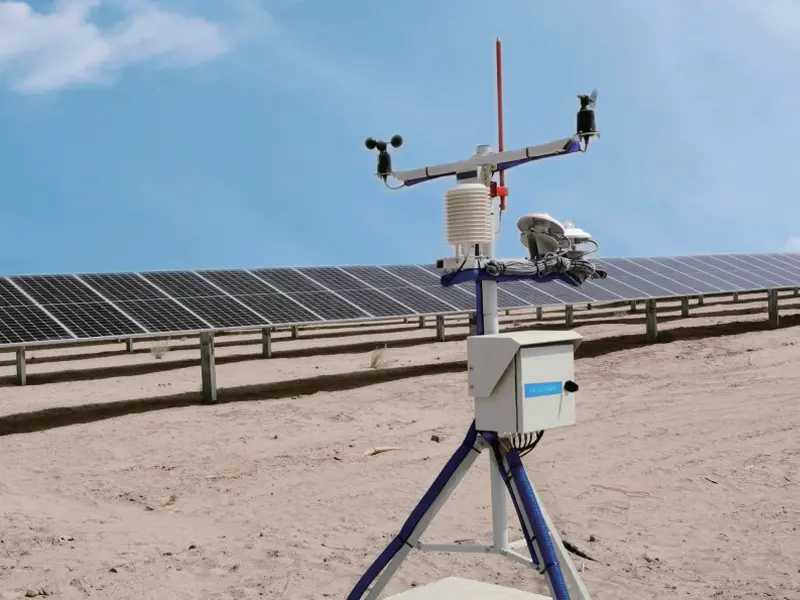
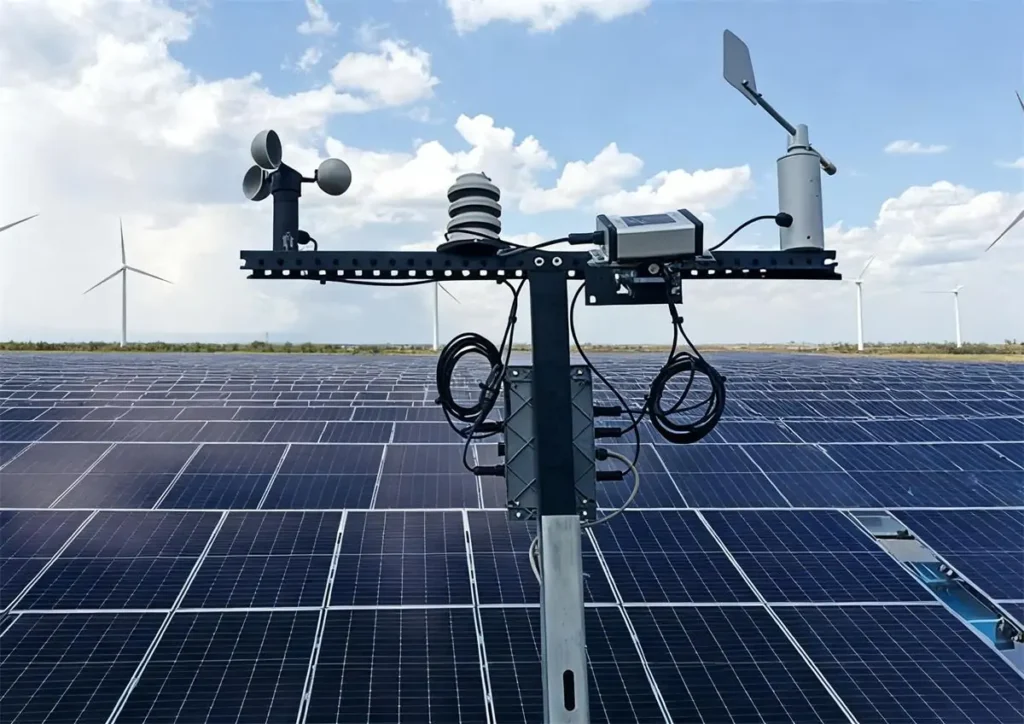
태양광 발전소에는 어떤 센서가 필요한가?
A solar power plant typically uses a combination of solar irradiance, module temperature, ambient temperature, wind speed, wind direction, humidity, and rainfall sensors for PV performance and environmental monitoring solar sensors list. These solar power plant solar sensors list provide the data needed to evaluate solar resource conditions, operating conditions, and factors that can affect energy production. Soiling sensors, albedo sensors, and other specialized sensors may also be added according to the site and PV system.
There is no single sensor configuration for every solar power plant. Plant size, PV module configuration, fixed-tilt or tracking structure, local climate, monitoring objectives, and required measurement accuracy all influence the appropriate sensor package. The following sections cover the main solar sensors used in PV plants solar sensors list and explain when each type is typically required.
Solar Power Plant solar sensors list at a Glance
Not every PV plant requires every sensor. The right combination depends on the plant design, monitoring objectives, module configuration, and local environmental conditions.
| 센서 유형 | 주요 측정 항목 | 일반적 용도 |
| 일사량 센서 / 일사계(Pyranometer) | 태양 복사 조도 | POA / GHI and PV performance monitoring |
| 모듈 온도 센서 | 모듈 온도 | PV operating-condition analysis |
| Ambient Temperature Sensor | 공기 온도 | Site weather monitoring |
| 풍속 센서 | 풍속 | Weather and thermal-condition monitoring |
| 풍향 센서 | 바람 방향 | Site wind-condition monitoring |
| 습도 센서 | 상대 습도 | Humidity and environmental monitoring |
| 오염 센서 | Module soiling | Cleaning assessment |
| 강우량 게이지 | Precipitation | Weather and O&M records |
| UV 센서 | UV radiation | Specialized environmental monitoring |
| 태양광 기상 관측소 | Multiple parameters | Centralized PV weather monitoring |
Core Sensors for Solar PV Performance Monitoring
A PV plant cannot be evaluated from power output alone. Irradiance shows how much solar energy is available to the array, while module temperature and weather measurements provide the operating conditions needed to interpret that output. Together, these measurements help engineers distinguish changes caused by solar resource and weather from potential changes in PV system solar sensors list performance.
The actual sensor configuration depends on the plant size, module and mounting design, tracking system, local climate, and monitoring requirements. The sections below cover the most commonly used measurements for PV performance monitoring, including irradiance, module temperature, ambient temperature, wind speed, wind direction, and relative humidity. Soiling, rainfall, albedo, rear-side irradiance, and other measurements can be added when the site or monitoring objective requires them.
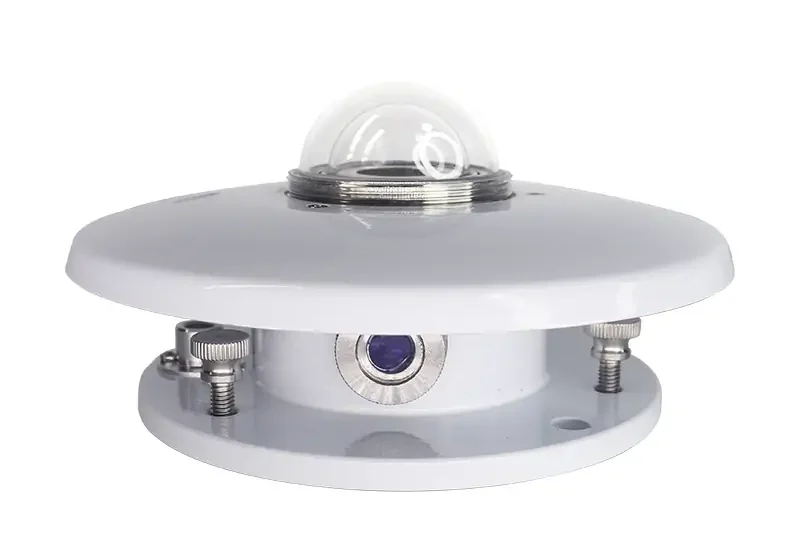
Solar Irradiance Sensor — TBQ-2C Pyranometer
Solar irradiance is a basic reference for PV performance analysis because it represents the solar energy available to the array. When power output changes, irradiance data helps determine whether the change is related to solar conditions or the PV system itself.
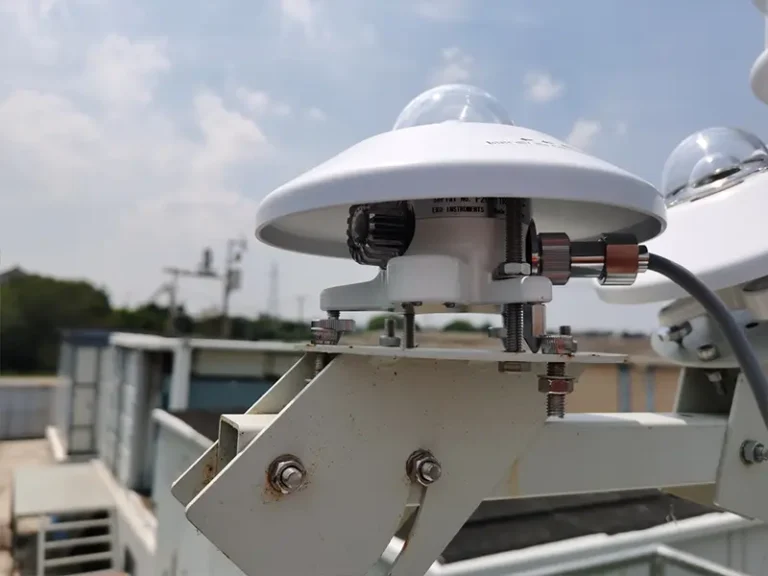
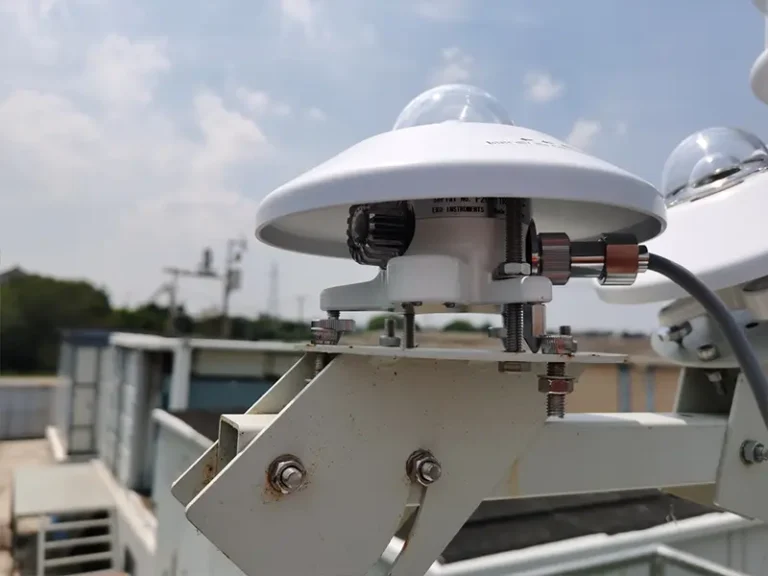
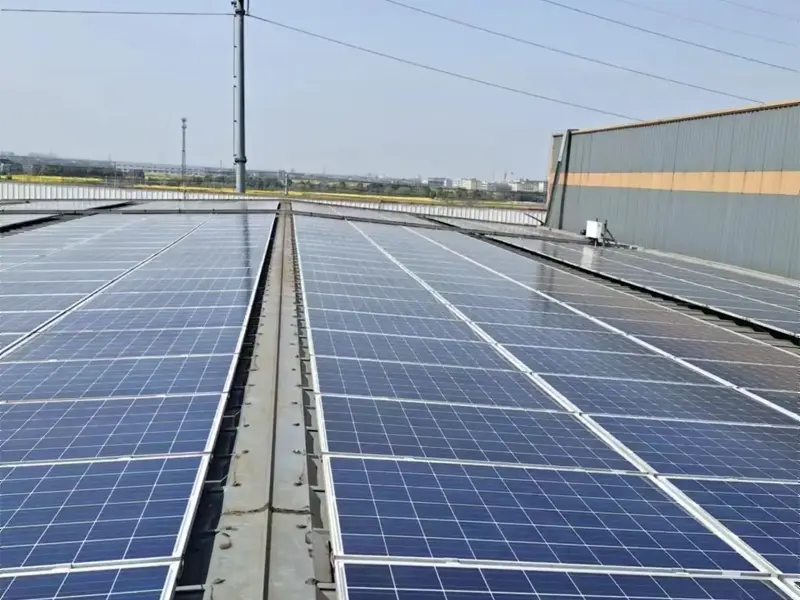
For PV plants solar sensors list, the measurement plane is also important. A pyranometer installed in the same plane as the modules can measure plane-of-array (POA) irradiance, providing a direct reference for the radiation received by the PV array.
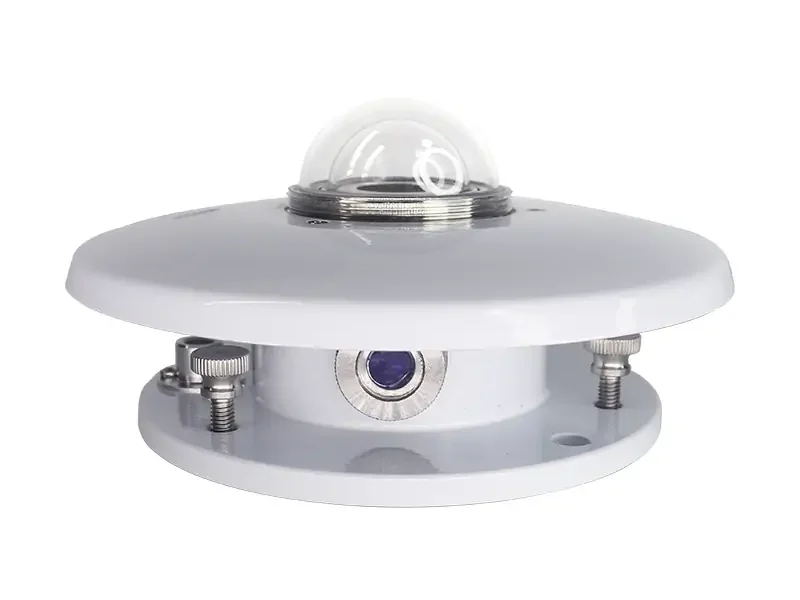
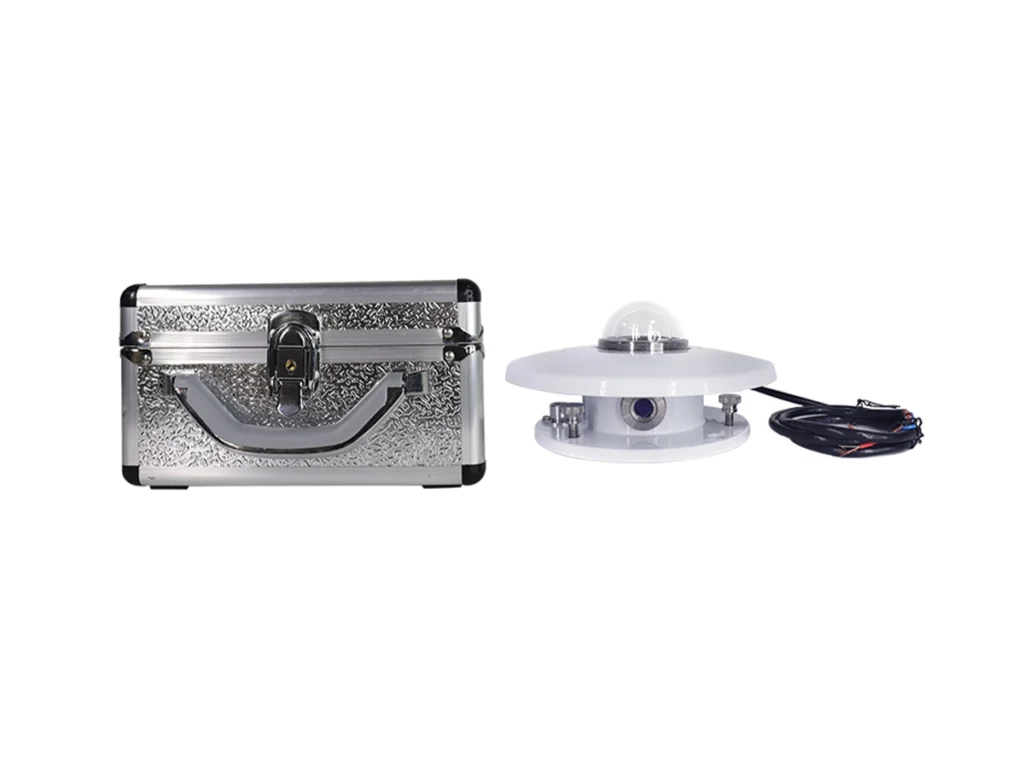
Yantai Sensor TBQ-2C Pyranometer
The TBQ-2C is a Class 1 thermopile pyranometer for total solar radiation measurement across 0.3–3.2 μm. It has a response time of <35 s and annual stability of ≤±2%, making it suitable for solar resource and PV performance monitoring. RS485 is available for digital data integration.
What Does Irradiance Data Help Determine?
Irradiance data is mainly used to:
- Compare available solar resource with actual PV power output
- Support Performance Ratio (PR) and performance analysis
- Identify whether production changes are related to solar conditions
- Compare operating conditions across different periods or plant areas
Installation also affects measurement quality. For POA monitoring, the pyranometer should be correctly aligned with the PV array and positioned away from shading caused by structures, poles, trackers, or other equipment.
Pyranometer vs. Reference Cell
A thermopile pyranometer measures broadband solar radiation, while a silicon reference cell has a spectral response closer to that of a PV device. For general solar-resource and environmental monitoring, a pyranometer such as the TBQ-2C is a practical choice; reference cells are more appropriate when the measurement needs to closely represent PV module response.
Module Temperature Sensor — RYQ-3
Solar modules can operate significantly above ambient air temperature under strong sunlight. Since module temperature affects PV electrical performance, ambient temperature alone cannot represent the actual thermal condition of the modules. A dedicated module temperature measurement provides the operating-temperature data needed for more accurate PV performance analysis.
Yantai Sensor RYQ-3
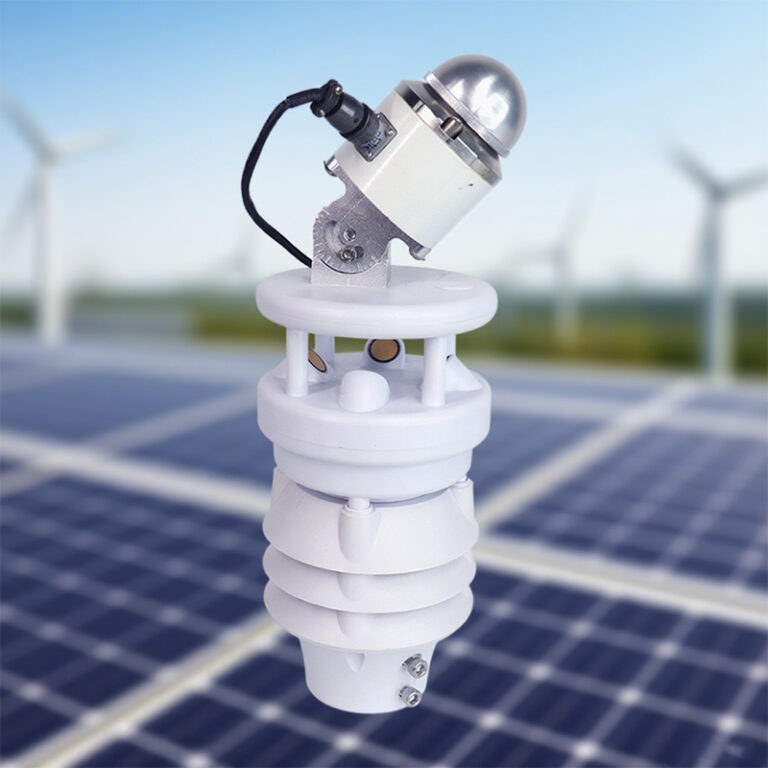
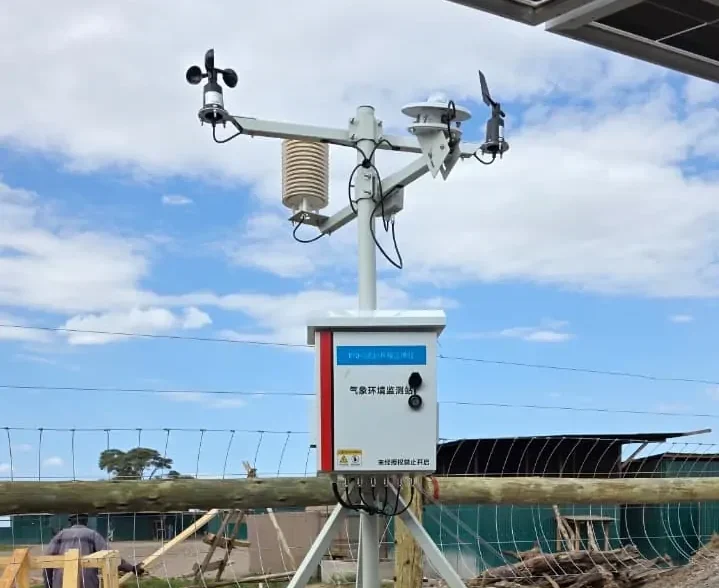
RYQ-3 태양광 발전 환경 모니터링 스테이션 integrates a component temperature sensor with solar radiation, wind speed, wind direction, and outdoor temperature and humidity measurements. Its component temperature measurement range is -40°C to 120°C, with an accuracy of ≤±0.3°C and resolution of 0.01°C. The station uses RS485 communication and is designed for photovoltaic environmental monitoring. (Yantai Sensor
Why Module Temperature Is Useful?
Module temperature is most useful when evaluated together with irradiance and power output. Two periods with similar solar irradiance can produce different PV output when module operating temperatures differ. Recording these parameters together helps engineers interpret temperature-related performance changes and evaluate long-term operating conditions more accurately.
Practical Installation Note
The temperature sensor is typically attached to the rear surface of a representative PV module with good thermal contact. The selected position should avoid unusual shading, ventilation, or local heat sources so that the reading represents normal module operation. The measurement reflects temperature at the selected point and should not be treated as cell-level hotspot detection; localized hotspot diagnosis requires dedicated inspection equipment.
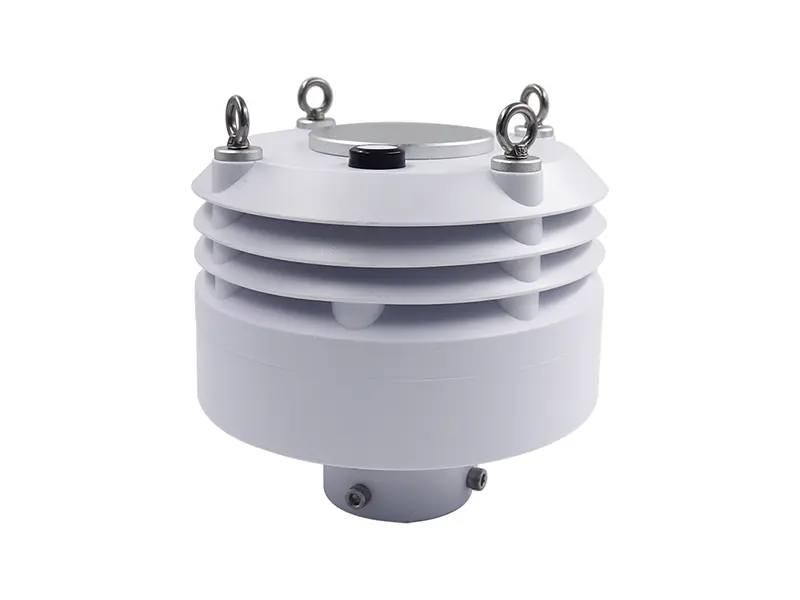
Ambient Temperature Sensor — XF103
Ambient temperature describes the air conditions around the PV array, rather than the temperature of the module itself. It is a basic meteorological measurement used to record site conditions and provide environmental context for other PV monitoring data. Unlike module temperature, it should represent the surrounding air without being directly affected by the heat of the PV surface or nearby equipment.
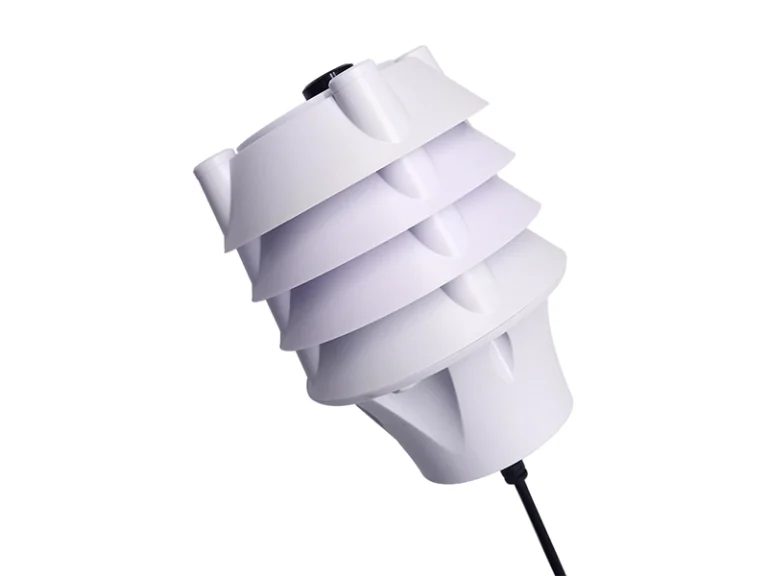
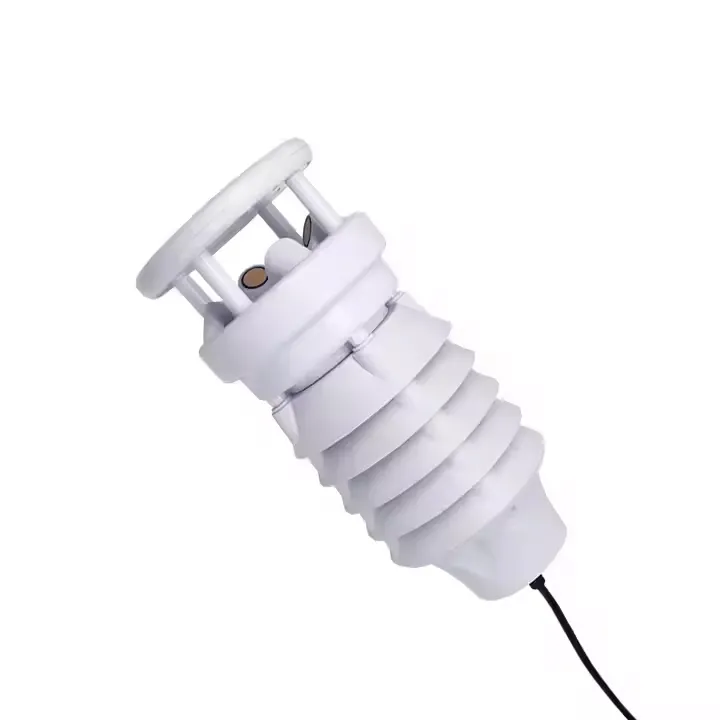
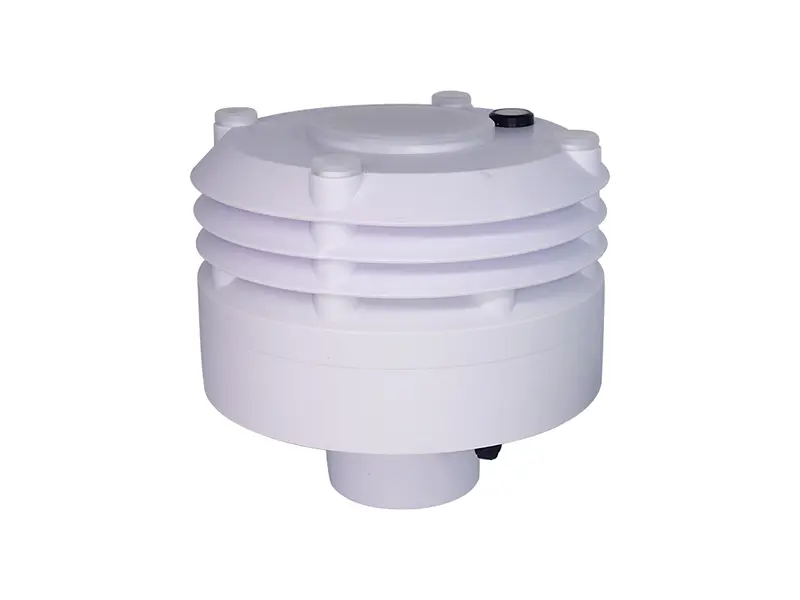
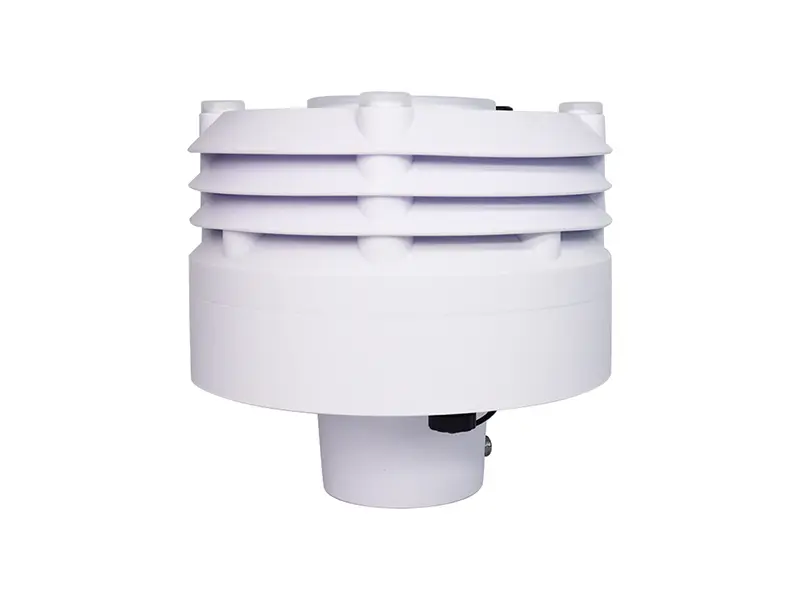
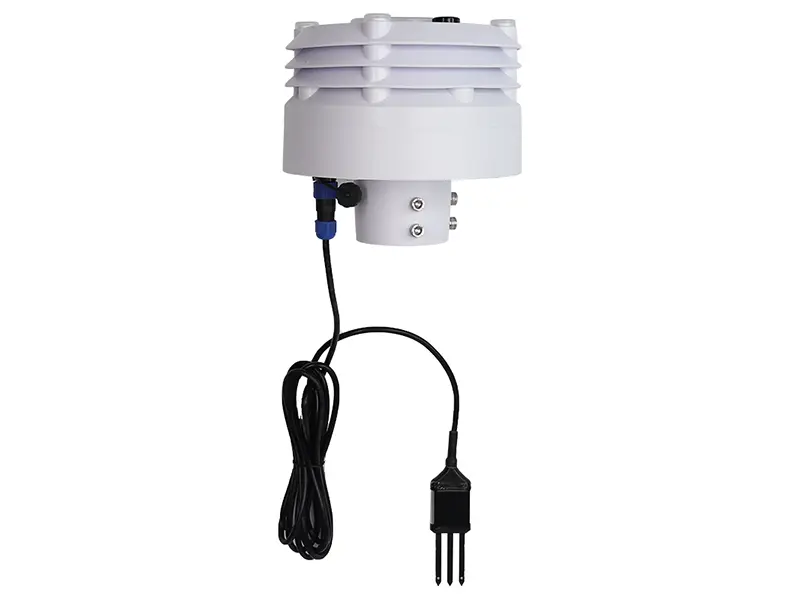
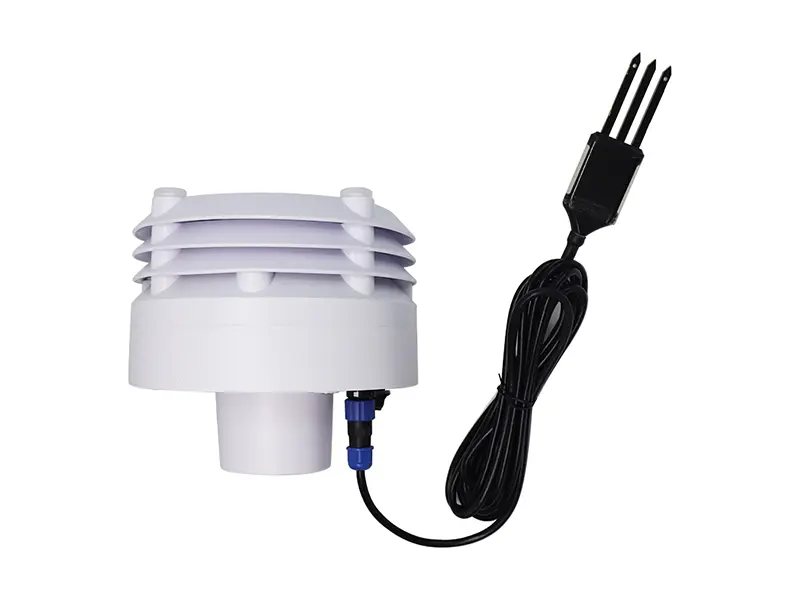
Yantai Sensor XF103
The XF103 Temperature Humidity Pressure Sensor combines ambient temperature, relative humidity, and atmospheric pressure in one outdoor unit. It measures ambient temperature from -40 to 85°C with typical accuracy of ≤±0.3°C at 25°C, while also covering 0–100%RH and 500–1100 hPa atmospheric pressure. Its three-layer radiation shield helps reduce the influence of direct solar radiation, and RS485 Modbus RTU communication supports integration with data acquisition and monitoring systems. (Yantai Sensor
Where Is Ambient Temperature Used?
Ambient temperature is mainly recorded as part of the PV site’s meteorological data. It helps document daily and seasonal weather conditions and can be evaluated alongside humidity, wind, rainfall, and atmospheric pressure to describe the operating environment. This makes ambient temperature particularly useful when the sensor is integrated into a solar weather station or broader environmental monitoring system.
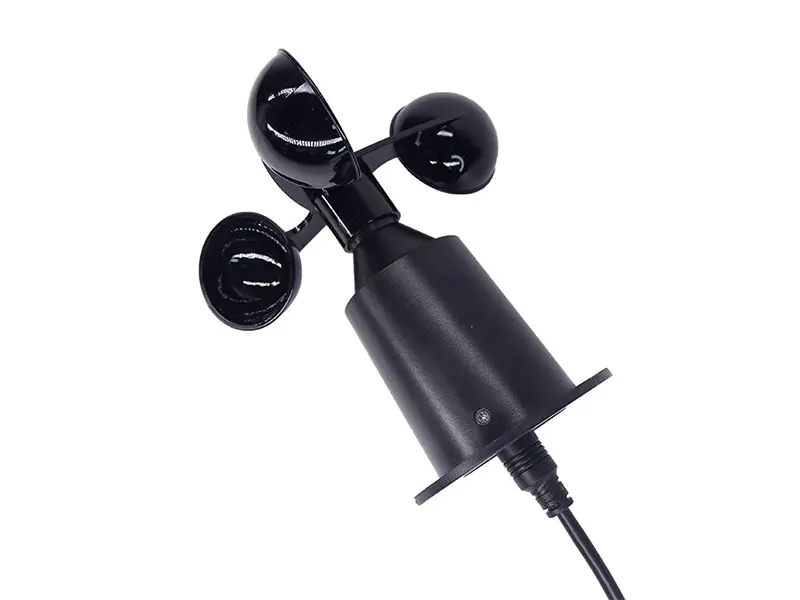
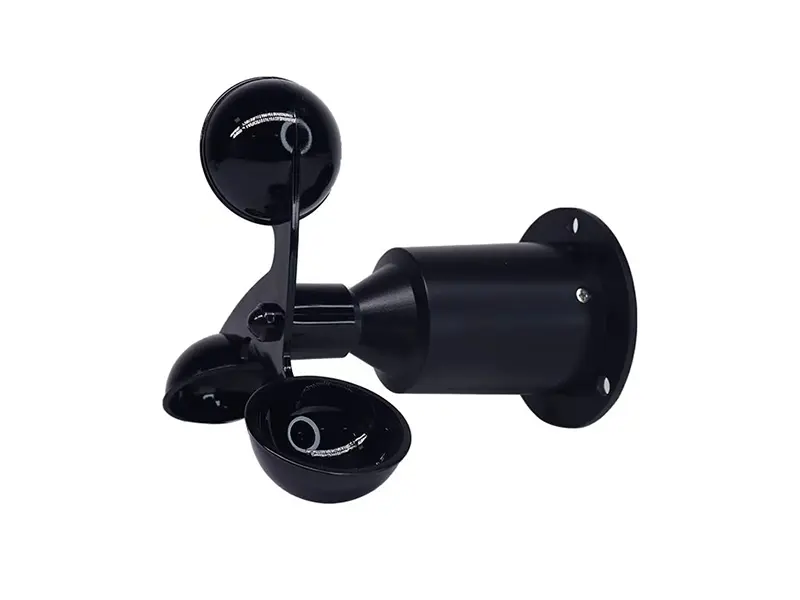
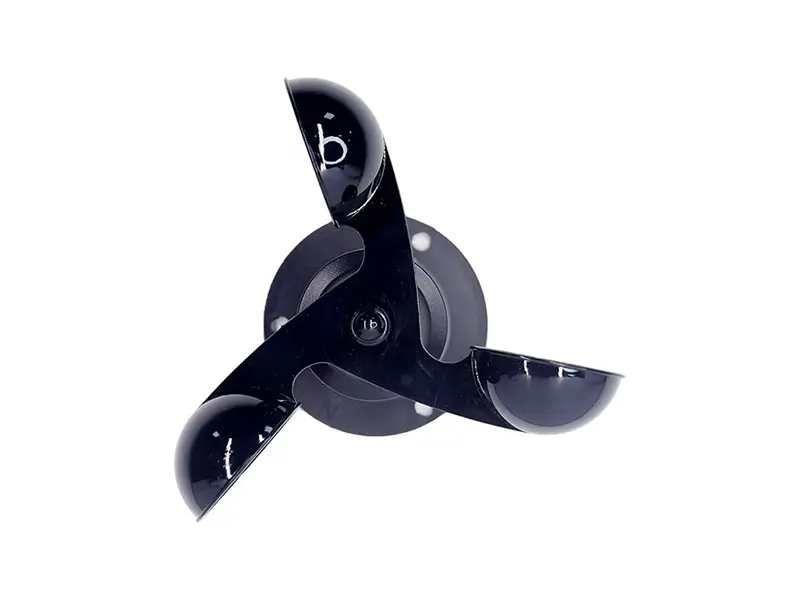
Wind Speed Sensor — RY-FX01-X
Wind speed is a useful environmental parameter for understanding conditions around a PV array. Air movement affects heat exchange at the module surface, while changing wind conditions can also provide useful information for tracking-system operation, site weather monitoring, and outdoor equipment management. It should be treated as supporting environmental data, rather than a standalone indicator of PV performance.
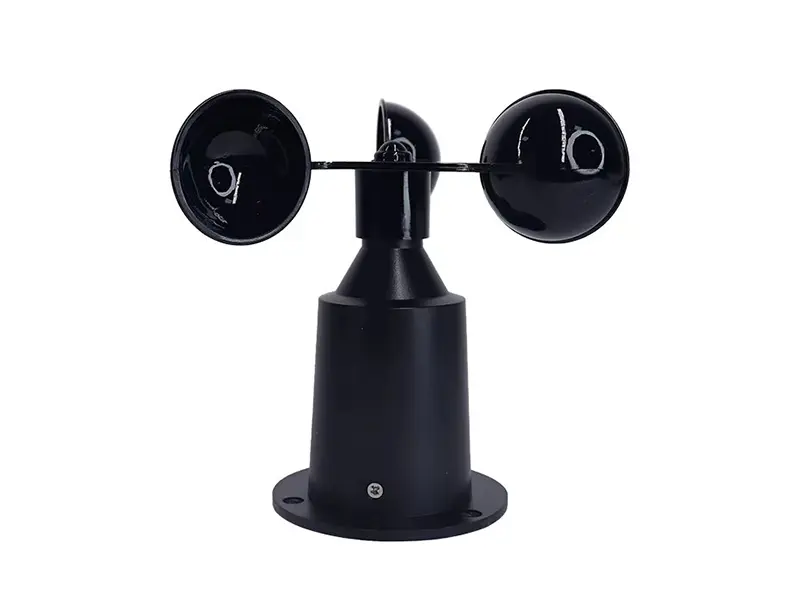
Yantai Sensor RY-FX01-X
The RY-FX01-X Outdoor Wind Speed Sensor uses a traditional three-cup structure to measure wind speed through the rotational speed of the cups. Yantai solar sensors list configurations with a wind-speed range of up to 0–60 m/s, starting wind speed of ≤0.3 m/s, and options including RS485, 4–20 mA, 0–5 V, 0–10 V, and pulse output. The sensor is designed for outdoor meteorological and environmental monitoring and can be integrated into PV monitoring systems.
How Should Wind Speed Data Be Interpreted?
Wind speed becomes more useful when evaluated with irradiance, module temperature, ambient temperature, and wind direction. For example, similar irradiance conditions with different wind speeds may produce different module temperatures because convective heat exchange changes with airflow. For tracking PV plants, wind data can also be incorporated into the broader environmental monitoring system, but tracker protection and stow thresholds should always follow the tracker manufacturer’s control strategy rather than a universal wind-speed value.
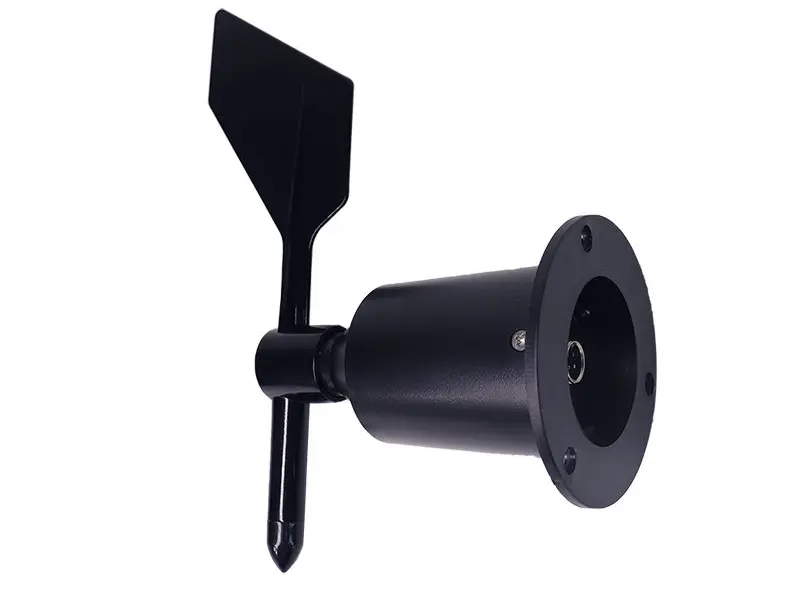
Wind Direction Sensor — RY-FX02-X-485
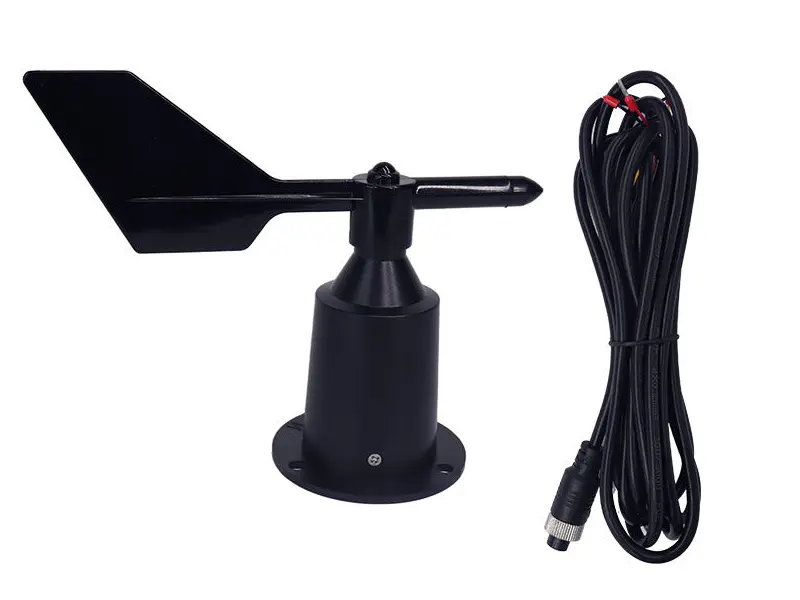
Wind speed describes the strength of airflow, while wind direction identifies its source. In a PV plant, this additional dimension helps put wind conditions into a geographic context. The effect of airflow can vary with its direction relative to PV rows, tracker structures, terrain, and nearby obstacles, so wind speed alone does not provide the complete picture of site wind conditions.
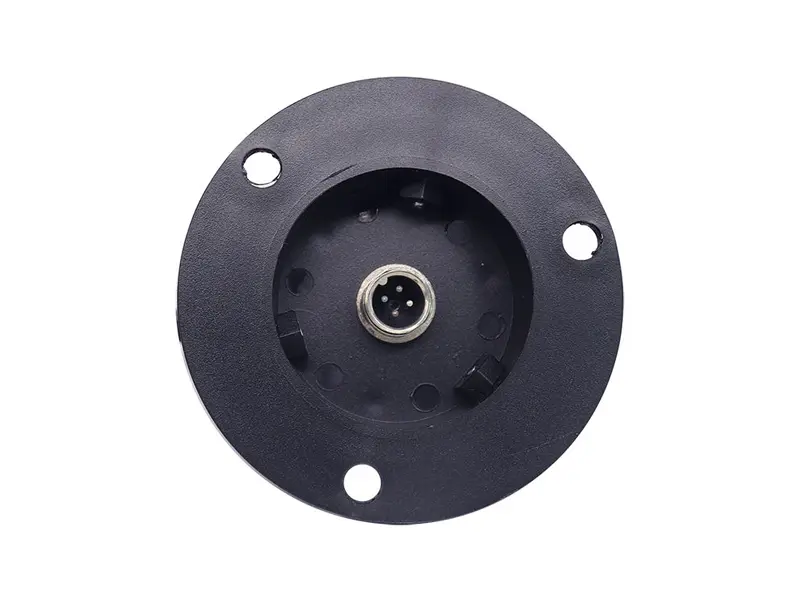
Yantai Sensor RY-FX02-X-485
The RY-FX02-X-485 Wind Direction Sensor is designed for outdoor wind-direction monitoring, with a 0–360° measurement range and RS485 communication. It uses a wind vane to follow changes in airflow direction and converts the vane position into an electrical signal for data acquisition and monitoring systems.
How Is Wind Direction Used in PV Monitoring?
Wind-direction data is mainly used to identify prevailing wind patterns and changes in airflow conditions across the site. When combined with wind speed, ambient temperature, module temperature, and other weather measurements, it provides a more complete picture of the local operating environment. For larger PV plants and tracking systems, historical wind-direction data can also help engineers correlate weather events with changes in equipment operation and site conditions.
Rather than treating wind direction as a standalone performance indicator, it is more useful as contextual meteorological data that complements the wind-speed measurement. This distinction is important when building a solar weather station or selecting the required PV monitoringsolar sensors list for a project.
Relative Humidity Sensor — XF103
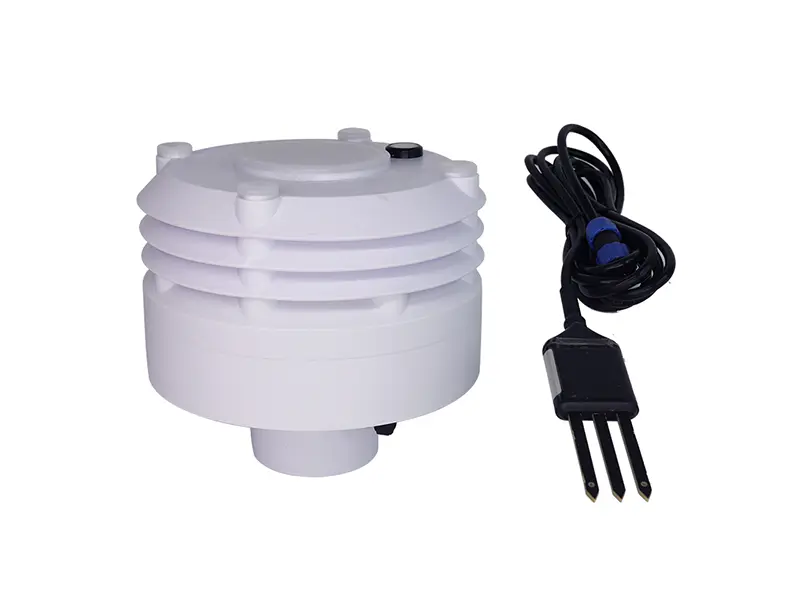
Relative humidity describes the amount of moisture in the air relative to its saturation level at a given temperature. It is not always a priority measurement for every PV plant solar sensors list, but it becomes more relevant in coastal, tropical, rainy, or high-humidity environments, where moisture can be an important part of the site’s operating conditions.
Yantai Sensor XF103
The XF103 Temperature Humidity Pressure Sensor provides relative humidity measurement together with ambient temperature and atmospheric pressure in a single outdoor unit. It covers 0–100%RH, with typical accuracy of ≤±3%RH at 25°C within the specified 10–80%RH range, and supports RS485 Modbus RTU communication. Its radiation-shielded outdoor structure is designed for meteorological and environmental monitoring.
When Is Humidity Monitoring Useful?
Humidity data becomes more informative when evaluated with ambient temperature and other weather measurements. For example, a combination of high relative humidity and falling air temperature can indicate increasingly moisture-prone conditions, while long-term humidity records can help characterize the environmental exposure of a PV site. This makes humidity particularly useful for plants in humid coastal areas, tropical climates, and regions with frequent rainfall.
Humidity should therefore be considered a site-dependent environmental measurement, rather than a mandatory sensor for every solar power plant. Where humidity is already required as part of a weather monitoring system, an integrated sensor such as the XF103 can provide the measurement without adding a separate humidity-only instrument.
Additional Sensors for Different PV Plant Conditions
Additional sensors in solar sensors list for a solar power plant are not universally required. Their selection depends on site climate, module technology, environmental conditions, plant size, and O&M requirements. These measurements are added when specific site conditions or monitoring objectives require more data than the core PV sensor package can provide.
Soiling Sensor for Dusty Solar Farms
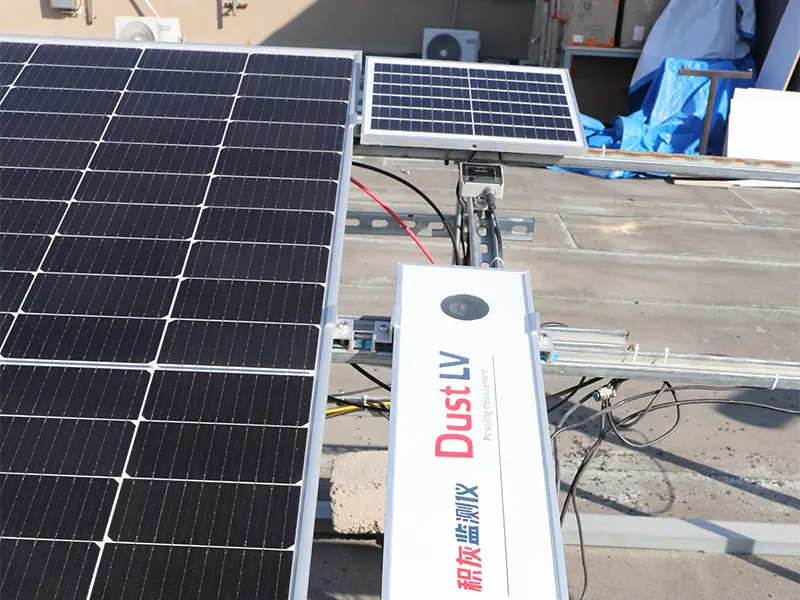
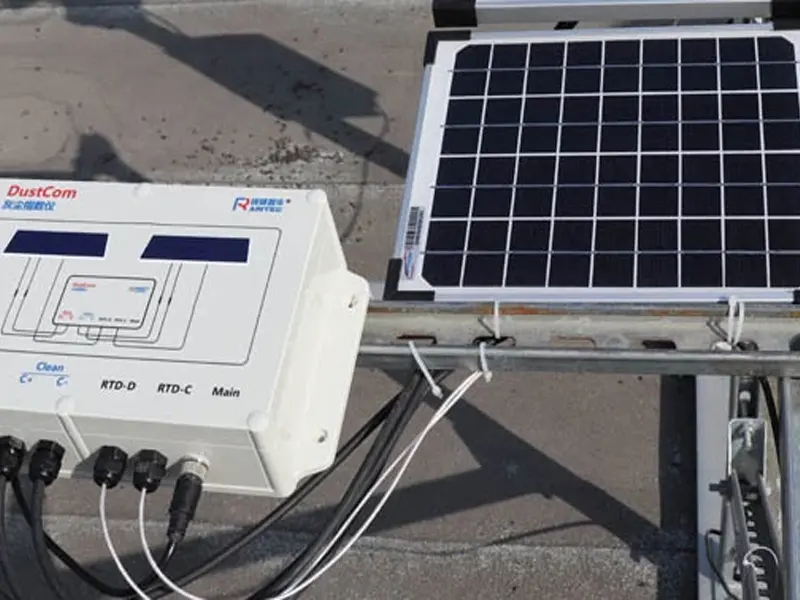
Soiling sensors monitor dust accumulation and contamination on PV modules, helping operators estimate soiling losses and determine when cleaning is economically worthwhile. They are particularly useful in desert, Gobi, dry, and dusty environments, where accumulated dust can reduce energy yield and increase cleaning requirements.
Yantai Sensor provides the DustLV Photovoltaic Module Pollution Status Monitor, which uses optical sensing and short-wave blue-light measurement to monitor module pollution. DustCom 태양광 먼지 지수 모니터링 시스템 quantifies dust pollution and its impact on PV generation, providing data that can support cleaning intervals and cleaning ROI evaluation.
Rain Gauge and Precipitation Sensor
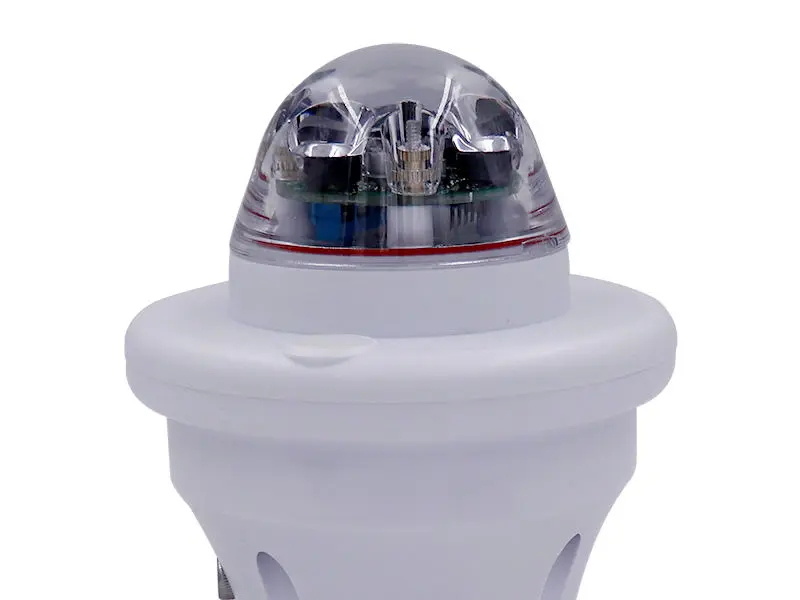
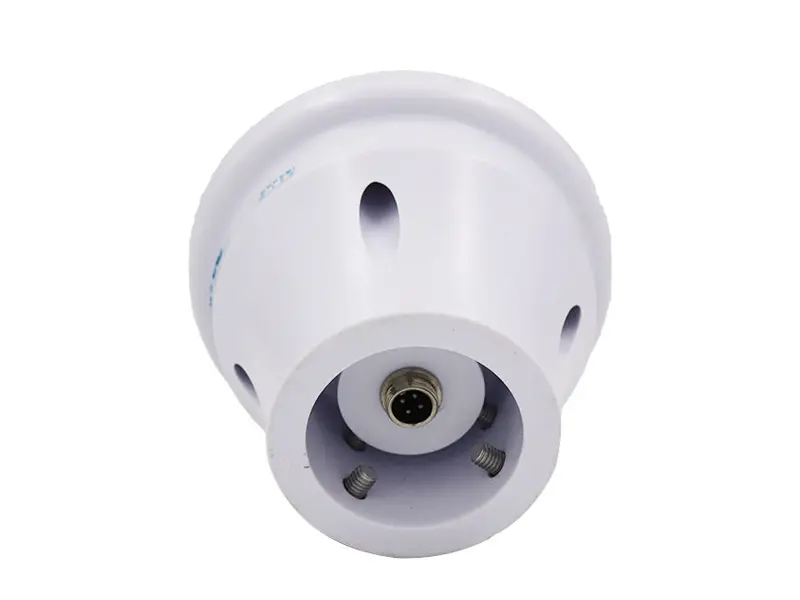
Rain gauges and precipitation sensors record rainfall conditions at the PV site, providing data that can be correlated with module soiling and cleaning activities. Rainfall intensity and frequency can affect how much accumulated dust is removed from module surfaces, making precipitation data useful when evaluating natural cleaning effects.
Precipitation records can also support weather monitoring, O&M planning, and operational assessment, particularly in regions with frequent rainfall or seasonal snow. They are therefore a supplementary measurement selected according to local climate and plant monitoring requirements.
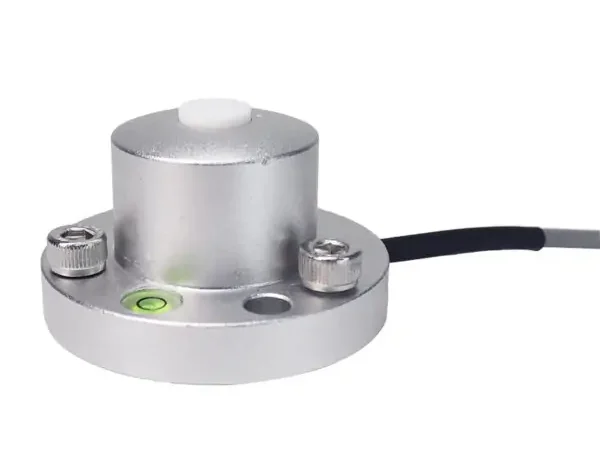
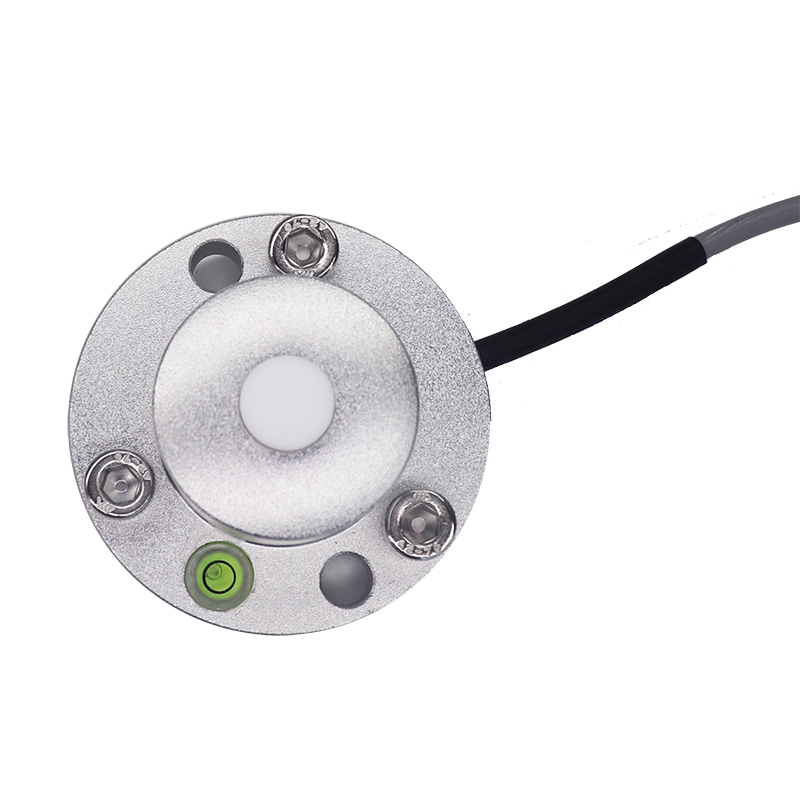
UV Radiation Sensor — RY-ZW
A UV radiation sensor measures the ultraviolet portion of solar radiation, while a conventional pyranometer measures a much broader solar radiation spectrum. RY-ZW 자외선 일사량 센서 can therefore provide additional radiation data for solar and environmental monitoring systems where UV exposure or radiation characterization is required.
UV measurement is generally an auxiliary function rather than a core PV performance measurement. It is more suitable for projects requiring environmental exposure records, radiation research, or additional site data than for routine PV performance monitoring.
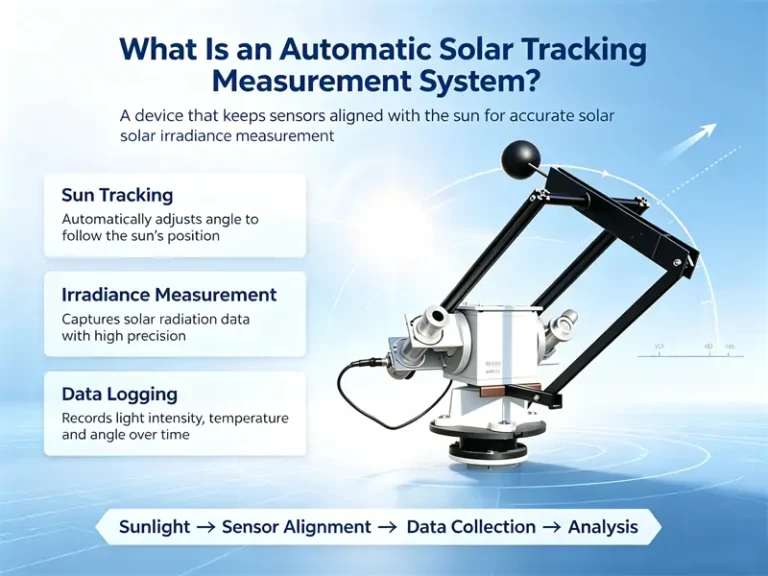
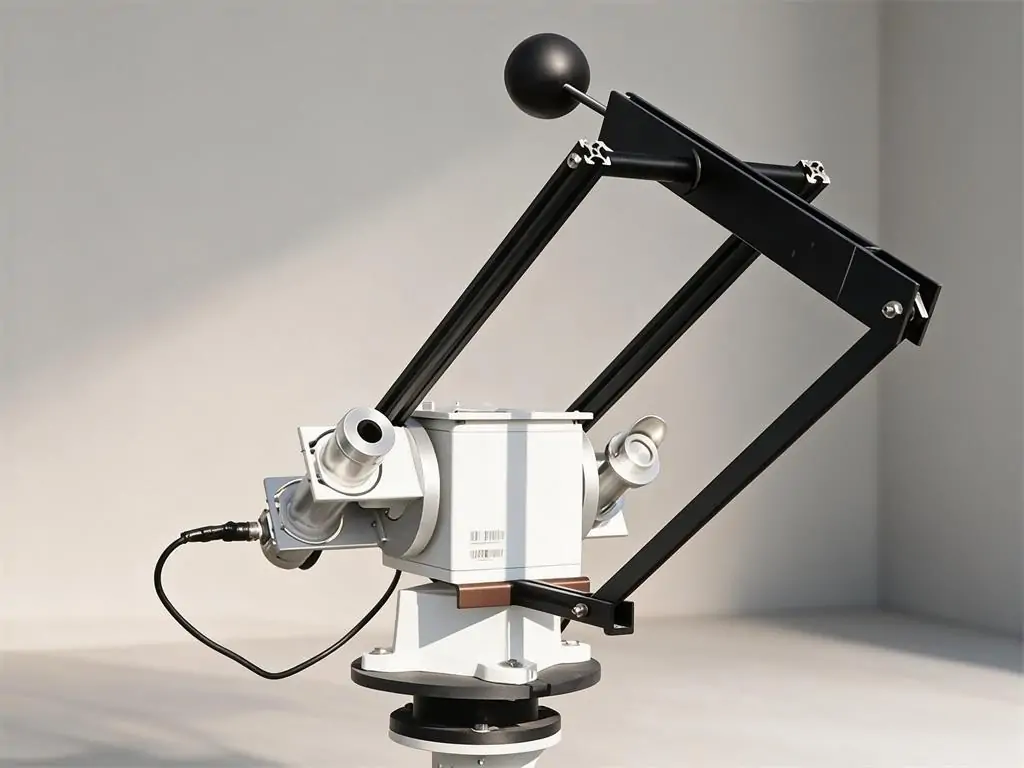
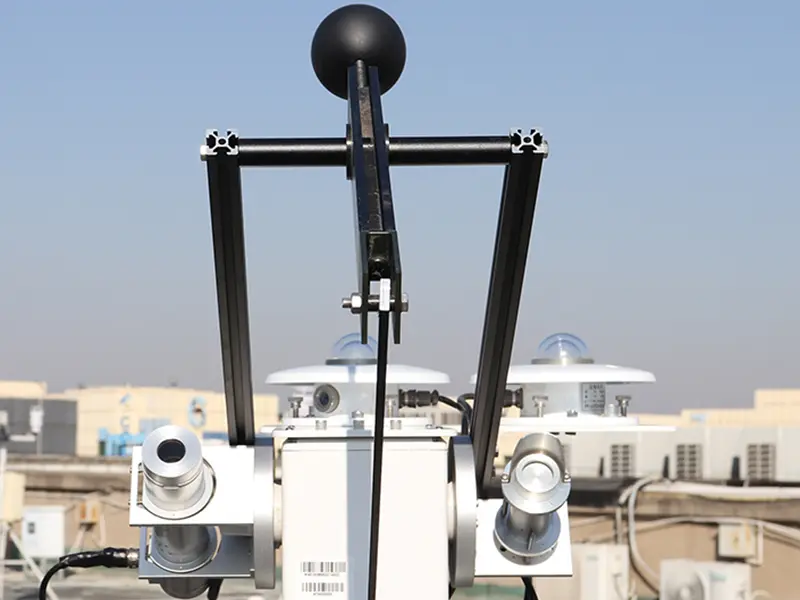
Automatic Solar Radiation Tracking System — SAUT
SAUT is a specialized solar radiation measurement system rather than a conventional standalone sensor. It follows the sun’s position while continuously acquiring solar irradiance data, making it suitable for specialized applications such as high-accuracy solar radiation measurement, solar-resource research, and dedicated monitoring studies.
Unlike a conventional fixed pyranometer, SAUT is not a standard requirement for every commercial PV plant solar sensors list. It can be considered when a project requires detailed solar-resource data, specialized radiation measurements, or research-oriented monitoring.
Solar Weather Station: When Do You Need One?
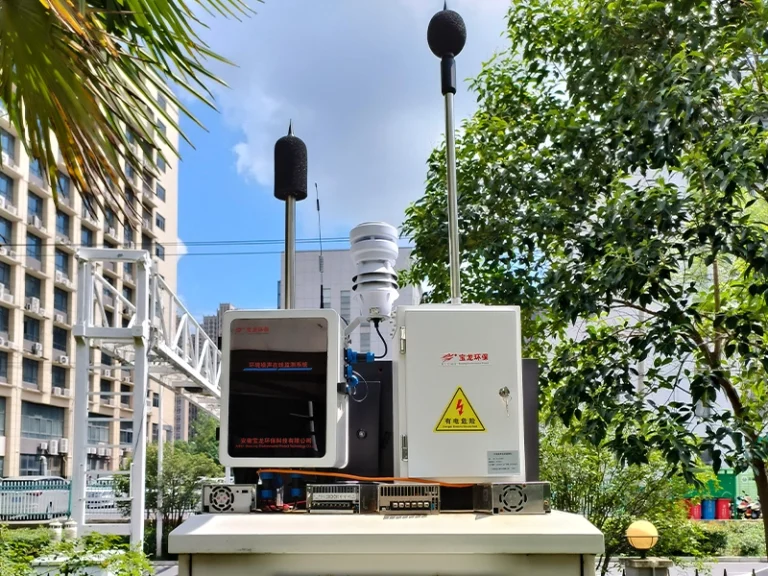
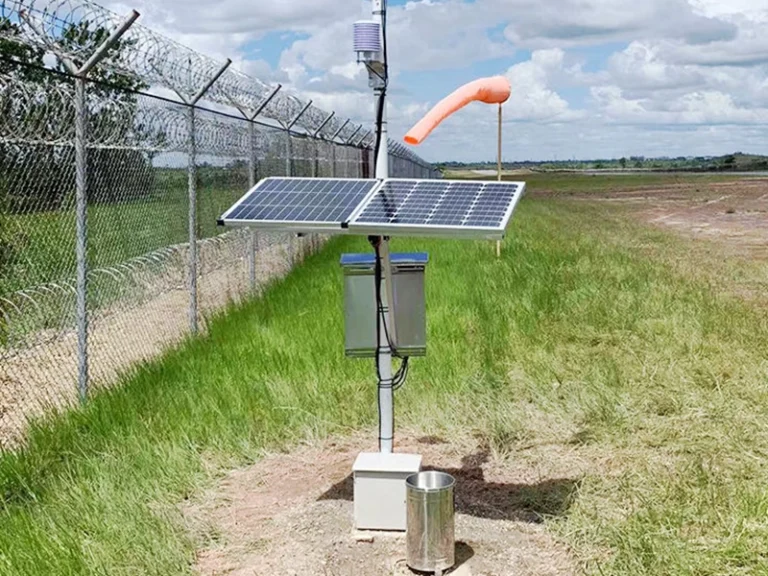
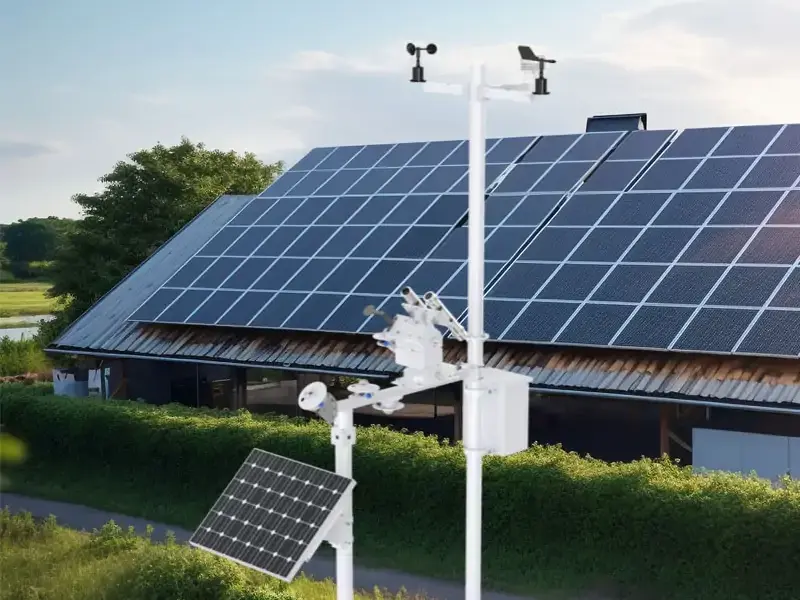
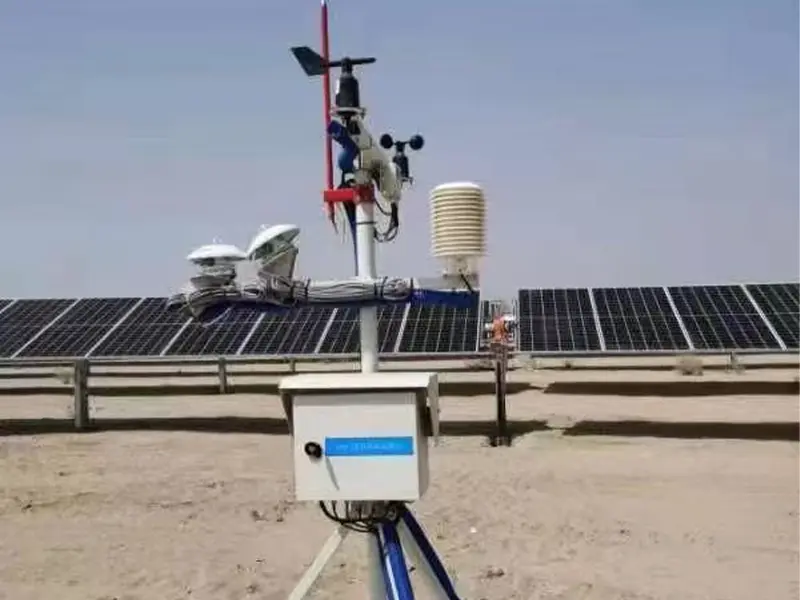
A solar weather station combines several field measurements in one system. It is not required for every PV plant. The choice usually depends on the number of parameters to monitor, existing SCADA architecture, installation space, and plant size.
Individual Sensors for Specific Measurements
Individual sensors are practical for small PV projects solar sensors list, retrofit work, and single-parameter monitoring. They are also a common choice when an existing irradiance, temperature, wind, or other sensor needs replacement. The main advantage is that only the required measurement is added or replaced without changing the rest of the monitoring system.
Compact Weather Stations for Space-Limited Projects
A compact weather station combines several measurements in one field unit, reducing the number of separate instruments and mounting points. It fits commercial PV, industrial PV, and distributed solar projects where installation space is limited or a simple data interface is preferred. Yantai Sensor offers the XF500S-CWB and XF100S-CWB for compact PV environmental monitoring.
Multi-Sensor Stations for Utility-Scale PV Plants
Large PV plants usually collect more environmental data and connect multiple field devices to a central SCADA system. A multi-sensor station can combine solar radiation, temperature, humidity, wind, and module temperature measurements in one monitoring setup. Yantai Sensor’s RYQ-3 Solar Photovoltaic Environmental Monitoring Station, XF700S, and XF700SL are options for larger PV monitoring networks and performance analysis.
| Project condition | Typical choice |
| Small PV, retrofit, or one parameter | Individual sensor |
| Commercial, industrial, or space-limited PV | 소형 기상 관측소 |
| Utility-scale PV or centralized SCADA | Multi-sensor monitoring station |
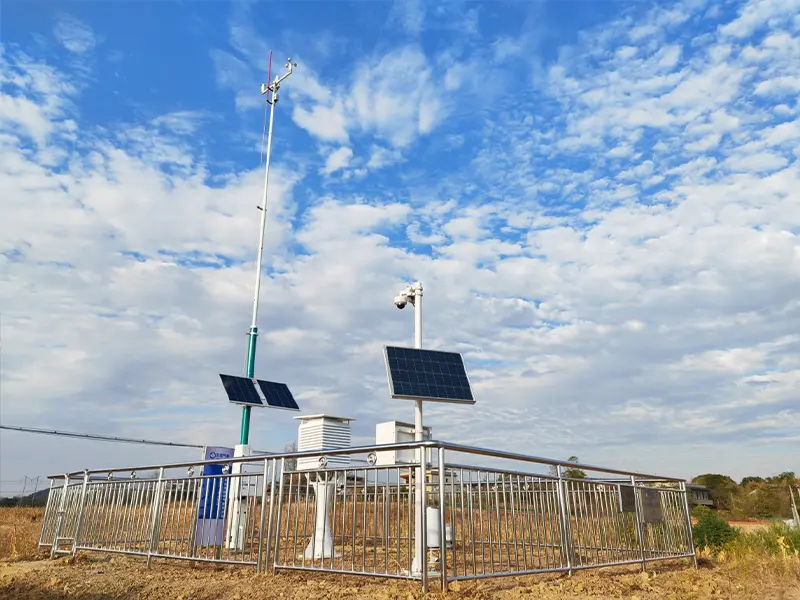
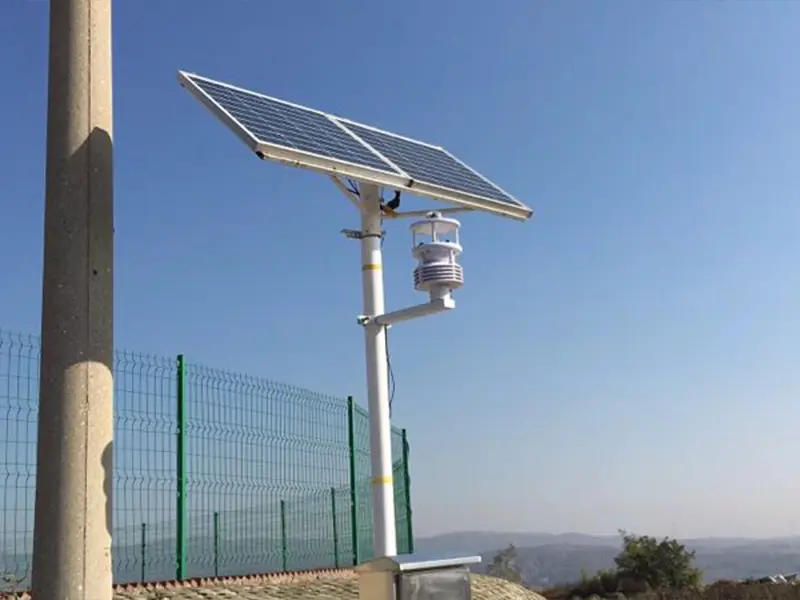
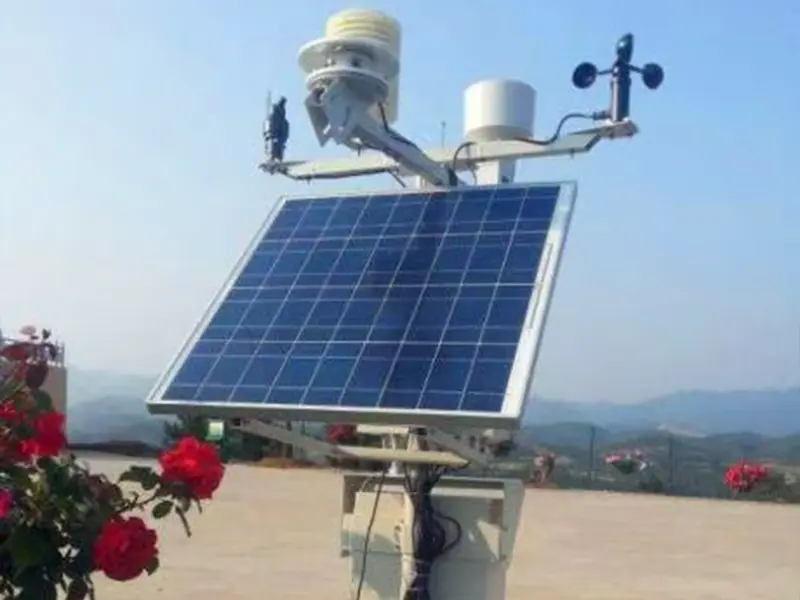
Solar Sensor Installation Guide
Solar sensor installation has a direct effect on measurement accuracy. Different instruments need different mounting conditions. For a PV plant in solar sensors list, pay attention to the measurement plane, exposure, mounting point, cable routing, and access for maintenance rather than using one installation method for every sensor.
Where Should Irradiance Sensors Be Installed?
For POA irradiance, mount the solar irradiance sensor in the same plane as the PV modules, using the same tilt and azimuth. This keeps the reading representative of the radiation received by the array. If GHI is required, the pyranometer should be mounted horizontally. In both cases, keep the sensing surface free from shadows, reflections, and obstructions from structures or equipment.
Keep the dome or sensing surface clean during operation. Dust, bird droppings, condensation, and a small change in sensor angle can introduce measurement errors. Check the mounting position during routine maintenance and follow the manufacturer’s instructions for cleaning and calibration.
Where Should Module Temperature Sensors Be Installed?
A module temperature sensor is usually fixed to the rear of a representative PV module with good thermal contact. A location near the center of the module is commonly selected, while areas around cell boundaries, frames, junction boxes, or other structural features should be avoided if they do not represent normal module temperature.
Secure the sensor and cable firmly so vibration, wind, or maintenance work cannot move the measurement point. Avoid locations affected by unusual airflow, shade, or nearby heat sources. The selected module should represent the typical operating condition of the monitored array.
Where Should Weather Sensors Be Installed?
Weather sensors for solar power plants solar sensors list need clear exposure to the environment being measured. Ambient temperature and humidity sensors should have free airflow and protection from direct solar radiation. Wind speed and wind direction sensors need an open position away from buildings, trees, PV structures, inverter exhaust, and other obstacles that can disturb airflow.
For a wind direction sensor, set the reference orientation according to the monitoring system, normally using True North. Mounting height and location should match the PV plant layout and monitoring purpose. In our experience, a sensor placed in a convenient location is not necessarily a representative sensor point. Before commissioning, check orientation, mechanical fixing, wiring, communication, and initial readings, then record the final installation position for future maintenance.
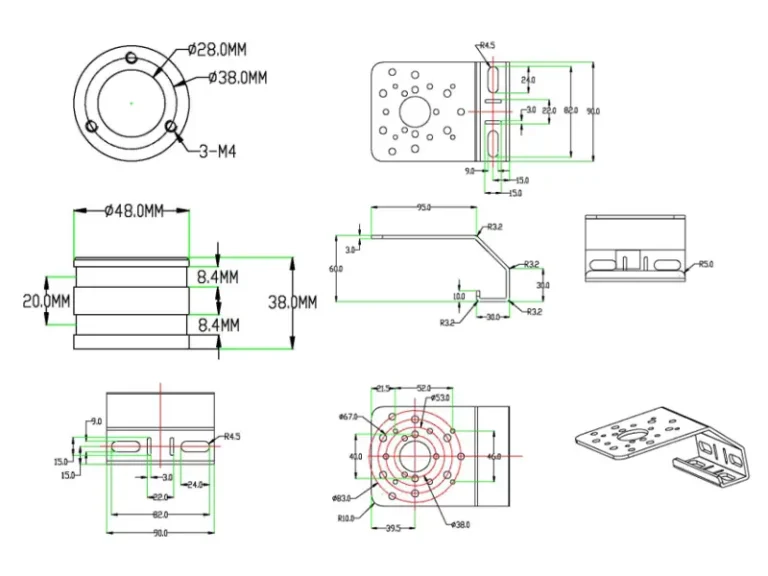
Solar Sensor Selection: What Should You Check Before Buying?
Choosing the right solar sensors for a PV plant solar sensors list starts with the measurements the project actually needs. Confirm whether the system requires POA, GHI, or DNI irradiance, module and ambient temperature, wind speed and direction, humidity, or other site data. Then check the required measurement range, accuracy, resolution, measurement class, calibration method, and long-term stability. The specification should cover the site’s expected conditions rather than simply using the highest available accuracy or widest range.
The installation environment and data interface are equally important. Check exposure to dust, humidity, salt spray, strong wind, rain, and snow, along with enclosure protection and mounting requirements. For system integration, confirm the power supply and communication method, such as RS485, Modbus RTU, 4–20 mA, 0–5 V, 0–10 V, LoRa, NB-IoT, or Ethernet. Before purchase, we recommend matching these details with the plant’s SCADA or data acquisition system and confirming the required cables, mounting accessories, calibration documents, and warranty. This avoids selecting a technically suitable sensor that cannot be integrated easily in the field.
결론
A solar power plant does not need every available sensor. The right solar sensor package depends on what the plant needs to measure, the monitoring standard, module configuration, local climate, plant size, and O&M requirements. Irradiance and temperature measurements form the basic monitoring layer, while wind, humidity, rainfall, and soiling sensors can be added when site conditions or project requirements call for them. Installation position, measurement accuracy, communication interface, and system compatibility should also be considered before procurement.
A practical solar sensors list should lead to a suitable configuration, not simply a longer solar sensors list of devices. Yantai Sensor can support PV projects with individual irradiance, temperature, wind, humidity, soiling, and other environmental sensors, as well as integrated solar weather stations and communication options for SCADA or third-party platforms. Need help selecting sensors for a PV project? Send us your plant capacity, location, required monitoring parameters, and communication requirements. Our team can review the project conditions and recommend a suitable sensor configuration for your application. 문의하기 to discuss your PV monitoring requirements.