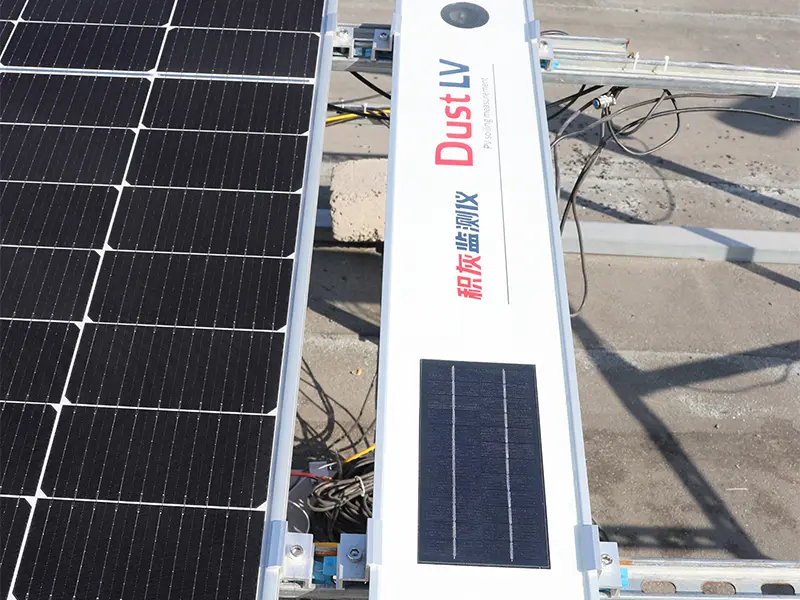
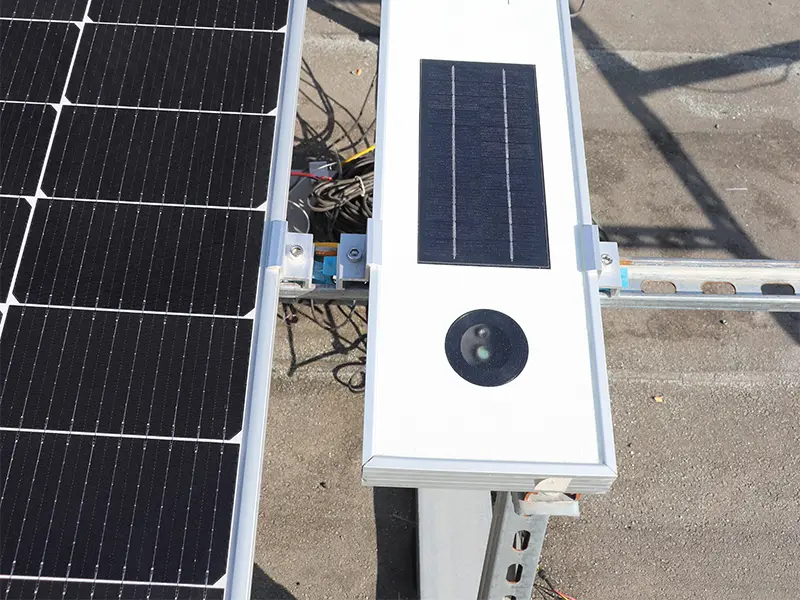
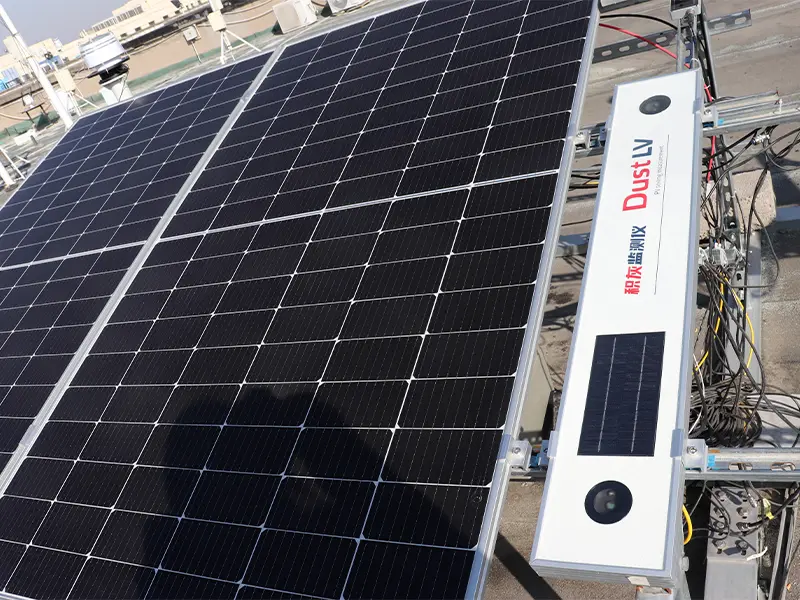
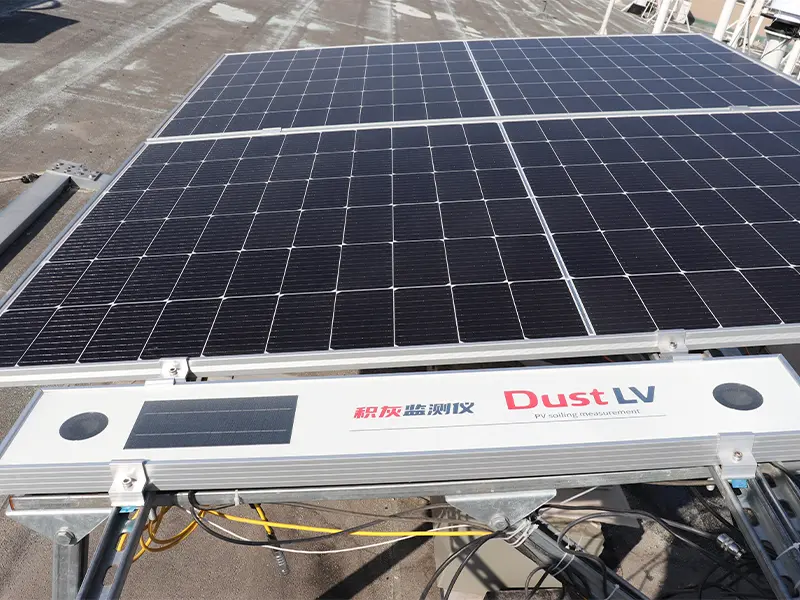
DustLV Photovoltaic Module Pollution Status Monitor
The DustLV photovoltaic module pollution status monitor is an intelligent monitoring device designed using advanced optical principles and tailored specifically for the solar power plant monitoring sector, with the aim of helping solar power plants improve power generation efficiency and streamline maintenance.
- Temperature: -40~80℃
- Voltage range: DC 12 ~ 24 V
- Current range: 0 ~ 250mA
- Maximum power consumption: < 3W
- Operating temperature: -40℃~+60℃
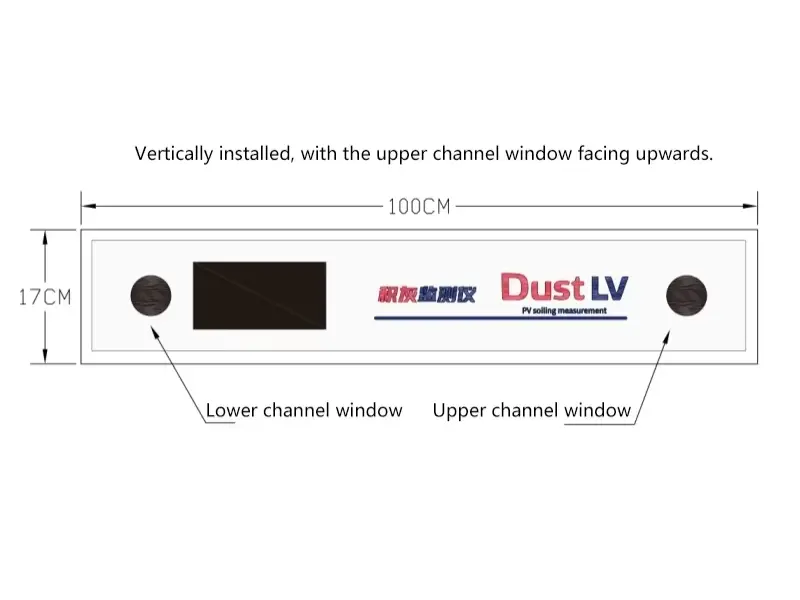
- Instrument size: 1000*170*40mm
- Weight: 4kg
Price: $583
Introdução
At the heart of the DustLV photovoltaic module pollution status monitor lies its built-in high-precision optical sensor, which continuously captures changes in the intensity of reflected and scattered light on glass surfaces around the clock. These subtle changes in light signals are key indicators of the level of dust accumulation on the panels. By combining this with short-wavelength blue light measurement technology, DustLV can accurately calculate a dust accumulation index, enabling real-time, precise monitoring of the cleanliness status of photovoltaic panels.
When the dust index reaches a preset safety threshold, the DustLV dust monitoring system automatically triggers an alarm, immediately alerting the O&M team at the solar power plant. This means that O&M personnel no longer need to rely on cumbersome manual inspections to monitor the cleanliness of the modules. Instead, they can easily track their condition, ensuring cleaning operations are performed at the optimal time and effectively preventing dust accumulation from negatively impacting power generation efficiency.
Structure Solar Panel Soiling Monitor
- Sensor Module: Includes dust, temperature, humidity, and light sensors to monitor photovoltaic module contamination, environmental changes, and influencing factors.
- Data Acquisition Module: Sensor data is collected via the data acquisition unit and transmitted to a remote platform via the wireless communication module.
- Control Unit: A microprocessor handles data processing and analysis, while the alarm system provides cleaning or maintenance alerts based on data changes.
- Power Management: Solar panels provide power to the system, ensuring the battery-powered equipment continues to operate normally even in the absence of sunlight.
- Display and User Interface: Displays the device’s operational status and contamination levels, and supports remote monitoring and management via a mobile interface.
- Data Storage: Data can be stored on a cloud platform for long-term monitoring and analysis, or stored locally on the device for later upload.
- Maintenance and Calibration: An automatic calibration system ensures the long-term stable operation of the sensors, while a maintenance alert system reminds users to perform regular inspections and maintenance on the equipment.
Mostrar detalhes
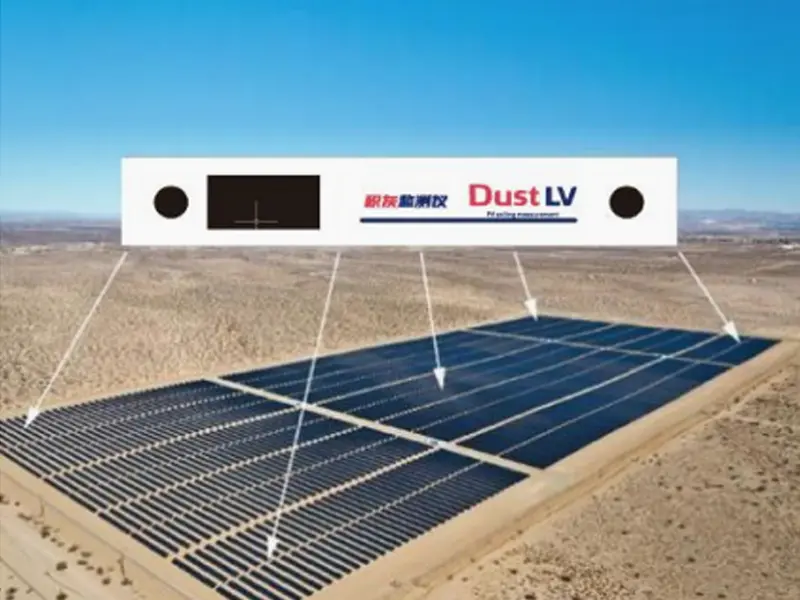
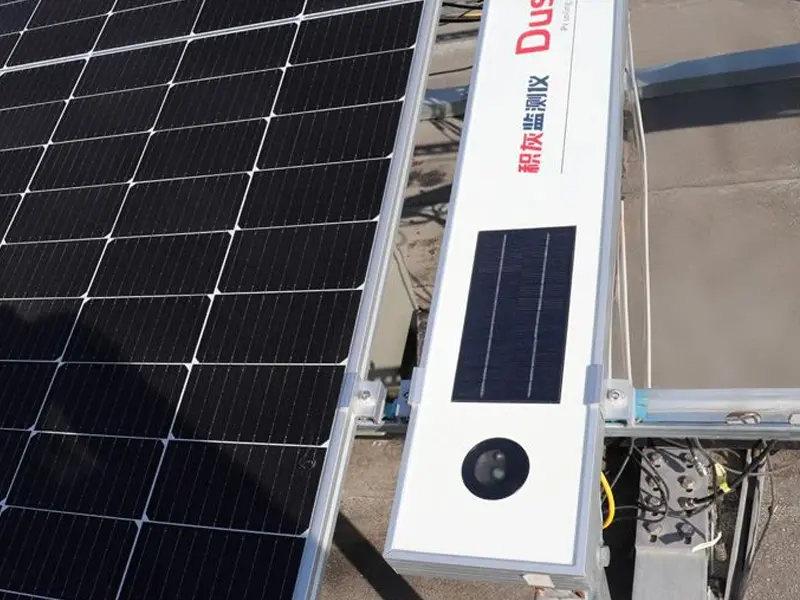
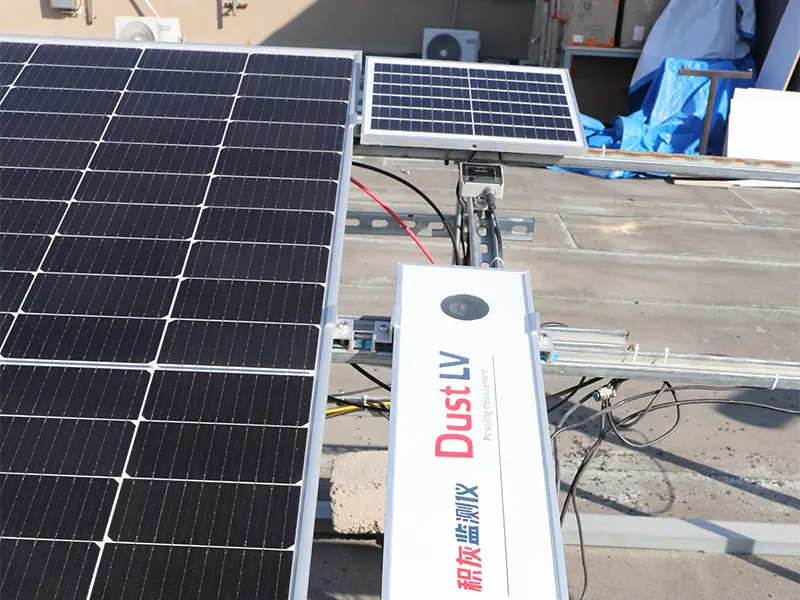
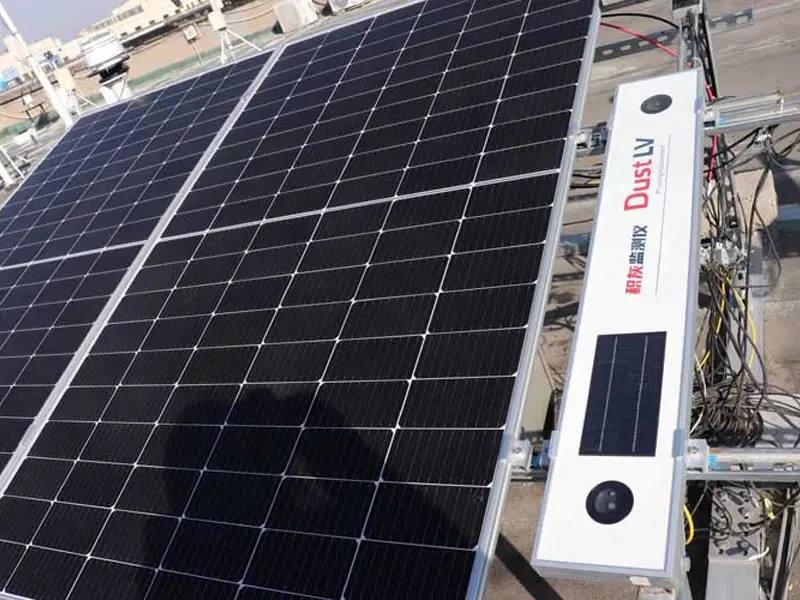
Here’s a look at the DustLV photovoltaic module pollution status monitor from every angle, showcasing its design details to give you a clearer picture of its sophisticated structure and technical features. Below is a detailed overview of the DustLV pollution Dust Monitor:
Control Box Interface Description:
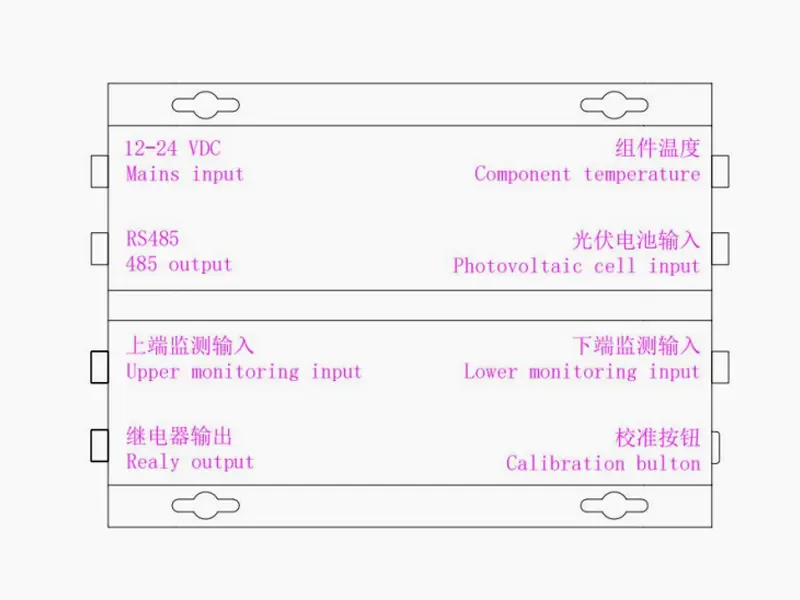
Note: The power supply requires 12–24 V DC, with a minimum load current of 500 mA.
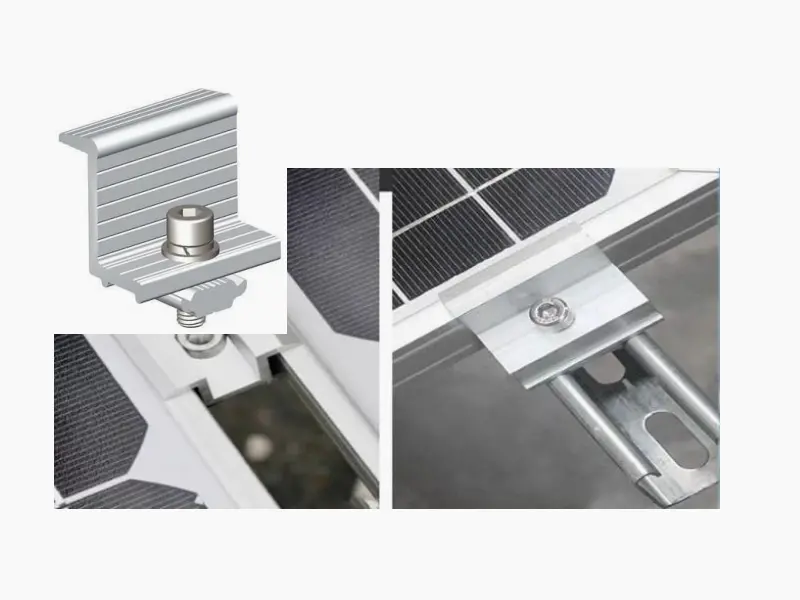
Install using fixtures
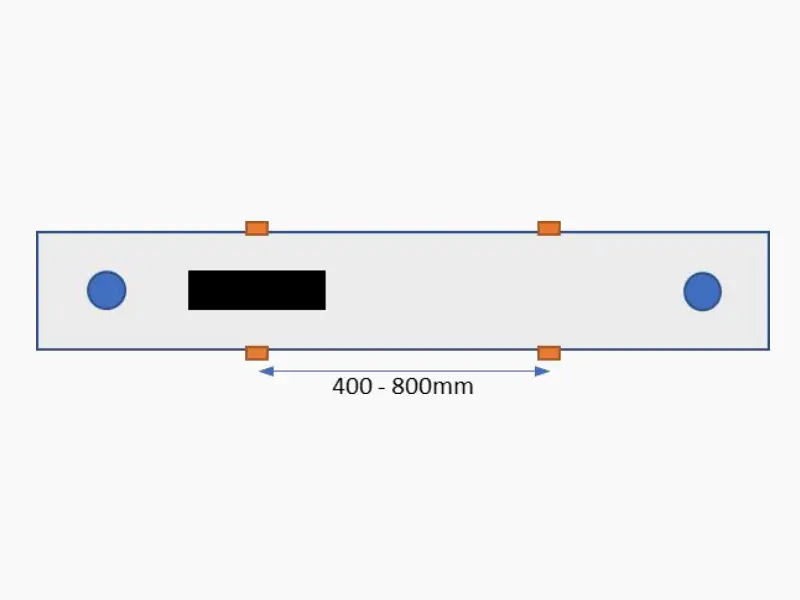
It is recommended to install the dust monitoring system vertically; horizontal (sideways) installation is not recommended.
Installation Diagram
Install a temperature sensor for solar panels
The sensor comes with a cable and can be installed on a nearby solar panel.
Follow these steps to install the solar panel temperature sensor:
- Plug the module temperature connector into the module temperature port on the control box.
- Clean the surface of the cable bracket and the pre-installed location on the back of the solar panel.
- The optimal location for the temperature sensor is the center of the solar panel.
- Attach the temperature sensor to the back of the PV panel using thermal silicone or double-sided tape.
- Secure the cable to the PV mounting bracket.
Especificações
The DustLV dust monitor provides comprehensive performance specifications covering various aspects such as contamination ratio, temperature, stability, and power consumption. It accurately measures contamination ratios and temperature fluctuations, with key specifications including operating voltage range, current measurement range, measurement accuracy, power consumption, and operating temperature. Below are the DustLV photovoltaic module pollution status monitor specifications:
Parâmetros
| Pollution ratio | Dual sensor value 50~100% | |
| Temperature | -40~80℃ | Measurement accuracy 0.5℃ |
| Pollution ratio measurement accuracy | Measuring range: 90~100% | Measurement accuracy ±1% |
| Measuring range 80~90% | Measurement accuracy ±2% | |
| Measuring range: 50~80% | Measurement accuracy ±5% | |
| Stability | Manual calibration, better than 1% of full scale per year | |
| Voltage range | DC 12 ~ 24 V | |
| Current range | 0 ~ 250mA | |
| Maximum power consumption | < 3W | |
| Operating temperature | -40℃~+60℃ | |
| Instrument size | 1000*170*40mm | |
| Weight | 4kg |
Features DustLV photovoltaic module pollution status monitor
High-Precision Sensing
Advanced optical technology for precise measurement of photovoltaic module soiling ratios.
Intelligent Alarm System
Automatically alerts O&M personnel when a preset threshold is exceeded.
Low-Power Design
Maximum power consumption is under 3W, ensuring energy efficiency.
Easy Installation
Easy to install and adaptable to various mounting environments.
waterproof protection
IP65 waterproof protection, durable and reliable for long-term outdoor use
Dry and wet cleaning
Supports both dry and wet cleaning methods and is fully compatible with solar panel cleaning.
Applications
The DustLV photovoltaic module pollution status monitor is primarily used in photovoltaic power plants. Monitoring the level of contamination on photovoltaic modules in real time, it helps operations and maintenance personnel promptly assess the cleanliness of the modules, thereby improving power generation efficiency and reducing maintenance costs. It is widely applicable to photovoltaic power plants in various environments, particularly in areas with high levels of pollution and dust, where it can accurately measure contamination levels and provide cleaning recommendations. Below are specific applications for the PV Module Dust Monitoring:
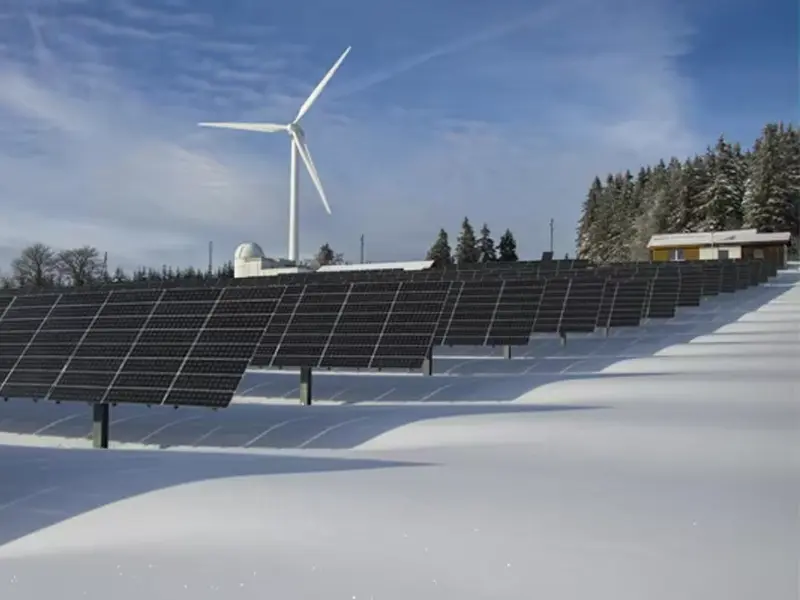
Solar Power Plants
Suitable for large-scale solar power plants, it monitors module contamination in real time to improve power generation efficiency and reduce O&M costs.

High-Contamination Areas
In regions prone to sandstorms or high dust levels, it effectively detects contamination buildup, provides timely cleaning alerts, and ensures system stability.
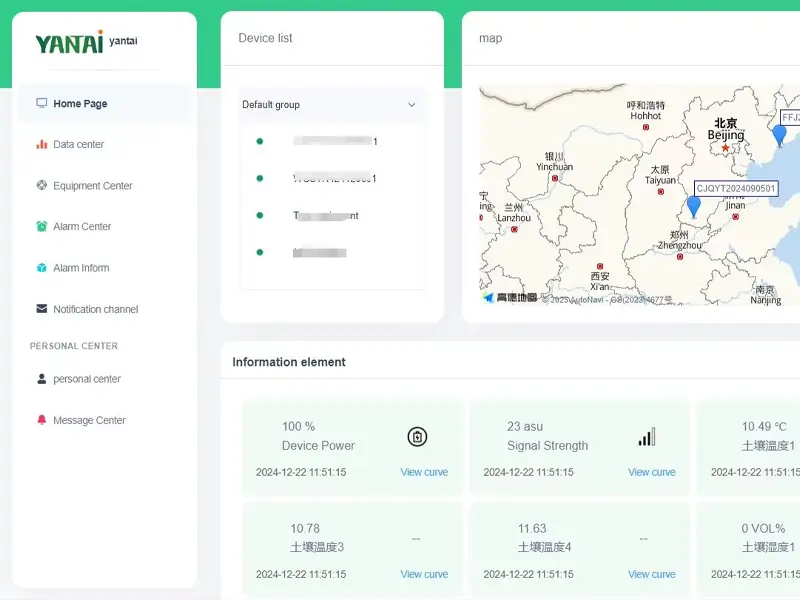
Smart O&M
Remote monitoring and alarm functions reduce the need for manual inspections and enhance O&M efficiency.

Monitorização ambiental
Suitable for environmental pollution monitoring projects, providing accurate pollution data to support data analysis and research.
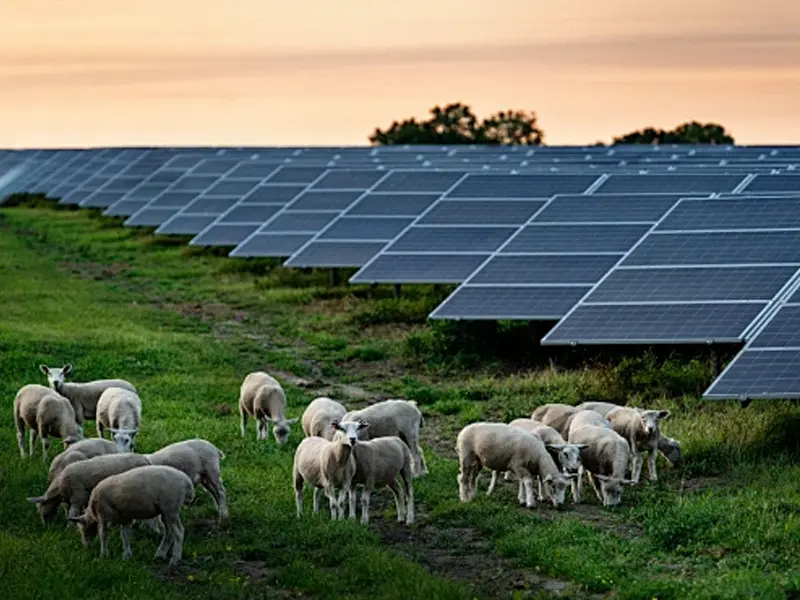
Agricultural PV Applications
Used in agricultural PV systems to clean solar panels, promoting dual benefits for both agriculture and the PV system.
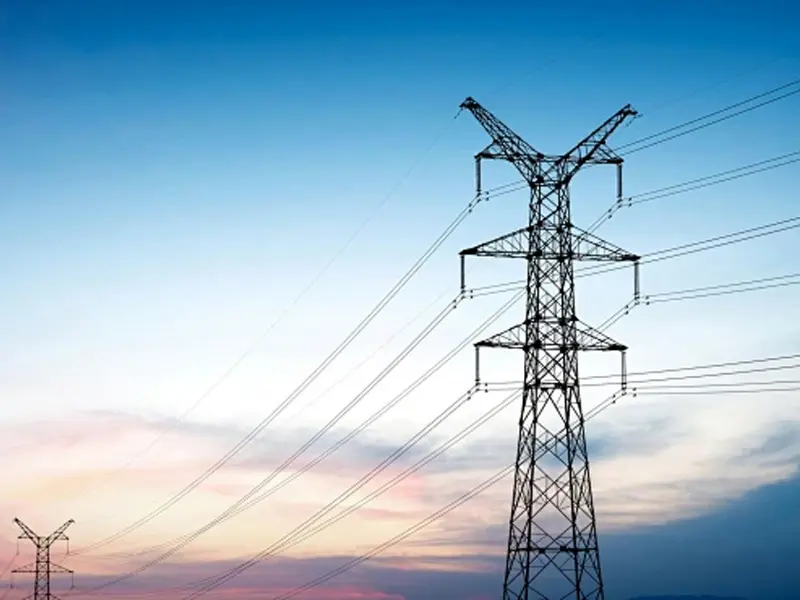
Utility Company Monitoring
Utility companies can use this system to monitor the operational status of multiple solar power plants, centrally manage them, and optimize their power generation efficiency.
custom DustLV photovoltaic module pollution status monitor
The DustLV photovoltaic module pollution status monitor offers highly customizable services, allowing monitoring parameters and functional settings to be adjusted according to specific customer needs and environmental conditions. Whether for photovoltaic power plants, agricultural applications, or highly polluted environments, DustLV provides tailored solutions.
Customization Options
- Customizable Performance Parameters:
1. Contamination rate measurement range (default: 50–100%), measurement accuracy (adjustable to ±1%, ±2%, or ±5% for different accuracy levels);
2. Operating temperature range (default: -40°C to +80°C), operating voltage (default: 12–24 V DC), adaptable to the environmental and power supply requirements of various photovoltaic power plants;
3. Current Output Range (Standard: 0–250 mA), Power Consumption Threshold (Standard: <3 W), meeting personalized requirements such as low power consumption and high output. - Functionality and Adaptability: Data Transmission Module: Supports customizable transmission methods such as RS485, 4G, Ethernet, and LoRa, compatible with remote monitoring systems for photovoltaic power plants;
Calibration and Stability: Manual calibration is standard (annual drift < 1%); automatic calibration can be customized to support unmanned photovoltaic power plant scenarios; - Mounting Structure: Customized sensor mounting brackets, dimensions, and attachment methods based on PV panel installation methods (e.g., horizontal/inclined mounting).
- Protection Rating: Designed for high-dust and high-salt-fog photovoltaic environments such as desert and coastal areas, enhancing the enclosure’s protective capabilities;
- Data Integration: Supports protocol integration with customers’ existing SCADA systems and photovoltaic power plant management cloud platforms (e.g., MODBUS);
- Bulk Customization: Includes customization of product models, brand logos, and engraved text.
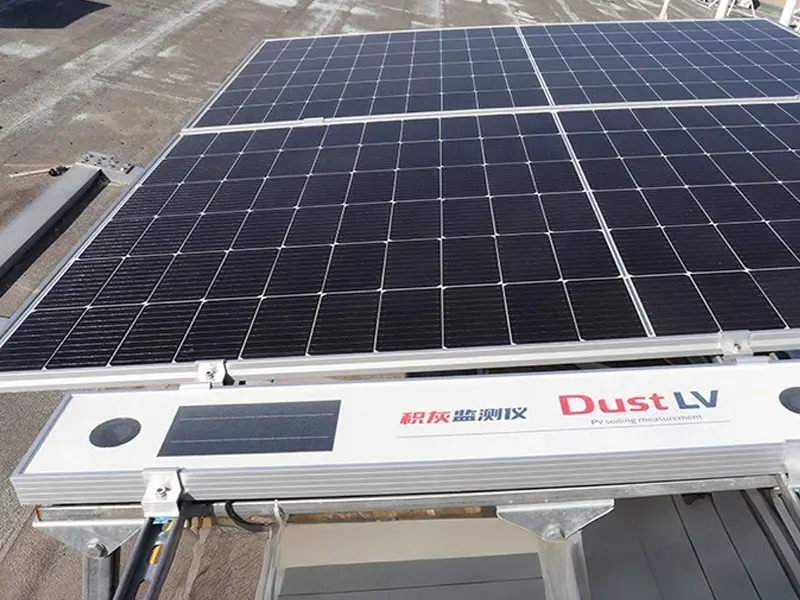
Solar Panel Soiling Monitor Fabricante e Fornecedor
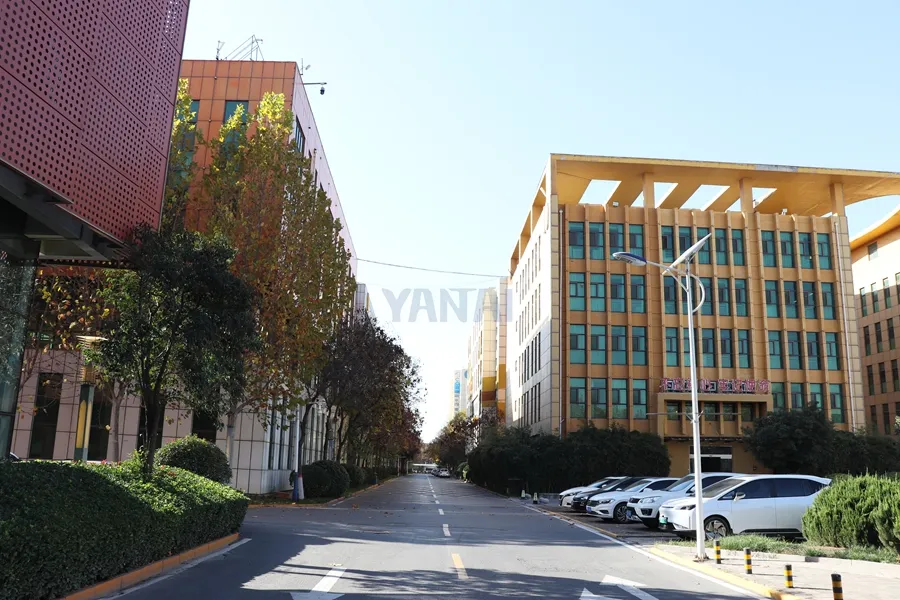
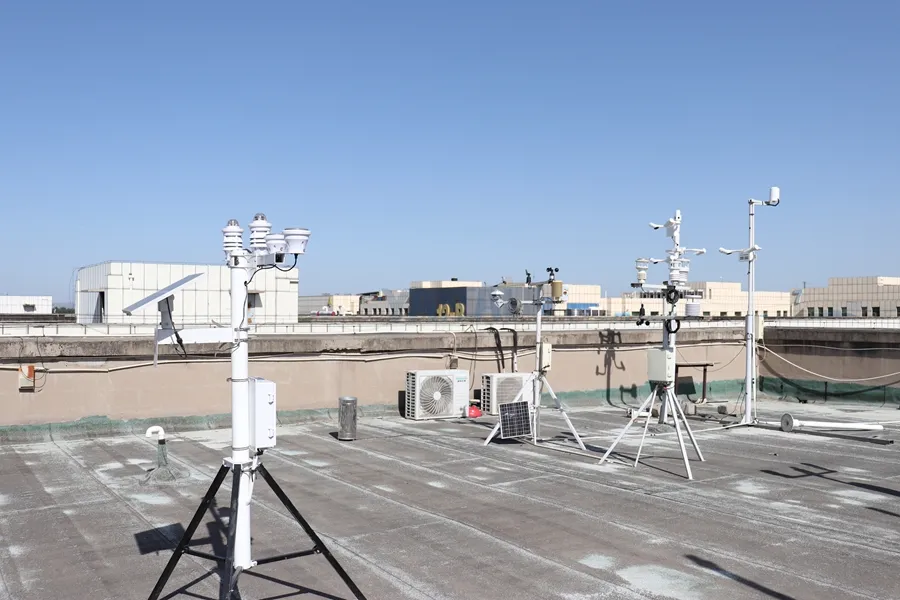
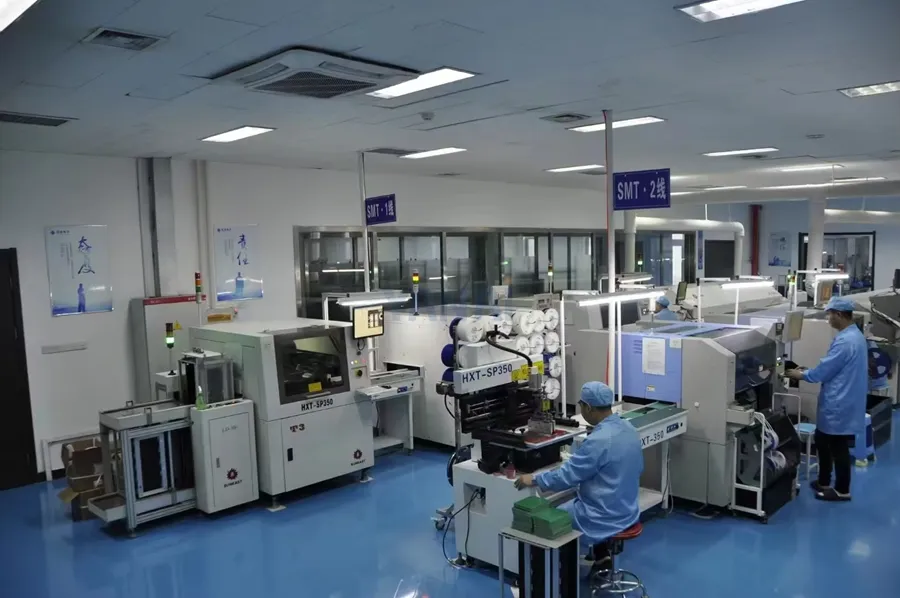
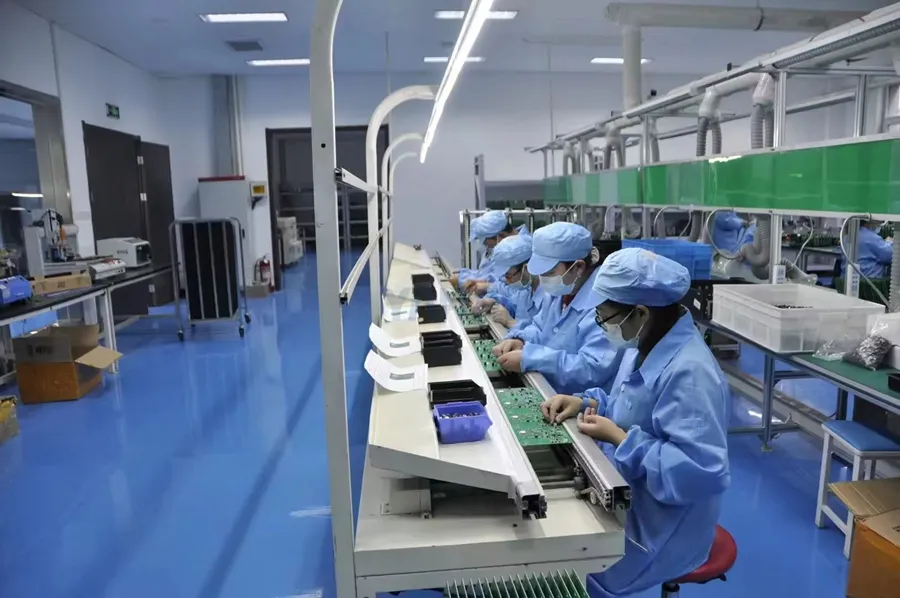
Yantai Sensor is a professional manufacturer and supplier of solar panel soiling monitors, specializing in providing high-precision pollution monitoring solutions for photovoltaic power plants, environmental monitoring, and performance analysis. Our DustLV system is designed to accurately measure pollution accumulation on photovoltaic modules, delivering stable and reliable data to support power generation efficiency assessment (PR), cleaning optimization, and energy output enhancement.
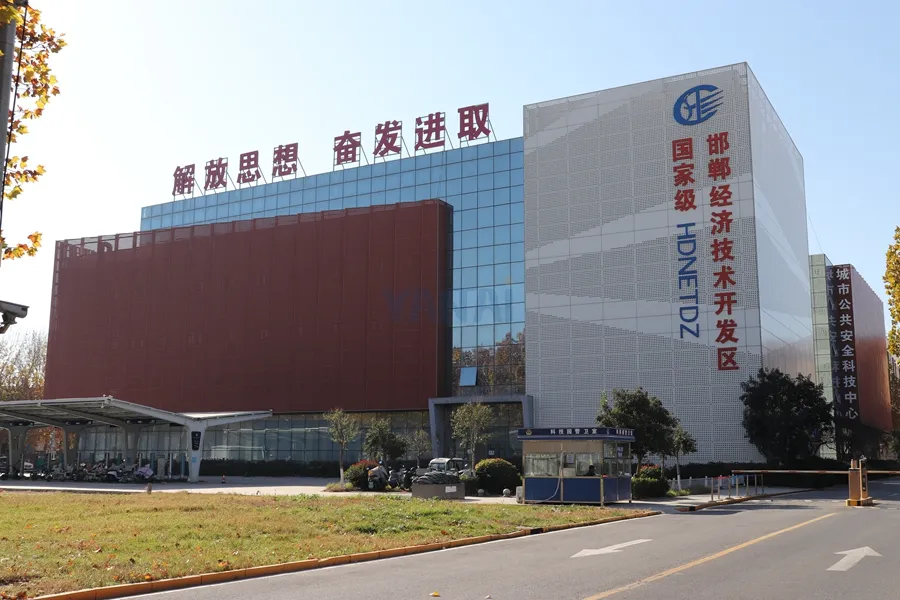
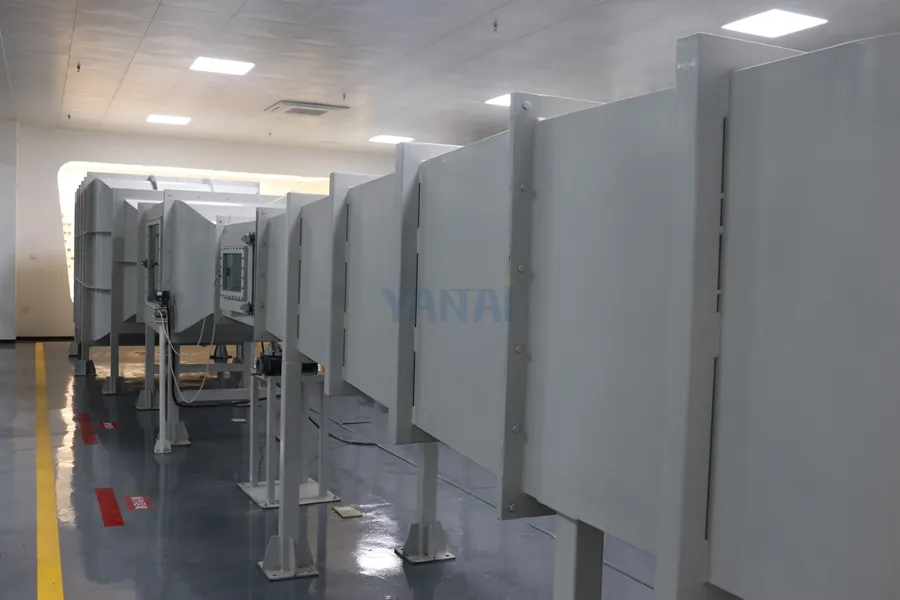
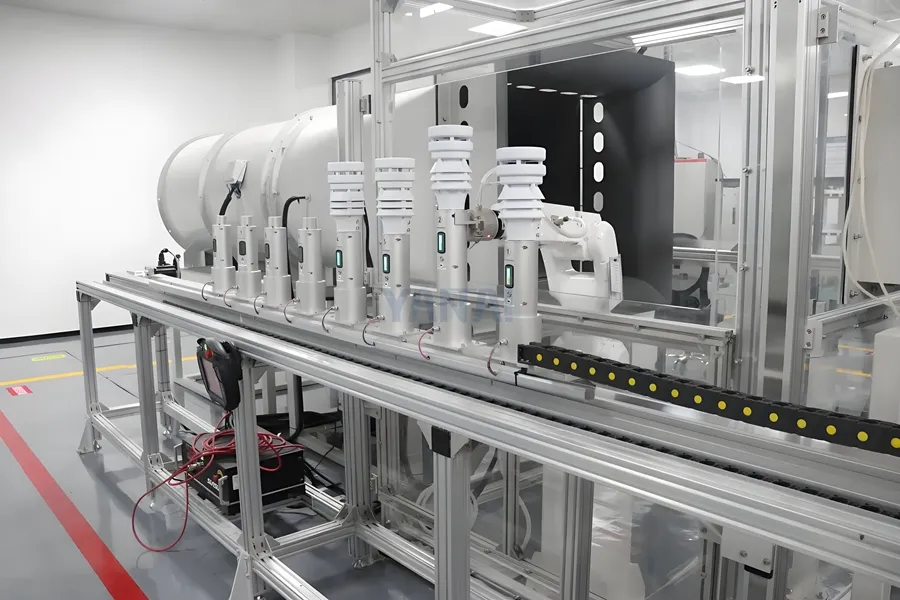
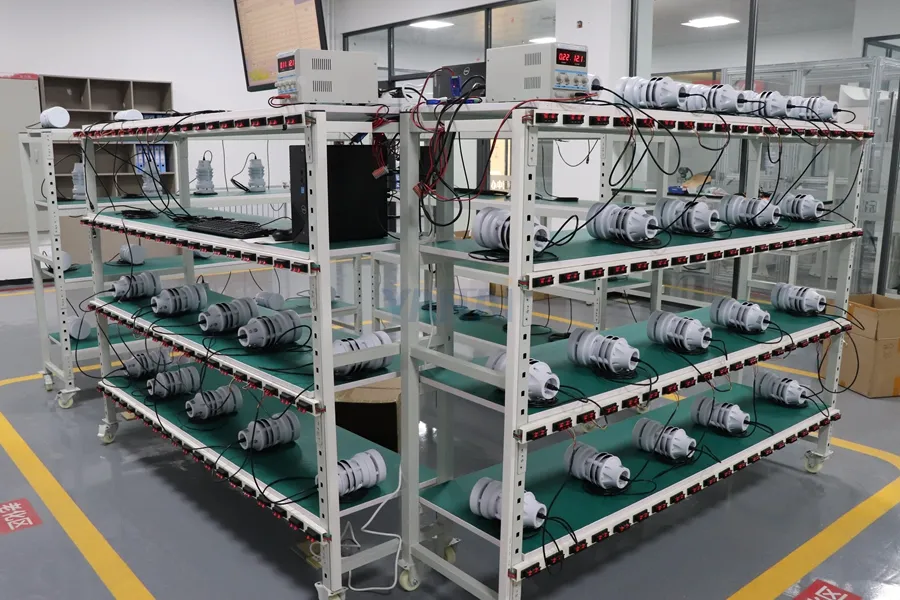
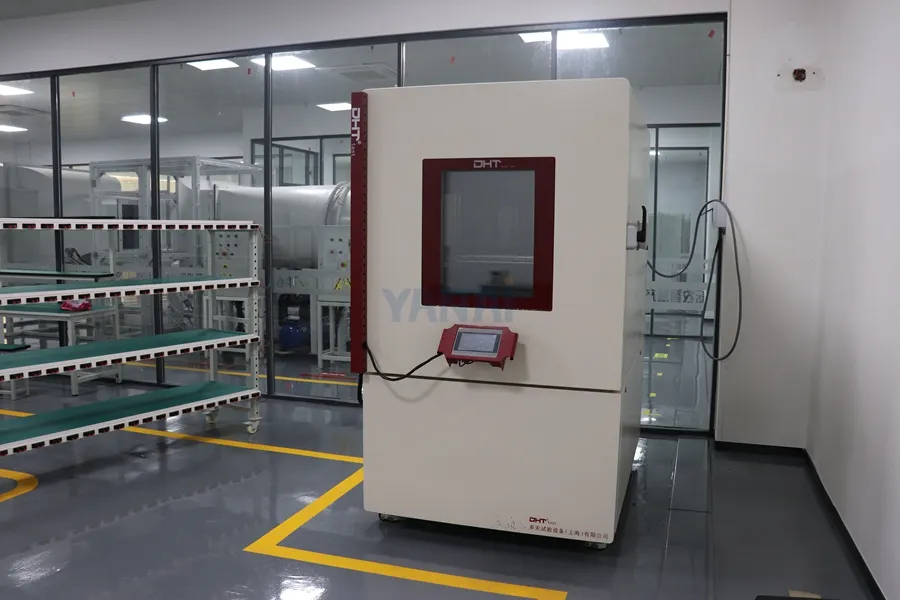
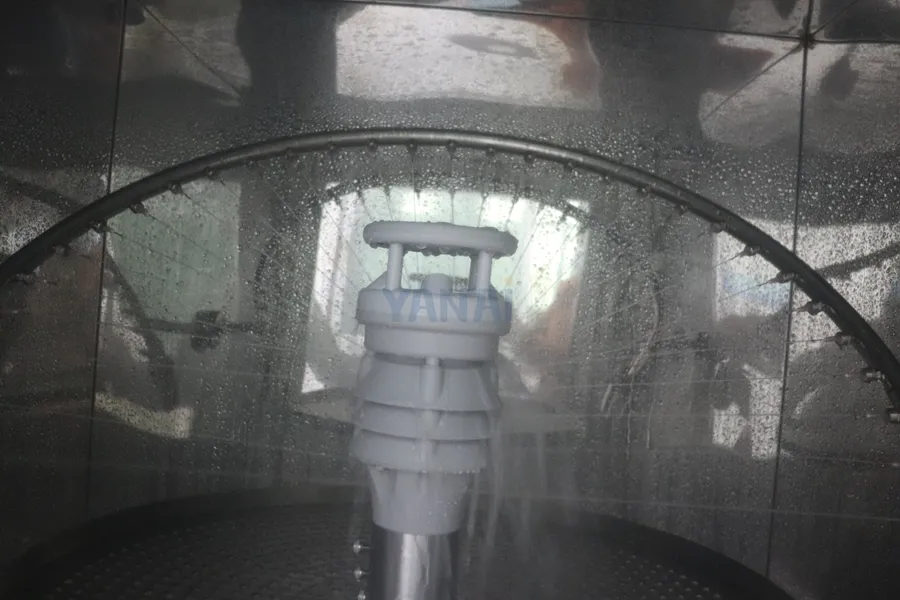
With robust in-house R&D capabilities, advanced manufacturing facilities, and dedicated environmental testing laboratories, every system undergoes rigorous quality control, including temperature, humidity, pollution exposure, and long-term stability testing. We hold CE, ISO, and RoHS certifications to ensure the reliability of our products and offer flexible OEM/ODM services to support global PV projects and smart PV monitoring applications. We provide customization services and have a professional technical team capable of delivering tailored solutions to meet your specific needs. Please feel free to contact our team, and we will provide you with the most suitable technical support and solutions.
Certificados
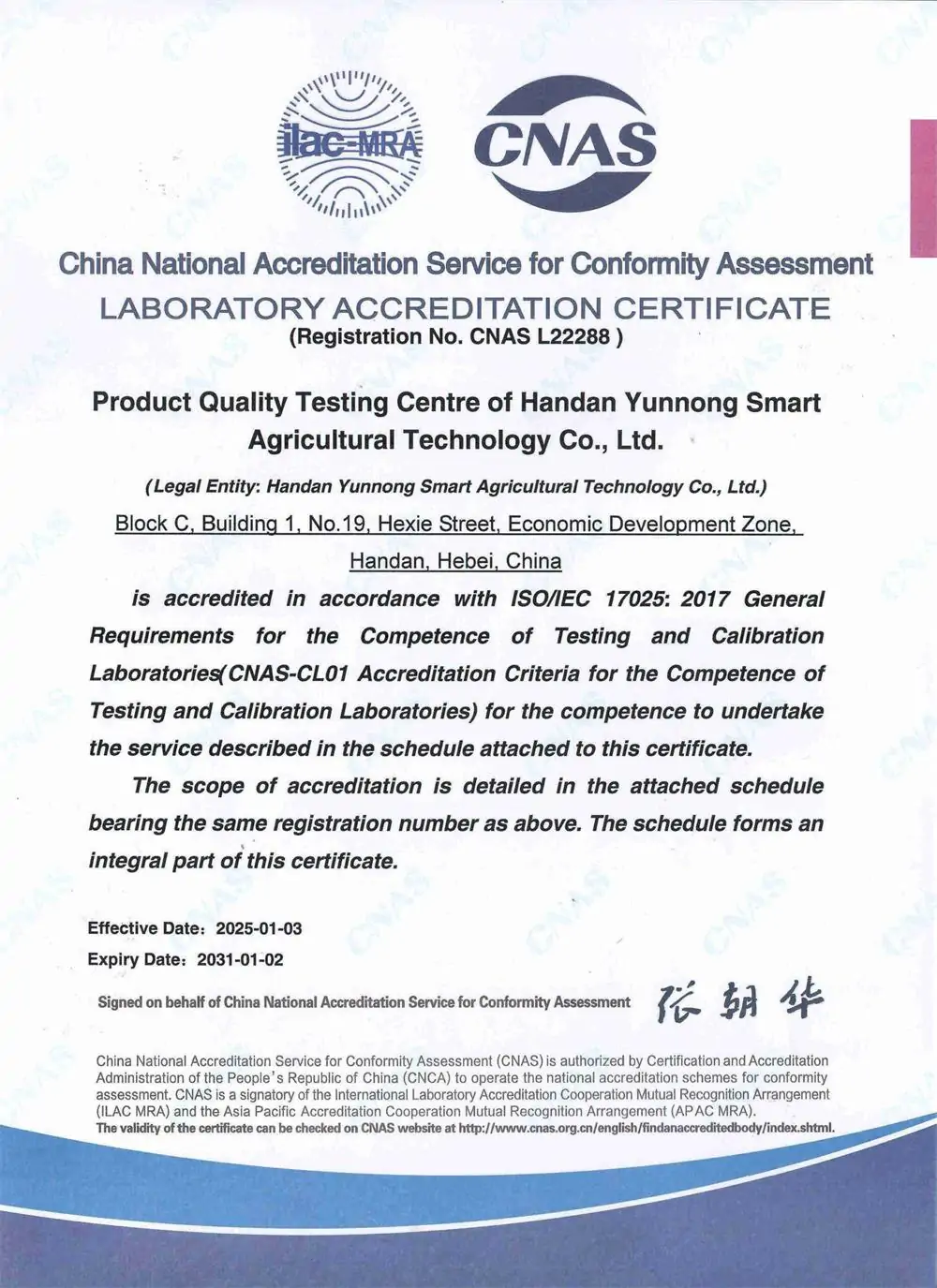
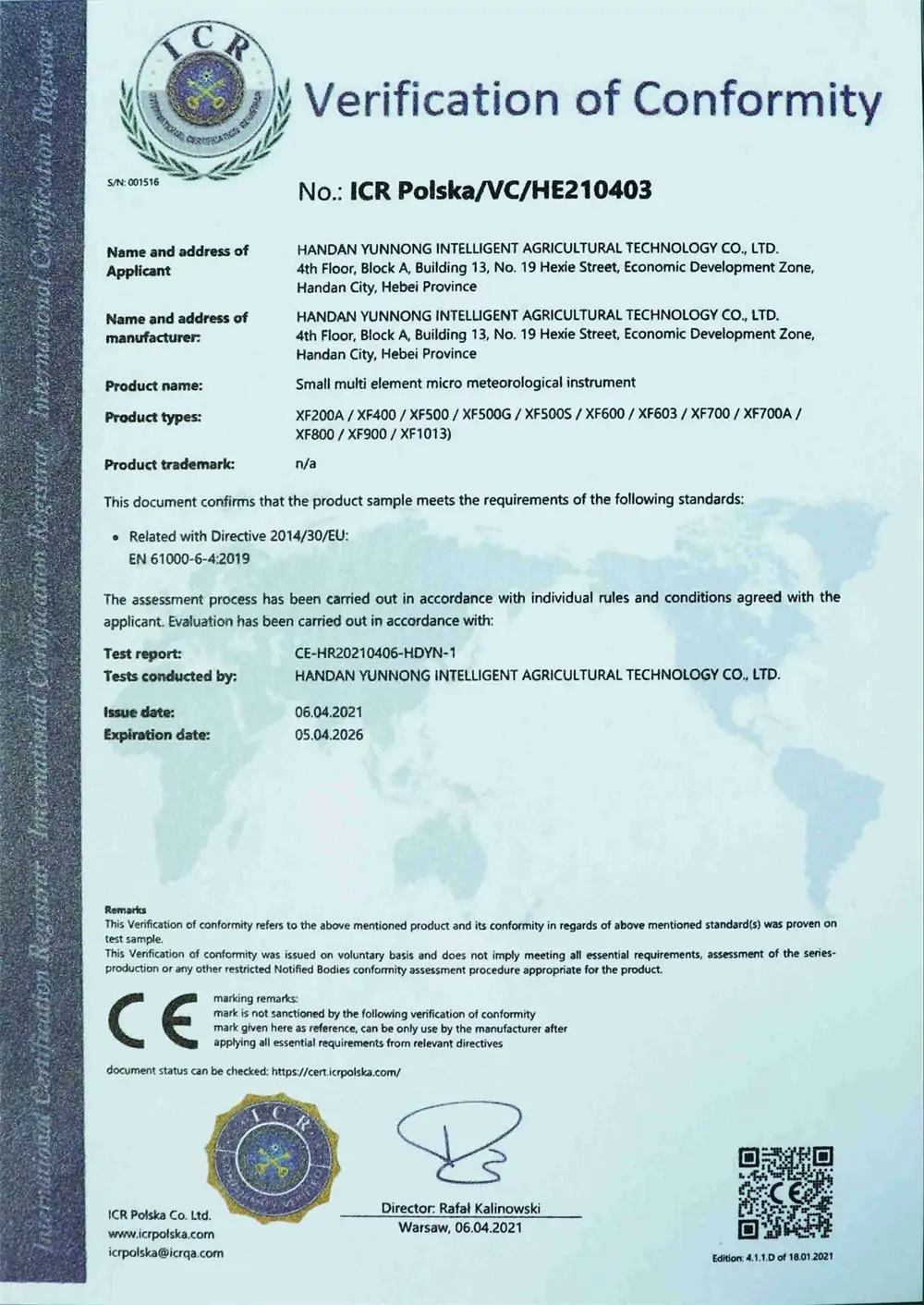
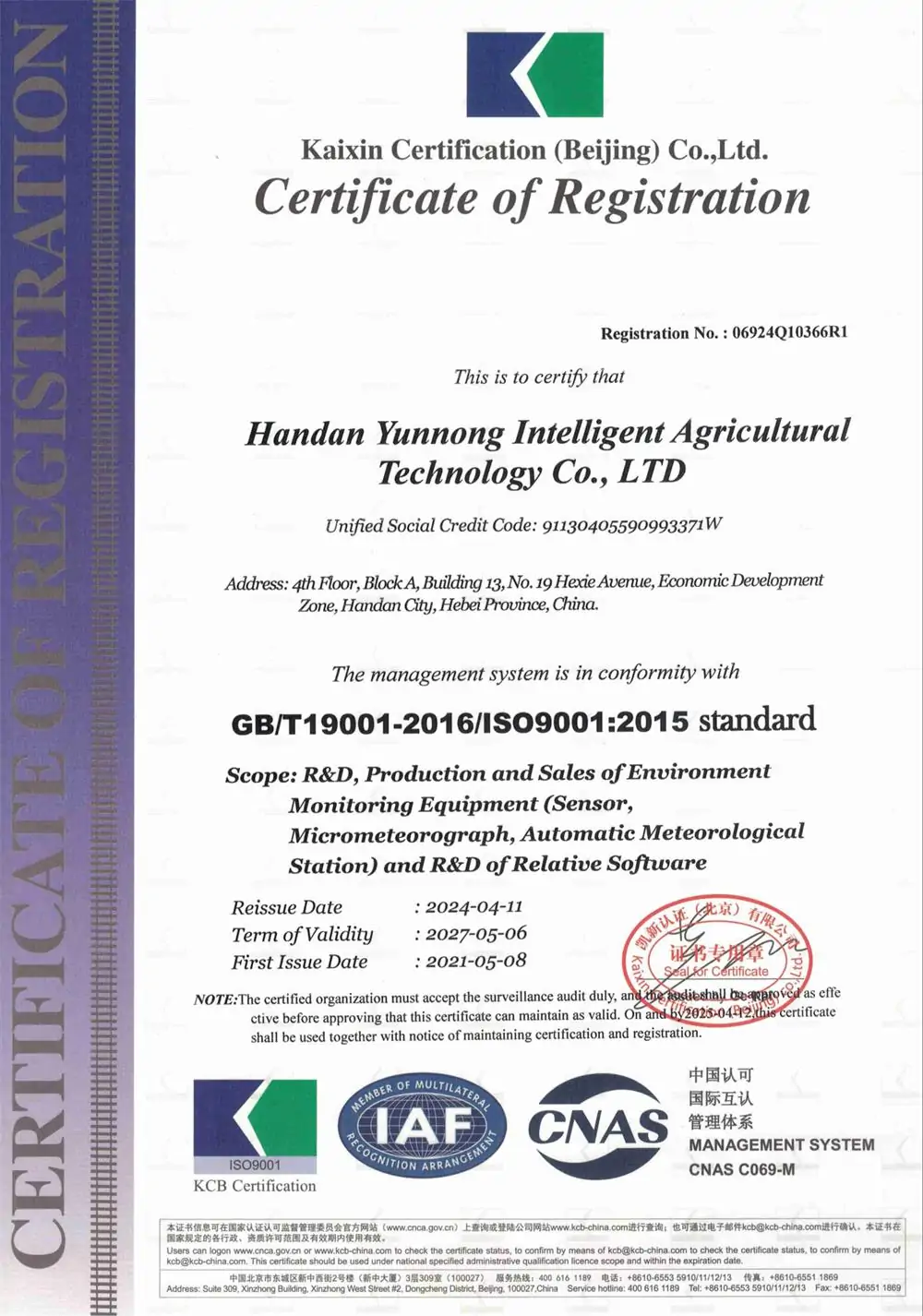
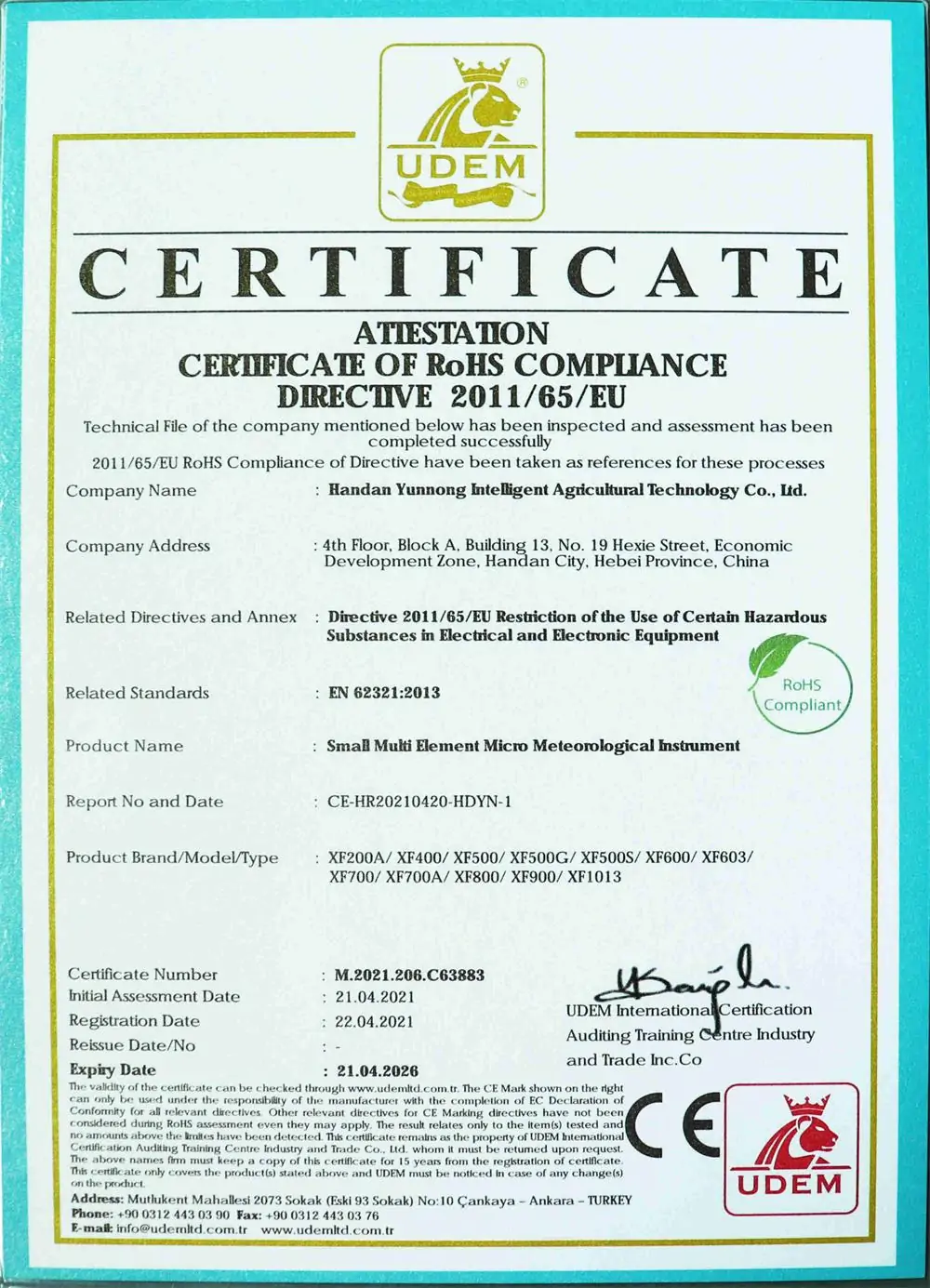
We have CNAS, ISO, CE, and RoHS certifications, and all weather monitoring systems meet rigorous international standards.