Правильный выбор типа анемометра является решающим фактором, определяющим точность измерения скорости ветра. Хотя факторы окружающей среды играют важную роль, большинство несоответствий в данных и ошибок в системах управления вызвано принципиальным несоответствием между технологией датчика и условиями его применения.
На рынке представлено множество типов анемометров, в том числе чашечные, пропеллерные, ультразвуковые и другие; каждая конструкция имеет свои преимущества и ограничения. Различные сценарии применения предъявляют совершенно разные требования к стабильности измерений, точности, скорости отклика и адаптируемости к условиям окружающей среды.
Выбор правильного решения заключается не в приобретении самого дорогого прибора, а в соответствии типа анемометра вашим конкретным условиям эксплуатации и требованиям к производительности. В данной статье анализируются характеристики и типичные области применения основных типов анемометров с практической точки зрения, что помогает определить четкий и надежный путь выбора.Если вы хотите узнать больше о “Ультразвуковые и механические анемометры: что лучше для мониторинга солнечных электростанций?”的信息,请点击此处。.
Семь различных типов анемометров
Каждая из приведенных ниже категорий представлена в следующем порядке: принцип → характеристики → области применения → преимущества и недостатки, что позволяет легко сравнить варианты и выбрать наиболее подходящий.
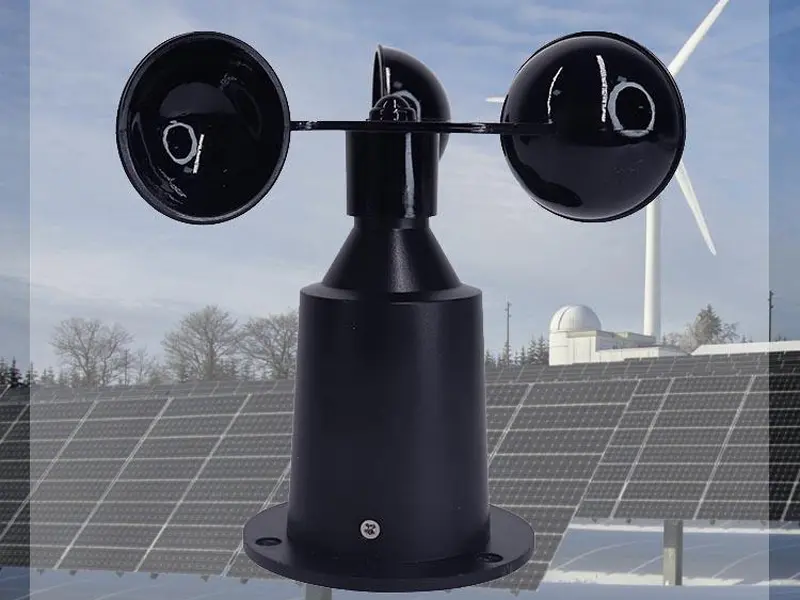
1. Чашечный анемометр
Принцип работы: Ветер заставляет чашки вращаться, причем скорость вращения пропорциональна скорости ветра.
Характеристики
- Точность: средняя
- Диапазон: от низкой до средней и от средней до высокой скорости ветра
- Скорость отклика: средняя
- Долговечность: высокая
- Стоимость: низкая
Приложение
- Метеостанции
- Экологический мониторинг
- Сельскохозяйственная метеорология
- Общий долгосрочный мониторинг в полевых условиях
| Преимущества | Недостатки |
|---|---|
| Простая конструкция, устойчивость и надежность | Низкая чувствительность при низких скоростях ветра |
| Низкая стоимость, простота обслуживания | Подвержен механическому износу |
| Высокая степень признания в отрасли | Требует периодической калибровки |
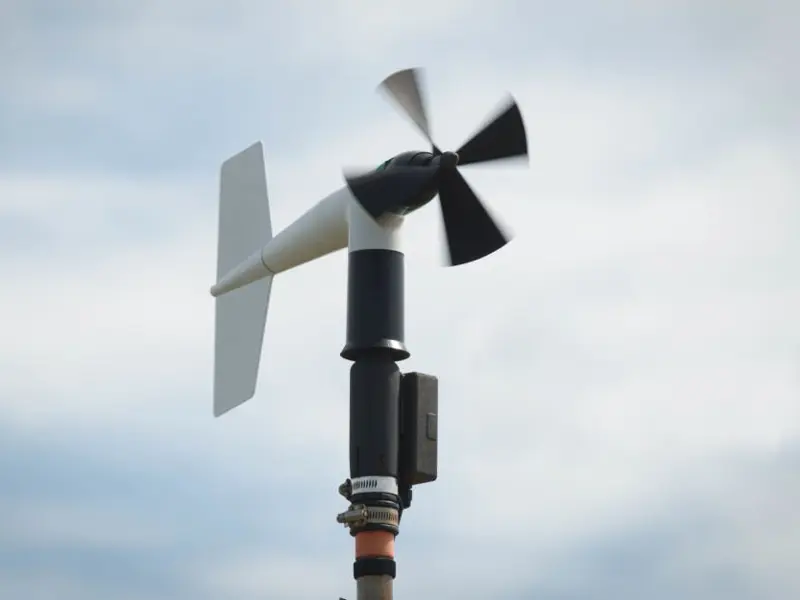
2. Анемометр пропеллерного типа
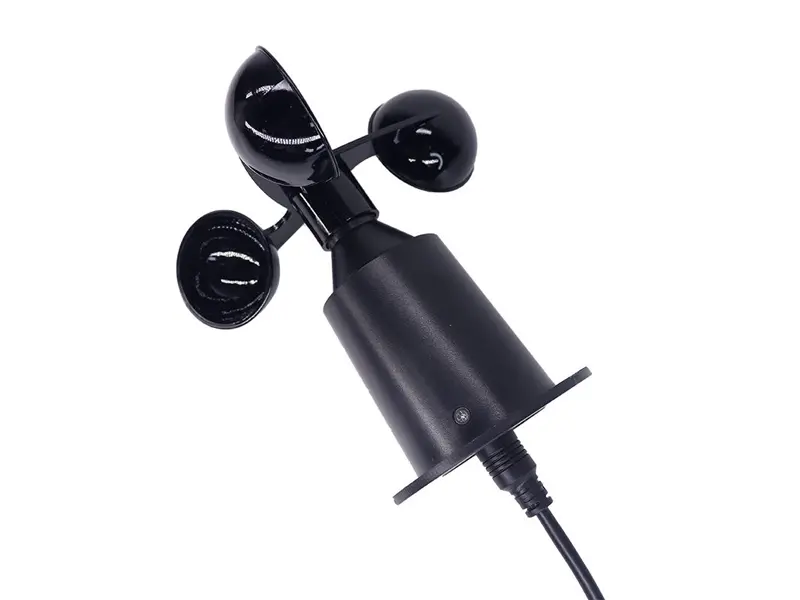
Принцип работы: Воздушный поток приводит в движение пропеллер, при этом направляющий механизм фиксирует направление ветра.
Характеристики
- Точность: умеренно высокая
- Диапазон: от низкой до средней скорости ветра
- Скорость отклика: относительно высокая
- Стоимость: умеренная
Приложение
- Системы отопления, вентиляции и кондиционирования воздуха системы
- Испытания систем вентиляции зданий
- Портативные измерительные приборы
| Преимущества | Недостатки |
|---|---|
| Измеряет скорость и направление ветра | Зависит от ориентации при установке |
| Хорошо работает при низкой скорости ветра | Механическая конструкция требует технического обслуживания |
| Высокая мобильность | Не подходит для использования в экстремальных условиях |
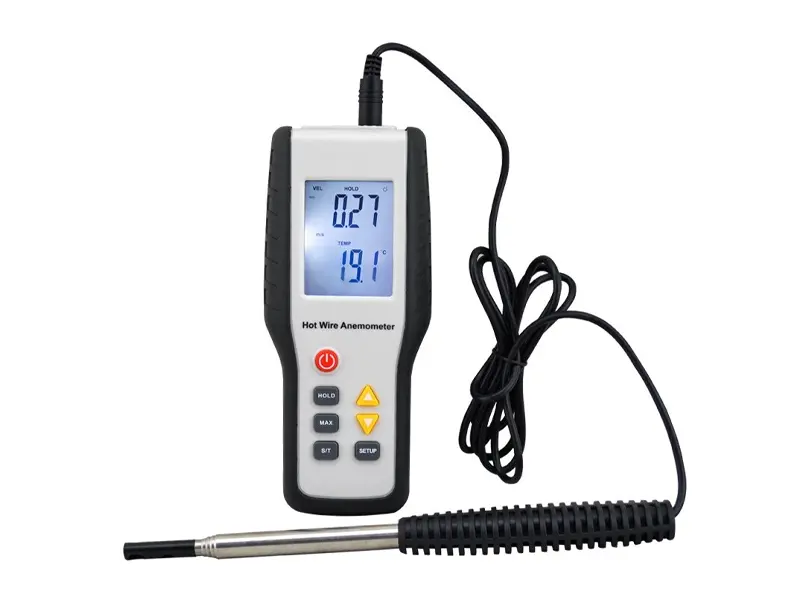
3. Термисторный анемометр
Принцип работы: Рассчитывает скорость ветра на основе изменений теплоотдачи нагревательных элементов.
Характеристики
- Точность: высокая (при низкой скорости ветра)
- Диапазон: Низкие скорости ветра
- Скорость отклика: чрезвычайно высокая
- Стоимость: умеренная
Приложение
- Лаборатории
- Чистые помещения
- Исследования воздушных потоков в помещениях
| Преимущества | Недостатки |
|---|---|
| Сверхвысокая чувствительность | Чувствителен к температуре и влажности |
| Чрезвычайно быстрый отклик | Чрезвычайно быстрый отклик |
| Идеально подходит для измерения слабого ветра | Требует частой калибровки |
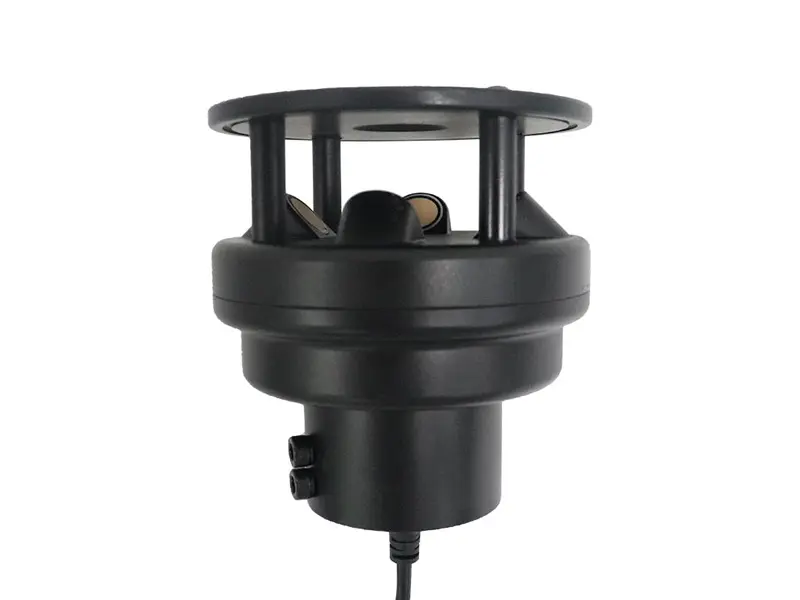
4. Ультразвуковой анемометр
Ультразвуковой анемометр Принцип действия: Измеряет скорость и направление ветра путем расчета разницы во времени прохождения ультразвуковых волн в воздухе.
Характеристики
- Точность: высокая
- Диапазон: Широкий
- Скорость отклика: чрезвычайно высокая
- Долговечность: исключительно высокая
- Стоимость: относительно высокая
Приложение
- Управление ветротурбиной
- Научные исследования и наблюдения
- Умные метеостанции
- Морская среда и экстремальные условия
| Преимущества | Недостатки |
|---|---|
| Отсутствие механического износа | Высокая первоначальная стоимость |
| Не требует обслуживания, высокая стабильность | Сложные требования к установке |
| Подходит для эксплуатации в суровых условиях |
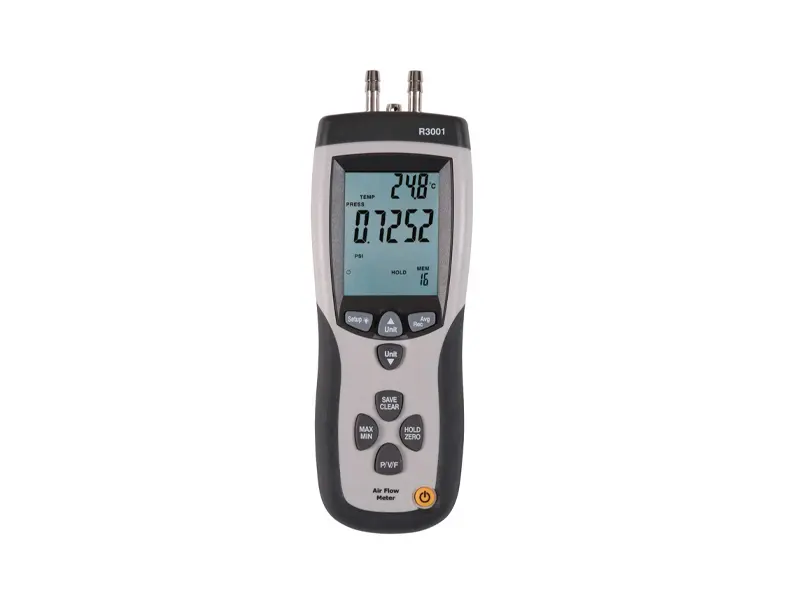
5. Анемометр с трубкой Пито, измеряющий перепад давления
Принцип действия: Рассчитывает скорость ветра на основе разницы между динамическим и статическим давлением.
Характеристики
- Точность: высокая (высокая скорость)
- Диапазон: высокая скорость ветра
- Стоимость: от низкой до средней
Приложение
- Аэрокосмическая отрасль
- Испытания в аэродинамической трубе
- Промышленные трубопроводы
| Преимущества | Недостатки |
|---|---|
| Высокая точность при высоких скоростях ветра | Неточность при низких скоростях ветра |
| Простая структура | Сложное оборудование |
| Зрелая отрасль | Не подходит для сложных схем воздушных потоков |
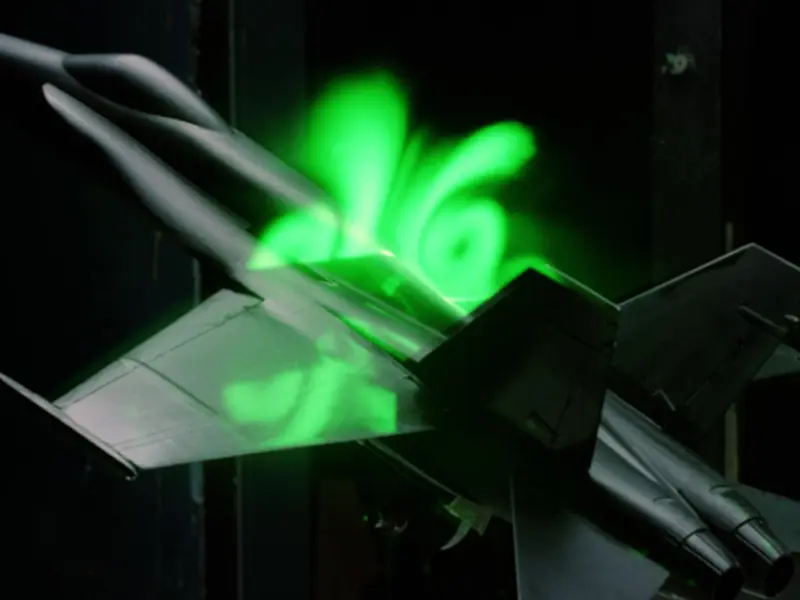
6. Лазерный допплеровский анемометр
Принцип действия: измеряет скорость частиц в воздухе по сдвигу частоты лазерного рассеяния.
Характеристики
- Точность: чрезвычайно высокая
- Способ контакта: бесконтактный
- Стоимость: чрезвычайно высокая
Приложение
- Передовые исследования
- Эксперименты по гидродинамике
- Анализ движения частиц
| Преимущества | Недостатки |
|---|---|
| Высочайшая точность | Чрезвычайно высокая стоимость |
| Не препятствует прохождению воздушного потока | Зависит от места установки |
| Бесконтактное измерение | Непромышленное применение |
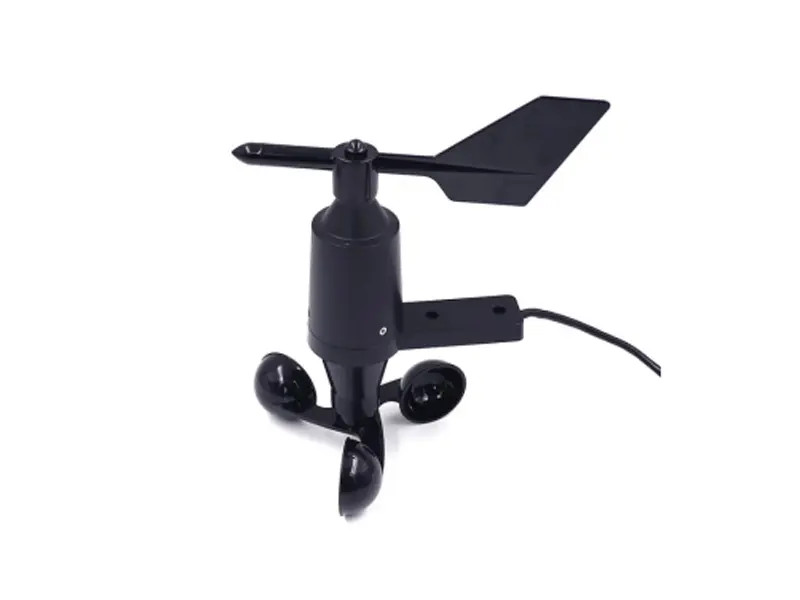
7. Датчик скорости и направления ветра
Датчик направления скорости ветра Принцип работы: Анализирует движение воздушного потока с помощью распознавания изображений и алгоритмов искусственного интеллекта.
Характеристики
- Точность: находится в стадии разработки
- Характеристики: бесконтактный, интеллектуальный
- Стоимость: Нестабильная
Приложение
- Умные города
- Специализированные научно-исследовательские эксперименты
| Преимущества | Недостатки |
|---|---|
| Отсутствие физических датчиков | Стандарты пока не унифицированы |
| Возможно дистанционное измерение | Подвержен влиянию световых помех |
| Потенциал искусственного интеллекта существует | Технология пока не достигла зрелости |
Как правильно выбрать анемометр?
Выбор подходящего анемометра зависит не от цены, а от соответствия конкретным требованиям применения. Во-первых, необходимо определить цели измерений: требуется ли только датчик скорости ветра или нужен комбинированный датчик скорости и направления ветра. Затем следует учесть условия эксплуатации — будь то долгосрочный мониторинг в полевых условиях, промышленные объекты или прецизионные лабораторные измерения, — поскольку они предъявляют разные требования к водонепроницаемости, пылезащите, коррозионной стойкости и стабильности. Одновременно оцените требуемую точность и скорость отклика, проводя различие между мониторингом промышленного уровня и анализом научно-исследовательского уровня. Наконец, учтите бюджет, сопоставив как первоначальную стоимость покупки, так и текущие расходы на техническое обслуживание. Только сбалансировав сценарий применения, требования к точности, условия окружающей среды и стоимость, вы сможете выбрать действительно подходящий анемометр.
Рекомендации по применению анемометров в промышленности
| Отрасль / Область применения | Рекомендуемое решение | Преимущества |
|---|---|---|
| Ветроэнергетика | Высоконадежный ультразвуковой анемометр | Сочетание регулярной калибровки с резервированной конструкцией |
| Мониторинг окружающей среды | Прочный чашечный анемометр + удаленная передача данных | Экономическая эффективность и долгосрочная стабильность |
| Строительство и системы отопления, вентиляции и кондиционирования воздуха | Пропеллерный анемометр или термический анемометр | Портативный, с отличной чувствительностью при низкой скорости ветра |
| Научные исследования | Лазерный допплеровский анемометр / высокоточный ультразвуковой анемометр | Максимальная точность и надежность данных |

Заключение
Выбор анемометра в основном сводится к поиску оптимального баланса между условиями эксплуатации, точностью измерений и требованиями к долгосрочной эксплуатации. Цена не является показателем производительности; по-настоящему надежные данные обеспечиваются благодаря оборудованию, которое максимально соответствует условиям эксплуатации. Только благодаря рациональному выбору, основанному на глубоком понимании условий эксплуатации, требований к производительности и затрат на техническое обслуживание, анемометры могут продемонстрировать максимальную эффективность в практическом применении, обеспечивая стабильные, точные и надежные результаты измерений.