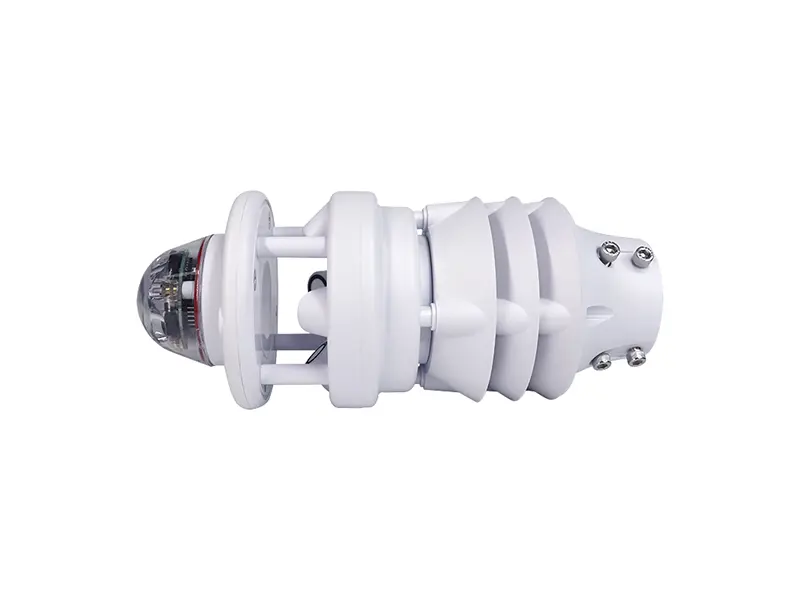
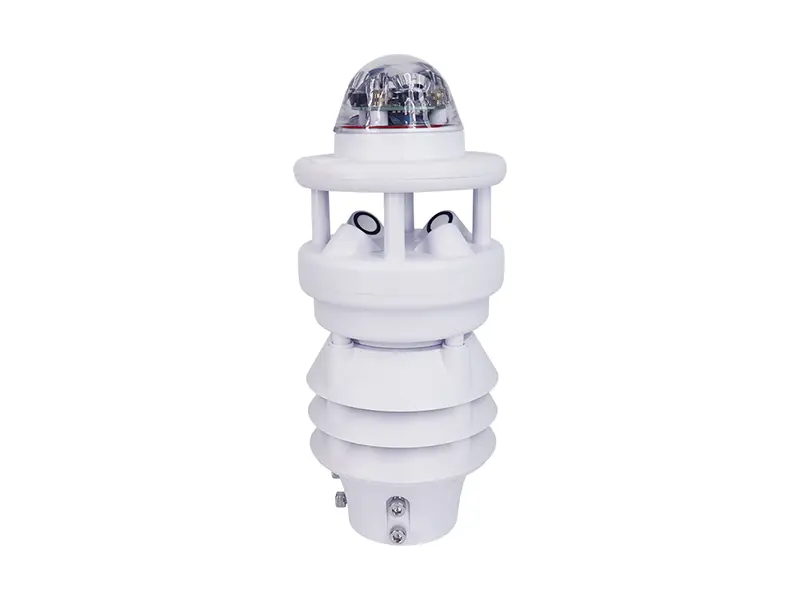
Интегрированный метеорологический датчик XF600 для умного сельского хозяйства и IoT (XF600)
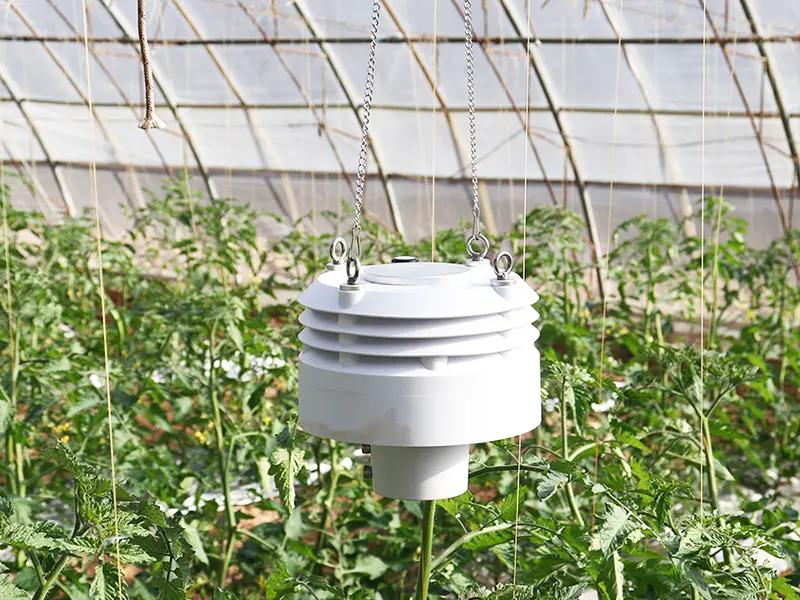
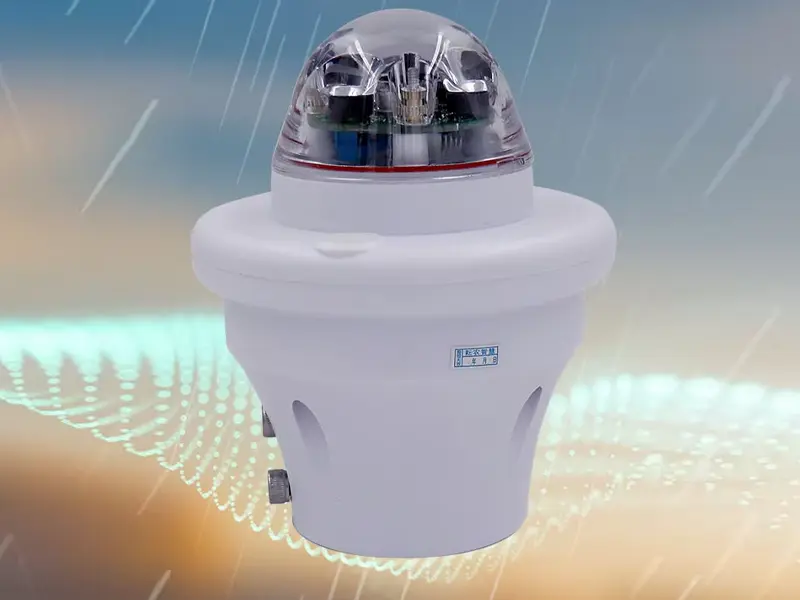
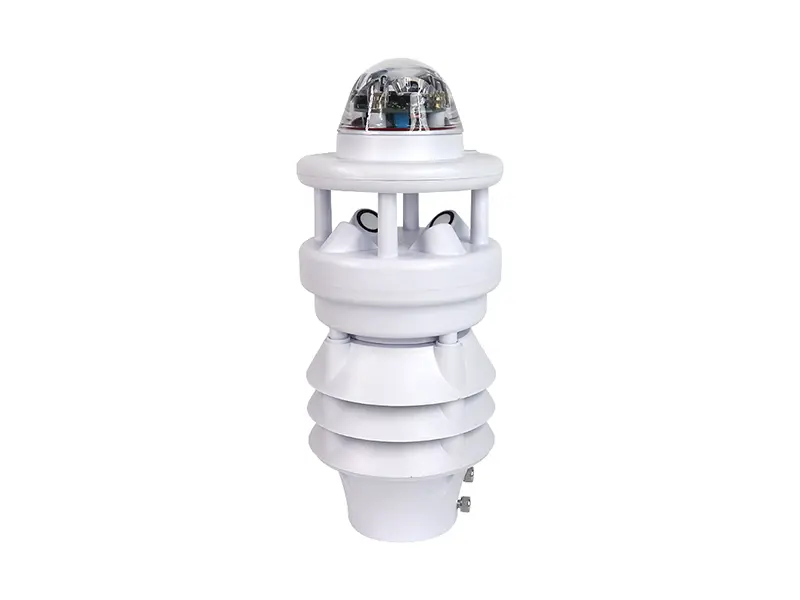
XF600 - это компактная метеостанция с шестью интегрированными параметрами: температура воздуха, влажность, скорость ветра, направление ветра, барометрическое давление и количество осадков (оптическое). Благодаря высокоинтегрированной структуре, она обеспечивает круглосуточный непрерывный онлайн-мониторинг метеорологических параметров наружного воздуха. Все шесть параметров выводятся пользователю одновременно через цифровой интерфейс связи.
- Температурное разрешение: 0.1°C
- Температура окружающей среды: -40-85℃
- Относительная влажность: 0-100%RH
- Скорость ветра: 0-60 м/с
- Направление ветра: 0-359.9°
- Атмосферное давление: 500-1100hPa
- Оптический дождь: 0-200 мм/ч
Цена: $517.55~$621.06
Введение
XF600 - это компактный метеорологический датчик с шестью интегрированными параметрами: температура воздуха, влажность, скорость ветра, направление ветра, барометрическое давление и количество осадков (оптическое).
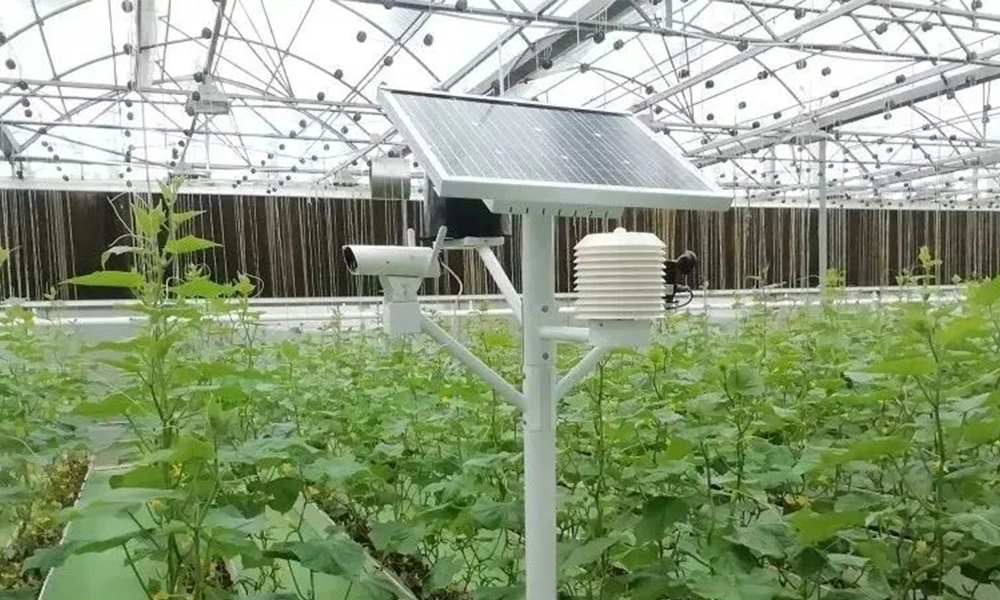
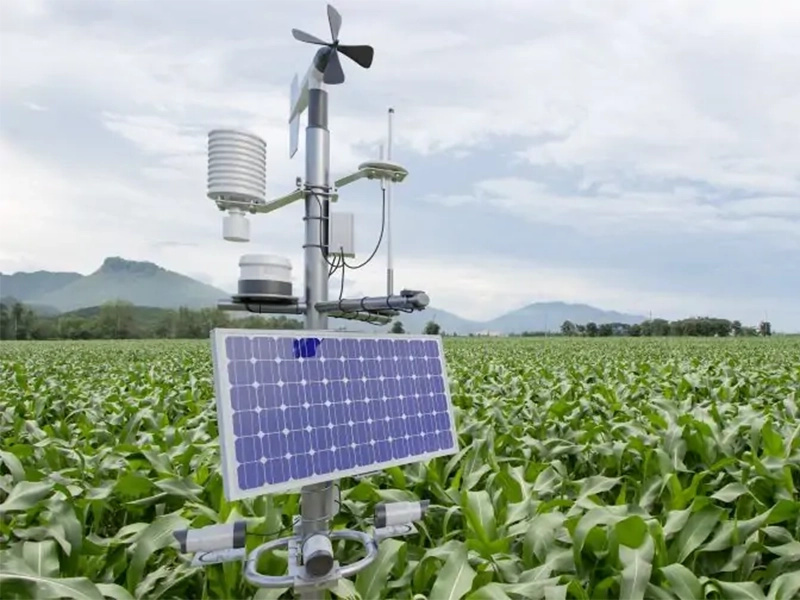
Этот метеорологический датчик широко применяется в метеорологическом мониторинге, мониторинге микросреды, экологическом мониторинге на основе сетки и сельскохозяйственном метеорологическом мониторинге. Он также подходит для метеорологического мониторинга дорожного движения, фотоэлектрический (ФЭ) мониторинг окружающей среды, Мониторинг опор ЛЭП, а также систем автоматизации зданий и промышленного контроля, обеспечивая точные данные в реальном времени для интеллектуального управления, анализа и автоматического принятия решений.
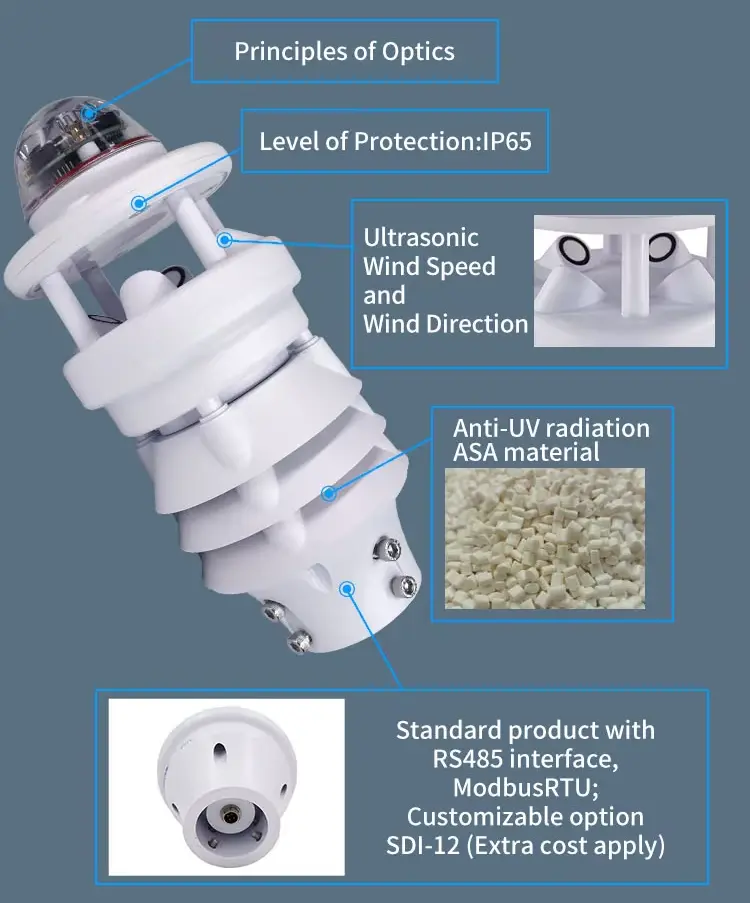
Структурный метеорологический датчик
- Встроенный корпус "все в одном
Единый корпус, объединяющий устройства для измерения температуры, влажности, скорости и направления ветра, атмосферного давления и оптического измерения осадков. - Интегрированный модуль с несколькими датчиками
Внутренняя структура, состоящая из независимых чувствительных элементов, расположенных в едином механическом каркасе. - Оптический прибор для измерения количества осадков
Встроенный оптический датчик дождя интегрирован в основную конструкцию без внешних движущихся частей. - Центральный блок обработки сигналов
Модуль внутренней схемы, отвечающий за обработку данных и унифицированный вывод всех измеряемых параметров. - Интегрированный коммуникационный интерфейс
Конструктивное исполнение со встроенным цифровым интерфейсом связи для одновременного вывода параметров. - Монтажная и опорная конструкция
Конструктивные элементы, предназначенные для установки на столб или кронштейн в системах наружного наблюдения
Подробнее Показать
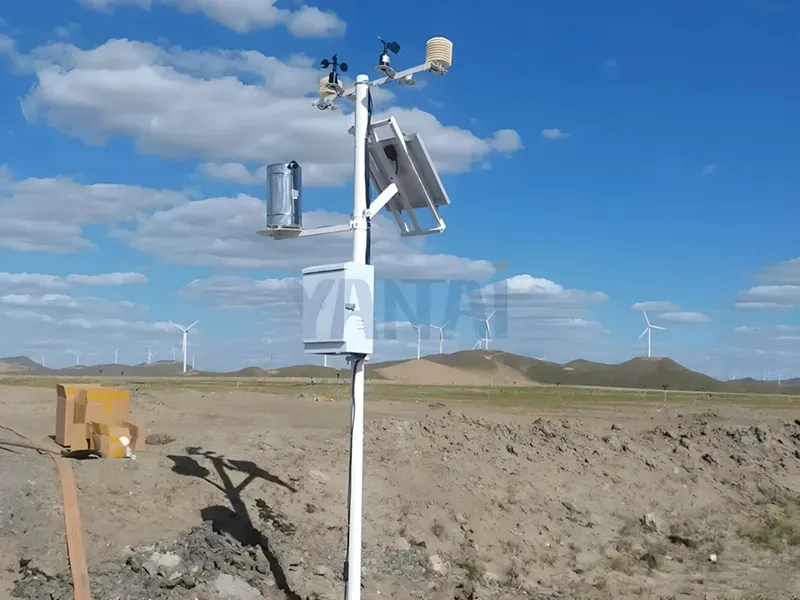
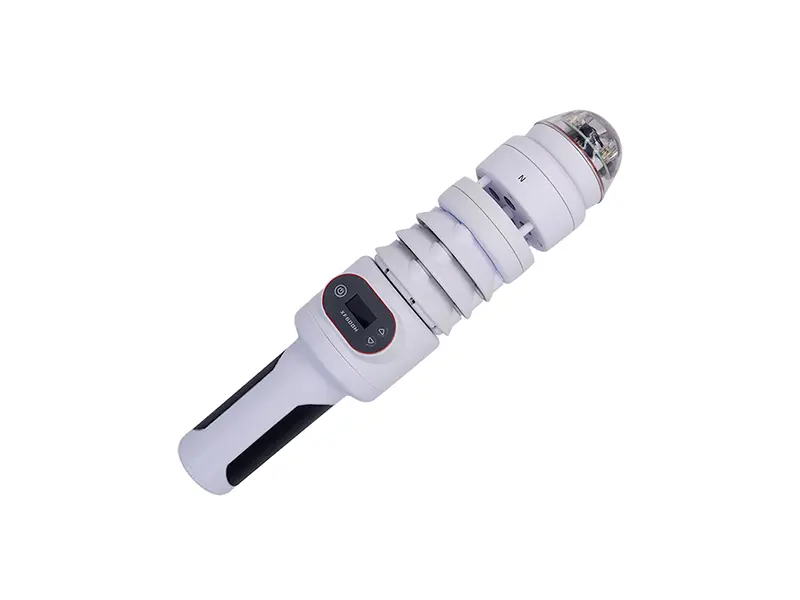
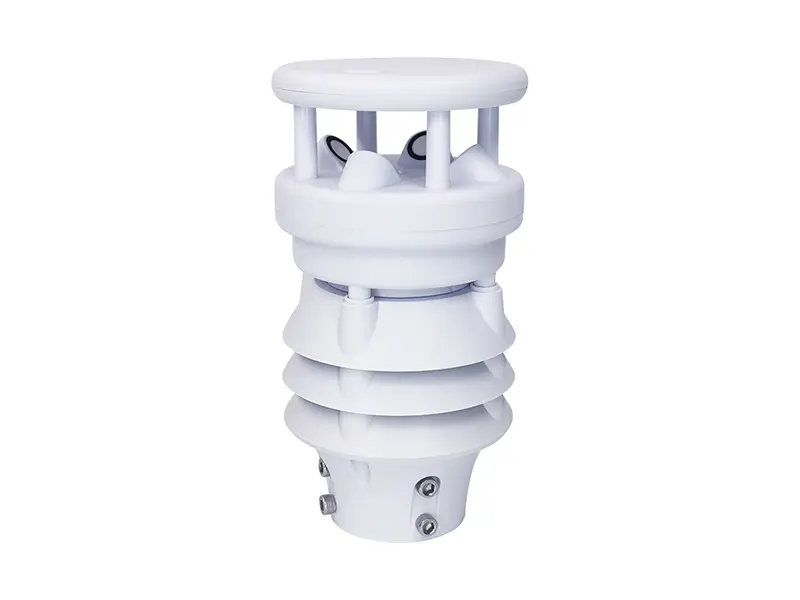
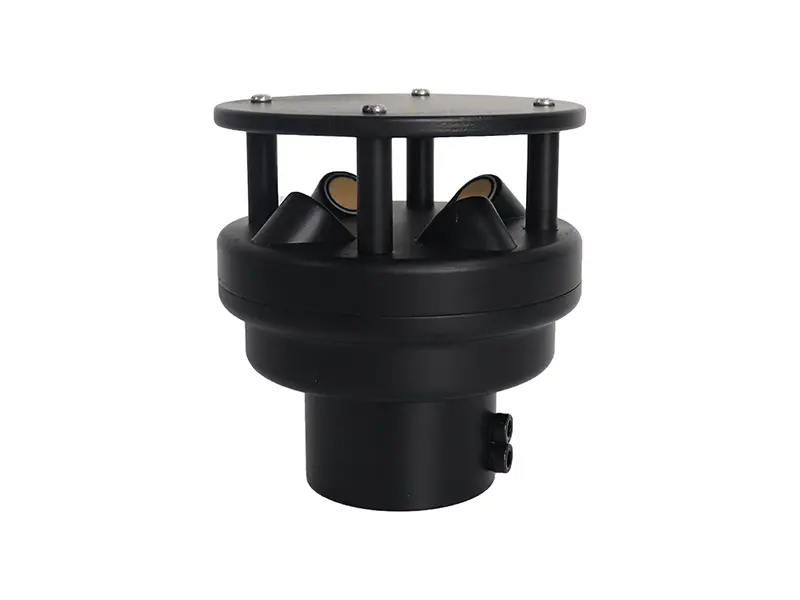
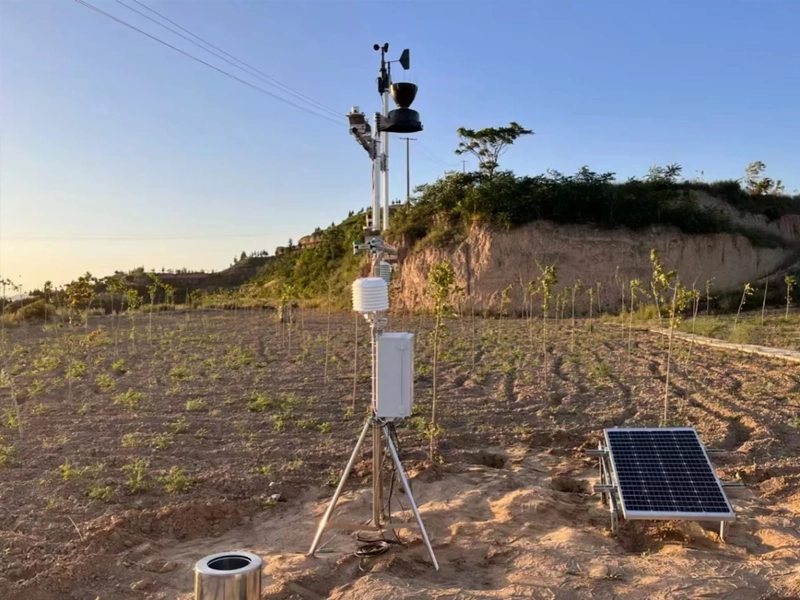
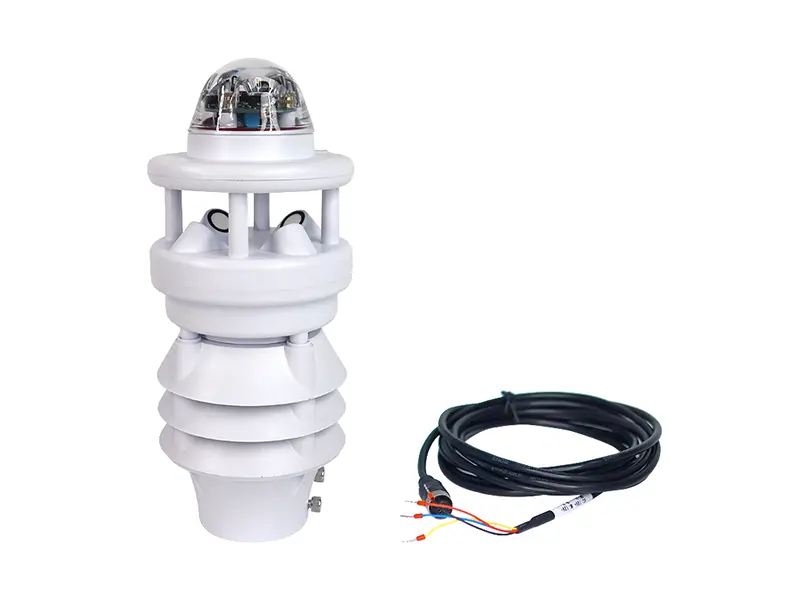
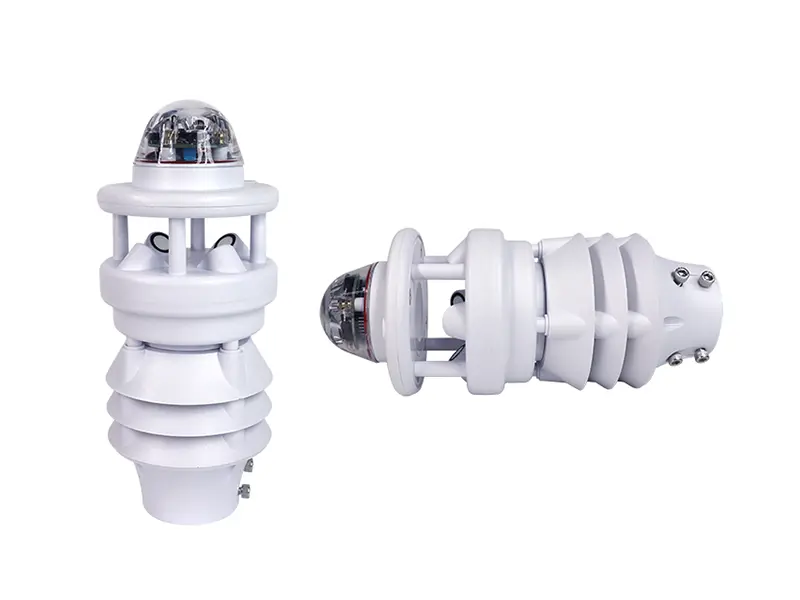
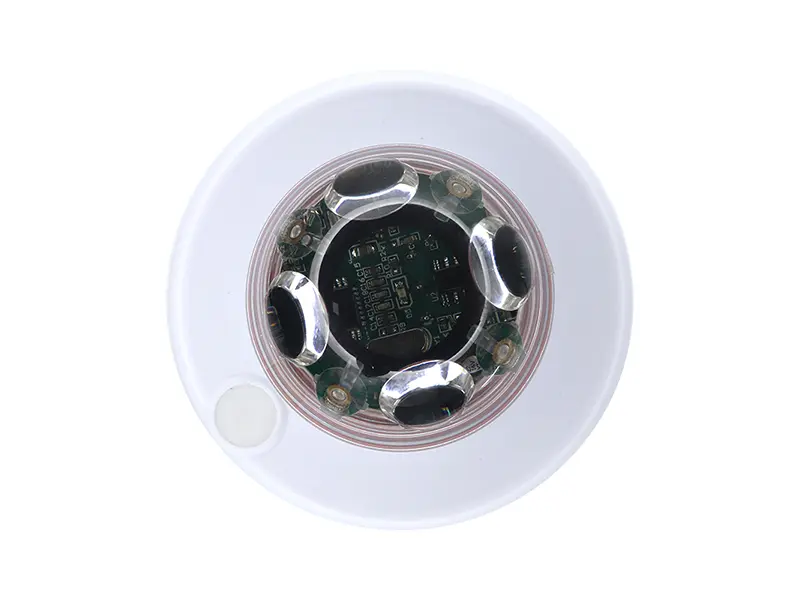
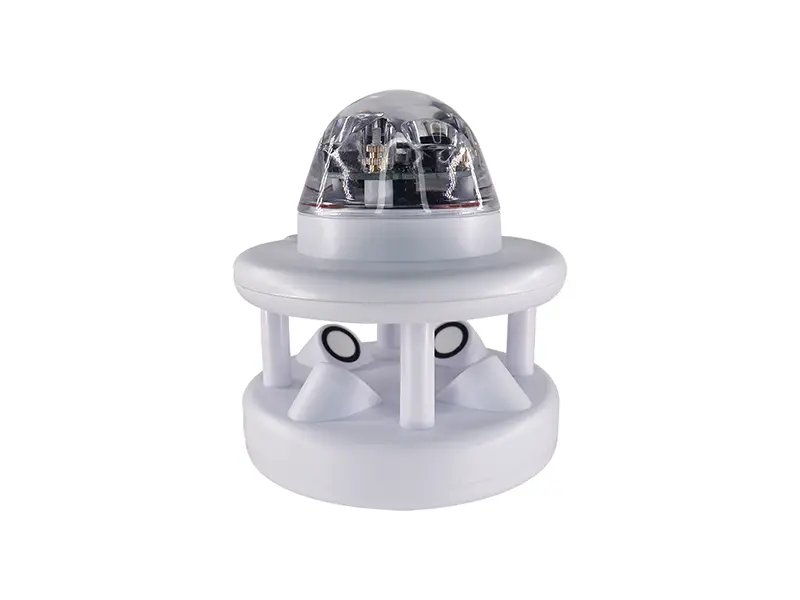
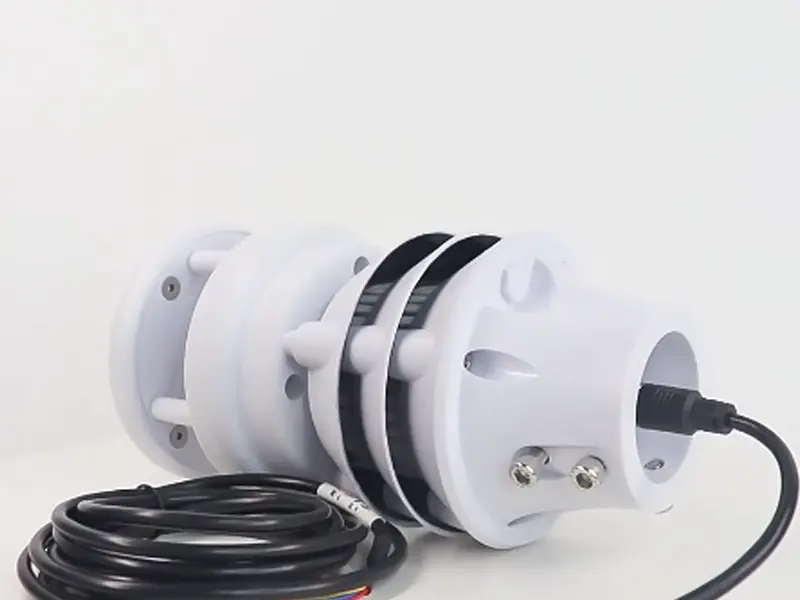
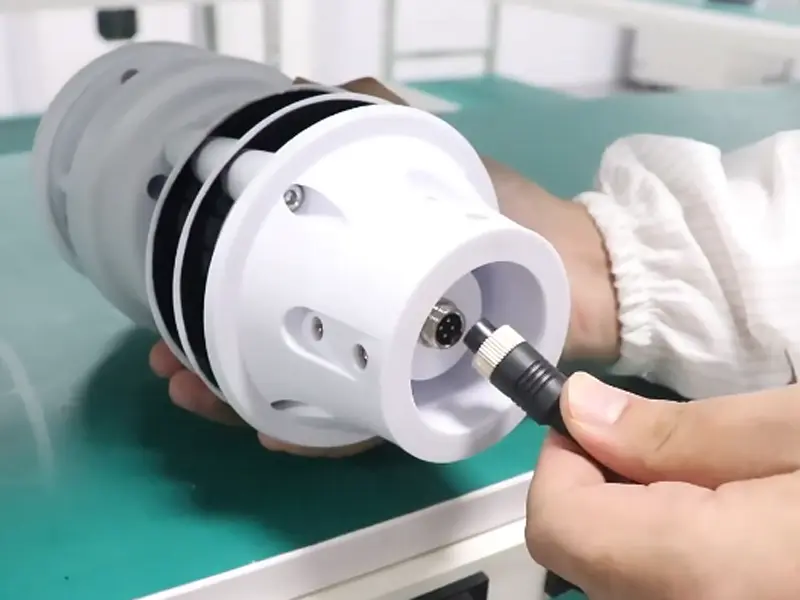
Ознакомьтесь с метеорологическим датчиком XF600 в деталях. На приведенных ниже изображениях показаны его интегрированная конструкция, прецизионные датчики и надежный цифровой интерфейс. Каждый компонент разработан для надежной работы вне помещений и точного сбора данных, что помогает предприятиям с уверенностью внедрять интеллектуальное сельское хозяйство, IoT-мониторинг и экологический менеджмент.
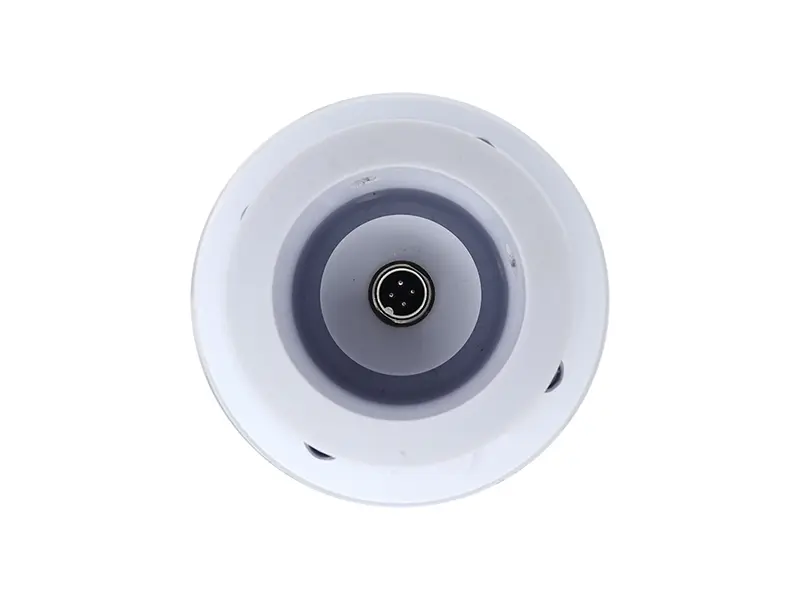
Способ установки
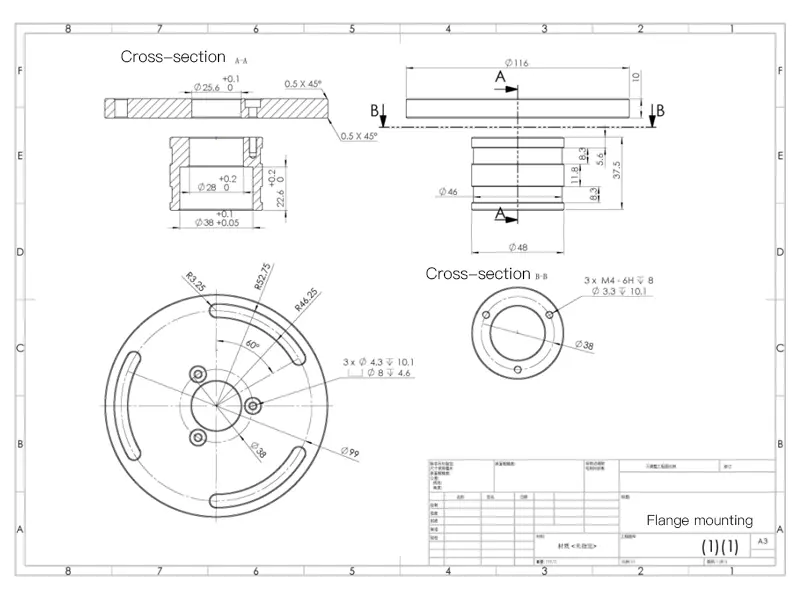
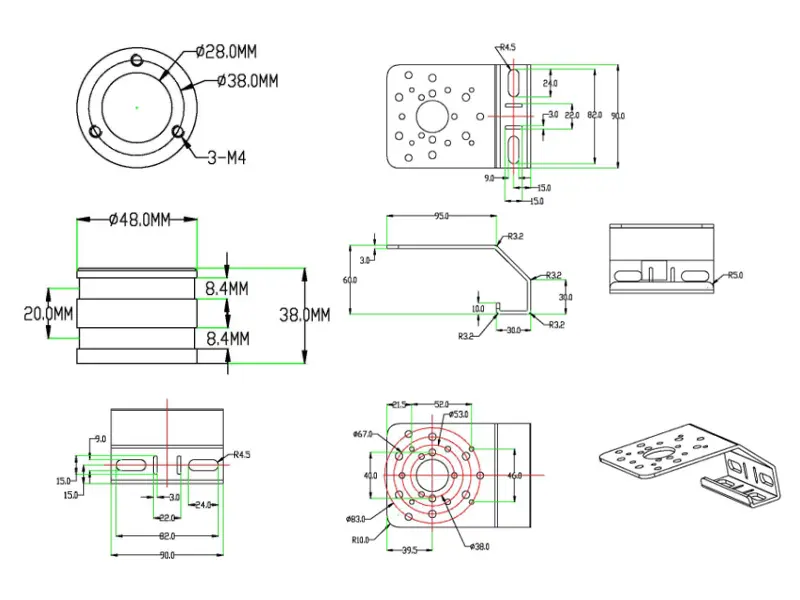
Технические характеристики
Метеорологический датчик XF600 обеспечивает точные и надежные измерения шести ключевых параметров окружающей среды. Ниже представлен подробный обзор его технических характеристик, включая диапазоны измерений, точность и интерфейсы связи. Эта информация является наглядным пособием для системных интеграторов, специалистов в области сельского хозяйства и групп мониторинга окружающей среды, позволяющим оценить его пригодность для интеллектуального сельского хозяйства, сетей IoT и других приложений для мониторинга на открытом воздухе. Ниже приведены подробные технические характеристики метеорологического датчика XF600:
Параметры
| Параметры мониторинга | Диапазон измерений | точность | резолюция | частота дискретизации |
| температура воздуха | -40-85℃ | ±0.3℃@25℃ | 0.01℃ | 1HZ |
| влажность воздуха | 0-100%RH | ±3%RH (10% -90 %RH, без конденсации) | 0.01%RH | 1HZ |
| скорость ветра | 0-60 м/с (настраивается до 0-75 м/с) | ±(0,3+0,03V)м/с; V≤30м/с±(0,3+0,05V)м/с; V > 30м/с, где V - стандартное значение скорости ветра в аэродинамической трубе. | 0,01 м/с | 4HZ |
| направление ветра | 0-359.9° | ±3° (при скорости ветра < 10 м/с) | 0.1° | 4HZ |
| Атмосферное давление | 500-1100hPa | ±0,5hPa (25℃, 950-1100hPa) | 0,1hPa | 1HZ |
| Дождь | Метод измерения: Оптический; Диапазон измерений: 0-200 мм /ч ; Разрешение: 0,2 мм ; Частота выборки: 1 Гц | |||
| Рабочая температура | -40℃-80℃ | |||
| Выходной сигнал | В стандартном изделии используется RS485 интерфейс и является Modbus RTU .SDI-12 настраивается (модуль приобретается отдельно). | |||
| Максимальная выходная частота | Пассивный режим: 1/с Активный режим: 1/мин | |||
| приводимый в действие | DC9-30V | |||
| Уровень защиты | IP65 | |||
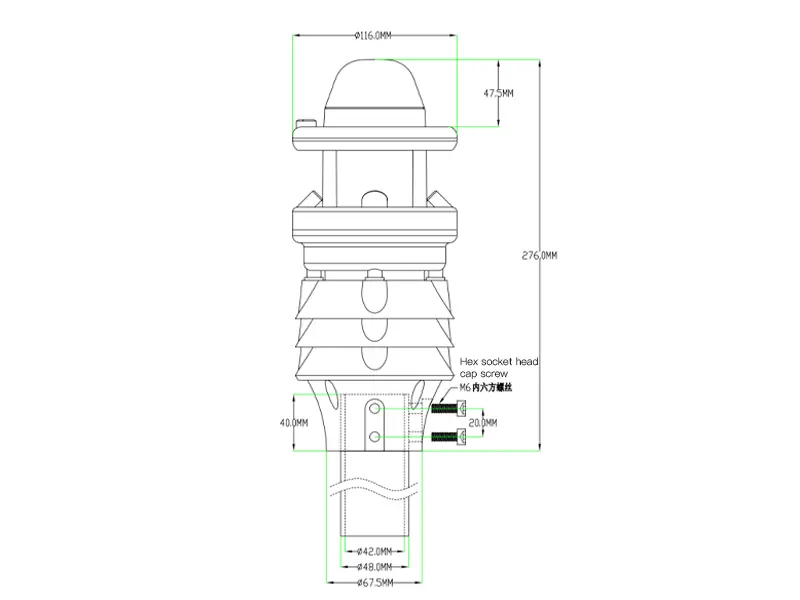
| Способ крепления | В стандартном изделии используется метод крепления втулочного типа, см. габаритный чертеж изделия. (Крепление с помощью фланцев или гнутых пластин - опционально). | |||
| Фиксированный кронштейн | Стандартный продукт не поставляется; кронштейны 1,5 м и 1,8 м являются дополнительными (продаются отдельно). | |||
| Кабель | 3-метровый кабель (10-метровый кабель связи приобретается дополнительно) | |||
| Настраиваемые функции (приобретаются отдельно) | Протокол NMEA, ASCII (ASCII совместим с Vaisala), CAN интерфейс (ASCII), угол наклона/электронный компас, функция обогрева, GPS позиционирование, встроенный 4G (бесплатный сервис передачи данных в течение трех лет) | |||
| Примечания | 1.Датчик, интегрирующий три параметра - температуру воздуха, влажность и атмосферное давление, - помещен в трехслойный наружный радиационный экран. Изготовленный из специально подобранной смеси поликарбоната и волокна, экран оснащен внутренним напыленным теплоизоляционным слоем для минимизации воздействия солнечной радиации. Отсутствие движущихся частей обеспечивает долговременную точность измерений. 2. Параметры скорости и направления ветра: скорость и направление ветра измеряются с использованием ультразвуковых принципов. Он также может выводить данные о мгновенной скорости ветра, мгновенном направлении ветра, средней скорости ветра и среднем направлении ветра. Дополнительный электронный компас может использоваться для измерения ориентации устройства для корректировки данных о направлении ветра, а дополнительный GPS может использоваться для расчета фактической скорости и направления ветра в движущемся устройстве. 3. Оптический измеритель дождя: Автоматически распознает капли дождя, падающие на его внешнюю поверхность, и рассчитывает количество осадков, основываясь на размере и количестве капель. По сравнению с традиционными дождемерами с опрокидывающимся ведром, оптические дождемеры менее точны. Хотя их показания обычно близки к показаниям опрокидывающегося ведра, во время аномальных явлений (сильного дождя) возможны значительные отклонения. Однако у них нет движущихся частей, что делает их более подходящими для применения в тех случаях, когда мониторинг дождя с помощью опрокидывающегося ковша невозможен, например, в местах, где невозможен мобильный мониторинг или где затруднено техническое обслуживание. По сравнению с дождеприемниками с опрокидывающимся ковшом оптические дождеприемники обладают более высокой чувствительностью к небольшим количествам осадков и не ограничены местом установки. . | |||
Особенности метеорологического датчика
Умное сельское хозяйство готово
Предоставляет экологические данные в режиме реального времени для оптимизации ирригации, управления посевами и принятия решений в области точного земледелия.
Многопараметрический мониторинг "все в одном
Одновременно измеряет температуру, влажность, скорость и направление ветра, атмосферное давление и оптическое количество осадков.
Дружественная интеграция IoT
Цифровой интерфейс связи обеспечивает беспрепятственное подключение к платформам IoT и интеллектуальным системам мониторинга.
Простая установка
Простая монтажная конструкция обеспечивает быструю установку на столбах, кронштейнах или станциях мониторинга.
Теплоизолированный защитный корпус
Защитный кожух со специальной изоляционной обработкой минимизирует внешние тепловые помехи.
Измерение параметров с возможностью расширения
Поддерживает расширение дополнительных метеорологических или экологических параметров в соответствии с потребностями приложения.
Применение Метеорологический датчик
Метеорологический датчик XF600 предназначен для многосценарного экологического и метеорологического мониторинга, поддерживающего интеллектуальное сельское хозяйство, интеллектуальную инфраструктуру и системы мониторинга на базе IoT в различных условиях на открытом воздухе и в промышленности.
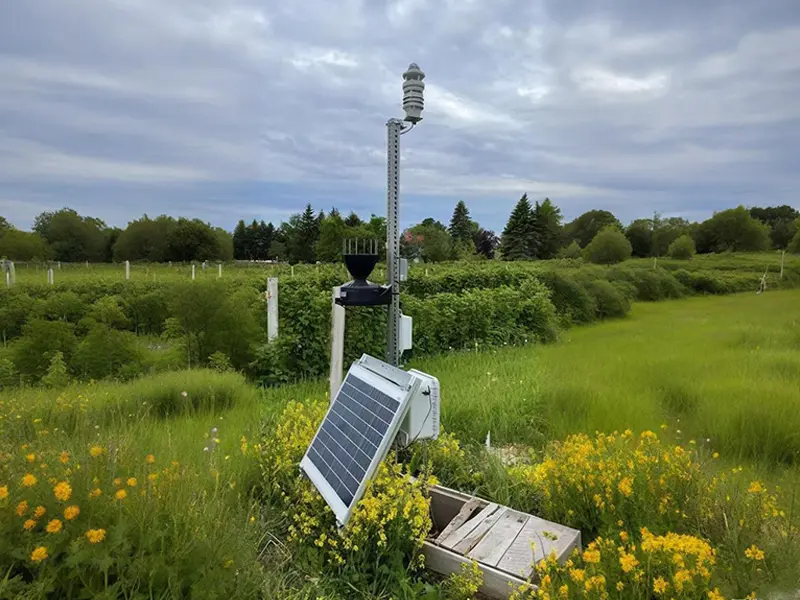
Метеорологический мониторинг
Используется в автоматических метеостанциях и региональных системах наблюдения за климатом для непрерывного сбора метеорологических данных.
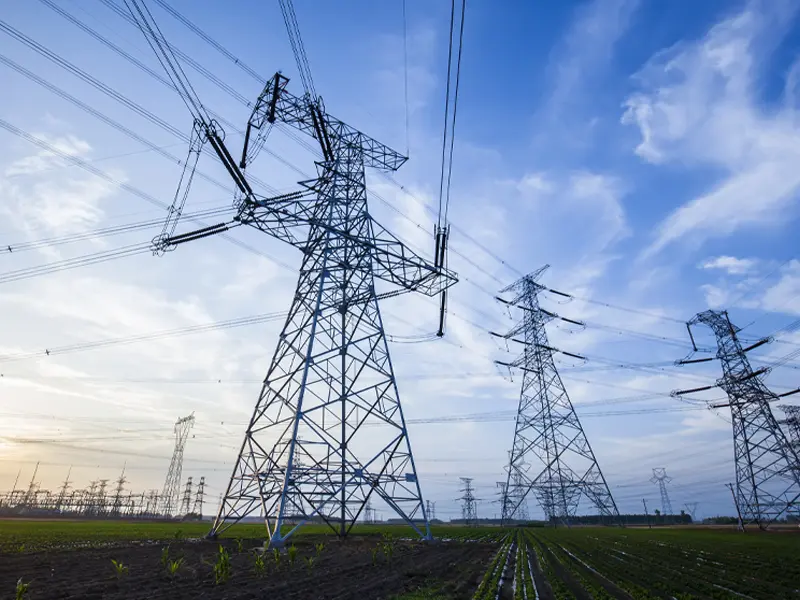
Мониторинг башен электропередач
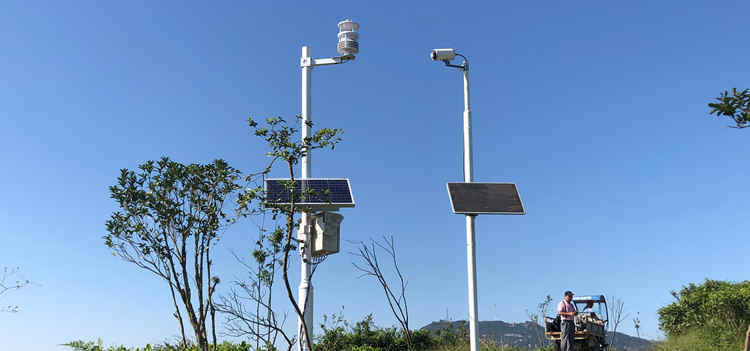
Поддерживает метеорологический мониторинг инфраструктуры электросетей для повышения безопасности эксплуатации и планирования технического обслуживания.
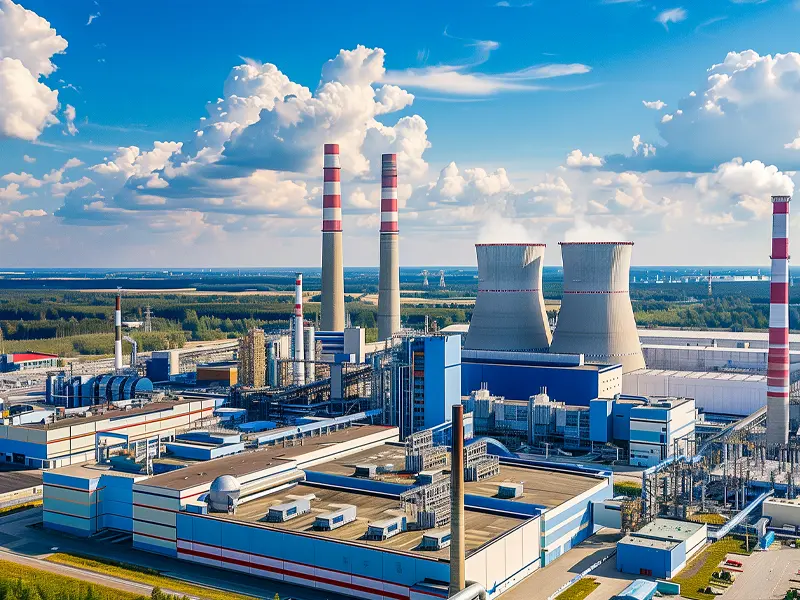
Управление зданиями и промышленными объектами
Интегрируется с системами автоматизации зданий и промышленными системами управления для мониторинга окружающей среды и интеллектуального управления.

Сельскохозяйственный метеорологический мониторинг
Предоставляет ключевые экологические данные для точного земледелия, управления ирригацией и анализа роста урожая.

Метеорологический мониторинг движения
Применяется в условиях дорог, автомагистралей и туннелей для обеспечения безопасности движения и управления рисками, связанными с погодными условиями.
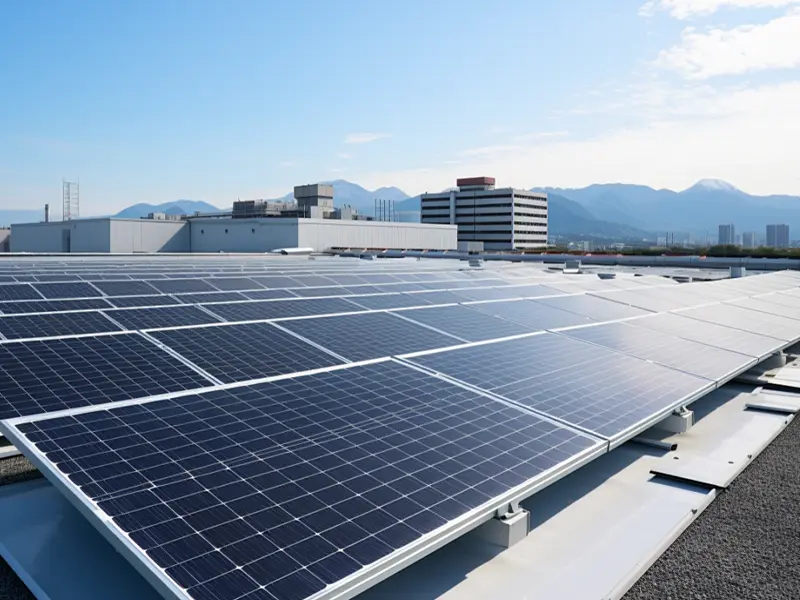
Фотоэлектрический (PV) мониторинг окружающей среды
Мониторинг условий окружающей среды, влияющих на эффективность выработки солнечной энергии и производительность системы.
Случаи
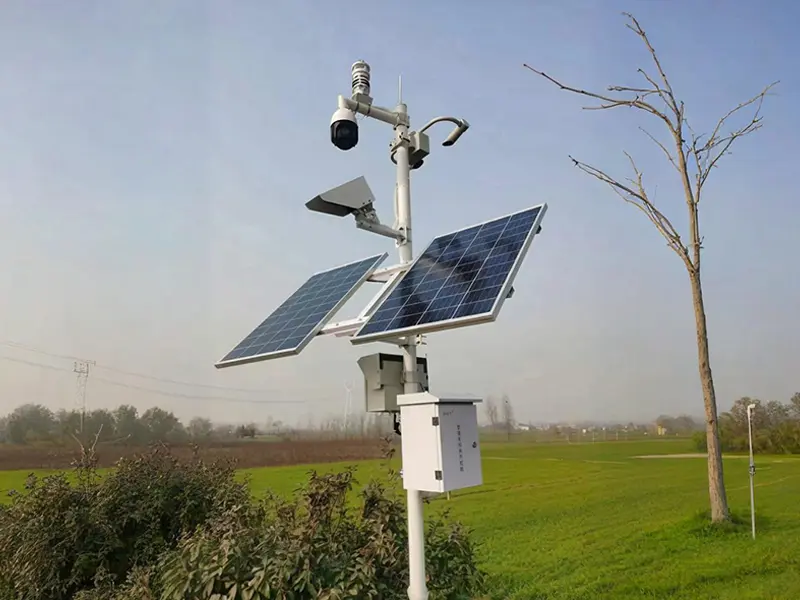
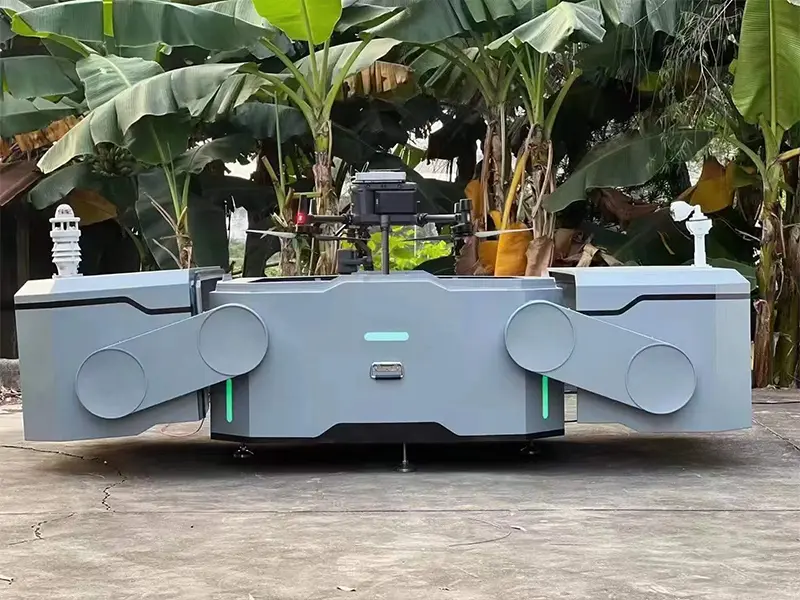
Метеорологический датчик XF600 дает ощутимые результаты в таких областях, как интеллектуальное сельское хозяйство, мониторинг окружающей среды, управление энергопотреблением и интеллектуальная инфраструктура. Его стабильная работа и данные в реальном времени помогают пользователям повысить эффективность мониторинга и оптимизировать работу системы.
индивидуальный метеорологический датчик
Метеорологический датчик XF600 поддерживает гибкую настройку на основе параметров мониторинга, протоколов связи, способов установки и расширения функциональности. Благодаря модульной конструкции и профессиональной инженерной поддержке датчик может быть адаптирован для интеллектуального сельского хозяйства, мобильного мониторинга, энергетических систем и сложных приложений IoT. Ниже перечислены основные возможности настройки, доступные для развертывания на основе проекта.
Параметры настройки
- Настройка диапазона измерений:Диапазон измерения скорости ветра может быть настроен (стандартный 0-60 м/с, дополнительный до 75 м/с) для работы в условиях сильного ветра.
- Протоколы связи:Для удовлетворения различных требований к системной интеграции имеются опциональные интерфейсы SDI-12, NMEA, ASCII (совместимый с Vaisala) и CAN.
- Вывод и передача данных:Поддерживает пассивный и активный режимы вывода, с дополнительным встроенным модулем 4G для удаленной передачи данных и подключения к облаку.
- Функциональные модули расширения:Опциональный электронный компас для коррекции направления ветра, датчик наклона, GPS-позиционирование для мобильного мониторинга и функция обогрева для холодных условий.
- Варианты установки и монтажа:В дополнение к стандартному втулочному креплению предлагаются различные варианты монтажа, включая фланцевый монтаж и монтаж на гнутой пластине.
- Конфигурация источника питания:Широкополосный вход питания DC 9-30 В поддерживает различные условия питания в полевых условиях.
- Настройка длины кабеля:Стандартный кабель 3 м, по запросу можно удлинить кабель связи до 10 м и более.
- Вспомогательное программное обеспечение:Опциональное программное обеспечение XF_PcSoft V1.0 для чтения данных в реальном времени, конфигурирования и отладки системы.
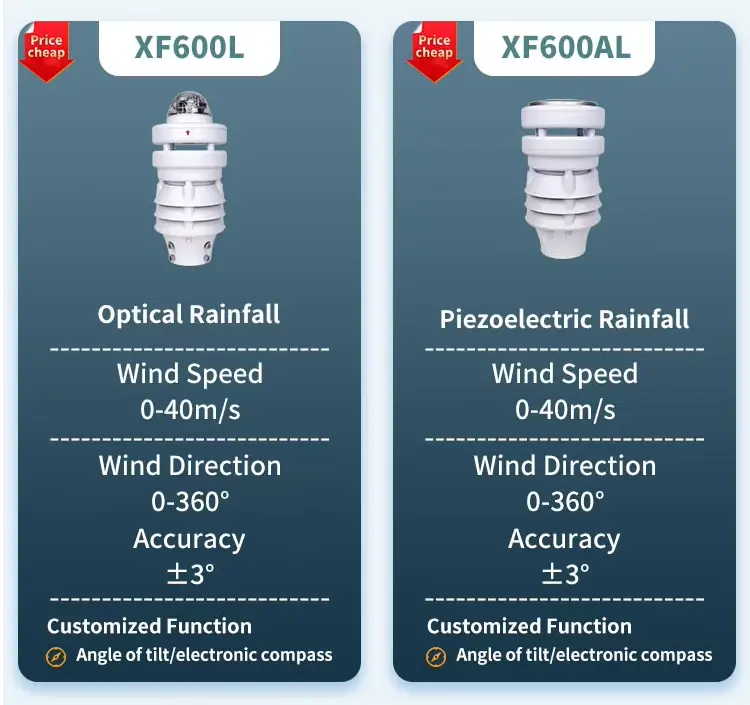
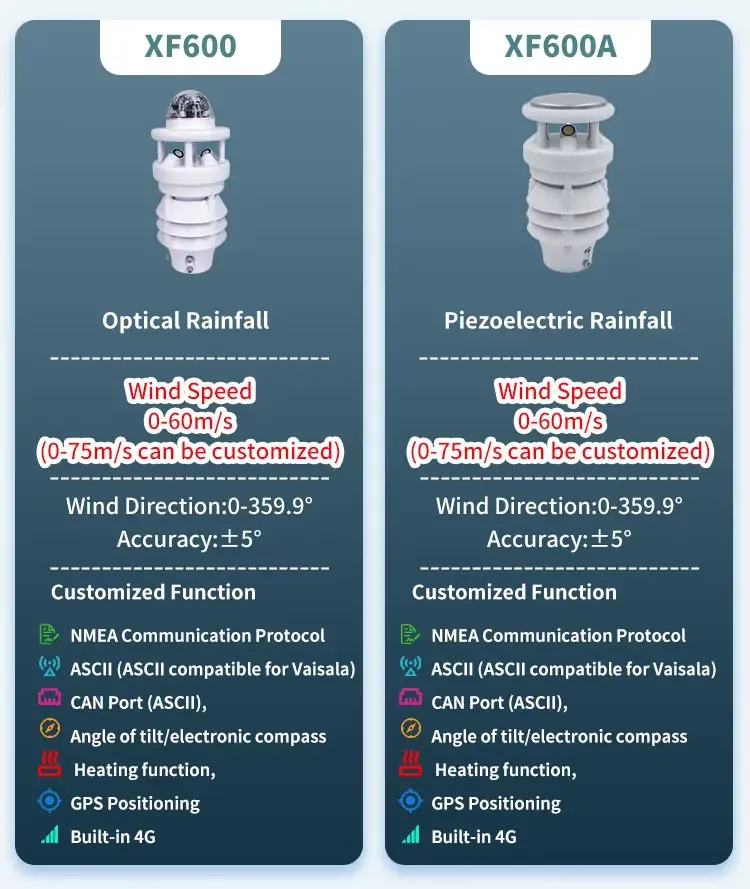
Различия в серии XF600
Метеорологический датчик Производитель и поставщик
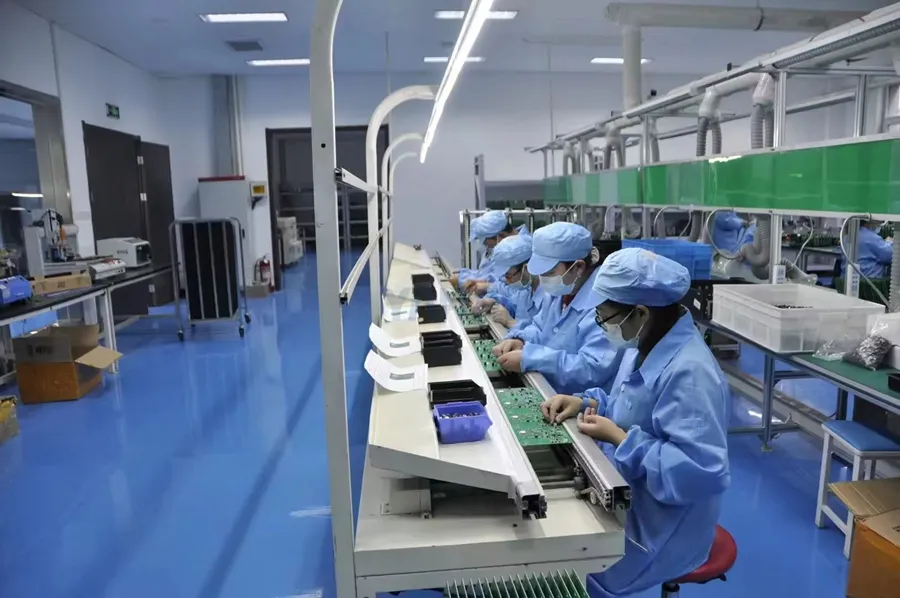
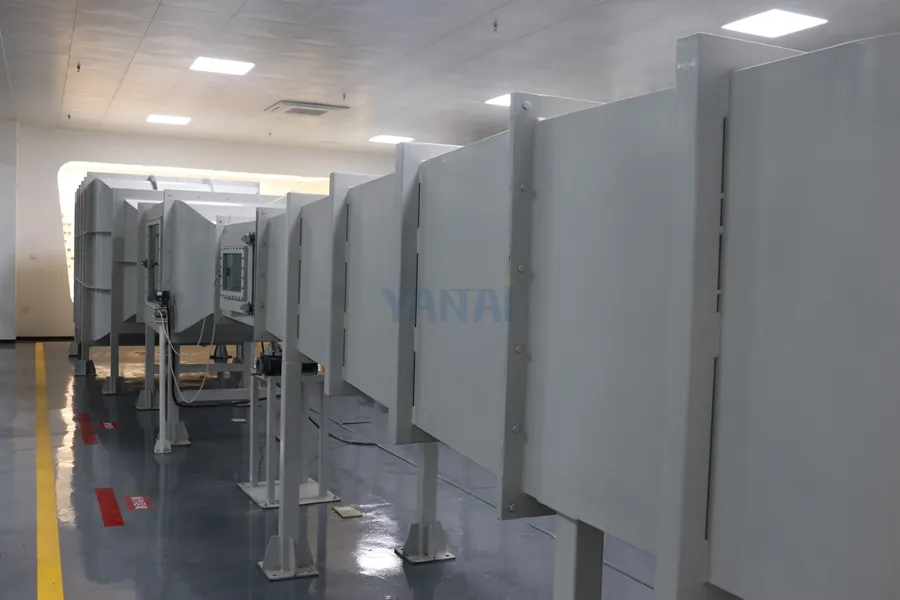
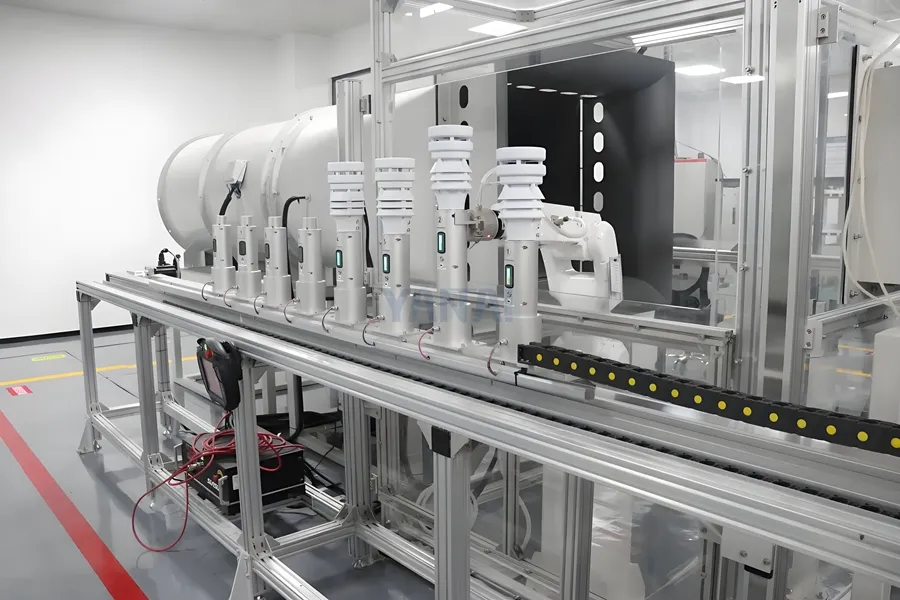
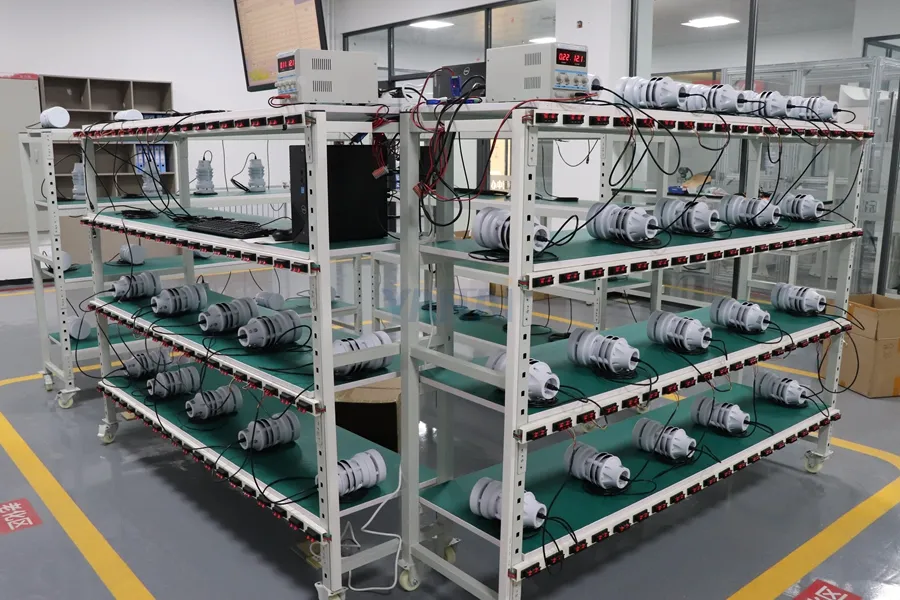
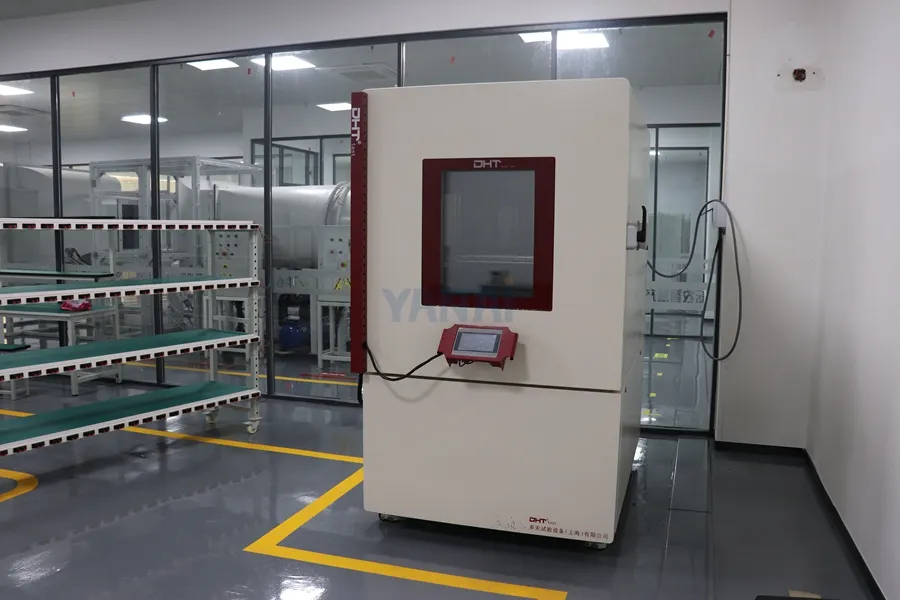
Компания Yantai Sensor является профессиональным производителем и поставщиком метеорологических датчиков, специализирующимся на выпуске высоконадежной продукции для длительного использования вне помещений и инженерного класса. Используя нашу собственную команду R&D, аккредитованную лабораторию CNAS, а также передовое оборудование для экологических испытаний и испытаний в аэродинамической трубе, наши датчики проходят тщательную проверку, включая экстремальные температурные циклы, влагостойкость, моделирование воздействия солнечной радиации и длительное воздействие на открытом воздухе для обеспечения стабильной работы в суровых условиях.
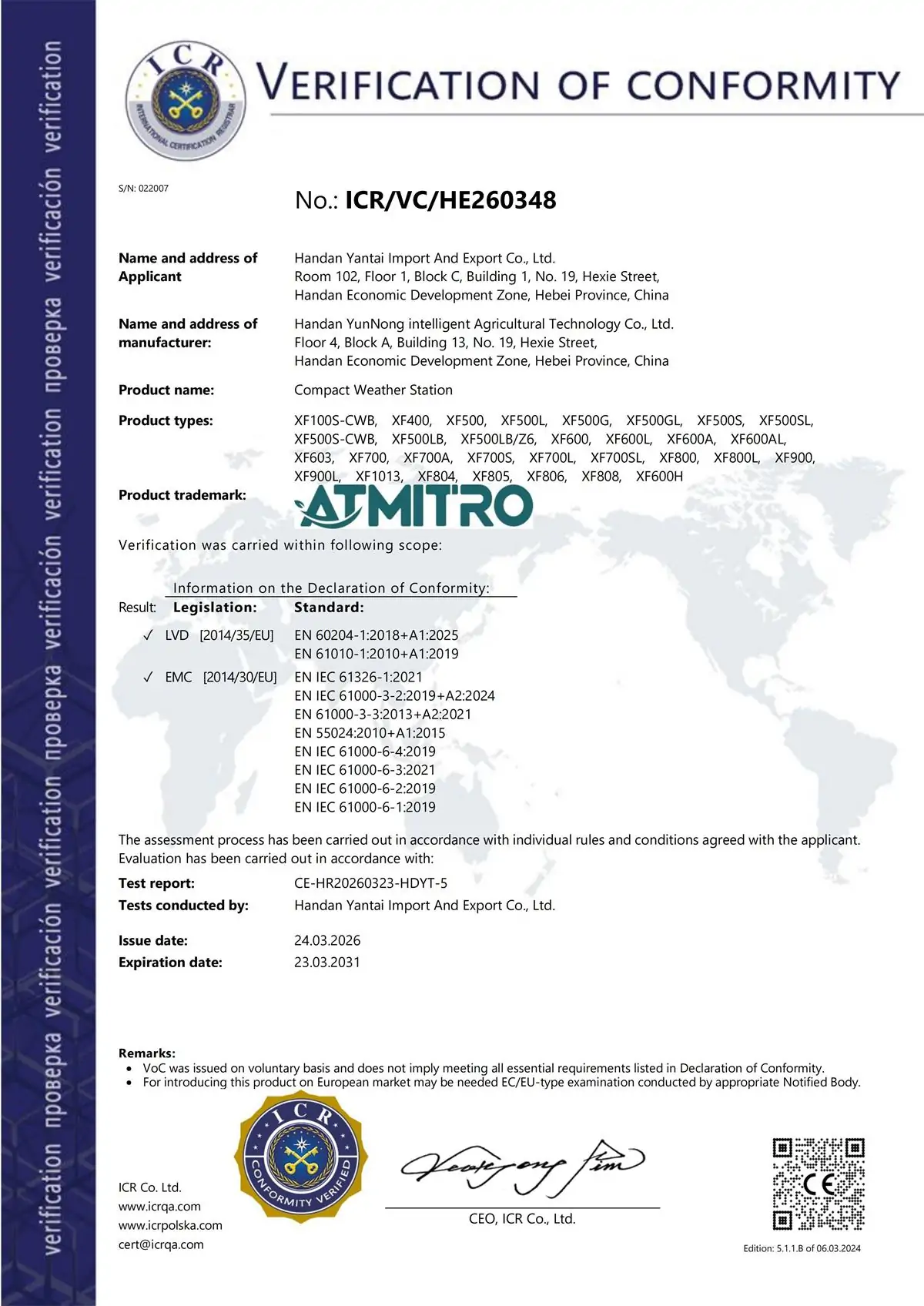
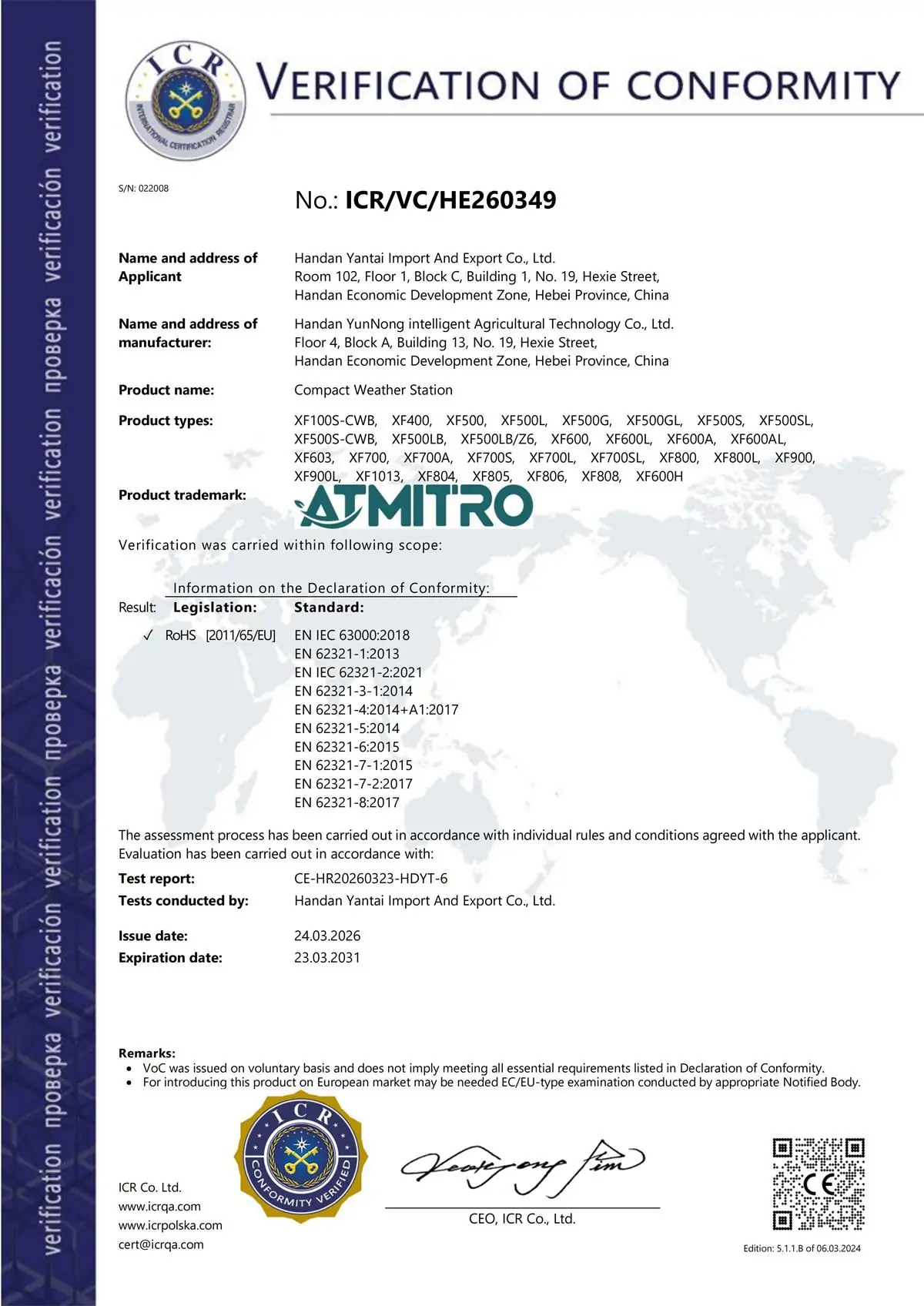
Наши метеорологические датчики, отличающиеся запатентованными технологиями, запатентованной конструкцией и соответствием международным стандартам CE, ISO и RoHS, широко применяются в проектах интеллектуального сельского хозяйства, экологического мониторинга, транспорта, возобновляемых источников энергии и энергетической инфраструктуры. Помимо стандартных моделей, мы предлагаем услуги по гибкой настройке и системной интеграции для удовлетворения различных требований проекта, что обеспечивает долгосрочную и надежную работу оборудования.