บทนำ
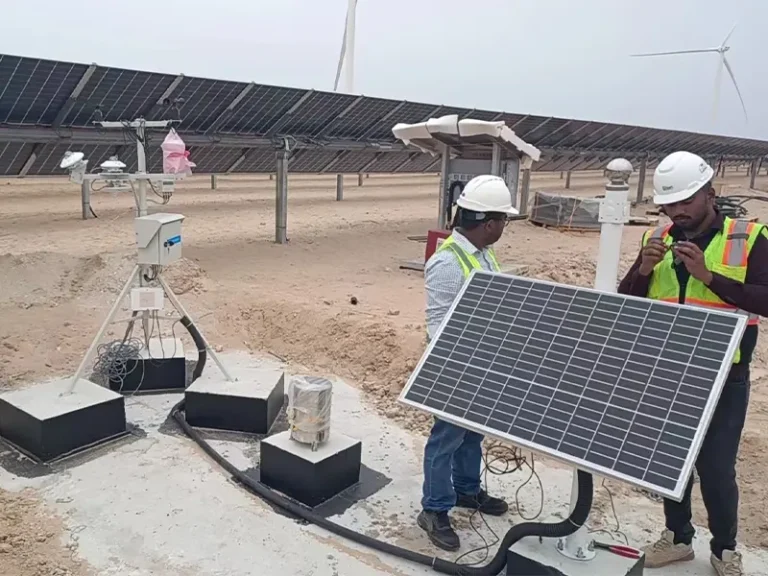
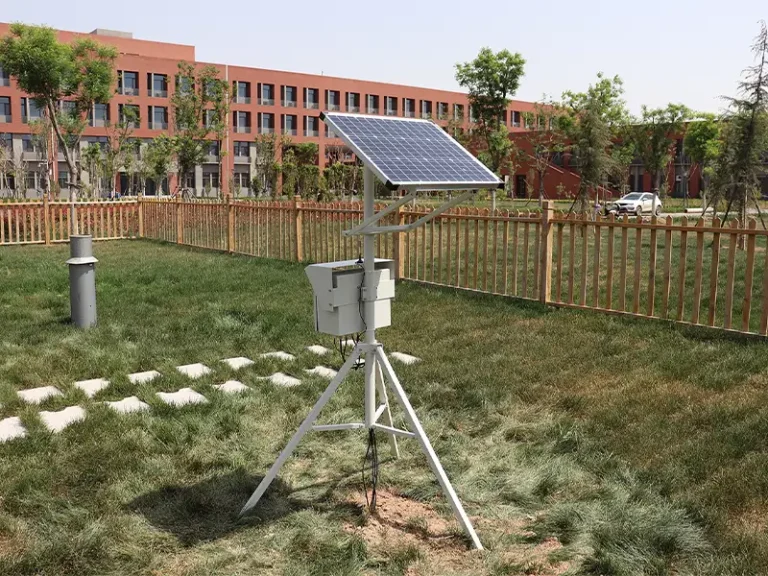
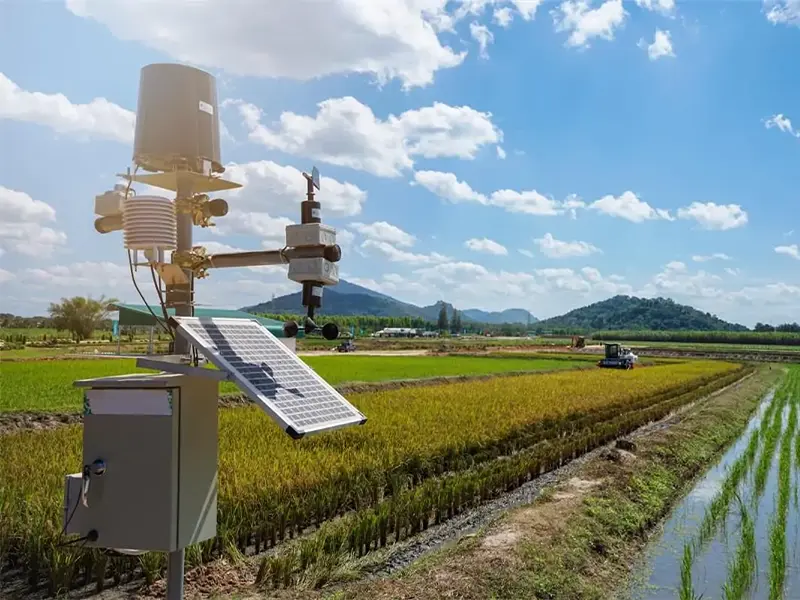
Tipping Bucket vs Piezoelectric Rain Gauge is an important comparison for users selecting rainfall monitoring solutions for weather observation, hydrological systems, agriculture, and smart infrastructure applications. Both technologies are widely used for precipitation measurement, but they differ in measurement performance, response characteristics, maintenance requirements, and application suitability.
Tipping bucket rain gauges provide reliable cumulative rainfall data through a proven measurement design and are commonly used for long-term rainfall monitoring. Piezoelectric Rain Sensor use solid-state sensing technology to capture rainfall changes with faster response and higher temporal resolution, making them suitable for real-time precipitation analysis.
This guide compares the key differences between tipping bucket and piezoelectric rain gauges, helping users evaluate sensor performance and select the most suitable solution based on their monitoring requirements.If you’d like to learn more about “What Is a Rain Gauge,” กรุณาคลิกที่นี่.
What Is a Tipping Bucket Rain Gauge?
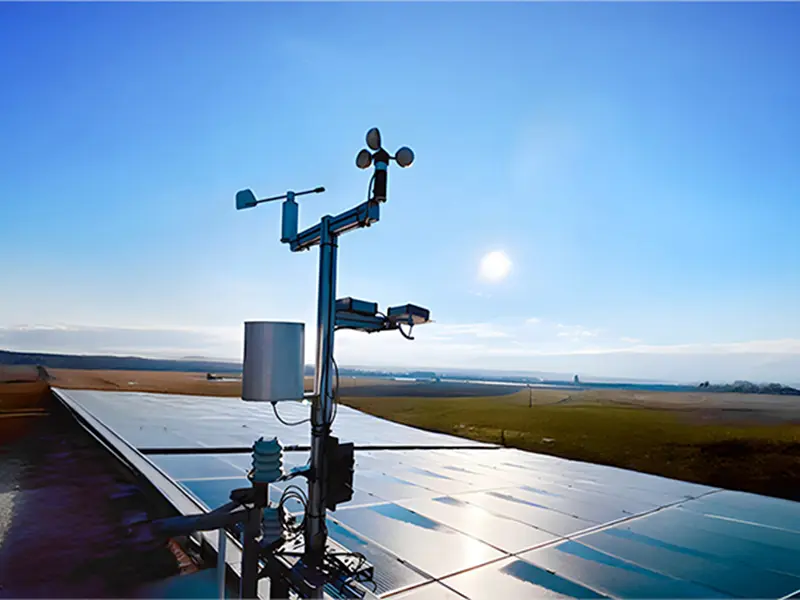
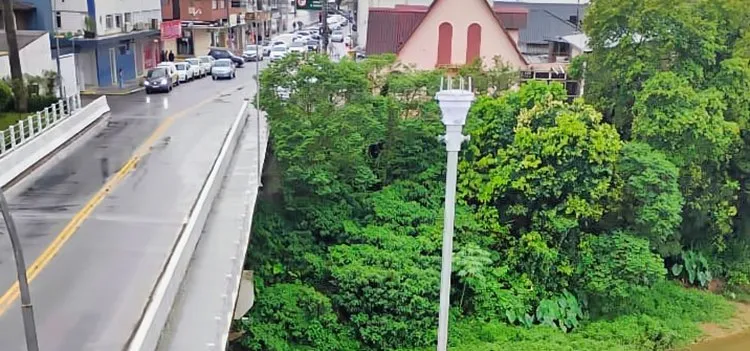
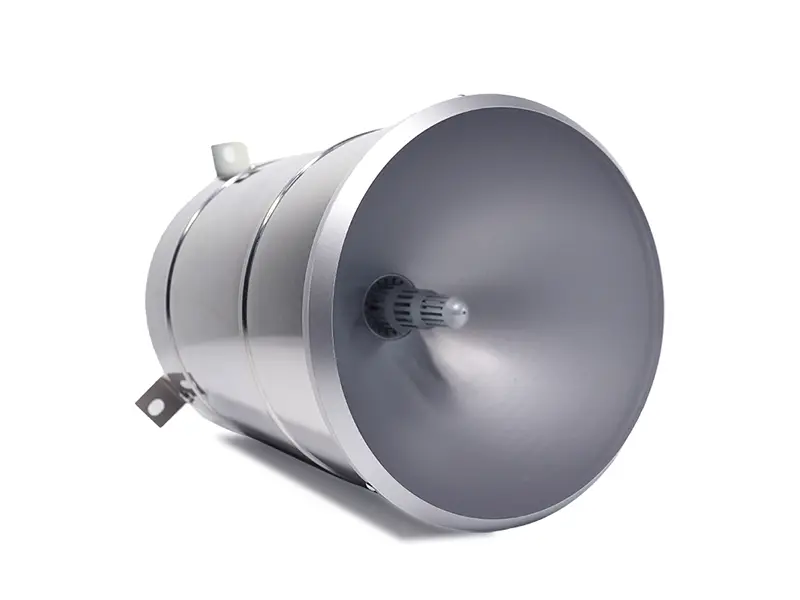
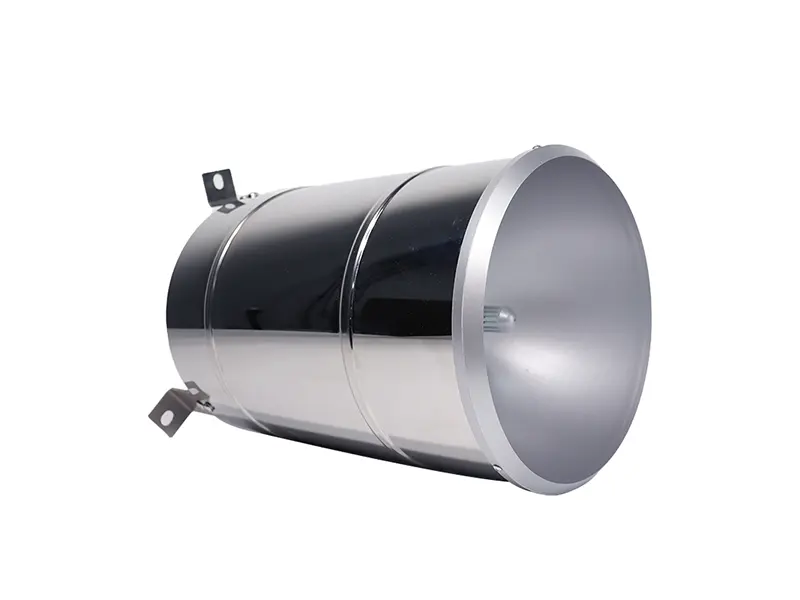
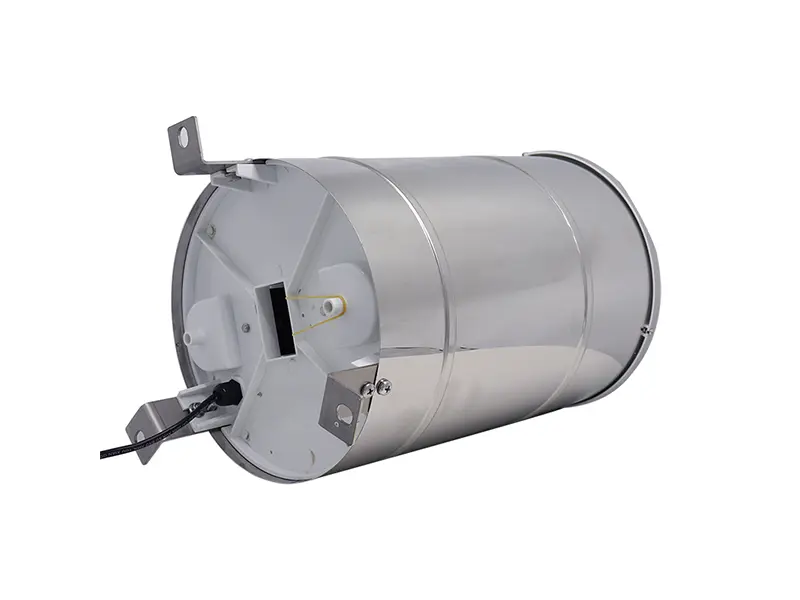
A tipping bucket rain gauge is an automatic precipitation sensor designed to measure rainfall accumulation and intensity through a mechanical tipping mechanism. It is widely used in weather stations, hydrological monitoring networks, agricultural monitoring, and environmental observation systems due to its reliable performance, simple structure, and proven long-term operation.If you’d like to learn more about “What is a Tipping Bucket Rain Gauge,” กรุณาคลิกที่นี่.
หลักการการทำงาน
A tipping bucket rain gauge measures rainfall by converting a fixed volume of collected water into electrical pulse signals. Rainwater enters through the rain collector and flows into the dual-chamber tipping mechanism. When one chamber reaches the calibrated tipping volume, such as 0.1 mm, 0.2 mm, or 0.5 mm of rainfall, the change in weight causes the bucket to tip and reset for the next measurement cycle.
During each tipping movement, the built-in magnet activates a magnetic switch to generate a pulse signal. The data logger counts these signals and converts them into rainfall data, including cumulative precipitation and rainfall intensity, enabling continuous and automatic rainfall monitoring.If you’d like to learn more about “How Does a Rain Gauge Work,” please click here
ส่วนประกอบหลัก
A tipping bucket rain gauge consists of mechanical sensing and electronic data acquisition components that work together to transform rainfall into digital precipitation measurements. From water collection and volume measurement to pulse generation and data recording, each component contributes to accurate and continuous rainfall monitoring.
| องค์ประกอบ | ฟังก์ชัน |
| Rain Collector | Collects rainfall and directs water into the measurement mechanism. |
| Filter Screen | Prevents debris from entering and blocking the system. |
| Tipping Bucket Assembly | Measures rainfall through calibrated tipping movements. |
| Magnetic Switch (Reed Switch) | Converts tipping movements into electrical pulse signals. |
| เครื่องบันทึกข้อมูล | Records and processes rainfall measurement data. |
Advantages and Limitations of Tipping Bucket Rain Gauge
A tipping bucket rain gauge is widely used for precipitation monitoring due to its proven mechanical measurement principle, stable performance, and straightforward data acquisition method. By converting a calibrated volume of collected rainfall into tipping movements and electrical pulse signals, it provides reliable cumulative rainfall data for long-term monitoring networks. However, the mechanical tipping mechanism also creates limitations in response speed, measurement resolution, and performance under extreme weather conditions.
ข้อดี
Tipping bucket rain gauges are a widely used rainfall measurement solution with proven reliability in meteorological and hydrological monitoring. By converting a calibrated volume of collected rainfall into electrical pulse signals, they provide stable cumulative precipitation data with typical resolutions of 0.1–0.5 mm per tip. Their simple mechanical structure allows easy installation, routine maintenance, and cost-effective large-scale deployment, making them suitable for automatic weather stations, agricultural monitoring, and hydrological observation networks.If you’d like to learn more about “The Role of Rain Gauge Play in Farming,” กรุณาคลิกที่นี่.
ข้อจำกัด
A tipping bucket rain gauge uses a mechanical tipping mechanism, which may limit response speed during short-duration or high-intensity rainfall events. Its fixed resolution (typically 0.1–0.5 mm per tip) records rainfall as discrete events, making it less suitable for detailed rainfall variation analysis. In addition, mechanical components can be affected by freezing, dust, debris, wind interference, and long-term wear, requiring regular maintenance and calibration to maintain measurement accuracy.
What Is a Piezoelectric Rain Gauge?
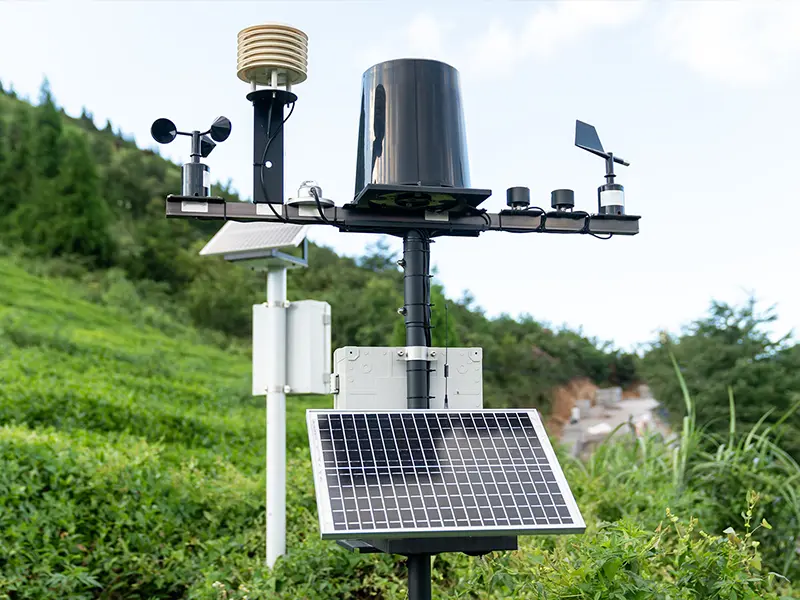
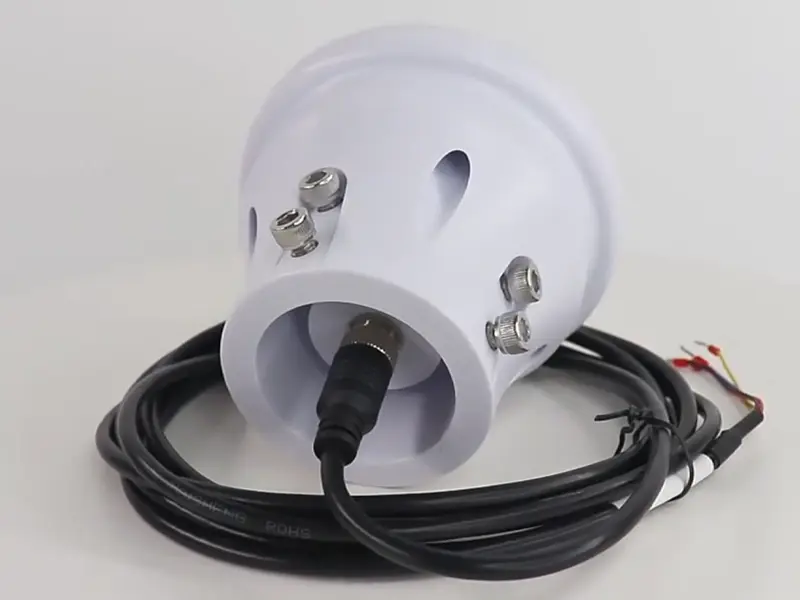
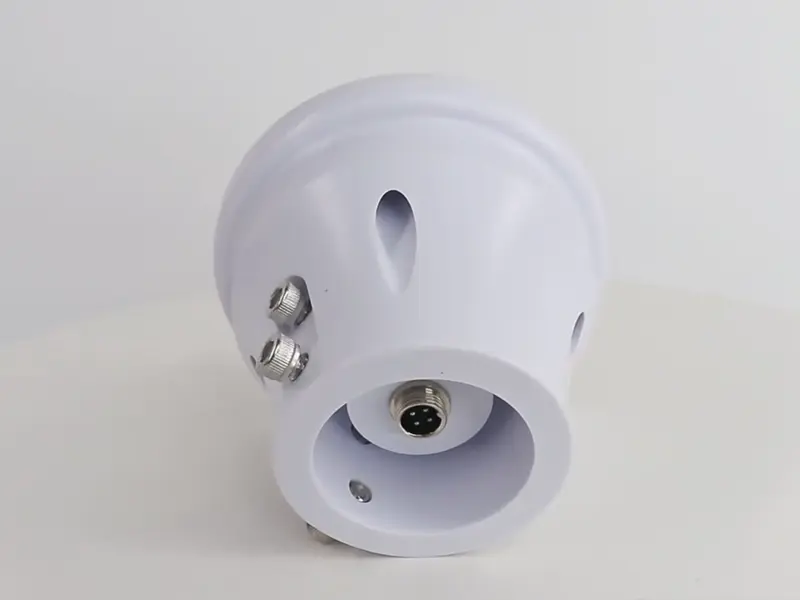
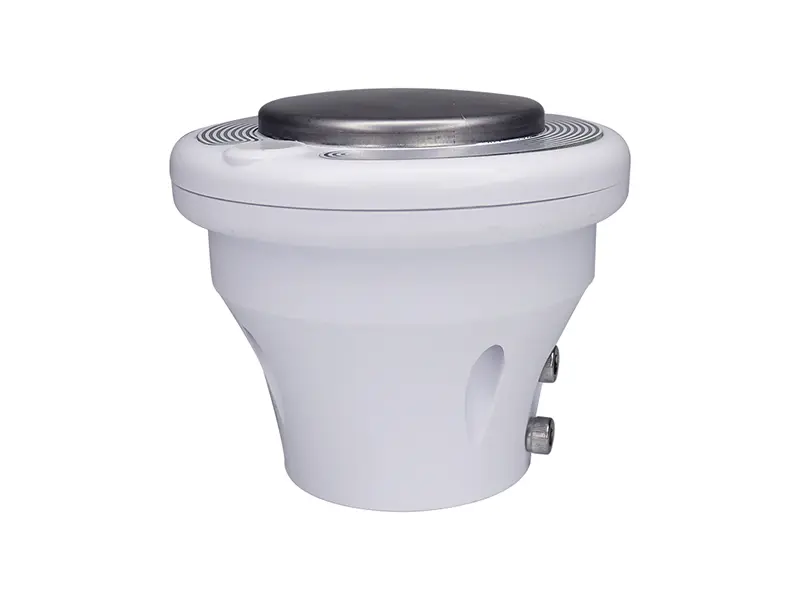
A piezoelectric rain gauge is a solid-state rainfall sensor designed to measure precipitation using piezoelectric sensing technology. Unlike traditional mechanical rain gauges, it has no moving parts and is characterized by a compact structure, fast response, and low maintenance requirements. It is widely used in weather monitoring, hydrological observation, smart infrastructure, agriculture, and other environmental monitoring applications.
หลักการการทำงาน
A piezoelectric rain gauge works based on the piezoelectric effect, where raindrop impacts generate mechanical stress that is converted into electrical signals by the internal piezoelectric element. The signal processing system analyzes parameters such as signal amplitude, frequency, and impact energy to calculate rainfall intensity, cumulative precipitation, and other rainfall characteristics for continuous digital monitoring.
ส่วนประกอบหลัก
A piezoelectric rain gauge consists of sensing, signal processing, communication, and protection components that work together to detect raindrop impacts, convert signals, and transmit rainfall data for monitoring systems.
| องค์ประกอบ | ฟังก์ชัน |
| พื้นผิวตรวจจับ | Receives raindrop impacts and transfers mechanical energy to the sensor. |
| Piezoelectric Element | Converts impact forces into electrical signals. |
| Signal Processor | Amplifies, filters, and analyzes signals to calculate rainfall data. |
| โมดูลการสื่อสาร | Transmits processed rainfall data to monitoring platforms. |
| เคสป้องกัน | Protects internal components from outdoor conditions. |
Advantages and Limitations of Piezoelectric Rain Gauge
Piezoelectric rain gauges provide several advantages through their solid-state sensing structure and advanced signal processing technology. However, like any rainfall measurement technology, they also have certain limitations related to cost, environmental interference, and measurement conditions. Understanding both aspects helps provide a more complete view of their practical performance.
ข้อดี
Piezoelectric rain sensor use solid-state sensing technology without mechanical moving parts, reducing mechanical wear and maintenance requirements. They provide faster response to rainfall changes and can capture higher-resolution precipitation data through signal analysis, making them suitable for applications such as remote monitoring, flood warning, and real-time rainfall observation.
ข้อจำกัด
The gauges generally have a higher initial cost due to their electronic sensing and signal processing systems. Their accuracy can be affected by environmental interference such as wind vibration and background noise, especially under very light or extreme rainfall conditions. Proper calibration and signal compensation are required to maintain reliable measurement accuracy.

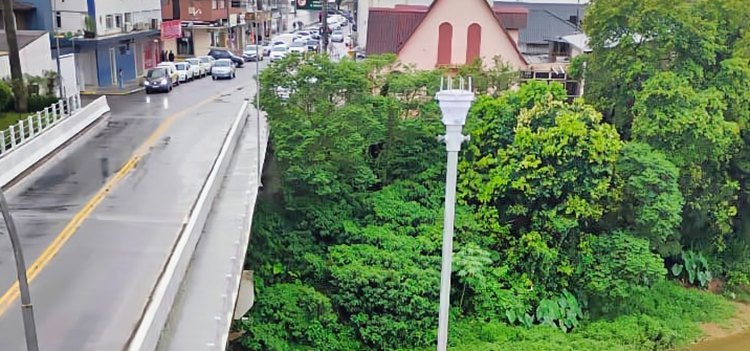
Tipping Bucket vs Piezoelectric Rain Gauge: Key Differences
Although both tipping bucket and piezoelectric rain gauges are widely used for rainfall monitoring, they differ in measurement performance, structural design, and maintenance requirements. The key differences can be evaluated across three main aspects: accuracy and data resolution, response speed and rainfall analysis capability, and long-term reliability.
Measurement Accuracy and Data Resolution
Tipping bucket rain gauges provide reliable cumulative rainfall measurement and are widely used in standard meteorological and hydrological observation. With typical resolutions of 0.1–0.5 mm per tip, they are well suited for long-term precipitation records and routine rainfall monitoring.
Piezoelectric rain sensor provide higher temporal resolution by analyzing raindrop impact signals rather than relying on fixed-volume measurement. They are more suitable for applications requiring detailed rainfall variation analysis, rapid intensity changes, and short-duration precipitation monitoring.
Response Speed and Rainfall Analysis Capability
Tipping bucket rain gauges record rainfall through discrete measurement events, meaning each data update occurs after the bucket reaches a calibrated volume and completes a tipping cycle. This measurement method provides reliable cumulative rainfall data but may have limitations when capturing rapid changes in rainfall intensity during short-duration or high-intensity events.
The rain gauges detect individual raindrop impacts and convert the signals into digital rainfall data with higher temporal resolution. This allows faster detection of rainfall variations and provides additional information for analyzing rainfall intensity changes, making them suitable for real-time precipitation monitoring and dynamic weather observation.
Maintenance and Long-Term Reliability
Tipping bucket rain gauges rely on mechanical components that require periodic cleaning, calibration, and inspection. Their simple structure and proven performance make them a reliable and cost-effective choice for long-term rainfall monitoring.
Piezoelectric rain gauges have no moving parts, reducing mechanical wear and routine maintenance needs. Proper calibration and signal processing are still required to maintain measurement reliability under varying environmental conditions.

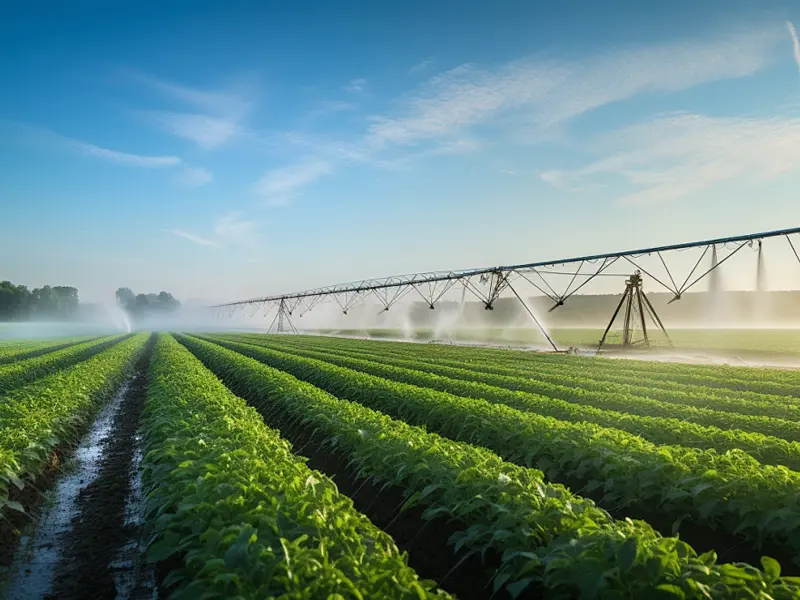

Full Comparison: Tipping Bucket vs Piezoelectric Rain Gauge
| การเปรียบเทียบ | เครื่องวัดปริมาณน้ำฝนแบบถังน้ำเท | เครื่องวัดปริมาณน้ำฝนแบบเพียโซอิเล็กทริก |
| หลักการวัด | Mechanical tipping mechanism | Piezoelectric impact sensing |
| Moving Parts | Yes | No |
| เวลาตอบสนอง | ปานกลาง | รวดเร็ว |
| Maintenance Requirement | ระดับกลาง | ต่ำ |
| Rainfall Intensity Detection | ดี | ยอดเยี่ยม |
| Raindrop Analysis | จำกัด | Available |
| Data Resolution | 0.1–0.5 mm typical | Higher temporal resolution |
| ค่าใช้จ่าย | ต่ำกว่า | สูงขึ้น |
| Long-Term Operation | Proven reliability | Stable solid-state performance |
| Harsh Environment Adaptability | Good with proper maintenance | Good with signal compensation |
Which Rain Gauge Provides Better Accuracy?
Accuracy depends on the measurement objective, rainfall conditions, and monitoring requirements. Tipping bucket and piezoelectric rain sensor offer different advantages for precipitation measurement.
Tipping bucket rain gauges provide stable cumulative rainfall measurement and are widely used in standard meteorological and hydrological observation. They are suitable for applications requiring long-term rainfall records, proven reliability, and cost-effective deployment.
Piezoelectric rain gauges provide higher temporal resolution and faster response to rainfall changes. They are better suited for applications requiring detailed rainfall variation analysis, rapid weather monitoring, and short-duration or high-intensity rainfall observation.
In practical applications, tipping bucket rain gauges are often preferred for reliable long-term precipitation records, while piezoelectric rain sensor are advantageous when rapid rainfall changes and higher-resolution data are required. The selection depends on the monitoring purpose and data requirements.
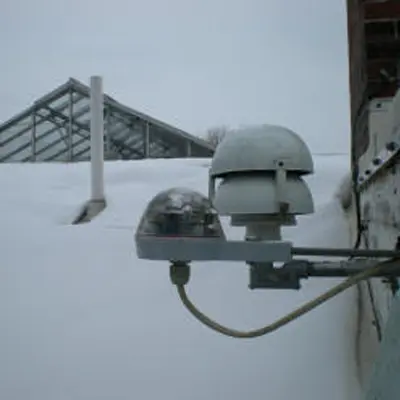
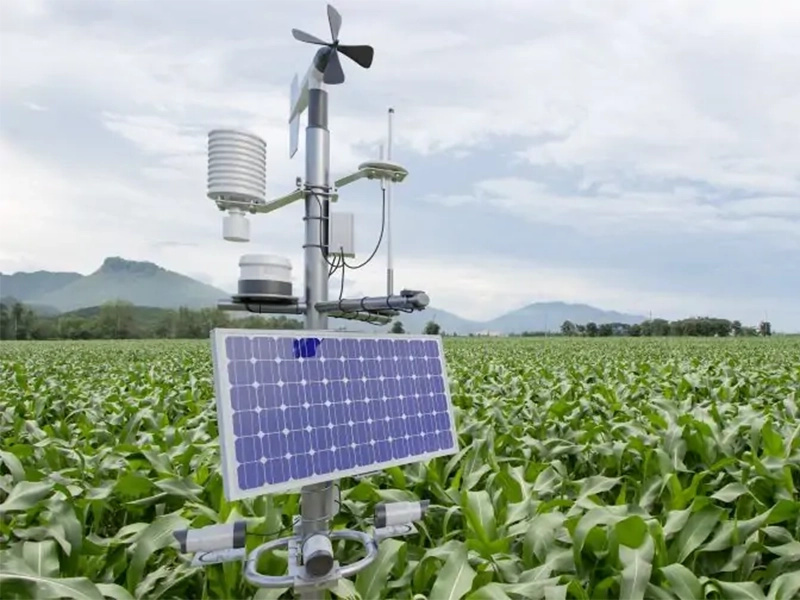

How to Choose Between Tipping Bucket and Piezoelectric Rain Gauge?
The selection between a tipping bucket and piezoelectric rain gauge depends on monitoring objectives, required data resolution, installation environment, and maintenance requirements. Each technology offers specific advantages for different rainfall monitoring applications.
Choose a Tipping Bucket Rain Gauge When:
A tipping bucket rain gauge is suitable for applications that require reliable cumulative rainfall measurement, established measurement technology, and long-term operational stability. It is commonly used in automatic weather stations, agricultural weather monitoring, hydrological observation networks, and rainfall data collection systems.
Based on a proven mechanical measurement design, tipping bucket rain gauges provide consistent precipitation records and are well suited for large-scale monitoring deployments where long-term data continuity, straightforward maintenance, and cost efficiency are important considerations.
Choose a Piezoelectric Rain Gauge When:
APiezoelectric rain sensoris suitable for applications that require rapid rainfall response, high temporal resolution, and detailed precipitation analysis. It is commonly used in flood warning systems, smart transportation infrastructure, real-time weather monitoring, and scientific rainfall research.
With a solid-state sensing structure and no mechanical moving parts, it reduce mechanical wear and simplify long-term maintenance. Their fast response and signal processing capability make them suitable for remote monitoring stations and applications requiring continuous observation of rainfall intensity changes and short-duration precipitation events.If you’d like to learn more about “How to Measure Rainfall,” กรุณาคลิกที่นี่.

สรุป
Tipping bucket and piezoelectric rain gauges each offer advantages for different rainfall monitoring requirements. Tipping bucket rain gauges remain a reliable choice for long-term cumulative rainfall measurement, while it provides faster response and higher temporal resolution for real-time precipitation analysis. The best solution depends on factors such as monitoring objectives, required data resolution, environmental conditions, and maintenance expectations.
Choosing the right rainfall sensor can improve data reliability and monitoring efficiency in weather, hydrological, agricultural, and smart infrastructure applications. Yantai Sensor provides professional rainfall monitoring solutions and technical support to help customers select suitable rain gauge technologies based on their specific project requirements. ติดต่อเรา to discuss your rainfall monitoring needs and find the right solution for your application.If you’d like to learn more about “What is the Best Rain Gauge,” please click here