บทนำ
ในสาขาการวัดพลังงานแสงอาทิตย์และการสังเกตการณ์อุตุนิยมวิทยา มีความต้องการที่เพิ่มขึ้นในอุตสาหกรรมพลังงานแสงอาทิตย์และนักวิจัยด้านอุตุนิยมวิทยาสำหรับอุปกรณ์วัดรังสีที่มีความแม่นยำสูง ในบรรดาอุปกรณ์เหล่านี้ พีรานอมิเตอร์มีบทบาทสำคัญอย่างยิ่งในฐานะเครื่องมือหลักสำหรับการวัดรังสีดวงอาทิตย์ทั่วโลกและรังสีที่กระจายตัว สำหรับผู้ซื้อ การเลือกพีรานอมิเตอร์ที่เหมาะสมไม่เพียงแต่ส่งผลต่อความแม่นยำในการวัดเท่านั้น แต่ยังส่งผลโดยตรงต่อผลตอบแทนจากการลงทุนของโครงการและความน่าเชื่อถือของข้อมูลอีกด้วย.
บทความนี้ทำหน้าที่เป็นคู่มือที่ครอบคลุมสำหรับผู้ซื้อไพราโนมิเตอร์ โดยให้ภาพรวมที่ละเอียดเกี่ยวกับประเภทต่างๆ ของไพราโนมิเตอร์ รวมถึงแบบเทอร์โมไพล์ แบบโฟโตโวลตาอิก และแบบดิจิทัล พร้อมการวิเคราะห์ข้อดี ข้อเสีย สถานการณ์การใช้งาน และพารามิเตอร์ทางเทคนิคที่สำคัญของแต่ละประเภท นอกจากนี้ เรายังมีคำแนะนำในการเลือกซื้อและข้อควรพิจารณาทั่วไปเพื่อช่วยให้คุณระบุอุปกรณ์ที่เหมาะสมที่สุดจากหลากหลายรุ่นที่มีอยู่ในตลาดได้อย่างรวดเร็ว.
ไพราโนมิเตอร์คืออะไรและทำไมจึงมีความสำคัญต่อโครงการของคุณ
ไพราโนมิเตอร์เป็นเครื่องมือที่มีความแม่นยำสูง ออกแบบมาเพื่อวัดการแผ่รังสีของดวงอาทิตย์ โดยสามารถจับแสงอาทิตย์ทั้งแบบตรงและแบบกระจายบนผิวระนาบแนวนอน สำหรับการจัดซื้อโครงการ การเลือกไพราโนมิเตอร์ที่เหมาะสมนั้นต้องพิจารณาเกินกว่าฟังก์ชันพื้นฐาน—ปัจจัยสำคัญที่ควรพิจารณา ได้แก่ ความถูกต้องของการวัด, ความน่าเชื่อถือ, และความเสถียรระยะยาว. เครื่องมือคุณภาพสูงช่วยให้ได้ข้อมูลที่สม่ำเสมอและเชื่อถือได้ตลอดระยะเวลา ซึ่งมีความสำคัญอย่างยิ่งสำหรับการประเมินพลังงานแสงอาทิตย์ การศึกษาทางอุตุนิยมวิทยา และการติดตามประสิทธิภาพของระบบโฟโตโวลตาอิก.
ประเภทต่าง ๆ ของไพราโนมิเตอร์
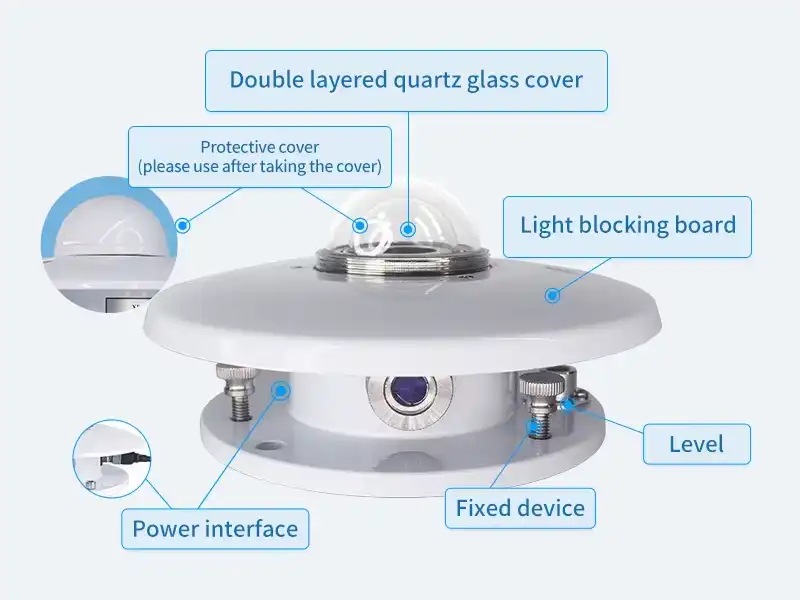
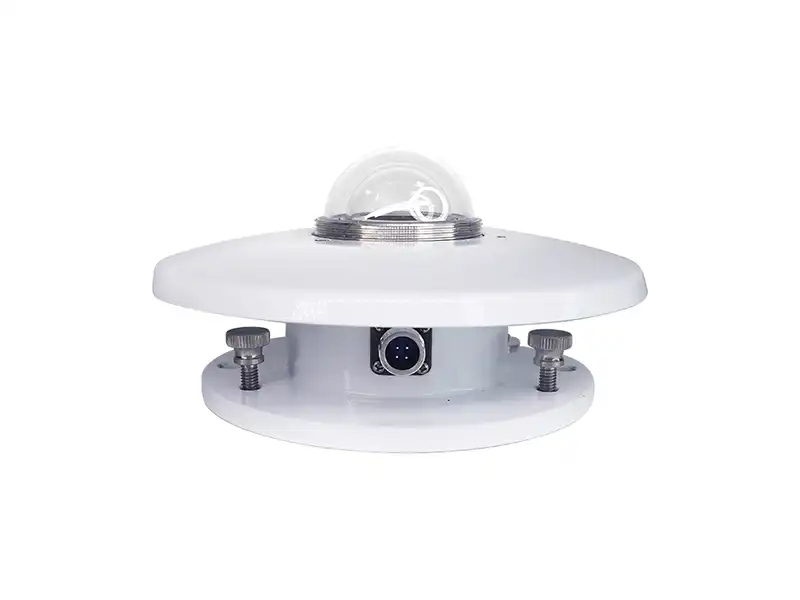
การเลือกที่เหมาะสม ไพราโนมิเตอร์ มีความจำเป็นอย่างยิ่งสำหรับการวัดรังสีดวงอาทิตย์อย่างถูกต้องและผลลัพธ์ของโครงการที่น่าเชื่อถือ. ไพราโนมิเตอร์ มีให้เลือกหลายประเภท แต่ละประเภทได้รับการออกแบบมาเพื่อตอบสนองความต้องการในการวัดที่แตกต่างกัน หมวดหมู่หลักประกอบด้วย เรดิโอมิเตอร์, เซ็นเซอร์รังสีทั่วโลก, และ เซ็นเซอร์รังสี UV จากแสงอาทิตย์. การเข้าใจหลักการการทำงาน, ข้อได้เปรียบ, ข้อจำกัด, และพารามิเตอร์ที่สำคัญของแต่ละประเภทช่วยให้ผู้เชี่ยวชาญด้านการจัดซื้อสามารถเลือกได้ ไพราโนมิเตอร์ ที่ให้ความแม่นยำสูง, ความเสถียรระยะยาว, และประสิทธิภาพที่คงที่.
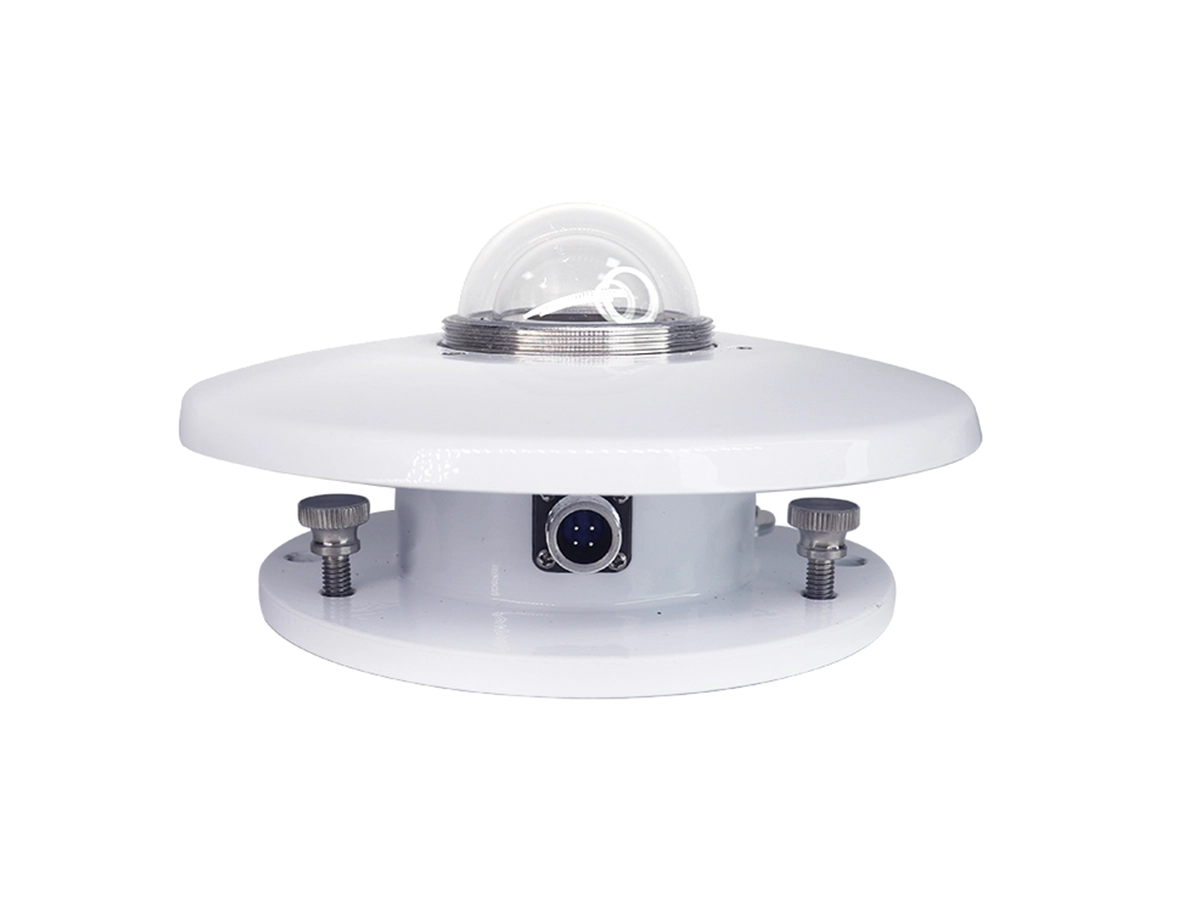
1. เซ็นเซอร์รังสีแสงอาทิตย์แบบไพราโนมิเตอร์ TBQ-2C
หลักการการทำงาน: เครื่องวัดรังสีสุริยะวัดการแผ่รังสีของดวงอาทิตย์โดยเปลี่ยนแสงอาทิตย์ให้เป็นความร้อนหรือสัญญาณไฟฟ้า โดยทั่วไปใช้เทคโนโลยีเทอร์โมไพล์.
ข้อดี: ความแม่นยำสูงและการตอบสนองสเปกตรัมที่กว้าง ทำให้เหมาะอย่างยิ่งสำหรับการวัดในระดับการวิจัย.
ข้อจำกัด: โดยทั่วไปมีราคาแพงกว่าและไวต่อสภาพแวดล้อม เช่น ฝุ่นและความชื้น.
การใช้งาน: การติดตามสภาพอากาศ, การวิจัยสภาพภูมิอากาศ, และการประเมินสถานที่ติดตั้งระบบพลังงานแสงอาทิตย์.
พารามิเตอร์หลัก: ช่วงสเปกตรัม, ความไว, เวลาตอบสนอง, และความเสถียรของอุณหภูมิ.
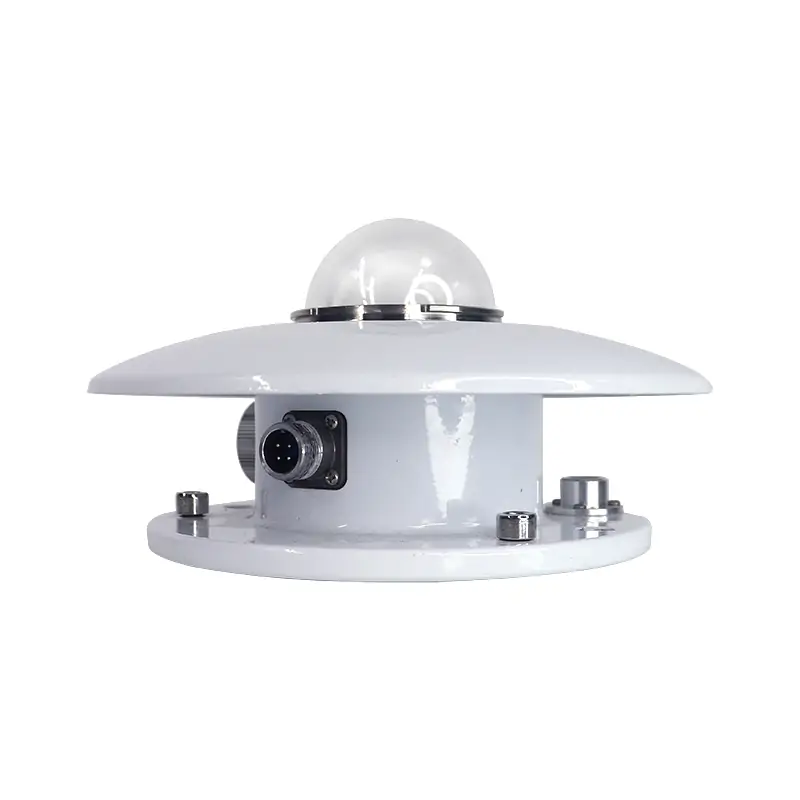
2. เซ็นเซอร์ความเข้มแสงอาทิตย์รวม XF-C60
หลักการการทำงาน: เซ็นเซอร์รังสีทั่วโลกจับรังสีดวงอาทิตย์ทั้งหมดบนระนาบแนวนอน โดยรวมรังสีดวงอาทิตย์โดยตรงและรังสีจากท้องฟ้าที่กระจายตัว การออกแบบแบบเทอร์โมไพล์หรือโฟโตโวลตาอิกมักใช้กันทั่วไป.
ข้อดี: ให้ข้อมูลการแผ่รังสีที่ครอบคลุมและการตรวจสอบระยะยาวที่เชื่อถือได้.
ข้อจำกัด: ต้องปรับระดับให้เหมาะสมและปรับเทียบเป็นครั้งคราวสำหรับการใช้งานที่ต้องการความแม่นยำสูง.
การใช้งาน: การตรวจสอบประสิทธิภาพของระบบโฟโตโวลตาอิก, การคำนวณผลผลิตพลังงาน, และการศึกษาพลังงานของอาคาร.
พารามิเตอร์หลัก: ความแม่นยำ, การตอบสนองของโคไซน์, ช่วงสเปกตรัม, และความเสถียรในระยะยาว.
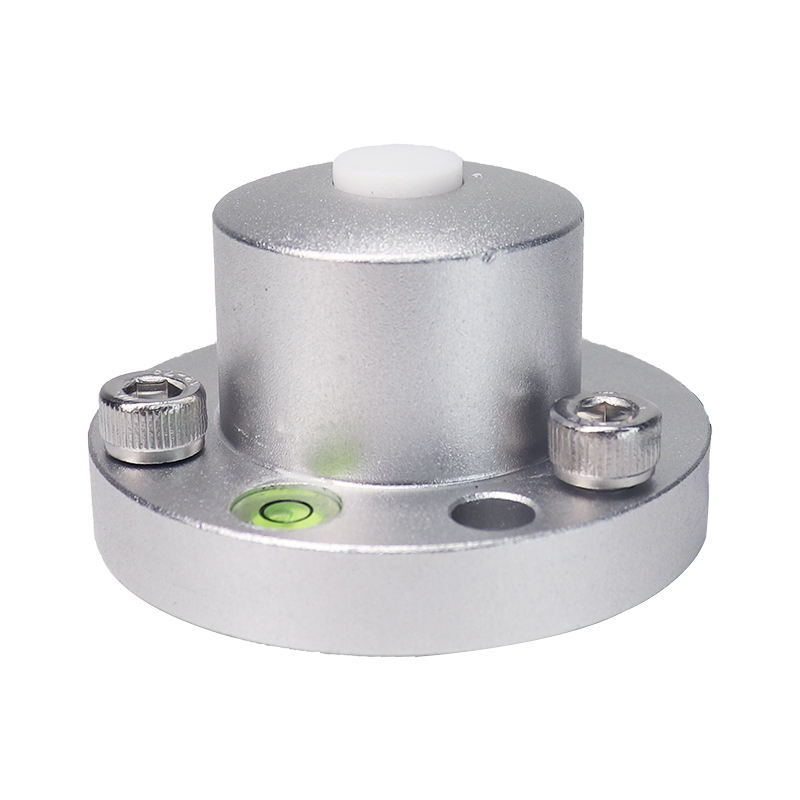
3. เซ็นเซอร์รังสีแสงอาทิตย์แบบแสง UV รุ่น RY-ZW สำหรับระบบแผงโซลาร์เซลล์
หลักการการทำงาน: เซ็นเซอร์ UV แสงอาทิตย์มุ่งเน้นการวัดรังสีอัลตราไวโอเลต โดยมักใช้โฟโตไดโอดที่มีฟิลเตอร์เพื่อแยกแถบ UV.
ข้อดี: กะทัดรัด น้ำหนักเบา และออกแบบมาเฉพาะสำหรับการตรวจวัดรังสียูวี; มีประโยชน์สำหรับการศึกษาสิ่งแวดล้อมและการทดสอบวัสดุ.
ข้อจำกัด: จำกัดเฉพาะช่วงรังสียูวี; อาจจำเป็นต้องปรับเทียบใหม่เป็นระยะ.
การใช้งาน: การตรวจสอบดัชนี UV, การวิจัยสิ่งแวดล้อม, และการประเมินการเสื่อมสภาพของวัสดุ.
พารามิเตอร์หลัก: ช่วงสเปกตรัม UV (UV-A, UV-B), ความไว, เวลาตอบสนอง และการชดเชยอุณหภูมิ.
คุณสมบัติหลักที่ผู้ซื้อควรพิจารณาเมื่อเลือก
การเลือกที่เหมาะสม P มีความสำคัญอย่างยิ่งสำหรับโครงการที่ต้องพึ่งพาการวัดรังสีดวงอาทิตย์อย่างแม่นยำ เช่น การประเมินประสิทธิภาพของระบบโฟโตโวลตาอิกหรือการศึกษาทางอุตุนิยมวิทยา ผู้ซื้อมักจะประเมินคุณสมบัติสำคัญหลายประการเพื่อให้มั่นใจว่าเครื่องมือสามารถให้ข้อมูลที่เชื่อถือได้ในระยะยาวและทนต่อสภาพแวดล้อมภาคสนามได้.
- ช่วงการวัดและความแม่นยำ: เครื่องวัดรังสีดวงอาทิตย์คุณภาพสูงส่วนใหญ่สามารถวัดค่าการแผ่รังสีของดวงอาทิตย์ได้ในช่วง 0 ถึง 2000 วัตต์ต่อตารางเมตร ด้วยความแม่นยำ ±2–5% ทำให้สามารถตรวจสอบได้อย่างแม่นยำแม้ในสภาพแสงแดดจ้า.
- ความทนทาน & ระดับการป้องกัน: สำหรับการใช้งานกลางแจ้ง, Pyranometer ที่ได้รับการรับรองมาตรฐาน IP67 สามารถทนต่อฝุ่น, ฝน, และอุณหภูมิที่รุนแรงตั้งแต่ -40°C ถึง 80°C, ทำให้มีความเสถียรในระยะยาว.
- การสอบเทียบและการรับรอง (ISO 9060, ISO 9847): ไพราโนมิเตอร์ที่ได้รับการรับรองมาตรฐาน ISO ให้การสอบเทียบที่สามารถตรวจสอบย้อนกลับได้ พร้อมการจัดประเภทเช่น Class A หรือมาตรฐานทุติยภูมิ ซึ่งบ่งชี้ถึงความแม่นยำระดับสูงสุดสำหรับการใช้งานทางวิทยาศาสตร์และอุตสาหกรรม.
- ประเภทสัญญาณขาออก (อนาล็อก vs ดิจิตอล): เอาต์พุตแบบอนาล็อก (0–20 mA หรือ 4–20 mA) เป็นมาตรฐานสำหรับการใช้งานร่วมกับเครื่องบันทึกข้อมูลรุ่นเก่า ในขณะที่สัญญาณดิจิทัล (SDI-12, Modbus) ให้ความละเอียดที่สูงกว่าและเชื่อมต่อกับระบบตรวจสอบสมัยใหม่ได้ง่ายกว่า.
การประยุกต์ใช้ของประเภทไพราโนมิเตอร์ต่าง ๆ
การทำความเข้าใจการประยุกต์ใช้ที่แตกต่างกัน ไพราโนมิเตอร์ ประเภทต่างๆ ช่วยให้ผู้ซื้อสามารถเลือกเครื่องมือที่เหมาะสมกับความต้องการเฉพาะของตนได้ ตั้งแต่การตรวจสอบพลังงานแสงอาทิตย์ในภาคอุตสาหกรรมไปจนถึงการวิจัยสภาพภูมิอากาศ แต่ละการใช้งานต้องการคุณลักษณะเฉพาะของเซ็นเซอร์เพื่อให้มั่นใจในความแม่นยำและความน่าเชื่อถือของข้อมูลการแผ่รังสีแสงอาทิตย์.
- การตรวจสอบระบบโซลาร์เซลล์ ไพราโนมิเตอร์ให้การวัดค่าการแผ่รังสีที่แม่นยำเพื่อเพิ่มประสิทธิภาพของระบบโฟโตโวลตาอิกและคำนวณผลผลิตพลังงาน.
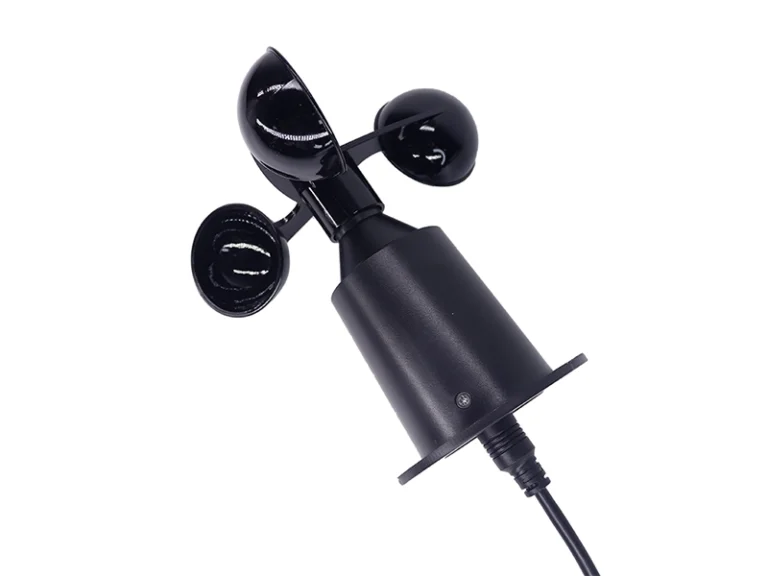
- สถานีอุตุนิยมวิทยา: ติดตั้งในสถานีตรวจอากาศ, Pyranometers วัดรังสีดวงอาทิตย์เพื่อการเก็บข้อมูลสภาพภูมิอากาศและสภาพอากาศที่แม่นยำ.
- การประยุกต์ใช้ทางการเกษตร: ไพราโนมิเตอร์ช่วยในการตรวจสอบการสัมผัสกับแสงอาทิตย์ ช่วยในการจัดการการเพาะปลูกและกลยุทธ์การให้แสงสว่างในโรงเรือน.
- การวิจัยและการศึกษาสภาพภูมิอากาศ ไพราโนมิเตอร์ความแม่นยำสูงช่วยสนับสนุนการวิจัยทางวิทยาศาสตร์โดยให้ชุดข้อมูลการแผ่รังสีของดวงอาทิตย์ที่เชื่อถือได้และยาวนานสำหรับการจำลองสภาพภูมิอากาศ.
วิธีเลือกไพราโนมิเตอร์ที่เหมาะสมสำหรับโครงการของคุณ
การเลือกสิ่งที่ถูกต้อง ไพราโนมิเตอร์ เป็นสิ่งจำเป็นสำหรับการได้มาซึ่งข้อมูลการแผ่รังสีของดวงอาทิตย์ที่แม่นยำ และเพื่อให้มั่นใจในประสิทธิภาพที่เชื่อถือได้ตลอดอายุการใช้งานของโครงการของคุณ ผู้ซื้อควรพิจารณาประเภทของเซ็นเซอร์ งบประมาณ ความต้องการในการบำรุงรักษา และสภาพแวดล้อมท้องถิ่นเพื่อเลือกเครื่องมือที่ตรงกับความต้องการทั้งในด้านความแม่นยำและความคงทน.
- เปรียบเทียบเทอร์โมไพลกับโฟโตไดโอด: เทอร์โมไพล์ไพราโนมิเตอร์ที่มีความแม่นยำโดยทั่วไป ±2% เหมาะสำหรับการวิจัยและการตรวจสอบระยะยาว ในขณะที่เซ็นเซอร์ที่ใช้โฟโตไดโอดซึ่งมีความแม่นยำ ±5% นั้นมีความคุ้มค่ามากกว่าสำหรับการติดตามประสิทธิภาพของระบบพลังงานแสงอาทิตย์.
- การพิจารณาด้านงบประมาณ: ไพราโนมิเตอร์ที่มีความแม่นยำสูงอาจมีราคาอยู่ที่ 1,000–3,000 ดอลลาร์สหรัฐ แต่มีความเสถียรภาพในระยะยาวที่ดีกว่าและต้องการการปรับเทียบความถี่น้อยกว่าเมื่อเทียบกับตัวเลือกที่มีราคาต่ำกว่าประมาณ 200–500 ดอลลาร์สหรัฐ.
- การบำรุงรักษาและการสนับสนุนบริการ: การสอบเทียบเป็นประจำ ซึ่งแนะนำทุก 1–2 ปี สำหรับไพราโนมิเตอร์ประเภท A และการเข้าถึงชิ้นส่วนอะไหล่หรือการสนับสนุนทางเทคนิค ช่วยรักษาความถูกต้องของข้อมูลในระยะยาว.
- คำแนะนำเฉพาะทางภูมิศาสตร์: สภาพแวดล้อมมีผลต่อประสิทธิภาพการทำงาน; ตัวอย่างเช่น พีราโนมิเตอร์ในประเทศจีนหรือสหรัฐอเมริกาควรสามารถรับมือกับฝุ่นละอองและความชื้นสูงได้ ในขณะที่การติดตั้งในยุโรปอาจต้องการรุ่นที่ทนต่อน้ำค้างแข็งและสภาพแสงน้อย.
สำหรับคำแนะนำจากผู้เชี่ยวชาญในการเลือกสิ่งที่เหมาะสม ไพราโนมิเตอร์ สำหรับโครงการของคุณ รวมถึงรุ่นที่แนะนำและตัวเลือกการสนับสนุนในพื้นที่, ติดต่อทีมงานของเรา เพื่อให้มั่นใจในความถูกต้องและความน่าเชื่อถือสูงสุด.
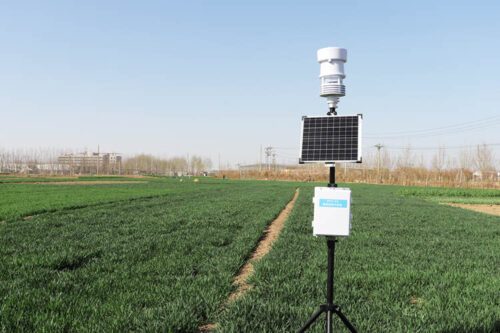
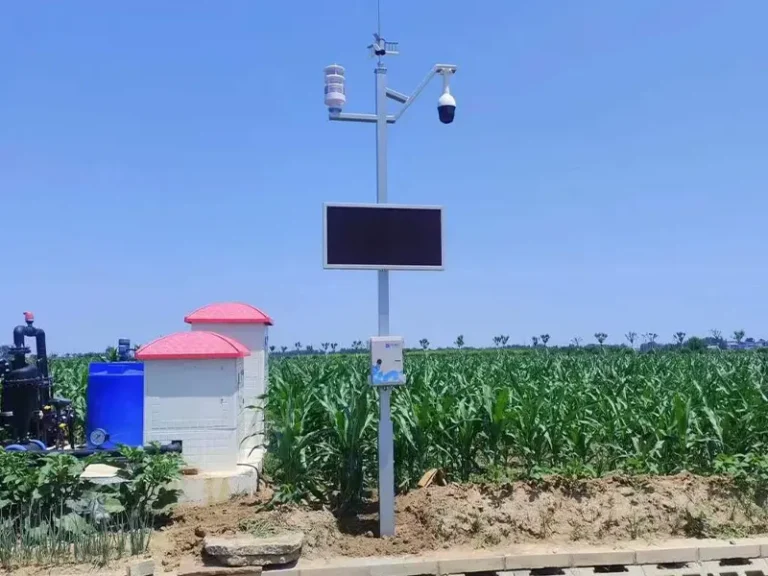
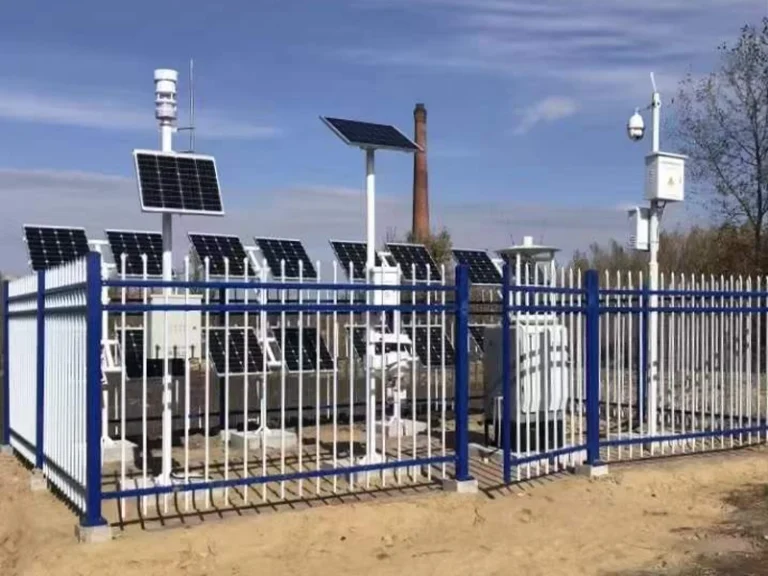
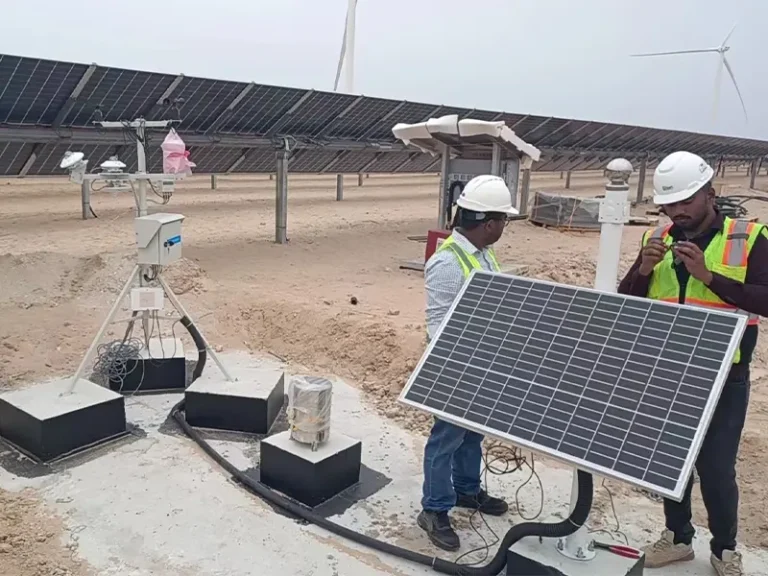
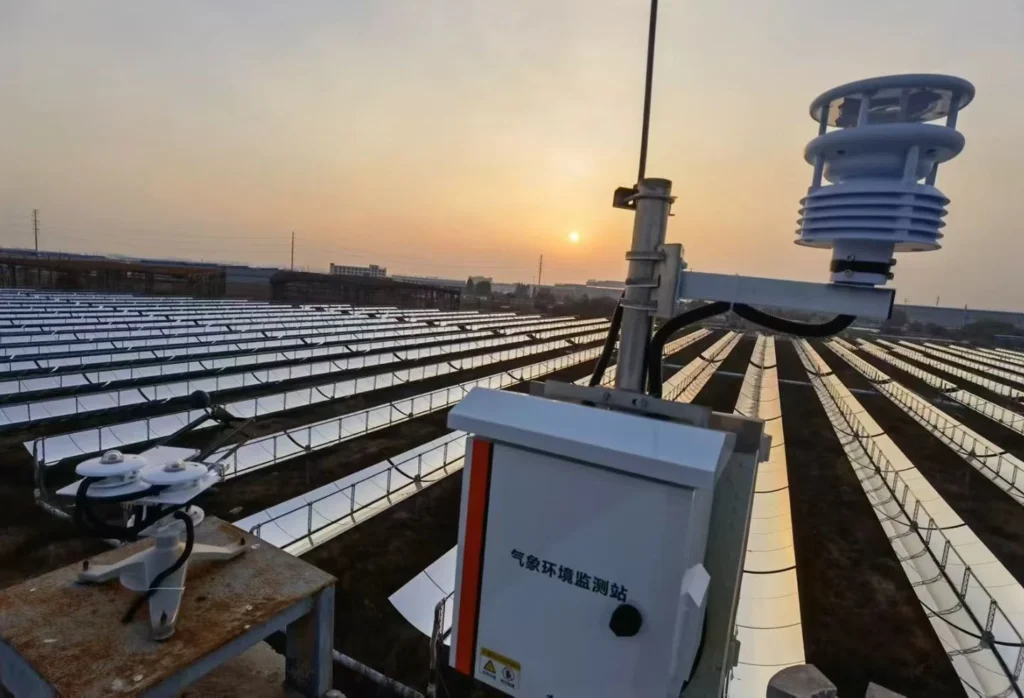
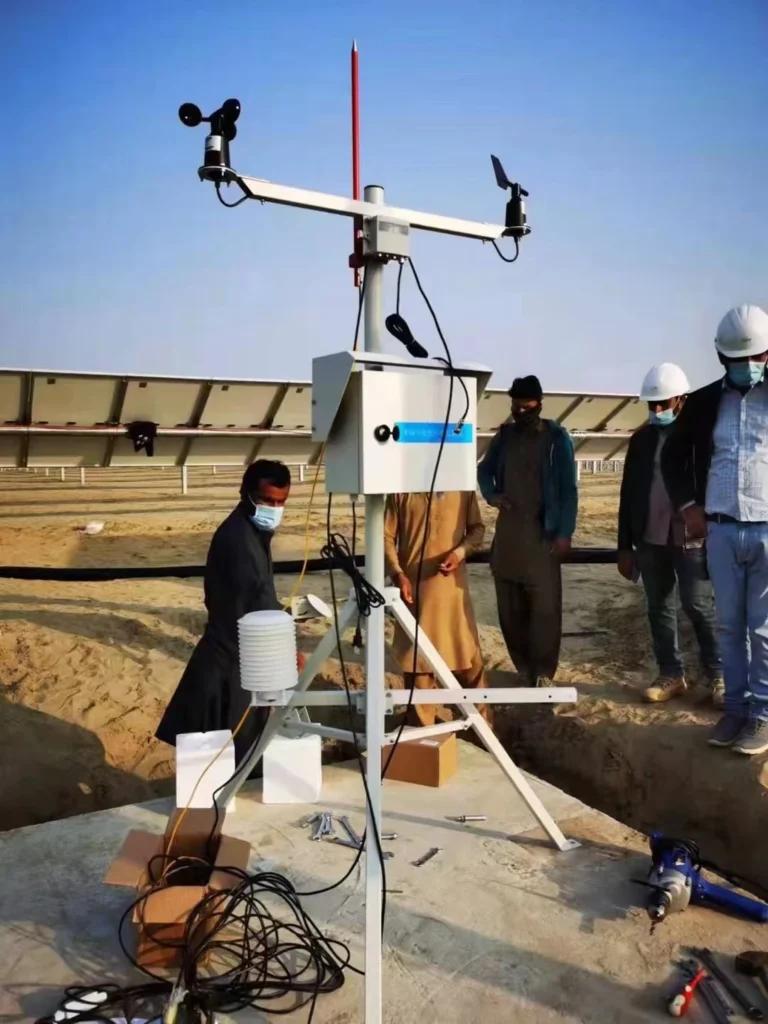
ภาพรวมโครงการ: การสนับสนุนสถานีตรวจวัดสิ่งแวดล้อมเพื่อการพยากรณ์พลังงานแสงอาทิตย์
ยี่นไถ เซ็นเซอร์ ประสบความสำเร็จในการติดตั้ง สถานีตรวจวัดสิ่งแวดล้อม เพื่อสนับสนุนการพยากรณ์พลังงานแสงอาทิตย์ (PV) ที่แม่นยำ สถานีนี้ติดตั้งเซ็นเซอร์ความแม่นยำสูง รวมถึง ไพราโนมิเตอร์ประเภท A ที่วัดการแผ่รังสีของดวงอาทิตย์ได้ถึง 2000 วัตต์ต่อตารางเมตร ด้วยความแม่นยำ ±2% รวมถึงเซ็นเซอร์วัดอุณหภูมิ ความชื้น และลม.
โดยการรวบรวมข้อมูลแบบเรียลไทม์ที่เชื่อถือได้ ระบบช่วยให้ผู้ดำเนินการระบบผลิตไฟฟ้าพลังงานแสงอาทิตย์สามารถทำนายการผลิตพลังงานได้แม่นยำยิ่งขึ้น ปรับปรุงการผสานระบบเข้ากับระบบไฟฟ้า และตัดสินใจในการดำเนินงานอย่างมีข้อมูลที่ดี ระบบได้รับการออกแบบมาเพื่อการใช้งานกลางแจ้งระยะยาว ทุกเซ็นเซอร์มีการป้องกันสภาพอากาศตามมาตรฐาน IP66–IP67 ทำให้มั่นใจได้ถึงประสิทธิภาพที่เสถียรแม้ในสภาพแวดล้อมที่รุนแรง.
โครงการนี้แสดงให้เห็นถึงความมุ่งมั่นของ Yantai Sensor ในการนำเสนอโซลูชันการตรวจสอบที่แข็งแกร่ง ได้รับการสอบเทียบแล้ว และเชื่อถือได้สำหรับการใช้งานพลังงานหมุนเวียน โดยผสานรวมเครื่องมือวัดที่มีความแม่นยำเข้ากับการออกแบบที่ใช้งานได้จริงและพร้อมใช้งานในภาคสนาม.
สรุป
การเลือกที่เหมาะสม ไพราโนมิเตอร์ การตัดสินใจที่สำคัญสำหรับโครงการใด ๆ ที่พึ่งพาการวัดรังสีดวงอาทิตย์อย่างถูกต้อง ตั้งแต่การติดตามระบบโซลาร์เซลล์ไปจนถึงการวิจัยทางอุตุนิยมวิทยา การเข้าใจประเภทต่าง ๆ ของไพราโนมิเตอร์ คุณสมบัติที่สำคัญ และข้อกำหนดเฉพาะของการนำไปใช้ จะช่วยให้ผู้ซื้อสามารถตัดสินใจอย่างมีข้อมูลที่สมดุลระหว่างความแม่นยำ ความคงทน และงบประมาณ.
สำหรับคำแนะนำจากผู้เชี่ยวชาญ คำแนะนำที่ปรับให้เหมาะกับคุณ หรือเพื่อขอ คำพูด หรือ ดาวน์โหลดแผ่นข้อมูล, ติดต่อทีมงานของเราวันนี้ และทำให้แน่ใจว่าโครงการของคุณได้รับประโยชน์จากโซลูชัน Pyranometer ที่เชื่อถือได้และมีคุณภาพสูง.