When planning a PV project, EPC contractors and system integrators need to consider more than the initial price of monitoring equipment. They must determine which parameters need to be measured, how many monitoring points are required, and whether the sensors and data acquisition equipment will work with the existing system. These requirements affect the solar monitoring system cost, and two projects with similar installed capacity may still need different monitoring budgets. A quotation for sensors alone leaves part of that budget unresolved.
This article focuses on dedicated PV environmental monitoring, including sensors, data loggers and the equipment needed to connect them. It uses Yantai Sensor’s published product prices as individual equipment examples and explains installation, communication and maintenance expenses. It also shows how to compare quotations and prepare the project information needed for an accurate quote. Inverter monitoring platforms and software subscriptions have a different cost scope, which is distinguished below.
How Much Does a Solar Monitoring System Cost?
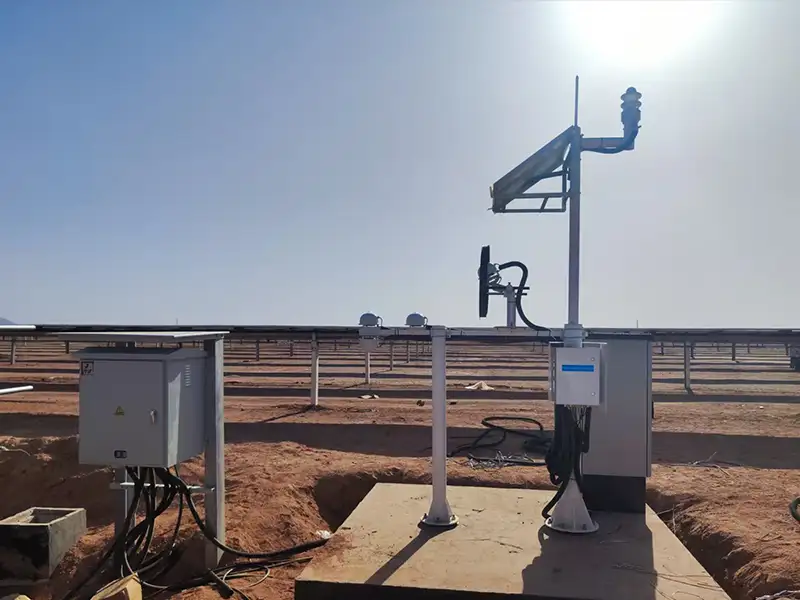
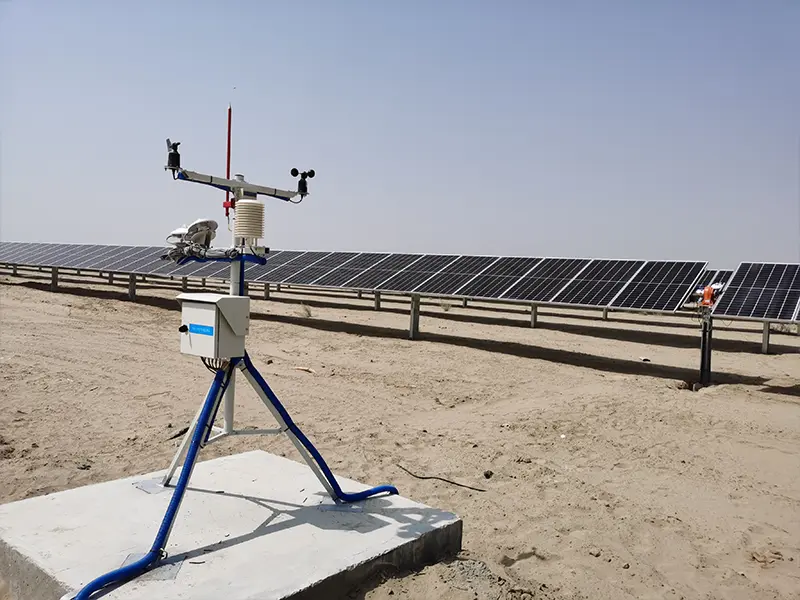
Solar monitoring system cost depends on the equipment list and installation scope. Individual instruments in Yantai Sensor’s published range include products priced at tens of US dollars and others at several hundred dollars per unit. These are equipment examples, not a price range for a complete system. Before using them in a budget, establish what the monitoring package must include.
Published Prices for Individual Monitoring Instruments
The products below illustrate the equipment portion of solar monitoring system cost. They are alternatives or additions selected for particular tasks; they are not a shopping list that every PV project needs to purchase in full.
| Monitoring instrument | Measurement purpose | Published price per unit |
|---|---|---|
| RY-WSY301 Temperature Humidity Pressure Sensor | Air temperature, humidity and pressure | US$49.92-59.90 |
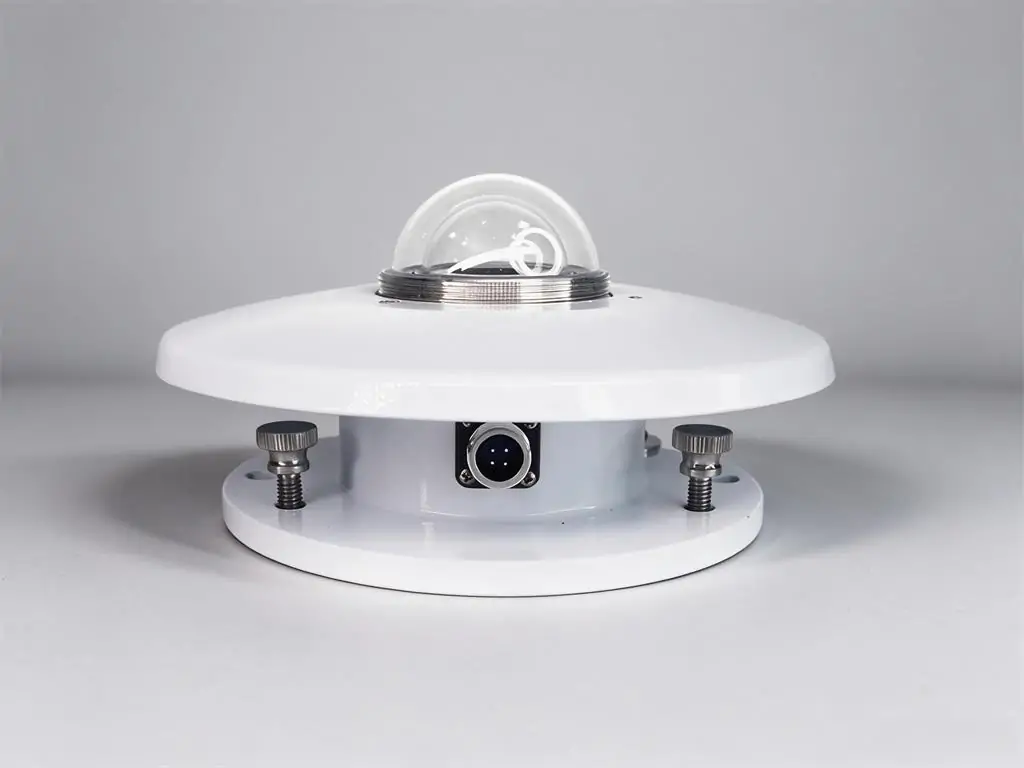
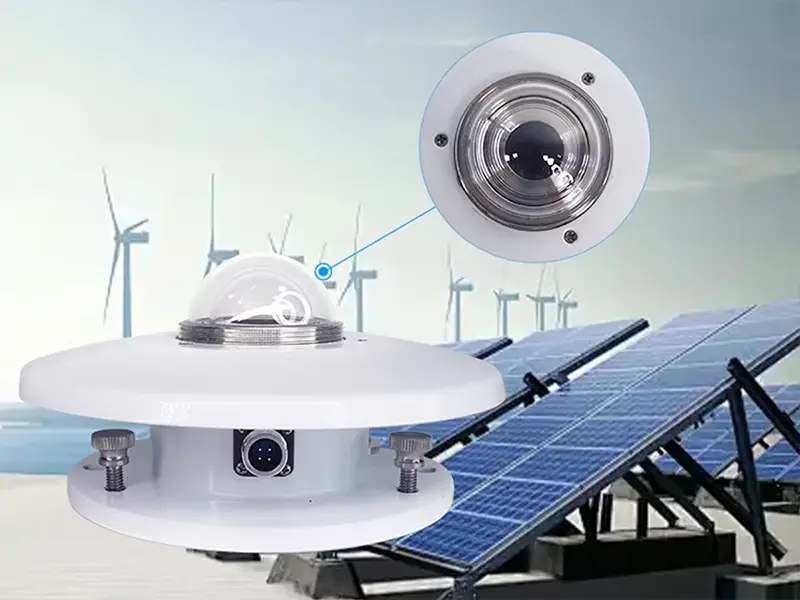
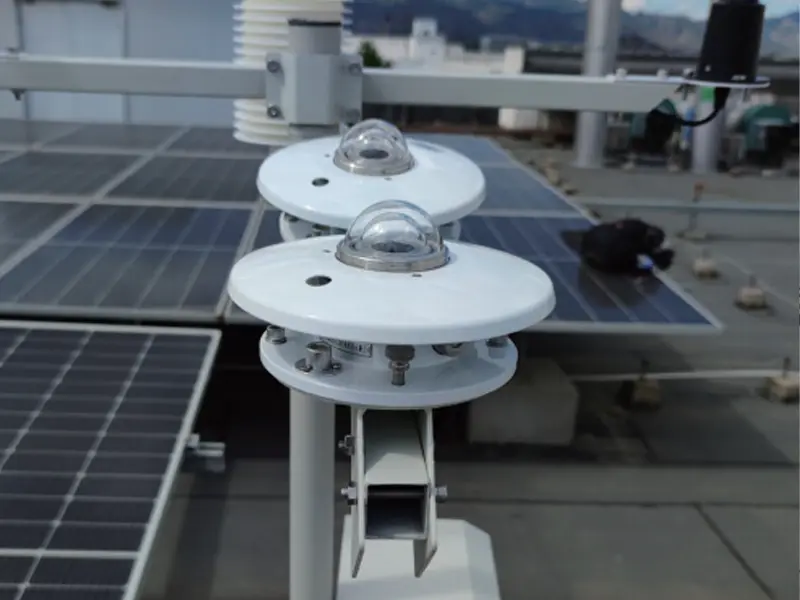
| เซ็นเซอร์รังสีรวมจากดวงอาทิตย์ TBQ-2C | ค่ารังสีดวงอาทิตย์ | US$258.70-310.44 |
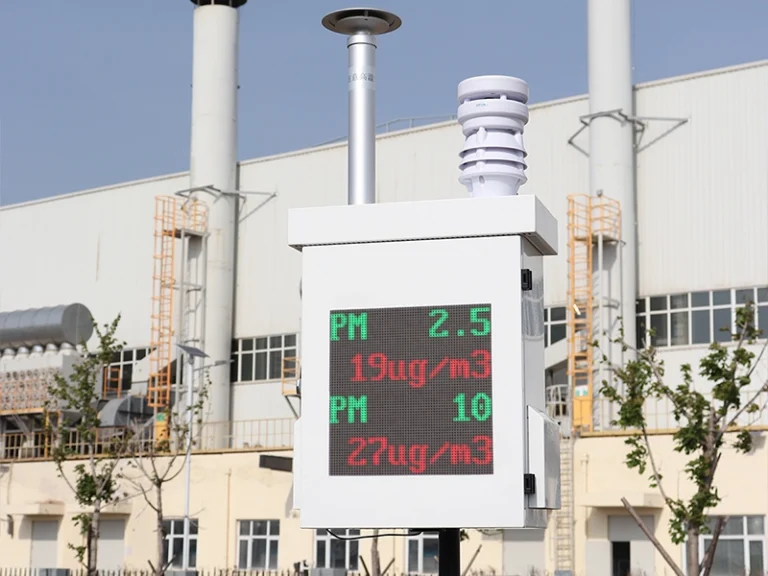
| เซนเซอร์สถานีตรวจอากาศแบบบูรณาการ XF400 | Air temperature, humidity, pressure and optical rainfall | US$338.14-405.77 |
| สถานีตรวจอากาศขนาดกะทัดรัด XF700SL พร้อมระบบตรวจวัดรังสีดวงอาทิตย์ | Seven environmental parameters, including solar irradiance | US$372.65-447.18 |
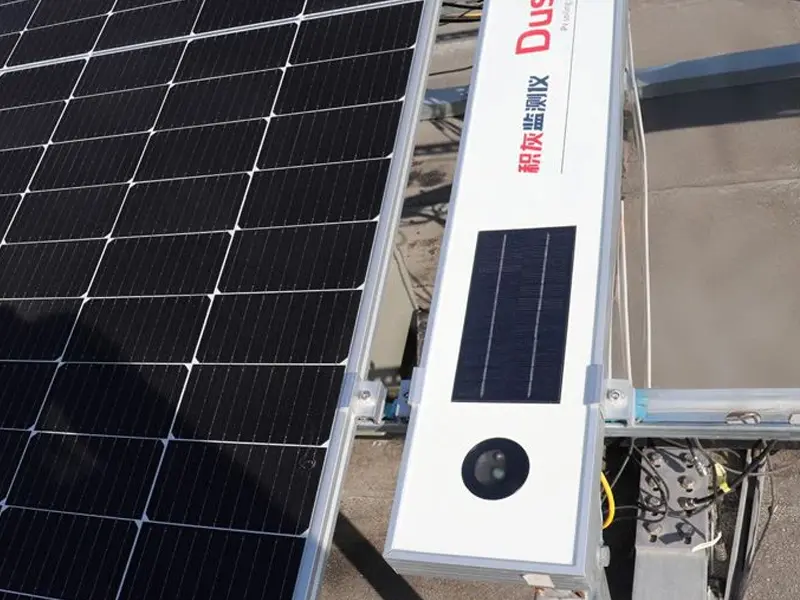
| ระบบตรวจสอบดัชนีฝุ่นโฟโตโวลตาอิก DustCom | PV dust index monitoring | US$497.01-596.41 |
Published prices checked on November 19, 2026. These figures refer to individual listed units and may change. Confirm the supplied configuration, order quantity and quotation validity with Yantai Sensor. When estimating solar monitoring system cost, check the project quotation for data loggers, power supplies, mounting hardware, communication equipment and software, along with shipping, taxes and installation charges.
Inverter Monitoring and Dedicated Environmental Monitoring
Basic inverter monitoring tracks power generation and inverter operating status, often through the inverter manufacturer’s platform. Dedicated environmental monitoring adds measurements such as solar irradiance, ambient temperature, module temperature and wind. A monitoring platform may display both sets of data, but the environmental instruments, data acquisition and integration work can be separate purchases. Check what the inverter package already provides before requesting additional equipment.
What Does the Quoted Price Include?
A PV monitoring system cost estimate needs a defined supply scope. Some suppliers quote instruments only; others include acquisition hardware, software or commissioning. Separating these items makes missing costs easier to identify and prevents an equipment-only quotation from being compared with a complete installed package.
| Cost category | Typical items | What to confirm |
|---|---|---|
| Monitoring hardware | Irradiance, weather, module temperature and soiling instruments | Model, quantity, measurement specifications and included accessories |
| Data acquisition | Data loggers, input modules and interface converters | Available channels, supported signals, storage and configuration |
| Communication and power | Gateways, network modules, power supplies and batteries | Existing infrastructure, additional hardware and recurring connectivity fees |
| Software and data services | Platform access, storage, data export and API functions | Included functions, license period, renewal charges and usage limits |
| Installation and services | Mounts, site work, cabling, integration and commissioning | Supply-only or installed scope, handover checks and support arrangements |
| Delivery and taxes | Packing, freight, insurance and applicable taxes or duties | Delivery terms, destination and which charges each party pays |
Mark each item as included, optional or excluded. Existing equipment can reduce new purchases, but only after its inputs, power capacity and communication requirements have been checked. Record the assumptions behind the solar monitoring system cost estimate so it can be revised if the project scope changes.
How Does Monitoring Configuration Affect the Budget?
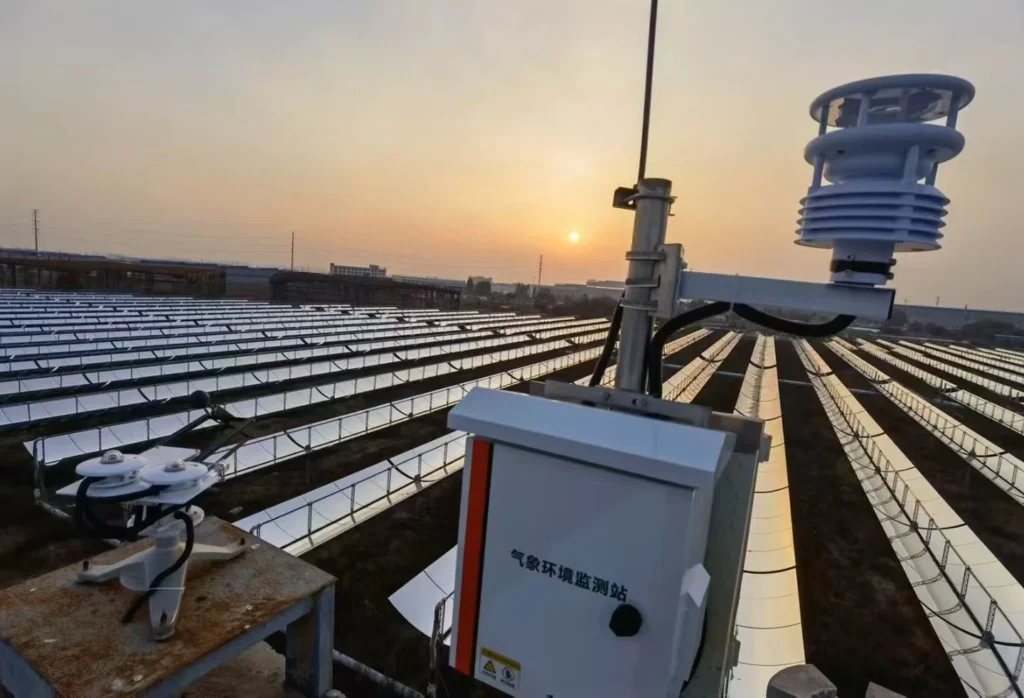
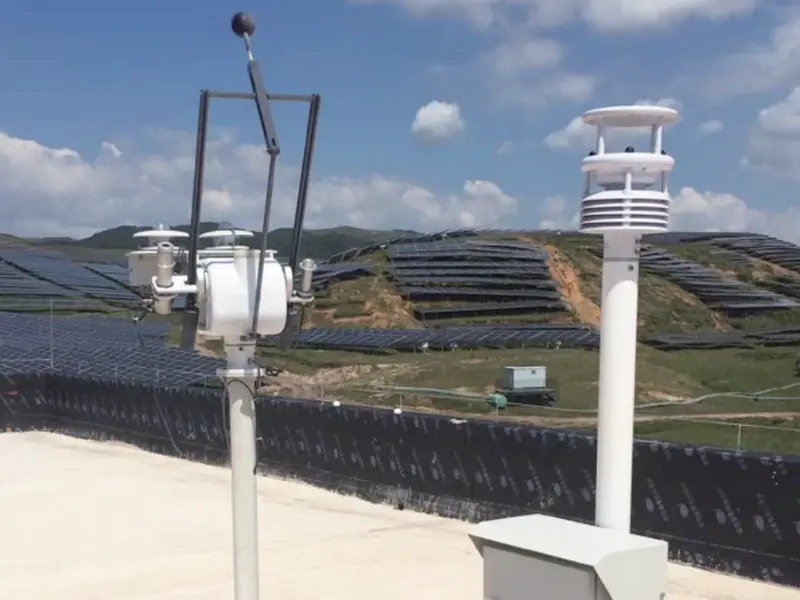
Monitoring requirements determine which instruments are needed and how they should be arranged. The examples below show how monitoring scope affects solar monitoring system cost and the work required. They are planning examples, not fixed industry packages. Sensor selection should follow the measurements required for the project, including any contractual monitoring requirements.
Example of a Limited Environmental Measurement Setup
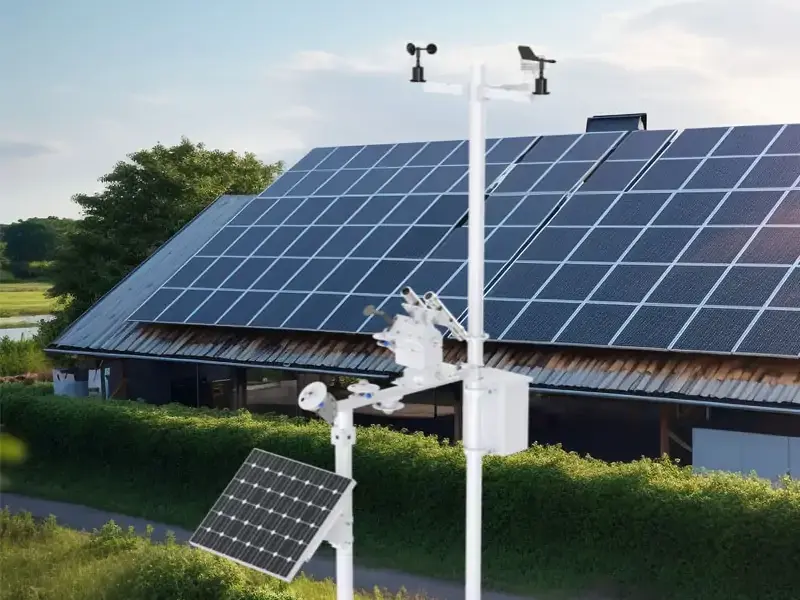
A project needing irradiance and ambient conditions may combine a pyranometer, suitable environmental sensors and a compatible data logger. The RY-WSY301 provides temperature, humidity and pressure measurements; it does not measure solar irradiance. Those extra parameters should be included only if the project uses them. If module temperature is needed for performance analysis, it requires a separate measurement. Reducing sensor quantities can lower solar monitoring system cost, provided the required measurements are still covered.
Example of Broader Weather and PV Monitoring
A broader measurement scope can increase solar monitoring system cost by adding a multi-parameter weather station, module temperature sensors or data acquisition equipment. The XF400 measures air temperature, humidity, pressure and optical rainfall, so it still needs a separate irradiance instrument for solar monitoring. The XF700SL includes solar radiation among its seven parameters. Check the capabilities of the selected model before adding independent instruments: a separate pyranometer may be required for a specific measurement location or specification, but should not be added simply because it appears in a generic equipment list.
Example of Monitoring Across Multiple Locations
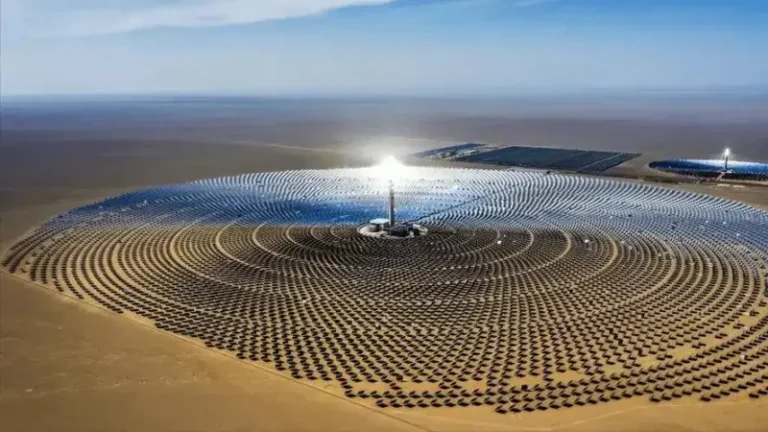
Large PV plants or sites with varying terrain and environmental conditions may require multiple monitoring stations. Each location needs measurements chosen to represent the relevant conditions; it does not automatically need every sensor in the project. Additional monitoring locations increase solar monitoring system cost through extra acquisition channels, power supplies, mounting work and communication equipment. Review the site layout and monitoring objectives before fixing quantities, then account for the distance and access route to each location.
The solar monitoring equipment cost therefore depends on how measurement functions are assigned, not simply on the number of parameters advertised. Reusing compatible equipment and checking for overlapping functions helps keep the equipment list focused on the work it must do.
Why Do Similar Projects Receive Different Quotes?
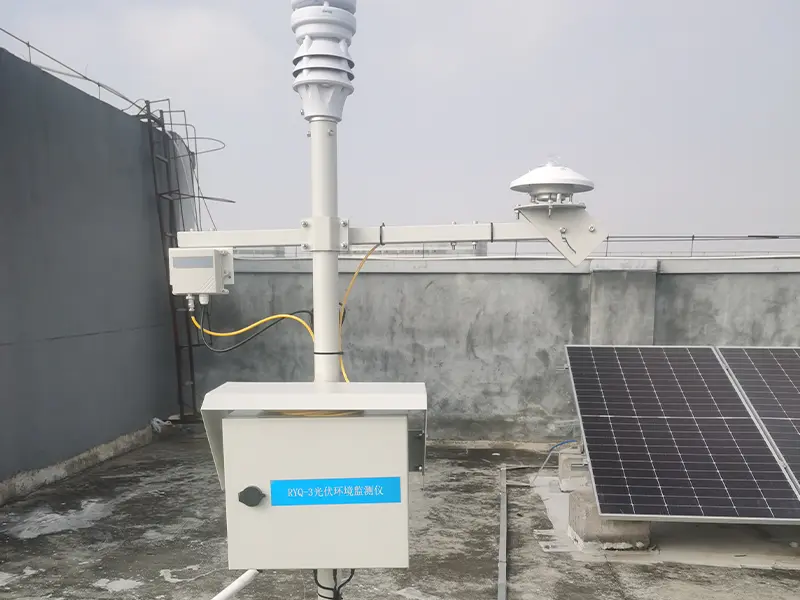
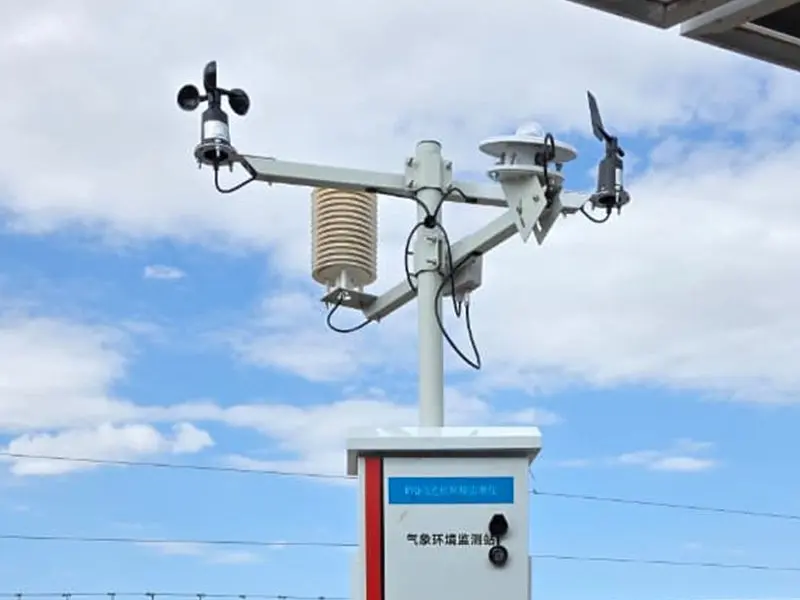
Differences in sensor specifications, site conditions and integration work can change solar monitoring system cost even when equipment quantities are similar. The following details commonly explain a quotation difference and should be checked before assuming that one supplier is more expensive.
- Sensor specifications: Compare measurement accuracy, operating limits, calibration documents and the conditions attached to each specification.
- Monitoring point layout: Dispersed points can need additional cable, acquisition hardware, power supplies or gateway coverage.
- Site exposure and access: Salt, dust, moisture and difficult access can change material choices, protection measures and installation labor.
- System compatibility: Matching connector types or RS485 interfaces alone does not confirm protocol, register or software compatibility.
- Customization: Non-standard outputs, mounting structures or platform connections may require engineering and testing beyond the standard supply.
What Additional Work Does Installation Require?
The equipment price is only part of the installed solar monitoring system cost. A short cable run to an existing logger is a different job from installing a new outdoor station with its own power supply and gateway. Use the site layout to define the work before asking an installer to price it.
Typical installation and commissioning work includes:
- Mounting and site preparation: Foundations, poles, brackets and suitable access for maintenance.
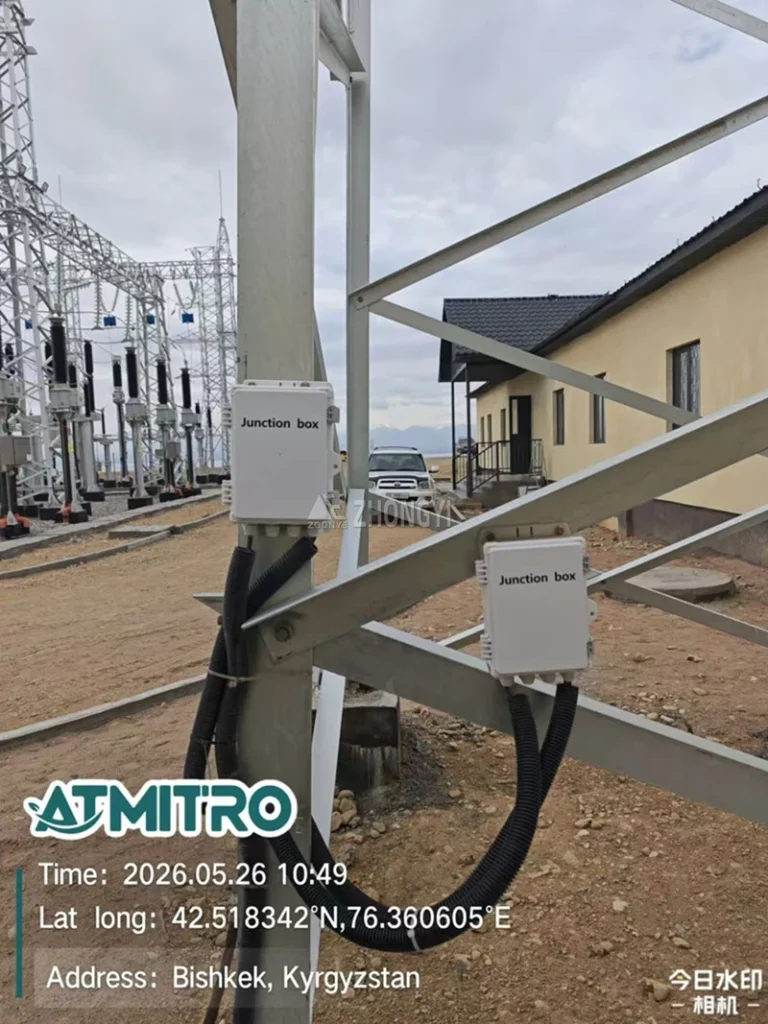
- Equipment installation: Sensor positioning, orientation, cable routing, outdoor connections and power arrangements.
- Communication setup: Device addresses, input settings, protocol mapping and network connections.
- Commissioning and handover: Reading checks, timestamps, missing-data checks, platform display and agreed acceptance records.
Confirm who supplies each accessory and who completes the on-site work. Yantai Sensor’s product documentation and technical support can assist with equipment installation and integration questions. When reviewing solar monitoring system cost, confirm which manuals, wiring information, communication documents and remote guidance are included, and whether on-site service is charged separately.
The คู่มือการติดตั้งระบบตรวจสอบพลังงานแสงอาทิตย์ explains the sensor placement, logger connections and commissioning checks to include when defining the installation scope.
What Are the Long-Term Operating and Maintenance Costs?
Solar monitoring system cost extends beyond the initial purchase to calibration, cleaning, connectivity and replacement parts. Estimate them over an agreed period so quotations with different service arrangements can be compared on the same basis.
For broader plant maintenance planning, the U.S. Department of Energy’s Solar Operations and Maintenance Resources for Plant Operators brings together guidance on PV maintenance practices and estimating operating expenses.
Sensor Calibration and Periodic Inspection
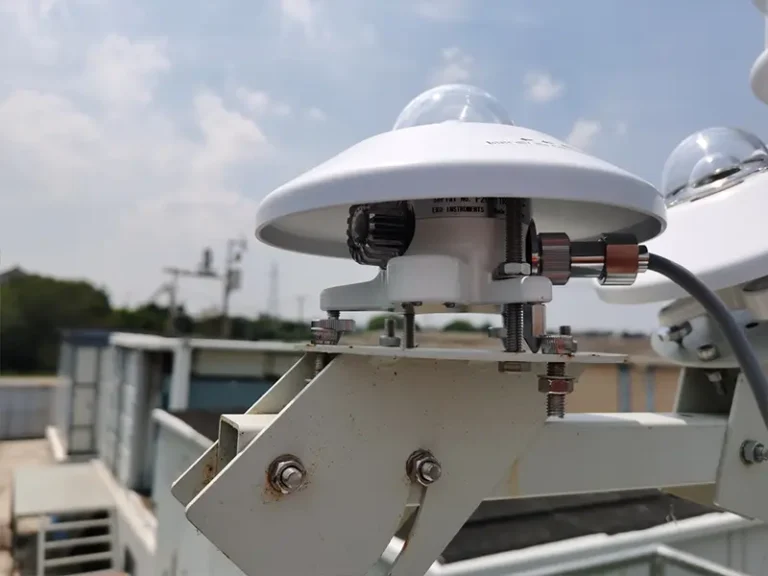
Calibration costs depend on the instrument, required documentation and service method. Pyranometers, for example, need a calibration plan consistent with manufacturer guidance and project requirements; one interval should not be assumed for every model. Calibration certificates, future service charges and return shipping should be checked when planning long-term solar monitoring system costs. Confirm how long the instrument may be unavailable for servicing. A spare instrument may be needed where monitoring must continue during servicing.
Cleaning and Routine Maintenance
Outdoor instruments are exposed to dust, moisture and changing weather. Routine work may include cleaning optical surfaces, checking mounts and seals, inspecting cables and reviewing data for missing or implausible readings. The instrument instructions and local conditions determine the work and frequency. Travel and site access also contribute to solar monitoring system cost, particularly at remote stations or rooftops with restricted access.
Communication and Software Services
Recurring charges may include mobile data, platform subscriptions, cloud storage, API access or third-party software licenses. Existing Ethernet or Wi-Fi can avoid a separate cellular data plan, but does not by itself remove software or network management costs. To avoid understating solar monitoring system cost, confirm the license period, data retention, export functions and renewal terms. Included basic access may differ from the historical data or integration functions the project actually needs.
Spare Parts and Technical Support
Long-term solar monitoring system costs may include replacement cables, connectors, sensors, communication modules and batteries where fitted. Review warranty exclusions, troubleshooting arrangements, replacement lead times and responsibility for return freight. Remote assistance and a site visit have different costs and practical limits. Check whether support is included in the equipment purchase, covered by a service agreement or charged separately.
Estimating Total Cost Over an Agreed Period
To estimate solar monitoring system cost over an agreed period, add equipment and delivery charges, installation and integration work, and operating and maintenance expenses. Keep the categories separate: a commissioning fee included in an installation contract should not be added again under support. Include expected replacements and service travel where relevant, and state assumptions about future fees. Any allowance for monitoring downtime should be shown separately with its basis, rather than treated as a fixed charge.
How Should You Compare Monitoring System Quotes?
Compare the equipment and service scope before comparing totals. A lower solar monitoring system price may reflect fewer instruments, a shorter software license or less installation work. Request a line-item quotation and resolve the following details with each supplier.
| Quotation check | Information to request |
|---|---|
| Equipment and quantities | Model numbers, quantities, included measurements and any optional functions |
| Acquisition and compatibility | Logger model, inputs, sensor protocols, power capacity and integration responsibilities |
| Accessories and installation | Power supplies, enclosures, mounts, cables, site work and who supplies each item |
| Software and data access | License term, renewal charges, retention period, export and API limits |
| Calibration and handover | Documents for the supplied instruments, commissioning checks and acceptance records |
| Delivery and commercial terms | Currency, freight, taxes, delivery terms, lead time and quotation validity |
| Warranty and support | Coverage, exclusions, spare parts, return freight and remote or on-site support scope |
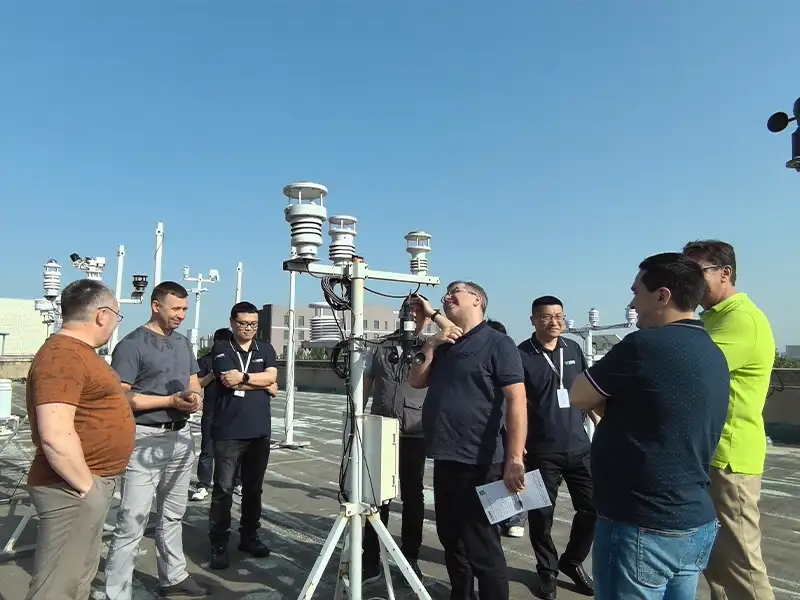
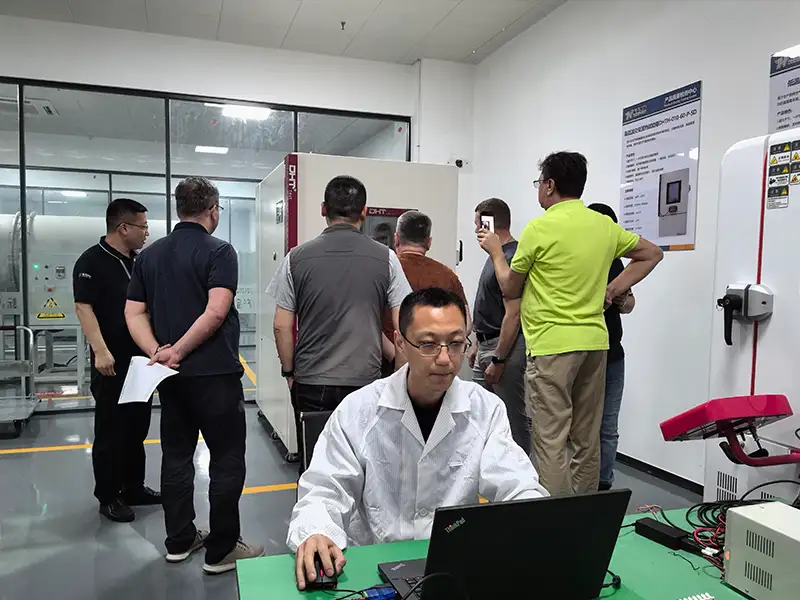
Technical support and interface confirmation should be considered alongside solar monitoring system cost when comparing suppliers. Yantai Sensor develops and manufactures meteorological and environmental monitoring instruments and operates wind tunnel testing facilities. Buyers can request product specifications, wiring information and communication documents for the selected equipment. For project acceptance, confirm the model, parameters and scope covered by any calibration or laboratory report.
สรุป
Planning the solar monitoring system cost starts with a clear measurement scope and equipment list. Published unit prices help with early budgeting, but the project total also depends on data acquisition, power, communication, installation and ongoing services. Compare quotations against the same requirements, check what existing equipment can support, and allow for maintenance over the period you intend to operate the system.
Yantai Sensor supplies solar irradiance sensors and environmental monitoring instruments, with product documentation and technical support for equipment selection and integration. ติดต่อ Yantai Sensor with the required measurements, monitoring locations and existing system details to discuss suitable equipment and request a quotation with the supply scope clearly stated.