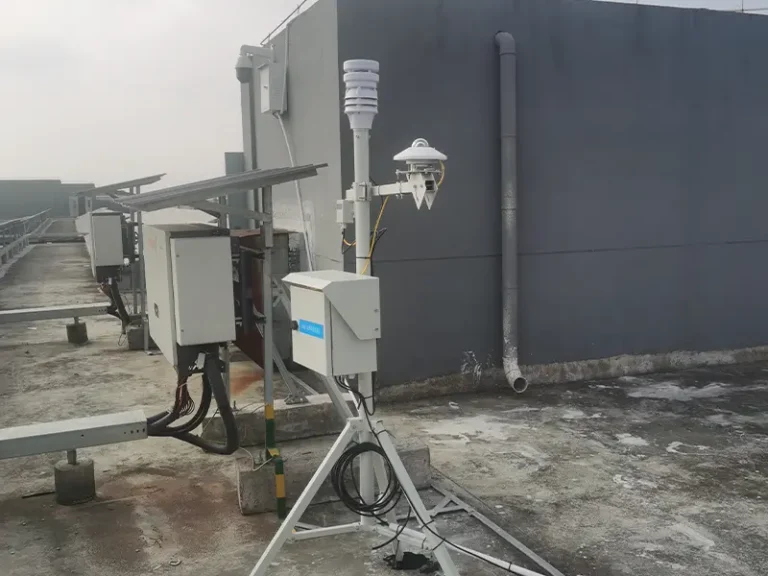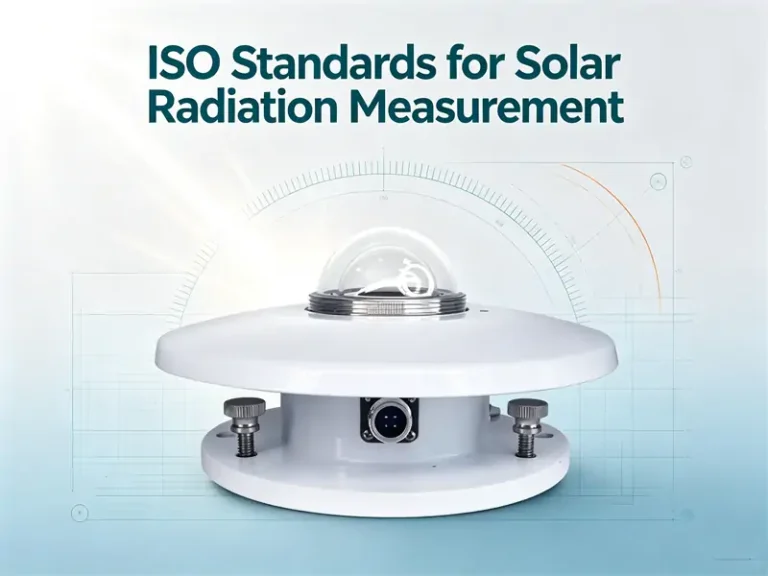
สถานีตรวจอากาศอัตโนมัติ (AWS) คือเวอร์ชันอัตโนมัติของสถานีตรวจอากาศแบบดั้งเดิม ออกแบบมาโดยเฉพาะสำหรับการวัดในบริเวณที่ห่างไกลหรือมีอันตราย แตกต่างจากสถานีตรวจอากาศแบบสังเกตการณ์ด้วยมือ AWS สามารถเก็บรวบรวม ประมวลผล และส่งข้อมูลได้แบบเรียลไทม์ในช่วงเวลาที่กำหนดผ่านวิทยุ ดาวเทียม หรือเครือข่ายเซลลูลาร์ โดยต้องการการแทรกแซงจากมนุษย์น้อยมาก.
บทความนี้จะแนะนำ สถานีอากาศอัตโนมัติ หมายถึง, หลักการการทำงาน, และประเภทหลักของสถานีอากาศอัตโนมัติ. จะสรุปส่วนประกอบหลัก, วิธีการเก็บข้อมูลและการส่งข้อมูล, และวิเคราะห์อย่างคร่าว ๆ เกี่ยวกับการนำไปใช้, ข้อได้เปรียบ, ข้อจำกัด, และอื่น ๆ. กรุณาอ่านต่อ.
สถานีอากาศอัตโนมัติคืออะไร?
สถานีตรวจอากาศอัตโนมัติ (AWS) เป็นระบบที่รวมเอาเซ็นเซอร์อุตุนิยมวิทยา, เครื่องบันทึกข้อมูล, และหน่วยโทรมาตรเข้าด้วยกัน ออกแบบมาเพื่อวัด, บันทึก, และส่งข้อมูลพารามิเตอร์บรรยากาศแบบเรียลไทม์.
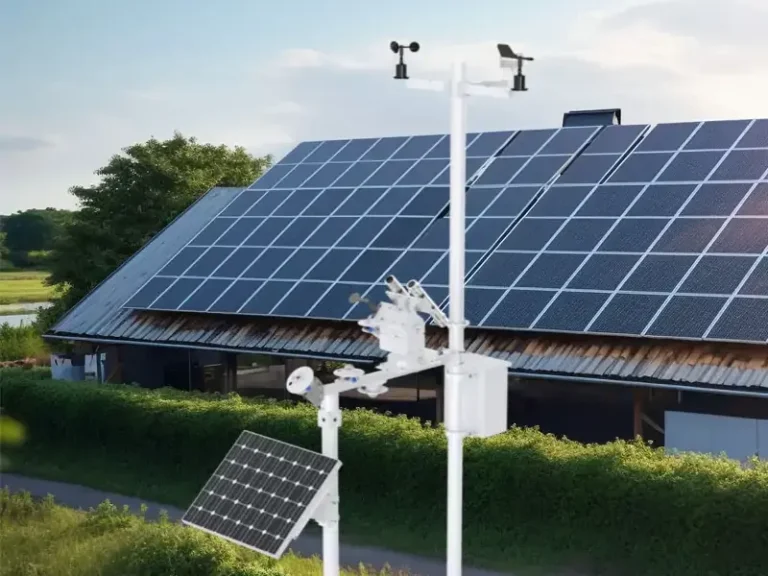
สามารถวัดพารามิเตอร์ทางอุตุนิยมวิทยาได้แก่ อุณหภูมิ ความชื้น ปริมาณน้ำฝน ความเร็วและทิศทางลม ความกดอากาศ การแผ่รังสีจากดวงอาทิตย์ และอื่น ๆ โดยส่งข้อมูลผ่านวิทยุ ดาวเทียม หรือเครือข่ายเซลลูลาร์ (ดูข้อมูลเพิ่มเติมของเรา สถานีตรวจอากาศพลังงานแสงอาทิตย์แบบครบวงจรสำหรับการตรวจสอบพลังงานแสงอาทิตย์.)
มันทำหน้าที่เป็นอินเตอร์เฟซทางเทคนิคหลักสำหรับการแปลงข้อมูลสิ่งแวดล้อมให้เป็นดิจิทัล โดยแปลงปรากฏการณ์ทางกายภาพ เช่น พลังงานความร้อนและความดันบรรยากาศ ให้เป็นรูปแบบอิเล็กทรอนิกส์มาตรฐานสำหรับการวิเคราะห์ได้ทันที.
การมาถึงของสถานีอากาศอัตโนมัติถือเป็นก้าวกระโดดครั้งสำคัญในการเฝ้าระวังสภาพอากาศ จาก “การสังเกตข้อมูลด้วยมือเป็นระยะ” สู่ “การตรวจวัดแบบดิจิทัลเรียลไทม์ในทุกสภาพอากาศ” ด้วยการเปิดใช้งานการตรวจสอบอย่างต่อเนื่องโดยไม่ต้องมีผู้ควบคุมในพื้นที่ที่ห่างไกลและสภาพอากาศสุดขั้ว สถานีเหล่านี้ได้สร้างเครือข่ายข้อมูลความถี่สูงที่ครอบคลุมทั่วโลก ซึ่งช่วยเพิ่มประสิทธิภาพในการตอบสนองต่อการเตือนภัยพิบัติได้อย่างมาก และปรับปรุงความแม่นยำของการพยากรณ์อากาศเชิงตัวเลข.
สถานีตรวจอากาศอัตโนมัติทำงานอย่างไร?
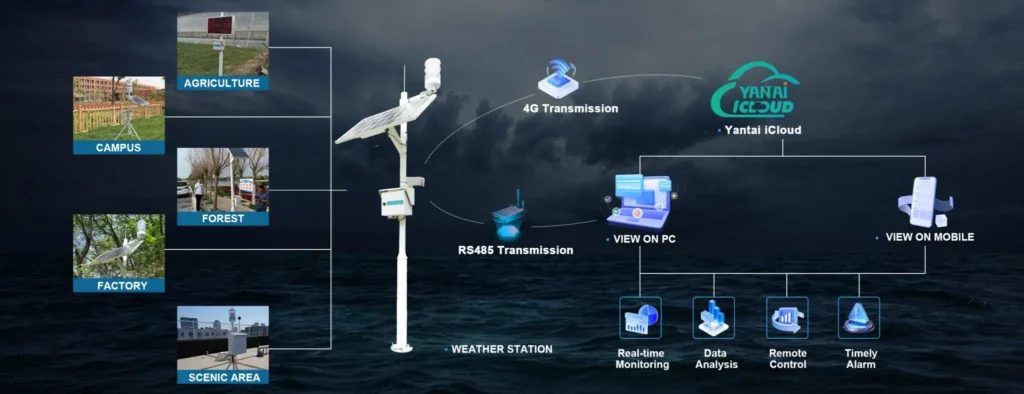
สถานีตรวจอากาศอัตโนมัติรวบรวมข้อมูลสิ่งแวดล้อมแบบเรียลไทม์โดยใช้เซ็นเซอร์หลากหลายชนิด บันทึกและประมวลผลข้อมูล จากนั้นส่งข้อมูลไปยังศูนย์ข้อมูลโดยอัตโนมัติผ่านเครือข่ายการสื่อสาร ทำให้สามารถตรวจสอบสภาพอากาศได้อย่างต่อเนื่องโดยไม่ต้องมีผู้ควบคุม.
กระบวนการเก็บรวบรวมข้อมูล: เซ็นเซอร์สิ่งแวดล้อมวัดตัวแปรต่าง ๆ เช่น อุณหภูมิ ความชื้น ลม และปริมาณน้ำฝน; เครื่องบันทึกข้อมูลจะรวบรวม บันทึกเวลา และจัดเก็บค่าการอ่านก่อนการส่งข้อมูล.
ช่วงการวัดและความถี่ในการบันทึก: การวัดถูกดำเนินการในช่วงเวลาที่กำหนดไว้ล่วงหน้า (เช่น ทุกไม่กี่วินาทีถึงไม่กี่นาที) และค่าเฉลี่ยหรือสรุปผลในช่วงเวลาที่กำหนดไว้เพื่อให้แน่ใจถึงความถูกต้องและความสม่ำเสมอ.
วิธีการส่งข้อมูล: ข้อมูลที่รวบรวมได้จะถูกส่งไปยังเซิร์ฟเวอร์กลางผ่านเครือข่ายเซลลูลาร์, การเชื่อมต่อผ่านดาวเทียม, เทเลเมทรีวิทยุ, หรือการเชื่อมต่ออินเทอร์เน็ตแบบมีสาย/ไร้สาย ขึ้นอยู่กับสถานที่และโครงสร้างพื้นฐาน.
แหล่งพลังงาน: สถานีอากาศอัตโนมัติใช้พลังงานจากแผงโซลาร์เซลล์, ไฟฟ้าบ้าน, หรือแบตเตอรี่ โดยทั่วไปจะมีแบตเตอรี่สำรองเพื่อให้การทำงานไม่หยุดชะงักในกรณีที่ไฟฟ้าดับ.
สถานีอากาศอัตโนมัติมีวัตถุประสงค์เพื่ออะไร?
- การเก็บข้อมูลอุตุนิยมวิทยาแบบเรียลไทม์ ให้บริการการสังเกตการณ์สภาพอากาศอย่างต่อเนื่องและทันสมัยเพื่อการติดตามและวิเคราะห์อย่างทันเวลา.
- การดำเนินงานแบบไม่มีผู้ควบคุมตลอด 24 ชั่วโมงทุกวัน ทำงานอย่างต่อเนื่องโดยไม่ต้องมีการแทรกแซงจากมนุษย์, ให้การเก็บข้อมูลเสถียรภายใต้ทุกเงื่อนไข.
- ความสอดคล้องและความน่าเชื่อถือของข้อมูล: ให้ผลการวัดที่เป็นมาตรฐานและเป็นกลาง พร้อมลดข้อผิดพลาดจากมนุษย์เมื่อเทียบกับการสังเกตด้วยตนเอง.
- การสนับสนุนการพยากรณ์และการวิจัยด้านสภาพภูมิอากาศ: จัดหาชุดข้อมูลคุณภาพสูงในระยะยาวที่จำเป็นสำหรับแบบจำลองการพยากรณ์อากาศและการศึกษาสภาพภูมิอากาศ.
ส่วนประกอบของสถานีตรวจอากาศอัตโนมัติ
สถานีอุตุนิยมวิทยาอัตโนมัติ (AWS) ประกอบด้วยส่วนประกอบที่ผสานการทำงานร่วมกัน ได้แก่ การตรวจวัด การประมวลผล แหล่งพลังงาน และการสื่อสาร ต่อไปนี้คือหน้าที่ของแต่ละส่วน:
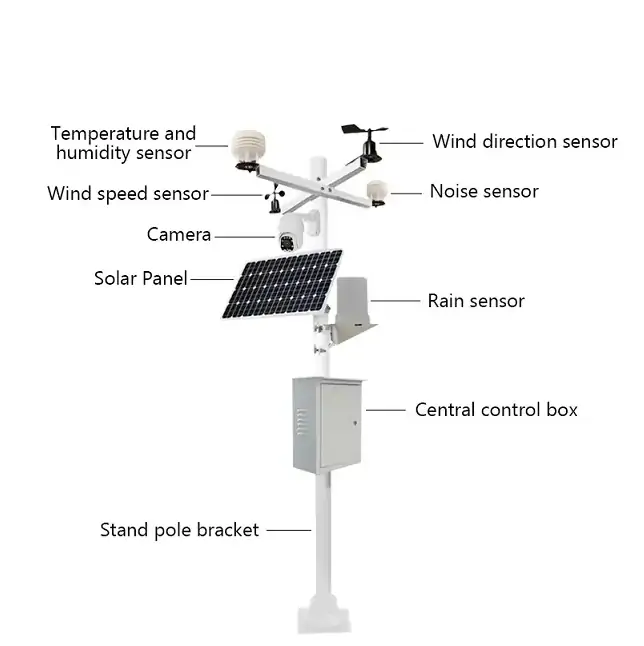
เซ็นเซอร์ตรวจวัดสภาพอากาศ: วัดพารามิเตอร์บรรยากาศ เช่น อุณหภูมิ ความชื้น ความดัน ลม ปริมาณน้ำฝน และรังสีดวงอาทิตย์ เพื่อการตรวจสอบสิ่งแวดล้อม.
เครื่องบันทึกข้อมูล: รวบรวม ประมวลผล บันทึกเวลา และจัดเก็บข้อมูลจากเซ็นเซอร์ ทำหน้าที่เป็นหน่วยควบคุมและจัดการข้อมูลหลัก.
โมดูลการสื่อสาร: ส่งข้อมูลที่รวบรวมไปยังเซิร์ฟเวอร์ระยะไกลหรือศูนย์ข้อมูลผ่านเครือข่ายเซลลูลาร์ ดาวเทียม วิทยุ หรืออินเทอร์เน็ต.
ระบบจ่ายไฟฟ้า ให้พลังงานที่เสถียรผ่านแผงโซลาร์เซลล์, ไฟฟ้า AC, และแบตเตอรี่, ทำให้การทำงานต่อเนื่องและการสำรองข้อมูลเป็นไปอย่างราบรื่น.
โครงสร้างการติดตั้งและตู้ครอบ รองรับเซ็นเซอร์ที่ระดับความสูงมาตรฐานและปกป้องส่วนประกอบอิเล็กทรอนิกส์จากสภาพแวดล้อมที่รุนแรง.
เครื่องมือและเซ็นเซอร์ของสถานีอากาศอัตโนมัติ
สถานีตรวจอากาศอัตโนมัติผสานรวมเซ็นเซอร์อุตุนิยมวิทยาหลายชนิดเพื่อวัดพารามิเตอร์ทางบรรยากาศและสิ่งแวดล้อมอย่างแม่นยำ สนับสนุนการเฝ้าระวัง การพยากรณ์ และการประยุกต์ใช้งานเฉพาะทางในหลากหลายอุตสาหกรรม ด้านล่างนี้คือประเภทของเซ็นเซอร์อุตุนิยมวิทยา:
เซ็นเซอร์วัดอุณหภูมิและความชื้น
เซ็นเซอร์วัดอุณหภูมิอากาศ (เทอร์มิสเตอร์ / RTDs): เซ็นเซอร์วัดอุณหภูมินี้มีความแม่นยำสูงและเสถียรภาพสำหรับการวัดอุณหภูมิอากาศอย่างต่อเนื่อง และได้รับการใช้อย่างแพร่หลายในสถานีอากาศอัตโนมัติ, ระบบเครือข่ายอุตุนิยมวิทยา, การติดตามสภาพภูมิอากาศ, และการวิจัยสิ่งแวดล้อม.
เซ็นเซอร์วัดความชื้นสัมพัทธ์ (เซ็นเซอร์วัดความชื้นแบบความจุ): เซ็นเซอร์วัดความชื้นแบบความจุไฟฟ้าวัดความชื้นสัมพัทธ์โดยการตรวจจับการเปลี่ยนแปลงของความจุไฟฟ้าที่เกิดจากน้ำในอากาศ มีคุณสมบัติตอบสนองรวดเร็ว ใช้พลังงานต่ำ และมีความน่าเชื่อถือในระยะยาว เหมาะสำหรับสถานีตรวจอากาศ การเกษตร ระบบปรับอากาศ และงานวิจัยด้านสภาพภูมิอากาศ.

เซ็นเซอร์ความเร็วลมและทิศทางลม
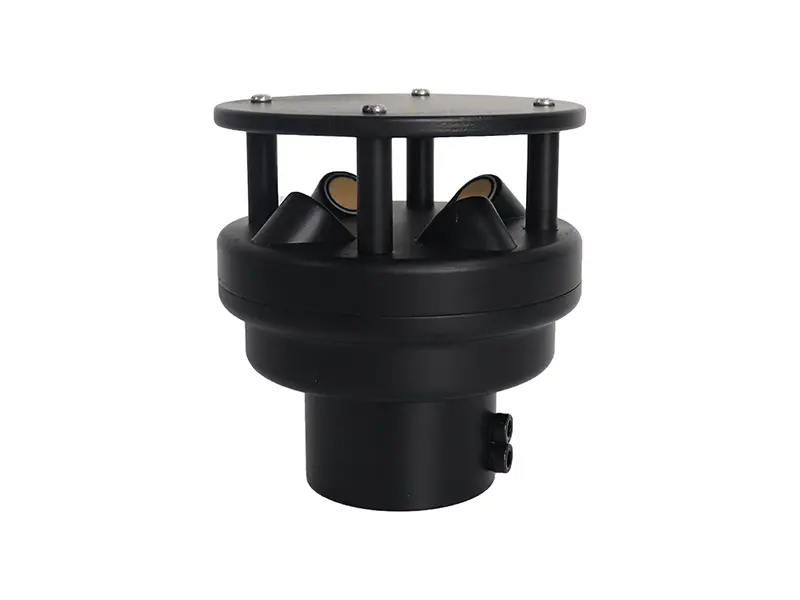
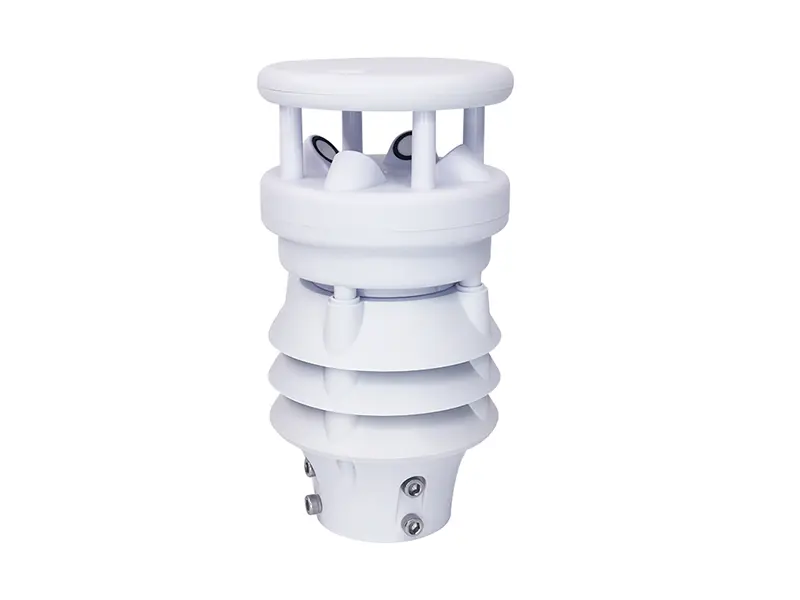
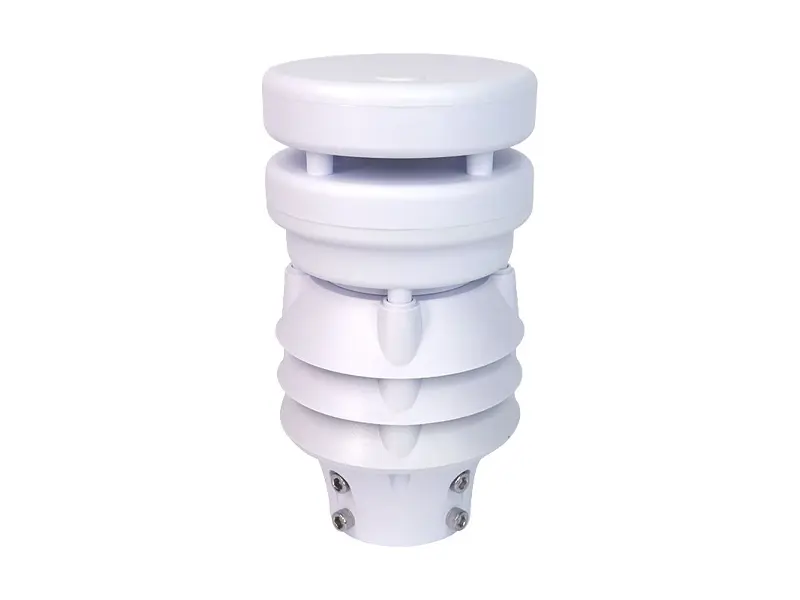
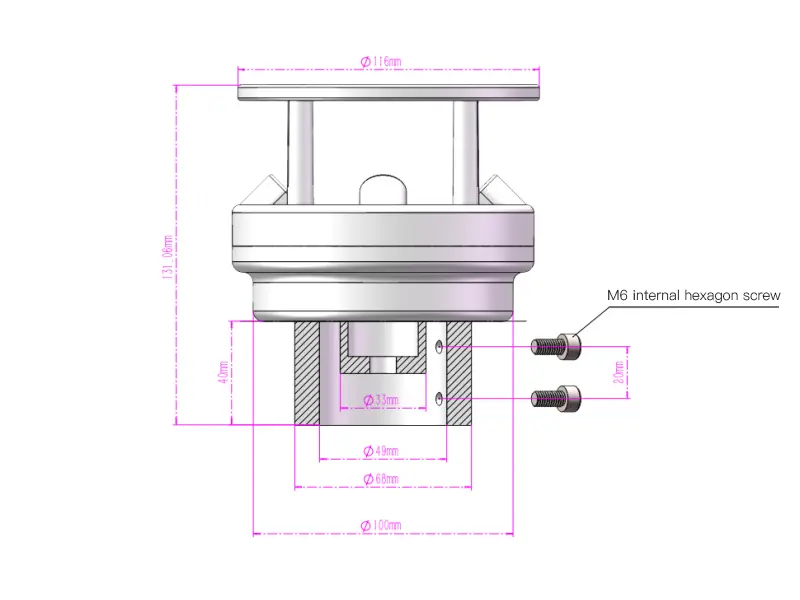
เครื่องวัดความเร็วลมด้วยคลื่นเสียงความถี่สูง: วัดความเร็วและทิศทางลมโดยใช้คลื่นเสียง ให้ความแม่นยำสูงโดยไม่มีชิ้นส่วนที่เคลื่อนไหวและต้องการการบำรุงรักษาเพียงเล็กน้อย.
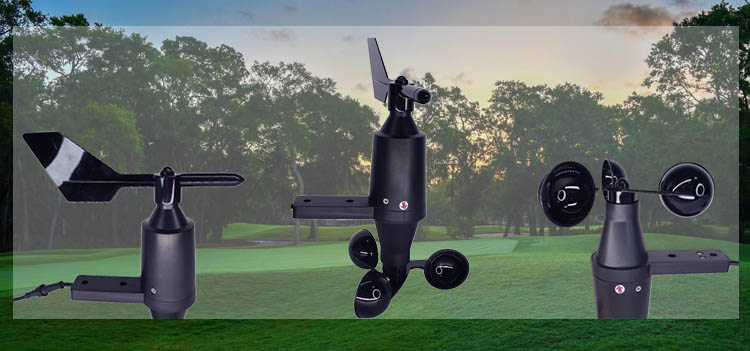
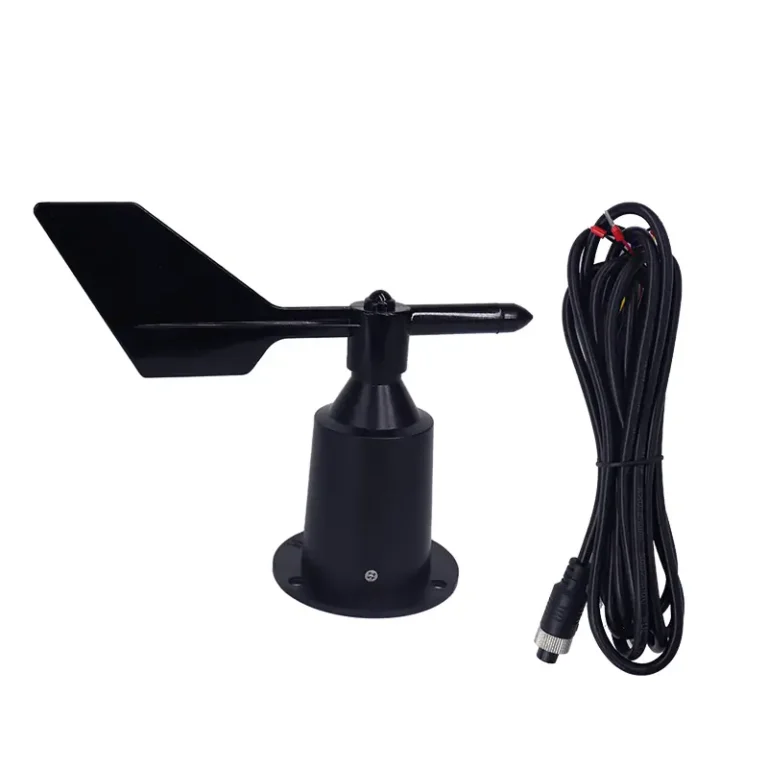
เครื่องวัดความเร็วลมแบบถ้วยและใบพัดลม เซ็นเซอร์เชิงกลแบบดั้งเดิมที่ใช้กันอย่างแพร่หลายสำหรับการวัดความเร็วลมและทิศทางที่เชื่อถือได้.
มาตรฐานการวัดความสูง: เซ็นเซอร์วัดลมมักติดตั้งที่ความสูง 10 เมตรเหนือพื้นดินเพื่อให้เป็นไปตามมาตรฐานอุตุนิยมวิทยาของนานาชาติ.
เซ็นเซอร์วัดปริมาณน้ำฝน
เครื่องวัดปริมาณน้ำฝนแบบถังน้ำเท: วัดปริมาณน้ำฝนโดยการนับจำนวนครั้งที่น้ำฝนไหลลงถัง เหมาะสำหรับการใช้งานส่วนใหญ่ในการติดตามปริมาณน้ำฝน.
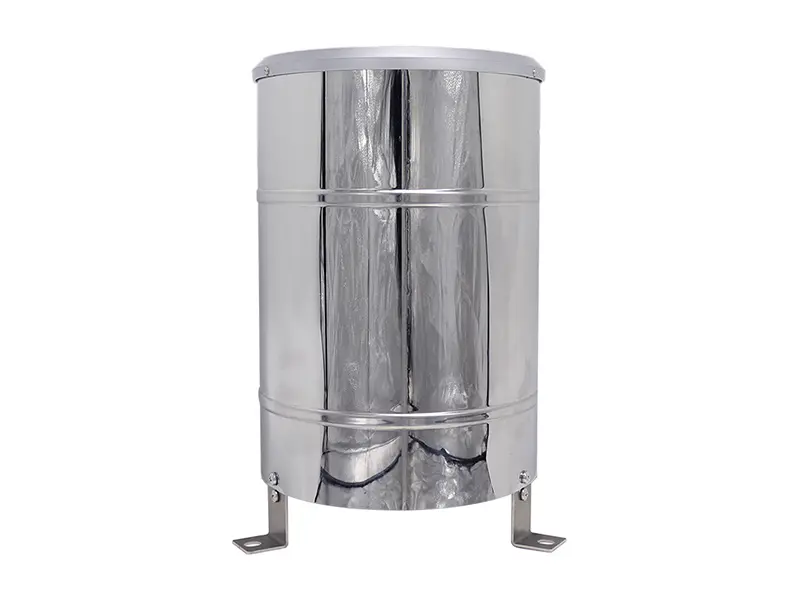
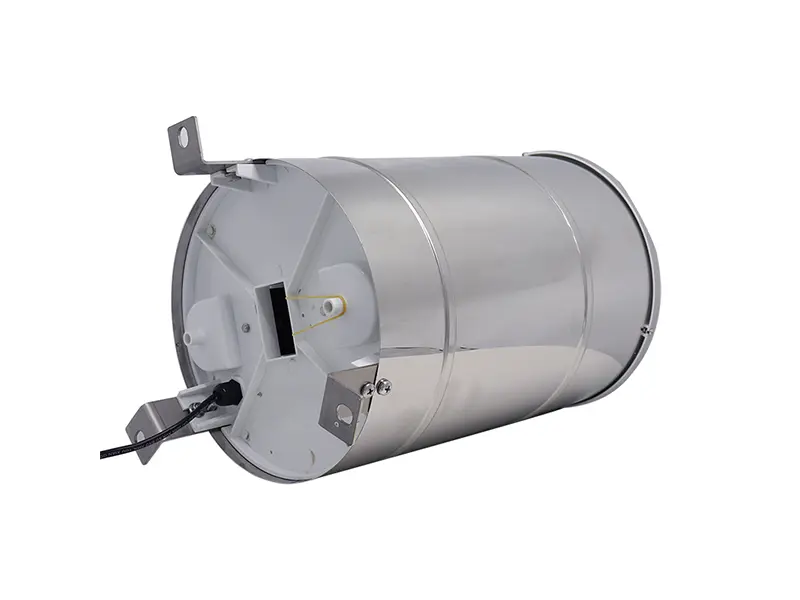
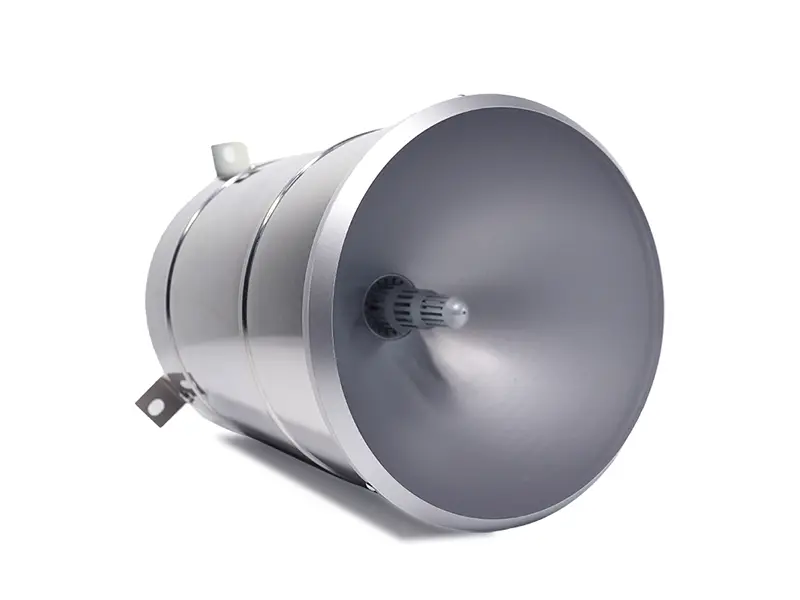

เครื่องวัดปริมาณน้ำฝนแบบชั่งน้ำหนัก: กำหนดปริมาณน้ำฝนโดยการวัดน้ำหนักสะสม เหมาะสำหรับน้ำฝนผสมรวมถึงหิมะ.
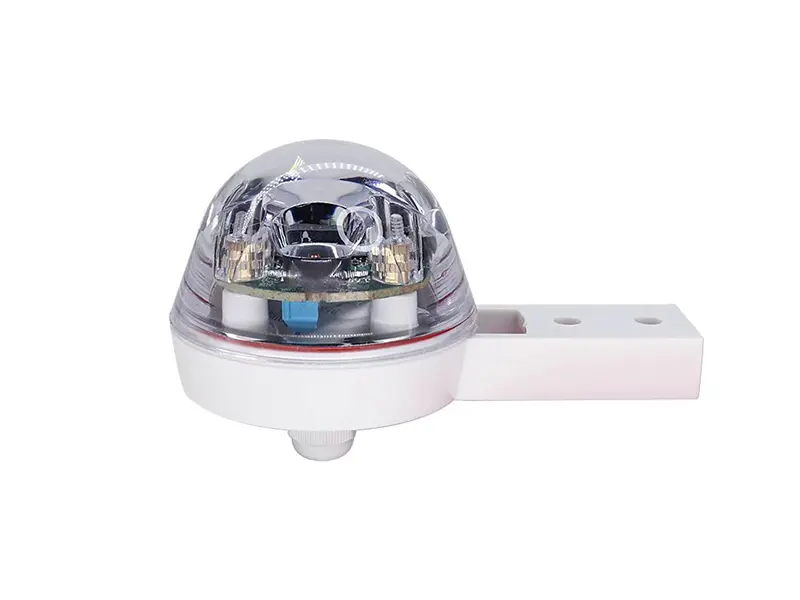
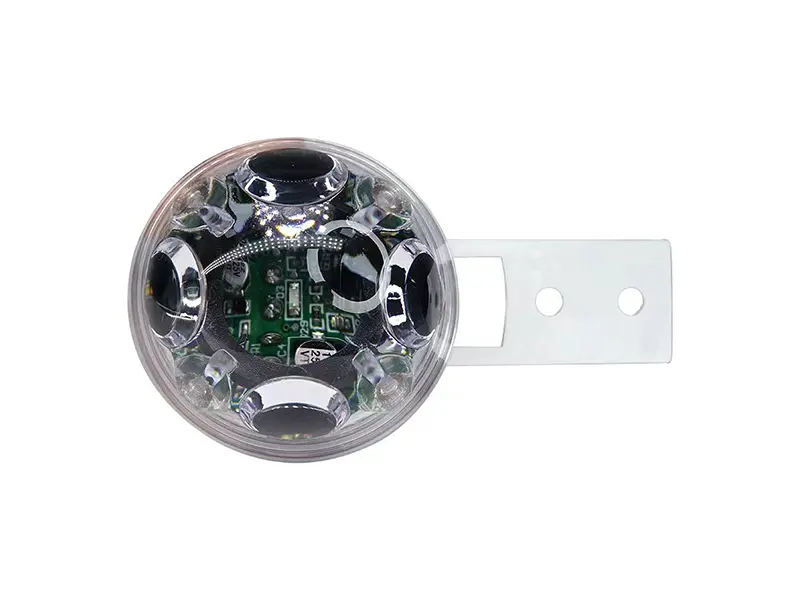
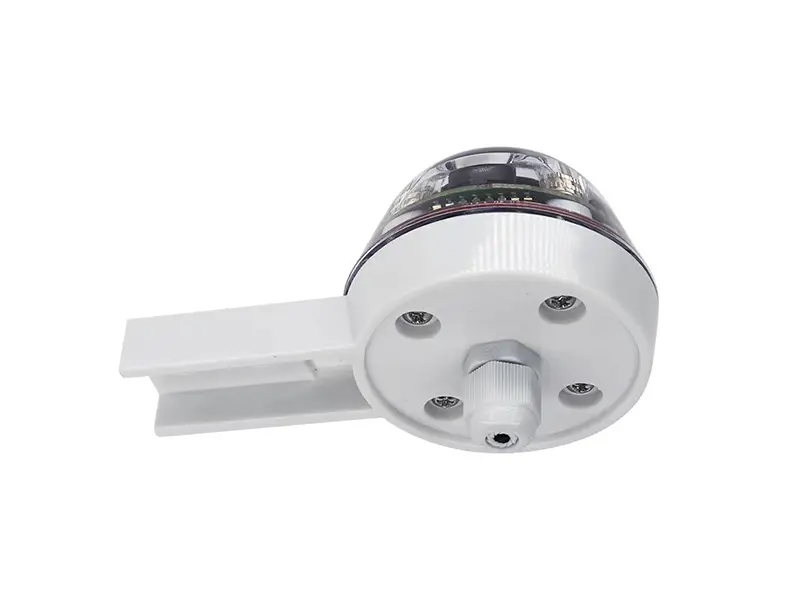
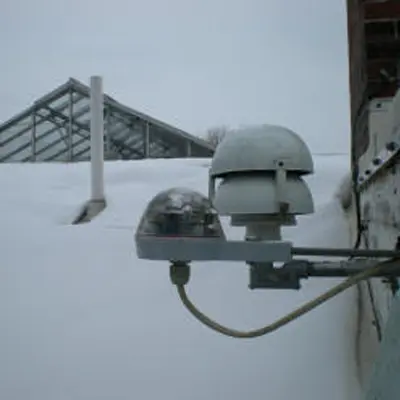
เซ็นเซอร์วัดปริมาณน้ำฝนแบบออปติคอล: ตรวจจับปริมาณน้ำฝนโดยใช้การขัดขวางแสงอินฟราเรด ช่วยให้ตอบสนองได้อย่างรวดเร็วและบำรุงรักษาต่ำ.
เซ็นเซอร์วัดความดันบรรยากาศ
ทรานสดิวเซอร์วัดความดันบรรยากาศแบบ MEMS: ให้การวัดความดันบรรยากาศที่มีความแม่นยำสูงในดีไซน์ที่กะทัดรัดและใช้พลังงานต่ำ.
การชดเชยอุณหภูมิ: แก้ไขค่าการอ่านความดันที่เกิดจากการเบี่ยงเบนของเซ็นเซอร์ที่เกิดจากอุณหภูมิ เพื่อรักษาความแม่นยำ.
การปรับแก้ระดับความสูง: ปรับค่าความดันที่วัดได้ให้เป็นค่าเทียบเท่าระดับน้ำทะเลเพื่อการเปรียบเทียบและวิเคราะห์ที่เป็นมาตรฐาน.
เซ็นเซอร์รังสีแสงอาทิตย์ (ตัวเลือก)
ไพราโนมิเตอร์: วัดระดับโลก เซ็นเซอร์รังสีแสงอาทิตย์ สำหรับการศึกษาสภาพภูมิอากาศ การประเมินพลังงานแสงอาทิตย์ และการคำนวณการคายระเหยน้ำ.
เซ็นเซอร์ UV: ตรวจสอบระดับรังสีอัลตราไวโอเลตสำหรับการประยุกต์ใช้ทางสิ่งแวดล้อมและสุขภาพ.
เครื่องบันทึกระยะเวลาแสงแดด วัดระยะเวลาทั้งหมดของแสงแดดโดยตรงในช่วงเวลาที่กำหนด.
เซ็นเซอร์เพิ่มเติม (เฉพาะการใช้งาน)
เซ็นเซอร์วัดอุณหภูมิและความชื้นในดิน: สนับสนุนการจัดการการเกษตร, การควบคุมการชลประทาน, และการตรวจสอบสภาพดิน.
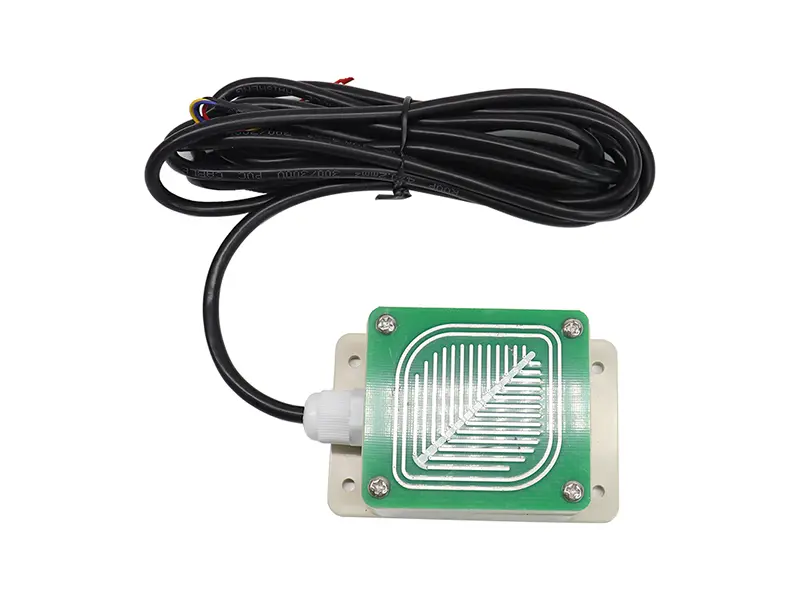
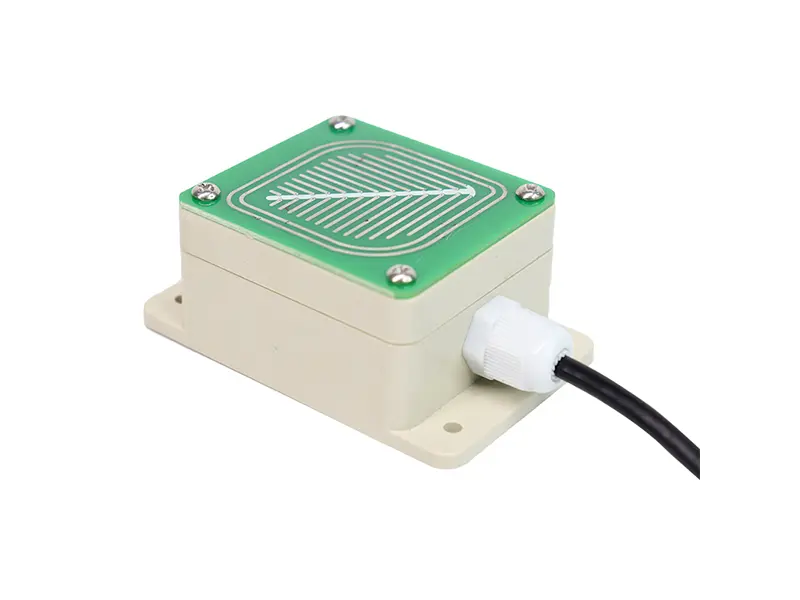
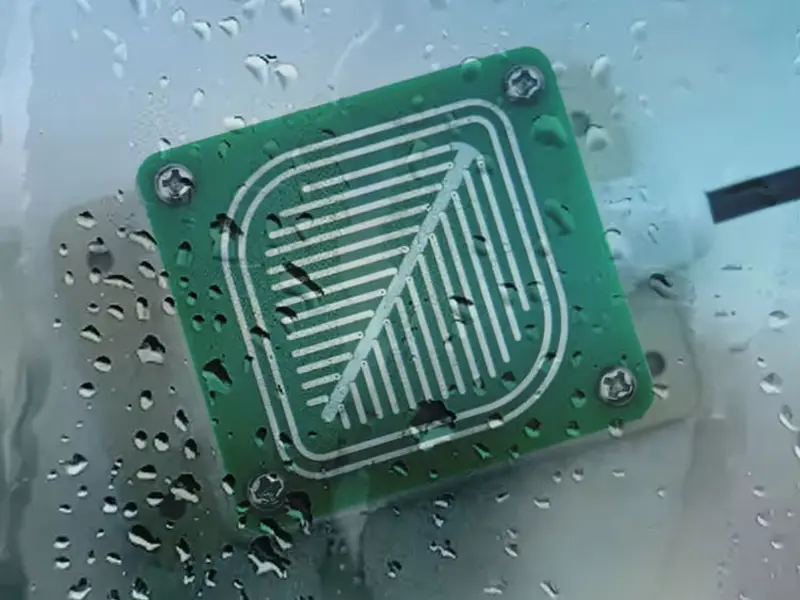
เซ็นเซอร์ความชื้นของใบไม้: ช่วยในการทำนายโรคพืชโดยการตรวจจับสภาพความชื้นบนผิวใบของพืช.
เซ็นเซอร์ตรวจจับการมองเห็น: วัดทัศนวิสัยในบรรยากาศสำหรับการบิน การขนส่ง และความปลอดภัยบนท้องถนน.
เซ็นเซอร์วัดความลึกของหิมะ: ติดตามการสะสมของหิมะในพื้นที่ภูเขาหรือพื้นที่หนาวเย็นเพื่อการประเมินน้ำและภัยพิบัติ.
ประเภทของสถานีอากาศอัตโนมัติ
สถานีอุตุนิยมวิทยาอัตโนมัติ (AWS) สามารถจำแนกตามการใช้งานตามสภาพแวดล้อมการตรวจสอบและวัตถุประสงค์การดำเนินงาน ทำให้สามารถรวบรวมข้อมูลอุตุนิยมวิทยาที่แม่นยำและเรียลไทม์สำหรับการพยากรณ์อากาศ การวิเคราะห์สภาพภูมิอากาศ และการตัดสินใจเฉพาะทางอุตสาหกรรม.
AWS อากาศวิทยา มาตรฐาน
สถานีอุตุนิยมวิทยาอัตโนมัติมาตรฐานได้รับการออกแบบมาเพื่อการติดตามและพยากรณ์สภาพอากาศทั่วไป โดยวัดพารามิเตอร์หลักของบรรยากาศตามมาตรฐานขององค์การอุตุนิยมวิทยาโลก (WMO) และมีการใช้งานอย่างแพร่หลายโดยหน่วยงานอุตุนิยมวิทยาแห่งชาติและเครือข่ายการสังเกตการณ์สภาพภูมิอากาศ.
สถานีอุตุนิยมวิทยาการบิน (AWOS / ASOS)
สถานีอุตุนิยมวิทยาการบิน รวมถึงระบบ AWOS (ระบบสังเกตการณ์สภาพอากาศอัตโนมัติ) และ ASOS (ระบบสังเกตการณ์สภาพพื้นผิวอัตโนมัติ) ให้ข้อมูลสภาพอากาศที่มีความถี่สูงและเรียลไทม์ เช่น ความเร็วลม ทัศนวิสัย ความสูงฐานเมฆ และความกดอากาศ ซึ่งมีบทบาทสำคัญต่อความปลอดภัยในการบิน การดำเนินงานของสนามบิน และการจัดการจราจรทางอากาศ.
สถานีอากาศสำหรับเกษตรกรรม
สถานีตรวจอากาศอัตโนมัติทางการเกษตรตรวจสอบพารามิเตอร์เฉพาะพืชและสภาพภูมิอากาศขนาดเล็ก เช่น ความชื้นในดิน อุณหภูมิในดิน และความชื้นบนใบ ซึ่งช่วยในการคำนวณการระเหยน้ำของพืช การจัดตารางการให้น้ำ และแบบจำลองการคาดการณ์ศัตรูพืชและโรคสำหรับการเกษตรแบบแม่นยำ.
สถานีตรวจวัดสภาพอากาศทางอุทกวิทยา
สถานีอุตุนิยมวิทยาทางน้ำมุ่งเน้นความเข้มของฝน, การสะสม, และตัวแปรอุตุนิยมวิทยาทางน้ำที่เกี่ยวข้อง, มักจะรวมเข้ากับระบบติดตามระดับน้ำในแม่น้ำและปริมาณน้ำไหลเพื่อสนับสนุนการพยากรณ์น้ำท่วม, การจัดการลุ่มน้ำ, และการเตือนภัยล่วงหน้า.
สถานีตรวจอากาศทางทะเลและชายฝั่ง
สถานีตรวจอากาศอัตโนมัติทางทะเลและชายฝั่งมีการออกแบบที่ทนต่อการกัดกร่อนสำหรับสภาพแวดล้อมที่รุนแรง ตรวจวัดความเร็วลม ทิศทางลม อุณหภูมิอากาศ อุณหภูมิผิวน้ำทะเล และความสูงของคลื่น ผ่านสถานีติดตั้งถาวรหรือระบบทุ่นลอยน้ำ เพื่อการพยากรณ์ทางทะเลและความปลอดภัยชายฝั่ง.
สถานีวัดสภาพอากาศแบบพกพาและชั่วคราว
สถานีอากาศอัตโนมัติแบบพกพาและชั่วคราวมีน้ำหนักเบาและติดตั้งง่าย มักใช้สำหรับการวิจัยภาคสนาม การตรวจสอบไซต์ก่อสร้าง การตอบสนองฉุกเฉิน และการสังเกตการณ์สภาพอากาศในเหตุการณ์ระยะสั้นที่ต้องการการติดตั้งอย่างรวดเร็ว.
สถานีอากาศอัตโนมัติ vs สถานีอากาศแบบดั้งเดิม
| คุณสมบัติ | สถานีอุตุนิยมวิทยาอัตโนมัติ (AWS) | สถานีตรวจอากาศแบบดั้งเดิม |
|---|---|---|
| การปฏิบัติการ | ระบบอัตโนมัติเต็มรูปแบบ ทำงานตลอด 24 ชั่วโมง 7 วันต่อสัปดาห์ โดยไม่มีพนักงาน | การดำเนินการด้วยตนเอง ต้องใช้บุคลากรที่ผ่านการฝึกอบรม |
| การรวบรวมข้อมูล | ข้อมูลดิจิทัลแบบเรียลไทม์จากเซ็นเซอร์ | การสังเกตการณ์ที่บันทึกไว้ด้วยตนเองเป็นระยะ ๆ |
| ความถูกต้องและความสม่ำเสมอของการวัด | ความสม่ำเสมอสูง, ข้อผิดพลาดของมนุษย์น้อยที่สุด | ความแม่นยำอาจเปลี่ยนแปลงได้ ขึ้นอยู่กับความลำเอียงของผู้สังเกต |
| พารามิเตอร์ที่วัด | ช่วงกว้าง: อุณหภูมิ, ความชื้น, ลม, ปริมาณน้ำฝน, ความดัน, รังสีดวงอาทิตย์, พารามิเตอร์ของดิน | จำกัด: ส่วนใหญ่เป็นอุณหภูมิ, ปริมาณน้ำฝน, ลม, ปริมาณเมฆ |
| การส่งข้อมูล | การส่งข้อมูลระยะไกลแบบทันทีผ่านเครือข่ายเซลลูลาร์ ดาวเทียม วิทยุ หรืออินเทอร์เน็ต | ข้อมูลที่บันทึกบนกระดาษหรือบันทึกในท้องถิ่น, การรายงานล่าช้า |
| การบำรุงรักษา | การบำรุงรักษาประจำที่ต่ำ, โดยหลักคือการปรับเทียบเซ็นเซอร์ | สูง ต้องการการมีส่วนร่วมของมนุษย์ทุกวัน |
| ค่าใช้จ่าย | การลงทุนเริ่มต้นสูงกว่า, ต้นทุนแรงงานระยะยาวต่ำกว่า | ต้นทุนการติดตั้งต่ำลง ต้นทุนแรงงานต่อเนื่องสูงขึ้น |
| การประยุกต์ใช้ | การพยากรณ์อากาศ, การวิจัยสภาพภูมิอากาศ, การบิน, การเกษตร, การจัดการน้ำ, การติดตามสภาพทะเล | การสังเกตสภาพอากาศเบื้องต้น, ภูมิอากาศท้องถิ่น, วัตถุประสงค์ทางการศึกษา |
| ความยืดหยุ่น | พกพาได้ สามารถทำงานในสภาพแวดล้อมที่ห่างไกลหรือรุนแรง | ตำแหน่งที่ติดตั้งตายตัว, ความยืดหยุ่นในการติดตั้งจำกัด |
ข้อดีของสถานีอากาศอัตโนมัติ
การพร้อมใช้งานของข้อมูลแบบเรียลไทม์: สถานีตรวจอากาศอัตโนมัติให้ข้อมูลอุตุนิยมวิทยาอย่างต่อเนื่องและเรียลไทม์เพื่อการติดตามและตัดสินใจอย่างทันท่วงที.
การดำเนินงานแบบไม่มีผู้ควบคุมตลอด 24 ชั่วโมงทุกวัน พวกเขาทำงานอย่างต่อเนื่องโดยไม่ต้องมีการแทรกแซงจากมนุษย์ ทำให้การรวบรวมข้อมูลเชื่อถือได้ในทุกสภาพอากาศ.
ความแม่นยำสูงและความสม่ำเสมอ: เซ็นเซอร์มาตรฐานช่วยลดข้อผิดพลาดของมนุษย์และให้การวัดที่สม่ำเสมอและสามารถทำซ้ำได้.
การส่งข้อมูลระยะไกล: ข้อมูลสภาพอากาศสามารถส่งไปยังระบบกลางได้โดยอัตโนมัติผ่านเครือข่ายเซลลูลาร์ ดาวเทียม วิทยุ หรืออินเทอร์เน็ต.
การใช้งานที่หลากหลายและยืดหยุ่น ระบบ AWS รองรับแอปพลิเคชันที่หลากหลาย รวมถึงการพยากรณ์อากาศ การเกษตร การบิน อุทกวิทยา และการวิจัยด้านภูมิอากาศ.
การดำเนินงานระยะยาวที่คุ้มค่า: แม้ว่าการลงทุนเริ่มต้นจะสูงกว่า แต่ความต้องการแรงงานและการบำรุงรักษาที่ลดลงจะช่วยลดต้นทุนการดำเนินงานโดยรวมในระยะยาว.
ข้อเสียของสถานีอากาศอัตโนมัติ
แม้ว่าจะมีข้อได้เปรียบมากมายของสถานีอากาศอัตโนมัติ แต่พวกมันก็มีข้อจำกัดบางประการเช่นกัน ข้อเสียของมันมีดังนี้:
- ค่าใช้จ่ายในการติดตั้งเริ่มต้นสูง
- ต้องการแหล่งจ่ายไฟที่เสถียรและเครือข่ายการสื่อสาร
- ต้องการการปรับเทียบและการบำรุงรักษาเซ็นเซอร์อย่างสม่ำเสมอเพื่อให้แน่ใจว่าข้อมูลมีความถูกต้องในระยะยาว
- ระบบอัตโนมัติมีความสามารถจำกัดในการระบุและประเมินปรากฏการณ์สภาพอากาศที่ซับซ้อน ทำให้ยากที่จะเทียบเคียงทักษะการวิเคราะห์ที่ครอบคลุมของผู้สังเกตการณ์มนุษย์ที่มีประสบการณ์
เกี่ยวกับข้อดีและข้อเสียของสถานีอากาศอัตโนมัติ กรุณาดูบทความต่อไปนี้:
สถานีอุตุนิยมวิทยาใช้ทำอะไร
สถานีอากาศใช้เพื่อวัด, ตรวจสอบ, และบันทึกสภาพบรรยากาศเพื่อสนับสนุนการตัดสินใจในหลากหลายสาขา. การนำไปใช้และฟังก์ชันที่พบบ่อย ได้แก่:
การติดตามและพยากรณ์สภาพอากาศ รวบรวมข้อมูลแบบเรียลไทม์ (อุณหภูมิ ความชื้น ลม ปริมาณน้ำฝน ความกดอากาศ) ที่ใช้โดยหน่วยงานอุตุนิยมวิทยาในการพยากรณ์อากาศอย่างแม่นยำ.
การวิจัยสภาพภูมิอากาศและการวิเคราะห์ระยะยาว: ให้บริการชุดข้อมูลประวัติศาสตร์อย่างต่อเนื่องสำหรับการศึกษาความแปรปรวนของสภาพอากาศ แนวโน้ม และการเปลี่ยนแปลงสภาพภูมิอากาศ.
เกษตรกรรมและการทำฟาร์มแบบแม่นยำ สนับสนุนการจัดตารางการชลประทาน, การเตือนภัยน้ำค้างแข็ง, การทำนายศัตรูพืชและโรค, และการจัดการพืชผลผ่านการติดตามสภาพภูมิอากาศขนาดเล็ก.
การบินและความปลอดภัยในการขนส่ง ให้ข้อมูลสภาพอากาศที่สำคัญ เช่น ความเร็วลม, ระยะการมองเห็น, และความกดอากาศ เพื่อให้การบินและการขนส่งปลอดภัย.
อุทกวิทยาและการจัดการภัยพิบัติ: ติดตามปริมาณน้ำฝนและพารามิเตอร์ที่เกี่ยวข้องเพื่อการพยากรณ์น้ำท่วม การประเมินภัยแล้ง และระบบการแจ้งเตือนล่วงหน้า.
การตรวจสอบสิ่งแวดล้อมและอุตสาหกรรม: ช่วยเหลือในการประเมินคุณภาพอากาศ, การวางแผนพลังงานหมุนเวียน, ความปลอดภัยในการก่อสร้าง, และการศึกษาผลกระทบต่อสิ่งแวดล้อม.
วิธีเลือกสถานีตรวจอากาศอัตโนมัติ
เมื่อเลือกสถานีอากาศอัตโนมัติ (AWS) ควรพิจารณาปัจจัยหลายประการ ได้แก่ ความแม่นยำในการวัด ความน่าเชื่อถือของระบบ ค่าใช้จ่ายในการดำเนินงานระยะยาว และความเหมาะสมในการใช้งาน ต่อไปนี้คือข้อเสนอแนะจาก Yantai Sensor:
- ผู้ซื้อควรกำหนดการใช้งานที่ตั้งใจไว้อย่างชัดเจนก่อน (เช่น ภูมิอากาศวิทยา, เกษตรกรรม, การบิน, ไฮโดรโลจี, หรือการตรวจสอบอุตสาหกรรม).
- ประเมินว่าสถานีอุตุนิยมวิทยามีมาตรฐานสากลที่เกี่ยวข้องหรือไม่ (เช่น มาตรฐานขององค์การอุตุนิยมวิทยาโลก (WMO)).
- มันให้ความแม่นยำของเซ็นเซอร์และสามารถปรับขนาดได้ตามที่ต้องการหรือไม่?
- รองรับการส่งข้อมูลที่เชื่อถือได้และโซลูชันการจ่ายไฟที่เหมาะสมกับสภาพแวดล้อมการใช้งานหรือไม่?
สุดท้ายนี้ ควรประเมินปัจจัยต่างๆ อย่างรอบคอบ เช่น ความง่ายในการติดตั้ง ความต้องการในการบำรุงรักษา การสนับสนุนการสอบเทียบ ความเข้ากันได้ในการจัดการข้อมูล และบริการทางเทคนิคหลังการขาย เพื่อลดต้นทุนตลอดอายุการใช้งานและความเสี่ยงในการดำเนินงานให้น้อยที่สุด.
ข้อมูลและการแปลผลจากสถานีตรวจอากาศอัตโนมัติ
ข้อมูลจากสถานีอุตุนิยมวิทยาอัตโนมัติ (AWS) ประกอบด้วยการวัดค่าอย่างต่อเนื่องและมีความละเอียดสูงของพารามิเตอร์อุตุนิยมวิทยาที่สำคัญ เช่น อุณหภูมิ ความชื้น ความเร็วลม ปริมาณน้ำฝน ความกดอากาศ และรังสีดวงอาทิตย์ ข้อมูลเหล่านี้ต้องผ่านการควบคุมคุณภาพ การมาตรฐาน และการตีความอย่างถูกต้องเพื่อให้มั่นใจในความน่าเชื่อถือและความสามารถในการใช้งาน การตีความข้อมูลที่ถูกต้องประกอบด้วยการสอบเทียบเซ็นเซอร์ การตรวจสอบช่วงเวลาการวัด การตรวจจับค่าผิดปกติหรือค่าที่ขาดหาย และการวิเคราะห์ตามบริบทโดยพิจารณาจากตำแหน่งที่ตั้ง ภูมิประเทศ และข้อกำหนดการใช้งาน ซึ่งช่วยให้สามารถติดตามสภาพอากาศได้อย่างแม่นยำ สนับสนุนการพยากรณ์ และประเมินสภาพภูมิอากาศในระยะยาวได้อย่างมีประสิทธิภาพ.
เพื่อให้มั่นใจในความน่าเชื่อถือของข้อมูลสูง บริษัท Yantai Sensor ตรวจสอบข้อมูลการวัดที่เกี่ยวข้องกับความเร็วลมผ่านการทดสอบในอุโมงค์ลมภายใน เซ็นเซอร์อุตุนิยมวิทยาหลัก เช่น เซ็นเซอร์สำหรับวัดความเร็วลมและทิศทางลม ได้รับการทดสอบและสอบเทียบอย่างเป็นระบบเพื่อให้มั่นใจในความแม่นยำสูง ความเป็นเชิงเส้นที่ดี และความเสถียรในระยะยาวภายใต้ความเร็วลม ความปั่นป่วน และสภาพแวดล้อมที่หลากหลาย การทดสอบนี้ช่วยให้ได้ข้อมูลสนามลมที่เชื่อถือได้และสม่ำเสมอสำหรับสถานีตรวจอากาศอัตโนมัติ ซึ่งตรงตามข้อกำหนดด้านความแม่นยำที่เข้มงวดสำหรับการใช้งานด้านอุตุนิยมวิทยา การบิน การเดินเรือ และอุตสาหกรรม.
สถานีตรวจอากาศอัตโนมัติตั้งอยู่ที่ไหน?
สถานีตรวจอากาศอัตโนมัติ (AWS) ถูกติดตั้งในสภาพแวดล้อมทางภูมิศาสตร์ที่หลากหลายเพื่อการตรวจวัดสภาพอากาศ การพยากรณ์อากาศ การวิจัยด้านภูมิอากาศ และการประยุกต์ใช้ในอุตสาหกรรมต่างๆ สถานีเหล่านี้เป็นโครงสร้างพื้นฐานสำคัญของเครือข่ายการสังเกตการณ์อุตุนิยมวิทยาแห่งชาติที่ดำเนินการโดยหน่วยงานต่างๆ เช่น NOAA, UK Met Office และกรมอุตุนิยมวิทยาอินเดีย (IMD) สนามบินหลักทั่วโลกติดตั้งระบบ AWS เพื่อสนับสนุนความปลอดภัยทางการบิน ในขณะที่พื้นที่วิจัย เช่น ทวีปแอนตาร์กติกา ทวีปอาร์กติก และสถานีสังเกตการณ์ในที่สูง ใช้ระบบสังเกตการณ์อัตโนมัติอย่างกว้างขวาง ในพื้นที่เกษตรกรรม เครือข่าย AWS ที่หนาแน่นตอบสนองความต้องการของการเกษตรแบบแม่นยำ ในเขตเมือง ระบบเหล่านี้เป็นโครงสร้างพื้นฐานที่สำคัญสำหรับเมืองอัจฉริยะและระบบติดตามสภาพภูมิอากาศในเมือง.
การกระจายตัวทางภูมิศาสตร์
การติดตั้ง AWS ครอบคลุมเครือข่ายอุตุนิยมวิทยาแห่งชาติ ระบบสนามบินทั่วโลก สถานีวิจัยระยะไกล เขตเกษตรกรรมเข้มข้น และสภาพแวดล้อมในเมือง เพื่อให้มั่นใจถึงความครอบคลุมเชิงพื้นที่อย่างครอบคลุมของข้อมูลอุตุนิยมวิทยาในสภาพภูมิอากาศและภูมิประเทศที่แตกต่างกัน.
เกณฑ์การคัดเลือกสถานที่ (มาตรฐาน WMO)
ตามแนวทางขององค์การอุตุนิยมวิทยาโลก (WMO) สถานี AWS ควรมีการเปิดรับสภาพแวดล้อมอย่างเต็มที่โดยไม่มีสิ่งกีดขวางที่สำคัญภายในระยะสิบเท่าของความสูงของวัตถุใกล้เคียง ควรเป็นตัวแทนของพื้นที่โดยรอบมากกว่าสภาพภูมิอากาศเฉพาะจุด ควรสามารถเข้าถึงได้อย่างปลอดภัยและสะดวกสำหรับการบำรุงรักษา และควรได้รับการป้องกันจากการทำลายหรือการแทรกแซงจากภายนอกเพื่อให้มั่นใจในคุณภาพของข้อมูลและความน่าเชื่อถือในการดำเนินงาน.
สถานีอุตุนิยมวิทยาอัตโนมัติในอินเดีย (ตัวอย่างระดับภูมิภาค)
ในประเทศอินเดีย AWS ถูกนำมาใช้อย่างแพร่หลายผ่านเครือข่ายการสังเกตการณ์ระดับชาติของกรมอุตุนิยมวิทยาอินเดีย (IMD) โดยมีการเสริมด้วยสถานีอากาศเกษตรระดับรัฐ ระบบ AWOS/ASOS ที่ติดตั้งในสนามบิน และสถานีวิจัยขั้นสูงที่ดำเนินการโดยสถาบันต่างๆ เช่น IITM และ NCMRWF เพื่อสนับสนุนการพยากรณ์อากาศ การสร้างแบบจำลองภูมิอากาศ และการวิจัยอุตุนิยมวิทยาประยุกต์.
ราคาและค่าใช้จ่ายในการพิจารณาของสถานีอากาศอัตโนมัติ
ราคาของสถานีอากาศอัตโนมัติ (AWS) มีความแตกต่างกันอย่างมาก ขึ้นอยู่กับประเภทของเซ็นเซอร์ ความแม่นยำในการวัด ความซับซ้อนของระบบ และการใช้งานที่ตั้งใจไว้ ปัจจัยสำคัญที่มีผลต่อต้นทุน ได้แก่:
การกำหนดค่าเซ็นเซอร์และความแม่นยำ: สถานีที่มีเซ็นเซอร์ขั้นสูงสำหรับลม, ปริมาณน้ำฝน, รังสีดวงอาทิตย์, และพารามิเตอร์ของดินมีราคาแพงกว่าการติดตั้งแบบพื้นฐานสำหรับอุณหภูมิและความชื้น.
ตัวเลือกการส่งข้อมูล: โมดูลเซลลูลาร์ ดาวเทียม หรือวิทยุระยะไกลสามารถเพิ่มค่าใช้จ่ายเริ่มต้นได้ แต่ช่วยเพิ่มความน่าเชื่อถือและพื้นที่ครอบคลุม.
แหล่งจ่ายไฟและความเป็นอิสระ: แผงโซลาร์เซลล์ แบตเตอรี่สำรอง และการออกแบบที่ประหยัดพลังงาน ส่งผลต่อทั้งการลงทุนเริ่มต้นและค่าใช้จ่ายในการดำเนินงานระยะยาว.
ความคงทนและการคุ้มครองสิ่งแวดล้อม: วัสดุที่ทนต่อการกัดกร่อนและตู้ป้องกันสภาพอากาศเป็นสิ่งสำคัญสำหรับการติดตั้งในพื้นที่ที่รุนแรงหรือห่างไกล ซึ่งส่งผลต่อราคา.
การบำรุงรักษาและการสอบเทียบ: ระบบที่มีการปรับเทียบง่าย, การตรวจสอบระยะไกล, และความต้องการในการบำรุงรักษาต่ำ ช่วยลดค่าใช้จ่ายในระยะยาว.
การจัดการซอฟต์แวร์และข้อมูล: แพลตฟอร์มแบบบูรณาการสำหรับการแสดงผลข้อมูลแบบเรียลไทม์ การจัดเก็บ และการวิเคราะห์ อาจเพิ่มต้นทุนรวม แต่ช่วยเพิ่มประสิทธิภาพการใช้งาน.
การเข้าใจปัจจัยเหล่านี้ช่วยให้ผู้ซื้อ B2B สามารถบาลานซ์การลงทุนเริ่มต้น, ความน่าเชื่อถือในการดำเนินงาน, และความต้องการเฉพาะทางของแอปพลิเคชันได้เมื่อเลือก AWS.
สรุป
ในส่วนข้างต้น เราได้แนะนำคำนิยาม องค์ประกอบหลัก ประเภท และสถานการณ์การใช้งานของสถานีตรวจอากาศอัตโนมัติ (AWS) อย่างเป็นระบบ เราหวังว่าข้อมูลนี้จะช่วยให้คุณมีความเข้าใจอย่างครอบคลุมเกี่ยวกับวิธีการเลือกและติดตั้งระบบสังเกตการณ์อุตุนิยมวิทยาที่มีประสิทธิภาพและเชื่อถือได้ สำหรับคำแนะนำโดยละเอียด ข้อมูลจำเพาะทางเทคนิค หรือคำแนะนำเฉพาะบุคคล โปรด ติดต่อทีมเทคนิคที่เมืองยี่นไถ เพื่อรับคำแนะนำจากผู้เชี่ยวชาญและโซลูชันที่ปรับให้เหมาะสมเฉพาะ.