บทนำ
ในสาขาต่าง ๆ เช่น การผลิตพลังงานแสงอาทิตย์ การตรวจสอบสภาพอากาศ การเกษตรอัจฉริยะ และการวิจัยสิ่งแวดล้อม, เซ็นเซอร์รังสี เป็นอุปกรณ์ที่ขาดไม่ได้ พวกมันวัดความเข้มของรังสีดวงอาทิตย์แบบเรียลไทม์ ให้ข้อมูลสำคัญสำหรับการวิเคราะห์ประสิทธิภาพการผลิตพลังงาน การประเมินการเจริญเติบโตของพืช การวิจัยสภาพภูมิอากาศ และการตรวจสอบสิ่งแวดล้อม.
ดังนั้น เซ็นเซอร์รังสีทำงานอย่างไร? มันวัดอะไรกันแน่? และความแตกต่างระหว่างเซ็นเซอร์รังสีประเภทต่างๆ คืออะไร? บทความนี้จะวิเคราะห์อย่างครอบคลุมเกี่ยวกับหลักการการทำงาน ประเภทหลัก สถานการณ์การใช้งาน และคำแนะนำในการเลือกเซ็นเซอร์รังสี เพื่อช่วยให้คุณเลือกโซลูชันที่เหมาะสมกับความต้องการของโครงการของคุณมากที่สุด.

เซ็นเซอร์รังสีคืออะไร?
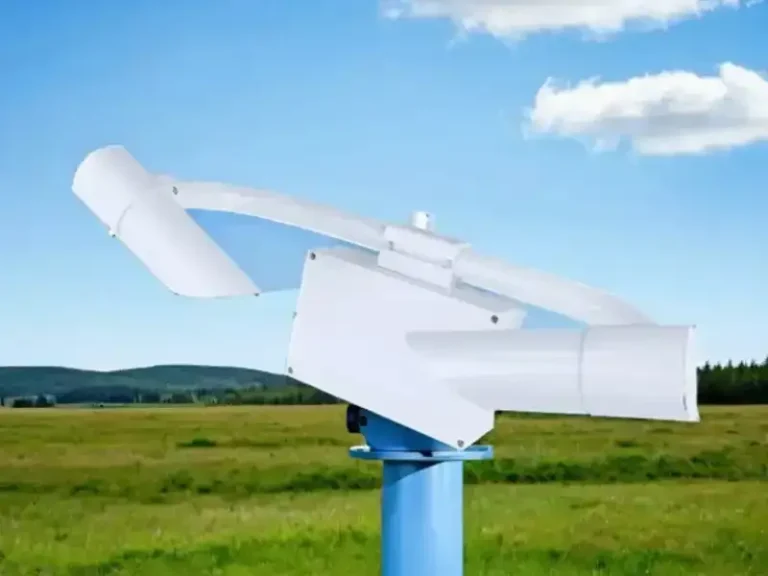
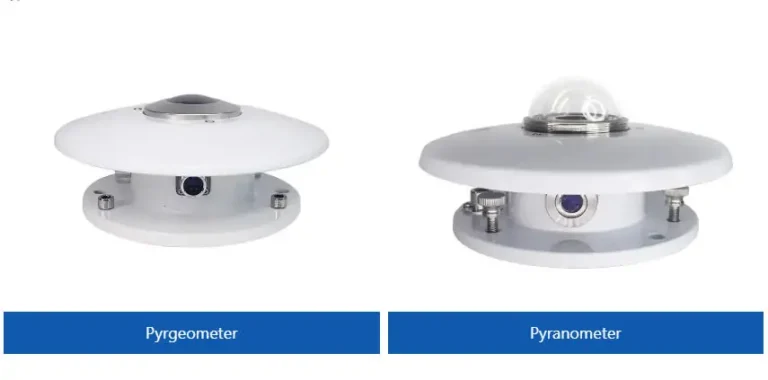
A เซ็นเซอร์รังสี, หรือที่รู้จักกันในชื่อ เซ็นเซอร์รังสีดวงอาทิตย์ หรือไพราโนมิเตอร์ เป็นเครื่องมือตรวจวัดสภาพแวดล้อมเฉพาะทางที่ใช้สำหรับวัดความเข้มของพลังงานรังสีดวงอาทิตย์ โดยจะตรวจจับรังสีดวงอาทิตย์และเปลี่ยนพลังงานดังกล่าวให้เป็นสัญญาณไฟฟ้า ทำให้สามารถวัดปริมาณฟลักซ์ของรังสีดวงอาทิตย์ต่อหน่วยพื้นที่ได้อย่างแม่นยำ (โดยทั่วไปแสดงเป็นหน่วยวัตต์ต่อตารางเมตร หรือ W/m²).
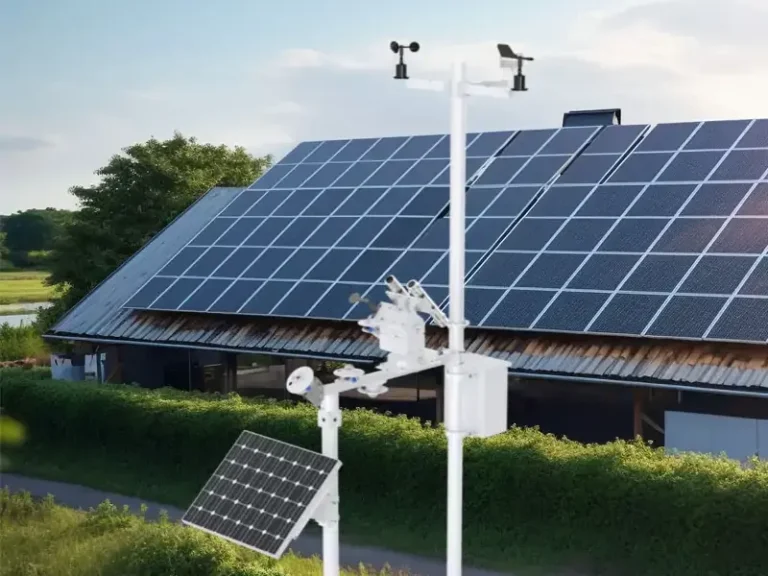
เซ็นเซอร์เหล่านี้โดยทั่วไปทำงานตามหลักการแปลงพลังงานความร้อนหรือโฟโตโวลตาอิก ซึ่งให้ความเสถียรสูงและการตอบสนองเชิงเส้นที่ยอดเยี่ยม ภายใต้เงื่อนไขการสอบเทียบมาตรฐาน รุ่นที่มีความแม่นยำสูงสามารถรักษาความคลาดเคลื่อนในการวัดได้ภายใน ±2% ทำให้เหมาะสำหรับการตรวจสอบอย่างต่อเนื่องในระยะยาว ในแง่ของการใช้งาน เซ็นเซอร์รังสีถูกนำมาใช้อย่างแพร่หลายในการประเมินประสิทธิภาพของโรงไฟฟ้าพลังงานแสงอาทิตย์แบบโฟโตโวลตาอิก สถานีตรวจวัดสภาพอากาศอัตโนมัติ การจัดการแสงในเกษตรกรรมอัจฉริยะ ตลอดจนการวิจัยด้านสิ่งแวดล้อมและภูมิอากาศ เซ็นเซอร์เหล่านี้ถือเป็นอุปกรณ์พื้นฐานที่สำคัญสำหรับการเก็บข้อมูลทรัพยากรพลังงานแสงอาทิตย์.


ทำไมการวัดรังสีดวงอาทิตย์จึงมีความสำคัญมาก?
รังสีดวงอาทิตย์เป็นแหล่งพลังงานหลักที่เข้าสู่โลก และการเปลี่ยนแปลงของการวัดรังสีดวงอาทิตย์มีผลโดยตรงต่อประสิทธิภาพการผลิตพลังงาน การเจริญเติบโตของพืช และการทำงานของระบบภูมิอากาศ ดังนั้น การติดตามรังสีดวงอาทิตย์อย่างต่อเนื่องและแม่นยำจึงเป็นพื้นฐานสำหรับการเพิ่มประสิทธิภาพพลังงานแสงอาทิตย์ การควบคุมสภาพแวดล้อมทางการเกษตร และการวิจัยด้านอุตุนิยมวิทยาและภูมิอากาศ.
- การเพิ่มประสิทธิภาพการผลิตพลังงานไฟฟ้าจากแสงอาทิตย์
โดยการติดตามการแผ่รังสีของแสงอาทิตย์และประเมินความแตกต่างระหว่างประสิทธิภาพการผลิตพลังงานจริงกับค่าทางทฤษฎี วิธีการนี้ถูกนำมาใช้เพื่อปรับปรุงประสิทธิภาพการดำเนินงานของโรงไฟฟ้าและเสถียรภาพของระบบ. - การจัดการแสงสว่างทางการเกษตร
โดยการปรับการชลประทาน การให้ร่มเงา และกลยุทธ์การปลูกตามข้อมูลแสง ระบบนี้จึงสามารถมอบสภาพแวดล้อมการเจริญเติบโตที่มั่นคงยิ่งขึ้นให้แก่พืชผล ส่งผลให้ผลผลิตและคุณภาพเพิ่มขึ้น. - การสนับสนุนการพยากรณ์อุตุนิยมวิทยาและสภาพอากาศ
ในฐานะพารามิเตอร์ทางอุตุนิยมวิทยาที่สำคัญ ข้อมูลการแผ่รังสีจากดวงอาทิตย์ช่วยในการวิเคราะห์การเปลี่ยนแปลงในสมดุลพลังงานและปรับปรุงความแม่นยำของแบบจำลองสภาพอากาศ. - การวิจัยการเปลี่ยนแปลงสภาพภูมิอากาศ
ข้อมูลการสังเกตการณ์รังสีในระยะยาวถูกนำมาใช้เพื่อวิเคราะห์การเปลี่ยนแปลงในสมดุลพลังงานของโลก ซึ่งให้ข้อมูลพื้นฐานที่จำเป็นสำหรับการวิจัยแนวโน้มสภาพภูมิอากาศ. - การติดตามตรวจสอบสิ่งแวดล้อมและนิเวศวิทยา
เมื่อรวมกับการเปลี่ยนแปลงของความเข้มของรังสี ข้อมูลนี้สามารถนำมาใช้ประเมินสภาพของวงจรพลังงานภายในระบบนิเวศและการเปลี่ยนแปลงสิ่งแวดล้อมในระดับภูมิภาคได้.
เซ็นเซอร์รังสีทำงานอย่างไร?
กล่าวโดยง่าย เซ็นเซอร์รังสีตรวจจับพลังงานรังสีจากดวงอาทิตย์ แปลงเป็นสัญญาณไฟฟ้า และประมวลผลสัญญาณนั้นเพื่อสร้างผลลัพธ์การวัดขั้นสุดท้าย กระบวนการทั้งหมดนี้โดยทั่วไปประกอบด้วยขั้นตอนดังต่อไปนี้:
ขั้นตอนที่ 1: รังสีแสงอาทิตย์ส่องถึงผิวเซ็นเซอร์
รังสีแม่เหล็กไฟฟ้าที่ปล่อยออกมาจากดวงอาทิตย์จะทะลุผ่านชั้นบรรยากาศและไปถึงเซ็นเซอร์ ครอบคลุมช่วงความยาวคลื่นของรังสีอัลตราไวโอเลต, แสงที่มองเห็นได้, และแสงอินฟราเรดใกล้ ฝาครอบทางแสงที่อยู่ด้านบนของอุปกรณ์จะอนุญาตให้แสงผ่านได้ขณะที่ลดการรบกวนจากสิ่งแวดล้อมภายนอก.
ขั้นตอนที่ 2: ชั้นดูดซับดูดซับพลังงานแสงอาทิตย์
พลังงานรังสีที่เกิดขึ้นในบริเวณนั้นถูกดูดซับโดยชั้นดูดซับสีดำภายในเซ็นเซอร์อย่างสมบูรณ์ ซึ่งช่วยลดการสูญเสียจากการสะท้อนได้อย่างมีประสิทธิภาพ และพลังงานแสงที่ถูกดูดซับจะถูกเปลี่ยนเป็นพลังงานความร้อนโดยตรง.
ขั้นตอนที่ 3: การเปลี่ยนพลังงานความร้อนเป็นสัญญาณไฟฟ้า
นี่คือแกนหลักของวิธีการทำงานของเซ็นเซอร์รังสี เซ็นเซอร์เทอร์โมไพล์อาศัยชั้นดูดซับที่ร้อนขึ้นเพื่อสร้างความแตกต่างของอุณหภูมิ ซึ่งจะทำให้เกิดแรงดันไฟฟ้าขนาดเล็กขึ้น ขนาดของแรงดันไฟฟ้านี้จะเป็นสัดส่วนโดยตรงกับความเข้มของรังสีดวงอาทิตย์ ทำให้สามารถคำนวณค่ารังสีที่แท้จริงได้.
ขั้นตอนที่ 4: การขยายสัญญาณและการประมวลผล
สัญญาณไฟฟ้าเริ่มต้นจากเซ็นเซอร์มีความอ่อนแอค่อนข้างมาก ดังนั้นวงจรภายในจึงถูกนำมาใช้เพื่อขยายสัญญาณ, ทำการชดเชยอุณหภูมิ, ปรับให้ตรงกับข้อมูล, และลดสัญญาณรบกวนเพื่อให้ได้ผลการวัดที่เสถียรและแม่นยำ.
ขั้นตอนที่ 5: การส่งออกและการส่งข้อมูล
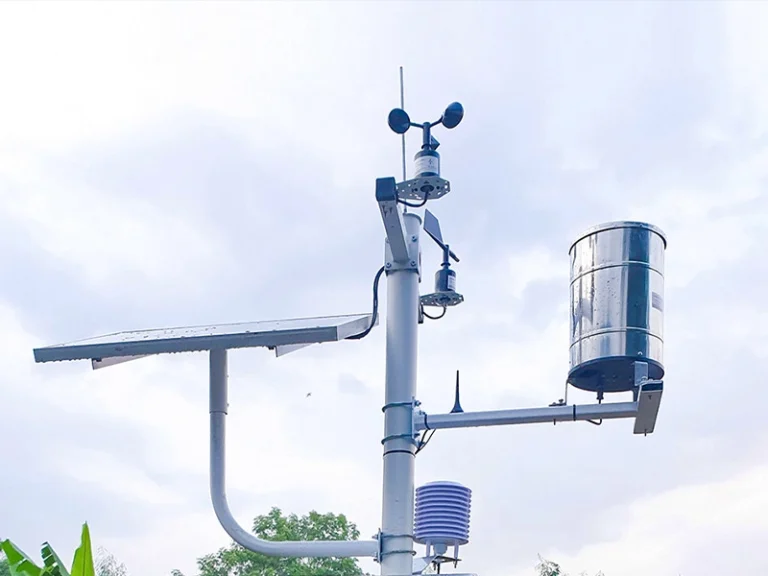
เซ็นเซอร์เหล่านี้มาพร้อมกับอินเทอร์เฟซการสื่อสารแบบมีสายและไร้สายหลากหลายรูปแบบ และข้อมูลที่รวบรวมได้สามารถนำไปบูรณาการเข้ากับสถานีตรวจอากาศ เครื่องบันทึกข้อมูล ระบบควบคุมอุตสาหกรรม และแพลตฟอร์มคลาวด์ IoT เพื่อรองรับการตรวจสอบระยะไกลและการวิเคราะห์ข้อมูล.
หลักการพื้นฐานในการทำงานของเซ็นเซอร์รังสี
หลักการทำงานของเซ็นเซอร์รังสีคือการแปลงพลังงานรังสีให้กลายเป็นสัญญาณไฟฟ้าหรือสัญญาณทางแสงที่สามารถวัดได้ โดยอาศัยผลกระทบจากการแตกตัวเป็นไอออน, การเรืองแสง, หรือผลกระทบทางความร้อนที่เกิดขึ้นเมื่อรังสีมีปฏิสัมพันธ์กับสสาร.
เซ็นเซอร์รังสีรวมจากดวงอาทิตย์/รังสีคลื่นสั้น
- เทอร์โมคัปเปิล (รังสีทั้งหมด / อินฟราเรด)
การเคลือบสีดำที่มีการดูดซับสูง (ค่าการแผ่รังสี ≥ 0.94) ดูดซับรังสีและสร้างความร้อน ทำให้เกิดจุดร้อน ความแตกต่างของอุณหภูมิระหว่างจุดร้อนและจุดเย็นจะสร้างแรงเคลื่อนไฟฟ้าที่แปรผันตามความเข้มของรังสี ในขณะเดียวกัน ระบบลดการรบกวนจากสิ่งแวดล้อม—ซึ่งประกอบด้วยวงจรชดเชยอุณหภูมิและฝาครอบกระจกควอตซ์—ช่วยให้การวัดมีความเสถียร. - โฟโตอิเล็กทริก (แสงอัลตราไวโอเลต/แสงที่มองเห็นได้)
โฟโตดีเทคเตอร์นี้ทำงานบนพื้นฐานของโฟโตไดโอดซิลิคอน เมื่อสัมผัสกับรังสีแสงอาทิตย์ โฟตอนจะกระตุ้นสารกึ่งตัวนำให้เกิดคู่ของอิเล็กตรอนและโฮล ซึ่งสร้างสัญญาณกระแสไฟฟ้าที่แปรผันตามความเข้มของรังสี จากนั้นสัญญาณจะถูกขยายและส่งออก มีคุณสมบัติตอบสนองอย่างรวดเร็ว และรุ่นหลักครอบคลุมช่วงความยาวคลื่น 400–1100 นาโนเมตร.
เครื่องตรวจจับก๊าซ (ชนิดไอออนไนเซชัน)
ตัวอย่าง: ห้องไอออไนเซชัน, เครื่องนับแบบสัดส่วน, และหลอดไกเออร์-มูลเลอร์ (GM).
หลักการ:
- รังสี (α/β/γ) กระแทกกับก๊าซเติม (อาร์กอน, ซีนอน, ฯลฯ) ทำให้ก๊าซเกิดการแตกตัวเป็นไอออนและสร้างคู่ไอออน.
- แรงดันไฟฟ้าสูงถูกนำไปใช้ระหว่างขั้วไฟฟ้า ทำให้ไอออนบวกและไอออนลบเคลื่อนที่ไปในทิศทางที่กำหนด ซึ่งทำให้เกิดกระแสไฟฟ้าหรือสัญญาณไฟฟ้ากระพริบ.
- วงจรนี้วัดจำนวนพัลส์หรือขนาดกระแสไฟฟ้า ซึ่งสะท้อนถึงความเข้มของรังสี.
ห้องไอออไนเซชัน: วัดกระแสไฟฟ้าในสภาวะคงที่; ใช้สำหรับการวัดอัตราการให้ปริมาณรังสี; มีความแม่นยำสูง.
ตัวนับแบบสัดส่วน: แอมพลิจูดของพัลส์เป็นสัดส่วนกับพลังงานของอนุภาค; สามารถใช้สำหรับการวิเคราะห์สเปกตรัมพลังงานได้.
หลอด GM: การขยายตัวของหิมะถล่ม; ความกว้างของพัลส์คงที่; นับจำนวนเท่านั้น; ง่ายและราคาถูก.
เครื่องตรวจจับการส่องแสง (ชนิดเรืองแสง)
ส่วนประกอบ: สกินติลเลเตอร์ + ท่อเพิ่มแสง (PMT) / โฟโตไดโอด.
หลักการ:
- รังสีทำให้อะตอมในสารเรืองแสง (เช่น NaI(Tl) หรือสารเรืองแสงพลาสติก) ถูกกระตุ้น ซึ่งจะปล่อยแสงฟลูออเรสเซนต์ออกมาเมื่ออะตอมกลับสู่ภาวะปกติ.
- ตัวนำแสงจะนำแสงเข้าสู่ PMT ซึ่งโฟตอนจะกระทบกับโฟโตแคโทดเพื่อสร้างอิเล็กตรอน จากนั้นอิเล็กตรอนจะถูกขยายผ่านหลายขั้นตอน.
- คลื่นไฟฟ้าที่เกิดขึ้นมีแอมพลิจูดที่สัดส่วนกับพลังงานของรังสี ทำให้สามารถวัดทั้งความเข้มและสเปกตรัมของพลังงานได้.
คุณสมบัติ: ประสิทธิภาพสูง, การตอบสนองรวดเร็ว, และสมรรถนะพลังงาน-สเปกตรัมที่ยอดเยี่ยม; ใช้กันอย่างแพร่หลายในด้านการตรวจจับรังสีแกมมา/เอกซ์เรย์.
ตัวตรวจจับสารกึ่งตัวนำ (การไอออไนเซชันแบบสถานะของแข็ง)
วัสดุ: สารกึ่งตัวนำ เช่น ซิลิคอน, เจอร์เมเนียม, และ CdZnTe.
หลักการ:
- เมื่อรังสีกระทบกับสารกึ่งตัวนำ จะเกิดคู่ของอิเล็กตรอนและโฮล (คล้ายกับคู่ไอออนในแก๊ส).
- สนามไฟฟ้าที่นำมาใช้จะขับเคลื่อนตัวพาหะให้เคลื่อนที่ ทำให้เกิดพัลส์ประจุ.
- ประจุถูกเก็บรวบรวมและขยาย; ความกว้างของพัลส์เป็นสัดส่วนกับพลังงานที่สะสมไว้.
คุณสมบัติ: มีความละเอียดด้านพลังงานที่ยอดเยี่ยม ขนาดกะทัดรัด และตอบสนองรวดเร็ว; ใช้วัสดุเจอร์เมเนียมบริสุทธิ์สูงซึ่งต้องใช้ไนโตรเจนเหลวในการทำความเย็น.
การเปรียบเทียบหลัก (ภาพรวมอย่างรวดเร็ว)
| ประเภท | แหล่งสัญญาณ | มติด้านพลังงาน | การใช้งานทั่วไป |
|---|---|---|---|
| เครื่องตรวจจับก๊าซ | การไอออไนเซชันของก๊าซ | ค่าเฉลี่ย | การติดตามปริมาณยา, การตรวจจับรังสีในสิ่งแวดล้อม |
| เครื่องตรวจจับการส่องแสงวาบ | การเรืองแสง → การเปลี่ยนแสงเป็นไฟฟ้า | ดี | สเปกโทรสโกปีแกมมา, การตรวจสอบความปลอดภัย, การประยุกต์ใช้ทางการแพทย์ |
| ตัวตรวจจับสารกึ่งตัวนำ | คู่ของอิเล็กตรอน-โฮล | ยอดเยี่ยม | สเปกโทรสโกปีความแม่นยำสูง, การวิจัยในห้องปฏิบัติการ |
| เทอร์โมไพล์ | ความต่างศักย์ไฟฟ้าเทอร์โมอิเล็กทริก | ไม่มี | การวัดรังสีดวงอาทิตย์ทั้งหมด, การวัดอุณหภูมิด้วยอินฟราเรด |
ส่วนประกอบหลักของเซ็นเซอร์รังสี
- โดมออปติคอล
อนุญาตให้รังสีแสงอาทิตย์ผ่านได้ในช่วงความยาวคลื่นเป้าหมาย ในขณะที่ปกป้องส่วนประกอบภายในจากอิทธิพลของสิ่งแวดล้อมภายนอก. - พื้นผิวที่ดูดซับ
สารเคลือบที่มีการดูดซับสูงมีหน้าที่ในการดูดซับพลังงานรังสีอย่างมีประสิทธิภาพและสร้างความแตกต่างของอุณหภูมิ. - เครื่องตรวจจับเทอร์โมไพล์
องค์ประกอบเซ็นเซอร์หลักที่แปลงความแตกต่างของอุณหภูมิระหว่างจุดเชื่อมต่อร้อนและเย็นให้เป็นสัญญาณไฟฟ้าที่ส่งออก. - วงจรปรับสัญญาณ
ขยายสัญญาณดิบ, ทำการชดเชยอุณหภูมิ, และปรับเทียบข้อมูลเพื่อให้แน่ใจถึงความแม่นยำและความเสถียรของการวัด. - เคสป้องกัน
ผลิตภัณฑ์เกรดอุตสาหกรรมมักมีระดับการป้องกัน IP65/IP66/IP67 ทำให้เหมาะสำหรับสภาพแวดล้อมกลางแจ้งที่ซับซ้อน.

เซ็นเซอร์รังสีไร้สาย VS เซ็นเซอร์รังสีแบบมีสาย
| รายการ | เซ็นเซอร์รังสีคลื่นไร้สาย | เซ็นเซอร์รังสีแบบมีสาย |
|---|---|---|
| การติดตั้ง | เรียบง่าย | ซับซ้อนมากขึ้น |
| ค่าติดตั้งสายไฟ | ไม่มี | ค่อนข้างสูง |
| การบำรุงรักษา | ต่ำ | ระดับกลาง |
| การส่งผ่านระยะไกล | ยาว | จำกัด |
| การลงทุนเริ่มต้น | ค่อนข้างสูง | ค่อนข้างต่ำ |
ในช่วงไม่กี่ปีที่ผ่านมา ด้วยความก้าวหน้าของเทคโนโลยี IoT เซ็นเซอร์รังสีแสงอาทิตย์แบบไร้สายได้กลายเป็นที่แพร่หลายมากขึ้นในโครงการเกษตรกรรมขนาดใหญ่และระบบตรวจสอบแบบกระจาย.


ไร้สาย vs เซ็นเซอร์รังสีแสงอาทิตย์แบบมีสาย
| คุณสมบัติ | เซ็นเซอร์ไร้สาย | เซ็นเซอร์แบบมีสาย |
|---|---|---|
| ความซับซ้อนในการติดตั้ง | ต่ำ | สูง |
| ค่าใช้จ่ายโครงสร้างพื้นฐานเบื้องต้น | ต่ำกว่า | สูงขึ้น |
| ความเร็วในการปรับใช้ | รวดเร็ว | ช้าลง |
| ความสามารถในการขยายขนาด | ยอดเยี่ยม | ปานกลาง |
| ความเหมาะสมของสถานที่ห่างไกล | ยอดเยี่ยม | จำกัด |
| ข้อกำหนดการบำรุงรักษา | ต่ำ | ปานกลาง |
| ความเสถียรของการสื่อสาร | สูง | สูงมาก |
| ความยืดหยุ่นระยะยาว | ยอดเยี่ยม | ปานกลาง |
ในขณะที่ระบบสายอาจยังคงเป็นที่นิยมในบางสภาพแวดล้อมที่มีความปลอดภัยสูงหรือมีการควบคุมอย่างเข้มงวดในภาคอุตสาหกรรม แต่โซลูชันไร้สายมอบข้อได้เปรียบที่ชัดเจนสำหรับการใช้งานการตรวจสอบแบบกระจายตัวส่วนใหญ่.
สรุป
เซ็นเซอร์รังสีวัดพลังงานแสงอาทิตย์ได้อย่างแม่นยำโดยการดูดซับรังสีจากดวงอาทิตย์และแปลงเป็นสัญญาณไฟฟ้า ไม่ว่าจะเป็นการผลิตพลังงานแสงอาทิตย์ การตรวจสอบสภาพอากาศ การจัดการเกษตรกรรม หรือโครงการวิจัยทางวิทยาศาสตร์ ข้อมูลรังสีจากดวงอาทิตย์ที่แม่นยำมีคุณค่าอย่างยิ่ง.
เมื่อเลือกเซ็นเซอร์รังสี สิ่งสำคัญคือต้องพิจารณาความแม่นยำในการวัด วิธีการสื่อสาร สภาพแวดล้อม และข้อกำหนดการใช้งานอย่างครอบคลุม หากคุณกำลังมองหาเซ็นเซอร์รังสีแสงอาทิตย์ที่มีความแม่นยำสูง, ไพราโนมิเตอร์, หรือโซลูชันการตรวจสอบสภาพอากาศแบบครบวงจร Yantai Sensor สามารถให้คำแนะนำในการเลือกผลิตภัณฑ์อย่างมืออาชีพและโซลูชันการตรวจสอบที่ปรับแต่งตามความต้องการได้.