
Zhouzhi Kiwifruit Orchard Smart Meteorological Monitoring System Project
ภูมิหลังของโครงการ
Zhouzhi County in Shaanxi Province is well known for its kiwifruit industry, which plays an important role in local agricultural production. Kiwifruit growth is sensitive to changes in temperature, rainfall, humidity, and soil moisture. Spring frost can affect flowering and fruit setting, while high temperatures, prolonged rainfall, and excessive humidity may create unfavorable conditions during fruit development and harvesting. Without continuous environmental records, orchard managers often have to rely on field observations and personal experience when making irrigation, drainage, and crop-protection decisions.
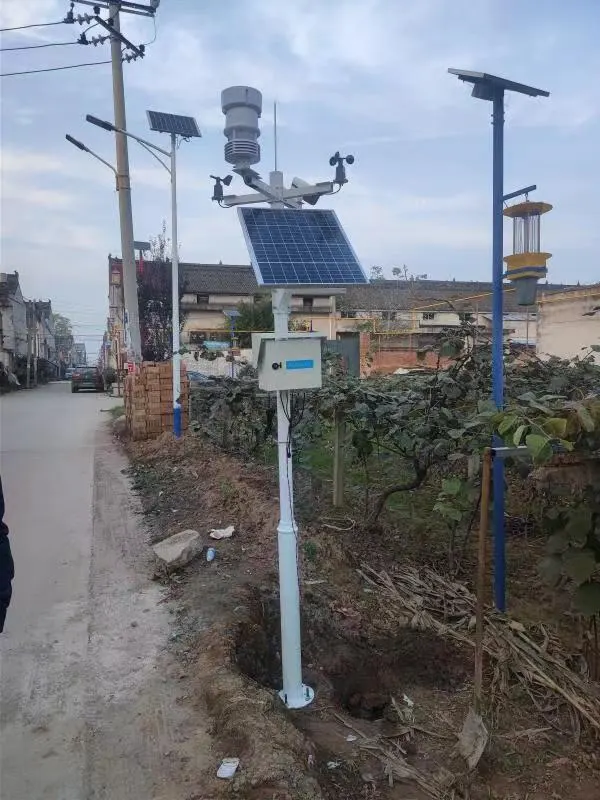
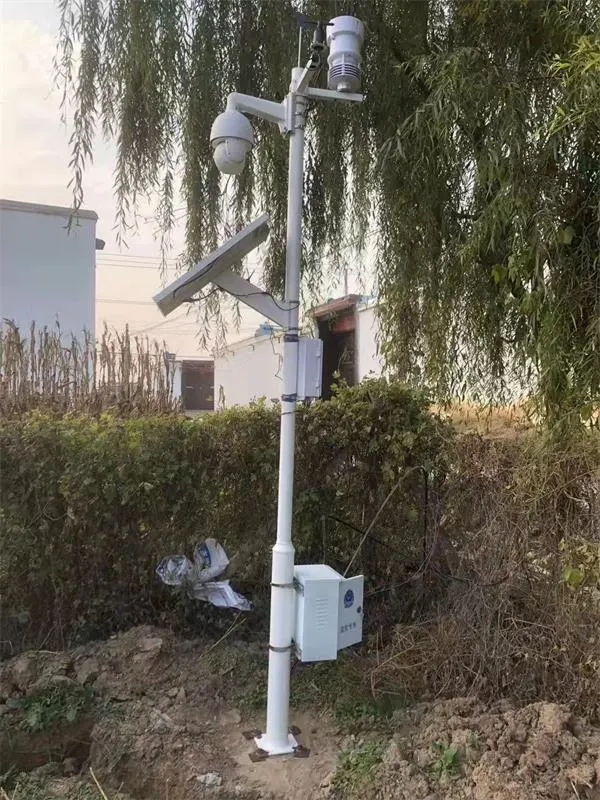
To improve environmental monitoring across its kiwifruit demonstration orchards, the project introduced a distributed smart agricultural weather monitoring system supplied by Yantai Sensor. The system uses modular automatic weather stations, soil sensors, solar power, and 4G data transmission. Video surveillance cameras are also deployed at selected locations to provide visual access to orchard conditions. Together, these components help orchard managers monitor field conditions remotely, review historical environmental data, and obtain information for daily cultivation and weather-risk assessment.
- Project Location: Kiwifruit demonstration orchards, Zhouzhi County, Xi’an, Shaanxi, China
- Power Supply: Solar panels with lithium battery storage
- Monitoring Points: Distributed across orchard plots with different terrain and planting conditions
- Data Transmission: 4G wireless communication with data acquisition and cloud-platform access
กระบวนการติดตั้งภาคสนาม
Site Survey & Monitoring Point Selection
Before installation, monitoring locations were selected according to orchard layout, terrain, planting conditions, and drainage characteristics. Since the monitoring stations are distributed across different orchard plots, the team considered solar exposure, sensor exposure, and wireless communication availability when planning each location.
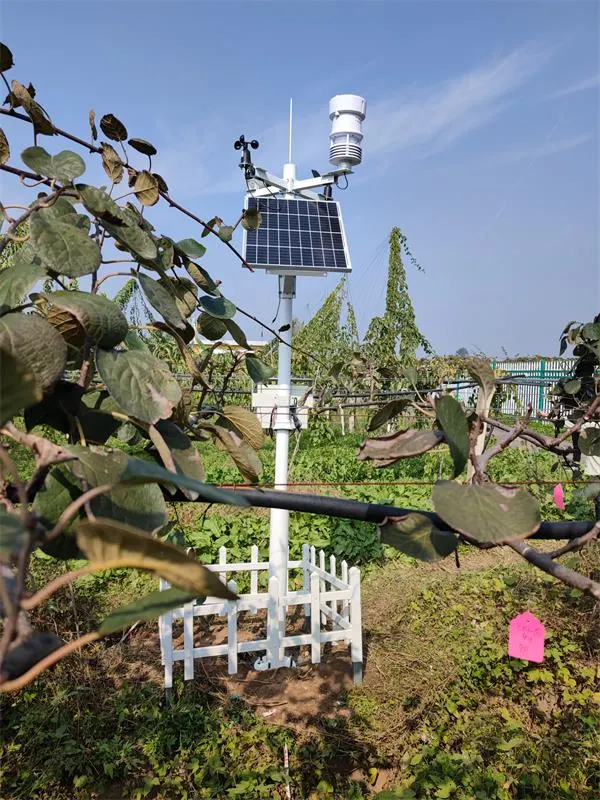
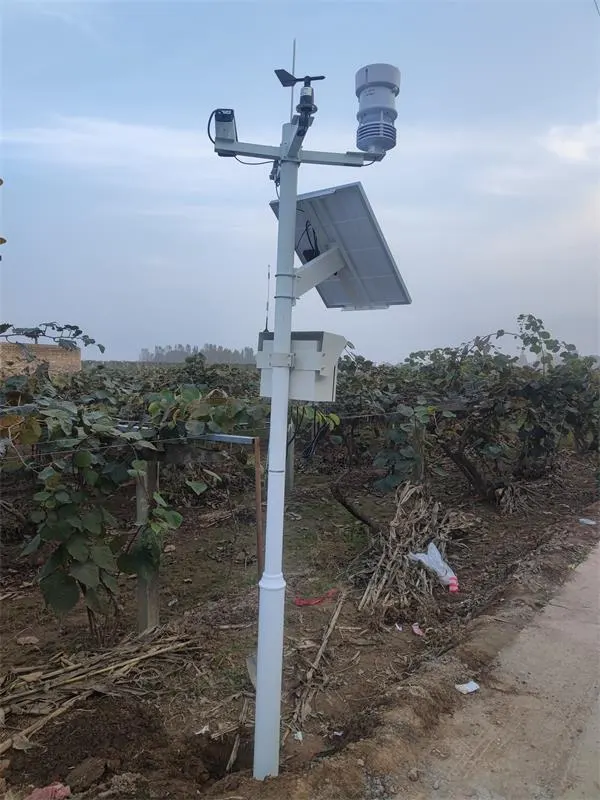
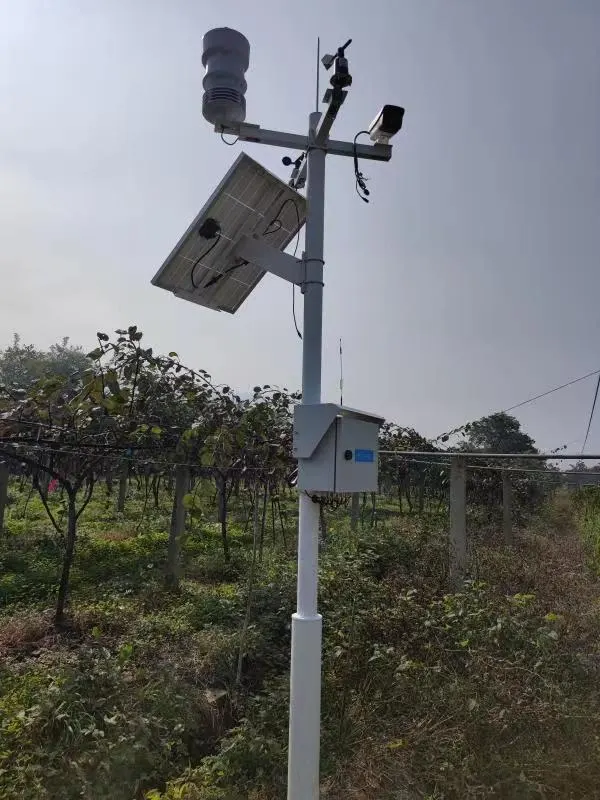
Mounting positions were selected to reduce interference from surrounding vegetation and avoid prolonged shading of the solar panels. The weather sensors were installed above the kiwifruit canopy to obtain representative local meteorological readings. Soil sensors were buried in the active root zone, with installation positions selected to avoid direct interference from irrigation pipelines and fertilization areas.
Equipment Installation & System Commissioning
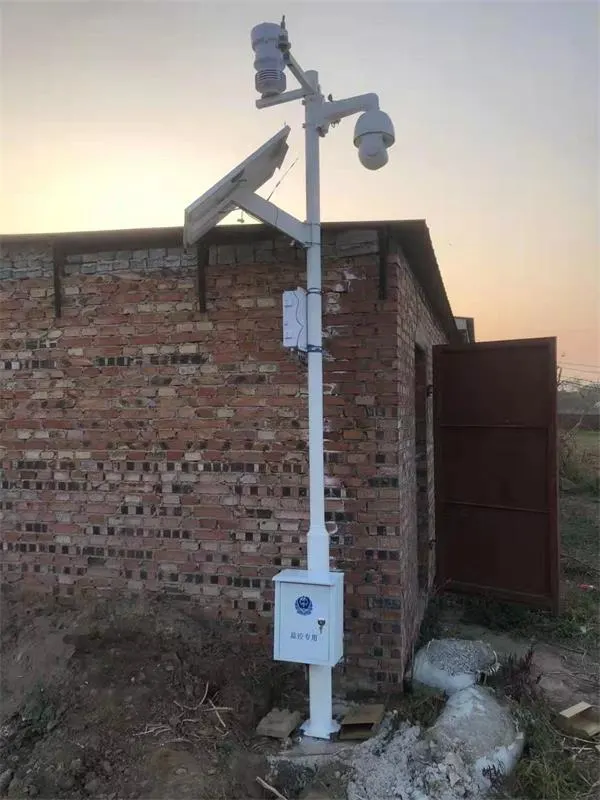
After site preparation, the team installed the mounting poles, meteorological sensors, solar power assemblies, data acquisition units, and outdoor control enclosures. Soil temperature and moisture sensors were installed at the designated monitoring locations. Video surveillance cameras were mounted separately at selected orchard points to provide remote visual monitoring.
Following installation, the team checked sensor connections, power supply, data acquisition, and 4G communication. Sensor readings and data transmission were tested, and the monitoring platform was connected for remote data access. Functions such as real-time data viewing, historical record storage, threshold alarms, and video playback were also checked. Basic operating guidance was provided to orchard managers so they could review monitoring information and manage the system.
อุปกรณ์ที่ใช้
The project uses a modular agricultural weather monitoring configuration. Sensor combinations can be selected according to the monitoring requirements of individual orchard plots.
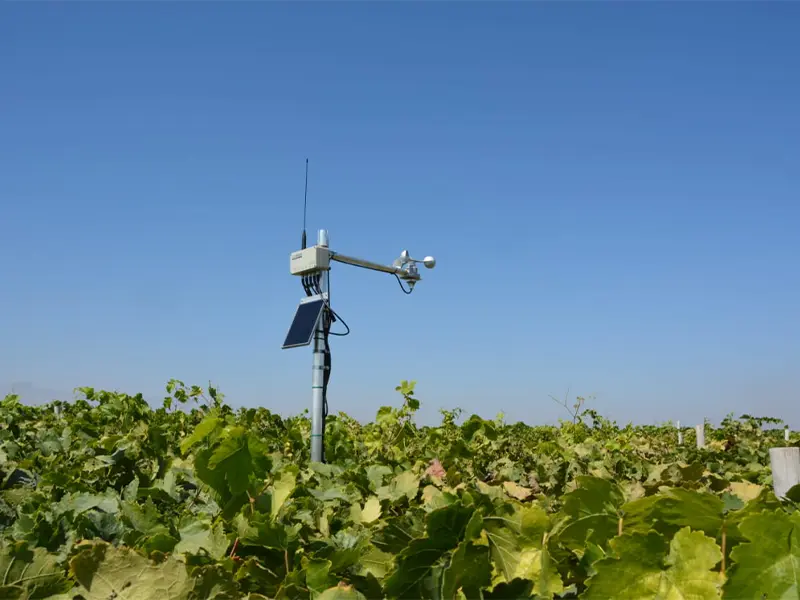
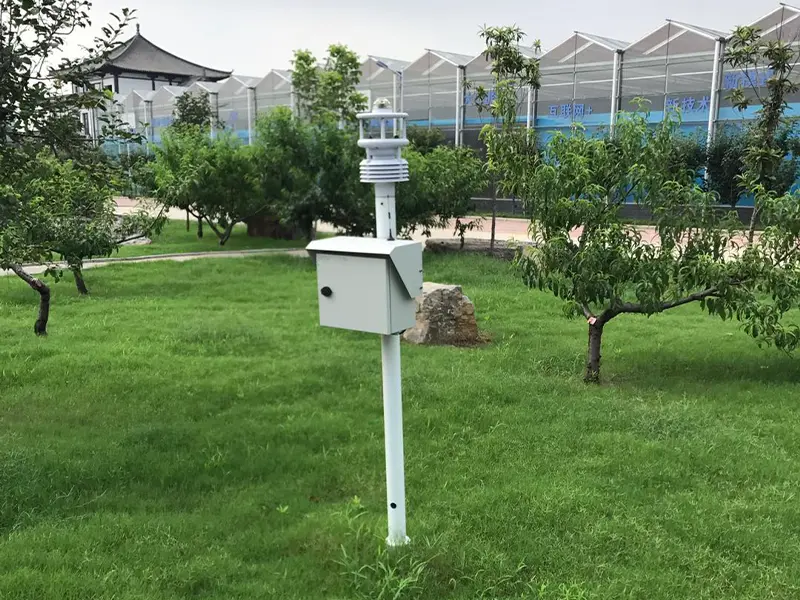
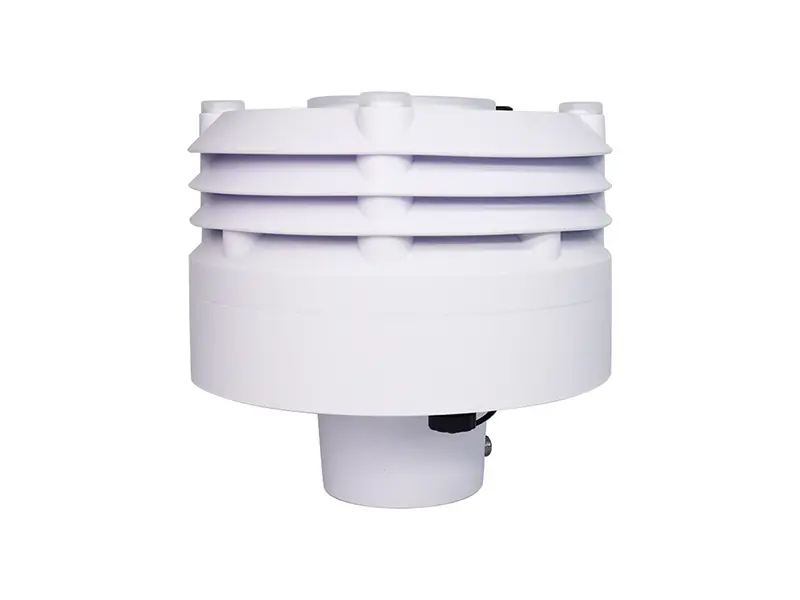
- Agricultural Automatic Weather Station: Collects air temperature, relative humidity, atmospheric pressure, rainfall, and illuminance data.
- เซ็นเซอร์ความเร็วลมและทิศทางลม: Records local wind conditions for orchard microclimate observation.
- Soil Temperature and Moisture Sensors: Monitor soil conditions in the root zone to provide reference data for irrigation management.
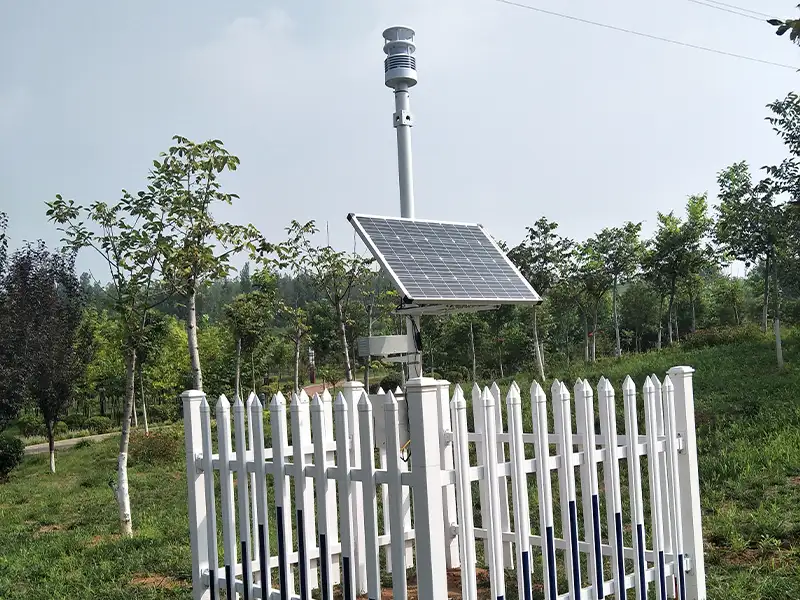
- ระบบพลังงานแสงอาทิตย์: Combines solar panels and lithium battery storage to supply power at orchard locations without convenient grid access.
- Data Acquisition and 4G Communication Unit: Collects sensor readings and transmits monitoring data to the remote platform.
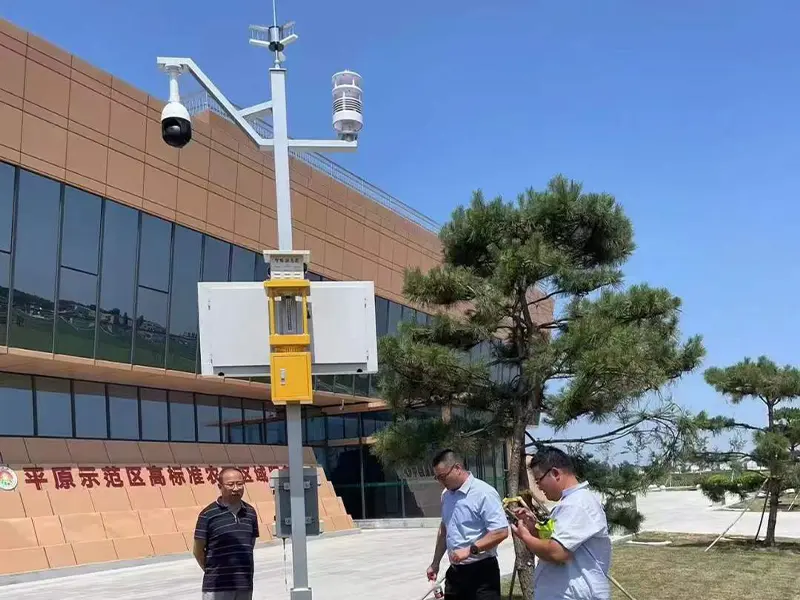
- HD Video Surveillance Cameras: Provide visual monitoring of selected orchard areas. These operate as complementary equipment rather than part of the meteorological sensor assembly.
- Galvanized Mounting Poles and Outdoor Enclosures: Support the sensors and house the relevant electrical and data acquisition components.
- Protective Fencing: Installed at selected demonstration points to help protect monitoring equipment from accidental damage.
สถานที่ตั้งโครงการ:
จุดเด่นของโครงการ
- Distributed Orchard Monitoring: Monitoring points are arranged across different orchard plots to collect environmental data under varying terrain and planting conditions.
- Modular Sensor Configuration: Meteorological and soil sensors can be configured according to the monitoring requirements of different plots.
- Solar-Powered Deployment: Solar panels and battery storage provide power for monitoring locations where grid connections are difficult to access.
- การส่งข้อมูลระยะไกล: 4G communication enables monitoring data to be uploaded for remote viewing and historical review.
- Combined Environmental and Visual Monitoring: Weather stations and soil sensors collect environmental measurements, while separate video cameras provide visual access to selected orchard areas.
- Centralized Platform Access: Orchard managers can review monitoring records and configured alarm information through the remote platform.
ผลลัพธ์ของโครงการ
The Zhouzhi project established a distributed monitoring network across the kiwifruit demonstration orchards, combining automatic weather stations, soil sensors, solar power, and 4G data transmission. The system collects meteorological and soil information from selected plots and makes the data available through a remote monitoring platform. Historical records and configured threshold alarms provide orchard managers with additional information for reviewing local weather changes and identifying conditions that may require field attention.
The monitoring system also combines environmental data collection with video surveillance at selected locations. This allows managers to review weather and soil readings alongside visual information from the orchard without relying entirely on frequent on-site visits. The accumulated monitoring records can support irrigation planning, drainage decisions, frost and high-temperature risk assessment, and longer-term analysis of orchard microclimate conditions. Periodic inspection of sensors, solar power components, communication equipment, and cameras remains necessary to maintain data continuity.
ความคิดเห็นจากลูกค้า
“These weather stations have been running steadily in our orchard. We can check environmental data and camera images through the monitoring platform, which makes it easier to understand conditions across different orchard plots. The solar-powered configuration is also suitable for locations where installing power cables is difficult. The monitoring data provide useful reference information for our daily orchard management.”
สินค้าที่เกี่ยวข้อง
บทความที่เกี่ยวข้อง
ติดต่อเรา
กำลังมองหาโซลูชันเซ็นเซอร์อัจฉริยะที่ปรับแต่งได้หรือไม่? ทีมงานของเราเชี่ยวชาญในการนำเสนอโซลูชันที่สามารถปรับขนาดได้ ยืดหยุ่น และปรับให้เหมาะสมกับความต้องการเฉพาะของคุณ.
กรอกแบบฟอร์มตอนนี้เพื่อรับโซลูชันที่ปรับให้เหมาะกับคุณโดยเฉพาะ ผู้เชี่ยวชาญของเราจะให้คำแนะนำอย่างมืออาชีพและดูแลให้โครงการของคุณดำเนินไปอย่างราบรื่น ติดต่อเราวันนี้เพื่อเริ่มเพิ่มประสิทธิภาพ!