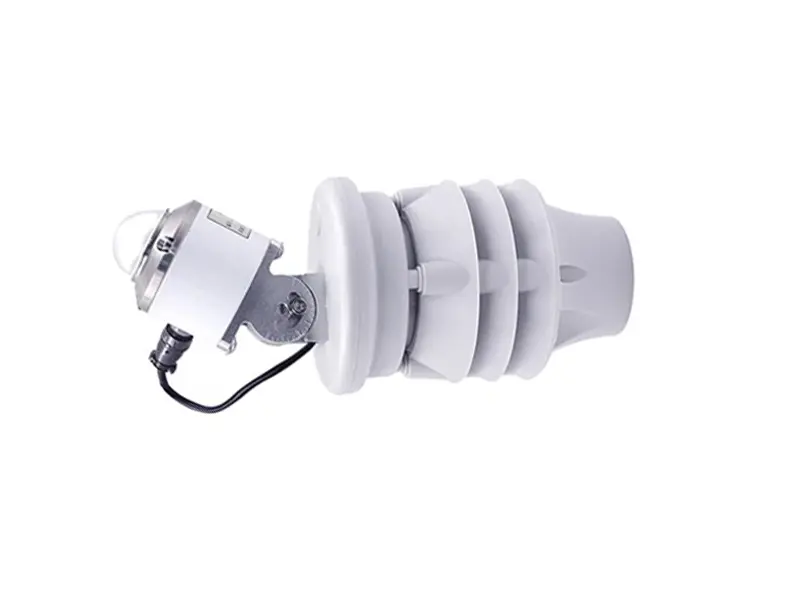
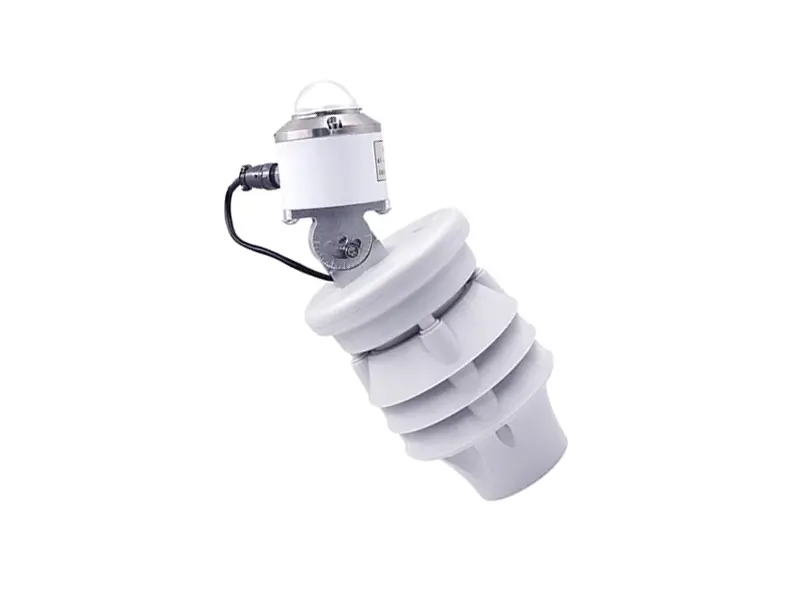
XF100S-CWB สถานีตรวจอากาศพร้อมระบบติดตามพลังงานแสงอาทิตย์แบบกะทัดรัด
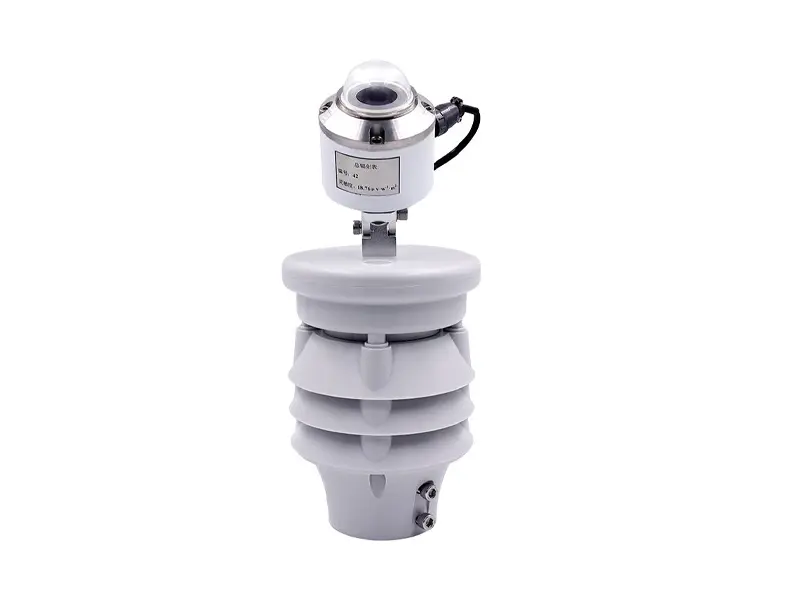
สถานีตรวจอากาศแบบกะทัดรัด XF100S-CWB สำหรับการตรวจสอบพลังงานแสงอาทิตย์ เป็นเครื่องมือที่ใช้ในด้านการตรวจสอบพลังงานแสงอาทิตย์และพลังงานใหม่ พารามิเตอร์การตรวจสอบ: แสงอาทิตย์รวม POA (Plane of Array), อุณหภูมิสิ่งแวดล้อม, อุณหภูมิของส่วนประกอบ, การสะสมแสงอาทิตย์รายวัน สามารถแทนที่เครื่องมือตรวจสอบสิ่งแวดล้อมพลังงานแสงอาทิตย์แบบดั้งเดิม RYQ-3 ได้.
- อุณหภูมิแวดล้อม: -40-85℃
- อุณหภูมิของส่วนประกอบ: -20℃~+80℃
- รังสีดวงอาทิตย์รวม POA (Plane of Array): 0~2000W/m2
- รังสีสะสมรายวัน: 0-65MJ
- อุณหภูมิในการทำงาน: -40℃-80℃
- แหล่งจ่ายไฟ: DC12-24V
- ระดับการป้องกัน: IP65
ราคา: $507~$608.4
บทนำ
XF100S-CWB สถานีตรวจวัดสภาพอากาศพร้อมระบบติดตามพลังงานแสงอาทิตย์แบบกะทัดรัด เป็นอุปกรณ์ตรวจวัดสภาพอากาศแบบครบวงจรที่ออกแบบมาโดยเฉพาะสำหรับโรงไฟฟ้าพลังงานแสงอาทิตย์ (PV) และการติดตามพลังงานหมุนเวียนผลิตภัณฑ์นี้รวมเอาพารามิเตอร์อุตุนิยมวิทยาของรังสีแสงอาทิตย์แบบดั้งเดิมที่จำเป็นต้องตรวจสอบในการดำเนินงานและการจัดการบำรุงรักษาของสถานีไฟฟ้าพลังงานแสงอาทิตย์ไว้ในโครงสร้างเดียว และเชื่อมต่อกับอินเวอร์เตอร์พลังงานแสงอาทิตย์ผ่านอินเทอร์เฟซ RS485 ซึ่งสามารถใช้งานได้อย่างกว้างขวางในระบบตรวจสอบสถานีไฟฟ้าพลังงานแสงอาทิตย์แบบกระจาย.
โครงสร้างสถานีตรวจอากาศพลังงานแสงอาทิตย์
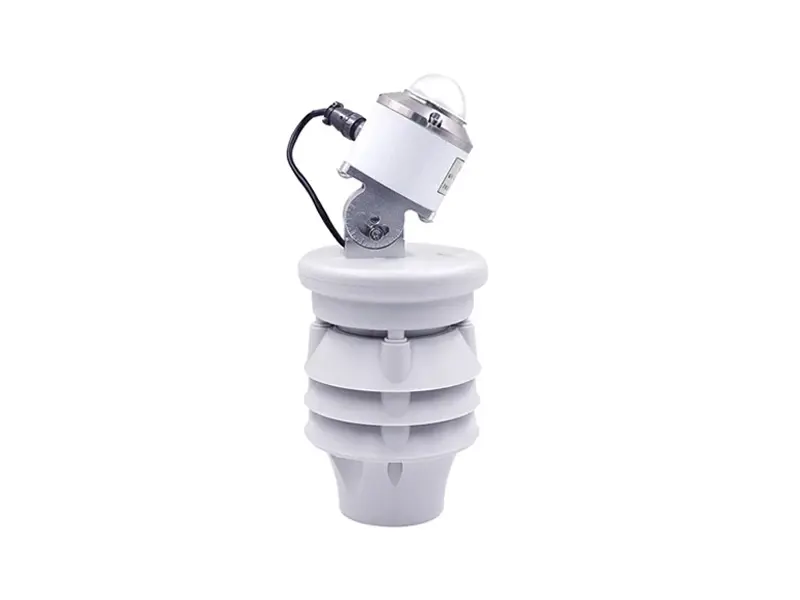
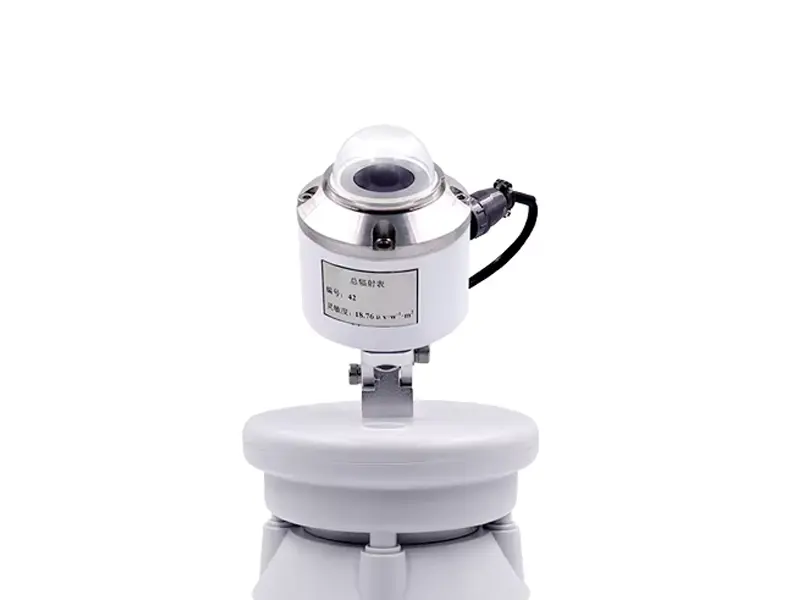
- เซ็นเซอร์รังสีรวมจากดวงอาทิตย์ POA: วัดปริมาณรังสีแสงอาทิตย์ทั้งหมดบนระนาบของแผงที่จัดวางให้สอดคล้องกับมุมติดตั้งของโมดูลโฟโตโวลตาอิก ซึ่งสะท้อนสภาพการรับแสงจริงของโมดูลได้อย่างแม่นยำ.
- อุณหภูมิแวดล้อม เซ็นเซอร์: Mตรวจสอบอุณหภูมิอากาศโดยรอบโรงไฟฟ้าพลังงานแสงอาทิตย์ ให้ข้อมูลพื้นฐานสำหรับการวิเคราะห์ประสิทธิภาพการผลิตไฟฟ้าและการประเมินการดำเนินงาน.
- โมดูลเซ็นเซอร์วัดอุณหภูมิ: วัดอุณหภูมิพื้นผิวของโมดูลโฟโตโวลตาอิกโดยตรงเพื่อประเมินการสูญเสียความร้อนและการเสื่อมประสิทธิภาพของกำลังไฟฟ้า.
- โมดูลการคำนวณรังสีสะสมรายวัน: ทำการคำนวณอินทิกรัลจากข้อมูลการแผ่รังสีของดวงอาทิตย์เพื่อแสดงค่าการแผ่รังสีสะสมรายวัน ซึ่งช่วยให้การวิเคราะห์การผลิตไฟฟ้าและการเปรียบเทียบเป็นไปได้.
- โครงสร้างที่อยู่อาศัยแบบบูรณาการ รวมเซ็นเซอร์หลายตัวไว้ในโครงสร้างขนาดกะทัดรัด ลดความซับซ้อนในการติดตั้งหน้างาน และเพิ่มความน่าเชื่อถือของระบบ.
- อินเตอร์เฟซการสื่อสาร RS485: รองรับการสื่อสารโดยตรงกับอินเวอร์เตอร์ PV หรือระบบตรวจสอบ ช่วยให้การส่งข้อมูลเสถียรและผสานระบบได้อย่างราบรื่น.
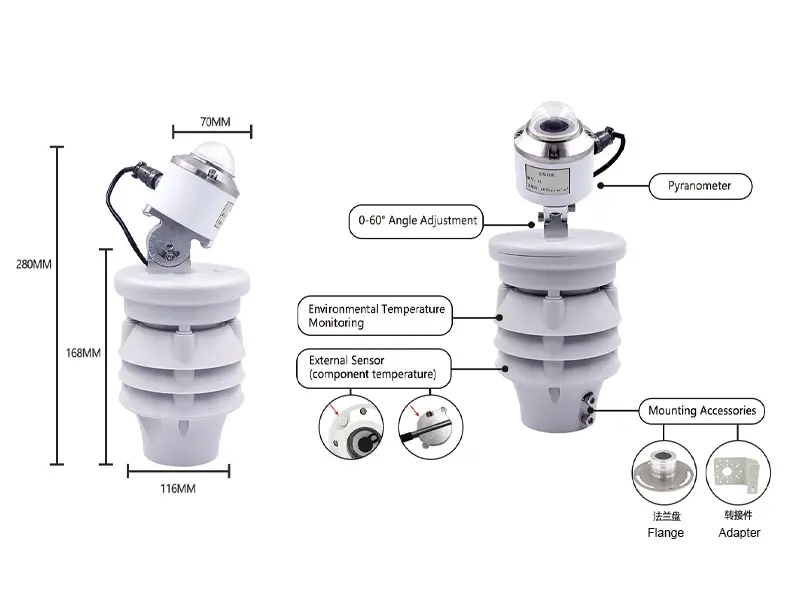
รายละเอียดแสดง
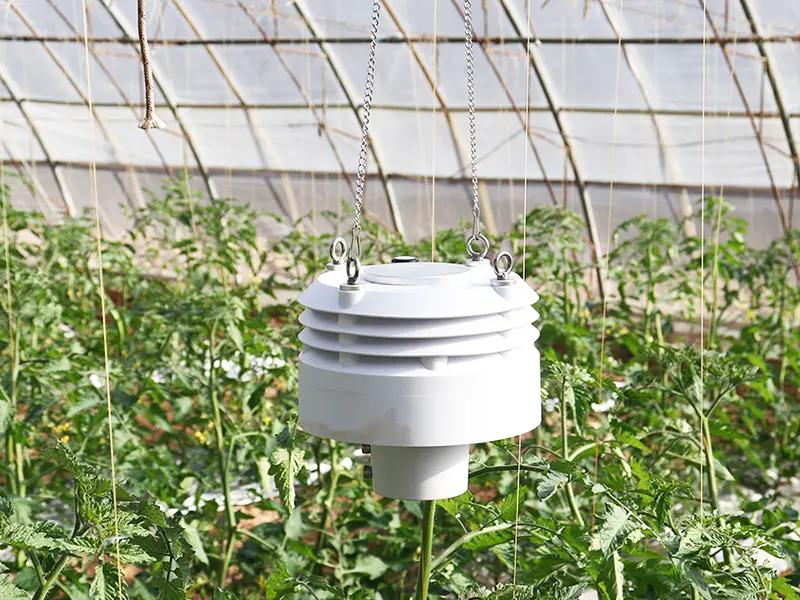
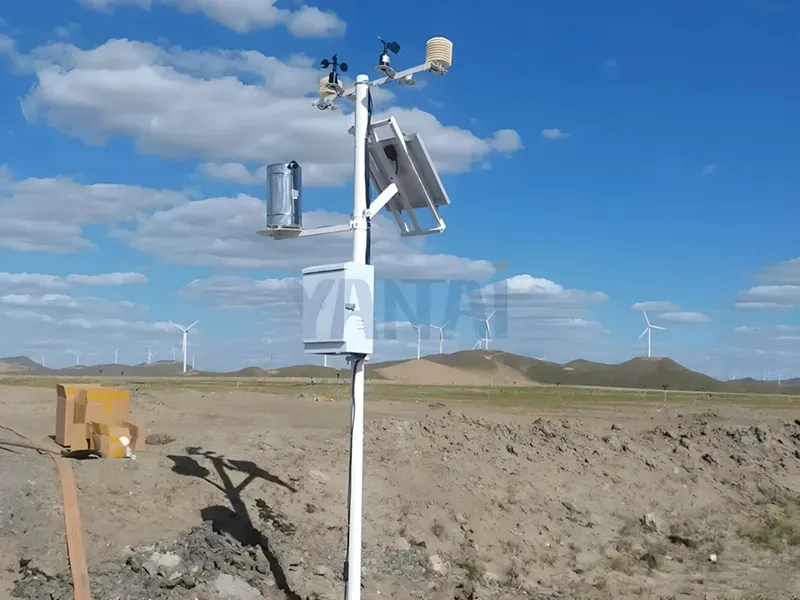
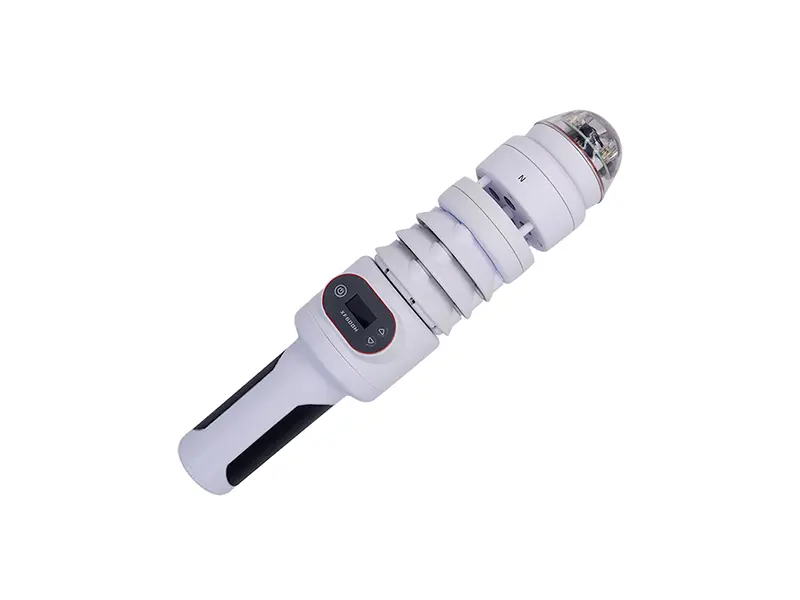
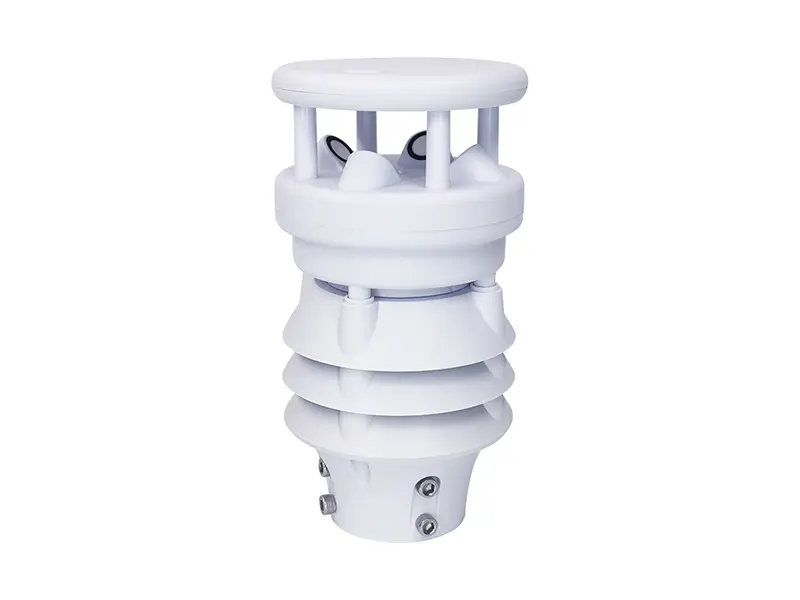
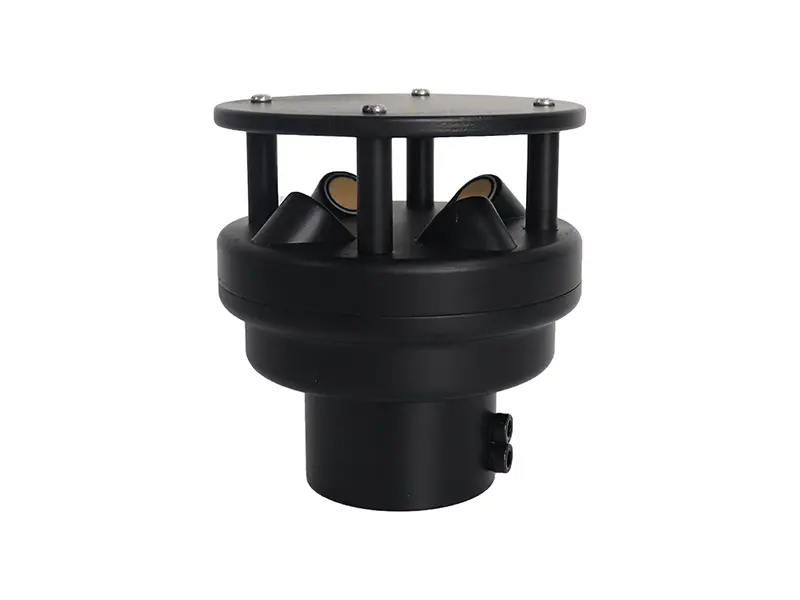
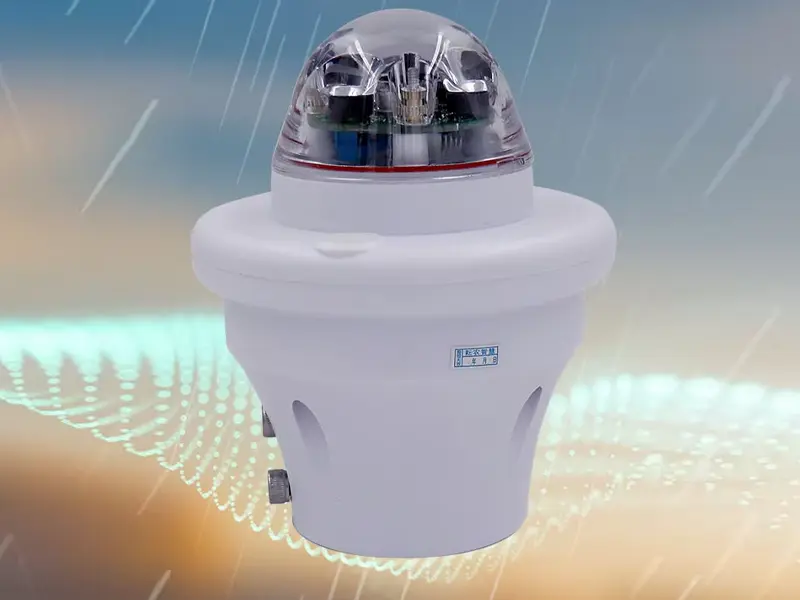
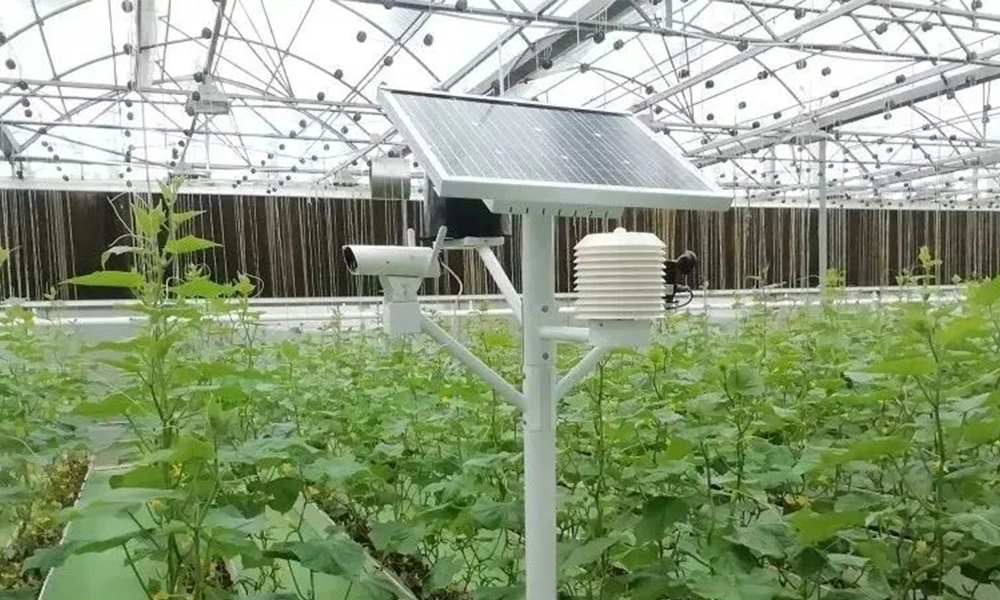
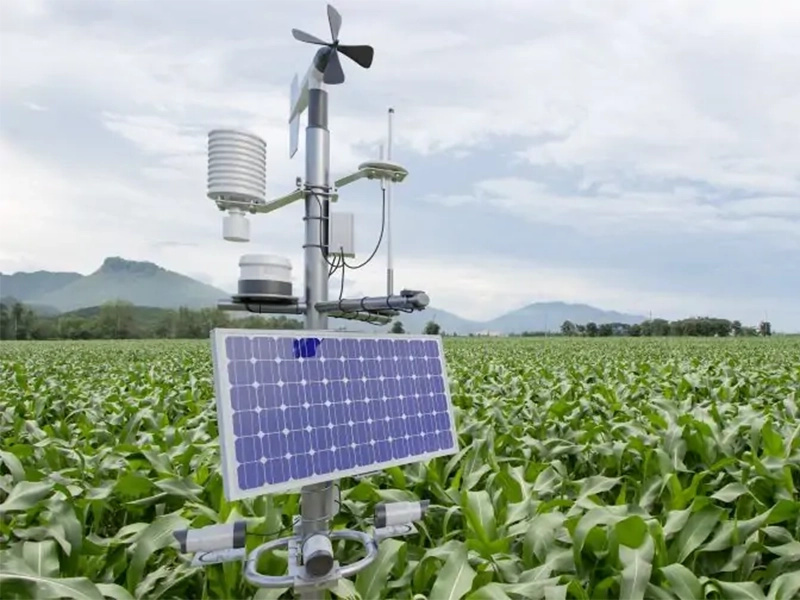
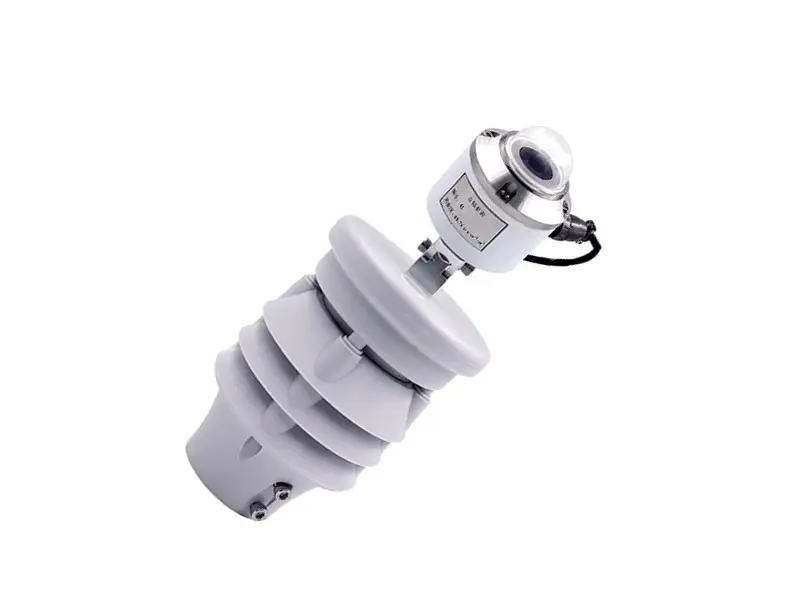
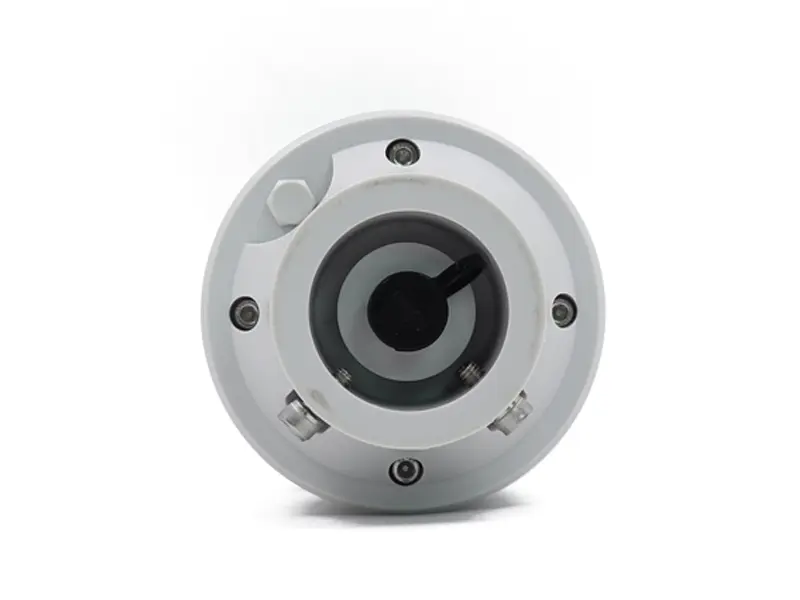
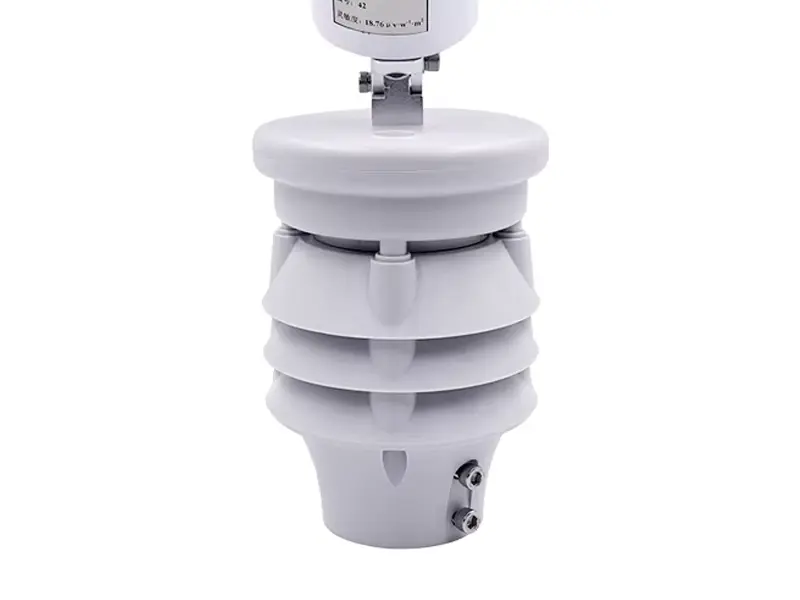
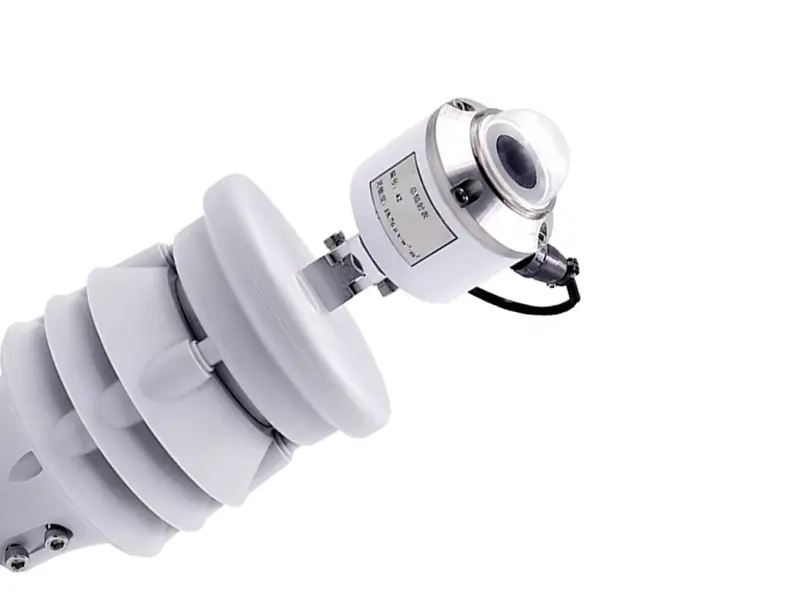
สถานีตรวจอากาศสำหรับติดตามพลังงานแสงอาทิตย์มีดีไซน์ที่กะทัดรัดและรวมทุกอย่างไว้ในตัว ซึ่งทุกรายละเอียดตั้งแต่การจัดวางเซ็นเซอร์ไปจนถึงตัวเครื่องถูกออกแบบมาเพื่อความแม่นยำในการวัด, ความน่าเชื่อถือในระยะยาวเมื่อใช้งานกลางแจ้ง, และการผสานระบบที่ง่ายดาย ภาพด้านล่างแสดงมุมมองหลายมุมของผลิตภัณฑ์ โดยเน้นที่การออกแบบโครงสร้าง, การจัดวางเซ็นเซอร์, และคุณสมบัติการติดตั้งที่สะดวกซึ่งออกแบบมาเพื่อการใช้งานในระบบพลังงานแสงอาทิตย์ที่มีประสิทธิภาพ.
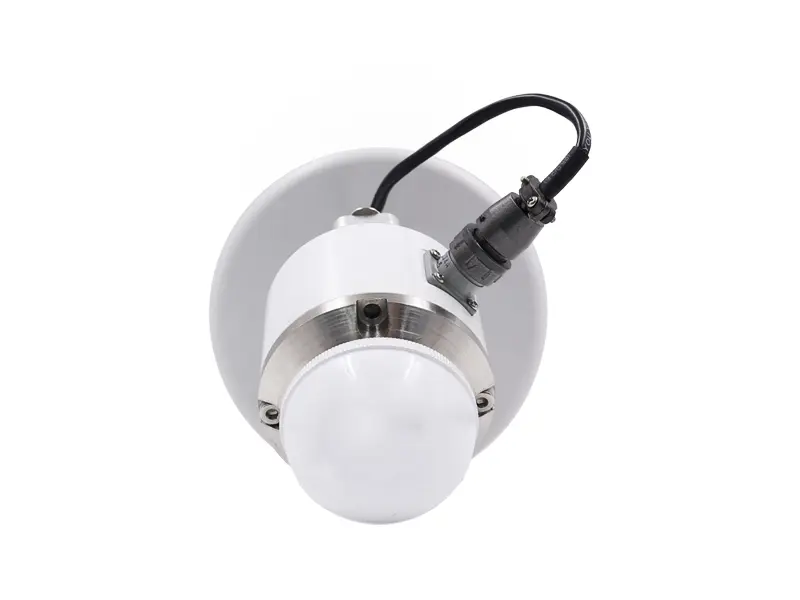
ข้อมูลจำเพาะ
ข้อกำหนดทางเทคนิคของสถานีตรวจวัดสภาพอากาศสำหรับติดตามพลังงานแสงอาทิตย์ได้รับการออกแบบมาเพื่อรองรับการวิเคราะห์ประสิทธิภาพอย่างแม่นยำและการทำงานที่เสถียรของระบบโฟโตโวลตาอิก ข้อกำหนดหลักครอบคลุมการวัดรังสีแสงอาทิตย์ การตรวจสอบอุณหภูมิ อินเทอร์เฟซการสื่อสาร และความทนทานต่อสภาพแวดล้อม ช่วยให้สามารถเก็บข้อมูลได้ภายใต้สภาวะภาคสนามที่หลากหลาย พารามิเตอร์โดยละเอียดด้านล่างนี้ให้ข้อมูลอ้างอิงที่ชัดเจนสำหรับการบูรณาการระบบ การออกแบบโครงการ และการเลือกอุปกรณ์ในการใช้งานโรงไฟฟ้าพลังงานแสงอาทิตย์.
พารามิเตอร์
| พารามิเตอร์ | ช่วงการวัด | ความถูกต้อง | การแก้ไขปัญหา | ความถี่ในการสุ่มตัวอย่าง |
| อุณหภูมิแวดล้อม | -40-85℃ | ±0.3℃@25℃ | 0.01℃ | 1HZ |
| อุณหภูมิของส่วนประกอบ | -20℃~+80℃ | ≤ ±0.2℃ | 0.1℃ | 1HZ |
| รังสีดวงอาทิตย์รวม POA (ระนาบของแผง) | 0~2000 วัตต์/ตารางเมตร | ≤ ±3% | 1 วัตต์ต่อตารางเมตร | 1HZ |
| รังสีสะสมรายวัน | 0-65 เมกะจูล | ≤±%5 | 0.001 เมกะจูล | หนึ่งครั้งต่อนาที |
| อุณหภูมิการทำงาน | -40℃-80℃ | |||
| ผลลัพธ์ | ผลิตภัณฑ์มาตรฐานพร้อมอินเทอร์เฟซ RS485, Modbus RTU; ตัวเลือกการปรับแต่ง SDI-12 (มีค่าใช้จ่ายเพิ่มเติม) | |||
| ความถี่สูงสุดของเอาต์พุต | โหมดพาสซีฟ: 1/วินาที โหมดแอคทีฟ: 1/นาที | |||
| แหล่งจ่ายไฟ | DC12-24V | |||
| แผงปรับเครื่องวัดรังสีแสงอาทิตย์ | ช่วงที่ปรับได้: 0-60° (มาตรฐานทั่วไป 40°) | |||
| ระดับการคุ้มครอง | IP65 | |||
| การติดตั้งอย่างสุภาพ | ผลิตภัณฑ์มาตรฐานเป็นแบบสวมยึดตายตัว โปรดดูขนาดผลิตภัณฑ์ (ตัวเลือก: มีค่าใช้จ่ายเพิ่มเติม โปรดดูที่อุปกรณ์เสริมและชิ้นส่วน การยึดด้วยหน้าแปลนหรือแผ่นยึดดัด) | |||
| สายเคเบิล | สายเคเบิลยาว 3 เมตร (ตัวเลือก: สายเคเบิลยาว 10 เมตร มีให้บริการเพิ่มเติมโดยมีค่าใช้จ่ายเพิ่มเติม) | |||
| ขาตั้งแบบมีคาน | ตัวเลือกเสริม: ขายึดขนาด 1.5 เมตร หรือ 1.8 เมตร (มีค่าใช้จ่ายเพิ่มเติม) | |||
| ข้อสังเกต | XF100S-CWB สถานีตรวจอากาศแบบกะทัดรัด มาพร้อมกับไพราโนมิเตอร์แบบค่าเทอร์โมเมตริก-TBQ-2C-D (สำรอง) มาตรฐาน ผู้ใช้สามารถเลือกไพราโนมิเตอร์ได้ระหว่าง EKO/MS-802 (Class A), MS-60 (Class B), MS-40 (Class C)พจนานุกรมสำหรับเครื่องวัดปริมาณแสงแบบไพราโนมิเตอร์ Kipp&Zonen/CMP6 (Class B), CMP10 (Class A):ประเภท A/B/C ตามมาตรฐาน ISO9060:2018 กำหนดโดยองค์การอุตุนิยมวิทยาโลก การจำแนกประเภทไพราโนมิเตอร์รอง : ตามมาตรฐานแห่งชาติ GBT19565-2017 สำหรับไพราโนมิเตอร์XF_PcSoftV1.0: ซอฟต์แวร์อ่านค่าบนคอมพิวเตอร์ด้านบน พัฒนาโดย Nong-IoT สำหรับสถานีอากาศแบบกะทัดรัดซีรีส์ XF. | |||
คุณสมบัติของสถานีตรวจอากาศแบบโฟโตโวลตาอิก
ขนาดกะทัดรัด
ขนาดเล็กกะทัดรัดพร้อมการออกแบบที่ผสานรวมอย่างสูงสำหรับการติดตั้งระบบพลังงานแสงอาทิตย์ในพื้นที่จำกัด.
การใช้พลังงานต่ำ
การออกแบบที่ประหยัดพลังงานต่ำเหมาะสำหรับการใช้งานระยะยาวโดยไม่ต้องดูแล.
ไม่มีชิ้นส่วนที่เคลื่อนไหว
โครงสร้างแบบโซลิดสเตตทั้งหมดช่วยเพิ่มความเสถียรและลดความต้องการในการบำรุงรักษา.
ติดตั้งง่าย
การออกแบบการติดตั้งที่เรียบง่ายช่วยให้สามารถติดตั้งได้อย่างรวดเร็วและผสานระบบได้อย่างง่ายดาย.
พารามิเตอร์ที่สามารถขยายได้
รองรับการวัดพารามิเตอร์ทางอุตุนิยมวิทยาที่ขยายออกไปตามที่ต้องการ.
ความเข้มรังสีสูง
การตรวจวัดรังสีแสงอาทิตย์โดยใช้เทอร์โมไพล์ช่วยให้การวัดมีเสถียรภาพและแม่นยำ.
การประยุกต์ใช้สถานีตรวจอากาศพลังงานแสงอาทิตย์
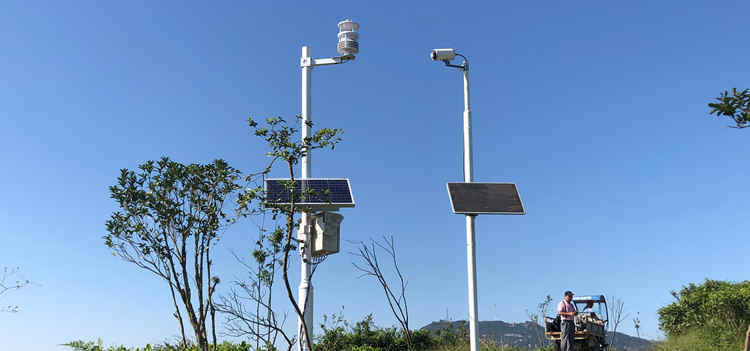
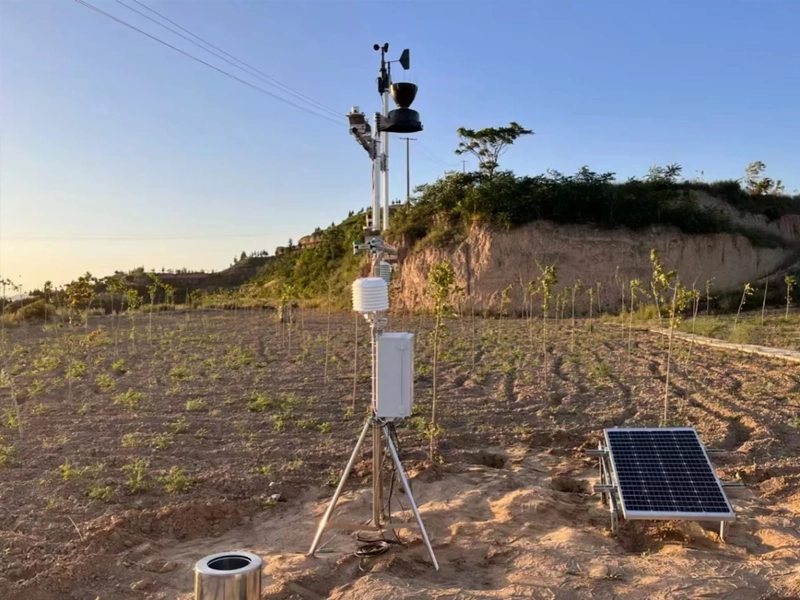
สถานีตรวจวัดสภาพอากาศสำหรับการติดตามพลังงานแสงอาทิตย์ถูกนำมาใช้อย่างแพร่หลายในด้านการผลิตพลังงานแสงอาทิตย์ การผลิตทางการเกษตร การติดตามสิ่งแวดล้อม และการสังเกตการณ์ทางอุตุนิยมวิทยา ด้วยดีไซน์ที่กะทัดรัด การรวมระบบสูง และประสิทธิภาพของข้อมูลที่เชื่อถือได้ ทำให้เหมาะสำหรับการติดตั้งแบบถาวรและการติดตั้งแบบกระจาย ระบบให้ข้อมูลพารามิเตอร์สิ่งแวดล้อมที่เสถียรและข้อมูลการแผ่รังสีของแสงอาทิตย์ ซึ่งให้การสนับสนุนที่แข็งแกร่งสำหรับการวิเคราะห์ประสิทธิภาพพลังงาน การติดตามการเจริญเติบโตของพืช การประเมินสิ่งแวดล้อม และการสังเกตการณ์ทางอุตุนิยมวิทยาแบบอัตโนมัติในหลากหลายสถานการณ์กลางแจ้ง.
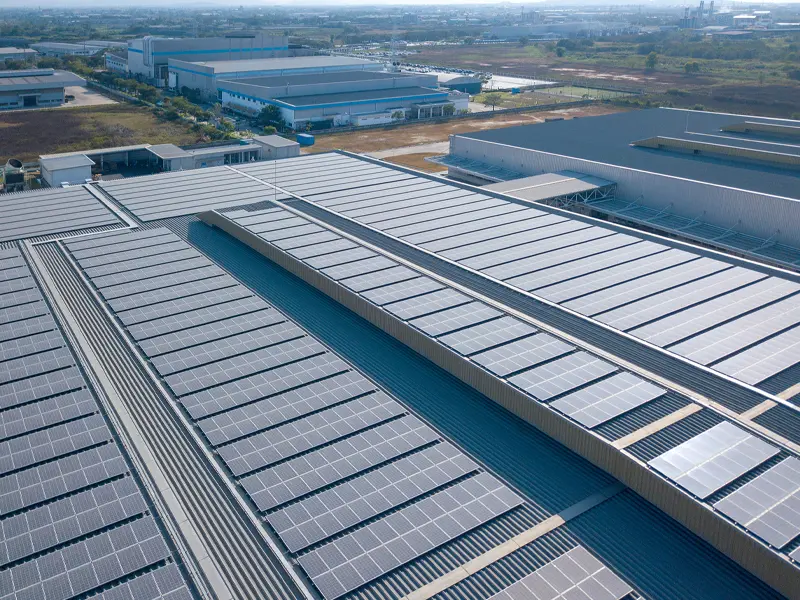
โรงไฟฟ้าพลังงานแสงอาทิตย์
ใช้ในสถานีตรวจอากาศอัตโนมัติและระบบสังเกตการณ์ภูมิอากาศระดับภูมิภาคสำหรับการเก็บข้อมูลอุตุนิยมวิทยาอย่างต่อเนื่อง.
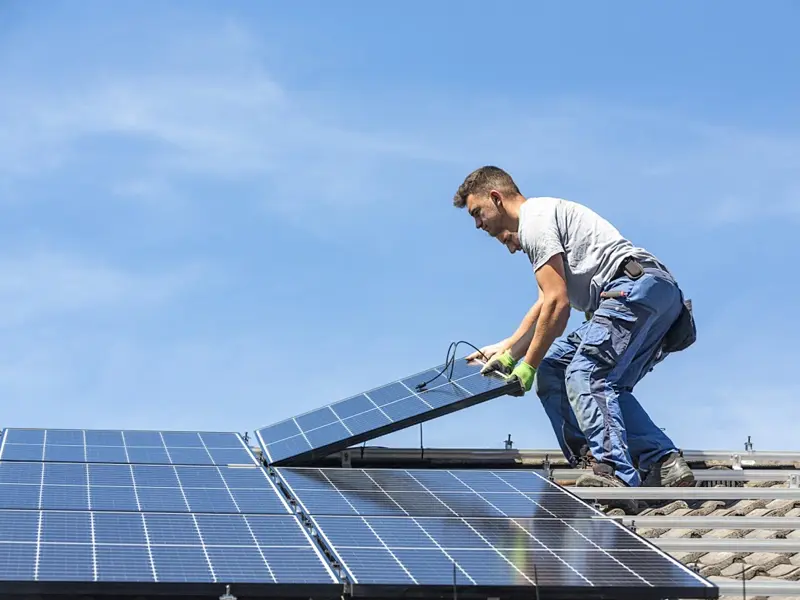
ระบบโซลาร์เซลล์แบบกระจายตัว
เหมาะอย่างยิ่งสำหรับโครงการระบบโซลาร์เซลล์บนหลังคาและขนาดเล็กที่ต้องการการตรวจสอบที่กะทัดรัดและครบวงจร.
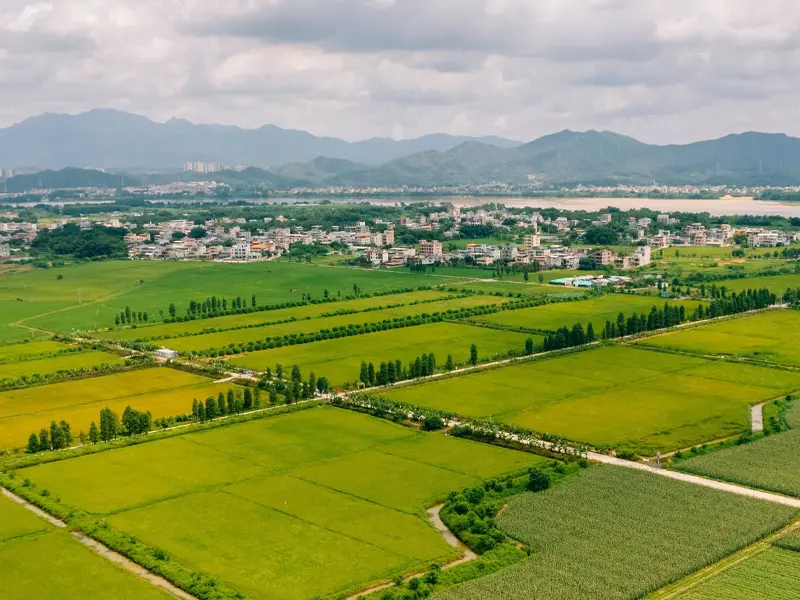
เกษตรอัจฉริยะ
สนับสนุนการติดตามสิ่งแวดล้อมทางการเกษตรเพื่อปรับปรุงสภาพการเจริญเติบโตของพืชผล.

การติดตามและประเมินผลป่าไม้
นำไปใช้ในการสังเกตการณ์สภาพภูมิอากาศจุลภาคในป่าและการประเมินสภาพแวดล้อมทางนิเวศวิทยา.

แหล่งท่องเที่ยวเชิงนิเวศ
ให้บริการข้อมูลสภาพอากาศแบบเรียลไทม์เพื่อการจัดการสิ่งแวดล้อมในด้านการท่องเที่ยวและพื้นที่ทิวทัศน์.
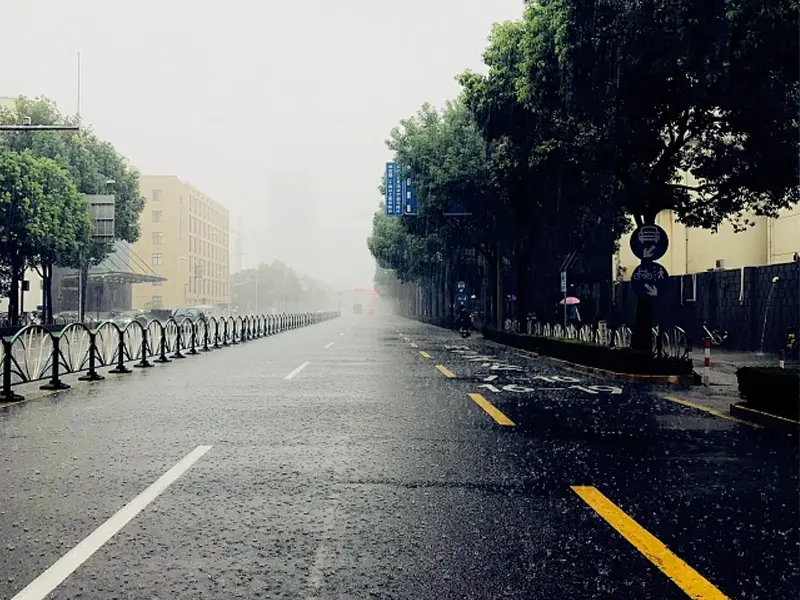
สถานีตรวจวัดสภาพอากาศอัตโนมัติ
ทำหน้าที่เป็นหน่วยตรวจวัดที่เชื่อถือได้ภายในเครือข่ายการเฝ้าระวังอุตุนิยมวิทยาในระดับมืออาชีพ.
ประเพณีของสถานีตรวจอากาศแบบติดตามดวงอาทิตย์
สถานีตรวจอากาศแบบโซลาร์คอมแพค XF100S-CWB รองรับการกำหนดค่าและการปรับแต่งที่ยืดหยุ่นเพื่อให้ตรงตามมาตรฐานโครงการและความต้องการการใช้งานที่แตกต่างกัน ตั้งแต่การเลือกเกรดไพราโนมิเตอร์ไปจนถึงอินเทอร์เฟซการสื่อสาร วิธีการติดตั้ง และอุปกรณ์เสริม ระบบสามารถปรับแต่งได้สำหรับโรงไฟฟ้าพลังงานแสงอาทิตย์ขนาดใหญ่ โครงการพลังงานแสงอาทิตย์แบบกระจาย และมืออาชีพ การตรวจวัดสภาพอากาศ แอปพลิเคชัน.
ตัวเลือกการปรับแต่ง
- การเลือกไพราโนมิเตอร์
รองรับเกรดไพราโนมิเตอร์หลายรุ่น รวมถึง TBQ-2C-D (มาตรฐาน), EKO MS-802 (Class A), MS-60 (Class B), MS-40 (Class C) และ Kipp&Zonen CMP6 / CMP10 ซึ่งสอดคล้องกับมาตรฐาน ISO 9060:2018. - อินเตอร์เฟซการสื่อสาร
RS485 มาตรฐานพร้อม โมดบัส โปรโตคอล RTU; ตัวเลือก เอสดีไอ-12 มีอินเทอร์เฟซให้บริการตามคำขอ. - มุมปรับเครื่องวัดรังสีแสงอาทิตย์
ปรับมุมติดตั้งได้ตั้งแต่ 0° ถึง 60° โดยตั้งค่ามาตรฐานไว้ที่ 40° เพื่อให้สอดคล้องกับการติดตั้งระบบพลังงานแสงอาทิตย์ทั่วไป. - วิธีการติดตั้ง
การยึดปลอกมาตรฐาน; มีตัวเลือกการยึดด้วยหน้าแปลนหรือแผ่นดัดสำหรับการใช้งานในสภาพพื้นที่ที่แตกต่างกัน. - ความยาวสายเคเบิล
สายเคเบิลมาตรฐาน 3 เมตร; สายเคเบิลเสริม 10 เมตรสำหรับการติดตั้งในระยะไกล. - ขายึด
โครงขาตั้งแบบติดตั้งถาวรแบบเลือกได้ พร้อมความสูง 1.5 เมตร หรือ 1.8 เมตร เพื่อตอบสนองความต้องการในการติดตั้งภาคสนามที่หลากหลาย.
สถานีตรวจวัดสภาพอากาศพร้อมระบบติดตามพลังงานแสงอาทิตย์ ผู้ผลิต และผู้จัดหา
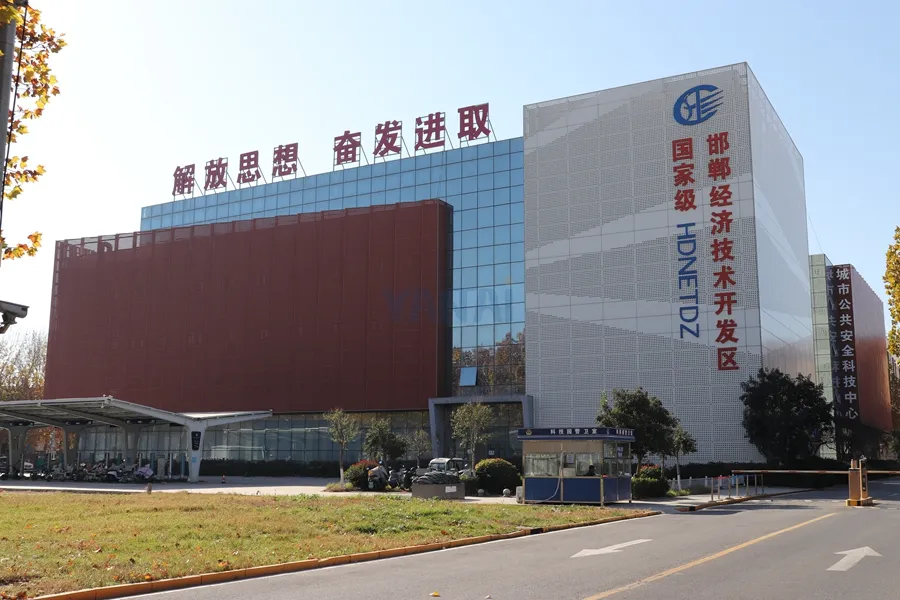
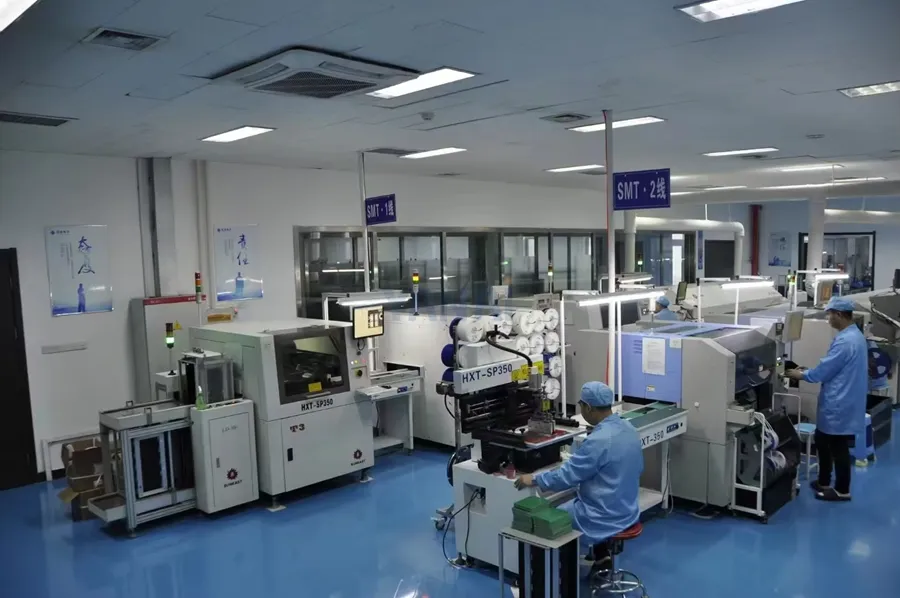
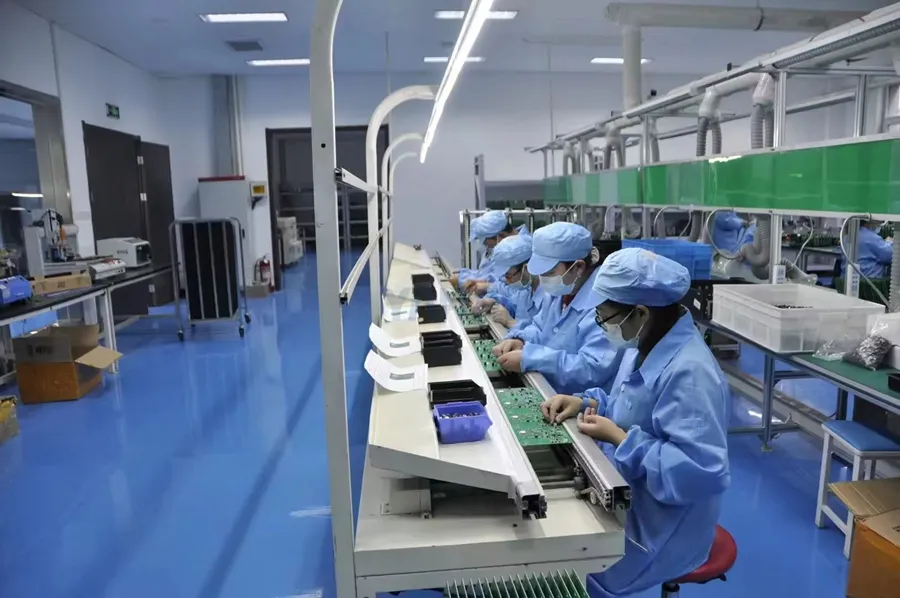
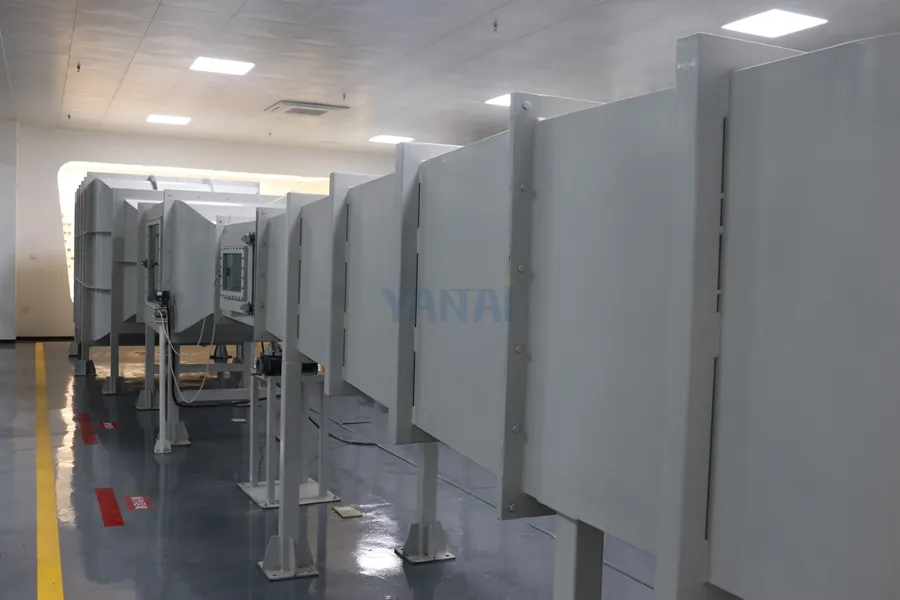
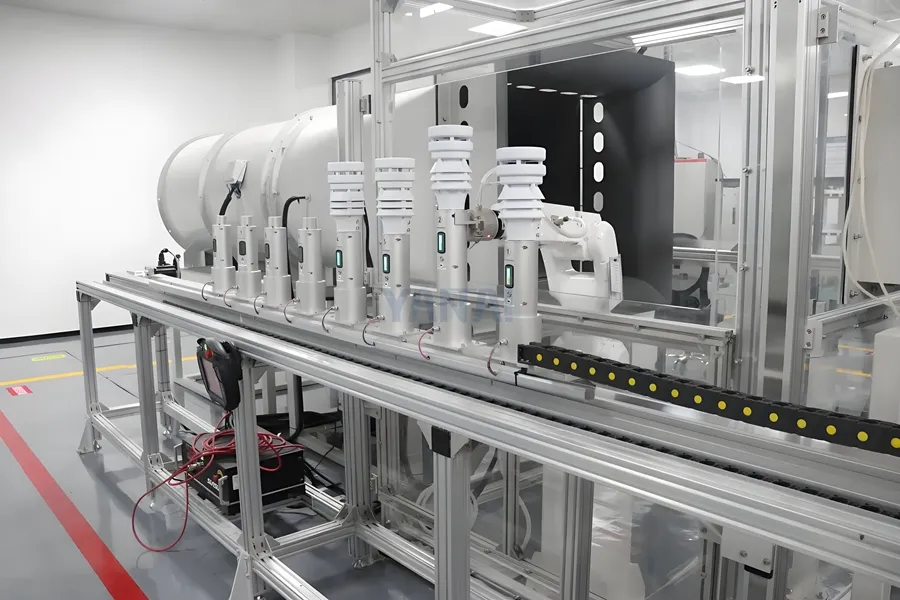
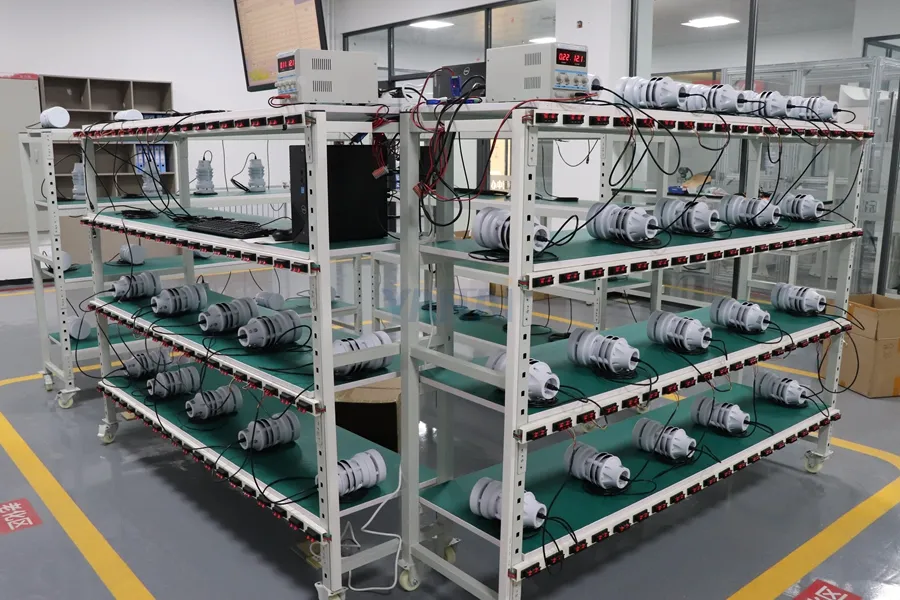
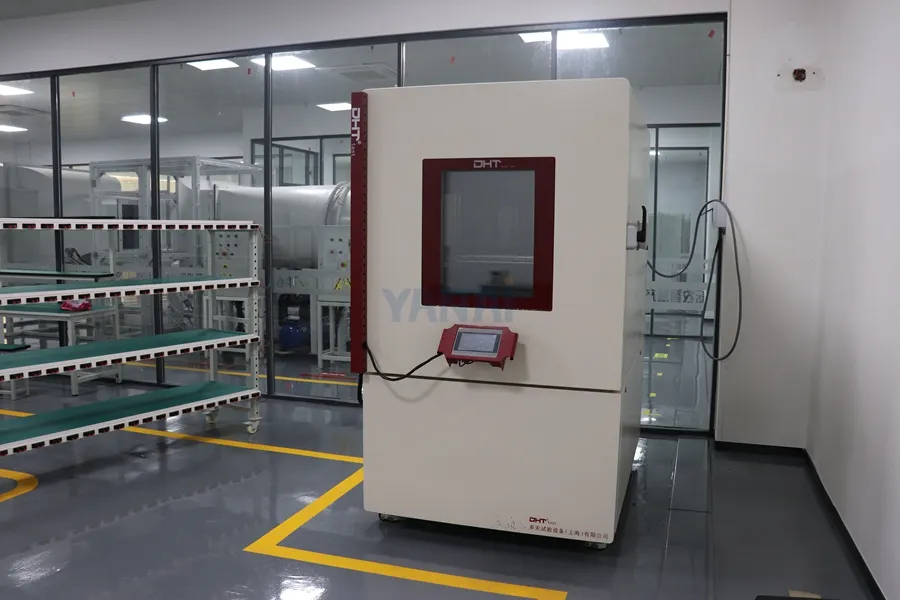
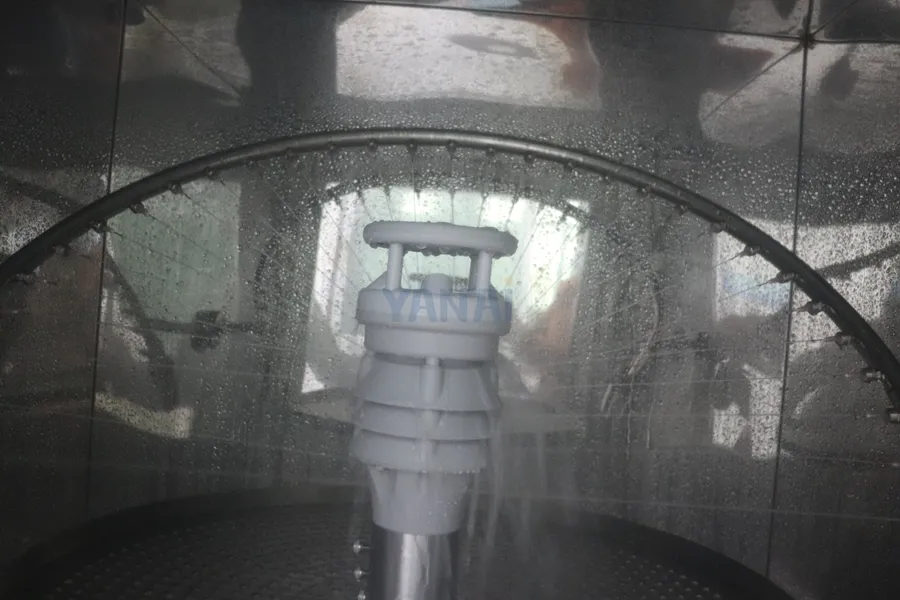
Yantai Sensor เป็นผู้ผลิตและผู้จำหน่ายสถานีตรวจวัดสภาพอากาศสำหรับระบบติดตามพลังงานแสงอาทิตย์แบบมืออาชีพ มุ่งมั่นในการนำเสนอโซลูชันที่เชื่อถือได้สูงสำหรับโรงไฟฟ้าพลังงานแสงอาทิตย์และการใช้งานพลังงานหมุนเวียนกลางแจ้งระยะยาวได้รับการสนับสนุนโดยทีมวิจัยและพัฒนาภายในที่มีประสบการณ์ ห้องปฏิบัติการที่ได้รับการรับรองจาก CNAS และสิ่งอำนวยความสะดวกในการทดสอบสิ่งแวดล้อมและอุโมงค์ลมที่ทันสมัย ผลิตภัณฑ์ของเราได้รับการตรวจสอบอย่างเข้มงวดผ่านการทดสอบการหมุนเวียนของอุณหภูมิที่รุนแรง การทดสอบความต้านทานความชื้น การจำลองผลกระทบจากรังสีดวงอาทิตย์ และการทดสอบการสัมผัสกลางแจ้งในระยะยาว เพื่อให้มั่นใจในประสิทธิภาพที่เสถียรและแม่นยำในสภาพแวดล้อมที่รุนแรง.
สถานีตรวจอากาศสำหรับติดตามพลังงานแสงอาทิตย์ของเราผสานเทคโนโลยีแกนกลางที่เป็นกรรมสิทธิ์และแบบโครงสร้างที่จดสิทธิบัตรไว้ พร้อมปฏิบัติตามมาตรฐานสากล เช่น CE, ISO, และ RoHS สถานีเหล่านี้ได้รับการนำไปใช้อย่างแพร่หลายในระบบพลังงานแสงอาทิตย์ขนาดใหญ่และระบบกระจายตัว, การติดตามประสิทธิภาพพลังงาน, และโครงการโครงสร้างพื้นฐานพลังงานใหม่นอกเหนือจากการกำหนดค่ามาตรฐานแล้ว เรายังให้บริการปรับแต่งที่ยืดหยุ่นและการบูรณาการระบบ—ครอบคลุมการเลือกเซ็นเซอร์ อินเทอร์เฟซการสื่อสาร โซลูชันการติดตั้ง และการบูรณาการข้อมูล—เพื่อตอบสนองความต้องการของโครงการที่หลากหลายและรับประกันการทำงานที่เชื่อถือได้ในระยะยาวของระบบตรวจสอบพลังงานแสงอาทิตย์. ติดต่อเรา สำหรับการให้คำปรึกษาทางเทคนิคและ โซลูชันการตรวจสอบสภาพแวดล้อมสำหรับฟาร์มโซลาร์.