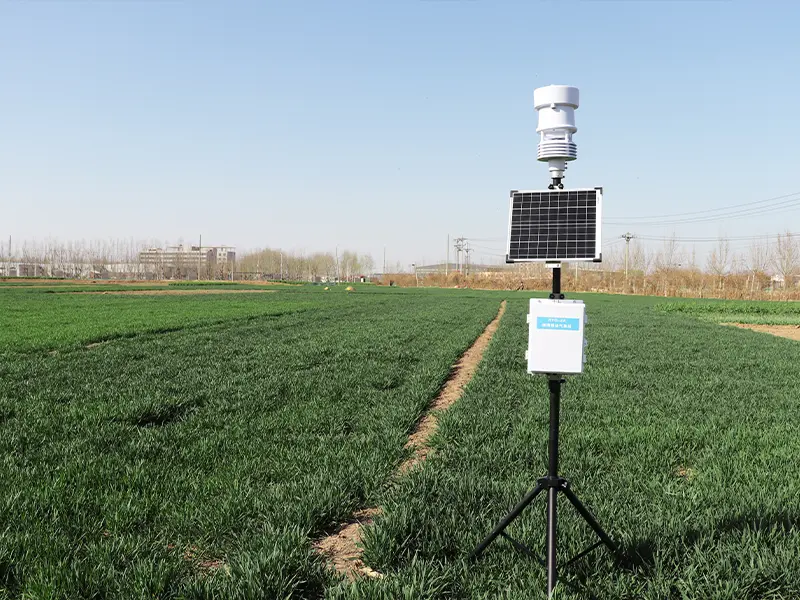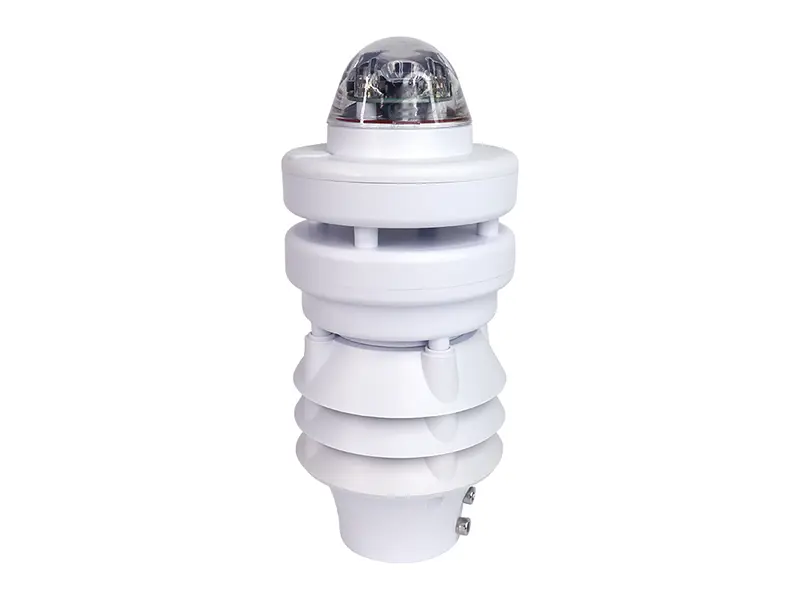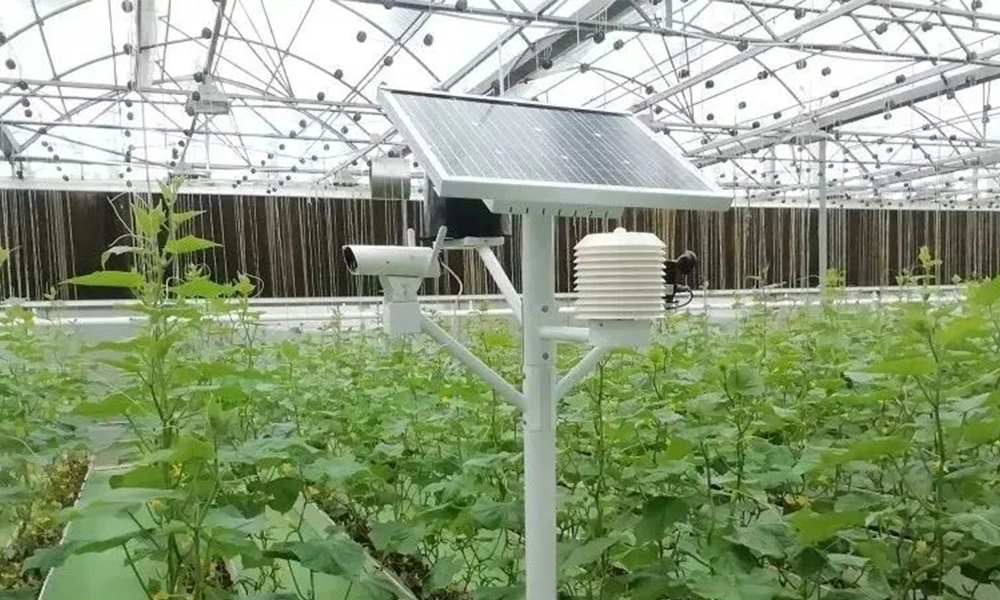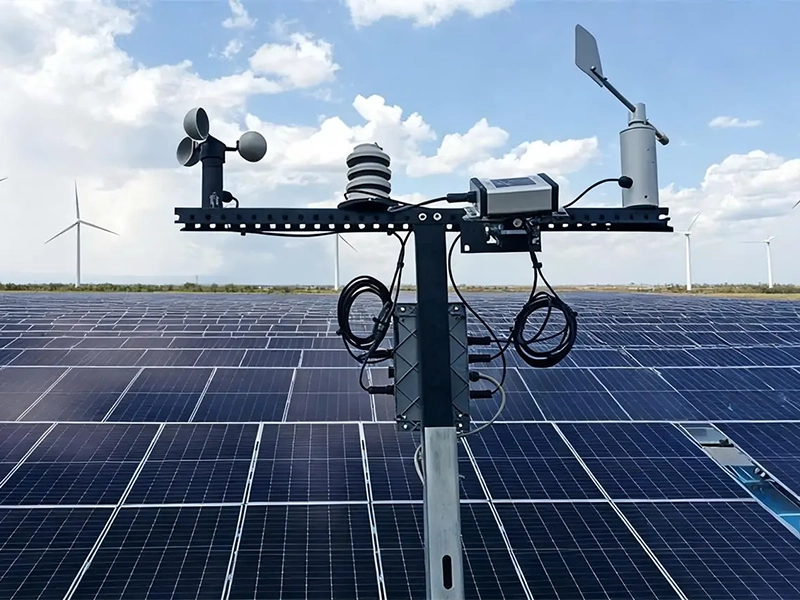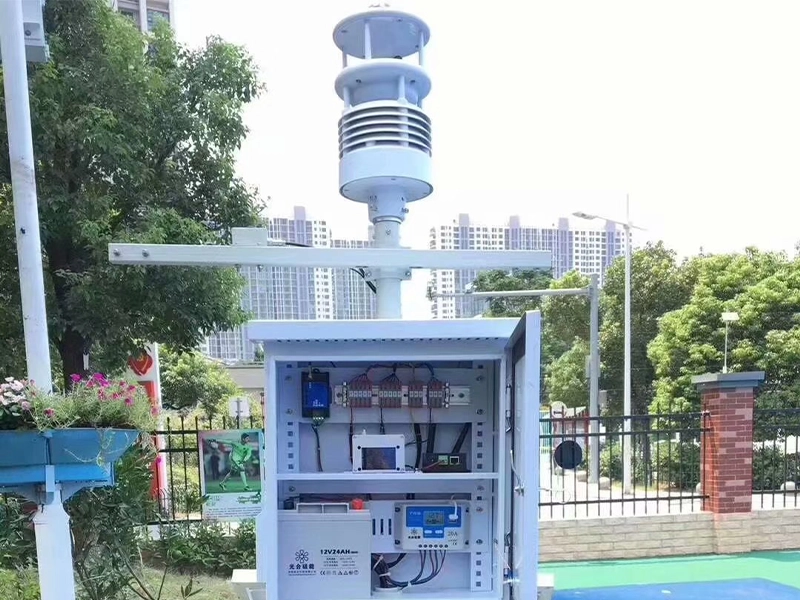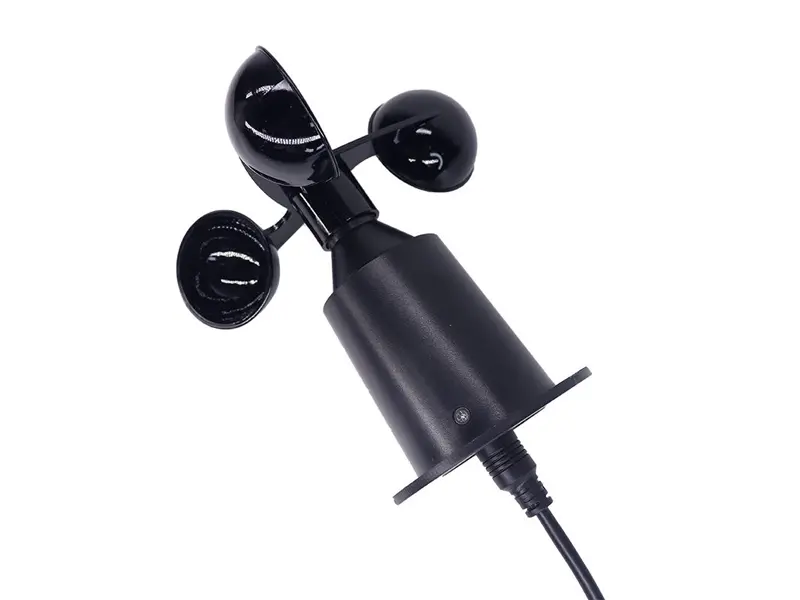
محطة الطقس الذكية لإنترنت الأشياء للمراقبة البيئية في الوقت الحقيقي
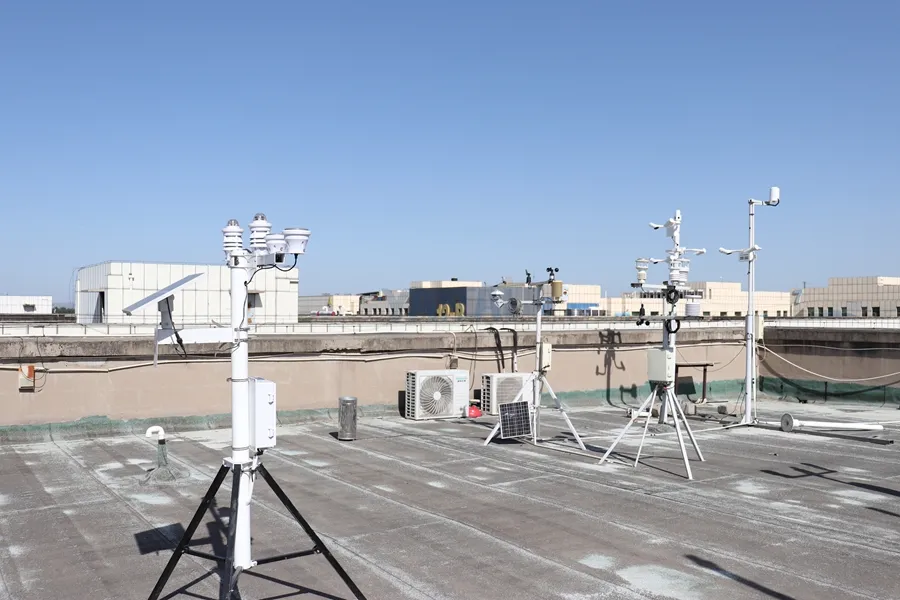
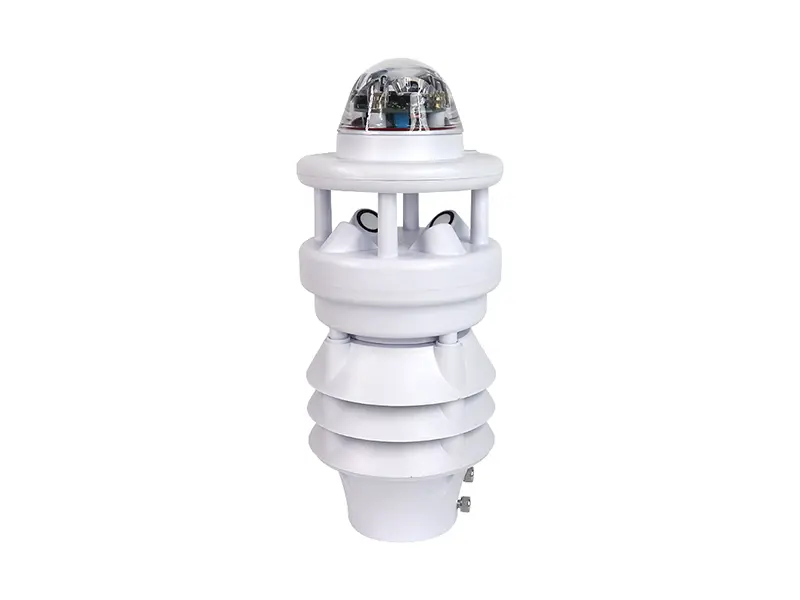
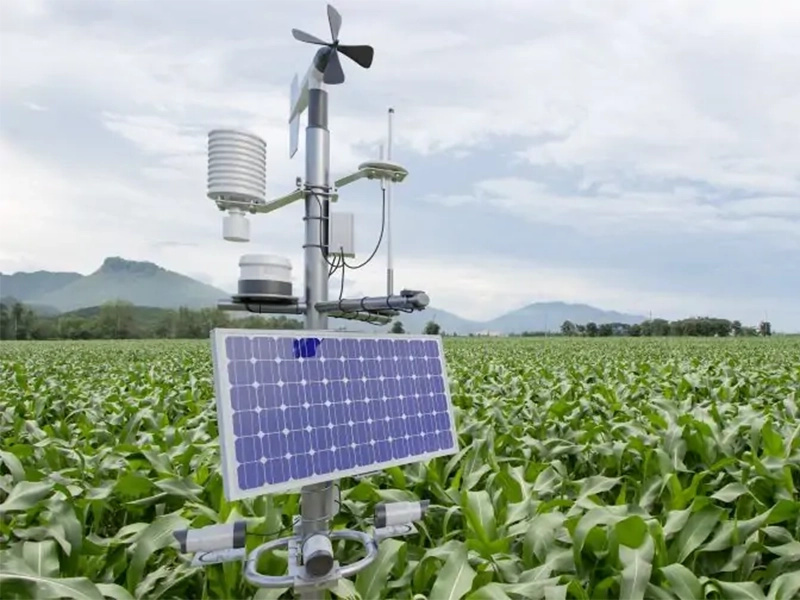
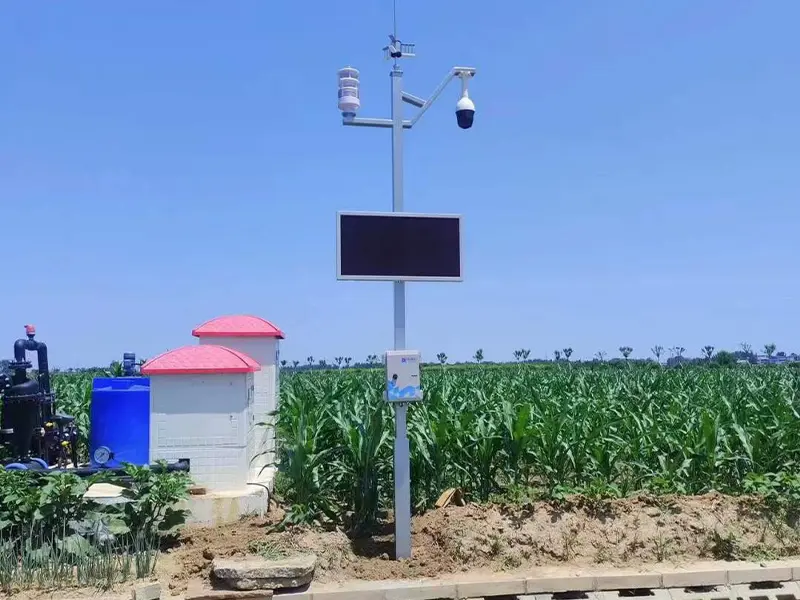
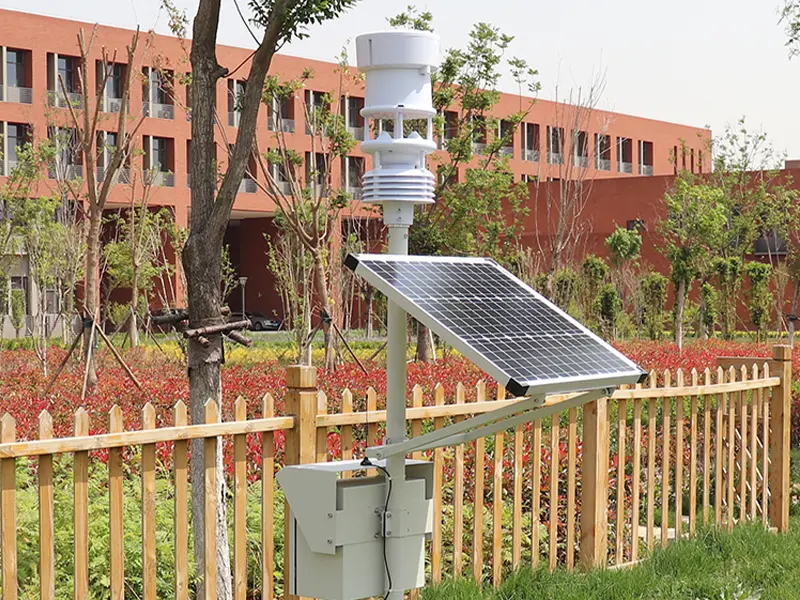
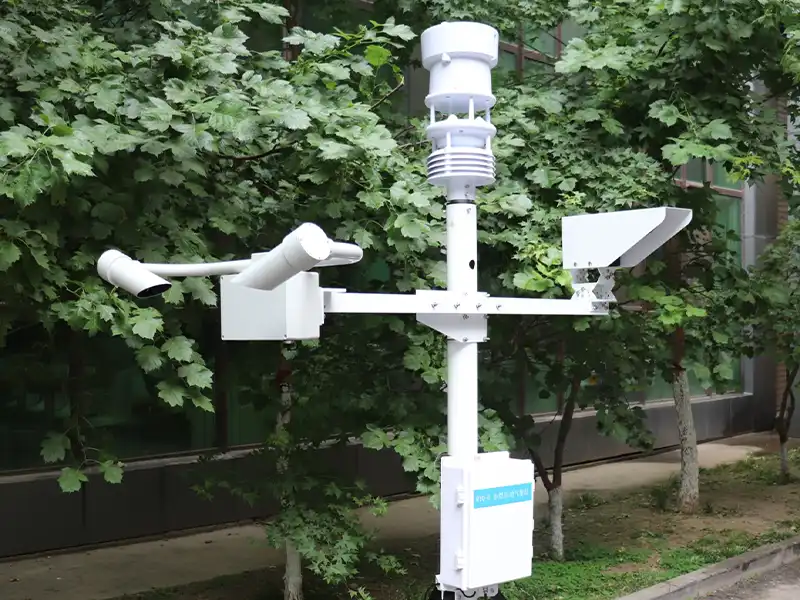
An IoT weather station is a device that utilizes Internet of Things (IoT) technology to automate the collection and transmission of environmental data. It is capable of real-time monitoring of environmental parameters such as temperature, humidity, wind speed, rainfall, and solar radiation. Characterized by features such as automated monitoring, real-time data transmission, high precision, low power consumption, and intelligent early warning capabilities, it is widely applied across various fields, including smart agriculture, photovoltaic power stations, environmental monitoring, transportation, hydrology, and smart cities.
- درجة حرارة الغلاف الجوي: -40 درجة مئوية إلى +85 درجة مئوية
- نطاق الرطوبة: 0-100%RH-0-100%RH
- نطاق سرعة الرياح: 0-60 م/ثانية
- دقة هطول الأمطار: ± 0.2 مم
- المعلمات المقاسة: درجة الحرارة، والرطوبة، وسرعة الرياح، واتجاه الرياح، واتجاه الرياح، وهطول الأمطار، والضغط الجوي، والإشعاع الشمسي (اختياري)
السعر: $330-$2,500
مقدمة
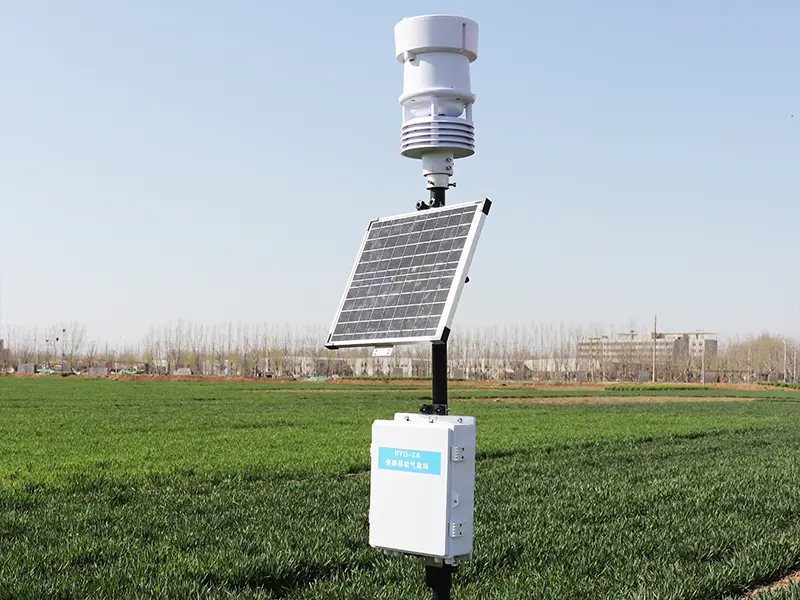
An IoT weather station is an intelligent meteorological monitoring system (Also known as an نظام إنترنت الأشياء لمراقبة الطقس) that integrates sensors, wireless communication, and a cloud platform. Typically comprising meteorological sensors, data collectors, power supply systems, and a cloud platform, the system is capable of the real-time collection and transmission of over a dozen environmental parameters—including air temperature and humidity, light intensity, wind speed and direction, precipitation, and soil temperature and humidity. Through a web interface or mobile application, users can visualize data, configure threshold-based alerts, remotely manage devices, and perform data analysis.
هيكل محطة طقس إنترنت الأشياء
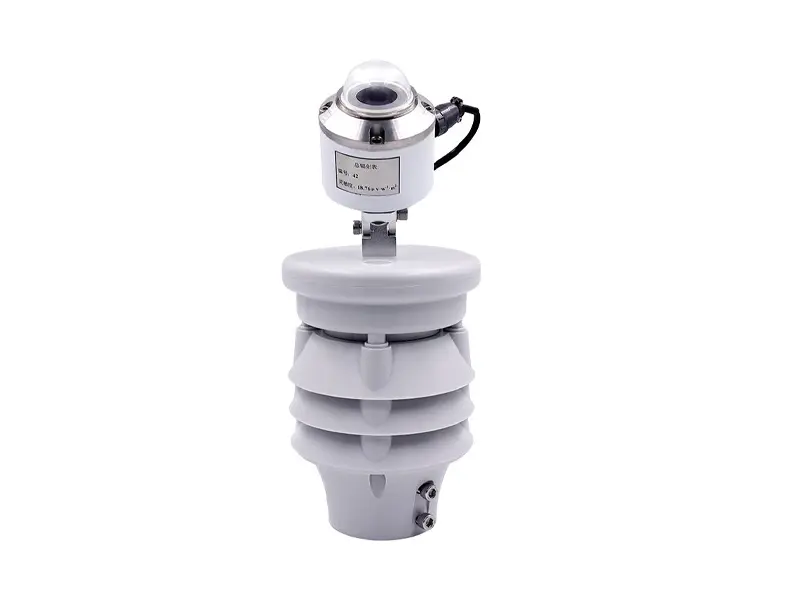
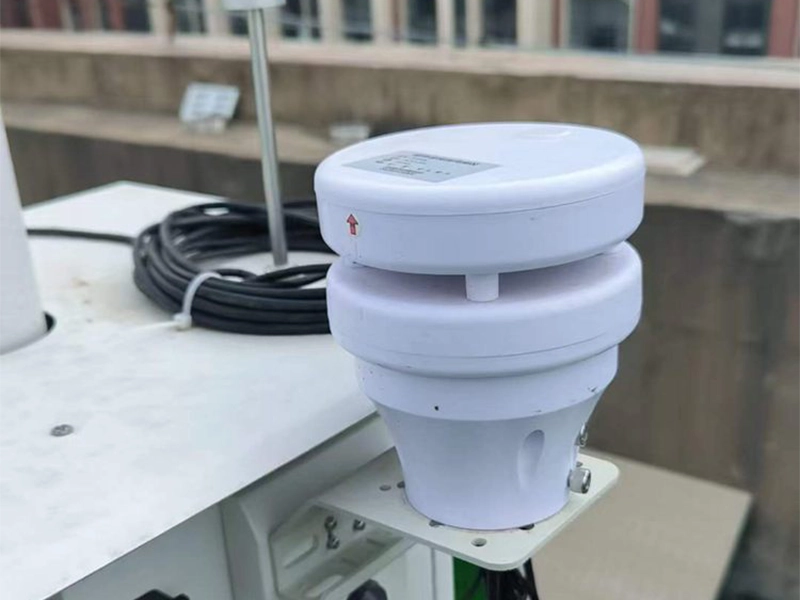
- مستشعرات الأرصاد الجوية: Used to collect environmental data such as temperature, humidity, wind speed, wind direction, rainfall, atmospheric pressure, and solar radiation.
- مسجل البيانات: Responsible for receiving and processing data from various sensors, as well as managing data storage and transmission control.
- وحدة الاتصال اللاسلكي: Supports communication protocols such as 4G, WiFi, LoRa, NB-IoT, and RS485, enabling remote data transmission.
- نظام إمداد الطاقة: Typically utilizes solar power or battery power to ensure the long-term, stable operation of the equipment.
- Mounting Brackets and Protective Structures: Includes mounting poles, protective enclosures, and fastening components; designed with protective capabilities suitable for outdoor environments.
- Cloud Platform and Monitoring Software: Enables real-time data viewing, historical data analysis, remote management, and anomaly alerting functions.
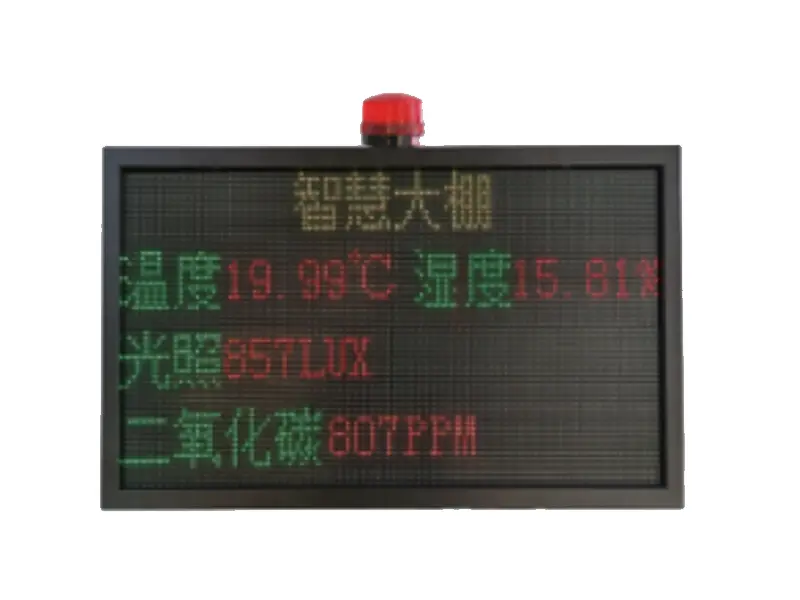
- Display Terminal: Can be equipped with an LED display, PC interface, or mobile app to provide real-time visualization of meteorological data.
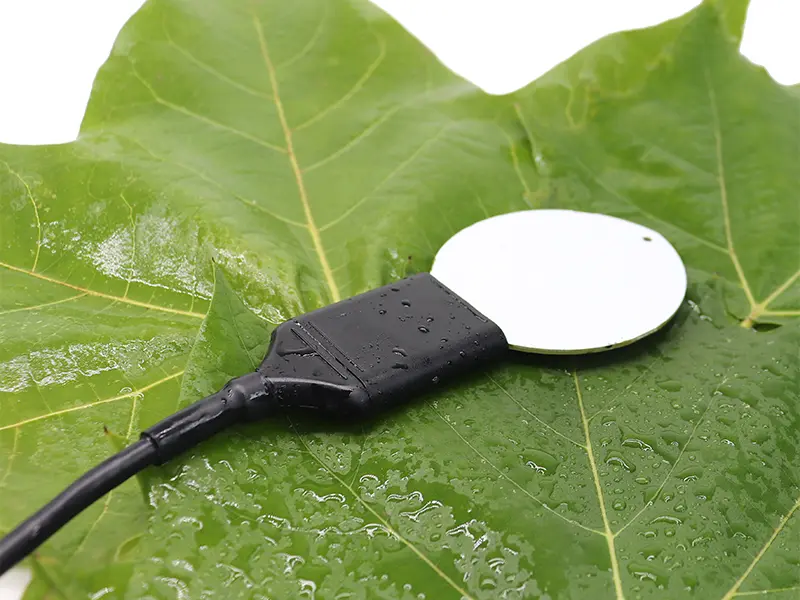
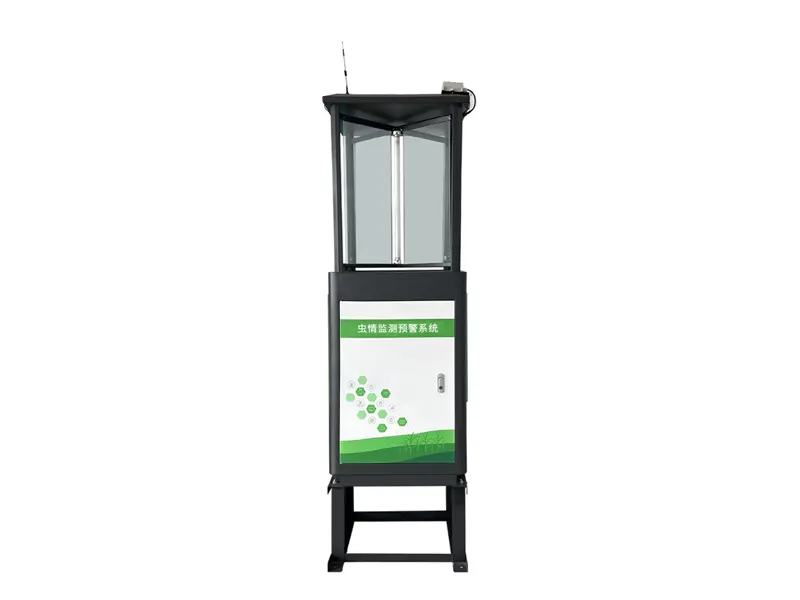
- Expandable Monitoring Modules: Allows for the addition of sensors for parameters such as soil temperature and moisture, air quality, visibility, and water levels, meeting diverse application requirements.
working principle IoT weather station
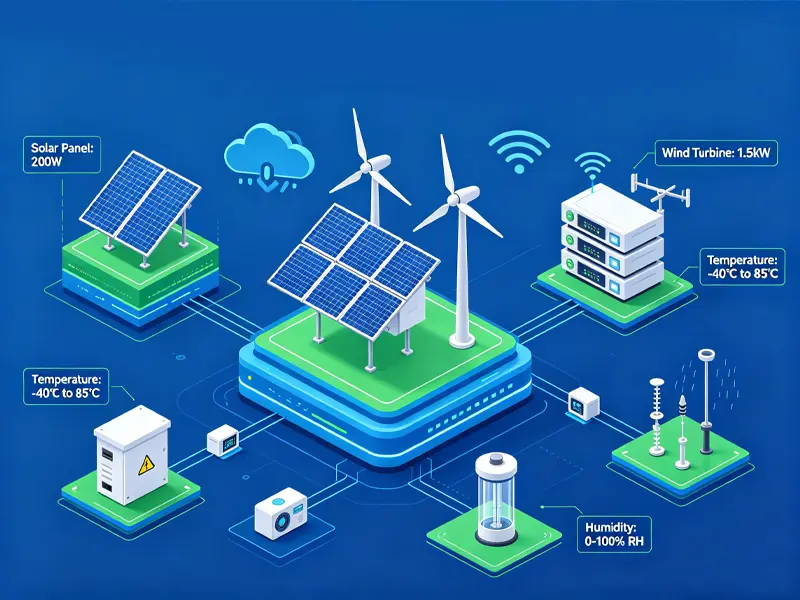
The IoT weather station operates on a model of “sensor data collection + data processing + wireless transmission + cloud-based applications” to enable real-time monitoring and intelligent management of environmental meteorological data.
- Data Acquisition: Various meteorological sensors (temperature, humidity, wind speed, rainfall, atmospheric pressure, solar radiation, etc.) detect environmental changes in real time and output electrical or digital signals.
- Signal Processing: The data logger amplifies, filters, converts, and calibrates sensor signals to ensure data accuracy and reliability.
- نقل البيانات: Data is uploaded to a local server or cloud platform via communication methods such as 4G, LoRa, NB-IoT, Wi-Fi, or RS485.
- Cloud Storage and Analysis: The platform stores and visually analyzes the data, generating trend charts, reports, and model analysis results.
- Remote Applications and Control: Users can view data in real time via a PC or mobile device, set threshold alarms, and perform remote monitoring and intelligent decision-making.
المواصفات
The IoT weather station is designed for comprehensive environmental data collection and real-time monitoring. It integrates multiple sensing technologies to measure key meteorological and environmental conditions. The system typically includes parameters such as temperature, humidity, wind speed, wind direction, rainfall, atmospheric pressure, and solar radiation, depending on the application requirements. Below are specifications for the IoT weather station:
المعلمات
| البند | المواصفات |
|---|---|
| اسم المنتج | IoT Weather Station |
| المعلمات المقاسة | درجة الحرارة، والرطوبة، وسرعة الرياح، واتجاه الرياح، واتجاه الرياح، وهطول الأمطار، والضغط الجوي، والإشعاع الشمسي (اختياري) |
| نطاق درجة الحرارة | -40 درجة مئوية إلى +85 درجة مئوية |
| نطاق الرطوبة | من 0 إلى 100% RH |
| نطاق سرعة الرياح | من 0 إلى 60 م/ثانية |
| نطاق اتجاه الرياح | من 0 إلى 360 درجة |
| دقة هطول الأمطار | ± 0.2 مم |
| الفاصل الزمني لأخذ عينات البيانات | قابل للتعديل من 1 إلى 60 دقيقة |
| نقل البيانات | 4G 4G / LoRa / NB-IoT / WiFi |
| بروتوكولات الاتصال | مقاط / http / tcp/IP |
| مزود الطاقة | طاقة شمسية + بطارية قابلة لإعادة الشحن / طاقة تيار متردد (اختياري) |
| منصة البيانات | منصة قائمة على السحابة (تطبيق الويب والجوال) |
| تخزين البيانات | التخزين المحلي + التخزين السحابي |
| بيئة التشغيل | -40 درجة مئوية إلى +85 درجة مئوية، تصميم مقاوم للعوامل الجوية والغبار |
| طريقة التثبيت | التثبيت على عمود/ركيزة |
| مجالات التطبيق | الزراعة الذكية, محطات الطاقة الشمسية, ، المراقبة الصناعية، البحوث البيئية |
Features Smart Weather Station
المراقبة في الوقت الحقيقي
Continuously collects environmental and meteorological data to ensure timely information updates.
Remote Transmission
Supports 4G, LoRa, NB-IoT, and other protocols to enable data uploading to the cloud.
High-Precision Measurement
Employs high-sensitivity sensors to ensure accurate and reliable data.
Intelligent Early Warning
Automatically triggers alerts for abnormal weather conditions, enhancing safety management capabilities.
Low-Power Operation
Combines solar power with energy-efficient design, making it ideal for long-term outdoor deployment.
Modular Expansion
Offers flexible expandability to accommodate various additional environmental monitoring sensors.
Applications IoT weather station
IoT weather stations are widely used in smart agriculture, renewable energy, transportation, environmental monitoring, and industrial automation. Through wireless communication and cloud-based platforms, users can remotely monitor real-time meteorological data, improve operational efficiency, and support data-driven decision-making.
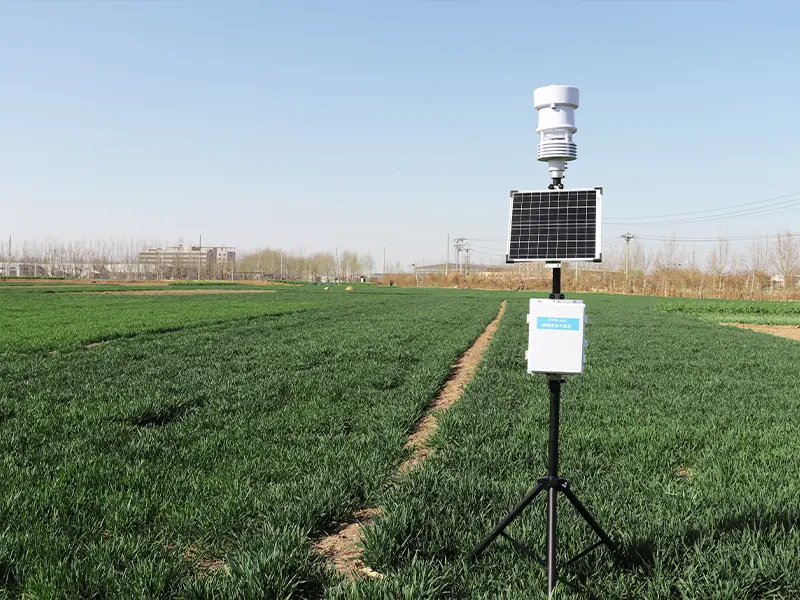
الزراعة الذكية
Monitor temperature, humidity, rainfall, soil moisture, and solar radiation for precision farming and irrigation management.
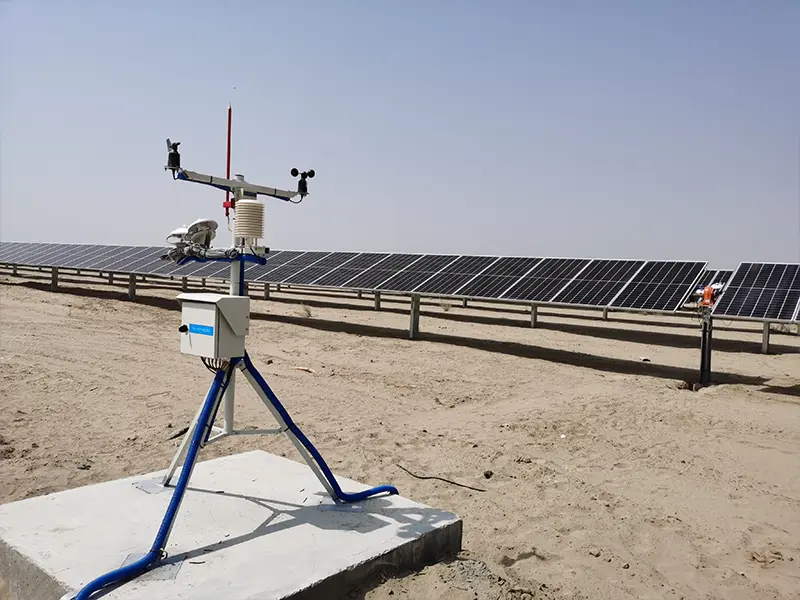
محطات الطاقة الشمسية
Measure solar radiation, ambient temperature, wind speed, and panel conditions to optimize photovoltaic system efficiency.
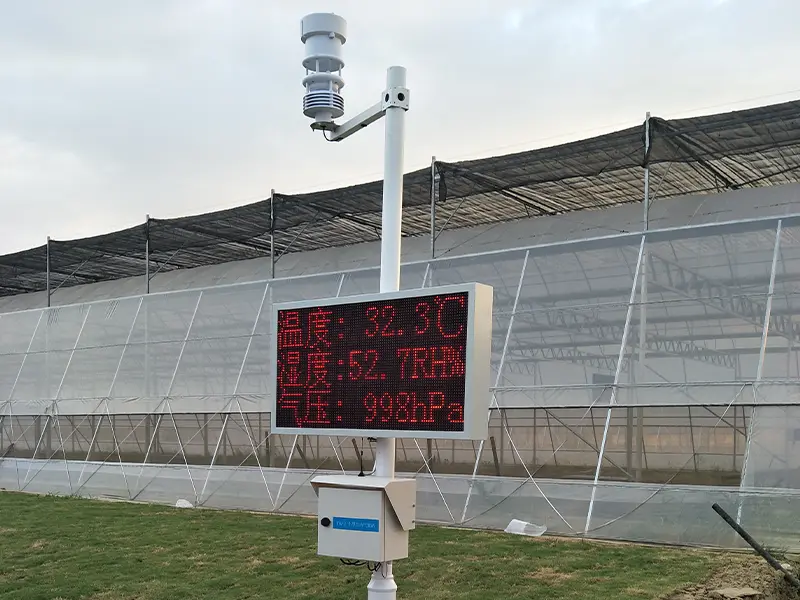
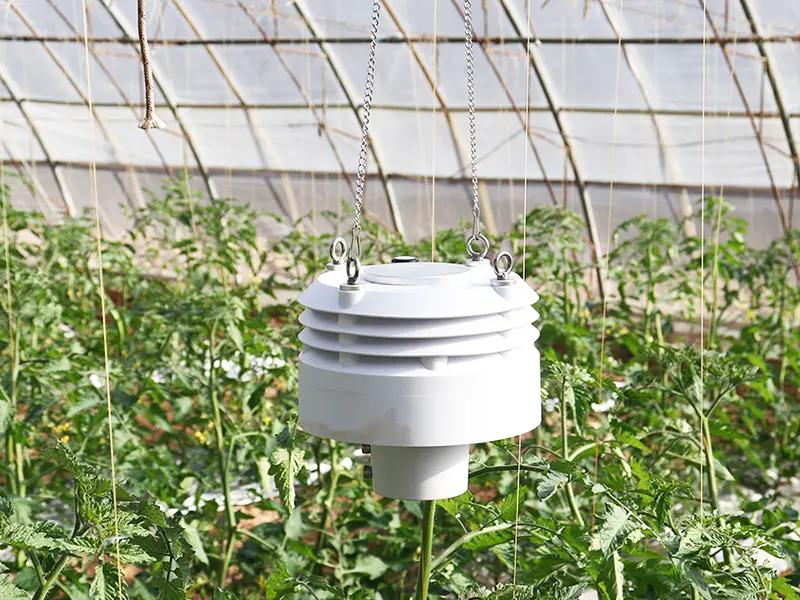
مراقبة الدفيئة
Maintain ideal environmental conditions for crop growth through automated climate monitoring.
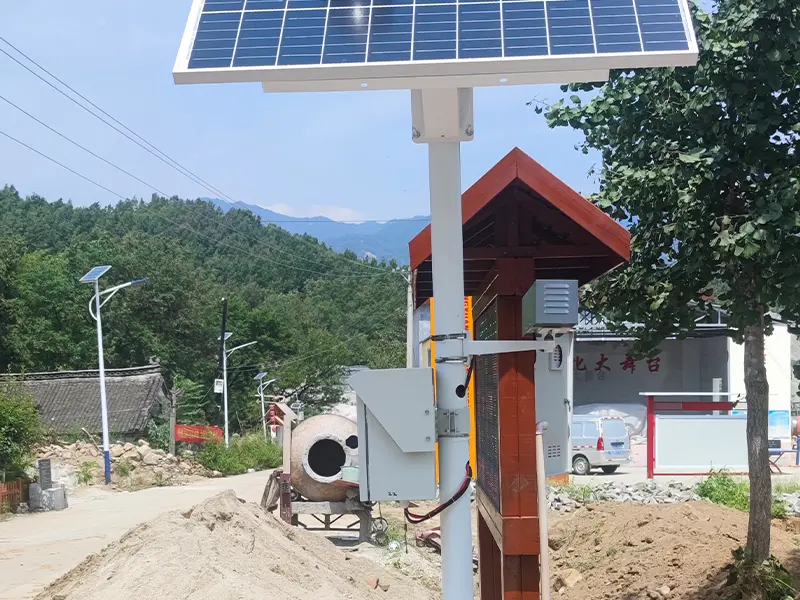
الرصد البيئي
Track weather and air conditions for ecological protection, research projects, and urban environmental management.

Traffic & Highway Monitoring
Monitor fog, rainfall, wind, and road weather conditions to improve transportation safety.
.webp)
Hydrology & Water Management
Collect meteorological and hydrological data for flood warning, reservoir management, and water resource analysis.
IoT weather station custom
The IoT weather station supports flexible customization tailored to various industries and application scenarios, allowing for personalized design—including sensor configuration, communication methods, power supply solutions, and data platforms—to meet diverse مراقبة الأرصاد الجوية المتطلبات.
خيارات التخصيص
- المستشعرات: Choose from combinations of temperature and humidity, wind speed and direction, rainfall, atmospheric pressure, solar radiation, and more, depending on your needs
- طرق التواصل: Supports multiple data transmission methods, including 4G, LoRa, NB-IoT, and Wi-Fi
- نظام إمداد الطاقة: Choose from solar power, mains power, or a hybrid power solution
- منصة البيانات: Supports dedicated cloud platforms, app interfaces, and data visualization feature development
- Structural Design: Mounting brackets, protection ratings, and installation methods can be customized based on the installation environment
- توسيع الوحدة الوظيفية: Additional sensors for soil monitoring, air quality, water level, and other parameters can be added
- Alarm System: Features include configurable threshold alarms and SMS/email/app notifications
- الشعار والتوسيم: تقدم خدمات تخصيص مخصصة لشعارات العلامات التجارية ولوحات الأسماء والتغليف.
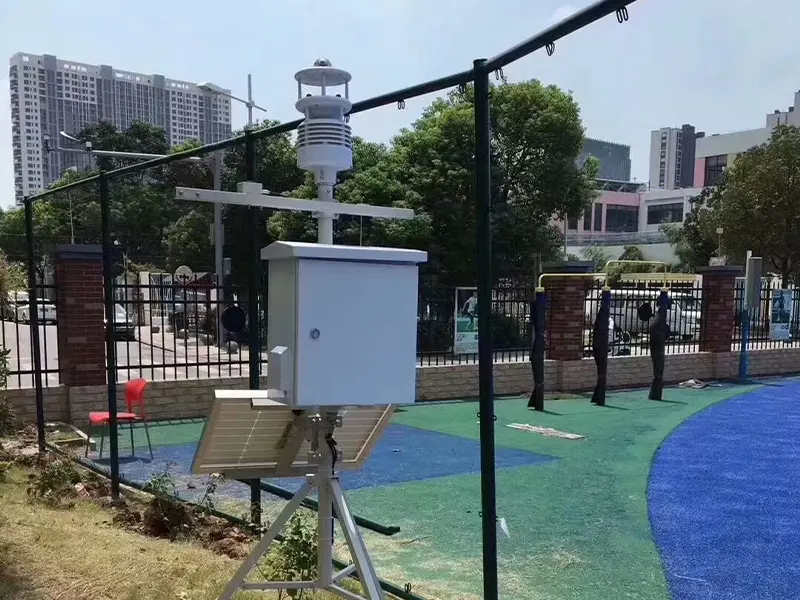
الحالات
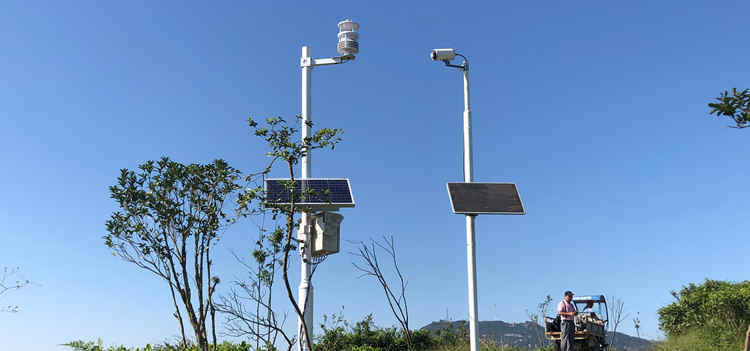
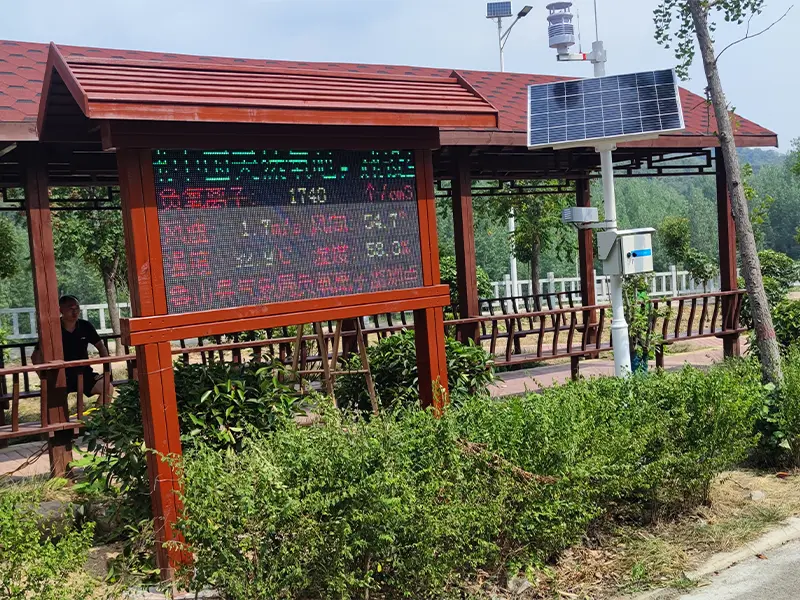
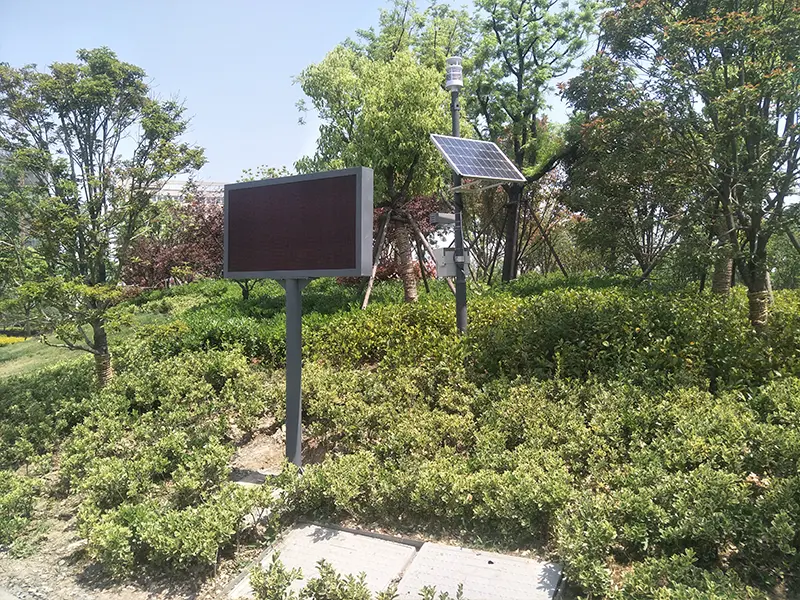
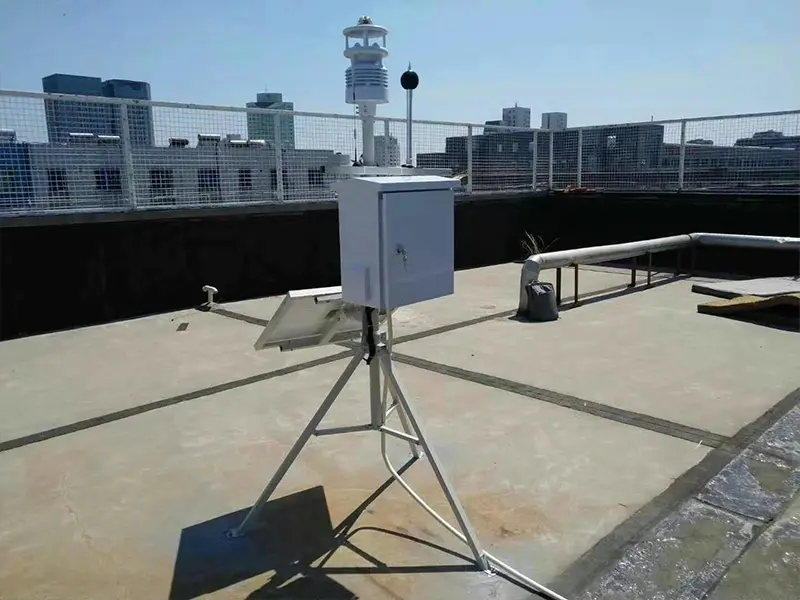
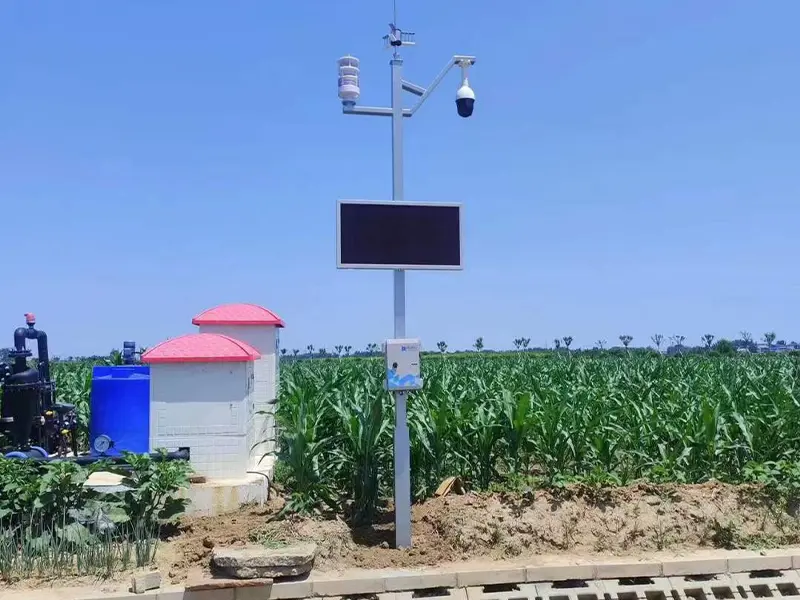
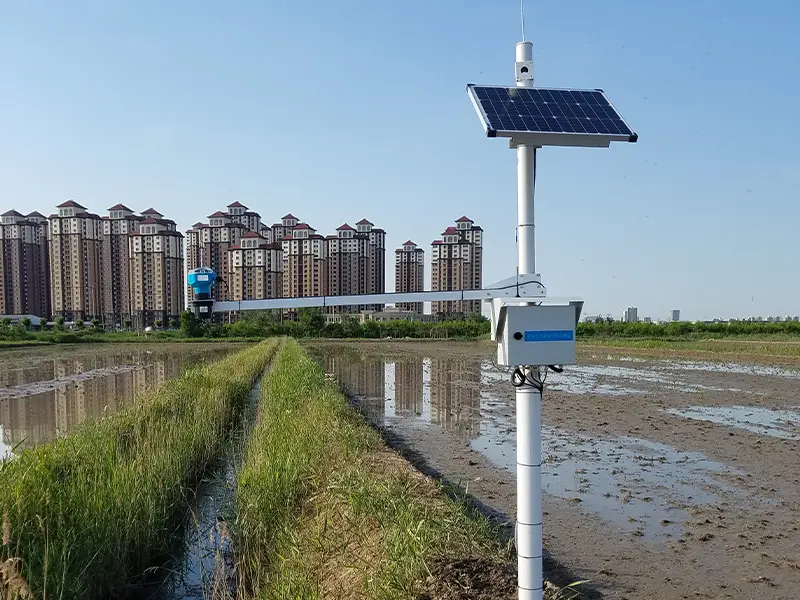
The IoT weather station supports flexible customization, allowing for personalized design tailored to diverse industries and application scenarios; by leveraging real-time meteorological data acquisition and cloud-based analysis, it delivers precise environmental monitoring and decision support across a wide range of contexts. Below are cases for the IoT weather station:


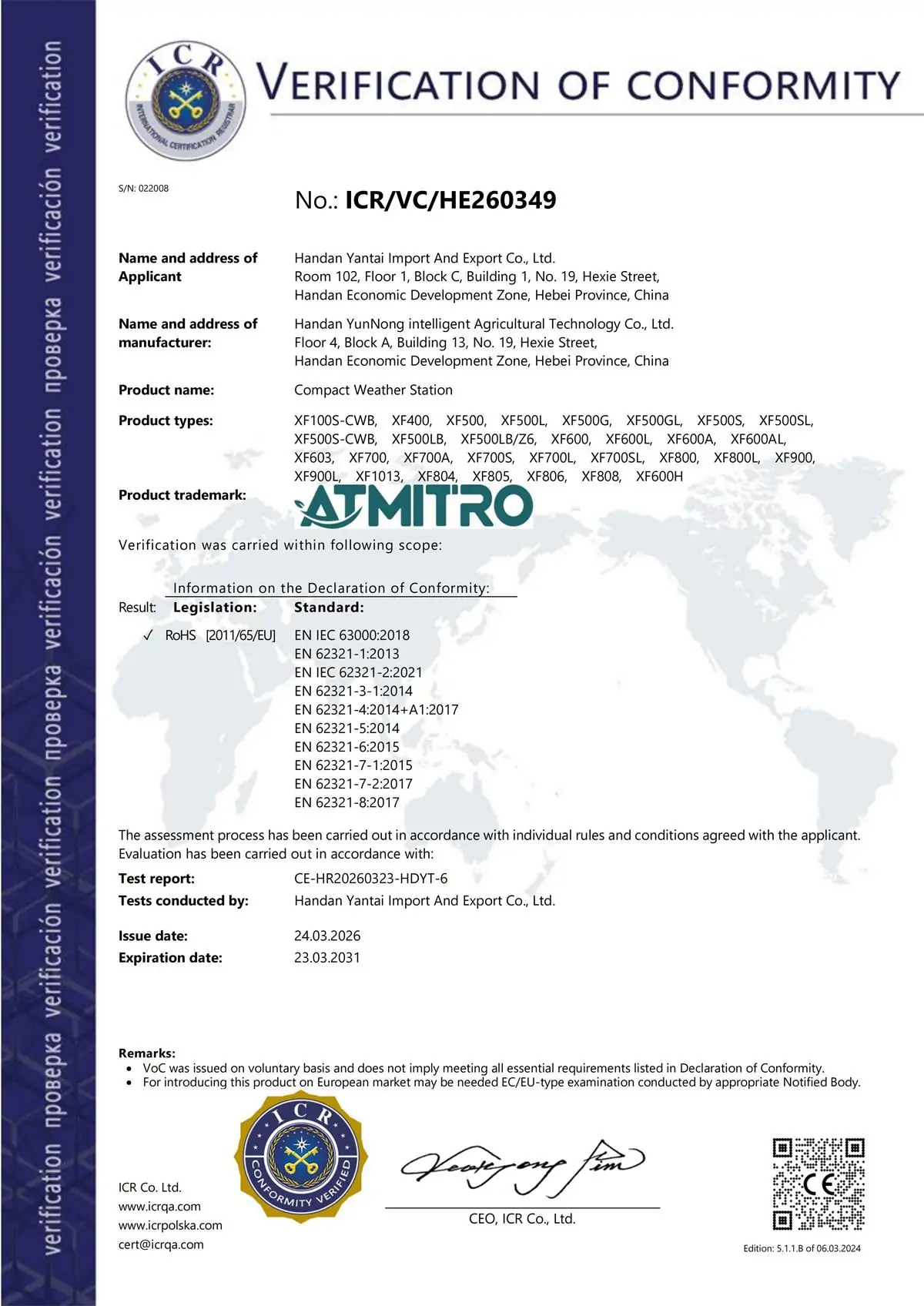
IoT Weather Station manufacturer and supplier
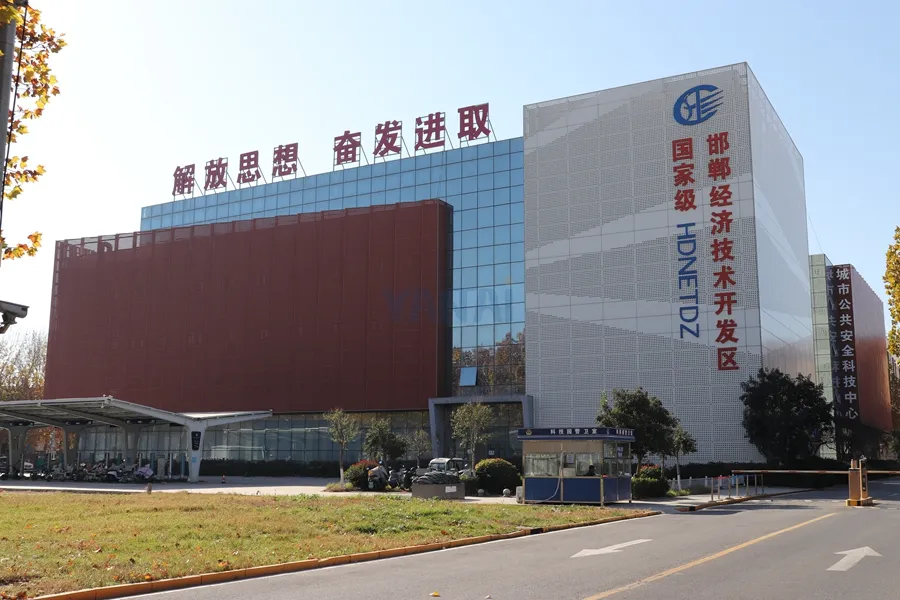
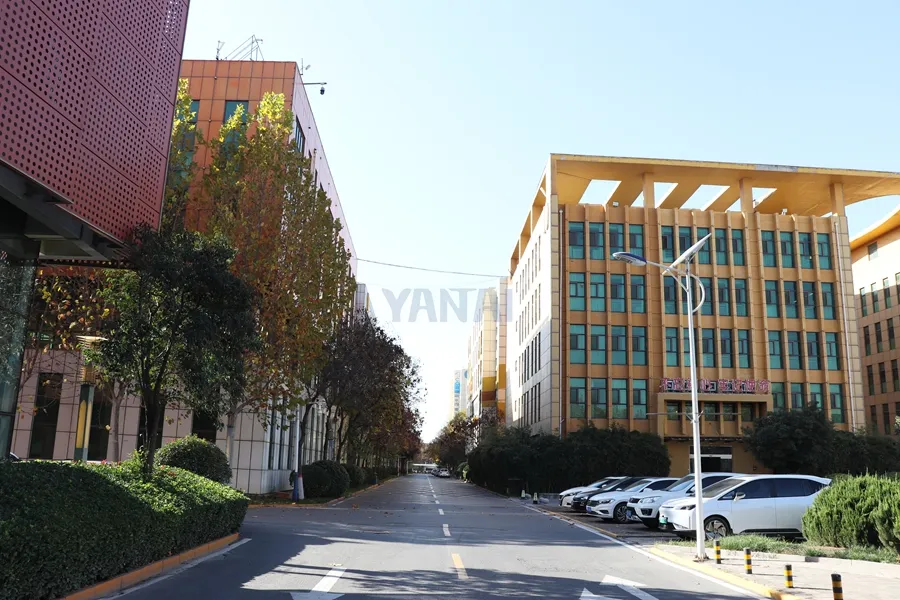
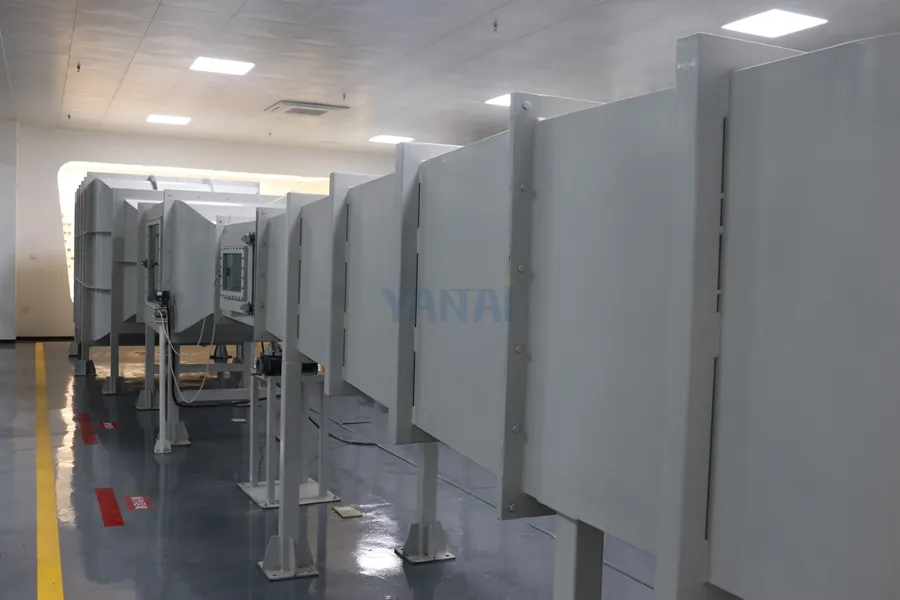
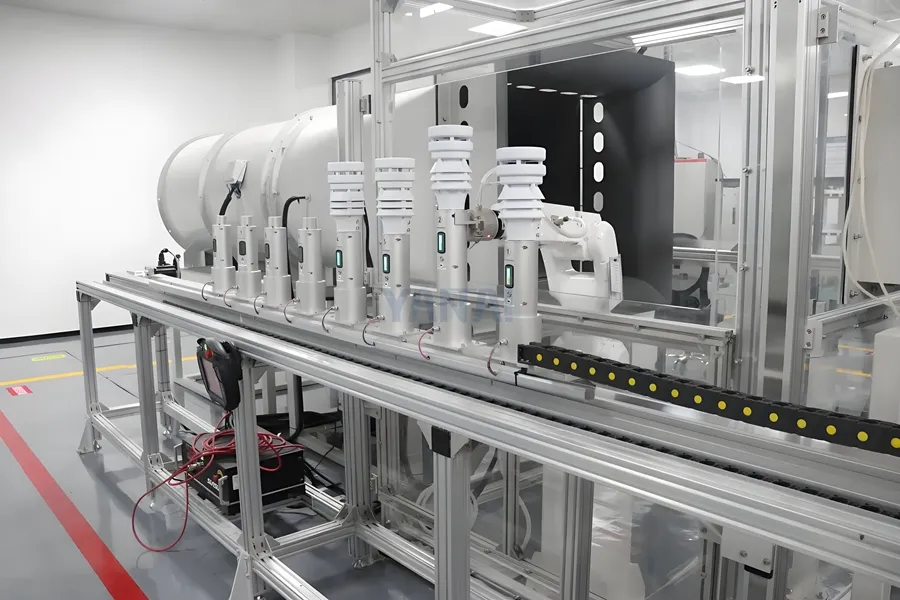
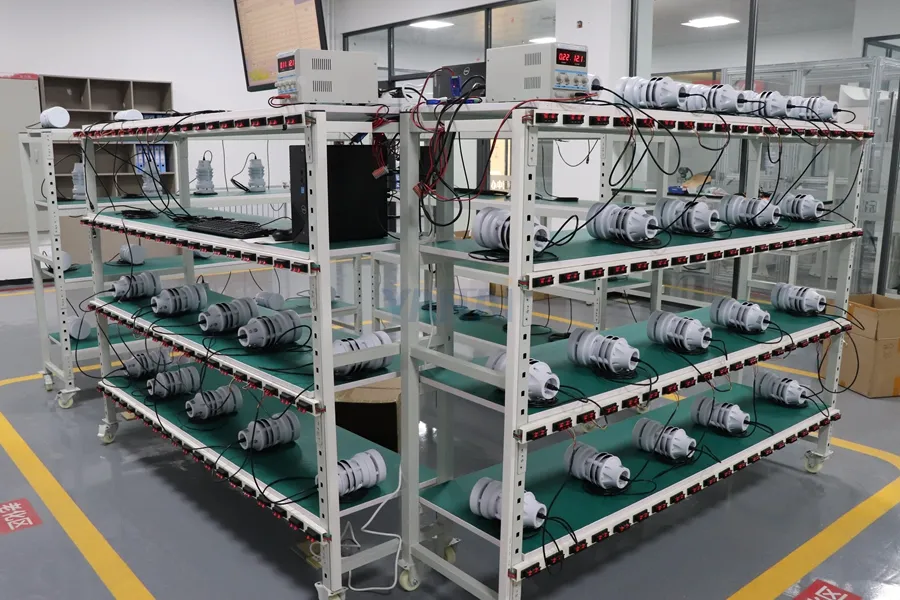
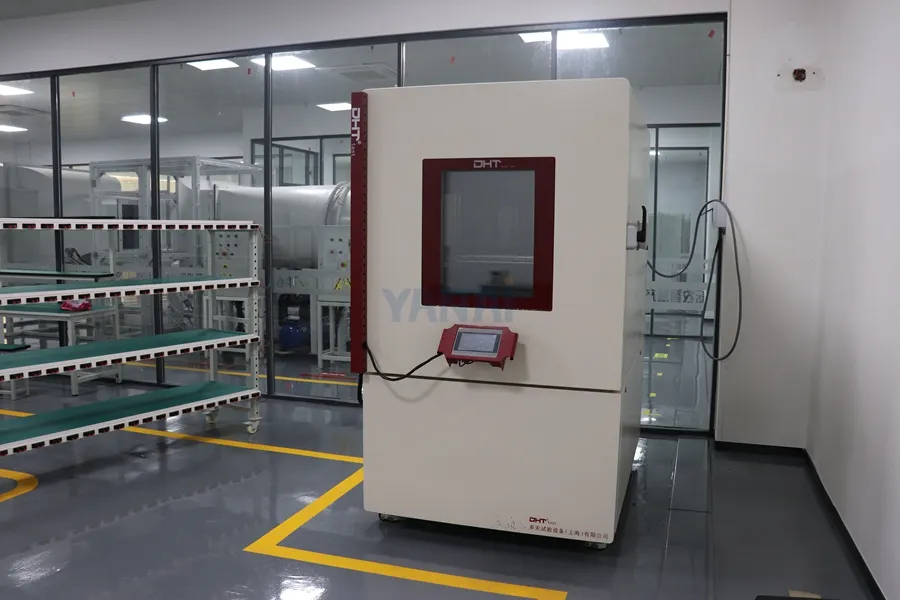
Yantai Sensor is a professional IoT weather station manufacturer and supplier, providing advanced IoT weather monitoring system solutions for smart agriculture, solar power plants, industrial automation, transportation, and environmental research applications. Our high-performance automatic weather station (AWS) delivers accurate real-time meteorological data, supporting reliable environmental monitoring, precision farming, and energy optimization for modern IoT-based industries, including IoT weather stations for smart agriculture and IoT weather stations for solar power plants.
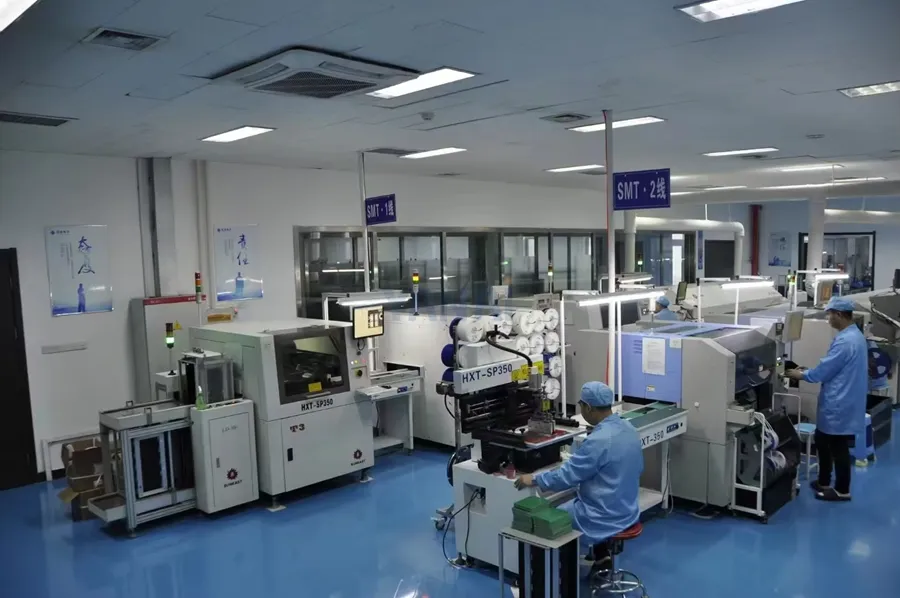
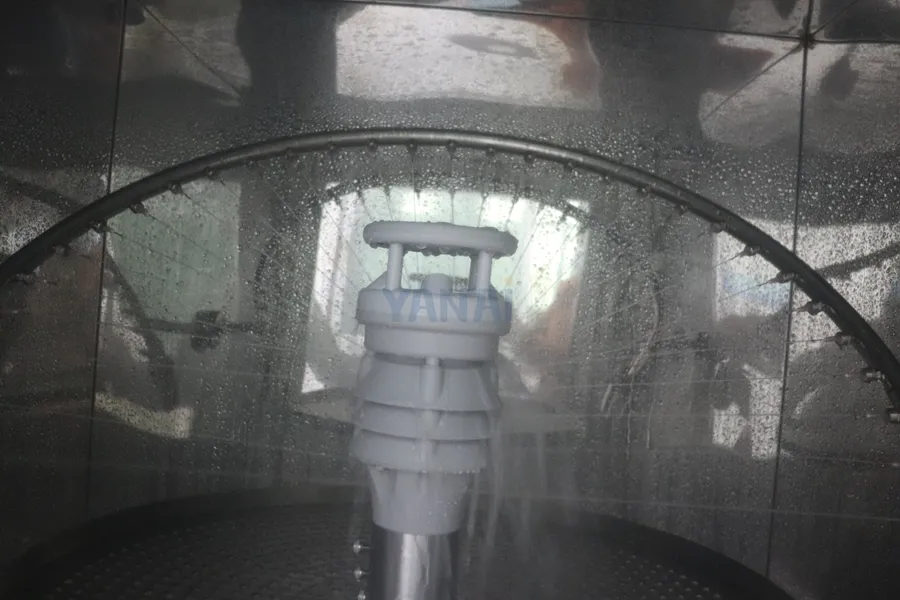
Our system is designed with industrial-grade waterproof protection, anti-corrosion housing, low power consumption, and optional solar-powered configurations. The system ensures stable long-term operation even in harsh outdoor environments. We also offer flexible OEM/ODM customization services, including sensor configuration, communication protocols, and platform integration, to meet diverse project requirements. اتصل بنا us to get a reliable IoT Weather Station solution and professional technical support for your monitoring projects.