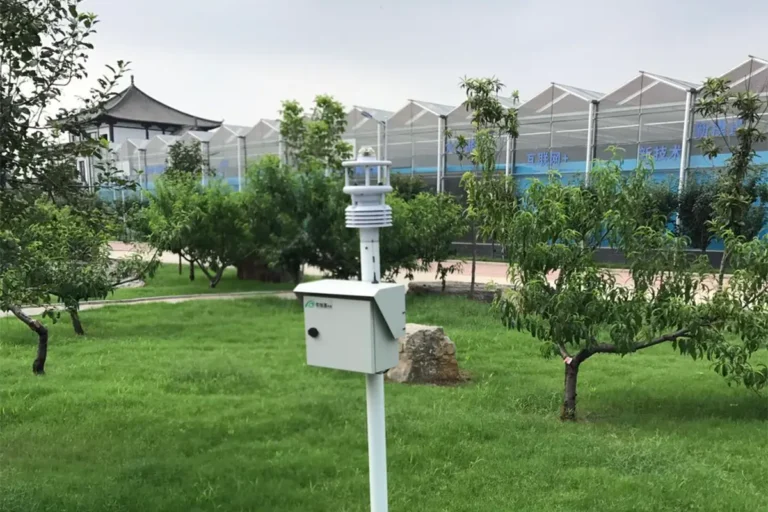
موثوقة مراقبة الطقس يدعم عمليات أكثر أمانًا وتخطيطًا أكثر ذكاءً. تعتمد المشاريع الحديثة في مجالات الزراعة والطيران والطاقة المتجددة والبنية التحتية الحضرية على أدوات الأرصاد الجوية وعالية الدقة مستشعرات الطقس. نظرًا لاختلاف أهداف الرصد، فإن معدات الرصد البيئي يختلف أيضًا.
في هذه المقالة، نستعرض 18 نوعًا من أدوات الطقس ومبادئها واستخداماتها الصناعية ونصائح عملية للاختيار.
أهمية أدوات الطقس في المشاريع الصناعية والحكومية
تلعب أدوات الطقس دورًا حيويًا في الحفاظ على السلامة وتلبية اللوائح وحماية الأصول. فهي تقدم بيانات في الوقت الفعلي من أجل المراقبة عن بُعد, وتحفيز استجابات الأتمتة، وتعزيز قدرات التنبؤ والتنبيه. مدمج مع محطة طقس إنترنت الأشياء, متناسق دقة البيانات العمود الفقري لأنظمة الإدارة الذكية.
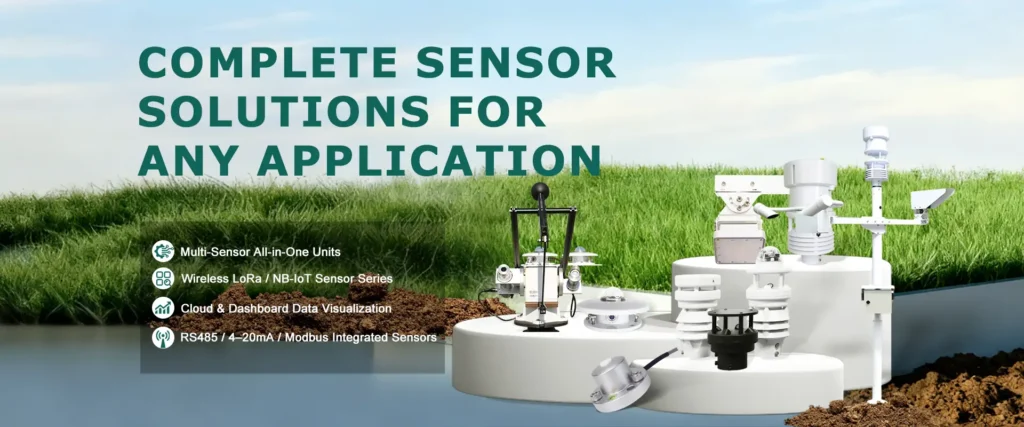
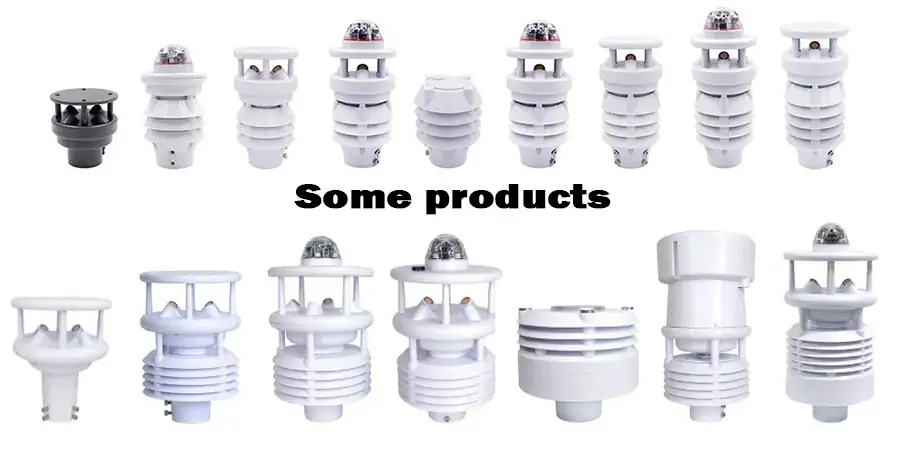
18 نوعاً من أدوات الطقس واستخداماتها
إن فهم دور المعدات والبيانات التي تجمعها أمر بالغ الأهمية عند بناء نظام رصد موثوق. وتحدد البيئات المختلفة ومتطلبات الدقة وأهداف التطبيق البيئات المختلفة والأهداف التطبيقية التي ينبغي نشرها وكيفية عملها معًا ضمن شبكة رصد أرصاد جوية كاملة. من الملاحظات الأساسية إلى الدعم الآلي للقرارات، يوفر كل جهاز استشعار مستوى معين من المعلومات البيئية.
فيما يلي قائمة بـ 18 نوعًا شائع الاستخدام من أدوات الطقس وأجهزة استشعار الأرصاد الجوية، إلى جانب وظائفها الرئيسية وتطبيقاتها الصناعية النموذجية، لمساعدتك في اختيار التقنية المناسبة بناءً على احتياجات مشروعك.
مقياس الحرارة
يقيس مقياس الحرارة درجة حرارة الهواء المحيط وهو أحد المدخلات الأساسية في شبكات مراقبة الطقس. ويستخدم على نطاق واسع للتحكم في التدفئة والتهوية وتكييف الهواء، والإنتاج الزراعي، والبيئات المختبرية، وحماية العمليات حيثما كانت البيانات الحرارية المستقرة مطلوبة.
المعلمات النموذجية
نطاق القياس: -40 إلى +80 درجة مئوية (قابل للتخصيص)
الدقة: ± 0.1 إلى ± 0.5 درجة مئوية
الإخراج: RS485 / SDI-12 / تناظري RS485 / SDI-12 / تناظري
البارومتر
تراقب البارومترات الضغط الجوي وتعمل كأدوات حيوية للتنبؤ بالطقس وتصحيح ارتفاعات الطيران وأنظمة التحكم الآلي. ويساعد تحليل اتجاهات الضغط في الوقت الحقيقي في التنبؤ بالطقس على المدى القصير، مما يعزز السلامة وكفاءة اتخاذ القرار.
المعلمات النموذجية
المدى: 300-1100 هكتوراه في البوصة الهيدروجينية
الدقة: ± 0.1-0.5 هكتوباسكال
ثبات طويل الأجل: ≤1 hPa/سنة
مقياس الرطوبة
تُستخدم مقاييس الرطوبة لقياس الرطوبة النسبية للهواء بدقة، وتعمل كأدوات أساسية للتحكم البيئي وإدارة العمليات. يتم استخدامها على نطاق واسع في البيئات الحساسة للرطوبة مثل المستودعات ومرافق تصنيع المستحضرات الصيدلانية وغرف التنظيف والصوبات الزراعية. تعمل هذه الأدوات على تسهيل المراقبة في الوقت الفعلي والحفاظ على مستويات الرطوبة المثلى، وبالتالي ضمان جودة المنتج واستقرار العملية وسلامة العاملين.
المعلمات النموذجية
المدى: 0-100 %RH %RH
الدقة: ± 2 - 3 %RH %RH
زمن الاستجابة: ≤10 ثوانٍ
مقياس شدة الريح
يقيس مقياس شدة الريح سرعة الرياح من أجل السلامة والكفاءة التشغيلية. يتم نشره على نطاق واسع في مزارع الرياح والموانئ ومواقع البناء والمطارات. يرجى الاطلاع على التفاصيل: ما هو مقياس شدة الريح؟ فهم الجهاز الذي يقيس الرياح
المعلمات النموذجية
المدى: 0-60 م/ث أو أعلى
عتبة البداية: ≤0.3 م/ثانية
الدقة: ± (0.3 م/ث أو 3%)
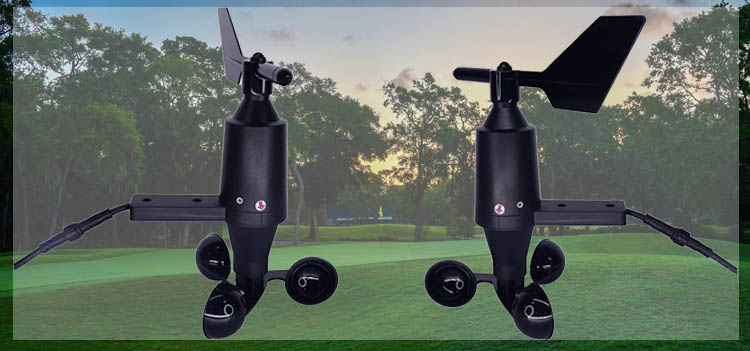
ريشة الرياح
تحدد ريشة الرياح اتجاه الرياح، وتدعم إدارة المدرج وتشغيل الرافعة وتحليل التشتت.
المعلمات النموذجية
المدى: 0-360°
الدقة: ± 3 درجات
الدقة: 1°
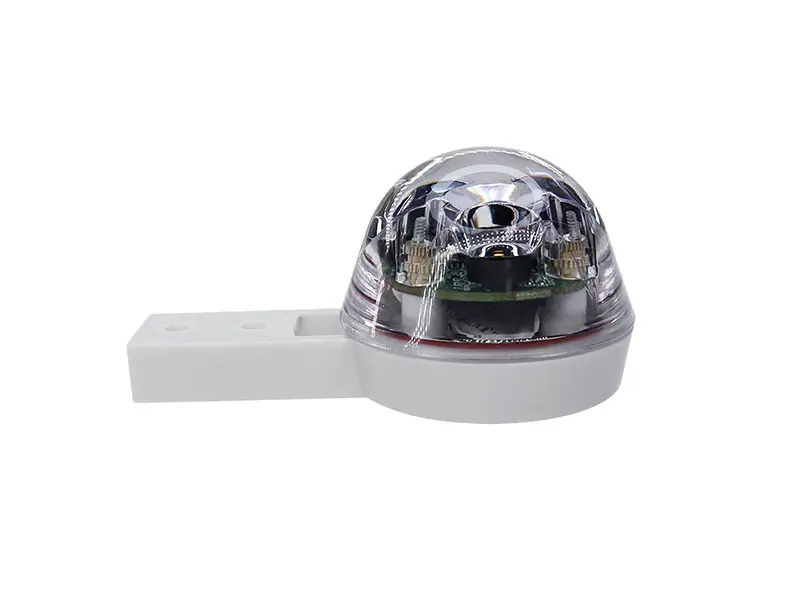
مقياس المطر
تسجل مقاييس المطر هطول الأمطار لدراسات الهيدرولوجيا والوقاية من الفيضانات والتخطيط الزراعي وأنظمة الصرف البلدية.
المعلمات النموذجية
الدقة: 0.1-0.5 مم
الدقة: ± 2 ± 3%
المخرج: نبضي / RS485
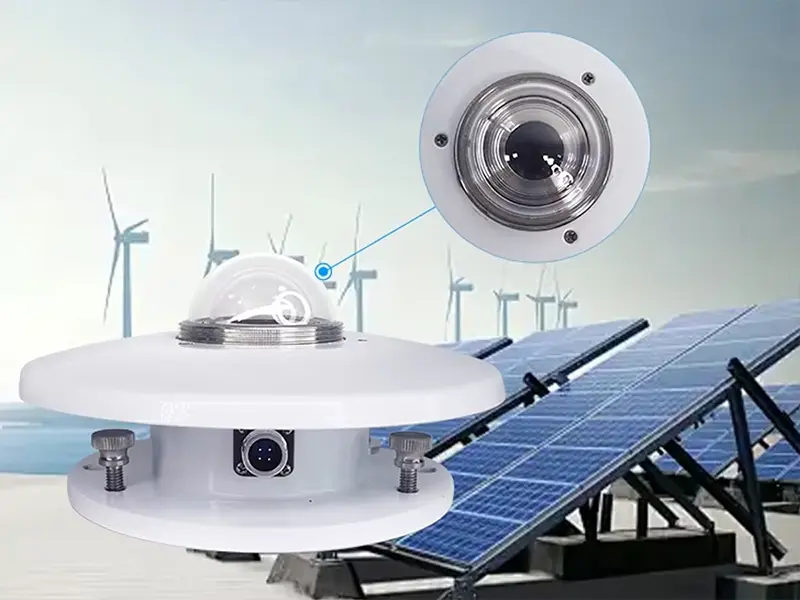
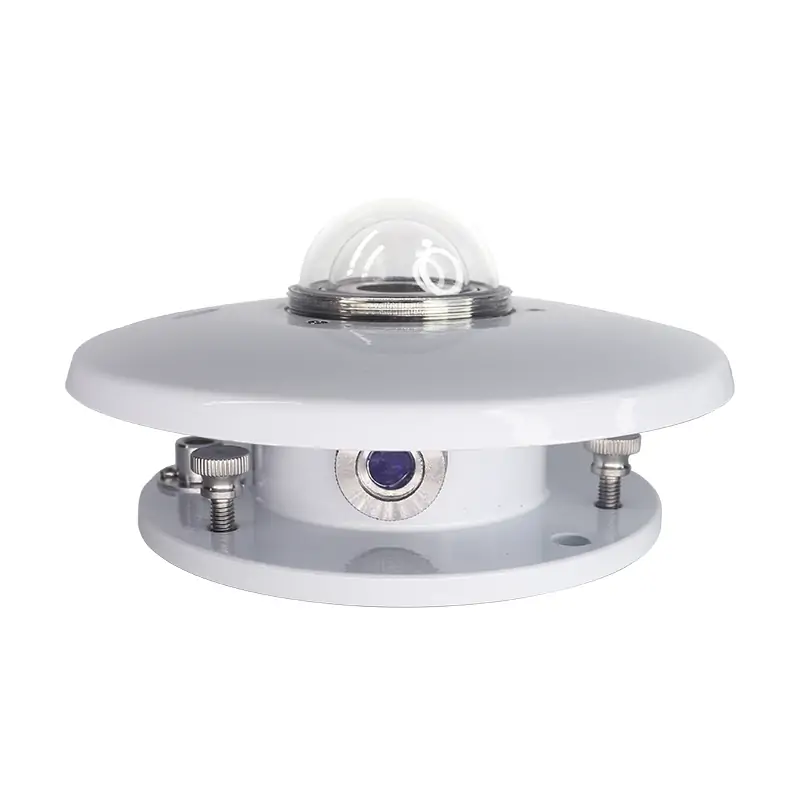
مقياس البيرانومتر
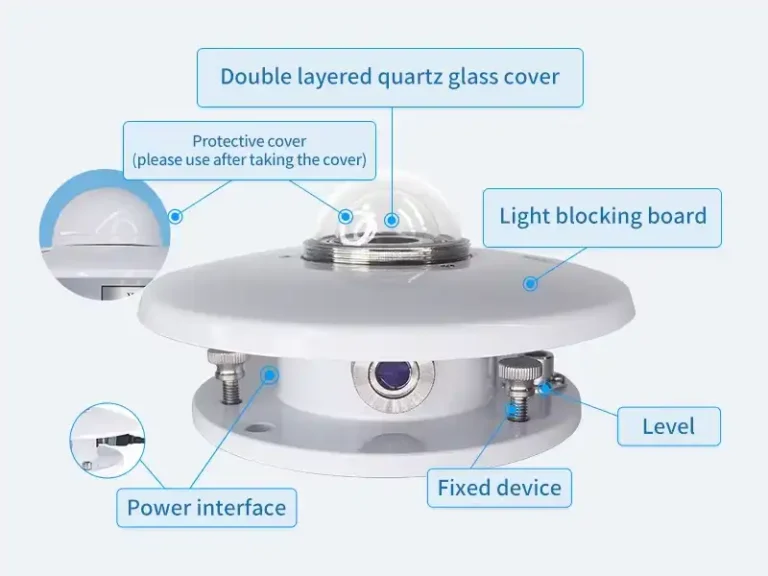
يقيس مقياس البيرانومتر الإشعاع الشمسي العالمي وهو أساسي لتحليل الأداء الكهروضوئي والتنبؤ بإنتاجية الطاقة.
المعلمات النموذجية
المدى: 0-2000 واط/م²
النطاق الطيفي: 285-2800 نانومتر
الدقة: معيار ثانوي أو أفضل
مسجل الشمس المشرقة
يسجل هذا الجهاز مدة سطوع الشمس، ويدعم الزراعة والدراسات السياحية وتقييم الموارد الشمسية.
المعلمات النموذجية
العتبة: ~ 120 واط/م² تقريبًا
الدقة 1 دقيقة
الانحراف السنوي <3%
مقياس التبخر
يقيس مقياس التبخر معدل التبخر، مما يوفر إرشادات لإدارة الري وتخطيط الموارد المائية.
المعلمات النموذجية
المدى: 0-20 ملم/يوميًا نموذجي
دقة الوضوح 0.1 مم
الدقة: ± 2%
مقياس السيلومتر
يستخدم مقياس السيلوميتر تقنية الليزر لتحديد ارتفاع قاعدة السحب، وهو مقياس مهم لسلامة الطيران والقرارات الآلية للمدارج.
المعلمات النموذجية
المدى: حتى 7-15 كم
الدقة 5-10 m
سلامة العينين: الفئة 1
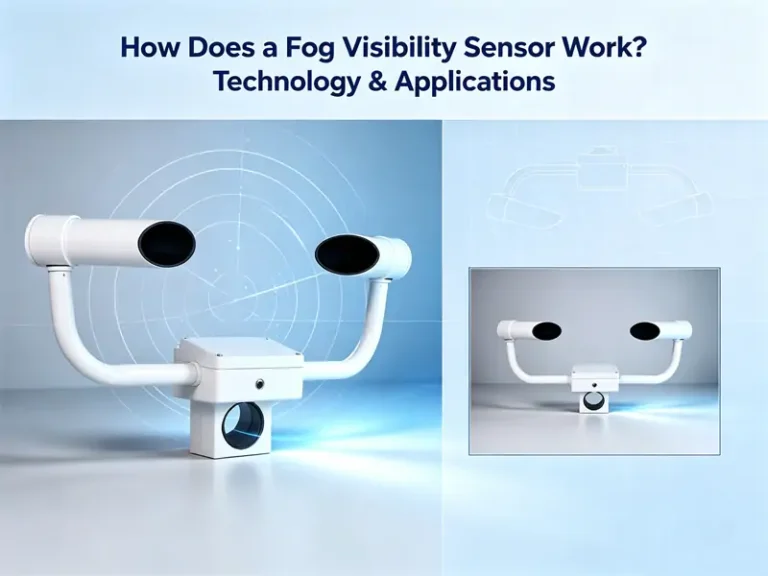
مستشعر الرؤية
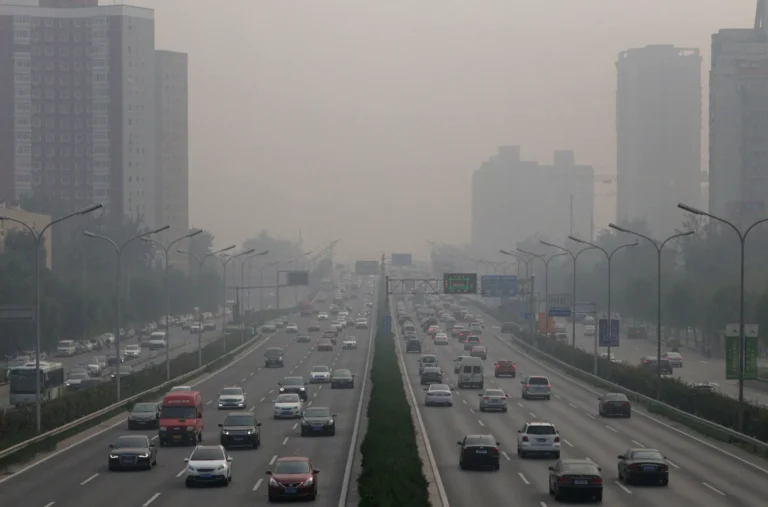
تقوم أجهزة استشعار الرؤية بتقييم شفافية الغلاف الجوي للطرق السريعة والملاحة البحرية وعمليات المطارات.
المعلمات النموذجية
المدى: 10 أمتار - 50 كم
الدقة: ±10%
مبدأ القياس: التشتت الأمامي
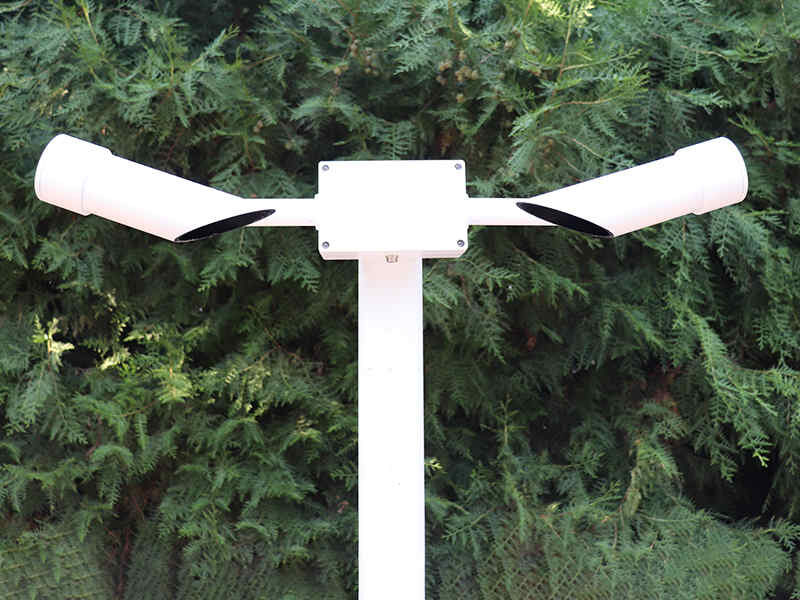
مقياس الثلج
يقيس مقياس الثلج تساقط الثلوج ومكافئ المياه، مما يدعم التنبؤ بالطاقة الكهرومائية وإدارة الطرق الشتوية.
المعلمات النموذجية
النطاق: يعتمد على المشروع
الدقة: 0.1 مم مكافئ ماء 0.1 مم
درجة حرارة التشغيل: حتى -40 درجة مئوية تحت الصفر
مستشعر درجة حرارة التربة
يرصد هذا المستشعر درجة الحرارة تحت السطح لنمذجة المحاصيل والبحوث البيئية وحماية البنية التحتية.
المعلمات النموذجية
المدى: -40 إلى +80 درجة مئوية
الدقة: ± 0.2 درجة مئوية
عمق المسبار: قابل للتخصيص
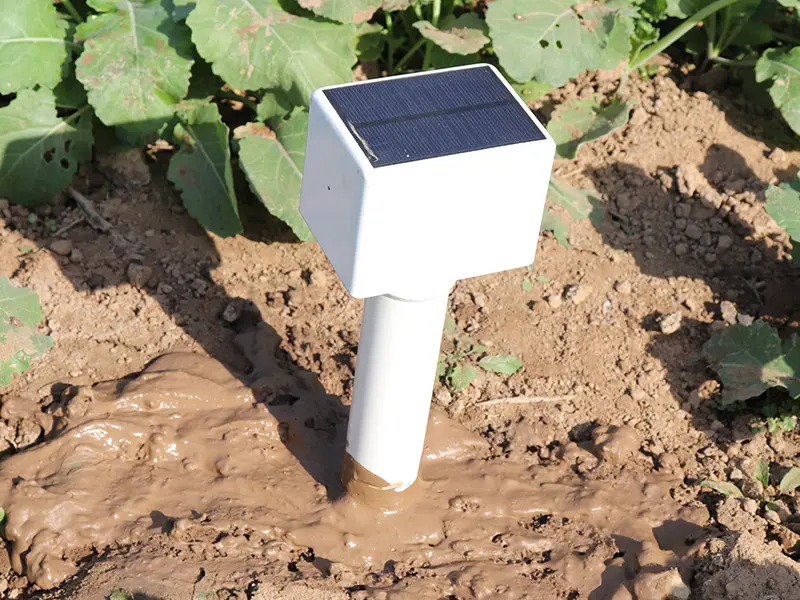
مستشعر رطوبة التربة
تستخدم أجهزة استشعار رطوبة التربة في الزراعة الدقيقة لتوجيه جدولة الري والحفاظ على المياه.
المعلمات النموذجية
النطاق: 0-100% VWC 0-100%
الدقة: ± 2 ± 3%
الإخراج: رقمي / تناظري
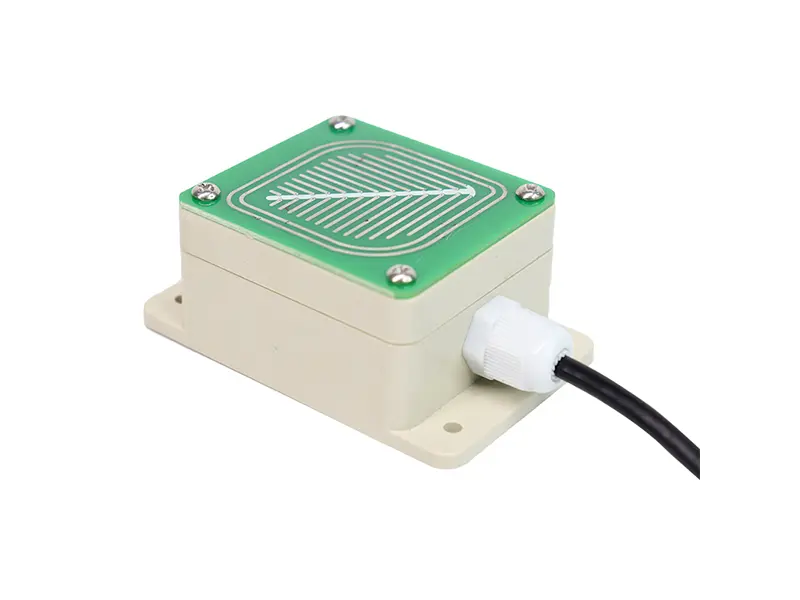
مستشعر رطوبة الأوراق
تدعم بيانات رطوبة الأوراق نمذجة أمراض النبات وأنظمة اتخاذ قرارات الرش في البساتين والصوبات الزراعية.
المعلمات النموذجية
الكشف: القيمة الرطبة/الجافة أو المقاومة
الدقة: على أساس الحدث
درجة حرارة التشغيل: -40 إلى +60 درجة مئوية
مستشعر الأشعة فوق البنفسجية
تراقب مستشعرات الأشعة فوق البنفسجية الأشعة فوق البنفسجية لأغراض السلامة العامة والأبحاث البيئية ودراسات متانة المواد.
المعلمات النموذجية
نطاق طيفي: يمكن اختيار النطاق الطيفي: UVA/UVB
المدى: 0-200 واط/م² نموذجي
الدقة: ±5%
رادار الطقس
يوفر رادار الطقس إمكانية تتبع هطول الأمطار والعواصف على نطاق واسع. وهو حيوي للوقاية من الكوارث والتنبؤ الإقليمي.
المعلمات النموذجية
التغطية: من عشرات إلى مئات الكيلومترات
دورة المسح الضوئي: دقيقة
الإخراج: الانعكاسية/السرعة
محطة الطقس الأوتوماتيكية (AWS)
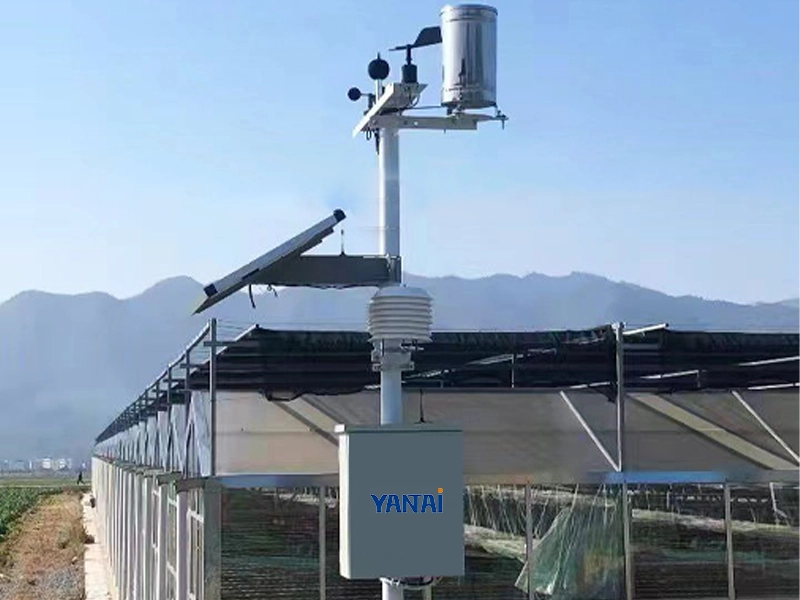
تدمج محطة الطقس الأوتوماتيكية بين العديد من أجهزة الاستشعار وأجهزة تسجيل البيانات ووحدات الاتصالات وأنظمة الطاقة. وهي تتيح المراقبة غير المراقبة في الوقت الحقيقي والتكامل السلس للمنصة.
المعلمات النموذجية
مدخلات متعددة المعلمات: قابلة للتطوير
الاتصالات: 4G / قمر صناعي / إيثرنت
الطاقة: خيارات الطاقة الشمسية + البطارية
كيفية اختيار أدوات مراقبة الأرصاد الجوية المناسبة
عند اختيار أدوات مراقبة الأرصاد الجوية ومعدات الرصد البيئي، بالإضافة إلى التحقق من المواصفات، يجب عليك أيضًا مراعاة الموثوقية والتكامل والعائد على الاستثمار. يمكن أن تضمن الأدوات المناسبة دقة البيانات ودعم الأنظمة الآلية وتقليل المخاطر التشغيلية. فيما يلي بعض نقاط الاختيار الرئيسية للرجوع إليها.
معايير الاختيار الرئيسية للمشتريات
| عامل الاختيار | ما الذي يجب التحقق منه |
|---|---|
| معلمات القياس | حدد المتغيرات المطلوبة: درجة الحرارة، والرطوبة، والرياح، والضغط، والأمطار، والإشعاع الشمسي، إلخ. |
| متطلبات الدقة | مراجعة دقة المستشعر، والدقة، وقابلية التكرار. |
| بيئة التثبيت | تقييم التعرض الخارجي أو الظروف الداخلية أو درجات الحرارة القصوى أو الغبار أو الرطوبة أو الرذاذ الملحي. |
| بروتوكول الاتصال | تأكد من التوافق مع RS485 أو SDI-12 أو Modbus أو LoRa أو 4G أو Ethernet. |
| مزود الطاقة | قم بالاختيار بين خيارات التيار الكهربائي أو البطارية أو الطاقة الشمسية؛ تحقق من الاستقلالية للمواقع البعيدة. |
| المعايرة والصيانة | تحقق من سهولة المعايرة والتشخيص عن بُعد وتوافر الخدمة. |
الحلول المتكاملة لمراقبة الطقس المتكاملة
بالنسبة للمشاريع الصناعية والزراعية ومشاريع الطيران، فإن شراء مشروع واحد أدوات الأرصاد الجوية لم تعد كافية. فالعمليات الحديثة تتطلب حلول المراقبة المتكاملة للطقس التي تجمع بين أجهزة الاستشعار المتعددة وإدارة البيانات والاتصال بالمنصة لتقديم رؤى دقيقة وفي الوقت الفعلي.
تكامل أجهزة الاستشعار المتعددة
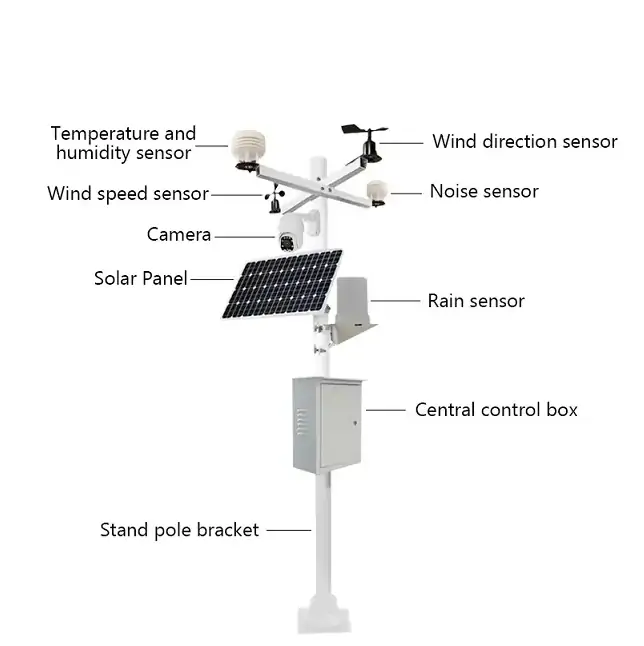
تجمع حلولنا بين مستشعرات الطقس لدرجة الحرارة، والرطوبة، والرياح، والضغط، وهطول الأمطار، والإشعاع الشمسي، وغيرها في نظام واحد. توفر إعدادات أجهزة الاستشعار المتعددة مراقبة بيئية شاملة، مما يضمن عدم تفويت أي معلمة حرجة.
وحدات الحصول على البيانات
جميع أجهزة الاستشعار تغذي جميع أجهزة الاستشعار في وحدات الحصول على البيانات, التي تجمع البيانات وتزامنها وتعالجها مسبقًا. هذا يضمن ارتفاع دقة البيانات, يقلل من أخطاء الإرسال، ويسمح بالتكامل السلس مع منصات البرامج.
منصة البرمجيات
تتم معالجة البيانات التي تم جمعها من خلال منصة برمجيات مركزية تقدم تصوراً في الوقت الحقيقي وتحليلاً للبيانات التاريخية وتنبيهات قابلة للتكوين. يمكن لصانعي القرار مراقبة الظروف بسرعة وتحسين العمليات بناءً على رؤى بيئية دقيقة.
الإرسال المستند إلى السحابة
تدعم أنظمتنا الإرسال السحابي, تمكين المراقبة عن بُعد والإدارة المركزية. يمكن للفرق الوصول إلى البيانات في أي وقت وفي أي مكان، مما يحسن الكفاءة التشغيلية والاستجابة.
تكامل واجهة برمجة التطبيقات (API) مع SCADA / EMS
بالنسبة للتطبيقات الصناعية وتطبيقات الطاقة، توفر حلولنا واجهات برمجة التطبيقات (APIs) للاتصال السلس بـ SCADA و خدمات الطوارئ الطبية الأنظمة. يتيح ذلك لبيانات الطقس توجيه التحكم الآلي وأجهزة التعشيق الآلي للسلامة والصيانة التنبؤية عبر المنصات التشغيلية.
التطبيقات الصناعية لأجهزة الأرصاد الجوية
تنتشر أجهزة الأرصاد الجوية وأجهزة الاستشعار على نطاق واسع في قطاعات متعددة. إن دمج هذه الأجهزة في تدفقات العمل التشغيلية يعزز السلامة والكفاءة وقدرات اتخاذ القرار.
الزراعة والزراعة الذكية
تتيح مراقبة الطقس الري الدقيق ونمذجة المحاصيل والوقاية من الأمراض. تساعد أجهزة استشعار رطوبة التربة ودرجة الحرارة وهطول الأمطار والإشعاع الشمسي المزارعين على تحسين استخدام المياه وزيادة الغلة وتقليل هدر الموارد.
المطارات والطيران
تزوّد أجهزة الأرصاد الجوية عالية الدقة المطارات ببيانات سرعة الرياح واتجاه الرياح والرؤية وارتفاع السحب في الوقت الفعلي. وهذا يضمن سلامة الطيران، وإدارة المدارج، وأدوات التحكم الآلي مع تلبية المتطلبات التنظيمية للطيران.
الطاقة المتجددة
تعتمد مشاريع طاقة الرياح والطاقة الشمسية على مستشعرات الأرصاد الجوية لمراقبة سرعة الرياح ودرجة الحرارة والإشعاع الشمسي. يعمل ذلك على تحسين إنتاج الطاقة وحماية المعدات وتمكين الصيانة التنبؤية وتحسين الكفاءة التشغيلية.
البحرية والموانئ
تستخدم الموانئ والمحطات الطرفية معدات المراقبة البيئية لتتبع الرياح ودرجة الحرارة والرطوبة والرؤية وضمان سلامة الملاحة ومنع الحوادث وحماية العاملين.
الطرق السريعة والنقل
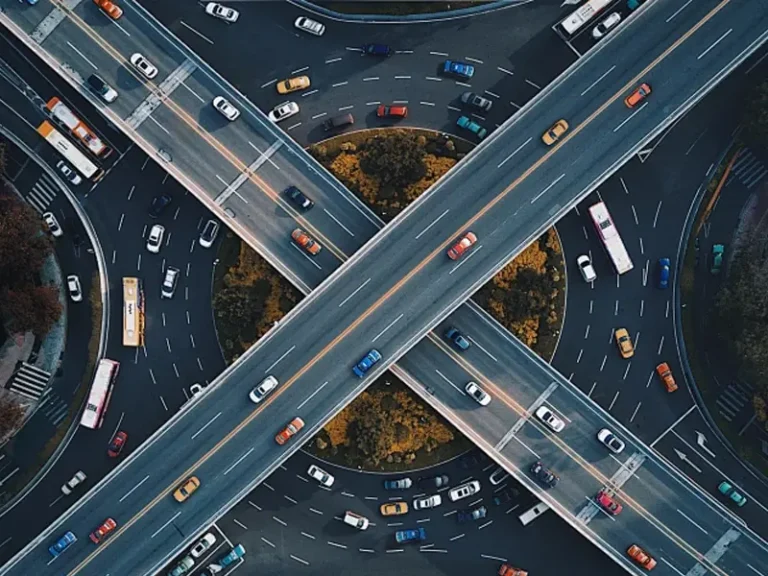
توفر أدوات الأرصاد الجوية دعم البيانات لسلامة الطرق من خلال مراقبة الرؤية وهطول الأمطار والرياح ودرجة الحرارة. وهي تتكامل مع أنظمة إدارة حركة المرور لتمكين التحذيرات وقرارات الصيانة في الوقت المناسب.
الرصد البيئي
تعتمد المدن والمناطق الصناعية والمؤسسات البحثية على أدوات الأرصاد الجوية لرصد المناخ على المدى الطويل، وتقييم جودة الهواء، والتأهب للكوارث، وضمان الامتثال التنظيمي ودعم التخطيط المستدام.
مواقع الإنشاءات
تستخدم مواقع البناء أجهزة استشعار للأرصاد الجوية لمراقبة سرعة الرياح وهطول الأمطار ودرجة الحرارة، مما يضمن سلامة الموقع وحماية المعدات وتقليل التأخيرات المتعلقة بالطقس.
طلب حل مراقبة الطقس
سواء كنت تدير الزراعة أو المطارات أو الموانئ أو المواقع الصناعية, مستشعر يان تاي توفر موثوقية أدوات الطقس و حلول المراقبة المتكاملة للطقس مصممة خصيصًا لتلبية احتياجات مشروعك. يدعم مهندسونا ذوو الخبرة لدينا تصميم النظام واختيار أجهزة الاستشعار وتخطيط النشر لضمان الحصول على بيانات بيئية دقيقة وفي الوقت الحقيقي لعمليات آمنة وفعالة. اتصل بنا اليوم للحل.