مقدمة
أصبحت مراقبة الغبار جزءًا متزايد الأهمية من عمليات تشغيل وصيانة أنظمة الطاقة الشمسية الكهروضوئية، لكن اختيار تقنية الاستشعار المناسبة ليس دائمًا بالأمر المباشر. لا تزال العديد من محطات الطاقة الشمسية تعتمد على طرق تقليدية لمراقبة الغبار يمكنها الإشارة إلى تغيرات الجسيمات، ومع ذلك قد تواجه هذه الأساليب صعوبة في عكس تلوث سطح الوحدات بدقة تحت أشعة الشمس القوية ودرجات الحرارة المرتفعة والظروف الخارجية المتغيرة. بالنسبة لمشغلي الأنظمة الكهروضوئية، يتمثل التحدي الرئيسي ليس فقط في اكتشاف الغبار، بل في فهم كمية الغبار المتراكمة على الوحدات وتحديد الوقت الفعلي الذي تتطلب فيه التنظيف.
يستعرض هذا الدليل لمقارنة مستشعرات الغبار الفروقات بين مستشعرات الغبار المرجعية ومستشعرات الغبار ذات الضوء الأزرق من منظور تطبيقات الطاقة الشمسية الكهروضوئية. بدلاً من التركيز فقط على مواصفات المستشعرات، تقارن هذه المقالة مبادئ القياس الخاصة بها، ومقاومتها للتداخل البيئي، وقدرات المراقبة، والقيمة العملية لصيانة محطات الطاقة الشمسية. كما يقدم حلول مراقبة الغبار الكهروضوئية، بما في ذلك تقنيات مراقبة التلوث القائمة على الضوء الأزرق وتقنيات تقييم الاتساخ، لمساعدة المشغلين على اختيار النهج الأكثر ملاءمة لبيئات الطاقة الكهروضوئية المختلفة. إذا كنت ترغب في التعرف على كيف يؤثر الغبار على كفاءة الألواح الشمسية, ، يرجى النقر على المقال.
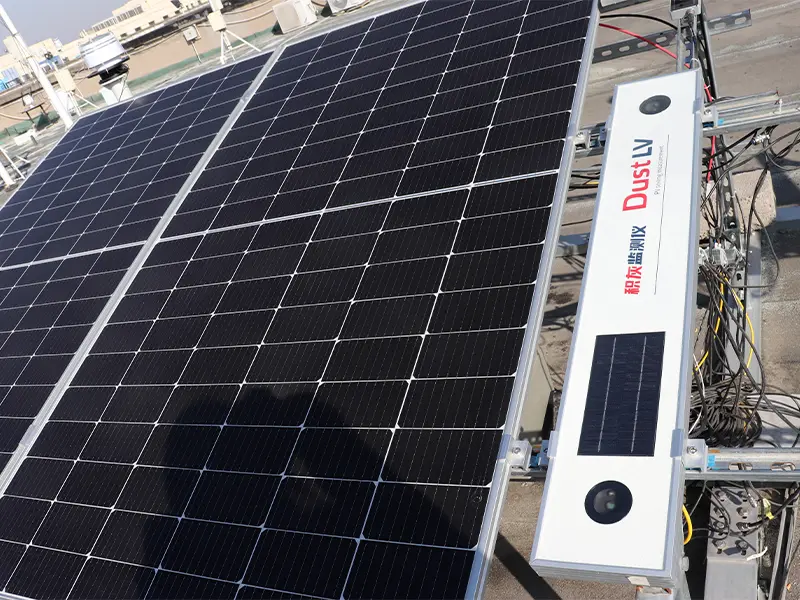
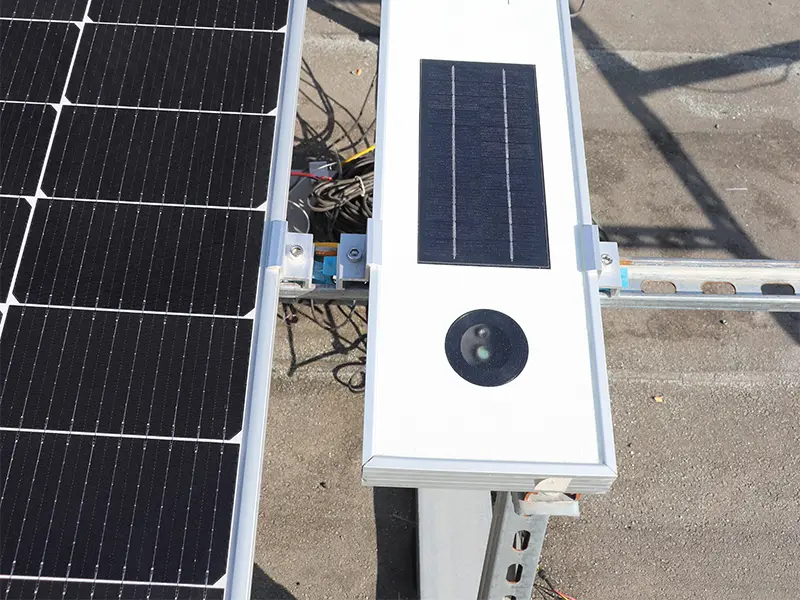
لماذا تعتبر مراقبة الغبار مهمة لمحطات الطاقة الشمسية؟
يُعد تراكم الغبار تحديًا شائعًا لمحطات الطاقة الشمسية الكهروضوئية، خاصة في المناطق ذات المناخ الجاف أو الرياح المتكررة أو المستويات المرتفعة من الغبار المحمول في الهواء. بمرور الوقت، تقلل الرواسب الغبارية على أسطح الوحدات من نفاذية ضوء الشمس ويمكن أن تؤثر على توليد الطاقة. بالنسبة لمحطات الطاقة الشمسية واسعة النطاق، يتمثل التحدي الرئيسي ليس فقط في إزالة الغبار، بل في فهم مستوى التلوث الفعلي وتحديد الوقت المناسب للتنظيف.
غالبًا ما تعتمد طرق الصيانة التقليدية على الفحص البصري أو جداول التنظيف الثابتة، والتي لا يمكنها دائمًا عكس التغيرات في الوقت الفعلي لحالة الوحدات. تتيح مراقبة الغبار للمشغلين اتخاذ قرارات الصيانة بناءً على الظروف المقاسة بدلاً من الافتراضات. ومع ذلك، ليست جميع طرق الاستشعار مصممة للبيئات الشمسية، ويمكن أن تؤثر الاختلافات في مبادئ الكشف مباشرة على نتائج المراقبة والقيمة العملية. إذا كنت ترغب في معرفة المزيد كيف يحسّن مراقبة الطقس العائد على الاستثمار لمحطات الطاقة الشمسية, ، انقر على المقالة.
اتساخ وحدات الطاقة الكهروضوئية يقلل من إنتاج الطاقة ويزيد من تكاليف الصيانة
يقلل الغبار الذي يغطي الوحدات الكهروضوئية من كمية الإشعاع الشمسي الذي يصل إلى الخلايا، مما يؤدي إلى انخفاض تدريجي في إنتاج الطاقة. في مشاريع الطاقة الشمسية على نطاق المرافق، يمكن أن تتراكم مستويات الاتساخ المعتدلة حتى تتحول إلى خسائر إنتاج ملحوظة على مدى فترات التشغيل الطويلة.
في الوقت نفسه، تجعل ظروف الغبار غير الواضحة إدارة التنظيف أكثر صعوبة. فالتنظيف المبكر يزيد من تكاليف المياه والعمالة والتشغيل، بينما يؤدي التنظيف المتأخر إلى استمرار خسائر الطاقة التي يمكن تجنبها. تساعد معلومات التلوث الموثوقة المشغلين على تخطيط أنشطة الصيانة بشكل أفضل.
حدود أجهزة استشعار الغبار التقليدية
لا تزال العديد من محطات الطاقة الشمسية تستخدم الفحوصات اليدوية أو التنظيف المجدول لإدارة اتساخ الوحدات. هذه الأساليب بسيطة ولكنها لا تستطيع تتبع تغيرات التلوث بشكل مستمر عبر مساحات كبيرة من الأنظمة الكهروضوئية.
قد تواجه أجهزة استشعار الغبار التقليدية أيضًا قيودًا عند تطبيقها على محطات الطاقة الشمسية. تركز بعض الأجهزة على كشف الجسيمات المحمولة في الهواء بدلاً من حالة الغبار الفعلية على أسطح الوحدات، وقد تؤثر العوامل الخارجية مثل أشعة الشمس القوية على استقرار القياس. دفعت هذه القيود إلى تطوير تقنيات استشعار أكثر ملاءمة للتطبيقات الكهروضوئية.
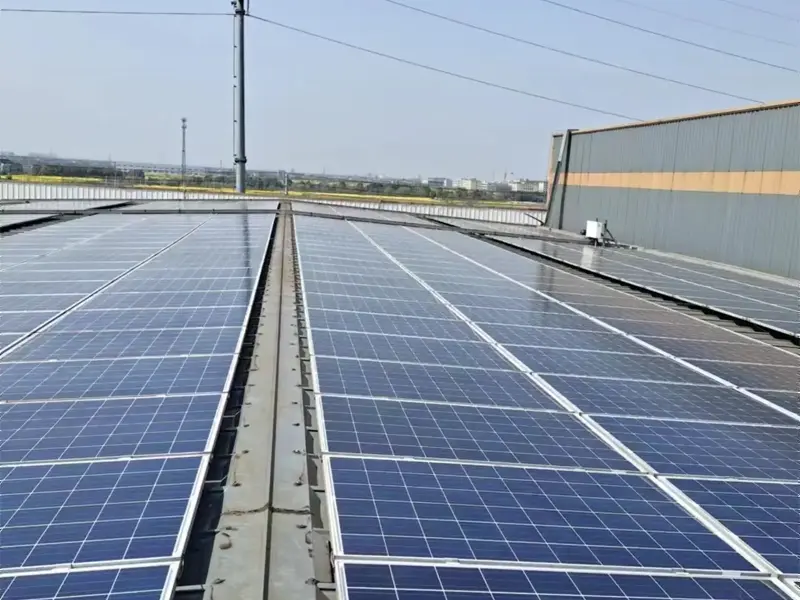
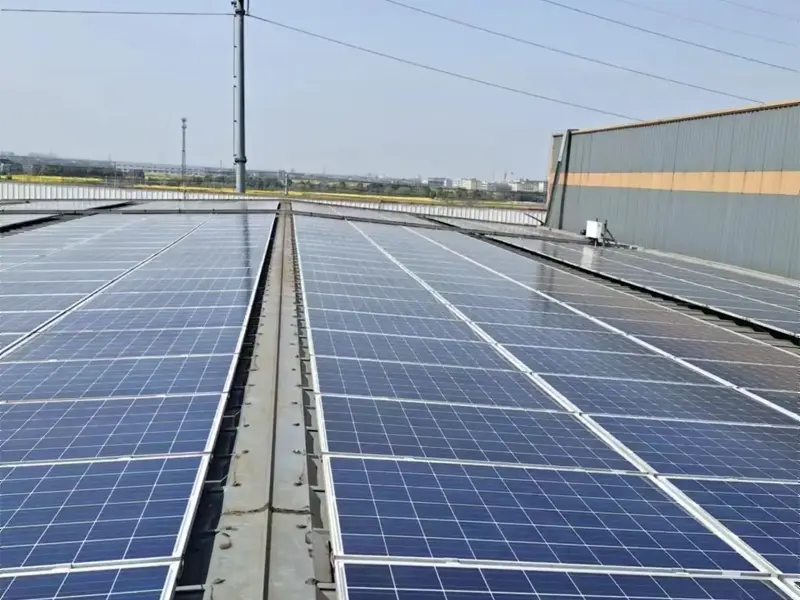
مستشعر الغبار المرجعي مقابل مستشعر الغبار بالضوء الأزرق: كيف يعملان
تعتمد أجهزة استشعار الغبار المختلفة على مبادئ قياس مختلفة، مما يؤثر مباشرة على نوع معلومات الغبار التي يمكنها توفيرها. تم تصميم أجهزة استشعار الغبار المرجعية عمومًا لكشف الجسيمات المحمولة في الهواء، بينما تم تطوير أجهزة استشعار الغبار بالضوء الأزرق لمراقبة التلوث السطحي على الوحدات الكهروضوئية. يعد فهم هذا الاختلاف أمرًا ضروريًا عند اختيار نهج مراقبة الغبار للتطبيقات الشمسية.
مبدأ عمل أجهزة استشعار الغبار المرجعية
تستخدم أجهزة استشعار الغبار المرجعية عادةً تقنية التشتت البصري لتقدير تركيز الغبار. يصدر مصدر ضوء مدمج ضوءًا في منطقة الكشف، وتقوم الجسيمات المحمولة في الهواء بتشتيت الضوء عند مرورها عبر مسار الاستشعار. يلتقط الكاشف البصري الإشارة المتناثرة ويحولها إلى بيانات تركيز الغبار.
يُستخدم هذا النهج على نطاق واسع بسبب بنيته البسيطة وتصميمه الناضج وتكلفته المنخفضة نسبيًا. ومع ذلك، تقيس هذه المستشعرات بشكل أساسي الجسيمات العالقة في الهواء بدلاً من الغبار الفعلي المتراكم على أسطح الوحدات الكهروضوئية. في ظل الظروف الشمسية الخارجية، قد تؤثر أشعة الشمس القوية والبيئات المتغيرة أيضًا على استقرار القياس، مما يحد من قدرتها على تمثيل مستويات الاتساخ الكهروضوئي مباشرة.
مبدأ عمل أجهزة استشعار الغبار بالضوء الأزرق
تستخدم أجهزة استشعار الغبار بالضوء الأزرق مصدر ضوء محدد بطول موجي قصير وقياسًا بصريًا نشطًا لمراقبة التغيرات الناتجة عن تراكم الغبار على أسطح الوحدات الكهروضوئية. بدلاً من اكتشاف الجسيمات المحمولة في الهواء فقط، تقوم بتحليل التغيرات البصرية المرتبطة بالتلوث السطحي من خلال مسار قياس مُتحكم فيه.
من خلال مقارنة الإشارة البصرية من الأسطح النظيفة والملوثة، يمكن لتقنية الاستشعار بالضوء الأزرق تقدير مستويات اتساخ الوحدات وتوفير معلومات أكثر مباشرة حول خسائر الأداء المرتبطة بالغبار. يقلل تصميم القياس النشط من التداخل من ظروف الإضاءة الخارجية، مما يجعله أكثر ملاءمة لمحطات الطاقة الشمسية المعرضة لأشعة الشمس القوية والظروف الجوية المتغيرة.
| عامل المقارنة | مستشعر الغبار المرجعي | مستشعر الغبار بالضوء الأزرق |
| الغرض الرئيسي | كشف تركيز الغبار المحمول في الهواء | مراقبة تلوث سطح الوحدات الكهروضوئية |
| مبدأ القياس | التشتت البصري | قياس بصري نشط قائم على الضوء الأزرق |
| هدف الكشف | الجسيمات العالقة | تراكم الغبار على سطح الوحدة |
| الملاءمة البيئية | مراقبة عامة داخلية/صناعية | بيئات الطاقة الشمسية الكهروضوئية الخارجية |
| قيمة البيانات | معلومات تركيز الغبار | حالة الاتساخ لقرارات التنظيف |
لماذا تعتبر أجهزة استشعار الغبار بالضوء الأزرق أكثر ملاءمة لتطبيقات الطاقة الشمسية الكهروضوئية؟
بالنسبة لمحطات الطاقة الشمسية الكهروضوئية، لا تقتصر مراقبة الغبار على كشف جزيئات الغبار فحسب. المتطلب الأساسي هو فهم مقدار التلوث المتراكم على أسطح الوحدات وكيف يمكن أن يؤثر على توليد الطاقة. بالمقارنة مع أجهزة استشعار الغبار التقليدية، صُممت أجهزة استشعار الغبار بالضوء الأزرق حول احتياجات قياس اتساخ الوحدات الكهروضوئية، مما يجعل البيانات المجمعة أكثر فائدة لقرارات التنظيف وتخطيط التشغيل والصيانة.
استقرار قياس أفضل
تعمل مزارع الطاقة الشمسية في بيئات خارجية مفتوحة حيث يمكن لأشعة الشمس القوية والإشعاع الشمسي المرتفع والانعكاسات السطحية أن تؤثر على القياسات البصرية. بالنسبة لأجهزة استشعار الغبار المستخدمة في التطبيقات الكهروضوئية، يعد الحفاظ على أداء قياس مستقر تحت ظروف الإضاءة المتغيرة أمرًا ضروريًا.
تستخدم أجهزة استشعار الغبار بالضوء الأزرق مصدر ضوء بطول موجي محدد مقترنًا بطريقة قياس بصرية نشطة. يقلل نهج القياس المتحكم به هذا من تأثير الضوء المحيط ويتيح مراقبة أكثر اتساقًا في الظروف الخارجية، بما في ذلك البيئات عالية الإشعاع والمغبرة.
المراقبة المباشرة لحالة اتساخ أسطح الوحدات الكهروضوئية
الفرق الرئيسي بين كشف الغبار العام ومراقبة اتساخ الوحدات الكهروضوئية هو هدف القياس. غالبًا ما تركز أجهزة استشعار الغبار التقليدية على تركيز الجزيئات المحمولة في الهواء، بينما يحتاج مشغلو الطاقة الشمسية إلى معلومات حول تراكم الغبار الذي يؤثر مباشرة على أداء الوحدات.
تكتشف أجهزة استشعار الغبار بالضوء الأزرق التغيرات البصرية الناتجة عن ترسبات الغبار على أسطح الوحدات، مما يتيح تقييمًا أكثر مباشرة لحالات التلوث. وهذا يجعلها أكثر ملاءمة لتحديد متطلبات التنظيف ودعم استراتيجيات الصيانة القائمة على البيانات. إذا كنت تريد معرفة المزيد عن أفضل حلول مراقبة الغبار الشمسي لمحطات الطاقة الشمسية الكهروضوئية, ، يرجى النقر على المقال.
DustLV: حل مراقبة الغبار بالضوء الأزرق
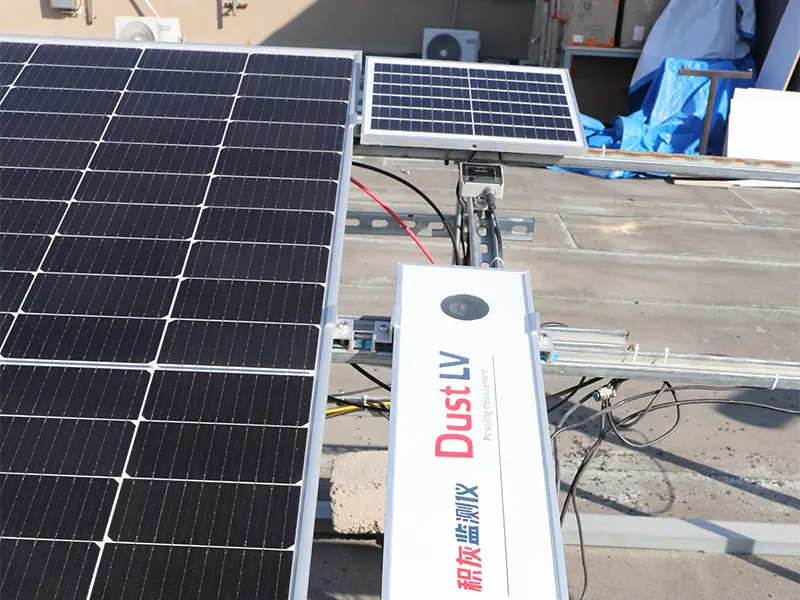
مراقب حالة التلوث بالوحدات الكهروضوئية DustLV يجمع بين الاستشعار البصري عالي الدقة وتقنية قياس الضوء الأزرق لالتقاط التغيرات المستمرة في الضوء المنعكس والمشتت من أسطح الوحدات الكهروضوئية. من خلال تحليل هذه التغيرات، يمكن لـ DustLV مراقبة مستويات تراكم الغبار وتوفير معلومات مفيدة لتقييم نظافة الوحدات وتوقيت الصيانة.
تطبيقات أجهزة استشعار الغبار بالضوء الأزرق في أنظمة الطاقة الشمسية الكهروضوئية
تُستخدم أجهزة استشعار الغبار بالضوء الأزرق بشكل أساسي في أنظمة الطاقة الشمسية الكهروضوئية حيث يؤثر تلوث أسطح الوحدات مباشرة على إنتاج الطاقة وقرارات الصيانة. على عكس أجهزة استشعار الغبار التقليدية التي تقيس بشكل أساسي الجزيئات المحمولة في الهواء، تركز أجهزة استشعار الغبار بالضوء الأزرق على ظروف اتساخ الوحدات الكهروضوئية، مما يجعلها مناسبة للمشاريع التي تتطلب مراقبة مستمرة لتراكم الغبار ومتطلبات التنظيف.
مزارع الطاقة الشمسية واسعة النطاق في البيئات عالية الغبار
تتأثر مزارع الطاقة الشمسية الكبيرة الواقعة في الصحاري والمناطق الجافة والمناطق التي تشهد عواصف غبارية متكررة بشدة باتساخ الوحدات. بالنسبة لهذه المشاريع، لا يمكن للفحص اليدوي أن يعكس بدقة اختلافات التلوث عبر صفائف كهروضوئية كبيرة. يمكن لأجهزة استشعار الغبار بالضوء الأزرق مراقبة نظافة أسطح الوحدات بشكل مستمر وتوفير بيانات لقرارات التنظيف، مما يساعد المشغلين على تحديد متى يبدأ تراكم الغبار في التأثير على أداء الأنظمة الكهروضوئية.
الأنظمة الكهروضوئية التجارية والصناعية التي تحتاج إلى صيانة عن بُعد
غالبًا ما تواجه الأسطح الصناعية والأنظمة الكهروضوئية الموزعة محدودية في الوصول لإجراء الفحوصات الدورية، مما يجعل من الصعب تحديد مستوى نظافة الوحدات الفعلي. من خلال مراقبة تراكم الغبار السطحي عن بُعد، تتيح مستشعرات الغبار بالضوء الأزرق للمشغلين فهم اتجاهات التلوث، وتقييم متطلبات التنظيف، وإدارة الصيانة بناءً على حالة الوحدات الفعلية بدلاً من الجداول الزمنية الثابتة.
محطات الطاقة الكهروضوئية التي تتطلب حلول مراقبة ذكية للتلوث
بالنسبة لمحطات الطاقة الكهروضوئية الحديثة التي تتجه نحو التشغيل الرقمي والصيانة الآلية، تزداد أهمية بيانات التلوث الدقيقة بشكل متزايد. يمكن دمج مستشعرات الغبار بالضوء الأزرق في أنظمة مراقبة الطاقة الكهروضوئية لتتبع مستويات التلوث ودعم استراتيجيات التنظيف القائمة على البيانات. تستخدم حلول مثل جهاز مراقبة حالة تلوث الوحدات الكهروضوئية DustLV تقنية قياس الضوء الأزرق لمراقبة التغيرات على أسطح الوحدات ومساعدة المشغلين على إدارة التلوث الكهروضوئي بشكل أكثر فعالية.
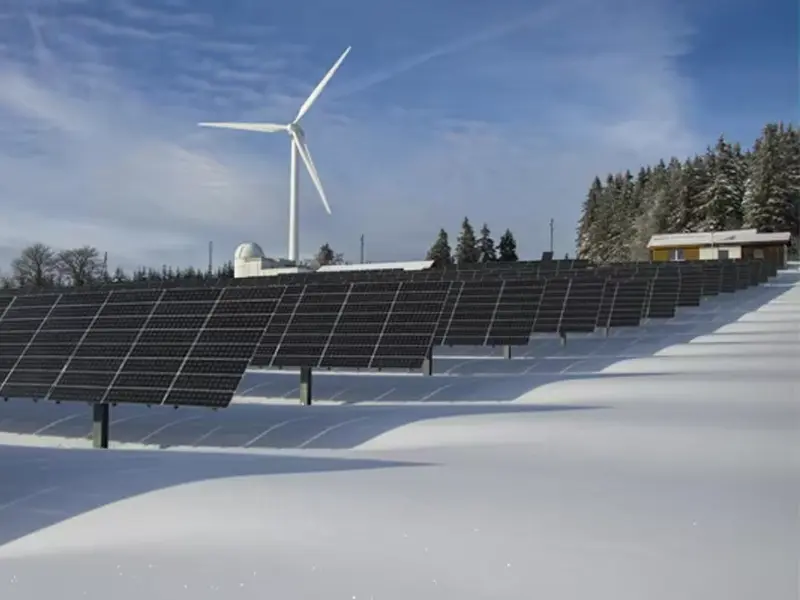
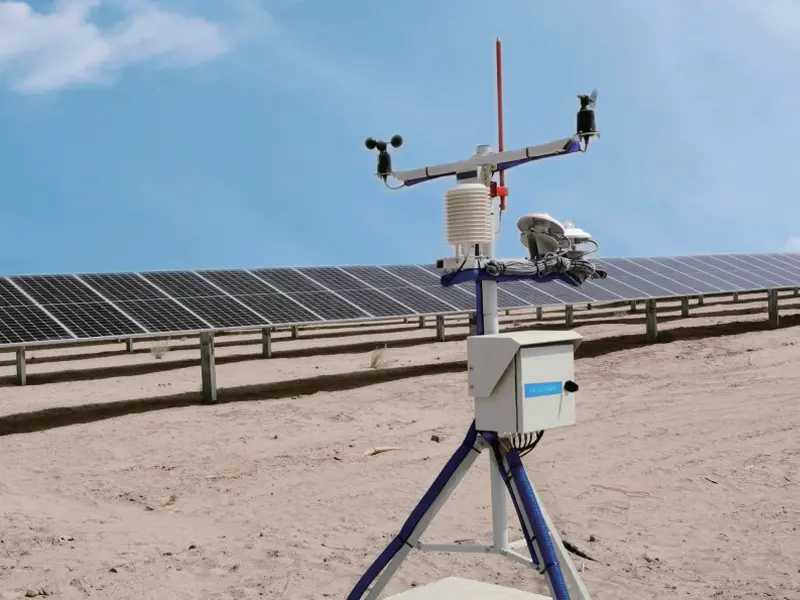
حلول مراقبة الغبار الكهروضوئي لمتطلبات التشغيل والصيانة المختلفة
قد يكون لدى مشغلي الطاقة الشمسية الكهروضوئية متطلبات مختلفة عند إدارة الخسائر المرتبطة بالغبار. يحتاج البعض إلى تتبع تلوث سطح الوحدات وتحديد توقيت التنظيف، بينما يحتاج آخرون إلى قياس كيفية تأثير تراكم الغبار على توليد الطاقة الفعلي. يعتمد اختيار النهج المناسب على ما إذا كان الهدف هو تخطيط الصيانة، أو تقييم الأداء، أو تحليل التشغيل الكهروضوئي طويل الأجل.
نظام مراقبة مؤشر الغبار الكهروضوئي DustCom
غبار كوم تم تصميم هذا النظام لمشغلي الطاقة الشمسية الذين يحتاجون إلى قياس كيفية تأثير تراكم الغبار على إنتاج الطاقة الكهروضوئية. بدلاً من مراقبة تلوث السطح فقط، يقوم بتقييم خسائر الطاقة المرتبطة بالتلوث من خلال مقارنة الأداء الكهربائي لوحدة مرجعية نظيفة ووحدة ملوثة بالغبار في ظل ظروف مماثلة. من خلال الجمع بين البيانات الكهربائية للوحدات، والإشعاع الشمسي، وقياسات درجة الحرارة، يحسب DustCom مؤشر خسارة التلوث (SLI)، مما يوفر بيانات قابلة للقياس لتقييم استراتيجيات التنظيف، وتحليل أداء الطاقة الكهروضوئية، وتخطيط التشغيل والصيانة طويل الأجل.
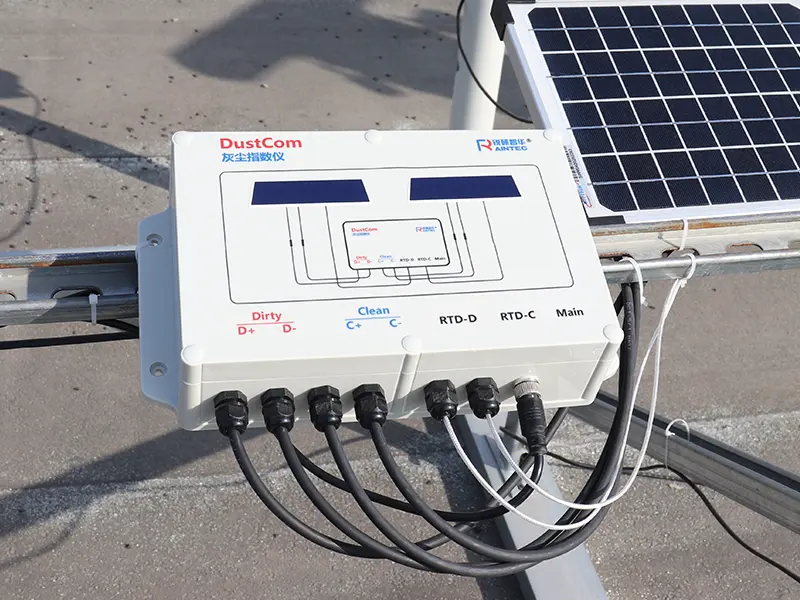
كيفية اختيار مستشعر الغبار المناسب لمزارع الطاقة الشمسية
يبدأ اختيار مستشعر الغبار المناسب لمزرعة شمسية بفهم ما يجب قياسه. تُستخدم مستشعرات الغبار المرجعية عمومًا للكشف عن تركيز الجسيمات المحمولة في الهواء، بينما تتطلب تطبيقات الطاقة الكهروضوئية عادةً مراقبة التأثير الفعلي لتراكم الغبار على أداء الوحدات. بالنسبة للمشاريع التي تحتاج إلى تتبع تغيرات تلوث السطح ومتطلبات التنظيف، فإن مستشعر الغبار بالضوء الأزرق مثل DustLV هو الأنسب. إذا كان الهدف هو تقييم خسائر الطاقة الناتجة عن التلوث، فإن نظام مراقبة خسائر التلوث مثل DustCom يمكن أن يوفر تحليلًا مباشرًا قائمًا على الأداء.
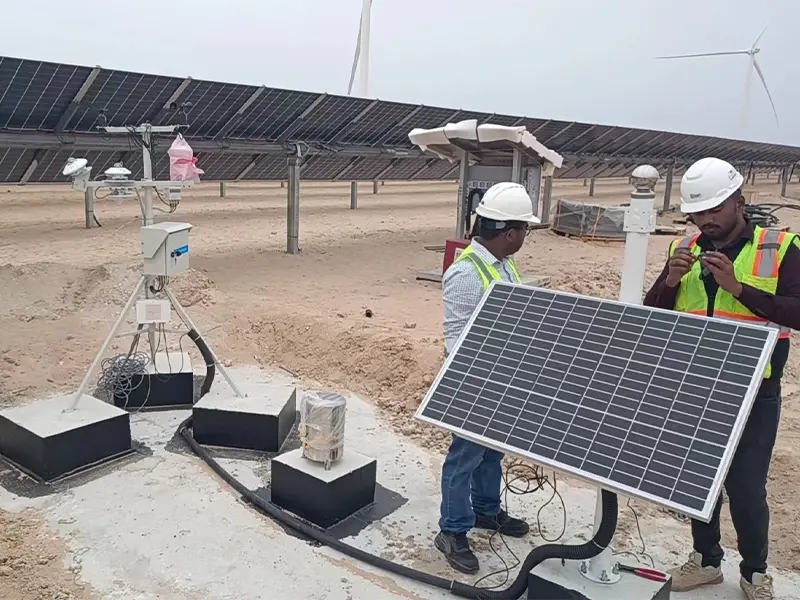
تعتبر بيئة التركيب عاملًا رئيسيًا آخر عند اختيار تقنية مراقبة الغبار. تواجه مزارع الطاقة الشمسية في الصحاري أو المناطق عالية الإشعاع أو المناطق التي تشهد أحداث غبار متكررة تحديات أكبر من تداخل ضوء الشمس وتغيرات درجات الحرارة وتراكم الجسيمات. مقارنةً بمستشعرات الغبار المرجعية التقليدية، تم تصميم مستشعرات الغبار بالضوء الأزرق لظروف الطاقة الكهروضوئية الخارجية باستخدام قياس ضوئي نشط وكشف بطول موجي محدد، مما يسمح بمراقبة أكثر استقرارًا لتلوث الوحدات في ظل الظروف البيئية المعقدة.
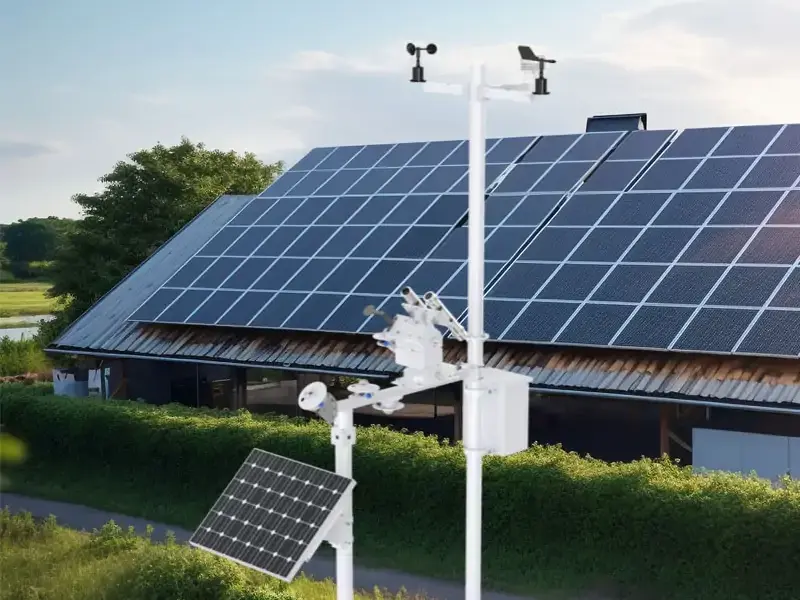
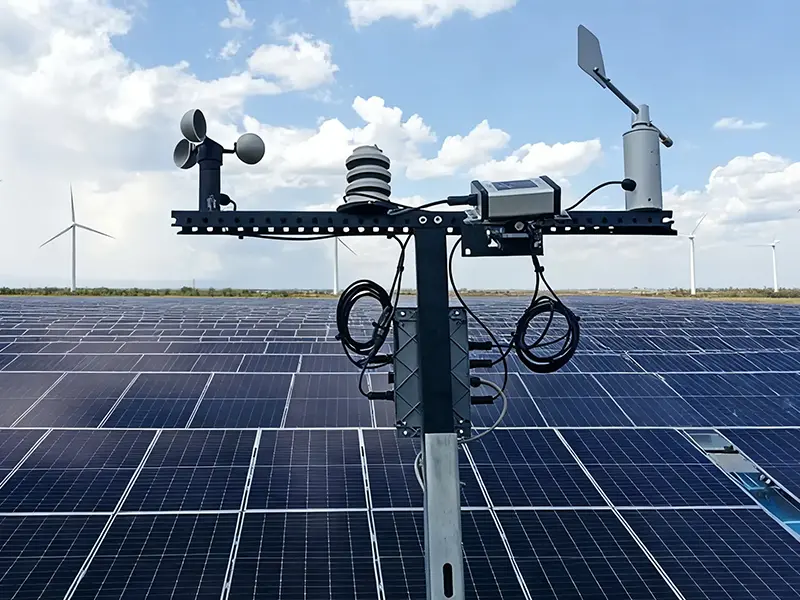
أخيرًا، يجب أن يتوافق مستشعر الغبار مع نظام التشغيل والصيانة الكهروضوئي الحالي. تتطلب محطات الطاقة الشمسية واسعة النطاق عادةً التكامل مع أنظمة جمع البيانات ومنصات SCADA وشبكات المراقبة عن بُعد. يجب مراعاة التوافق الاتصالي، مثل دعم RS485 Modbus، وقدرة نقل البيانات، والاستقرار التشغيلي طويل الأجل، لضمان إمكانية استخدام بيانات مراقبة الغبار بشكل فعال في قرارات التنظيف وإدارة أداء الطاقة الكهروضوئية.
الخاتمة
تعتمد مستشعرات الغبار المرجعية ومستشعرات الغبار بالضوء الأزرق على مبادئ قياس مختلفة وتخدم أغراض مراقبة مختلفة. بينما يمكن أن تكون المستشعرات المرجعية مناسبة لمراقبة تركيز الغبار العام، تتطلب تطبيقات الطاقة الشمسية الكهروضوئية تقييمًا أكثر دقة لتلوث سطح الوحدات في ظل ظروف الإشعاع الخارجي القوي. يجب أن يأخذ اختيار تقنية مراقبة الغبار المناسبة في الاعتبار دقة القياس والقدرة على التكيف البيئي وأهداف الصيانة المحددة لمحطة الطاقة الشمسية.
توفر Yantai Sensor حلول مراقبة الغبار الكهروضوئي، بما في ذلك مراقبة تلوث الوحدات القائمة على الضوء الأزرق وأنظمة تقييم خسائر التلوث الكهروضوئي، لتلبية متطلبات المشاريع الشمسية المختلفة. إذا كنت تخطط لنظام مراقبة الغبار الشمسي أو تحتاج إلى دعم في اختيار التقنية المناسبة لتطبيقك الكهروضوئي،, اتصل بـ Yantai Sensor لمناقشة متطلبات مشروعك وإيجاد حل مراقبة مناسب.