مقدمة
عند تحديد مواصفات أجهزة الاستشعار لمشروع إضاءة نفق، غالباً ما يواجه المهندسون سؤالاً بسيطاً لكنه مهم: هل يجب أن يستخدم النظام مستشعر لمعان نفق أم مستشعر استضاءة نفق؟ كلا المستشعرين يقيسان ظروف الإضاءة، لكنهما لا يقيسان نفس الكمية الضوئية ولا يخدمان نفس الغرض تماماً. اختيار المستشعر الخاطئ قد يؤدي إلى بيانات قياس غير مناسبة، أو تحكم غير فعال في الإضاءة، أو تعديلات غير ضرورية على نظام المراقبة.
الفرق الرئيسي بين مستشعر لمعان النفق ومستشعر الاستضاءة هو ما يقيسه المستشعر. مستشعر لمعان النفق يقيس سطوع سطح أو مشهد من اتجاه رؤية محدد، معبراً عنه بوحدة cd/m²، بينما مستشعر استضاءة النفق يقيس كمية الضوء الساقطة على سطح، معبراً عنها بوحدة lux (lx). يصبح هذا التمييز مهماً بشكل خاص عند تصميم مراقبة إضاءة النفق لإضاءة المدخل، ومناطق العتبة، والإضاءة الداخلية، والتحكم في الإضاءة.
بالنسبة للمهندسين ومتكاملي الأنظمة، فإن الاختيار إذن لا يتعلق ببساطة بأي مستشعر لديه دقة أعلى. يبدأ الأمر بفهم ما يجب قياسه، وأين يتم القياس، وكيف سيتم استخدام البيانات الناتجة في نظام الإضاءة. هنا يصبح الفرق بين اللمعان والاستضاءة مهماً.
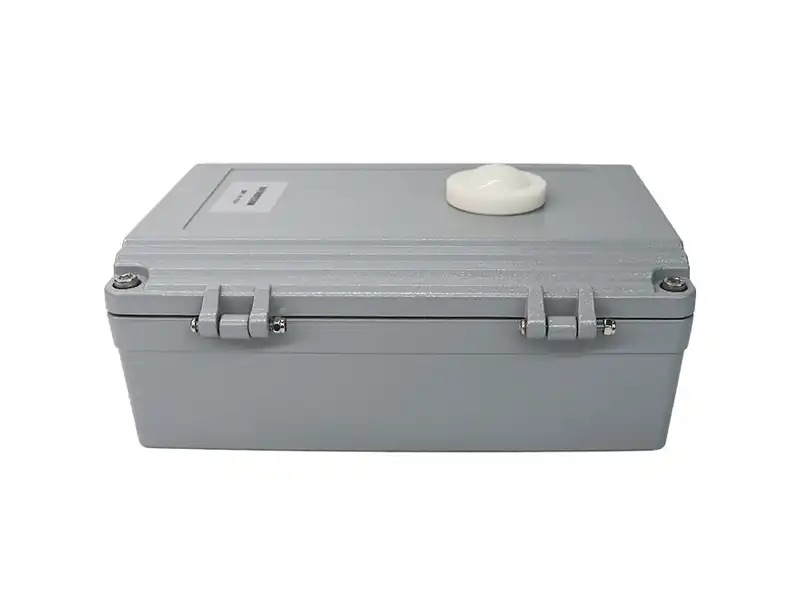
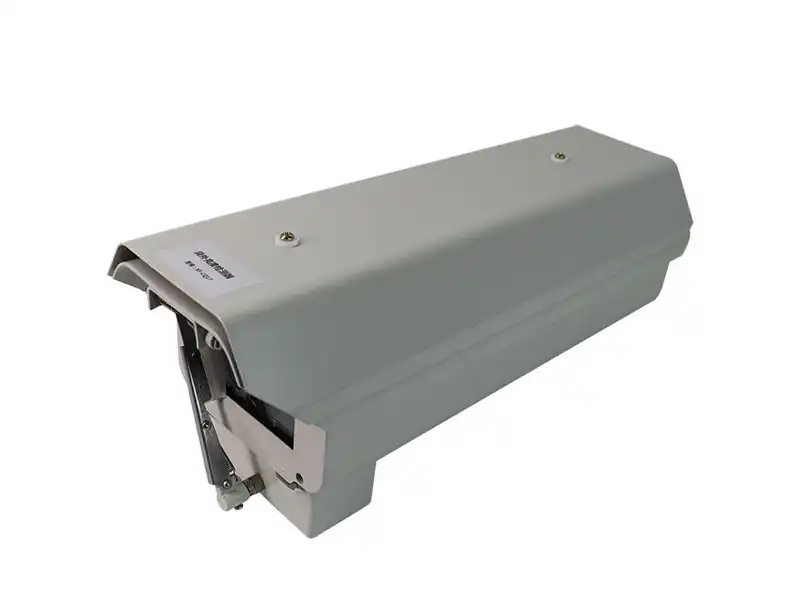
مستشعر لمعان النفق مقابل مستشعر الاستضاءة: مقارنة سريعة
عند اختيار مستشعر ضوء لمشروع نفق، فإن الفرق الرئيسي ليس ببساطة مكان تركيب الجهاز. بل هو الكمية البصرية التي صُمم المستشعر لقياسها وكيفية استخدام هذا القياس. مستشعر لمعان النفق يقيس اللمعان من اتجاه رؤية محدد، بينما مستشعر استضاءة النفق يقيس كمية الضوء الساقط على سطح. يؤثر هذا الاختلاف على التصميم البصري للمستشعر، وهندسة التركيب، ودوره في مراقبة إضاءة النفق.
| الميزة | مستشعر الإنارة النفقية | مستشعر إضاءة النفق |
| كمية القياس | اللمعان | الإضاءة |
| الوحدة | ش/م² | لوكس (lx) |
| ما يقيسه | سطوع سطح أو مشهد من اتجاه رؤية محدد | الضوء الساقط على سطح |
| الهدف النموذجي | سطح الطريق، مدخل النفق، أو مجال رؤية محدد آخر | سطح الطريق أو مستوى القياس |
| التطبيق النموذجي | إضاءة المدخل، تقييم منطقة العتبة، التحكم التكيفي في الإضاءة | مراقبة الإضاءة الداخلية، التحقق من الإضاءة، وتغذية التحكم الراجعة |
| الاعتبار البصري الرئيسي | مجال الرؤية واتجاه الرؤية | اتجاه المستشعر واستجابة جيب التمام |
| التركيب النموذجي | يتم وضعه لعرض المنطقة المستهدفة من زاوية محددة | يتم وضعه لقياس الضوء الساقط على المستوى المطلوب |
| الدور الرئيسي في النظام | يوفر بيانات اللمعان للتحكم في الإضاءة وتقييم الحالة البصرية | يوفر بيانات الاستضاءة لمراقبة الإضاءة والتحقق من الأداء |
| المخرجات النموذجية | RS485، Modbus، 4–20 مللي أمبير، 0–10 فولت* | RS485، Modbus، 4–20 مللي أمبير، مرحل، إلخ.* |
ما هو مستشعر لمعان النفق؟
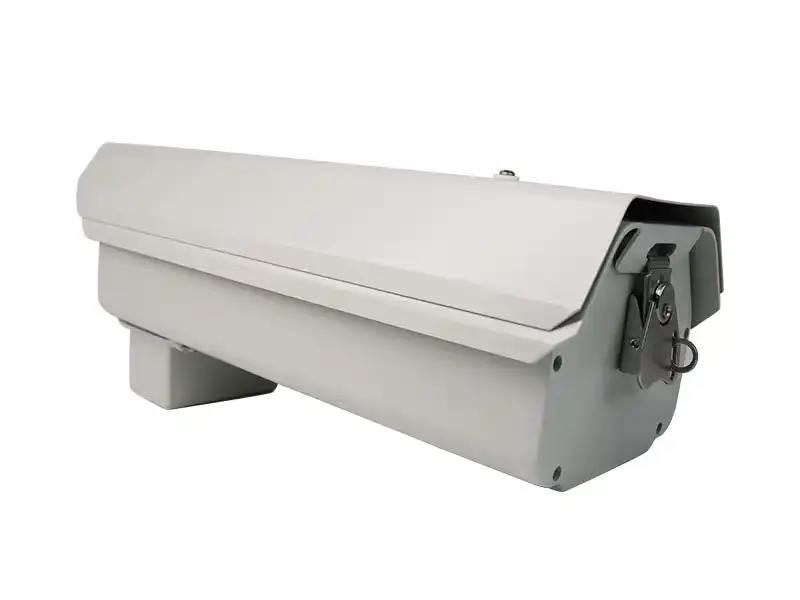
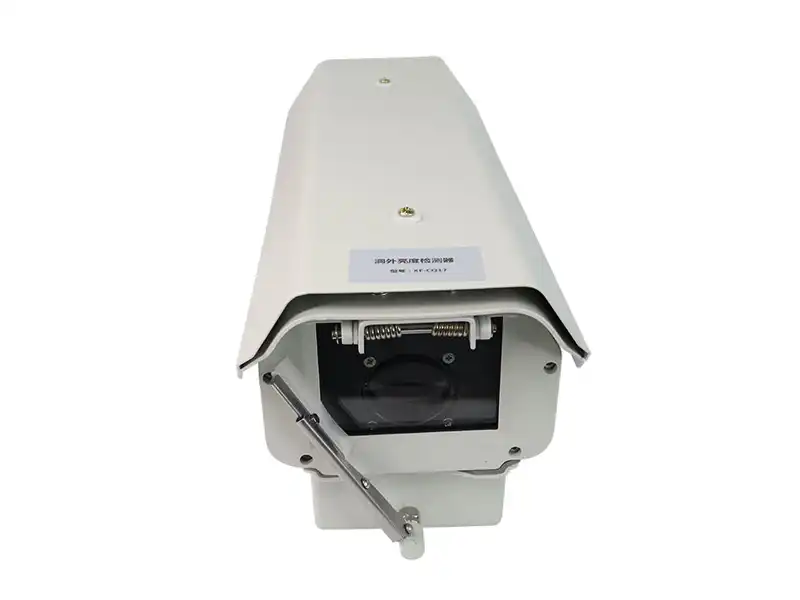
مستشعر لمعان النفق هو جهاز بصري يقيس سطوع سطح الطريق أو منطقة بصرية محددة بوحدة كانديلا لكل متر مربع (cd/m²). على عكس مستشعر الاستضاءة، الذي يقيس كمية الضوء الساقطة على سطح بوحدة lux، فإن مستشعر اللمعان يقيس الضوء المنعكس من الهدف نحو المستشعر من اتجاه رؤية محدد.
ماذا يقيس مستشعر لمعان النفق؟
مستشعر لمعان النفق يقيس سطوع سطح الطريق أو منطقة بصرية محددة بوحدة cd/m²، بناءً على اتجاه رؤية محدد ومجال رؤية. باستخدام عدسة بصرية، وصمام ضوئي، ومرشح طيفي V(λ)، يحول الضوء المنعكس إلى قيمة لمعان معايرة. يغطي طراز Yantai Sensor نطاق 0–7000 cd/m²، بزوايا قياس أفقية ورأسية ≥20° ومخرجات RS485/4–20 مللي أمبير لتكامل النظام.
لماذا يعتبر اللمعان مهماً عند مدخل النفق؟
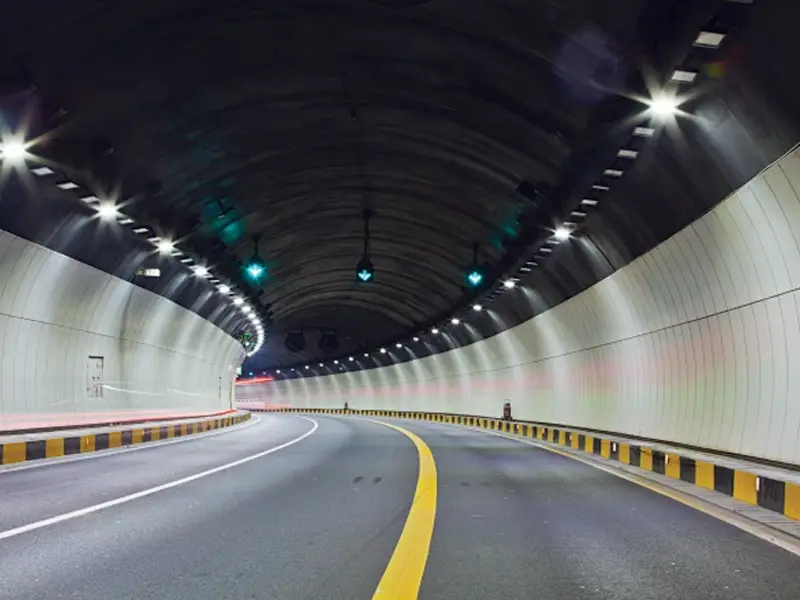
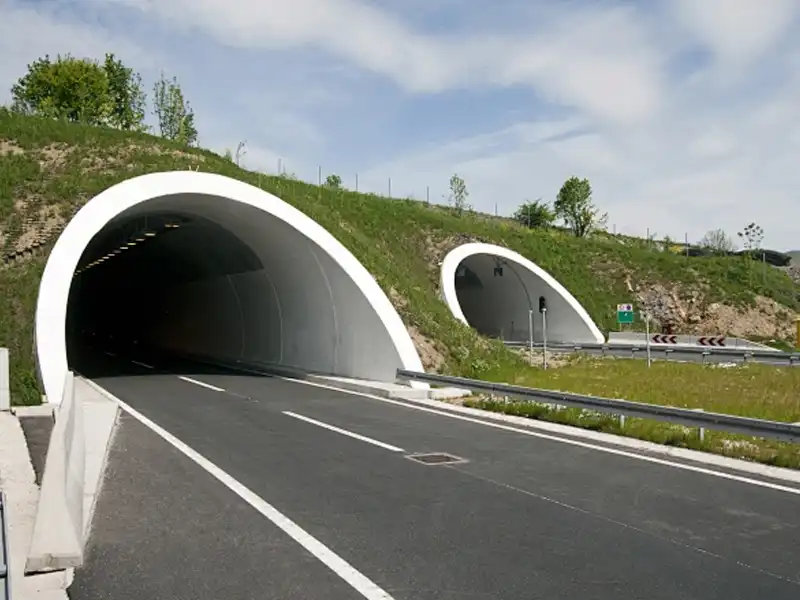
عند مدخل النفق، ينتقل السائقون من بيئة خارجية ساطعة إلى داخل أكثر قتامة بكثير. يمكن أن يجعل الاختلاف الكبير في السطوع النفق يبدو وكأنه ثقب أسود، مما يقلل مؤقتاً من قدرة السائق على التعرف على الطريق والعوائق.
يساعد قياس لمعان المدخل في تحديد ظروف السطوع حول منطقة العتبة ومنطقة الانتقال. يمكن استخدام هذه البيانات لضبط إضاءة المدخل وفقاً لظروف ضوء النهار المتغيرة، مما يدعم الإضاءة التكيفية مع الحفاظ على ظروف بصرية مناسبة للسائقين.
ما هو مستشعر استضاءة النفق؟
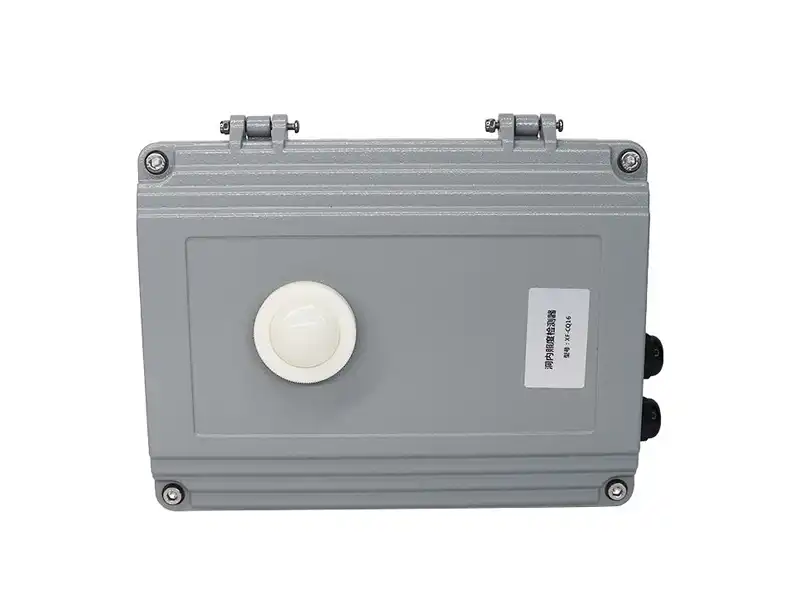
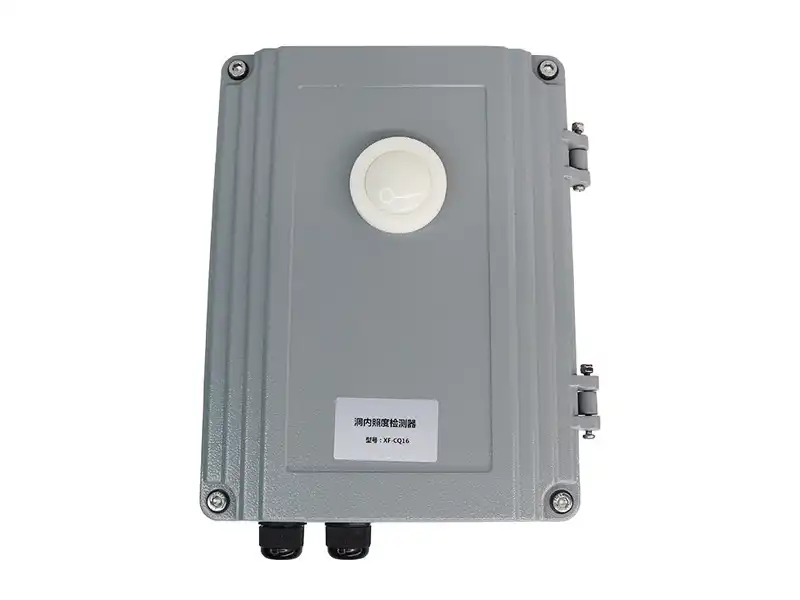
مستشعر استضاءة النفق يقيس كمية الضوء الساقط على سطح بوحدة lux (lx). في تطبيقات الأنفاق، يحدد الاستضاءة الفعلية المستلمة على مستوى قياس محدد، مثل سطح الطريق، مما يوفر للمهندسين بيانات لتقييم مستوى الإضاءة الذي توفره وحدات إنارة النفق ومدى مطابقته لمتطلبات منطقة معينة.
ماذا يقيس مستشعر استضاءة النفق؟
تمثل قيمة الاستضاءة المقاسة كمية الضوء المستلمة على مستوى القياس المحدد تحت ظروف التشغيل الفعلية. بالنسبة لمشاريع الأنفاق، يتيح ذلك للمهندسين تقييم مستوى الإضاءة على سطح الطريق، بدلاً من الحكم على السطوع بصرياً. يمكن أن تتأثر النتيجة بتوزيع وحدات الإنارة، واتجاه المستشعر، وموضع مستوى القياس، لذا فإن التركيب الصحيح والاستجابة البصرية المناسبة مهمان للحصول على بيانات تمثيلية.
أين يُستخدم مستشعر الاستضاءة في النفق؟
يُركب مستشعر استضاءة النفق عادة في الجزء الداخلي من النفق لقياس مستويات إضاءة سطح الطريق والتحقق من أداء الإضاءة الفعلي. اعتماداً على متطلبات المشروع، يمكن استخدامه أيضاً عند مداخل النفق أو مخارجه أو مناطق القياس المحددة الأخرى. يمكن أن تدعم بيانات القياس التحقق من الإضاءة، والتشغيل التجريبي، والصيانة، مما يساعد المهندسين على تحديد الإضاءة غير الكافية أو التغيرات في أداء الإضاءة.
لمعان النفق مقابل استضاءة النفق: ما الفرق؟
الفرق الرئيسي بين لمعان النفق والإضاءة هو ما يقيسه كل مستشعر. يصف اللمعان الضوء القادم من سطح أو مجال بصري، بينما تصف الإضاءة الضوء الساقط على سطح. هذا الفرق يحدد الوحدة المناسبة، والهندسة البصرية، وتطبيق القياس.
كمية القياس: cd/m² مقابل lux
يقيس مستشعر لمعان النفق اللمعان بوحدة cd/m²، ويصف الضوء المنعكس أو المنبعث من سطح في اتجاه رؤية محدد. بينما يقيس مستشعر إضاءة النفق الإضاءة بوحدة lux (lx)، ويصف الضوء الساقط على مستوى قياس محدد. نظرًا لأنهما يقيسان كميات ضوئية مختلفة، فإن القيمتين غير قابلتين للتبادل لنفس مهمة القياس.
اتجاه القياس ومجال الرؤية
تختلف هندسة القياس بشكل جوهري بين المستشعرين. يجب أن يأخذ مستشعر لمعان النفق في الاعتبار زاوية الرؤية، ومجال الرؤية، والمنطقة المستهدفة، واتجاه الرؤية، والضوء المنعكس الداخل إلى المستشعر. بينما يركز مستشعر إضاءة النفق على اتجاه المستشعر، والضوء الساقط، ومستوى القياس، واستجابة جيب التمام.
بعبارات بسيطة، ينظر مستشعر اللمعان إلى هدف، بينما يقيس مستشعر الإضاءة الضوء الواصل إلى سطح.
موقع القياس
| موقع القياس | كمية القياس النموذجية |
| مدخل النفق | اللمعان |
| منطقة العتبة | اللمعان |
| منطقة الانتقال | الاستضاءة / حسب المشروع |
| داخل النفق | الإضاءة |
| التحقق من إضاءة سطح الطريق | الإضاءة |
| التحقق من أداء الإضاءة | الإضاءة |
يجب أن يتبع موقع القياس الفعلي تصميم إضاءة النفق ومتطلبات المشروع المعمول بها. تعتبر الاستضاءة ذات صلة خاصة بتقييم المدخل ومنطقة العتبة، بينما تُستخدم شدة الإضاءة عادةً للتحقق من مستويات الإضاءة على الأسطح المحددة داخل النفق.
التحكم مقابل المراقبة
في نظام الإضاءة، يمكن استخدام بيانات الاستضاءة كمدخل للتحكم في إضاءة المدخل، بينما يمكن استخدام بيانات شدة الإضاءة للتحقق من مستوى الإضاءة المقدم في موقع محدد. لمراقبة إضاءة النفق، يعتمد التكوين المناسب لأجهزة الاستشعار على تصميم الإضاءة والمعايير المعمول بها والبنية العامة للنظام.
كيف تدعم أجهزة استشعار استضاءة النفق وشدة إضاءته مراقبة إضاءة النفق؟
تستخدم مراقبة إضاءة النفق قياسات ضوئية مختلفة لفهم كل من الظروف الضوئية حول مدخل النفق ومستوى الإضاءة الفعلي داخل النفق. يمكن لجهاز استشعار استضاءة النفق توفير بيانات الاستضاءة للتحكم في إضاءة المدخل، بينما يقيس جهاز استشعار شدة إضاءة النفق الإضاءة في المواقع الداخلية المحددة. معًا، يمكنهما دعم التحكم في الإضاءة والتحقق والصيانة دون التعامل مع القياسين كبديلين قابلين للتبادل.
التحكم في إضاءة النفق القائم على الاستضاءة
يقيس جهاز استشعار استضاءة النفق التغيرات في الاستضاءة عند مدخل النفق أو حوله. يمكن استخدام هذه المعلومات كمدخل للتحكم في إضاءة المدخل، مما يسمح لنظام الإضاءة بالاستجابة لظروف الإضاءة النهارية المتغيرة. في استراتيجية الإضاءة التكيفية، تساعد الاستضاءة المقاسة في تحديد مستوى الإضاءة المناسب للمدخل ومنطقة العتبة.
مراقبة شدة الإضاءة داخل النفق
يقيس جهاز استشعار شدة إضاءة النفق الإضاءة المستقبلة على مستوى قياس محدد بوحدة لوكس (lx). داخل النفق، يوفر هذا معلومات مباشرة حول مستوى الإضاءة على سطح الطريق أو المواقع المحددة الأخرى. يمكن استخدام قياس شدة الإضاءة الناتج للتحقق من الإضاءة الداخلية والتشغيل والفحص الروتيني والصيانة.
الجمع بين كلا المستشعرين في نظام واحد لمراقبة إضاءة النفق
في بعض مشاريع الأنفاق، يمكن للمستشعرين العمل معًا لأنهما يوفران أنواعًا مختلفة من بيانات القياس:
الضوء الخارجي / المدخل ← مستشعر استضاءة النفق ← وحدة التحكم في الإضاءة / PLC ← إضاءة النفق ← مستشعر شدة إضاءة النفق ← المراقبة والتحقق
يوفر مستشعر استضاءة النفق معلومات حول ظروف المدخل المتغيرة، بينما يساعد مستشعر شدة إضاءة النفق في التحقق من مستوى الإضاءة المقدم داخل النفق. يمكن لهذا النهج التكميلي تحسين اتساق مراقبة إضاءة النفق، بينما يجب أن يتبع التكوين الدقيق للمستشعرات ومنطق التحكم تصميم المشروع والمعايير المعمول بها والبنية النظامية.
أي مستشعر يجب أن تختار لمشروع النفق الخاص بك؟
يعتمد المستشعر المناسب على ما يجب قياسه، ومكان القياس، وكيفية استخدام البيانات. استخدم الجدول أدناه لمطابقة متطلبات إضاءة النفق الشائعة بسرعة مع المستشعر المناسب.
| متطلب المشروع | المستشعر الموصى به | الغرض الرئيسي |
| قياس سطوع مدخل النفق | مستشعر الإنارة النفقية | يقيس استضاءة المدخل أو المنطقة البصرية المحددة بوحدة cd/m虏 |
| التحكم في إضاءة منطقة العتبة | مستشعر الإنارة النفقية | يوفر بيانات الاستضاءة لضبط إضاءة المدخل |
| تقييم التكيف البصري للسائق | مستشعر الإنارة النفقية | يقيم ظروف السطوع من منظور رؤية السائق |
| إضاءة المدخل التكيفية أو الديناميكية | مستشعر الإنارة النفقية | يستجيب للتغيرات في الاستضاءة الخارجية واستضاءة المدخل |
| قياس إضاءة النفق الداخلية | مستشعر إضاءة النفق | يقيس الإضاءة المستقبلة على سطح محدد بوحدة لوكس |
| التحقق من إضاءة سطح الطريق | مستشعر إضاءة النفق | يتحقق من مستويات الإضاءة الفعلية عند مستوى القياس |
| تشغيل الإضاءة وصيانتها | مستشعر إضاءة النفق | يدعم التحقق من أداء الإضاءة والفحص الروتيني |
| التحكم في المدخل + التحقق الداخلي | كلا المستشعرين | يجمع بين قياس استضاءة المدخل والتحقق من شدة الإضاءة الداخلية |
بعبارات بسيطة، اختر مستشعر استضاءة النفق عندما يركز المشروع على سطوع المشهد البصري، خاصة عند المدخل ومنطقة العتبة. اختر مستشعر شدة إضاءة النفق عندما يكون المتطلب هو قياس مستوى الإضاءة المستقبلة على سطح محدد داخل النفق.
للمشاريع التي تتطلب كلاً من التحكم القائم على استضاءة المدخل ومراقبة شدة الإضاءة الداخلية، يمكن استخدام المستشعرين معًا. يجب أن يعتمد الاختيار النهائي على تصميم إضاءة النفق ومتطلبات القياس والمعايير المعمول بها والبنية النظامية.
عوامل عند اختيار مستشعر ضوء النفق
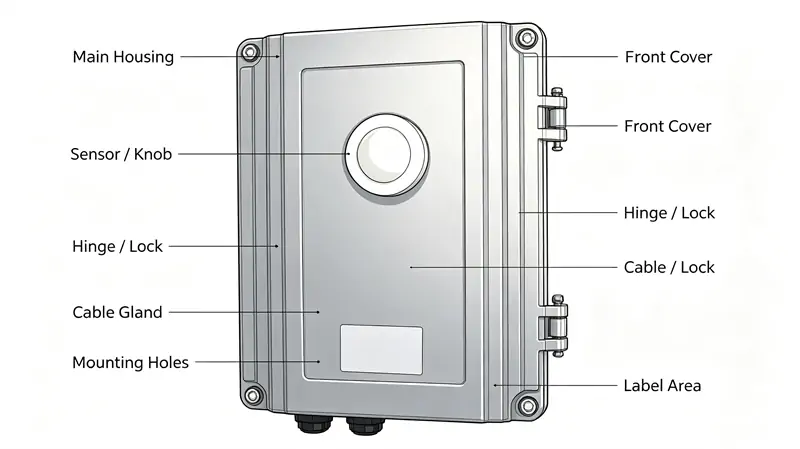
عند اختيار مستشعر ضوء النفق، فإن نطاق القياس والدقة ليسا سوى جزء من القرار. يجب أن يتوافق المستشعر أولاً مع ظروف الإضاءة المتوقعة وهدف القياس المطلوب، مع نطاق كافٍ لتجنب التشبع مع الحفاظ على دقة مفيدة عند مستويات الإضاءة المنخفضة. الخصائص البصرية مهمة أيضًا: مجال الرؤية، وهندسة المشاهدة، والاستجابة الطيفية، و استجابة جيب التمام يجب أن تتوافق مع طريقة القياس المقصودة. قدرة المعايرة واستقرار القياس على المدى الطويل مهمان بنفس القدر، خاصة عندما يُستخدم المستشعر للتحكم المستمر أو التحقق بدلاً من الاختبار العرضي.
بالنسبة للتشغيل طويل الأمد للنفق، يجب أن يتكامل المستشعر بشكل موثوق مع البنية التحتية الحالية للتحكم والمراقبة. تحقق من RS485 وModbus و4–20 مللي أمبير والمرحل أو الواجهات المطلوبة الأخرى، بالإضافة إلى التوافق الاتصالي مع PLC أو SCADA أو وحدة التحكم في الإضاءة. الحماية البيئية مهمة بنفس القدر في الأنفاق المعرضة للغبار والرطوبة والتكثف والاهتزاز وتغيرات درجات الحرارة، لذا يجب أن يتناسب الغلاف وتصنيف IP وترتيب التركيب وسهولة الصيانة مع ظروف التركيب الفعلية. بالنسبة لمشاريع B2B، فإن الاختيار الموثوق هو الذي يجمع بين أداء القياس وتوافق النظام والمتانة البيئية ودعم المعايرة وقابلية الصيانة طويلة الأمد بدلاً من مجرد اختيار المستشعر ذي المواصفات الأعلى دقة.
الأخطاء الشائعة عند اختيار مستشعرات لمعان وإضاءة النفق؟
اختيار مستشعر ضوء النفق بناءً على معلمة واحدة فقط أو سعر الشراء الأولي يمكن أن يخلق مشاكل أثناء التركيب والتشغيل طويل الأمد. تشمل الأخطاء الشائعة:
- الخلط بين اللمعان والإضاءة — اختيار نوع القياس الخاطئ لأن كلاهما يُستخدم لإضاءة الأنفاق.
- الاختيار بناءً على دقة القياس فقط 3 — إغفال الأداء البصري، واستقرار المعايرة، وخصائص الاستجابة، ومتطلبات القياس الفعلية.
- تجاهل مجال الرؤية وهندسة التركيب 5 — زاوية الرؤية غير الصحيحة، أو اتجاه المستشعر، أو مستوى القياس يمكن أن يؤثر على تمثيلية البيانات المجمعة.
- استخدام موقع القياس الخاطئ 7 — تطبيق مستشعرات اللمعان والإضاءة دون النظر فيما إذا كان المشروع يتطلب قياس الظروف البصرية عند المدخل أو التحقق من مستوى الإضاءة الداخلية.
- الاختيار بناءً على السعر فقط 9 — التكلفة الأولية المنخفضة قد تؤدي إلى تكاليف صيانة أو استبدال أعلى إذا كان المستشعر يفتقر إلى الحماية البيئية المناسبة أو المتانة.
- تجاهل توافق النظام 11 — قد لا يتوافق مخرج المستشعر، أو بروتوكول الاتصال، أو مصدر الطاقة، أو الواجهة مع نظام PLC أو SCADA أو نظام التحكم في الإضاءة الحالي.
- عدم التحقق من قدرة المورد 13 — القدرة غير الكافية في التصنيع أو المعايرة أو الدعم الفني أو قطع الغيار يمكن أن تخلق مخاطر طويلة الأجل للمشروع.
- عدم تأكيد المواصفات الرئيسية مسبقًا 15 — يجب التحقق من نطاق القياس، وتصنيف الحماية IP، ودرجة حرارة التشغيل، وزمن الاستجابة، وواجهة الإخراج، وبروتوكول الاتصال مقابل متطلبات المشروع الفعلية.
لذلك يجب أن يأخذ الاختيار الموثوق في الاعتبار هدف القياس، والتكوين البصري، وبيئة التركيب، وتوافق النظام، ودعم المورد كحزمة متكاملة. قبل الشراء، يجب على المهندسين تأكيد نطاق القياس والدقة المطلوبين، وهندسة التركيب، وواجهة الاتصال، والحماية البيئية، ومتطلبات التكامل لضمان أن المستشعر يمكن أن يعمل بشكل موثوق طوال دورة حياة المشروع ويعمل بشكل صحيح ضمن نظام مراقبة إضاءة النفق العام.
الخاتمة
الفرق الرئيسي بين مستشعر لمعان النفق ومستشعر إضاءة النفق هو الكمية الضوئية وهندسة القياس المستخدمة. يقيس مستشعر لمعان النفق اللمعان السطحي بوحدة cd/m²، مما يجعله مناسبًا لظروف المدخل، وتقييم منطقة العتبة، والإضاءة التكيفية. يقيس مستشعر إضاءة النفق الضوء الساقط بوحدة lux، مما يوفر بيانات لتقييم مستوى الإضاءة الداخلية والتحقق والتشغيل والصيانة. يساعد فهم هذه الاختلافات المهندسين على اختيار المستشعر المناسب وفقًا لهدف القياس وموقع التركيب ومتطلبات النظام، مما يحسن موثوقية مراقبة إضاءة النفق.
بالنسبة لمشاريع الأنفاق، المستشعر المناسب هو جزء فقط من الحل. توفر Yantai Sensor حلول مستشعرات لمعان وإضاءة الأنفاق مع نطاقات قياس قابلة للتكوين، وواجهات اتصال، ومصادر طاقة، وترتيبات تركيب، وخيارات حماية بيئية لتلبية متطلبات المشاريع المختلفة. من اختيار المستشعر والمواصفات الفنية إلى تكامل النظام، يمكننا دعم المهندسين ومكاملي الأنظمة في تطوير حل استشعار عملي لتطبيقات إضاءة الأنفاق. اتصل بـ Yantai Sensor لمناقشة متطلبات مشروعك والحصول على توصية مناسبة للمستشعر.