مقدمة
أصبحت الزراعة تعتمد بشكل متزايد على البيانات البيئية الدقيقة حيث يواجه المزارعون أنماطًا مناخية متغيرة، وموارد مائية محدودة، والحاجة إلى إنتاجية أعلى. غالبًا ما تعتمد طرق الزراعة التقليدية على توقعات الطقس الإقليمية، وجداول الري الثابتة، والملاحظات الحقلية اليدوية، والتي قد لا تعكس الظروف الفعلية في كل منطقة زراعية.
توفر محطة الطقس للزراعة الدقيقة مراقبة على مستوى الحقل من خلال جمع بيانات الطقس في الوقت الفعلي والمعلومات البيئية، مما يساعد المزارعين على اتخاذ قرارات أكثر دقة بناءً على الظروف الفعلية بدلاً من الافتراضات. عند دمجها مع مراقبة ظروف التربة وقرارات الري الآلية، يمكن لهذه الأنظمة تحسين إدارة المياه، ومراقبة صحة المحاصيل، وكفاءة الزراعة بشكل عام.
ومع ذلك، فإن اختيار النظام المناسب يتطلب أكثر من مجرد اختيار أجهزة استشعار الطقس الأساسية. يجب أن يأخذ اختيار محطة الطقس الزراعية الفعالة في الاعتبار تكوين أجهزة الاستشعار، ودقة القياس، وخيارات الاتصال، وقدرة التكامل، والموثوقية طويلة الأجل. يجب أن يتطابق الحل المثالي مع متطلبات المحاصيل المحددة، وبيئات الحقول، واحتياجات التوسع المستقبلية لدعم زراعة أكثر ذكاءً واستدامة. الزراعة الدقيقة.
ما هي محطة الطقس للزراعة الدقيقة؟
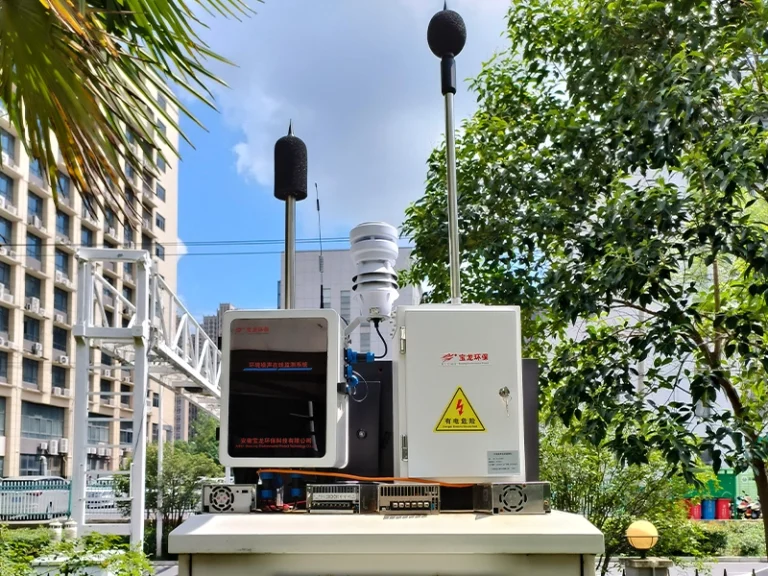
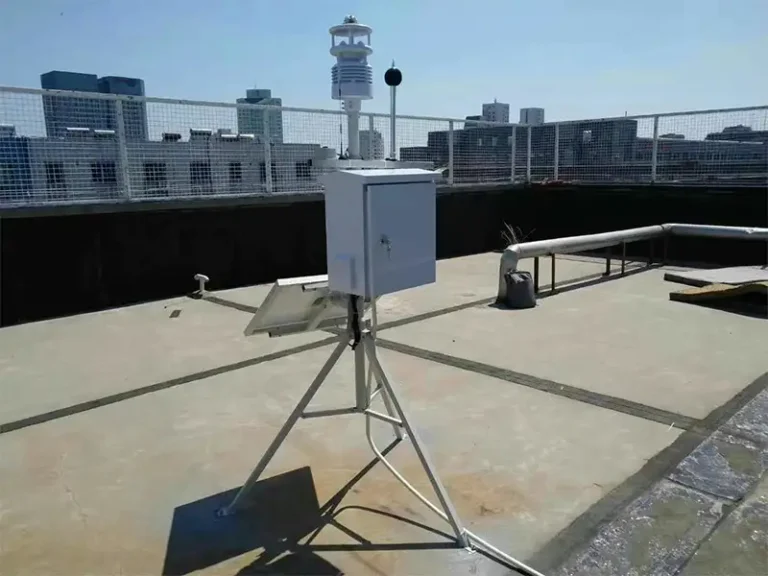
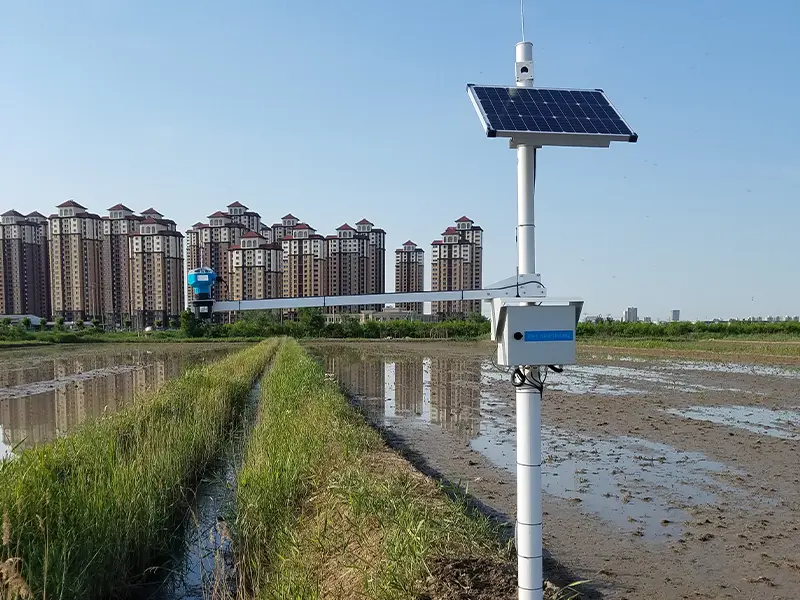
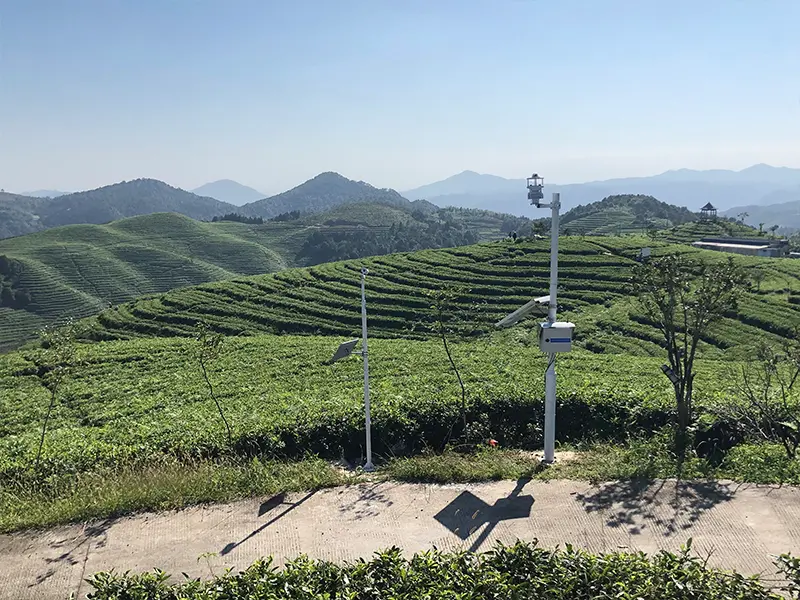
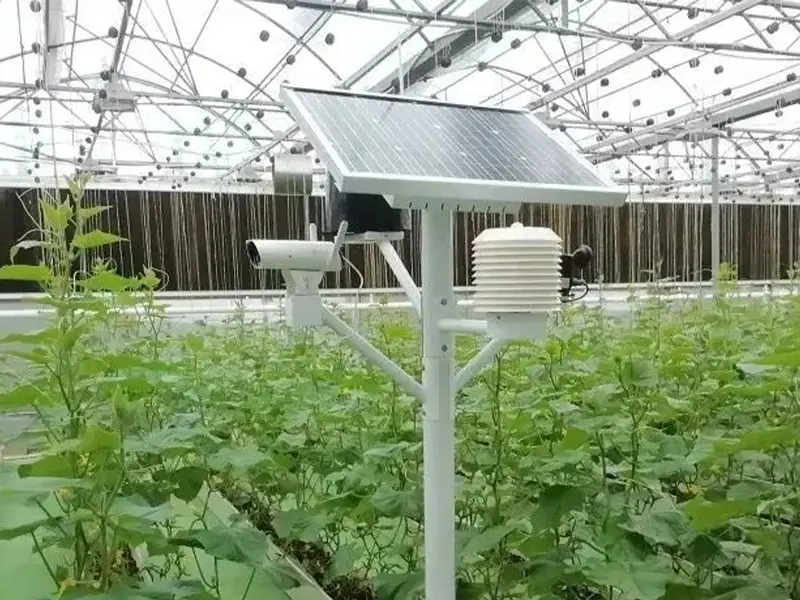
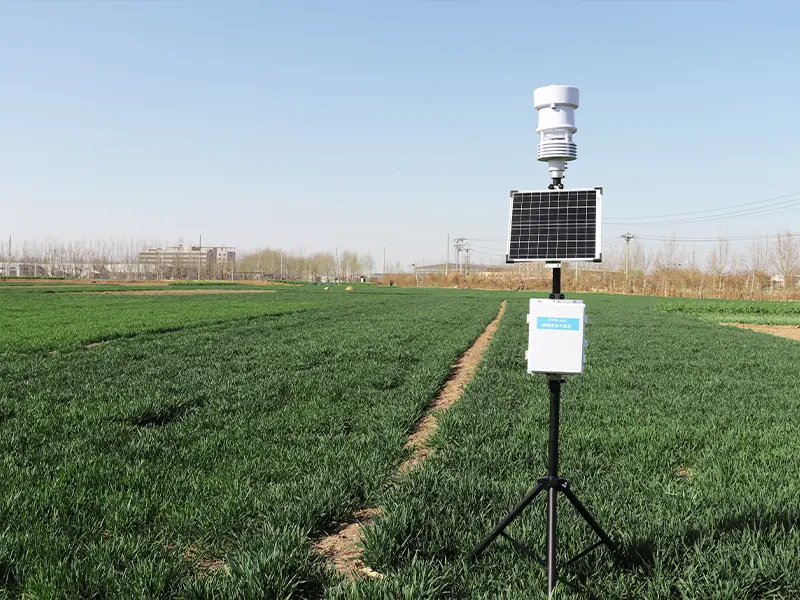
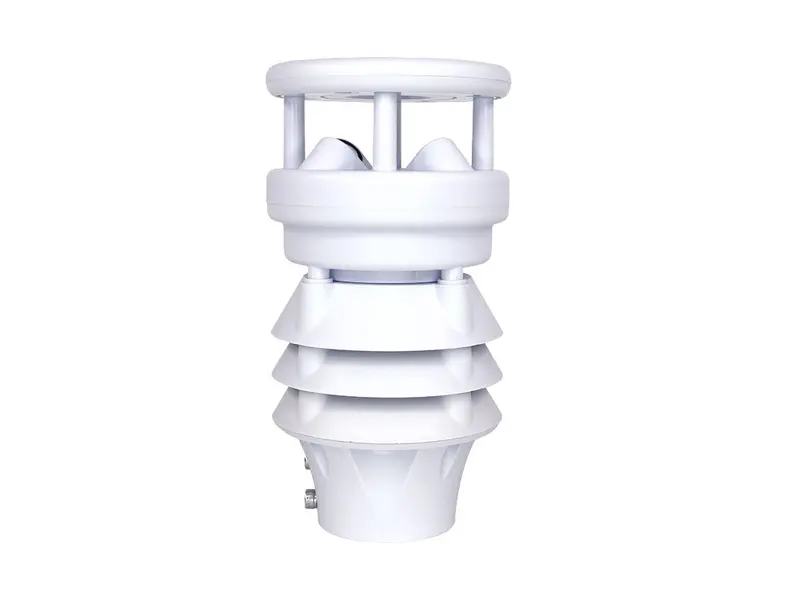
محطة الطقس للزراعة الدقيقة هي نظام مراقبة حقلي مصمم لجمع البيانات البيئية لإدارة الزراعة. على عكس محطات الطقس التقليدية التي توفر بشكل أساسي معلومات عامة عن الطقس، تركز محطة الطقس للزراعة الدقيقة على الظروف المحلية داخل المناطق الزراعية. تقوم عادةً بمراقبة المعايير الرئيسية مثل درجة حرارة الهواء، والرطوبة، وهطول الأمطار، وظروف الرياح، والإشعاع الشمسي، ورطوبة التربة، ودرجة حرارة التربة.
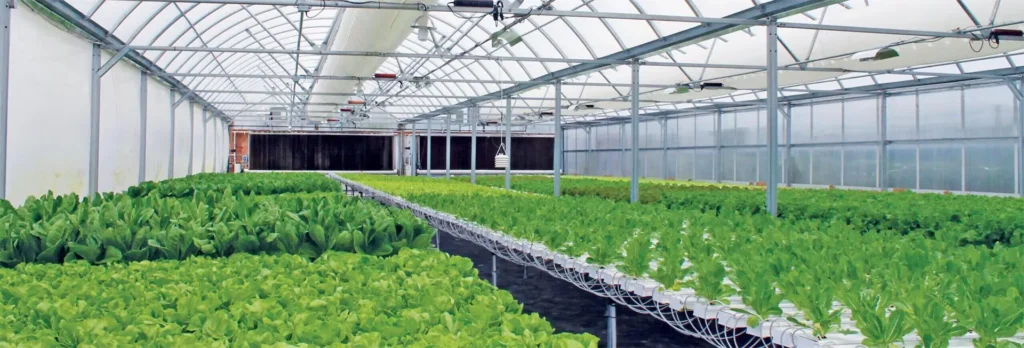
من خلال توفير بيانات الطقس والتربة في الوقت الفعلي، تساعد محطات الطقس الزراعية المزارعين على فهم ظروف الحقل الفعلية واتخاذ قرارات أكثر دقة لإدارة الري، ومراقبة المحاصيل، والعمليات الزراعية اليومية. بدلاً من الاعتماد فقط على التوقعات الإقليمية أو الجداول الثابتة، يمكن للمزارعين تعديل الأنشطة الزراعية بناءً على التغيرات البيئية المقاسة. مع تكوينات أجهزة الاستشعار المرنة وخيارات الاتصال، يمكن تكييف محطات الطقس الحديثة مع تطبيقات مختلفة، بما في ذلك الزراعة في الحقول المفتوحة، والصوبات الزراعية، والبساتين، وأنظمة الري الذكية.
تم تصميم محطة الطقس للزراعة الدقيقة لتوفير معلومات بيئية أكثر تفصيلاً وتركيزًا على التطبيق للزراعة. بالمقارنة مع أنظمة مراقبة الطقس التقليدية، فهي تجمع بين أجهزة استشعار زراعية متعددة وجمع البيانات على مستوى الحقل لدعم إدارة المحاصيل، وقرارات الري، وممارسات الزراعة الدقيقة. الاختلافات الرئيسية بين هذين النوعين من محطات الطقس موضحة أدناه.
| محطة الطقس التقليدية | محطة الطقس للزراعة الدقيقة |
| مراقبة الطقس العامة | مراقبة زراعية خاصة بالحقل |
| معلومات مناخية إقليمية | بيانات بيئية حقلية في الوقت الفعلي |
| قرارات زراعية يدوية | إدارة مزرعة مدعومة بالبيانات |
| خيارات استشعار محدودة | تكامل مرن متعدد أجهزة الاستشعار |
لماذا تحتاج المزارع إلى محطة طقس للزراعة الدقيقة؟
تعتمد القرارات الزراعية بشكل كبير على الظروف البيئية المحلية. ومع ذلك، غالبًا ما تعتمد الزراعة التقليدية على توقعات الطقس الإقليمية، وجداول الري الثابتة، والخبرة اليدوية، والتي لا يمكنها أن تعكس بدقة التغيرات في الوقت الفعلي في الحقول الفردية.
توفر محطة الطقس للزراعة الدقيقة مراقبة بيئية مستمرة من خلال جمع بيانات مثل درجة الحرارة، والرطوبة، وهطول الأمطار، والإشعاع الشمسي، وظروف الرياح. تساعد هذه القياسات المزارعين على اتخاذ قرارات أكثر دقة في إدارة المحاصيل، وتخطيط الري، والوقاية من مخاطر الطقس.
تحسين إدارة المحاصيل باستخدام البيانات البيئية في الوقت الفعلي
تتأثر ظروف المحاصيل بالتغيرات البيئية المحلية التي قد تختلف عبر الحقول المختلفة، حتى داخل نفس المحصول. يتأثر نمو المحصول بشكل كبير بدرجة الحرارة والرطوبة وهطول الأمطار والإشعاع الشمسي. من خلال المراقبة الزراعية في الوقت الفعلي، توفر محطة الطقس للزراعة الدقيقة بيانات حقلية دقيقة لمساعدة المزارعين على فهم ظروف النمو المحلية، وتحسين جداول الزراعة، وتعديل ممارسات إدارة المحاصيل بناءً على التغيرات البيئية الفعلية.
تدعم المراقبة المستمرة للعوامل البيئية أيضًا تحليل نمو المحاصيل وتقييم مخاطر الأمراض. من خلال تتبع تغيرات درجة الحرارة والرطوبة، يمكن للمزارعين تحديد الظروف التي قد تؤثر على تطور المحاصيل أو تزيد من مخاطر الأمراض، مما يسمح لهم باتخاذ إجراءات وقائية وتحسين قرارات إدارة الحقل.
تحسين قرارات الري باستخدام بيانات الطقس والتربة
يتطلب الري الفعال معلومات دقيقة حول كل من ظروف الطقس وحالة التربة. لا يمكن لجداول الري الثابتة التقليدية دائمًا مطابقة متطلبات المياه الفعلية للمحاصيل، حيث يمكن أن تؤثر التغيرات في هطول الأمطار ودرجة الحرارة وظروف الحقل على الطلب على المياه. من خلال الجمع بين بيانات الطقس ومعلومات التربة، يمكن للمزارعين اتخاذ قرارات ري أكثر دقة.
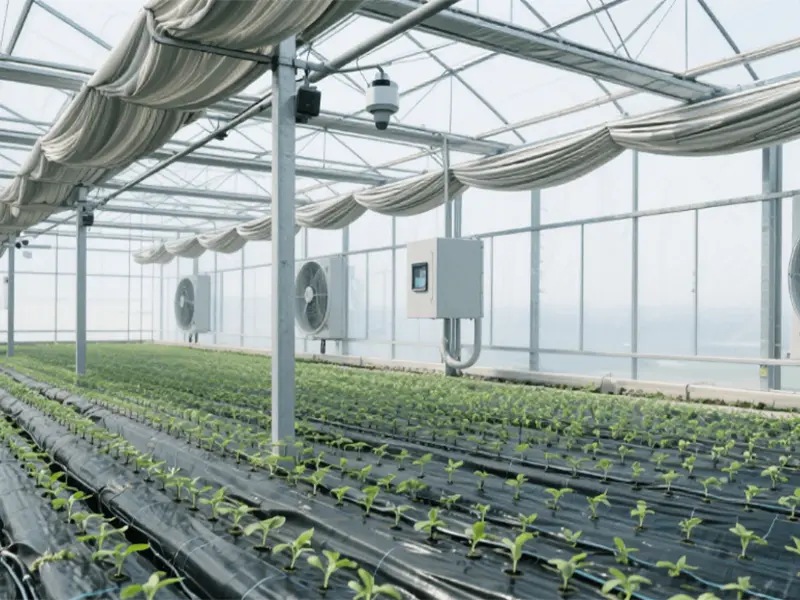
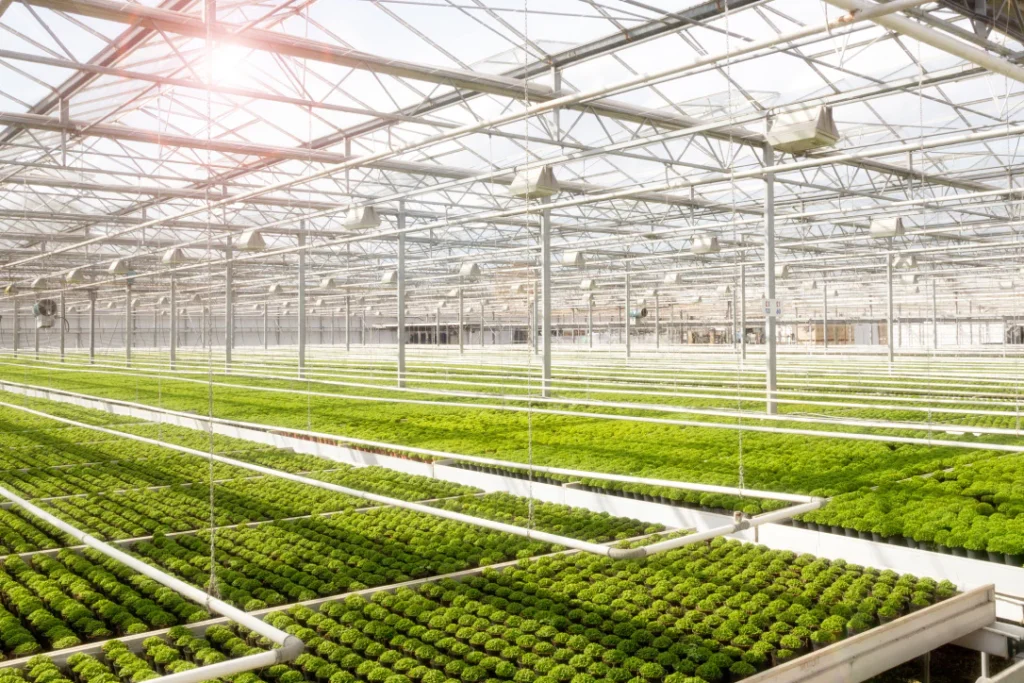
عند دمجها مع أجهزة استشعار نظام الري الآلي، يمكن لنظام الري الذكي تعديل استراتيجيات الري بناءً على ظروف الحقل في الوقت الفعلي بدلاً من الجداول الزمنية المحددة مسبقًا. يُستخدم هذا النهج على نطاق واسع في الري في الحقول المفتوحة، وإنتاج الصوبات الزراعية، ومشاريع الزراعة الموفرة للمياه لتحسين دقة الري والحفاظ على ظروف نمو مستقرة للمحاصيل.

كيفية اختيار محطة طقس للزراعة الدقيقة؟
يبدأ اختيار محطة الطقس المناسبة للزراعة الدقيقة بفهم الغرض من المراقبة، ونوع المحصول، وبيئة التركيب. تتطلب التطبيقات الزراعية المختلفة تكوينات مختلفة لأجهزة الاستشعار. يجب أن يوفر النظام المناسب البيانات اللازمة لمراقبة المحاصيل، وإدارة الري، وتقييم مخاطر الطقس بدلاً من مجرد إضافة المزيد من أجهزة الاستشعار.
حدد تكوين أجهزة الاستشعار بناءً على التطبيق الزراعي
يجب اختيار تكوين المستشعرات وفقًا لنوع المحصول، وبيئة النمو، وأهداف المراقبة. تواجه التطبيقات الزراعية المختلفة تحديات بيئية متنوعة، لذا يجب تجهيز محطة الأرصاد الجوية بمستشعرات توفر البيانات الأكثر صلة بإدارة المزرعة اليومية.
| التطبيق الزراعي | متطلبات المراقبة الرئيسية | تكوين المستشعرات الموصى به |
| الزراعة في الحقول المفتوحة | مراقبة مناخ الحقل، تتبع نمو المحاصيل، وإدارة مخاطر الطقس | مستشعر درجة حرارة الهواء، مستشعر الرطوبة، مستشعر هطول الأمطار، مستشعر الرياح، مستشعر الإشعاع الشمسي |
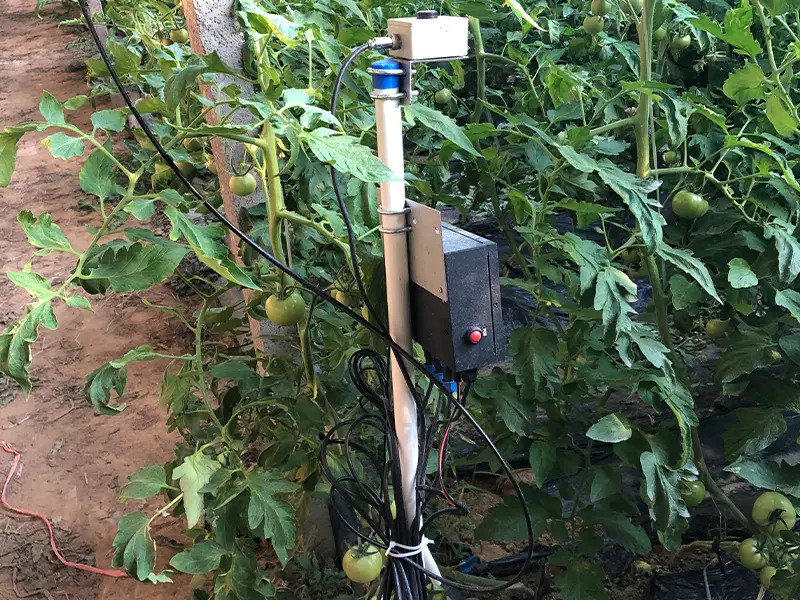
| زراعة الدفيئة | مراقبة المناخ الداخلي والتحكم البيئي | مستشعر درجة الحرارة، مستشعر الرطوبة، مستشعر ثاني أكسيد الكربون، مستشعر الضوء |
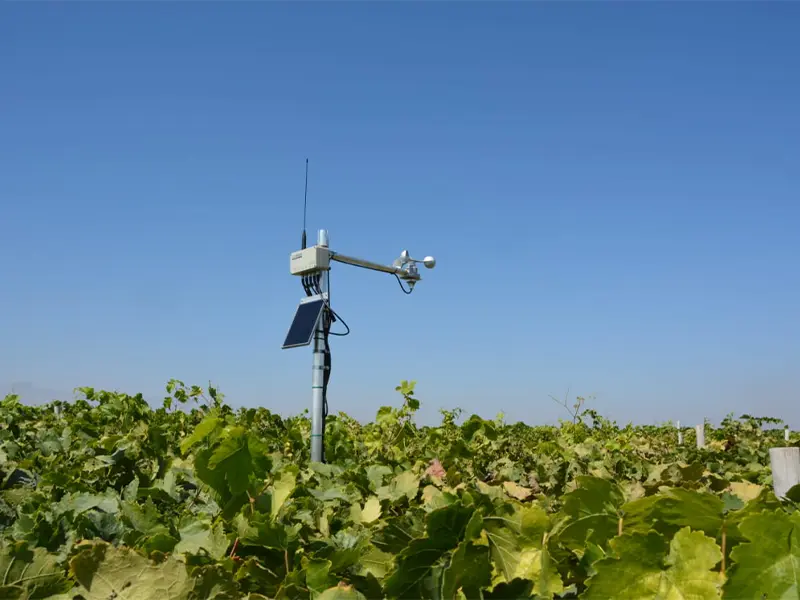
| مراقبة البساتين وكروم العنب | التحذير من الصقيع، تقييم مخاطر الأمراض، وحماية المحاصيل | مستشعر درجة الحرارة، مستشعر الرطوبة، مستشعر هطول الأمطار، مستشعر رطوبة الأوراق، مستشعر مراقبة الصقيع |
يجب أن يعتمد اختيار المستشعرات على التطبيق الزراعي المحدد، حيث تختلف أولويات المراقبة بين الحقول المفتوحة، البيوت المحمية، والبساتين.
تقييم دقة المستشعرات وموثوقيتها طويلة المدى
تعتبر دقة المستشعرات واستقرارها طويل المدى أمرًا بالغ الأهمية عند اختيار محطة أرصاد جوية زراعية، خاصة للأنظمة المثبتة في الهواء الطلق والتي تعمل بشكل مستمر طوال العام. يجب أن تحافظ المستشعرات على قياسات موثوقة في ظل الظروف المتغيرة مثل تقلبات درجات الحرارة، هطول الأمطار، الغبار، والتغيرات الموسمية في الطقس.
عند تقييم محطة الأرصاد الجوية، يجب على المستخدمين مراعاة دقة القياس، نطاق التشغيل، الحماية من التعرض للعوامل الخارجية، ومتطلبات المعايرة. يضمن أداء المستشعر الموثوق به بقاء البيانات البيئية متسقة وإمكانية استخدامها لمراقبة المحاصيل، تخطيط الري، وإدارة مخاطر الطقس.
مراعاة إمكانية توسيع المستشعرات وتكامل النظام
لا ينبغي أن تقتصر محطة الأرصاد الجوية للزراعة الدقيقة على جمع بيانات الطقس الأساسية. مع تحول إدارة المزرعة إلى الاعتماد على البيانات، قد يحتاج النظام إلى دمج مستشعرات إضافية لمراقبة ظروف التربة، بيئات المحاصيل، ومتطلبات الري.
من خلال إضافة مستشعرات رطوبة التربة ودرجة حرارتها، يمكن للمزارع دمج معلومات الطقس مع ظروف منطقة الجذر وضبط الري بناءً على حالة التربة الفعلية بدلاً من الجداول الزمنية الثابتة. يمكن للمستشعرات الأخرى، مثل مستشعر رطوبة الأوراق والإشعاع الشمسي، توفير معلومات إضافية لمراقبة المحاصيل وتقييم المخاطر المرتبطة بالطقس.
يسمح نظام المراقبة الزراعية المرن للمستخدمين بتوسيع تكوينات المستشعرات وفقًا للمحاصيل المختلفة، ظروف الحقل، واحتياجات التطبيق، مما يجعل النظام مناسبًا للمراقبة الزراعية طويلة المدى.
المستشعرات الأساسية في محطة الأرصاد الجوية للزراعة الدقيقة
تستخدم محطة الأرصاد الجوية للزراعة الدقيقة مستشعرات متعددة لمراقبة الظروف الجوية، حالة التربة، والعوامل البيئية المرتبطة بالمحاصيل. توفر المستشعرات المختلفة معلومات محددة ضرورية لإدارة المحاصيل، تخطيط الري، التحكم في البيوت المحمية، وتقييم مخاطر الطقس. يساعد فهم دور كل مستشعر المزارعين على اختيار تكوين المراقبة المناسب وبناء نظام أكثر فعالية لإدارة البيانات الزراعية.
Air Temperature and Humidity Sensors
A temperature sensor and humidity sensor are fundamental components of a precision agriculture weather station. Temperature data helps monitor crop growth conditions, seasonal changes, and evapotranspiration, while humidity data provides important information for evaluating growing environments and disease risks. Together, these sensors support accurate crop monitoring and help farmers adjust field management practices based on real-time environmental changes.
Temperature and humidity conditions are closely related to the development of many crop diseases. Continuous monitoring helps identify periods with higher disease risks, allowing farmers to take preventive measures earlier and improve crop protection strategies.
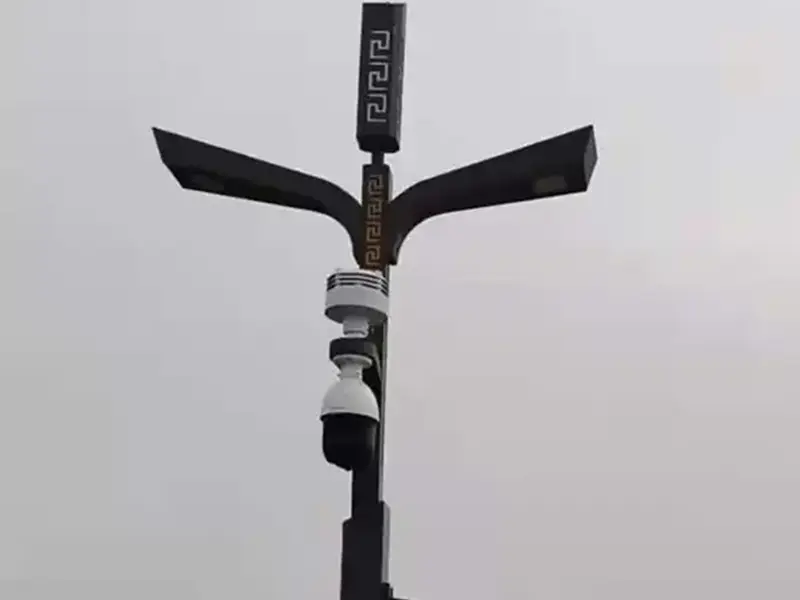
Rainfall Sensors
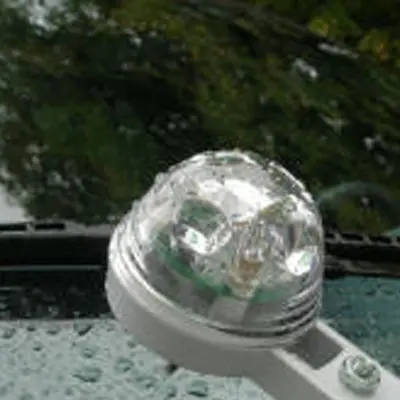
A rainfall sensor or rain gauge for agriculture is used to measure precipitation conditions, including rainfall amount, intensity, and natural water input. Accurate rainfall data helps farmers understand actual water availability and make better decisions for field management.
By monitoring rainfall changes, farmers can adjust irrigation schedules, avoid unnecessary watering, and improve water efficiency. In large farms and precision irrigation projects, rainfall data can be combined with other environmental information to support more accurate water management decisions.
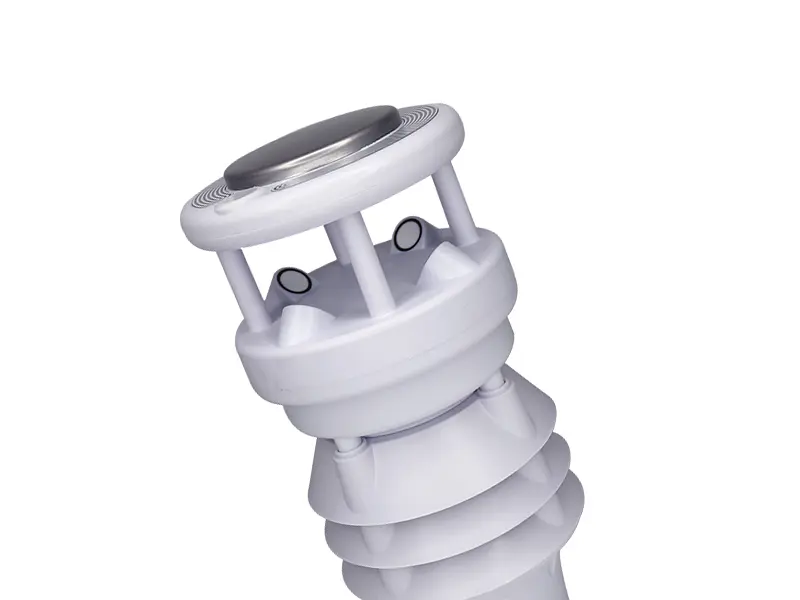
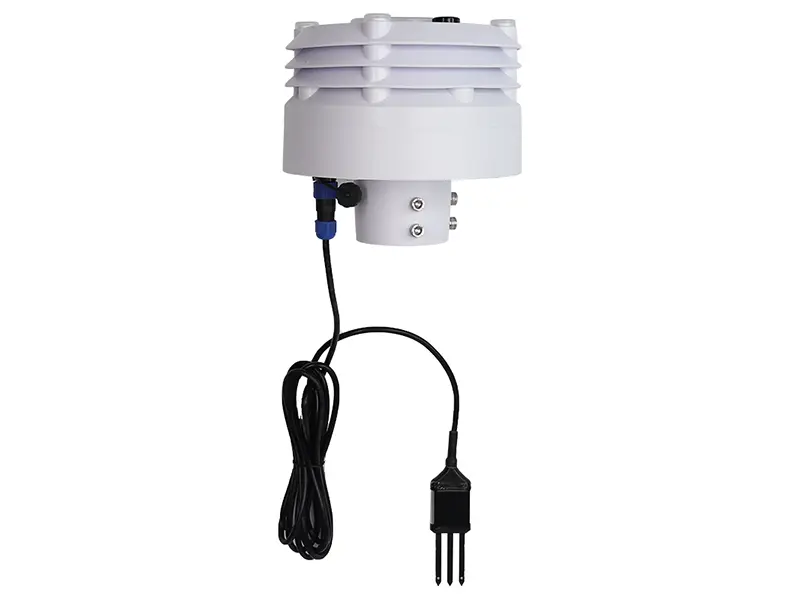
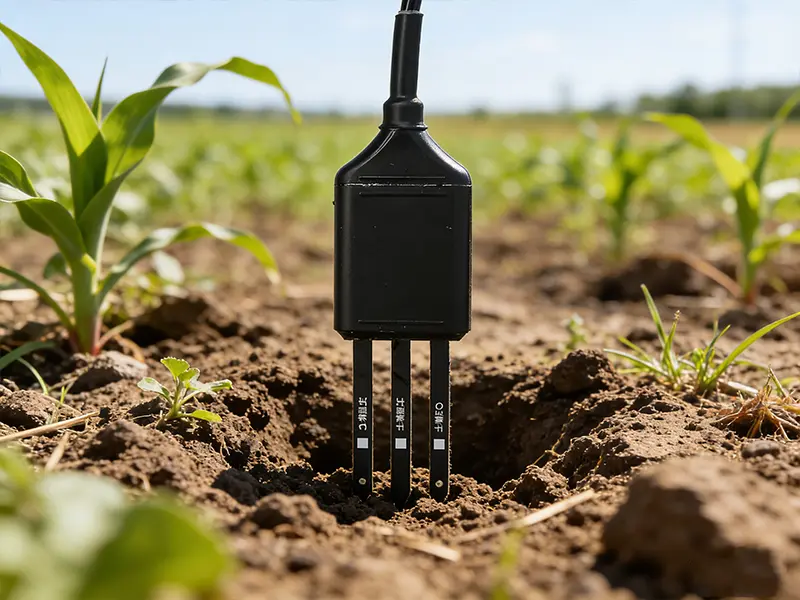
Soil Moisture and Temperature Sensor Integration
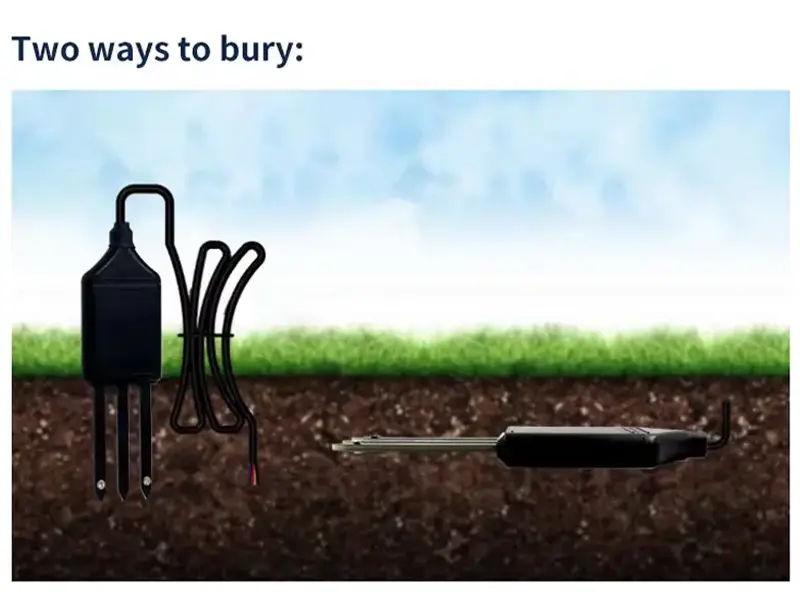
Soil sensors provide direct information from the root zone that weather monitoring cannot capture. Soil moisture and temperature sensors help measure soil water availability and root zone conditions, allowing farmers to adjust irrigation based on actual field requirements instead of fixed schedules.
By integrating soil moisture sensor integration with a precision agriculture weather station, farms can connect weather data, soil conditions, and irrigation control into one system. This approach supports drip irrigation, greenhouse irrigation, and field irrigation with more accurate water management.
Solar Radiation and Wind Sensors
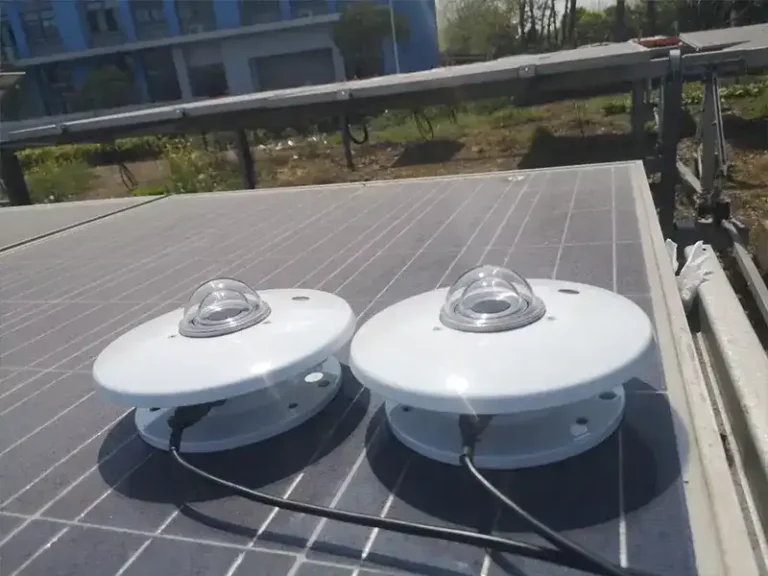
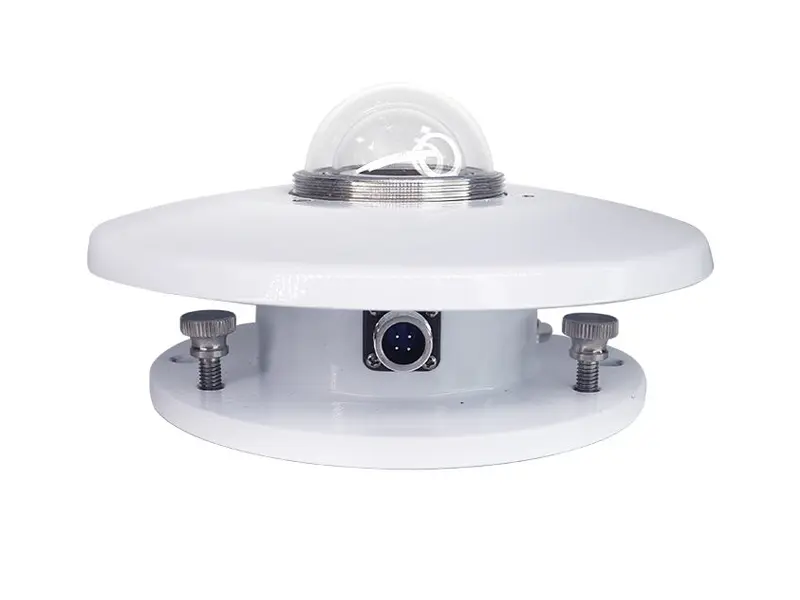
A solar radiation sensor provides data on sunlight conditions, which directly affect photosynthesis, crop growth, and evapotranspiration. By monitoring solar radiation changes, farmers can better evaluate crop development, estimate irrigation requirements, and support agricultural research.
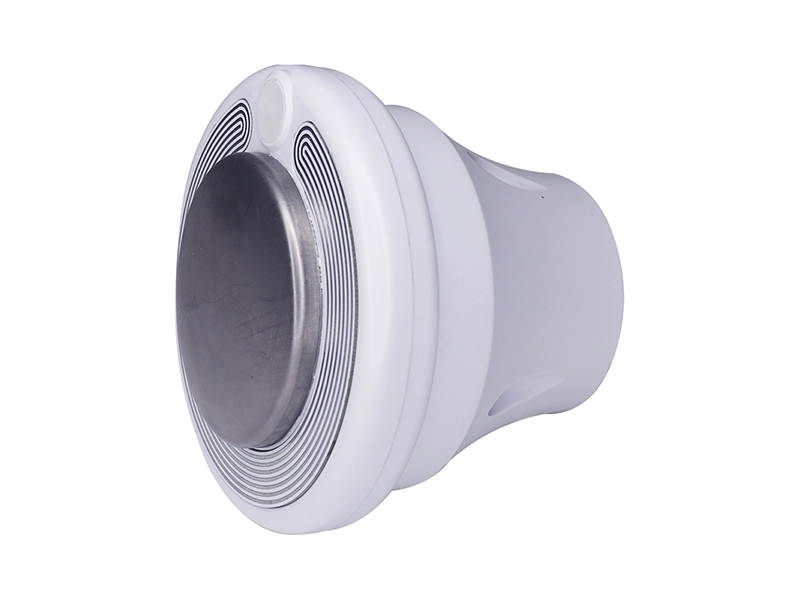
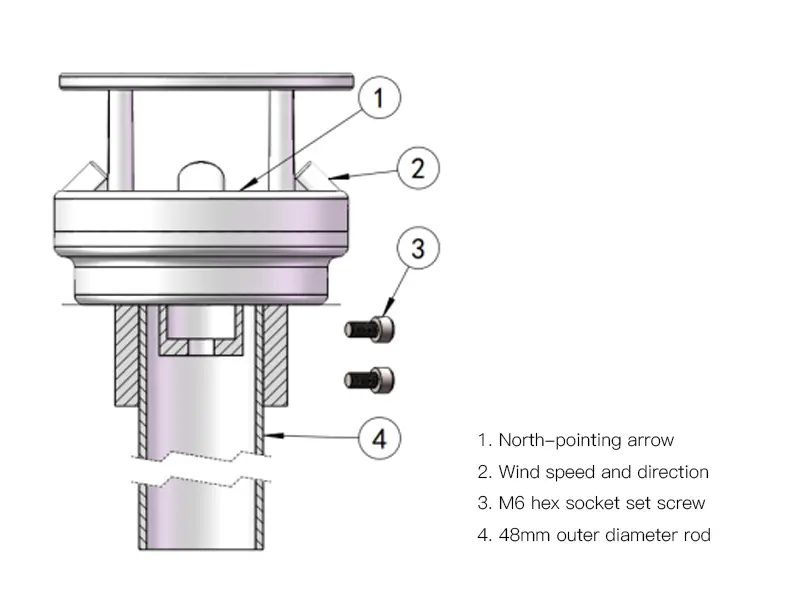
A wind sensor agriculture solution measures wind speed and direction to support spraying management, weather risk monitoring, and greenhouse ventilation control. Accurate wind data helps reduce pesticide drift during spraying operations and improves application efficiency under changing field conditions.
CO₂ and Light Sensors for Greenhouse Applications
A greenhouse sensor system requires more precise environmental monitoring than open-field agriculture. CO₂ and light sensors measure carbon dioxide concentration and light intensity to support greenhouse climate control, lighting management, and crop growth optimization.
By combining CO₂, light, temperature, and humidity data, growers can maintain more stable greenhouse conditions and improve production efficiency.
Leaf Wetness Sensors for Crop Disease Monitoring
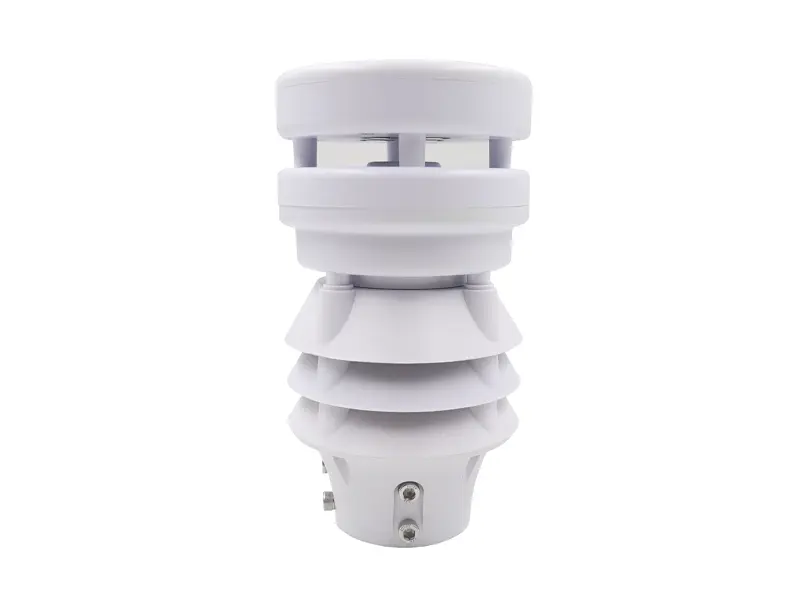
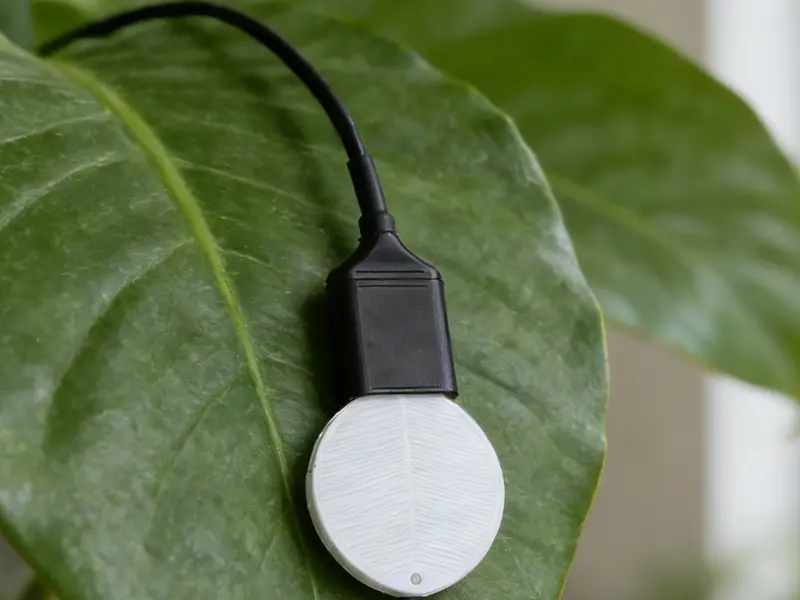
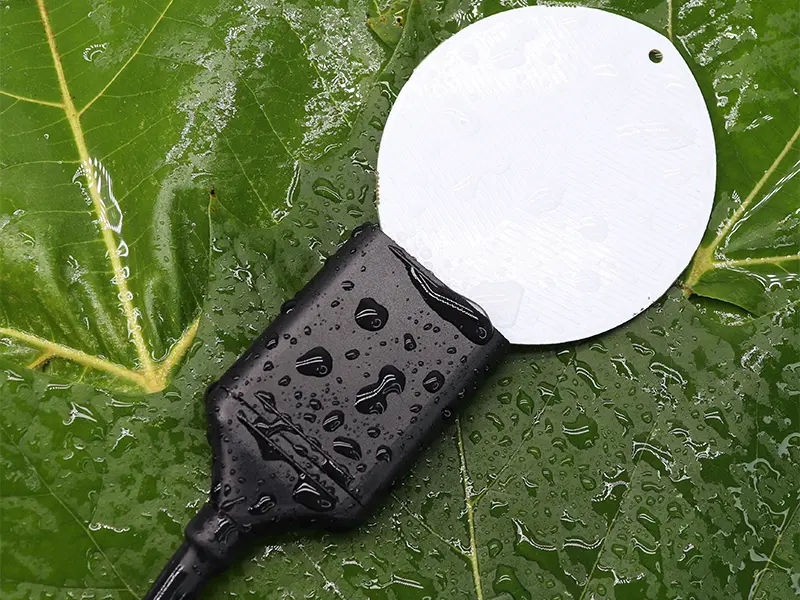
A leaf wetness sensor provides information about moisture on the crop surface, including leaf surface moisture and wetness duration. For orchards, vineyards, and specialty crops, this data helps identify conditions that may increase disease development and fungal infection risks.
By combining leaf wetness data with temperature and humidity monitoring, farmers can improve disease risk assessment and take preventive actions earlier.
How Weather Station Data Supports Precision Agriculture Decisions
A precision agriculture weather station provides reliable environmental data to support crop management, irrigation planning, and weather risk assessment. By combining weather monitoring with soil information and data analysis, farmers can make decisions based on actual field conditions rather than general weather data or fixed management schedules.
Turning Environmental Data into Practical Farming Decisions
A precision agriculture weather station continuously monitors key environmental factors, including temperature, humidity, rainfall, solar radiation, and wind conditions. This real-time agricultural monitoring provides accurate field information for evaluating crop growing conditions, planning farming activities, and identifying potential weather-related risks.
Continuous environmental records help farmers understand seasonal changes and optimize agricultural practices throughout the crop growth cycle.
Supporting Smart Irrigation with Weather and Soil Data
Weather data becomes more valuable when combined with soil monitoring information. By integrating automated irrigation system sensors, soil sensors, and irrigation controllers, farms can adjust irrigation schedules according to actual weather conditions and soil moisture status instead of relying on preset watering plans.
This smart irrigation system approach is widely used in drip irrigation, greenhouse irrigation, and field irrigation, providing more reliable data support for efficient water management and stable crop production.
Ensuring Reliable Data Transmission
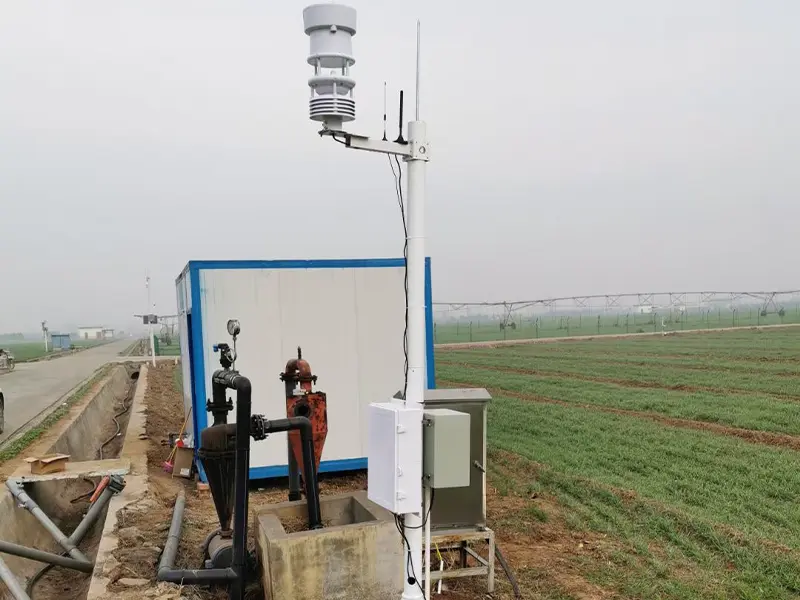
Reliable data transmission is an important part of a precision agriculture weather station because environmental data needs to be collected, transferred, and accessed consistently for long-term farm management. The communication method should be selected based on farm size, installation location, network availability, and monitoring requirements to support stable remote weather monitoring.
Wired Communication for Permanent Agricultural Installations
Wired communication methods, including RS485 and Ethernet, are suitable for large farms, research fields, and fixed monitoring locations where stable infrastructure is available. These solutions provide reliable data transmission and are commonly used in agricultural monitoring systems that require continuous operation and integration with existing platforms.
Wireless Communication for Remote Agricultural Monitoring
Wireless communication options such as LoRa, 4G, and WiFi are widely used for remote farmland and distributed monitoring sites where cable installation is difficult. They provide flexible deployment and allow weather stations to transmit environmental data from different agricultural locations.
In our experience, many agricultural monitoring projects are installed in open fields, orchards, and remote areas where network conditions vary significantly. Selecting the right communication method helps maintain stable data transmission and ensures that environmental information can support reliable agricultural decisions over the long term.
Installation and Maintenance Considerations
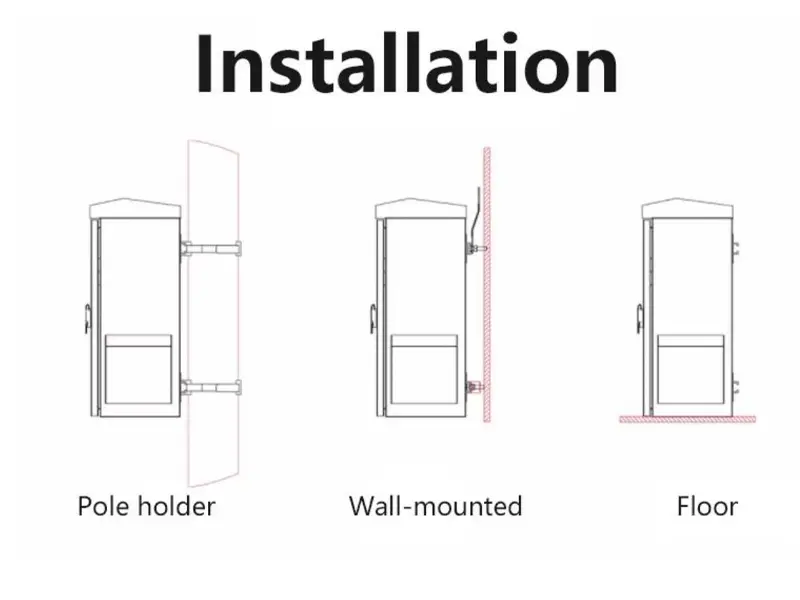
Proper installation and regular maintenance are essential for maintaining the accuracy and long-term reliability of an agricultural weather station. Even high-quality sensors may produce inaccurate readings if they are installed in unsuitable locations or not properly maintained.
Proper Installation Location
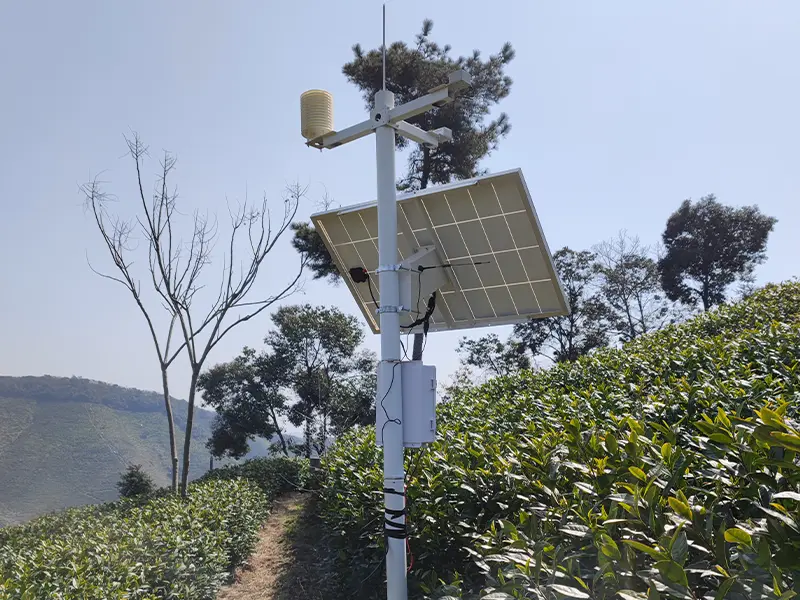
Correct agricultural weather station installation is essential for obtaining representative field data. The station should be placed in an open location with proper airflow and away from buildings, trees, irrigation equipment, and other obstacles that may affect temperature, rainfall, wind, or solar radiation measurements.
A suitable monitoring location should reflect the actual agricultural environment being managed. In large farms, orchards, and research fields, improper placement can create localized measurement differences and reduce the reliability of collected environmental data.
Sensor Maintenance and Calibration
Regular sensor maintenance is important for maintaining reliable measurements during long-term outdoor operation. Routine maintenance includes sensor cleaning, calibration checks, equipment inspection, and data verification to ensure the monitoring system continues to provide consistent environmental data.
In our experience, measurement deviations in agricultural monitoring projects are often related to installation conditions, sensor contamination, or insufficient maintenance rather than sensor capability itself. Proper maintenance combined with reliable sensors helps ensure stable performance throughout different seasons and weather conditions.
Common Mistakes
When choosing an agricultural weather station, adding more sensors does not always provide better results. The right configuration depends on the crop, monitoring purpose, and local field conditions. Installing sensors that are not needed for the application can increase system complexity without providing useful information for farm management.
Another factor that is often overlooked is communication and system expansion. Agricultural monitoring sites may require remote data access, stable transmission, or additional sensors in the future. A scalable agricultural monitoring system allows farms to expand monitoring capabilities as their needs change and supports reliable operation over time.
الخاتمة
Choosing the right weather station for precision agriculture requires more than selecting individual sensors. The system configuration should match the specific needs of the farm, including crop type, monitoring objectives, field conditions, communication requirements, and future expansion plans. A properly configured agricultural monitoring system can provide reliable environmental data to support crop management, irrigation decisions, and weather risk assessment.
At Yantai Sensor, we provide customizable weather monitoring solutions designed for precision agriculture applications. اتصل بنا to discuss your monitoring requirements and select the right sensor configuration for your farm.