مقدمة
في موقع للطاقة الشمسية، عادةً ما يراقب المهندسون الإشعاع الشمسي ودرجة حرارة الوحدة ومخرجات الطاقة لتقييم أداء النظام. ومع ذلك، لا تُظهر هذه القراءات مقدار الإشعاع فوق البنفسجي (UV) الذي يصل إلى الألواح. عند مقارنة المواقع أو دراسة التغيرات طويلة المدى في مواد الوحدات، يُعد التعرض للأشعة فوق البنفسجية عاملاً آخر يستحق التتبع. تعتمد تأثيراته على المواد وبنية الوحدة، لذا ينبغي تقييمه جنبًا إلى جنب مع الظروف البيئية الأخرى.
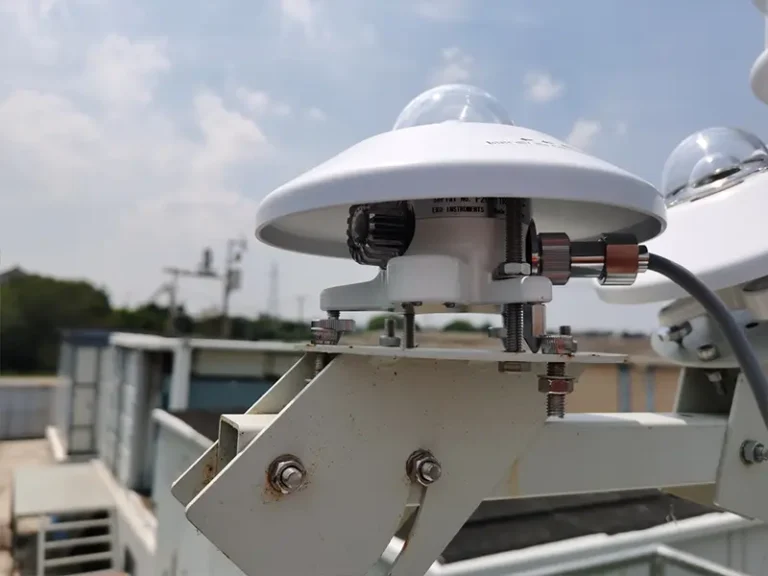
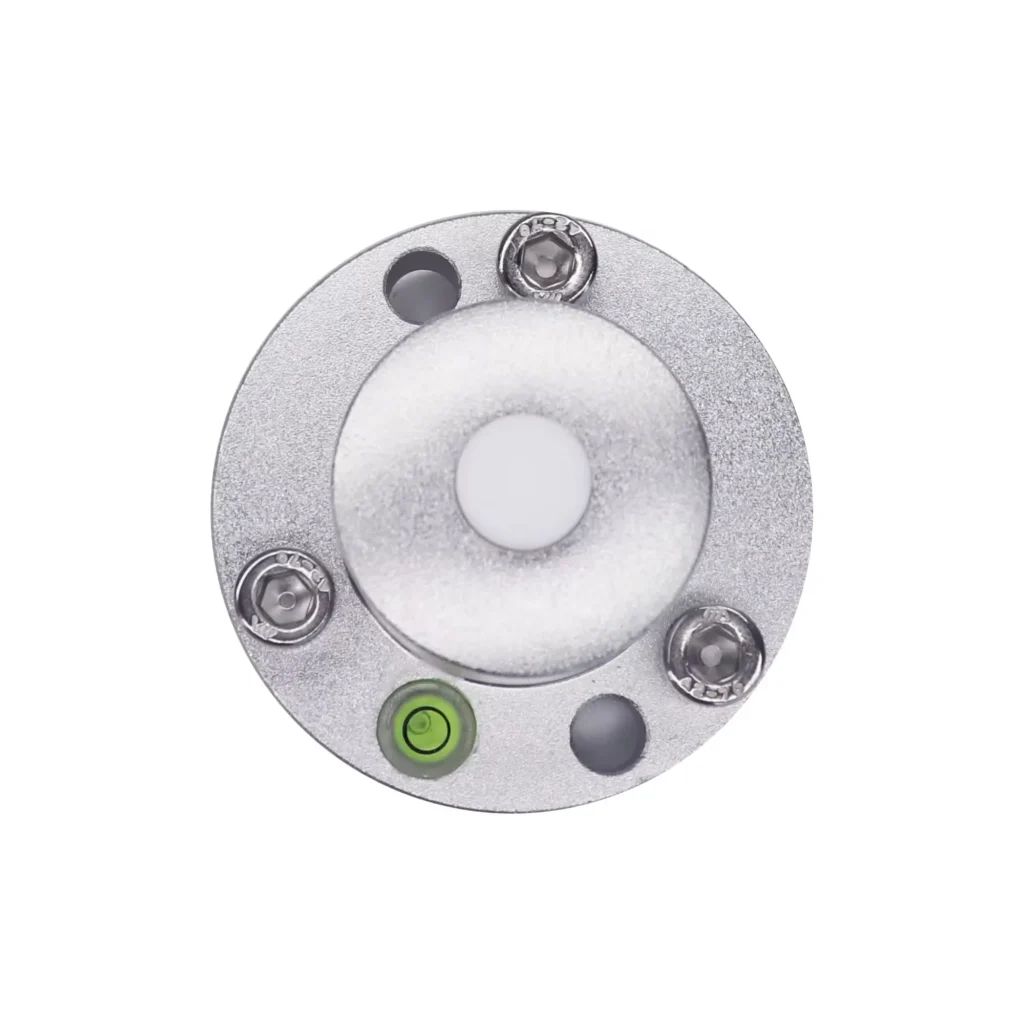
يقيس مستشعر الأشعة فوق البنفسجية لمراقبة الطاقة الشمسية الإشعاع فوق البنفسجي ضمن نطاق طول موجي محدد ويسجل التغيرات في التعرض بمرور الوقت. يبدأ اختيار المستشعر المناسب بفهم هدف القياس. يقيس الإشعاع فوق البنفسجي شدة الإشعاع فوق البنفسجي، ويشير مؤشر الأشعة فوق البنفسجية إلى احتمالية تلف الجلد، بينما يغطي الإشعاع الشمسي الكلي جزءًا أوسع من الطيف الشمسي. تخدم هذه القياسات أغراضًا مختلفة ولا ينبغي استخدامها بالتبادل.
لماذا يُعد التعرض للأشعة فوق البنفسجية مهمًا للألواح الشمسية؟
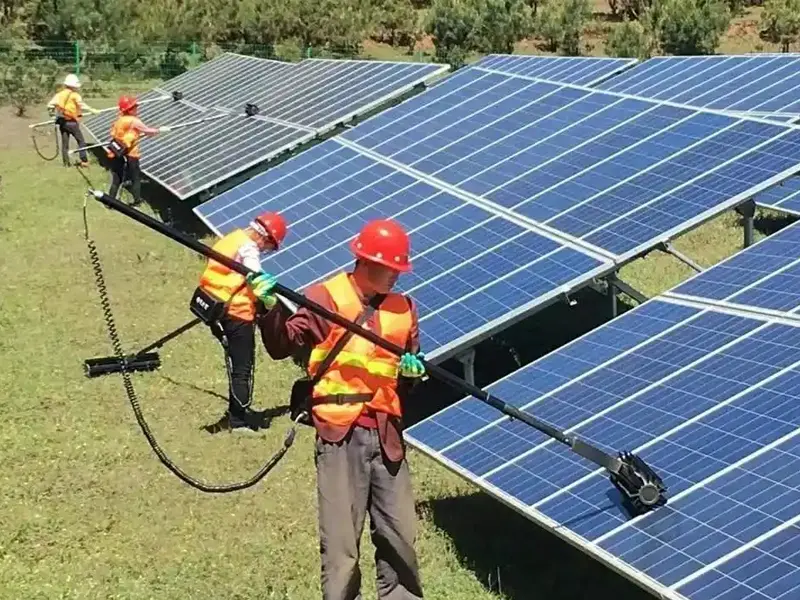
لا يُقاس التعرض للأشعة فوق البنفسجية routinely في كل موقع شمسي، لكنه قد يكون مفيدًا عندما يحقق المهندسون في متانة الوحدة أو يقارنون الظروف طويلة المدى عبر المواقع. إنه عامل واحد فقط قد يؤثر على أداء اللوح. للحصول على نظرة أوسع على الأسباب الشائعة لفقدان الطاقة، راجع دليلنا حول أهم 5 عوامل تقلل من كفاءة الألواح الشمسية. تعتمد تأثيرات التعرض للأشعة فوق البنفسجية أيضًا على المواد المستخدمة في اللوح ومدى قدرة الوحدة على الحد من نفاذية الأشعة فوق البنفسجية.
كيف يؤثر الإشعاع فوق البنفسجي على مواد الوحدات الكهروضوئية؟
يمكن أن يساهم التعرض طويل المدى للأشعة فوق البنفسجية في تغيرات في بعض المواد المستخدمة في الوحدات الكهروضوئية. على سبيل المثال، قد تصفر مواد التغليف EVA في ظروف تعرض معينة، مما يقلل كمية الضوء الواصلة إلى الخلايا الشمسية. يعتمد مدى هذه التغيرات على تركيبة المادة وبنية الوحدة والحماية من الأشعة فوق البنفسجية. لا ينبغي اعتبار التعرض للأشعة فوق البنفسجية سببًا لكل فقدان في الأداء، كما لا تستجيب جميع الألواح بالطريقة نفسها.
لماذا يُعد التعرض التراكمي للأشعة فوق البنفسجية مهمًا؟
تُظهر القراءة الواحدة الإشعاع فوق البنفسجي في تلك اللحظة، وليس مقدار الإشعاع الذي تلقاه اللوح على مدى فترة أطول. يساعد تسجيل قياسات الأشعة فوق البنفسجية بمرور الوقت المهندسين على تقدير التعرض التراكمي ومقارنة الظروف بين المواقع أو الفصول. لإجراء مقارنات ذات مغزى، يجب أن يظل النطاق الطولي الموجي لمستشعر الأشعة فوق البنفسجية لمراقبة الطاقة الشمسية وموضع التركيب متسقين، ويجب مراعاة البيانات المفقودة.
لماذا ينبغي تحليل بيانات الأشعة فوق البنفسجية مع البيانات البيئية الأخرى؟
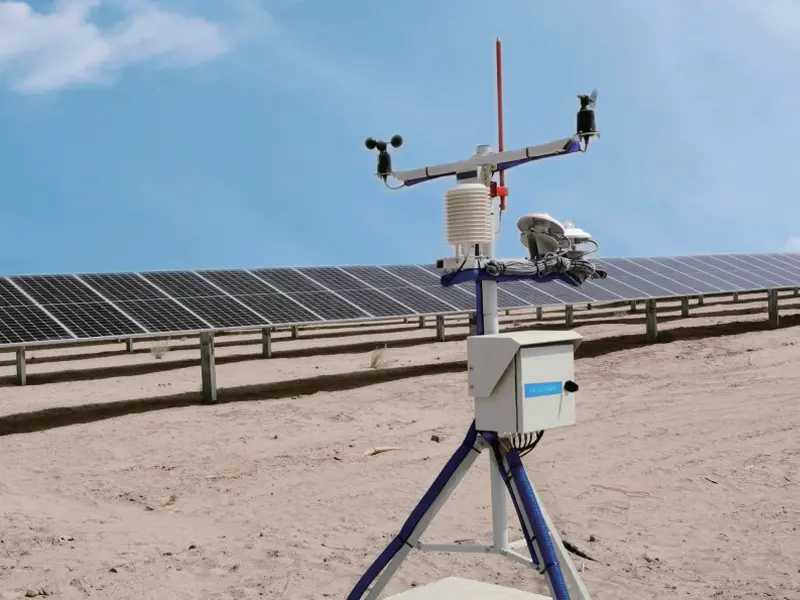
التعرض للأشعة فوق البنفسجية هو جزء فقط من الصورة. يمكن أن تؤثر درجة الحرارة والرطوبة والدورات الحرارية أيضًا على مواد الوحدات الكهروضوئية. لذلك يجب على المهندسين مراجعة قراءات الأشعة فوق البنفسجية جنبًا إلى جنب مع درجة حرارة الوحدة والإشعاع الشمسي الكلي ومخرجات الطاقة. يسجل مستشعر الأشعة فوق البنفسجية لمراقبة الطاقة الشمسية التعرض؛ لكنه لا يستطيع بمفرده تحديد ما إذا كانت الوحدة قد تدهورت أو ما سبب انخفاض المخرجات. تكمن قيمة مراقبة الأشعة فوق البنفسجية في إضافة بيانات تعرض محددة إلى الصورة الأوسع لظروف تشغيل اللوح.
ماذا يقيس مستشعر الأشعة فوق البنفسجية في نظام مراقبة الطاقة الشمسية؟
يقيس مستشعر الأشعة فوق البنفسجية لمراقبة الطاقة الشمسية الإشعاع فوق البنفسجي ضمن نطاق طول موجي محدد، وليس كل ضوء الشمس الواصل إلى الوحدة الكهروضوئية. نظرًا لأن أنظمة مراقبة الطاقة الشمسية قد تسجل أيضًا الإشعاع الشمسي عريض النطاق، يحتاج المهندسون إلى التمييز بين هذه القياسات عند اختيار المستشعرات. للحصول على مقدمة أوسع عن الطيف الشمسي، راجع ما هو الإشعاع الشمسي؟ الدليل الكامل للقياس والمراقبة.
الإشعاع فوق البنفسجي مقابل مؤشر الأشعة فوق البنفسجية مقابل الإشعاع الشمسي
تخدم هذه القياسات الثلاثة أغراضًا مختلفة. يقيس الإشعاع فوق البنفسجي الإشعاع ضمن نطاق فوق بنفسجي محدد، بينما يُوزن مؤشر الأشعة فوق البنفسجية للإشارة إلى احتمالية تلف الجلد المرتبط بالأشعة فوق البنفسجية. يقيس الإشعاع الشمسي في مستوى المصفوفة (POA) ضوء الشمس عريض النطاق الواصل إلى مستوى اللوح.
| القياس | ما يقيسه | الاستخدام في مراقبة الطاقة الكهروضوئية |
| الإشعاع فوق البنفسجي | إشعاع ضمن نطاق طول موجي فوق بنفسجي محدد (W/m²) | يسجل التعرض للأشعة فوق البنفسجية |
| مؤشر الأشعة فوق البنفسجية | إشعاع فوق بنفسجي موزون وفقًا لتأثيراته على جلد الإنسان (بدون وحدة) | يشير إلى المخاطر الصحية المرتبطة بالأشعة فوق البنفسجية |
| الإشعاع الشمسي في مستوى المصفوفة | إشعاع شمسي عريض النطاق يصل إلى مستوى الوحدة (W/m²) | يقيّم المدخلات الشمسية ويدعم تحليل الأداء |
للحصول على إرشادات عملية حول قياس ضوء الشمس في مستوى اللوح، راجع كيفية قياس الإشعاع الشمسي للأنظمة الكهروضوئية.
ما نطاق الطول الموجي للأشعة فوق البنفسجية ذو الصلة بمراقبة الطاقة الكهروضوئية؟
ينقسم الإشعاع فوق البنفسجي إلى UVA (315–400 نانومتر)، وUVB (280–315 نانومتر)، وUVC (100–280 نانومتر). على سطح الأرض، يحتوي ضوء الشمس بشكل أساسي على UVA وكمية أقل من UVB، بينما يمتص الغلاف الجوي جميع أشعة UVC الشمسية تقريبًا.
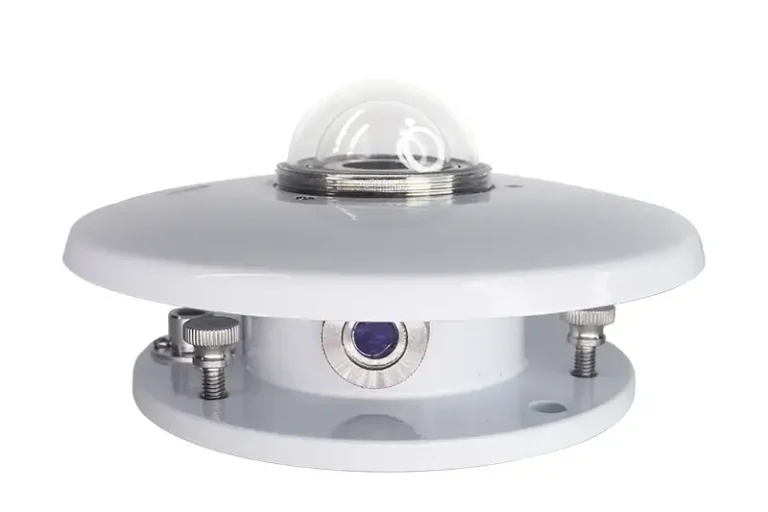
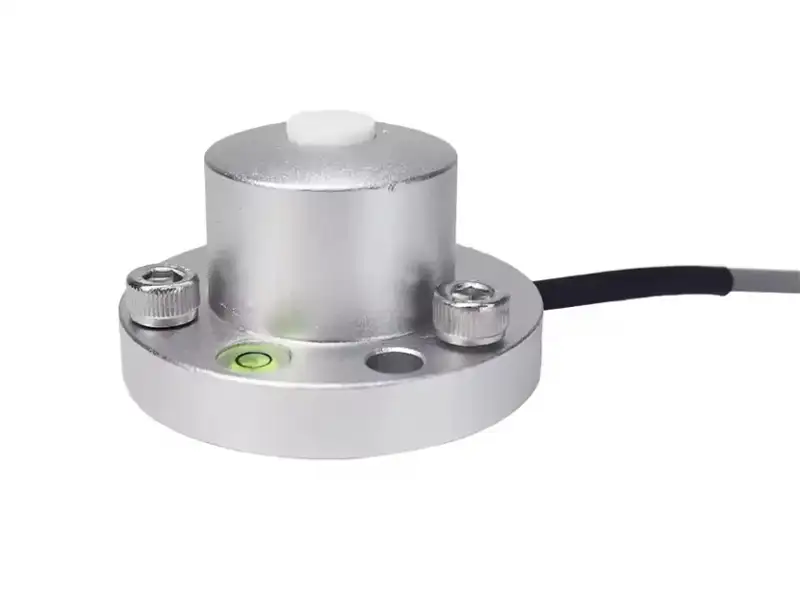
مستشعر الإشعاع الضوئي فوق البنفسجي Yantai Sensor RY-ZW يحدد نطاقًا طيفيًا UVAB من 280–400 نانومتر، يغطي كلاً من UVA وUVB. لا يعني هذا النطاق المدمج أن مستشعر الأشعة فوق البنفسجية لمراقبة الطاقة الشمسية يوفر قراءات منفصلة لـ UVA وUVB. قبل اختيار الطراز، تحقق من استجابته الطيفية ونطاق القياس وإشارة الخرج والتوافق مع مسجل البيانات. للحصول على مقارنة أوسع للأجهزة المستخدمة في مراقبة الطاقة الكهروضوئية، راجع أفضل أجهزة استشعار الإشعاع الشمسي لأنظمة مراقبة الطاقة الكهروضوئية.
كيف تعمل مستشعرات الأشعة فوق البنفسجية في المراقبة الميدانية للطاقة الكهروضوئية؟
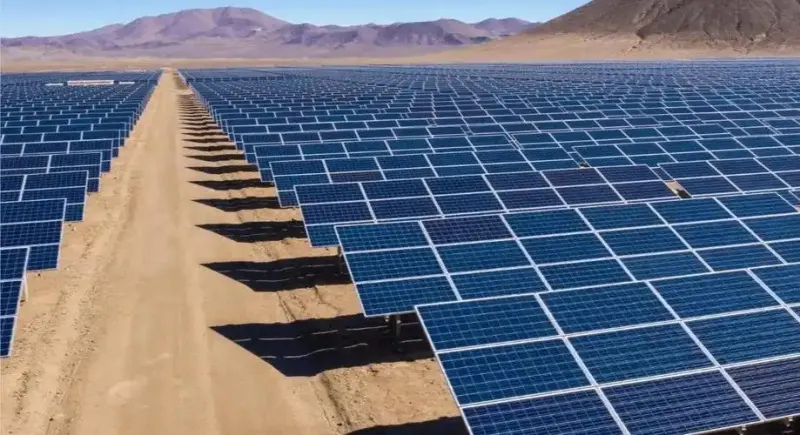
في مراقبة الطاقة الشمسية، يحتاج مستشعر الأشعة فوق البنفسجية لمراقبة الطاقة الشمسية إلى قياس النطاق الطولي الموجي المقصود وتوفير قراءات يمكن تسجيلها باستمرار بمرور الوقت. عملية الاستشعار مباشرة نسبيًا، لكن طريقة جمع القياسات وصيانتها تؤثر على مدى فائدة البيانات للمقارنات طويلة المدى.
من الإشعاع فوق البنفسجي إلى إشارة كهربائية
يستخدم مستشعر الأشعة فوق البنفسجية لمراقبة الطاقة الشمسية كاشفًا حساسًا للضوء للاستجابة للإشعاع الوارد ضمن نطاق استجابته الطيفية. ينتج الكاشف إشارة كهربائية، تحولها إلكترونيات المستشعر أو نظام اكتساب البيانات المتصل إلى قيمة إشعاع فوق بنفسجي. تختلف طريقة الكشف وواجهة الخرج حسب الطراز، لذا يجب أن تتطابق مواصفات مستشعر الأشعة فوق البنفسجية لمراقبة الطاقة الشمسية مع نظام المراقبة.
من قراءات المستشعر إلى سجلات التعرض طويلة المدى
يقوم مسجل البيانات أو منصة المراقبة بتسجيل قراءات الأشعة فوق البنفسجية مع الطوابع الزمنية. يمكن للمهندسين بعد ذلك دمج قياسات الإشعاع بمرور الوقت لتقدير التعرض التراكمي للأشعة فوق البنفسجية. يجب تحديد القراءات المفقودة بدلاً من التعامل معها كتعرض صفري، خاصة عند مقارنة فترات مراقبة مختلفة.
لماذا يهم اتساق البيانات؟
عند مقارنة المواقع أو الفصول، يجب على المهندسين استخدام نطاقات طيفية متسقة وترتيبات تركيب متسقة وطرق معايرة متسقة. كما يحتاج موضع مستشعر الأشعة فوق البنفسجية لمراقبة الطاقة الشمسية إلى التوافق مع هدف القياس، حيث قد يختلف التعرض للأشعة فوق البنفسجية المسجل على سطح أفقي عن التعرض على وحدة كهروضوئية مائلة. يمكن أن تؤثر الأوساخ على نافذة المستشعر والتكثف وانحراف المستشعر على القراءات، مما يجعل الفحص الروتيني وسجلات المعايرة مهمين للمراقبة طويلة المدى.
هل يمكن لمستشعرات الأشعة فوق البنفسجية اكتشاف تدهور الألواح الشمسية مباشرة؟
لا. يقيس مستشعر الأشعة فوق البنفسجية لمراقبة الطاقة الشمسية الإشعاع فوق البنفسجي ضمن نطاق الطول الموجي المحدد له؛ ولا يقيس الخرج الكهربائي للوح أو يفحص مواده. لمراقبة تدهور الطاقة الكهروضوئية، تسجل بيانات الأشعة فوق البنفسجية التعرض البيئي، لكنها لا تستطيع إثبات أن الأشعة فوق البنفسجية تسببت في فقدان الطاقة أو حساب معدل التدهور بمفردها.
ما الذي يمكن أن يخبرك به مستشعر الأشعة فوق البنفسجية؟
يمكن استخدام قراءات الإشعاع فوق البنفسجي المجمعة بمرور الوقت لتقدير التعرض التراكمي ومقارنة الظروف بين المواقع أو فترات المراقبة. يساعد هذا المهندسين في التحقيق فيما إذا كان التعرض للأشعة فوق البنفسجية قد يكون ذا صلة عند فحص تغيرات المواد أو انخفاض الخرج. ومع ذلك، لا يمكن لمستشعر الأشعة فوق البنفسجية لمراقبة الطاقة الشمسية تحديد الاصفرار أو عيوب الخلايا أو التلف المادي مباشرة.
ما البيانات الأخرى اللازمة لتقييم التدهور؟
يقارن المهندسون خرج الطاقة مع الإشعاع الشمسي ودرجة حرارة الوحدة وسجل التشغيل للتمييز بين خسائر الأداء المستمرة والتغيرات في الطقس أو ظروف التشغيل. تعد بيانات الإشعاع الموثوقة ضرورية لهذا التقييم. انظر ما مدى دقة قياس الإشعاع الشمسي؟ للعوامل التي تؤثر على جودة القياس.
يمكن أن يؤدي التلوث أيضًا إلى تقليل خرج الطاقة دون الإشارة إلى تدهور دائم في الوحدة. مراقبة فقدان تلوث الوحدات الكهروضوئية explains how to track losses caused by dust and other deposits. If further investigation is needed, I–V curve measurements assess electrical performance, electroluminescence (EL) imaging can reveal cell defects, and visual inspection can identify visible damage.
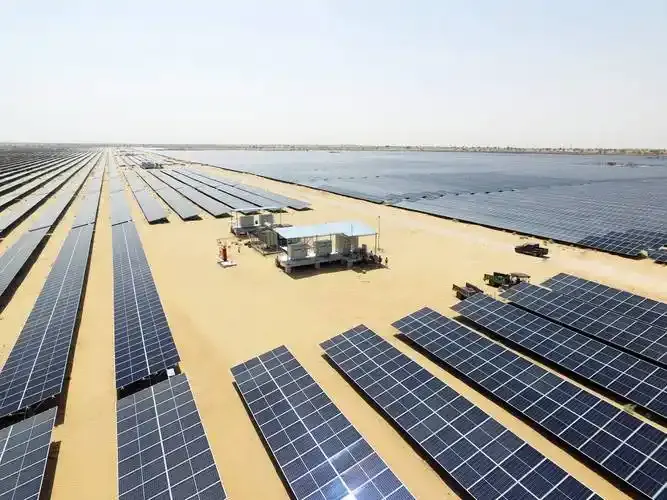
Where Are UV Sensors Used in Solar PV Projects?
UV sensor for solar monitoring are not needed at every solar farm. They are useful when a project needs to track ultraviolet exposure, particularly in long-term durability studies, comparisons between PV module designs, or investigations of site conditions.
Long-Term PV Exposure Studies
At outdoor test sites, a solar UV sensor records how exposure changes across seasons and locations. Engineers can compare these readings with temperature, humidity, and module performance records to document the conditions PV modules experience over time. This information supports durability research, but cannot predict service life on its own.
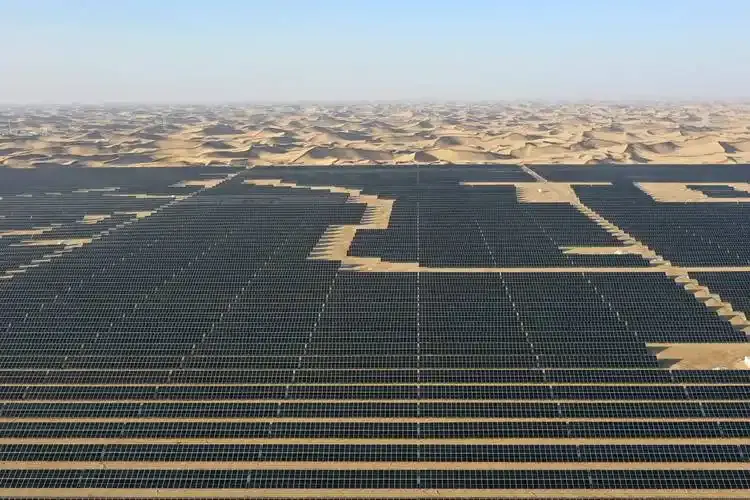
المراقبة الشمسية في البيئات الصحراوية discusses the environmental factors that affect monitoring requirements at desert PV plants. UV records can support durability research, but cannot predict module service life on their own.
Comparing PV Module Materials and Technologies
When comparing encapsulants, backsheets, or different module designs, UV exposure data provides context for understanding changes in material properties and module performance. Comparisons require consistent measurement settings and installation conditions. UV measured outside a module does not necessarily represent the radiation reaching its internal materials, since glass and encapsulation materials can filter UV differently.
المراقبة اللاسلكية لدرجة الحرارة للمكونات والكابلات الساخنة
At operating solar farms, a UV sensor for solar monitoring can be added to a weather station when UV exposure is a specific monitoring requirement. Its readings can be analyzed alongside plane-of-array solar irradiance, module temperature, humidity, and power output. Where high temperatures also require closer monitoring, High Temperature Solar Monitoring Solutions covers the considerations involved in selecting temperature sensors and monitoring equipment for hot environments. UV measurement remains a project-specific addition, not a universal requirement for every PV installation.
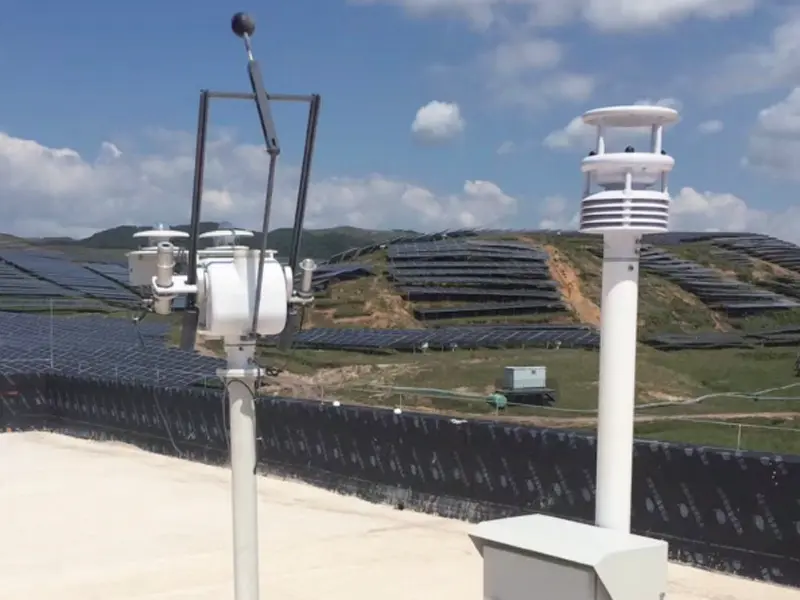
How to Choose a UV Sensor for Solar Monitoring?
Start with the project’s measurement requirements and installation conditions. Before comparing prices or models, check four points:
- Spectral response: Confirm whether the project needs UVA, UVB, or combined UVAB measurements. If cumulative UV exposure is required, the sensor must provide suitable irradiance data.
- Measurement performance: Check the measurement range, accuracy, angular response, and calibration requirements. Higher resolution alone does not guarantee more accurate readings.
- Outdoor suitability: Check the operating temperature, IP rating, and resistance to prolonged exposure to UV radiation, moisture, and temperature changes.
- System compatibility: Confirm that the output signal, communication protocol, and power supply match the existing data logger.
For long-term PV exposure studies, spectral response and calibration consistency deserve particular attention. For routine field monitoring, reliable data collection and compatibility with the existing system are equally important.
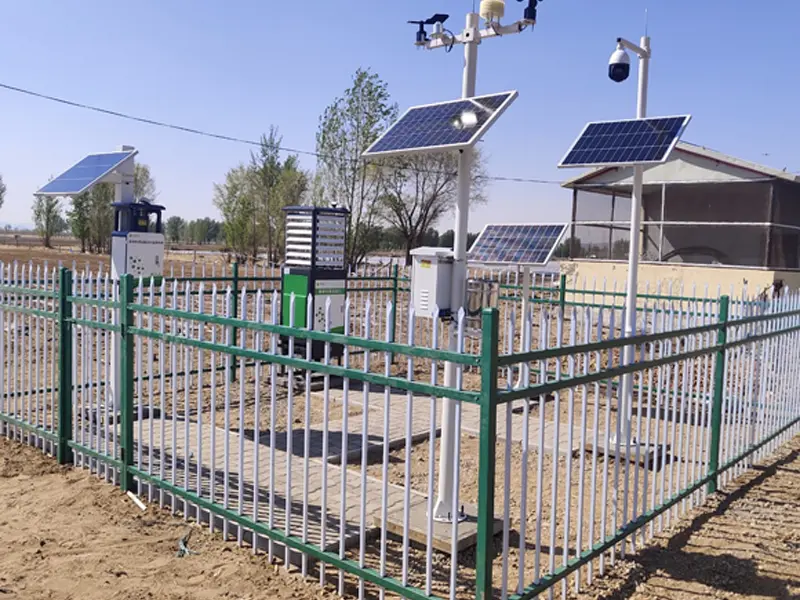
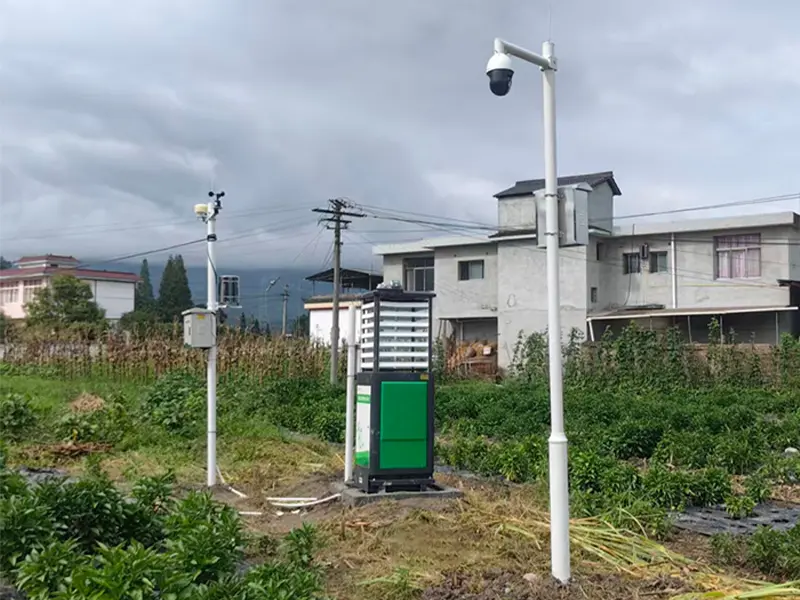
Where Should solar UV sensors Be Installed in a Solar PV System?
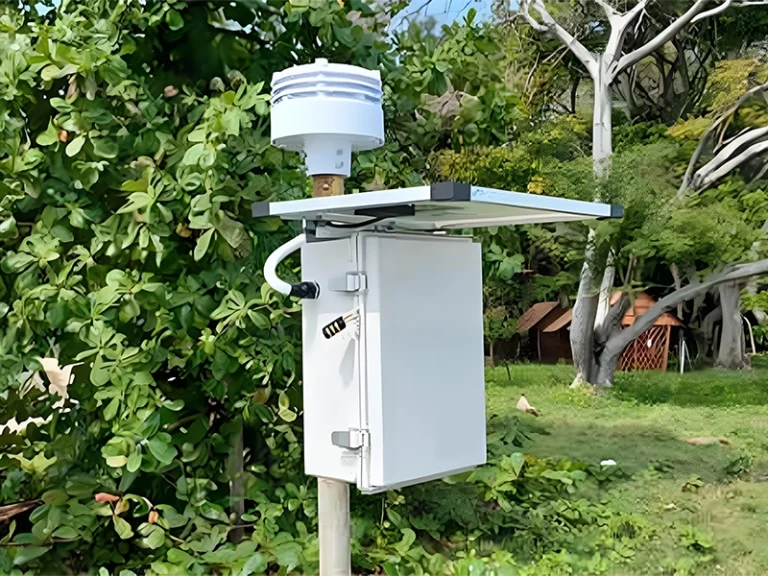
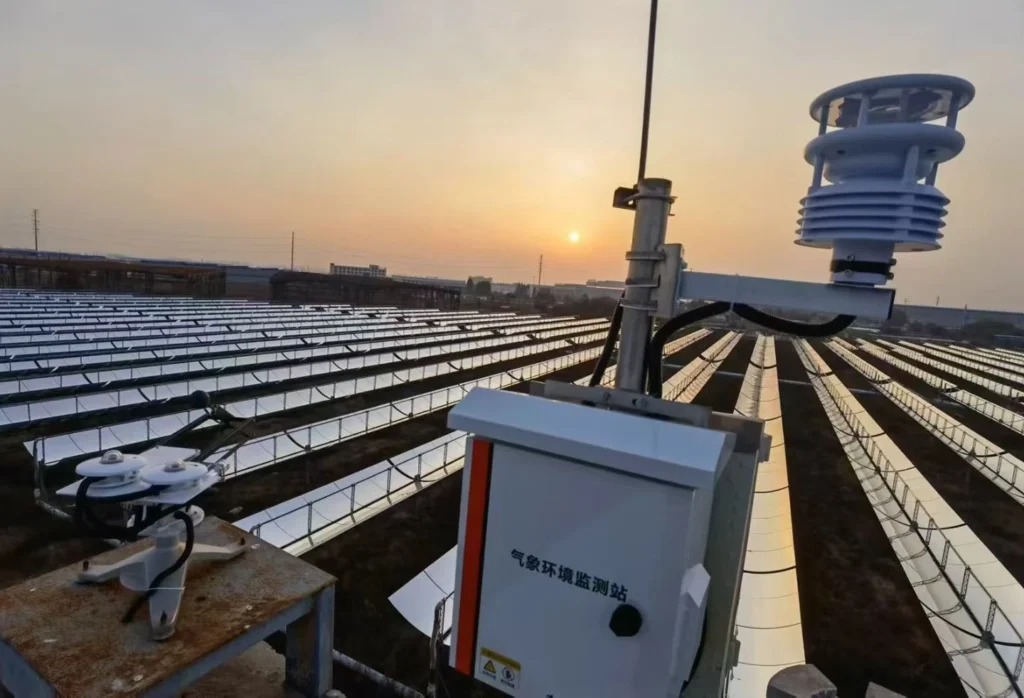
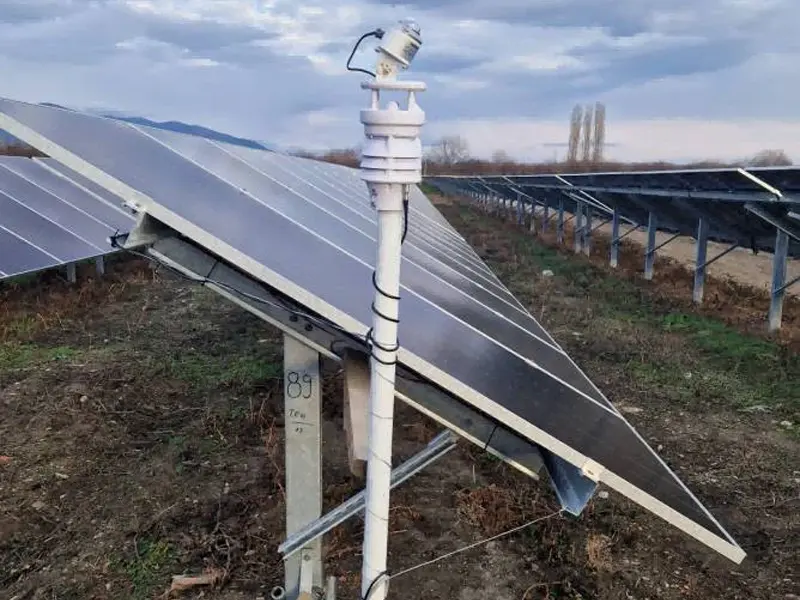
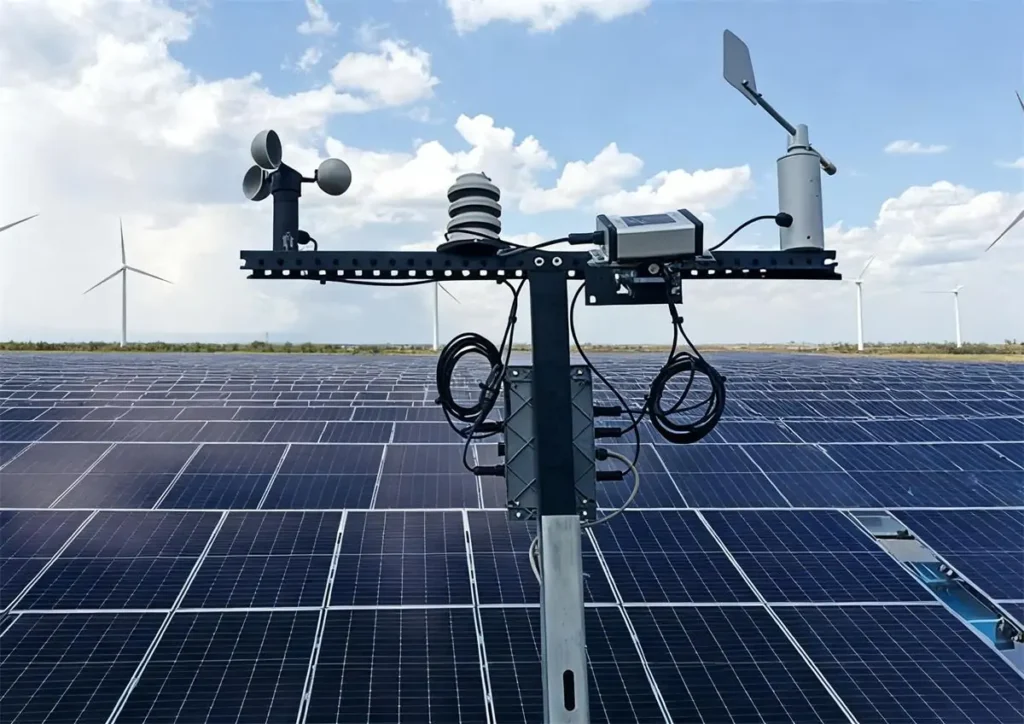
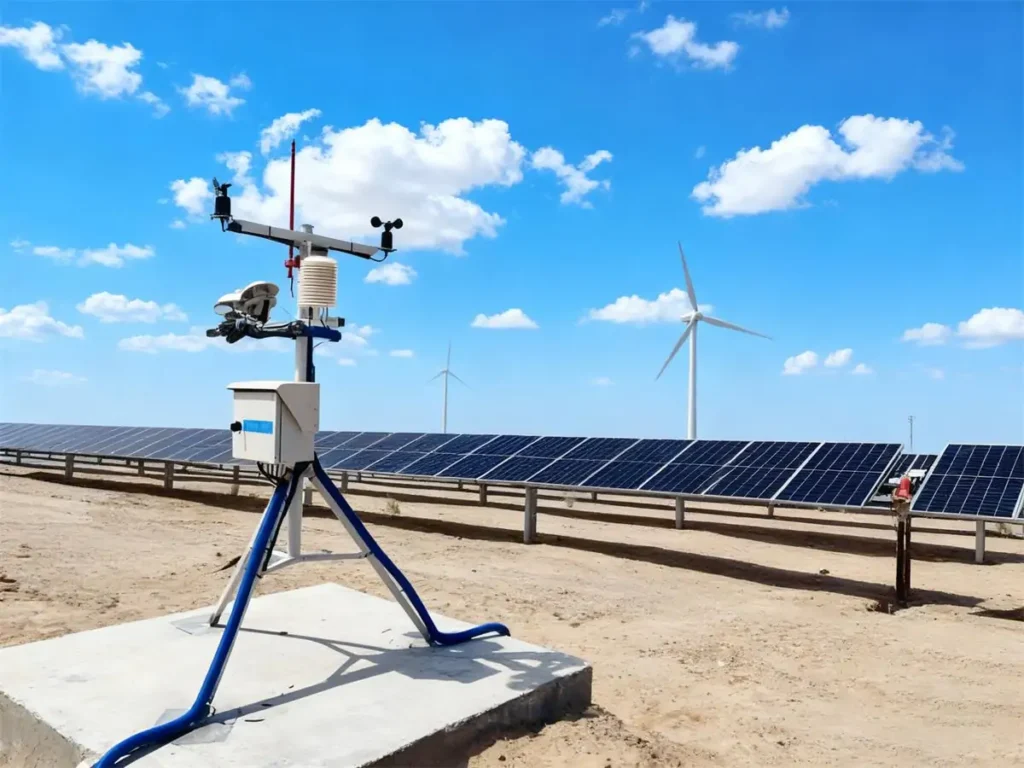
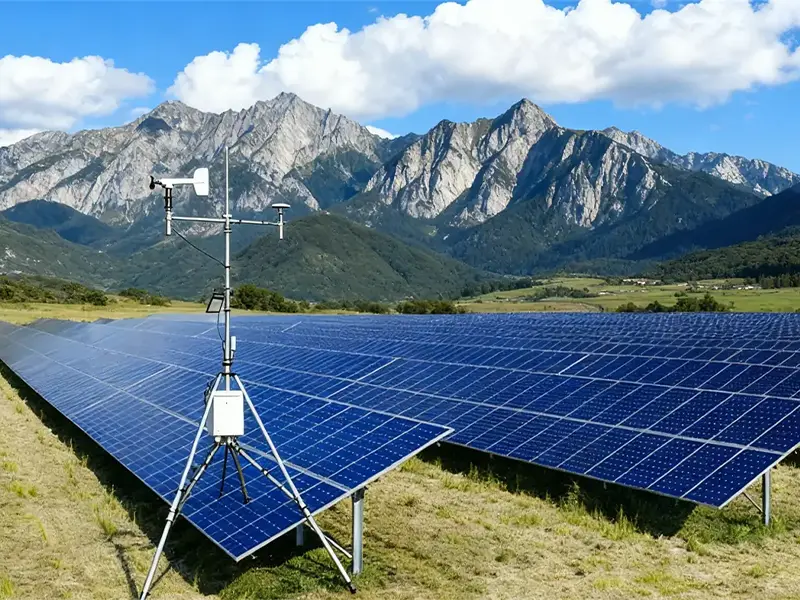
The installation position of a UV sensor for solar monitoring depends on what the project needs to measure. For horizontal UV monitoring, mount the sensor level. If the goal is to measure UV exposure on a PV module, align the sensor’s receiving surface parallel to the module plane.
Choose a location where buildings, trees, poles, or nearby equipment will not shade the sensor during the relevant measurement period. On a solar tracking system, mount the solar UV sensor on the tracker only when the aim is to measure UV radiation incident on the moving module plane. Secure the mounting bracket and route the cable so they do not interfere with the sensor or tracking movement.
Over time, dust on the sensor window, condensation, or a change in mounting angle can affect the readings. Inspect and clean the receiving surface regularly, check that the sensor remains correctly positioned, and follow the manufacturer’s calibration recommendations. When comparing UV exposure across sites or seasons, keep the measurement orientation consistent and record any installation or maintenance changes that may affect the data.
How to Integrate a UV Sensor into a PV Monitoring Setup?
A UV sensor for solar monitoring is typically connected to a data logger or gateway, which records measurements and sends them to the PV monitoring platform. Before installation, check that the sensor’s power supply, output signal, and communication protocol are compatible with the logger. Depending on the device, data may be transmitted through RS485, an analog output, or another supported interface.
Once connected, UV readings can be stored alongside plane-of-array solar irradiance, module temperature, and power output. Consistent timestamps and sampling intervals help engineers compare UV exposure with changes in site conditions and PV performance. If cumulative UV exposure is needed, it can be estimated by integrating UV irradiance over time. Missing readings should be flagged rather than treated as zero.
For projects that also need broadband solar irradiance data, صُمم مستشعر الإشعاع الشمسي الكلي TBQ-2C can provide a complementary measurement. UV irradiance and broadband solar irradiance cover different parts of the solar spectrum and should be interpreted separately. Visit the Yantai Sensor to compare available instruments. Before finalizing the setup, confirm the required measurement range, installation conditions, and compatibility with the existing data logger.
الخاتمة
UV monitoring provides additional environmental data for solar PV projects, particularly when engineers study long-term module exposure or investigate changes in material condition. A solar UV sensor for solar monitoring records radiation within a defined wavelength range, but it cannot diagnose module degradation on its own. To make the readings useful, the sensor must be suited to the monitoring objective, installed correctly, and used alongside solar irradiance, module temperature, and electrical performance data.
Every PV site has its own monitoring requirements. Yantai Sensor works with project teams to assess measurement needs, installation conditions, and data acquisition requirements before selecting suitable monitoring equipment. اتصل بفريقنا to discuss your project and get technical advice on planning a UV monitoring setup.