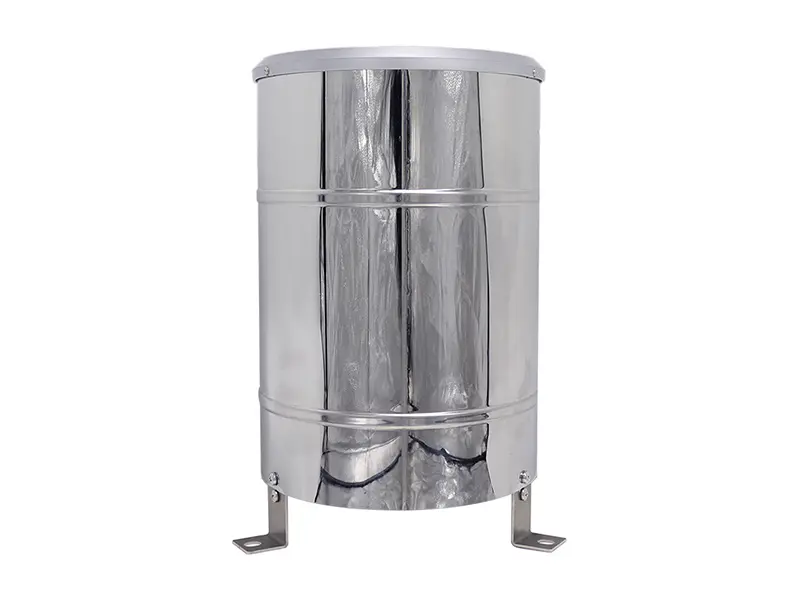
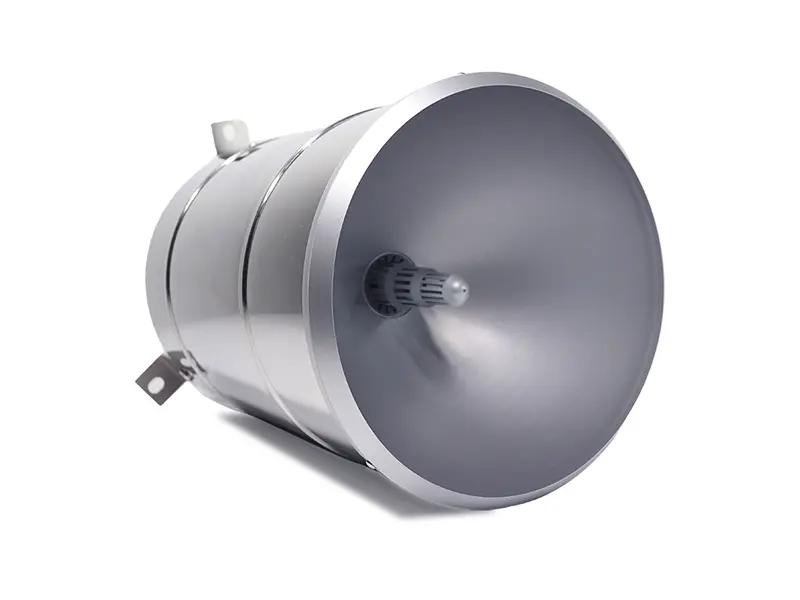
مستشعر دلو المطر RY-YLX
يقيس مقياس المطر RY-YLX ذو الدلو المقلوب هطول الأمطار عن طريق تحويل هطول الأمطار إلى إشارة فيزيائية قابلة للقياس الكمي. ويستخدم على نطاق واسع في محطات الأرصاد الجوية الصغيرة والمحطات الهيدرولوجية والدوائر الزراعية والحرجية ذات الصلة لقياس حجم هطول الأمطار وشدته ومدته. ويقوم بإخراج إشارة نبضية، ويتم تحديد كمية هطول الأمطار من خلال تسجيل عدد النبضات.
- قطر مجمّع ريان: φ200 مم
- نطاق القياس: ≤4 مم/دقيقة
- الوزن: 4 كجم
- الخامة: فولاذ مقاوم للصدأ
- وقت الاستجابة: 1ثانية
- بيئة العمل: درجة الحرارة 0~+60 درجة مئوية
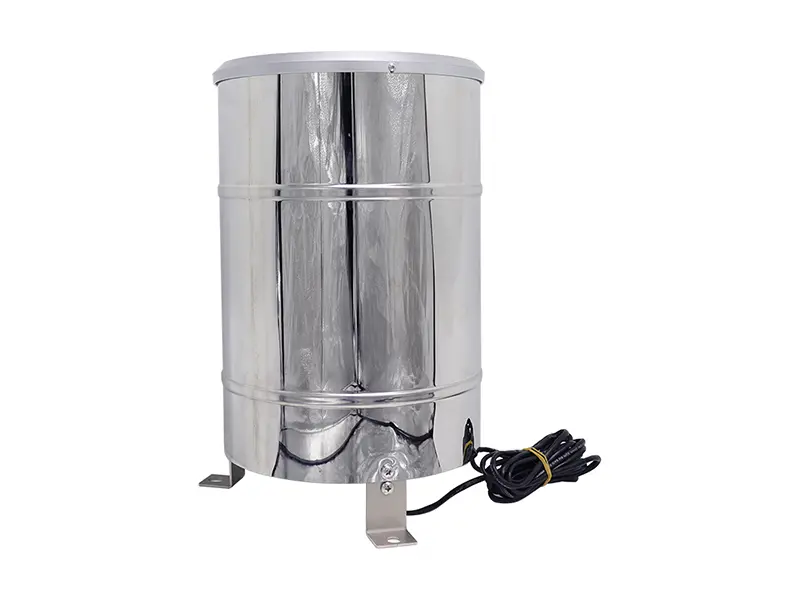
- طول الخط القياسي: 1.5 متر
السعر: $68.74-$142.56
مقدمة
مستشعر دلو المطر (المعروف أيضًا باسم مقياس مطر الدلو المقلوب) هي أداة أرصاد جوية تستخدم لقياس هطول الأمطار بدقة. ويعمل عن طريق تجميع مياه الأمطار في دلو صغير يوضع في دلو صغير يُطلق إشارة لكل طرف من أطرافه بمجرد الوصول إلى حجم محدد مسبقاً. ومن خلال حساب عدد الأطراف مع مرور الوقت، يحسب جهاز الاستشعار إجمالي هطول الأمطار وكثافة هطول الأمطار. يُستخدم على نطاق واسع في محطات الطقس, ,因其可靠性、结构简单以及适合长期户外部署,被广泛应用于农业、水文和环境监测。如果您想了解更多关于“الدلو القلاب مقابل مقياس المطر الكهرضغطي: أي مستشعر مطر يجب أن تختار؟”، يرجى النقر
مبدأ عمل مستشعر دلو المطر
يتم تجميع مياه الأمطار عند المدخل وتغذيتها في قادوس القياس من خلال المدخل. عندما يصل مستوى الماء إلى قيمة محددة مسبقًا، ينقلب قادوس القياس. وأثناء انقلابه، يمر مغناطيس فوق مفتاح قصبة، مما يؤدي إلى تنشيطه مرة واحدة وإرسال إشارة نبضية تمثل 0.2 مم من الأمطار. يتم تسجيل هذه الإشارة بواسطة الجهاز، مما يتيح جمع البيانات تلقائيًا.
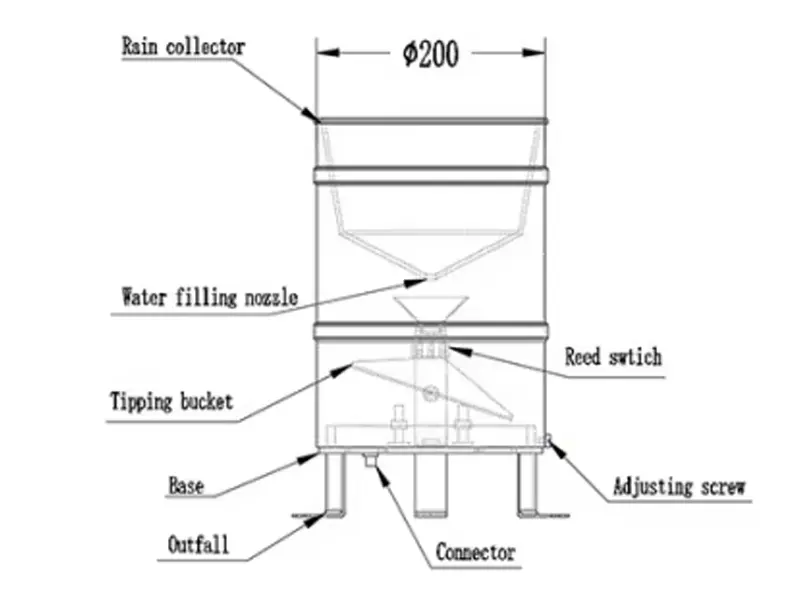
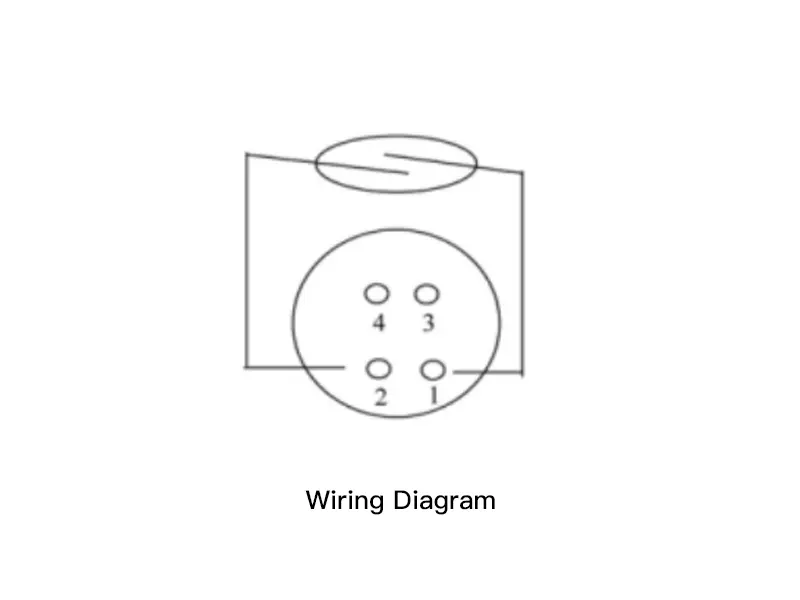
هيكل مستشعر دلو المطر
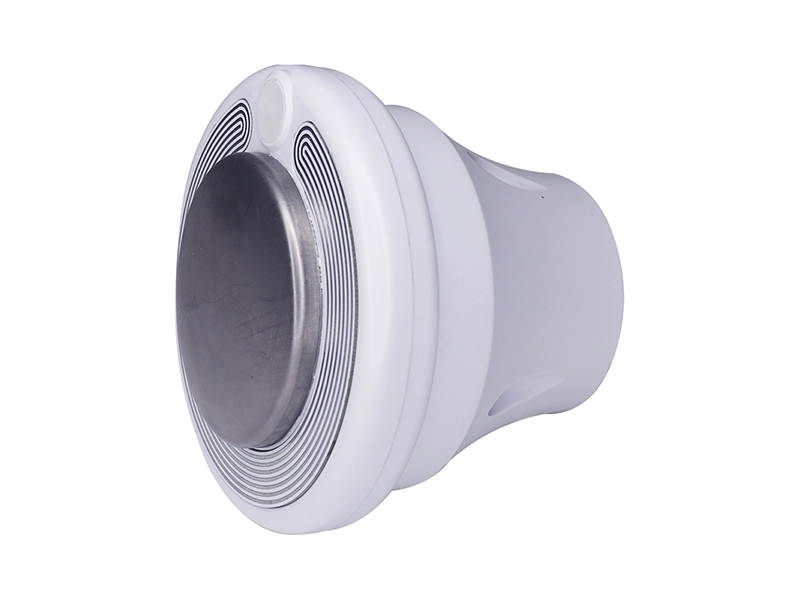
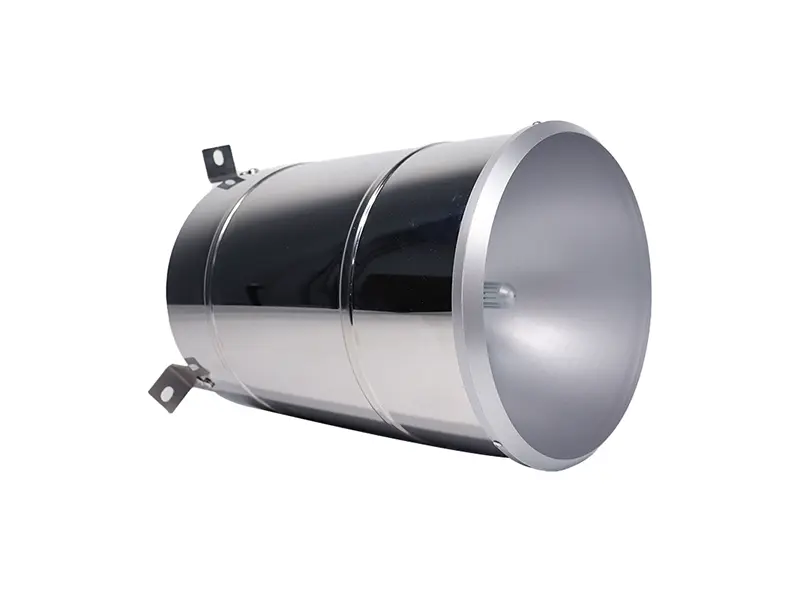
- قمع التجميع: يجمع هطول الأمطار ويوجه المياه بالتساوي إلى آلية القياس الداخلية.
- دلو البقشيش مكوِّن القياس الأساسي؛ يُقلب مرة واحدة تلقائياً عند الوصول إلى حجم الماء المحدد مسبقاً.
- المحور والمحامل: دعم الدوران السلس للدلو المقلوب لضمان الحساسية وقابلية التكرار.
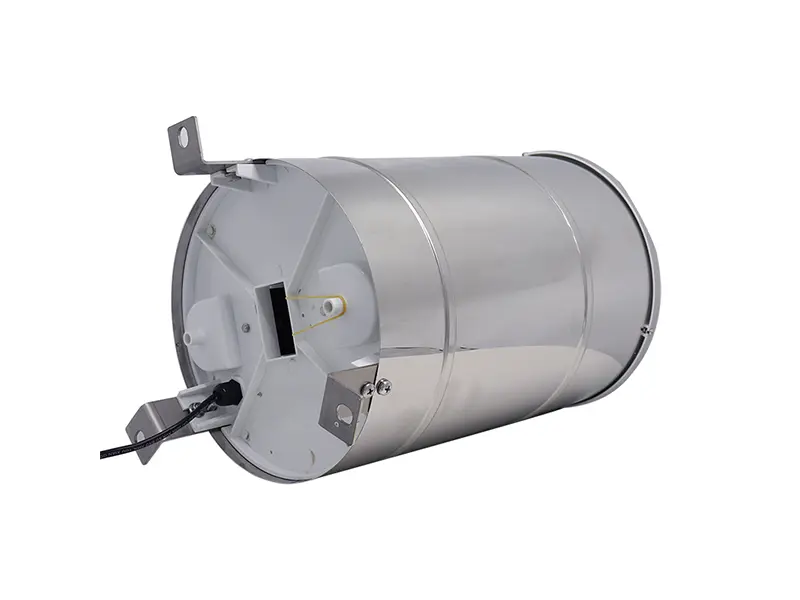
- مفتاح قاعدي/مستشعر القاعة: يُطلق خرج إشارة كهربائية في كل مرة يتحرك فيها الدلو المقلوب.
- وحدة إخراج الإشارات: يحوِّل عدد حركات دلو البقشيش إلى بيانات هطول الأمطار (نبض أو إشارة رقمية).
- السكن والقاعدة: يحمي المكونات الداخلية ويتميز عادةً بخصائص مقاومة للماء والتآكل.
- نظام الصرف: تصريف مياه الأمطار بسرعة بعد تحرك الدلو القلاب لمنع تراكم المياه من التأثير على القياسات.
- جهاز التسوية: التأكد من تثبيت الجهاز على مستوى مستوٍ لتحسين دقة القياس.
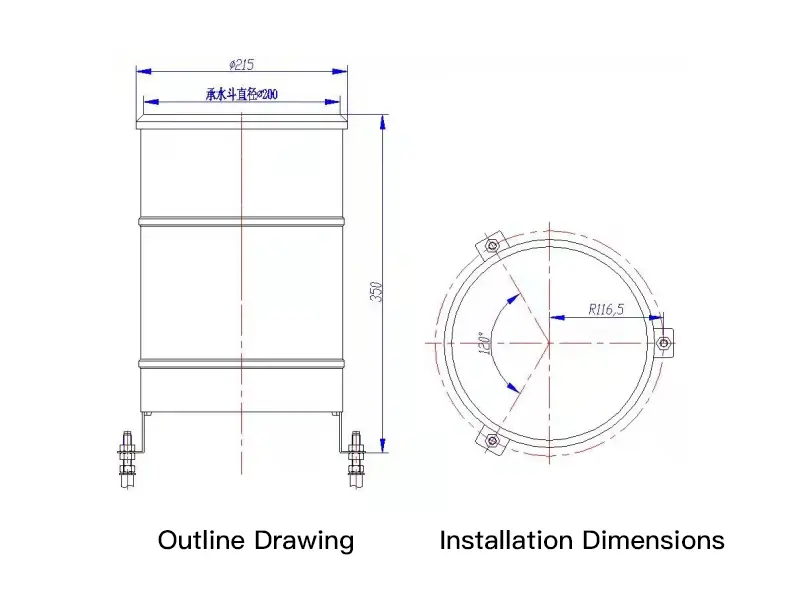
عرض التفاصيل
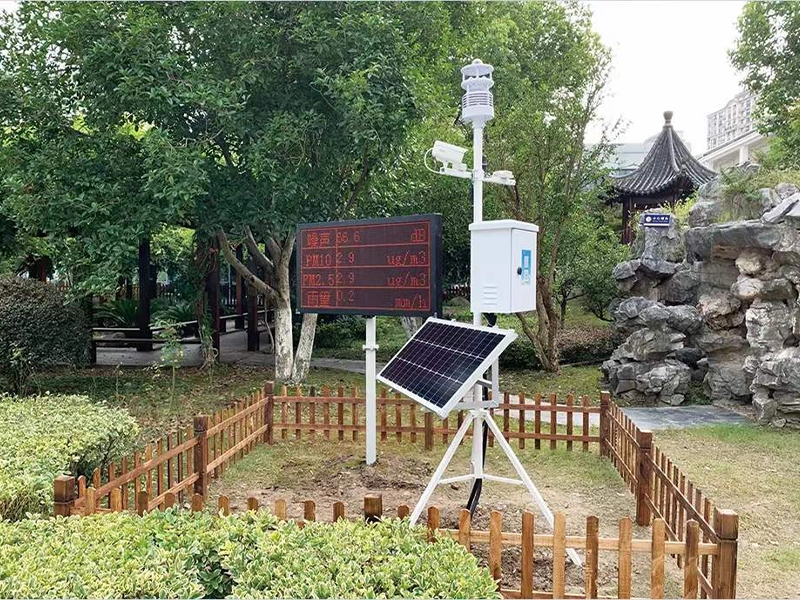
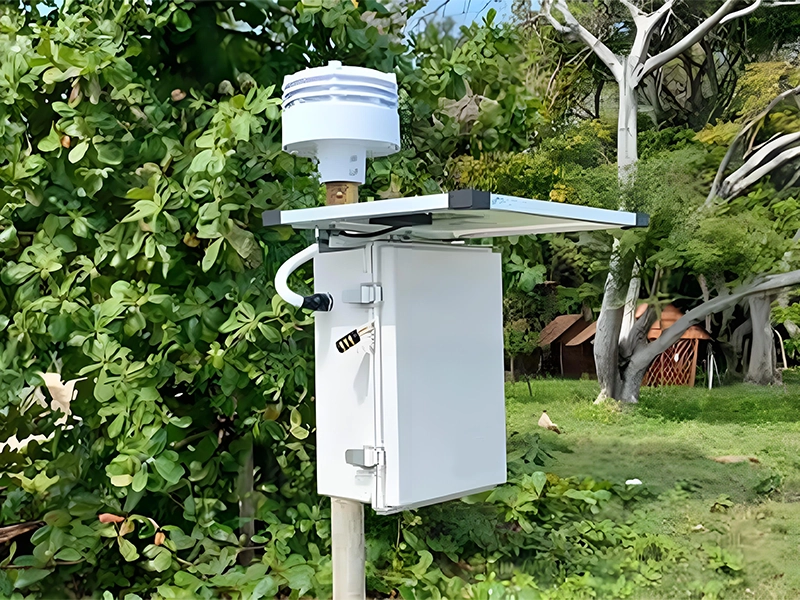
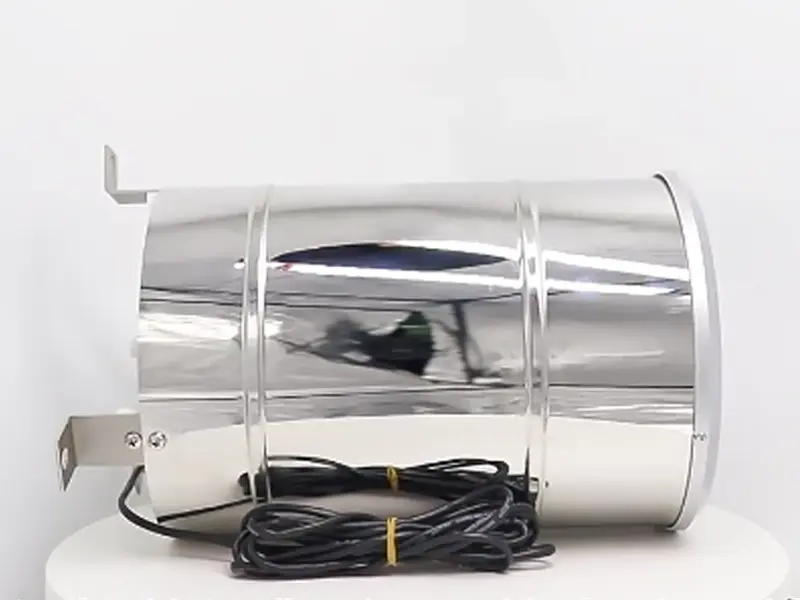
تُظهر الصور الواقعية المأخوذة من زوايا متعددة التصميم المعقد للمنتج والحرفية العالية الجودة. فيما يلي التفاصيل المعروضة لمستشعر دلو المطر:
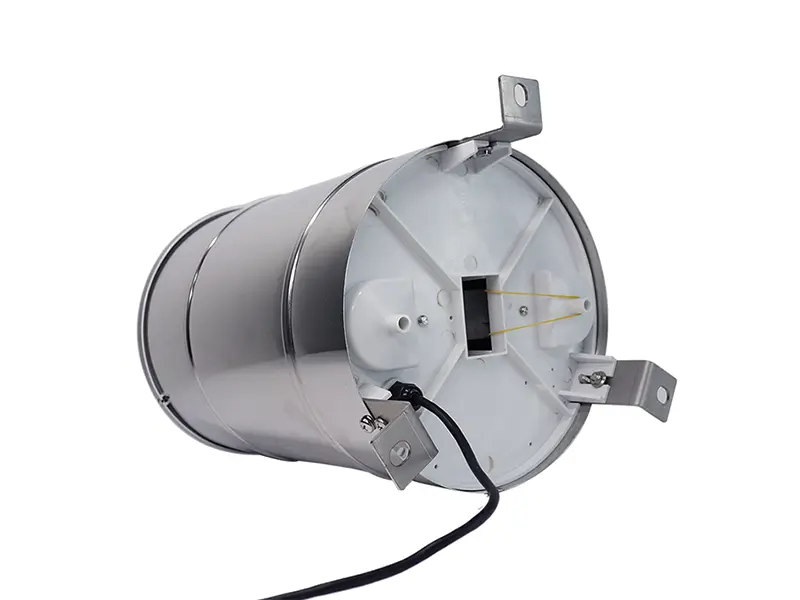
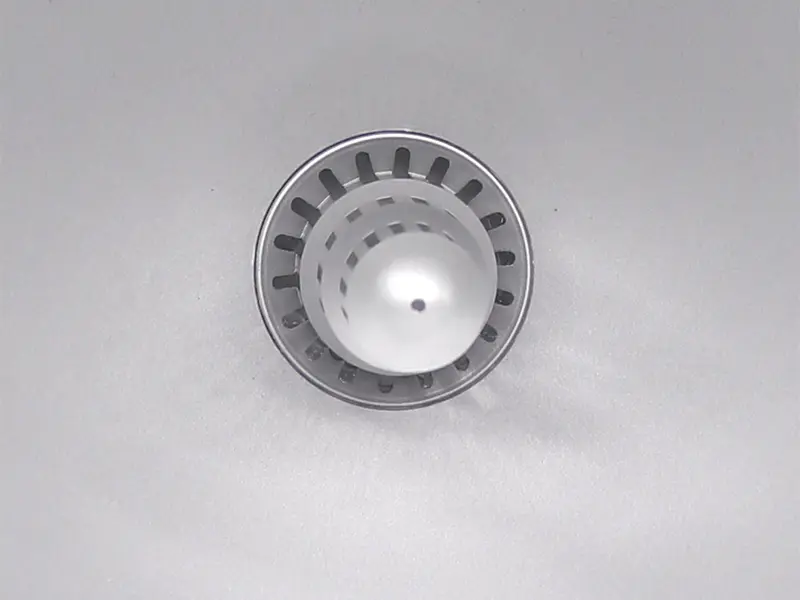
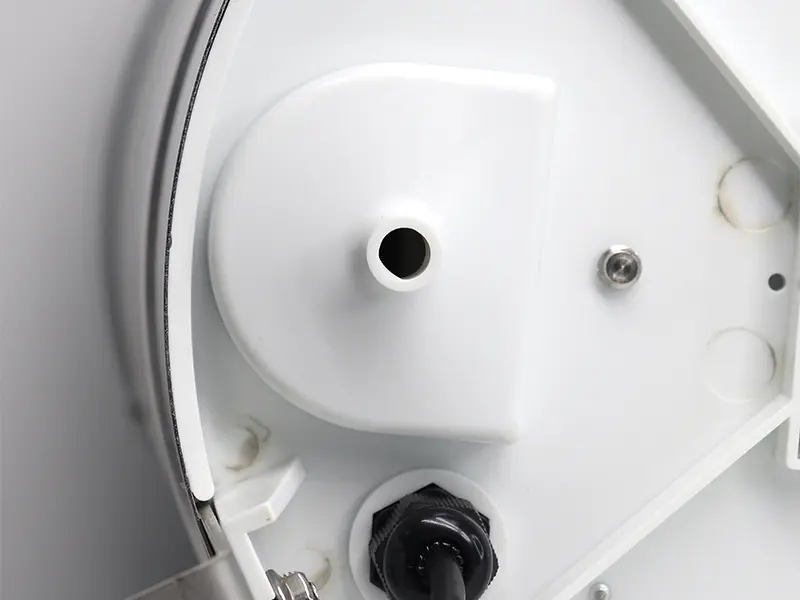
المواصفات
تغطي مواصفات حساس المطر ذو الدلو المقلوب المقاييس الرئيسية مثل أداء القياس وطرق الإخراج ومواد البناء وخصائص الاستجابة والقدرة على التكيف البيئي، مما يوفر نظرة عامة شاملة على دقة الحساس وثباته وملاءمته لمختلف التطبيقات. فيما يلي مواصفات مجس المطر الدلو المقلوب:
المعلمات
| اسم المنتج | مستشعر هطول الأمطار RY-YL/485 |
| قطر جامع ريان | φ200 مم |
| نطاق القياس | ≤4 مم/دقيقة |
| المخرجات | مفتاح تشغيل وإيقاف تشغيل أنبوب القصب الجاف، نبضي (نبضة واحدة = 0.2 مم لهطول الأمطار) |
| الوزن | 4 كجم |
| المواد | الفولاذ المقاوم للصدأ |
| وقت الاستجابة | 1S |
| بيئة العمل | درجة الحرارة 0~+60 درجة مئوية |
| طول الخط القياسي | 1.5m |
| أبعد سلك رصاصي | التيار200 م 、 RS485 100 م 、 الجهد 50 م |
| الحماية من الدخول | IP65 |
يتميز بمستشعر دلو المطر
دقة عالية
آلية قلب حساسة تضمن قياسًا دقيقًا وموثوقًا لسقوط الأمطار.
مخرجات مستقرة
خطية ممتازة توفر بيانات متسقة على مدى استخدام المراقبة على المدى الطويل.
إشارة قوية
يدعم التصميم المضاد للتداخل نقل الإشارات المستقر لمسافات طويلة.
مضاد للحظر
قمع مُحسَّن يمنع تراكم الحطام ويضمن تدفق المياه بسلاسة.
احتكاك منخفض
يتيح النظام المحوري الدقيق إمكانية قلب سلس بأقل قدر من المقاومة.
مبيت فولاذي
يوفر الهيكل المصنوع من الفولاذ المقاوم للصدأ المتانة ومقاومة التآكل.
التطبيقات مستشعر دلو المطر
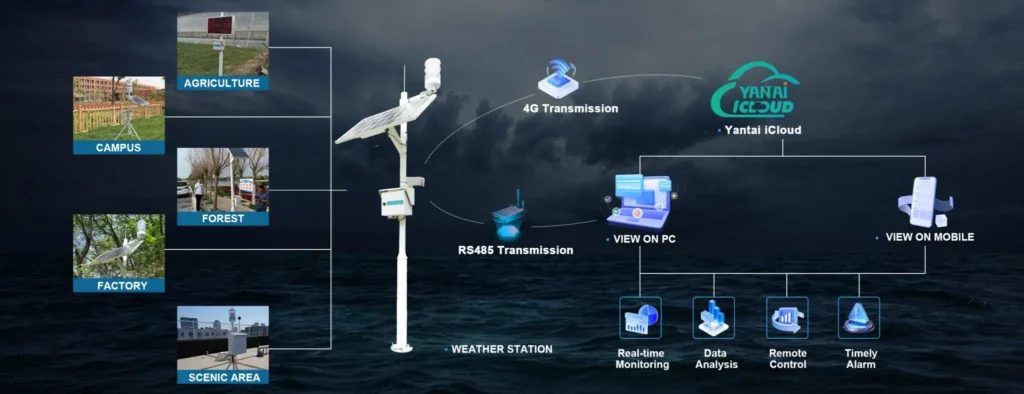
تُستخدم أجهزة استشعار هطول الأمطار بالدلو القلابة في المقام الأول لرصد كميات الأمطار وشدتها بدقة. وباعتبارها أدوات أساسية لرصد الأرصاد الجوية والتحليل الهيدرولوجي، فهي تُستخدم على نطاق واسع في الزراعة وإدارة الموارد المائية والوقاية من الكوارث والتخفيف من آثارها والمدن الذكية. وفيما يلي بعض تطبيقات أجهزة استشعار دلو المطر:
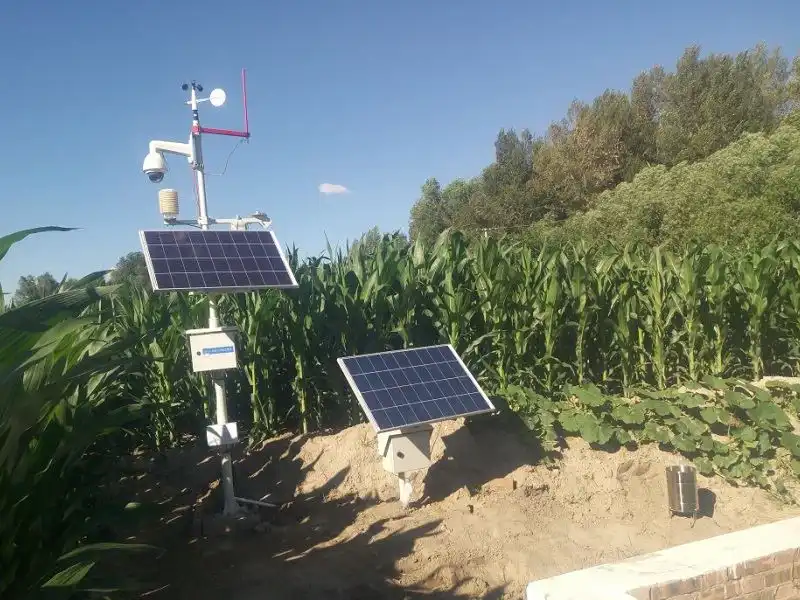

الهيدرولوجيا والموارد المائية
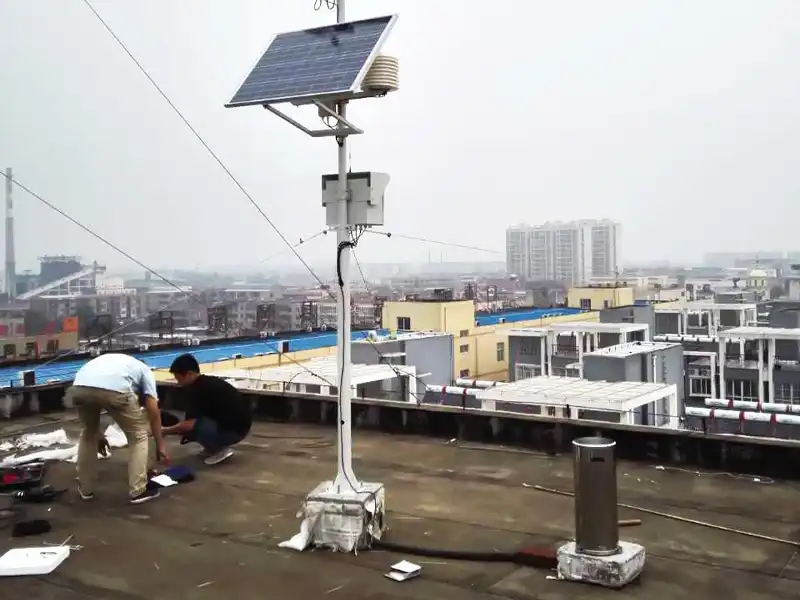
تُستخدم لجمع بيانات هطول الأمطار من الأنهار والبحيرات والخزانات.
السيطرة على الفيضانات والحد من الكوارث
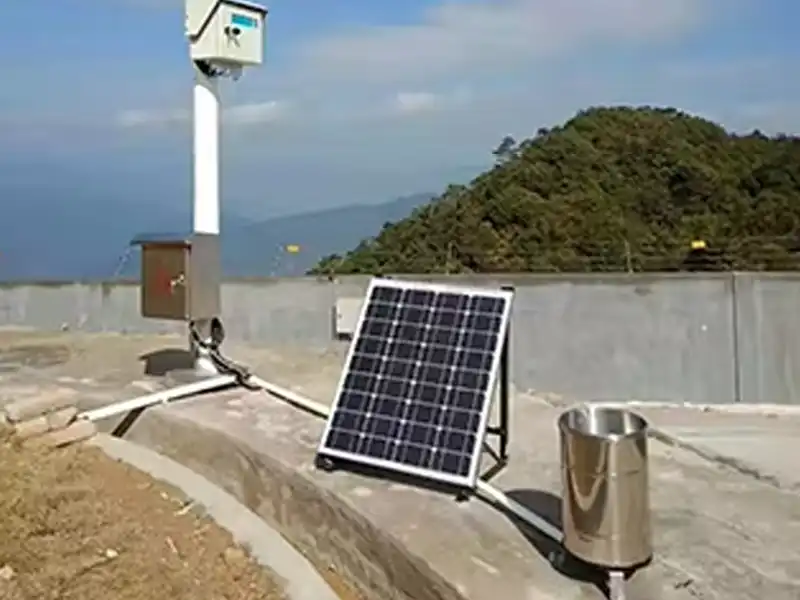
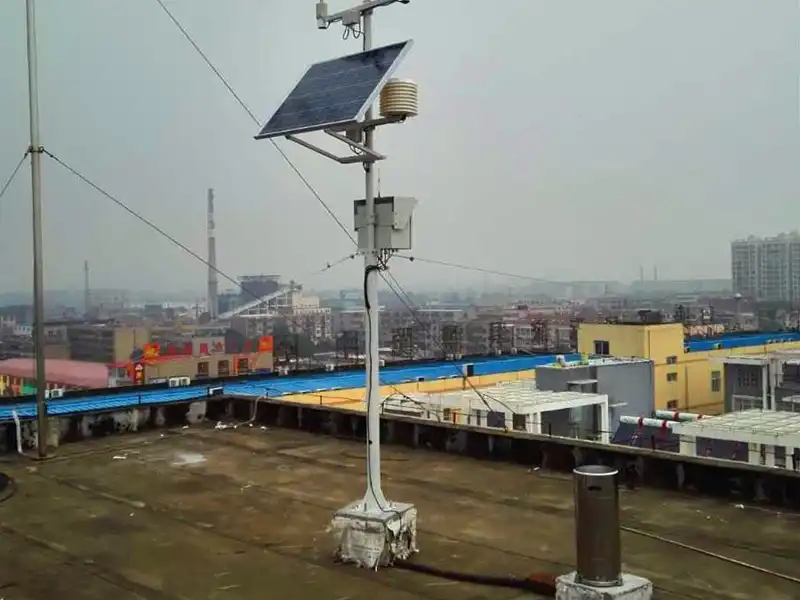
المراقبة الآنية لتغيرات هطول الأمطار لمنع كوارث الفيضانات.
تطوير المدينة الذكية
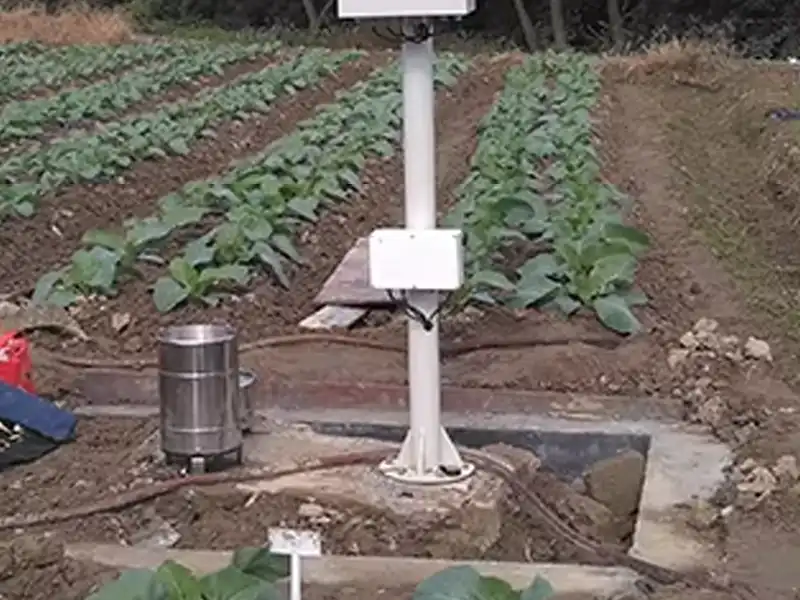
دعم الصرف الحضري ومراقبة التشبع بالمياه وإدارته.
الرصد البيئي والإيكولوجي
تُستخدم لتحليل الترسيب الإقليمي والأبحاث البيئية.
مستشعر دلو المطر المخصص
تم تصميم أجهزة استشعار دلو المطر المخصصة لتلبية متطلبات التطبيقات المتنوعة في الأرصاد الجوية والزراعة, الهيدرولوجيا, والمراقبة البيئية. من خلال تقديم تكوينات مرنة في الهيكل والمخرجات والمواد ومعايير الأداء، يمكن تصميمها حسب احتياجات المشروع المحددة، مما يضمن قياسًا دقيقًا لهطول الأمطار وتكاملًا سلسًا للنظام.
خيارات التخصيص
- تخصيص الحجم - قطر القمع والأبعاد الكلية القابلة للتعديل لتناسب المعايير والتركيبات المختلفة.
- خيارات القرار - دقة دلو قلب مرنة لتلبية متطلبات دقة القياس المختلفة.
- أنواع المخرجات - تتوفر مخرجات إشارات متعددة، بما في ذلك النبض أو RS485 أو بروتوكولات الاتصال الأخرى.
- اختيار المواد - اختر من بين الفولاذ المقاوم للصدأ أو الألومنيوم أو البلاستيك المقوى لتناسب البيئات المختلفة.
- التكيف البيئي - تصميمات مخصصة لدرجات الحرارة القصوى أو الرطوبة العالية أو الظروف المسببة للتآكل.
- خيارات التركيب - تتوافر مجموعة متنوعة من هياكل التركيب للتركيب على عمود أو كتيفة أو تركيب أرضي.
- خدمة العلامات التجارية - دعم طباعة الشعار، ووضع الملصقات، وتخصيص OEM/ODM.
- تكامل النظام - متوافق مع محطات الطقس، ومنصات إنترنت الأشياء، وأنظمة تسجيل البيانات.
مُصنِّع ومورِّد مستشعر دلو المطر
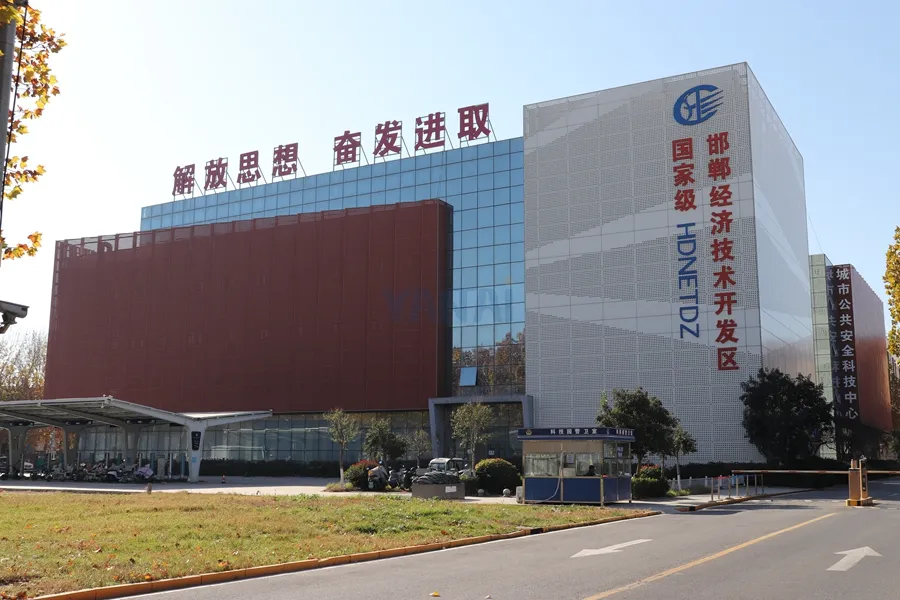
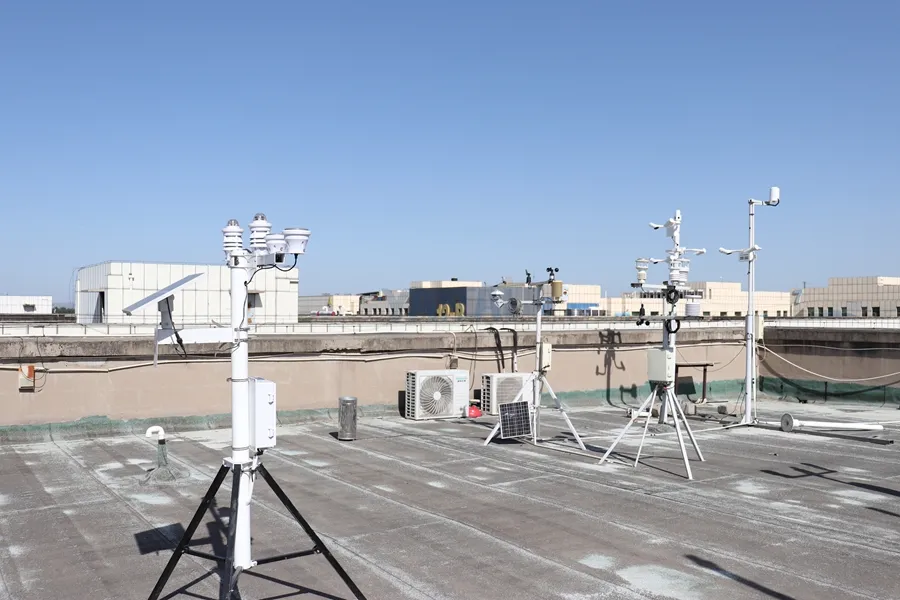
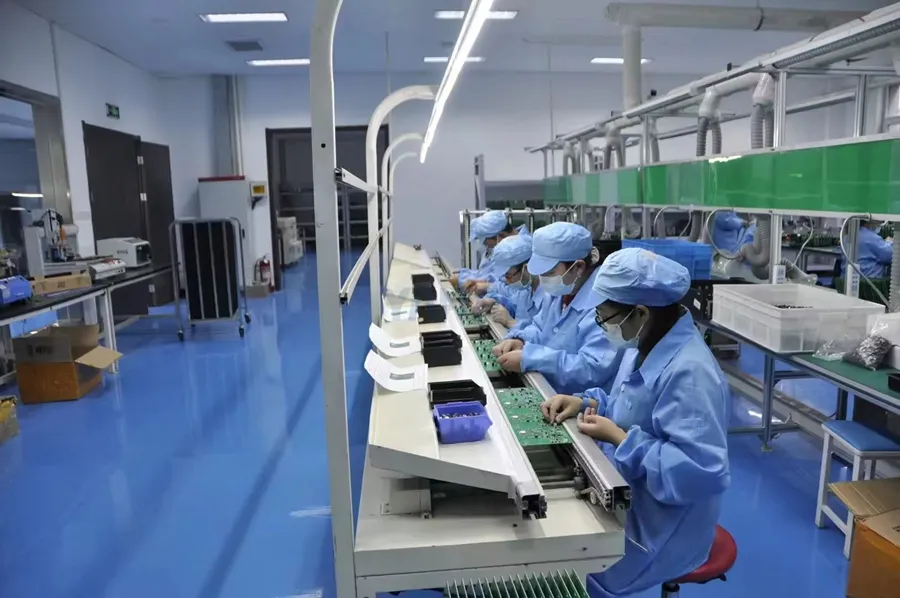
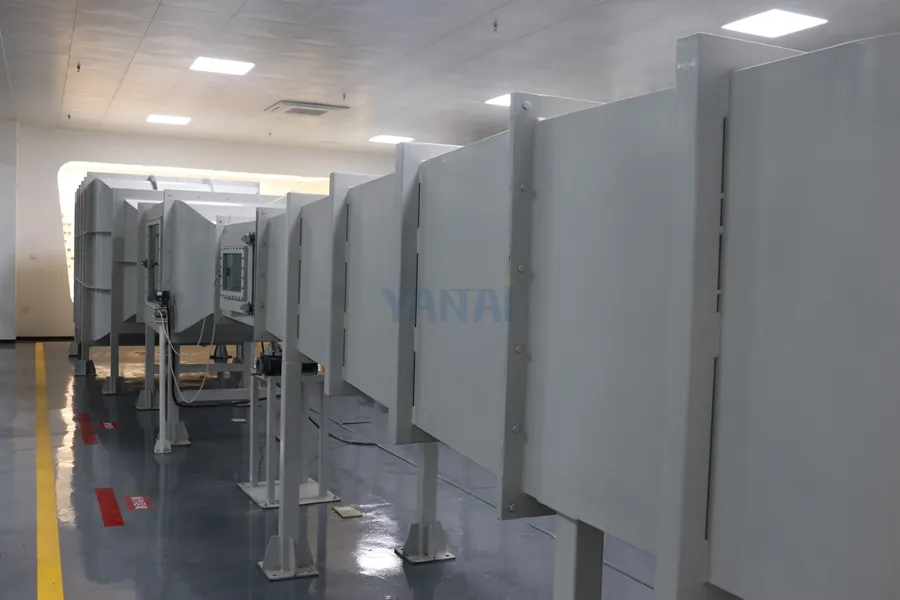
شركة Yantai Sensor هي شركة متخصصة في تصنيع وتوريد أجهزة استشعار دلو المطر، وهي متخصصة في حلول قياس هطول الأمطار عالية الدقة للمراقبة البيئية وتطبيقات الأرصاد الجوية. صُممت أجهزة قياس هطول الأمطار ذات الدلو القابل للقلب الخاصة بنا لتوفير بيانات دقيقة ومستقرة وموثوقة عن هطول الأمطار، وتستخدم على نطاق واسع في الزراعة ومحطات الأرصاد الجوية والهيدرولوجيا وأنظمة المدن الذكية.
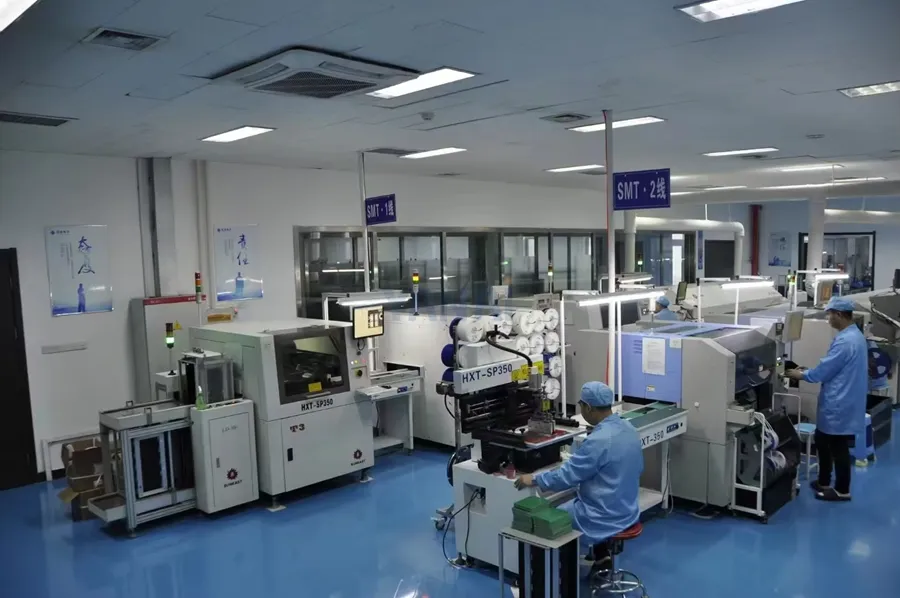
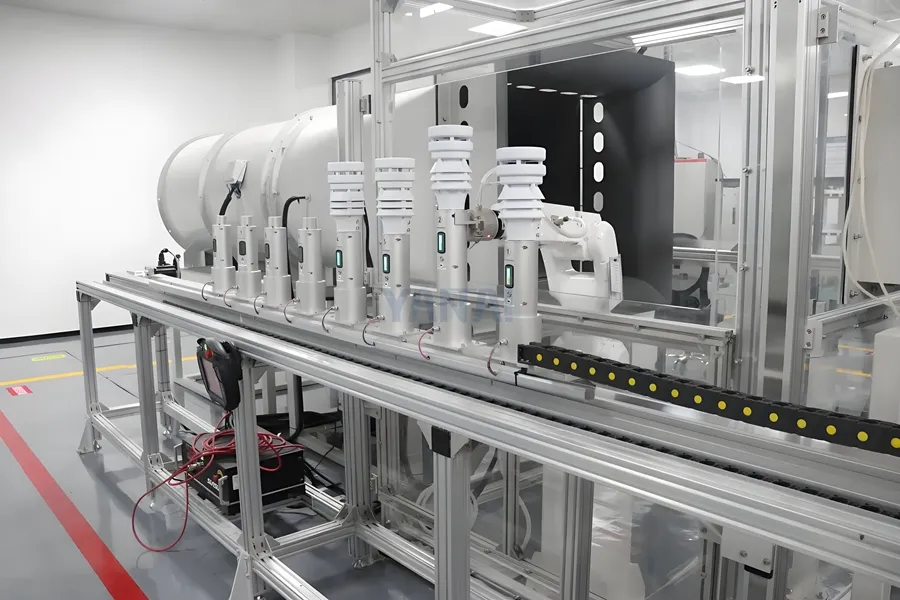
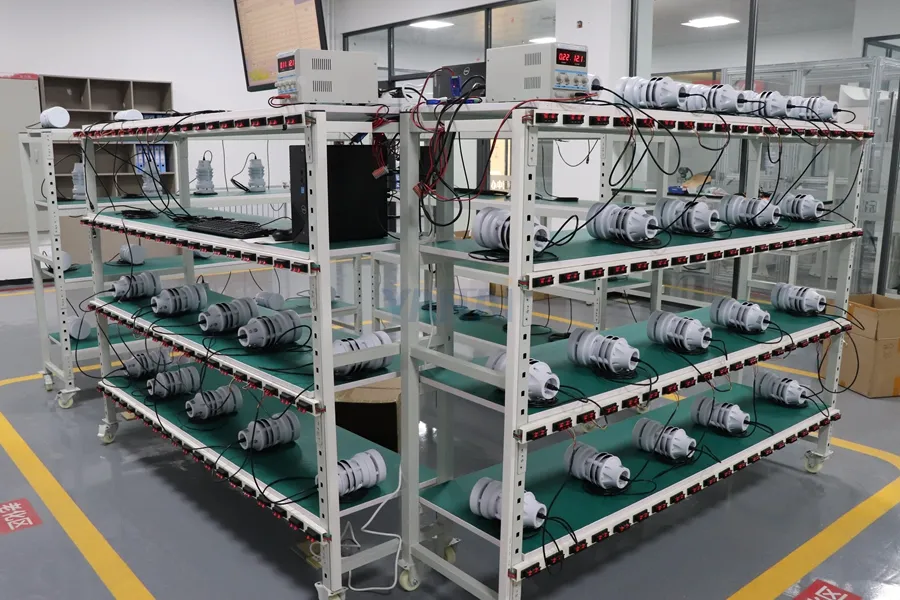
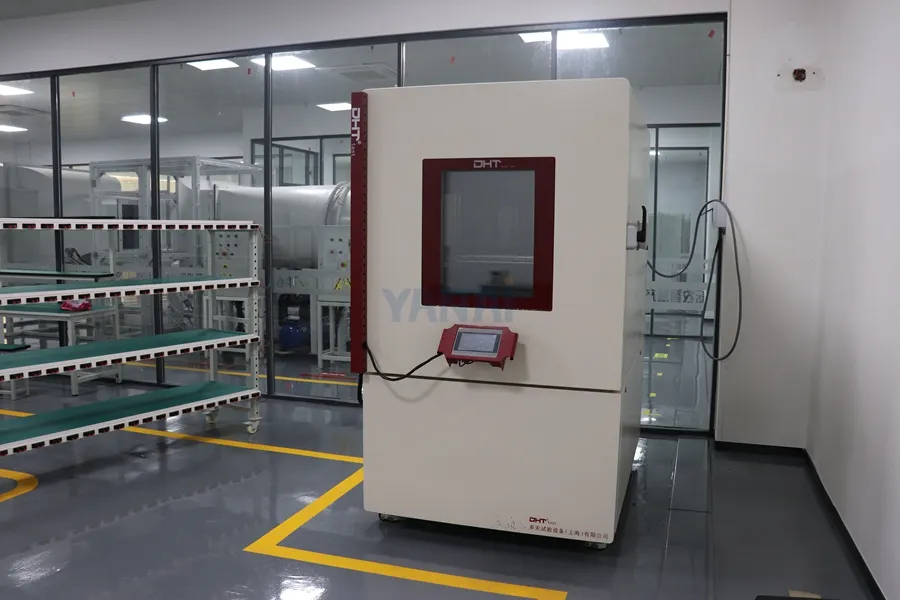
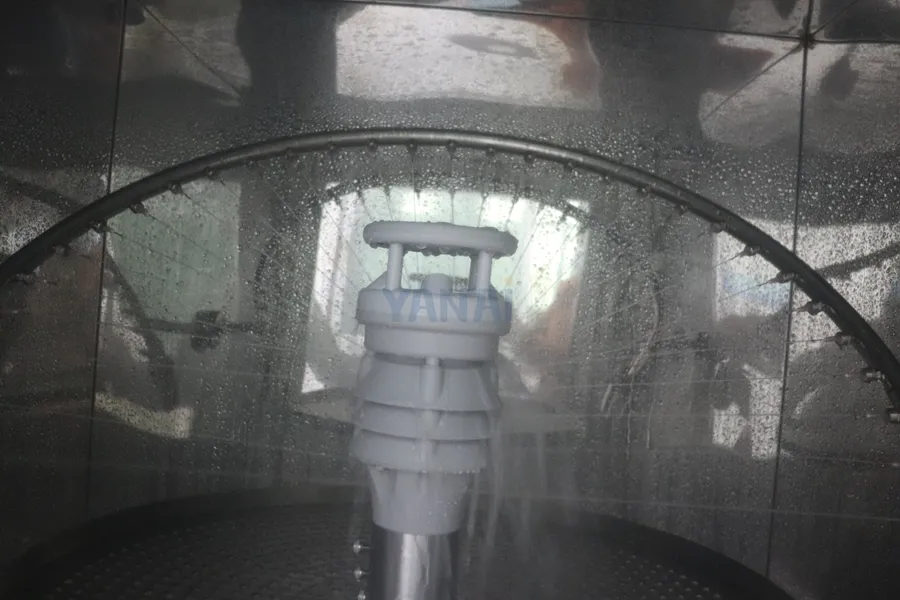
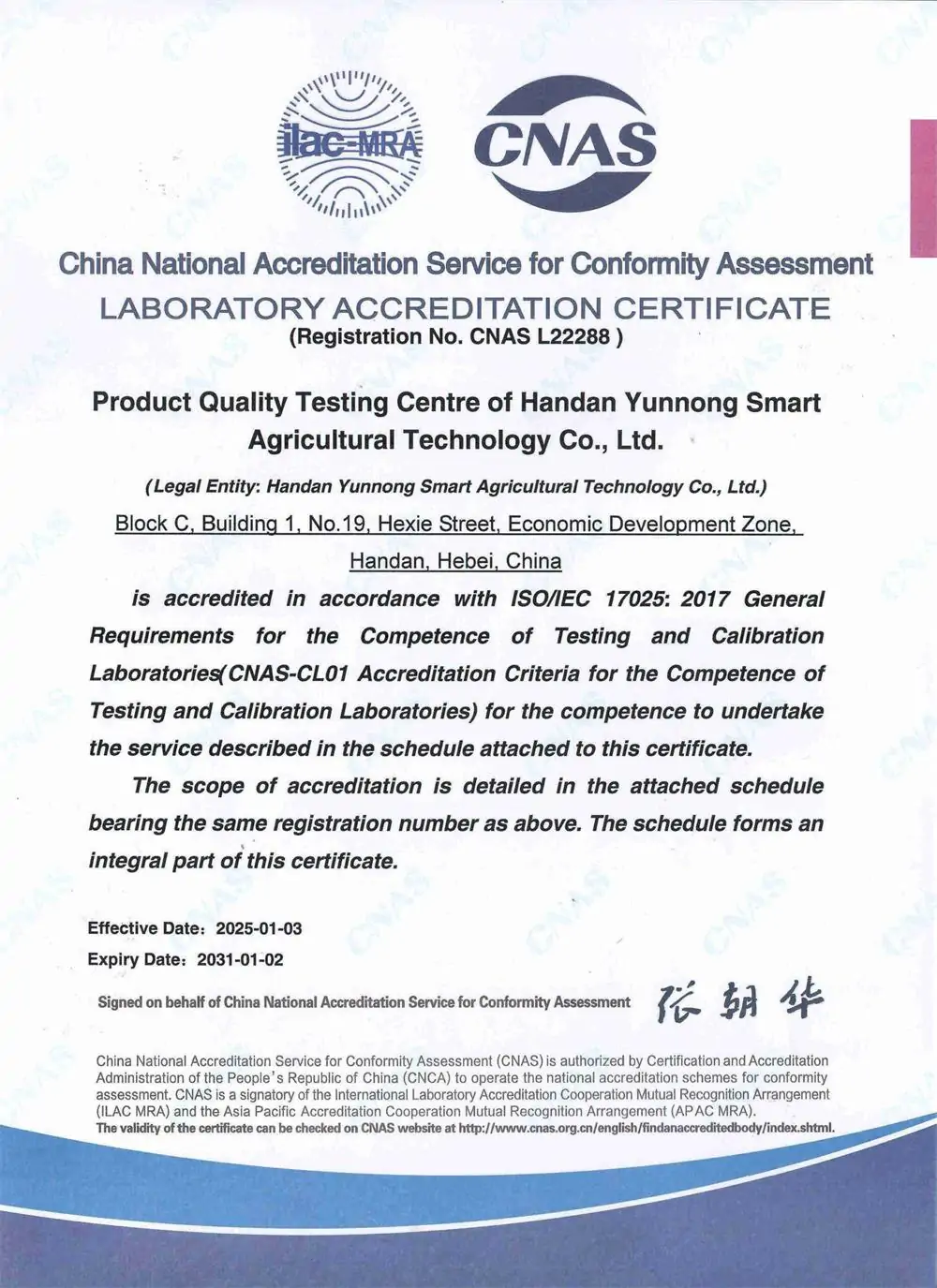
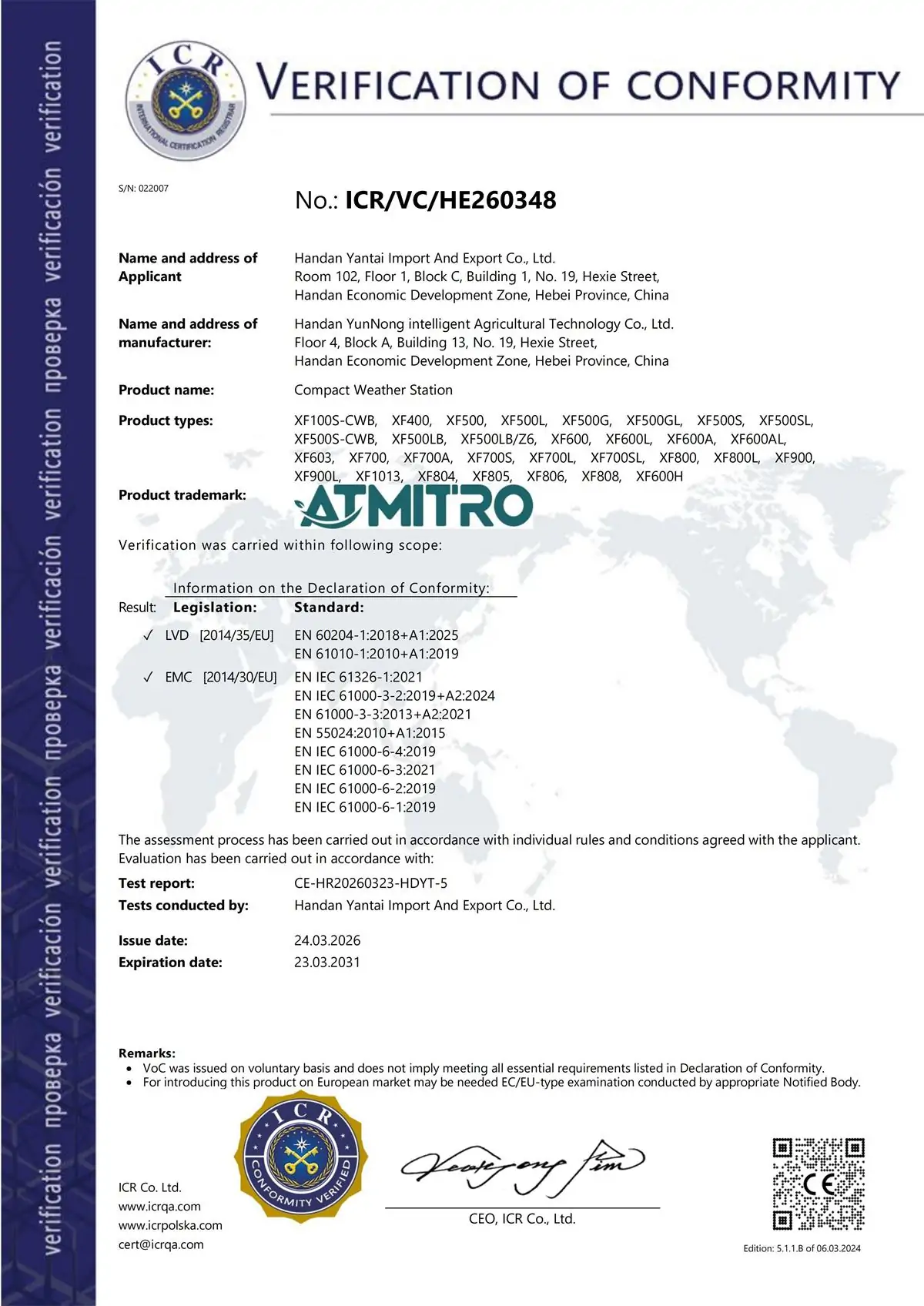
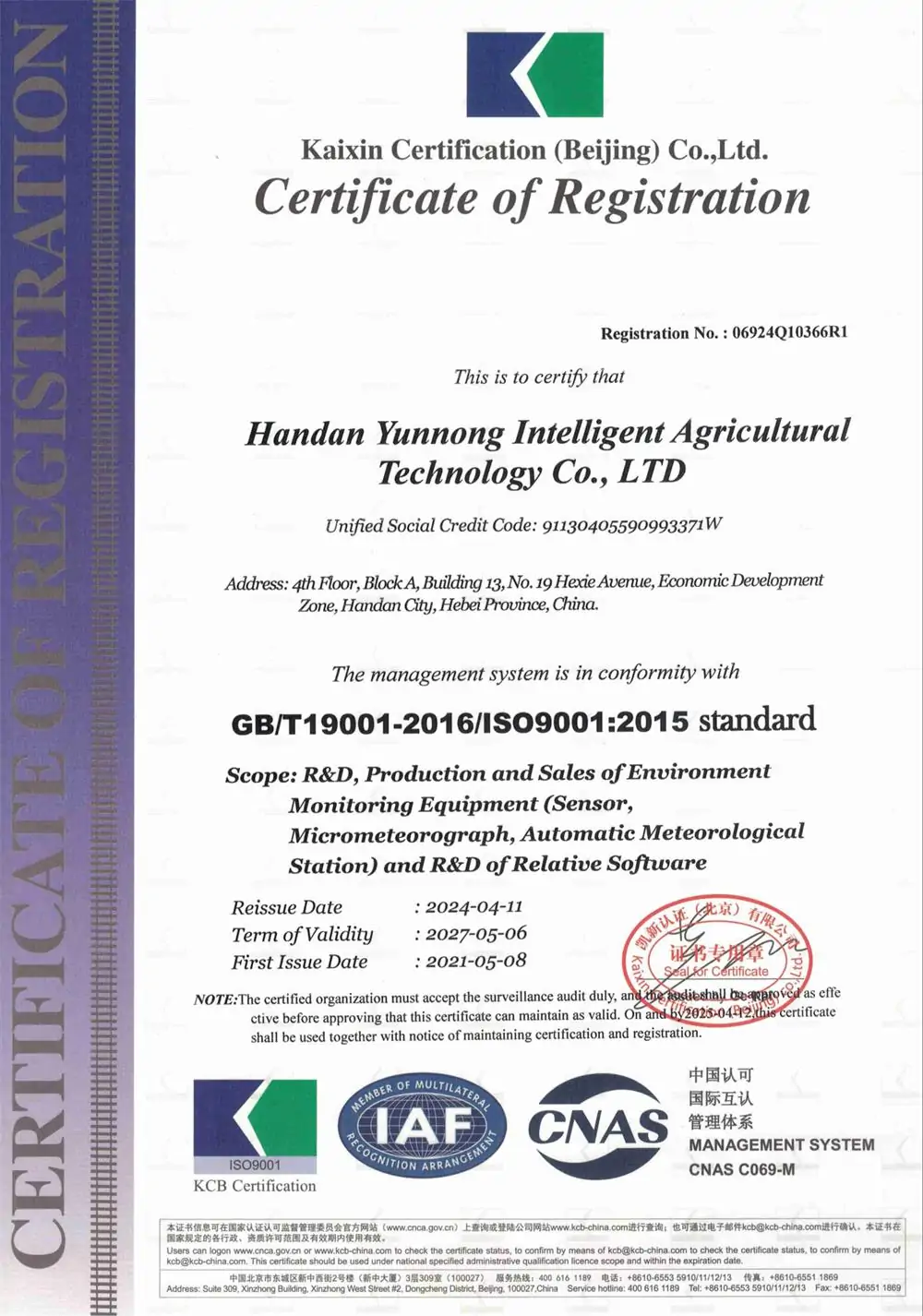
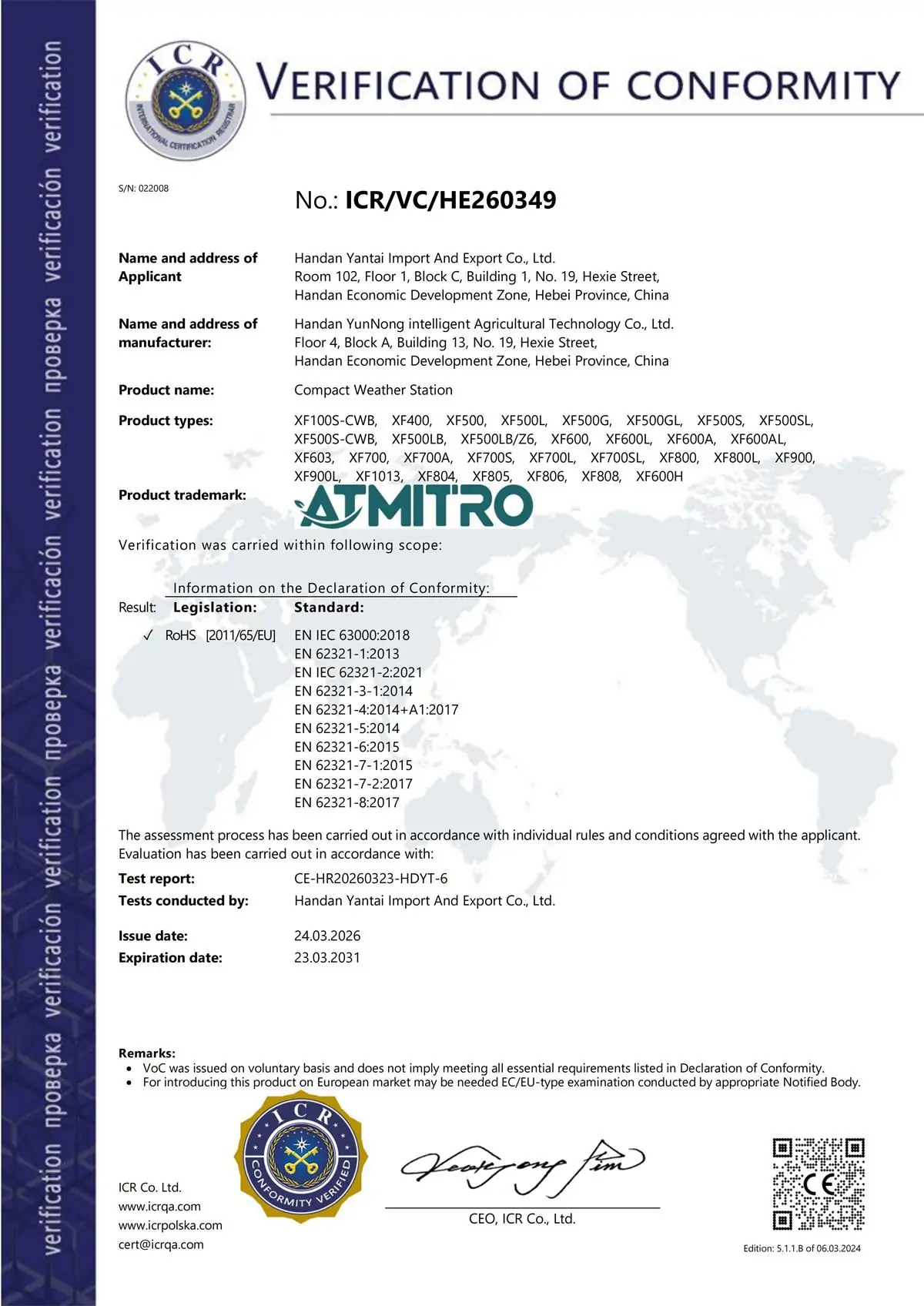
وبفضل قدرات البحث والتطوير الداخلية القوية، ومرافق التصنيع المتقدمة، ومختبرات الاختبار المخصصة، يخضع كل مستشعر دلو المطر لرقابة صارمة على الجودة، بما في ذلك دقة المعايرة، والمتانة البيئية، واختبار الثبات على المدى الطويل. نحن معتمدون بشهادة CE وISO وRoHS، ونقدم خدمات مرنة لتصنيع المعدات الأصلية/التصنيع حسب الطلب كمورد موثوق به لحساسات الأمطار. يقدم فريقنا الفني المتمرس حلولاً مخصصة لتلبية احتياجات المشاريع المتنوعة - اتصل بنا للحصول على الدعم الاحترافي.