مقدمة
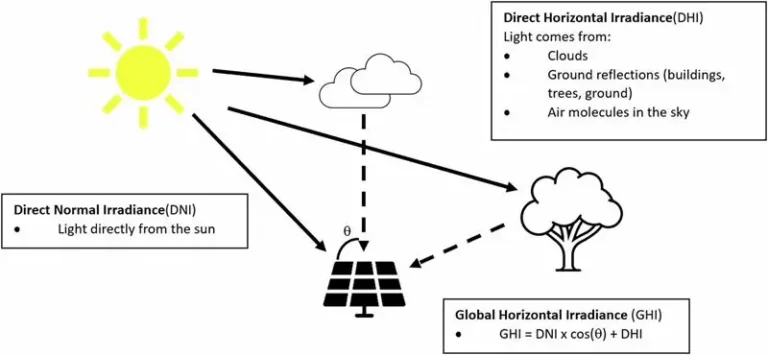
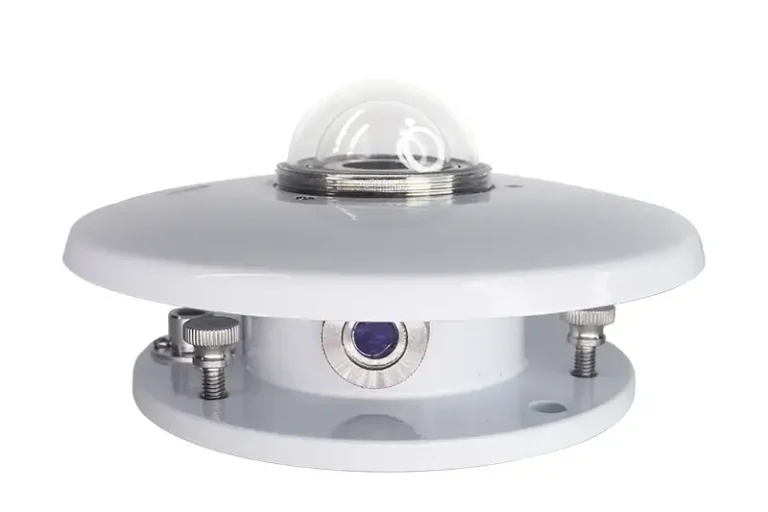
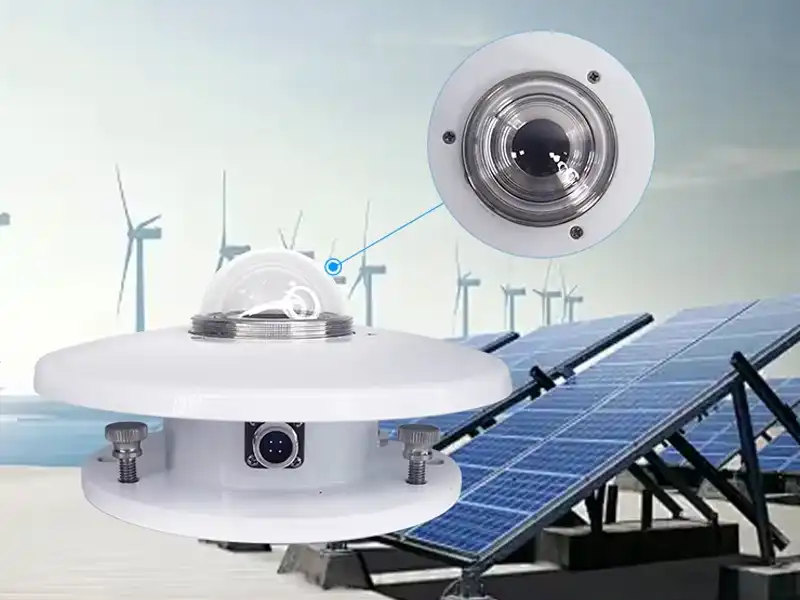
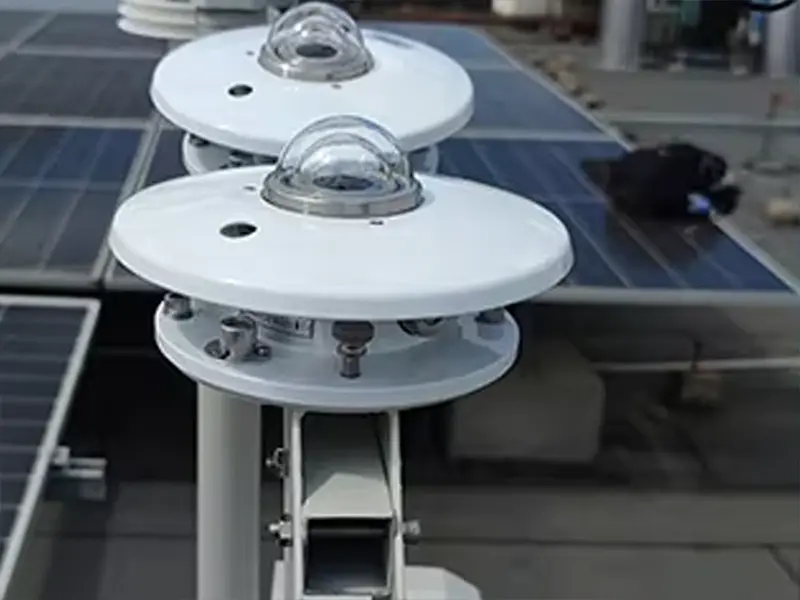
A مقياس البيرانومتر هو جهاز دقيق مصمم لقياس الإشعاع الشمسي الكلي (واط/متر مربع)، ويوفر بيانات أساسية لتقييم الطاقة الشمسية ومراقبة البيئة.
يعد فهم كيفية استخدام مقياس الإشعاع الشمسي بشكل صحيح أمرًا ضروريًا لضمان الحصول على نتائج موثوقة في تطبيقات مثل تحسين كفاءة الأنظمة الكهروضوئية، والرصد الجوي، والزراعة، والأبحاث. تتأثر دقة القياس بشكل كبير بعوامل مثل زاوية التركيب، والتظليل، وفترات المعايرة، والظروف البيئية. وبدون الإعداد والصيانة المناسبين، يمكن أن تتراكم الأخطاء بسرعة، مما يؤثر بشكل مباشر على جودة البيانات وعملية اتخاذ القرار.
يشرح هذا الدليل كيفية استخدام مقياس الإشعاع الشمسي خطوة بخطوة، بما في ذلك التركيب والمعايرة وطرق القياس وإجراءات الصيانة لضمان الحصول على بيانات دقيقة ومتسقة عن الإشعاع الشمسي.
كيف يعمل مقياس البيرانومتر؟
يقيس مقياس الإشعاع الشمسي الإشعاع الشمسي الكلي عن طريق تحويل الإشعاع الشمسي الساقط إلى إشارة كهربائية متناسبة، مما يتيح الحصول على قراءات موحدة بوحدة واط/متر مربع في ظل ظروف قياس محددة دولياً. ويتم تحديد مبدأ تشغيله وأدائه وفقاً لمعايير مثل المبادئ التوجيهية للمنظمة العالمية للأرصاد الجوية والمعيار ISO 9060، مما يضمن إمكانية التتبع والدقة.
مستشعرات الترموبيل مقابل مستشعرات الصمام الثنائي الضوئي
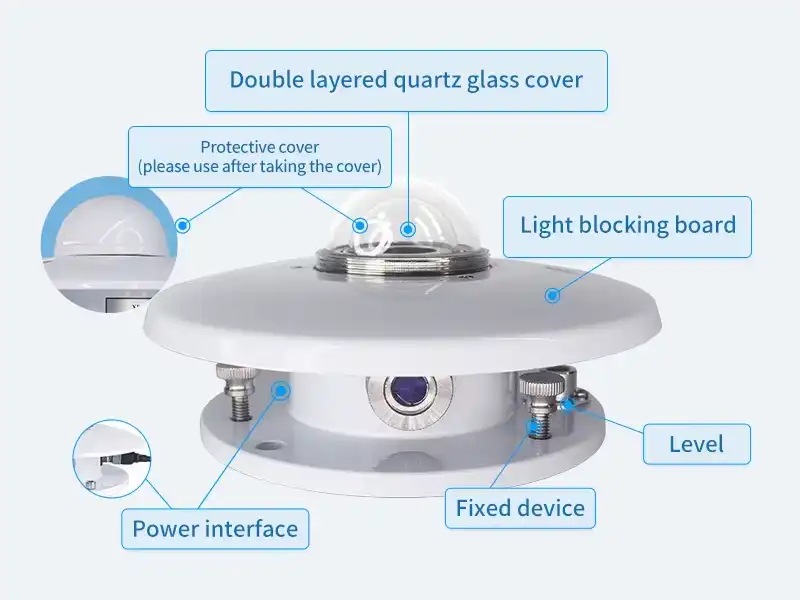
تعمل أجهزة قياس الإشعاع الحراري ذات المكدس الحراري استنادًا إلى تأثير سيبيك، حيث يؤدي الإشعاع الممتص إلى إحداث فرق في درجة الحرارة عبر المزدوجات الحرارية، مما يولد إشارة جهد كهربائي. وتتميز هذه الأجهزة بدقة عالية وقدرة على قياس الطيف الكامل، حيث تغطي عادةً 285–2800 نانومتر, ، مما يجعلها متوافقة مع تصنيفات ISO 9060 من الفئات A/B/C.
على النقيض من ذلك، تعمل مستشعرات الصمامات الضوئية على استشعار الإشعاع من خلال استجابة أشباه الموصلات. وتتميز هذه المستشعرات بسرعة استجابة أكبر وتكلفة أقل، إلا أن نطاقها الطيفي محدود واستقرارها على المدى الطويل أقل، مما يجعلها أقل ملاءمة للتطبيقات عالية الدقة.
النطاق الطيفي ووقت الاستجابة
تلتقط مستشعرات "ثيرموبيل" الطيف الشمسي بأكمله تقريبًا (285–2800 نانومتر)، مما يضمن أداءً موثوقًا به في ظل الظروف الجوية المتغيرة، بما في ذلك الغطاء السحابي وزوايا الشمس المنخفضة. ويكون زمن استجابتها أبطأ (عادةً ما يكون بالثواني)، لكنها تتميز بثبات عالٍ.
تستجيب أجهزة قياس الإشعاع الحراري التي تعمل بالديودات الضوئية في غضون أجزاء من الثانية، وهو ما يفيد في المراقبة في الوقت الفعلي، لكن حساسيتها الطيفية المحدودة قد تؤدي إلى حدوث انحراف في القياس في ظل ظروف الإضاءة المتغيرة.
إشارة الخرج (تحويل mV إلى W/m²)
يُصدر مقياس الإشعاع الشمسي إشارة تناظرية منخفضة المستوى (بالميكروفولت أو الميليفولت) تتناسب طرديًا مع شدة الإشعاع الساقط. ويتم تحويل هذه الإشارة إلى واط/متر مربع باستخدام معامل معايرة مصنعي (عامل الحساسية)، مما يضمن التوافق مع معايير القياس الدولية. ووفقًا لتصنيف ISO 9060، تُصنف دقة المستشعر إلى الفئة أ (أعلى دقة)، والفئة ب، والفئة ج, ، حيث يتم تحديد الأداء من خلال معايير مثل استقرار الحساسية، والاستجابة للحرارة، وخطأ التوجيه.
كيفية استخدام مقياس الإشعاع الشمسي بشكل صحيح؟
يعد الاستخدام الصحيح لمقياس الإشعاع الشمسي أمرًا ضروريًا للحصول على بيانات موثوقة عن الإشعاع الشمسي الكلي (واط/متر مربع) في تطبيقات مثل مراقبة أنظمة الطاقة الشمسية الكهروضوئية ومحطات الأرصاد الجوية ومشاريع الأبحاث. وعند اتباع الإجراءات الصحيحة، يمكنك تقليل درجة عدم اليقين في القياس بنسبة تتراوح بين 2 و51٪ وضمان استقرار البيانات على المدى الطويل. في الممارسة العملية، تحتاج إلى إدارة التثبيت وتوصيل الإشارات وإعدادات البيانات بعناية. بدعم من حلول مقياس الإشعاع الشمسي من Yantai، نوفر مستشعرات معايرة في المصنع وإرشادات التثبيت ودعم تكامل نظام البيانات لمساعدتك في تحقيق قياسات ميدانية دقيقة منذ البداية.
الخطوة 1 – تثبيت مقياس الإشعاع الشمسي بشكل صحيح
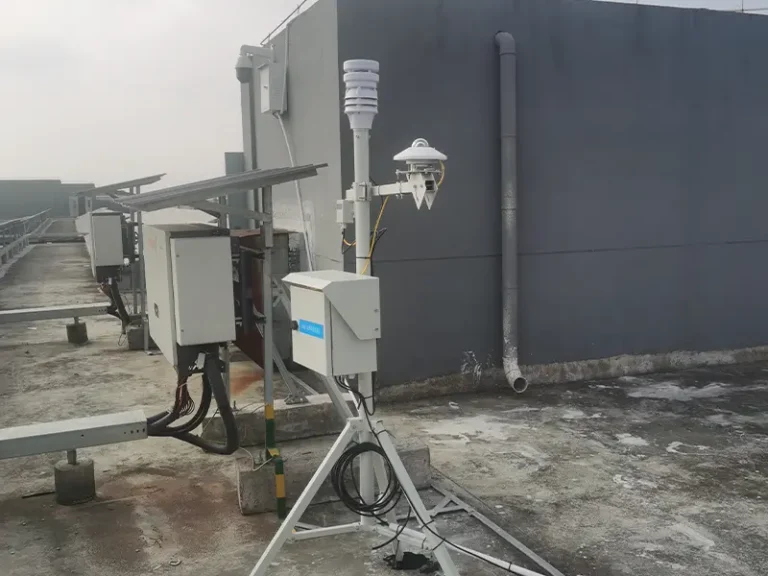
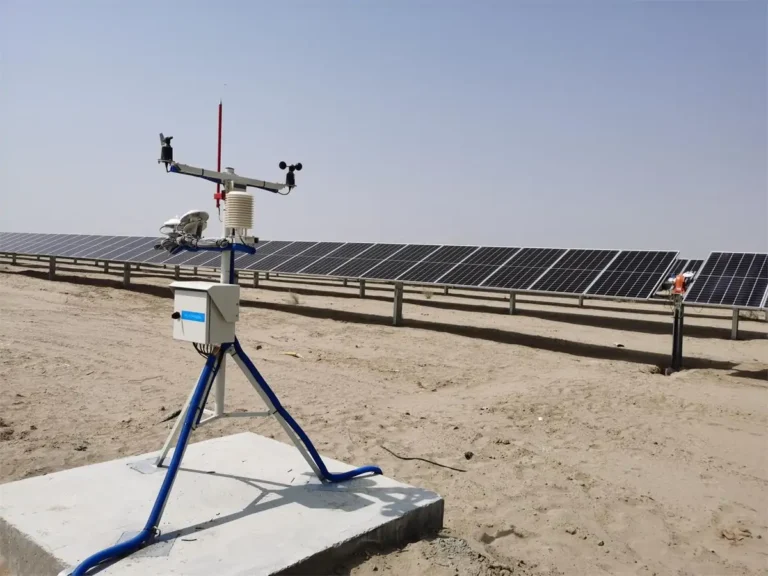
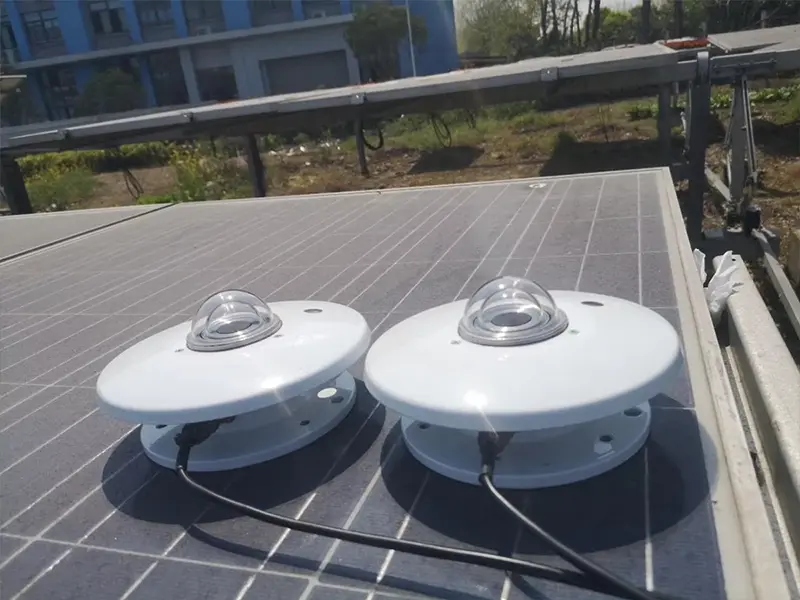
يجب تركيب مقياس الإشعاع الشمسي في منطقة مفتوحة مع لا يوجد ظل على مدار العام. حتى التظليل الجزئي الناتج عن المباني أو الأعمدة أو الأشجار يمكن أن يؤدي إلى تشويه قراءات شدة الإشعاع بشكل كبير.
تجنب وضع المستشعر بالقرب من الأسطح العاكسة مثل الزجاج أو المعدن أو الجدران ذات الألوان الفاتحة، حيث إن الضوء المنعكس قد يؤدي إلى حدوث انحراف في القياس.
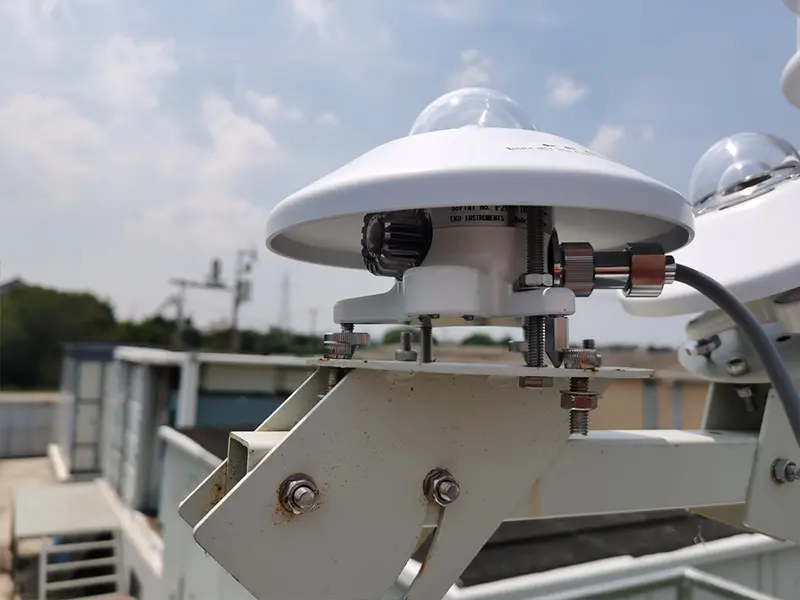
تأكد من أن المستشعر في وضع مستوٍ تمامًا باستخدام مستوى فقاعي، مع يتم التحكم في خطأ الميل في حدود ±1 درجة لضمان الدقة.
الخطوة 2 – التوصيل بجهاز تسجيل البيانات
يجب عليك توصيل مقياس الإشعاع الشمسي بنظام تسجيل بيانات متوافق لتسجيل القياسات في الوقت الفعلي.
- المخرج التناظري: إشارة μV/mV للأنظمة التقليدية
- الإخراج الرقمي: RS485 / Modbus لمنصات المراقبة الذكية
تأكد من أن جميع الأسلاك مثبتة بإحكام ومحمية بشكل صحيح لتجنب تشويش الإشارة أو تداخل الإرسال، خاصة في التركيبات الطويلة المدى.
الخطوة 3 – تكوين إعدادات القياس
يجب عليك تهيئة إعدادات جمع البيانات وفقًا لاحتياجات تطبيقك.
- معدل أخذ العينات: أخذ عينات كل ثانية من أجل المراقبة الديناميكية
- الحساب المتوسط: المتوسط على مدار دقيقة واحدة للبيانات المستقرة طويلة الأجل
- الوحدة: الناتج القياسي بوحدة واط/متر مربع للإشعاع الشمسي
كما أن تزامن الوقت مهم لضمان الاتساق بين أجهزة الاستشعار أو المحطات المتعددة.
الخطوة 4 – بدء جمع البيانات
بمجرد اكتمال الإعداد، يمكنك البدء في مراقبة شدة الإشعاع في الوقت الفعلي.
يجب عليك التأكد من أن خرج المستشعر مستقر وثابت في ظل سماء صافية.
تحقق من القراءات الأساسية بانتظام للتأكد من عدم وجود تقلبات مفاجئة ناجمة عن مشاكل في الأسلاك أو تداخلات بيئية أو خلل في محاذاة المستشعر.
كيفية معايرة مقياس الإشعاع الشمسي؟
تضمن معايرة مقياس الإشعاع الشمسي أن تظل قياسات الإشعاع الشمسي دقيقة وقابلة للتتبع ومتسقة على مدار الوقت. نحن نقدم خدمة المعايرة في المصنع قبل الشحن باستخدام أجهزة مرجعية معتمدة، بحيث يصل المستشعر الخاص بك جاهزًا للاستخدام الميداني بمعامل حساسية محدد. ومع ذلك، يمكن أن يؤثر التعرض للعوامل البيئية والاستخدام طويل الأمد تدريجيًا على الدقة، مما يتطلب عادةً إعادة المعايرة كل سنة إلى سنتين حسب ظروف التشغيل. كما نقدم لك الدعم من خلال إرشادات المعايرة والوثائق وتنسيق الخدمات الاختيارية للمساعدة في الحفاظ على الامتثال لمعايير الصناعة والأداء الموثوق به على المدى الطويل.
المعايرة في المصنع مقابل المعايرة الميدانية
تُجرى المعايرة في المصنع في ظل ظروف مختبرية خاضعة للرقابة باستخدام أجهزة قياس مرجعية لتحديد معامل حساسية المستشعر. أما المعايرة الميدانية، فتُجرى بعد التركيب للتحقق من الأداء في ظل الظروف البيئية الفعلية. وتضمن كلتا الطريقتين إمكانية تتبع البيانات، لكن المعايرة في المصنع توفر دقة أساسية، بينما تؤكد المعايرة الميدانية الاستقرار التشغيلي.
فترة المعايرة (عادةً: 1–2 سنة)
في معظم التطبيقات، ينبغي إعادة معايرة أجهزة قياس الإشعاع الشمسي كل 12 إلى 24 شهراً. وقد تتطلب المشاريع عالية الدقة، مثل مراقبة أداء الألواح الكهروضوئية أو محطات الأرصاد الجوية، إجراء عمليات تحقق أكثر تواتراً. تقدم شركة يانتاي جداول صيانة موصى بها بناءً على بيئة التطبيق الخاصة بك للمساعدة في الحفاظ على موثوقية القياس.
طريقة المقارنة المرجعية
تتضمن طريقة المقارنة المرجعية وضع مقياس الإشعاع الشمسي الخاص بك بجانب مستشعر مرجعي معاير في ظروف متطابقة، ومقارنة القيم الناتجة. تتبع هذه الطريقة المبادئ التوجيهية للمعيار ISO 9847، وتُستخدم على نطاق واسع في عمليات التحقق الميداني. يمكننا دعمك من خلال إجراءات المعايرة، وتعليمات الإعداد، وتوصيات بشأن المعدات المرجعية لضمان الحصول على نتائج دقيقة وموحدة.
كيفية أخذ قياسات دقيقة؟
تعتمد دقة قياسات مقياس الإشعاع الشمسي على إعدادات جمع البيانات الصحيحة، وتحويل الإشارات بشكل صحيح، والتحكم الفعال في الأخطاء. عند تشغيل النظام، يجب التأكد من تهيئة مسجل البيانات بشكل صحيح، وتوافق استراتيجية أخذ العينات مع التطبيق المستخدم، وإدارة العوامل البيئية بشكل سليم. في معظم إعدادات مراقبة الطاقة الشمسية، يمكن أن تؤدي حتى المشكلات الصغيرة مثل فترات المتوسط غير الصحيحة أو ضوضاء الإشارة إلى انحراف بنسبة 1–3% في بيانات الإشعاع. من خلال اتباع ممارسات القياس القياسية واستخدام أجهزة معايرة جيدًا، يمكنك تحسين موثوقية البيانات بشكل كبير لمراقبة الطاقة الكهروضوئية أو الدراسات الجوية أو تطبيقات البحث.
تواتر تسجيل البيانات
يجب عليك اختيار وتيرة التسجيل وفقًا لمتطلبات التطبيق الخاص بك. وتشمل الإعدادات الشائعة ما يلي: أخذ عينات كل ثانية من أجل مراقبة عالية الدقة و حساب المتوسط على مدى دقيقة واحدة من أجل تحليل مستقر على المدى الطويل. يتيح استخدام التردد العالي رصد التقلبات قصيرة المدى، بينما يقلل حساب المتوسط من التشويش ويحسن استقرار الاتجاه.
صيغة تحويل الوحدات
لضمان حساب متسق لشدة الإشعاع، يتعين عليك تحويل إشارة خرج المستشعر إلى وحدات قياسية:
I = V × C
المكان:
- I = شدة الإشعاع (واط/م²)
- V = جهد الخرج (ميكروفولت)
- C = معامل المعايرة (وات/م² لكل ميكروفولت)
يضمن هذا التحويل توحيد الإشارات الكهربائية الأولية لتصبح بيانات إشعاع شمسي قابلة للمقارنة على الصعيد الدولي.
تجنب أخطاء القياس
لضمان الدقة، يجب عليك التحكم في العوامل البيئية وعوامل النظام الرئيسية.
صيانة مقياس الإشعاع الشمسي
تعد صيانة مقياس الإشعاع الشمسي أمرًا ضروريًا للحفاظ على استقرار ودقة بيانات الإشعاع الشمسي على المدى الطويل. وعند صيانة المستشعر بشكل صحيح، يمكنك تقليل انحراف القياس بنسبة تتراوح بين 2 و5% تقريبًا، وإطالة عمره التشغيلي في البيئات الخارجية. في الاستخدام اليومي، يجب التركيز على التنظيف والفحص والتحقق من النظام لضمان استمرار أداء الجهاز ضمن حدود الدقة المتوقعة.
1. تنظيف المستشعر
يجب تنظيف سطح القبة بانتظام لإزالة الغبار وبقايا المطر أو فضلات الطيور. فحتى طبقة رقيقة من الأوساخ يمكن أن تقلل من دقة الإشارة بنسبة 2–3%. استخدم قطعة قماش ناعمة وماء مقطر لتجنب خدش السطح البصري.
2. الفحص المادي
يجب عليك فحص غلاف المستشعر والكابلات وهيكل التثبيت. ابحث عن أي شقوق أو وصلات مفكوكة أو تآكل، خاصة في البيئات القاسية مثل المناطق الساحلية أو الصناعية.
3. فحص المستوى والموضع
يجب عليك التأكد من أن مقياس الإشعاع الشمسي لا يزال في وضع مستوٍ تمامًا. فقد يؤدي انحراف الميل الذي يتجاوز ±1 درجة إلى حدوث أخطاء ملحوظة في القياس، لا سيما في التطبيقات التي تتطلب دقة عالية.
4. فحص البيانات والإشارات
يجب عليك مراجعة إشارات الخرج وسجلات البيانات بانتظام للكشف عن أي تقلبات غير طبيعية. تشير القراءات الأساسية المستقرة في ظروف السماء الصافية إلى التشغيل الطبيعي، في حين أن التغيرات المفاجئة قد تشير إلى وجود مشكلات في الأسلاك أو أجهزة الاستشعار.
الخاتمة
يعتمد الاستخدام السليم لمقياس الإشعاع الحراري على ثلاثة عوامل أساسية: التركيب الصحيح، والمعايرة المنتظمة، والصيانة المستمرة. ويحدد التركيب دقة القياس الأساسية من خلال ضمان التسوية الصحيحة والتحكم في التظليل. تحافظ المعايرة على إمكانية تتبع البيانات وتضمن توافق المستشعر مع المعايير المعترف بها على المدى الطويل. تساعد الصيانة، بما في ذلك التنظيف وفحص النظام، على تقليل الانحراف على المدى الطويل وتمنع أخطاء القياس التي يمكن تجنبها.
إذا كنت تخطط لتنفيذ مشروع لرصد الطاقة الشمسية أو تحتاج إلى المساعدة في اختيار جهاز قياس الإشعاع الشمسي أو تركيبه أو معايرته، فلا تتردد في اتصل بنا للحصول على إرشادات فنية وحلول منتجات مصممة خصيصًا لتلبية احتياجات تطبيقك.