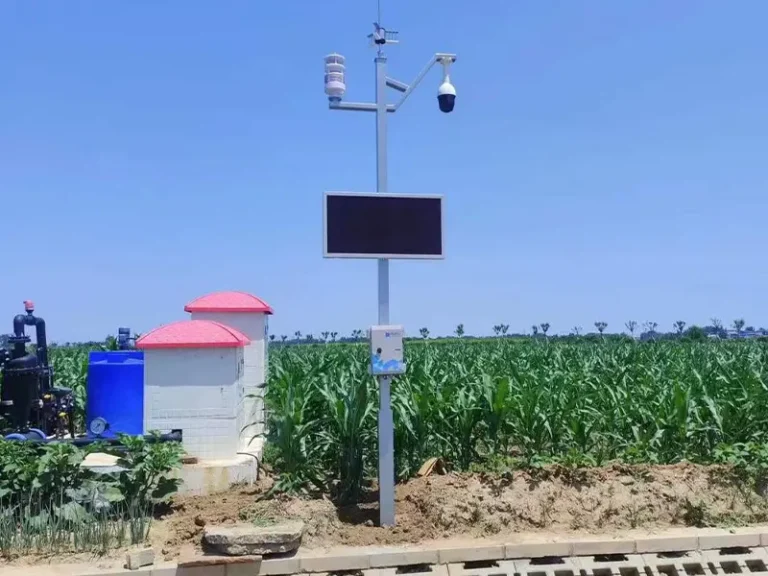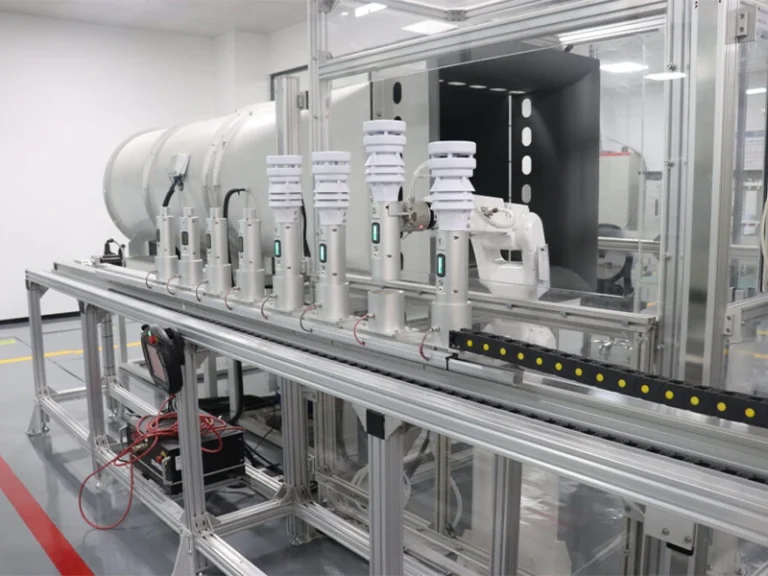
La presión atmosférica es una fuerza invisible pero omnipresente. Influye en los patrones del viento, da forma a las nubes e incluso determina las mareas oceánicas y el cambio climático. Desde suaves brisas hasta violentas tormentas, cada cambio en el tiempo tiene que ver con la presión atmosférica. Comprender su funcionamiento nos permite pronosticar el tiempo con mayor precisión y percibir los cambios sutiles de la naturaleza con mayor sensibilidad.
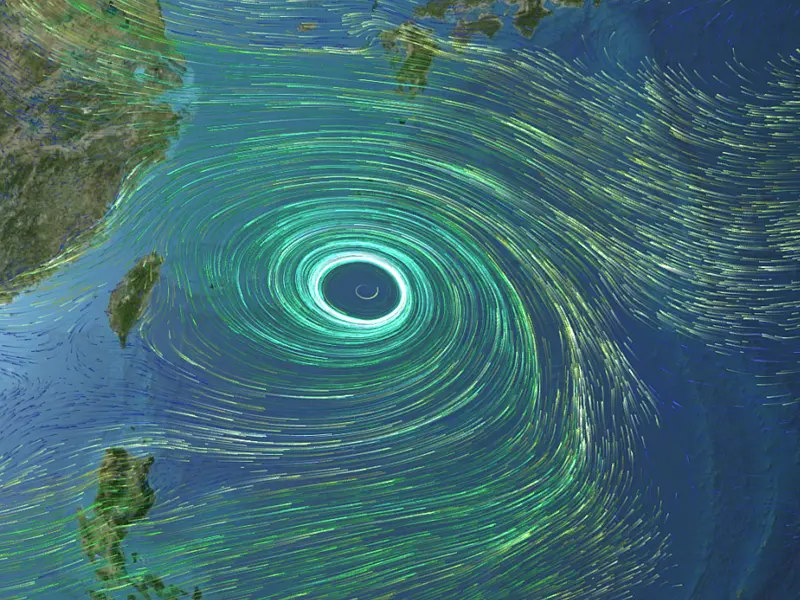
¿Qué es la presión atmosférica?
La presión atmosférica es la fuerza que ejerce la atmósfera terrestre sobre el suelo y los objetos que se encuentran sobre ella debido a su propio peso. Básicamente, se debe a que las moléculas de aire ejercen continuamente una fuerza hacia abajo por efecto de la gravedad y chocan contra las superficies. A medida que aumenta la altitud, el aire se vuelve menos denso y la presión atmosférica disminuye gradualmente. La presión atmosférica constituye un parámetro fundamental para los cambios meteorológicos, ya que influye directamente en la formación del viento, las nubes, las precipitaciones y los sistemas meteorológicos. Reviste una gran importancia en la vigilancia meteorológica, el sector aeroespacial, la observación medioambiental y las mediciones industriales.
¿Cómo se forma la presión atmosférica?
La presión atmosférica se debe a los efectos combinados de la fuerza gravitatoria de la Tierra y las propiedades físicas del aire. Se trata de una magnitud física fundamental que describe las condiciones atmosféricas y que se manifiesta principalmente en los siguientes aspectos:
- Fuerza gravitatoria del aire
La superficie de la Tierra está envuelta por una densa atmósfera. El aire tiene masa y ejerce una presión constante hacia abajo debido a la fuerza gravitatoria de la Tierra. Innumerables moléculas de aire chocan continuamente contra el suelo y la superficie de los objetos. La fuerza ejercida por unidad de superficie como resultado de estas colisiones constituye la presión atmosférica. - Relación entre la altitud y la presión
La presión atmosférica disminuye gradualmente a medida que aumenta la altitud. A menor altitud, la columna de aire situada por encima es más larga y contiene más moléculas de aire, lo que da lugar a una mayor presión. Por el contrario, en entornos de alta montaña o a gran altitud, el aire por encima se vuelve más enrarecido, lo que reduce su peso y, en consecuencia, disminuye la presión. Esta característica constituye una base fundamental para las observaciones meteorológicas, la aviación y la investigación medioambiental a gran altitud. - Influencia de la temperatura y la densidad del aire
Los cambios en la temperatura del aire afectan a la densidad del aire, lo que altera la presión atmosférica. A medida que la temperatura aumenta, el aire se expande debido al calentamiento, lo que reduce su densidad y, a menudo, disminuye la presión. Por el contrario, cuando la temperatura desciende, el aire se contrae, lo que aumenta su densidad y eleva relativamente la presión. Esta diferencia es uno de los principales factores que impulsan la formación de los vientos y los sistemas meteorológicos.
Precisamente porque la presión atmosférica se ve influida por múltiples factores —la gravedad, la altitud y la temperatura—, constituye un parámetro fundamental y crucial en la meteorología y control medioambiental. Se utiliza ampliamente en la predicción meteorológica, el análisis climático y diversos sistemas de vigilancia medioambiental.
Unidades y presión atmosférica estándar
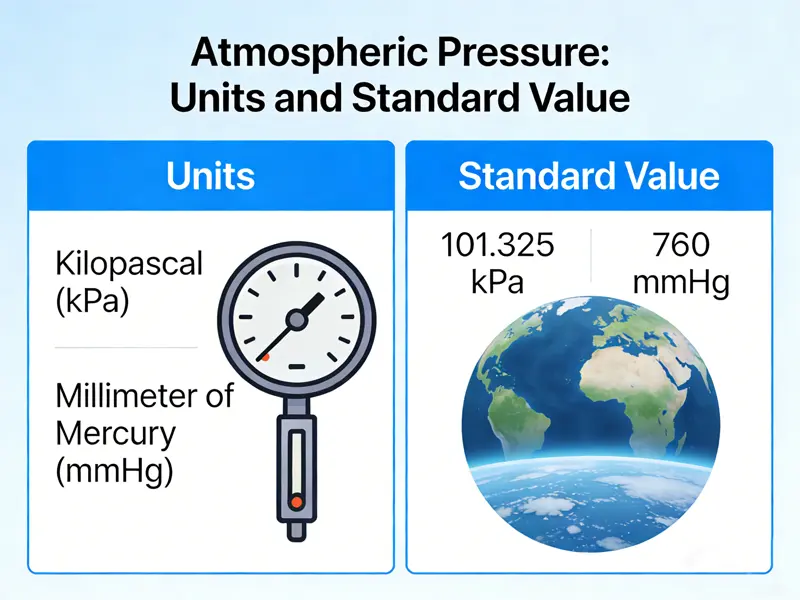
La presión atmosférica suele expresarse en diversas unidades de medida, cada una de ellas adecuada para diferentes aplicaciones y normas industriales. Dentro del sistema reconocido internacionalmente, las unidades más comunes son las siguientes:
- Pascal (Pa)
- Hectopascal (hPa)
- Milibar (mbar)
- Milímetros de mercurio (mmHg)
- Atmósfera (atm)
En condiciones normales a nivel del mar, La presión atmosférica estándar es de 1013,25 hPa (1 atm), que sirve de referencia en aplicaciones meteorológicas y de ingeniería.
La relación entre la presión atmosférica y los cambios meteorológicos
La presión atmosférica es uno de los elementos meteorológicos fundamentales que influyen en los cambios climáticos. El nivel de presión atmosférica y sus variaciones determinan directamente el patrón de movimiento del aire, lo que a su vez influye en la formación y la evolución de fenómenos meteorológicos como las nubes, el viento y las precipitaciones.
- Alta presión y tiempo despejado
En los sistemas de alta presión, el aire se desplaza principalmente hacia abajo. La corriente de aire descendente se calienta gradualmente a medida que se acerca al suelo, lo que dificulta la condensación del vapor de agua, lo que da lugar a una menor nubosidad y, en general, a un tiempo despejado y seco con vientos flojos. Por lo tanto, la alta presión suele asociarse con condiciones meteorológicas estables y favorables. - Baja presión y tiempo nublado o lluvioso
En las zonas de baja presión, el aire tiende a ascender. La corriente ascendente se enfría a gran altitud, lo que provoca que el vapor de agua se condense y forme nubes, lo que suele dar lugar a lluvia, nieve o fenómenos meteorológicos convectivos intensos. Los fenómenos meteorológicos extremos, como las lluvias torrenciales, las tormentas eléctricas y los tifones, suelen estar estrechamente relacionados con la actividad de las bajas presiones. - Cambios en la presión y formación del viento
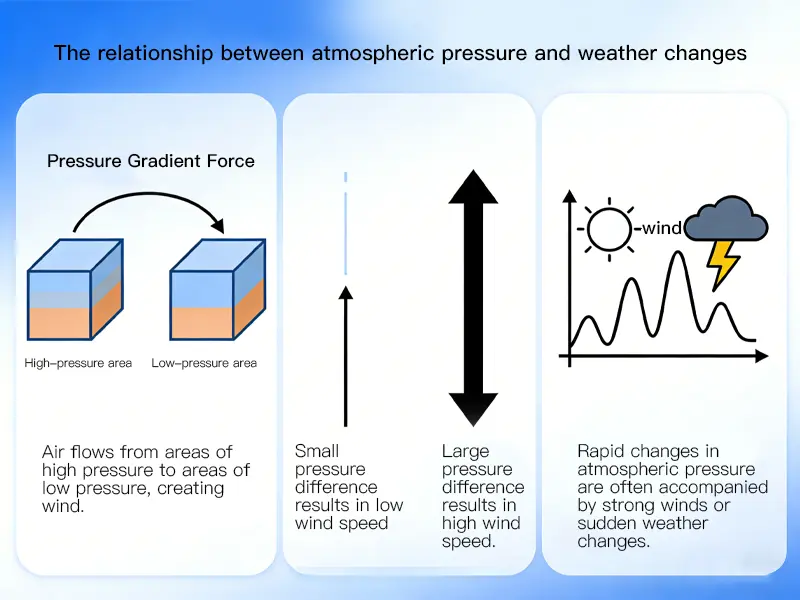
El aire fluye siempre de las zonas de alta presión hacia las de baja presión. Esta diferencia de presión horizontal se denomina fuerza del gradiente de presión, y es la causa fundamental de la formación del viento. Cuanto mayor es la diferencia de presión, más intenso es el flujo de aire y mayor la velocidad del viento. Los cambios bruscos en la presión atmosférica suelen ir acompañados de vientos fuertes o cambios meteorológicos repentinos. - Tendencias de la presión atmosférica y predicción meteorológica
La tendencia al alza o a la baja de la presión atmosférica es más indicativa de los cambios meteorológicos que su valor absoluto.
Una disminución continua de la presión atmosférica suele indicar un empeoramiento del tiempo, con una mayor probabilidad de lluvia o vientos fuertes.
Un aumento gradual de la presión atmosférica suele indicar que el tiempo se está estabilizando o mejorando.
Por lo tanto, el seguimiento continuo de los cambios en la presión atmosférica constituye una base importante para la predicción meteorológica y la alerta de desastres.
Principales ámbitos de aplicación de la presión atmosférica
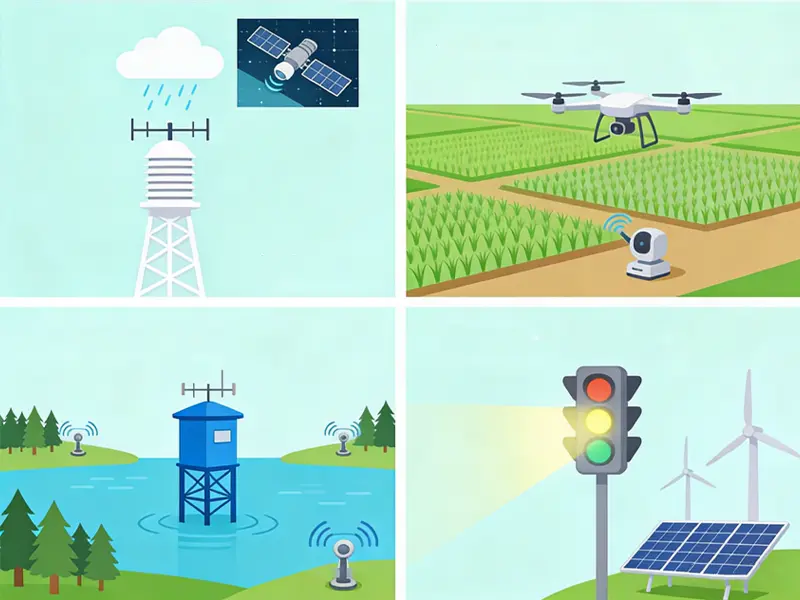
1. Vigilancia meteorológica
Se utiliza en la predicción meteorológica, en estaciones meteorológicas automáticas y en sistemas de alerta de fenómenos meteorológicos extremos.
2. Agricultura y agricultura inteligente
Sirve para evaluar las condiciones del cultivo, controlar el clima en los invernaderos y aplicar la agricultura de precisión.
3. Vigilancia medioambiental y ecológica
Se utiliza en la recopilación de datos a largo plazo, la investigación climática y el análisis de ecosistemas.
4. Transporte y energía
Se utiliza para la vigilancia meteorológica de las carreteras y la evaluación medioambiental de los sistemas de energía eólica y solar.
¿Cómo se mide la presión atmosférica?
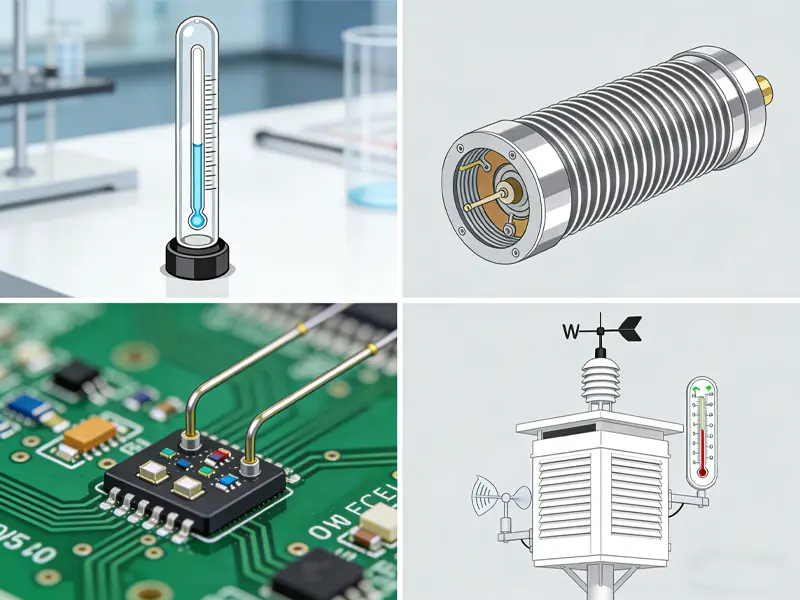
Entre los métodos tradicionales se encuentran los barómetros de mercurio y los barómetros aneroides. Hoy en día, sensor digital de presión atmosféricas Se utilizan ampliamente debido a su gran precisión, su rápida respuesta y su facilidad de integración. Permiten la monitorización automatizada y a distancia, lo que los convierte en la opción ideal para las estaciones meteorológicas modernas y los sistemas de monitorización medioambiental.
- Barómetro de mercurio (método de medición tradicional)
El barómetro de mercurio es el primer instrumento que se utilizó para medir la presión atmosférica. Su funcionamiento se basa en la estática de los fluidos. La presión atmosférica actúa sobre la superficie del depósito de mercurio, lo que hace que la columna de mercurio del tubo de vidrio alcance una determinada altura. La altura de la columna de mercurio es directamente proporcional a la presión atmosférica. Aunque es muy preciso, resulta voluminoso y requiere un mantenimiento complejo, por lo que actualmente se utiliza muy poco en los sistemas modernos de monitorización automatizada. - Barómetro aneroide (tipo mecánico)
El barómetro de diafragma aprovecha la deformación de una cámara metálica sellada provocada por los cambios en la presión atmosférica, que se amplifica y se indica mediante un mecanismo mecánico. Este tipo de instrumento no requiere líquido y presenta una estructura relativamente estable, por lo que se utiliza habitualmente en observaciones meteorológicas tradicionales y en dispositivos portátiles. Sin embargo, no es adecuado para la adquisición de datos a alta frecuencia o a distancia. - Sensor de presión electrónico (método de flujo principal)
Los sistemas modernos de monitorización meteorológica utilizan ampliamente sensores de presión electrónicos, cuyo núcleo suele ser un elemento sensor piezorresistivo o capacitivo de silicio. Cuando cambia la presión atmosférica externa, la microestructura interna del sensor se deforma, lo que provoca un cambio en la resistencia o la capacitancia, que a continuación se convierte en una señal eléctrica de salida estándar.
Este método presenta las ventajas de una gran precisión, una respuesta rápida, un tamaño reducido y una fácil integración, lo que lo hace idóneo para estaciones meteorológicas automáticas, sistemas de monitorización medioambiental y aplicaciones del Internet de las cosas. - Medición de la presión en estaciones meteorológicas automáticas
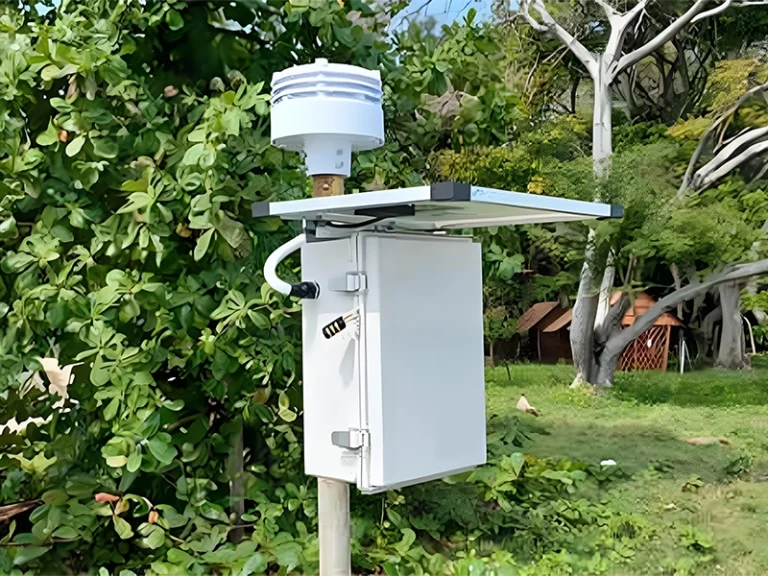
En las estaciones meteorológicas automáticas, la presión atmosférica suele registrarse de forma continua mediante sensores de presión digitales de alta precisión, y la compensación de temperatura y la calibración se realizan mediante algoritmos para garantizar la estabilidad a largo plazo y la coherencia de los datos. Los datos medidos pueden utilizarse para el análisis meteorológico, la predicción de tendencias y el control de la interconexión de sistemas.
¿Cómo elegir el sensor de presión atmosférica adecuado?
A la hora de seleccionar un sensor de presión atmosférica, es necesario realizar una evaluación exhaustiva basada en múltiples factores, entre los que se incluyen el entorno de medición, los requisitos de precisión, los métodos de comunicación y las condiciones de instalación. Los siguientes factores clave pueden ayudarle a tomar una decisión más fundamentada:
- Rango de medición y precisión
- Compensación de temperatura
- Estabilidad a largo plazo
- Interfaces de salida (RS485, Modbus, SDI-12)
- Protección del medio ambiente y resistencia al aire libre
- Compatibilidad con sistemas de estaciones meteorológicas
La elección del sensor de presión atmosférica adecuado no depende de un único parámetro, sino que requiere sopesar de forma global factores como los requisitos de precisión, los escenarios de aplicación, los protocolos de comunicación, las condiciones ambientales y el presupuesto. Una vez aclaradas sus necesidades, puede comparar las distintas opciones consultando las especificaciones de los productos y los casos prácticos de aplicación. Este enfoque garantiza datos estables, una integración fluida y un funcionamiento fiable.
Conclusión
Como parámetro fundamental en la vigilancia meteorológica y medioambiental, la presión atmosférica desempeña un papel esencial en diversos sectores. La elección de sensores de presión precisos y fiables mejora la calidad de los datos y facilita la toma de decisiones fundamentadas. Las soluciones de monitorización personalizadas son esenciales para satisfacer las necesidades de las diferentes aplicaciones.