

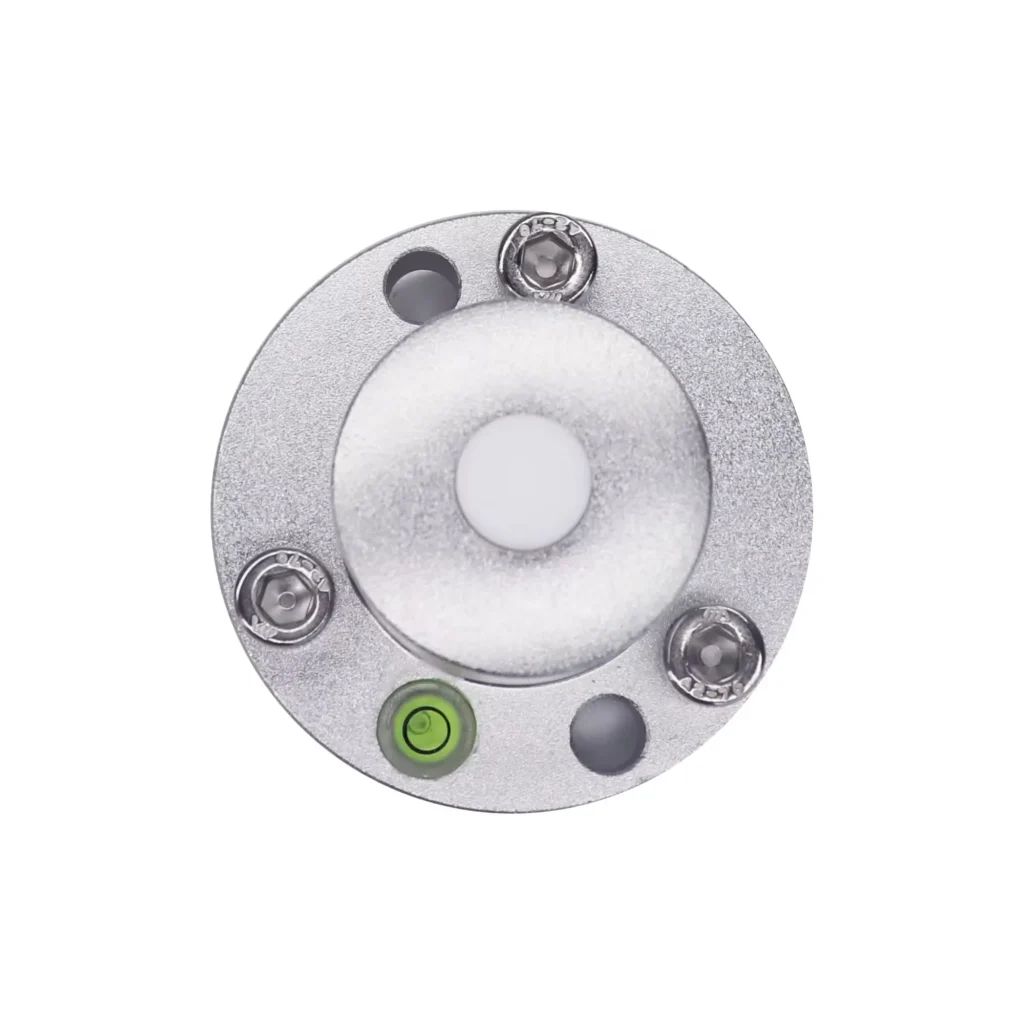
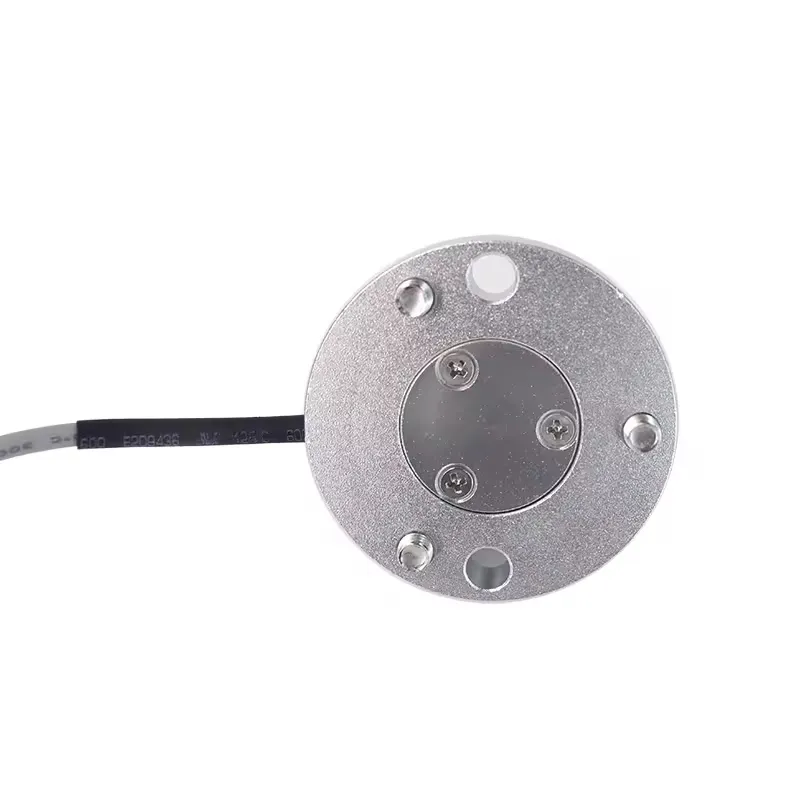
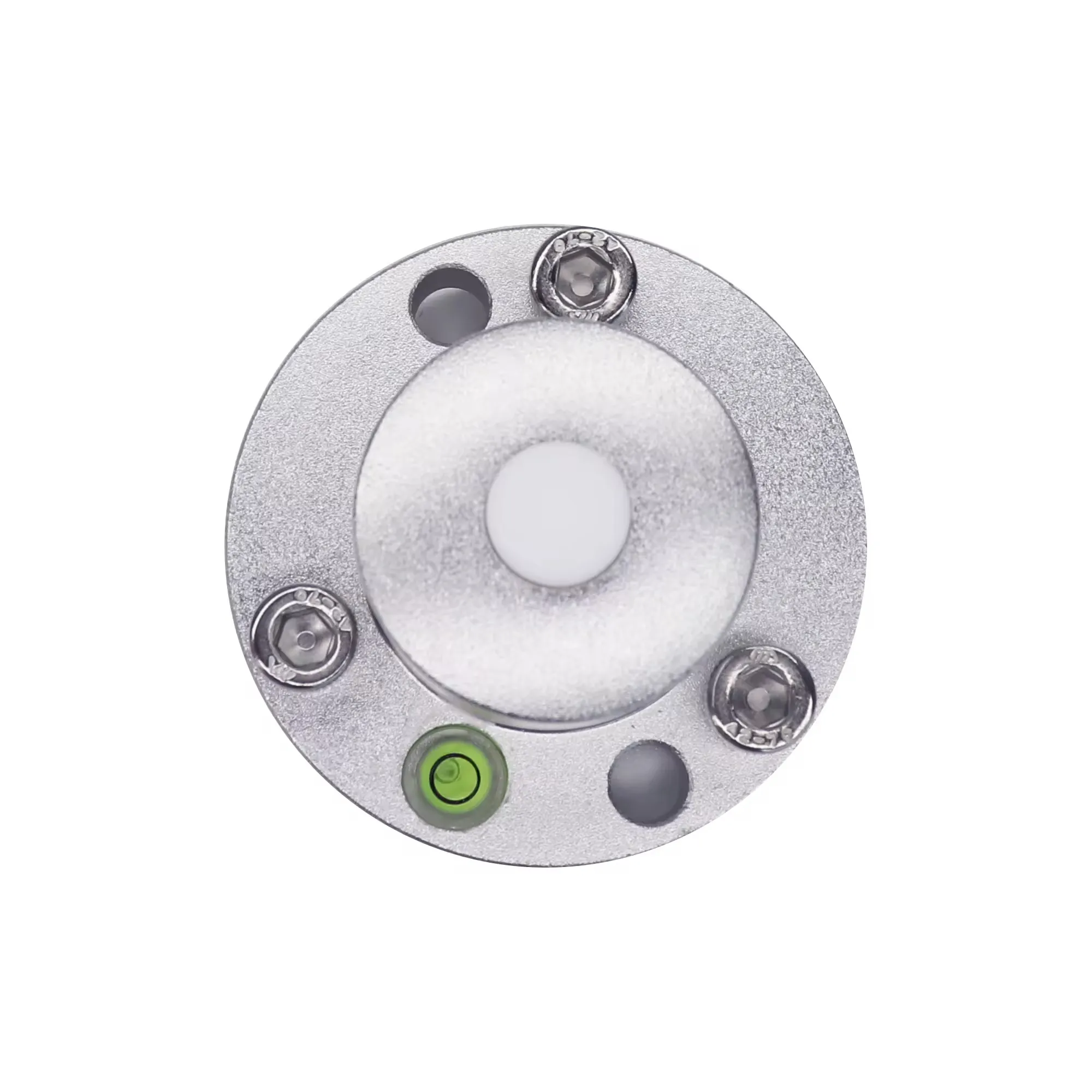
RY-ZW Capteur de rayonnement UV pour système de panneaux solaires
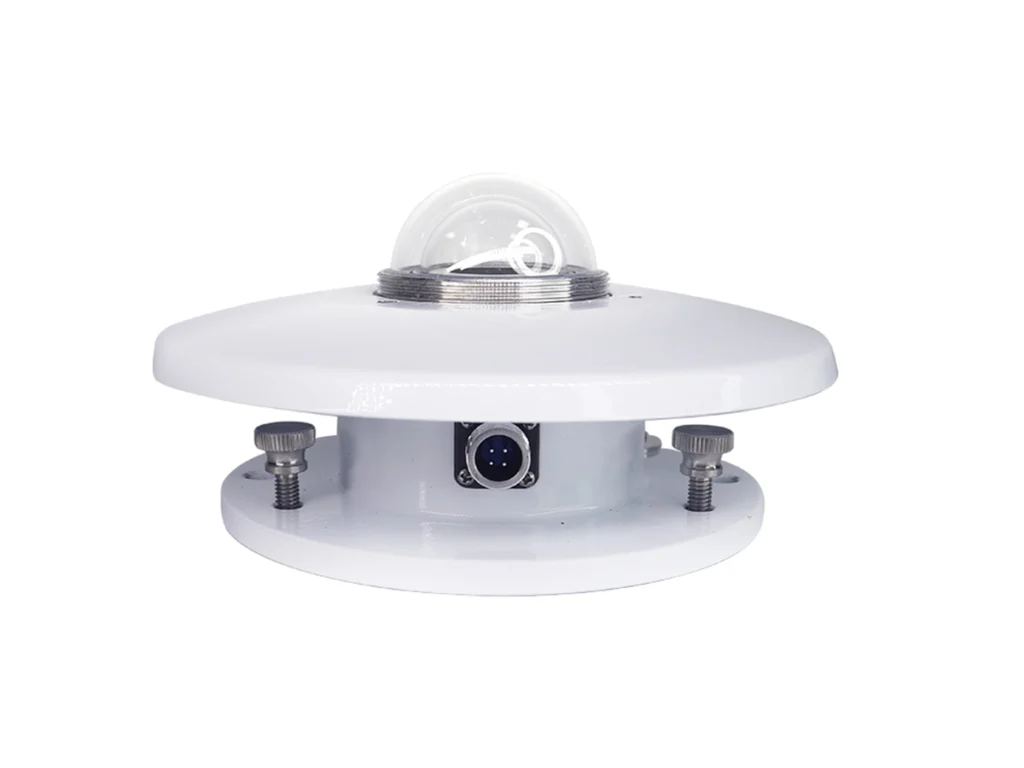
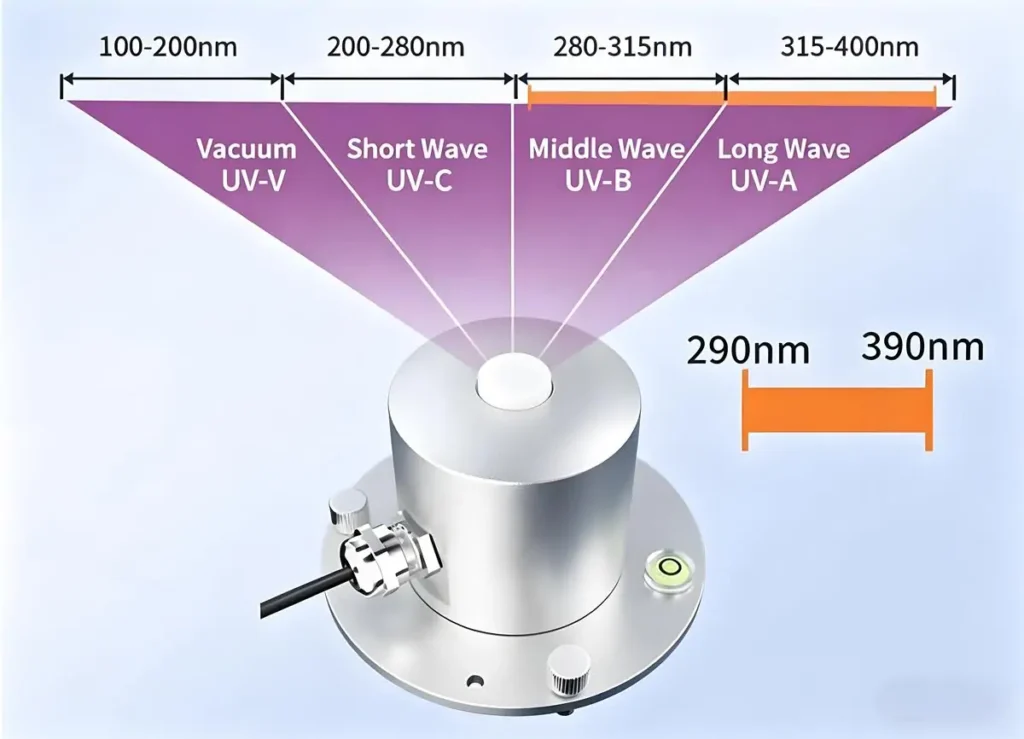
Le capteur de rayonnement lumineux UV RY-ZW est un dispositif utilisé pour mesurer l'intensité du rayonnement électromagnétique solaire ou environnemental. Il convertit l'énergie rayonnante en un signal électrique en utilisant des principes thermoélectriques ou photoélectriques et est capable de mesurer l'intensité du rayonnement ultraviolet dans la gamme de longueurs d'onde de 280 à 400 nanomètres. Caractérisé par une haute précision, une réponse rapide et une excellente stabilité, il est largement utilisé dans la surveillance météorologique, la production d'énergie photovoltaïque, ainsi que la recherche agricole, environnementale et écologique.
|
Paramètres |
Spécifications |
|---|---|
|
Gamme spectrale |
UV AB 280~400nm |
|
Réponse en cosinus |
≤4% (lorsque l'angle d'altitude du soleil est de 30°) |
|
Température de fonctionnement |
-50℃~+50℃ |
|
Plage de mesure |
0~70 w/m -² |
US$40.22–48.26/ Unit
Introduction
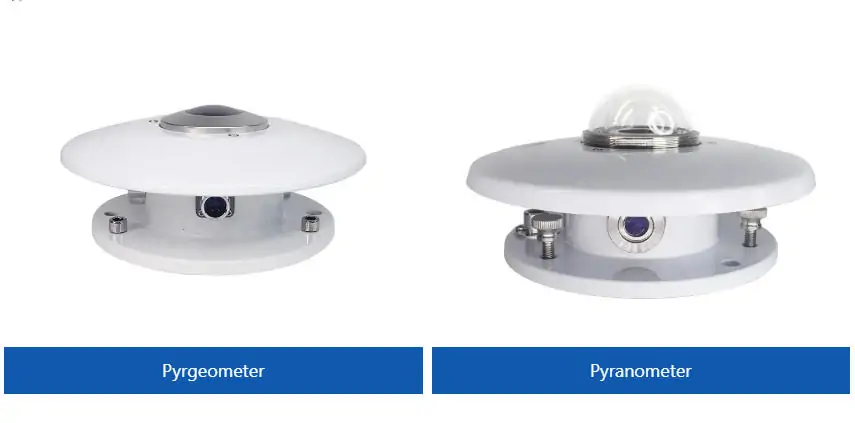
Un capteur de rayonnement, également connu sous le nom de capteur de rayonnement solaire ou pyranomètre, est un dispositif spécialisé de surveillance environnementale utilisé pour mesurer l'intensité du rayonnement solaire à ondes courtes. Son cœur fonctionne sur le principe d'une thermopile ou d'un photodétecteur pour convertir l'énergie du rayonnement solaire en un signal électrique, produisant des données de rayonnement standardisées pour une utilisation dans l'analyse des systèmes météorologiques et photovoltaïques. La plage de mesure typique est de 0 à 2000 W/m².
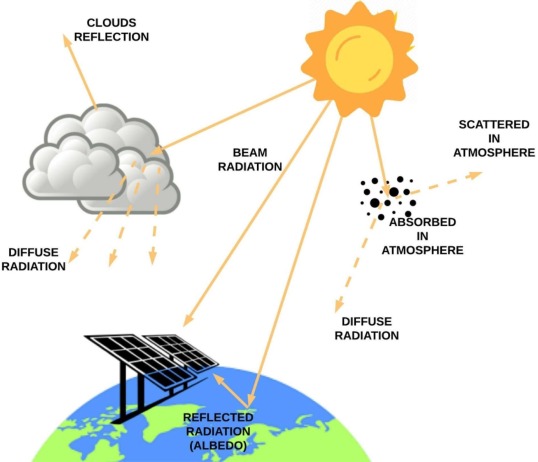
Les capteurs de rayonnement sont largement utilisés dans les centrales solaires et la surveillance météorologique, fournissant des informations en temps réel sur les variations du rayonnement solaire et des données essentielles pour évaluer l’efficacité de la production d’énergie et mener des recherches environnementales. Doté d’une conception hautement stable, l’appareil maintient une précision de mesure de ±2% même en extérieur, ce qui le rend adapté aux applications de surveillance continue à long terme.Si vous souhaitez en savoir plus sur “Que sont le GHI, le DNI et le DHI dans l'énergie solaire ?”, veuillez cliquer sur l'article.
Principe de fonctionnement du capteur de rayonnement
Les capteurs de rayonnement mesurent l'intensité du rayonnement avec une haute précision en convertissant le rayonnement électromagnétique du soleil ou de l'environnement en signaux électriques. Le processus central est basé sur l'effet thermoélectrique ou photoélectrique ; après traitement du signal, les capteurs produisent des données standardisées et sont largement utilisés dans des domaines tels que la surveillance météorologique, la production d'énergie photovoltaïque et l'analyse environnementale agricole. Voici les principes de fonctionnement du capteur de rayonnement:
- Réception de l'énergie rayonnante
L'élément sensible reçoit le rayonnement électromagnétique du soleil ou de l'environnement, ce qui est la première étape du processus de mesure. - Absorption et conversion de l'énergie
L'énergie rayonnante est convertie en énergie thermique ou en un signal de charge électrique, réalisant la conversion fondamentale de l'énergie physique en un signal électrique. - Effet thermoélectrique / Effet photoélectrique
Une tension est générée par une thermopile, ou un courant est généré par une photodiode, représentant les mécanismes centraux de différents types de capteurs. - Génération du signal électrique
Les faibles changements physiques sont convertis en signaux bruts détectables de tension ou de courant. - Traitement et étalonnage du signal
Les signaux sont amplifiés, filtrés et compensés en température, et un étalonnage standardisé est effectué pour améliorer la précision. - Sortie de données standardisées
Les données d'intensité du rayonnement (telles que W/m², indice UV ou PAR) sont finalement produites pour la surveillance et l'analyse du système.
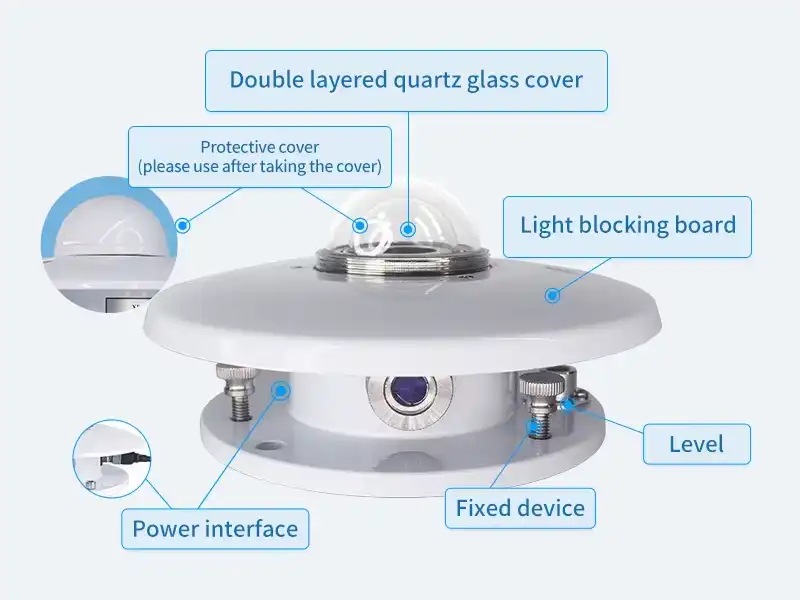
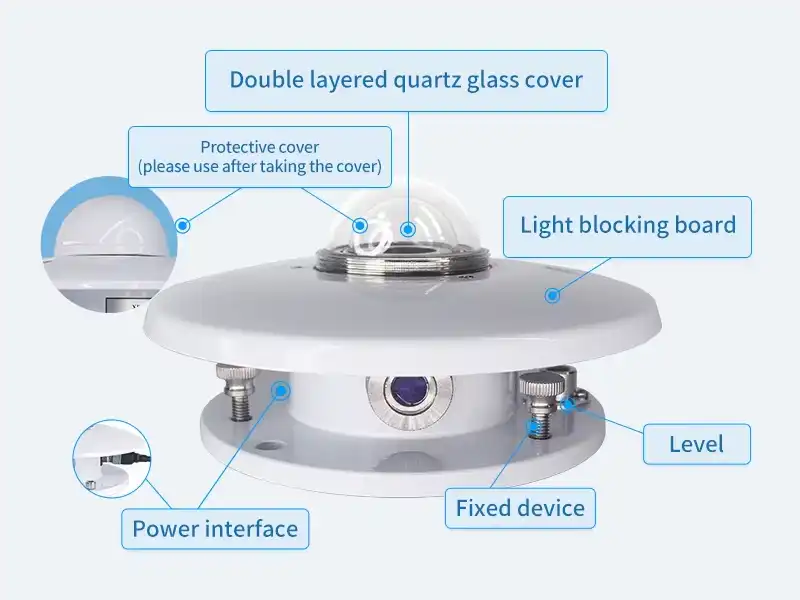
Détails Afficher
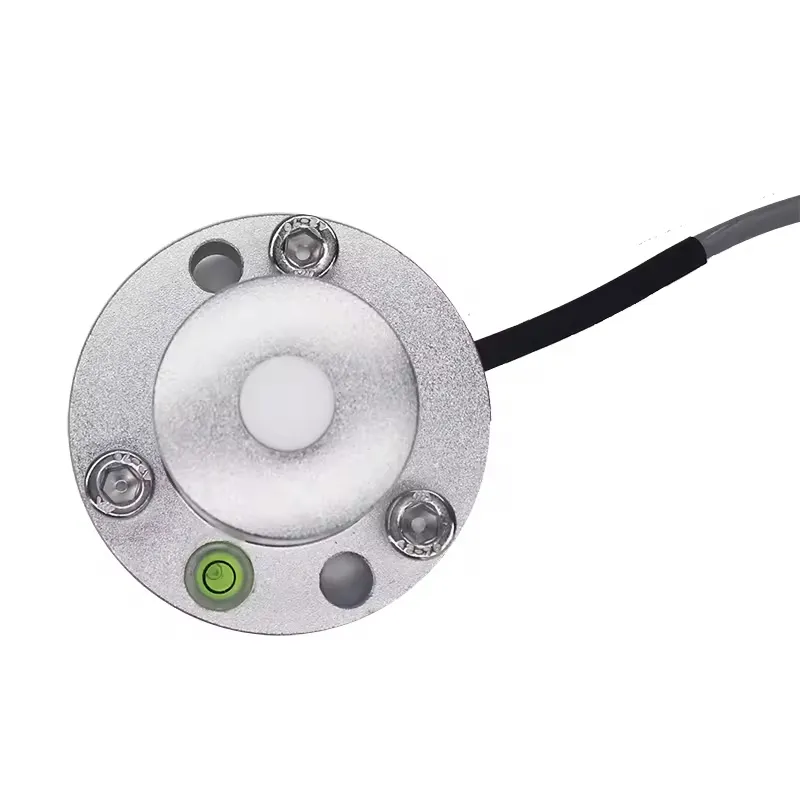
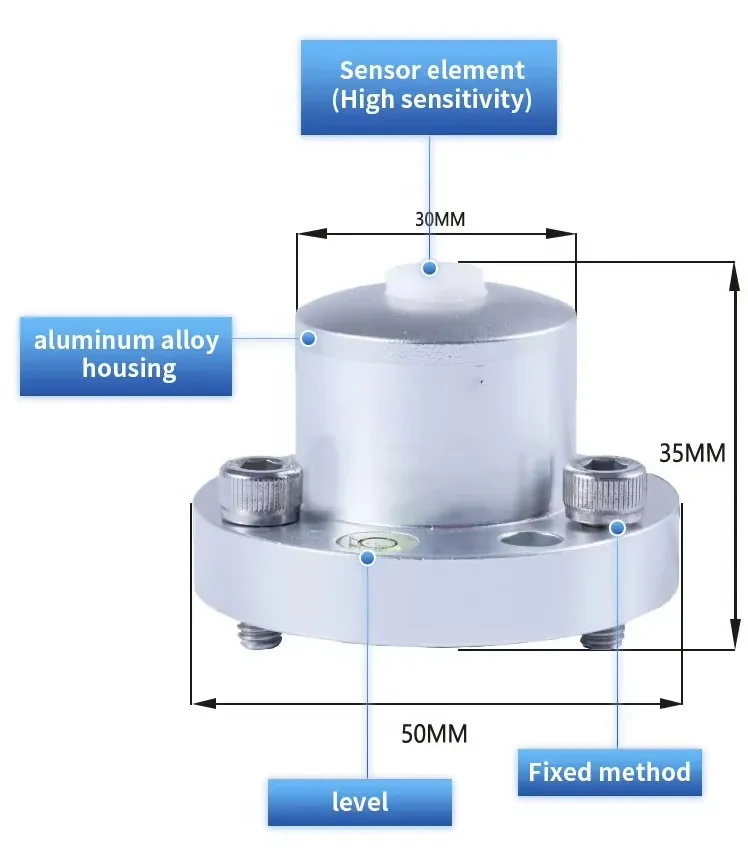
Spécifications
| Objet | Détails des spécifications |
|---|---|
| Gamme spectrale | UV AB 280~400nm |
| Réponse en cosinus | ≤4% (lorsque l'angle d'altitude du soleil est de 30°) |
| Température de fonctionnement | -50℃~50℃ |
| Plage de mesure | 0~70 w/m -² |
| Temps de réponse | ≤1s (réponse à 99%) |
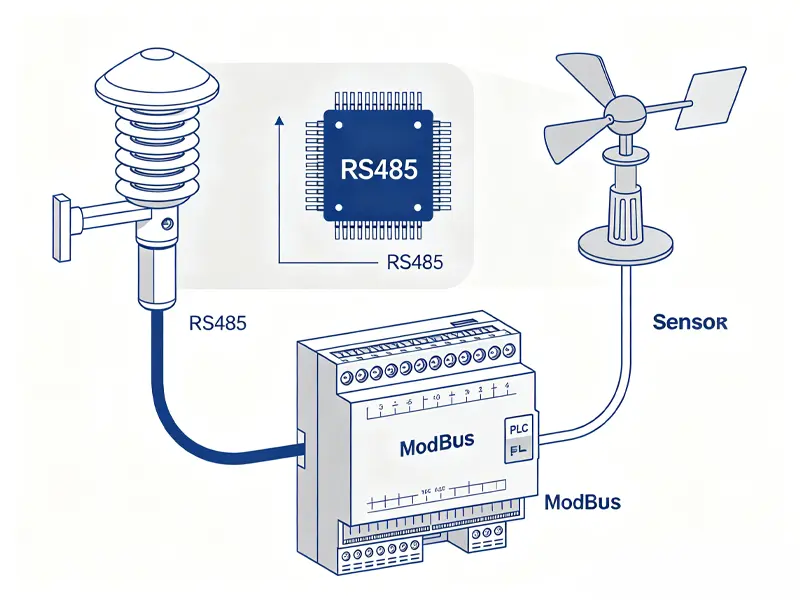
| Signal de sortie | RS485 |
| Longueur de câble standard | 3 mètres |
| Définition du câblage – RY-CEBN/S (sortie de courant 4-20mA) | Rouge : Positif (+)Noir : Négatif (-)Jaune : Sortie analogique de mesure |
| Définition du câblage – RY-CEBN/485 (sortie RS485) | Rouge : Positif (+)Noir : Négatif (-)Jaune : Ligne ABlue : Ligne B |
| Niveau de protection | IP65 |
| Poids | Environ 220g |
Capteur de rayonnement Fabricant et fournisseur
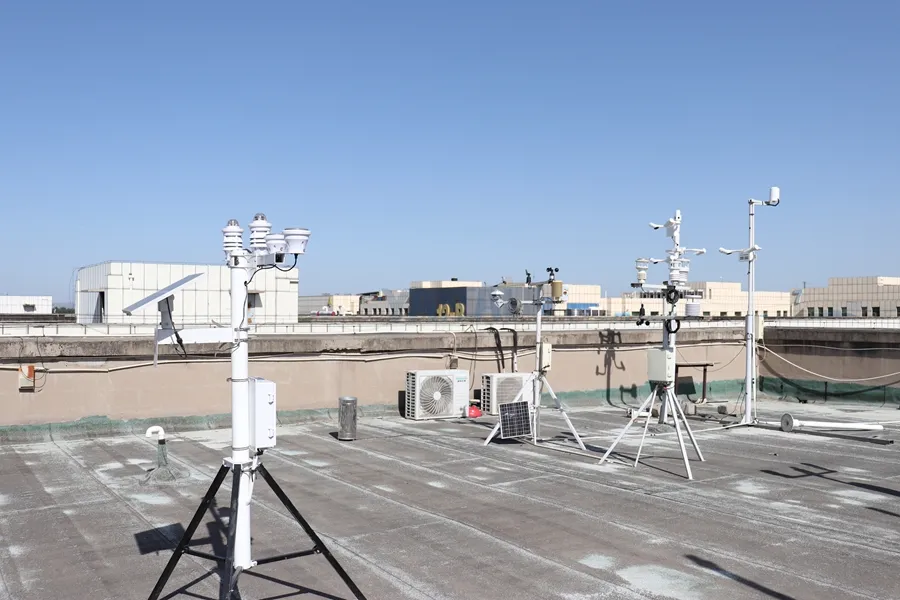
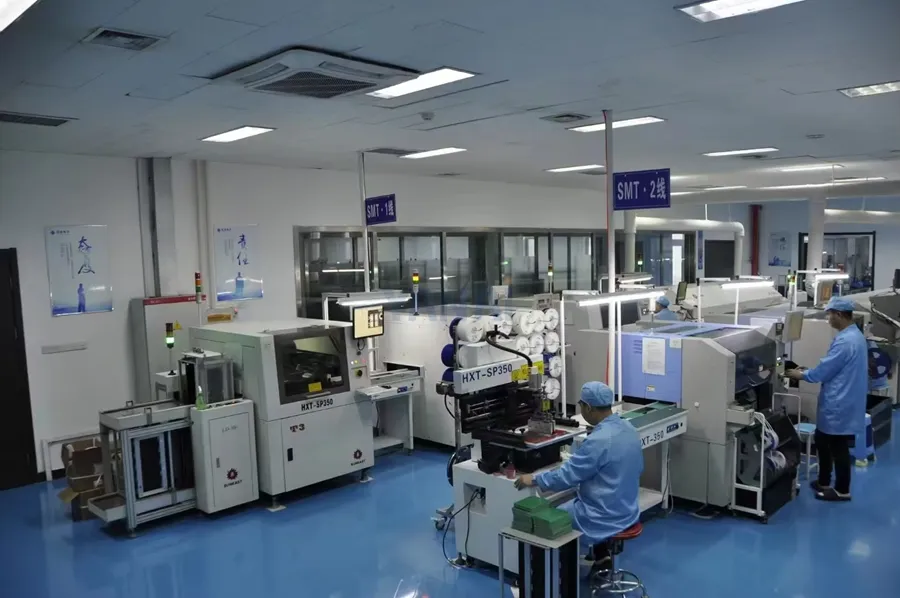
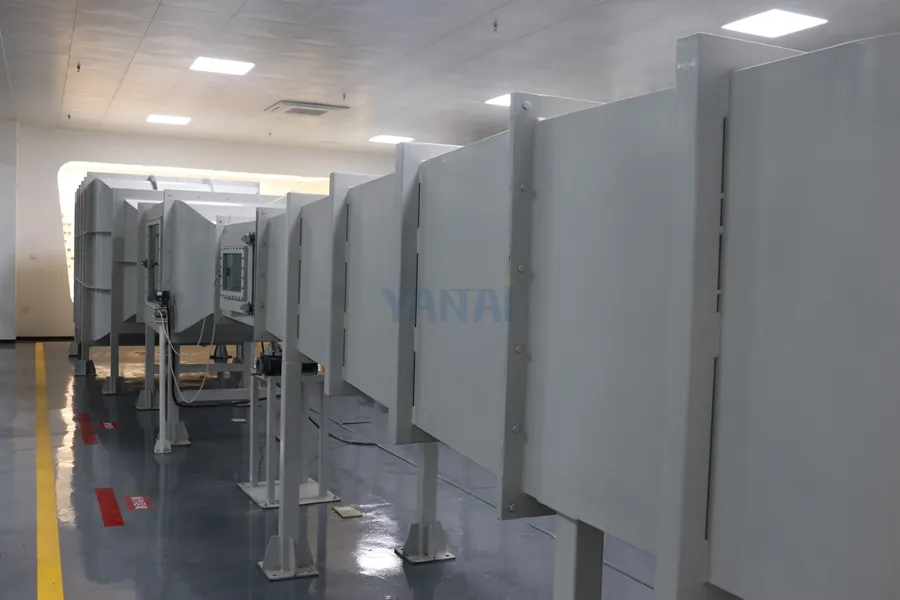
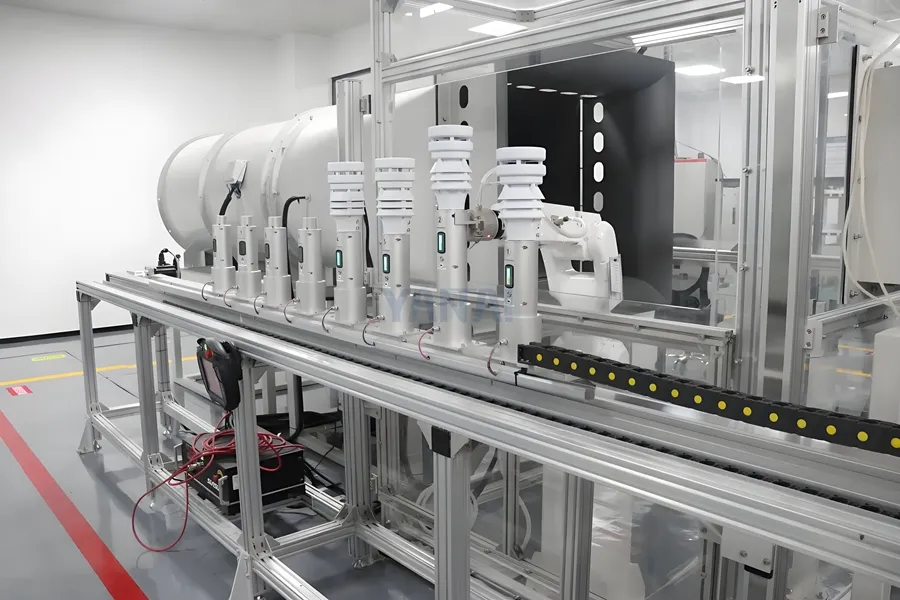
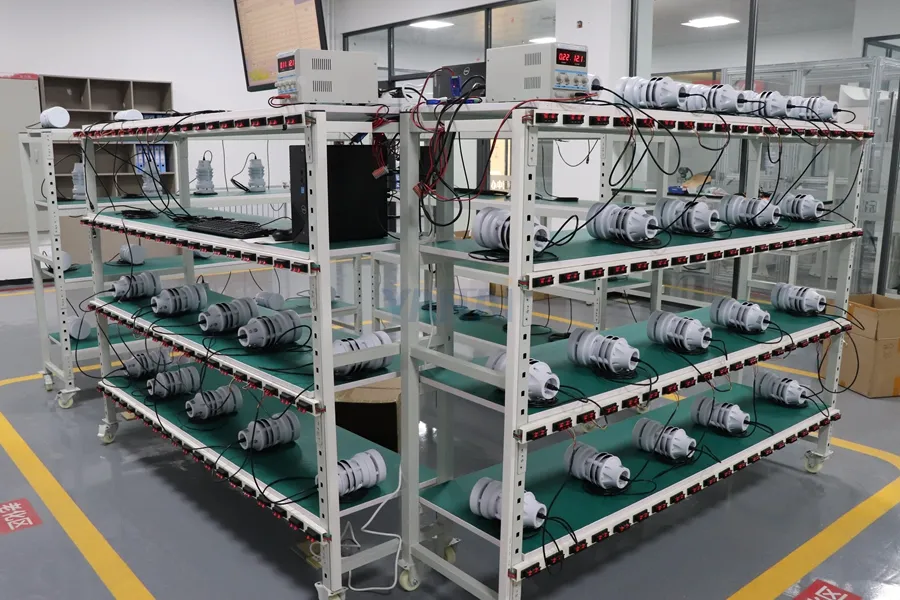
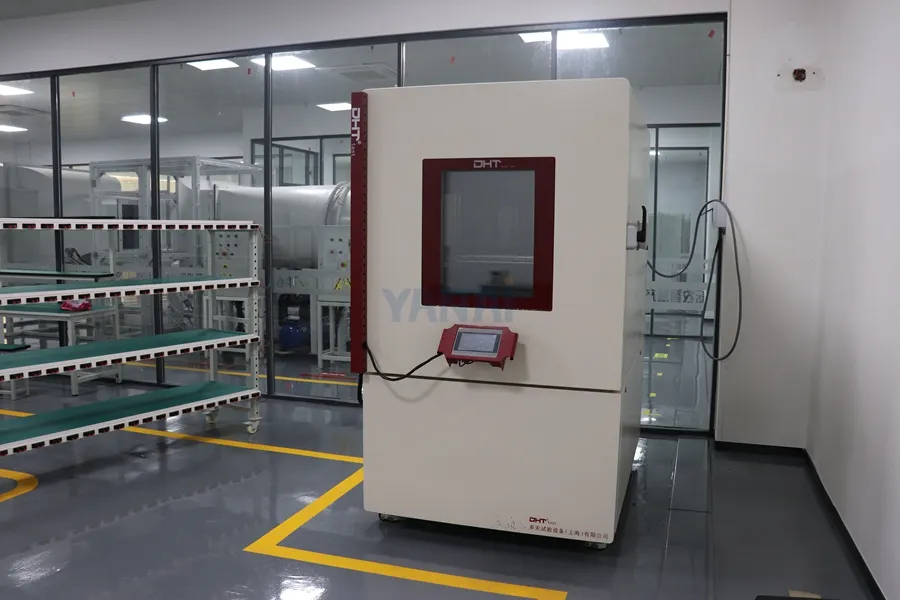
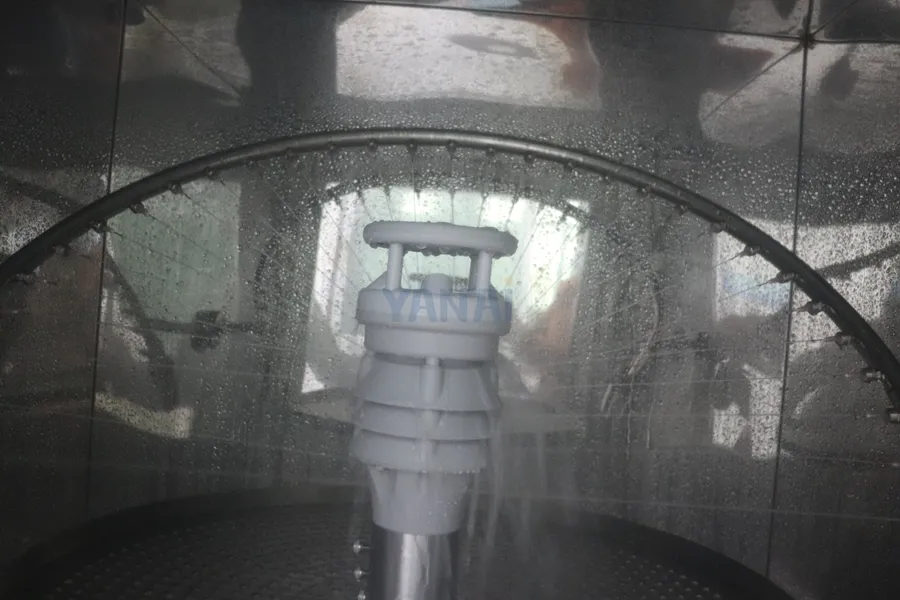
Le capteur de rayonnement UV RY-ZW est un produit essentiel exceptionnel pour les industries nécessitant la mesure du rayonnement UV. Son haut niveau de précision, sa facilité d'utilisation et sa durabilité en font un investissement excellent pour toute entreprise nécessitant la mesure du rayonnement UV. Grâce à son interface RS485, les utilisateurs peuvent surveiller les niveaux de rayonnement en temps réel, leur permettant d'agir rapidement si nécessaire. Investissez dès aujourd'hui dans le compteur d'intensité UV RY-ZW et faites le premier pas vers des opérations plus sûres et plus efficaces. Si vous souhaitez en savoir plus sur les meilleurs capteurs de rayonnement solaire pour les systèmes de surveillance photovoltaïque, cliquez sur l'article.





Produits apparentés
Articles connexes
Contactez nous
Vous recherchez des solutions personnalisées en matière de capteurs intelligents ? Notre équipe est spécialisée dans la fourniture de solutions évolutives, flexibles et personnalisées pour répondre à vos besoins spécifiques.
Remplissez le formulaire maintenant pour obtenir une solution personnalisée. Nos experts vous fourniront des conseils professionnels et veilleront au bon déroulement de votre projet. Contactez-nous dès aujourd'hui pour commencer à améliorer votre efficacité !