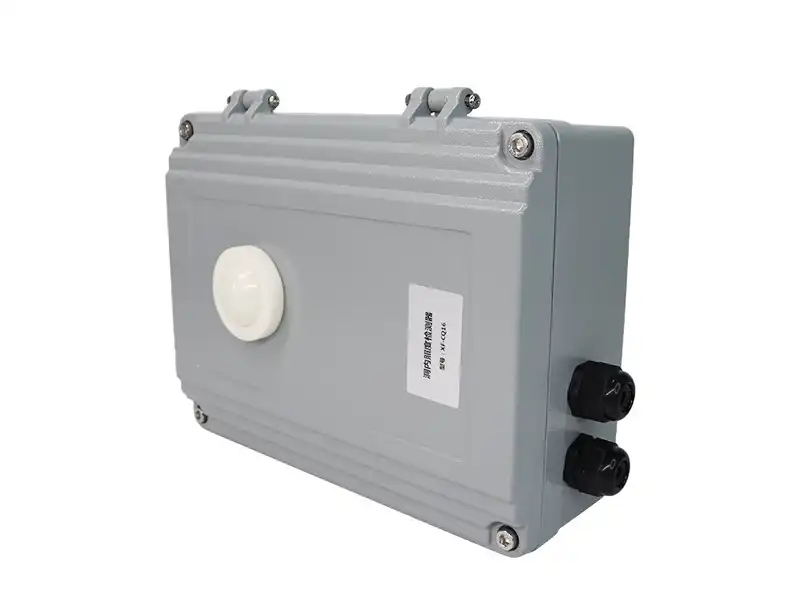
capteur de température de couleur pour tunnel
Le capteur de température de couleur pour tunnels est un dispositif de détection intelligent conçu pour mesurer la température de couleur (en kelvins) des sources lumineuses à l’intérieur des tunnels. Il est principalement utilisé dans les systèmes de contrôle de l’éclairage des tunnels afin de garantir le confort visuel et la sécurité aux entrées, aux sorties et dans l’ensemble de l’intérieur du tunnel. Il se caractérise par une mesure de haute précision, des temps de réponse rapides, une forte résistance aux interférences, une adaptabilité aux variations de luminosité (qu’elle soit forte ou faible) et une capacité à fonctionner de manière stable sur le long terme. Il est largement utilisé dans les tunnels routiers, les tunnels ferroviaires, les passages souterrains urbains et les systèmes d'éclairage routier intelligents afin de permettre une gradation à la demande, une gestion économe en énergie et une sécurité routière renforcée.
- Plage : 1 500 à 25 000 K
- Température ambiante : -40 à 65 ℃
- Sortie : 220 V ± 151 TP3 TVAC, 50 Hz
- Indice de protection : IP66
- Poids total : 2,5 kg
Prix : $258.7-$310.44
Introduction
Le capteur de température de couleur pour tunnel est un appareil spécialement conçu pour mesurer la température de couleur (exprimée en kelvins, K) des sources d'éclairage de tunnel. Il surveille en temps réel les variations de température de couleur à l'entrée du tunnel, dans les zones de transition et à l'intérieur du tunnel, et transmet ces données au système de contrôle de l'éclairage. Cela permet un réglage automatique de l'éclairage, garantissant l'adaptation visuelle des conducteurs et la sécurité de conduite, tout en répondant aux exigences d'économie d'énergie et de gestion intelligente. Si vous souhaitez en savoir plus sur ’Qu'est-ce qu'un capteur de trafic ? Types, applications et principes de fonctionnement, ” veuillez cliquer ici.
Capteur de température de couleur à structure
- Filtre optique : Il sépare la lumière incidente en bandes de longueurs d'onde spécifiques (généralement un filtrage RVB ou multicanal) afin de reproduire la réponse de l'œil humain aux différentes couleurs, améliorant ainsi la précision et la stabilité des calculs de température de couleur.
- Photodiode / Élément capteur : Le composant photosensible principal qui transforme les signaux lumineux reçus en signaux électriques.
- Circuit de traitement du signal : Amplifie, filtre et réduit le bruit présent dans les signaux électriques faibles.
- Convertisseur A/N (convertisseur analogique-numérique) : Convertit les signaux électriques analogiques en signaux numériques en vue de leur traitement et de leur transmission ultérieurs.
- Microcontrôleur Unité (MCU) : Effectue des calculs sur des données multicanaux, les convertit en valeurs de température de couleur (CCT) à l'aide d'algorithmes, et procède à l'étalonnage et à la compensation des données.
- Module de compensation de température : Calcule la valeur de la température de couleur et affiche les données.
- Boîtier de protection : Un boîtier étanche à l'eau et à la poussière, conçu pour une utilisation en extérieur ou dans des tunnels.
- Interface de sortie : Tels que RS485 ou MODBUS, utilisés pour la transmission de données.
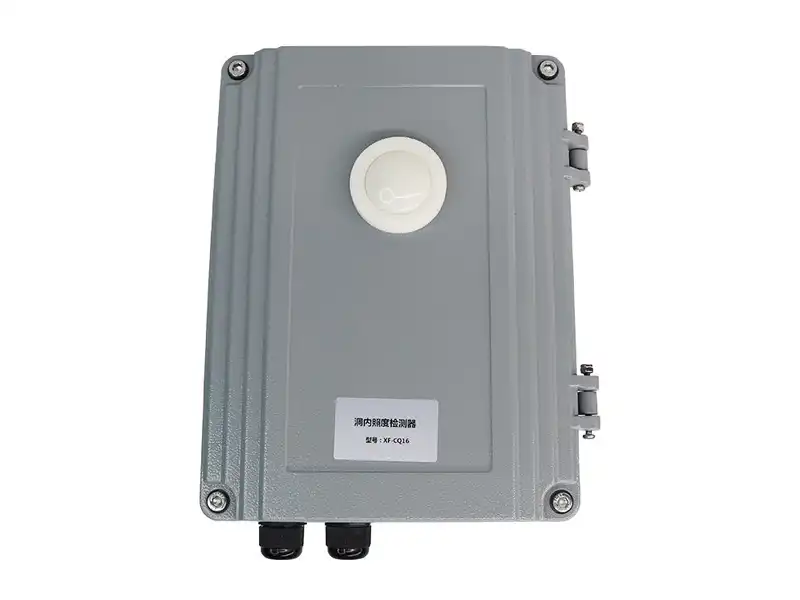
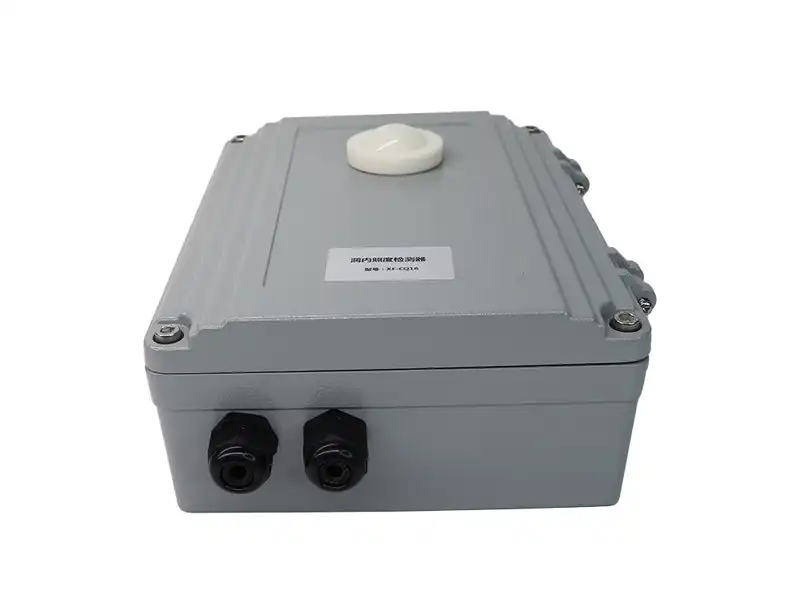
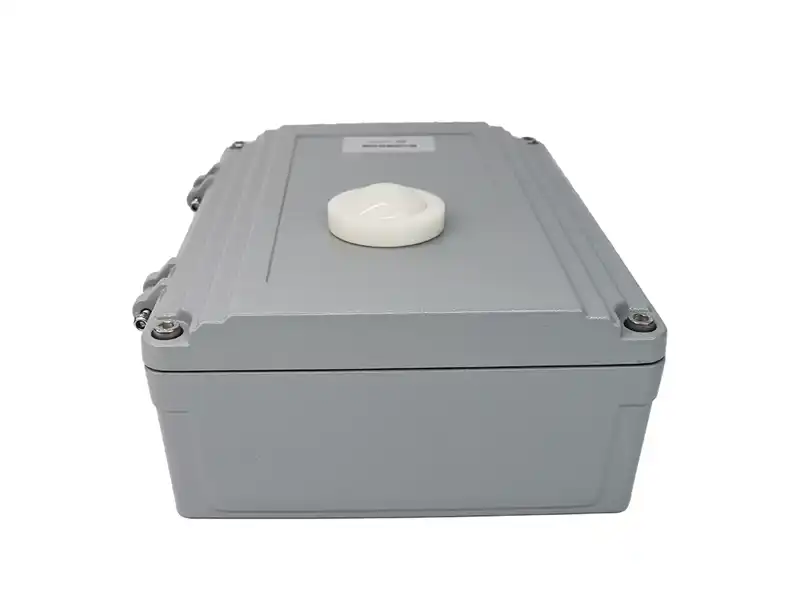
Détails Afficher
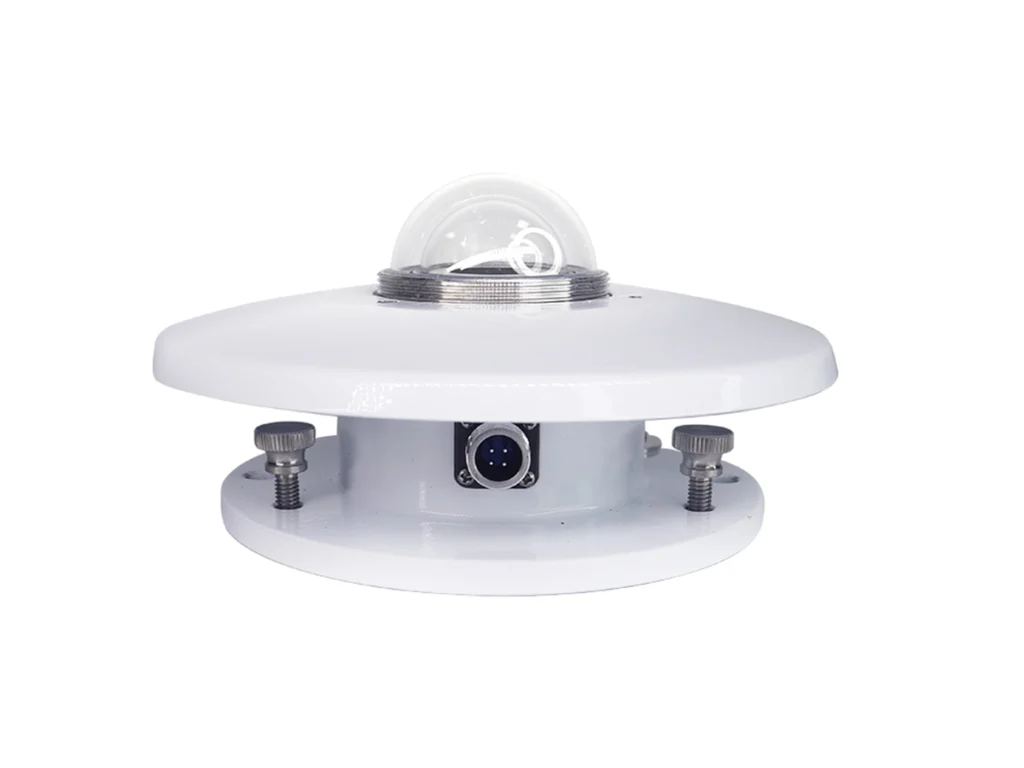
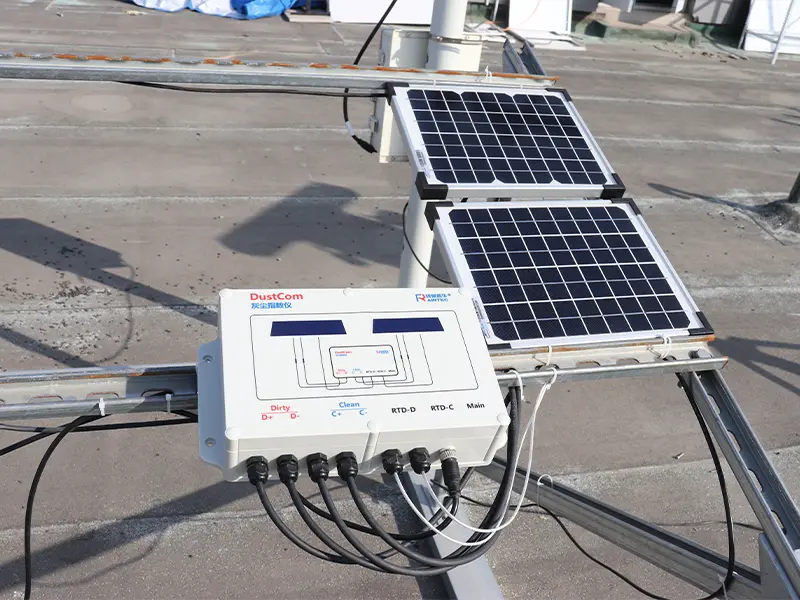
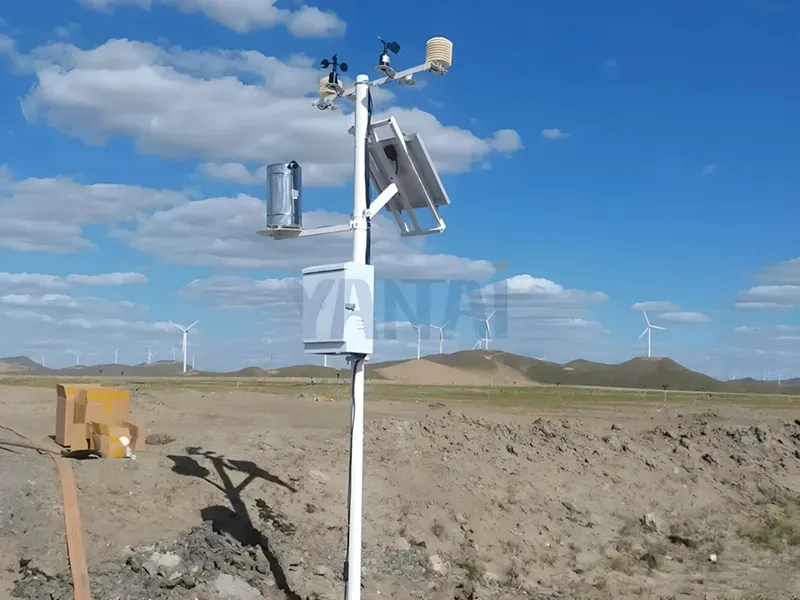
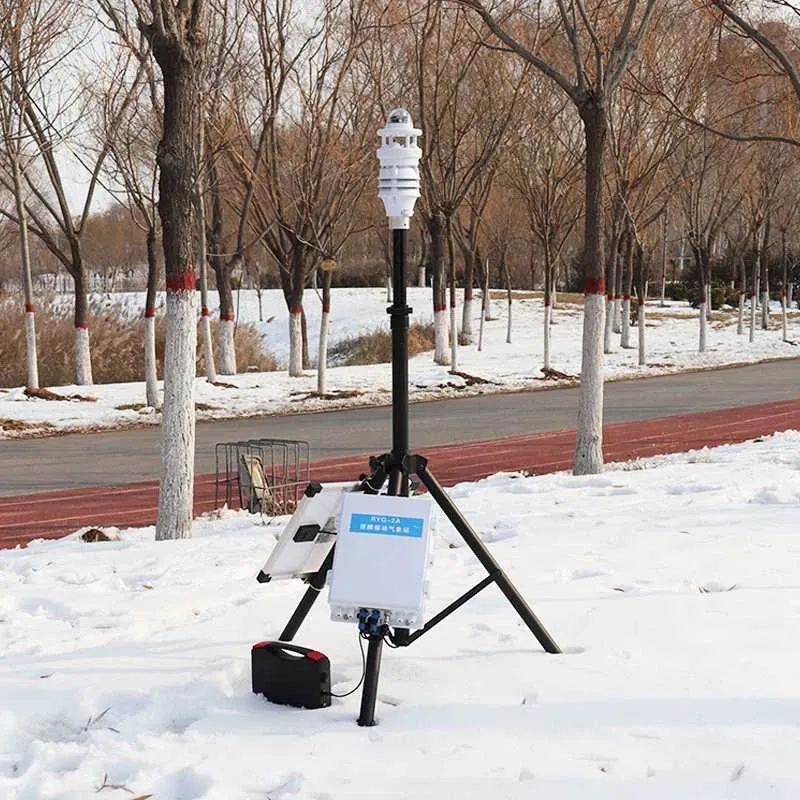
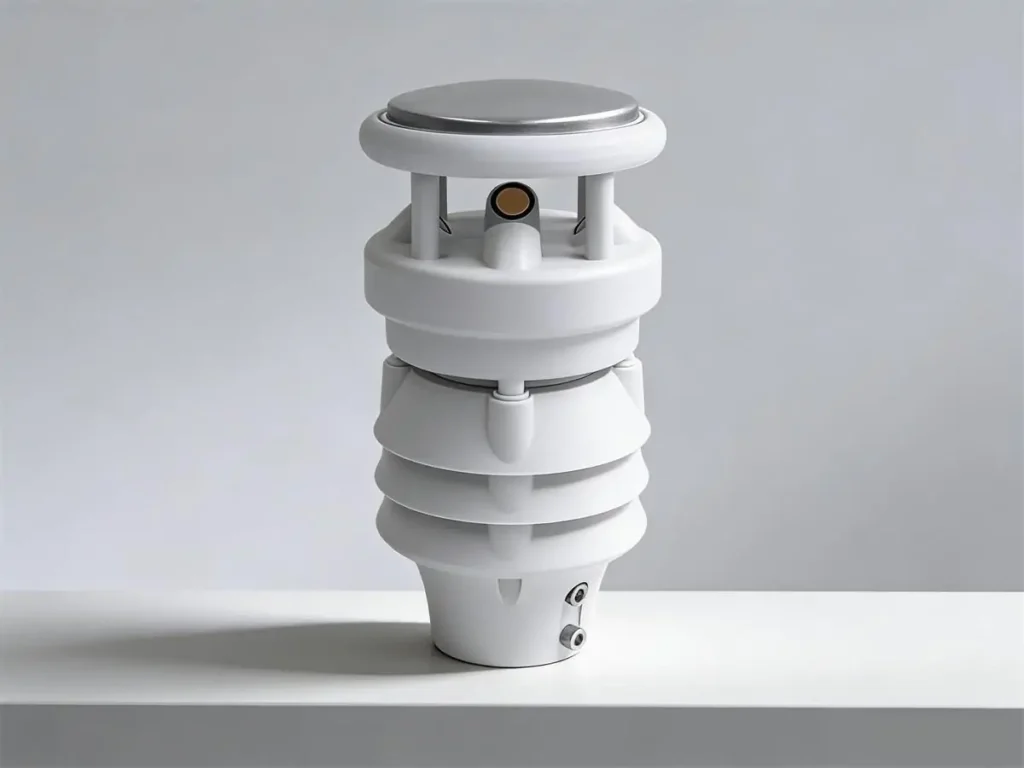
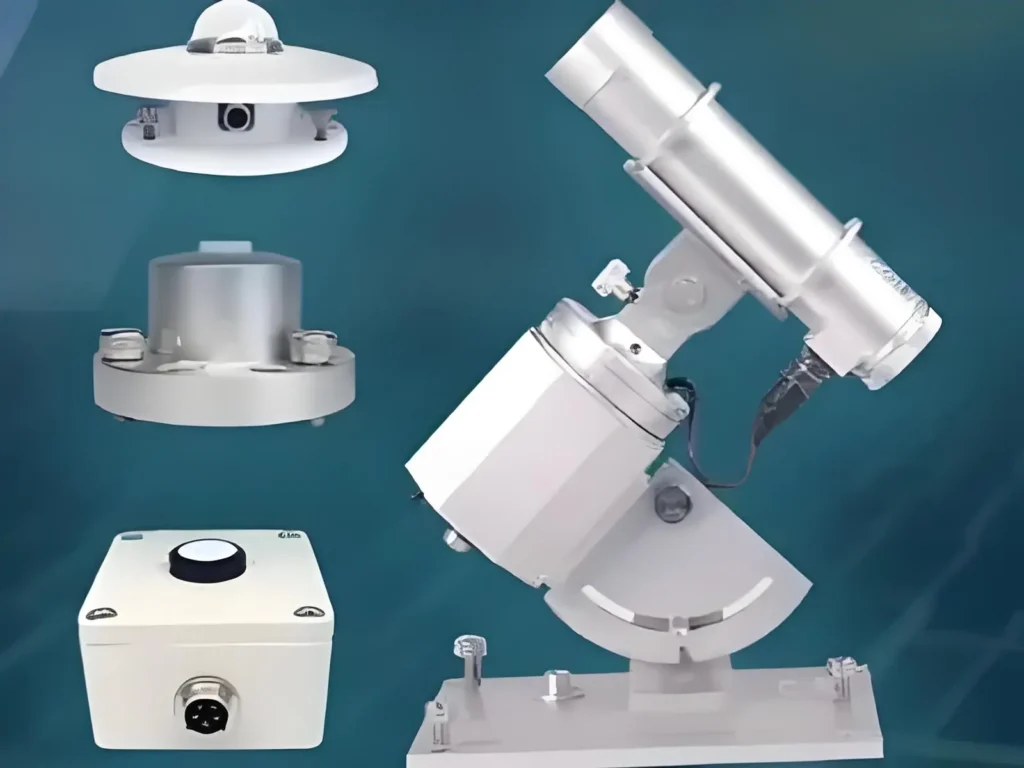
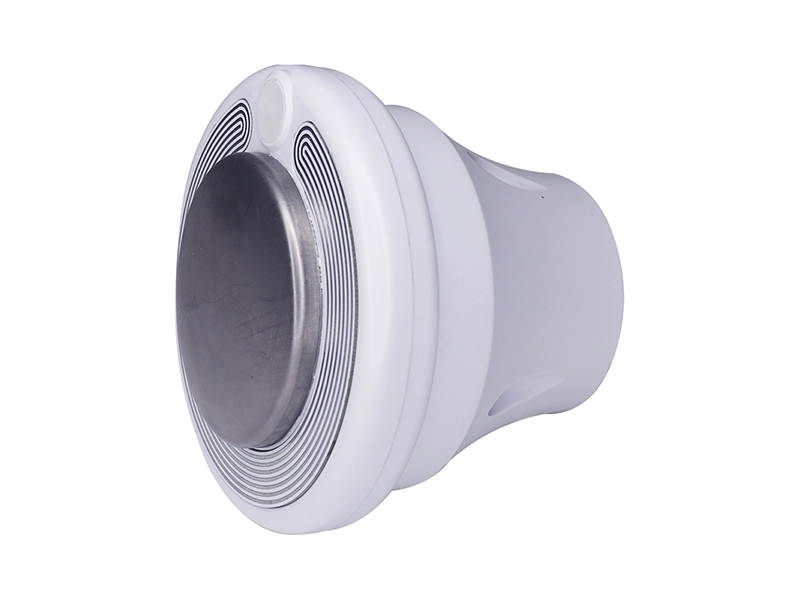
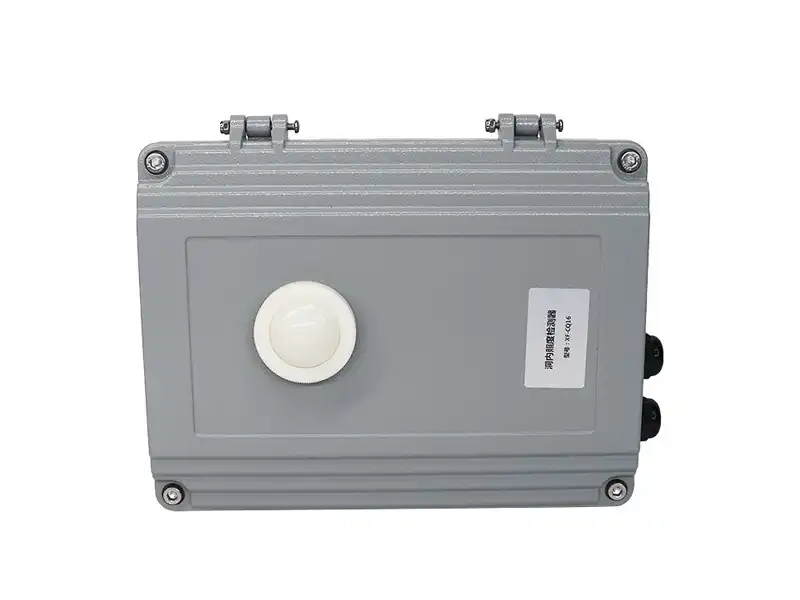
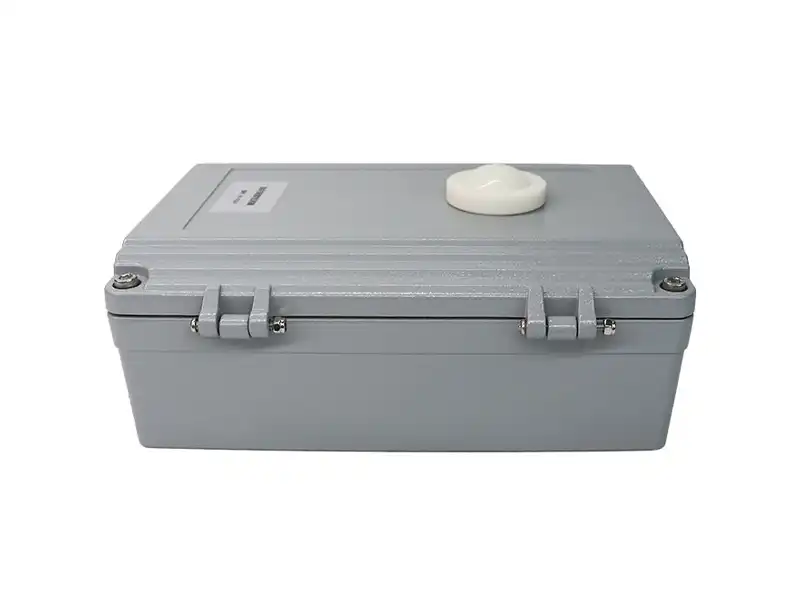
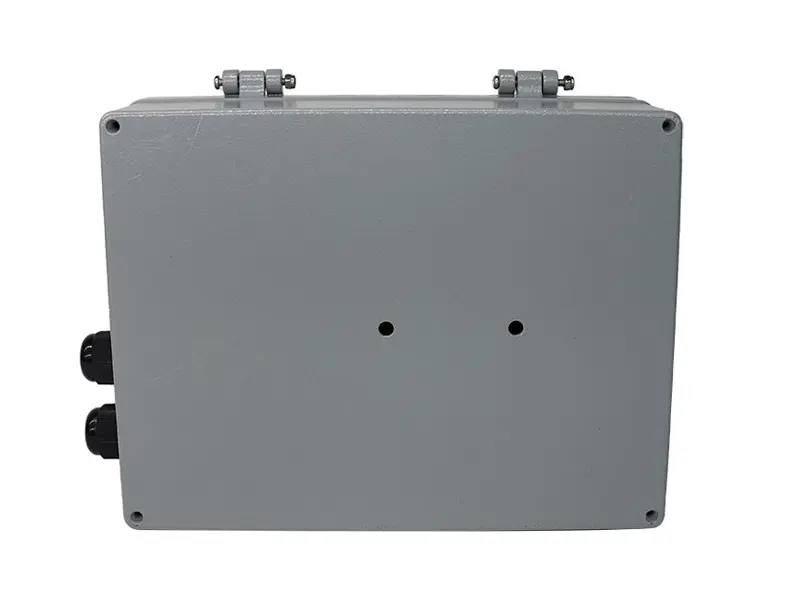
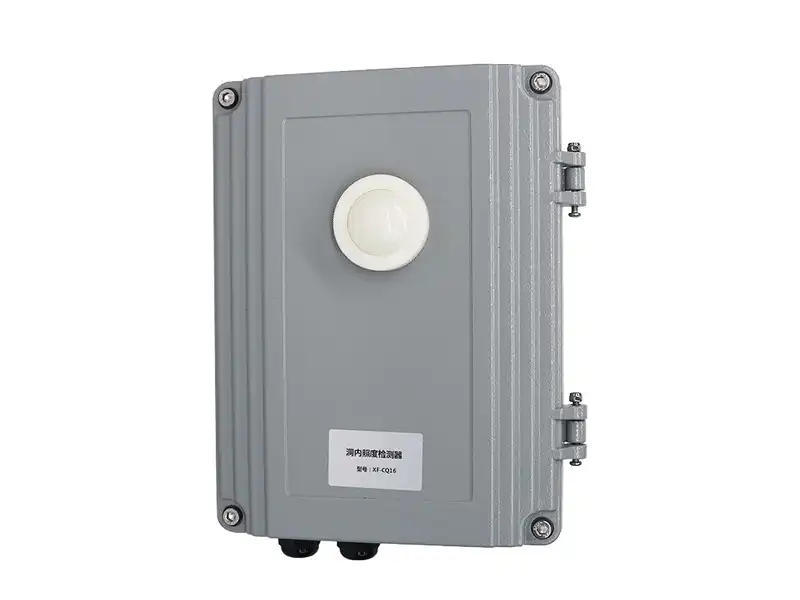
Informations visuelles concernant le capteur de température de couleur, notamment sa forme générale et ses proportions structurelles sous différents angles (face avant, profil, face arrière, dessus et dessous), afin de permettre une compréhension intuitive de la conception du produit. Vous trouverez ci-dessous les détails relatifs aux capteurs de température de couleur :
Spécifications
Principaux paramètres techniques et caractéristiques structurelles des capteurs de température de couleur, notamment le modèle, la plage de mesure, l'adaptabilité environnementale, le type de sortie électrique, les exigences en matière d'alimentation électrique, l'indice de protection, le poids et les dimensions, afin de faciliter la compréhension des performances de base de l'appareil et de son adéquation aux applications techniques. Vous trouverez ci-dessous les caractéristiques techniques des capteurs de température de couleur :
Paramètres
| Numéro de modèle | capteur de température de couleur |
| Gamme | De 1 500 à 25 000 K |
| Température ambiante | -40 à 65 °C |
| Sortie | 1 sortie 4-20 mA, 1 sortie RS485, 1 sortie d'alarme par relais |
| Approvisionnement | 220 V ± 15 %, courant alternatif triphasé à trois fils, 50 Hz |
| Niveau de protection | IP66 |
| Poids total | 2,5 kg |
| Dimensions | 251 × 190,5 × 94 mm |
Équipé d'un capteur de température de couleur
Mesures de haute précision
Identifie avec précision les variations de température de couleur entre différentes sources lumineuses, offrant ainsi
des données stables et fiables
Large plage de mesure
S'adapte à divers types d'éclairage
environnements, du plus faible au plus élevé
températures de couleur
Réponse rapide
Fournit des informations en temps réel sur l'évolution des conditions d'éclairage, ce qui le rend adapté à
contrôle dynamique de l'éclairage
Haute immunité aux interférences
Offre des performances stables même dans
éclairage complexe ou extérieur
environnements
Plusieurs options de sortie
Prend en charge les signaux analogiques et de courant, ainsi que les interfaces de communication numériques, ce qui facilite l'intégration du système
Conception à faible consommation d'énergie
Convient à une utilisation continue à long terme
fonctionnement, en réduisant la consommation d'énergie
la consommation
Applications du capteur de température de couleur
Les capteurs de température de couleur sont largement utilisés dans la surveillance des environnements d'éclairage et les systèmes de contrôle intelligents. Ils permettent de mesurer et de régler en temps réel la température de couleur des sources lumineuses afin de garantir le confort visuel, l'efficacité énergétique et la stabilité des performances d'éclairage dans différents environnements.
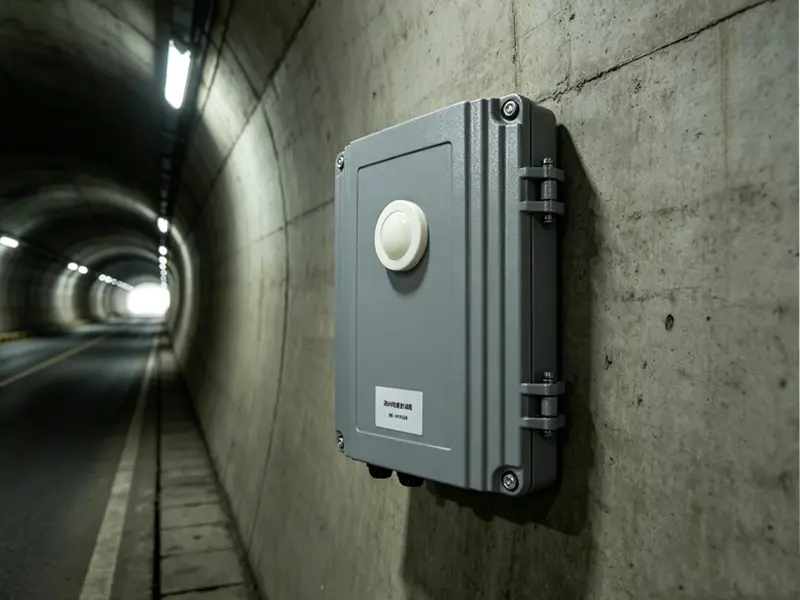
Systèmes d'éclairage des tunnels
Surveillance et réglage automatique de la température de couleur pour les entrées de tunnel, les zones de transition et l'éclairage intérieur.
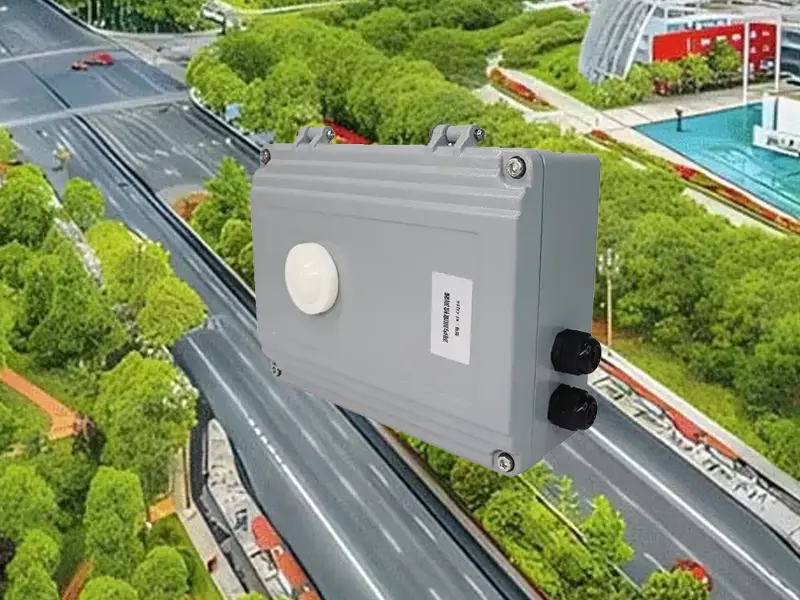
Éclairage public intelligent
Un système de gestion adaptative de l'éclairage qui s'adapte aux changements environnementaux, intégré aux lampadaires intelligents.
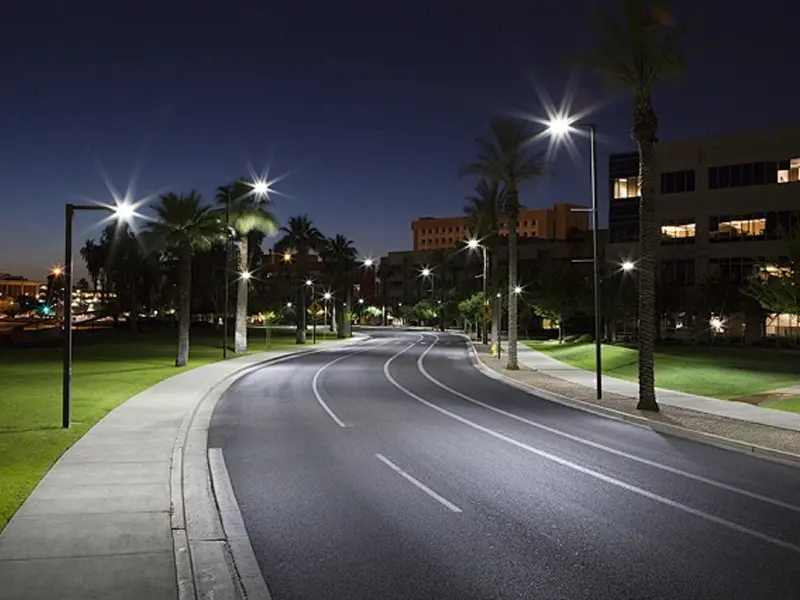
Commande de l'éclairage routier
Optimisation des systèmes d'éclairage routier afin d'améliorer l'expérience de conduite de nuit.
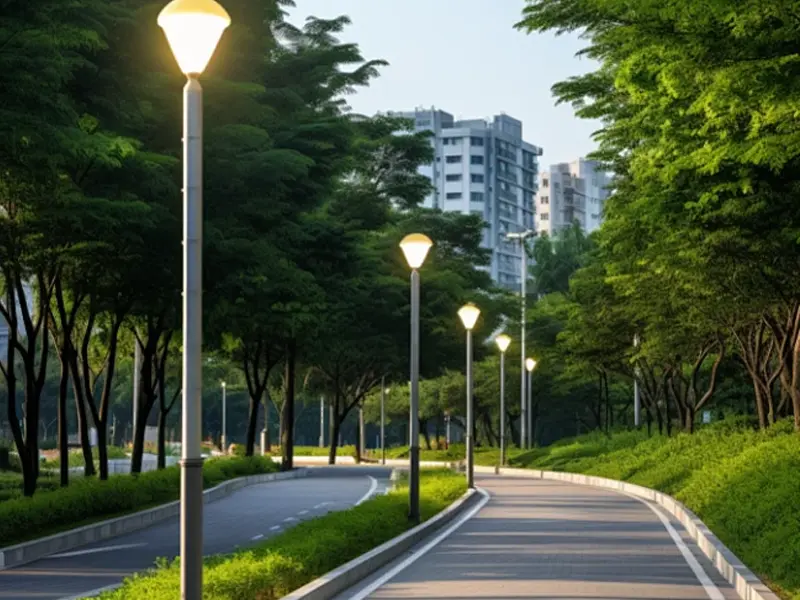
Systèmes d'éclairage urbain intelligents
Surveillance et régulation de la lumière ambiante au sein des réseaux d'éclairage urbain intelligents.
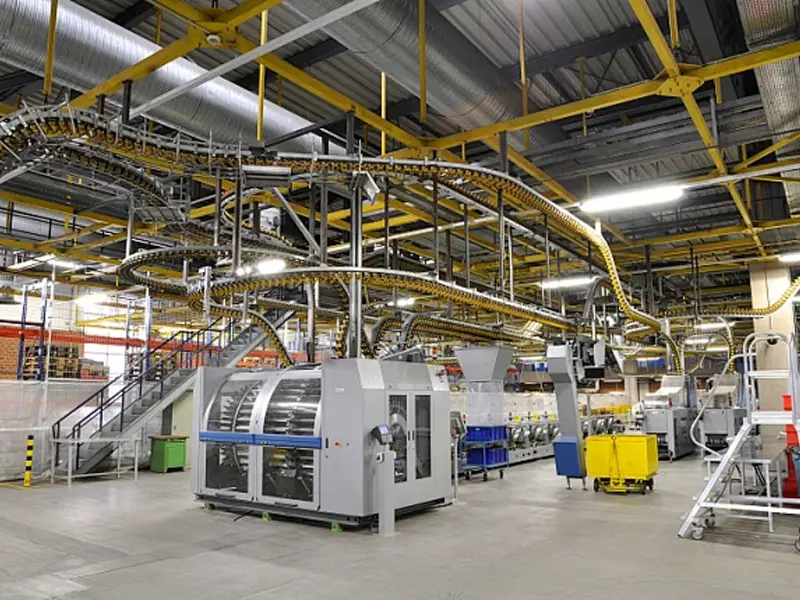
Environnements d'éclairage industriel
Gestion de l'éclairage dans les environnements industriels, tels que les usines et les ateliers.

Projets d'éclairage architectural
Contrôle de la couleur et de la lumière pour les façades de bâtiments et l'éclairage paysager.
capteur de température de couleur personnalisé
Le capteur de température de couleur permet une personnalisation adaptée à divers scénarios d'application afin de répondre aux exigences d'intégration de différents systèmes, tels que l'éclairage des tunnels, la surveillance routière et le contrôle de l'éclairage industriel. La personnalisation porte principalement sur les performances de mesure, la conception structurelle, les méthodes de sortie et les méthodes d'installation, ce qui permet à l'appareil de mieux s'adapter aux conditions techniques réelles.
Options de personnalisation
- Plage de mesure : La plage de détection de la température de couleur peut être réglée en fonction des besoins de l'application afin de s'adapter à divers environnements d'éclairage.
- Signaux de sortie : Prend en charge plusieurs protocoles de communication et modes de sortie analogique, notamment 4-20 mA, RS485 et Modbus.
- Structure et logement : Le matériau du boîtier, l'indice de protection et les dimensions peuvent être personnalisés pour s'adapter à différents environnements d'installation.
- Méthodes d'installation : Il offre plusieurs options d'installation, notamment au mur, sur support ou encastré.
- Caractéristiques techniques d'alimentation : Prend en charge différentes tensions d'entrée afin de s'adapter aux conditions d'alimentation sur site
- Extension des fonctionnalités : Peut intégrer des fonctions de détection de la luminosité, de compensation de la température et de l'humidité, ou de sortie d'alarme
- Câbles et interfaces : La longueur des câbles et les types d'interface peuvent être personnalisés pour répondre aux exigences de câblage sur site
- Étalonnage : Prend en charge l'étalonnage en usine ou les services d'étalonnage sur site afin de garantir la cohérence des mesures
fabricant et fournisseur de capteurs de température de couleur
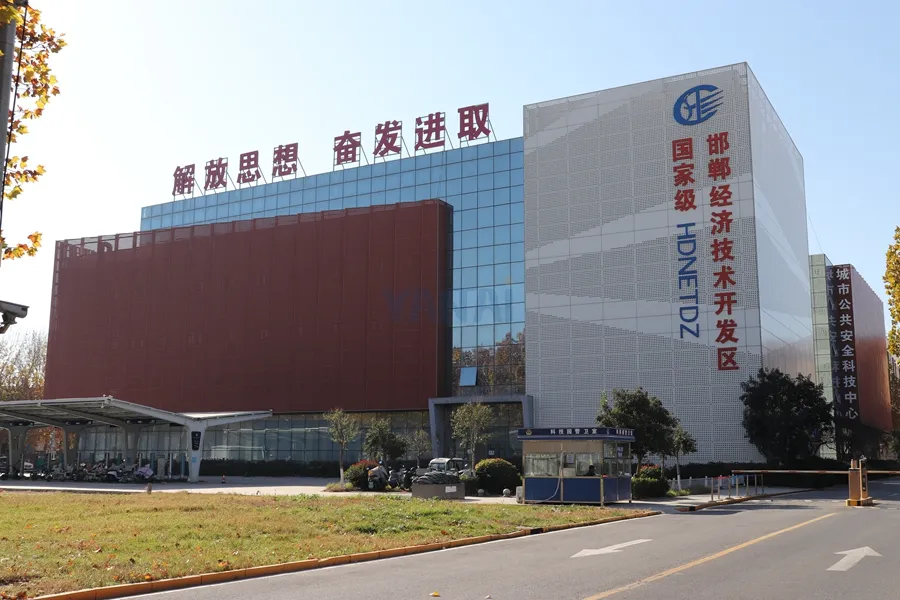
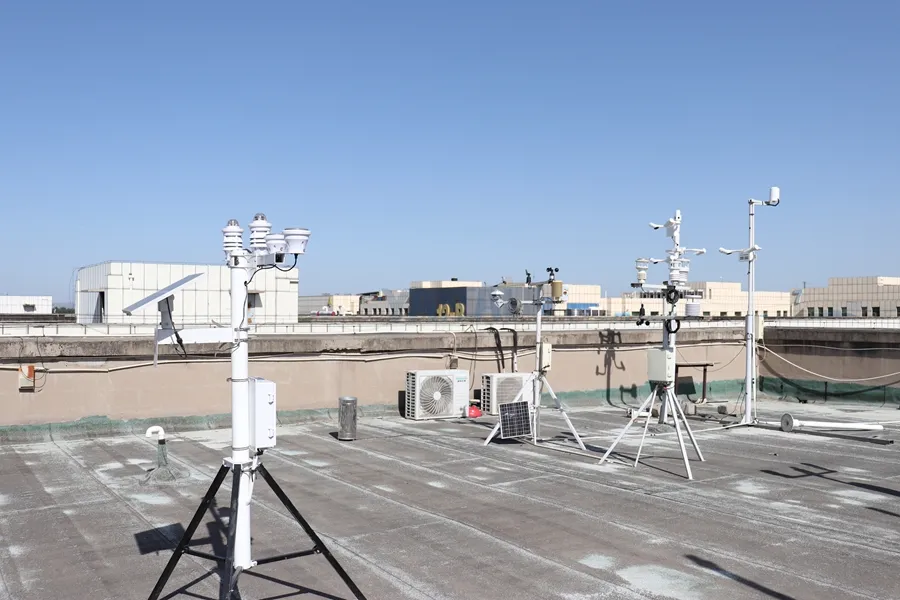
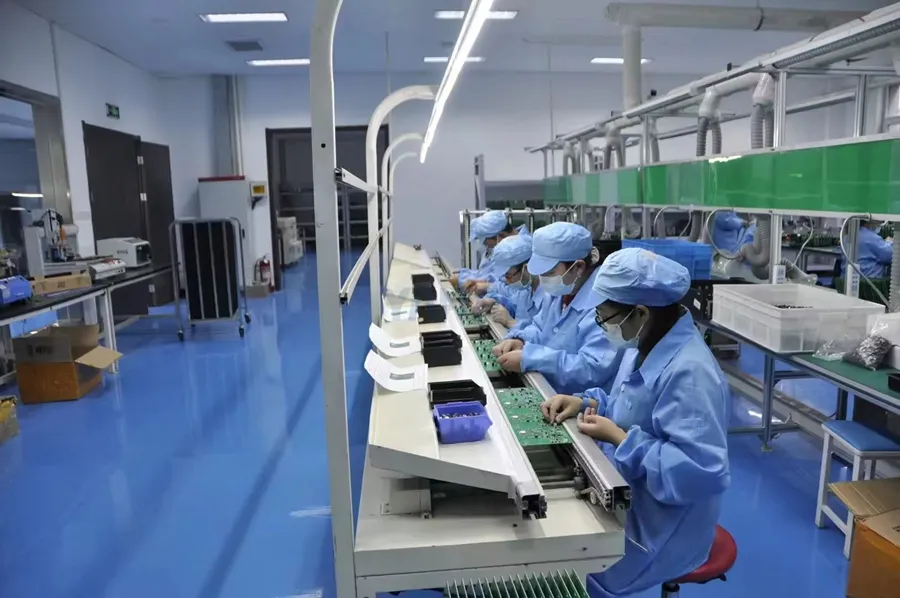
Yantai Sensor est un fabricant et fournisseur professionnel de capteurs de température de couleur, spécialisé dans les solutions de détection de température de couleur de haute précision pour les systèmes d'éclairage de tunnels, le contrôle de l'éclairage routier, les infrastructures de villes intelligentes et les applications d'éclairage industriel. Nos capteurs de température de couleur sont conçus pour fournir des données précises, stables et en temps réel sur la température de couleur corrélée (CCT), largement utilisés dans l'ajustement de l'éclairage aux entrées et sorties de tunnels, les systèmes d'éclairage public adaptatif et la surveillance environnementale intelligente. Si vous souhaitez en savoir plus sur le Système de Surveillance de Tunnel : Capteurs, Applications & Avantages, veuillez cliquer ici
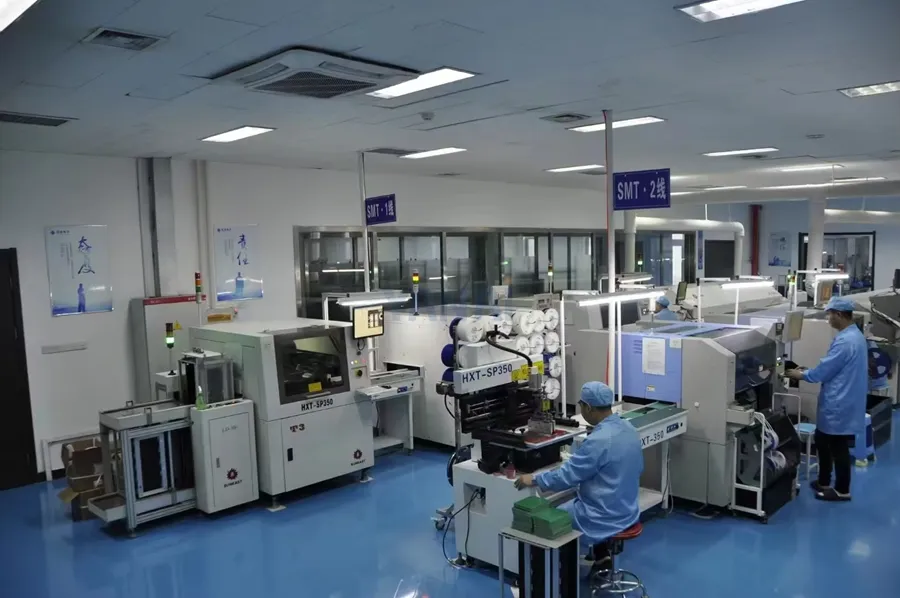
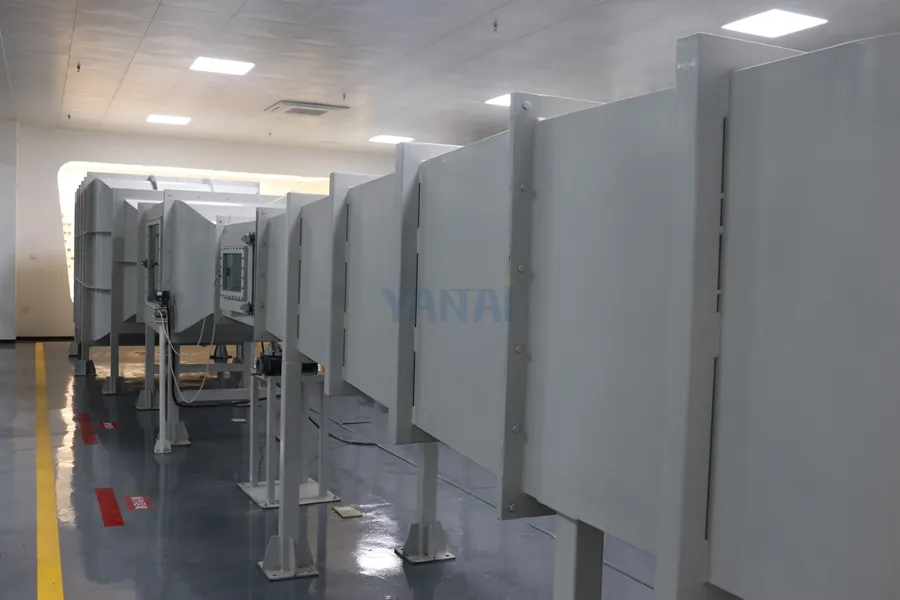
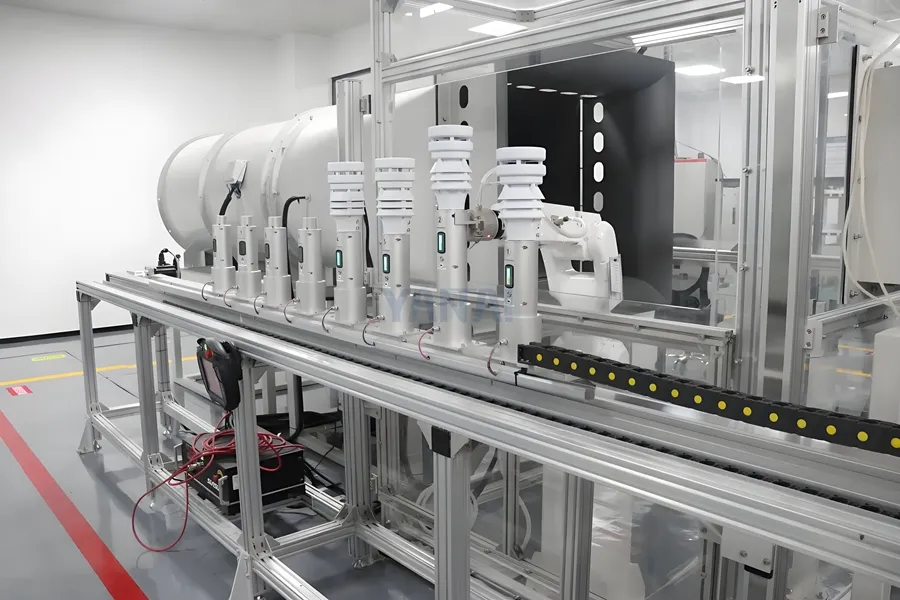
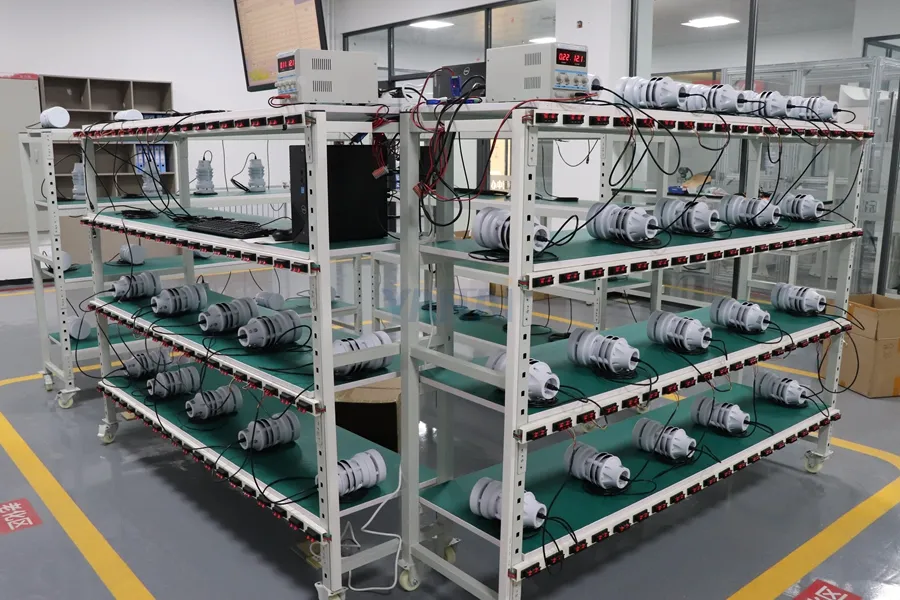
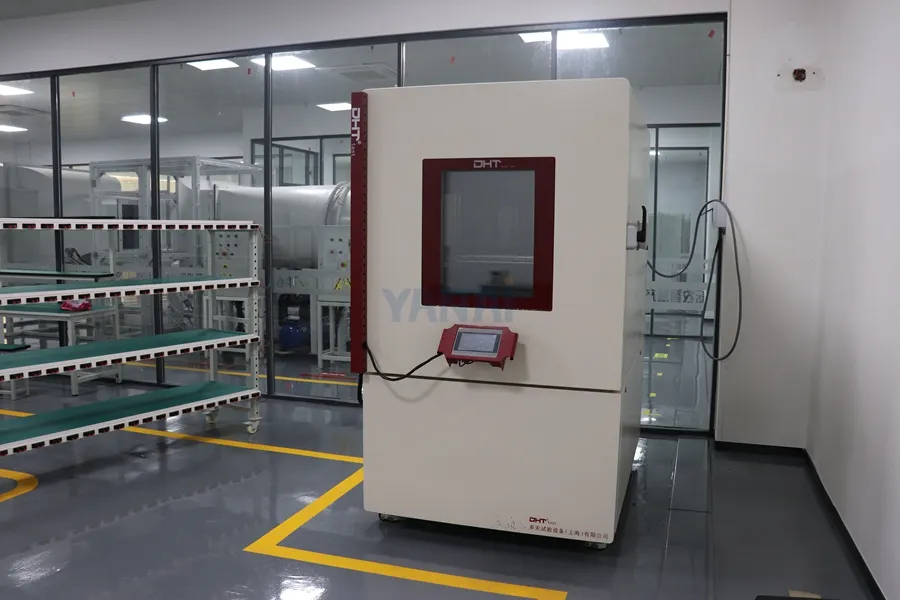
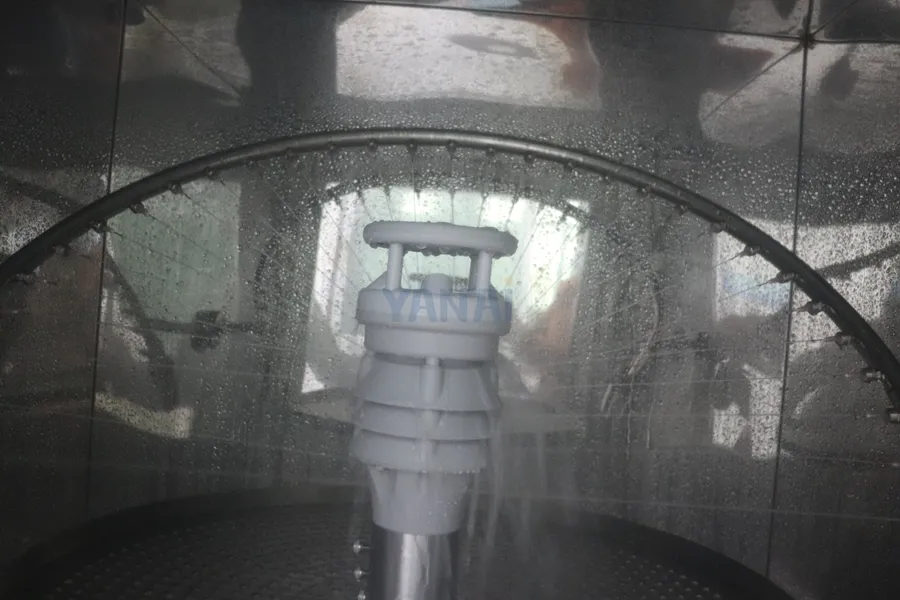
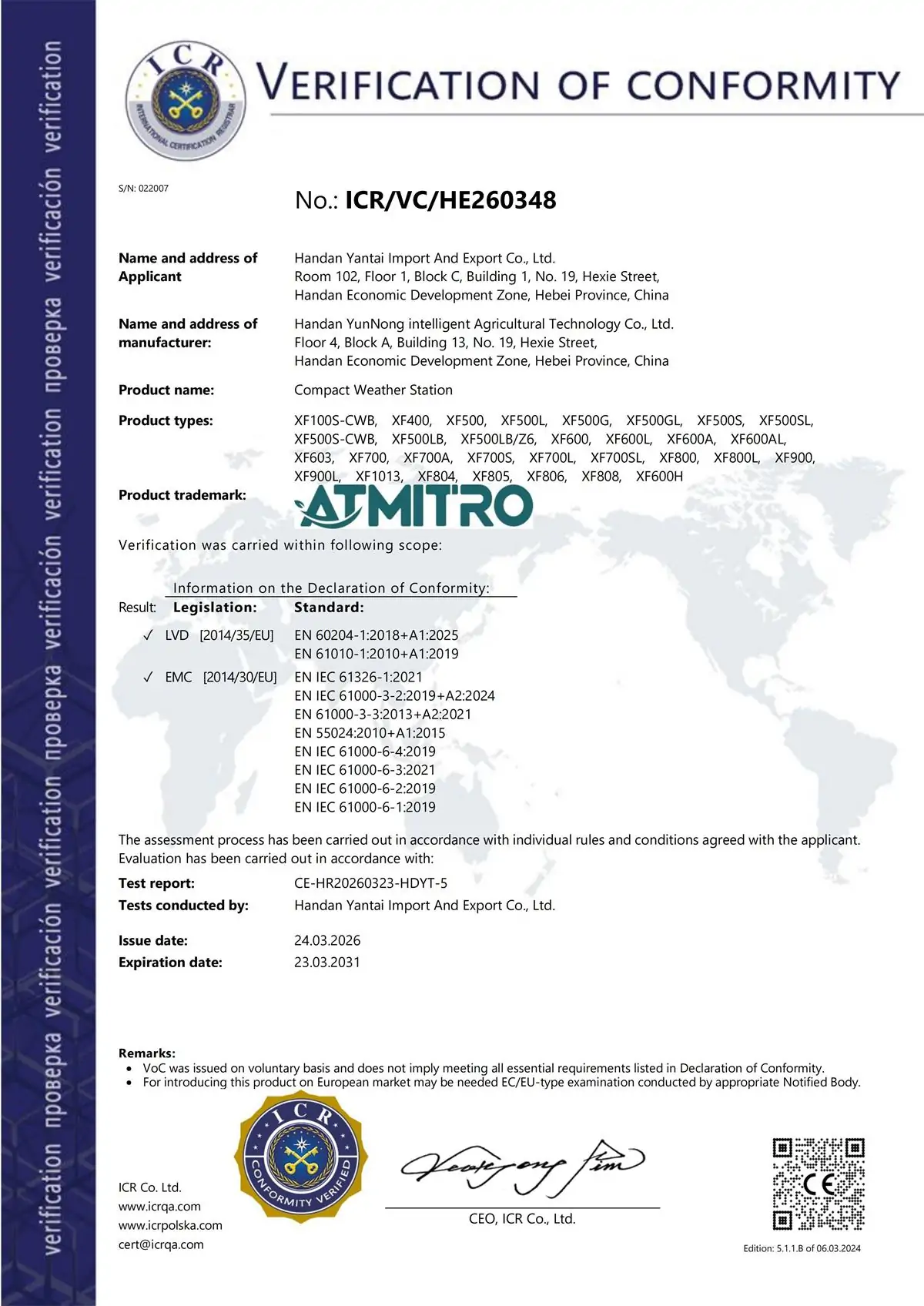
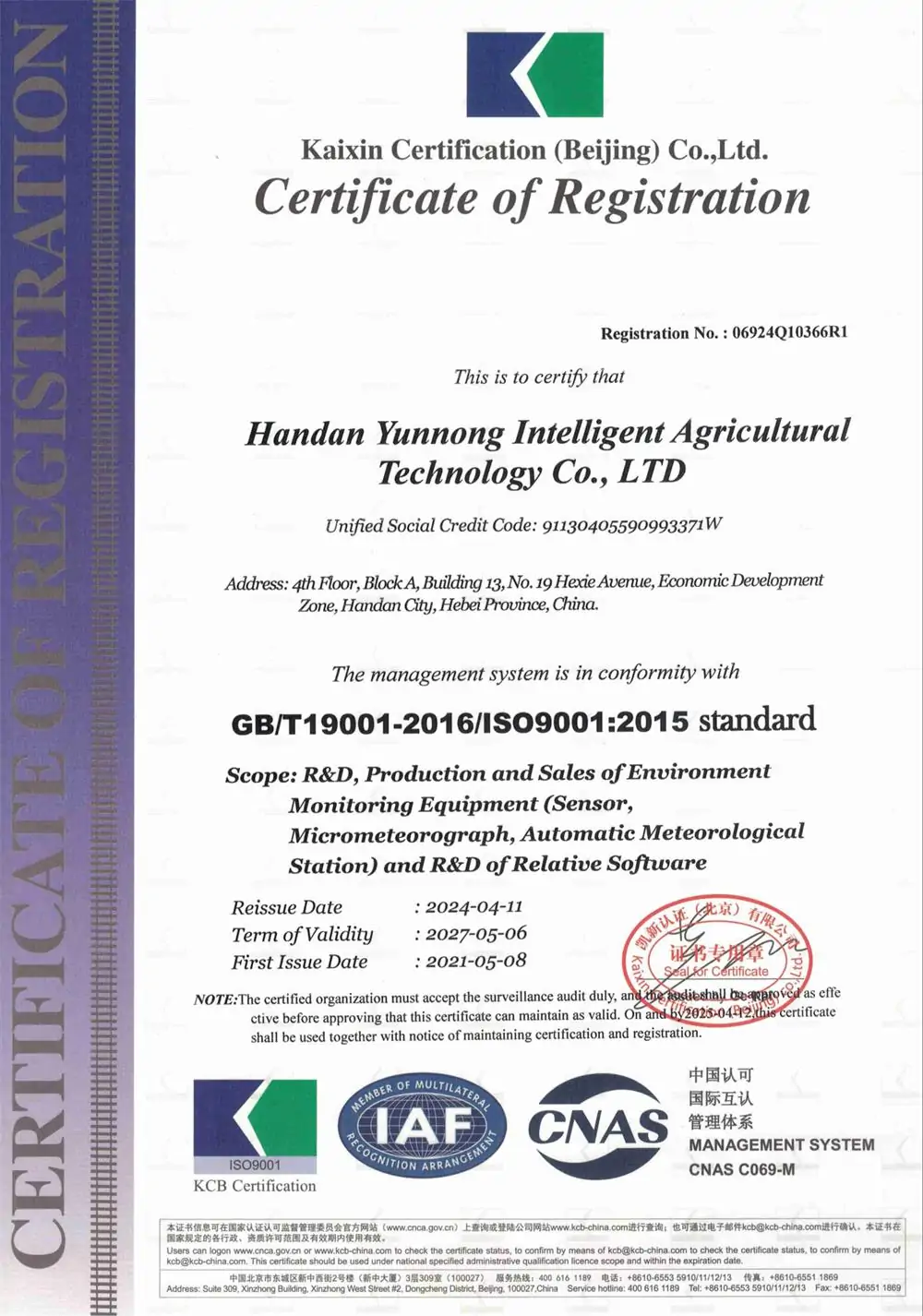
Grâce à de solides capacités internes de R&D, à des installations de production de pointe et à des systèmes de test complets, chaque capteur de température de couleur « Tunnel Light » est soumis à un contrôle qualité rigoureux, comprenant un étalonnage optique, des tests de compensation de température et une vérification de la stabilité environnementale à long terme. Certifiés CE, ISO et RoHS, nous proposons des services OEM/ODM flexibles en tant que fournisseur fiable de capteurs de température de couleur. Notre équipe d'ingénieurs expérimentés fournit des solutions sur mesure adaptées aux différentes exigences des projets —contact contactez-nous pour bénéficier d'un accompagnement professionnel.