소개
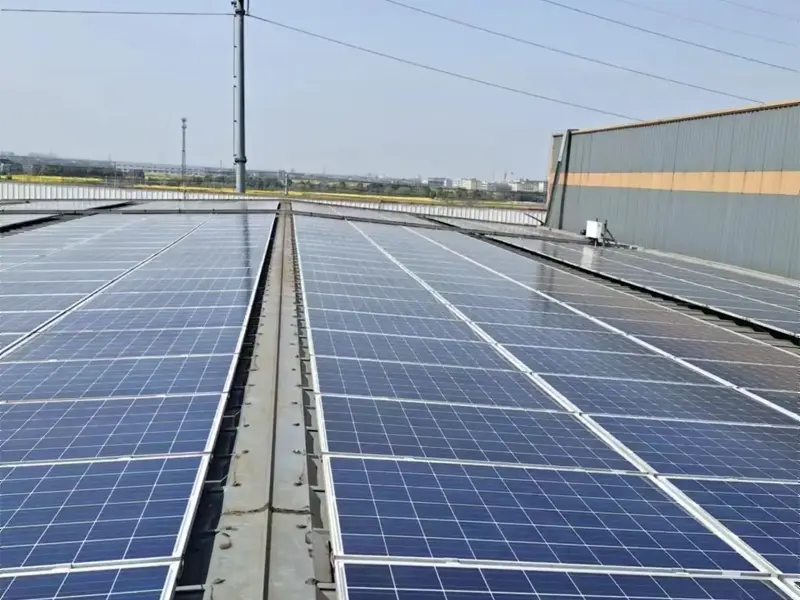
유틸리티 규모 태양광 발전소가 예상보다 적은 전력을 생산할 때, 인버터 및 SCADA 데이터 만으로는 그 이유를 설명하지 못할 수 있습니다. 그 변화는 낮은 일사량, 높은 모듈 온도, 변화하는 풍속 조건, 강우, 오염, 또는 PV 시스템 자체 내의 문제와 관련될 수 있습니다. 발전소 운영자, O&M 팀, 시스템 통합업체에게는 추가 점검 또는 유지보수가 필요한지 결정하기 전에 이러한 요인들을 이해하는 것이 중요합니다.
이때 유틸리티 규모 태양광 모니터링이 중요해집니다. 환경 측정값을 발전소 운영 데이터와 결합함으로써, 운영자는 PV 성능의 변화가 현장 조건과 관련된 것인지 시스템 자체와 관련된 것인지 식별할 수 있습니다. 모니터링 구성은 단순히 센서를 더 추가하는 것이 아니라 프로젝트의 기후, PV 기술, 발전소 배치, 모니터링 목표에 부합해야 합니다.
이 글에서는 유틸리티 규모 태양광 발전소에서 일반적으로 모니터링되는 환경 파라미터, 태양광 모니터링 센서가 데이터 로거 및 SCADA 시스템과 어떻게 작동하는지, 센서를 어디에 설치해야 하는지, 그리고 신뢰할 수 있는 환경 데이터가 PV 성능 분석 및 O&M 결정을 어떻게 지원할 수 있는지 설명합니다.
유틸리티 규모 태양광 모니터링이란 무엇인가?
유틸리티 규모 태양광 모니터링은 대규모 태양광 발전소 전반에 걸쳐 태양 자원, 환경 조건, PV 특정 조건을 측정하고 분석하는 것입니다. 이는 현장 센서 데이터를 발전소 운영 데이터와 결합하여 운영자가 현장 조건이 PV 성능에 어떻게 영향을 미치는지 이해하도록 돕습니다.
모니터링 구성은 일반적으로 태양 자원, 기상 및 환경 조건, PV 특정 조건의 세 가지 영역을 포함합니다. 필요한 측정 항목은 발전소 설계, 기후, PV 기술, 모니터링 목표에 따라 달라집니다.
태양 자원 모니터링
태양 자원 모니터링은 PV 발전소에 이용 가능한 태양 복사에너지를 측정합니다. 프로젝트에 따라 일반적인 측정 항목은 다음과 같습니다:
- 글로벌 수평 조도(GHI)
- 어레이 평면(POA) 일사량
- 해당되는 경우 직달 일사량(DNI) 및 산란 수평 일사량(DHI)
- 반사 일사량 또는 알베도, 특히 양면 PV 시스템의 경우
이러한 측정은 운영자가 이용 가능한 태양 일사량과 실제 PV 전력 출력을 비교하는 데 도움이 됩니다. POA 일사량은 모듈 평면이 받는 복사에너지를 나타내므로 PV 성능 분석에 특히 관련이 있습니다. 다양한 일사량 구성 요소에 대한 더 명확한 설명은 다음을 참조하십시오 태양광 에너지에서 GHI, DNI, DHI란 무엇인가?.
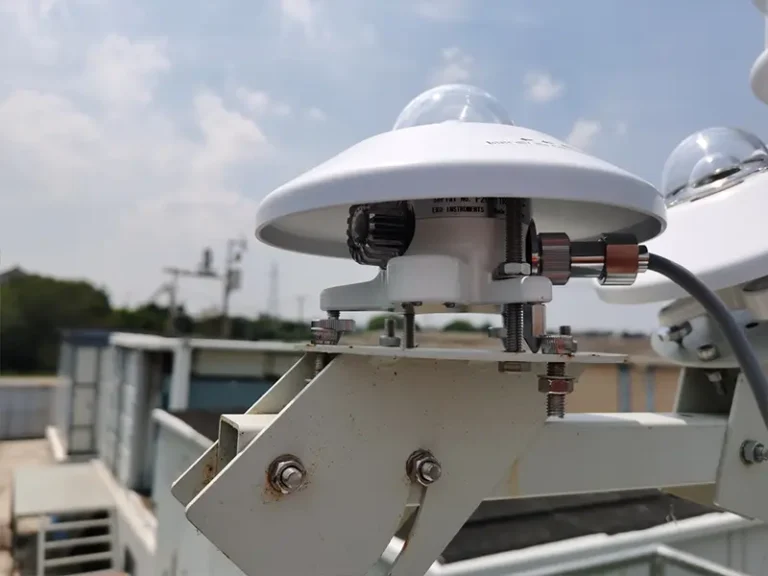
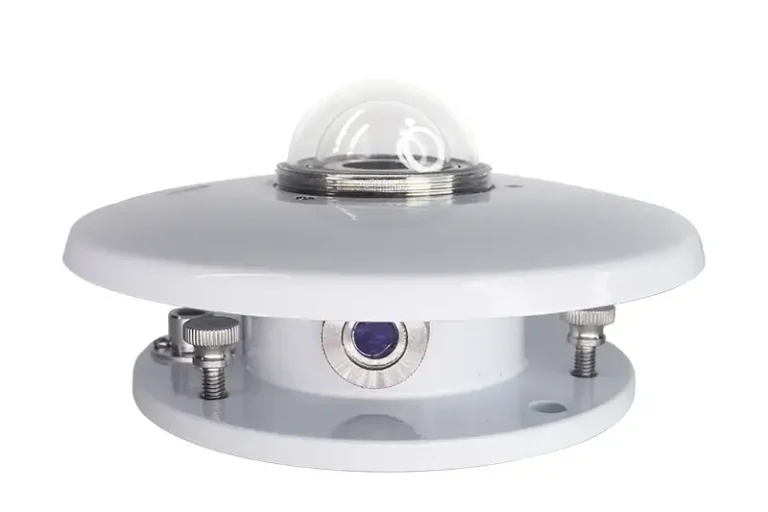
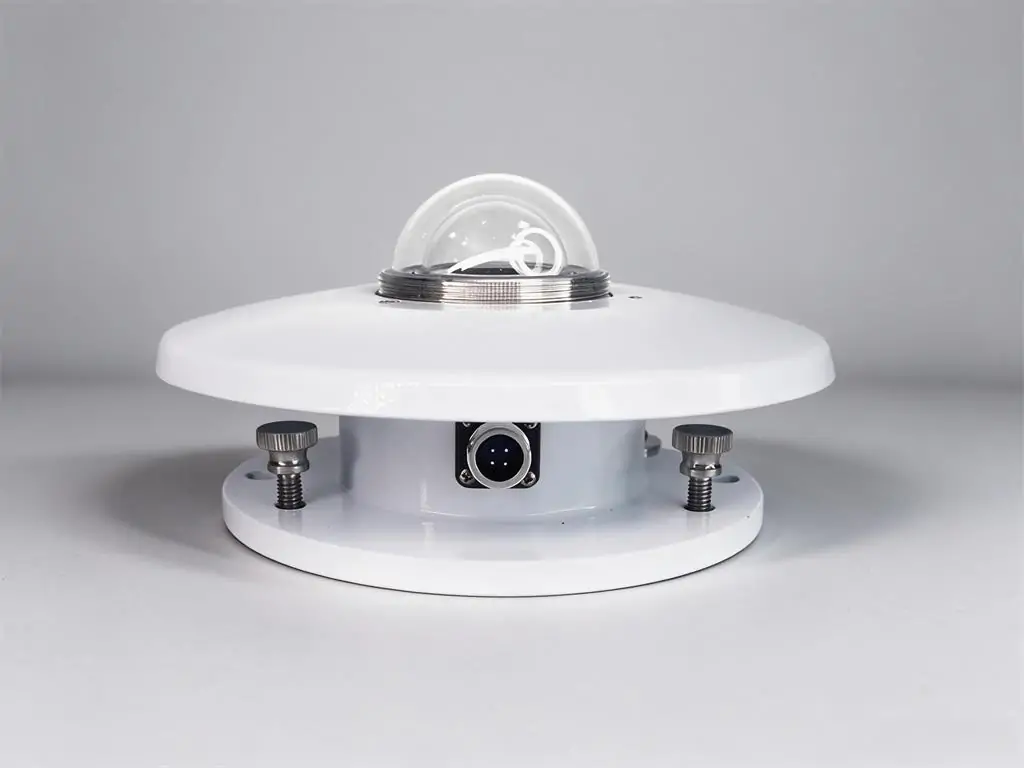
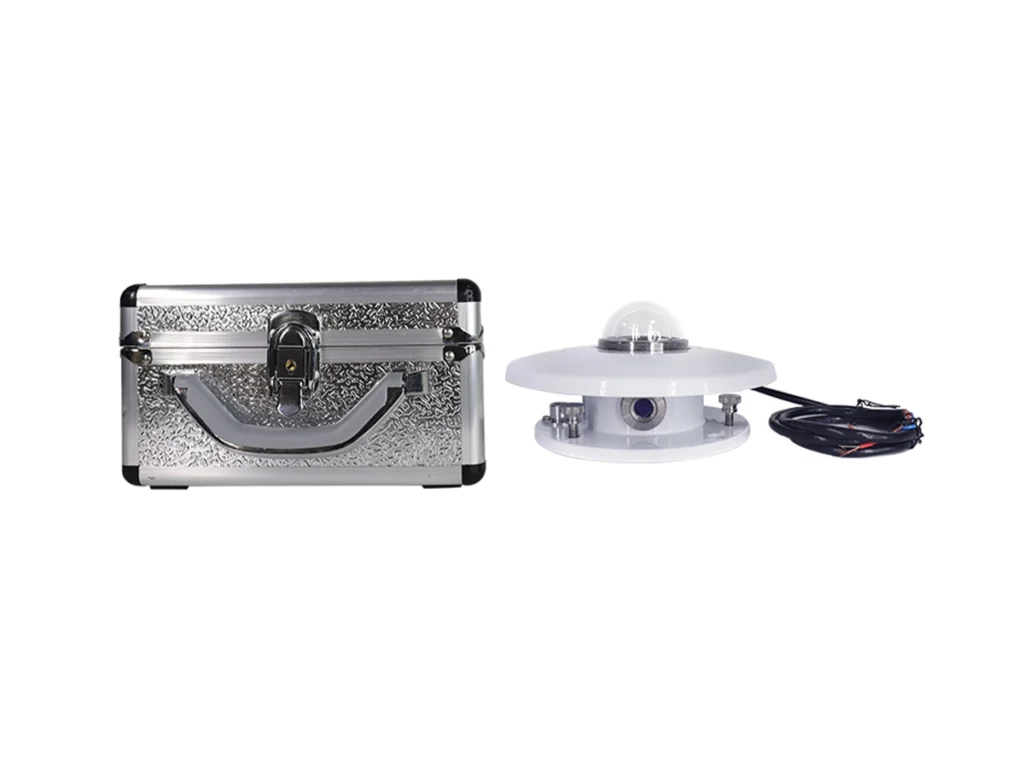
전용 태양 일사량 모니터링의 경우, 측정 정확도, 교정, 장기 데이터 일관성이 PV 성능 분석 또는 환경 모니터링에 중요할 때 독립형 일사계를 사용할 수 있습니다.
관련 제품: 일사계 / TBQ-2C
환경 및 기상 모니터링
기상 조건은 태양광 발전소의 운영 환경에 영향을 미치며 PV 출력 및 현장 조건에 영향을 줄 수 있습니다. 일반적인 측정 항목은 다음과 같습니다:
- 주변 온도
- 상대 습도
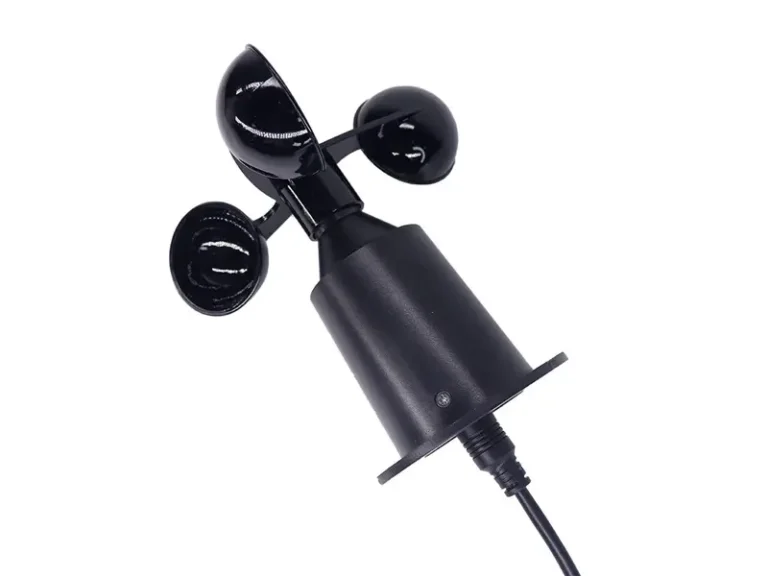
- 풍속
- 바람 방향
- 강우량
- 대기압
이러한 측정은 운영자가 실제 현장 조건에서 PV 성능을 해석하는 데 도움이 됩니다. 예를 들어, 주변 온도와 풍속 조건은 모듈 작동 온도에 영향을 미치며, 강우는 기상 변화 및 잠재적 오염 조건을 평가하는 데 유용한 맥락을 제공할 수 있습니다.
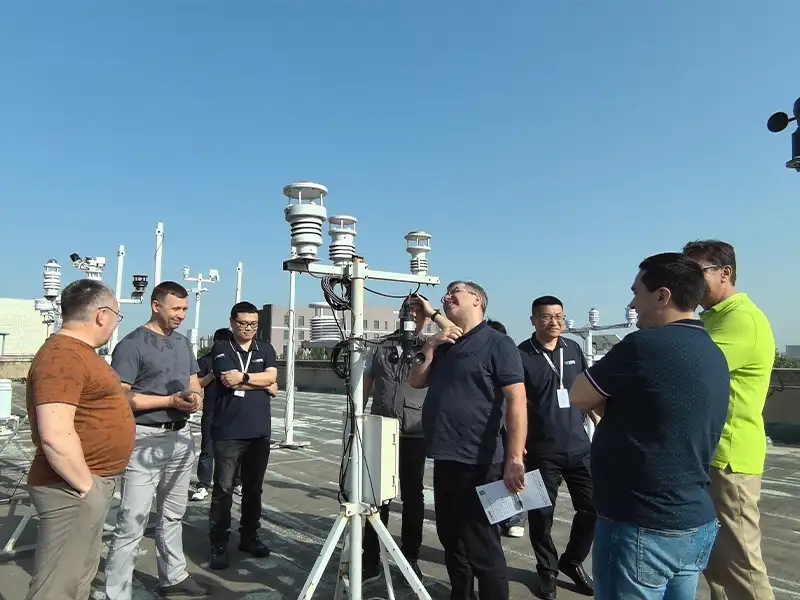
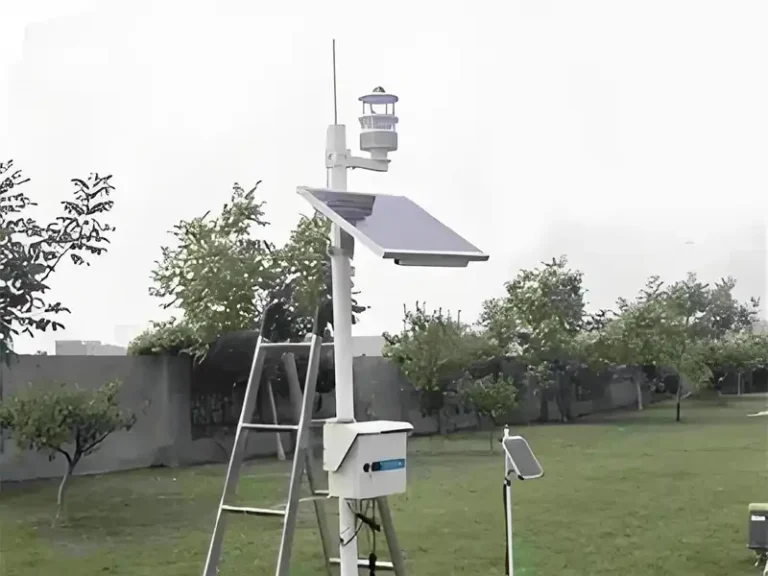
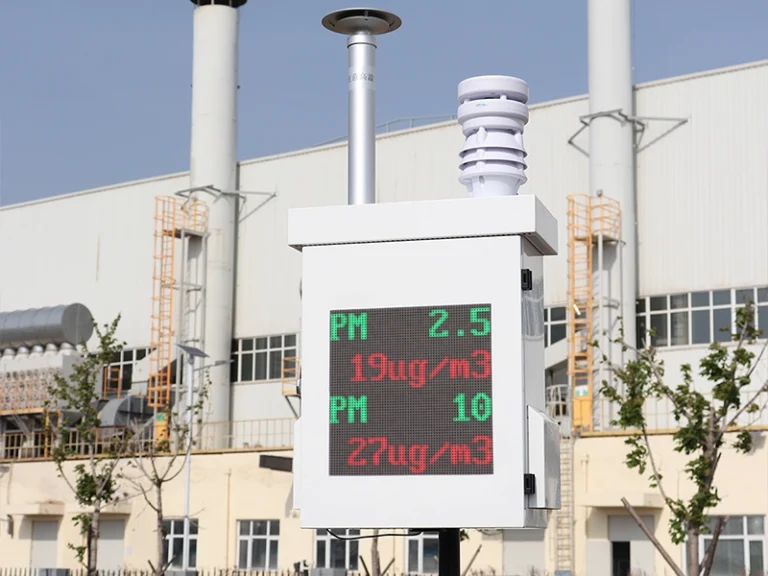
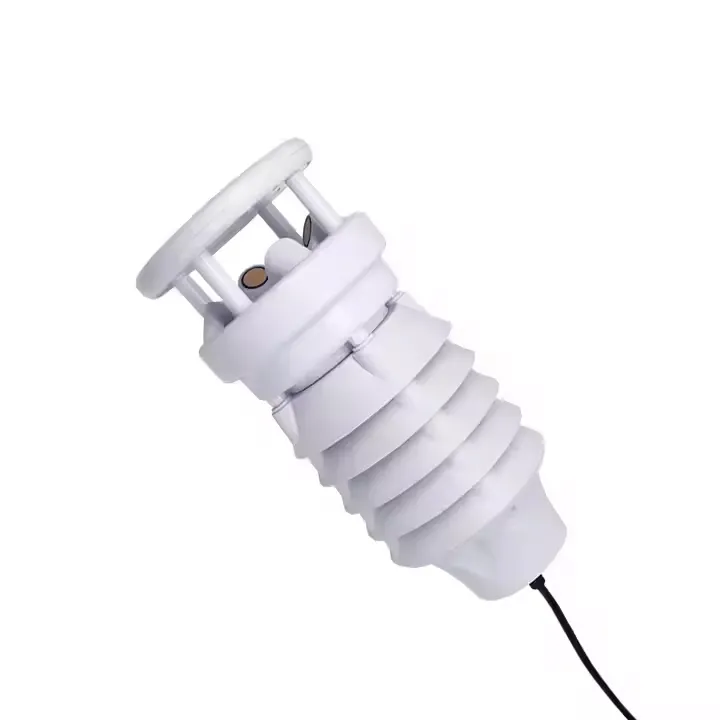
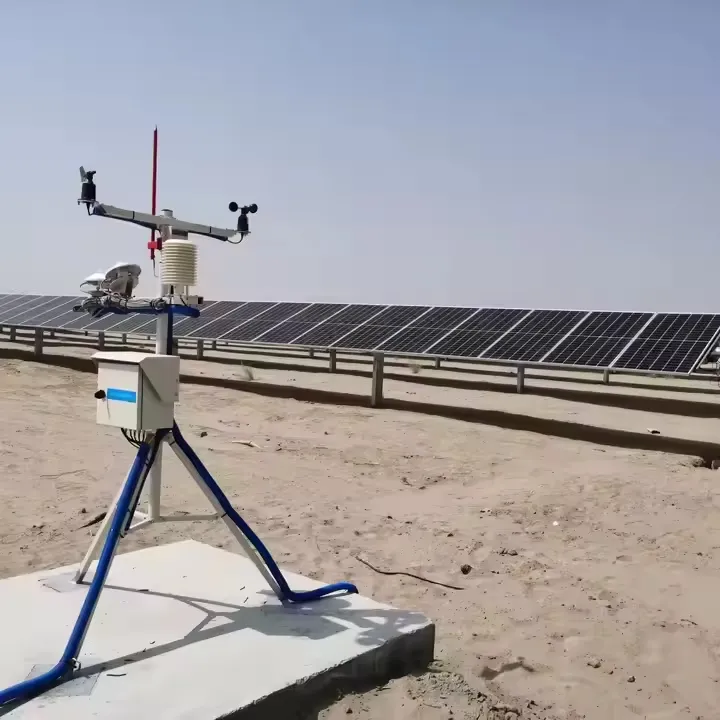
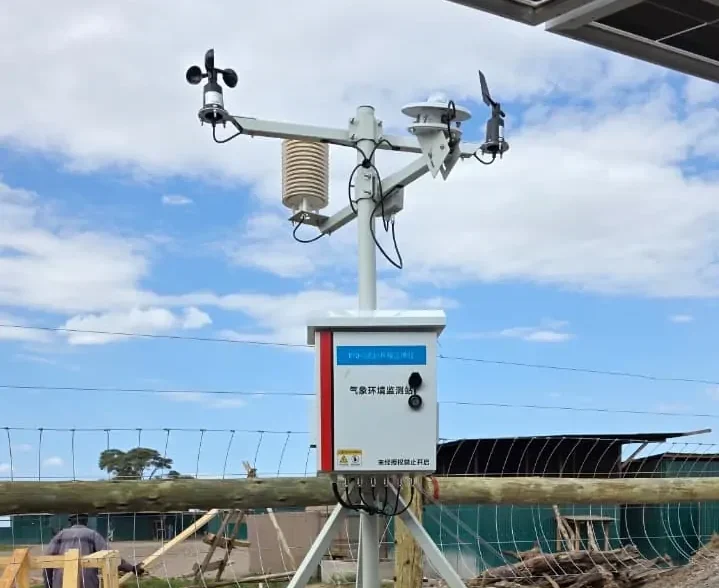
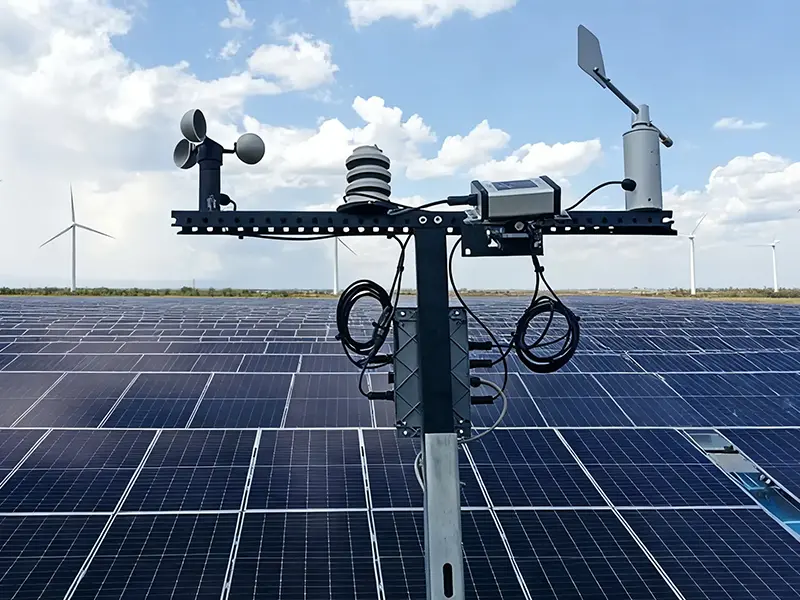
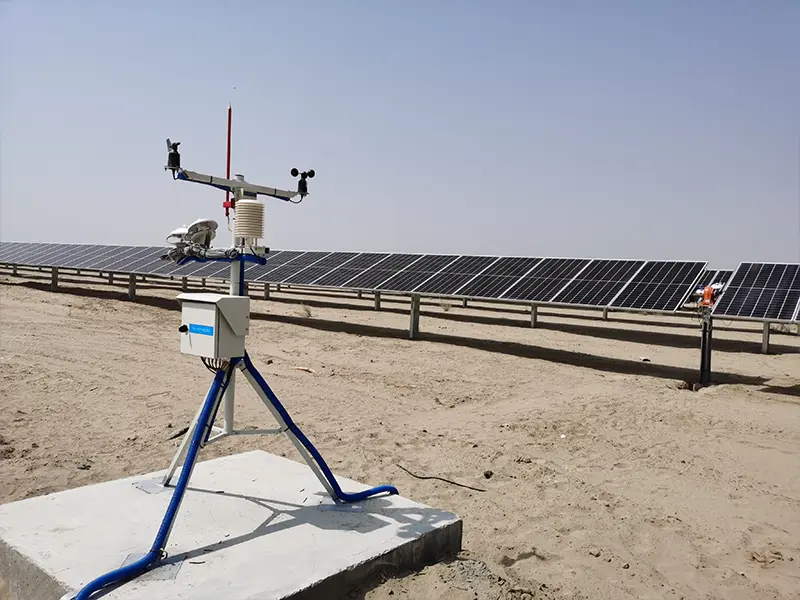
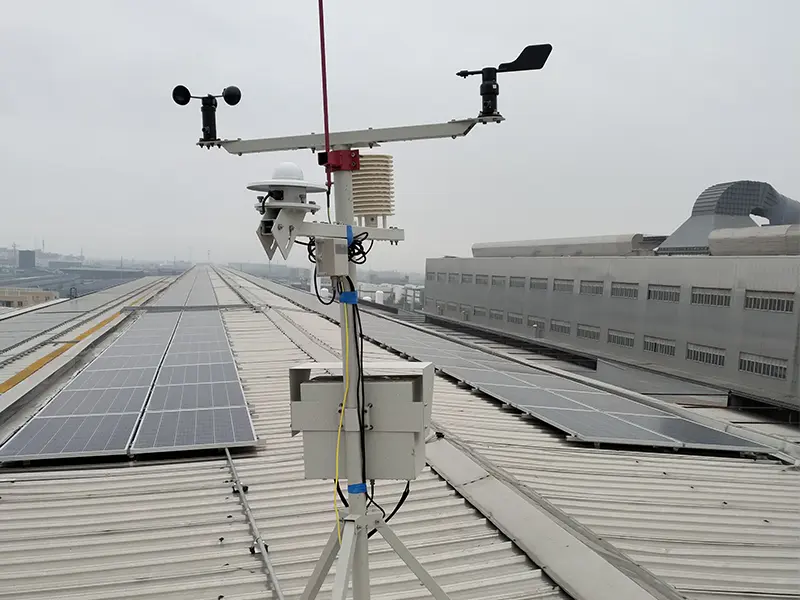
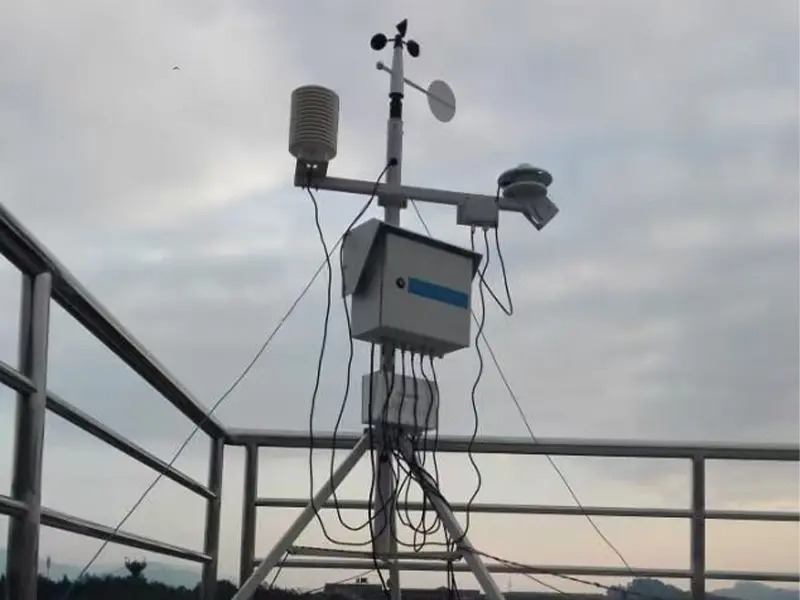
통합 환경 모니터링 스테이션은 이러한 측정 항목 중 여러 가지를 하나의 현장 위치에서 결합하여 별도 기기의 필요성을 줄이고 현장 데이터 수집을 간소화할 수 있습니다. PV 기상 모니터링과 태양광 발전소 운영에서의 역할에 대한 더 자세한 설명은 다음을 참조하십시오 PV 기상 관측소란 무엇이며 태양광 발전소에 왜 중요한가?.
관련 제품: RYQ-3 태양광 PV 환경 모니터링 스테이션
PV 특정 환경 모니터링
일부 측정 항목은 PV 모듈 조건 및 현장 특정 성능과 직접 관련됩니다. 프로젝트에 따라 모니터링에는 다음이 포함될 수 있습니다:
- 모듈 온도
- 오염 조건
- 해당되는 경우 적설 조건
- 양면 PV 시스템의 알베도
모듈 온도는 PV 전기 성능에 영향을 미치며, 오염은 모듈 표면에 도달하는 복사에너지를 감소시킬 수 있습니다. 양면 PV 시스템의 경우, 알베도는 모듈 후면에 도달하는 지면 반사 복사에너지에 대한 추가 정보를 제공합니다.
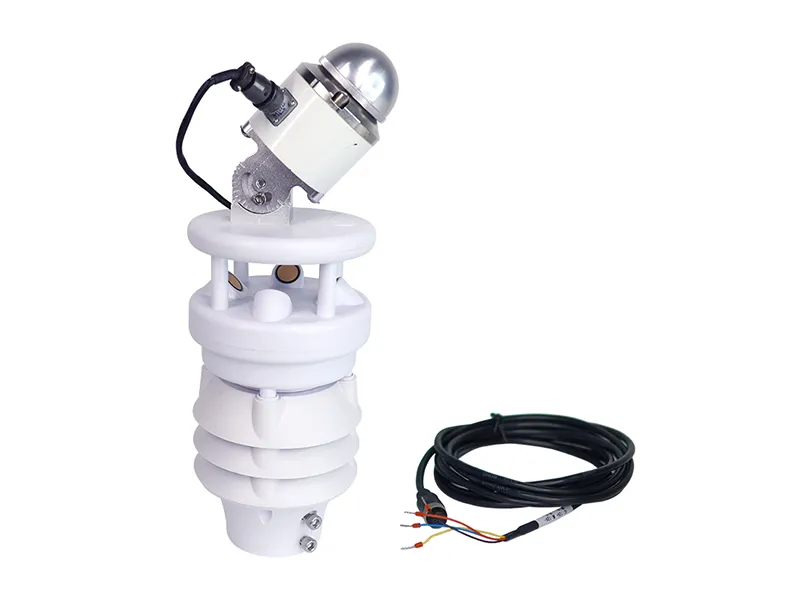
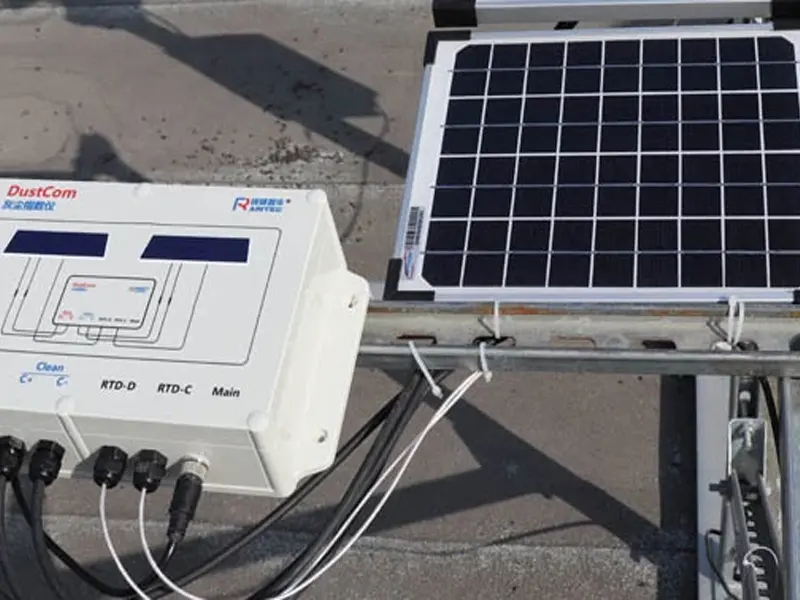
PV 환경 모니터링 시스템 구성 요소 및 기능에 대한 broader 개요는 다음을 참조하십시오 PV 환경 모니터링 시스템: 구성 요소, 기능 및 ROI 설명.
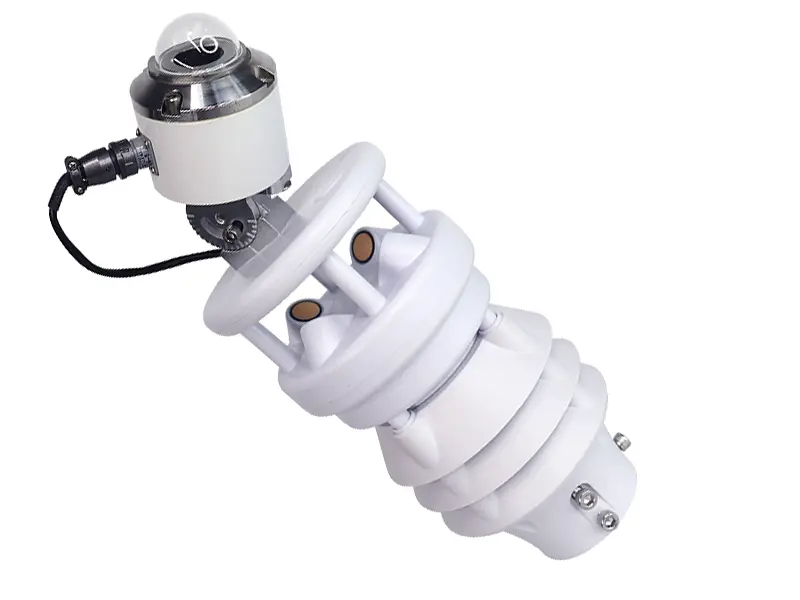
관련 제품: [DustCom 태양광 먼지 지수 모니터링 시스템] · XF500S-CWB PV 통합 태양광/환경 모니터링 센서
유틸리티 규모 태양광 발전소에 환경 모니터링이 중요한 이유는?
태양광 발전소의 전력 출력은 PV 장비뿐만 아니라 그것이 운영되는 조건에도 달려 있습니다. 환경 모니터링은 발전소 출력의 변화를 맥락에 맞게 해석하는 데 필요한 현장 데이터를 제공합니다. 유틸리티 규모 프로젝트의 경우, 이는 운영자가 환경 조건으로 인한 변화와 잠재적 시스템 관련 문제를 구분하는 데 도움이 됩니다.
기상 영향을 장비 손실과 분리
낮은 전력 출력이 항상 장비 결함을 의미하는 것은 아닙니다. 태양 일사량의 감소, 주변 온도의 변화, 또는 기타 기상 조건도 PV 출력에 영향을 미칠 수 있습니다.
환경 측정값과 발전소 출력을 비교하면 운영자가 변화가 현장 조건과 일치하는지 또는 PV 시스템에 대한 추가 조사가 필요할 수 있는지 판단하는 데 도움이 됩니다.
PV 성능 분석 지원
PV 출력은 발전소에 이용 가능한 태양 자원에 비추어 평가되어야 합니다. 태양 일사량, 온도, 발전소 출력은 다양한 운영 조건에서 PV 성능을 비교하기 위한 기본 데이터를 제공합니다.
이는 태양 자원의 변화를 시스템 성능의 변화와 분리해야 하는 PV 성능 모니터링에 특히 유용합니다.
태양광 O&M 결정 지원
환경 조건은 일상적인 O&M 결정에 유용한 맥락을 제공할 수도 있습니다. 예를 들어, 오염 조건의 변화는 모듈 청소를 고려해야 하는지 판단하는 데 도움이 될 수 있으며, 비정상적인 환경 조건은 비정상적인 발전소 출력을 조사할 때 추가 맥락을 제공할 수 있습니다.
그 목적은 장비 진단을 대체하는 것이 아니라, 점검 또는 유지보수가 필요한지 결정하기 전에 O&M 팀에 추가 현장 정보를 제공하는 것입니다.
현장 특정 환경 위험 식별
태양광 발전소 위치에 따라 환경 조건이 크게 달라지므로, 가장 관련성 높은 모니터링 파라미터도 달라질 수 있습니다.
- 사막 지역: 먼지와 오염이 주요 문제가 될 수 있습니다.
- 해안 지역: 습도, 염분 노출, 강풍에 대한 면밀한 모니터링이 필요할 수 있습니다.
- 고지대 지역: 저온, 강풍, 적설은 발전소 운영에 영향을 미칠 수 있습니다.
- 양면 PV 시스템: albedo and ground-reflected irradiance become more relevant.
Site-specific monitoring ensures that the environmental factors most relevant to a particular PV project are included in the monitoring configuration.
What Environmental Parameters Should a Solar Farm Monitor?
A solar farm environmental monitoring system typically covers solar irradiance, temperature, wind, humidity, rainfall, and PV-specific conditions. The exact configuration depends on the plant design, climate, PV technology, and monitoring objectives.
| 매개변수 | 모니터링 목적 |
| POA 복사조도 | PV performance analysis |
| GHI | Solar resource reference |
| 모듈 온도 | PV output analysis |
| 주변 온도 | Environmental and thermal analysis |
| 풍속 | Weather and cooling conditions |
| 바람 방향 | Local weather characterization |
| 상대 습도 | Moisture conditions |
| 강우량 | Weather and O&M context |
| 오염 | Cleaning and loss analysis |
| 알베도 | Bifacial PV analysis |
These measurements are collected through solar monitoring sensors and used for solar irradiance monitoring, PV performance analysis, and site-specific O&M decisions. POA irradiance, module temperature, ambient temperature, and wind conditions are commonly important for utility-scale PV performance monitoring, while soiling and albedo become more relevant for specific site conditions and PV configurations.
How Solar Monitoring Sensors Work Together?
Solar monitoring sensors form a data chain from field measurement to plant monitoring. Sensors collect environmental and PV data, the data logger organizes and stores the measurements, communication interfaces transfer the data, and SCADA or cloud platforms integrate it with plant operating data.
Field Sensors
Field sensors provide the raw environmental and PV measurements used by the monitoring system. A pyranometer, for example, provides independent solar irradiance data, while integrated sensors can combine multiple measurements at a single monitoring point. The sensor configuration depends on the site’s monitoring requirements.
데이터 로거
The data logger collects sensor data, applies timestamps, performs basic data validation, and stores the measurements before transmission. Consistent timestamps are important when environmental data is compared with inverter output and other plant operating data.
Communication and Data Transmission
The communication layer transfers sensor data from the field to the monitoring platform. RS485 and Modbus RTU are commonly used at the sensor level, while Ethernet, wireless, 4G, or project-specific protocols can be used for data transmission depending on the plant infrastructure.
SCADA or Cloud Platform
SCADA or cloud platforms combine environmental measurements with plant operating data such as inverter output and equipment status. This allows operators to use the combined dataset for solar power plant monitoring system and solar farm monitoring system applications.
Solar Farm Environmental Monitoring vs. SCADA
Environmental monitoring and SCADA serve different but complementary roles: environmental sensors measure site conditions, while SCADA monitors plant equipment and operation.
| Environmental Monitoring Focus | SCADA Monitoring Focus |
| 태양 복사 조도 | Inverter data |
| 온도 | Voltage and current |
| Wind conditions | Power output |
| 강우량 | 장비 상태 |
| 오염 | Alarms |
| 모듈 온도 | Tracker status |
Environmental monitoring provides the site conditions needed to interpret PV performance, while SCADA provides plant operating data. When integrated into a solar power plant monitoring system or solar farm monitoring system, these datasets can be compared to understand how environmental conditions relate to changes in plant output.
How Solar Farm Monitoring Changes With Site Conditions?
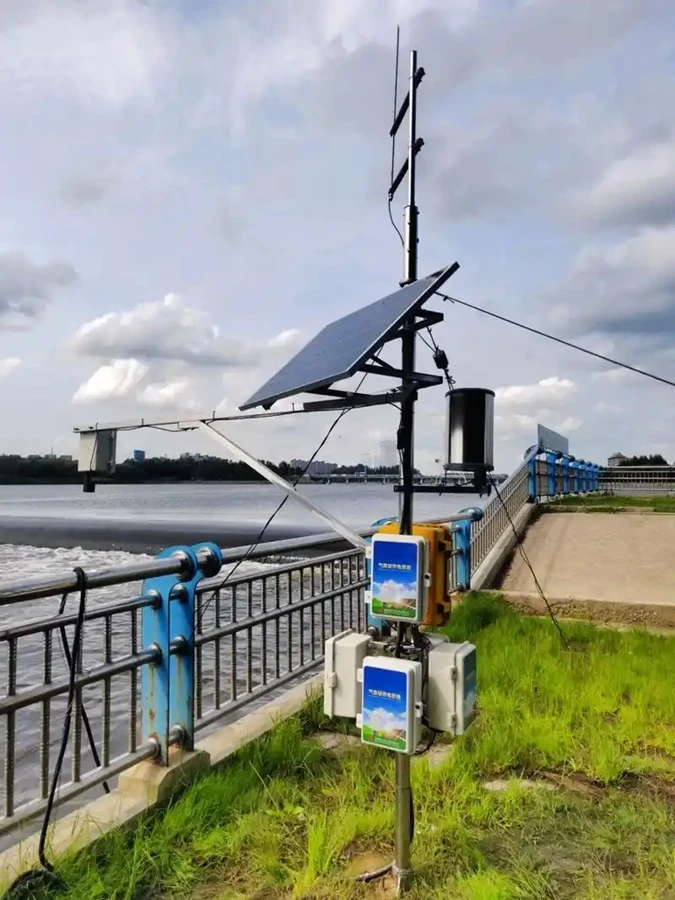
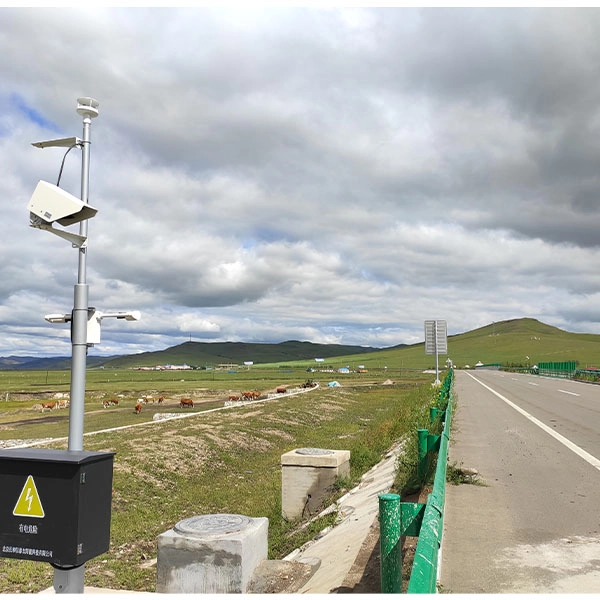
Monitoring priorities should be adapted to the site’s climate, terrain, PV technology, and layout. The goal is not to use more sensors, but to measure the environmental factors that are most relevant to the project.
- Desert solar farms: Focus on solar irradiance, module temperature, wind, soiling, and rainfall. Dust accumulation and high module temperatures can affect PV output, making soiling and thermal conditions important considerations in solar farm environmental monitoring.
- Coastal solar farms: Focus on humidity, temperature, wind, rainfall, and irradiance. These measurements help characterize the local moisture and weather conditions that can affect PV operation and provide context for plant performance.
- Bifacial solar farms: Focus on POA irradiance, rear-side irradiance, albedo, and module temperature. Solar irradiance monitoring should account for radiation reaching both sides of the module rather than relying only on front-side irradiance.
- Solar farms with complex terrain: Consider multiple monitoring locations, terrain differences, representative measurement points, and sensor placement. One monitoring station does not necessarily represent an entire utility-scale solar site, particularly when arrays are distributed across different elevations, slopes, or orientations.
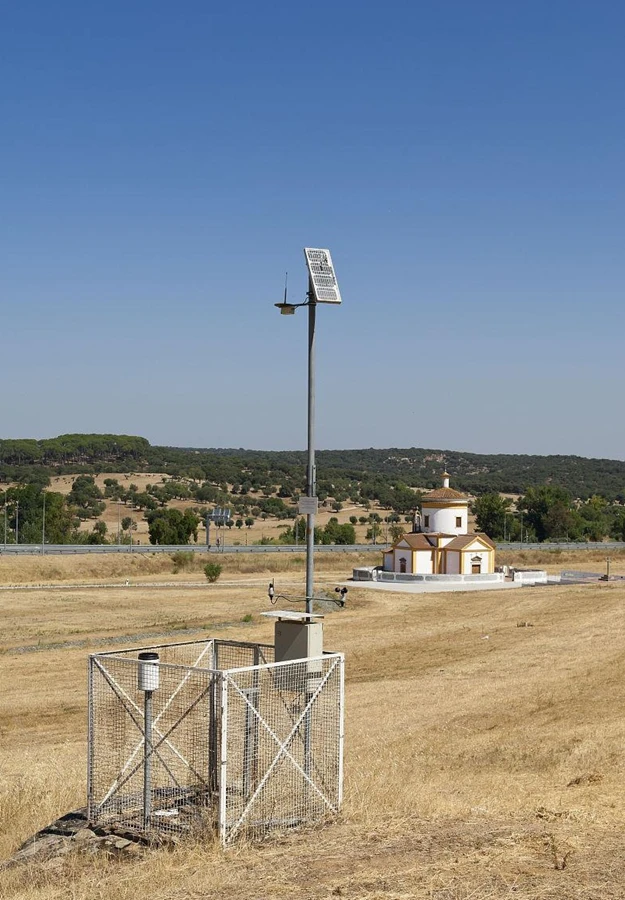
Where Should Solar Monitoring Sensors Be Installed?
Sensor placement directly affects monitoring data quality. The installation location should match the measurement objective and provide representative data for the monitored PV array.
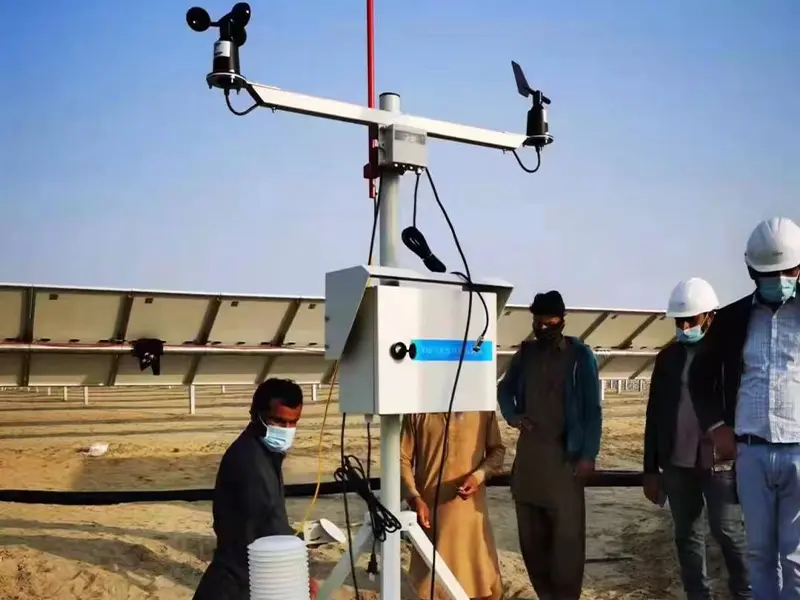
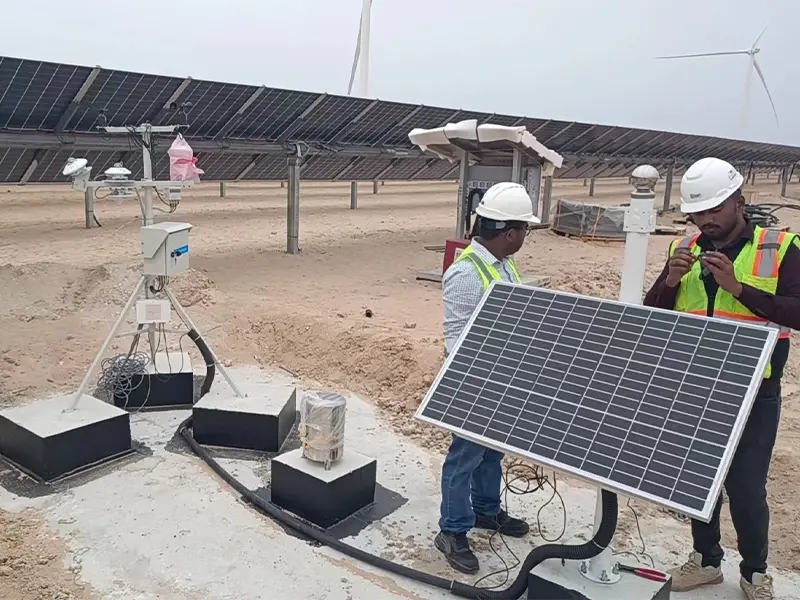
For irradiance sensor installation, the sensor should be placed in an unobstructed location with minimal shading. For POA measurements, its tilt and orientation should match the monitored PV array. A pyranometer can provide independent irradiance data where dedicated solar radiation measurement is required.
For weather station installation and module temperature sensor placement, the sensors should reflect the actual operating environment. Weather sensors need sufficient exposure while avoiding nearby structures and heat sources, while a module temperature sensor should maintain good thermal contact with the rear surface of a representative module. Ambient temperature should not be treated as a substitute for module temperature.
For large or complex sites, one monitoring station does not necessarily represent an entire utility-scale solar site. Plant size, terrain, array configuration, tracker layout, and local climate should be considered when selecting representative monitoring points. The objective is not simply to install more sensors, but to ensure that the collected data represents the conditions of the PV array being evaluated.
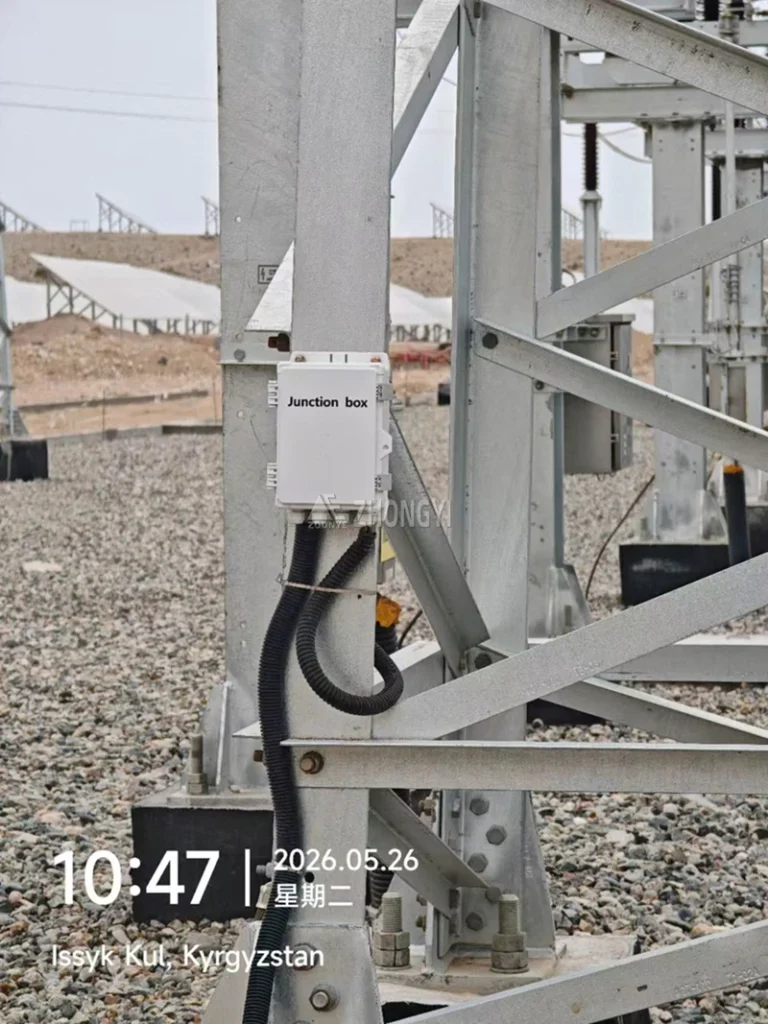
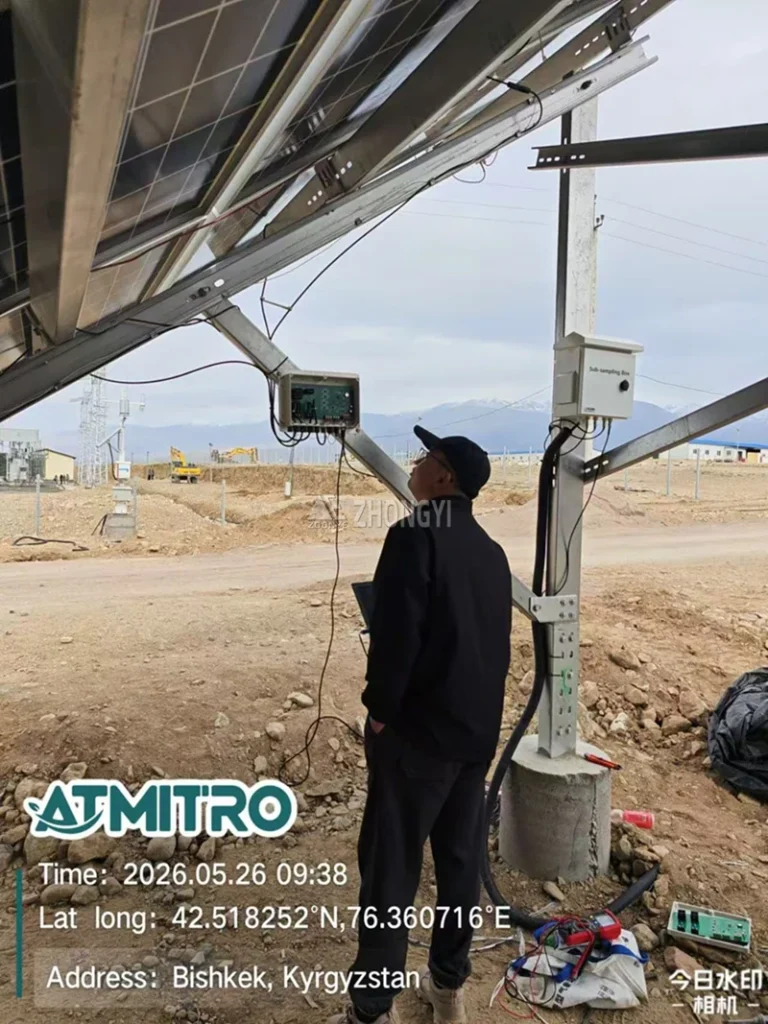
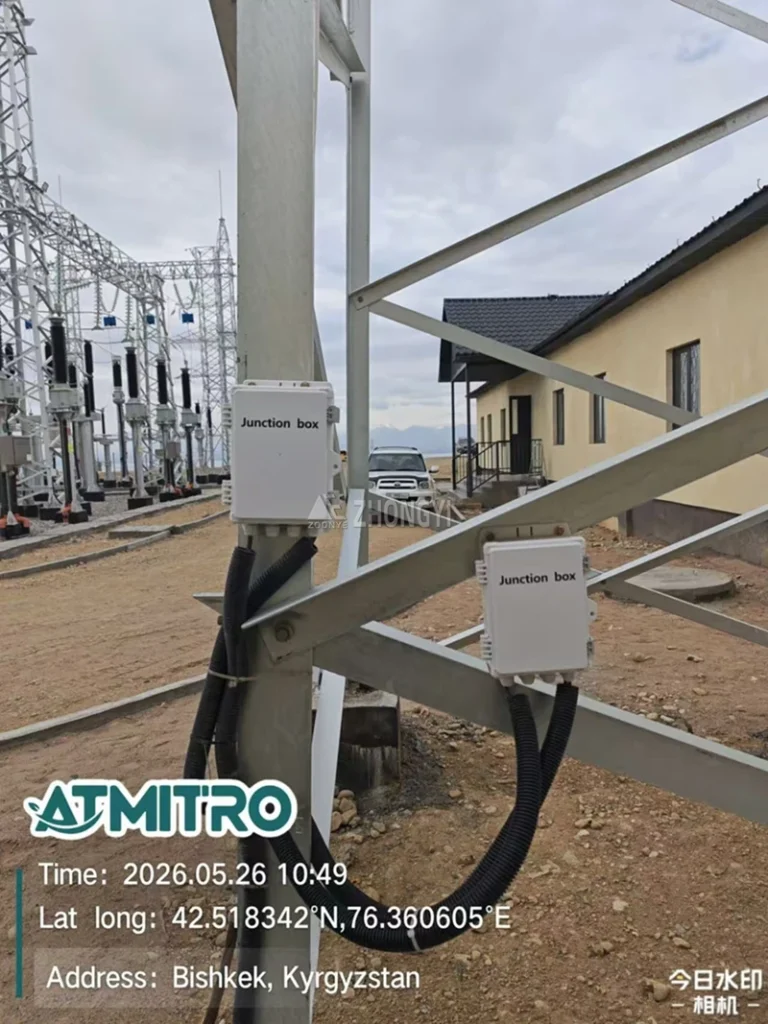
Why Data Quality Matters in Utility-Scale Solar Monitoring?
Data quality is essential for reliable utility scale solar monitoring. Sensor accuracy, calibration, and traceability help keep irradiance and environmental measurements consistent over long-term operation. For example, a properly maintained pyranometer can provide a stable irradiance reference for comparing environmental conditions with PV output.
However, sensor accuracy is only part of the problem. Dust, rain, aging, missing records, unstable signals, or incorrect configurations can affect the data collected from an outdoor monitoring system. Regular sensor cleaning and maintenance, together with basic data validation and abnormal-data checks, help keep the monitoring data complete and usable.
From Environmental Data to Solar O&M Decisions
Environmental data can help O&M teams distinguish between changes caused by site conditions and issues that require equipment inspection. The following patterns provide a practical starting point rather than a fixed fault diagnosis.
Low irradiance + low power output: Check weather conditions, available solar resource, and irradiance sensor data first. A reduction in plant output may be consistent with lower solar irradiance and should be investigated further only if the measured conditions do not explain the output change.
Normal irradiance + abnormal power output: If irradiance remains within the expected range while power output changes abnormally, the inverter, strings, modules, and electrical system can be investigated to identify potential equipment-related issues.
Normal irradiance + increasing soiling: When irradiance conditions remain normal but soiling levels increase, the data can help support a cleaning assessment and evaluate potential soiling-related losses.
High module temperature + reduced output: Compare module temperature with ambient temperature and wind conditions. Higher module temperature can affect PV output, while wind conditions can influence module cooling. These measurements should be considered together before determining whether further inspection is required.
결론
Utility scale solar monitoring is not about installing as many sensors as possible. What matters is whether the selected measurements are representative of the PV site and can be used together with plant operating data. Irradiance, weather, module temperature, sensor placement, and data quality all need to be considered as part of the same monitoring setup.
The right configuration depends on the site’s climate, PV technology, plant layout, and monitoring objective. Yantai Sensor provides solar irradiance, weather, temperature, wind, and other environmental monitoring sensors for different PV applications, with the configuration adjusted to the actual project requirements. If you are planning a new monitoring system or reviewing an existing setup, Yantai Sensor에 문의 to discuss the measurement requirements and suitable sensor configuration for your project.