บทนำ
When a utility-scale solar farm produces less power than expected, inverter and SCADA data alone may not explain why. The change could be related to lower solar irradiance, high module temperature, changing wind conditions, rainfall, soiling, or an issue within the PV system itself. For plant operators, O&M teams, and system integrators, understanding these factors is important before deciding whether further inspection or maintenance is required.
This is where utility scale solar monitoring becomes important. By combining environmental measurements with plant operating data, operators can identify whether changes in PV performance are related to site conditions or the system itself. The monitoring configuration also needs to match the project’s climate, PV technology, plant layout, and monitoring objectives rather than simply adding more sensors.
This article explains which environmental parameters are commonly monitored at utility-scale solar farms, how solar monitoring sensors work with data loggers and SCADA systems, where sensors should be installed, and how reliable environmental data can support PV performance analysis and O&M decisions.
What Is Utility-Scale Solar Monitoring?
Utility scale solar monitoring is the measurement and analysis of solar resource, environmental conditions, and PV-specific conditions across a large solar power plant. It combines field sensor data with plant operating data to help operators understand how site conditions affect PV performance.
The monitoring configuration typically covers three areas: solar resource, weather and environmental conditions, and PV-specific conditions. The required measurements depend on the plant design, climate, PV technology, and monitoring objectives.
Solar Resource Monitoring
Solar resource monitoring measures the solar radiation available to a PV plant. Depending on the project, common measurements include:
- ปริมาณรังสีแสงอาทิตย์รวมแนวนอนทั่วโลก (GHI)
- Plane of Array (POA) irradiance
- Direct Normal Irradiance (DNI) and Diffuse Horizontal Irradiance (DHI) where applicable
- Reflected irradiance or albedo, particularly for bifacial PV systems
These measurements help operators compare available solar irradiance with actual PV power output. POA irradiance is particularly relevant for PV performance analysis because it represents the radiation received by the module plane.For a clearer explanation of the different irradiance components, see พลังงานแสงอาทิตย์ GHI, DNI และ DHI คืออะไร?.
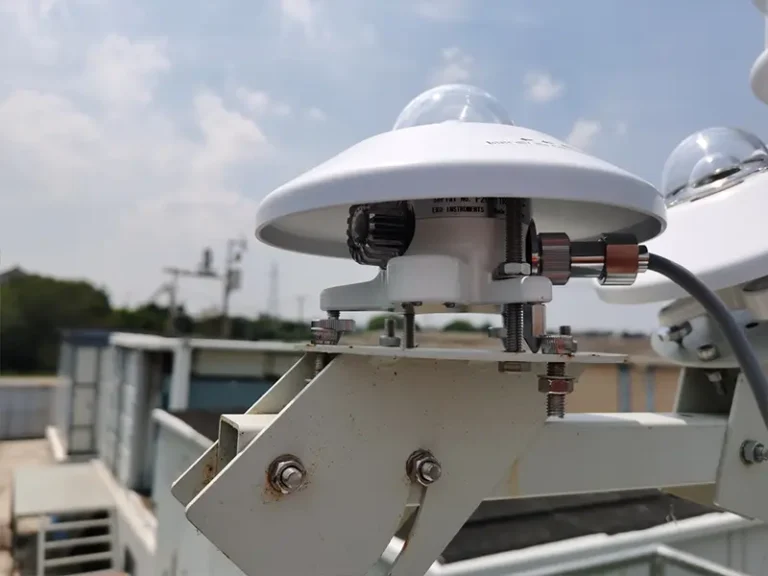
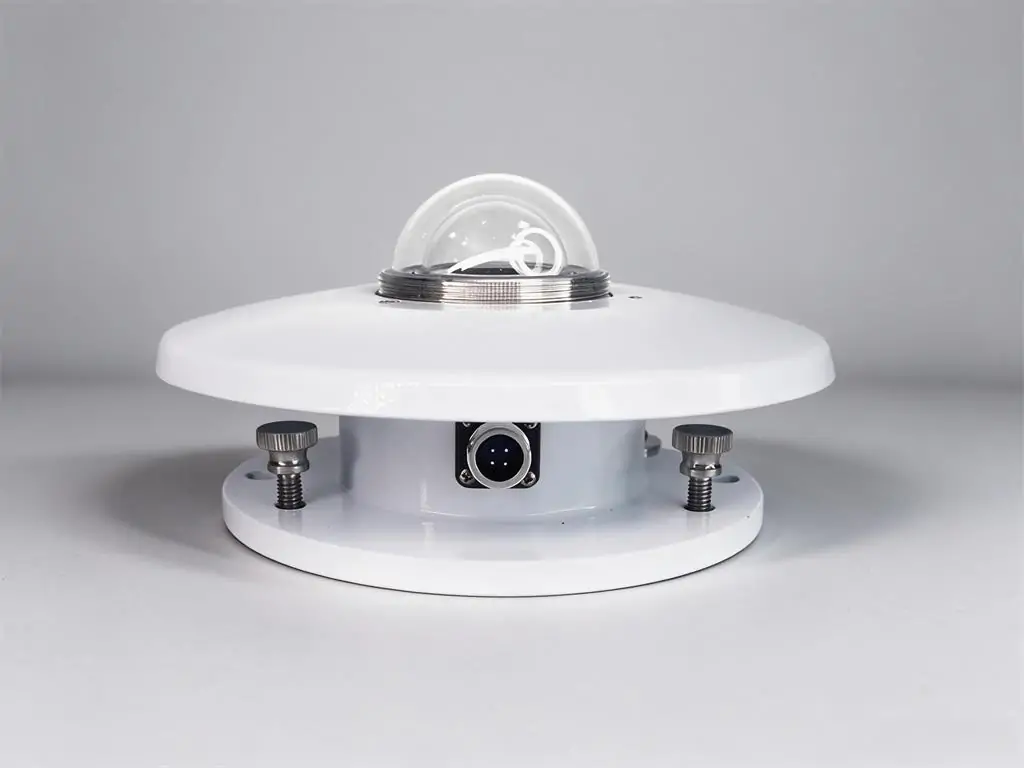
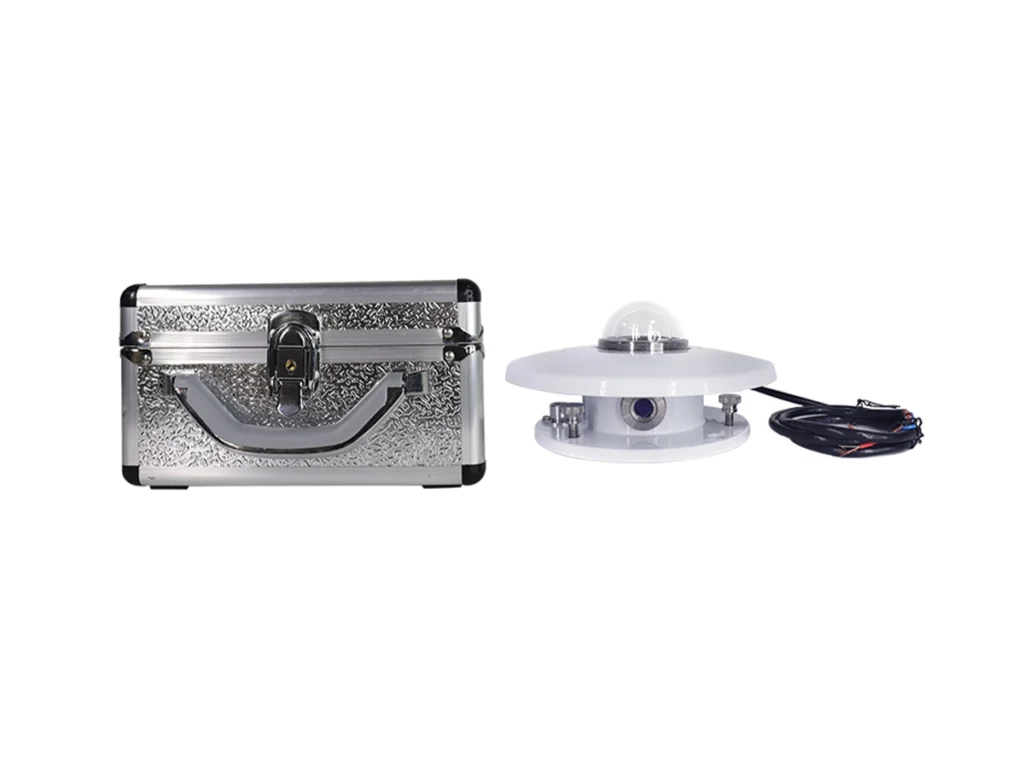
For dedicated solar irradiance monitoring, an independent pyranometer can be used when measurement accuracy, calibration, and long-term data consistency are important for PV performance analysis or environmental monitoring.
Related product: Pyranometer / TBQ-2C
Environmental and Weather Monitoring
Weather conditions affect the operating environment of a solar farm and can influence PV output and site conditions. Common measurements include:
- อุณหภูมิแวดล้อม
- ความชื้นสัมพัทธ์
- ความเร็วลม
- ทิศทางลม
- ปริมาณน้ำฝน
- ความดันบรรยากาศ
These measurements help operators interpret PV performance under actual site conditions. For example, ambient temperature and wind conditions affect module operating temperature, while rainfall can provide useful context for evaluating weather changes and potential soiling conditions.
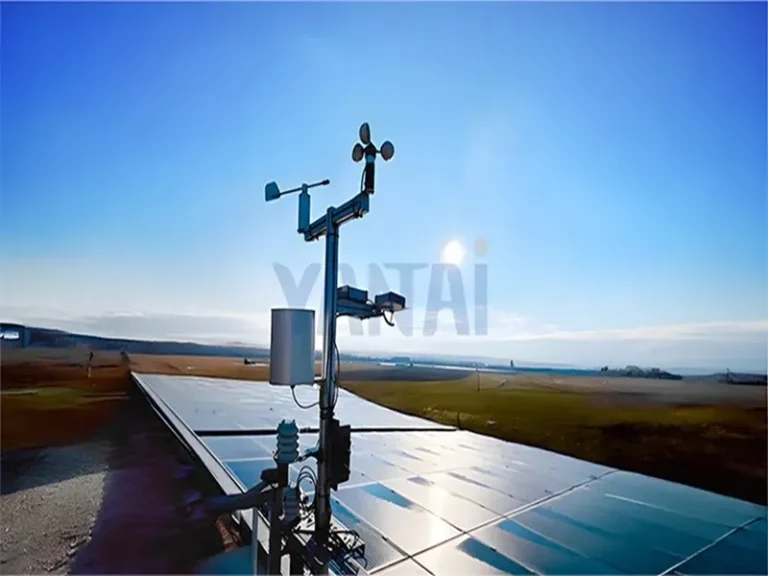
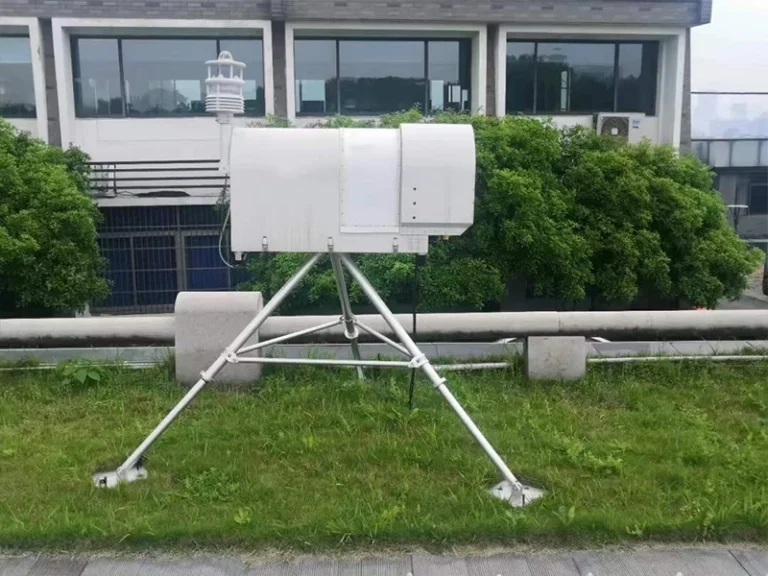
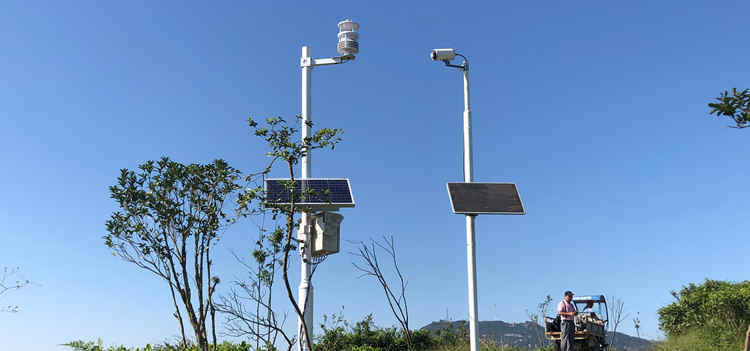
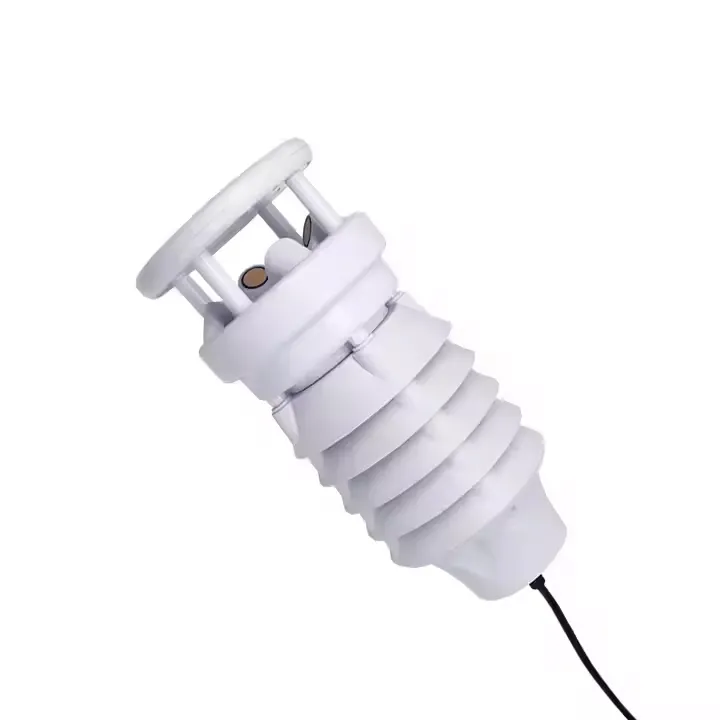
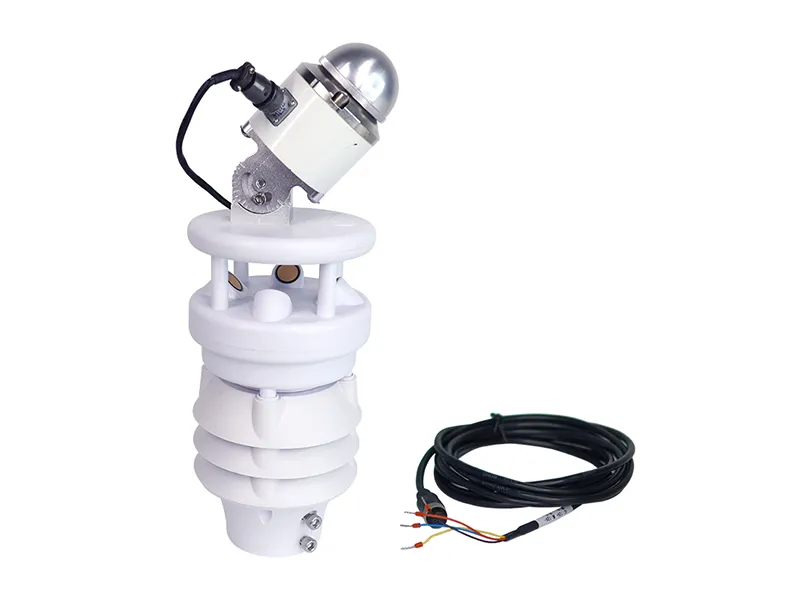
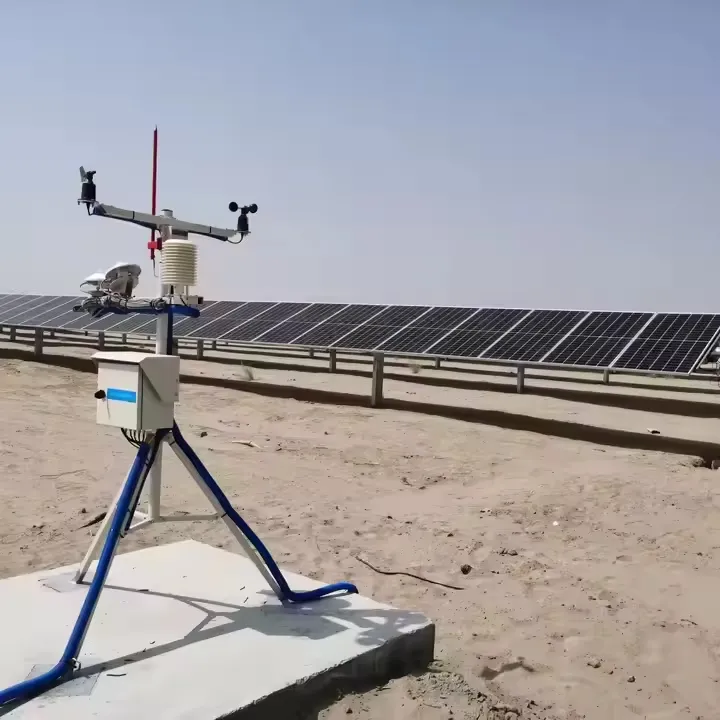
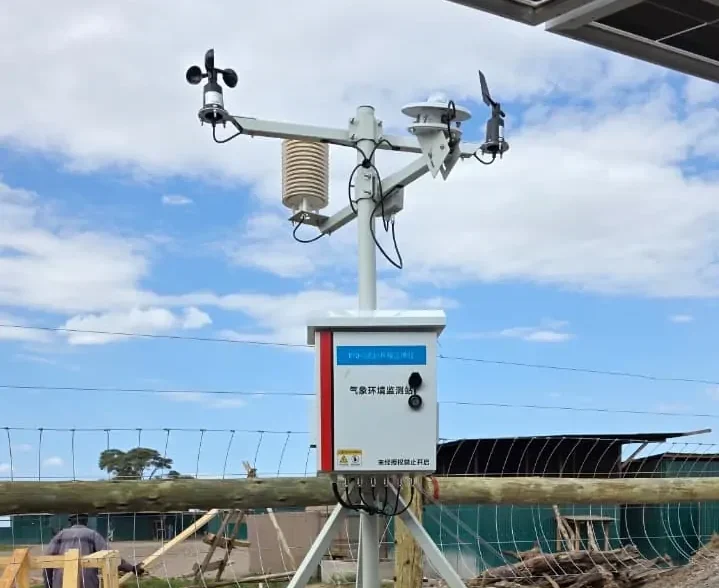
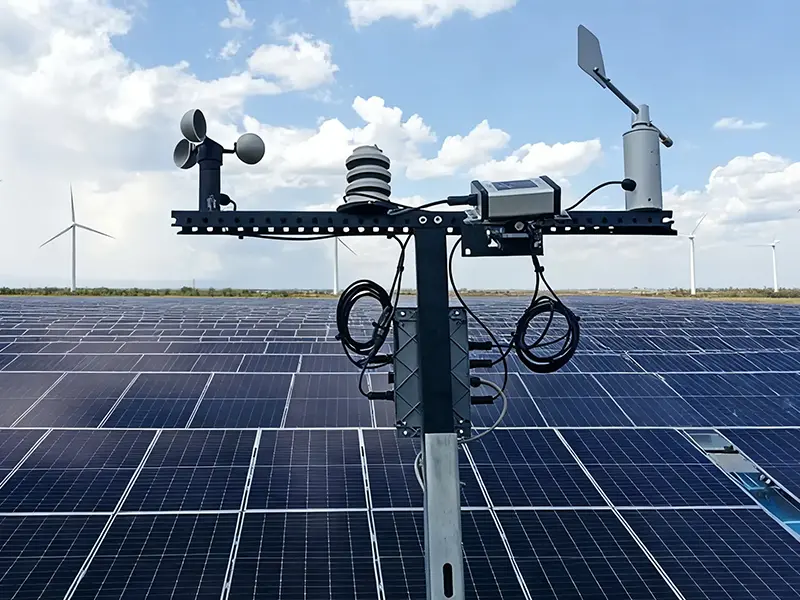
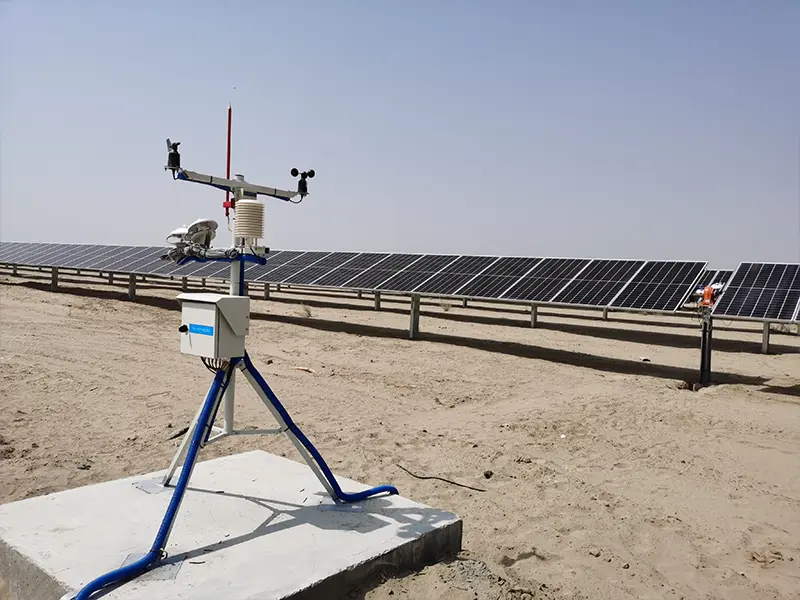
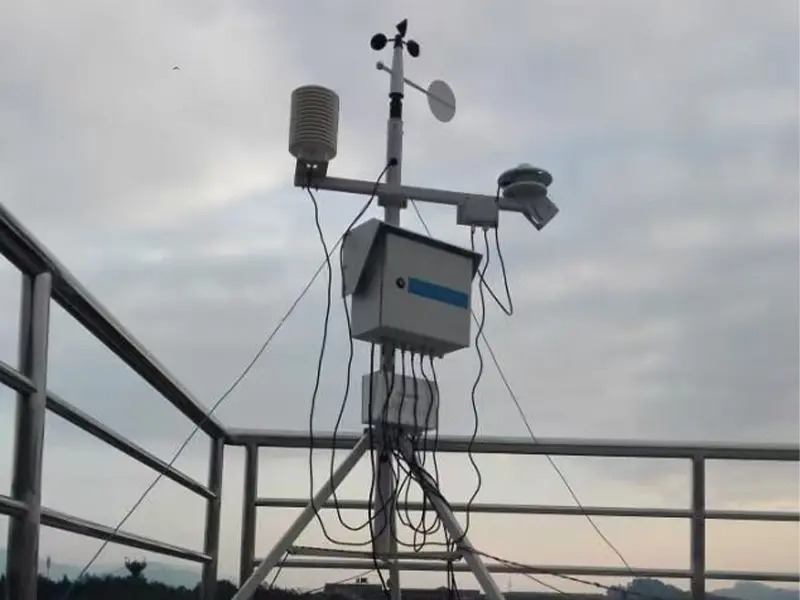
An integrated environmental monitoring station can combine several of these measurements at one field location, reducing the need for separate instruments and simplifying field data acquisition.For a deeper explanation of PV weather monitoring and its role in solar farm operations, see สถานีตรวจอากาศ PV คืออะไร และเหตุใดจึงสำคัญสำหรับฟาร์มพลังงานแสงอาทิตย์?.
Related product: สถานีตรวจวัดสิ่งแวดล้อมเซลล์แสงอาทิตย์ RYQ-3
PV-Specific Environmental Monitoring
Some measurements are directly related to PV module conditions and site-specific performance. Depending on the project, monitoring may include:
- อุณหภูมิโมดูล
- Soiling conditions
- Snow conditions where relevant
- Albedo for bifacial PV systems
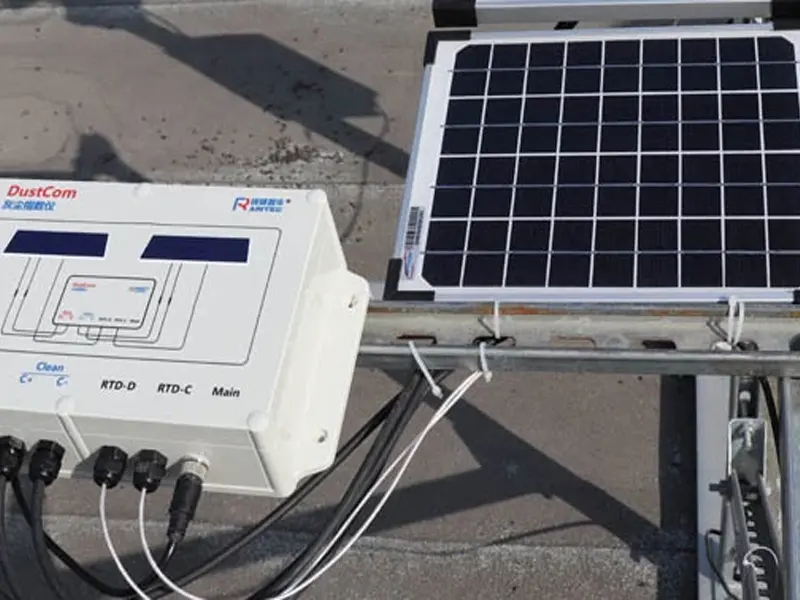
Module temperature affects PV electrical performance, while soiling can reduce the radiation reaching the module surface. For bifacial PV systems, albedo provides additional information about ground-reflected radiation reaching the rear side of the modules.
For a broader overview of PV environmental monitoring system components and functions, see ระบบตรวจสอบสภาพแวดล้อม PV: ส่วนประกอบ ฟังก์ชัน และ ROI อธิบาย.
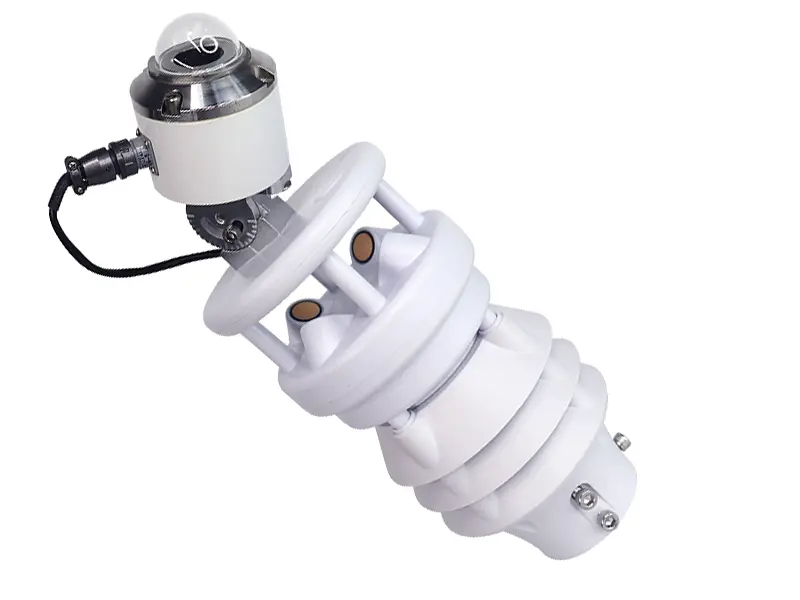
Related products: [ระบบตรวจสอบดัชนีฝุ่นโฟโตโวลตาอิก DustCom] · XF500S-CWB PV Integrated Solar/Environmental Monitoring Sensor
Why Environmental Monitoring Matters for Utility-Scale Solar Farms?
A solar farm’s power output depends not only on the PV equipment but also on the conditions under which it operates. Environmental monitoring provides the site data needed to put changes in plant output into context. For utility-scale projects, this helps operators distinguish changes caused by environmental conditions from potential system-related issues.
Separating Weather Effects From Equipment Losses
Low power output does not always mean there is an equipment fault. A reduction in solar irradiance, changes in ambient temperature, or other weather conditions can also affect PV output.
Comparing environmental measurements with plant output helps operators determine whether a change is consistent with site conditions or whether further investigation of the PV system may be needed.
Supporting PV Performance Analysis
PV output needs to be evaluated against the solar resource available to the plant. Solar irradiance, temperature, and plant output provide the basic data for comparing PV performance under different operating conditions.
This is particularly useful for PV performance monitoring, where changes in solar resource need to be separated from changes in system performance.
Supporting Solar O&M Decisions
Environmental conditions can also provide useful context for routine O&M decisions. For example, changes in soiling conditions can help determine whether module cleaning should be considered, while unusual environmental conditions can provide additional context when investigating abnormal plant output.
The purpose is not to replace equipment diagnostics, but to give O&M teams additional field information before deciding whether inspection or maintenance is required.
Identifying Site-Specific Environmental Risks
Environmental conditions vary significantly between solar farm locations, so the most relevant monitoring parameters can also differ.
- Desert sites: dust and soiling can be major concerns.
- Coastal sites: humidity, salt exposure, and strong wind may require closer monitoring.
- High-altitude sites: low temperature, strong wind, and snow can affect plant operation.
- Bifacial PV systems: albedo and ground-reflected irradiance become more relevant.
Site-specific monitoring ensures that the environmental factors most relevant to a particular PV project are included in the monitoring configuration.
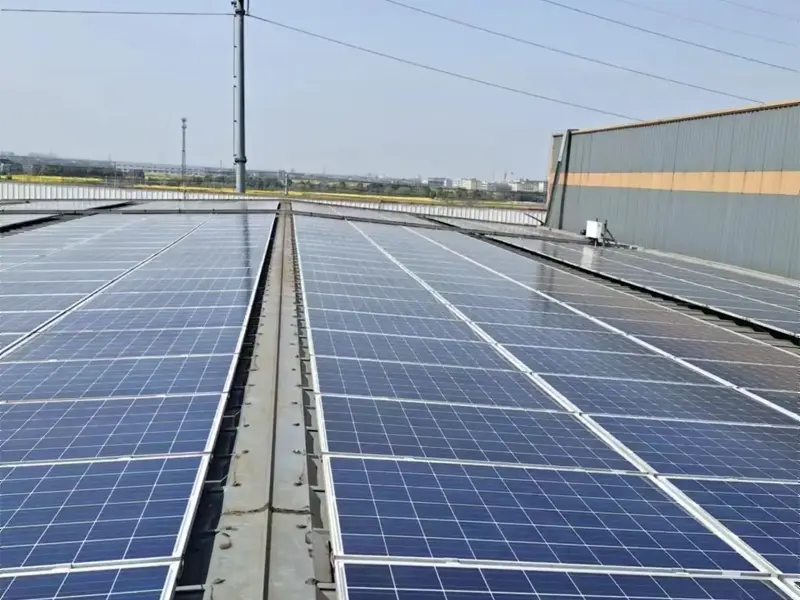
What Environmental Parameters Should a Solar Farm Monitor?
A solar farm environmental monitoring system typically covers solar irradiance, temperature, wind, humidity, rainfall, and PV-specific conditions. The exact configuration depends on the plant design, climate, PV technology, and monitoring objectives.
| พารามิเตอร์ | วัตถุประสงค์การตรวจสอบ |
| รังสี POA | PV performance analysis |
| จีเอชไอ | Solar resource reference |
| อุณหภูมิโมดูล | PV output analysis |
| อุณหภูมิแวดล้อม | Environmental and thermal analysis |
| ความเร็วลม | Weather and cooling conditions |
| ทิศทางลม | Local weather characterization |
| ความชื้นสัมพัทธ์ | Moisture conditions |
| ปริมาณน้ำฝน | Weather and O&M context |
| สิ่งสกปรก | Cleaning and loss analysis |
| อัลเบโด | Bifacial PV analysis |
These measurements are collected through solar monitoring sensors and used for solar irradiance monitoring, PV performance analysis, and site-specific O&M decisions. POA irradiance, module temperature, ambient temperature, and wind conditions are commonly important for utility-scale PV performance monitoring, while soiling and albedo become more relevant for specific site conditions and PV configurations.
How Solar Monitoring Sensors Work Together?
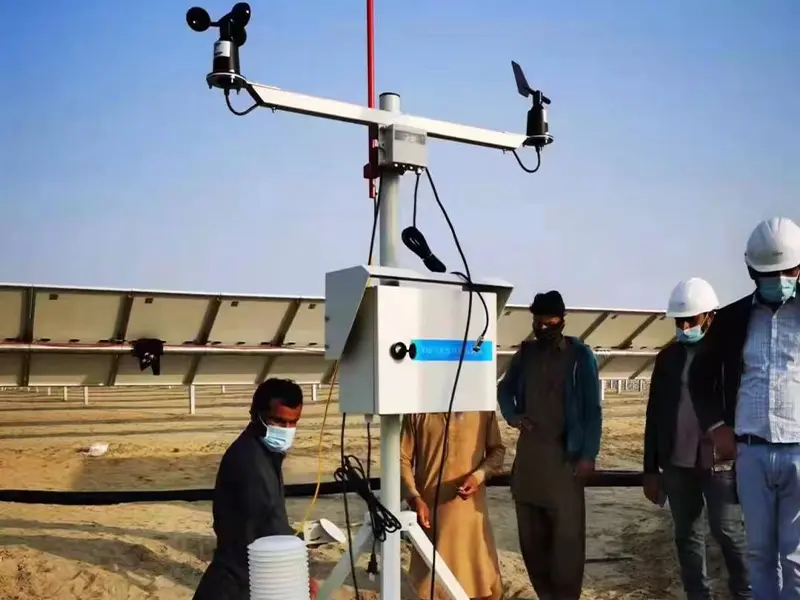
Solar monitoring sensors form a data chain from field measurement to plant monitoring. Sensors collect environmental and PV data, the data logger organizes and stores the measurements, communication interfaces transfer the data, and SCADA or cloud platforms integrate it with plant operating data.
Field Sensors
Field sensors provide the raw environmental and PV measurements used by the monitoring system. A pyranometer, for example, provides independent solar irradiance data, while integrated sensors can combine multiple measurements at a single monitoring point. The sensor configuration depends on the site’s monitoring requirements.
เครื่องบันทึกข้อมูล
The data logger collects sensor data, applies timestamps, performs basic data validation, and stores the measurements before transmission. Consistent timestamps are important when environmental data is compared with inverter output and other plant operating data.
Communication and Data Transmission
The communication layer transfers sensor data from the field to the monitoring platform. RS485 and Modbus RTU are commonly used at the sensor level, while Ethernet, wireless, 4G, or project-specific protocols can be used for data transmission depending on the plant infrastructure.
SCADA or Cloud Platform
SCADA or cloud platforms combine environmental measurements with plant operating data such as inverter output and equipment status. This allows operators to use the combined dataset for solar power plant monitoring system and solar farm monitoring system applications.
Solar Farm Environmental Monitoring vs. SCADA
Environmental monitoring and SCADA serve different but complementary roles: environmental sensors measure site conditions, while SCADA monitors plant equipment and operation.
| Environmental Monitoring Focus | SCADA Monitoring Focus |
| ค่ารังสีดวงอาทิตย์ | Inverter data |
| อุณหภูมิ | Voltage and current |
| Wind conditions | Power output |
| ปริมาณน้ำฝน | สถานะของอุปกรณ์ |
| สิ่งสกปรก | Alarms |
| อุณหภูมิโมดูล | Tracker status |
Environmental monitoring provides the site conditions needed to interpret PV performance, while SCADA provides plant operating data. When integrated into a solar power plant monitoring system or solar farm monitoring system, these datasets can be compared to understand how environmental conditions relate to changes in plant output.
How Solar Farm Monitoring Changes With Site Conditions?
Monitoring priorities should be adapted to the site’s climate, terrain, PV technology, and layout. The goal is not to use more sensors, but to measure the environmental factors that are most relevant to the project.
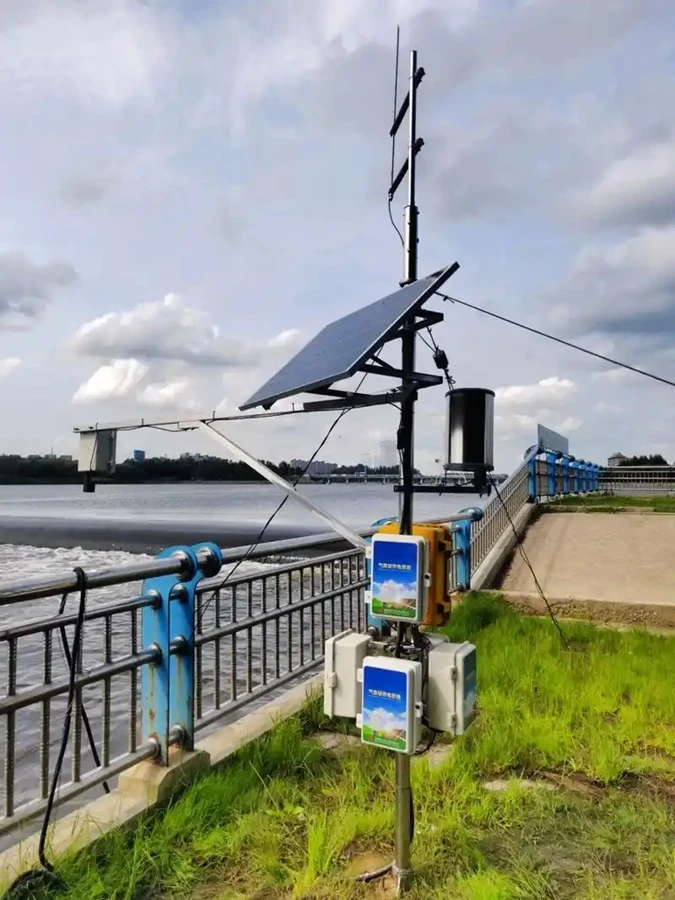
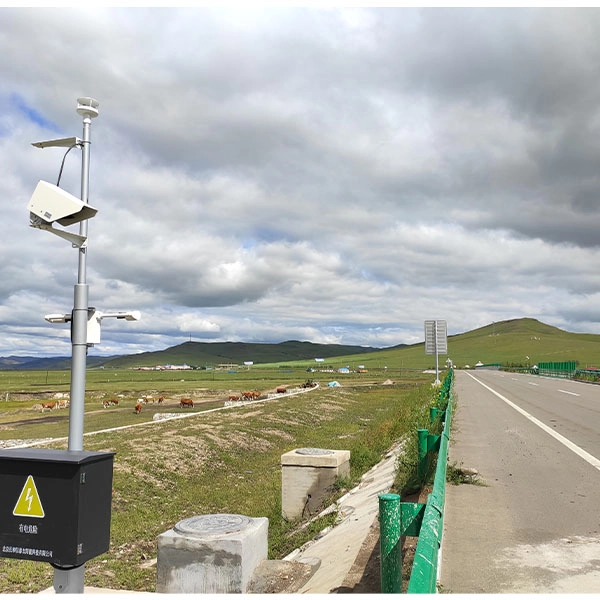
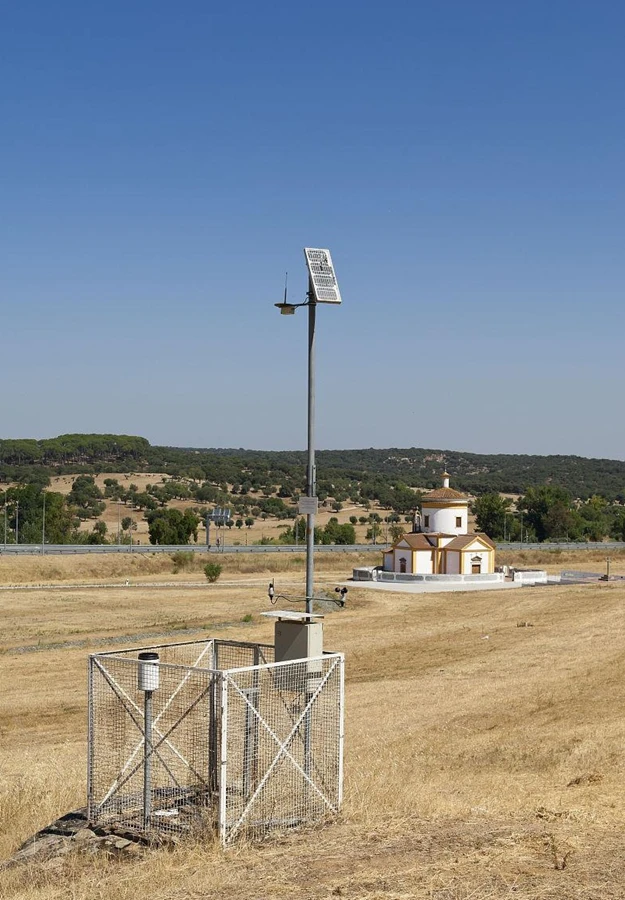
- Desert solar farms: Focus on solar irradiance, module temperature, wind, soiling, and rainfall. Dust accumulation and high module temperatures can affect PV output, making soiling and thermal conditions important considerations in solar farm environmental monitoring.
- Coastal solar farms: Focus on humidity, temperature, wind, rainfall, and irradiance. These measurements help characterize the local moisture and weather conditions that can affect PV operation and provide context for plant performance.
- Bifacial solar farms: Focus on POA irradiance, rear-side irradiance, albedo, and module temperature. Solar irradiance monitoring should account for radiation reaching both sides of the module rather than relying only on front-side irradiance.
- Solar farms with complex terrain: Consider multiple monitoring locations, terrain differences, representative measurement points, and sensor placement. One monitoring station does not necessarily represent an entire utility-scale solar site, particularly when arrays are distributed across different elevations, slopes, or orientations.
Where Should Solar Monitoring Sensors Be Installed?
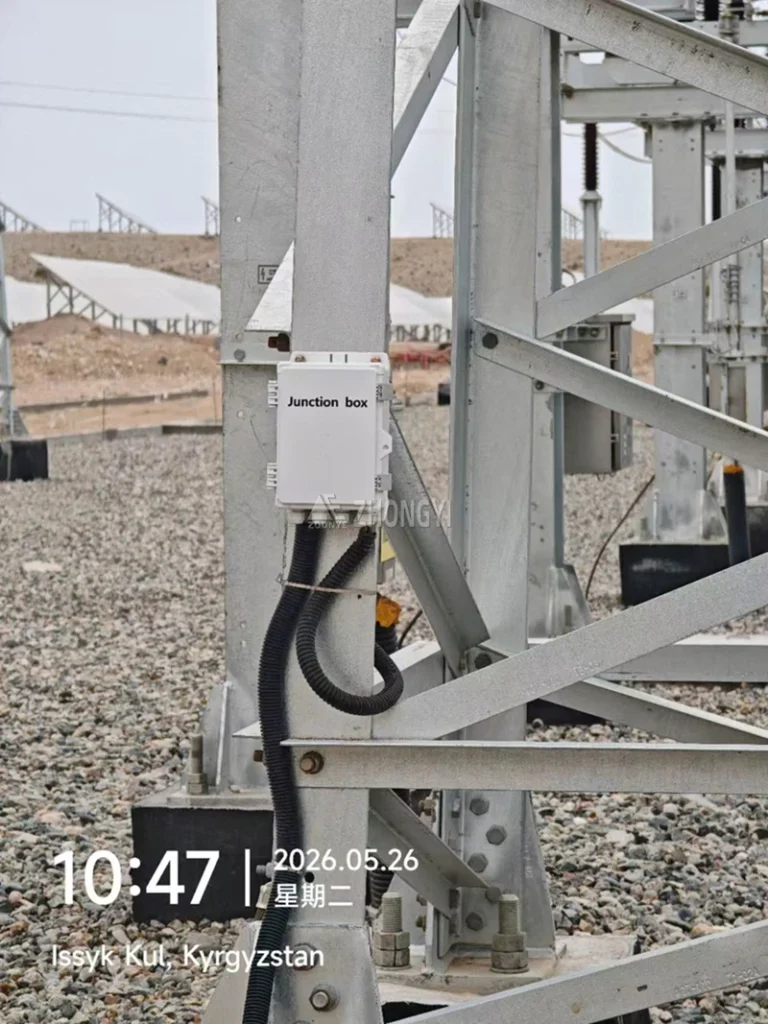
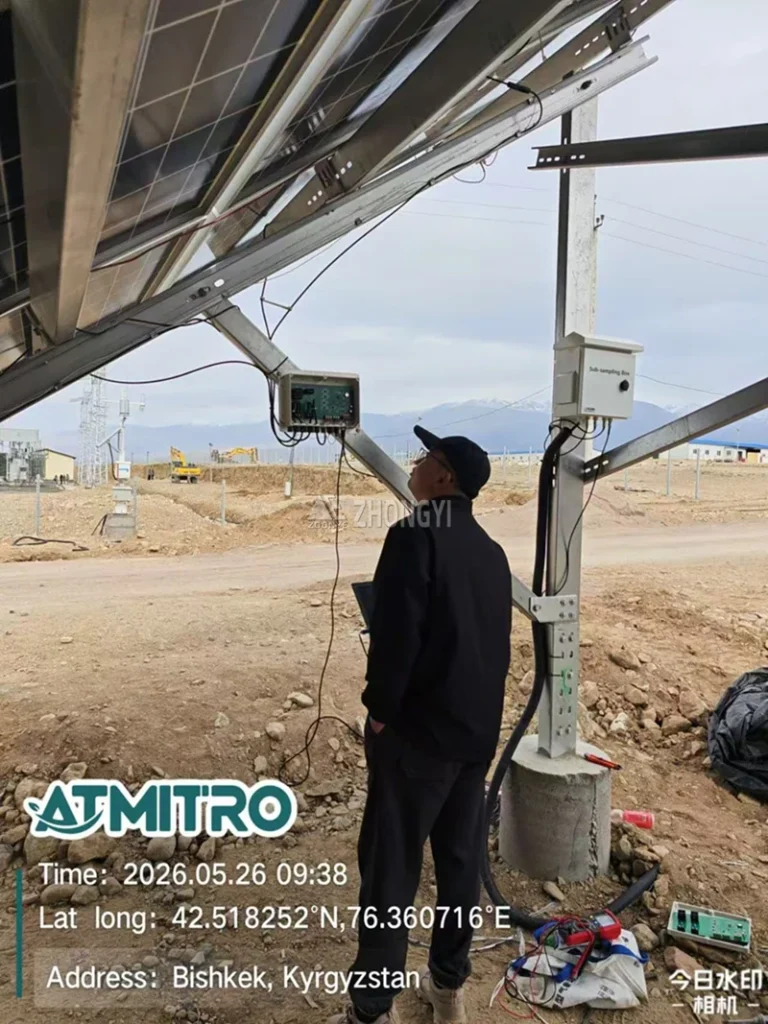
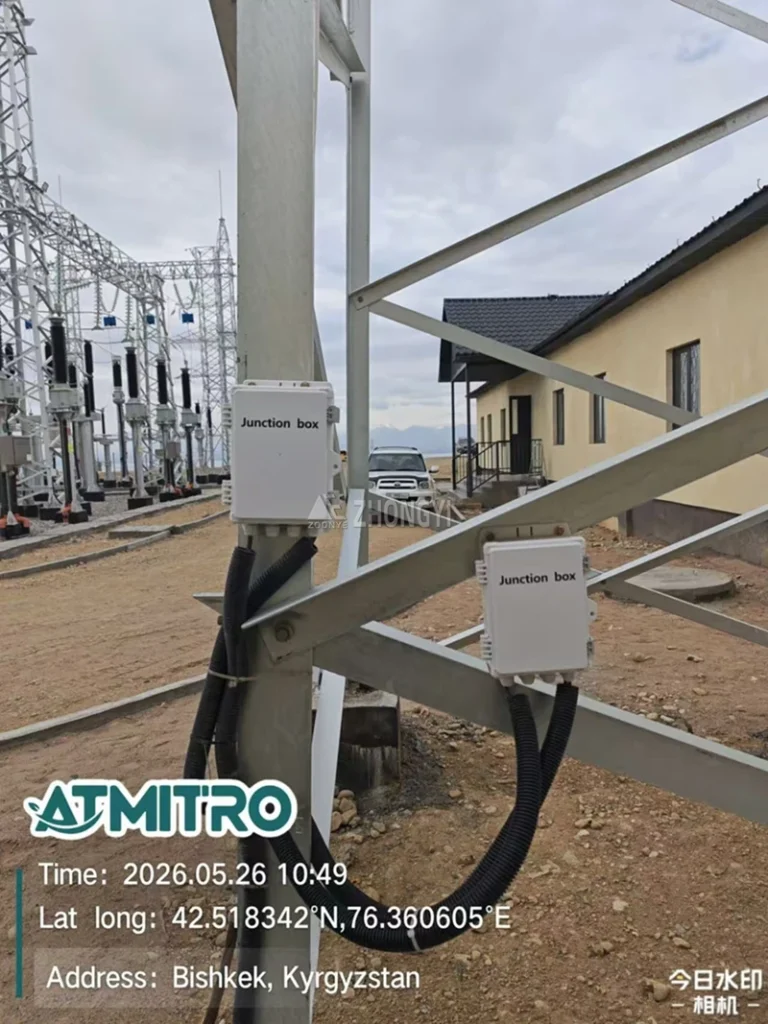
Sensor placement directly affects monitoring data quality. The installation location should match the measurement objective and provide representative data for the monitored PV array.
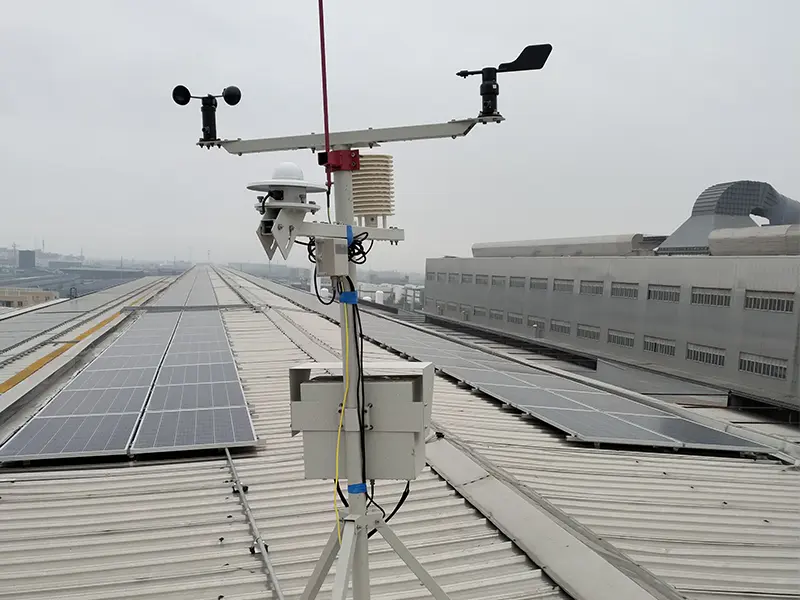
For irradiance sensor installation, the sensor should be placed in an unobstructed location with minimal shading. For POA measurements, its tilt and orientation should match the monitored PV array. A pyranometer can provide independent irradiance data where dedicated solar radiation measurement is required.
For weather station installation and module temperature sensor placement, the sensors should reflect the actual operating environment. Weather sensors need sufficient exposure while avoiding nearby structures and heat sources, while a module temperature sensor should maintain good thermal contact with the rear surface of a representative module. Ambient temperature should not be treated as a substitute for module temperature.
For large or complex sites, one monitoring station does not necessarily represent an entire utility-scale solar site. Plant size, terrain, array configuration, tracker layout, and local climate should be considered when selecting representative monitoring points. The objective is not simply to install more sensors, but to ensure that the collected data represents the conditions of the PV array being evaluated.
Why Data Quality Matters in Utility-Scale Solar Monitoring?
Data quality is essential for reliable utility scale solar monitoring. Sensor accuracy, calibration, and traceability help keep irradiance and environmental measurements consistent over long-term operation. For example, a properly maintained pyranometer can provide a stable irradiance reference for comparing environmental conditions with PV output.
However, sensor accuracy is only part of the problem. Dust, rain, aging, missing records, unstable signals, or incorrect configurations can affect the data collected from an outdoor monitoring system. Regular sensor cleaning and maintenance, together with basic data validation and abnormal-data checks, help keep the monitoring data complete and usable.
From Environmental Data to Solar O&M Decisions
Environmental data can help O&M teams distinguish between changes caused by site conditions and issues that require equipment inspection. The following patterns provide a practical starting point rather than a fixed fault diagnosis.
Low irradiance + low power output: Check weather conditions, available solar resource, and irradiance sensor data first. A reduction in plant output may be consistent with lower solar irradiance and should be investigated further only if the measured conditions do not explain the output change.
Normal irradiance + abnormal power output: If irradiance remains within the expected range while power output changes abnormally, the inverter, strings, modules, and electrical system can be investigated to identify potential equipment-related issues.
Normal irradiance + increasing soiling: When irradiance conditions remain normal but soiling levels increase, the data can help support a cleaning assessment and evaluate potential soiling-related losses.
High module temperature + reduced output: Compare module temperature with ambient temperature and wind conditions. Higher module temperature can affect PV output, while wind conditions can influence module cooling. These measurements should be considered together before determining whether further inspection is required.
สรุป
Utility scale solar monitoring is not about installing as many sensors as possible. What matters is whether the selected measurements are representative of the PV site and can be used together with plant operating data. Irradiance, weather, module temperature, sensor placement, and data quality all need to be considered as part of the same monitoring setup.
The right configuration depends on the site’s climate, PV technology, plant layout, and monitoring objective. Yantai Sensor provides solar irradiance, weather, temperature, wind, and other environmental monitoring sensors for different PV applications, with the configuration adjusted to the actual project requirements. If you are planning a new monitoring system or reviewing an existing setup, ติดต่อ Yantai Sensor to discuss the measurement requirements and suitable sensor configuration for your project.