소개
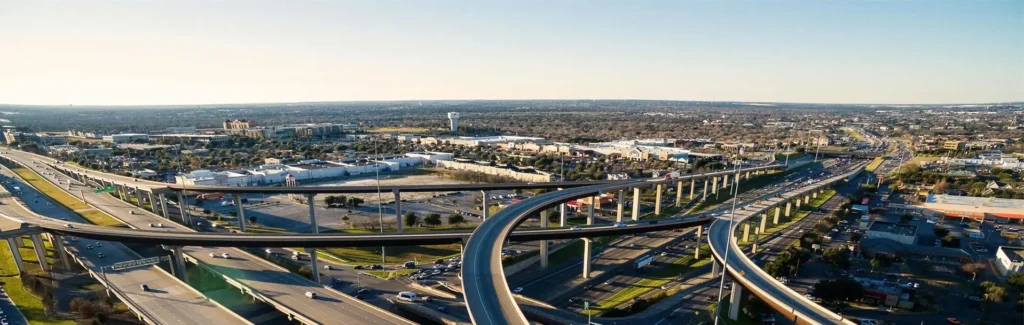
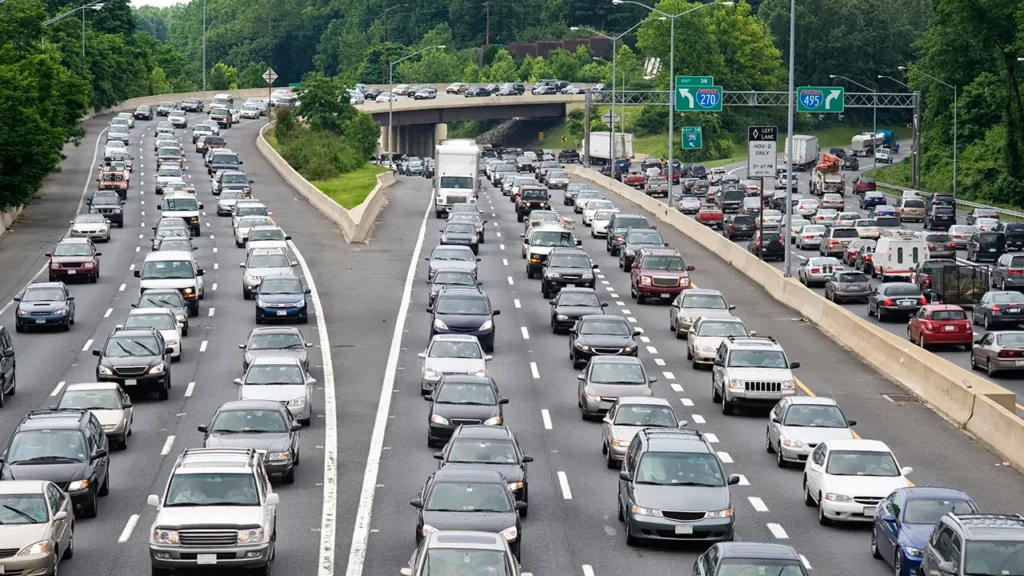
도시가 확장되고 교통 수요가 지속적으로 증가함에 따라, 교통 운영자는 도로 상황을 이해하고 일상적인 교통 운영을 관리하기 위해 보다 정확하고 시의적절한 데이터를 필요로 합니다. 고속도로 흐름 모니터링, 혼잡 감지부터 교차로 제어 개선에 이르기까지, 신뢰할 수 있는 교통 정보는 현대 교통 관리에 필수적인 요소가 되었습니다.
교통 센서는 교통 분석, 안전 개선 및 인프라 최적화를 위한 실시간 데이터를 제공함으로써 지능형 교통 시스템(ITS)에서 중요한 역할을 합니다. 이러한 감지 기술은 고속도로, 도시 도로, 터널 및 스마트 시티 프로젝트에 널리 사용되며, 더 나은 의사 결정을 위한 정확한 정보로 교통 모니터링 시스템을 지원합니다. 이 글에서는 다양한 교통 시나리오에 적합한 교통 모니터링 시스템을 선택할 때 고려해야 할 주요 유형, 작동 원리, 응용 분야 및 핵심 사항을 설명합니다.
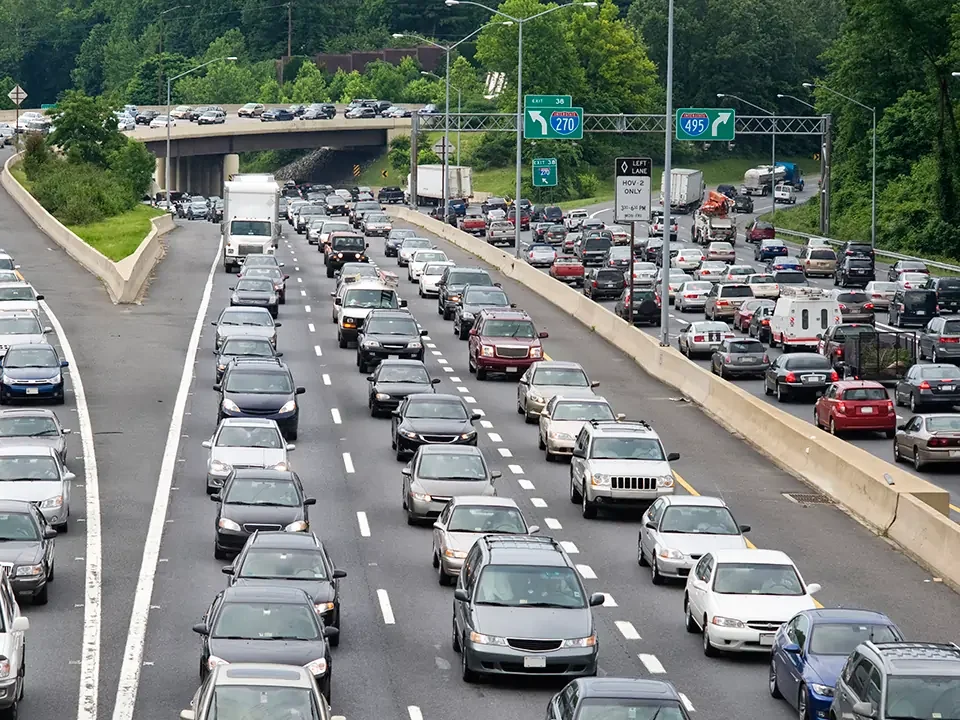
교통 센서란 무엇인가?
교통 감지 센서 는 차량 이동, 교통 흐름 및 주변 교통 환경을 포함한 도로 교통 상황의 실시간 정보를 감지하고 수집하는 데 사용되는 장치입니다. 이러한 장치는 물리적 변화와 교통 활동을 감지하여 교통 관리, 모니터링 및 제어 시스템에 신뢰할 수 있는 데이터를 제공합니다.
지능형 교통 시스템(ITS)의 핵심 구성 요소로서, 센서는 교통 상황을 관리 플랫폼에서 분석할 수 있는 구조화된 데이터로 변환합니다. 이들은 효율적인 운영과 더 안전한 이동성을 지원하기 위해 정확한 교통 정보가 필요한 고속도로, 도시 도로, 교차로 및 기타 교통 시설에 광범위하게 배치됩니다.
교통 센서는 어떻게 작동하는가?
센서는 도로 상황과 교통 활동의 변화를 감지한 다음, 차량 이동, 속도 및 물체 존재와 같은 물리적 신호를 구조화된 교통 데이터로 변환하여 작동합니다. 다양한 센서 기술이 서로 다른 감지 방법을 사용하지만, 그 작동 과정은 일반적으로 데이터 수집, 신호 처리 및 데이터 전송의 세 가지 주요 단계를 따릅니다.
작동 중에 스마트 교통 시스템은 차량, 보행자 및 주변 도로 상황으로부터 정보를 수집하고, 알고리즘을 통해 원시 신호를 처리하며, 교통 관리를 위한 사용 가능한 교통 정보를 생성합니다. 처리된 데이터는 교통 플랫폼으로 전송되어 실시간 모니터링, 교통 제어 및 개선된 운영 결정을 가능하게 합니다.
교통 데이터 감지
센서 작동의 첫 번째 단계는 도로 환경으로부터 신호를 수집하는 것입니다. 다양한 감지 요구 사항에 따라 센서는 전자기 감지, 레이더 감지, 비디오 인식, 적외선 감지 및 레이저 스캐닝과 같은 기술을 사용하여 차량, 보행자 및 도로 상황과 관련된 정보를 포착합니다.
이러한 감지 방법은 추가 처리를 위한 원시 데이터를 제공하여 교통 시스템이 차량 이동, 교통 흐름 및 도로 상황을 실시간으로 분석할 수 있도록 합니다.
데이터 처리 및 분석
원시 신호를 수집한 후, 교통 모니터링 시스템은 데이터를 처리하여 교통 상황을 식별하고 구조화된 교통 정보를 생성합니다. 처리 단계에는 일반적으로 신호 처리, 물체 인식, 데이터 분석 및 필터링이 포함되어 감지 정확도를 높이고 비정상 데이터를 제거합니다.
처리된 데이터는 교통 상태, 혼잡 수준, 교통 패턴 및 차량 이동 특성을 결정하는 데 사용될 수 있으며, 교통 모니터링 및 관리 시스템에 대한 지원을 제공합니다.
데이터 전송 및 통합
처리 후, 교통 데이터는 유선 또는 무선 통신 네트워크를 통해 연결된 관리 플랫폼으로 전송됩니다. 이러한 플랫폼에는 교통 모니터링 시스템, 지능형 교통 시스템(ITS) 플랫폼 및 클라우드 기반 교통 관리 시스템이 포함될 수 있습니다.
통합된 데이터는 교통 관리를 위한 실시간 교통 모니터링, 교통 제어 및 시스템 수준 분석을 가능하게 합니다.
유형
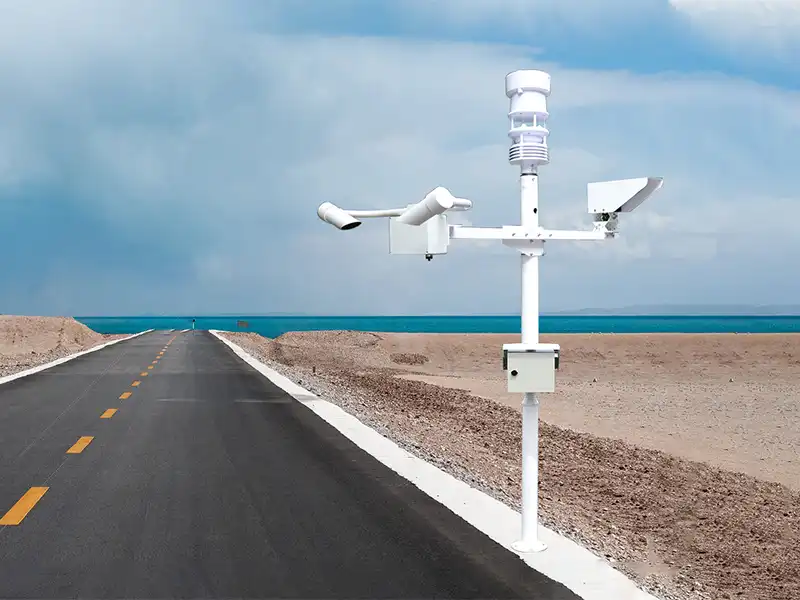
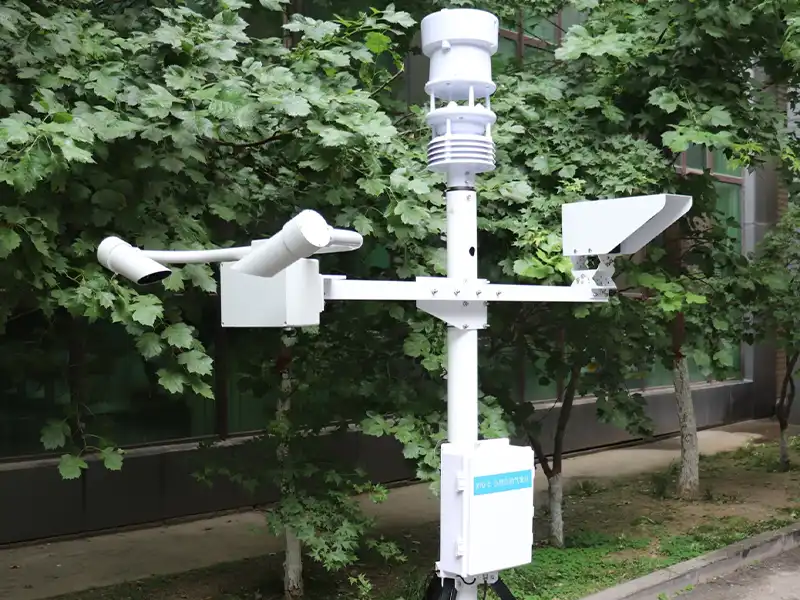
교통 센서는 감지 기술과 의도된 응용 분야에 따라 분류될 수 있습니다. 다양한 센서 유형은 특정 감지 방법을 사용하여 교통 데이터를 수집하며, 그 적합성은 정확도 요구 사항, 설치 조건 및 작동 환경과 같은 요소에 따라 달라집니다.
일반적인 교통 모니터링 시스템 기술에는 유도 루프 센서, 레이더 센서, 비디오 센서, LiDAR 센서, 적외선 센서, 초음파 센서 및 압전 센서가 포함됩니다.
유도 루프 지능형 센서
유도 루프 스마트 교통 시스템은 도로 표면 아래에 설치되는 널리 사용되는 차량 감지 기술입니다. 차량이 매립된 루프 위를 통과할 때 전자기장의 변화를 측정하여 차량을 감지합니다.
이러한 센서는 신뢰할 수 있는 차량 존재 및 교통량 데이터를 제공하며, 교통 신호 제어, 차량 계수 및 도로 모니터링에 일반적으로 사용됩니다. 그러나 설치를 위해 포장 절단이 필요하여 설치 난이도와 유지 관리 문제가 증가할 수 있습니다.
레이더 교통 센서
레이더 교통 센서는 전자기파를 사용하여 차량 이동, 속도 및 거리를 감지합니다. 차량에서 반사된 신호를 분석하여 도로 표면과의 직접적인 접촉 없이 교통 데이터를 수집할 수 있습니다.
레이더 센서는 비, 안개 및 어둠을 포함한 까다로운 기상 조건에서 신뢰할 수 있는 감지를 제공합니다. 고속도로 교통 모니터링, 속도 감지, 차량 추적 및 교통 흐름 측정에 일반적으로 사용됩니다.
비디오 교통 감지 센서
비디오 교통 감지 센서는 카메라와 이미지 처리 기술을 사용하여 도로 장면을 포착하고 분석합니다. 컴퓨터 비전 알고리즘을 적용하여 비디오 데이터에서 차량, 보행자, 차로 점유율 및 교통 이벤트를 감지할 수 있습니다.
점 기반 감지 방식과 비교하여, 비디오 센서는 더 넓은 영역 모니터링을 제공하고 다중 객체 감지 및 분류를 지원합니다. 이들은 도시 교통 모니터링, 교차로 제어, 사고 감지 및 지능형 교통 시스템에 일반적으로 사용됩니다.
LiDAR 센서
LiDAR 지능형 교통 시스템은 레이저 펄스를 사용하여 객체의 거리와 위치를 측정하고 차량, 보행자 및 도로 환경의 3차원 데이터를 생성합니다. 반사된 레이저 신호를 분석함으로써 LiDAR 시스템은 교통 감지를 위한 상세한 공간 정보를 제공할 수 있습니다.
고해상도 3D 감지 기능을 갖춘 LiDAR 센서는 정확한 객체 감지 및 위치 파악이 필요한 응용 분야(첨단 교통 모니터링, 교차로 관리 및 자율 주행 시스템 포함)에 적합합니다.
적외선 교통 감지 센서
적외선 교통 감지 센서는 감지 영역 내에서 방출되거나 반사되는 적외선 복사를 측정하여 차량과 객체를 감지합니다. 이들은 저조도 또는 야간 조건에서 작동할 수 있어 가시광선 카메라의 성능이 제한될 수 있는 환경에 적합합니다.
이 센서들은 차량 존재 감지, 야간 교통 모니터링 및 시야가 제한된 조건에서 신뢰할 수 있는 감지가 필요한 응용 분야에 일반적으로 사용됩니다.
초음파 지능형 교통 센서
초음파 지능형 센서는 고주파 음파를 사용하여 차량을 감지하고 반사된 신호를 분석하여 거리를 측정합니다. 이들은 주로 단거리 차량 감지, 주차 시스템 및 국소 교통 모니터링에 사용됩니다.
이 센서들은 비용 효율적이고 배포가 용이하지만, 감지 성능은 온도 변화, 바람 및 폭우와 같은 환경 조건의 영향을 받을 수 있습니다.
압전식 교통 센서
압전식 센서는 차량이 감지 요소에 압력을 가할 때 전기 신호를 생성합니다. 이러한 신호를 분석함으로써 시스템은 차량 속도, 차축 정보 및 기타 교통 매개변수를 감지할 수 있습니다.
이 센서들은 주로 차량 분류, 차축 감지, 속도 측정 및 이동 중 차량 계량(WIM) 시스템에 사용됩니다. 이들은 일반적으로 고속도로에 설치되어 차량 과적 감지, 교통 데이터 수집 및 도로 모니터링 응용 분야에 사용됩니다.
장점
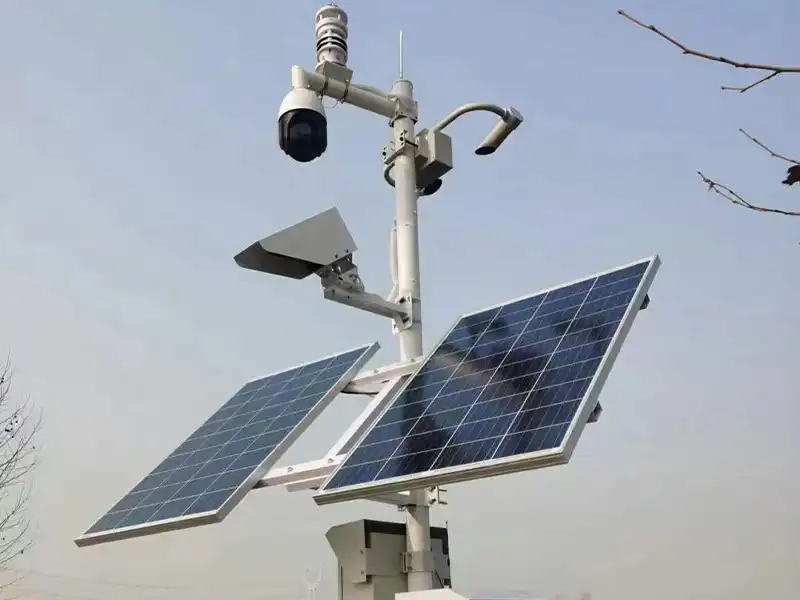
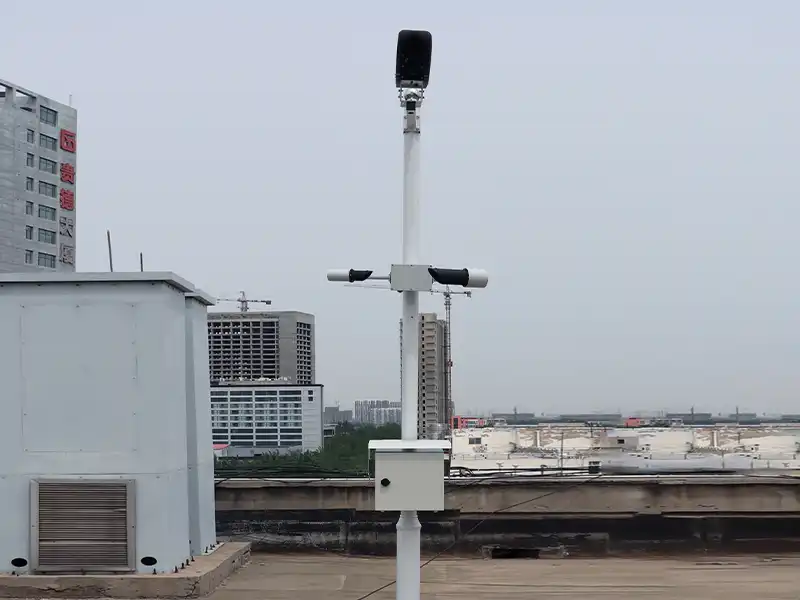
교통 센서는 지능형 교통 시스템의 필수 구성 요소로서 도로 및 인프라 모니터링을 위한 실시간 및 신뢰할 수 있는 데이터를 제공합니다. 가시성, 대기 질, 조명 조건, 바람 및 소음 수준과 같은 주요 환경 매개변수를 측정함으로써 교통 안전을 개선하고 시스템 운영을 최적화하며 더 스마트한 의사 결정을 지원합니다. 센서의 주요 특징으로는 정확한 측정, 강력한 환경 적응성, 다중 매개변수 모니터링 기능 및 원활한 시스템 통합이 있습니다.
실시간 모니터링 및 데이터 수집
교통 감지 센서는 가시성, 대기 질, 조명, 바람 및 소음 조건에 대한 실시간 데이터를 지속적으로 수집합니다. 수집된 데이터는 운영자가 변화를 모니터링하고 대응 효율성을 개선하며 더 안전한 교통 관리를 지원하는 데 도움이 됩니다.
높은 측정 정확도 및 신뢰성
첨단 지능형 교통 시스템은 다양한 교통 조건에서 정확하고 안정적인 측정을 제공합니다. 신뢰할 수 있는 데이터는 교통 안전 관리, 터널 운영 및 인프라 모니터링을 지원합니다.
강력한 환경 적응성
교통 감지 센서는 옥외 및 까다로운 교통 환경용으로 설계되어 안개, 비, 먼지 및 온도 변화와 같은 조건에서 안정적인 성능을 제공합니다. 내구성 있는 설계는 장기 모니터링 응용 분야에서 안정적인 작동을 보장합니다.
다중 매개변수 모니터링 기능
교통 모니터링 시스템은 여러 센서를 통합하여 가시성, 대기 질, 조명, 바람 및 소음 조건을 측정할 수 있습니다. 다중 매개변수 데이터는 교통 환경에 대한 더 포괄적인 시각을 제공하고 효과적인 교통 관리를 지원합니다.
지능형 교통 시스템과의 쉬운 통합
Traffic sensors support standard communication interfaces for integration with traffic management platforms, monitoring systems, and smart city solutions. Centralized data management improves operational efficiency and supports intelligent transportation applications.
Environmental Monitoring Sensors in Intelligent Transportation Systems
Environmental monitoring sensors are an important component of intelligent transportation systems (ITS), extending traffic perception beyond vehicle detection and traffic flow monitoring. These sensors collect information about road and environmental conditions, such as visibility, road surface status, air quality, and tunnel conditions, providing additional data for safer and more efficient transportation management.
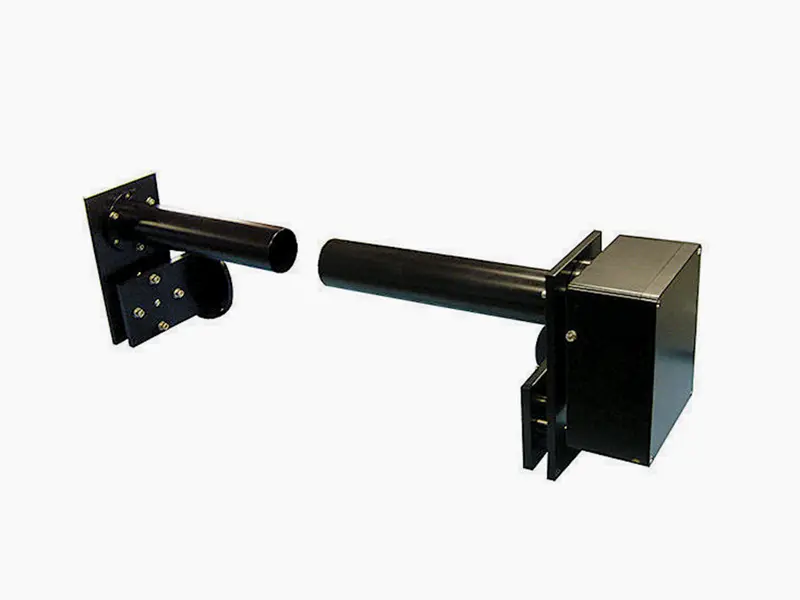
The XF-CQ10 Forward Scatter Visibility Sensor
is designed to measure atmospheric visibility and meteorological optical range (MOR) using forward scattering optical technology. It provides real-time visibility data under conditions such as fog, haze, and dust, helping highways, tunnels, airports, and other transportation systems improve low-visibility monitoring and safety management.
XF-CQ15 Tunnel Air Quality Monitoring System
The XF-CQ15 Tunnel Air Quality Monitoring System
is designed for tunnels, underground passages, and other enclosed transportation environments. It monitors key parameters including CO, NO₂, visibility, particulate matter, airflow, temperature, and humidity to provide real-time environmental data. With accurate measurement and stable operation, the system supports tunnel ventilation control, safety management, and intelligent transportation applications for highway, railway, and urban tunnel projects.
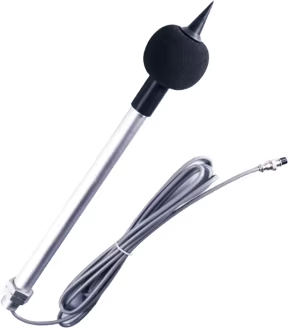
RY-CZS/485 Tube Smart RS485 Digital Output Microphone Outdoor Noise Sensor
The RY-CZS/485 Tube Smart RS485 Digital Output Microphone Outdoor Noise Sensor
is designed for outdoor and industrial noise monitoring applications. Featuring a stainless steel tubular housing, high-sensitivity microphone, and digital processing technology, it accurately measures environmental sound levels and outputs real-time noise data. With reliable performance and easy installation, it is suitable for traffic noise monitoring, environmental assessment, industrial safety management, and smart city applications.
Types Comparison
Traffic sensors provide real-time environmental data for highways, tunnels, and smart transportation systems. Different sensor types are designed to measure specific parameters such as visibility, air quality, illumination, wind conditions, and noise levels. Choosing the right sensor depends on the installation environment, monitoring requirements, and integration with traffic management systems.
Main Parameters
MOR, fog, haze, dust
Highways, tunnels, airports
Tunnel Air Quality Sensor
CO, CO₂, NO₂, PM, temperature, humidity
Tunnel ventilation and safety management
Light intensity (Lux)
Tunnel and road lighting control
Luminance level
Tunnel lighting optimization
Wind Speed & Direction Sensor
Wind speed, wind direction
Tunnel ventilation, weather monitoring
Sound level (dB)
Traffic noise monitoring, environmental assessment
Traffic sensors provide real-time environmental and operational data for highways, tunnels, urban roads, and intelligent transportation systems. By monitoring visibility, air quality, lighting, wind, and noise conditions, these sensors help improve traffic safety, optimize infrastructure management, and support smarter transportation operations across various applications.
Highway Traffic Monitoring
Traffic Detection Sensor help monitor highway environments by collecting real-time data on visibility, weather conditions, and road surroundings. These sensors support low-visibility warnings, traffic safety management, and efficient highway operation by providing reliable information for transportation systems.
Traffic sensors are essential components of intelligent transportation systems (ITS). They collect real-time traffic and environmental data to support traffic management, road monitoring, and intelligent transportation control.
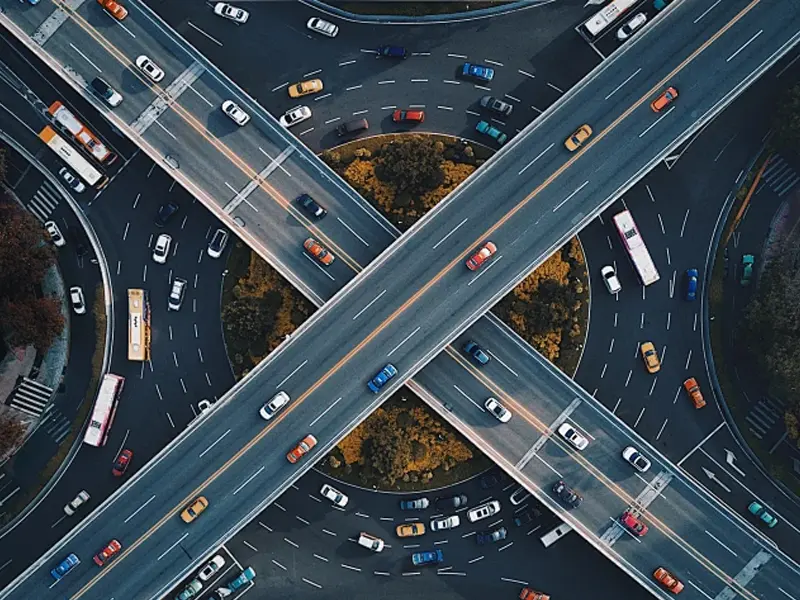
Smart City Traffic Management
smart transportation system support smart city traffic management by providing real-time data on urban transportation and environmental conditions. The collected information helps improve traffic efficiency, road monitoring, and public safety.
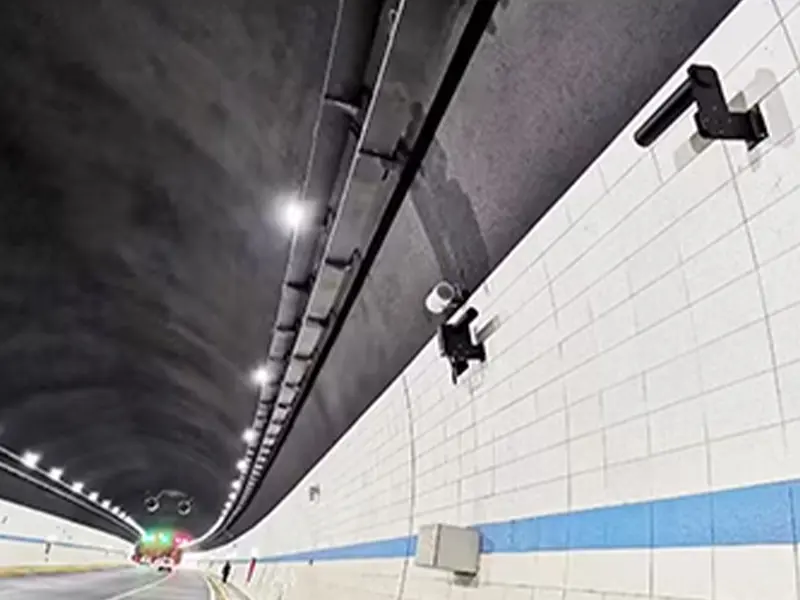
Tunnel Safety and Operation Management
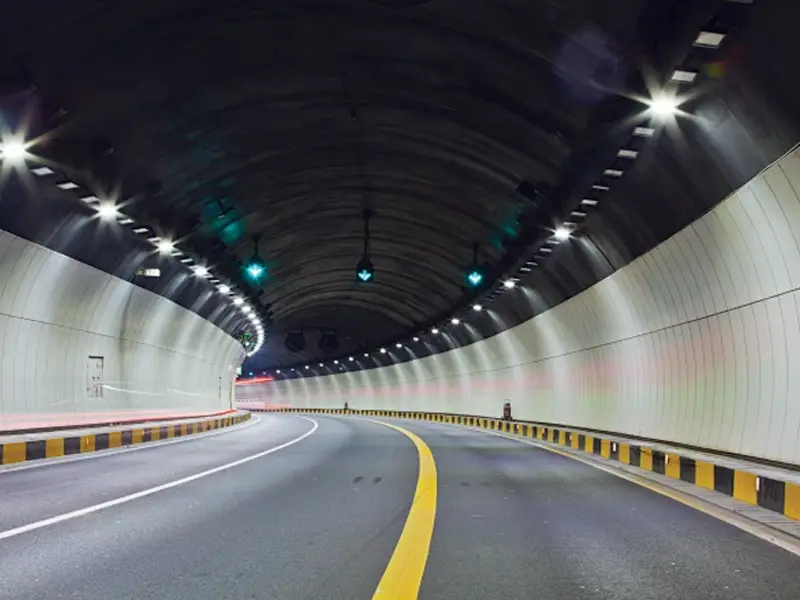
Traffic sensors help improve tunnel safety by monitoring air quality, visibility, lighting, and airflow conditions. The collected data supports ventilation control, lighting adjustment, and safe tunnel operation.
Challenges and Limitations
Traffic sensors are essential for modern transportation systems, but their performance can be affected by complex operating environments. Weather conditions such as rain, fog, snow, dust, and temperature changes may impact detection accuracy. Proper sensor selection, installation, calibration, and regular maintenance are important to ensure reliable data collection and long-term operation.
Another challenge is maintaining data accuracy and system compatibility in large-scale deployments. Factors such as vehicle occlusion, signal interference, and different communication standards can affect sensor performance. Advanced technologies, including AI-based data processing and sensor fusion, help improve detection reliability, while seamless integration with ITS platforms ensures efficient traffic management.
How to Choose the Right Traffic Sensor?
Selecting the right traffic sensor requires considering the actual application environment, detection requirements, and system objectives. Based on real transportation projects, factors such as traffic volume, detection range, road conditions, weather adaptability, and integration requirements should be evaluated before selecting a sensor.


지능형 교통 시스템의 환경 모니터링 센서
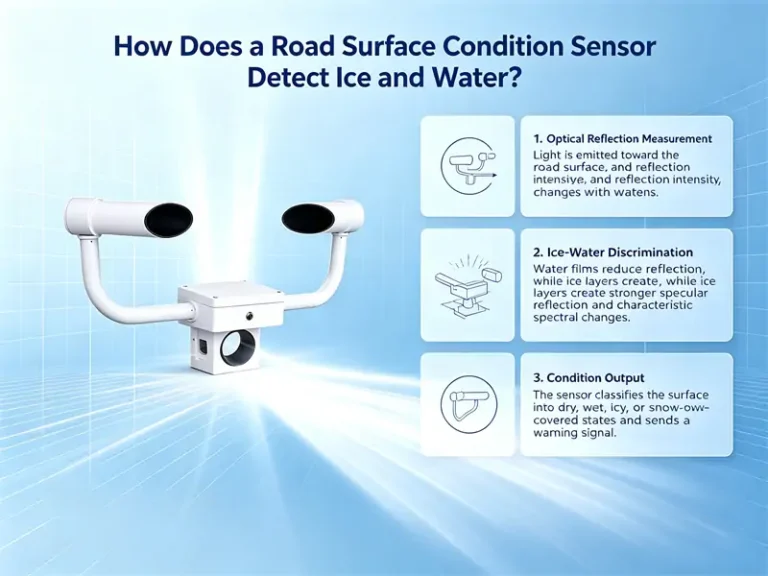
환경 모니터링 센서는 지능형 교통 시스템(ITS)의 중요한 구성 요소로, 차량 감지 및 교통 흐름 모니터링을 넘어 교통 인식을 확장합니다. 이러한 센서는 가시거리, 노면 상태, 대기 질, 터널 상태 등 도로 및 환경 조건에 대한 정보를 수집하여 더 안전하고 효율적인 교통 관리를 위한 추가 데이터를 제공합니다.
도로용 XF-CQ10 전방 산란 가시성 센서
XF-CQ10 전방 산란 가시거리 센서 는 전방 산란 광학 기술을 사용하여 대기 가시거리와 기상 광학 거리(MOR)를 측정하도록 설계되었습니다. 안개, 연무, 먼지와 같은 조건에서 실시간 가시거리 데이터를 제공하여 고속도로, 터널, 공항 및 기타 교통 시스템이 저시정 모니터링과 안전 관리를 개선하도록 돕습니다.
XF-CQ15 터널 대기 질 모니터링 시스템
XF-CQ15 터널 대기 질 모니터링 시스템 은 터널, 지하 통로 및 기타 밀폐된 교통 환경을 위해 설계되었습니다. CO, NO₂, 가시거리, 미세먼지, 기류, 온도 및 습도를 포함한 주요 매개변수를 모니터링하여 실시간 환경 데이터를 제공합니다. 정확한 측정과 안정적인 작동으로 이 시스템은 고속도로, 철도 및 도시 터널 프로젝트의 터널 환기 제어, 안전 관리 및 지능형 교통 응용을 지원합니다.
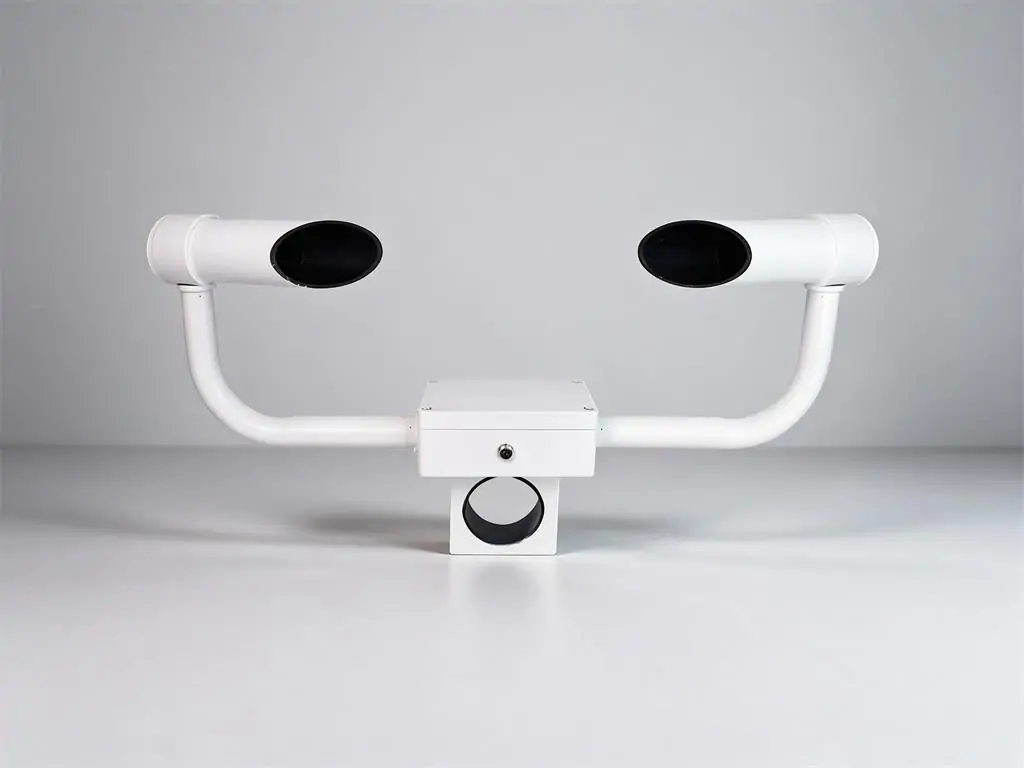
RY-CZS/485 튜브 스마트 RS485 디지털 출력 마이크 실외 소음 센서
RY-CZS/485 튜브 스마트 RS485 디지털 출력 마이크 실외 소음 센서 is designed for outdoor and industrial noise monitoring applications. Featuring a stainless steel tubular housing, high-sensitivity microphone, and digital processing technology, it accurately measures environmental sound levels and outputs real-time noise data. With reliable performance and easy installation, it is suitable for traffic noise monitoring, environmental assessment, industrial safety management, and smart city applications.
2. Types Comparison
3. Traffic sensors provide real-time environmental data for highways, tunnels, and smart transportation systems. Different sensor types are designed to measure specific parameters such as visibility, air quality, illumination, wind conditions, and noise levels. Choosing the right sensor depends on the installation environment, monitoring requirements, and integration with traffic management systems.
4. Main Parameters
5. MOR, fog, haze, dust
6. Highways, tunnels, airports
7. Tunnel Air Quality Sensor
8. CO, CO₂, NO₂, PM, temperature, humidity
9. Tunnel ventilation and safety management
10. Light intensity (Lux)
11. Tunnel and road lighting control
12. Luminance level
13. Tunnel lighting optimization
14. Wind Speed & Direction Sensor
15. Wind speed, wind direction
16. Tunnel ventilation, weather monitoring
17. Sound level (dB)
18. Traffic noise monitoring, environmental assessment
19. Traffic sensors provide real-time environmental and operational data for highways, tunnels, urban roads, and intelligent transportation systems. By monitoring visibility, air quality, lighting, wind, and noise conditions, these sensors help improve traffic safety, optimize infrastructure management, and support smarter transportation operations across various applications.
20. Highway Traffic Monitoring
21. Traffic Detection Sensor help monitor highway environments by collecting real-time data on visibility, weather conditions, and road surroundings. These sensors support low-visibility warnings, traffic safety management, and efficient highway operation by providing reliable information for transportation systems.
Types Comparison
Traffic sensors provide real-time environmental data for highways, tunnels, and smart transportation systems. Different sensor types are designed to measure specific parameters such as visibility, air quality, illumination, wind conditions, and noise levels. Choosing the right sensor depends on the installation environment, monitoring requirements, and integration with traffic management systems.
| 센서 유형 | Main Parameters | 애플리케이션 |
| 가시성 센서 | MOR, fog, haze, dust | Highways, tunnels, airports |
| Tunnel Air Quality Sensor | CO, CO₂, NO₂, PM, temperature, humidity | Tunnel ventilation and safety management |
| 조도 센서 | Light intensity (Lux) | Tunnel and road lighting control |
| Luminance Sensor | Luminance level | Tunnel lighting optimization |
| Wind Speed & Direction Sensor | Wind speed, wind direction | Tunnel ventilation, weather monitoring |
| 소음 센서 | Sound level (dB) | Traffic noise monitoring, environmental assessment |
애플리케이션
Traffic sensors provide real-time environmental and operational data for highways, tunnels, urban roads, and intelligent transportation systems. By monitoring visibility, air quality, lighting, wind, and noise conditions, these sensors help improve traffic safety, optimize infrastructure management, and support smarter transportation operations across various applications.
Highway Traffic Monitoring
Traffic Detection Sensor help monitor highway environments by collecting real-time data on visibility, weather conditions, and road surroundings. These sensors support low-visibility warnings, traffic safety management, and efficient highway operation by providing reliable information for transportation systems.
지능형 교통 시스템(ITS)
Traffic sensors are essential components of intelligent transportation systems (ITS). They collect real-time traffic and environmental data to support traffic management, road monitoring, and intelligent transportation control.
Smart City Traffic Management
smart transportation system support smart city traffic management by providing real-time data on urban transportation and environmental conditions. The collected information helps improve traffic efficiency, road monitoring, and public safety.
Tunnel Safety and Operation Management
Traffic sensors help improve tunnel safety by monitoring air quality, visibility, lighting, and airflow conditions. The collected data supports ventilation control, lighting adjustment, and safe tunnel operation.
Challenges and Limitations
Traffic sensors are essential for modern transportation systems, but their performance can be affected by complex operating environments. Weather conditions such as rain, fog, snow, dust, and temperature changes may impact detection accuracy. Proper sensor selection, installation, calibration, and regular maintenance are important to ensure reliable data collection and long-term operation.
Another challenge is maintaining data accuracy and system compatibility in large-scale deployments. Factors such as vehicle occlusion, signal interference, and different communication standards can affect sensor performance. Advanced technologies, including AI-based data processing and sensor fusion, help improve detection reliability, while seamless integration with ITS platforms ensures efficient traffic management.
How to Choose the Right Traffic Sensor?
Selecting the right traffic sensor requires considering the actual application environment, detection requirements, and system objectives. Based on real transportation projects, factors such as traffic volume, detection range, road conditions, weather adaptability, and integration requirements should be evaluated before selecting a sensor.
Smart City Traffic Management
smart transportation system support smart city traffic management by providing real-time data on urban transportation and environmental conditions. The collected information helps improve traffic efficiency, road monitoring, and public safety.
Tunnel Safety and Operation Management
Traffic sensors help improve tunnel safety by monitoring air quality, visibility, lighting, and airflow conditions. The collected data supports ventilation control, lighting adjustment, and safe tunnel operation.
Challenges and Limitations
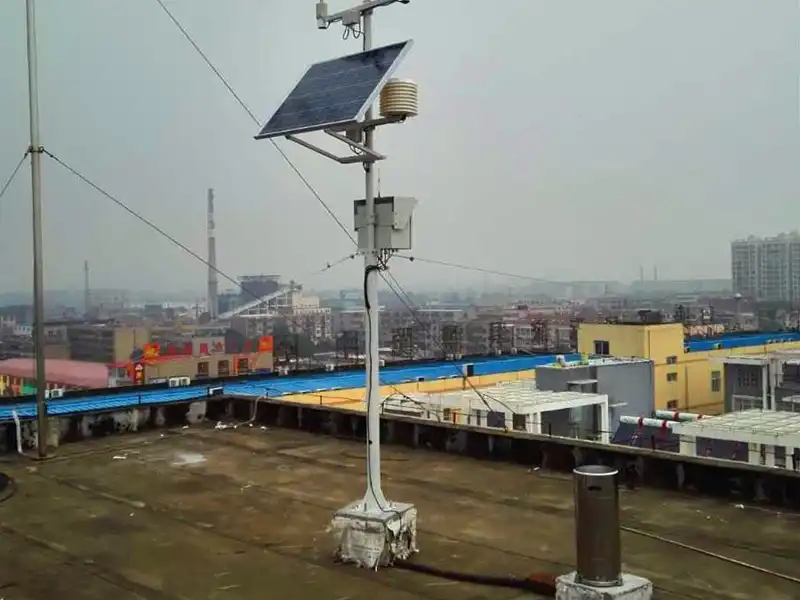
Traffic sensors are essential for modern transportation systems, but their performance can be affected by complex operating environments. Weather conditions such as rain, fog, snow, dust, and temperature changes may impact detection accuracy. Proper sensor selection, installation, calibration, and regular maintenance are important to ensure reliable data collection and long-term operation.
Another challenge is maintaining data accuracy and system compatibility in large-scale deployments. Factors such as vehicle occlusion, signal interference, and different communication standards can affect sensor performance. Advanced technologies, including AI-based data processing and sensor fusion, help improve detection reliability, while seamless integration with ITS platforms ensures efficient traffic management.
How to Choose the Right Traffic Sensor?
Selecting the right traffic sensor requires considering the actual application environment, detection requirements, and system objectives. Based on real transportation projects, factors such as traffic volume, detection range, road conditions, weather adaptability, and integration requirements should be evaluated before selecting a sensor.
예를 들어, 고속도로 모니터링 프로젝트는 일반적으로 변화하는 기상 조건에서도 안정적인 성능을 유지하며 더 긴 감지 거리를 제공하는 센서를 필요로 하는 반면, 도시 교차로는 차량 계수, 분류 및 교통 흐름 분석에 더 중점을 둘 수 있습니다. 터널 응용 분야에서는 가시성, 공기 질 및 환경 모니터링 기능이 종종 중요합니다. 감지 범위, 정확도, 통신 인터페이스 및 작동 조건을 포함한 적절한 센서 사양을 선택하면 안정적인 데이터 수집과 장기적인 시스템 성능을 보장하는 데 도움이 됩니다.
교통 센서와 교통 카메라: 차이점은 무엇인가?
지능형 교통 센서와 교통 카메라는 모두 교통 모니터링에 널리 사용되지만, 서로 다른 목적을 수행합니다. 주요 차이점은 감지 방법, 데이터 출력, 장점, 한계 및 일반적인 응용 분야에 반영됩니다. 아래 표는 빠른 비교를 제공합니다.
| 기능 | 교통 센서 | 교통 카메라 |
| 주요 목적 | 교통 데이터 수집 | 시각적 모니터링 |
| 출력 | 속도, 교통량 및 차량 감지와 같은 교통 데이터 | 이미지 및 비디오 |
| 감지 방법 | Radar, LiDAR, 루프 검출 및 기타 센서 | 비디오 및 이미지 인식 |
| 장점 | 정확한 교통 측정, 지속적인 모니터링, 조명 조건에 덜 영향 받음 | 풍부한 시각 정보, 차량 외관 및 세부 사항 식별 가능 |
| 한계 | 색상, 텍스트 또는 세부 이미지 인식 능력 제한 | 조명, 비, 안개 및 이미지 품질에 더 큰 영향 |
| 대표적인 적용 분야 | 교통 흐름 모니터링, 속도 감지, 차량 계수, ITS 제어 | 번호판 인식, 교통 위반 감지, 비디오 감시 |
교통 센서 기술의 미래 동향
교통 센서 기술은 더 스마트하고, 더 연결되며, 더 통합된 솔루션으로 진화하고 있습니다. AI, IoT, 엣지 컴퓨팅 및 V2I 통신을 결합하여 현대 교통 모니터링 시스템은 더 정확한 실시간 데이터를 제공하고, 교통 분석을 개선하며, 교통 시스템에서 더 빠른 의사 결정을 지원할 수 있습니다. 미래의 교통 센서는 지능형 교통 네트워크의 핵심 데이터 소스가 되어 더 효율적인 교통 관리, 더 안전한 도로 운영 및 더 스마트한 인프라 개발을 가능하게 할 것입니다.
결론
교통 센서는 교통 모니터링, 도로 안전 관리 및 지능형 교통 시스템(ITS)을 위한 정확하고 실시간 데이터를 제공함으로써 현대 교통 인프라의 필수 구성 요소가 되었습니다. 고속도로, 터널, 도시 도로 및 스마트 시티와 같은 다양한 응용 시나리오는 감지 요구 사항, 환경 조건, 정확도 및 시스템 통합 요구 사항에 따라 서로 다른 감지 기술을 필요로 합니다.
적절한 교통 감지 센서를 선택하려면 성능, 신뢰성, 유지보수 요구 사항 및 기존 교통 관리 시스템과의 호환성 간의 균형이 필요합니다. AI, IoT, 엣지 컴퓨팅 및 V2I 통신 기술의 지속적인 발전에 따라 교통 모니터링 시스템은 데이터 인텔리전스를 계속 개선하고 더 안전하고, 더 효율적이며, 더 스마트한 교통 네트워크의 진화를 지원할 것입니다.문의하기 귀하의 교통 모니터링 요구에 맞는 적절한 교통 모니터링 시스템 솔루션을 논의하려면.