บทนำ
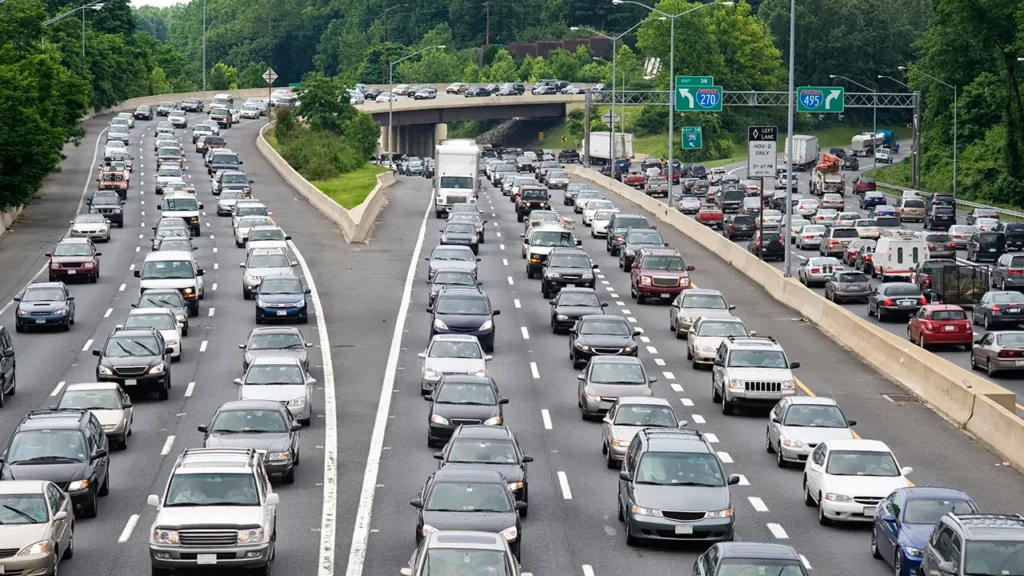
เมื่อเมืองขยายตัวและความต้องการด้านการจราจรเพิ่มขึ้นอย่างต่อเนื่อง ผู้ให้บริการด้านการขนส่งต้องการข้อมูลที่แม่นยำและทันเวลามากขึ้นเพื่อทำความเข้าใจสภาพถนนและจัดการการดำเนินงานด้านการจราจรในแต่ละวัน ตั้งแต่การตรวจสอบการไหลของทางหลวงและการตรวจจับความแออัด ไปจนถึงการปรับปรุงการควบคุมทางแยก ข้อมูลการจราจรที่เชื่อถือได้กลายเป็นสิ่งจำเป็นสำหรับการจัดการการขนส่งสมัยใหม่.
เซ็นเซอร์การจราจรมีบทบาทสำคัญในระบบขนส่งอัจฉริยะ (ITS) โดยให้ข้อมูลแบบเรียลไทม์สำหรับการวิเคราะห์การจราจร การปรับปรุงความปลอดภัย และการเพิ่มประสิทธิภาพโครงสร้างพื้นฐาน เทคโนโลยีการตรวจจับเหล่านี้ถูกใช้อย่างแพร่หลายในทางหลวง ถนนในเมือง อุโมงค์ และโครงการเมืองอัจฉริยะ โดยสนับสนุนระบบตรวจสอบการจราจรด้วยข้อมูลที่แม่นยำเพื่อการตัดสินใจที่ดีขึ้น บทความนี้อธิบายประเภทหลัก หลักการทำงาน การใช้งาน และข้อควรพิจารณาที่สำคัญเมื่อเลือกระบบตรวจสอบการจราจรสำหรับสถานการณ์การขนส่งที่แตกต่างกัน.
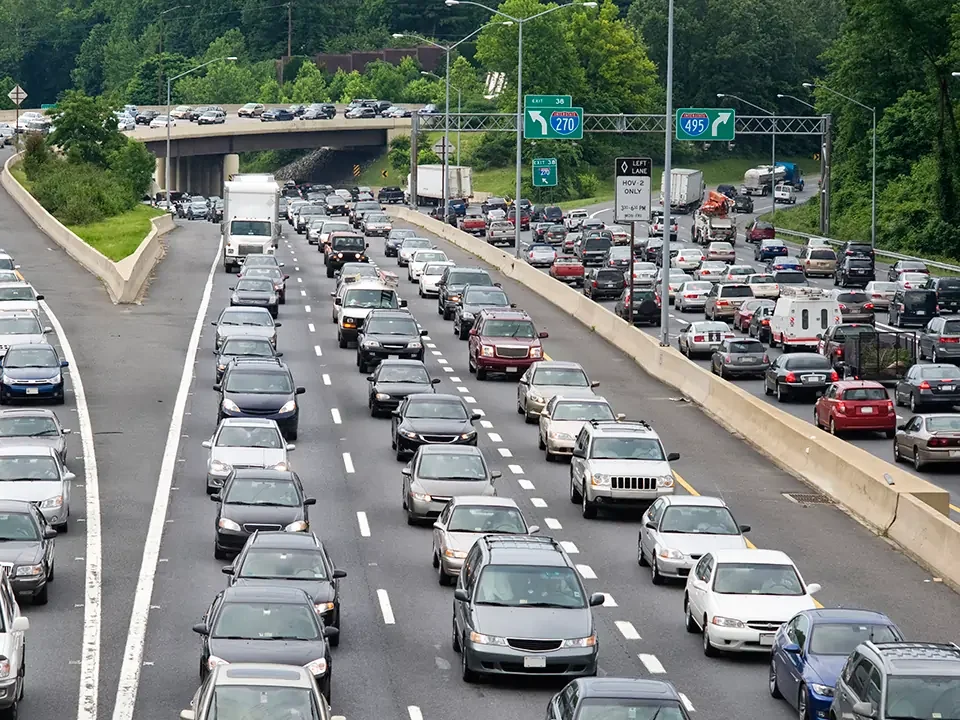
เซ็นเซอร์การจราจรคืออะไร?
เซ็นเซอร์ตรวจจับการจราจร เป็นอุปกรณ์ที่ใช้ตรวจจับและรวบรวมข้อมูลแบบเรียลไทม์จากสภาพการจราจรบนถนน รวมถึงการเคลื่อนที่ของยานพาหนะ การไหลของการจราจร และสภาพแวดล้อมการขนส่งโดยรอบ โดยการตรวจจับการเปลี่ยนแปลงทางกายภาพและกิจกรรมการจราจร อุปกรณ์เหล่านี้ให้ข้อมูลที่เชื่อถือได้สำหรับระบบการจัดการ การตรวจสอบ และการควบคุมการขนส่ง.
ในฐานะองค์ประกอบสำคัญของระบบขนส่งอัจฉริยะ (ITS) เซ็นเซอร์จะแปลงสภาพการจราจรเป็นข้อมูลที่มีโครงสร้างซึ่งสามารถวิเคราะห์ได้โดยแพลตฟอร์มการจัดการ เซ็นเซอร์เหล่านี้ถูกติดตั้งอย่างแพร่หลายบนทางหลวง ถนนในเมือง ทางแยก และสิ่งอำนวยความสะดวกด้านการขนส่งอื่นๆ ที่ต้องการข้อมูลการจราจรที่แม่นยำเพื่อสนับสนุนการดำเนินงานที่มีประสิทธิภาพและการเคลื่อนที่ที่ปลอดภัยยิ่งขึ้น.
เซ็นเซอร์การจราจรทำงานอย่างไร?
เซ็นเซอร์ทำงานโดยการตรวจจับการเปลี่ยนแปลงในสภาพถนนและกิจกรรมการจราจร จากนั้นแปลงสัญญาณทางกายภาพ เช่น การเคลื่อนที่ของยานพาหนะ ความเร็ว และการมีอยู่ของวัตถุ เป็นข้อมูลการจราจรที่มีโครงสร้าง แม้ว่าเทคโนโลยีเซ็นเซอร์ที่แตกต่างกันจะใช้วิธีการตรวจจับที่แตกต่างกัน แต่กระบวนการทำงานโดยทั่วไปจะตามสามขั้นตอนหลัก: การรวบรวมข้อมูล การประมวลผลสัญญาณ และการส่งข้อมูล.
ในระหว่างการทำงาน ระบบขนส่งอัจฉริยะจะรวบรวมข้อมูลจากยานพาหนะ คนเดินเท้า และสภาพถนนโดยรอบ ประมวลผลสัญญาณดิบผ่านอัลกอริทึม และสร้างข้อมูลการจราจรที่ใช้งานได้สำหรับการจัดการการขนส่ง ข้อมูลที่ประมวลผลแล้วจะถูกส่งไปยังแพลตฟอร์มการจราจร ทำให้สามารถตรวจสอบแบบเรียลไทม์ ควบคุมการจราจร และปรับปรุงการตัดสินใจในการดำเนินงาน.
การตรวจจับข้อมูลการจราจร
ขั้นตอนแรกของการทำงานของเซ็นเซอร์คือการรวบรวมสัญญาณจากสภาพแวดล้อมบนถนน ตามข้อกำหนดการตรวจจับที่แตกต่างกัน เซ็นเซอร์ใช้เทคโนโลยีต่างๆ เช่น การตรวจจับด้วยคลื่นแม่เหล็กไฟฟ้า การตรวจจับด้วยเรดาร์ การรู้จำด้วยวิดีโอ การตรวจจับด้วยอินฟราเรด และการสแกนด้วยเลเซอร์ เพื่อจับข้อมูลที่เกี่ยวข้องกับยานพาหนะ คนเดินเท้า และสภาพถนน.
วิธีการตรวจจับเหล่านี้ให้ข้อมูลดิบที่จำเป็นสำหรับการประมวลผลเพิ่มเติม ช่วยให้ระบบการจราจรสามารถวิเคราะห์การเคลื่อนที่ของยานพาหนะ การไหลของการจราจร และสภาพถนนแบบเรียลไทม์.
การประมวลผลและวิเคราะห์ข้อมูล
หลังจากรวบรวมสัญญาณดิบแล้ว ระบบตรวจสอบการจราจรจะประมวลผลข้อมูลเพื่อระบุสภาพการจราจรและสร้างข้อมูลการจราจรที่มีโครงสร้าง ขั้นตอนการประมวลผลโดยทั่วไปรวมถึงการประมวลผลสัญญาณ การรู้จำวัตถุ การวิเคราะห์ข้อมูล และการกรองเพื่อปรับปรุงความแม่นยำในการตรวจจับและลบข้อมูลที่ผิดปกติ.
ข้อมูลที่ประมวลผลแล้วสามารถใช้เพื่อกำหนดสถานะการจราจร ระดับความแออัด รูปแบบการจราจร และลักษณะการเคลื่อนที่ของยานพาหนะ โดยให้การสนับสนุนสำหรับระบบตรวจสอบและจัดการการจราจร.
การส่งข้อมูลและการบูรณาการ
หลังจากการประมวลผล ข้อมูลการจราจรจะถูกส่งไปยังแพลตฟอร์มการจัดการที่เชื่อมต่อผ่านเครือข่ายการสื่อสารแบบมีสายหรือไร้สาย แพลตฟอร์มเหล่านี้อาจรวมถึงระบบตรวจสอบการจราจร แพลตฟอร์มระบบขนส่งอัจฉริยะ (ITS) และระบบจัดการการจราจรบนคลาวด์.
ข้อมูลที่บูรณาการช่วยให้สามารถตรวจสอบการจราจรแบบเรียลไทม์ ควบคุมการจราจร และวิเคราะห์ในระดับระบบสำหรับการจัดการการขนส่ง.
ประเภท
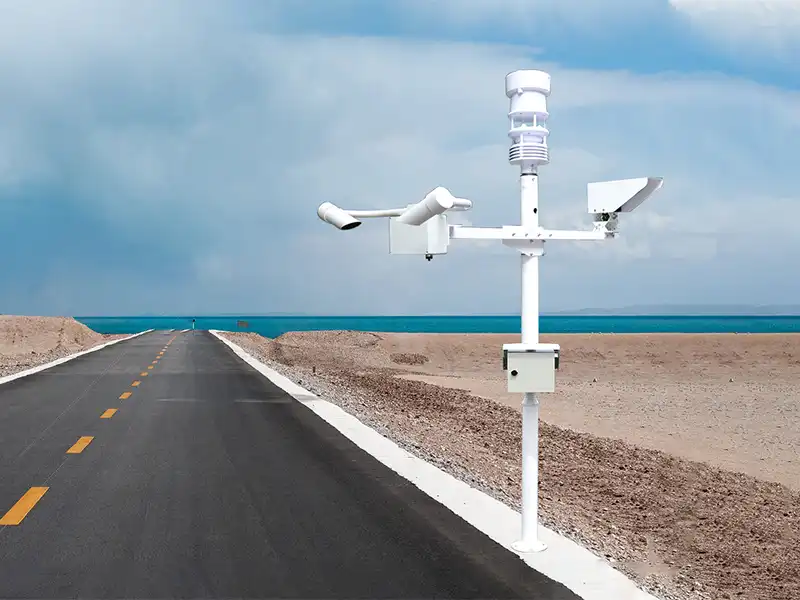
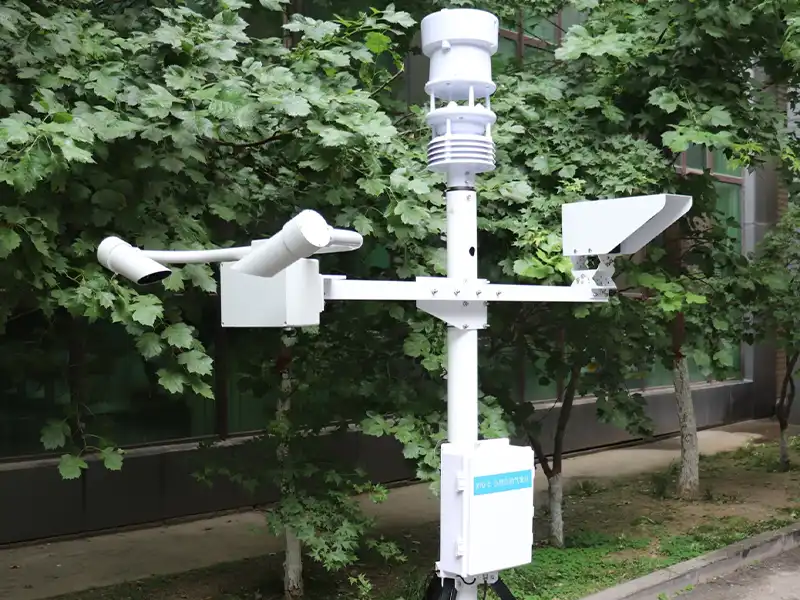
เซ็นเซอร์การจราจรสามารถจัดหมวดหมู่ตามเทคโนโลยีการตรวจจับและการใช้งานที่ตั้งใจไว้ เซ็นเซอร์ประเภทต่างๆ ใช้วิธีการตรวจจับเฉพาะเพื่อรวบรวมข้อมูลการจราจร โดยความเหมาะสมขึ้นอยู่กับปัจจัยต่างๆ เช่น ข้อกำหนดด้านความแม่นยำ สภาพการติดตั้ง และสภาพแวดล้อมการทำงาน.
เทคโนโลยีระบบตรวจสอบการจราจรทั่วไปรวมถึงเซ็นเซอร์ลูปเหนี่ยวนำ เซ็นเซอร์เรดาร์ เซ็นเซอร์วิดีโอ เซ็นเซอร์ LiDAR เซ็นเซอร์อินฟราเรด เซ็นเซอร์อัลตราโซนิก และเซ็นเซอร์เพียโซอิเล็กทริก.
เซ็นเซอร์อัจฉริยะแบบลูปเหนี่ยวนำ
ระบบขนส่งอัจฉริยะแบบลูปเหนี่ยวนำเป็นเทคโนโลยีตรวจจับยานพาหนะที่ใช้กันอย่างแพร่หลายซึ่งติดตั้งใต้พื้นผิวถนน พวกมันตรวจจับยานพาหนะโดยการวัดการเปลี่ยนแปลงในสนามแม่เหล็กไฟฟ้าเมื่อยานพาหนะผ่านเหนือลูปที่ฝังอยู่.
เซ็นเซอร์เหล่านี้ให้ข้อมูลการมีอยู่ของยานพาหนะและปริมาณการจราจรที่เชื่อถือได้ และมักใช้สำหรับการควบคุมสัญญาณไฟจราจร การนับยานพาหนะ และการตรวจสอบทางถนน อย่างไรก็ตาม การติดตั้งต้องมีการตัดพื้นผิวถนน ซึ่งอาจเพิ่มความยากในการติดตั้งและความท้าทายในการบำรุงรักษา.
เซ็นเซอร์การจราจรแบบเรดาร์
เซ็นเซอร์การจราจรแบบเรดาร์ใช้คลื่นแม่เหล็กไฟฟ้าเพื่อตรวจจับการเคลื่อนที่ ความเร็ว และระยะทางของยานพาหนะ โดยการวิเคราะห์สัญญาณที่สะท้อนจากยานพาหนะ พวกมันสามารถรวบรวมข้อมูลการจราจรได้โดยไม่ต้องสัมผัสโดยตรงกับพื้นผิวถนน.
เซ็นเซอร์เรดาร์ให้การตรวจจับที่เชื่อถือได้ในสภาพอากาศที่ท้าทาย รวมถึงฝน หมอก และความมืด พวกมันมักใช้สำหรับการตรวจสอบการจราจรบนทางหลวง การตรวจจับความเร็ว การติดตามยานพาหนะ และการวัดการไหลของการจราจร.
เซ็นเซอร์ตรวจจับการจราจรด้วยวิดีโอ
เซ็นเซอร์ตรวจจับการจราจรด้วยวิดีโอใช้กล้องและเทคโนโลยีการประมวลผลภาพเพื่อจับและวิเคราะห์ฉากบนถนน โดยการใช้อัลกอริทึมคอมพิวเตอร์วิทัศน์ พวกมันสามารถตรวจจับยานพาหนะ คนเดินเท้า การครอบครองช่องทางเดินรถ และเหตุการณ์การจราจรจากข้อมูลวิดีโอ.
เมื่อเปรียบเทียบกับวิธีการตรวจจับแบบจุด เซ็นเซอร์วิดีโอให้การตรวจสอบพื้นที่กว้างกว่าและรองรับการตรวจจับและจำแนกวัตถุหลายรายการ เซ็นเซอร์เหล่านี้มักใช้สำหรับการตรวจสอบการจราจรในเมือง การควบคุมทางแยก การตรวจจับเหตุการณ์ และระบบขนส่งอัจฉริยะ.
เซ็นเซอร์ LiDAR
ระบบขนส่งอัจฉริยะ LiDAR ใช้พัลส์เลเซอร์เพื่อวัดระยะทางและตำแหน่งของวัตถุ และสร้างข้อมูลสามมิติของยานพาหนะ คนเดินถนน และสภาพแวดล้อมบนถนน โดยการวิเคราะห์สัญญาณเลเซอร์ที่สะท้อนกลับ ระบบ LiDAR สามารถให้ข้อมูลเชิงพื้นที่โดยละเอียดสำหรับการตรวจจับการจราจร.
ด้วยความสามารถในการตรวจจับแบบ 3 มิติความละเอียดสูง เซ็นเซอร์ LiDAR เหมาะสำหรับการใช้งานที่ต้องการการตรวจจับและระบุตำแหน่งวัตถุที่แม่นยำ รวมถึงการตรวจสอบการจราจรขั้นสูง การจัดการทางแยก และระบบขับขี่อัตโนมัติ.
เซ็นเซอร์ตรวจจับการจราจรอินฟราเรด
เซ็นเซอร์ตรวจจับการจราจรอินฟราเรดตรวจจับยานพาหนะและวัตถุโดยการวัดรังสีอินฟราเรดที่ปล่อยออกมาหรือสะท้อนกลับภายในพื้นที่ตรวจจับ เซ็นเซอร์เหล่านี้สามารถทำงานในสภาพแสงน้อยหรือกลางคืน ทำให้เหมาะสำหรับสภาพแวดล้อมที่กล้องที่มองเห็นได้อาจมีประสิทธิภาพจำกัด.
เซ็นเซอร์เหล่านี้มักใช้สำหรับการตรวจจับการมีอยู่ของยานพาหนะ การตรวจสอบการจราจรในเวลากลางคืน และการใช้งานที่ต้องการการตรวจจับที่เชื่อถือได้ภายใต้สภาพทัศนวิสัยที่ลดลง.
เซ็นเซอร์การจราจรอัจฉริยะอัลตราโซนิก
เซ็นเซอร์อัจฉริยะอัลตราโซนิกใช้คลื่นเสียงความถี่สูงเพื่อตรวจจับยานพาหนะและวัดระยะทางโดยการวิเคราะห์สัญญาณที่สะท้อนกลับ เซ็นเซอร์เหล่านี้ส่วนใหญ่ใช้สำหรับการตรวจจับยานพาหนะระยะสั้น ระบบจอดรถ และการตรวจสอบการจราจรในพื้นที่.
เซ็นเซอร์เหล่านี้คุ้มค่าและติดตั้งง่าย แต่ประสิทธิภาพการตรวจจับอาจได้รับผลกระทบจากสภาพแวดล้อม เช่น การเปลี่ยนแปลงของอุณหภูมิ ลม และฝนตกหนัก.
เซ็นเซอร์การจราจรแบบเพียโซอิเล็กทริก
เซ็นเซอร์เพียโซอิเล็กทริกสร้างสัญญาณไฟฟ้าเมื่อยานพาหนะกดทับองค์ประกอบตรวจจับ โดยการวิเคราะห์สัญญาณเหล่านี้ ระบบสามารถตรวจจับความเร็วของยานพาหนะ ข้อมูลเพลา และพารามิเตอร์การจราจรอื่นๆ.
เซ็นเซอร์เหล่านี้ส่วนใหญ่ใช้สำหรับการจำแนกประเภทยานพาหนะ การตรวจจับเพลา การวัดความเร็ว และระบบชั่งน้ำหนักขณะเคลื่อนที่ (WIM) มักติดตั้งบนทางหลวงสำหรับการตรวจจับน้ำหนักเกินของยานพาหนะ การเก็บข้อมูลการจราจร และการใช้งานตรวจสอบถนน.
ข้อดี
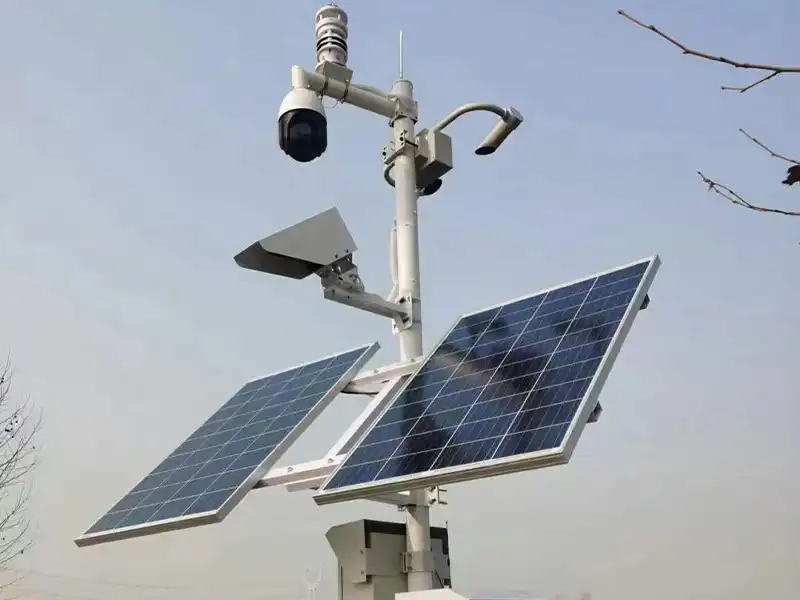
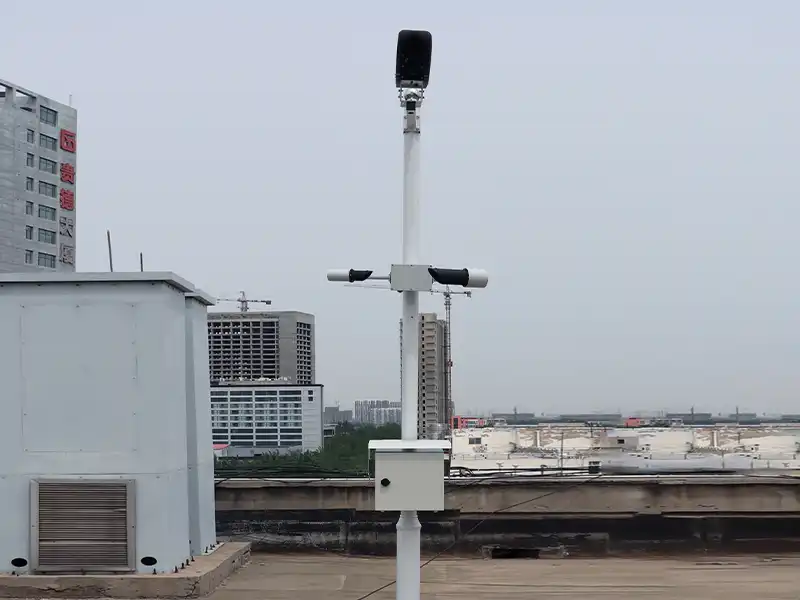
เซ็นเซอร์การจราจรเป็นส่วนประกอบสำคัญของระบบขนส่งอัจฉริยะ โดยให้ข้อมูลแบบเรียลไทม์และเชื่อถือได้สำหรับการตรวจสอบถนนและโครงสร้างพื้นฐาน โดยการวัดพารามิเตอร์สภาพแวดล้อมที่สำคัญ เช่น ทัศนวิสัย คุณภาพอากาศ สภาพแสง ลม และระดับเสียง เซ็นเซอร์เหล่านี้ช่วยปรับปรุงความปลอดภัยในการจราจร เพิ่มประสิทธิภาพการทำงานของระบบ และสนับสนุนการตัดสินใจที่ชาญฉลาดยิ่งขึ้น คุณสมบัติหลักของเซ็นเซอร์ประกอบด้วยการวัดที่แม่นยำ ความสามารถในการปรับตัวต่อสิ่งแวดล้อมสูง ความสามารถในการตรวจสอบหลายพารามิเตอร์ และการบูรณาการระบบที่ราบรื่น.
การตรวจสอบแบบเรียลไทม์และการเก็บข้อมูล
เซ็นเซอร์ตรวจจับการจราจรเก็บข้อมูลแบบเรียลไทม์อย่างต่อเนื่องเกี่ยวกับสภาพทัศนวิสัย คุณภาพอากาศ แสง ลม และเสียง ข้อมูลที่เก็บรวบรวมช่วยให้ผู้ปฏิบัติงานตรวจสอบการเปลี่ยนแปลง ปรับปรุงประสิทธิภาพการตอบสนอง และสนับสนุนการจัดการจราจรที่ปลอดภัยยิ่งขึ้น.
ความแม่นยำในการวัดสูงและความน่าเชื่อถือ
ระบบขนส่งอัจฉริยะขั้นสูงให้การวัดที่แม่นยำและเสถียรภายใต้สภาพการขนส่งที่หลากหลาย ข้อมูลที่เชื่อถือได้สนับสนุนการจัดการความปลอดภัยการจราจร การดำเนินงานอุโมงค์ และการตรวจสอบโครงสร้างพื้นฐาน.
ความสามารถในการปรับตัวต่อสิ่งแวดล้อมสูง
เซ็นเซอร์ตรวจจับการจราจรออกแบบมาสำหรับสภาพแวดล้อมกลางแจ้งและการขนส่งที่ท้าทาย โดยให้ประสิทธิภาพที่เสถียรภายใต้สภาวะต่างๆ เช่น หมอก ฝน ฝุ่น และการเปลี่ยนแปลงของอุณหภูมิ การออกแบบที่ทนทานช่วยให้การทำงานเชื่อถือได้สำหรับการใช้งานตรวจสอบระยะยาว.
ความสามารถในการตรวจสอบหลายพารามิเตอร์
ระบบตรวจสอบการจราจรสามารถรวมเซ็นเซอร์หลายตัวเพื่อวัดสภาพทัศนวิสัย คุณภาพอากาศ แสง ลม และเสียง ข้อมูลหลายพารามิเตอร์ให้มุมมองที่ครอบคลุมมากขึ้นของสภาพแวดล้อมการขนส่งและสนับสนุนการจัดการจราจรที่มีประสิทธิภาพ.
การบูรณาการที่ง่ายดายกับระบบขนส่งอัจฉริยะ
Traffic sensors support standard communication interfaces for integration with traffic management platforms, monitoring systems, and smart city solutions. Centralized data management improves operational efficiency and supports intelligent transportation applications.
2. Environmental Monitoring Sensors in Intelligent Transportation Systems
3. Environmental monitoring sensors are an important component of intelligent transportation systems (ITS), extending traffic perception beyond vehicle detection and traffic flow monitoring. These sensors collect information about road and environmental conditions, such as visibility, road surface status, air quality, and tunnel conditions, providing additional data for safer and more efficient transportation management.
4. The XF-CQ10 Forward Scatter Visibility Sensor
5. is designed to measure atmospheric visibility and meteorological optical range (MOR) using forward scattering optical technology. It provides real-time visibility data under conditions such as fog, haze, and dust, helping highways, tunnels, airports, and other transportation systems improve low-visibility monitoring and safety management.
6. XF-CQ15 Tunnel Air Quality Monitoring System
7. The XF-CQ15 Tunnel Air Quality Monitoring System
8. is designed for tunnels, underground passages, and other enclosed transportation environments. It monitors key parameters including CO, NO₂, visibility, particulate matter, airflow, temperature, and humidity to provide real-time environmental data. With accurate measurement and stable operation, the system supports tunnel ventilation control, safety management, and intelligent transportation applications for highway, railway, and urban tunnel projects.
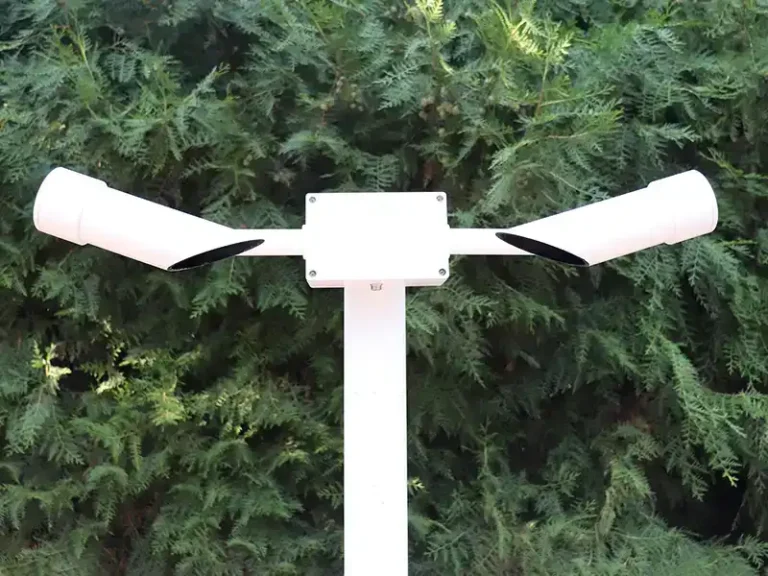
9. RY-CZS/485 Tube Smart RS485 Digital Output Microphone Outdoor Noise Sensor
10. The RY-CZS/485 Tube Smart RS485 Digital Output Microphone Outdoor Noise Sensor
11. is designed for outdoor and industrial noise monitoring applications. Featuring a stainless steel tubular housing, high-sensitivity microphone, and digital processing technology, it accurately measures environmental sound levels and outputs real-time noise data. With reliable performance and easy installation, it is suitable for traffic noise monitoring, environmental assessment, industrial safety management, and smart city applications.
12. Types Comparison
13. Traffic sensors provide real-time environmental data for highways, tunnels, and smart transportation systems. Different sensor types are designed to measure specific parameters such as visibility, air quality, illumination, wind conditions, and noise levels. Choosing the right sensor depends on the installation environment, monitoring requirements, and integration with traffic management systems.
14. Main Parameters
15. MOR, fog, haze, dust
16. Highways, tunnels, airports
17. Tunnel Air Quality Sensor
18. CO, CO₂, NO₂, PM, temperature, humidity
19. Tunnel ventilation and safety management
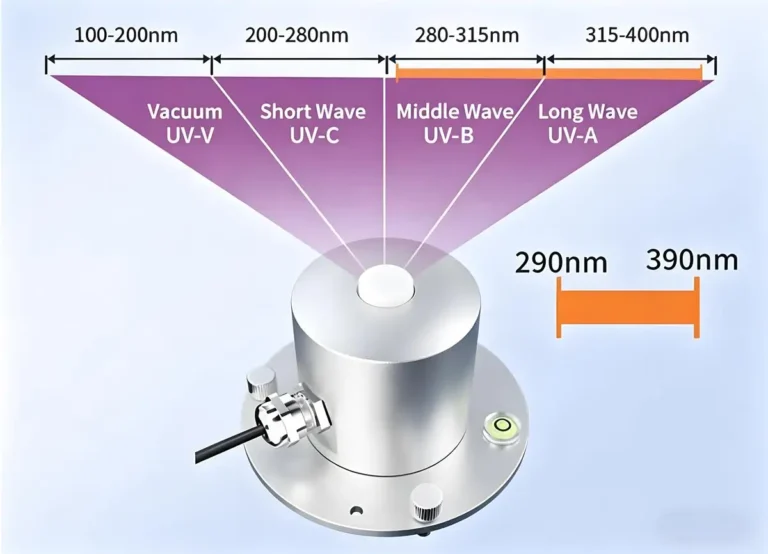
20. Light intensity (Lux)
21. Tunnel and road lighting control
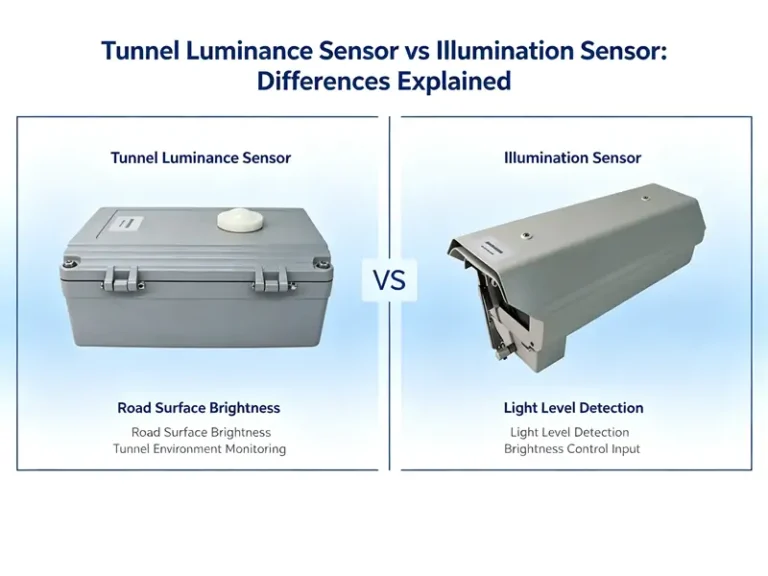
22. Luminance level
23. Tunnel lighting optimization
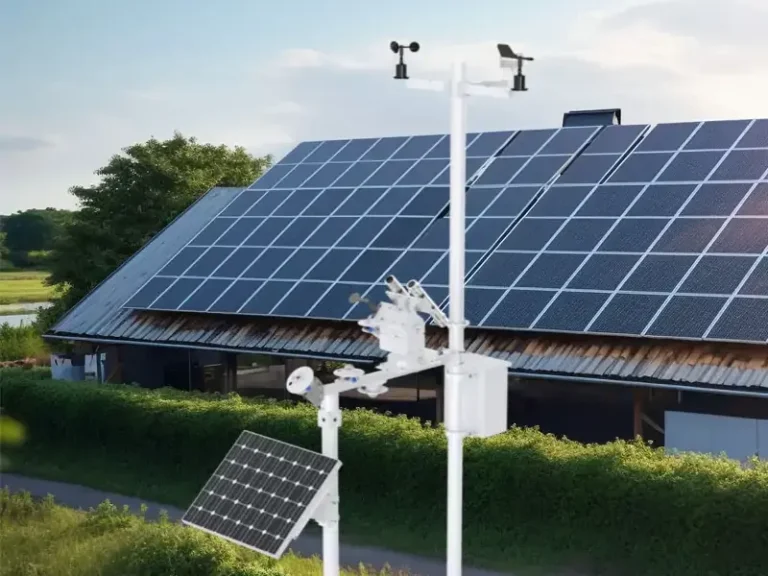
24. Wind Speed & Direction Sensor
25. Wind speed, wind direction
26. Tunnel ventilation, weather monitoring
27. Sound level (dB)
28. Traffic noise monitoring, environmental assessment
29. Traffic sensors provide real-time environmental and operational data for highways, tunnels, urban roads, and intelligent transportation systems. By monitoring visibility, air quality, lighting, wind, and noise conditions, these sensors help improve traffic safety, optimize infrastructure management, and support smarter transportation operations across various applications.
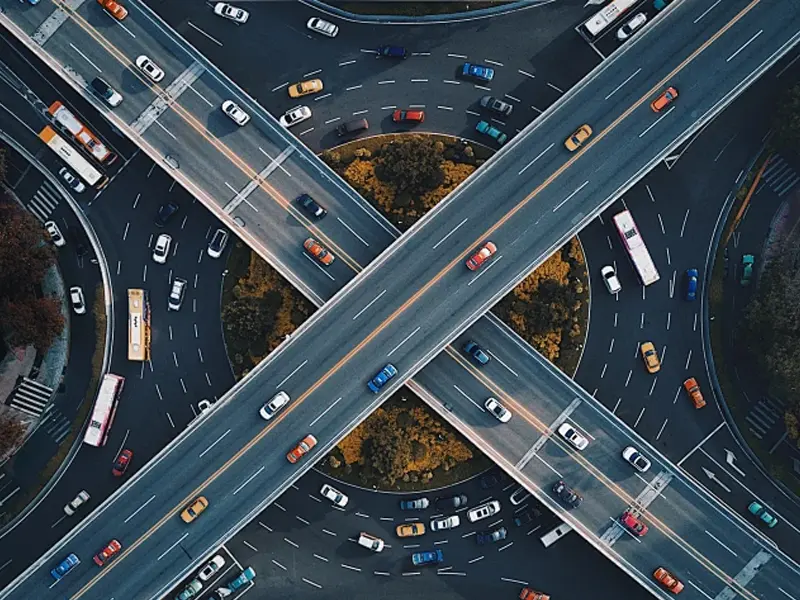
30. Highway Traffic Monitoring
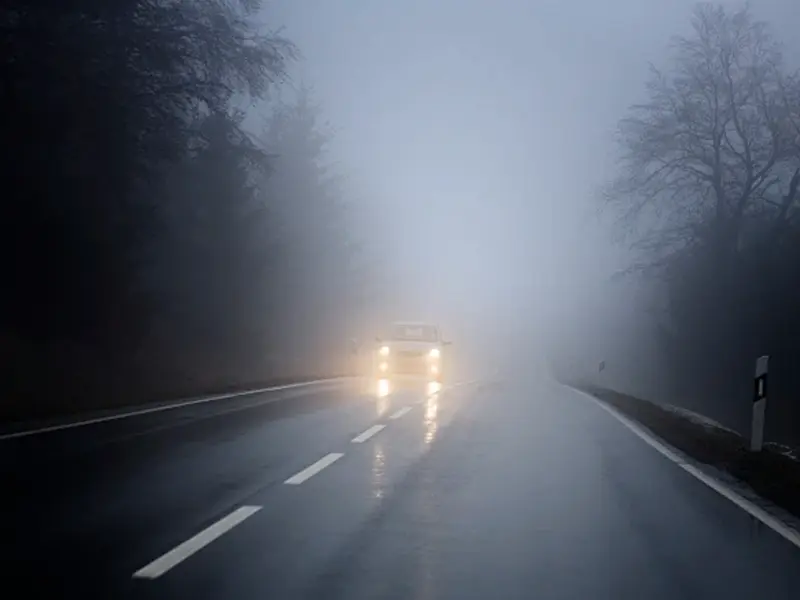
31. Traffic Detection Sensor help monitor highway environments by collecting real-time data on visibility, weather conditions, and road surroundings. These sensors support low-visibility warnings, traffic safety management, and efficient highway operation by providing reliable information for transportation systems.
32. Traffic sensors are essential components of intelligent transportation systems (ITS). They collect real-time traffic and environmental data to support traffic management, road monitoring, and intelligent transportation control.
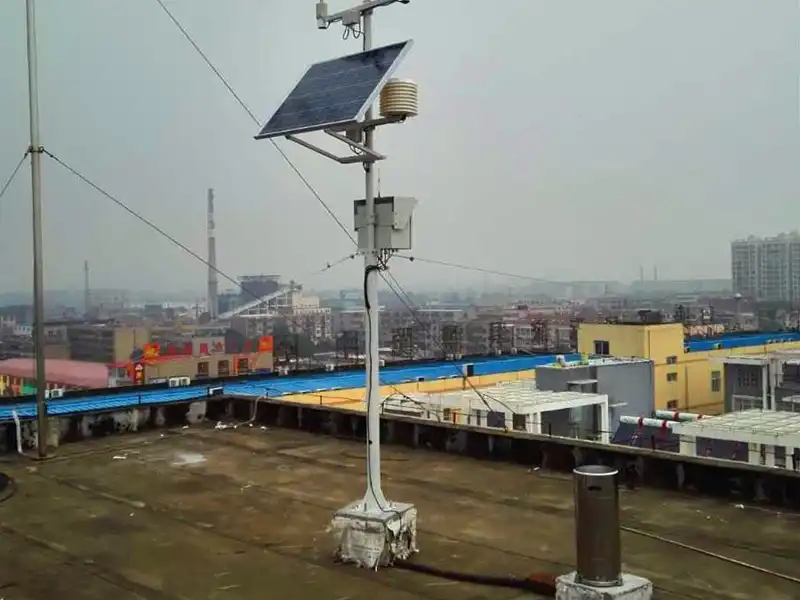
33. Smart City Traffic Management
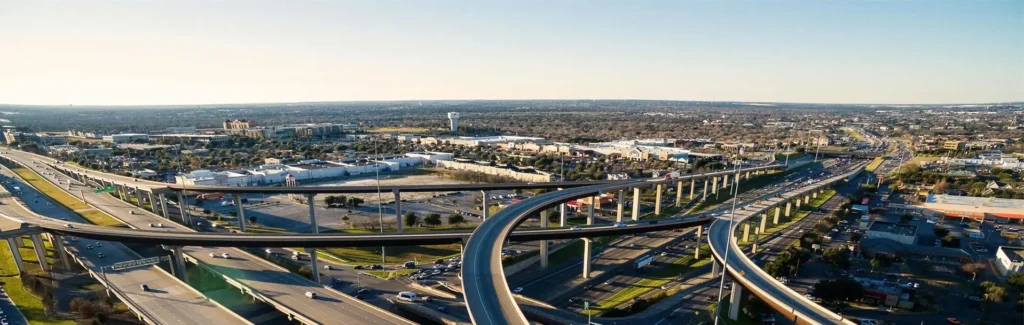
34. smart transportation system support smart city traffic management by providing real-time data on urban transportation and environmental conditions. The collected information helps improve traffic efficiency, road monitoring, and public safety.
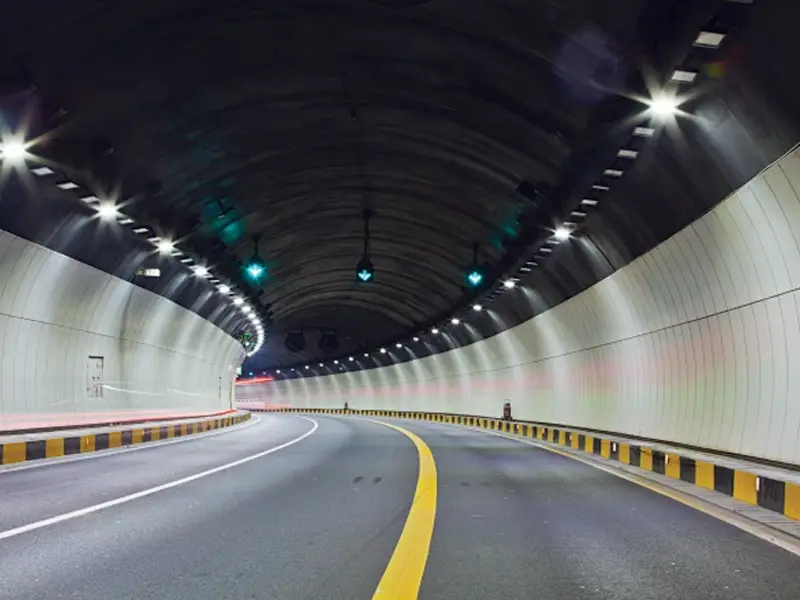
35. Tunnel Safety and Operation Management
36. Traffic sensors help improve tunnel safety by monitoring air quality, visibility, lighting, and airflow conditions. The collected data supports ventilation control, lighting adjustment, and safe tunnel operation.
37. Challenges and Limitations
38. Traffic sensors are essential for modern transportation systems, but their performance can be affected by complex operating environments. Weather conditions such as rain, fog, snow, dust, and temperature changes may impact detection accuracy. Proper sensor selection, installation, calibration, and regular maintenance are important to ensure reliable data collection and long-term operation.
39. Another challenge is maintaining data accuracy and system compatibility in large-scale deployments. Factors such as vehicle occlusion, signal interference, and different communication standards can affect sensor performance. Advanced technologies, including AI-based data processing and sensor fusion, help improve detection reliability, while seamless integration with ITS platforms ensures efficient traffic management.
40. How to Choose the Right Traffic Sensor?
41. Selecting the right traffic sensor requires considering the actual application environment, detection requirements, and system objectives. Based on real transportation projects, factors such as traffic volume, detection range, road conditions, weather adaptability, and integration requirements should be evaluated before selecting a sensor.

Environmental Monitoring Sensors in Intelligent Transportation Systems
Environmental monitoring sensors are an important component of intelligent transportation systems (ITS), extending traffic perception beyond vehicle detection and traffic flow monitoring. These sensors collect information about road and environmental conditions, such as visibility, road surface status, air quality, and tunnel conditions, providing additional data for safer and more efficient transportation management.
.
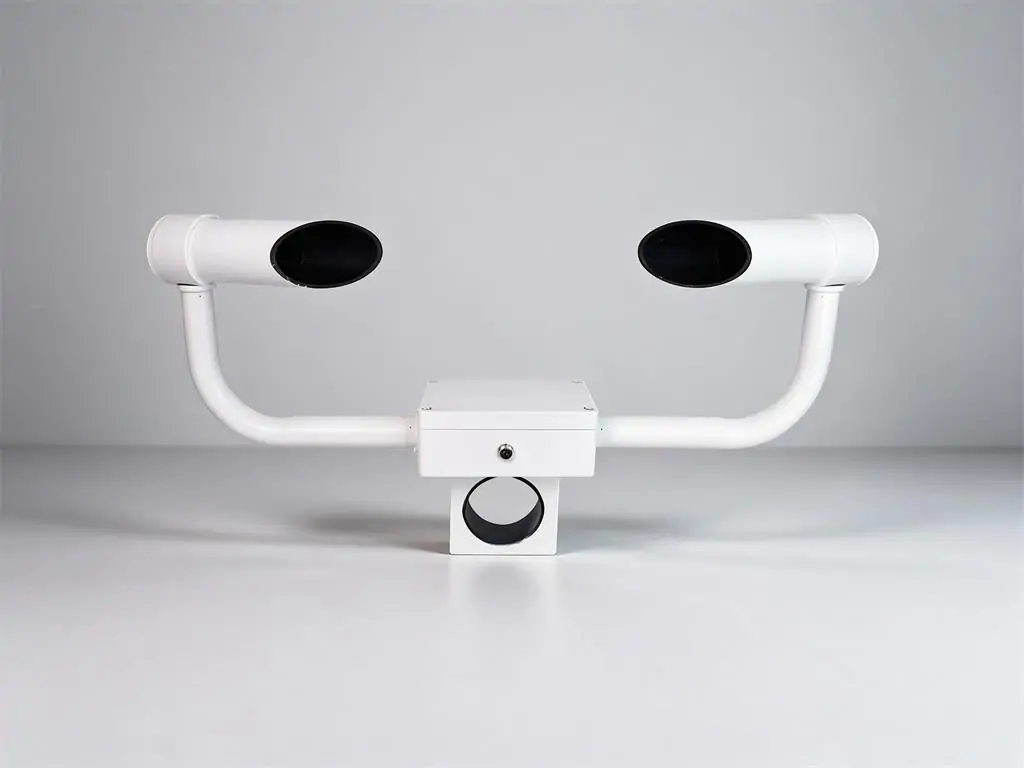
เซนเซอร์ตรวจจับการกระจายแสงไปข้างหน้า XF-CQ10 สำหรับถนน
The XF-CQ10 Forward Scatter Visibility Sensor
is designed to measure atmospheric visibility and meteorological optical range (MOR) using forward scattering optical technology. It provides real-time visibility data under conditions such as fog, haze, and dust, helping highways, tunnels, airports, and other transportation systems improve low-visibility monitoring and safety management.
.
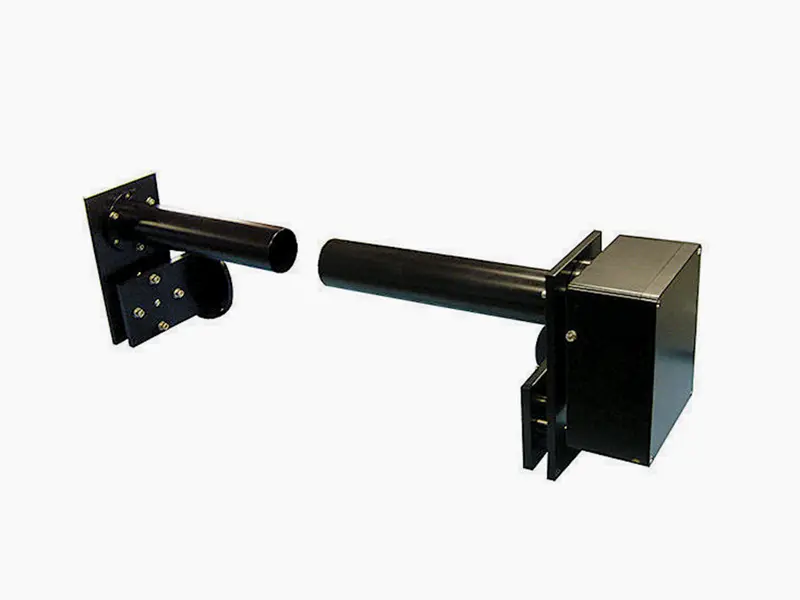
XF-CQ15 Tunnel Air Quality Monitoring System
The XF-CQ15 Tunnel Air Quality Monitoring System
is designed for tunnels, underground passages, and other enclosed transportation environments. It monitors key parameters including CO, NO₂, visibility, particulate matter, airflow, temperature, and humidity to provide real-time environmental data. With accurate measurement and stable operation, the system supports tunnel ventilation control, safety management, and intelligent transportation applications for highway, railway, and urban tunnel projects.
.
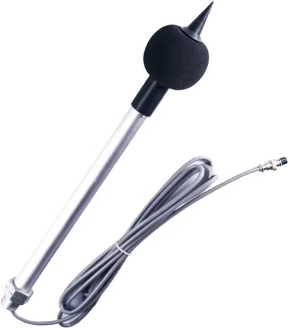
RY-CZS/485 Tube Smart RS485 Digital Output Microphone Outdoor Noise Sensor
The RY-CZS/485 Tube Smart RS485 Digital Output Microphone Outdoor Noise Sensor is designed for outdoor and industrial noise monitoring applications. Featuring a stainless steel tubular housing, high-sensitivity microphone, and digital processing technology, it accurately measures environmental sound levels and outputs real-time noise data. With reliable performance and easy installation, it is suitable for traffic noise monitoring, environmental assessment, industrial safety management, and smart city applications.
ออกแบบมาสำหรับการตรวจสอบเสียงรบกวนกลางแจ้งและในอุตสาหกรรม ด้วยตัวเรือนท่อสแตนเลส ไมโครโฟนความไวสูง และเทคโนโลยีการประมวลผลแบบดิจิทัล จึงสามารถวัดระดับเสียงสิ่งแวดล้อมได้อย่างแม่นยำและส่งออกข้อมูลเสียงแบบเรียลไทม์ ด้วยประสิทธิภาพที่เชื่อถือได้และการติดตั้งที่ง่ายดาย จึงเหมาะสำหรับการตรวจสอบเสียงจราจร การประเมินสิ่งแวดล้อม การจัดการความปลอดภัยในอุตสาหกรรม และการประยุกต์ใช้ในเมืองอัจฉริยะ.
Types Comparison
การเปรียบเทียบประเภท
Traffic sensors provide real-time environmental data for highways, tunnels, and smart transportation systems. Different sensor types are designed to measure specific parameters such as visibility, air quality, illumination, wind conditions, and noise levels. Choosing the right sensor depends on the installation environment, monitoring requirements, and integration with traffic management systems.
เซ็นเซอร์จราจรให้ข้อมูลสิ่งแวดล้อมแบบเรียลไทม์สำหรับทางหลวง อุโมงค์ และระบบขนส่งอัจฉริยะ เซ็นเซอร์ประเภทต่างๆ ได้รับการออกแบบมาเพื่อวัดพารามิเตอร์เฉพาะ เช่น ทัศนวิสัย คุณภาพอากาศ ความสว่าง สภาพลม และระดับเสียง การเลือกเซ็นเซอร์ที่เหมาะสมขึ้นอยู่กับสภาพแวดล้อมในการติดตั้ง ข้อกำหนดในการตรวจสอบ และการบูรณาการกับระบบจัดการจราจร.
| ประเภทเซ็นเซอร์ | Main Parameters พารามิเตอร์หลัก | การประยุกต์ใช้ |
| เซ็นเซอร์ตรวจจับการมองเห็น | MOR, fog, haze, dust MOR หมอก ควัน ฝุ่น | Highways, tunnels, airports ทางหลวง อุโมงค์ สนามบิน |
| Tunnel Air Quality Sensor เซ็นเซอร์คุณภาพอากาศในอุโมงค์ | CO, CO₂, NO₂, PM, temperature, humidity CO, CO₂, NO₂, PM, อุณหภูมิ, ความชื้น | Tunnel ventilation and safety management การระบายอากาศและการจัดการความปลอดภัยในอุโมงค์ |
| เซ็นเซอร์วัดความสว่าง | Light intensity (Lux) ความเข้มแสง (ลักซ์) | Tunnel and road lighting control การควบคุมแสงสว่างในอุโมงค์และถนน |
| เซ็นเซอร์ความสว่าง | Luminance level ระดับความสว่าง | Tunnel lighting optimization การปรับแสงสว่างในอุโมงค์ให้เหมาะสม |
| Wind Speed & Direction Sensor เซ็นเซอร์วัดความเร็วและทิศทางลม | Wind speed, wind direction ความเร็วลม, ทิศทางลม | Tunnel ventilation, weather monitoring การระบายอากาศในอุโมงค์, การตรวจสอบสภาพอากาศ |
| เซ็นเซอร์เสียงรบกวน | Sound level (dB) ระดับเสียง (เดซิเบล) | Traffic noise monitoring, environmental assessment การตรวจสอบเสียงจราจร, การประเมินสิ่งแวดล้อม |
การประยุกต์ใช้
Traffic sensors provide real-time environmental and operational data for highways, tunnels, urban roads, and intelligent transportation systems. By monitoring visibility, air quality, lighting, wind, and noise conditions, these sensors help improve traffic safety, optimize infrastructure management, and support smarter transportation operations across various applications.
เซ็นเซอร์จราจรให้ข้อมูลสิ่งแวดล้อมและการปฏิบัติการแบบเรียลไทม์สำหรับทางหลวง อุโมงค์ ถนนในเมือง และระบบขนส่งอัจฉริยะ โดยการตรวจสอบทัศนวิสัย คุณภาพอากาศ แสงสว่าง ลม และสภาพเสียง เซ็นเซอร์เหล่านี้ช่วยปรับปรุงความปลอดภัยในการจราจร เพิ่มประสิทธิภาพการจัดการโครงสร้างพื้นฐาน และสนับสนุนการดำเนินงานขนส่งที่ชาญฉลาดยิ่งขึ้นในหลากหลายการประยุกต์ใช้.
Highway Traffic Monitoring
การตรวจสอบการจราจรบนทางหลวง
Traffic Detection Sensor help monitor highway environments by collecting real-time data on visibility, weather conditions, and road surroundings. These sensors support low-visibility warnings, traffic safety management, and efficient highway operation by providing reliable information for transportation systems.
เซ็นเซอร์ตรวจจับการจราจรช่วยตรวจสอบสภาพแวดล้อมทางหลวงโดยการรวบรวมข้อมูลแบบเรียลไทม์เกี่ยวกับทัศนวิสัย สภาพอากาศ และสภาพแวดล้อมรอบถนน เซ็นเซอร์เหล่านี้สนับสนุนการเตือนทัศนวิสัยต่ำ การจัดการความปลอดภัยในการจราจร และการดำเนินงานทางหลวงที่มีประสิทธิภาพ โดยให้ข้อมูลที่เชื่อถือได้สำหรับระบบขนส่ง.
ระบบขนส่งอัจฉริยะ (ITS)
Traffic sensors are essential components of intelligent transportation systems (ITS). They collect real-time traffic and environmental data to support traffic management, road monitoring, and intelligent transportation control.
2. Smart City Traffic Management
3. smart transportation system support smart city traffic management by providing real-time data on urban transportation and environmental conditions. The collected information helps improve traffic efficiency, road monitoring, and public safety.
4. Tunnel Safety and Operation Management
5. Traffic sensors help improve tunnel safety by monitoring air quality, visibility, lighting, and airflow conditions. The collected data supports ventilation control, lighting adjustment, and safe tunnel operation.
6. Challenges and Limitations
7. Traffic sensors are essential for modern transportation systems, but their performance can be affected by complex operating environments. Weather conditions such as rain, fog, snow, dust, and temperature changes may impact detection accuracy. Proper sensor selection, installation, calibration, and regular maintenance are important to ensure reliable data collection and long-term operation.
8. Another challenge is maintaining data accuracy and system compatibility in large-scale deployments. Factors such as vehicle occlusion, signal interference, and different communication standards can affect sensor performance. Advanced technologies, including AI-based data processing and sensor fusion, help improve detection reliability, while seamless integration with ITS platforms ensures efficient traffic management.
9. How to Choose the Right Traffic Sensor?
10. Selecting the right traffic sensor requires considering the actual application environment, detection requirements, and system objectives. Based on real transportation projects, factors such as traffic volume, detection range, road conditions, weather adaptability, and integration requirements should be evaluated before selecting a sensor.
Smart City Traffic Management
smart transportation system support smart city traffic management by providing real-time data on urban transportation and environmental conditions. The collected information helps improve traffic efficiency, road monitoring, and public safety.
Tunnel Safety and Operation Management
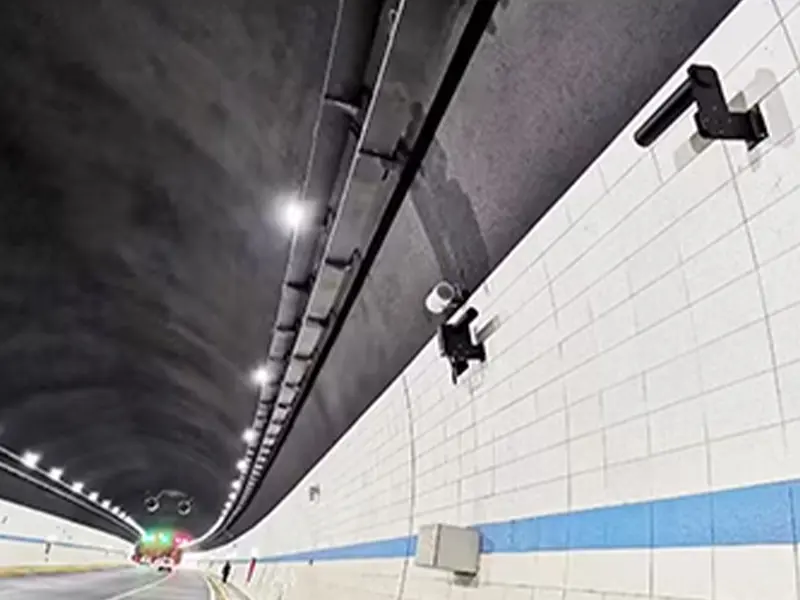
Traffic sensors help improve tunnel safety by monitoring air quality, visibility, lighting, and airflow conditions. The collected data supports ventilation control, lighting adjustment, and safe tunnel operation.
Challenges and Limitations
Traffic sensors are essential for modern transportation systems, but their performance can be affected by complex operating environments. Weather conditions such as rain, fog, snow, dust, and temperature changes may impact detection accuracy. Proper sensor selection, installation, calibration, and regular maintenance are important to ensure reliable data collection and long-term operation.
Another challenge is maintaining data accuracy and system compatibility in large-scale deployments. Factors such as vehicle occlusion, signal interference, and different communication standards can affect sensor performance. Advanced technologies, including AI-based data processing and sensor fusion, help improve detection reliability, while seamless integration with ITS platforms ensures efficient traffic management.
How to Choose the Right Traffic Sensor?
Selecting the right traffic sensor requires considering the actual application environment, detection requirements, and system objectives. Based on real transportation projects, factors such as traffic volume, detection range, road conditions, weather adaptability, and integration requirements should be evaluated before selecting a sensor.
ตัวอย่างเช่น โครงการตรวจสอบทางหลวงมักต้องการเซ็นเซอร์ที่มีระยะการตรวจจับไกลและประสิทธิภาพที่เสถียรภายใต้สภาพอากาศที่เปลี่ยนแปลง ในขณะที่ทางแยกในเมืองอาจให้ความสำคัญกับการนับจำนวนยานพาหนะ การจำแนกประเภท และการวิเคราะห์การไหลของจราจรมากกว่า ในการใช้งานในอุโมงค์ ความสามารถในการมองเห็น คุณภาพอากาศ และการตรวจสอบสภาพแวดล้อมมักเป็นสิ่งสำคัญ การเลือกข้อกำหนดของเซ็นเซอร์ที่เหมาะสม รวมถึงระยะการตรวจจับ ความแม่นยำ อินเทอร์เฟซการสื่อสาร และสภาพการทำงาน ช่วยให้มั่นใจได้ถึงการรวบรวมข้อมูลที่เชื่อถือได้และประสิทธิภาพของระบบในระยะยาว.
เซ็นเซอร์จราจรเทียบกับกล้องจราจร: แตกต่างกันอย่างไร?
เซ็นเซอร์จราจรอัจฉริยะและกล้องจราจรต่างถูกใช้อย่างแพร่หลายในการตรวจสอบการจราจร แต่มีวัตถุประสงค์ที่แตกต่างกัน ความแตกต่างหลักสะท้อนให้เห็นในวิธีการตรวจจับ ผลลัพธ์ข้อมูล ข้อดี ข้อจำกัด และการใช้งานทั่วไป ตารางด้านล่างนี้ให้การเปรียบเทียบอย่างรวดเร็ว.
| คุณสมบัติ | เซ็นเซอร์ตรวจจับการจราจร | กล้องจราจร |
| วัตถุประสงค์หลัก | การรวบรวมข้อมูลการจราจร | การตรวจสอบด้วยภาพ |
| ผลลัพธ์ | ข้อมูลการจราจร เช่น ความเร็ว ปริมาณ และการตรวจจับยานพาหนะ | ภาพและวิดีโอ |
| วิธีการตรวจจับ | เรดาร์, LiDAR, การตรวจจับแบบลูป และเซ็นเซอร์อื่นๆ | การจดจำวิดีโอและภาพ |
| ข้อดี | การวัดปริมาณการจราจรที่แม่นยำ การตรวจสอบอย่างต่อเนื่อง ได้รับผลกระทบจากสภาพแสงน้อย | ข้อมูลภาพที่สมบูรณ์ สามารถระบุลักษณะและรายละเอียดของยานพาหนะได้ |
| ข้อจำกัด | ความสามารถจำกัดในการจดจำสี ข้อความ หรือภาพที่มีรายละเอียด | ได้รับผลกระทบจากแสง ฝน หมอก และคุณภาพของภาพมากกว่า |
| การใช้งานทั่วไป | การตรวจสอบการไหลของการจราจร การตรวจจับความเร็ว การนับจำนวนยานพาหนะ การควบคุมระบบ ITS | การจดจำป้ายทะเบียน การตรวจจับการละเมิดกฎจราจร การเฝ้าระวังด้วยวิดีโอ |
แนวโน้มในอนาคตของเทคโนโลยีเซ็นเซอร์การจราจร
เทคโนโลยีเซ็นเซอร์การจราจรกำลังพัฒนาไปสู่โซลูชันที่ชาญฉลาด เชื่อมต่อกันมากขึ้น และบูรณาการมากขึ้น ด้วยการผสมผสาน AI, IoT, การประมวลผลแบบเอดจ์ และการสื่อสาร V2I ระบบตรวจสอบการจราจรสมัยใหม่สามารถส่งมอบข้อมูลแบบเรียลไทม์ที่แม่นยำยิ่งขึ้น ปรับปรุงการวิเคราะห์การจราจร และสนับสนุนการตัดสินใจที่รวดเร็วยิ่งขึ้นในระบบการขนส่ง เซ็นเซอร์การจราจรในอนาคตจะกลายเป็นแหล่งข้อมูลหลักสำหรับเครือข่ายการขนส่งอัจฉริยะ ช่วยให้การจัดการจราจรมีประสิทธิภาพมากขึ้น การดำเนินงานบนถนนที่ปลอดภัยยิ่งขึ้น และการพัฒนาโครงสร้างพื้นฐานที่ชาญฉลาดยิ่งขึ้น.
สรุป
เซ็นเซอร์การจราจรได้กลายเป็นส่วนประกอบสำคัญของโครงสร้างพื้นฐานการขนส่งสมัยใหม่ โดยให้ข้อมูลที่แม่นยำและแบบเรียลไทม์สำหรับการตรวจสอบการจราจร การจัดการความปลอดภัยทางถนน และระบบขนส่งอัจฉริยะ (ITS) สถานการณ์การใช้งานที่แตกต่างกัน เช่น ทางหลวง อุโมงค์ ถนนในเมือง และเมืองอัจฉริยะ จำเป็นต้องใช้เทคโนโลยีการตรวจจับที่แตกต่างกันตามข้อกำหนดในการตรวจจับ สภาพแวดล้อม ความแม่นยำ และความต้องการในการบูรณาการระบบ.
การเลือกเซ็นเซอร์ตรวจจับการจราจรที่เหมาะสมจำเป็นต้องสร้างสมดุลระหว่างประสิทธิภาพ ความน่าเชื่อถือ ข้อกำหนดในการบำรุงรักษา และความเข้ากันได้กับระบบจัดการจราจรที่มีอยู่ ด้วยการพัฒนาอย่างต่อเนื่องของเทคโนโลยี AI, IoT, การประมวลผลแบบเอดจ์ และการสื่อสาร V2I ระบบตรวจสอบการจราจรจะยังคงปรับปรุงความชาญฉลาดของข้อมูลและสนับสนุนวิวัฒนาการของเครือข่ายการขนส่งที่ปลอดภัย มีประสิทธิภาพ และชาญฉลาดยิ่งขึ้น.ติดต่อเรา เพื่อหารือเกี่ยวกับโซลูชันระบบตรวจสอบการจราจรที่เหมาะสมสำหรับความต้องการในการตรวจสอบการขนส่งของคุณ.