소개
As solar energy systems, agricultural monitoring networks, meteorological stations, and environmental research projects become increasingly data-driven, the demand for flexible and reliable solar radiation measurement solutions continues to grow. Traditional wired sensors often face challenges such as complex installation, high cabling costs, and limited deployment flexibility, especially in remote or large-scale monitoring environments. A wireless solar radiation sensor eliminates these limitations by enabling real-time solar irradiance monitoring without extensive wiring infrastructure. By combining accurate solar radiation measurement with wireless communication technologies such as LoRaWAN, NB-IoT, 4G, Wi-Fi, or Zigbee, these sensors provide a cost-effective, scalable, and efficient solution for modern environmental and solar resource monitoring applications. This article explores the wireless solar radiation sensor benefits and why they are becoming an essential component of smart monitoring systems across industries.
What Is a Wireless Solar Radiation Sensor?
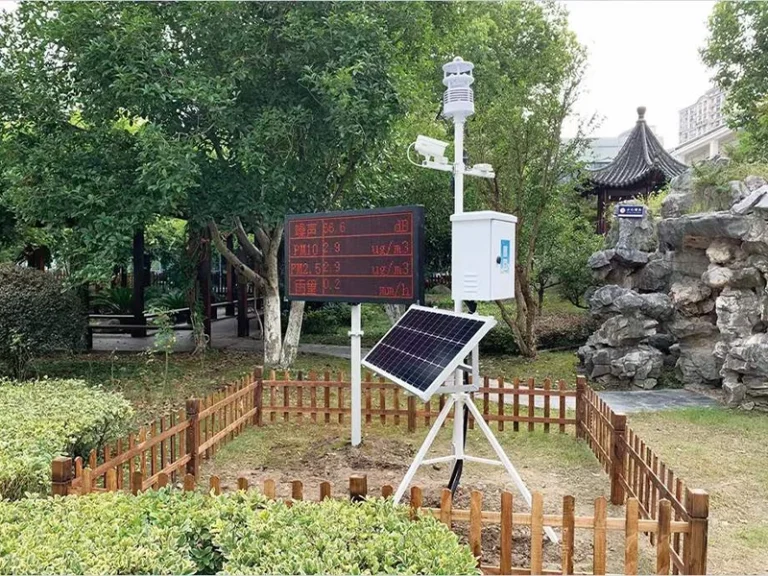
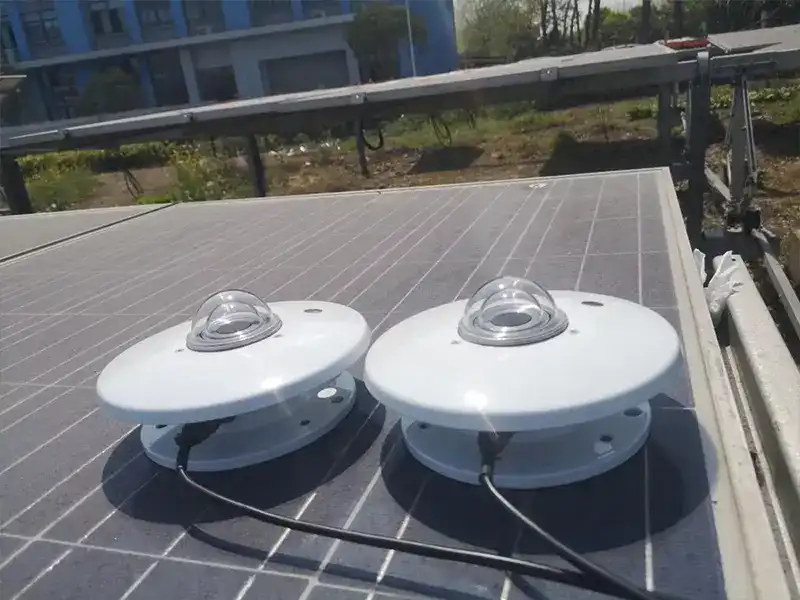
A wireless solar radiation sensor is a device that measures solar irradiance and transmits data wirelessly to a gateway, cloud platform, or monitoring system in real time. Compared with traditional wired solutions, it reduces installation costs, simplifies deployment, and allows flexible monitoring across large sites or remote locations. Whether you are managing a solar power plant, agricultural project, 기상 관측소, or environmental monitoring network, accurate solar radiation data helps improve operational efficiency and decision-making. At Yantai Sensor, we provide wireless solar radiation sensors with multiple communication options, including LoRaWAN, NB-IoT, RS485 to wireless solutions, and 4G connectivity to meet different application requirements.
How does a wireless solar radiation sensor work?
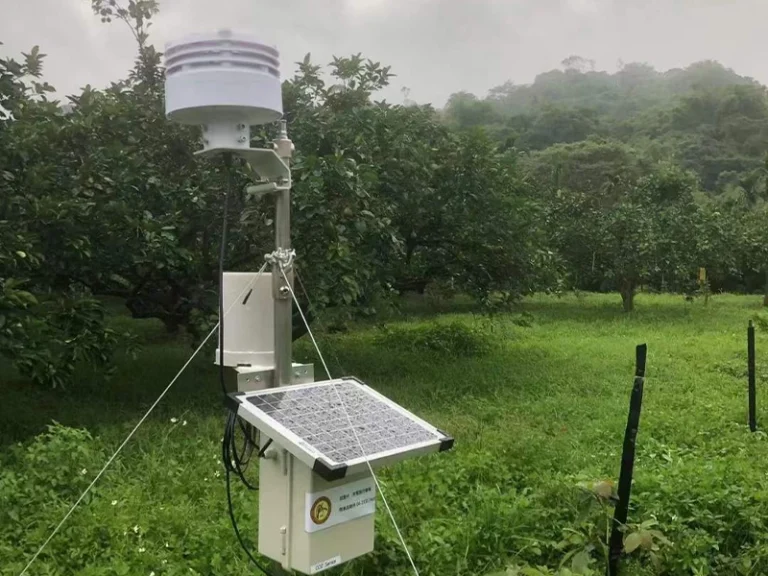
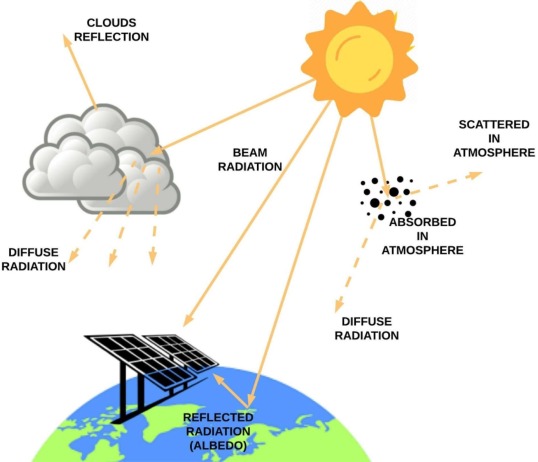
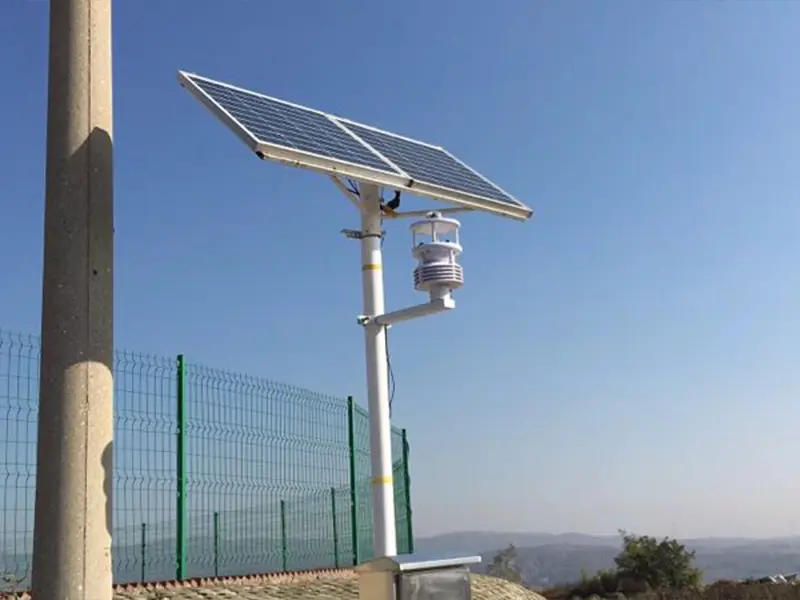
A wireless solar radiation sensor continuously detects incoming solar energy using a radiation-sensitive element. The measured irradiance value is converted into an electrical signal and processed by the sensor’s internal circuitry. The data is then transmitted through a wireless communication network, such as LoRaWAN, NB-IoT, Wi-Fi, Zigbee, or 4G, to a data collection platform or cloud-based monitoring system.
Users can view, analyze, and store the collected information through software dashboards, mobile applications, or remote monitoring platforms. This enables continuous solar radiation monitoring without the need for on-site data retrieval.
Main Components
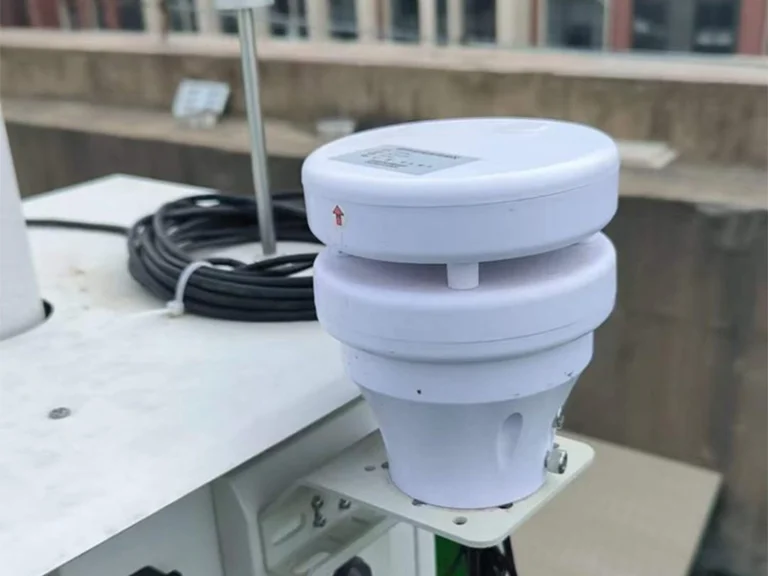
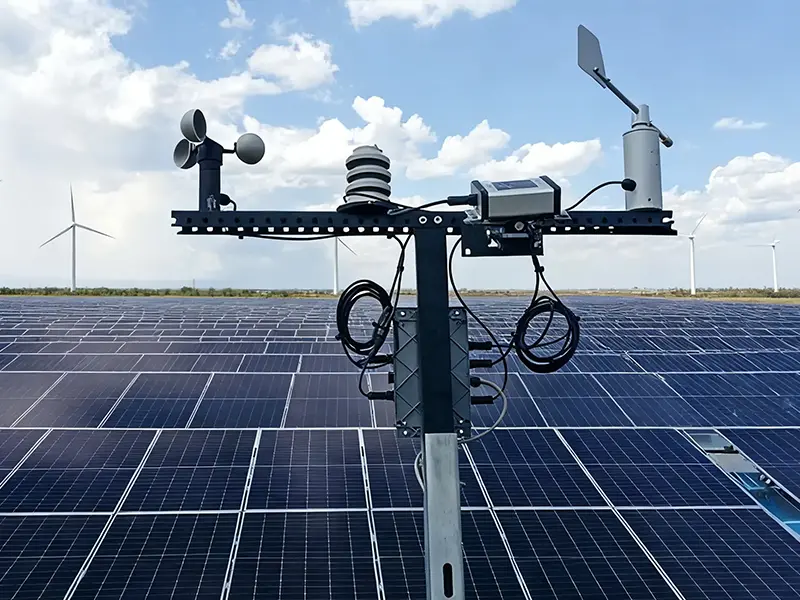
A wireless solar radiation sensor consists of several key components that work together to ensure accurate measurement, reliable communication, and long-term field operation. Understanding these components can help you select the right sensor for your monitoring project.
- Radiation Sensing Element – Measures incoming solar radiation and converts it into an electrical signal for processing.
- 무선 통신 모듈 – Transmits measurement data to a gateway, cloud platform, or monitoring center using technologies such as LoRaWAN, NB-IoT, Wi-Fi, Zigbee, or 4G.
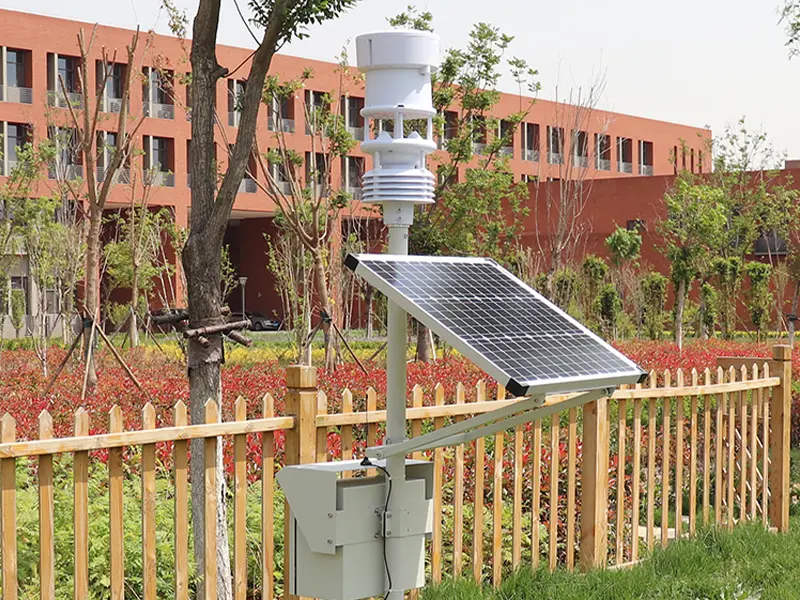
- 전원 공급 장치 – Provides stable energy for continuous operation, typically through batteries, solar panels, or hybrid power systems.
- 데이터 로거 – Records, stores, and manages measurement data, ensuring data integrity even during temporary communication interruptions.
Top Benefits of Wireless Solar Radiation Sensors
1. Significantly Reduced Installation Costs
One of the most noticeable advantages of wireless solar radiation sensors is the reduction in installation costs.
Traditional wired monitoring systems often require:
- Signal cables
- Power cables
- Cable trays
- Conduits
- Underground trenching
- Waterproof connectors
For large-scale installations, cabling expenses can represent a substantial portion of the project budget. In utility-scale solar farms covering hundreds of acres, cable routing may extend several kilometers. Labor costs associated with trenching, laying cables, and maintaining infrastructure can exceed the cost of the sensor itself. Wireless systems eliminate much of this infrastructure, reducing both material and labor expenses.
Typical Cost Savings
These savings become increasingly significant as project size grows. Projects replacing wired monitoring points with wireless sensors cost savings:
- 30–60% lower installation labor costs
- Reduced civil engineering work
- Faster deployment schedules
- Lower future expansion costs
2. Faster and Easier Deployment
Installation speed is another major benefit. A wired sensor installation may require:
- Cable routing design
- Trenching permits
- Electrical wiring
- Communication network setup
- Grounding systems
Wireless solar radiation sensors can often be installed and commissioned within a few hours; organizations can begin collecting data much sooner without extensive infrastructure preparation. This simplicity is especially valuable for:
- Temporary monitoring projects
- Construction sites
- Research stations
- Remote field testing
- Agricultural deployments
3. Ideal for Remote and Hard-to-Reach Locations
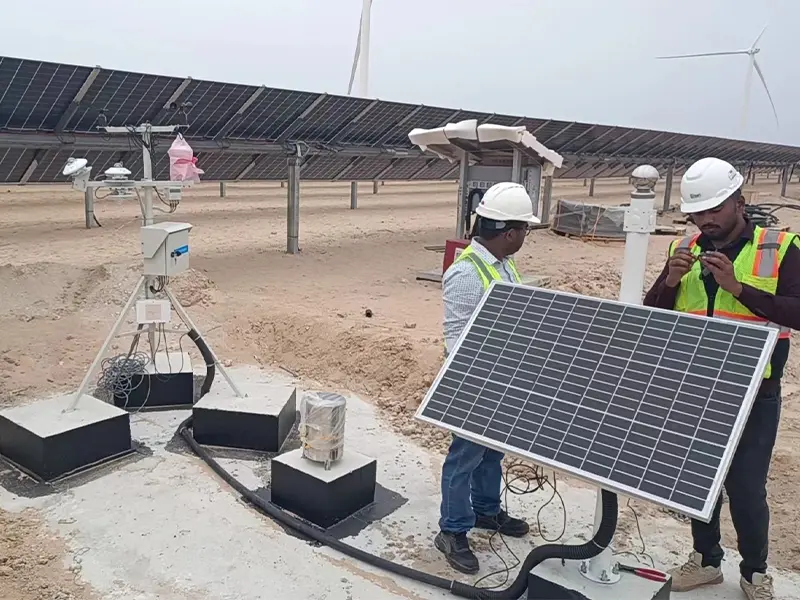
Many monitoring sites are located in areas where cable installation is difficult or economically impractical. Examples include:
- Desert solar farms
- Mountain weather stations
- Forest research plots
- Agricultural fields
- Reservoir monitoring sites
- Remote meteorological stations
Running communication cables across challenging terrain increases project complexity and maintenance requirements. Wireless transmission enables reliable data collection from locations where wired solutions may not be feasible. Long-range communication technologies such as LoRaWAN can transmit data over distances exceeding 5–15 kilometers under favorable conditions, making them particularly suitable for large monitoring networks.
4. Real-Time Remote Monitoring
Modern wireless solar radiation sensors provide continuous access to live environmental data. Users can view:
- Current irradiance levels
- Historical trends
- Daily solar energy accumulation
- Alarm notifications
- Equipment status
- System diagnostics
Data can be accessed through:
- Web dashboards
- Mobile applications
- SCADA systems
- Cloud-based monitoring platforms
This capability allows operators to make informed decisions without physically visiting monitoring sites. For organizations managing multiple locations, centralized monitoring can significantly improve operational efficiency.
5. Improved Scalability
Monitoring requirements often change over time. A solar farm monitoring system may initially install five monitoring stations and later expand to twenty or more locations. With wired systems, expansion frequently requires:
- Additional trenching
- New communication cables
- Network redesign
- Increased installation labor
Wireless monitoring networks are much easier to scale. New sensors can be added without disrupting existing infrastructure, allowing organizations to expand monitoring coverage as operational needs evolve. This flexibility is particularly valuable for growing solar energy projects and smart agriculture deployments.
6. Lower Maintenance Requirements
Communication cables are often one of the most vulnerable components of traditional monitoring systems. Common issues include:
- Rodent damage
- Moisture intrusion
- Connector corrosion
- Physical cable cuts
- Lightning-related failures
These problems can result in communication interruptions and costly repairs. Wireless systems reduce dependence on physical communication infrastructure, minimizing many of these maintenance challenges. Many modern wireless solar radiation sensors are designed with:
- IP65 to IP67 protection ratings
- Industrial-grade enclosures
- Low-power electronics
- Long-life battery systems
As a result, maintenance intervals can be significantly extended.
7. Better Data Accessibility and Integration
Wireless monitoring systems are designed for modern digital environments. Data can be integrated with:
- Energy management platforms
- Weather monitoring systems
- Building automation systems
- Agricultural management software
- Renewable energy analytics platforms
Many devices support:
- Modbus RTU
- Modbus TCP
- MQTT
- HTTP APIs
- Cloud IoT protocols
This interoperability simplifies data sharing across departments and organizations.
Wireless vs Wired Solar Radiation Sensors
| 기능 | Wireless Sensor | Wired Sensor |
|---|---|---|
| Installation Complexity | 낮음 | 높음 |
| Initial Infrastructure Cost | Lower | 더 높음 |
| Deployment Speed | Fast | Slower |
| Scalability | Excellent | Moderate |
| Remote Site Suitability | Excellent | Limited |
| Maintenance Requirements | 낮음 | Moderate |
| Communication Stability | 높음 | Very High |
| Long-Term Flexibility | Excellent | Moderate |
While wired systems may still be preferred in some high-security or highly controlled industrial environments, wireless solutions provide clear advantages for most distributed monitoring applications.
How Wireless Solar Radiation Sensors Improve Solar Farm Performance
- Improve PR Analysis Accuracy
Provides precise irradiance data for evaluating system efficiency, energy losses, and overall plant performance. - Detect Faults Faster
Helps identify inverter issues, module degradation, shading, and other performance abnormalities at an early stage. - Enhance Energy Forecasting
Supports more accurate generation forecasts for grid scheduling and energy management. - Optimize Panel Cleaning
Enables operators to assess soiling losses and schedule cleaning based on actual performance data. - Support Remote Monitoring
Wireless communication allows real-time access to irradiance data without frequent site visits. - Increase Energy Yield and ROI
By improving system monitoring and maintenance efficiency, operators can maximize power generation and long-term returns.
Applications of Wireless Solar Radiation Sensors
- 태양광 발전소
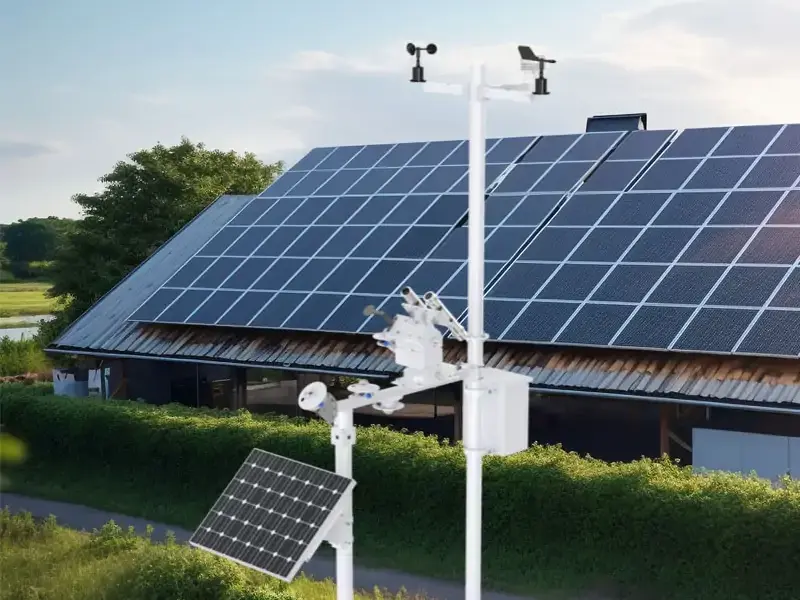
Used to monitor solar irradiance, evaluate power generation efficiency, optimize operations and maintenance management, and forecast power generation. - Distributed Solar Systems
Provides real-time solar radiation data for rooftop solar and commercial and industrial solar projects, helping to improve system performance. - Weather Monitoring Stations
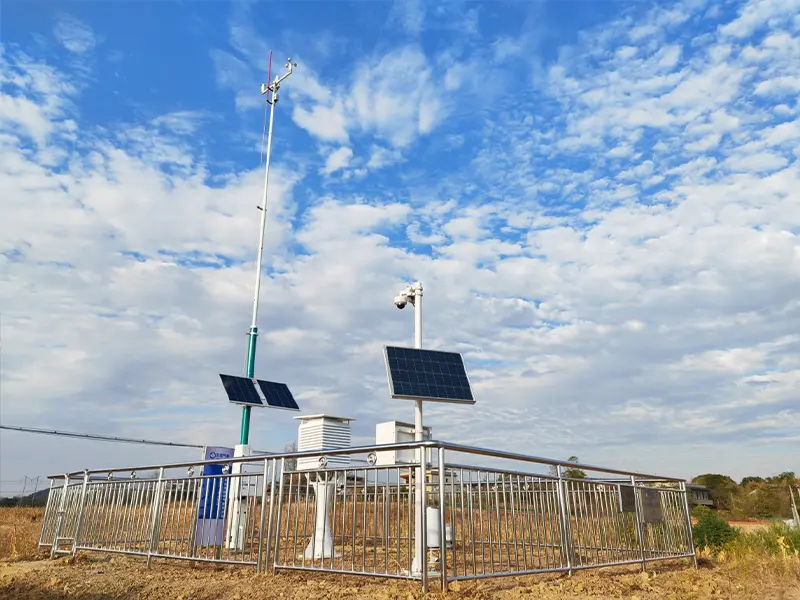
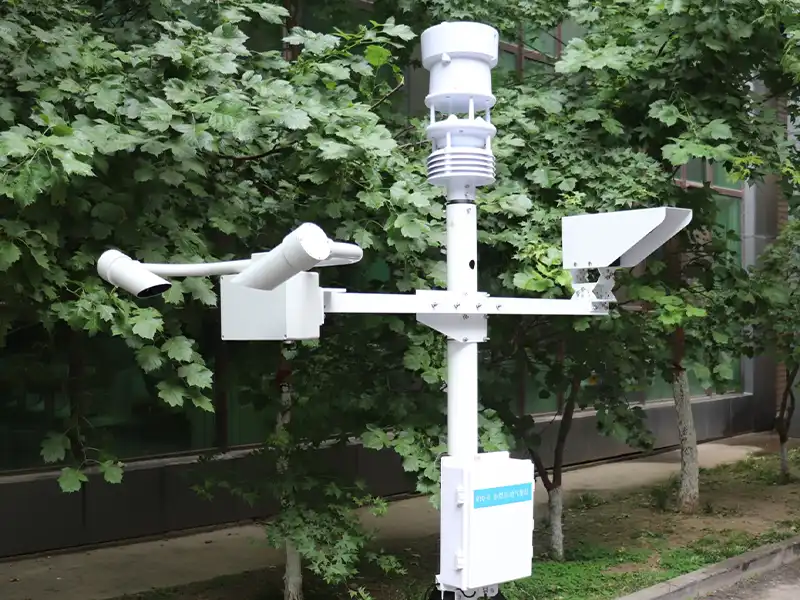
As a key component of automatic weather stations, it measures total solar radiation and supports weather analysis and climate research. - 스마트 농업
Monitors light conditions in crop growth environments, providing data support for greenhouse control, irrigation management, and precision agriculture. - Environmental Monitoring Projects
Used in ecological reserves, research institutions, and environmental monitoring networks to record long-term changes in solar radiation. - Building and Green Energy Management
Assesses solar resources for buildings, providing a basis for energy-efficient building design and PV system planning.
How to Choose the Wireless Solar Radiation Sensor
Selecting the right wireless solar radiation sensor starts with understanding your application requirements. Factors such as measurement accuracy, communication method, power supply, and environmental conditions can directly affect monitoring performance and long-term reliability. The ideal sensor should provide accurate data while meeting the specific needs of your project.
- 측정 정확도
Choose a sensor with the accuracy level required for your application, especially for solar power performance analysis and resource assessment. - Communication Technology
Select LoRaWAN, NB-IoT, 4G, Wi-Fi, or other communication options based on transmission distance and network availability. - 전원 공급 장치
For remote locations, low-power designs with solar charging and battery backup can reduce maintenance costs. - 환경 보호
Look for durable sensors with weather-resistant enclosures suitable for long-term outdoor use. - 데이터 통합
Ensure the sensor can connect easily with your existing data logger, SCADA system, or cloud monitoring platform. - Application Requirements
Different applications have different priorities. Solar farms often focus on accuracy, while agricultural and environmental monitoring projects may prioritize wireless coverage and power efficiency.
If you’re unsure which solution best fits your project, the 옌타이 센서 team can help recommend the most suitable wireless solar radiation sensor based on your monitoring goals and installation environment.
Future Trends in Wireless Solar Radiation Monitoring
With the rapid development of IoT environmental monitoring, artificial intelligence (AI), edge computing, and cloud platform technologies, wireless solar radiation monitoring is evolving toward greater intelligence, connectivity, and precision. Future wireless solar radiation sensors will not only enable real-time data collection and remote transmission but will also integrate AI algorithms to perform power generation forecasting, equipment failure early warning, and performance analysis, thereby providing decision support for the operation and maintenance of photovoltaic power plants. At the same time, the application of low-power communication technologies (such as LoRaWAN and NB-IoT) and digital twin technologies will further enhance the coverage, data reliability, and management efficiency of monitoring systems, enabling wireless solar radiation monitoring to deliver greater value in fields such as photovoltaic power generation, smart agriculture, meteorological monitoring, and environmental research.
결론
Wireless solar radiation sensors provide substantial advantages over traditional wired solutions, including lower installation costs, simplified deployment, improved scalability, remote accessibility, and reduced maintenance requirements.
As renewable energy projects, smart agriculture systems, and environmental monitoring networks continue to expand, wireless monitoring technologies are becoming an increasingly practical and cost-effective choice for organizations seeking reliable solar irradiance data without the complexity of extensive cabling infrastructure. Wireless solar radiation sensors offer a flexible solution that supports both current operational needs and future growth.