Введение
Поскольку системы солнечной энергетики, сети сельскохозяйственного мониторинга, метеорологические станции и проекты экологических исследований становятся всё более ориентированными на данные, спрос на гибкие и надёжные решения для измерения солнечной радиации продолжает расти. Традиционные проводные датчики часто сталкиваются с такими проблемами, как сложность установки, высокие затраты на прокладку кабелей и ограниченная гибкость развёртывания, особенно в удалённых или крупномасштабных средах мониторинга. Беспроводной датчик солнечной радиации устраняет эти ограничения, обеспечивая мониторинг интенсивности солнечного излучения в реальном времени без обширной кабельной инфраструктуры. Сочетая точное измерение солнечной радиации с технологиями беспроводной связи, такими как LoRaWAN, NB-IoT, 4G, Wi-Fi или Zigbee, эти датчики обеспечивают экономически эффективное, масштабируемое и эффективное решение для современных приложений экологического мониторинга и мониторинга солнечных ресурсов. В этой статье рассматриваются преимущества беспроводного датчика солнечной радиации и объясняется, почему они становятся неотъемлемым компонентом интеллектуальных систем мониторинга в различных отраслях. Если вы хотите узнать больше о “Пиранометр против датчика солнечной радиации: в чем разница?”, пожалуйста, перейдите по ссылке в статье.
Что такое беспроводной датчик солнечной радиации?
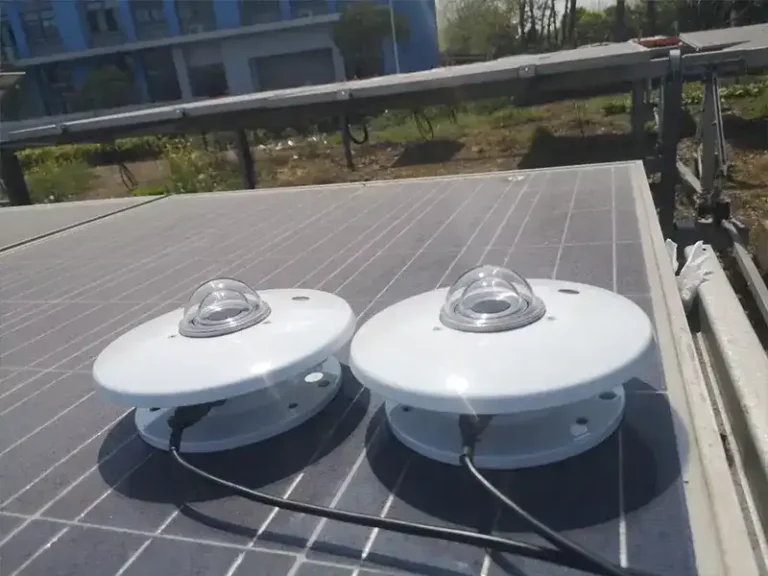
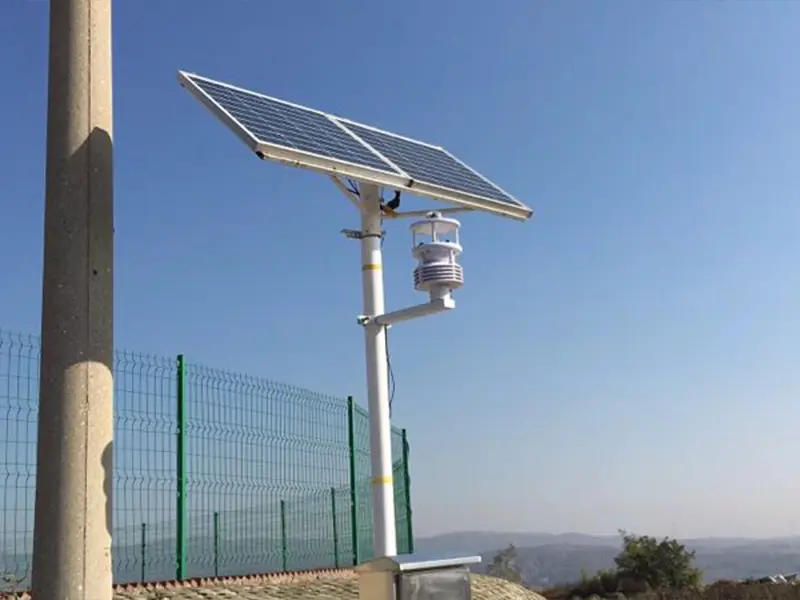
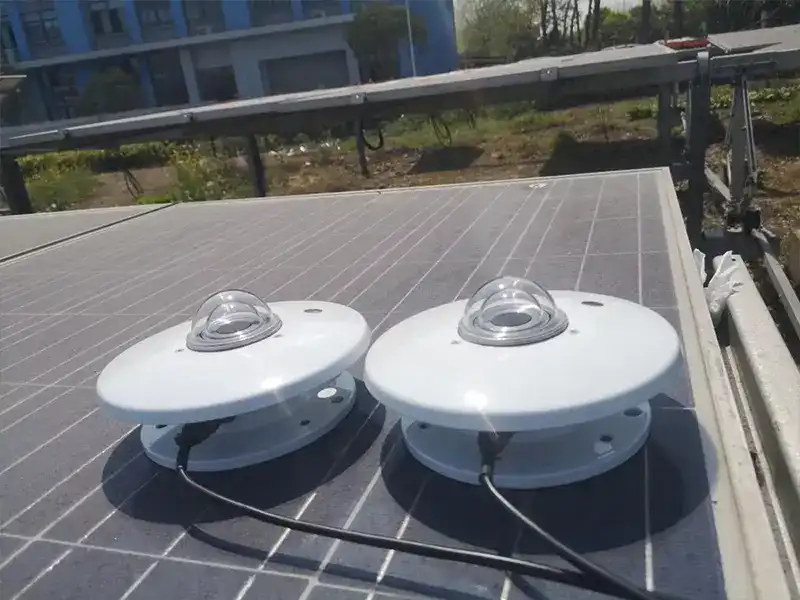
A беспроводной датчик солнечной радиации — это устройство, которое измеряет интенсивность солнечного излучения и передает данные по беспроводной связи на шлюз, облачную платформу или систему мониторинга в режиме реального времени. По сравнению с традиционными проводными решениями оно снижает затраты на установку, упрощает развертывание и обеспечивает гибкий мониторинг на обширных объектах или в удаленных местах. Независимо от того, управляете ли вы солнечной электростанцией, сельскохозяйственным проектом, метеостанция, ... или в рамках сети мониторинга окружающей среды точные данные о солнечной радиации способствуют повышению эффективности работы и принятию более обоснованных решений. Компания Yantai Sensor предлагает беспроводные датчики солнечной радиации с различными вариантами связи, включая LoRaWAN, NB-IoT, RS485, а также решения для беспроводной передачи данных и подключение по сети 4G, что позволяет удовлетворить требования самых разных сфер применения.
Как работает беспроводной датчик солнечной радиации?
Беспроводной датчик солнечной радиации непрерывно регистрирует поступающую солнечную энергию с помощью светочувствительного элемента. Измеренное значение интенсивности излучения преобразуется в электрический сигнал и обрабатывается внутренними схемами датчика. Затем данные передаются через сеть беспроводной связи, такую как LoRaWAN, NB-IoT, Wi-Fi, Zigbee или 4G, на платформу сбора данных или в облачную систему мониторинга.
Пользователи могут просматривать, анализировать и сохранять собранную информацию с помощью программных панелей управления, мобильных приложений или платформ удаленного мониторинга. Это позволяет осуществлять непрерывный мониторинг солнечной радиации без необходимости выезда на объект для сбора данных.
Основные компоненты
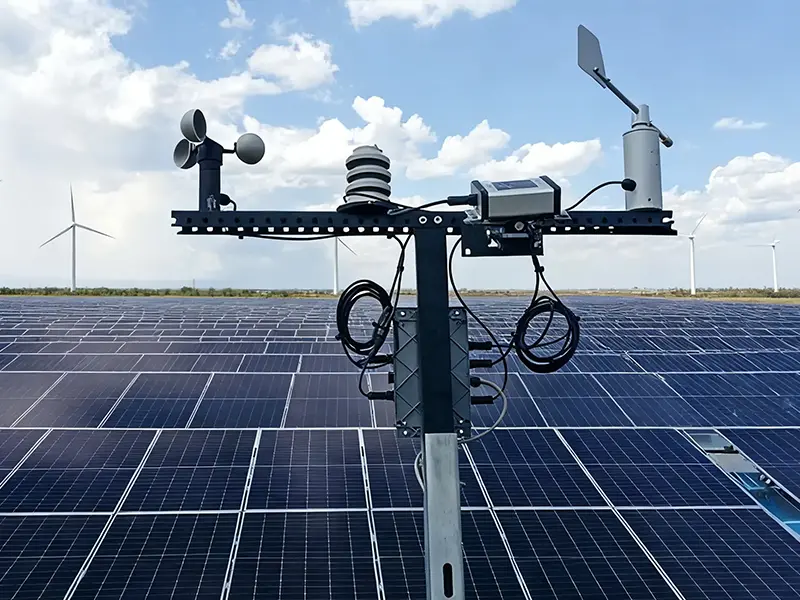
Беспроводной датчик солнечной радиации состоит из нескольких ключевых компонентов, которые работают совместно, обеспечивая точность измерений, надежную связь и длительную эксплуатацию в полевых условиях. Понимание принципа работы этих компонентов поможет вам выбрать датчик, наиболее подходящий для вашего проекта мониторинга.
- Радиационный чувствительный элемент – Измеряет поступающую солнечную радиацию и преобразует её в электрический сигнал для дальнейшей обработки.
- Модуль беспроводной связи – Передает данные измерений на шлюз, облачную платформу или в центр мониторинга с использованием таких технологий, как LoRaWAN, NB-IoT, Wi-Fi, Zigbee или 4G.
- Источник питания – Обеспечивает стабильное энергоснабжение для непрерывной работы, как правило, за счет аккумуляторов, солнечных батарей или гибридных энергетических систем.
- Регистратор данных – Регистрирует, хранит и обрабатывает данные измерений, обеспечивая их целостность даже при временных перебоях в связи.
Основные преимущества беспроводных датчиков солнечной радиации
1. Значительное снижение затрат на установку
Одним из наиболее заметных преимуществ беспроводных датчиков солнечной радиации является снижение затрат на монтаж.
Традиционные проводные системы мониторинга часто требуют:
- Сигнальные кабели
- Силовые кабели
- Кабельные лотки
- Трубопроводы
- Прокладка подземных траншей
- Водонепроницаемые разъемы
При реализации крупномасштабных проектов расходы на прокладку кабельной сети могут составлять значительную часть бюджета проекта. На промышленных солнечных электростанциях площадью в сотни гектаров протяженность кабельной трассы может достигать нескольких километров. Затраты на рабочую силу, связанные с рытьем траншей, прокладкой кабелей и обслуживанием инфраструктуры, могут превышать стоимость самого датчика. Беспроводные системы позволяют отказаться от значительной части этой инфраструктуры, сокращая как материальные, так и трудовые затраты.
Типичная экономия затрат
Эти сбережения становятся все более значительными по мере увеличения масштабов проекта. Экономия средств при реализации проектов, предусматривающих замену проводных точек мониторинга беспроводными датчиками:
- 30–60%: снижение затрат на монтаж
- Сокращение объема строительных работ
- Более сжатые сроки развертывания
- Снижение будущих затрат на расширение
2. Более быстрое и простое внедрение
Еще одним важным преимуществом является скорость установки. Для монтажа проводного датчика может потребоваться:
- Проектирование трассировки кабелей
- Разрешения на прокладку траншей
- Электропроводка
- Настройка сети связи
- Системы заземления
Беспроводные датчики солнечной радиации зачастую можно установить и ввести в эксплуатацию за несколько часов; организации могут начать сбор данных гораздо раньше, без необходимости тщательной подготовки инфраструктуры. Такая простота особенно ценна для:
- Проекты по временному мониторингу
- Строительные площадки
- Научно-исследовательские станции
- Выездные испытания
- Применение в сельском хозяйстве
3. Идеально подходит для удаленных и труднодоступных мест
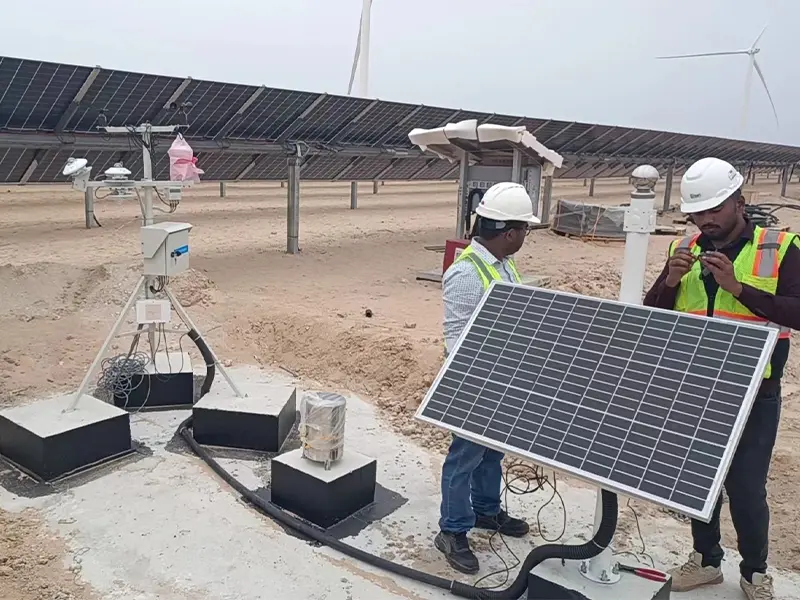
Многие пункты мониторинга расположены в районах, где прокладка кабеля затруднена или экономически нецелесообразна. К ним относятся, например:
- Солнечные электростанции в пустыне
- Горные метеостанции
- Лесные исследовательские участки
- Сельскохозяйственные угодья
- Пункты мониторинга водохранилищ
- Удаленные метеостанции
Прокладка кабелей связи по труднопроходимой местности повышает сложность проекта и увеличивает объем работ по техническому обслуживанию. Беспроводная передача данных позволяет надежно собирать данные из мест, где прокладка кабелей может оказаться невозможной. Технологии связи с большим радиусом действия, такие как LoRaWAN, способны передавать данные на расстояния свыше 5–15 километров при благоприятных условиях, что делает их особенно подходящими для крупных сетей мониторинга.
4. Дистанционный мониторинг в режиме реального времени
Современные беспроводные датчики солнечной радиации обеспечивают постоянный доступ к актуальным данным об окружающей среде. Пользователи могут просматривать:
- Текущие уровни интенсивности солнечного излучения
- Исторические тенденции
- Ежедневное накопление солнечной энергии
- Уведомления о тревогах
- Состояние оборудования
- Диагностика системы
Доступ к данным можно получить следующими способами:
- Веб-панели управления
- Мобильные приложения
- Системы SCADA
- Облачные платформы мониторинга
Эта функция позволяет операторам принимать обоснованные решения без необходимости личного посещения объектов мониторинга. Для организаций, управляющих несколькими объектами, централизованный мониторинг может значительно повысить эффективность работы.
5. Повышенная масштабируемость
Требования к мониторингу со временем часто меняются. А система мониторинга солнечной электростанции вначале может быть установлено пять станций мониторинга, а впоследствии их число может быть увеличено до двадцати и более. В случае проводных систем для расширения сети часто требуется:
- Дополнительные земляные работы
- Новые коммуникационные кабели
- Перепроектирование сети
- Увеличение затрат на монтажные работы
Беспроводные сети мониторинга гораздо проще масштабировать. Новые датчики можно подключать без нарушения работы существующей инфраструктуры, что позволяет организациям расширять зону охвата мониторинга по мере изменения производственных потребностей. Такая гибкость особенно ценна для растущих проектов в сфере солнечной энергетики и внедрения решений для «умного» сельского хозяйства.
6. Меньшие требования к техническому обслуживанию
Коммуникационные кабели зачастую являются одними из наиболее уязвимых компонентов традиционных систем мониторинга. К числу типичных проблем относятся:
- Ущерб, нанесенный грызунами
- Проникновение влаги
- Коррозия разъема
- Физические повреждения кабеля
- Сбои, связанные с ударами молнии
Эти проблемы могут приводить к сбоям в связи и дорогостоящему ремонту. Беспроводные системы снижают зависимость от физической инфраструктуры связи, что позволяет свести к минимуму многие из этих проблем, связанных с техническим обслуживанием. Многие современные беспроводные датчики солнечной радиации оснащены:
- Степень защиты от IP65 до IP67
- Корпуса промышленного класса
- Электроника с низким энергопотреблением
- Системы аккумуляторных батарей с длительным сроком службы
В результате интервалы между техническими обслуживаниями можно значительно увеличить.
7. Повышение доступности и интеграции данных
Беспроводные системы мониторинга разработаны для современных цифровых сред. Данные могут быть интегрированы с:
- Платформы для управления энергопотреблением
- Системы мониторинга погоды
- Системы автоматизации зданий
- Программное обеспечение для управления сельскохозяйственными предприятиями
- Платформы для анализа данных в сфере возобновляемой энергетики
Многие устройства поддерживают:
- Modbus RTU
- Modbus TCP
- MQTT
- HTTP-API
- Протоколы облачного Интернета вещей
Эта совместимость упрощает обмен данными между отделами и организациями. Если вы хотите узнать о 5 главных факторах, снижающих эффективность солнечных панелей, нажмите на статью.
Беспроводные и проводные датчики солнечной радиации
| Характеристика | Беспроводной датчик | Проводной датчик |
|---|---|---|
| Сложность установки | Низкий | Высокий |
| Первоначальные затраты на инфраструктуру | Нижний | Выше |
| Скорость развертывания | Быстро | Медленнее |
| Масштабируемость | Отлично | Умеренный |
| Пригодность удаленного объекта | Отлично | Ограниченный |
| Требования к техническому обслуживанию | Низкий | Умеренный |
| Стабильность связи | Высокий | Очень высокий |
| Долгосрочная гибкость | Отлично | Умеренный |
Хотя в некоторых промышленных средах с повышенными требованиями к безопасности или строгому контролю по-прежнему предпочтение отдается проводным системам, беспроводные решения обладают явными преимуществами для большинства задач распределенного мониторинга.
Как беспроводные датчики солнечной радиации повышают эффективность работы солнечных электростанций
- Повысить точность анализа PR
Предоставляет точные данные об интенсивности солнечного излучения для оценки эффективности системы, потерь энергии и общей производительности станции. - Быстрее выявлять неисправности
Помогает на ранней стадии выявлять неисправности инверторов, износ модулей, затенение и другие отклонения в работе. - Улучшение прогнозирования энергопотребления
Обеспечивает более точные прогнозы выработки электроэнергии для планирования работы энергосистемы и управления энергопотреблением. - Оптимизация очистки панелей
Позволяет операторам оценивать потери, связанные с загрязнением, и планировать уборку на основе фактических данных о производительности. - Поддержка удаленного мониторинга
Беспроводная связь обеспечивает доступ к данным об интенсивности солнечного излучения в режиме реального времени без необходимости частых выездов на объект. - Повышение энергетической эффективности и рентабельности инвестиций
Повышая эффективность мониторинга и технического обслуживания системы, операторы могут обеспечить максимальный объем выработки электроэнергии и долгосрочную рентабельность.
Области применения беспроводных датчиков солнечной радиации
- Солнечные электростанции
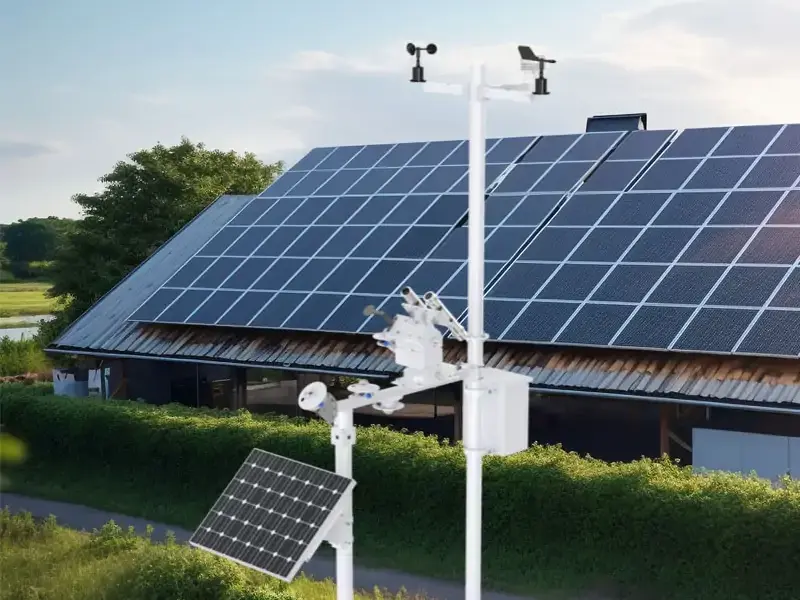
Используется для мониторинга интенсивности солнечного излучения, оценки эффективности выработки электроэнергии, оптимизации управления эксплуатацией и техническим обслуживанием, а также для прогнозирования выработки электроэнергии. - Распределенные солнечные системы
Предоставляет данные о солнечной радиации в режиме реального времени для крышных солнечных установок, а также для коммерческих и промышленных солнечных проектов, что способствует повышению эффективности систем. - Станции мониторинга погоды
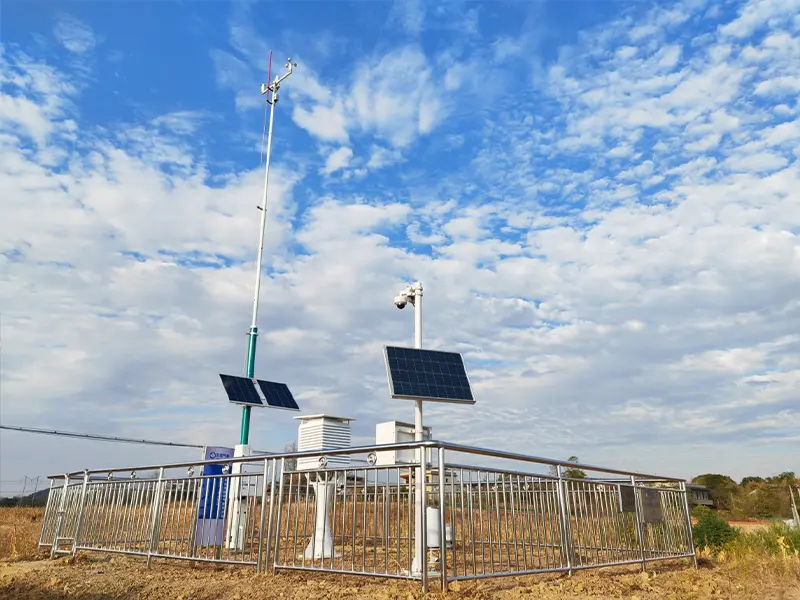
Являясь ключевым компонентом автоматических метеостанций, он измеряет суммарную солнечную радиацию и способствует анализу погодных условий и климатическим исследованиям. - Умное сельское хозяйство
Контролирует освещенность в помещениях для выращивания сельскохозяйственных культур, обеспечивая информационную поддержку для управления теплицами, организации полива и точного земледелия. - Проекты по мониторингу состояния окружающей среды
Используется в экологических заповедниках, научно-исследовательских учреждениях и сетях мониторинга окружающей среды для регистрации долгосрочных изменений в солнечной радиации. - Строительство и управление энергоэффективностью
Оценивает солнечные ресурсы для зданий, создавая основу для проектирования энергоэффективных зданий и планирования фотоэлектрических систем.
Как выбрать беспроводной датчик солнечной радиации
Выбор подходящего беспроводного датчика солнечной радиации начинается с понимания требований вашей задачи. Такие факторы, как точность измерений, способ связи, источник питания и условия эксплуатации, могут напрямую влиять на эффективность мониторинга и долгосрочную надежность. Идеальный датчик должен обеспечивать точность данных и при этом соответствовать конкретным требованиям вашего проекта.
- Точность измерений
Выберите датчик с уровнем точности, необходимым для вашей задачи, особенно для анализа эффективности солнечных электростанций и оценки ресурсов. - Коммуникационные технологии
Выберите LoRaWAN, NB-IoT, 4G, Wi-Fi или другие варианты связи в зависимости от дальности передачи и доступности сети. - Источник питания
В отдаленных районах использование энергосберегающих систем с солнечной зарядкой и резервным аккумулятором позволяет снизить расходы на техническое обслуживание. - Охрана окружающей среды
Выбирайте надежные датчики с погодостойким корпусом, пригодные для длительного использования на открытом воздухе. - Интеграция данных
Убедитесь, что датчик легко подключается к вашему существующему регистратору данных, системе SCADA или облачной платформе мониторинга. - Требования к кандидатам
Различные области применения имеют разные приоритеты. В случае солнечных электростанций часто на первый план выходит точность, тогда как в проектах по мониторингу сельского хозяйства и окружающей среды приоритет может отдаваться радиусу действия беспроводной связи и энергоэффективности.
Если вы не уверены, какое решение лучше всего подходит для вашего проекта, Яньтайский датчик Наша команда поможет подобрать наиболее подходящий беспроводной датчик солнечной радиации с учетом ваших задач мониторинга и условий установки.
Будущие тенденции в области беспроводного мониторинга солнечной радиации
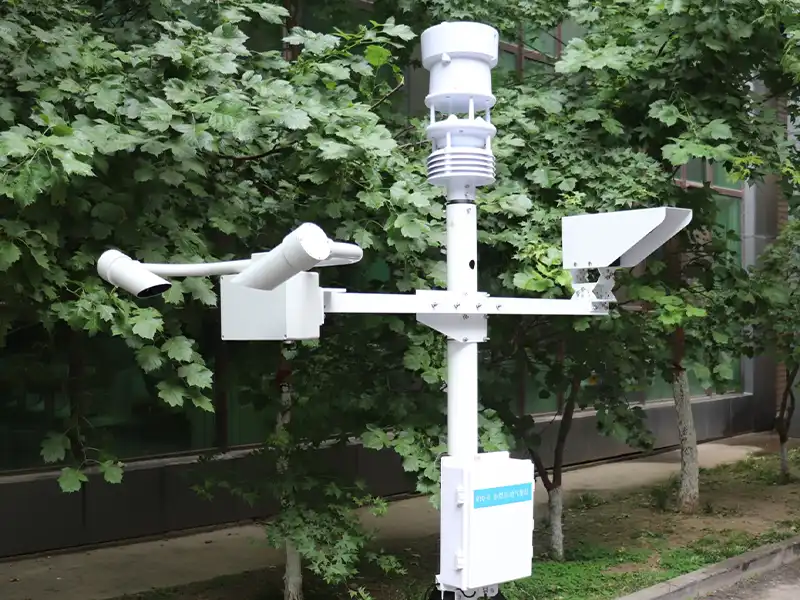
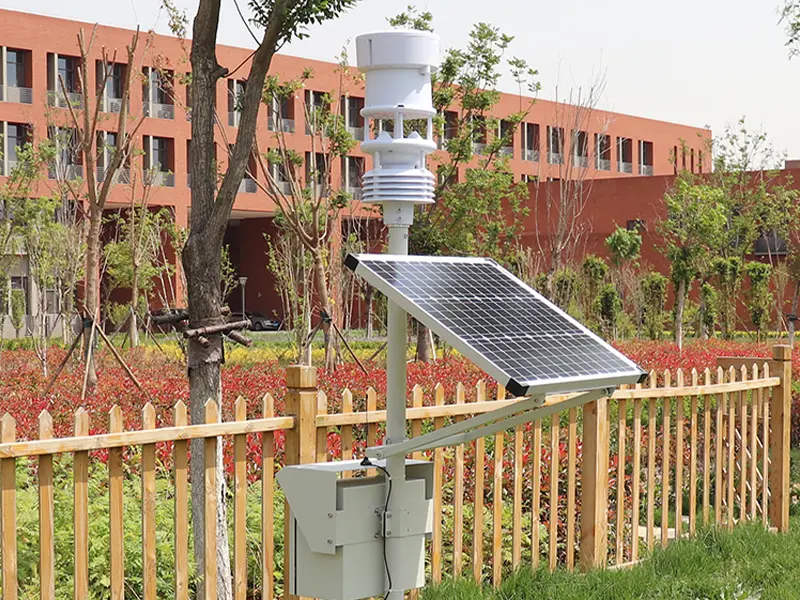
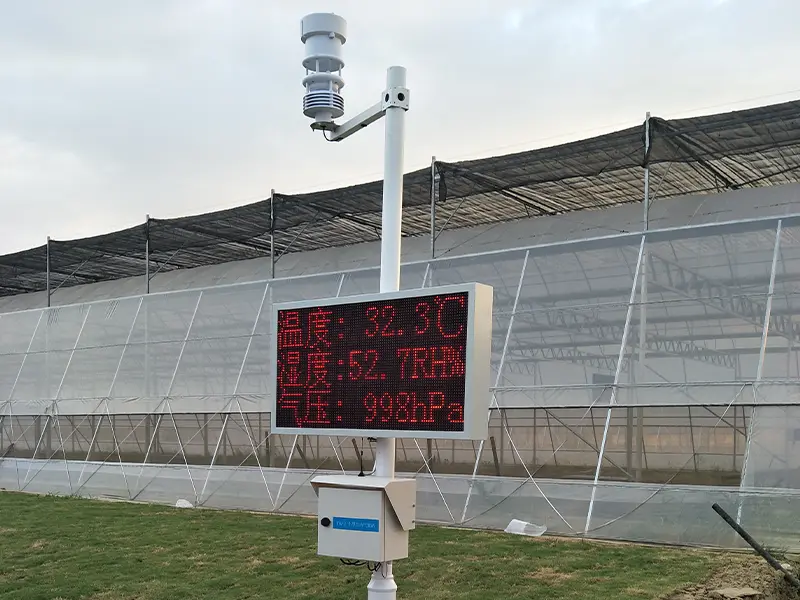
В связи с быстрым развитием Мониторинг окружающей среды с помощью Интернета вещей, Благодаря технологиям искусственного интеллекта (ИИ), пограничных вычислений и облачных платформ беспроводной мониторинг солнечной радиации становится все более интеллектуальным, подключенным и точным. Будущие датчики солнечной радиации не только обеспечат сбор данных в режиме реального времени и их удаленную передачу, но и будут оснащены алгоритмами ИИ для прогнозирования выработки электроэнергии, раннего предупреждения о сбоях оборудования и анализа производительности, тем самым оказывая поддержку в принятии решений по эксплуатации и техническому обслуживанию фотоэлектрических электростанций. В то же время применение технологий связи с низким энергопотреблением (таких как LoRaWAN и NB-IoT) и технологий цифровых двойников еще больше повысит охват, надежность данных и эффективность управления системами мониторинга, что позволит беспроводному мониторингу солнечной радиации обеспечить большую ценность в таких областях, как фотоэлектрическая генерация электроэнергии, интеллектуальное сельское хозяйство, метеорологический мониторинг и экологические исследования.
Заключение
Беспроводные датчики солнечной радиации обладают рядом существенных преимуществ по сравнению с традиционными проводными системами, в том числе более низкими затратами на установку, упрощенным развертыванием, улучшенной масштабируемостью, возможностью удаленного доступа и меньшими требованиями к техническому обслуживанию.
По мере расширения проектов в области возобновляемой энергетики, внедрения интеллектуальных систем в сельском хозяйстве и развития сетей экологического мониторинга беспроводные технологии мониторинга становятся всё более практичным и экономически выгодным выбором для организаций, которым требуются достоверные данные о солнечной радиации без необходимости прокладки сложной кабельной инфраструктуры. Беспроводные датчики солнечной радиации представляют собой гибкое решение, которое удовлетворяет как текущие эксплуатационные потребности, так и обеспечивает возможности для будущего развития.