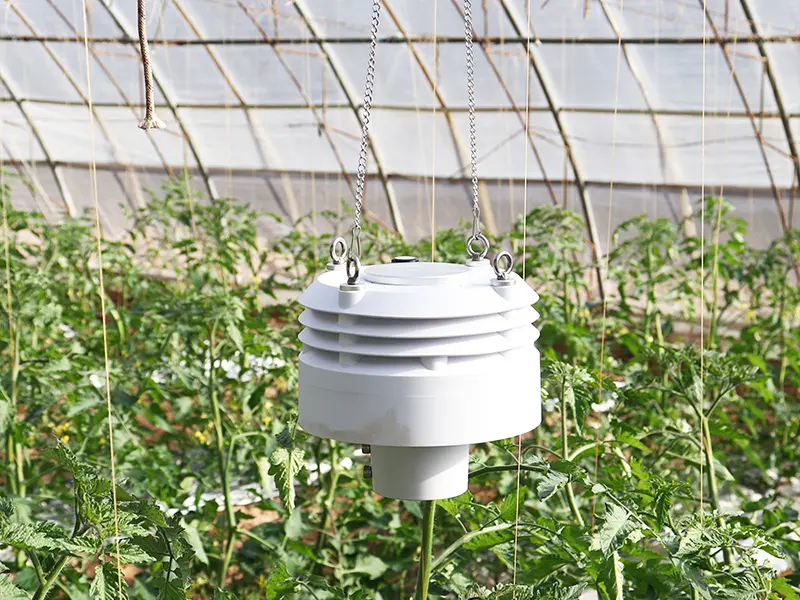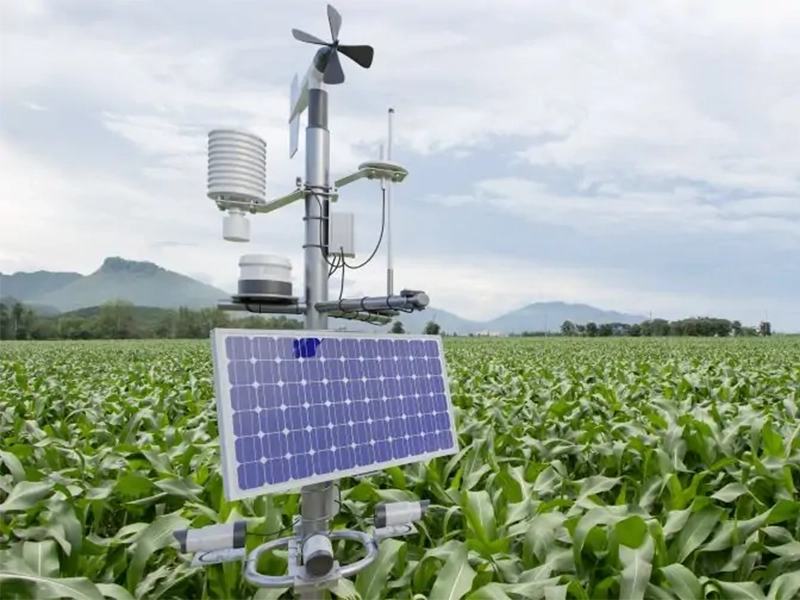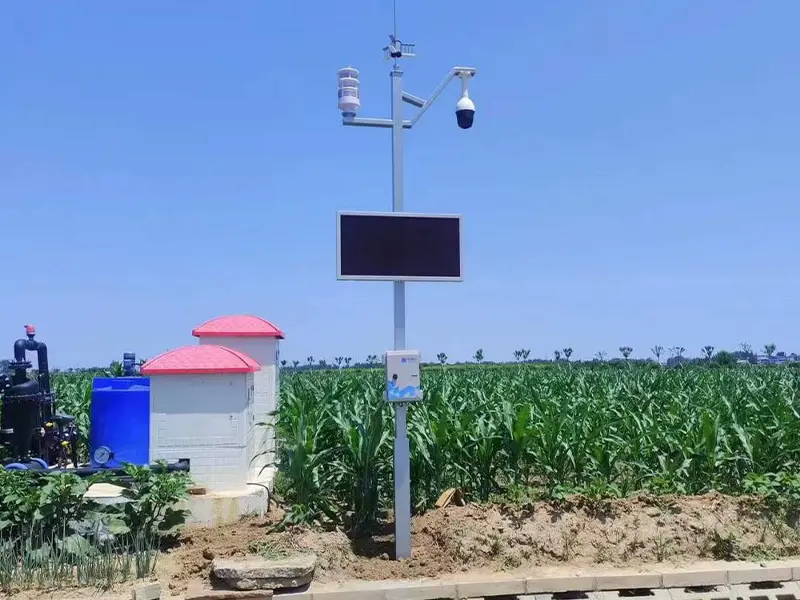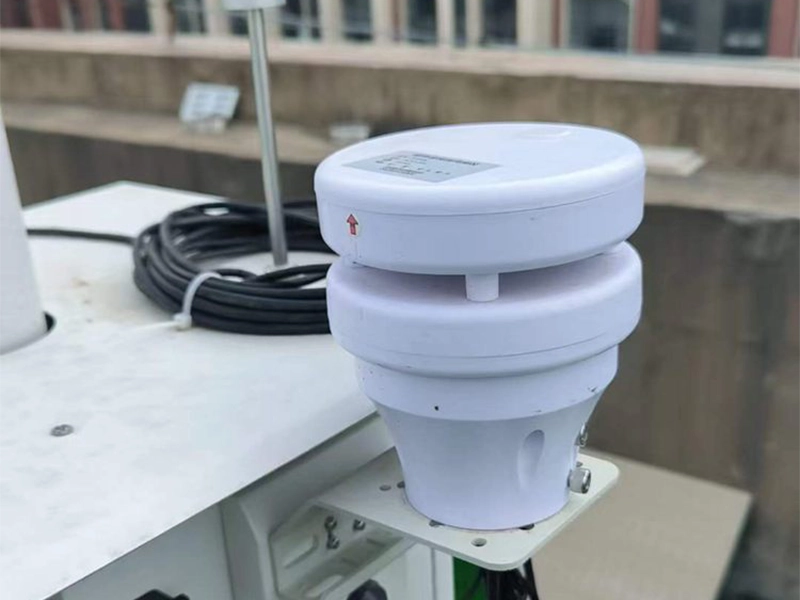
농장 기상 관측소 시스템과 공기질 센서 통합
Air quality sensors integration with farm weather station systems combines particulate matter and gas monitoring with meteorological measurements for agricultural environments. Depending on the configuration, the system can monitor PM2.5, PM10, CO₂, ammonia, and other specified gases alongside temperature, humidity, atmospheric pressure, wind speed, and rainfall. Designed for farms, orchards, livestock areas, and agricultural research, it helps users track air quality changes and understand local environmental conditions, with sensor selection, power supply, and data transmission tailored to site requirements.
- 공기 온도: -40℃~60℃
- 공기 습도: 0-100%RH
- 대기압: 300 hPa~1100 hPa
- 전원 공급 장치: DC 9–30 V
- 보호 수준: IP65
가격: $1552.94-$1863.53
소개
Agricultural air quality monitoring requires more than measuring particulate matter alone. Dust from field operations and livestock activities can affect local air conditions, while wind speed and direction help interpret how airborne particles disperse. Integrating air quality sensors with a farm weather station allows users to collect PM2.5, PM10, and selected gas measurements alongside meteorological data, providing a more complete record of environmental conditions at the monitoring site.
For a broader overview of agricultural weather monitoring, see What Is the Importance of a Weather Station in Agriculture?.
Structure of Air Quality Sensors Integration with Farm Weather Station Systems
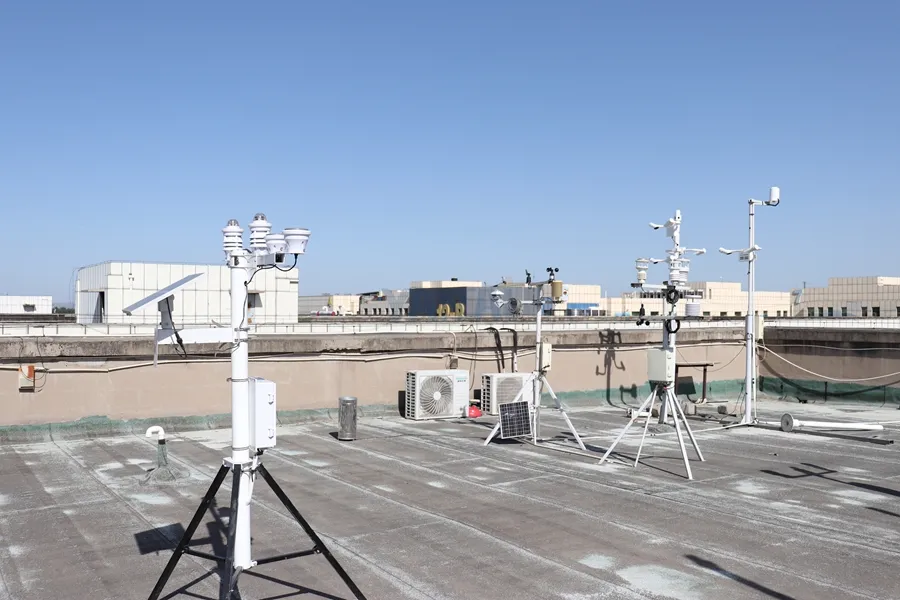
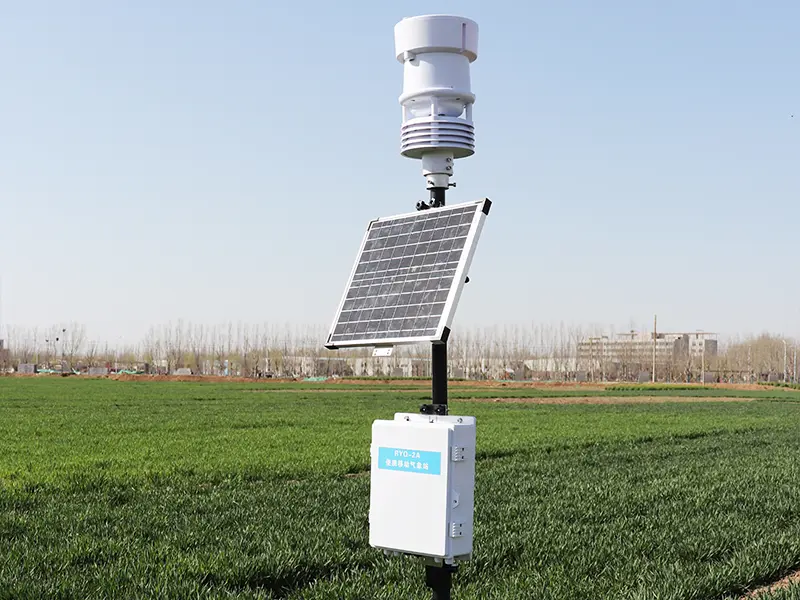
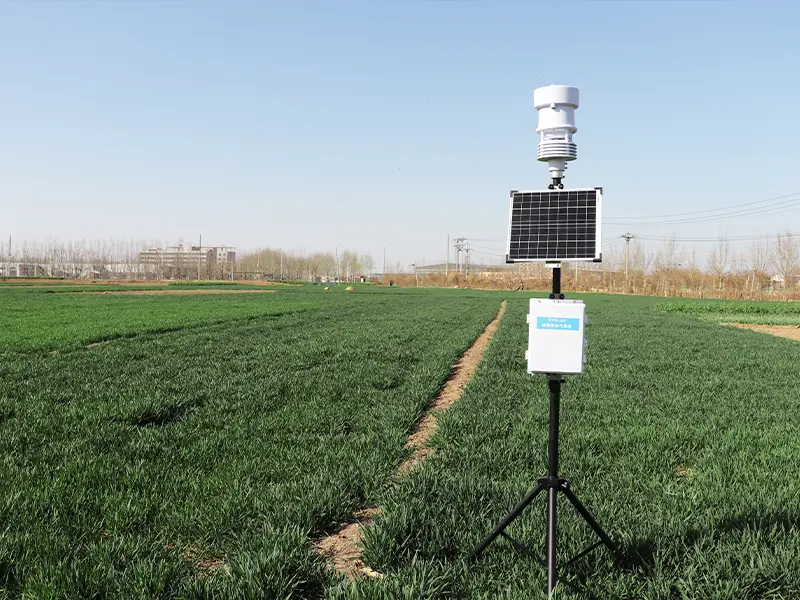
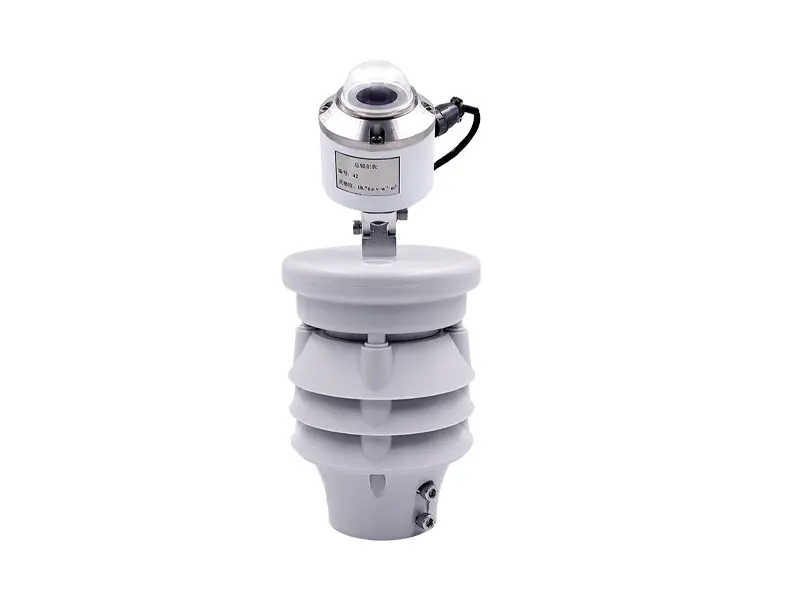
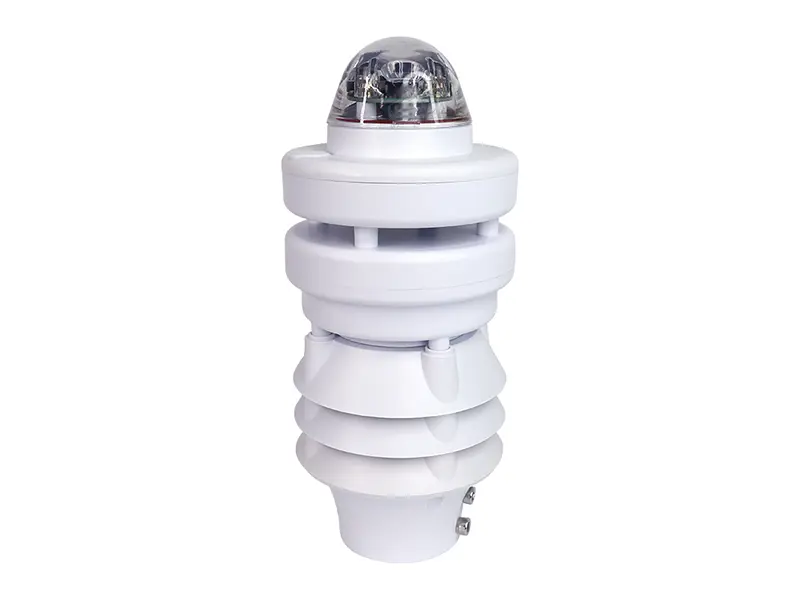
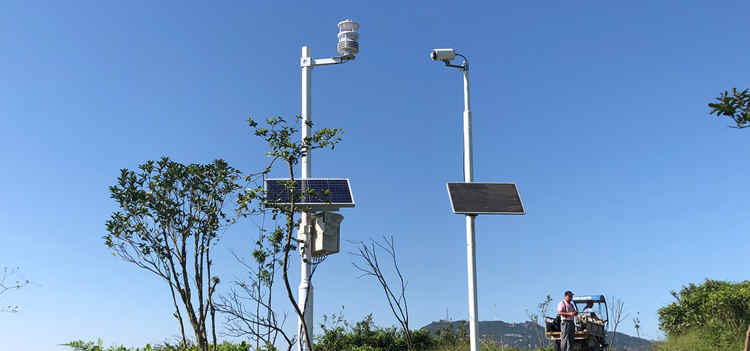
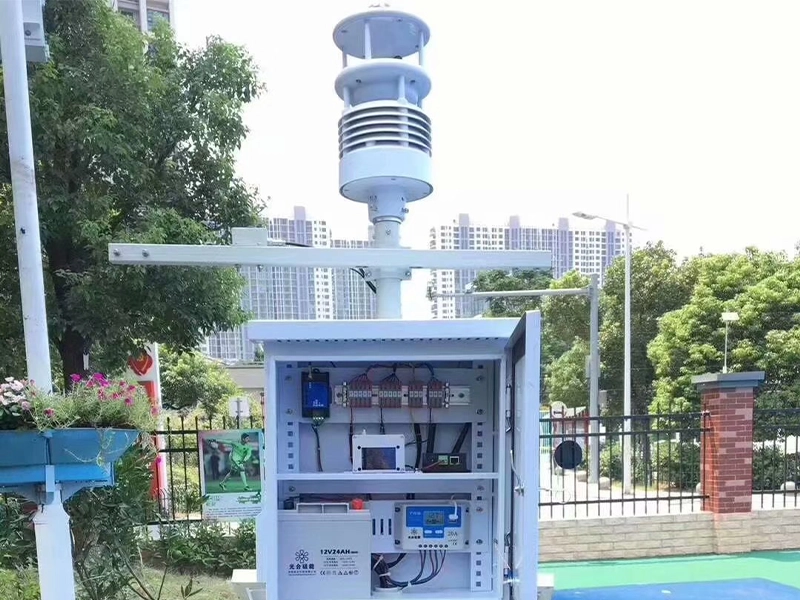
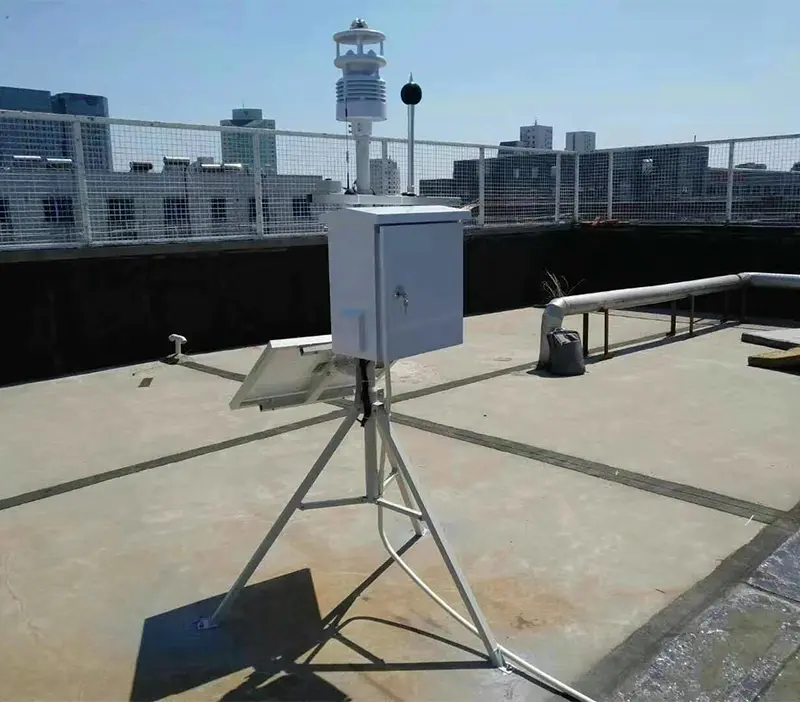
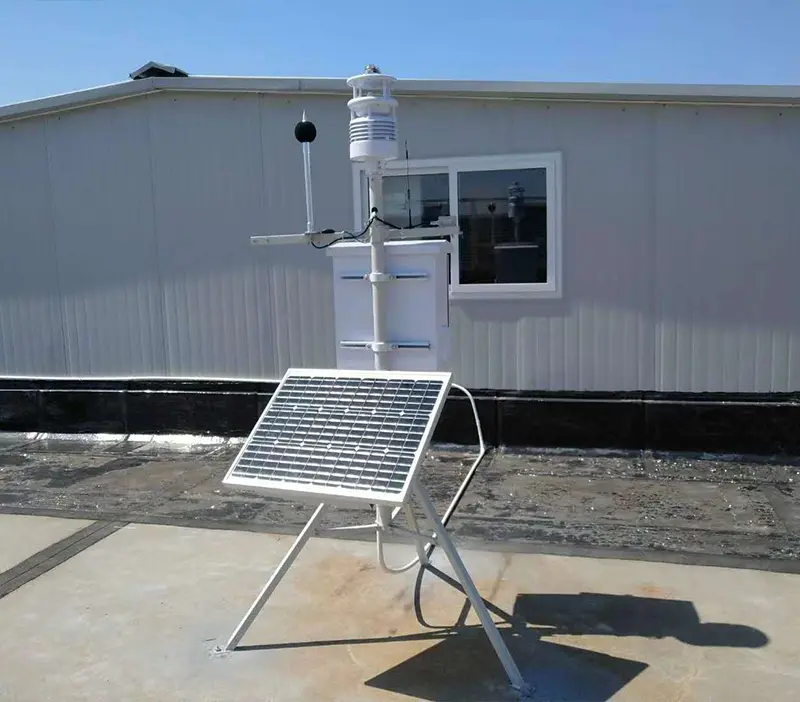
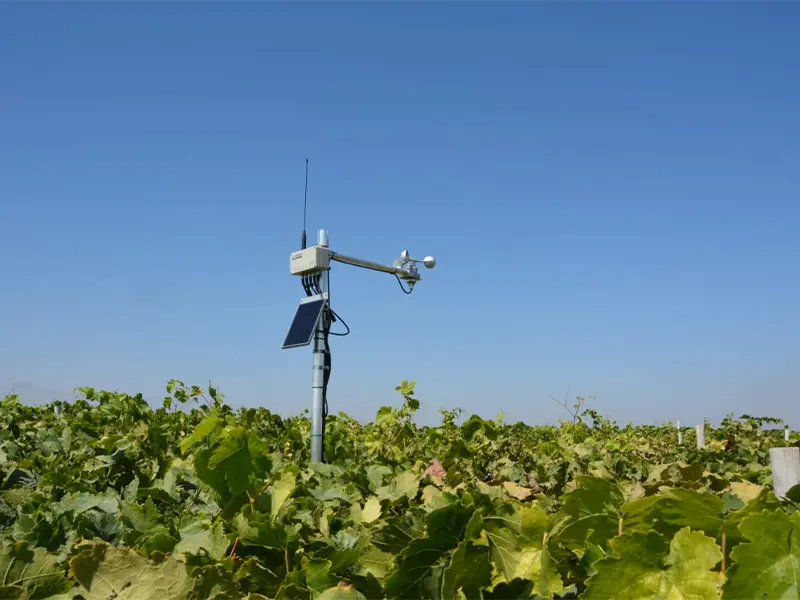
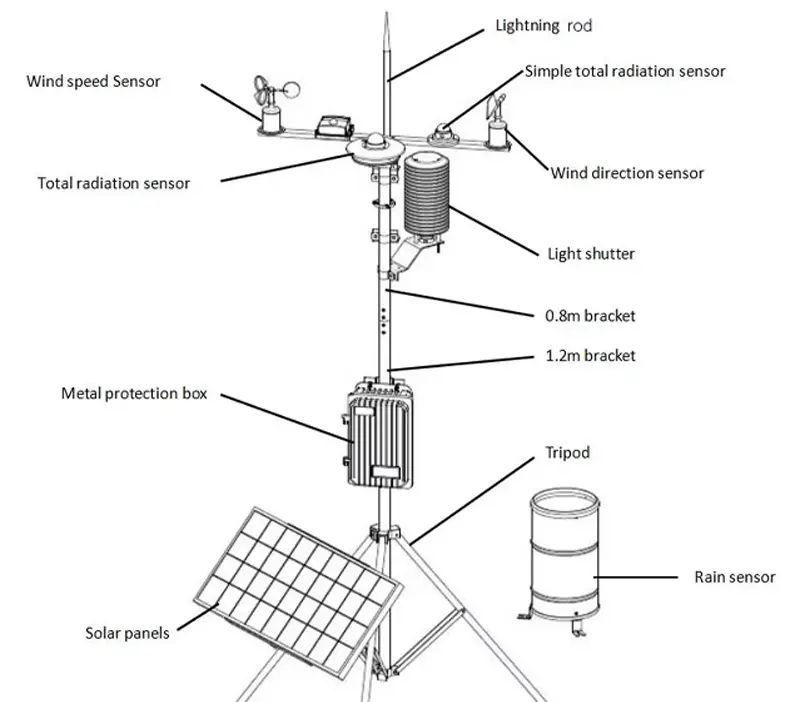
The system consists of air quality and meteorological sensors, a data acquisition and transmission unit, mounting and power components, and a monitoring platform. The configuration depends on the required measurements and site conditions.
- 공기질 모니터링 장치
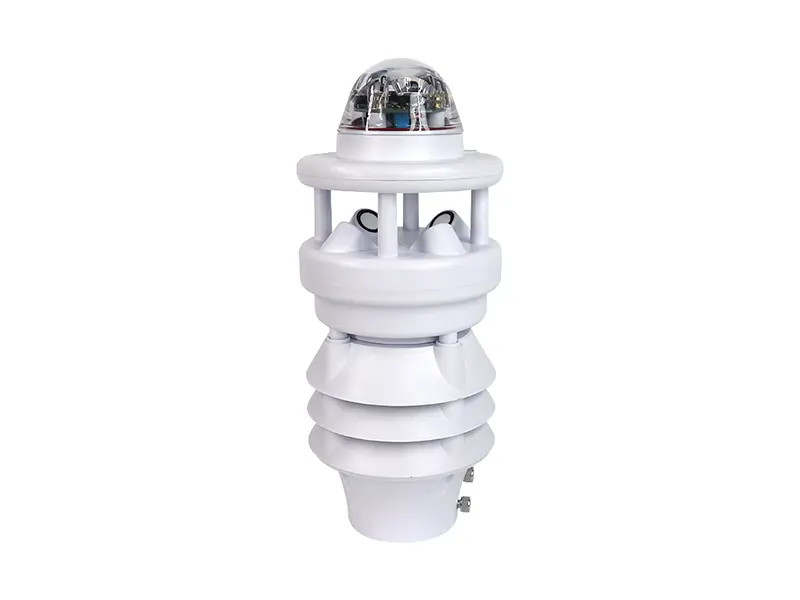
Monitors PM2.5, PM10, total suspended particulate (TSP) matter and selected gaseous pollutants according to the installed sensors. - 농업 기상 모니터링 장치
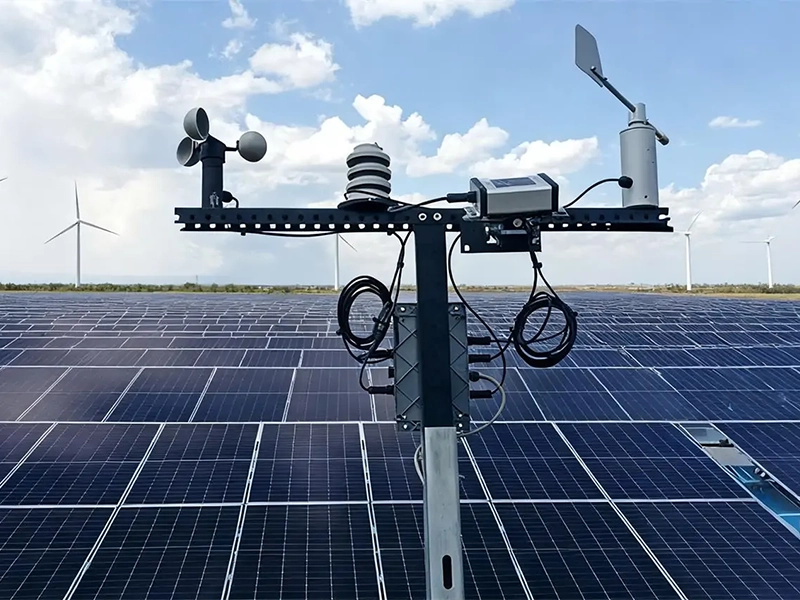
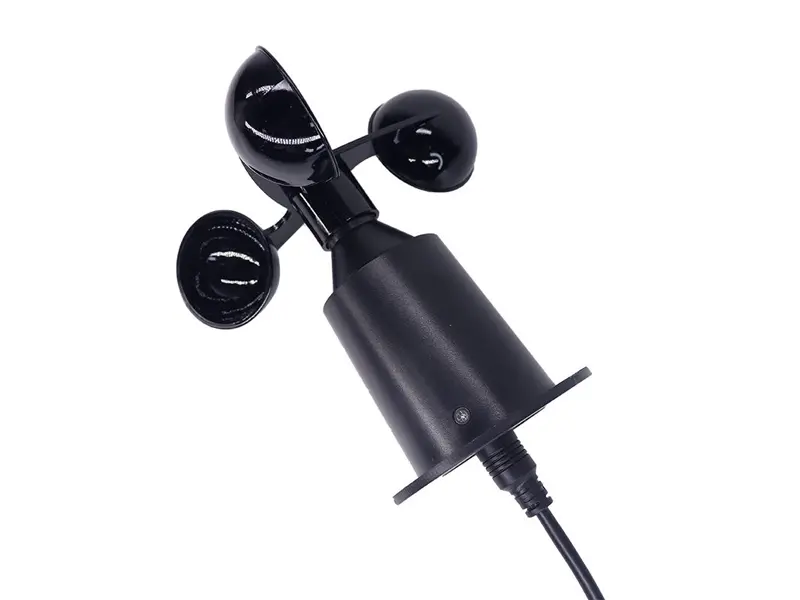
Measures wind speed, wind direction, temperature, humidity, and rainfall to record local weather conditions alongside air quality data. - Data Acquisition and Transmission System
Collects readings from connected sensors and transfers them through supported interfaces, such as 4G or RS485. - Power Supply and Mounting
Provides the required sensor mounting and power arrangements. Solar panels and battery storage can be configured for suitable installations. - 모니터링 플랫폼
Displays collected measurements and supports data storage and analysis. Threshold alerts are available where supported by the platform.
사양
Technical specifications for the air quality monitoring unit, meteorological sensors, data acquisition and transmission system, power supply, and enclosure protection. Actual configuration depends on the selected sensors and system requirements.
매개변수
| 매개변수 카테고리 | 특정 매개변수 | 기술 사양 |
|---|---|---|
| 공기질 센서 | PM2.5 측정 범위 | 0-1000 μg/m³ |
| PM10 측정 범위 | 0-2000 μg/m³ | |
| 정확도 및 응답 시간 | 정확도: ±10%(0-500μg/m³); 응답 시간: ≤10초 | |
| 농업용 기상 센서 | 온도 범위 | -40~60℃, Accuracy: ±0.3℃ |
| 습도 범위 | 0~100% RH, 정확도: ±3% RH | |
| 풍속 범위 | 0~60m/s, 정확도: ±0.3m/s | |
| 조명 범위 | 0~200000lx, 정확도: ±5% | |
| 데이터 전송 | 전송 모드 및 거리 | 4G/RS485; 무선 전송 거리: ≥1000m(개방된 지역) |
| 전원 공급 장치 | 태양광 패널 및 배터리 | 태양 전지판: 20W; 축전지: 12V/10Ah, 7~10일 무인 작업 지원 |
| 작업 환경 | 온도 및 보호 수준 | 작동 온도: -40℃ ~ +85℃; 보호 등급: IP65 |
Final system configuration and pricing depend on the selected sensors, monitoring parameters, installation conditions, power supply, and data transmission requirements; please contact us with your project requirements for a tailored quotation.
농장을 위한 공기질 모니터링 기능
Integrated Air Quality Monitoring
Combines particulate matter and selected gas measurements with local weather data.
Configurable Sensor Parameters
Selects air quality and meteorological sensors according to monitoring requirements.
Environmental Data Analysis
Helps track air quality variations alongside changes in local weather conditions.
Flexible Data Transmission
Supports compatible communication methods based on site connectivity and system requirements.
Adaptable Site Installation
Accommodates different mounting structures and power options for site conditions.
Centralized Data Management
Enables measurement viewing and data storage through a compatible monitoring platform.
Applications of Integrated Farm Weather and Air Quality Monitoring
Integrated farm weather and air quality monitoring combines particulate matter or selected gas measurements with local meteorological data. Sensor selection depends on the agricultural environment, target pollutants, and monitoring objectives.
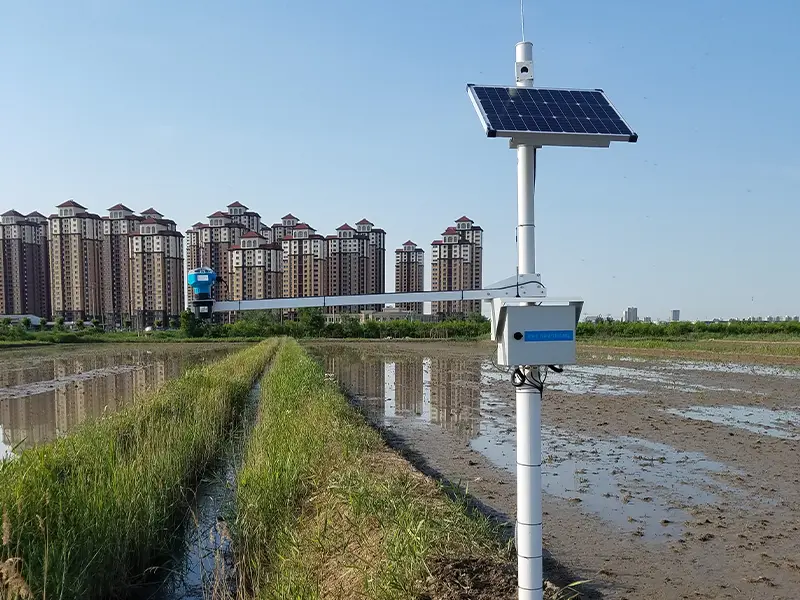
노지 작물 모니터링
Tracks PM2.5 and PM10 alongside wind speed and direction to monitor airborne dust and assess its movement across open farmland.
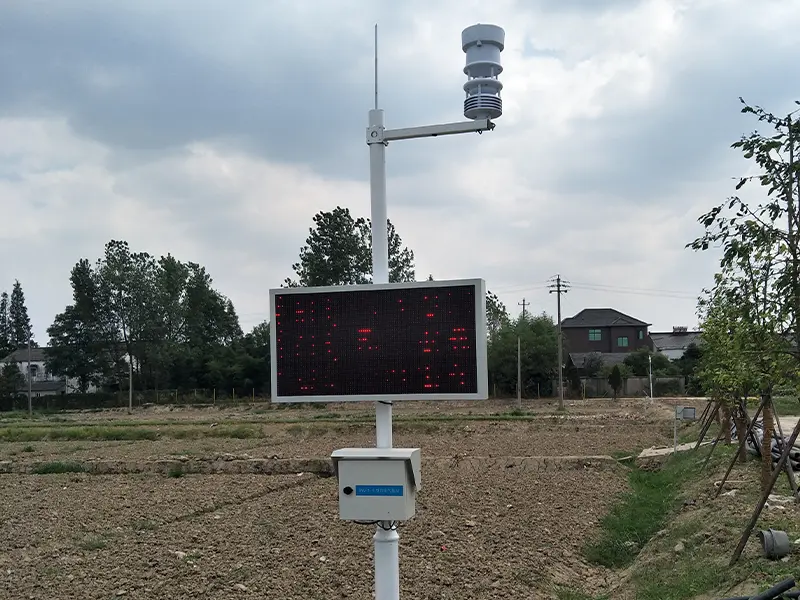
Livestock Farms and Surrounding Areas
Monitors selected gases and particulate matter alongside wind conditions to help assess changes in air quality around livestock facilities and nearby agricultural land.
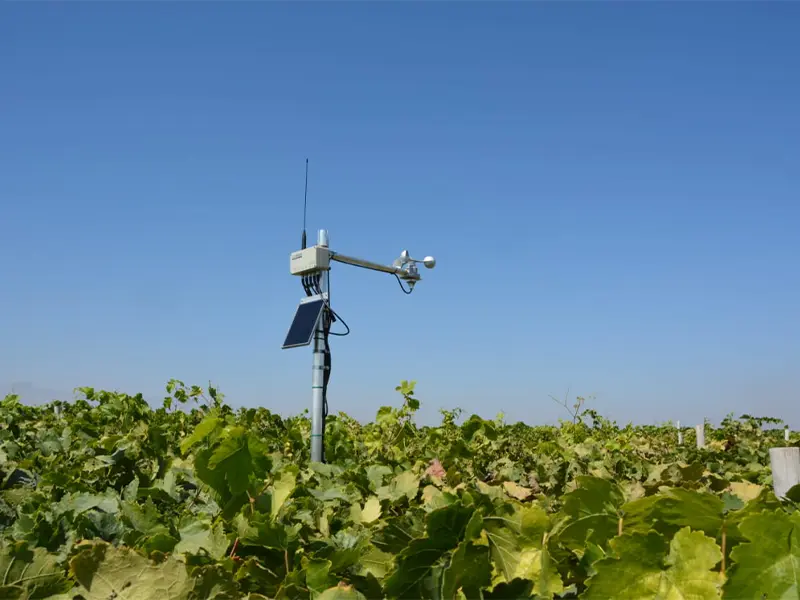
Orchards and High-Value Crop Production
Records particulate matter and local weather conditions to support long-term environmental monitoring in orchards, tea plantations, and other specialty crop areas.
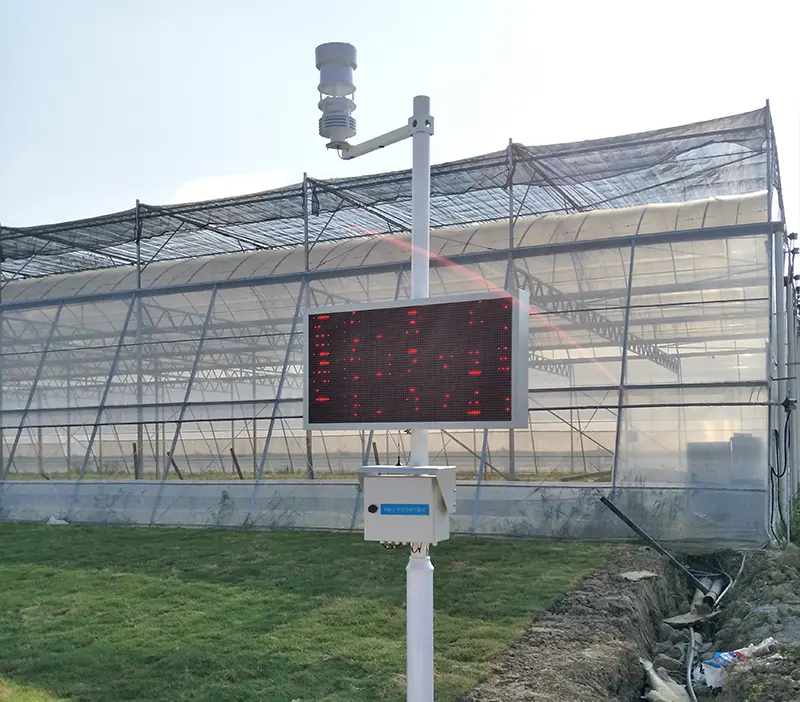
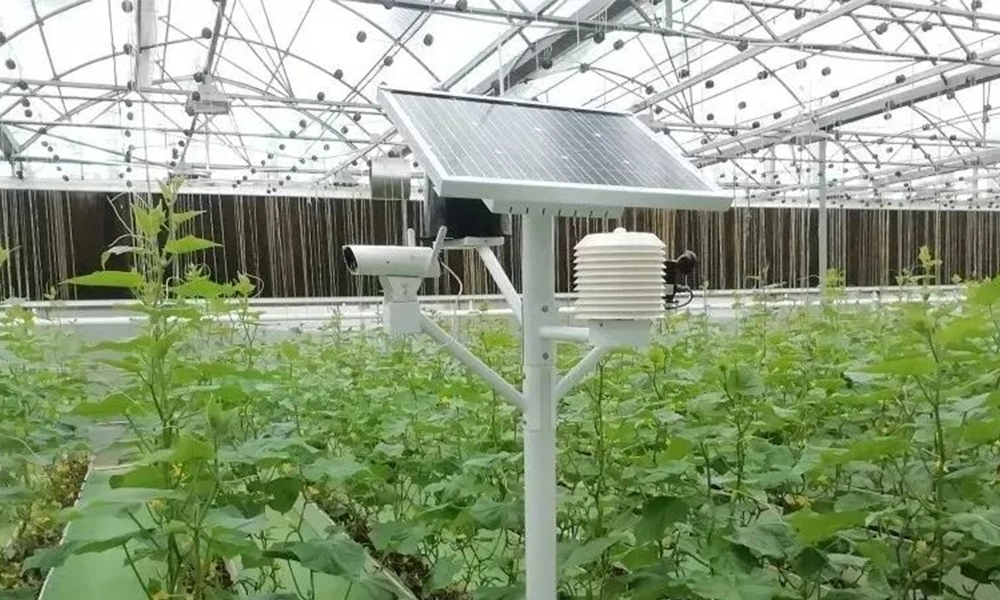
Greenhouses and Agricultural Research
Combines temperature, humidity, and selected air quality measurements to document indoor growing conditions or support controlled agricultural field studies.
사례
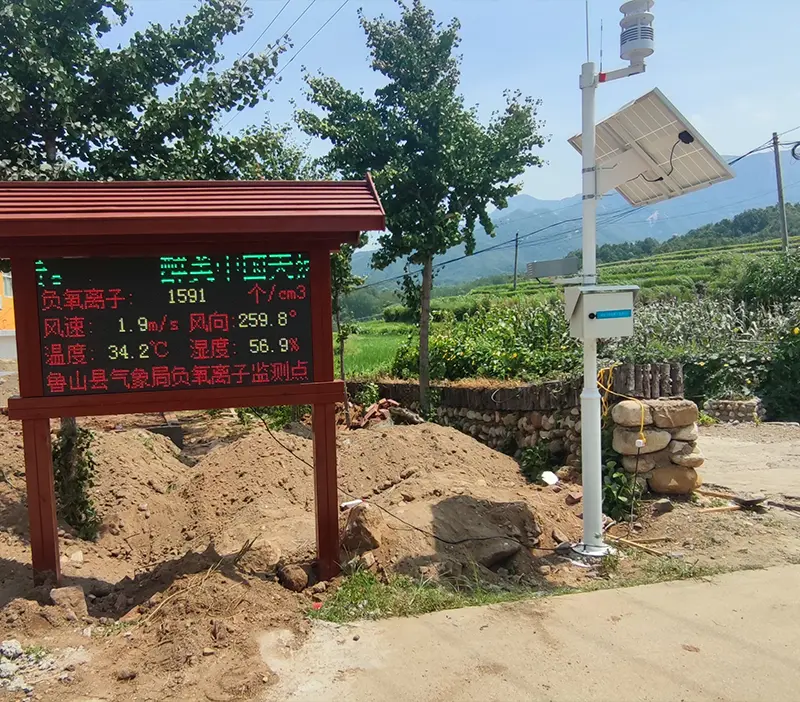
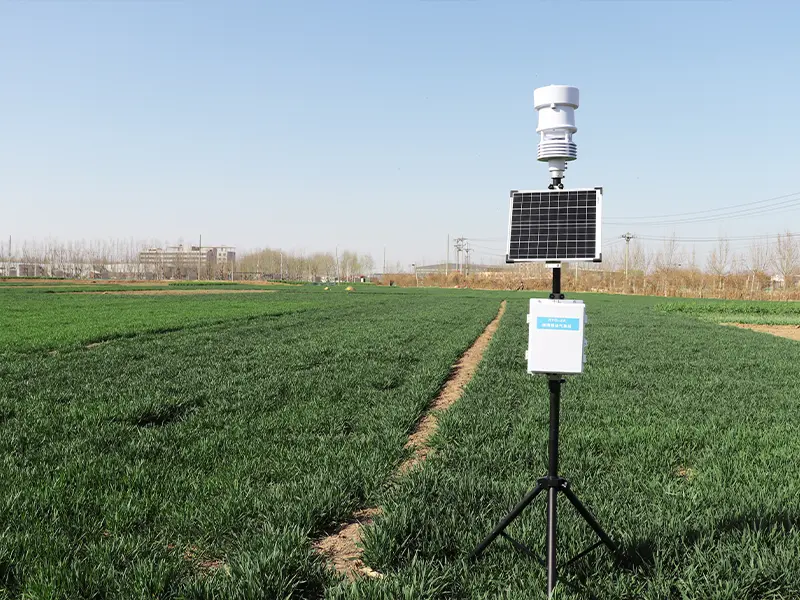
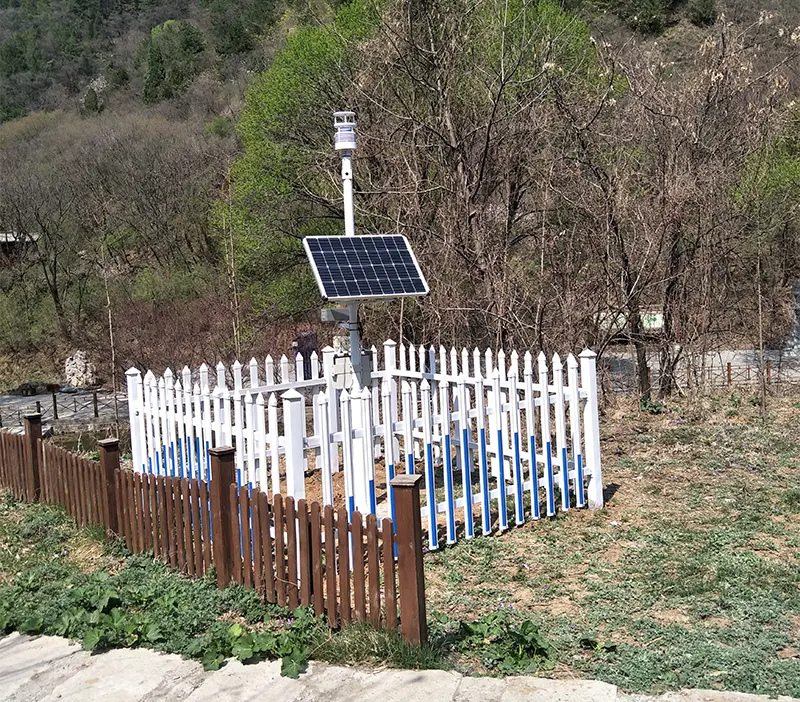
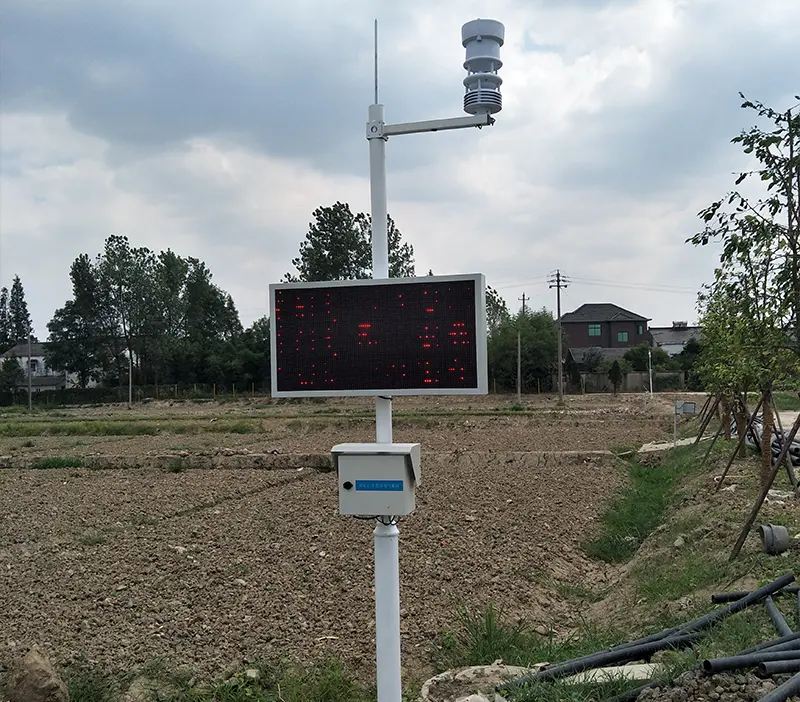
The Sanmenxia Negative Air Ion Monitoring System Project demonstrates Yantai Sensor’s experience in integrating atmospheric environmental monitoring with meteorological data collection. This type of integrated approach is relevant to agricultural projects that need to monitor air quality indicators alongside local weather conditions. Depending on the application, air quality sensors and meteorological sensors can be selected to match specific monitoring objectives, site conditions, and data collection requirements.
스마트 농업 공기질 모니터링 시스템 맞춤형
Every agricultural project has different monitoring objectives, site conditions, and infrastructure requirements. Yantai Sensor can tailor air quality and meteorological sensor configurations, communication methods, power supplies, and mounting structures to suit your application. Whether you are monitoring open fields, greenhouses, orchards, or livestock facilities, share your target parameters, installation environment, data transmission requirements, and power conditions so we can recommend a suitable configuration.
사용자 지정 옵션
- Air Quality Sensors: Select PM2.5, PM10, and other supported gas sensors according to monitoring requirements.
- Meteorological Sensors: Configure temperature, humidity, wind speed, wind direction, rainfall, and other required parameters.
- 데이터 전송: Confirm compatible communication interfaces and transmission methods for the project.
- 전원 공급 장치: Specify the available power source and whether solar power is required.
- Mounting and Protection: Define installation structures and environmental protection requirements according to site conditions.
- Data Management: Specify data display, storage, remote access, and other required functions for compatibility review.
- OEM and ODM: Discuss branding and product customization requirements where applicable.
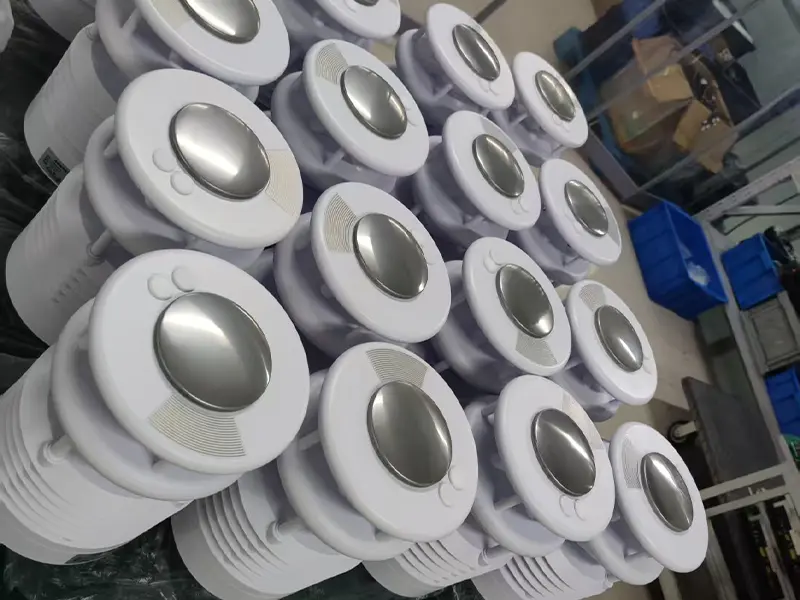
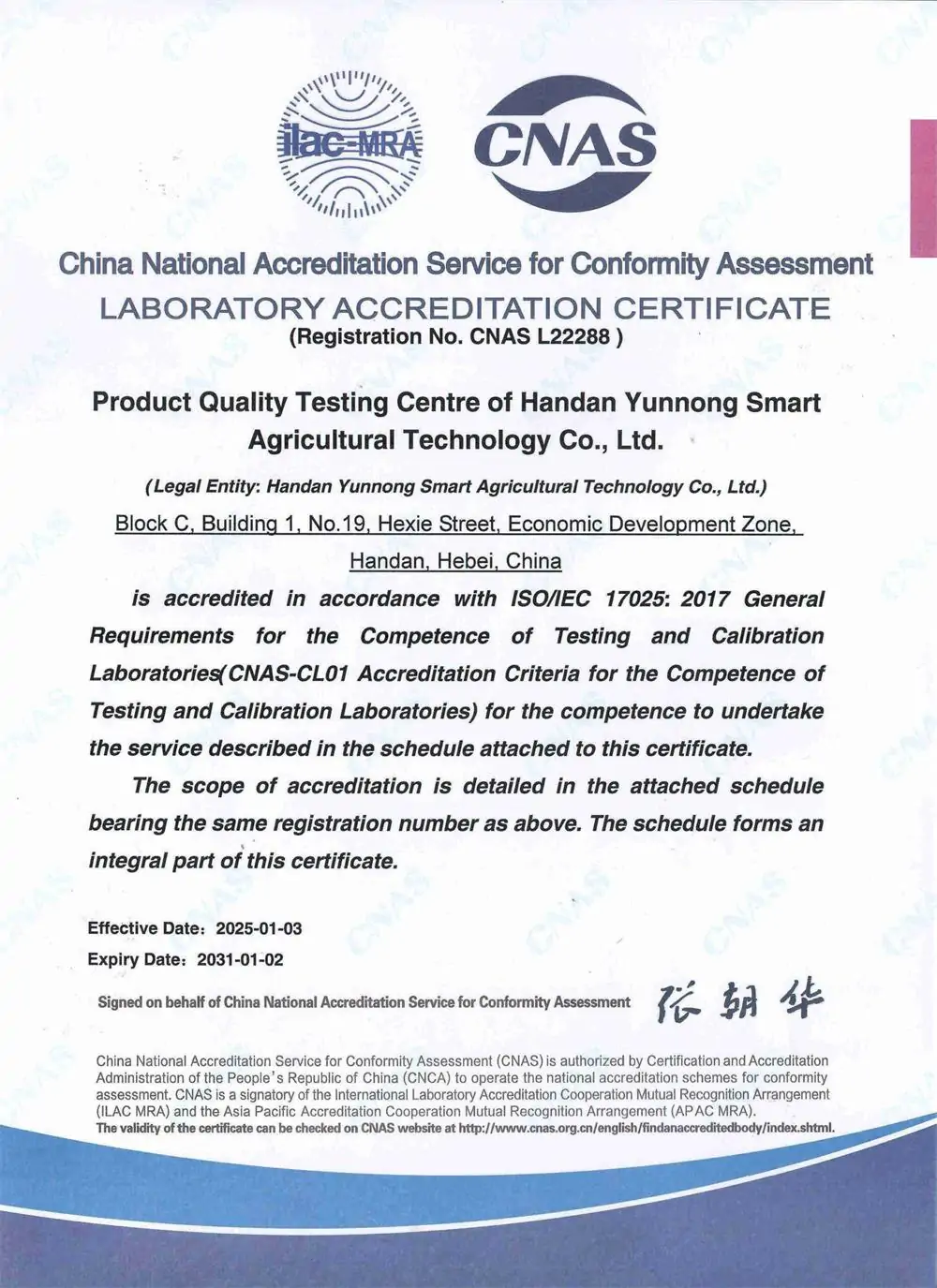
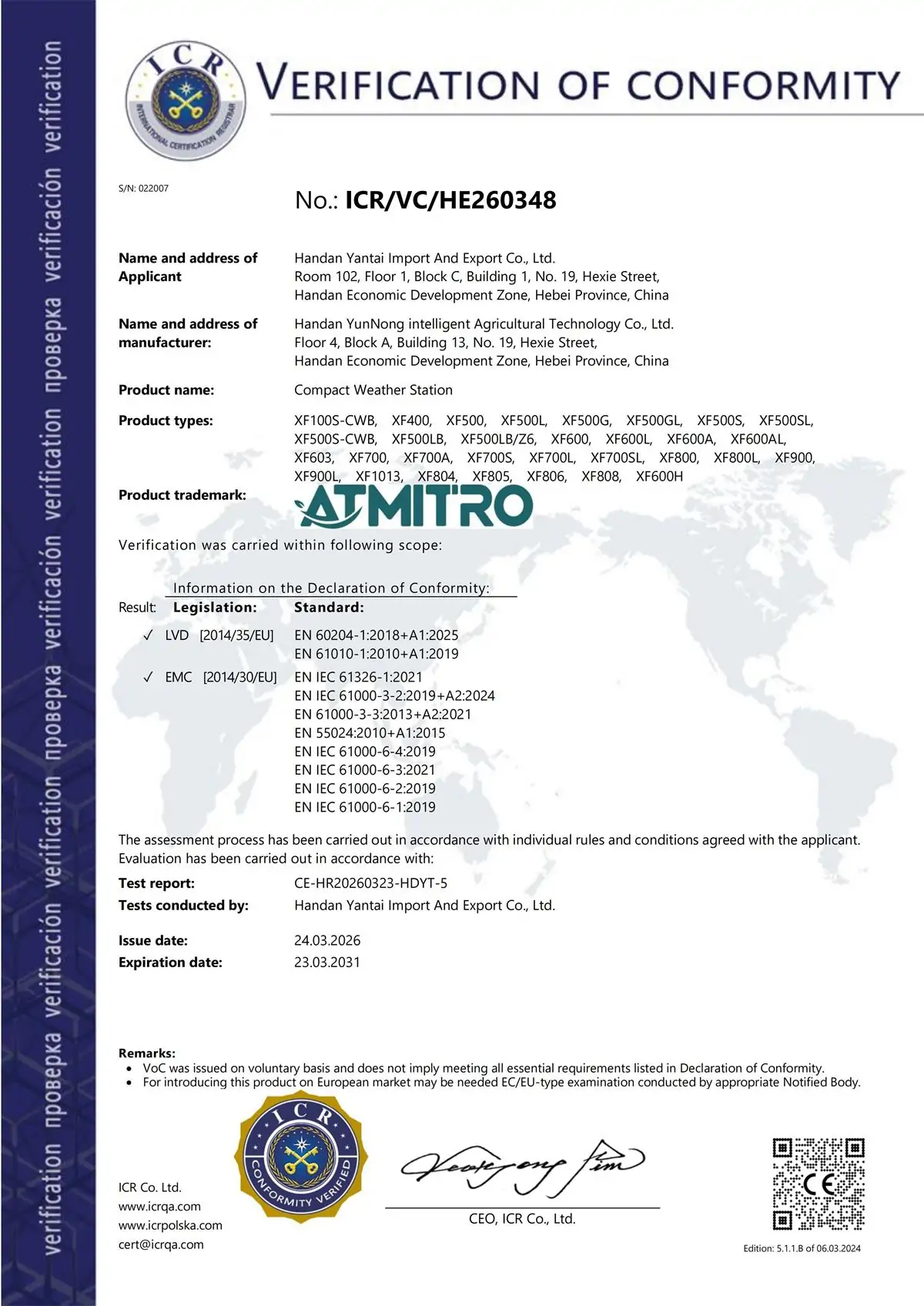
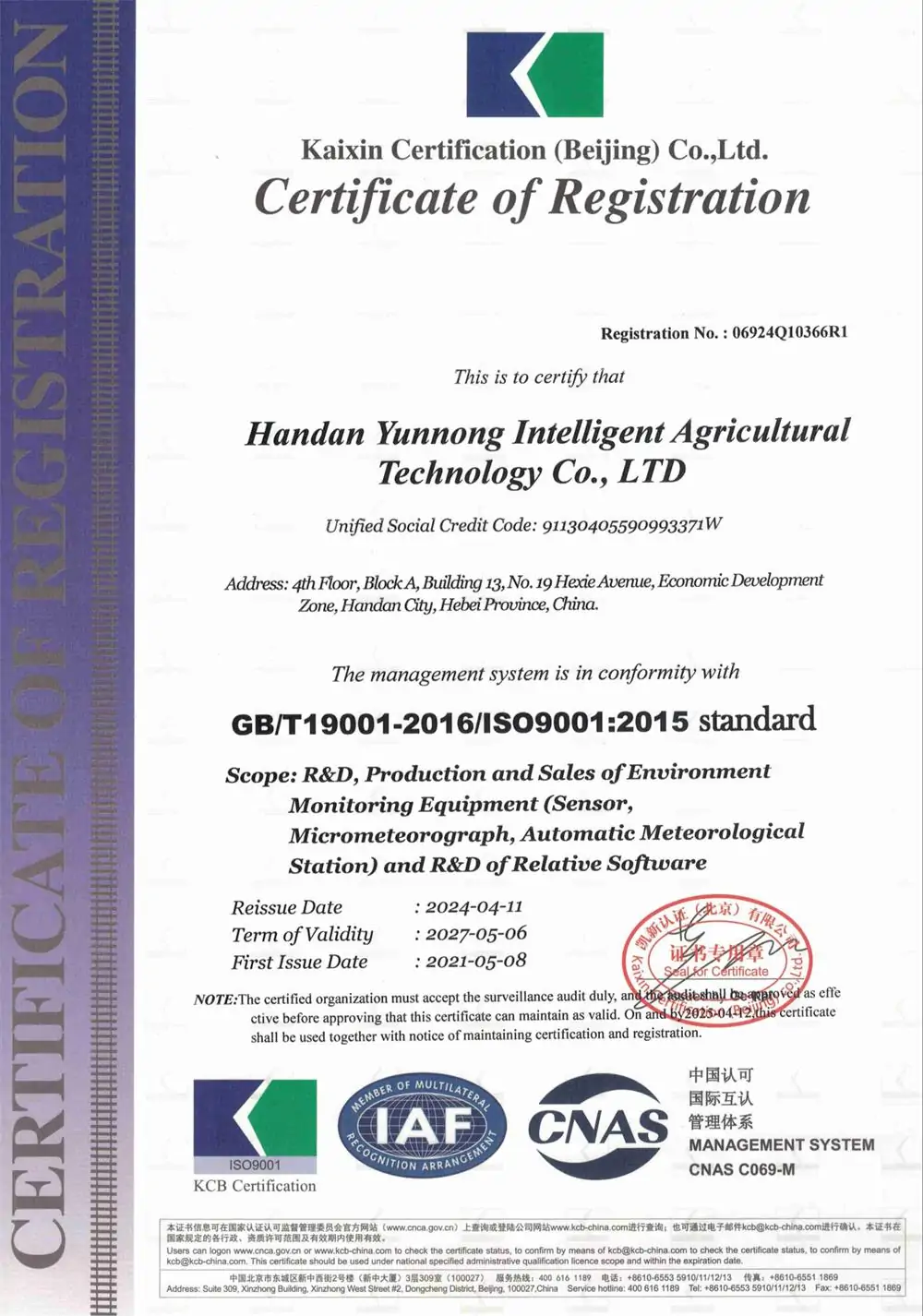
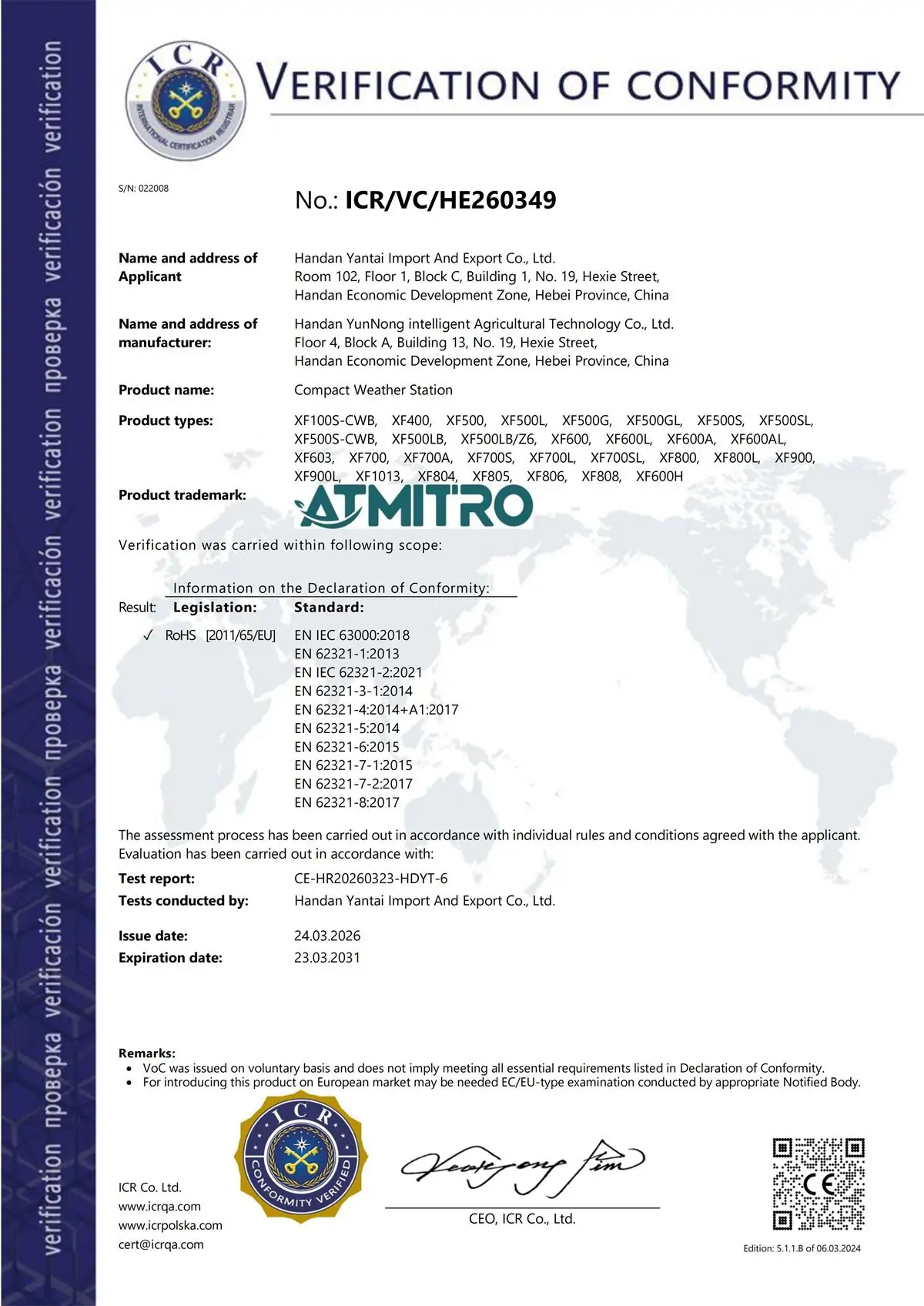
공기질 센서 제조업체 및 공급업체가 있는 농장 기상 관측소
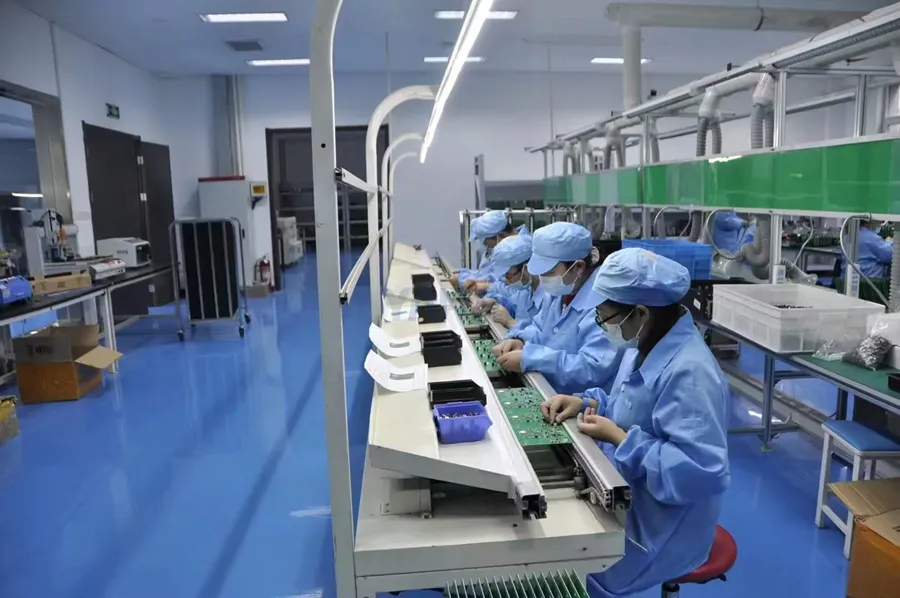
Yantai Sensor provides farm weather station systems integrated with air quality sensors for agricultural environmental monitoring. The system combines selected air quality measurements, such as PM2.5 and PM10, with local meteorological data to help users monitor changes in airborne particles alongside weather conditions. Sensor configuration can be adapted to the monitoring needs of open fields, orchards, greenhouses, and livestock facilities.
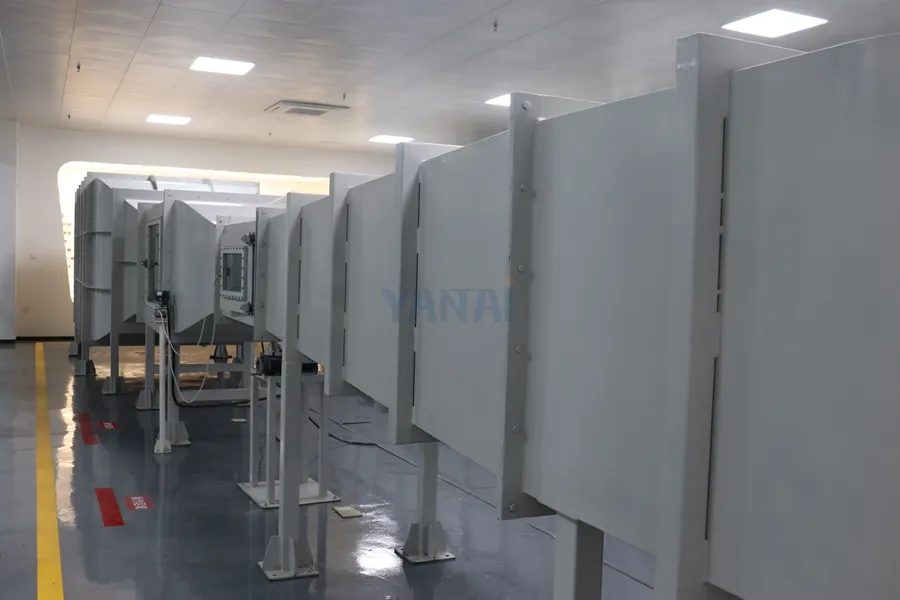
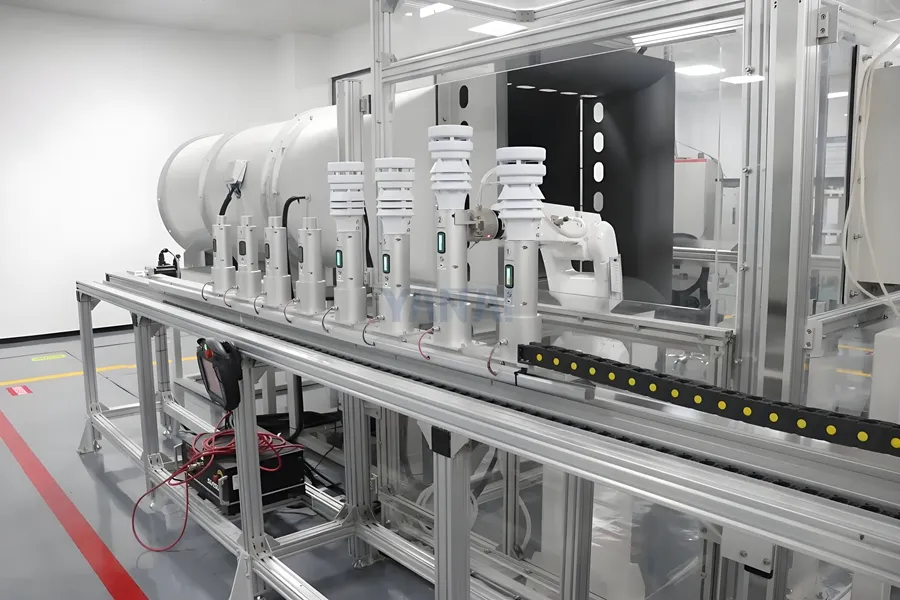
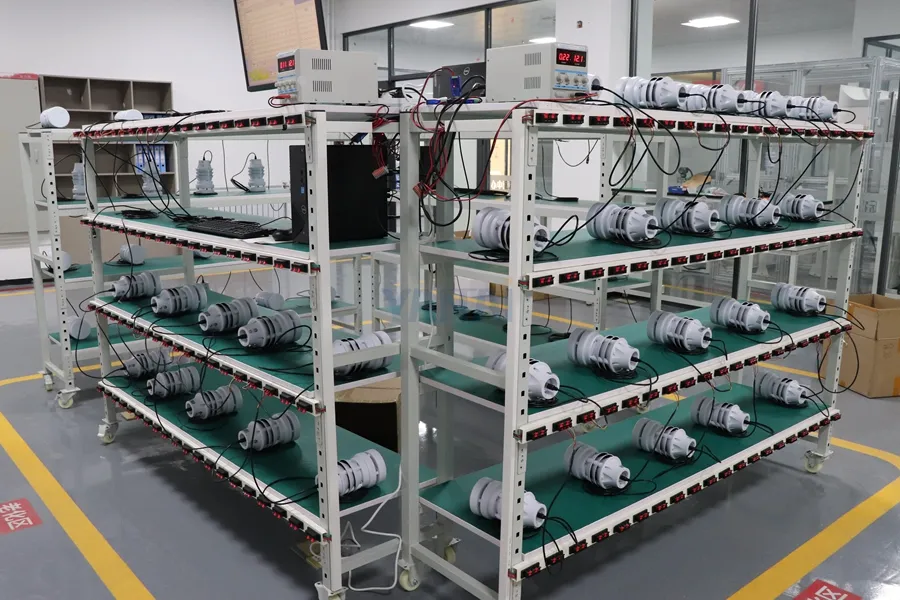
As a manufacturer and supplier, Yantai Sensor supports project-specific sensor selection, data transmission options, power supply, and installation configurations. The monitoring parameters and system setup depend on the application requirements and selected components. For more information about our company and capabilities, visit 옌타이 센서 소개 또는 팀에 문의 to discuss your project.