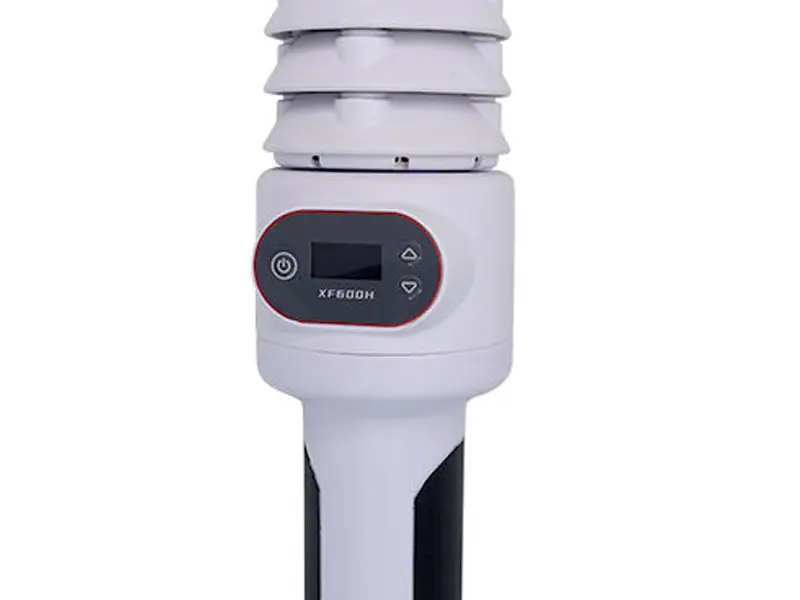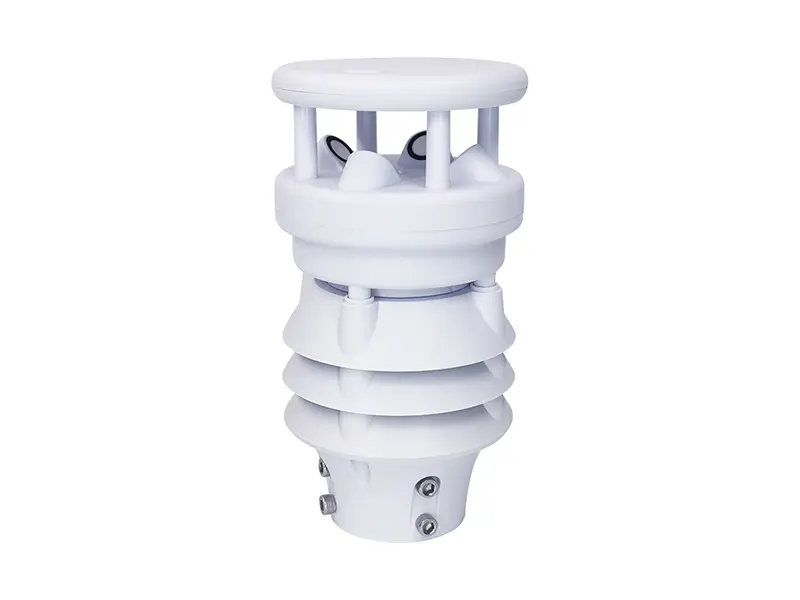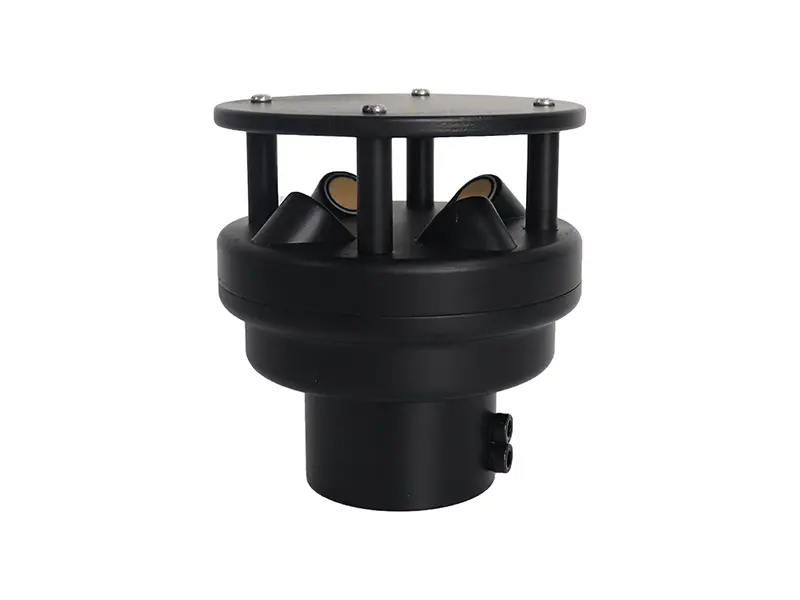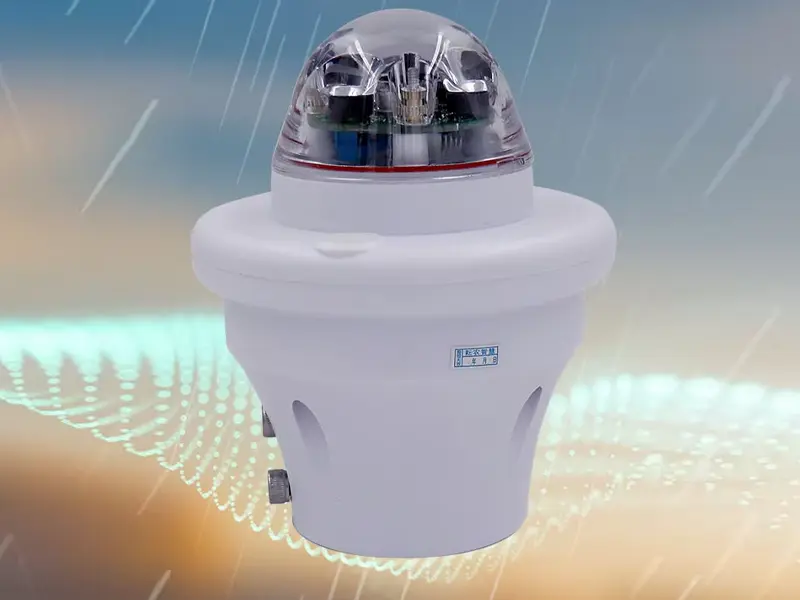
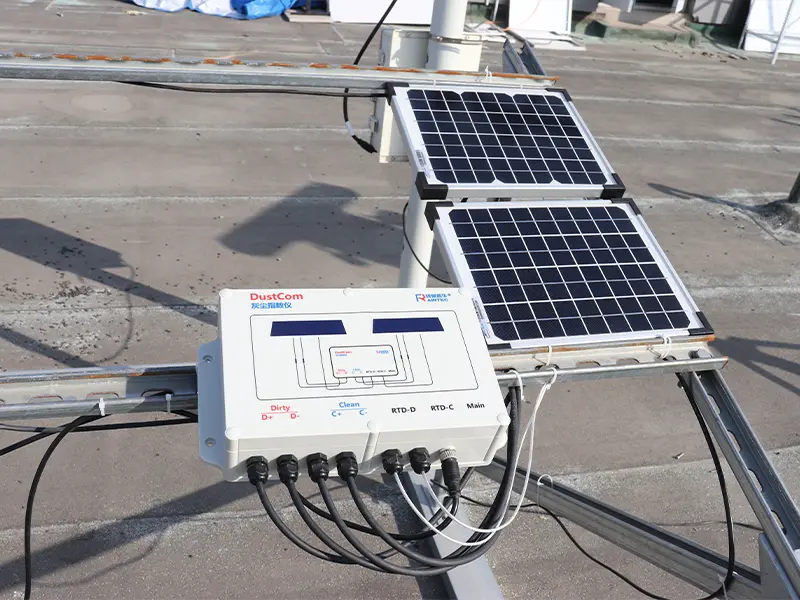
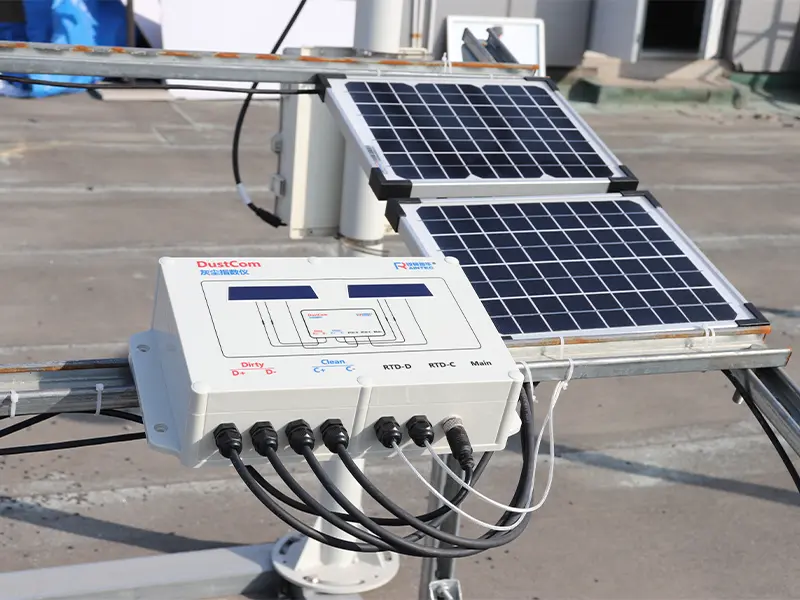
DustCom Photovoltaic Dust Index Monitoring System
The DustCom photovoltaic dust index monitoring system is a smart monitoring device designed for photovoltaic power plants. It detects dust accumulation on module surfaces in real time and quantifies the degree of contamination. Dust accumulation reduces the efficiency with which solar panels absorb solar radiation, thereby affecting power generation. It also accelerates module aging and increases operational and maintenance costs.
- Defect Rate: 0–100%
- Resolution: 0.1%
- Measurement Accuracy: 1%
- Power Supply Range: 12–24V DC
- Maximum Power Consumption: 20mA @12V DC
- Operating Temperature: -40℃~+70℃
- Spectral range: 0.3–3.2 μm
Price: $590
소개
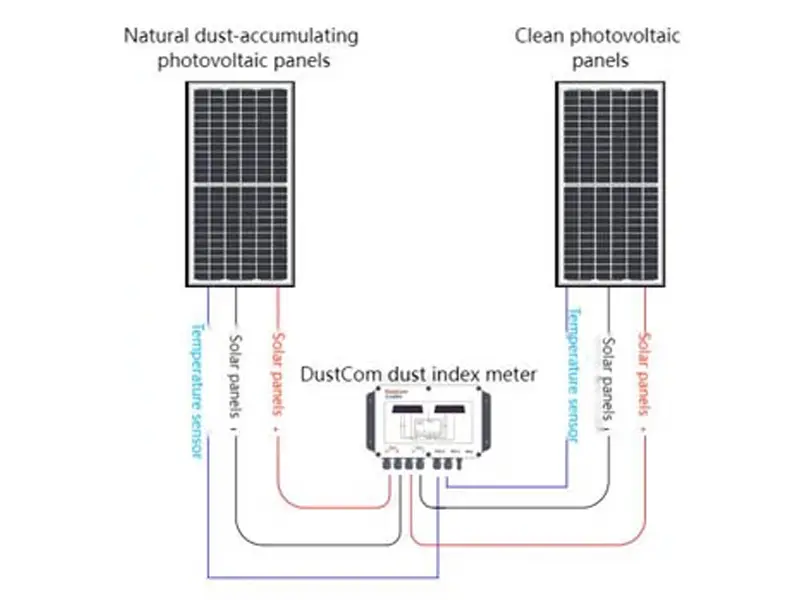
The DustCom Dust Index Meter is a method that quantifies the impact of dust contamination on power generation efficiency by comparing the electrical performance parameters (such as short-circuit current and maximum power) of clean photovoltaic modules and dust-contaminated modules. Its core principle involves measuring the differences in electrical performance between clean and contaminated modules under identical conditions to calculate the efficiency loss caused by dust contamination, thereby providing data support for the operation and maintenance of photovoltaic power plants.
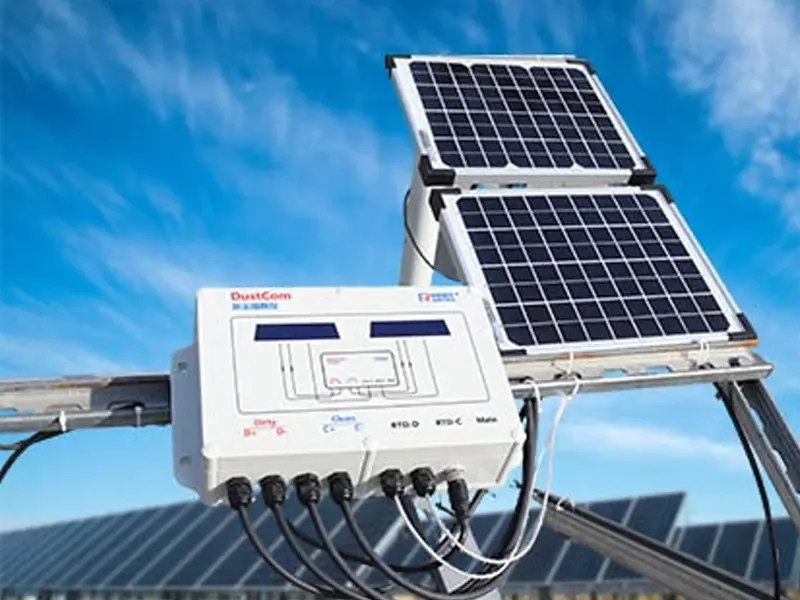
The photovoltaic dust monitoring system is compatible with PV panels rated up to 30A, 50V, and 700W. The included surface-mount Pt100 RTD is used to measure the temperature on the back of the PV panel, and data is transmitted via Modbus RTU (RS485).
Measurement Principle photovoltaic soiling sensor
The main principle behind the reference method for measuring photovoltaic module contamination is as follows: two photovoltaic modules of the same model and batch are placed in the same environment; one is kept clean, while the other is allowed to accumulate dust naturally. According to IEC 60904, the effective irradiance is calculated by measuring the short-circuit current and the temperature on the back of both modules. Contamination loss is determined by comparing the effective irradiance of the contaminated module with that of the clean reference module
.
The formula for calculating the Soiling Loss Index (SLI) is as follows:
SLI = (1 – Geffs/Geffc) × 100%. Here, Geffs is the effective irradiance calculated for the soiled module, and Geffc is the effective irradiance calculated for the clean reference module.
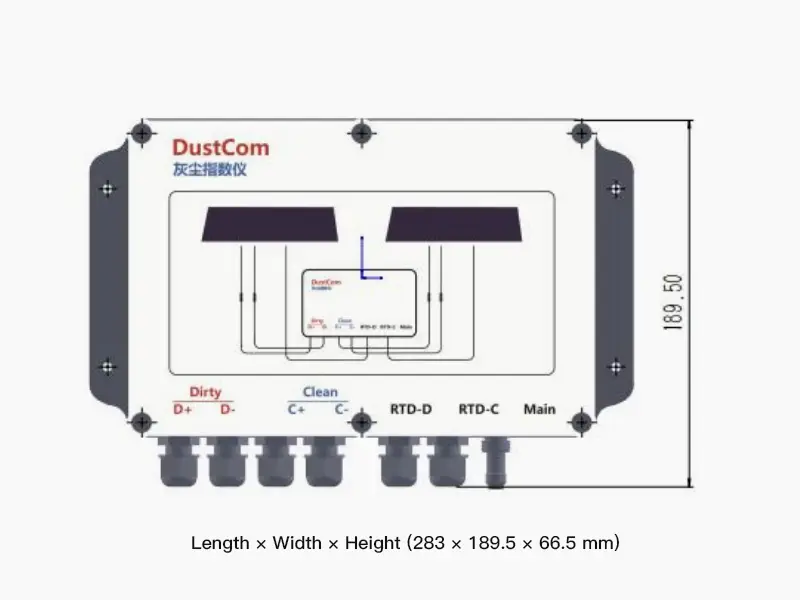
Structure photovoltaic soiling sensor
- Dust Detection Sensor Unit: Used to monitor dust accumulation on the surface of photovoltaic modules in real time and collect contamination data
- Reference & Soiling Measurement Module: Calculates the soiling index by comparing the difference in radiation between clean and contaminated surfaces
- Solar Radiation Sensor (Pyranometer): Measures solar radiation intensity to provide baseline data for soiling analysis
- Data Acquisition Unit (DAQ): Responsible for collecting data from various sensors and performing preliminary processing
- Data Transmission Module: Supports wireless or wired communication to upload data to the monitoring platform
- Power Supply System: Typically utilizes a solar power system to ensure long-term, stable operation of the equipment
- Monitoring & Management Platform: Enables data visualization, analysis, and remote operation and maintenance management
- Mounting Structure & Protection Housing: Provides structural support for equipment installation and offers dustproof, waterproof, and corrosion-resistant protection to withstand outdoor environments
세부 정보 표시
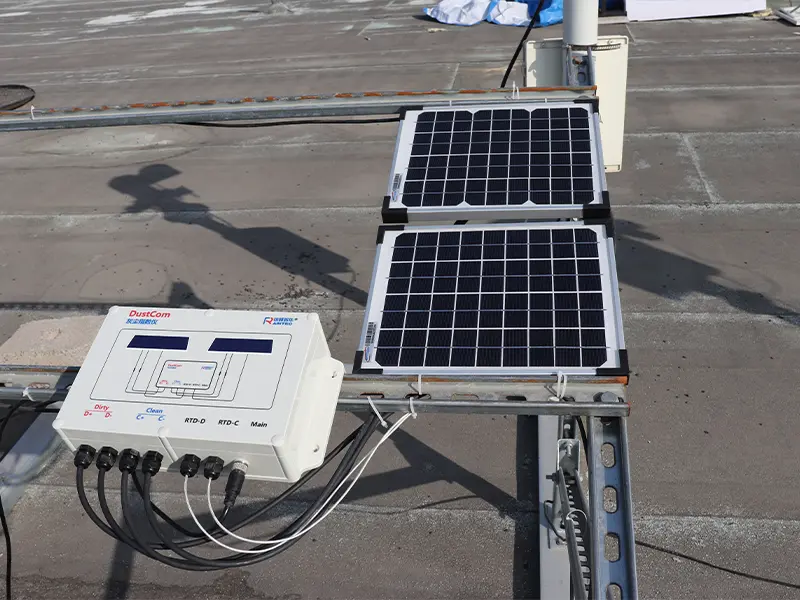
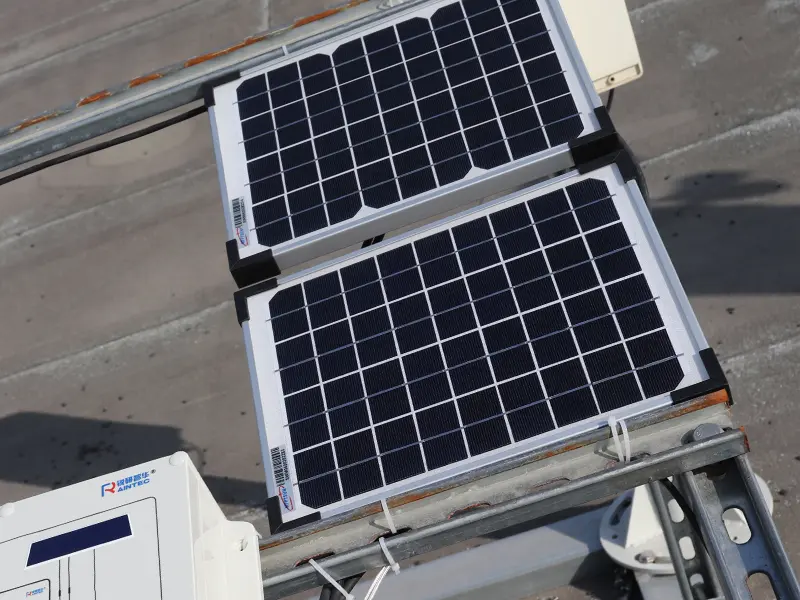
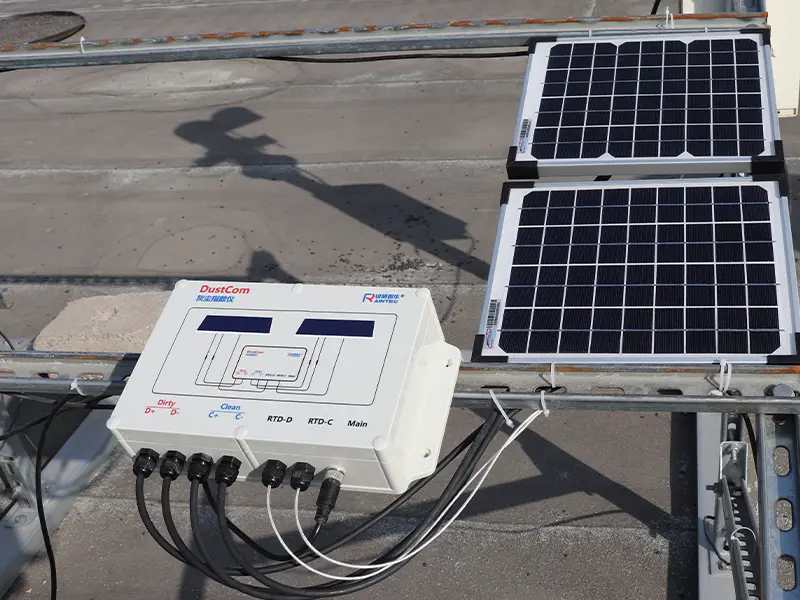
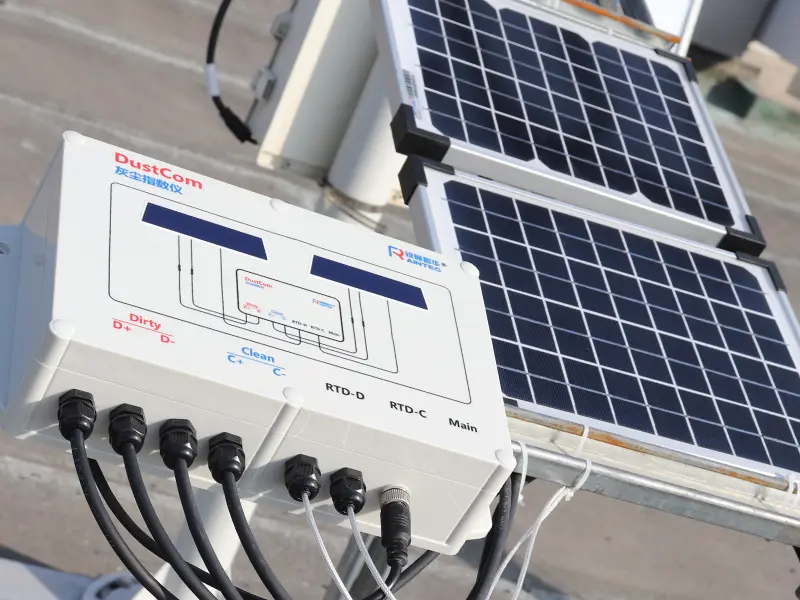
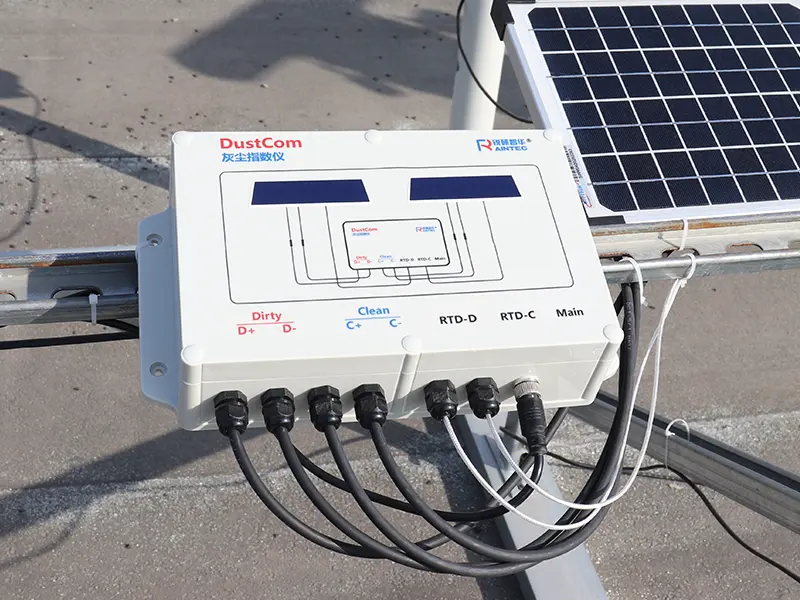
The DustCom PV dust index monitoring system features a simple design and compact structure, making it easy to install near PV modules. It has a rugged protective housing with the sensor detection area at the top, data acquisition and transmission module interfaces on the sides, and a sturdy mounting bracket at the bottom. Below are the specific details:
Installation Direction
Install the DustCom as close as possible to the target module being measured. If possible, choose a shaded location beneath the module. When installing the DustCom dust meter, position the cable entry downward to prevent water from entering through the cable.
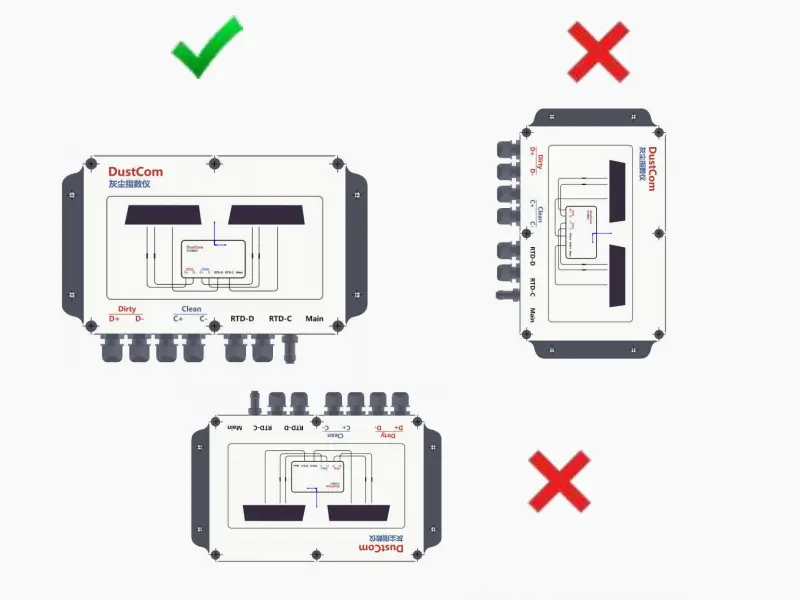
Mounting method
It features a stainless steel clamp-style mounting system that allows for free adjustment of the diameter. DustCom can be installed on various types of vertical supports in photovoltaic systems, including mounting posts or columns, as shown in the figure below:
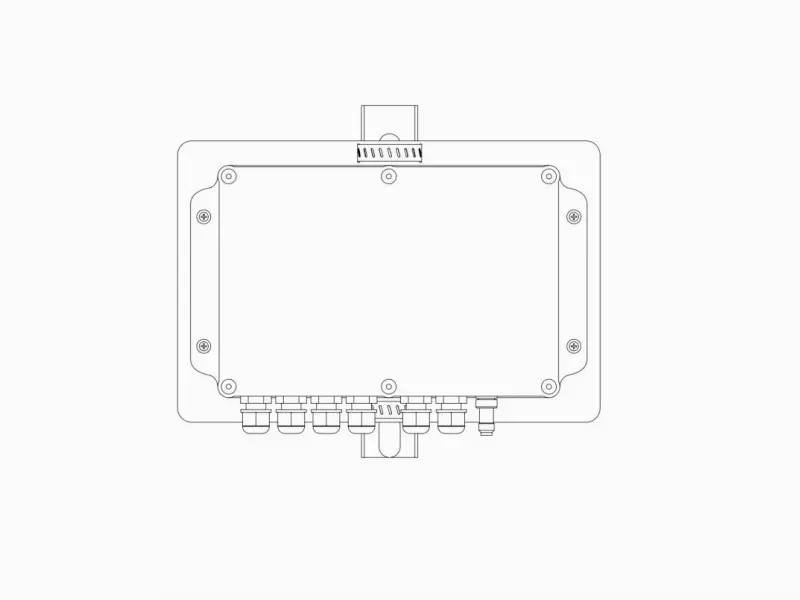
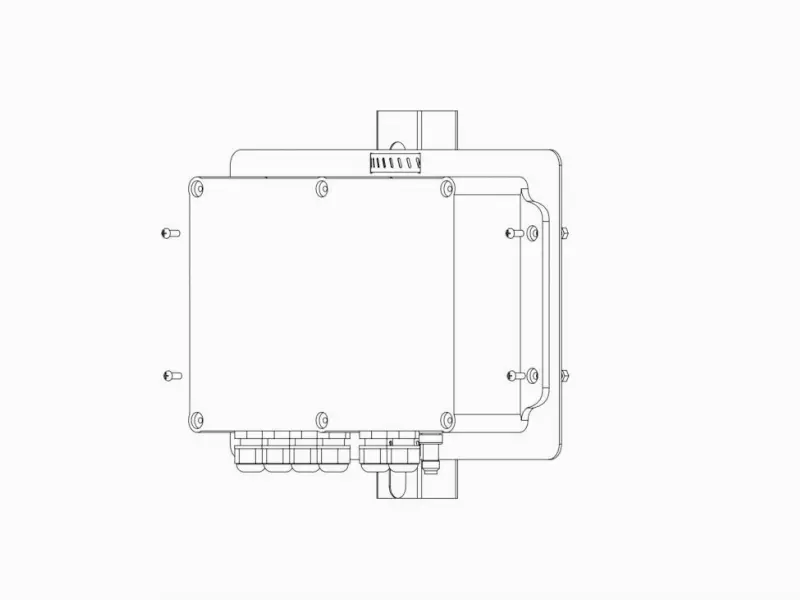
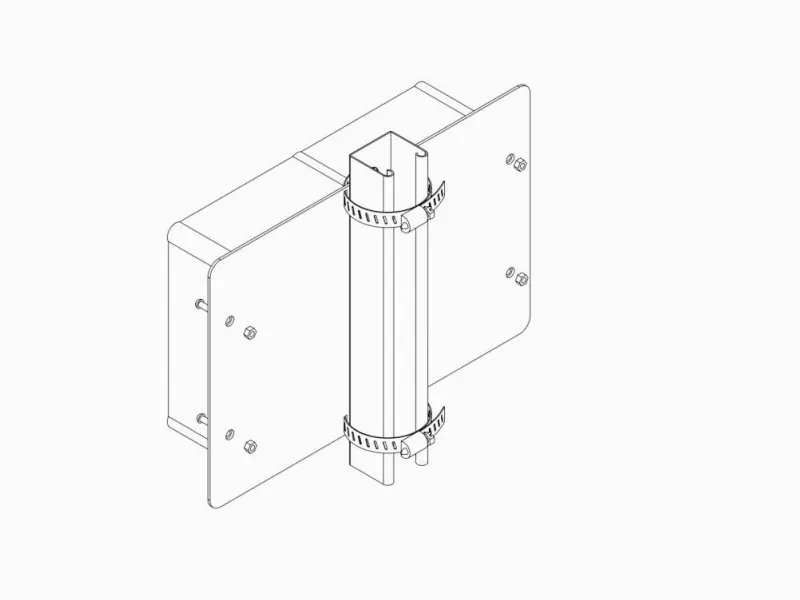
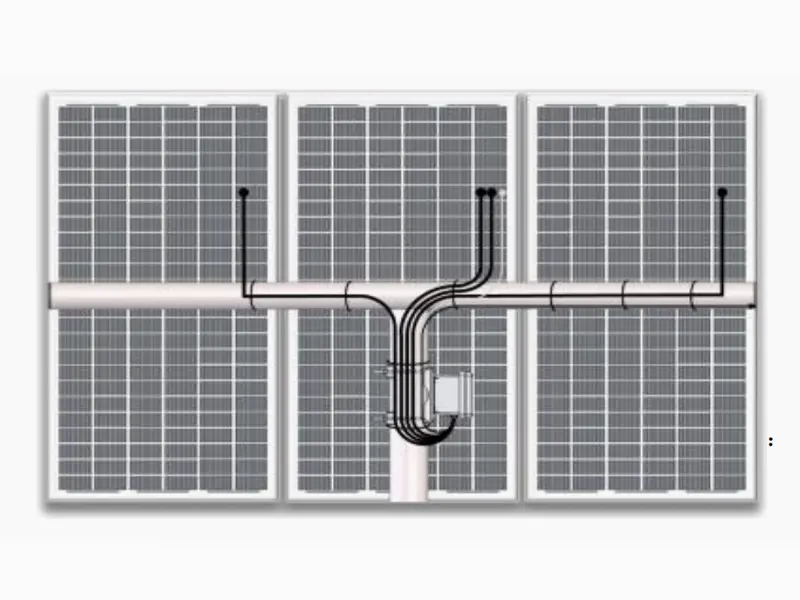
Install the DustCom onto the bracket provided by the customer, then secure it to your chosen vertical mounting structure using clamps. Ensure the cables are securely fastened, and if using a tracker, make sure the cables are long enough to accommodate the movement of the solar panels.
사양
The following provides a description of the key specifications for the DustCom Photovoltaic Soiling Index Monitoring System. It covers critical metrics such as soiling rate monitoring performance, module temperature measurement capabilities, electrical parameter ranges, communication and power supply methods, and environmental adaptability. It also includes information on the equipment’s structural dimensions and protection rating, providing a comprehensive overview of the system’s performance and scope of application. Below are the PV dust measurement system specifications:
매개변수
| Defect Rate | 0–100% |
| 해상도 | 0.10% |
| Measurement Accuracy | 1% |
| Component Temperature Measurement Range | –40–+150°C |
| Component Temperature Measurement Accuracy | +(0.15 + 0.002t) °C |
| Component Temperature Probe | PT100 Class A |
| Power of the Tested Component | 20–700 W |
| Maximum Short-Circuit Current of the Tested Component | 30 A |
| Maximum Open-Circuit Voltage of the Tested Component | 50 V |
| Reference Standards | IEC 61724-1 (2021) |
| Power Supply Range | 12–24 V DC |
| Maximum Power Consumption | 20 mA @ 12 V DC |
| Output Signal Format | RS485 standard Modbus protocol |
| 작동 온도 | –40°C to +70°C |
| Operating Humidity | 0–100% RH |
| Storage Temperature | –50 to 85°C |
| Instrument Dimensions | 283*165*66mm(width excludes waterproof connector) |
| Weight | 2.3 kg |
| Water Resistance Rating | IP65 |
Features PV dust measurement system
Real-Time Monitoring
Tracks dust accumulation on PV modules in real time
High Accuracy
Ensures reliable and precise measurement results
Cleaning Guidance
Helps optimize cleaning schedules and reduce losses
Easy Installation
Compact structure for quick setup and maintenance
Wide Adaptability
Operates reliably in harsh outdoor environments
Low Power Consumption
Designed for long-term, energy-efficient operation
Applications photovoltaic soiling sensor
DustCom photovoltaic dust index monitoring system is widely used in solar power projects to monitor dust accumulation on PV modules and evaluate its impact on power generation efficiency. By providing accurate soiling data and performance analysis, the system helps optimize cleaning strategies, reduce energy losses, and improve overall plant operation and maintenance efficiency. Below are specific applications of the solar dust index monitoring system:

Utility-Scale Solar Power Plants
Monitors dust accumulation and optimizes operations and maintenance for large-scale ground-mounted power plants, helping to establish scientifically sound cleaning schedules.
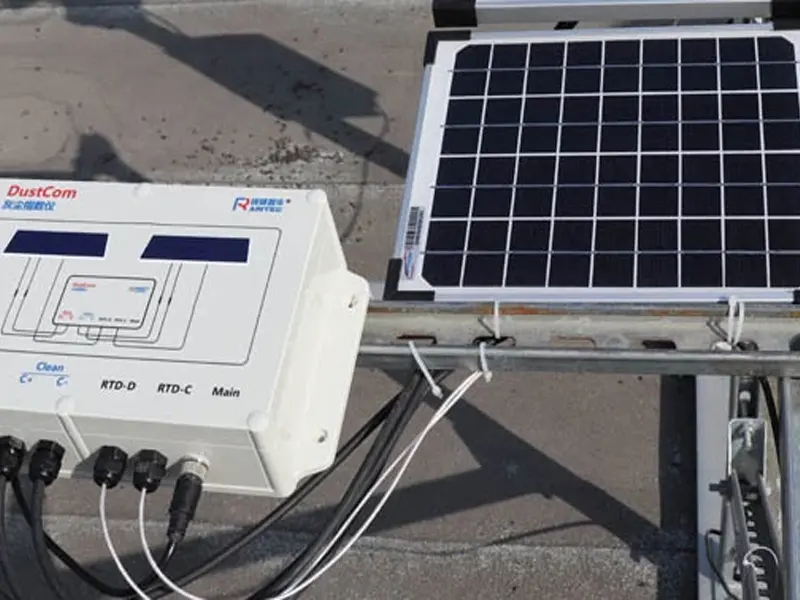
Distributed PV Systems
Suitable for commercial, industrial, and rooftop distributed PV projects, providing real-time insights into module contamination.
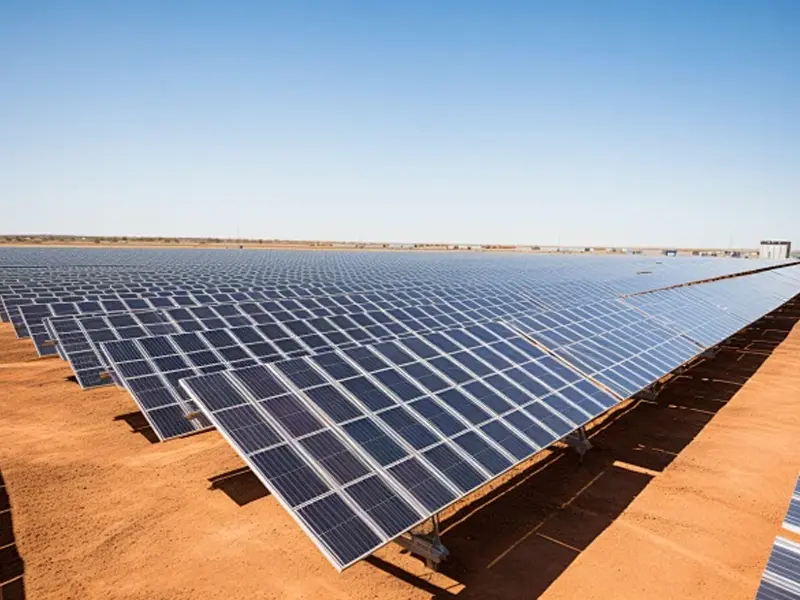
Desert & Dusty Areas
Provides critical monitoring data in areas with severe sandstorms and dust, effectively addressing frequent dust accumulation issues.

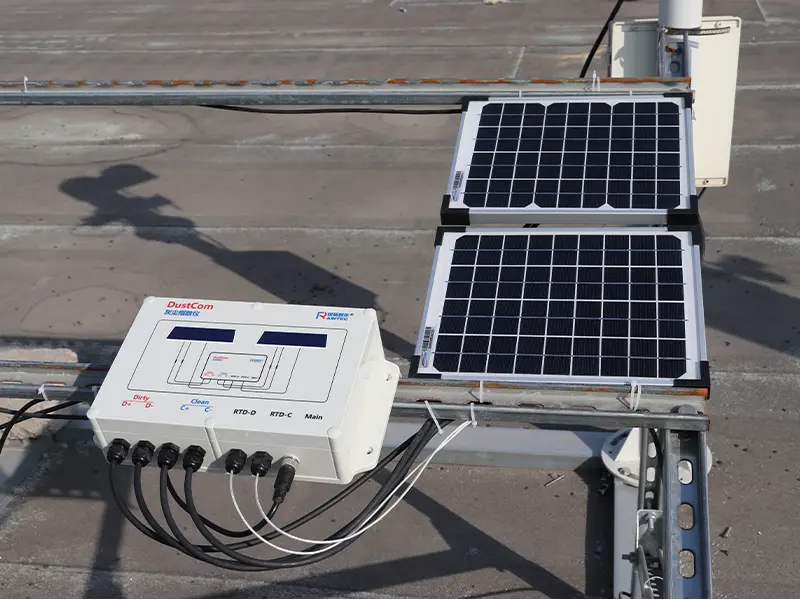
Agricultural PV Projects
Supports power generation efficiency management for agri-solar projects, balancing agricultural environments with PV system operational status.
Smart PV Monitoring Systems
Integrated into smart monitoring platforms to enable remote data monitoring, analysis, and early warning, enhancing the intelligence of operations and maintenance.
Research & Testing Institutions
Used for PV performance analysis and environmental impact studies, providing reliable data for experimental data collection and technical optimization.
custom DustCom photovoltaic dust index monitoring system
DustCom photovoltaic dust index monitoring system supports flexible customization to meet the diverse needs of different solar projects and environmental conditions. From hardware configuration to communication protocols and installation methods, the system can be tailored to ensure optimal performance, seamless integration, and efficient operation in various application scenarios.
Customization Options
- Sensor Configuration: Customizable combinations of sensors with varying types and accuracy levels to meet project requirements
- Measurement Range: Supports flexible adjustment of measurement ranges for parameters such as soiling rate and temperature
- Communication Protocols: Optional RS485, Modbus, or other communication protocols for compatibility with various systems
- Power Supply Options: Supports multiple power supply methods, such as DC power or solar power
- Mounting & Installation: Offers a variety of mounting structures to adapt to different power plant environments
- System Integration: Can integrate with SCADA or third-party monitoring platforms
- Enclosure & Protection Level: Customizable enclosure materials and protection ratings to withstand harsh environments
- Branding & OEM Services: Supports customization of exterior branding, logos, and product enclosures
DustCom photovoltaic dust index monitoring system 제조업체 및 공급업체
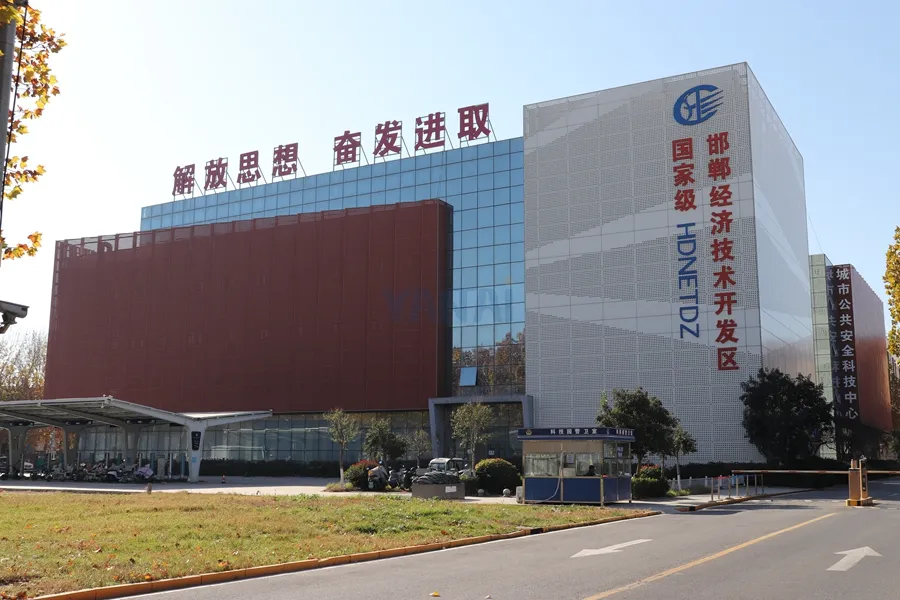
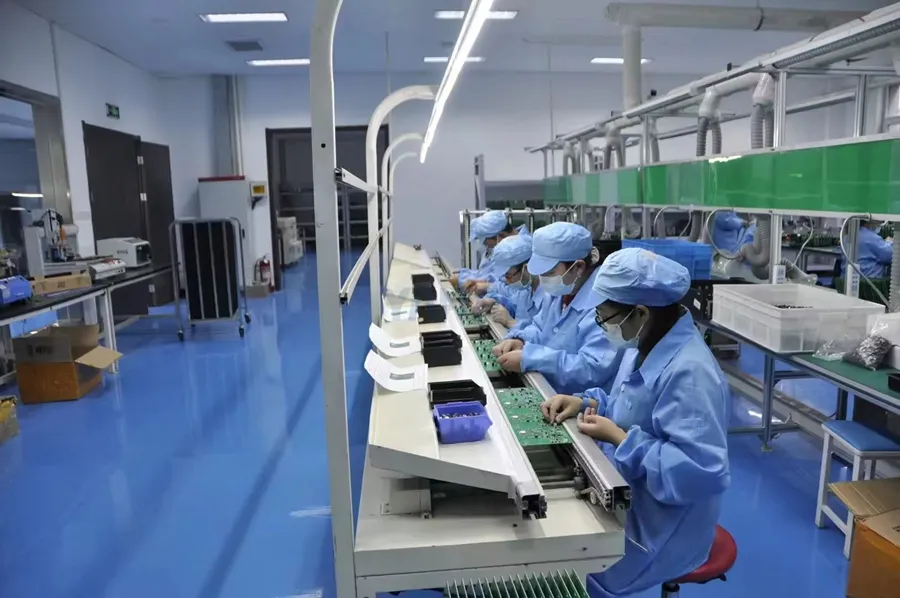
Yantai Sensor is a professional DustCom photovoltaic dust index monitoring system manufacturer and supplier, specializing in high-precision soiling monitoring solutions for solar power plants, environmental monitoring, and performance analysis. Our DustCom systems are designed to accurately measure dust accumulation on PV modules, providing stable and reliable data for performance ratio (PR) evaluation, cleaning optimization, and energy yield improvement.
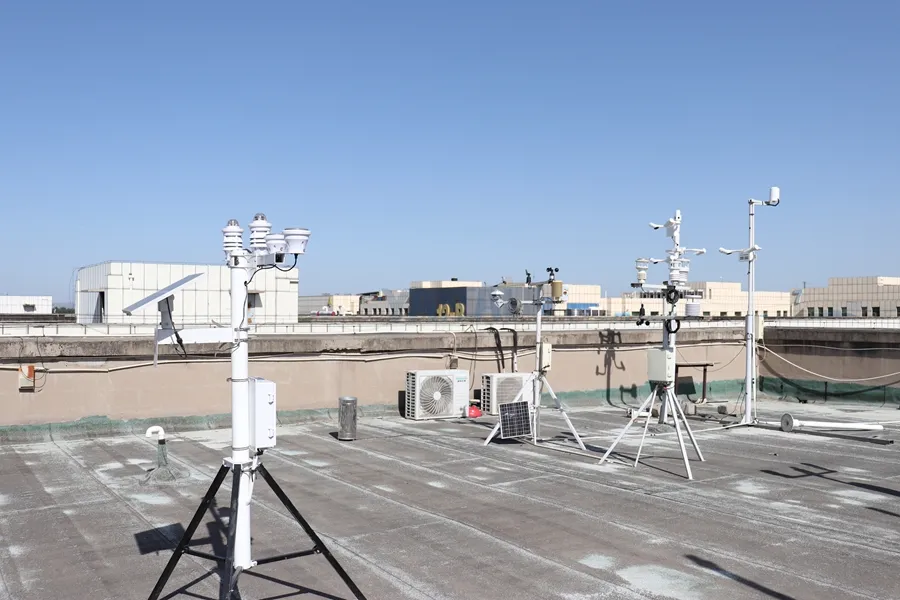
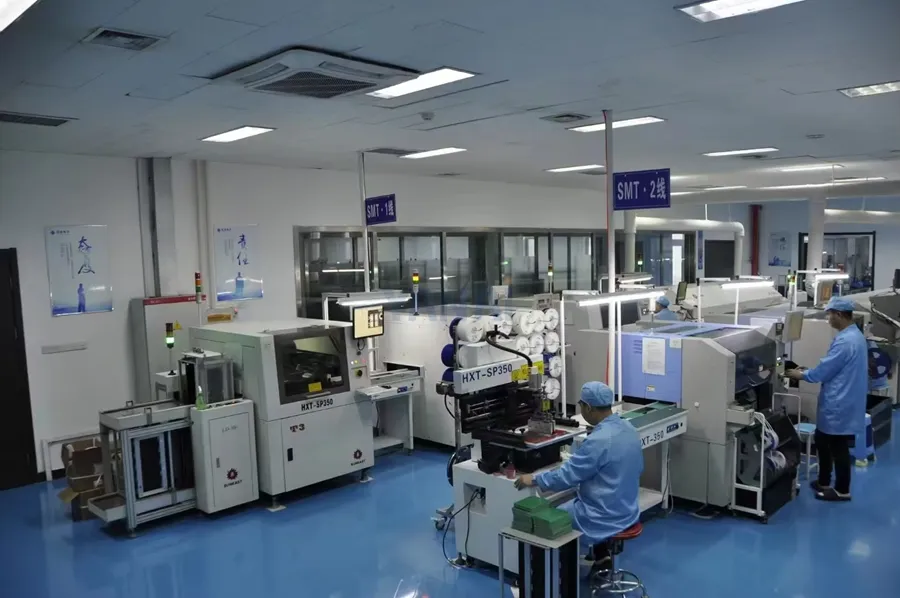
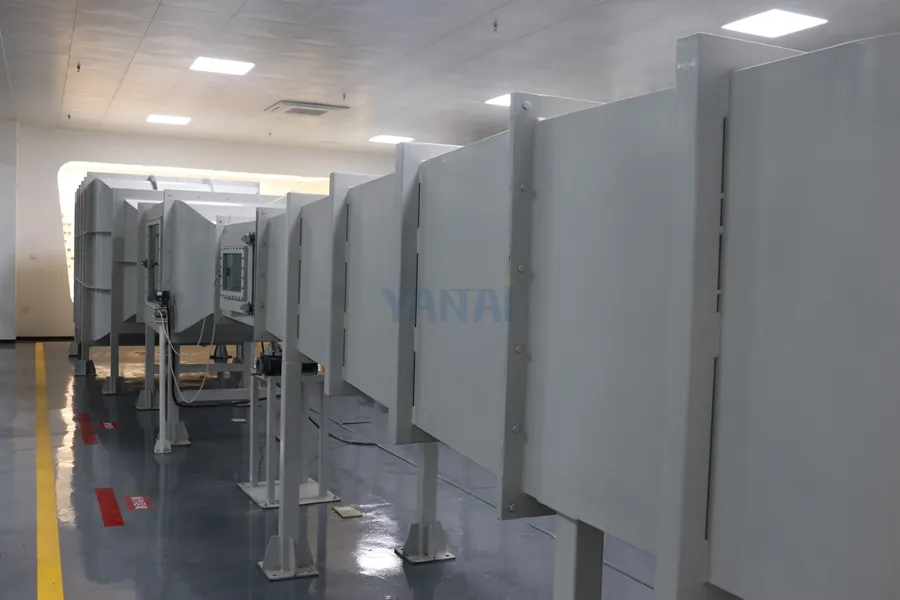
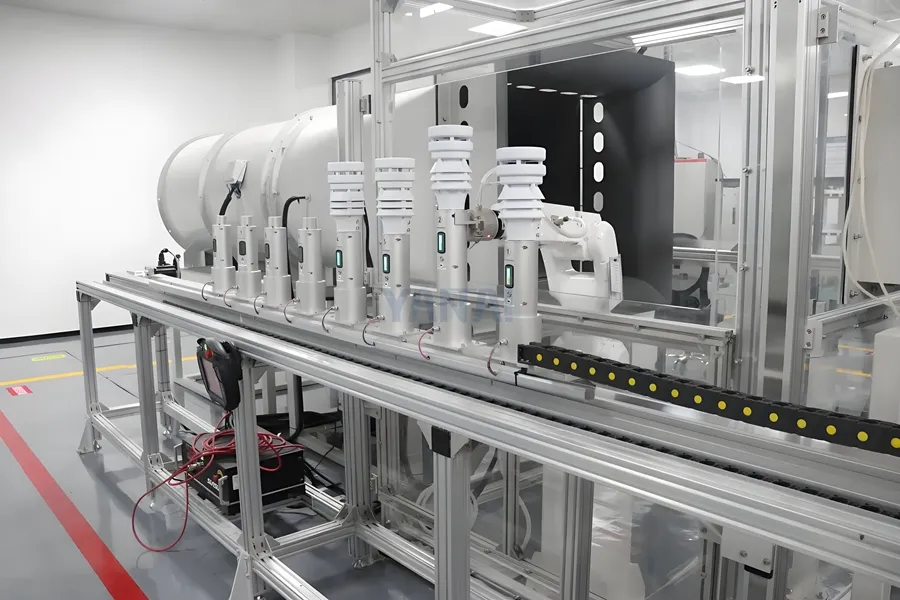
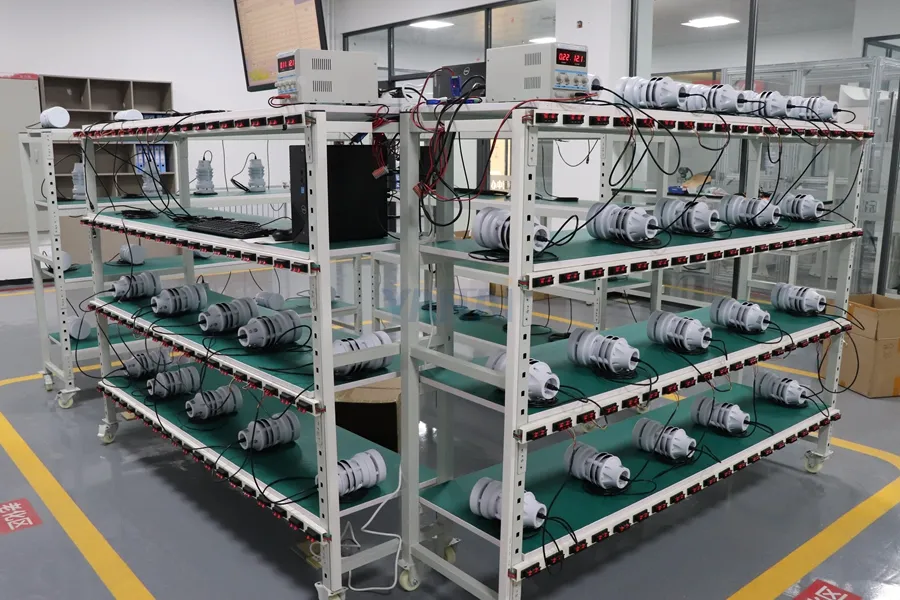
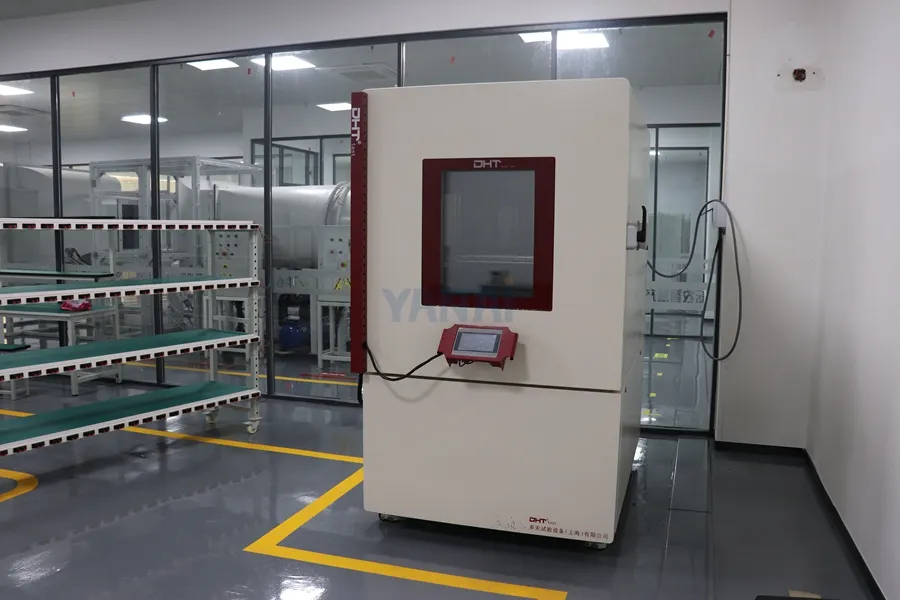
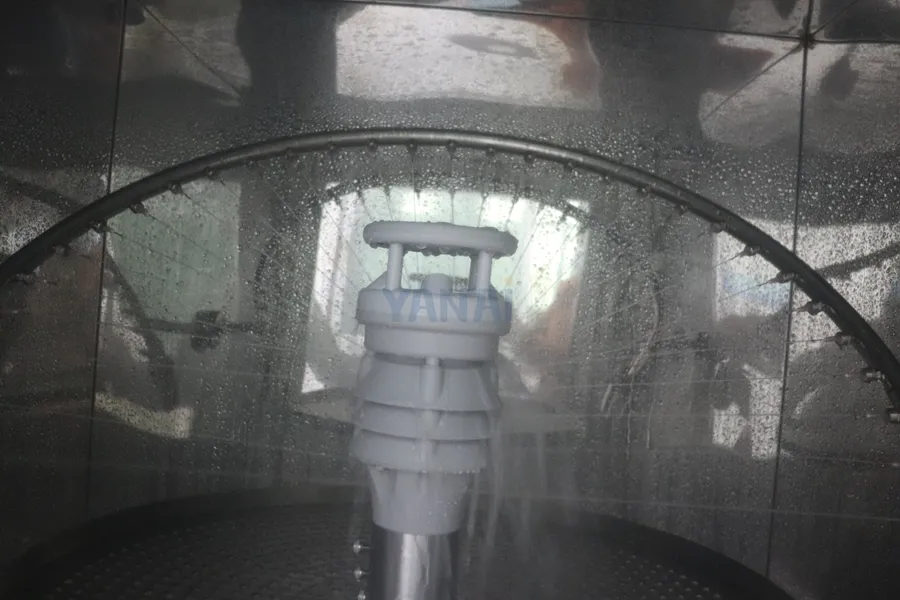
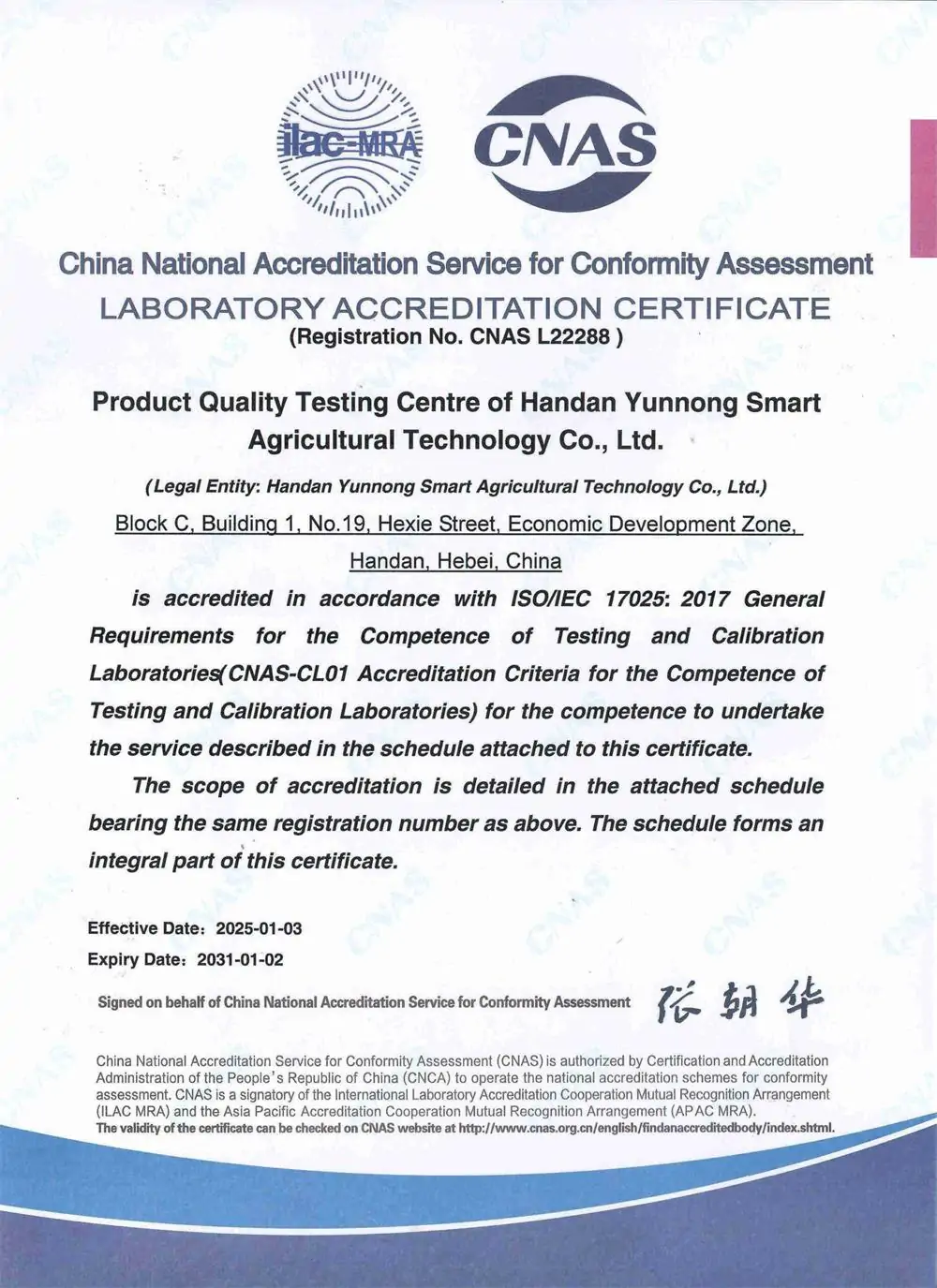
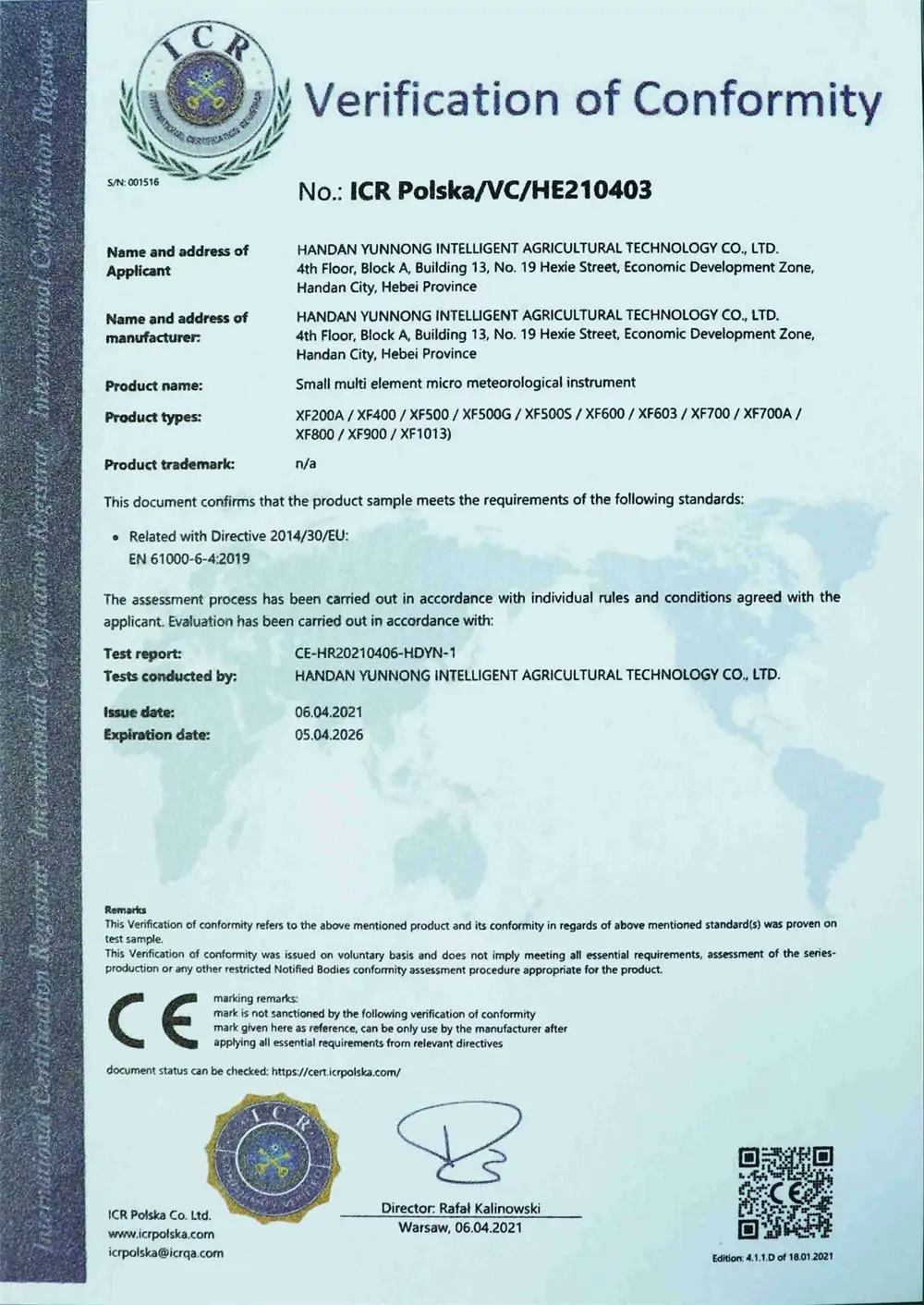
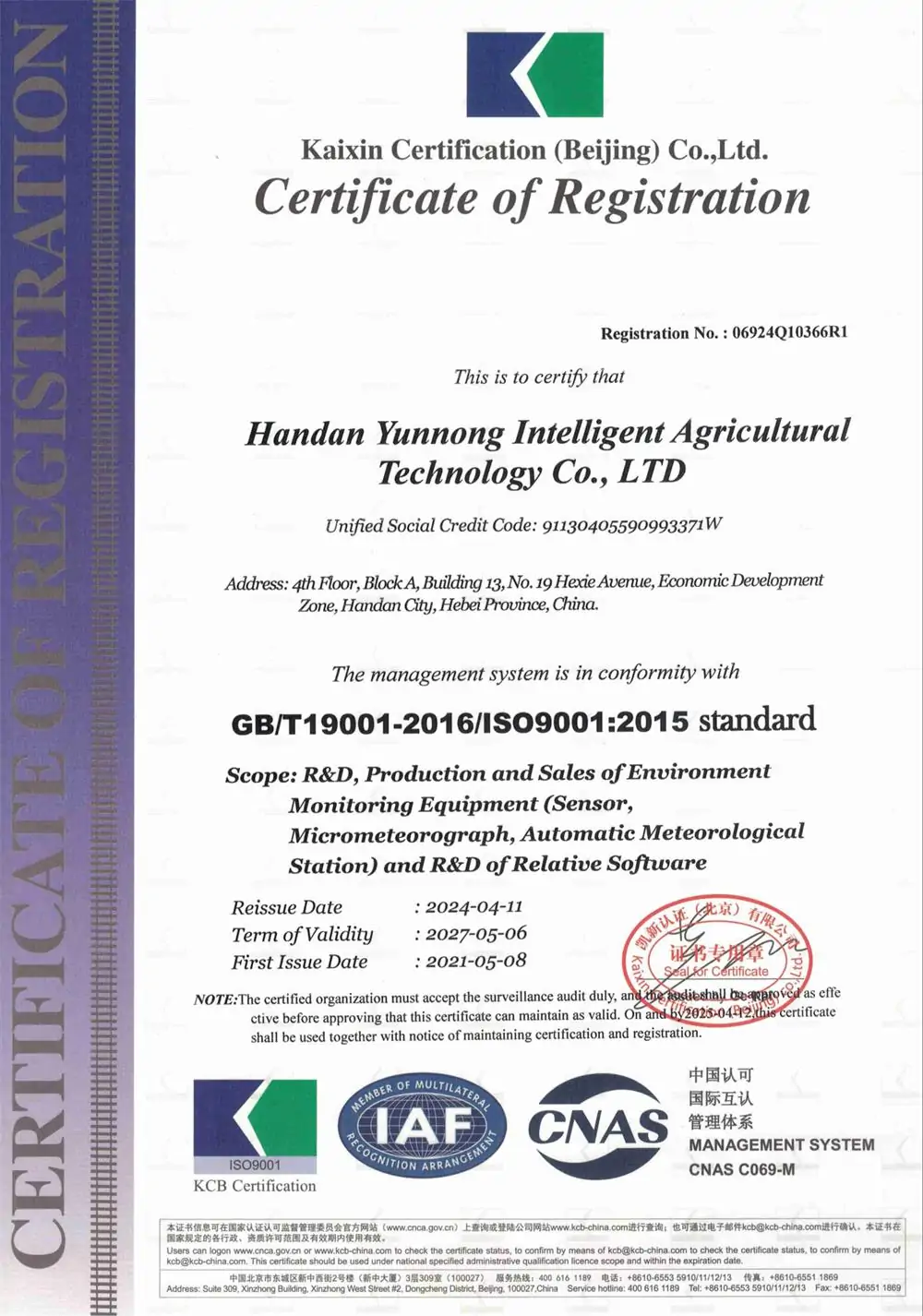
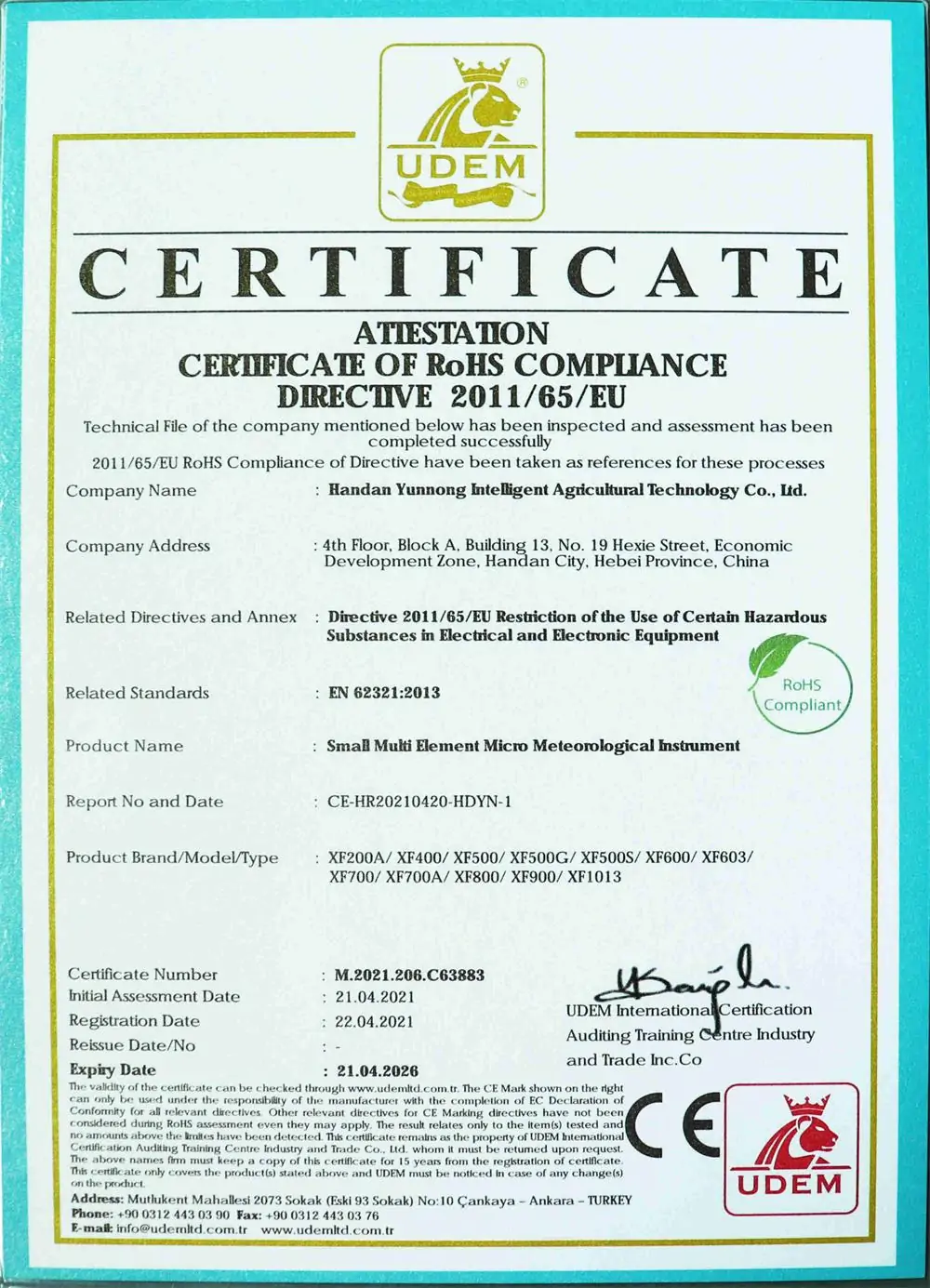
With strong independent R&D capabilities, advanced manufacturing facilities, and a dedicated environmental testing laboratory, each system undergoes strict quality control, including temperature, humidity, dust exposure, and long-term stability testing. Certified with CE, ISO, and RoHS, we deliver reliable products along with flexible OEM/ODM services to support global solar energy projects and intelligent PV monitoring applications.