날씨 모니터링이 태양광 발전소 ROI를 어떻게 향상시키는가?

소개

Many solar plant operators face the same challenge: the expected power generation does not always match the actual output after a project starts operation. When electricity production decreases, it is often difficult to determine whether the loss is caused by changing weather conditions, dust accumulation, high module temperature, or equipment performance issues. Without reliable environmental data, operators may spend additional time and cost investigating problems without identifying the real cause.

This is why Solar Plant ROI Monitoring has become increasingly important for long-term PV asset management. The profitability of a solar plant is not only determined by installed capacity and equipment reliability but also by how effectively operators understand and manage environmental factors. Accurate weather data helps identify performance losses, improve energy yield evaluation, optimize maintenance decisions, and reduce unnecessary operational costs throughout the project lifecycle.

A solar weather monitoring system provides the environmental insights needed to provide smarter solar investment and operation decisions. From solar resource assessment before project development to real-time plant performance monitoring, accurate irradiance measurement, and weather-based O&M optimization, different monitoring technologies play different roles in improving solar plant returns. In this article, we will explore how weather monitoring impacts solar ROI and how solutions such as automatic solar radiation measurement systems, PV weather stations, solar radiation sensors, and dust monitoring systems help maximize long-term energy performance.

How Weather Monitoring Impacts Solar Plant ROI?

Weather monitoring directly affects solar plant ROI by improving energy production analysis, reducing avoidable losses, and supporting more efficient O&M decisions. Since solar revenue depends on actual power generation and operating costs, accurate environmental data helps operators understand performance changes and take timely actions to maintain stable energy output.

increase energy output Accuracy and Revenue Forecasting

Solar power generation changes with environmental conditions, especially solar irradiance and temperature. Weather monitoring provides accurate data on radiation, temperature, and other key factors, allowing operators to compare expected and actual energy output. This improves generation forecasting, helps identify abnormal performance, and provides more accurate data for evaluating plant efficiency and revenue potential.

Identify and Reduce Weather-Related Performance Losses

Factors such as dust accumulation, high module temperature, seasonal changes, and extreme weather can reduce solar plant output. By monitoring these environmental conditions, operators can better identify whether performance losses are caused by weather factors, soiling, or equipment issues. This enables targeted actions to reduce energy losses and maintain more stable power production.

Optimize O&M Decisions and Reduce Operating Costs

Real-time environmental data helps operators move from fixed maintenance schedules to condition-based decisions. For example, dust monitoring can determine when cleaning is actually needed, while weather data contributes to more effective inspection planning. This reduces unnecessary maintenance activities, lowers operating costs, and improves overall O&M efficiency.

Reduce Solar Plant ROI Investment Risk with Accurate Resource Assessment

Before a solar project starts construction, accurate evaluation of local solar resources is essential for estimating future energy production and financial returns. Weather monitoring data collected during the development stage helps investors reduce uncertainty, improve feasibility analysis, and make more reliable decisions on site selection and system design.

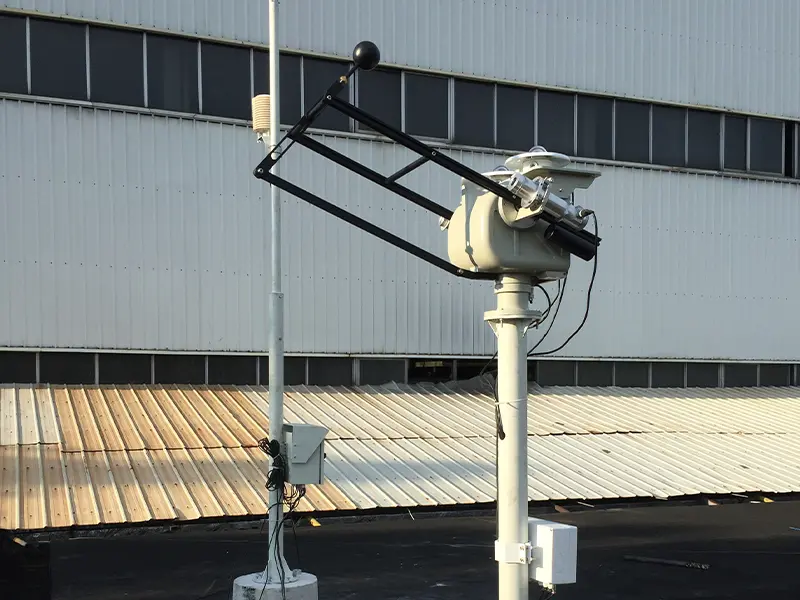
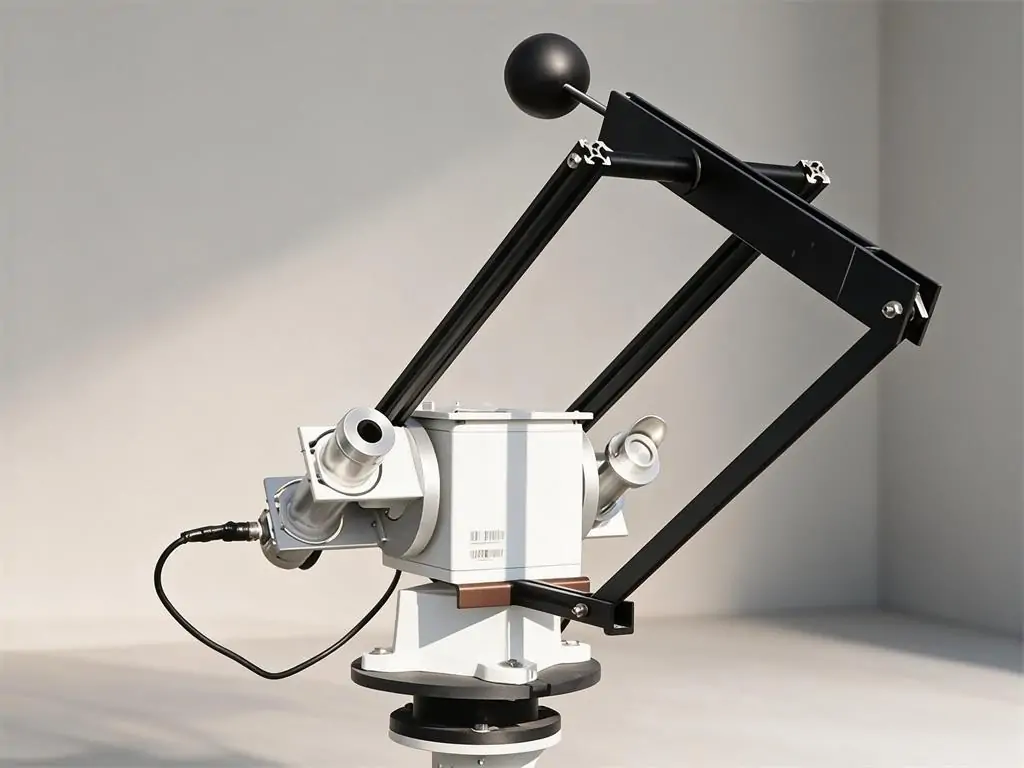
SAUT Automatic Solar Radiation Measurement System

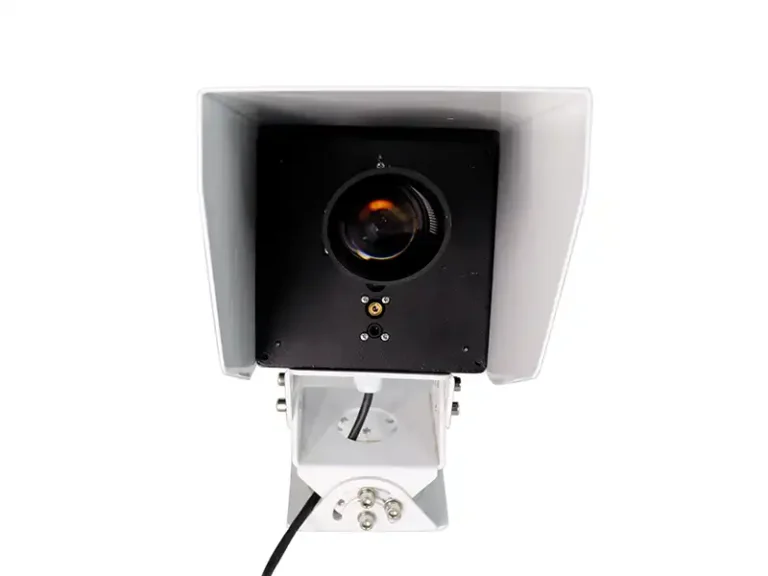
Before a solar project is constructed, accurate solar resource assessment is essential for predicting energy yield and evaluating investment returns. The SAUT Automatic Solar Radiation Measurement System provides stable DNI, GHI, and DHI data by automatically tracking the sun’s position, offering more accurate solar radiation analysis than fixed measurement methods. This helps developers improve site selection, streamline system design, and reduce uncertainty in energy yield forecasts and long-term investment decisions.

enhance Solar Plant ROI Performance with Real-Time Weather Monitoring

After a solar plant begins operation, continuous weather monitoring becomes critical for understanding whether the plant is performing as expected. By combining environmental conditions with power generation data, operators can identify performance variations, evaluate energy losses, and increase daily operational decisions.

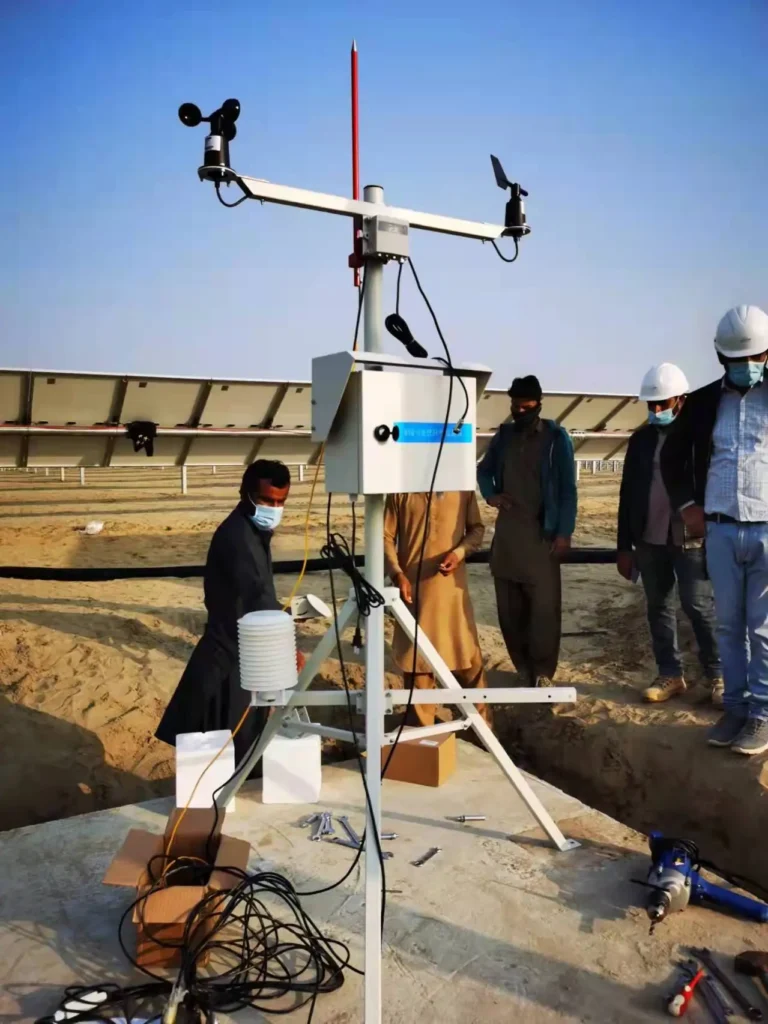
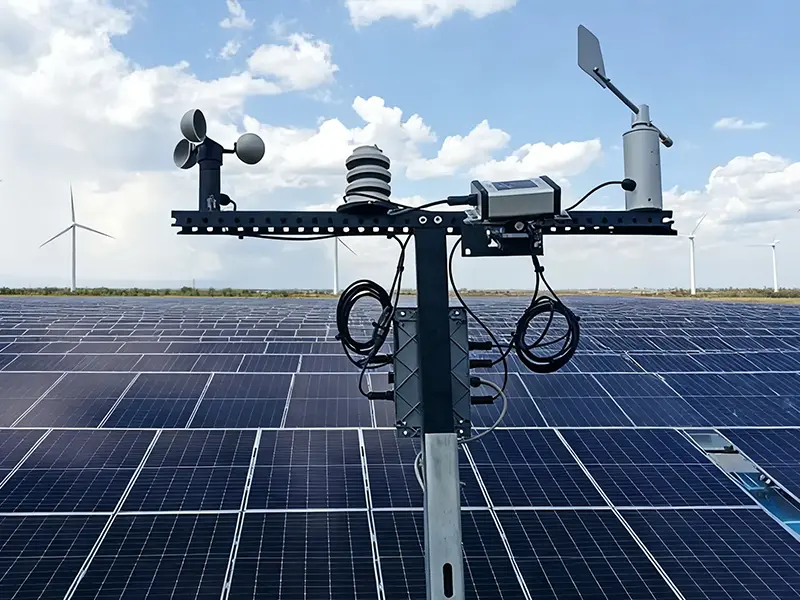
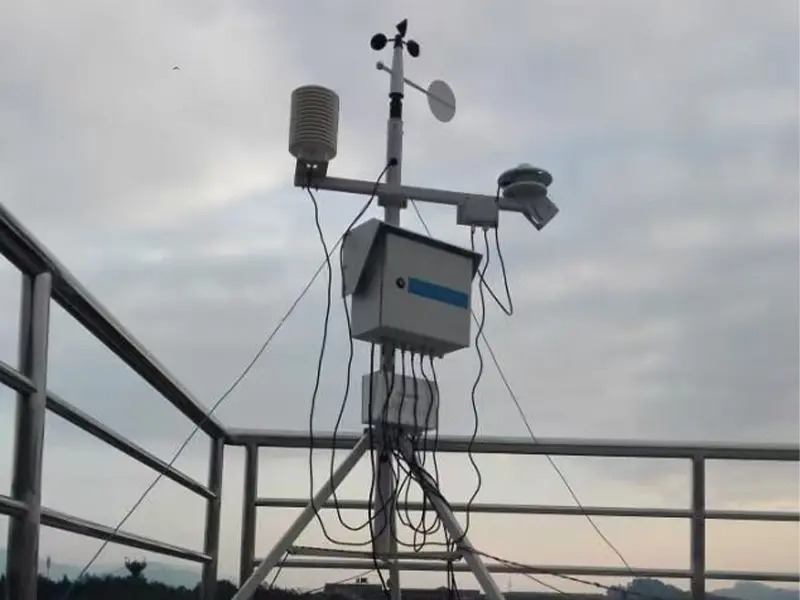
XF500S-CWB PV Compact Weather Station

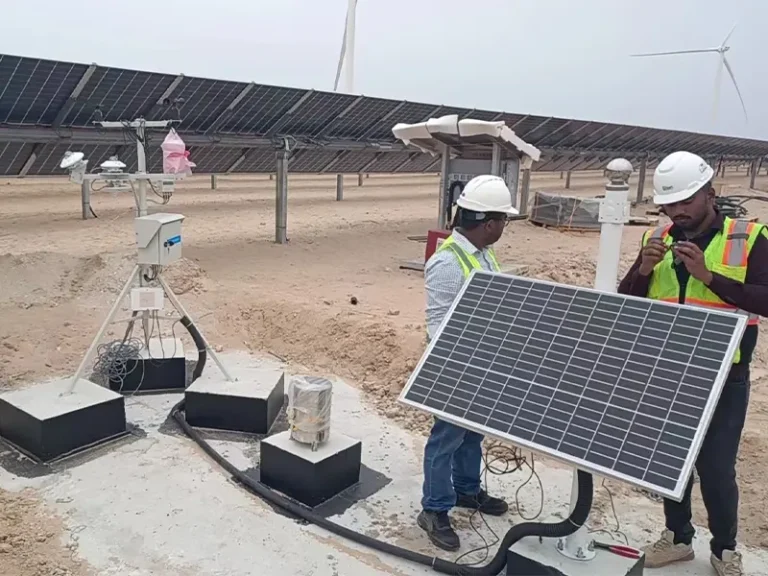
During solar plant operation, continuous environmental monitoring helps operators evaluate actual performance and identify potential energy losses. The XF500S-CWB PV Compact Weather Station integrates multiple sensors to measure key parameters such as solar irradiance, module temperature, ambient temperature, humidity, wind speed, and wind direction. By linking environmental conditions with power generation data, operators can better identify performance changes, optimize maintenance decisions, and maintain stable energy output throughout the plant lifecycle.

Improve Solar Plant ROI Analysis with Accurate Solar Irradiance Measurement

Reliable solar irradiance measurement is the foundation for evaluating photovoltaic performance and verifying whether a solar plant is generating close to its expected potential. Accurate radiation data allows operators to separate environmental impacts from system-related issues and provides confidence in long-term ROI analysis.

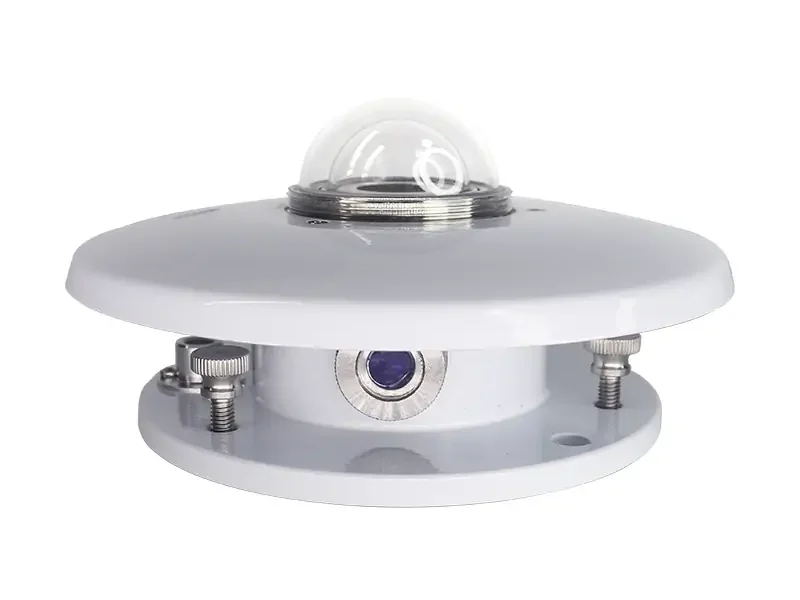
TBQ-2C Pyranometer for consistent Solar Radiation Measurement

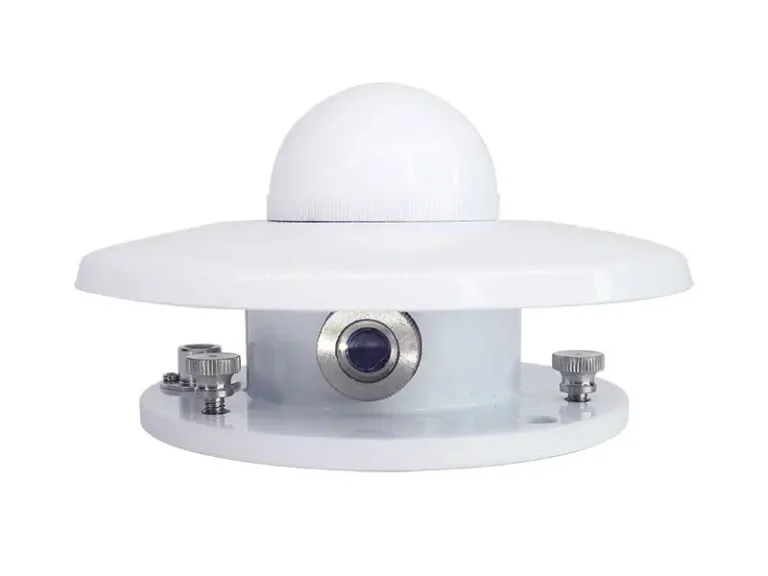
Solar irradiance measurement accuracy directly affects the reliability of PV performance evaluation and ROI analysis. The TBQ-2C Pyranometer provides precise solar radiation data for photovoltaic performance assessment, system verification, and monitoring applications. By comparing actual power output with irradiance conditions, operators can identify potential losses caused by factors such as module degradation, shading, and soiling, enabling more accurate solar performance analysis and better operational decisions.

Reduce O&M Costs Through Weather-Based Maintenance Strategies

During long-term solar plant operation, maintenance decisions directly affect project profitability. Fixed cleaning schedules may lead to unnecessary labor costs, while delayed cleaning can allow dust accumulation to reduce energy output. By combining weather data, dust monitoring information, and solar performance analysis, operators can develop condition-based maintenance strategies, maximize cleaning and inspection schedules, reduce O&M expenses, and strengthen the long-term return of photovoltaic assets.

Dust Index Monitoring for Data-Driven Solar Cleaning Optimization

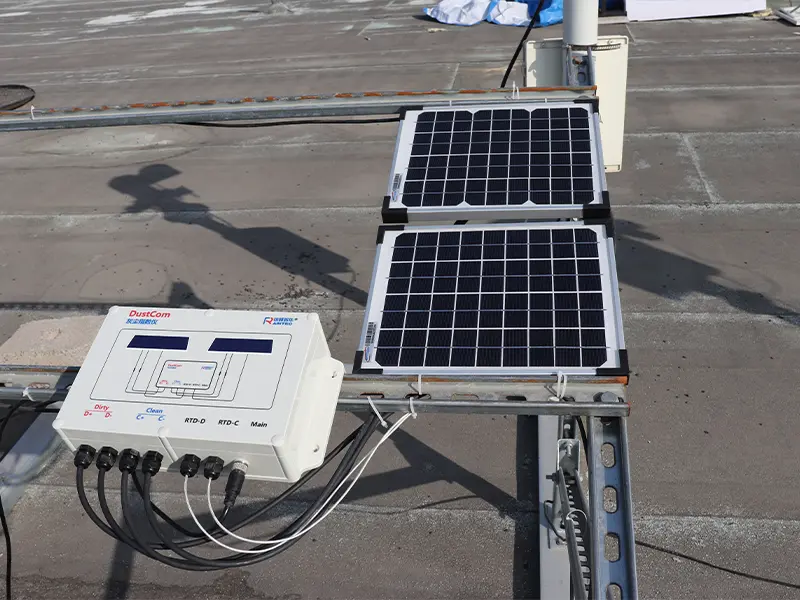
Fixed cleaning schedules cannot reflect actual soiling conditions, as dust accumulation varies with climate, site location, and seasonal changes. The DustCom Photovoltaic Dust Index Monitoring System measures dust accumulation on photovoltaic modules and converts contamination levels into a quantifiable dust index, allowing operators to determine when cleaning is required based on actual conditions.

Module Pollution Status Monitoring for Precise PV Performance Assessment

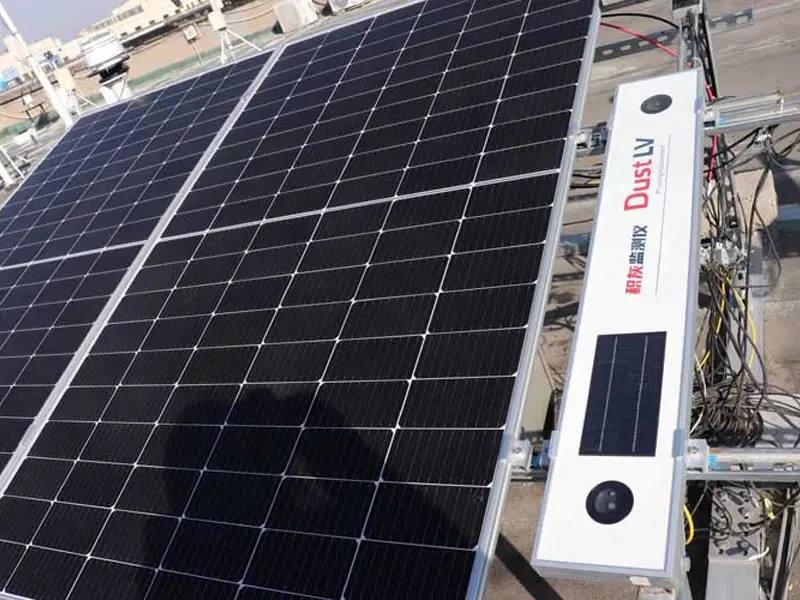
The DustLV Photovoltaic Module Pollution Status Monitor uses optical measurement technology to evaluate actual module surface pollution conditions rather than only tracking dust accumulation trends. It provides clearer insight into how environmental contamination affects PV performance, allowing large-scale solar plants to identify priority cleaning areas and manage O&M resources more efficiently.

Weather Parameters That Influence Solar Plant ROI

Weather conditions directly affect photovoltaic power generation, equipment performance, and long-term operation costs. Monitoring key environmental parameters allows solar plant owners to understand performance variations, identify potential losses, and make better decisions for system optimization.

기상 매개변수Impact on Solar ROI
태양 복사량Determines solar energy availability and power generation potential.
모듈 온도Affects PV efficiency and energy output.
주변 온도Supports thermal performance analysis.
풍속Helps evaluate structural safety risks.
강우량Assists cleaning strategy optimization.
Dust LevelIdentifies soiling losses and cleaning needs.
습도Evaluates environmental impact on equipment reliability.

Solar Plant ROI Weather Monitoring System Configuration

Different solar projects have different monitoring needs depending on their size, location, and operation goals. A suitable weather monitoring system should match the actual requirements of each project by providing reliable environmental data for performance analysis, maintenance decisions, and long-term ROI improvement.

대규모 태양광 발전소

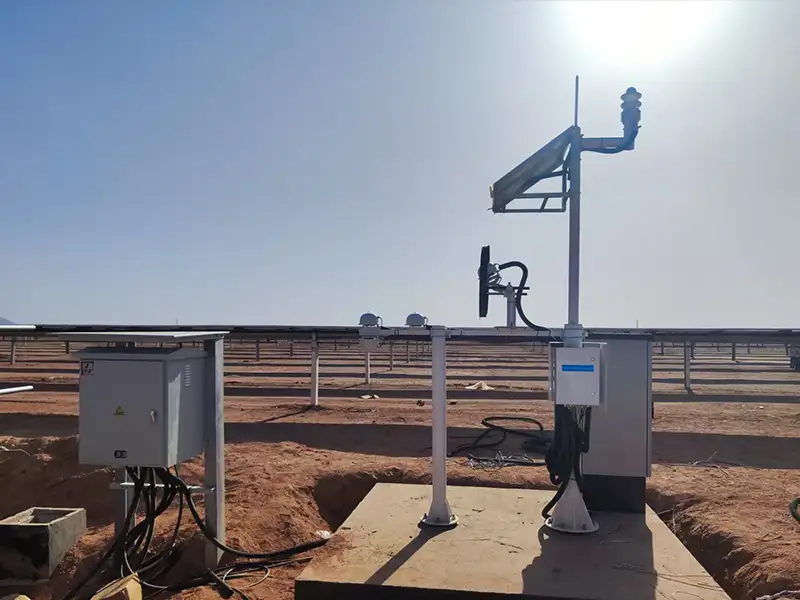
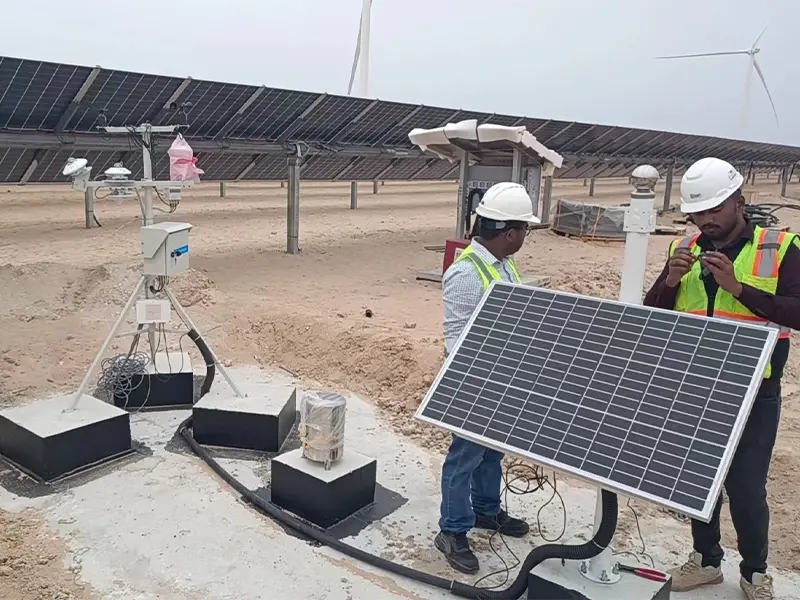
Large-scale solar farms require more comprehensive monitoring because small efficiency losses can significantly affect overall energy revenue. A complete configuration combining the XF500S-CWB Weather Station, pyranometer, dust monitoring system, and wind sensor can provide key data such as solar irradiance, temperature, wind conditions, and soiling levels. These measurements help operators evaluate system performance, identify potential losses, optimize O&M strategies, and improve the long-term profitability of large PV assets.

Commercial and Distributed Solar Projects

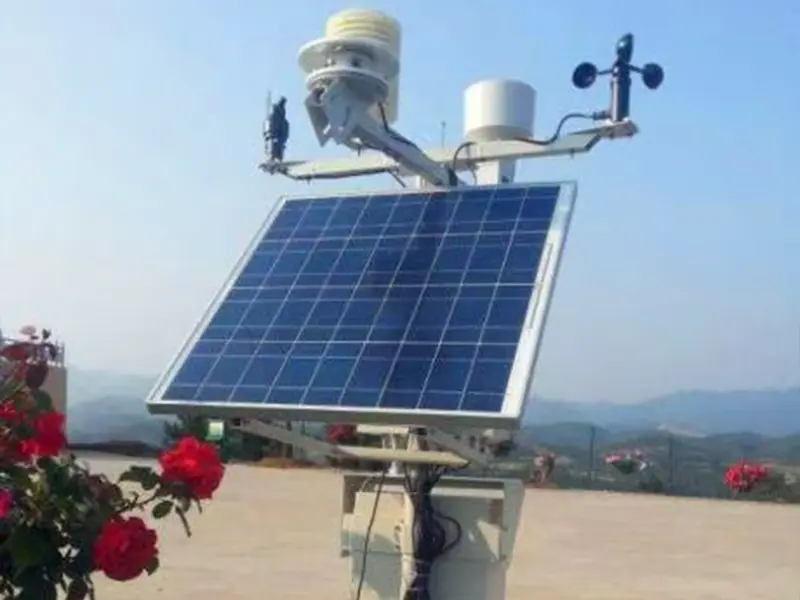
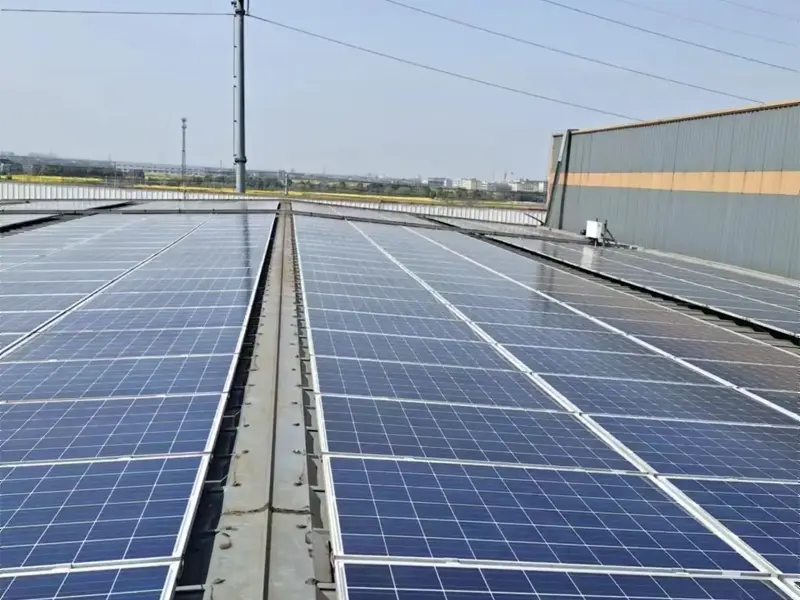
Commercial rooftop and distributed solar projects usually focus on practical monitoring needs while controlling installation costs. A compact weather monitoring solution with essential sensors such as irradiance, temperature, and basic environmental monitoring is often sufficient to track power generation conditions and detect abnormal performance. This lightweight configuration is easier to deploy across multiple sites and provides trustworthy data support for daily operation and maintenance.

Solar Research and Complex Environment Projects

Solar resource assessment and projects in challenging environments require higher measurement accuracy and stable long-term data collection. The SAUT Automatic Solar Radiation Measurement System combined with high-accuracy radiation sensors provides precise Solar Plant ROI resource data for project evaluation, system design, and performance analysis. For locations such as mountainous, agricultural, or floating solar projects, additional monitoring of wind, humidity, and dust conditions can further refine the understanding of environmental impacts on energy production.

Why Weather Monitoring Is Essential for Long-Term Solar Asset Management?

Solar power plants usually operate for more than 25 years, making long-term data management important for protecting asset value. Weather monitoring data is not only used for daily operation but also provides a historical reference for evaluating performance trends, understanding system changes, and making future asset decisions.

Historical weather and irradiance records allow operators to benchmark actual energy output against expected performance under similar environmental conditions. Over time, this data helps identify long-term changes caused by component degradation, environmental impacts, or operational issues, providing valuable facilitate for performance assessment.

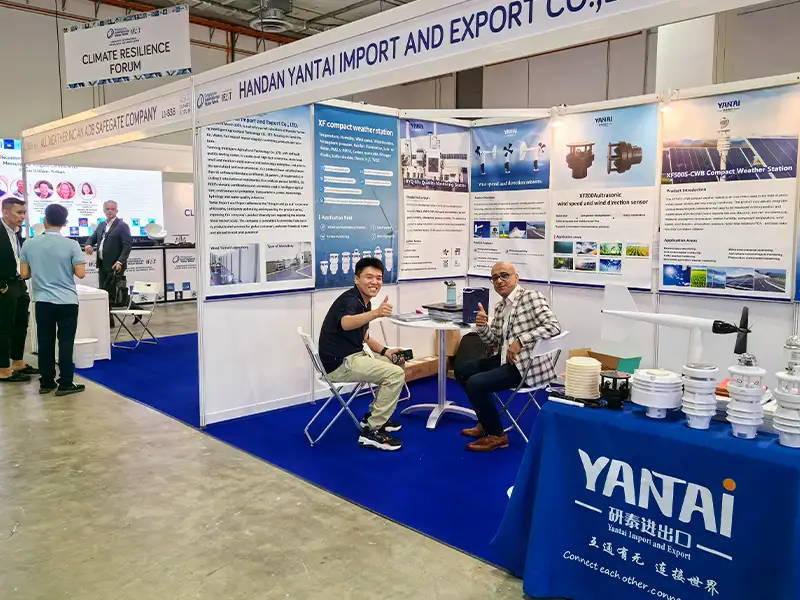
Long-term weather data also assists future investment decisions, including system upgrades, expansion planning, and revenue forecasting. At Yantai Sensor, we believe reliable environmental data is the foundation of efficient solar asset management, helping project owners make informed decisions and maximize the long-term value of photovoltaic projects.

결론

Solar Plant ROI is influenced by more than installed capacity. Accurate weather monitoring provides the data needed to improve energy forecasting, reduce operational losses, and adjust maintenance decisions throughout the project lifecycle.

By integrating solar radiation measurement, environmental monitoring, and dust analysis, solar operators can better understand performance changes and achieve more stable long-term returns. Yantai Sensor provides customized solar weather monitoring solutions to help project owners select the right sensors, boost operational efficiency, and maximize the value of their photovoltaic assets. 문의하기 to discuss your solar monitoring requirements and find the most suitable solution for your project.

자주 묻는 질문

태양광 기상 모니터링 시스템은 발전소 성능과 에너지 출력을 평가하기 위한 정확한 환경 데이터를 제공합니다. 일사량, 온도, 풍속, 먼지 조건과 같은 매개변수를 추적함으로써 운영자는 성능 손실을 식별하고, 예측 정확도를 개선하며, 더 나은 유지보수 결정을 내릴 수 있습니다. 이를 통해 에너지 생산을 극대화하고 태양광 자산의 장기적 가치를 보호할 수 있습니다.

핵심 매개변수에는 일사량, 모듈 온도, 주변 온도, 풍속, 습도, 강우량 및 먼지 수준이 포함됩니다. 일사량은 이용 가능한 태양 에너지를 나타내며, 온도와 먼지 데이터는 효율 손실 분석에 도움이 됩니다. 요구되는 모니터링 구성은 프로젝트 규모, 운영 조건, 그리고 목표가 일상적인 운영 및 유지보수 최적화인지 장기 성능 평가인지에 따라 달라집니다.

기상 모니터링은 운영자가 고정된 유지보수 일정에서 데이터 기반 의사 결정으로 전환하도록 돕습니다. 예를 들어, 먼지 모니터링은 모듈 청소가 필요한지 여부를 판단할 수 있으며, 환경 데이터는 출력 감소가 기상 변화 때문인지 장비 문제 때문인지 식별하는 데 도움을 줍니다. 이를 통해 불필요한 점검이 줄어들고 인건비가 절감되며 전반적인 운영 및 유지보수 효율성이 향상됩니다.

기본 시스템은 일반적으로 소규모 상업 프로젝트를 위해 일사량 및 온도와 같은 필수 측정에 중점을 둡니다. 고급 시스템은 방사선, 풍속, 먼지 및 환경 모니터링 장치를 포함한 여러 센서를 결합하여 대규모 태양광 발전소를 지원합니다. 적절한 선택은 프로젝트 규모, 정확도 요구 사항 및 필요한 성능 분석 수준에 따라 달라집니다.

예. 전문 태양광 기상 모니터링 시스템은 Modbus와 같은 표준 통신 프로토콜을 통해 기존 SCADA 플랫폼 또는 클라우드 기반 모니터링 시스템과 통합될 수 있습니다. 이를 통해 운영자는 발전 정보와 함께 환경 데이터를 수집할 수 있어 성능 분석, 문제 식별, 태양광 자산의 원격 관리가 더욱 용이해집니다.

먼지 모니터링 시스템은 태양광 모듈의 오염 수준을 측정하여 세척 결정을 위한 데이터를 제공합니다. 고정된 시간 간격에 따른 세척 대신, 운영자는 실제 오염 상태에 따라 유지보수를 계획할 수 있습니다. 이 접근 방식은 불필요한 세척 비용을 줄이고, 더 높은 에너지 출력을 유지하며, 먼지 축적으로 인한 전력 손실을 회복하는 데 도움이 됩니다.

유지보수 주기는 센서 유형, 설치 환경 및 프로젝트 요구 사항에 따라 달라집니다. 정기적인 점검과 교정은 측정 정확도를 유지하고 장기간 신뢰할 수 있는 데이터를 보장하는 데 도움이 됩니다. 대규모 태양광 발전소의 경우, 방사선 센서, 통신 시스템 및 설치 상태를 주기적으로 점검하여 성능 분석에 영향을 미칠 수 있는 데이터 오류를 방지하는 것이 권장됩니다.

올바른 시스템은 프로젝트 규모, 위치, 그리고 모니터링 목표에 따라 달라집니다. 소규모 옥상 프로젝트는 일사량과 온도 모니터링만 필요할 수 있지만, 대규모 태양광 발전소는 방사선 센서, 먼지 모니터링, 풍속 센서, 통신 기능을 갖춘 완전한 솔루션이 필요한 경우가 많습니다. 맞춤형 구성은 불필요한 장비 투자 없이 정확한 데이터 수집을 보장합니다.

관련 기사