Introdução
Um sensor solar é um dispositivo ótico de precisão utilizado para detetar a posição e o ângulo de incidência do sol. É amplamente aplicado em sistemas que requerem um controlo preciso da atitude e o seguimento de fontes de luz. Concebido principalmente para medir os desvios angulares da luz solar em relação ao equipamento, fornece dados de posição em tempo real aos sistemas de controlo, assegurando que os dispositivos estão sempre virados para as melhores direcções de receção de luz. As aplicações comuns incluem o controlo de atitude de satélites, sistemas de seguimento de energia solar fotovoltaica, navegação de drones e equipamento de monitorização meteorológica.
Sendo um componente indispensável na indústria fotovoltaica, este artigo irá guiá-lo através de uma compreensão detalhada dos sensores solares, tipos, utilizações, princípios de funcionamento e escolha de seleção. Por favor, continue a ler.

Como funciona um sensor solar?
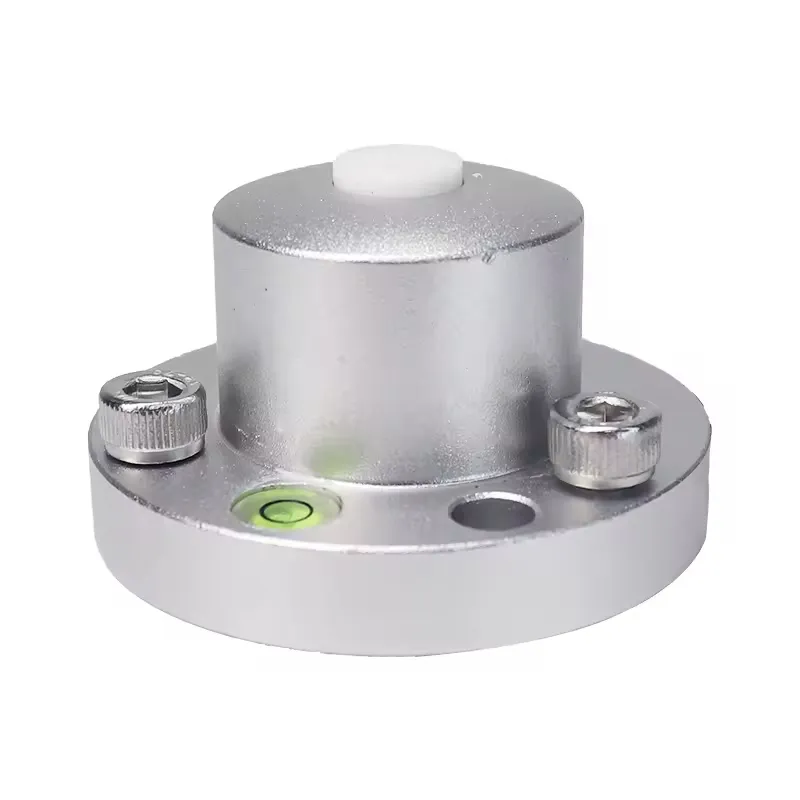
Os sensores solares funcionam medindo com precisão o ângulo de incidência solar e a intensidade da radiação através de mecanismos como o efeito fotoelétrico, termopilhas ou fotodíodos. Fornecem dados essenciais para sistemas como o controlo de atitude, o seguimento fotovoltaico e a monitorização meteorológica. Diferentes princípios de medição oferecem vantagens distintas em termos de precisão, velocidade de resposta e adaptabilidade ambiental, permitindo uma seleção flexível com base nos requisitos da aplicação.
Para a saída, os sensores solares fornecem sinais analógicos (0-5V / 4-20mA) e sinais digitais (RS485 / Modbus, SDI-12). Esta versatilidade acomoda diversas necessidades de integração no controlo industrial, transmissão remota de dados e monitorização de baixa potência, permitindo uma monitorização e controlo em tempo real estável e fiável.
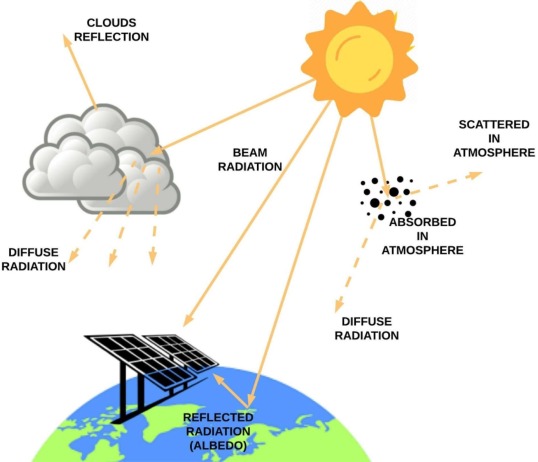
O que é a radiação solar? Guia completo de medição e monitorização
Tipos de sensores solares
Os sensores solares podem ser classificados em vários tipos com base nos seus princípios de medição e cenários de aplicação, cada um apresentando caraterísticas distintas em termos de precisão, velocidade de resposta, custo e compatibilidade do sistema. A compreensão destes tipos facilita a seleção do sensor mais adequado para requisitos específicos, permitindo assim uma monitorização eficiente da radiação solar e um controlo optimizado dos sistemas fotovoltaicos. De seguida, apresentam-se vários tipos comuns de sensores solares.
Sensor da radiação fotossintética ativa
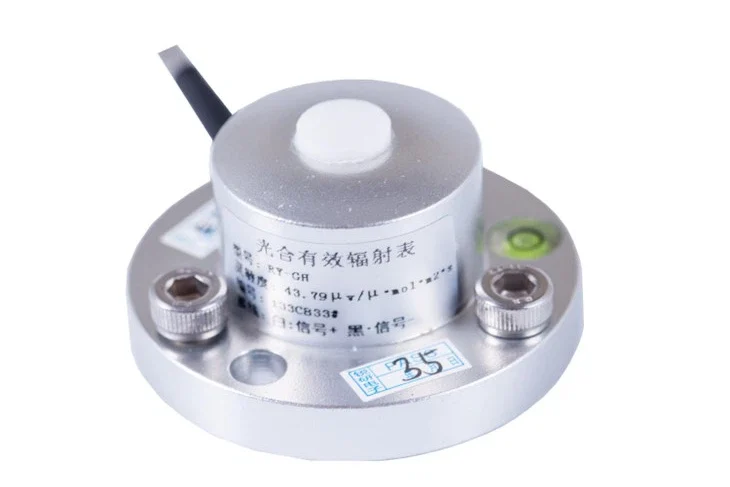
O Sensor da radiação fotossintética ativa (PAR) mede a intensidade da radiação fotossinteticamente ativa na gama de comprimentos de onda de 400-700 nm da luz natural. Utilizando um fotodetector de silício e um filtro ótico, o sensor emite um sinal de tensão proporcional à intensidade da luz incidente, com sensibilidade proporcional ao cosseno do ângulo da luz incidente (unidade: μmol/m²-s). Com uma estrutura simples, pode ser ligado diretamente a um contador digital ou a um registador de dados. Adequado para todas as condições climatéricas, é amplamente utilizado na observação meteorológica agrícola e na investigação do crescimento das culturas.
| Parâmetro | Especificação |
|---|---|
| Gama espetral | 400-700 nm |
| Sensibilidade | 7-70 μV / μ-mol-m²-s |
| Tempo de resposta | <1 s (resposta do 99%) |
| Dependência da temperatura | Máximo 0,05% / ℃ |
| Correção do cosseno | Até 80° de ângulo de incidência |
| Resistência interna | <2 kΩ |
| Ambiente de trabalho | Temperatura -40-65 ℃, Humidade <90% |
| Saída | 200 mV de saída original |
| Gama | 0-4000 μ-mol-m²-s |
| Cablagem (tipo de tensão) | Vermelho + Branco - |
| Cablagem (tipo de corrente) | Vermelho + Preto-Amarelo (4-20 mA) |
| Cablagem (tipo RS485) | Vermelho + Preto-Amarelo, Azul B |
| Comprimento padrão da cablagem | 1.5 m |
| Comprimento máximo do cabo | Corrente: 200 m, RS485: 100 m, Tensão: 50 m |
Medidor de radiação total TBQ-2C
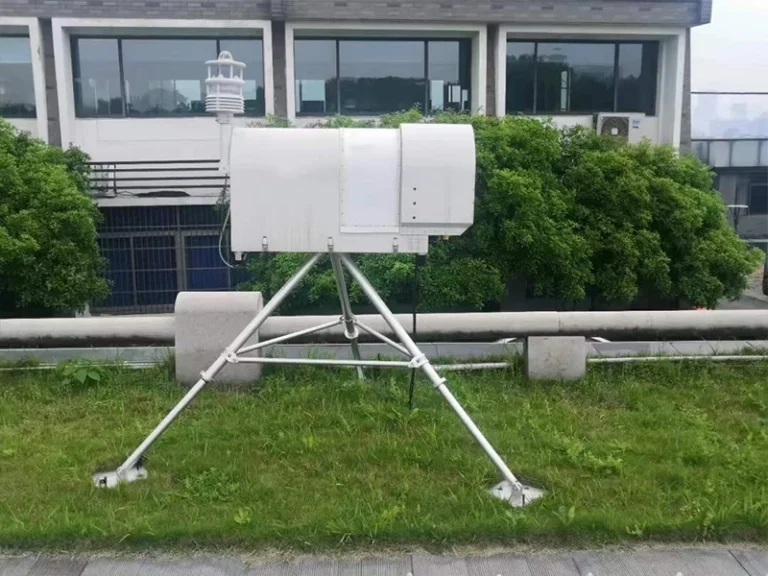
O Medidor de radiação total TBQ-2C mede a radiação solar total na gama de comprimentos de onda de 0,3-3,2 micrómetros. O seu componente principal é uma termopilha com fio de resposta rápida revestida com tinta preta mate da 3M. Gera uma saída de tensão termoeléctrica proporcional à intensidade da radiação solar através de diferenças de temperatura. O design de vidro de quartzo de camada dupla minimiza os efeitos de convecção do ar e bloqueia a radiação infravermelha externa, garantindo medições de alta precisão adequadas para monitorização meteorológica e investigação em energia solar.
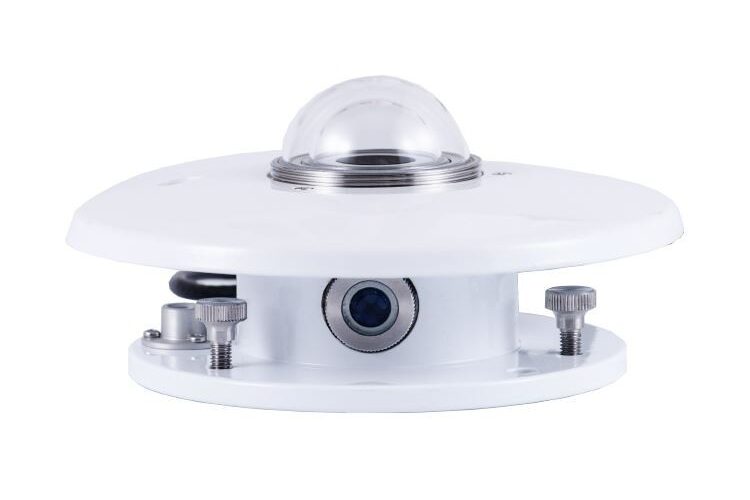
Especificações
| Parâmetro | Especificação |
|---|---|
| Sensibilidade | 7-14 mV/kW-m² |
| Tempo de resposta | <35 s (resposta do 99%) |
| Estabilidade anual | ≤ ±2% |
| Resposta do cosseno | ≤ ±7% (elevação solar de 10°) |
| Erro de posição | ≤ ±5% (elevação solar de 10°) |
| Não linearidade | ≤ ±2% |
| Gama espetral | 0,3-3,2 μm |
| Coeficiente de temperatura | ≤ ±2% (-10-40 ℃) |
RY-CZW Sensor de radiação ultravioleta RS/485
O sensor de radiação ultravioleta RY-CZW RS/485 mede com precisão a radiação ultravioleta solar atmosférica (banda UVAB). Fornece o índice UV, a dose de queimadura solar e informações sobre os efeitos ultravioleta na saúde humana e nos ecossistemas através de registadores de dados. Este instrumento é amplamente utilizado para monitorização da radiação ultravioleta, estudos de impacto ambiental e ecológico, análise de alterações climáticas e previsão de UV, fornecendo dados fiáveis para investigação científica e saúde pública.
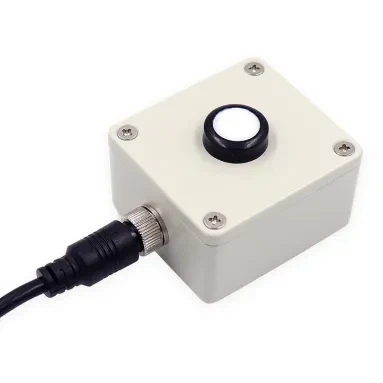
| Nome do produto | Sensor de radiação ultravioleta |
| Gama espetral | UVAB 280~400nm |
| Resposta do cosseno | ≤4% (quando o ângulo de altitude solar é de 30 graus) |
| Temperatura de funcionamento | -50℃~+50℃ |
| Gama de medição | 0~70 w/m-2 / Índice UV 0-15 |
| Tempo de resposta | ≤1s(99% resposta) |
| Saída | RS485 |
Aplicações dos sensores solares
Os sensores solares medem com precisão a intensidade da radiação solar e o ângulo de incidência, fornecendo suporte de dados em tempo real para diversos sistemas. As suas aplicações abrangem a monitorização meteorológica, a gestão da energia fotovoltaica, o controlo ambiental agrícola e a gestão urbana e de edifícios inteligentes. Estes sensores aumentam a eficiência do sistema, optimizam a utilização de recursos e permitem o controlo automatizado.
Estações meteorológicas
Nas estações de observação meteorológica, os sensores solares medem a intensidade da radiação solar e o índice UV, fornecendo dados de alta precisão para a previsão do tempo, investigação climática e monitorização ambiental. Isto apoia a modelação meteorológica e a análise climática a longo prazo.
Sistemas de monitorização solar fotovoltaica
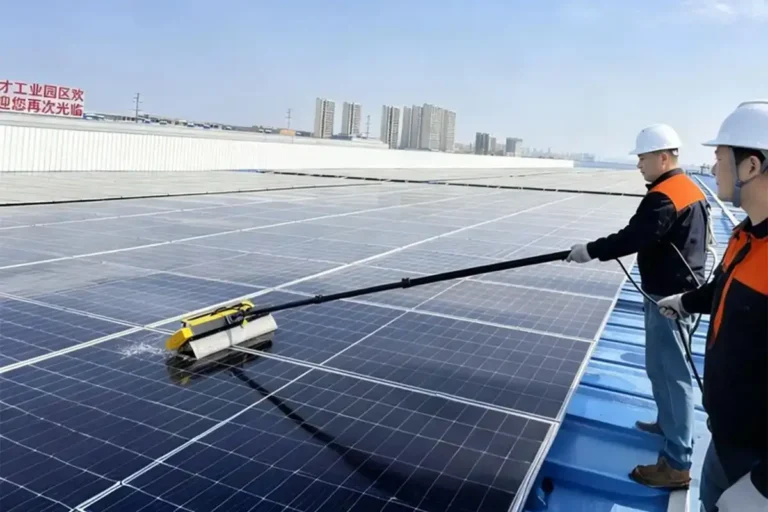
Os sistemas de monitorização solar fotovoltaica utilizam sensores solares para seguir a posição do sol e a intensidade da radiação em tempo real, permitindo um ajuste ótimo do ângulo dos painéis solares para aumentar a eficiência da produção de energia fotovoltaica. Também monitorizam o desempenho do sistema e facilitam o diagnóstico de falhas.
Monitorização do clima agrícola
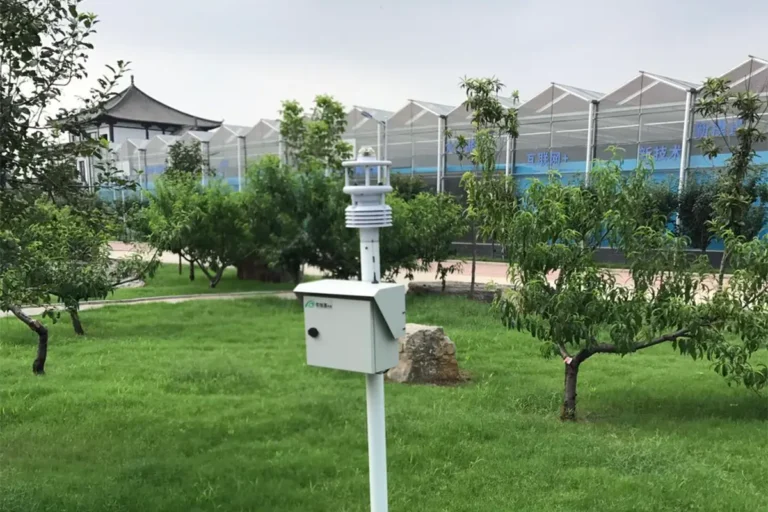
Na monitorização do clima agrícola, os sensores solares medem a radiação fotossinteticamente ativa (PAR), fornecendo dados de luz precisos para a investigação do crescimento das culturas, controlo ambiental de estufas e serviços meteorológicos agrícolas. Isto promove o crescimento eficiente das culturas e a otimização do rendimento.
Automação de edifícios e cidades inteligentes
Em edifícios e cidades inteligentes, os sensores solares permitem a monitorização da luz, o controlo inteligente da iluminação e a gestão da energia. Ao tirar partido dos dados em tempo real, optimizam a utilização de energia dos edifícios, regulam os ambientes de iluminação interior e monitorizam as condições urbanas, impulsionando o desenvolvimento ecológico e com baixas emissões de carbono.
Sensor solar vs piranómetro: Qual é a diferença?
Tanto os sensores solares como os piranómetros são instrumentos fundamentais para medir a radiação solar, mas diferem significativamente em termos de princípios de conceção, precisão, âmbito de aplicação e custo. Os sensores solares são normalmente económicos, com tempos de resposta rápidos, o que os torna adequados para rastreio fotovoltaico, sistemas de controlo inteligentes e monitorização em tempo real. Os piranómetros, por outro lado, são dispositivos de medição de nível profissional que oferecem elevada precisão e estabilidade. Cumprem normas internacionais como a ISO 9060 e são ideais para investigação científica, meteorologia e avaliação de radiação de alta precisão. A tabela de comparação abaixo resume as suas principais diferenças.
| Caraterística | Sensor solar | Piranómetro |
|---|---|---|
| Tipo | Utilização económica / industrial | Grau profissional / de investigação |
| Exatidão | Moderado, adequado para monitorização em tempo real | Alta precisão, estabilidade a longo prazo |
| Tempo de resposta | Rápido (milissegundos a segundos) | Mais lento (segundos a dezenas de segundos) |
| Âmbito de medição | Luz solar direta / Intensidade da luz | Radiação solar total (direta + difusa) |
| Saída | Sinal analógico, RS485, 4-20 mA | Sinal analógico (mV/W-m²) |
| Norma de certificação | Nenhuma norma obrigatória | Certificação ISO 9060 |
| Custo | Inferior | Mais alto |
Como escolher o sensor solar correto
Ao selecionar um sensor solar, considere o cenário de aplicação, o orçamento, os requisitos de precisão e o método de comunicação. Para sistemas fotovoltaicos ou automação de edifícios, são adequados sensores económicos com tempos de resposta rápidos. A investigação ou a monitorização meteorológica, no entanto, requerem equipamento de alta precisão e de nível profissional. O orçamento determina as caraterísticas disponíveis e os níveis de precisão; orçamentos mais elevados permitem a seleção de modelos com estabilidade superior a longo prazo. Escolha a precisão e a velocidade de resposta com base nos requisitos reais e confirme os protocolos de comunicação (sinal analógico, RS485, SDI-12 ou 4-20 mA) para garantir a compatibilidade com os sistemas existentes e uma transmissão de dados fiável.