Introdução
A poluição do ar tornou-se um dos desafios ambientais e industriais mais críticos em todo o mundo. Desde poeira de construção e emissões industriais até poluição atmosférica urbana e monitoramento de gases de efeito estufa, dados precisos da qualidade do ar são essenciais para conformidade, segurança e eficiência operacional. É aqui que as estações de monitoramento da qualidade do ar desempenham um papel fundamental. Esses sistemas medem continuamente poluentes no ar, convertem sinais físicos e químicos em dados digitais e transmitem resultados para plataformas de monitoramento em tempo real.
Mas como as estações de monitoramento da qualidade do ar realmente funcionam? Neste guia, detalhamos o princípio de funcionamento, componentes principais, tecnologias de sensores, métodos de processamento de dados e aplicações industriais dos modernos sistemas de monitoramento da qualidade do ar.

O que é uma estação de monitorização da qualidade do ar?
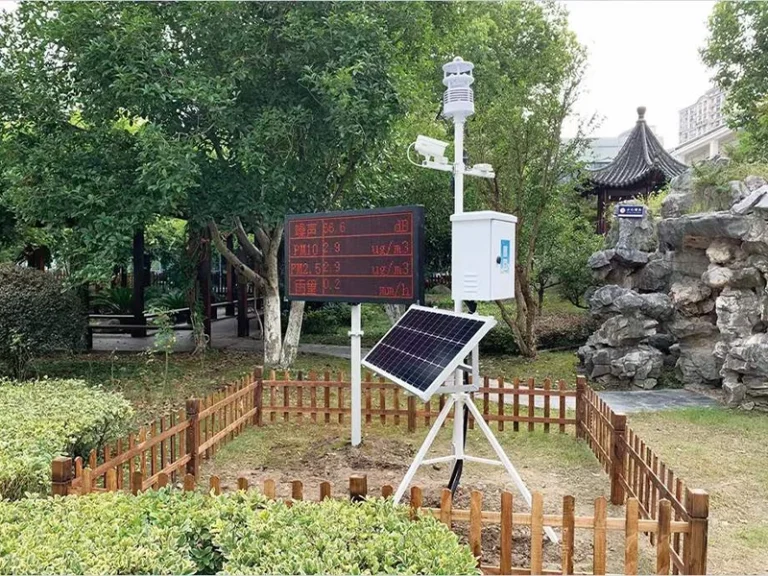
Um estação de controlo da qualidade do ar, também conhecidos como sistema de monitoramento da poluição do ar ou estação de monitoramento ambiental, é um sistema integrado projetado para medir continuamente poluentes atmosféricos e condições ambientais em tempo real. Ele combina sensores de material particulado, sensores de gás, sensores meteorológicos, registradores de dados e módulos de comunicação para coletar, analisar e transmitir dados ambientais. Estações modernas são amplamente utilizadas em instalações industriais, canteiros de obras, cidades inteligentes e projetos de proteção ambiental para apoiar o controle da poluição e a conformidade regulatória.
As estações de monitoramento da qualidade do ar funcionam detectando poluentes como PM2.5, PM10, CO, NO₂, SO₂, O₃ e VOCs, enquanto registram simultaneamente temperatura, umidade, velocidade do vento e outros parâmetros atmosféricos. De acordo com a Organização Mundial da Saúde (OMS), a poluição do ar contribui para aproximadamente 7 milhões de mortes prematuras globalmente a cada ano, destacando a importância do monitoramento ambiental confiável. Ao fornecer dados contínuos e precisos, esses sistemas ajudam as organizações a identificar fontes de poluição, avaliar riscos ambientais e tomar decisões operacionais informadas.
Para usuários industriais, uma estação de monitoramento da qualidade do ar industrial é mais do que um dispositivo de medição—é uma ferramenta crítica para a gestão ambiental. O monitoramento em tempo real permite a detecção precoce de emissões anormais, apoia a conformidade com regulamentações ambientais e ajuda a reduzir potenciais penalidades e riscos operacionais. Com a integração de IoT e plataformas em nuvem, as estações de monitoramento modernas também podem fornecer acesso remoto, alertas automatizados e análise de dados de longo prazo para uma supervisão ambiental mais eficiente.
Componentes da Estação de Monitoramento da Qualidade do Ar
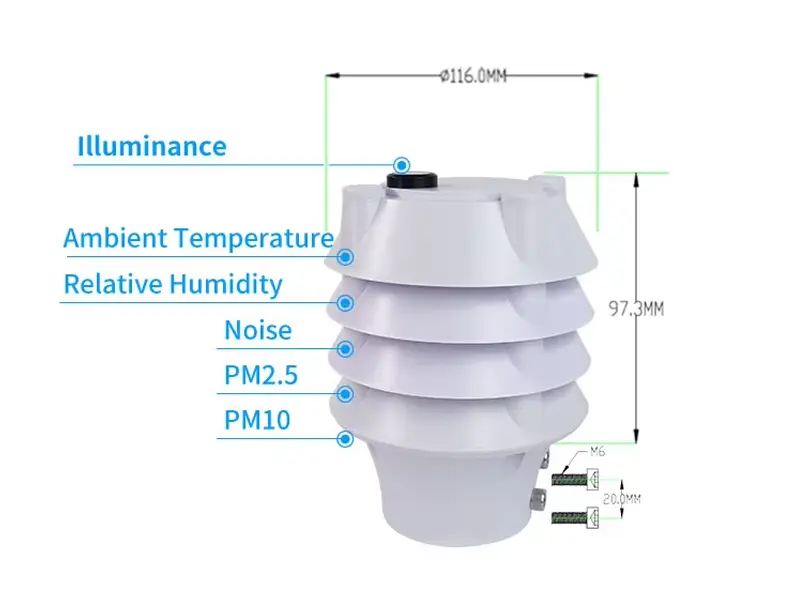
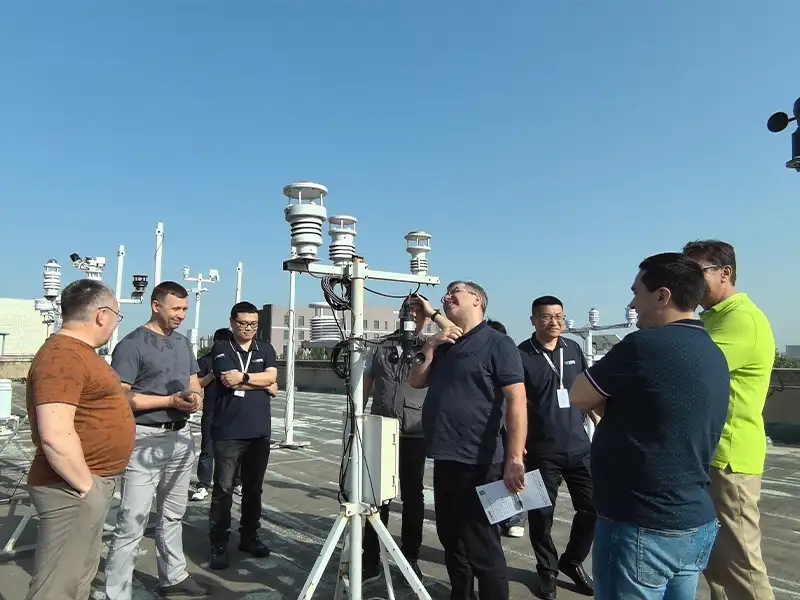
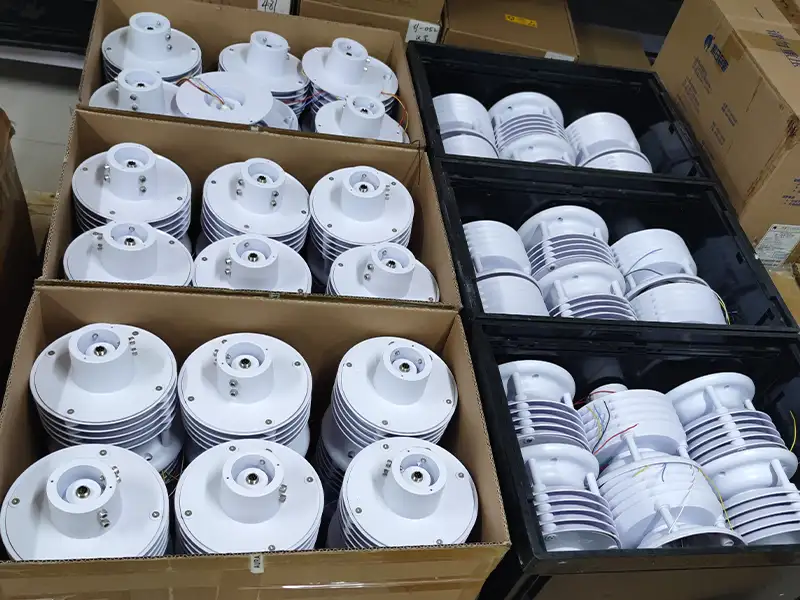
Uma estação de monitoramento da qualidade do ar é composta por vários componentes integrados que trabalham juntos para coletar, processar e transmitir dados ambientais. Embora as configurações variem dependendo da aplicação, a maioria dos sistemas inclui sensores de detecção de poluentes, sensores meteorológicos, dispositivos de aquisição de dados, módulos de comunicação e um invólucro de proteção.
Sensores de Material Particulado (PM)
Medem partículas transportadas pelo ar, como PM2.5 e PM10, para avaliar os níveis de poeira e poluição particulada.
Sensores de Gás
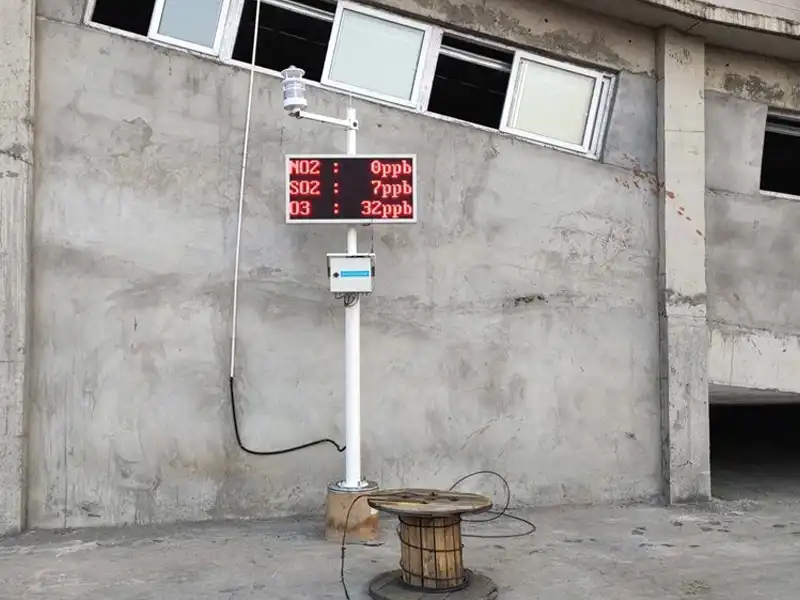
Detectam gases nocivos, incluindo CO, NO₂, SO₂, O₃, CO₂ e VOCs no ambiente circundante.
Sensores de Temperatura e Umidade
Monitoram a temperatura ambiente e a umidade relativa para apoiar a análise ambiental e a compensação do sensor.
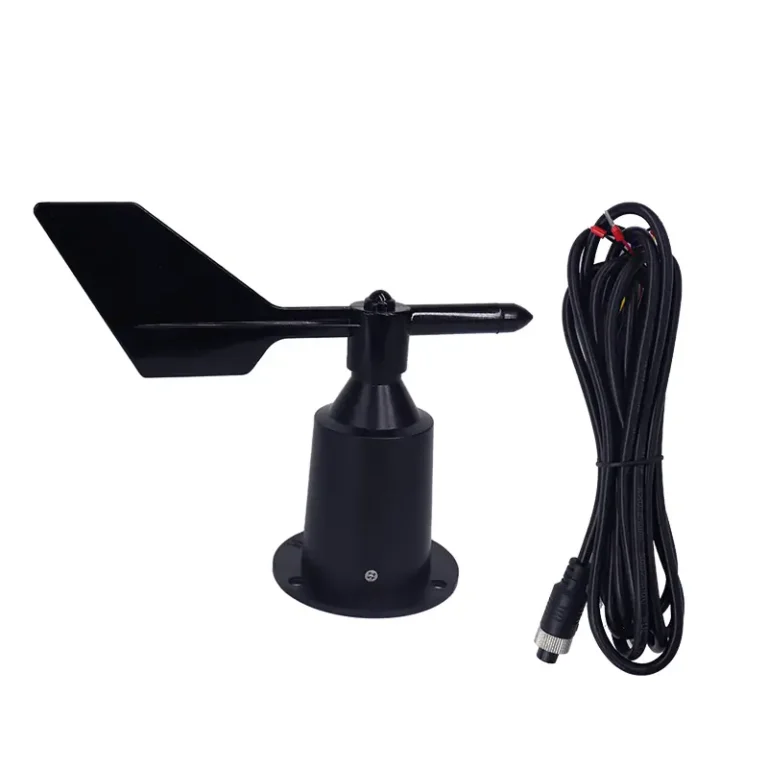
Sensores de Velocidade e Direção do Vento
Registram as condições do fluxo de ar para ajudar a identificar padrões de dispersão de poluentes e fontes de emissão.
Sensor de Pressão Atmosférica
Mede a pressão barométrica, fornecendo dados meteorológicos adicionais para avaliação ambiental.
Registrador de Dados e Controlador
Coleta dados de todos os sensores, processa as medições e gerencia as operações do sistema.
Módulo de Comunicação
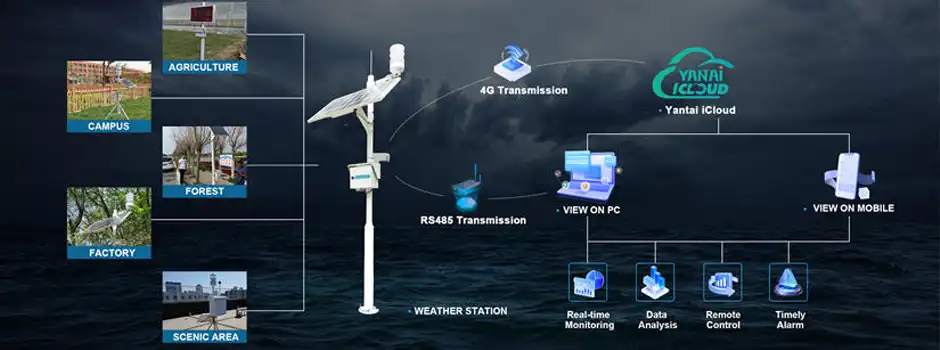
Transmite dados de monitoramento para plataformas em nuvem, centros de controle ou redes locais via RS485, 4G, Ethernet, LoRa ou outros protocolos.
Sistema de Alimentação Elétrica
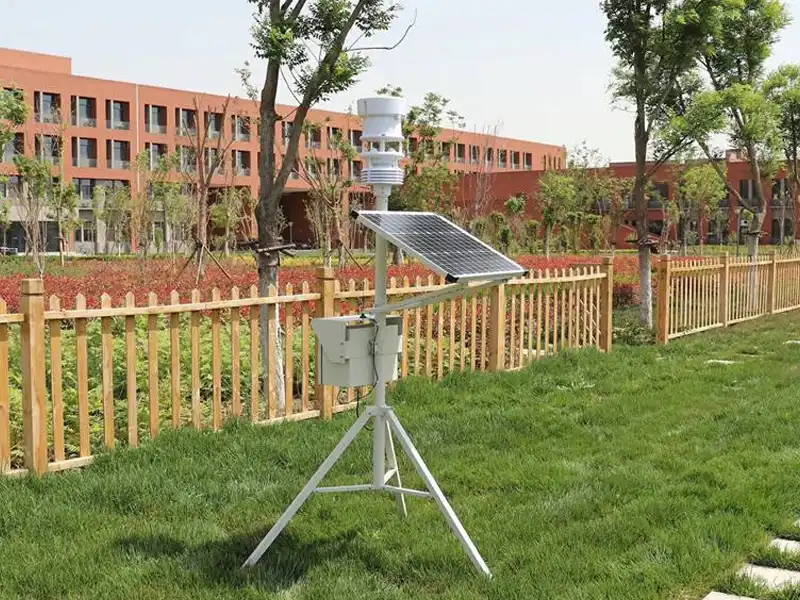
Fornece energia estável para operação contínua, normalmente através de energia CA, energia solar ou bateria de reserva.
Invólucro de Proteção Resistente às Intempéries
Protege os componentes eletrônicos e sensores internos contra chuva, poeira, exposição UV e condições ambientais adversas.
Plataforma de Software de Monitoramento
Exibe dados em tempo real, tendências históricas, relatórios e notificações de alarme através de interfaces web ou móveis.
Escolha estações de monitoramento ambiental confiáveis e faça parceria com a Yantai Sensor para soluções de monitoramento do ar totalmente personalizadas.
Como Funcionam as Estações de Monitoramento da Qualidade do Ar?
As estações de monitoramento da qualidade do ar operam através de um processo contínuo de amostragem de ar, detecção de poluentes, processamento de dados e transmissão de informações. Ao integrar sensores avançados, sistemas de aquisição de dados e tecnologias de comunicação, essas estações fornecem medições em tempo real de poluentes atmosféricos e condições ambientais. Os dados coletados permitem que agências ambientais, instalações industriais e operadores de cidades inteligentes avaliem a qualidade do ar, identifiquem fontes de poluição e respondam rapidamente às mudanças nas condições ambientais.
Etapa 1: Amostragem de Ar
O processo de monitoramento começa com a amostragem de ar. O ar ambiente é aspirado para dentro da estação de monitoramento através de difusão natural ou de uma bomba de amostragem ativa, dependendo da aplicação e dos requisitos de medição. Sistemas de nível industrial geralmente usam fluxo de ar controlado para garantir amostras representativas e leituras estáveis. Os intervalos de amostragem típicos variam de alguns segundos a vários minutos, permitindo o monitoramento contínuo das mudanças nas condições ambientais.
Diferentes tipos de locais têm diferentes funções:
- Estações Padrão de Monitoramento da Qualidade do Ar:
Geralmente alojadas em pequenas estruturas permanentes, essas estações são responsáveis pelo monitoramento de longo prazo da qualidade geral do ar urbano. - Estações de Monitoramento de Pequena Escala/Beira de Estrada:
Estas podem ser implantadas de forma flexível perto de fontes de poluição, como estradas e zonas industriais, para monitorar com precisão os gases de escape de veículos e a poluição localizada. - Super Estações de Monitoramento:
Capazes de monitorar simultaneamente mais de 150 tipos de poluentes, essas estações atendem às necessidades de rastreamento e análise detalhada de fontes de poluição.
Etapa 2: Detecção por Sensores
Uma vez que o ar entra na câmara de detecção, sensores especializados medem a concentração de poluentes. Sensores eletroquímicos são comumente usados para gases como CO, NO₂ e SO₂, enquanto sensores ópticos a laser detectam material particulado, incluindo PM2.5 e PM10. Sensores modernos de partículas a laser podem identificar partículas tão pequenas quanto 0,3 mícrons, permitindo um monitoramento de poluição altamente sensível tanto em ambientes urbanos quanto industriais.
| Componente | Princípios Técnicos Comuns | Lógica Central |
|---|---|---|
| Material Particulado (PM2.5/PM10) | Método de Dispersão de Luz | A concentração de material particulado é calculada medindo a intensidade da luz dispersada pelas partículas |
| Poluentes Gasosos (SO₂/NO₂/CO, etc.) | Sensores eletroquímicos | Moléculas de gás sofrem reações redox na superfície do eletrodo; a corrente resultante é diretamente proporcional à concentração |
| CO₂/Metano, etc. | Infravermelho Não Dispersivo (NDIR) | As concentrações são calculadas com base nas características de absorção de diferentes gases em comprimentos de onda infravermelhos específicos |
| COVs | PID (Detecção por Fotoionização) | Compostos orgânicos são ionizados por luz ultravioleta, gerando uma corrente; a intensidade da corrente corresponde à concentração de COVs |
Etapa 3: Conversão de Sinal
Os sinais gerados pelos sensores são inicialmente analógicos e não podem ser diretamente analisados ou transmitidos. O circuito de condicionamento de sinal do sistema amplifica, filtra e converte esses sinais analógicos em dados digitais por meio de um conversor analógico-digital (ADC). Esse processo melhora a estabilidade do sinal e minimiza interferências, garantindo que as medições de poluentes permaneçam precisas e consistentes.
Etapa 4: Processamento de Dados
Após a digitalização, o controlador ou microprocessador processa os dados coletados usando algoritmos integrados. Compensação de temperatura, correção de umidade, filtragem de ruído e calibração do sensor são aplicadas para melhorar a precisão da medição. Estações de monitoramento avançadas também podem realizar computação de borda, permitindo análise de dados e tomada de decisão preliminar diretamente no dispositivo antes da transmissão.
Etapa 5: Transmissão de Dados
Os dados processados são transmitidos para um servidor remoto, plataforma em nuvem ou centro de gestão ambiental por meio de tecnologias de comunicação como RS485, Ethernet, Wi-Fi, LoRaWAN ou redes 4G. Muitas estações de monitoramento industrial suportam atualizações de dados a cada 1–5 minutos, permitindo que operadores acessem informações de qualidade do ar quase em tempo real de praticamente qualquer local.
Etapa 6: Visualização e Alertas
A etapa final envolve a apresentação dos dados por meio de software de monitoramento, painéis, aplicativos móveis ou plataformas SCADA. Os usuários podem visualizar concentrações de poluentes em tempo real, tendências históricas e relatórios ambientais. Quando os níveis de poluentes excedem limites predefinidos, o sistema pode gerar automaticamente alarmes, enviar notificações ou acionar ações de resposta, ajudando as organizações a lidar com riscos ambientais potenciais antes que eles se agravem.
Tipos de Sensores Usados em Sistemas de Monitoramento da Qualidade do Ar
Diferentes sensores são usados dependendo dos poluentes que estão sendo medidos.
Sensores de Partículas a Laser
Usados para detecção de PM2.5 e PM10 com alta sensibilidade e resposta rápida.
Sensores de Gás Eletroquímicos
Usados para gases tóxicos como CO, NO₂ e SO₂. Eles oferecem alta seletividade e estabilidade.
Sensores de Gás Infravermelhos
Comumente usados para medição de CO₂ com base em princípios de absorção de luz.
Sensores de COVs
Detectam compostos orgânicos voláteis de emissões industriais ou solventes.
Sensores de Compensação Ambiental
Medem temperatura e umidade para melhorar a precisão geral do sistema.
Principais Poluentes Medidos em Estações de Monitoramento
As estações modernas de monitoramento da qualidade do ar são projetadas para rastrear os poluentes mais críticos que afetam a qualidade do ar, a saúde pública e a conformidade ambiental. Ao medir continuamente material particulado e gases nocivos, esses sistemas fornecem dados confiáveis para avaliação da poluição e gestão de emissões.
- PM2.5
Mede partículas finas transportadas pelo ar que podem penetrar profundamente nos pulmões e são um indicador chave da poluição do ar. - PM10
Monitora partículas de poeira maiores, comumente geradas por construção, mineração e atividades industriais. - Monóxido de Carbono (CO)
Detecta gás tóxico produzido por combustão incompleta de veículos e equipamentos industriais. - Dióxido de Nitrogênio (NO₂)
Mede emissões de tráfego e processos industriais que contribuem para a formação de smog. - Dióxido de enxofre (SO₂)
Monitora poluentes à base de enxofre liberados pela combustão de combustíveis fósseis e operações de fabricação. - Ozono (O₃)
Rastreia ozônio ao nível do solo, um poluente secundário formado através de reações químicas atmosféricas. - Compostos orgânicos voláteis (COV)
Detecta gases orgânicos emitidos por solventes, combustíveis, tintas e processos de produção industrial. - Parâmetros Meteorológicos
Temperatura, umidade, velocidade e direção do vento são frequentemente monitorados juntamente com poluentes para apoiar a análise de dados e a identificação de fontes.
Mecanismos de Processamento de Dados e Calibração
A precisão de uma estação de monitoramento da qualidade do ar depende não apenas do desempenho do sensor, mas também do processamento eficaz de dados e da calibração. Os sinais brutos do sensor são filtrados, corrigidos e validados antes de serem convertidos em dados ambientais confiáveis. Esses mecanismos ajudam a minimizar erros de medição, compensar influências ambientais e garantir estabilidade de monitoramento a longo prazo.
Filtragem de Sinal
Remove ruído elétrico e leituras instáveis para melhorar a consistência e confiabilidade dos dados.
Compensação de Temperatura e Umidade
Corrige medições do sensor afetadas por mudanças na temperatura e umidade ambiente.
Calibração do Sensor
Ajusta a saída do sensor em relação a padrões de referência para manter a precisão da medição ao longo do tempo.
Validação de Dados
Identifica valores anormais e garante que os dados reportados atendam aos requisitos de monitoramento.
Correção de Deriva
Compensa mudanças graduais no desempenho do sensor causadas por envelhecimento e exposição prolongada a condições ambientais.
Armazenamento e Análise de Dados
Processa e armazena dados históricos de monitoramento para análise de tendências, relatórios e avaliação ambiental.
Aplicações Industriais de Estações de Monitoramento da Qualidade do Ar
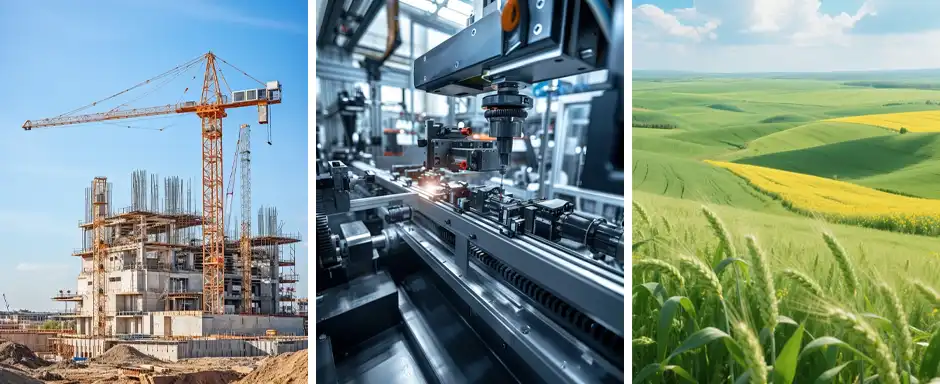
Estações de monitoramento da qualidade do ar industrial são amplamente implantadas em ambientes onde emissões, poeira e gases nocivos devem ser continuamente controlados. Esses sistemas fornecem dados em tempo real para conformidade, gestão de segurança e proteção ambiental em setores industriais chave.
Estaleiros de construção
Usado para monitorar emissões de poeira como PM2.5 e PM10, ajudando contratantes a controlar a poluição e cumprir regulamentações ambientais.
Manufatura Industrial
Rastreia emissões geradas durante processos de produção, apoiando a segurança no trabalho e a conformidade ambiental.
Operações de Mineração
Mede níveis de poeira e gás em alta concentração em ambientes adversos para garantir a segurança operacional e reduzir o impacto ambiental.
Usinas de Energia e Instalações de Energia
Monitora gases relacionados à combustão e emissões de partículas para atender a rigorosos padrões regulatórios.
Cidades inteligentes
Fornece dados em tempo real da qualidade do ar para gestão da poluição urbana e tomada de decisões ambientais.
Por que a Precisão é Importante em Sistemas de Monitoramento da Qualidade do Ar
A precisão é essencial em sistemas de monitoramento da qualidade do ar porque os dados são usados diretamente para regulamentação ambiental, controle industrial e decisões de saúde pública. Mesmo pequenos desvios de medição podem levar a avaliações incorretas de emissões ou não conformidade com padrões. Em aplicações industriais, leituras precisas garantem que níveis de poluentes como PM2.5, NO₂ e SO₂ sejam adequadamente avaliados, permitindo que operadores ajustem processos a tempo. Dados confiáveis também apoiam a análise de tendências de longo prazo e ajudam autoridades ou empresas a tomar decisões práticas com base em condições ambientais reais, em vez de valores estimados.
Benefícios das Estações de Monitoramento da Qualidade do Ar
A vantagem das estações de monitoramento da qualidade do ar é que elas permitem implantação em grade de alta densidade, fornecendo dados precisos e contínuos da qualidade do ar para apoiar o controle direcionado da poluição. Em comparação com equipamentos de monitoramento tradicionais, elas abordam questões como cobertura insuficiente e altos custos.
Monitoramento Ambiental em Tempo Real
Monitora continuamente mudanças nas concentrações de PM2.5, PM10 e gases para fornecer atualizações oportunas sobre as condições da qualidade do ar.
Apoia a Gestão de Conformidade
Ajuda empresas a cumprir regulamentações ambientais e reduzir o risco de penalidades resultantes de emissões excessivas.
Gestão de Segurança Aprimorada
Reduz riscos à saúde e segurança em operações industriais ao monitorar concentrações de gases perigosos e poeira.
Apoio à Análise de Fontes de Poluição
Combina dados como velocidade e direção do vento para identificar fontes de poluição e otimizar estratégias de controle de emissões.
Tomada de Decisão Baseada em Dados
Fornece dados ambientais de longo prazo para análise de tendências, otimização da produção e avaliações ambientais.
Suporte ao Monitoramento Remoto
Permite acesso remoto a dados via plataforma IoT, melhorando a eficiência da gestão e os tempos de resposta.
Como Escolher a Estação de Monitoramento da Qualidade do Ar Certa
A abordagem chave para selecionar uma estação de monitoramento da qualidade do ar é primeiro identificar os requisitos específicos da aplicação, depois focar em parâmetros e certificações principais e, finalmente, avaliar o custo do ciclo de vida total. Os critérios de seleção variam significativamente entre diferentes cenários de aplicação. A seguir, um guia de seleção organizado por cenário e dimensão:
| Caso de Uso | Requisitos Principais | Tipo de Dispositivo Recomendado | Requisitos Chave |
|---|---|---|---|
| Monitoramento Regional em Grade Governamental | Representatividade dos Dados e Estabilidade de Longo Prazo | Micro Estação do Ar | Suporta implantação de alta densidade, cobre parâmetros padrão como PM2.5, SO₂ e NOx, e é de baixo custo e compacta. |
| Parques Industriais/Emissões de Conformidade Corporativa | Rastreabilidade de Poluentes Característicos, Conformidade de Dados | Instrumentos de Monitoramento Online com Sistemas de Pré-tratamento | Deve monitorar poluentes característicos como VOCs e H₂S; altamente resistente a interferências; dados podem ser usados como base para ações de fiscalização |
| Residências Comuns/Pequenas Lojas de Varejo | Avaliação Diária da Qualidade do Ar Interno | Pequenas e Micro Estações de Monitoramento do Ar | O modelo básico cobre temperatura, umidade, PM2.5, PM10 e CO₂; parâmetros de formaldeído e TVOC podem ser adicionados conforme necessário. |
| Pesquisa/Testes de Emergência | Mobilidade Flexível, Resposta Rápida | Detectores Portáteis | Procure por sensores PID (Detecção por Fotoionização) (que oferecem maior precisão do que sensores semicondutores), com peso inferior a 5 kg e autonomia de bateria superior a 6 horas |
Tendências Futuras na Tecnologia de Monitoramento da Qualidade do Ar
Rede de Monitoramento Abrangente Baseada em Microrredes
A adoção generalizada de pequenos dispositivos de monitoramento integrados permitiu uma cobertura de alta densidade de ruas e parques industriais, preenchendo lacunas de cobertura deixadas por grandes estações de monitoramento nacionais e possibilitando o rastreamento preciso da poluição.
Rastreamento e Análise de Fontes com Big Data Impulsionados por IA
Aproveitando a inteligência artificial para calibrar automaticamente erros de sensores e prever caminhos de dispersão de poluentes, o sistema distingue com precisão entre fontes de poluição, como emissões industriais, poeira e escapamento de veículos, elevando a coleta de dados para análise inteligente.
Design Altamente Integrado, Multiparâmetro e Leve
Um único dispositivo integra sensores para material particulado, vários gases tóxicos e dados meteorológicos. Possui tamanho compacto, instalação fácil e é otimizado para operação externa de longo prazo usando energia solar com baixo consumo de energia.
Sistema de Alerta Abrangente Habilitado para IoT
Os dados são transmitidos em tempo real via redes sem fio 5G, permitindo conectividade perfeita entre dispositivos, plataformas regulatórias, telas de exibição em toda a cidade e sistemas de aplicação da lei. Quando os níveis de poluentes excedem os limites, o sistema aciona automaticamente alertas em vários níveis e suporta manutenção remota de dispositivos.
Monitoramento Padronizado e Integridade dos Dados
Refinamos os sistemas de calibração metrológica e rastreabilidade de dados, unificamos os padrões de teste de equipamentos e eliminamos dados de monitoramento falsificados. Os dados são integrados diretamente com plataformas digitais para aplicação da lei ambiental.
Soluções de Monitoramento Personalizadas para Cenários Específicos
Desenvolva equipamentos de monitoramento especializados para cenários como emissões de parques industriais, poeira de canteiros de obras, ecologia de áreas cênicas e qualidade do ar interno para atender a diversas necessidades regulatórias.
Serviços de Visualização Pública para Dados Ambientais
Os dados de qualidade do ar são disponibilizados publicamente e exibidos em tempo real via mini-programas e telas em toda a cidade, vinculados a avisos de viagem e saúde para promover a adoção generalizada do monitoramento ambiental pelo público.
Conclusão
As estações de monitoramento da qualidade do ar são ferramentas essenciais para a gestão ambiental moderna. Elas combinam tecnologias avançadas de sensores, processamento de dados em tempo real e sistemas de comunicação IoT para fornecer informações precisas e contínuas sobre a qualidade do ar.
De instalações industriais a cidades inteligentes, esses sistemas ajudam as organizações a monitorar a poluição, garantir conformidade e proteger a saúde pública. Entender como funcionam é o primeiro passo para selecionar o sistema certo para sua aplicação.
Se você não tem certeza de qual opção se adequa ao seu projeto, geralmente sugerimos falar diretamente com os engenheiros da Yantai Sensor. Em aplicações reais, uma breve discussão sobre a configuração do seu sistema geralmente pode economizar muito tempo e evitar erros de seleção dispendiosos posteriormente.