Introdução
许多太阳能电站运营商面临同样的挑战:项目投运后,预期发电量并不总是与实际输出相符。当发电量下降时,往往难以判断损失是由天气条件变化、灰尘积累、组件温度过高还是设备性能问题所致。缺乏可靠的环境数据,运营商可能会花费额外的时间和成本排查问题,却无法确定真正原因。.
正因如此,太阳能电站ROI监测对于长期光伏资产管理变得越来越重要。太阳能电站的盈利能力不仅取决于装机容量和设备可靠性,还取决于运营商如何有效理解和管理环境因素。准确的气象数据有助于识别性能损失、改进发电量评估、优化维护决策,并在项目全生命周期内降低不必要的运营成本。.
太阳能气象监测系统提供所需的环境洞察,以支持更明智的太阳能投资和运营决策。从项目开发前的太阳能资源评估到实时电站性能监测,准确的 辐照度 medição e otimização de O&M baseada no clima, diferentes tecnologias de monitoramento desempenham diferentes papéis na melhoria do retorno das usinas solares. Neste artigo, exploraremos como o monitoramento meteorológico impacta o ROI solar e como soluções como sistemas automáticos de medição de radiação solar, estações meteorológicas fotovoltaicas, sensores de radiação solar e sistemas de monitoramento de poeira ajudam a maximizar o desempenho energético de longo prazo.Para obter mais orientações práticas sobre seleção de sensores, posicionamento e coleta de dados ambientais em grandes usinas fotovoltaicas, consulte Soluções de Monitoramento Solar para Serviços Públicos.
气象监测如何影响太阳能电站ROI?
气象监测通过改进发电量分析、减少可避免的损失以及支持更高效的运维决策,直接影响太阳能电站ROI。由于太阳能收入取决于实际发电量和运营成本,准确的环境数据帮助运营商了解性能变化并及时采取行动,以维持稳定的能源输出。.
提高发电量准确性与收益预测
太阳能发电随环境条件变化,尤其是太阳辐照度和温度。气象监测提供辐射、温度及其他关键因素的准确数据,使运营商能够比较预期与实际能源输出。这改进了发电量预测,有助于识别异常性能,并为评估电站效率和收益潜力提供更准确的数据。.
识别并减少与天气相关的性能损失
灰尘积累、组件温度过高、季节变化和极端天气等因素可能降低太阳能电站输出。通过监测这些环境条件,运营商可以更好地判断性能损失是由天气因素、污垢还是设备问题引起。这使针对性措施得以实施,以减少能量损失并维持更稳定的电力生产。.
优化运维决策并降低运营成本
实时环境数据帮助运营商从固定维护计划转向基于状态的决策。例如,灰尘监测可以确定何时实际需要清洁,而气象数据有助于更有效的巡检规划。这减少了不必要的维护活动,降低了运营成本,并提高了整体运维效率。.
通过准确的资源评估降低太阳能电站ROI投资风险
在太阳能项目开始建设之前,准确评估当地太阳能资源对于估算未来发电量和财务收益至关重要。开发阶段收集的气象监测数据帮助投资者降低不确定性、改进可行性分析,并在选址和系统设计方面做出更可靠的决策。.
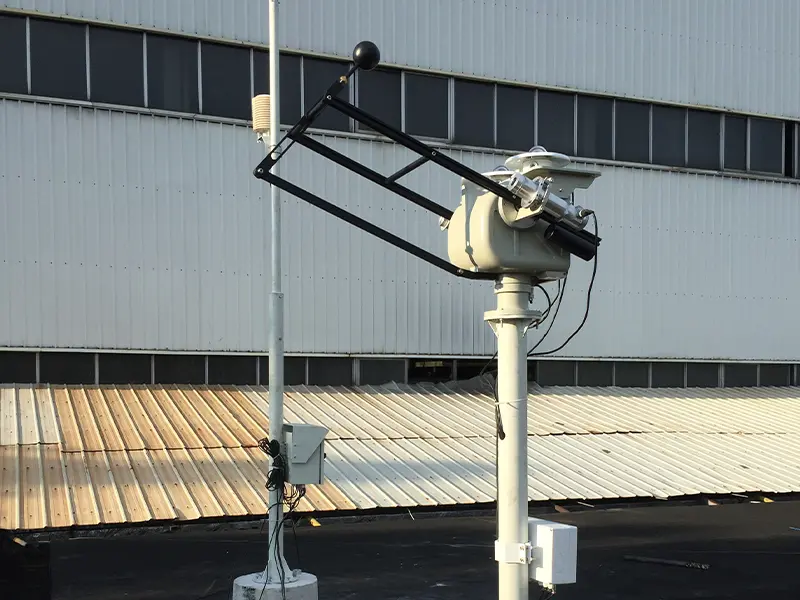
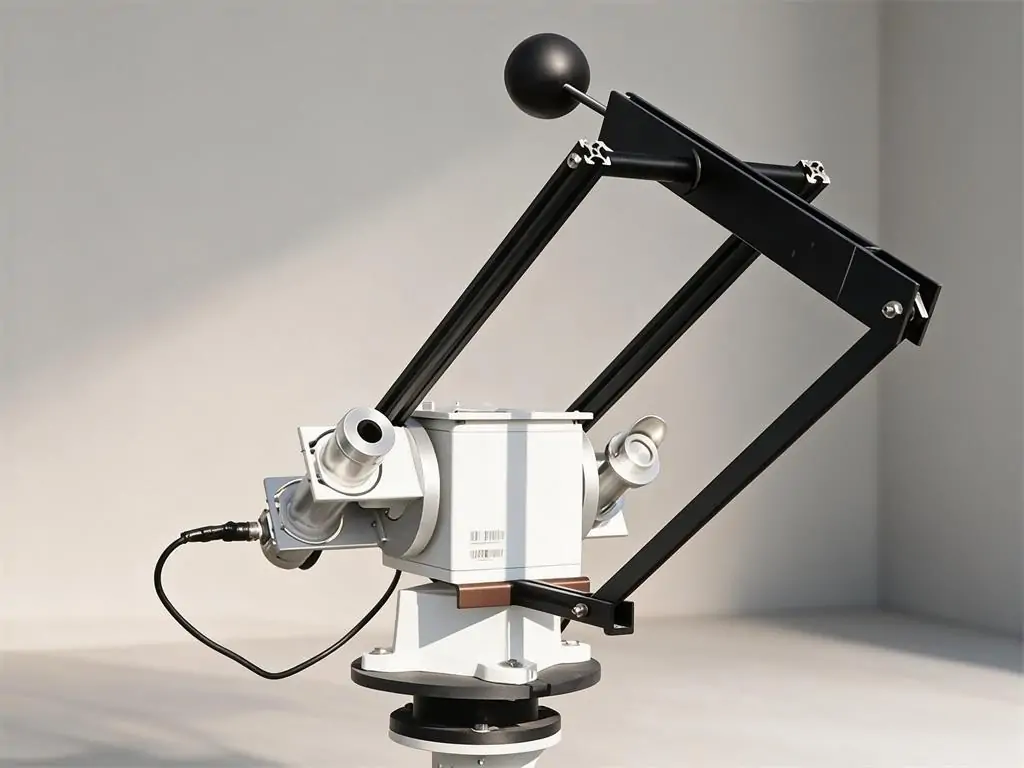
SAUT自动太阳辐射测量系统
在太阳能项目建设之前,准确的太阳能资源评估对于预测发电量和评估投资回报至关重要。. SAUT自动太阳辐射测量系统 通过自动跟踪太阳位置提供稳定的DNI、GHI和DHI数据,比固定测量方法提供更准确的太阳辐射分析。这帮助开发商改进选址、优化系统设计,并降低发电量预测和长期投资决策中的不确定性。.
通过实时气象监测提升太阳能电站ROI性能
太阳能电站投运后,持续的气象监测对于了解电站是否按预期运行至关重要。通过将环境条件与发电数据相结合,运营商可以识别性能变化、评估能量损失,并优化日常运营决策。.
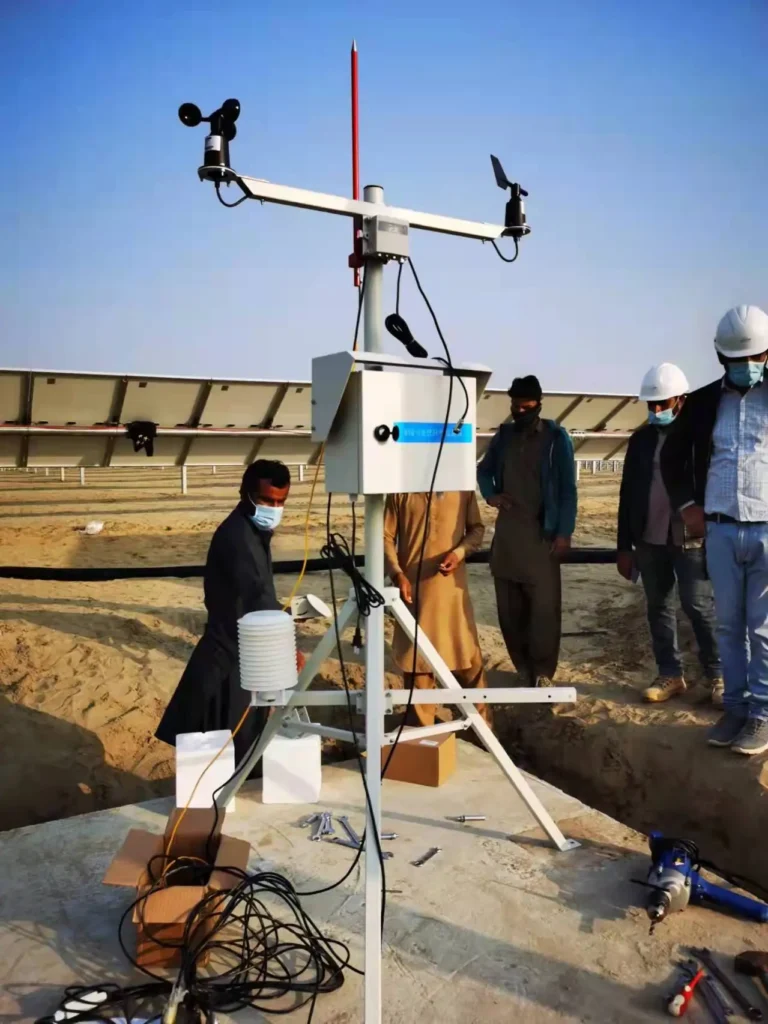
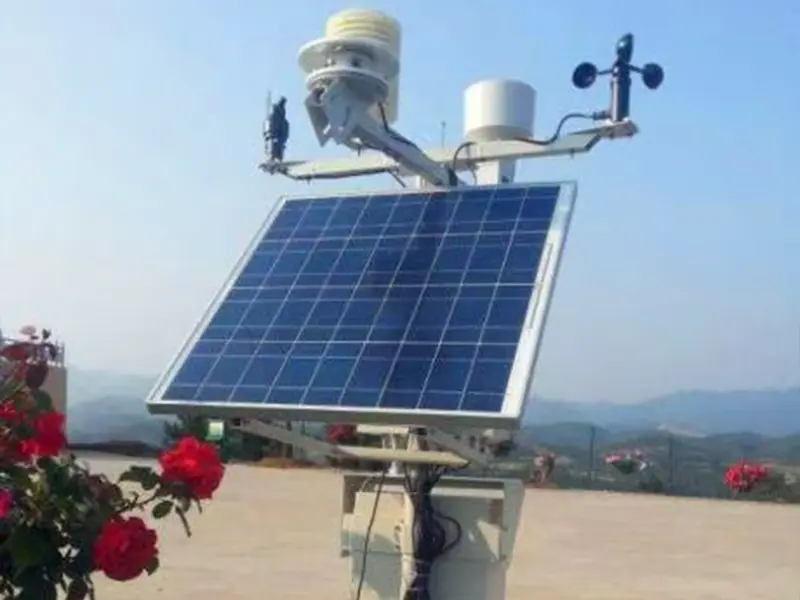
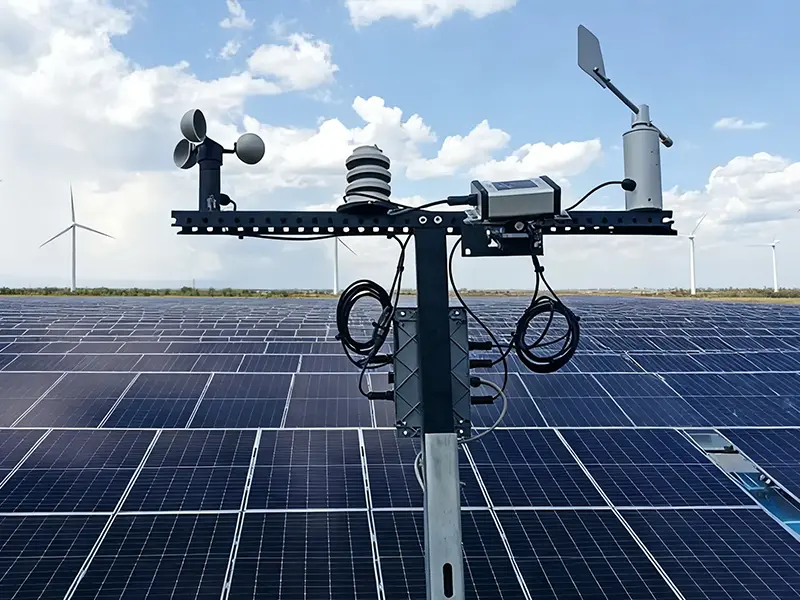
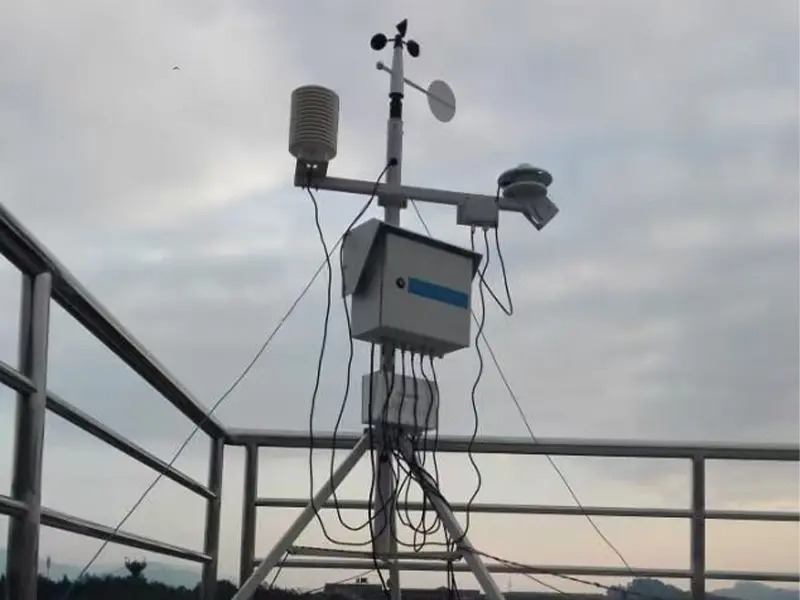
XF500S-CWB光伏紧凑型气象站
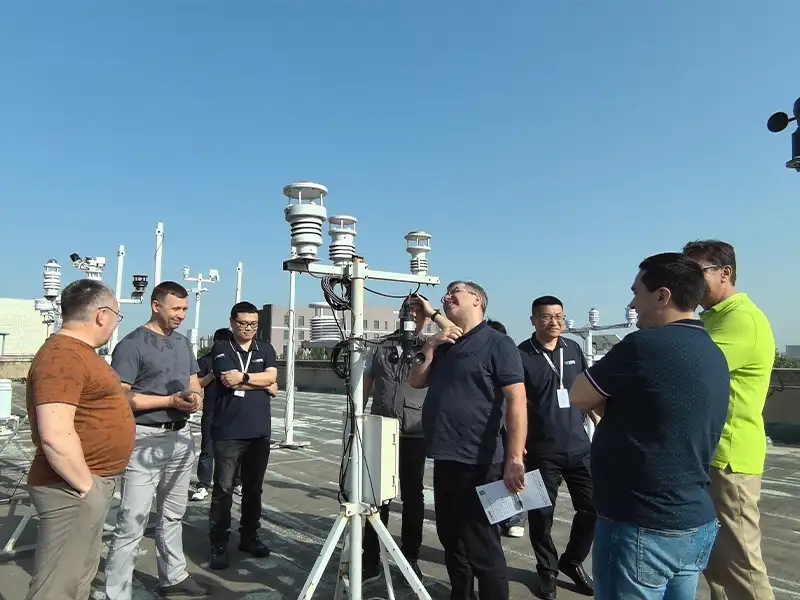
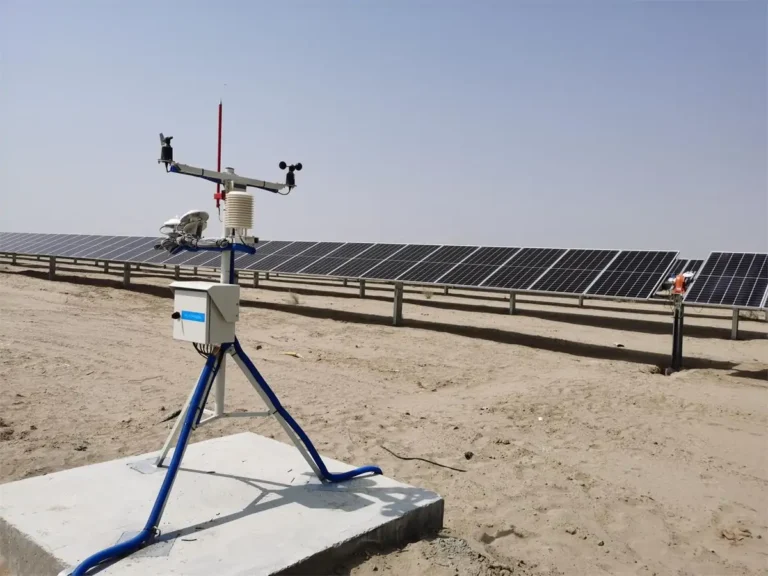
在太阳能电站运行期间,持续的环境监测帮助运营商评估实际性能并识别潜在的能量损失。. XF500S-CWB光伏紧凑型气象站 集成多个传感器,测量太阳辐照度、组件温度、环境温度、湿度、风速和风向等关键参数。通过将环境条件与发电数据关联,运营商可以更好地识别性能变化、优化维护决策,并在电站全生命周期内维持稳定的能源输出。.

通过准确的太阳辐照度测量改进太阳能电站ROI分析
可靠的太阳辐照度测量是评估光伏性能和验证太阳能电站是否接近预期发电潜力的基础。准确的辐射数据使运营商能够将环境影响与系统相关问题区分开来,并为长期ROI分析提供信心。.
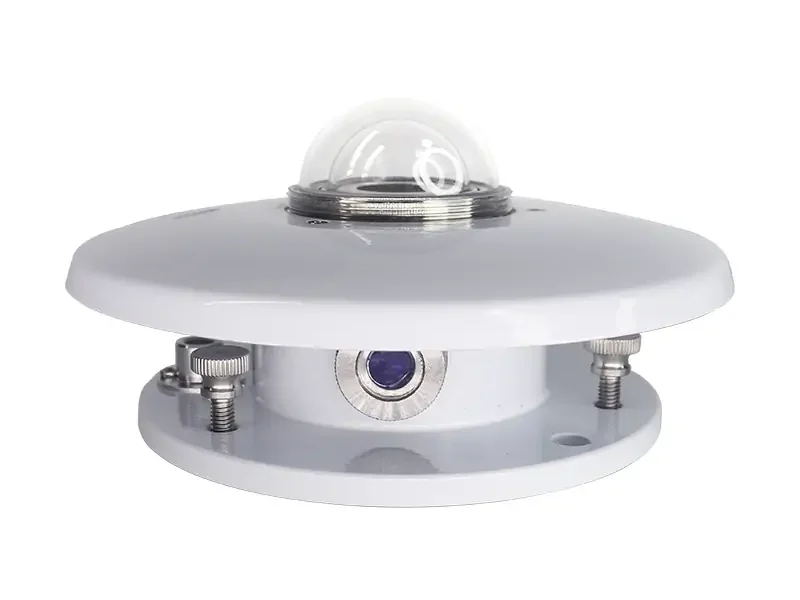
TBQ-2C总辐射表,用于一致的太阳辐射测量
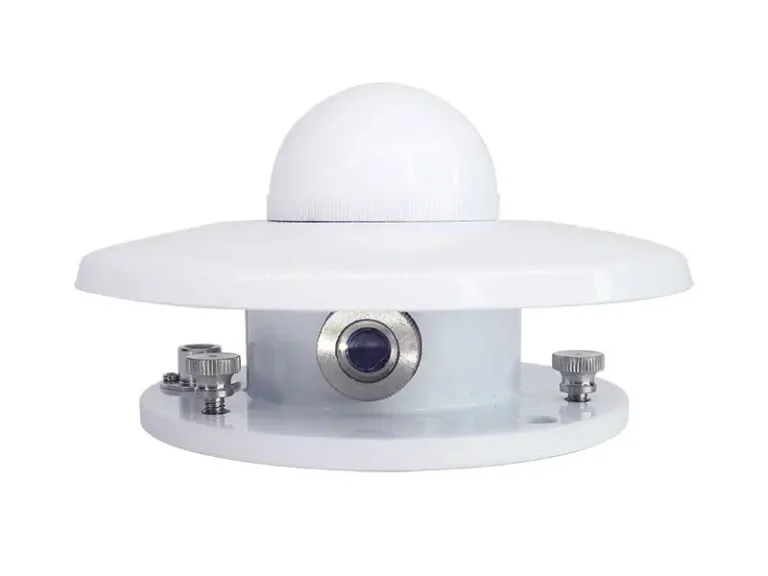
A precisão da medição da irradiância solar afeta diretamente a confiabilidade da avaliação de desempenho fotovoltaico e da análise de ROI. O Piranômetro TBQ-2C fornece dados precisos de radiação solar para avaliação de desempenho fotovoltaico, verificação de sistemas e aplicações de monitoramento. Ao comparar a produção real de energia com as condições de irradiância, os operadores podem identificar perdas potenciais causadas por fatores como degradação dos módulos, sombreamento e sujidade, permitindo uma análise de desempenho solar mais precisa e melhores decisões operacionais.
Reduza os Custos de O&M com Estratégias de Manutenção Baseadas no Clima
Durante a operação de longo prazo de usinas solares, as decisões de manutenção afetam diretamente a rentabilidade do projeto. Cronogramas fixos de limpeza podem gerar custos desnecessários de mão de obra, enquanto a limpeza atrasada pode permitir que o acúmulo de poeira reduza a produção de energia. Ao combinar dados meteorológicos, informações de monitoramento de poeira e análise de desempenho solar, os operadores podem desenvolver estratégias de manutenção baseadas em condições, otimizar cronogramas de limpeza e inspeção, reduzir despesas de O&M e fortalecer o retorno de longo prazo dos ativos fotovoltaicos.
Monitoramento do Índice de Poeira para Otimização de Limpeza Solar Baseada em Dados
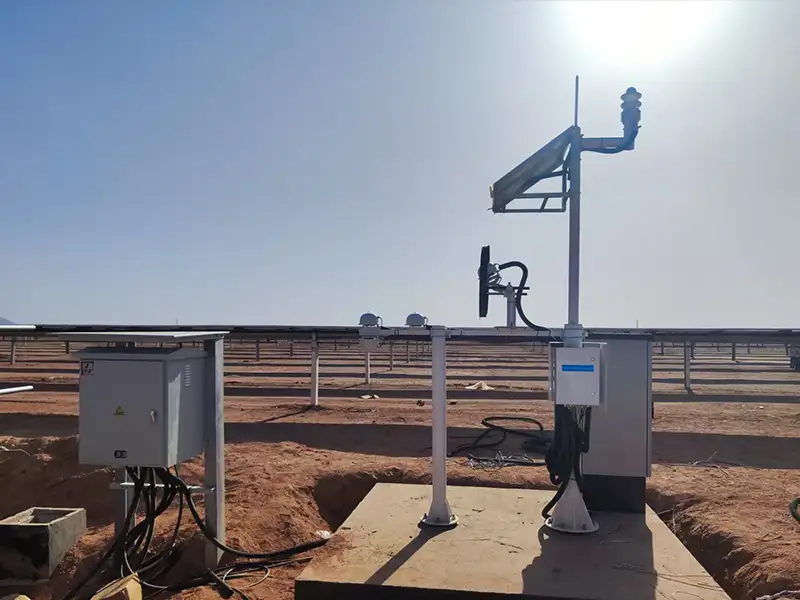
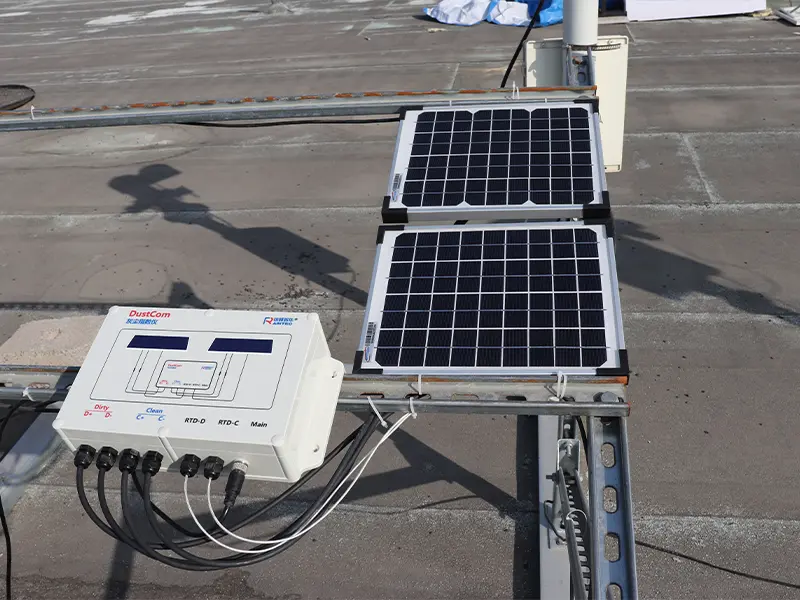
Cronogramas fixos de limpeza não conseguem refletir as condições reais de sujidade, pois o acúmulo de poeira varia conforme o clima, a localização do site e as mudanças sazonais. O Sistema de Monitoramento do Índice de Poeira Fotovoltaica DustCom mede o acúmulo de poeira nos módulos fotovoltaicos e converte os níveis de contaminação em um índice de poeira quantificável, permitindo que os operadores determinem quando a limpeza é necessária com base nas condições reais.
Monitoramento do Status de Poluição dos Módulos para Avaliação Precisa do Desempenho Fotovoltaico
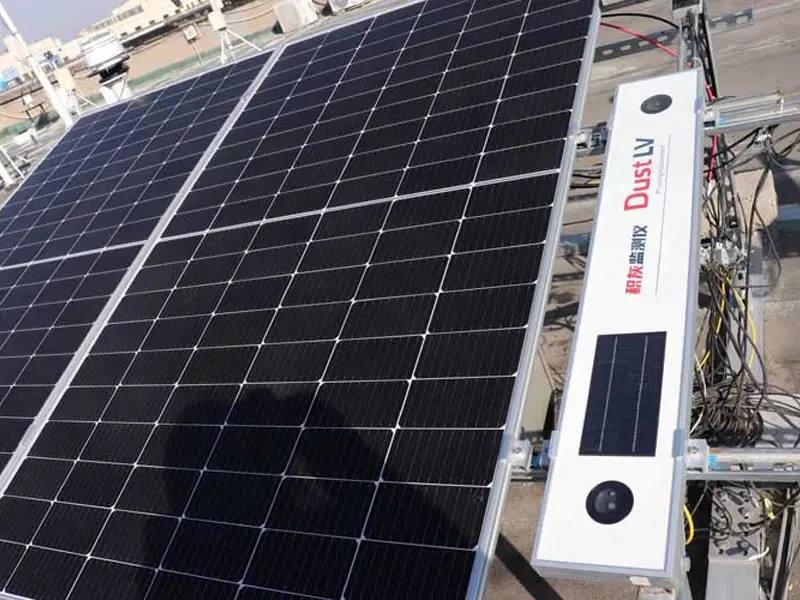
O Monitor de Status de Poluição de Módulos Fotovoltaicos DustLV utiliza tecnologia de medição óptica para avaliar as condições reais de poluição da superfície dos módulos, em vez de apenas rastrear tendências de acúmulo de poeira. Ele fornece uma visão mais clara de como a contaminação ambiental afeta o desempenho fotovoltaico, permitindo que usinas solares de grande porte identifiquem áreas prioritárias de limpeza e gerenciem os recursos de O&M de forma mais eficiente.
Parâmetros Meteorológicos que Influenciam o ROI de Usinas Solares
As condições climáticas afetam diretamente a geração de energia fotovoltaica, o desempenho dos equipamentos e os custos operacionais de longo prazo. O monitoramento de parâmetros ambientais chave permite que os proprietários de usinas solares compreendam as variações de desempenho, identifiquem perdas potenciais e tomem melhores decisões para a otimização do sistema.
| Parâmetro Meteorológico | Impacto no ROI Solar |
| Irradiação solar | Determina a disponibilidade de energia solar e o potencial de geração de eletricidade. |
| Temperatura do módulo | Afeta a eficiência fotovoltaica e a produção de energia. |
| Temperatura ambiente | Suporta a análise de desempenho térmico. |
| Velocidade do vento | Ajuda a avaliar riscos de segurança estrutural. |
| Precipitação | Auxilia na otimização de estratégias de limpeza. |
| Nível de Poeira | Identifica perdas por sujidade e necessidades de limpeza. |
| Humidade | Avalia o impacto ambiental na fiabilidade dos equipamentos. |
Configuração do Sistema de Monitorização Meteorológica para ROI de Centrais Solares
Diferentes projetos solares têm diferentes necessidades de monitorização, dependendo do seu tamanho, localização e objetivos operacionais. Um sistema de monitorização meteorológica adequado deve corresponder aos requisitos reais de cada projeto, fornecendo dados ambientais fiáveis para análise de desempenho, decisões de manutenção e melhoria do ROI a longo prazo.
Usinas Solares de Grande Escala
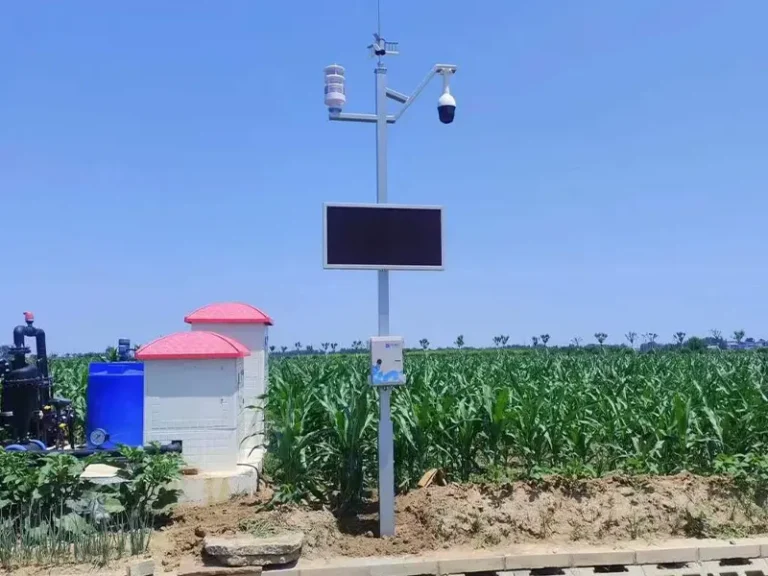
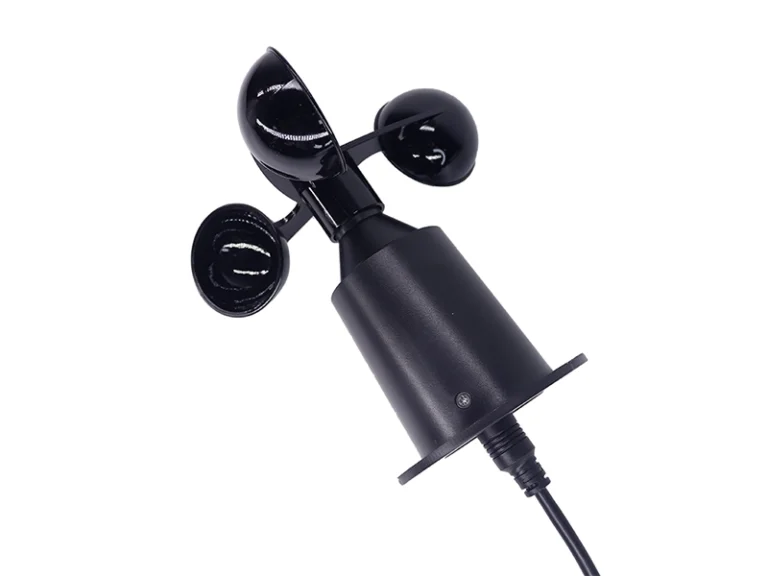
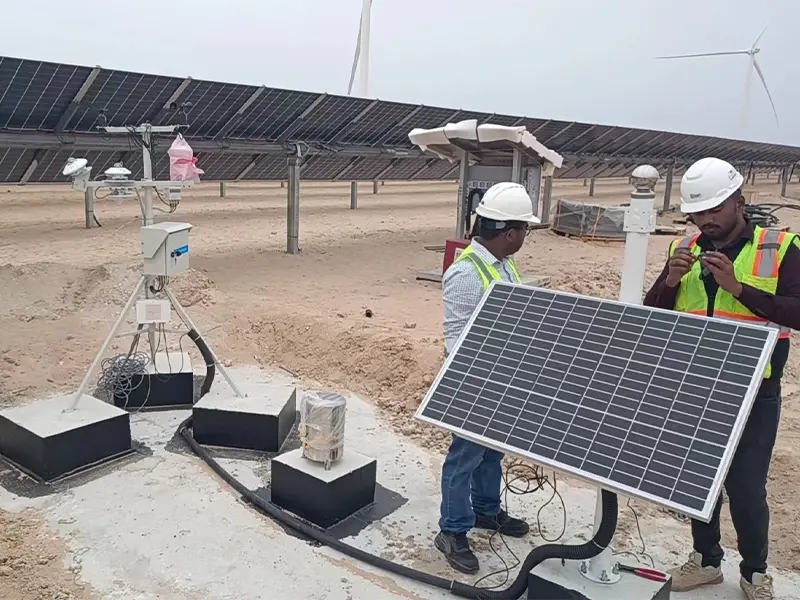
Centrais solares de grande escala exigem monitorização mais abrangente, porque pequenas perdas de eficiência podem afetar significativamente a receita energética global. Uma configuração completa que combine a Estação Meteorológica XF500S-CWB, piranómetro, sistema de monitorização de poeira e sensor de vento pode fornecer dados-chave como irradiância solar, temperatura, condições de vento e níveis de sujidade. Estas medições ajudam os operadores a avaliar o desempenho do sistema, identificar perdas potenciais, otimizar estratégias de O&M e melhorar a rentabilidade a longo prazo de grandes ativos fotovoltaicos.
Projetos Solares Comerciais e Distribuídos
Projetos solares comerciais de telhado e distribuídos geralmente focam-se em necessidades práticas de monitorização, controlando os custos de instalação. Uma solução compacta de monitorização meteorológica com sensores essenciais, como irradiância, temperatura e monitorização ambiental básica, é frequentemente suficiente para acompanhar as condições de geração de energia e detetar desempenho anómalo. Esta configuração leve é mais fácil de implementar em múltiplos locais e fornece suporte de dados fiável para operação e manutenção diárias.
Projetos de Pesquisa Solar e Ambientes Complexos
A avaliação de recursos solares e projetos em ambientes desafiadores exigem maior precisão de medição e recolha de dados estável a longo prazo. O Sistema Automático de Medição de Radiação Solar SAUT, combinado com sensores de radiação de alta precisão, fornece dados precisos de recursos para avaliação de projetos, design de sistemas e análise de desempenho. Para locais como projetos solares de montanha, agrícolas ou flutuantes, a monitorização adicional de vento, humidade e condições de poeira pode refinar ainda mais a compreensão dos impactos ambientais na produção de energia.
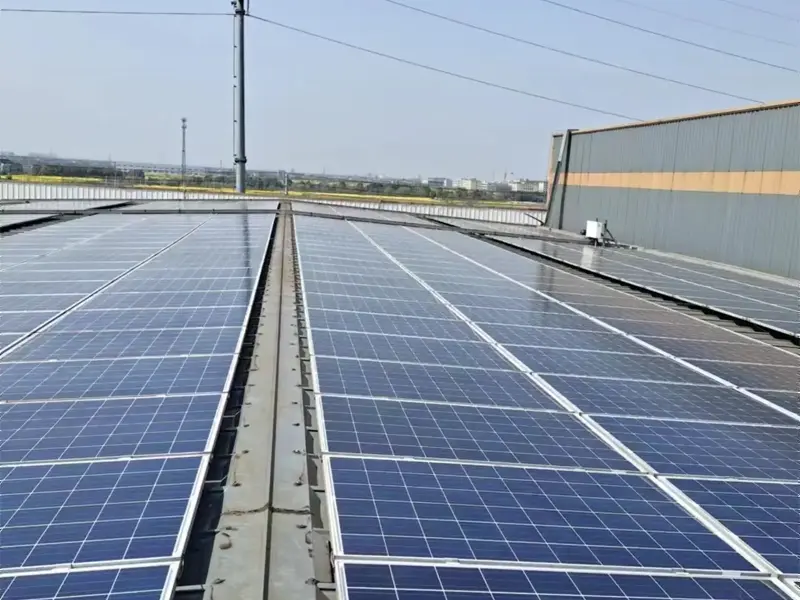
Porque é que a Monitorização Meteorológica é Essencial para a Gestão de Ativos Solares a Longo Prazo?
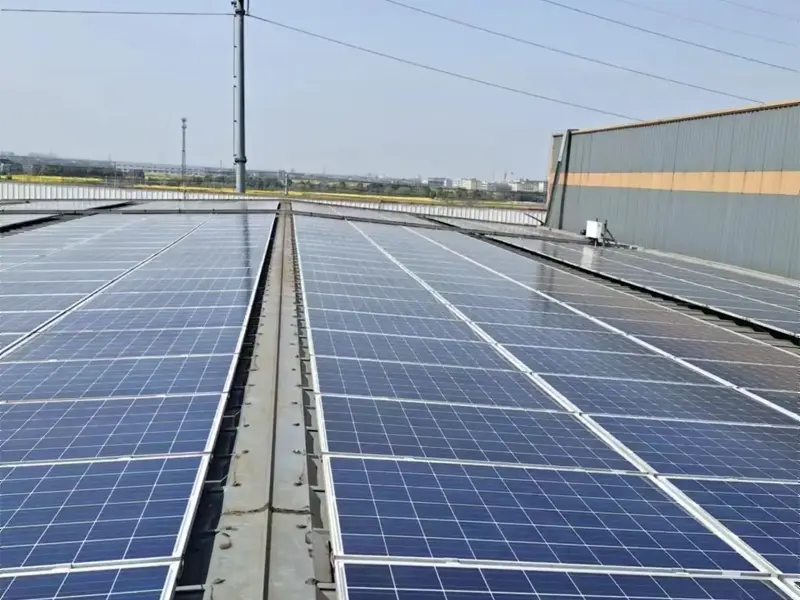
As centrais solares geralmente operam por mais de 25 anos, tornando a gestão de dados a longo prazo importante para proteger o valor dos ativos. Os dados de monitorização meteorológica não são apenas usados para operação diária, mas também fornecem uma referência histórica para avaliar tendências de desempenho, compreender mudanças no sistema e tomar decisões futuras sobre ativos.
Registos históricos de meteorologia e irradiância permitem que os operadores comparem a produção de energia real com o desempenho esperado em condições ambientais semelhantes. Ao longo do tempo, estes dados ajudam a identificar mudanças a longo prazo causadas por degradação de componentes, impactos ambientais ou problemas operacionais, fornecendo uma base valiosa para a avaliação de desempenho.
Os dados meteorológicos de longo prazo também auxiliam decisões futuras de investimento, incluindo atualizações de sistemas, planeamento de expansão e previsão de receitas. Na Yantai Sensor, acreditamos que dados ambientais fiáveis são a base da gestão eficiente de ativos solares, ajudando os proprietários de projetos a tomar decisões informadas e a maximizar o valor a longo prazo dos projetos fotovoltaicos.
Conclusão
O ROI de Centrais Solares é influenciado por mais do que a capacidade instalada. A monitorização meteorológica precisa fornece os dados necessários para melhorar a previsão de energia, reduzir perdas operacionais e ajustar decisões de manutenção ao longo do ciclo de vida do projeto.
Ao integrar medição de radiação solar, monitorização ambiental e análise de poeira, os operadores solares podem compreender melhor as mudanças de desempenho e alcançar retornos a longo prazo mais estáveis. A Yantai Sensor fornece soluções personalizadas de monitorização meteorológica solar para ajudar os proprietários de projetos a selecionar os sensores certos, aumentar a eficiência operacional e maximizar o valor dos seus ativos fotovoltaicos. Contactar-nos para discutir os seus requisitos de monitorização solar e encontrar a solução mais adequada para o seu projeto.