Введение
Погодные условия могут оказывать непосредственное влияние на производительность, безопасность и работоспособность оборудования. Будь то сельское хозяйство, солнечная энергетика, мониторинг состояния окружающей среды или промышленные операции — точные погодные данные помогают пользователям принимать своевременные и обоснованные решения.
Система мониторинга погодных условий предоставляет информацию в режиме реального времени о температуре, влажности, количестве осадков, скорости и направлении ветра, солнечной радиации и других ключевых погодных параметрах. Благодаря постоянному мониторингу местных погодных условий предприятия могут повысить эффективность своей работы, снизить операционные риски и оперативно реагировать на изменения погоды.
В этой статье мы рассмотрим основные преимущества систем мониторинга погодных условий и то, как данные о погоде в режиме реального времени способствуют повышению надежности и эффективности работы.
Что такое система мониторинга погодных условий?
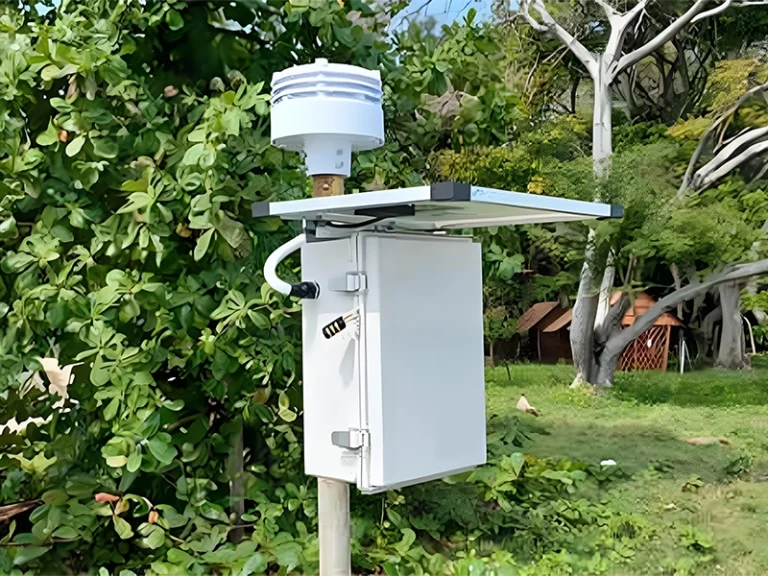
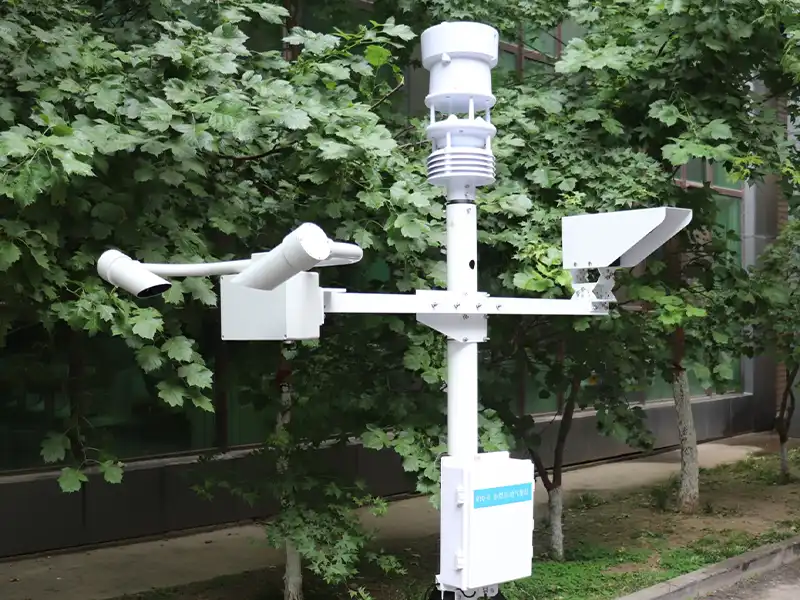
Система мониторинга погоды — это комплексное решение, используемое для сбора, регистрации и передачи данных о погоде в реальном времени с определённого местоположения. Она непрерывно измеряет ключевые метеорологические параметры, такие как температура, влажность, количество осадков, скорость ветра, направление ветра, солнечная радиация и атмосферное давление, обеспечивая точную локальную информацию о погоде для оперативного и экологического управления. Полноценная система мониторинга фотоэлектрических установок требует совместимых датчиков, надёжного сбора данных и подходящих мест установки. Наше руководство по установке системы мониторинга фотоэлектрических установок объясняет, как подключить эти компоненты и проверить сбор данных после установки.
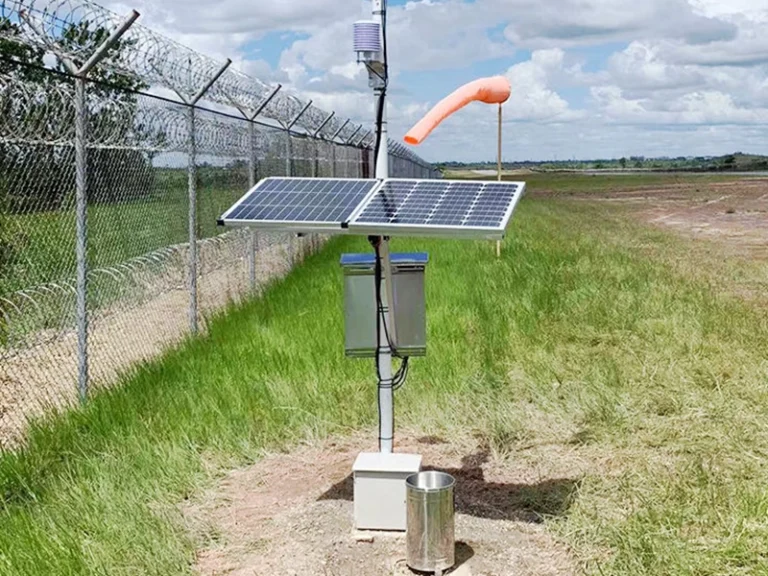
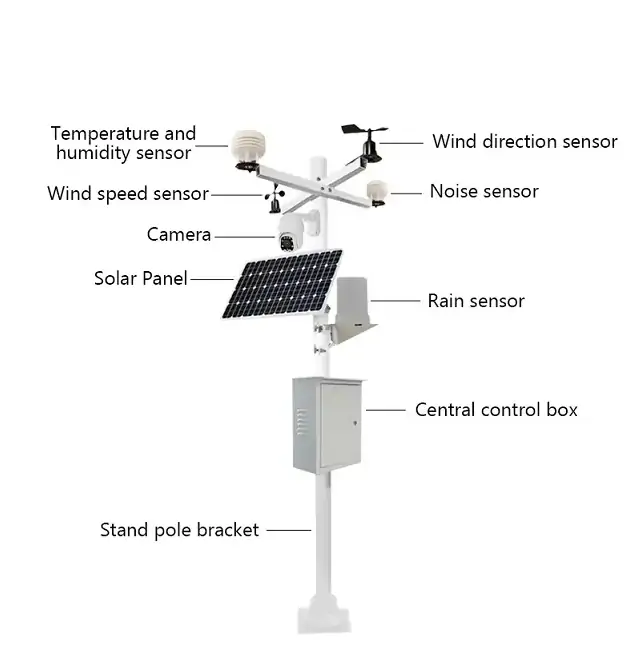
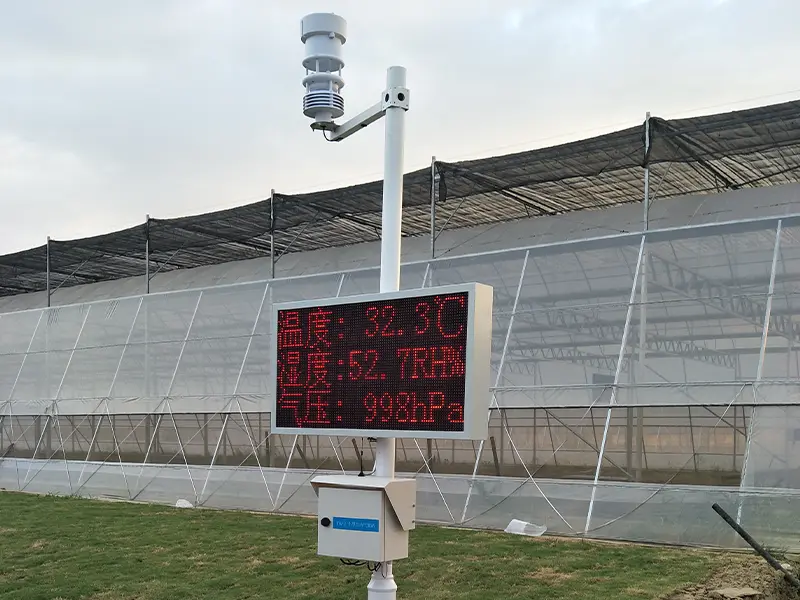
Типичная система состоит из метеодатчиков, регистратора данных, модуля связи и облачной платформы. Датчики собирают метеоданные, регистратор данных обрабатывает и сохраняет их, а модуль связи передает информацию на облачную платформу, где пользователи могут просматривать данные о погодных условиях в режиме реального времени, исторические записи и уведомления о тревогах с помощью компьютера или мобильного устройства.
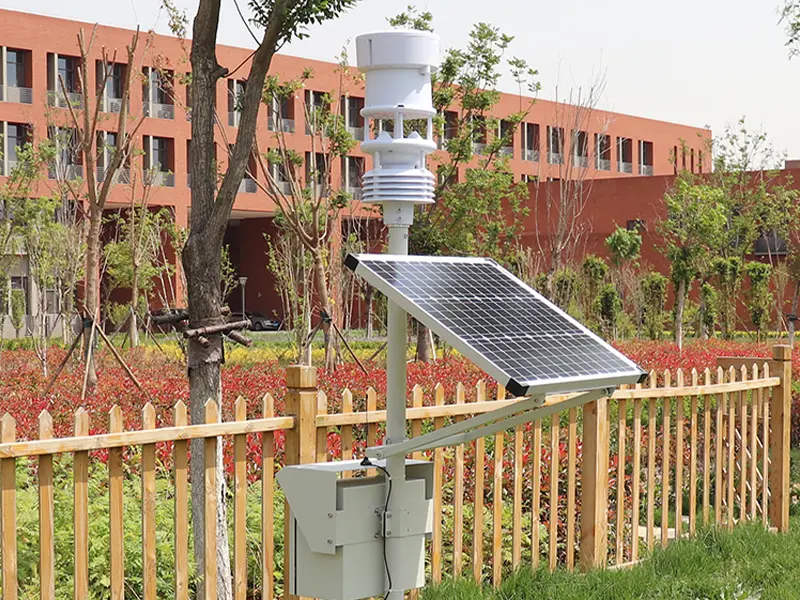
В случае удаленных установок системы мониторинга погодных условий часто оснащаются солнечной энергетической системой, включающей солнечную панель и аккумулятор. Это обеспечивает непрерывную работу без подключения к электросети, благодаря чему система подходит для использования в сельском хозяйстве, на солнечных электростанциях, в проектах по мониторингу состояния окружающей среды, на промышленных объектах и в других сферах применения на открытом воздухе.
Структура системы мониторинга погоды:
Датчики погоды → Регистратор данных → Модуль связи → Облачная платформа → Пользовательский интерфейс
Преимущества систем мониторинга погодных условий
Системы мониторинга погоды собирают метеорологические данные на уровне конкретного объекта в режиме реального времени, предоставляя операторам точную информацию о погодных условиях вместо того, чтобы полагаться на региональные прогнозы. Эти данные помогают принимать ежедневные решения, сокращают простои, связанные с погодными условиями, и улучшают оперативный контроль в сельском хозяйстве, на солнечных электростанциях, в экологических проектах и на промышленных объектах. Надежный метеорологический мониторинг на месте в настоящее время является стандартом для большинства видов деятельности, осуществляемых на открытом воздухе.
1. Сбор данных о погоде в режиме реального времени
Одним из главных преимуществ системы мониторинга погодных условий является её способность непрерывно и автоматически собирать погодные данные. Датчики круглосуточно отслеживают такие ключевые параметры, как температура, влажность, количество осадков, скорость и направление ветра, а также солнечная радиация.
В отличие от ручных наблюдений, автоматизированные системы обеспечивают непрерывный сбор данных и их передачу в режиме реального времени, благодаря чему операторы всегда имеют доступ к актуальной информации о погодных условиях.
2. Более высокая точность по сравнению с обычными прогнозами погоды
Общедоступные прогнозы погоды, как правило, основываются на региональных метеорологических моделях и могут неточно отражать условия в конкретном месте. Система мониторинга погоды собирает данные непосредственно с места установки, что позволяет получить гораздо более четкое представление о местном микроклимате.
Например, на двух солнечных электростанциях, расположенных всего в 10 км друг от друга, скорость ветра, облачность и уровень солнечной радиации могут значительно различаться. Измерения, проводимые непосредственно на объекте, помогают операторам принимать решения, основываясь на фактических условиях, а не на обобщённых прогнозах.
3. Система раннего оповещения об экстремальных погодных явлениях
Мониторинг в режиме реального времени позволяет операторам выявлять аномальные погодные условия до того, как они превратятся в серьезные операционные риски. Системы мониторинга погоды могут выдавать предупреждения о сильных дождях, штормах, заморозках, тепловых волнах и сильных ветрах.
Система раннего оповещения дает командам ценное время для защиты оборудования, корректировки рабочих процессов и принятия экстренных мер, что позволяет сократить как ущерб имуществу, так и непредвиденные простои.
4. Повышение эффективности принятия оперативных решений
Точные метеорологические данные способствуют повседневному оперативному планированию во многих отраслях. Руководители могут использовать метеорологическую информацию в режиме реального времени для планирования полива, уборки урожая, строительных работ, технического обслуживания оборудования и диспетчеризации энергосистемы.
Опираясь на фактические данные, а не на предположения, организации могут повысить эффективность, снизить степень неопределённости и принимать более взвешенные операционные решения.
5. Повышение эффективности работы солнечной электростанции
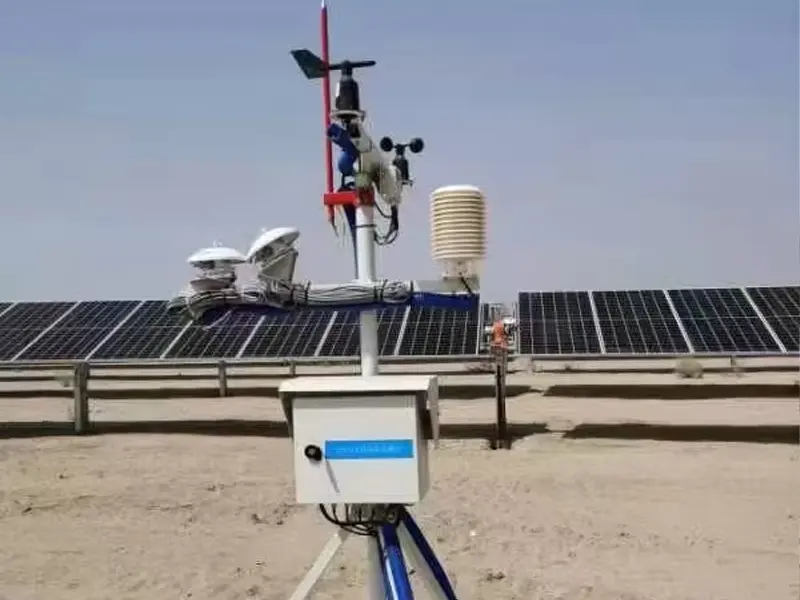
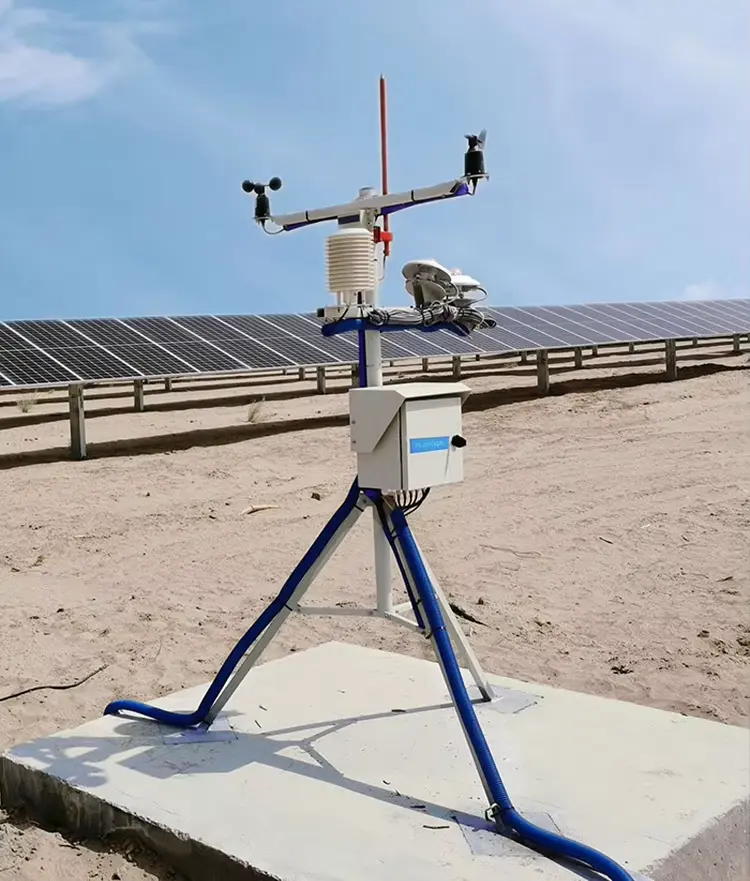
Системы мониторинга погодных условий играют ключевую роль в эксплуатации солнечных электростанций и анализе их производительности. Такие ключевые параметры, как интенсивность солнечного излучения, температура модулей, температура окружающей среды и скорость ветра, напрямую влияют на выходную мощность фотоэлектрических систем.
Эти измерения широко используются для анализа коэффициента производительности (PR), прогнозирования выработки энергии и диагностики неисправностей. Точные метеорологические данные помогают операторам выявлять неэффективно работающее оборудование и оптимизировать эффективность работы станции.
Подробные технические характеристики системы см. в нашем Станция мониторинга погодных условий для солнечной электростанции.
6. Сокращение потребления воды в сельском хозяйстве
Системы мониторинга погодных условий помогают фермерам оптимизировать графики орошения на основе данных об осадках, эвапотранспирации (ET), влажности почвы и температуре.
Поливая только по мере необходимости, сельхозпроизводители могут повысить эффективность орошения, сократить потери воды и снизить затраты на перекачку и эксплуатацию, при этом обеспечивая здоровый рост сельскохозяйственных культур.
7. Улучшение защиты сельскохозяйственных культур
Погодные условия тесно связаны со здоровьем и урожайностью сельскохозяйственных культур. Постоянный мониторинг помогает фермерам заблаговременно предвидеть заморозки, развитие болезней и вспышки вредителей, прежде чем будет нанесен значительный ущерб.
Своевременные профилактические меры позволяют сократить потери урожая, повысить качество урожая и снизить необходимость в экстренных мерах в критические периоды вегетации.
8. Удаленный мониторинг из любого места
Современные метеостанции поддерживают различные технологии связи, в том числе 4G, LoRaWAN, NB-IoT и сети Ethernet. Доступ к данным можно получить удаленно через облачные платформы, без необходимости выезда на место.
Пользователи могут отслеживать погодные условия с помощью веб-панелей управления, мобильных приложений, уведомлений по электронной почте и SMS-оповещений, что позволяет оперативно реагировать на ситуацию независимо от местонахождения.
9. Снижение долгосрочных эксплуатационных расходов
Автоматизированный мониторинг погодных условий снижает необходимость в ручных выездных проверках и рутинном сборе данных. Непрерывный удаленный доступ позволяет свести к минимуму трудозатраты, одновременно повышая точность и согласованность данных.
В течение всего срока эксплуатации системы сокращение трудозатрат, уменьшение количества выездов на объект и повышение эффективности работы зачастую приводят к снижению общих эксплуатационных расходов.
10. Непрерывная регистрация исторических данных
Помимо мониторинга в режиме реального времени, метеостанции формируют базу данных о местных метеорологических условиях за длительный период. Исторические данные помогают организациям анализировать климатические закономерности, оценивать сезонные тенденции и обеспечивают основу для прогнозного планирования.
По мере накопления данных с течением времени они становятся ценным ресурсом для оптимизации операционной деятельности и повышения эффективности принятия решений в будущем.
11. Обеспечение соблюдения природоохранного законодательства
Многие проекты по мониторингу состояния окружающей среды требуют точных метеорологических данных для составления отчетности и обеспечения соблюдения нормативных требований. Системы мониторинга погодных условий, как правило, интегрируются в сети мониторинга качества воздуха, программы экологической оценки и научно-исследовательские проекты.
Надежные метеорологические данные помогают организациям соблюдать стандарты мониторинга и подтверждать соответствие экологическим нормам.
12. Масштабируемость для различных отраслей
Системы мониторинга погодных условий могут быть адаптированы для использования в самых разных сферах применения и условиях эксплуатации. К числу наиболее распространенных отраслей относятся:
- Солнечная энергия
- Сельское хозяйство
- Умные города
- Мониторинг окружающей среды
- Управление водными ресурсами
- Транспортная инфраструктура
Их гибкая конструкция позволяет организациям выбирать датчики, способы связи и программные функции, соответствующие конкретным требованиям проекта.
Как выбрать подходящую систему мониторинга погодных условий
Выбор системы мониторинга погодных условий зависит от сценария применения, требуемой точности измерений и условий на месте установки. В разных отраслях требуются разные конфигурации датчиков, способы связи и схемы электропитания. Правильный выбор гарантирует стабильный сбор данных, снижение затрат на техническое обслуживание и надежную долгосрочную работу системы в полевых условиях.
Определить цели мониторинга
Первым делом необходимо определить сценарий применения, поскольку от этого зависят конфигурация системы и выбор датчиков.
Для солнечные электростанции, основное внимание уделяется солнечной интенсивности излучения, температуре модулей, температуре окружающей среды и скорости ветра для обеспечения анализа коэффициента полезного действия (PR) и прогнозирования выработки электроэнергии.
Для сельское хозяйство, количество осадков, влажность почвы, температура и влажность воздуха являются ключевыми параметрами для орошения и управления сельскохозяйственными культурами.
Для экологический мониторинг, при этом приоритет обычно отдается долгосрочным климатическим данным, состоянию атмосферы и нормативным требованиям к отчетности.
Выберите необходимые датчики
Выбор датчиков должен соответствовать фактическим условиям окружающей среды, за которыми необходимо вести мониторинг. Стандартная конфигурация обычно включает:
- Датчик ветра для измерения скорости и направления ветра
- Дождемер для измерения количества осадков
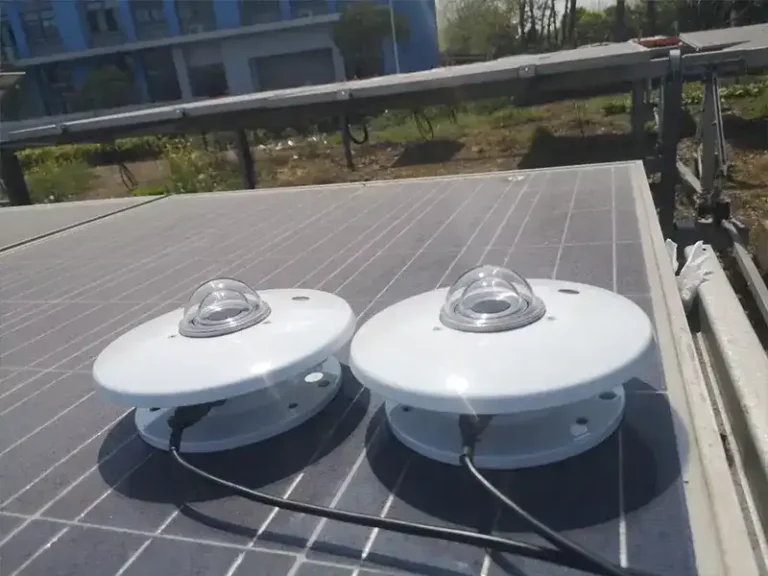
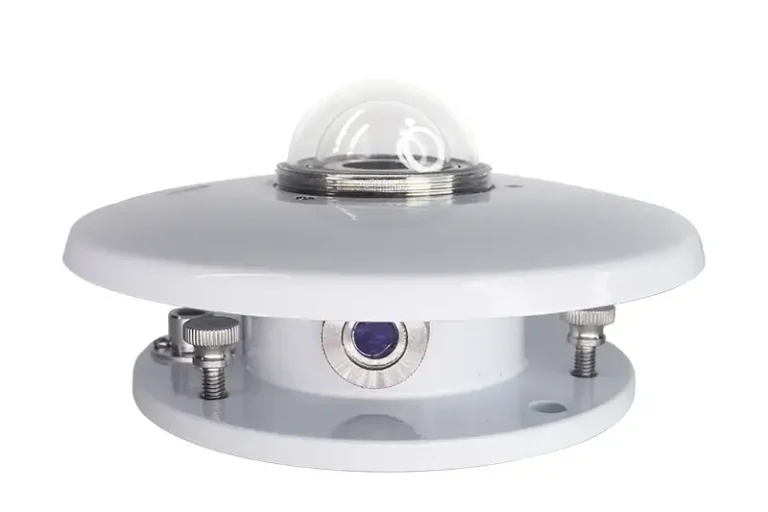
- Пиранометр для мониторинга солнечной радиации
- Датчик температуры окружающей среды и почвы
- Датчик влажности для измерения уровня влажности воздуха
Правильный выбор комбинации позволяет повысить точность данных и избежать излишней сложности системы.
Рассмотрите способы коммуникации
Способ передачи данных следует выбирать с учетом местоположения объекта и доступности сети.
4G широко используется на удаленных объектах, где имеется покрытие мобильной сети.
Ethernet подходит для стационарных установок со стабильной инфраструктурой.
LoRa хорошо подходит для передачи данных с низким энергопотреблением на большие расстояния в распределенных системах мониторинга.
Спутник Эта система связи используется в отдалённых районах, где отсутствует доступ к наземной сети.
Выберите надёжный источник питания
Стабильная работа энергосистемы имеет решающее значение для бесперебойной работы станции мониторинга.
Солнечные энергетические системы часто используются в автономных установках, обеспечивая автономную работу в удаленных районах.
Системы резервного питания от аккумуляторов обеспечивать непрерывное электропитание в условиях слабого солнечного света или при временных перебоях в электроснабжении, обеспечивая бесперебойный сбор данных.
Рекомендуемое решение для солнечных электростанций
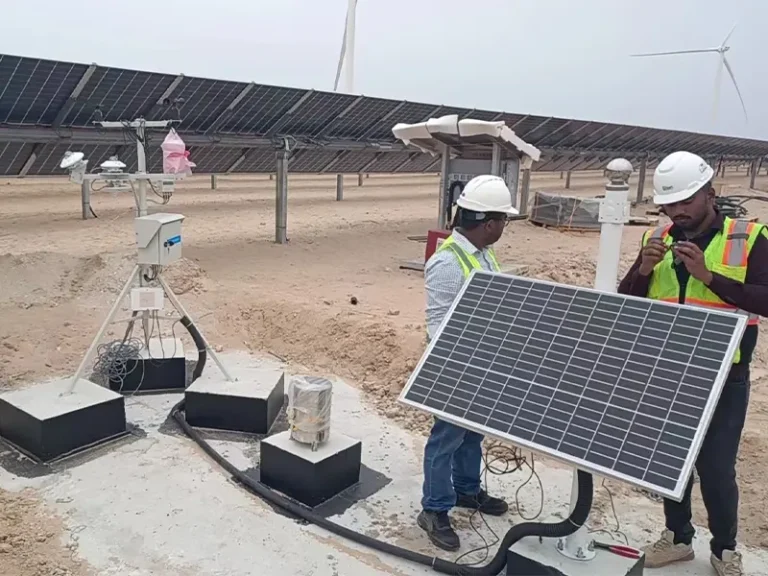
Для промышленных и коммерческих солнечных электростанций точные метеорологические данные являются ключевым фактором для оценки производительности и прогнозирования выработки электроэнергии. Специализированное решение для мониторинга солнечных электростанций объединяет метеорологические и специфические для фотоэлектрических систем измерения, что способствует стабильной работе станции и долгосрочной оптимизации выработки электроэнергии. Оно широко применяется на фотоэлектрических станциях для повышения надежности данных и снижения неопределенности при планировании выработки электроэнергии.
Основные параметры мониторинга солнечных установок
Станция мониторинга погодных условий, предназначенная для солнечных электростанций, обычно измеряет основные параметры окружающей среды и параметры, связанные с фотоэлектрическими системами, в том числе:
- Общая горизонтальная интенсивность солнечного излучения (GHI)
- Интенсивность излучения в плоскости массива (POA)
- Температура модуля
- Температура окружающей среды
- Скорость и направление ветра
- Общие условия окружающей среды
Эти параметры составляют базовый набор данных, необходимый для оценки эффективности фотоэлектрических систем и сравнительного анализа систем.
Повышение коэффициента эффективности (PR)
Точные данные об интенсивности солнечного излучения и температуре имеют решающее значение для расчета и мониторинга коэффициента производительности (PR) солнечной электростанции. Данные об интенсивности солнечного излучения в точке падения лучей (POA) в сочетании с температурой модулей помогают операторам выявлять потери эффективности, вызванные загрязнением, затенением или износом оборудования, что обеспечивает более точную оценку производительности системы.
Повышение эффективности эксплуатации и технического обслуживания
Данные о погоде в режиме реального времени позволяют оптимизировать планирование эксплуатации и технического обслуживания за счет сокращения числа ненужных выездов на объект и обеспечения возможности проведения технического обслуживания с учетом состояния оборудования. Данные о скорости ветра и температуре также помогают планировать безопасные временные интервалы для проведения технического обслуживания, особенно в условиях высокой интенсивности солнечного излучения или экстремальных погодных условий.
Повышение точности прогнозирования урожайности
Прогнозирование выработки солнечной энергии в значительной степени зависит от достоверных данных о глобальном солнечном излучении (GHI) и удельной мощности (POA). Благодаря измерениям, проводимым непосредственно на объекте, операторы могут сократить отклонения в прогнозах и улучшить краткосрочное и долгосрочное планирование выработки энергии, что имеет решающее значение для диспетчеризации энергосистемы и торговли энергией.
Интеграция системы мониторинга погодных условий для солнечной электростанции
Специализированная система мониторинга солнечных установок, как правило, внедряется в рамках общей инфраструктуры SCADA или системы управления энергопотреблением. Она обеспечивает непрерывный сбор данных для анализа производительности и оптимизации эксплуатации.
Более подробную информацию о системе см. в нашем Система мониторинга погоды IoT для умного сельского хозяйства и промышленности.
Заключение
В реальных проектах погодные условия зачастую являются той переменной, от которой зависит стабильность показателей. Как только операторы получают достоверные данные с объекта, планирование становится более контролируемым — будь то выработка солнечной энергии, управление сельскохозяйственными угодьями или составление производственных графиков.
Система мониторинга погодных условий не изменяет сами условия, но позволяет исключить догадки, показывая, что на самом деле происходит на объекте. Именно этот переход от приблизительных оценок к реальным измерениям и является источником большей части операционных выгод.
По вопросам настройки конкретного проекта или выбора системы вы можете обратиться к Яньтайский датчик для получения технической поддержки и индивидуальных решений.