Введение
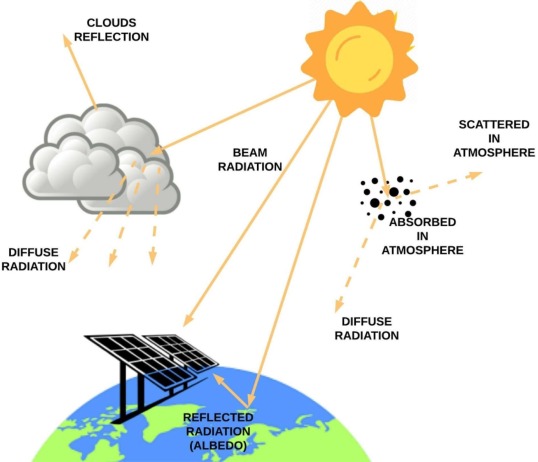
Weather conditions influence nearly every industry, from agriculture and construction to renewable energy, transportation, and environmental management. As businesses increasingly rely on real-time data to improve efficiency and reduce operational risks, weather monitoring systems have become an essential part of modern decision-making. By continuously measuring parameters such as temperature, humidity, wind speed, wind direction, rainfall, solar radiation, and atmospheric pressure, these systems provide accurate environmental data that supports safer and more efficient operations.
The applications of weather monitoring system technologies extend far beyond traditional weather forecasting. Today, weather station applications are widely used for irrigation management in agriculture, weather risk assessment on construction sites, performance optimization in solar and wind power plants, air quality monitoring, disaster early warning, and smart city management. With the integration of IoT and cloud-based platforms, organizations can access real-time weather information remotely, automate responses to changing conditions, and make more informed operational decisions. Understanding the various applications of weather monitoring system solutions can help businesses choose the right system for their specific needs.
Что такое система мониторинга погодных условий?
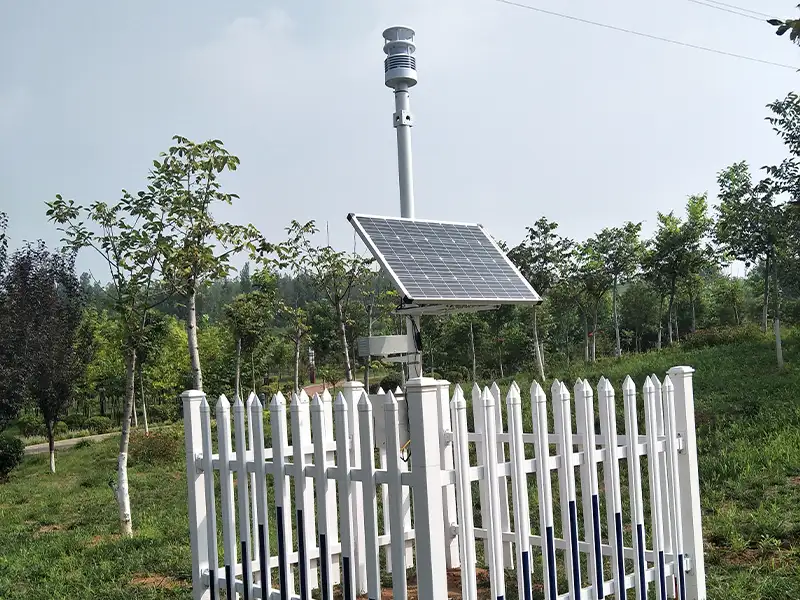
A система мониторинга метеостанций is a set of devices used to collect, record, and transmit meteorological data in real time, enabling users to continuously track changes in on-site environmental conditions. As the demand for accurate meteorological data continues to grow in industries such as agriculture, construction, energy, and environmental monitoring, an increasing number of companies are deploying professional weather monitoring equipment to improve management efficiency and reduce weather-related operational risks. This is also one of the key reasons why many companies are focusing on the advantages of weather monitoring systems.
A complete weather monitoring system typically consists of several components, including weather sensors, a weather station hub, a data logger, a communication module, and a cloud platform. These modules work together to enable data collection, storage, transmission, and remote viewing.
The system can monitor a variety of key meteorological parameters, including:
| Параметр | Описание | Типичные области применения |
|---|---|---|
| Температура | Measures ambient air temperature and helps assess environmental conditions. | Agriculture, Greenhouses, Construction, Environmental Monitoring |
| Влажность | Measures the amount of moisture in the air and supports climate control and crop management. | Agriculture, Warehouses, Greenhouses |
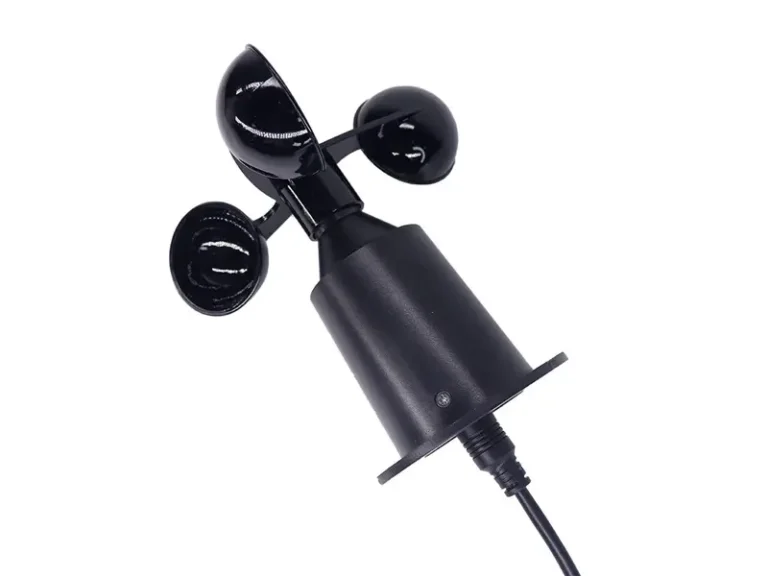
| Скорость ветра | Monitors wind intensity to improve safety and operational planning. | Construction Sites, Airports, Wind Farms, Ports |
| Направление ветра | Determines the direction of airflow for weather analysis and environmental studies. | Meteorology, Aviation, Environmental Monitoring |
| Дождь | Records precipitation levels for water management and flood prevention. | Agriculture, Hydrology, Smart Cities |
| Солнечная радиация | Measures solar energy reaching the Earth’s surface and supports solar resource assessment. | Solar Power Plants, Agriculture, Climate Research |
| Атмосферное давление | Monitors air pressure changes to assist weather forecasting and trend analysis. | Weather Forecasting, Research Stations, Industrial Applications |
By continuously monitoring and analyzing these environmental parameters, the weather monitoring system provides reliable data support for agricultural irrigation management, construction site safety, photovoltaic power plant operational optimization, environmental monitoring, and smart city development, enabling users to respond promptly to weather changes and improve operational efficiency.
Why Are Weather Monitoring Systems Important?
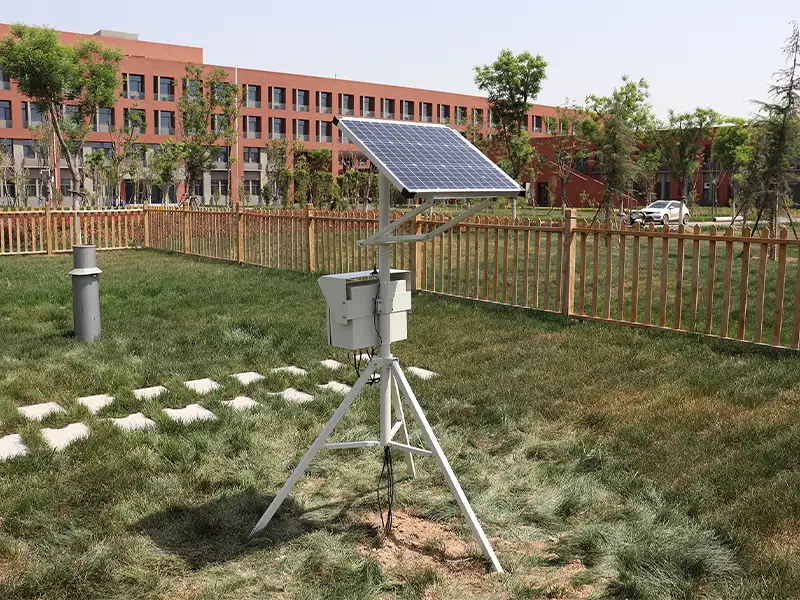
Changes in weather directly impact agricultural production, construction safety, power generation, transportation, and environmental management. By monitoring key meteorological parameters—such as temperature, humidity, wind speed, precipitation, and solar radiation—in real time, weather monitoring systems help businesses stay informed of environmental changes, reduce operational risks, improve management efficiency, and provide reliable data to support informed decision-making.
- Improve Safety — Provide timely warnings for severe weather conditions such as strong winds, heavy rain, and high temperatures.
- Reduce Operational Risks — Minimize equipment damage and production disruptions caused by weather factors.
- Enhance Work Efficiency — Optimize agricultural irrigation, construction scheduling, and production planning.
- Support Data-Driven Decision-Making — Provide accurate, real-time meteorological data for operational management.
- Ensuring Energy Output — Improving the operational efficiency of solar power plants and wind farms.
- Supporting Environmental and Disaster Monitoring — Facilitating monitoring and early warnings for floods, droughts, air quality, and other conditions.
Applications of Weather Monitoring Systems in Agriculture
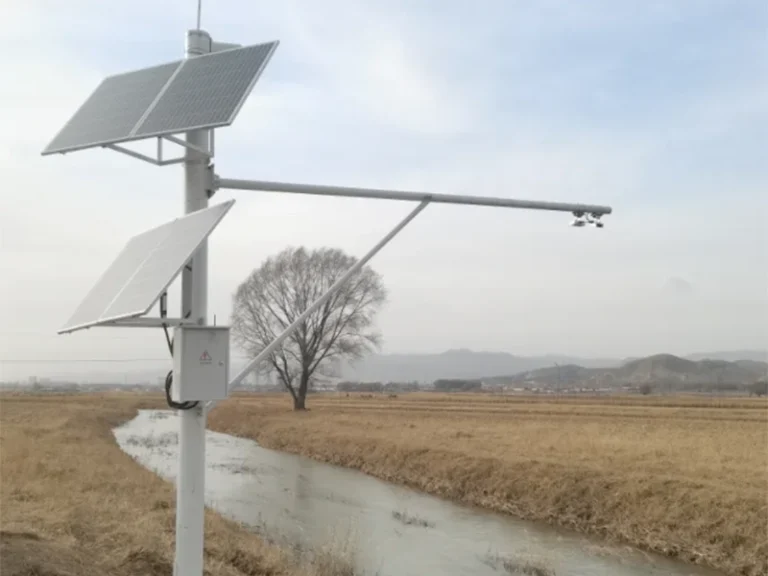
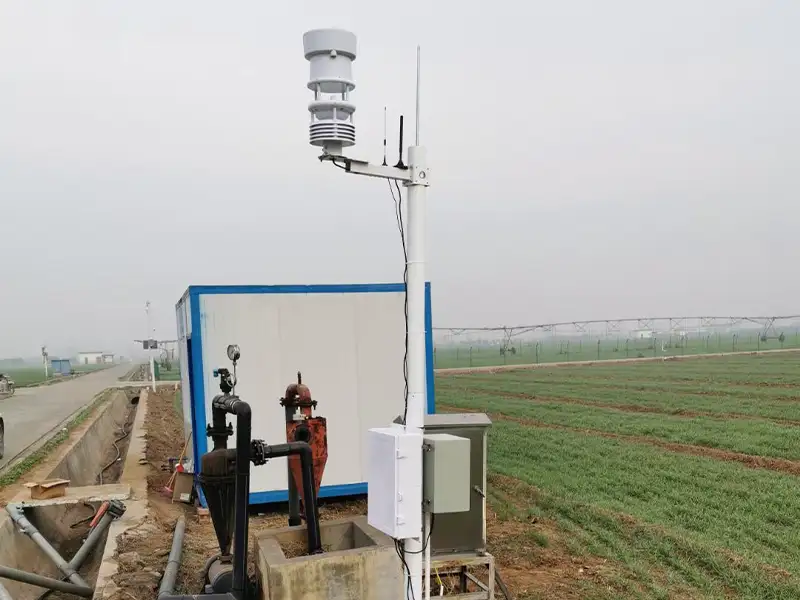
Agriculture is one of the most widespread application areas for weather monitoring systems. Through devices such as the smart agriculture weather station, метеостанция для теплиц, и soil monitor, farmers and agricultural managers can access real-time meteorological and soil environment data to scientifically plan irrigation, fertilization, pest and disease control, and crop management, thereby increasing yields and reducing resource waste. Real-time environmental monitoring data provides critical support for the development of smart agriculture and precision agriculture.
- Точное управление орошением — By integrating data from the Soil Monitor, farmers can develop optimal irrigation schedules to improve water use efficiency.
- Greenhouse Environmental Control — The Greenhouse Weather Station monitors parameters such as temperature, humidity, and light intensity to optimize the crop growth environment.
- Раннее предупреждение о вредителях и болезнях — Assess the risk of pest and disease outbreaks in advance based on temperature, humidity, and rainfall data.
- Frost and Extreme Weather Alerts — Take timely protective measures to minimize crop losses.
- Мониторинг роста сельскохозяйственных культур — Continuously track environmental changes to provide data-driven support for cultivation management.
- Smart Agriculture Management — Enable remote monitoring and intelligent decision-making through the Smart Agriculture Weather Station to improve agricultural production efficiency.
Applications of Weather Monitoring Systems in Construction
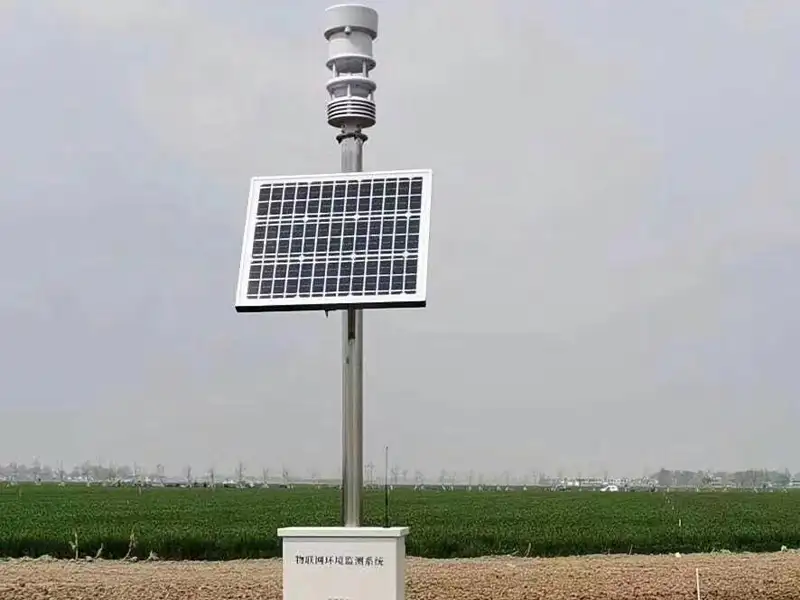
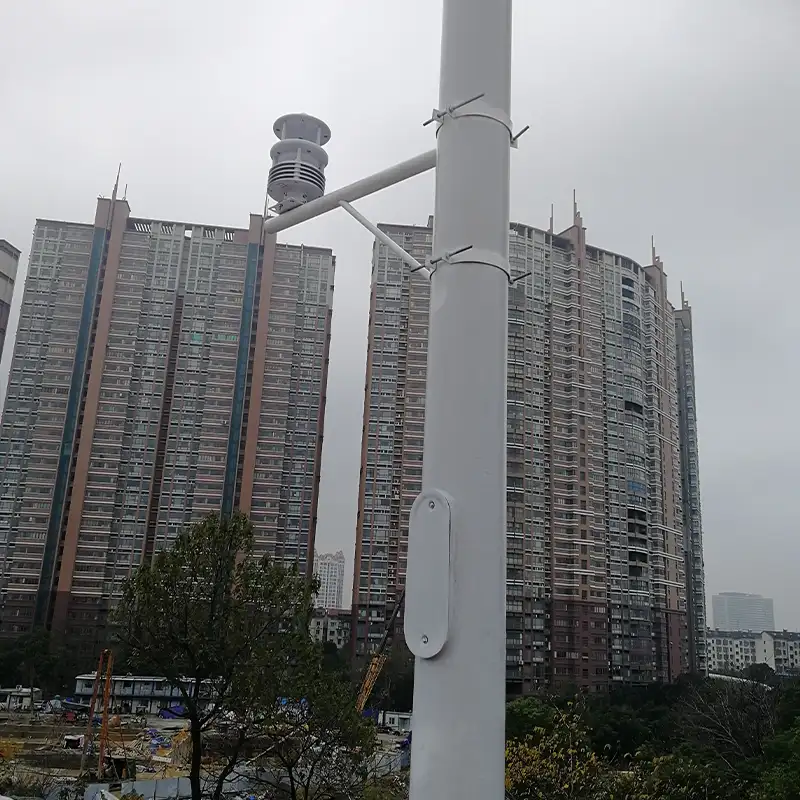
Construction site weather station progress and safety management at construction sites are easily affected by weather conditions. By monitoring meteorological data such as wind speed, rainfall, temperature, and humidity in real time, a weather monitoring system can help construction companies optimize their work schedules and reduce safety risks caused by the weather.
- Tower Crane and High-Altitude Work Monitoring — Real-time monitoring of wind speed to ensure safety during high-altitude construction.
- Construction Progress Management — Adjusting construction schedules and work hours based on weather changes.
- Dust Monitoring and Environmental Management — Monitoring wind speed and direction to support dust control efforts.
- Heavy Rain Alerts — Implementing drainage and protective measures in advance to minimize construction losses.
- High-Temperature Work Management — Monitoring temperature changes to ensure the safety of on-site personnel.
- Concrete Curing Monitoring — Monitoring temperature and humidity conditions to improve construction quality.
Applications of Weather Monitoring Systems in Solar Power Plants
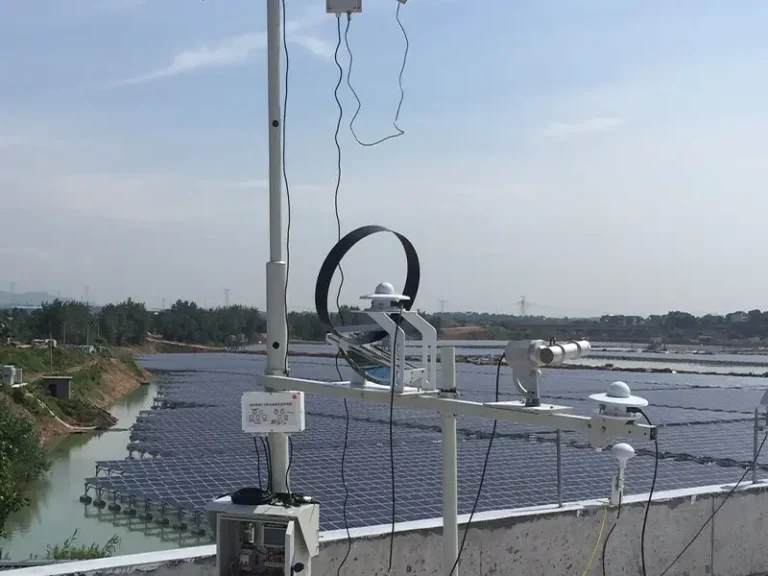
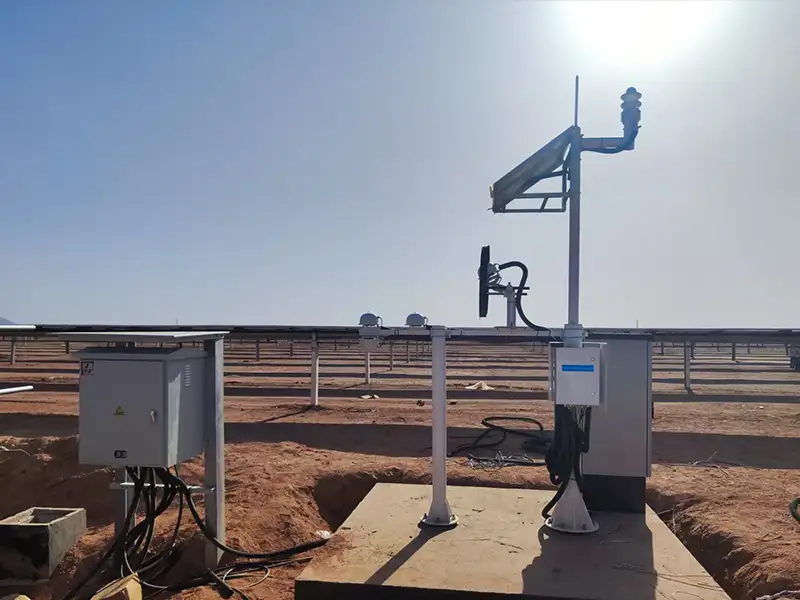
Weather monitoring systems in photovoltaic power plants are primarily used to provide real-time environmental data, helping to improve power generation efficiency, ensure equipment safety, and optimize plant operations and management.
- Мониторинг солнечной радиации — Collects real-time solar irradiance data to assess power generation conditions.
- Power Generation Forecasting — Predicts short- and long-term power output based on weather trends.
- System Efficiency Optimization — Adjusts operating strategies based on temperature and radiation conditions.
- Модуль контроля температуры — Prevents efficiency losses or equipment damage caused by overheating.
- Wind Speed Safety Monitoring — Ensures the safety of PV mounting structures and modules in high-wind environments.
- O&M Schedule Optimization — Schedules cleaning and maintenance based on weather conditions.
- Performance Analysis and Evaluation — Compares actual power generation with theoretical values to analyze operational status.
- Grid Dispatch Support — Provides stable and reliable data support for the grid connection.
Applications of Weather Monitoring Systems in Road and Traffic Management
Road and transportation systems are highly sensitive to weather changes, particularly rain, snow, smog, low visibility, and icy conditions. Weather monitoring systems use real-time data to support traffic management and road safety, reducing the risk of accidents and improving traffic efficiency.
- Road Icing and Slippery Conditions Monitoring — Monitors temperature and road surface conditions to prevent traffic accidents.
- Visibility Detection — Combines visibility and meteorological data to assist with speed limits and traffic control.
- Rainfall and Flooding Alerts — Enable early drainage coordination to reduce traffic congestion.
- Traffic Signal Optimization — Adjusts signal control strategies based on weather changes.
- Highway Safety Management — Implements speed limits and traffic diversion measures during severe weather.
Applications of Weather Monitoring Systems in Environmental Monitoring
Environmental monitoring relies on long-term, continuous meteorological data to analyze changes in air quality, pollution dispersion, and climate trends, providing fundamental support for environmental management and ecological conservation. Weather monitoring systems can integrate data on temperature, humidity, wind speed, precipitation, and other factors to continuously track and assess environmental changes.
- Air Quality Analysis Support — Determining pollutant dispersion pathways by analyzing wind speed and direction.
- Climate Change Monitoring — Long-term recording of trends in temperature, precipitation, and other data.
- Ecological and Environmental Protection — Used for environmental assessments of ecosystems such as forests and wetlands.
- Urban Environmental Assessment — Analyzing the urban heat island effect and regional environmental variations.
- Pollutant Dispersion Forecasting — Determining the range and impact of pollutant dispersion by analyzing meteorological conditions.
Applications of Weather Monitoring Systems in Smart Cities
Smart cities rely on real-time environmental data to improve urban management efficiency and residents’ quality of life, and weather monitoring systems are one of the primary sources of this data.
- Urban Flood Control and Drainage Management — Real-time monitoring of rainfall and water level changes.
- Public Safety Alerts — Early issuance of extreme weather warnings.
- Urban Energy Management — Optimization of electricity consumption and air conditioning load scheduling.
- Traffic and Travel Scheduling — Route optimization in conjunction with smart transportation systems.
- Urban Environmental Optimization — Support for urban planning and green space management.
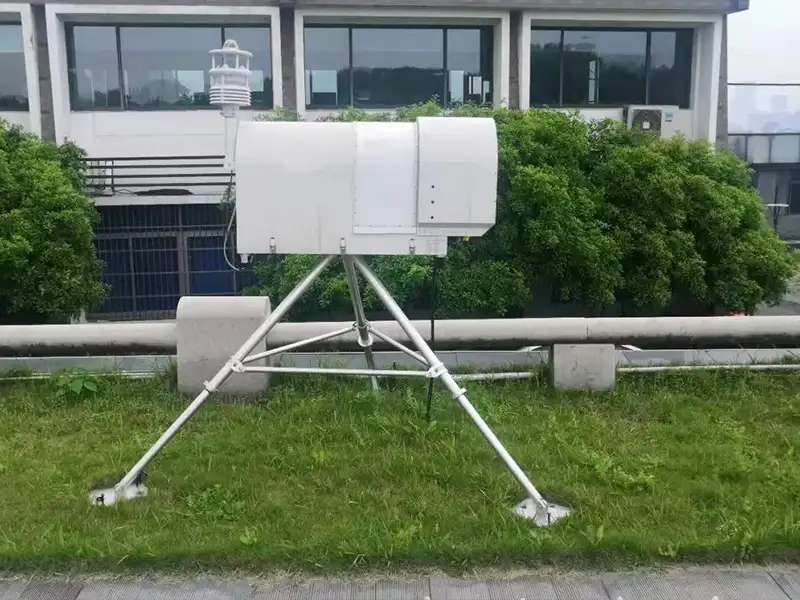
Applications of Weather Monitoring Systems in Water Resource Management
Water resources management requires accurate data on precipitation, evaporation, and water levels for scheduling and flood control.
- Reservoir Operation and Management — Adjusting water storage and discharge based on precipitation forecasts.
- River Water Level Monitoring — Predicting flood risks by integrating precipitation data.
- Agricultural Irrigation Scheduling — Optimizing water allocation to improve water resource utilization.
- Drought Monitoring and Early Warning — Long-term meteorological data support drought analysis.
- Watershed Management Decision-Making — Providing foundational environmental data to support planning.
Applications of Weather Monitoring Systems in Disaster Early Warning Systems
In natural disaster early warning systems, weather monitoring systems provide critical real-time data to help prevent losses in advance.
- Heavy Rain and Flood Alerts — Real-time monitoring of rainfall intensity and water level changes.
- Typhoon and Strong Wind Monitoring — Early assessment of storm paths and areas of impact.
- Drought Monitoring — Long-term data used to assess drought risks.
- Wildfire Risk Alerts — Analysis of fire risks based on temperature, humidity, and wind speed.
- Emergency Response Support — Providing decision-making data support to governments and agencies.
Other Diverse Application Scenarios
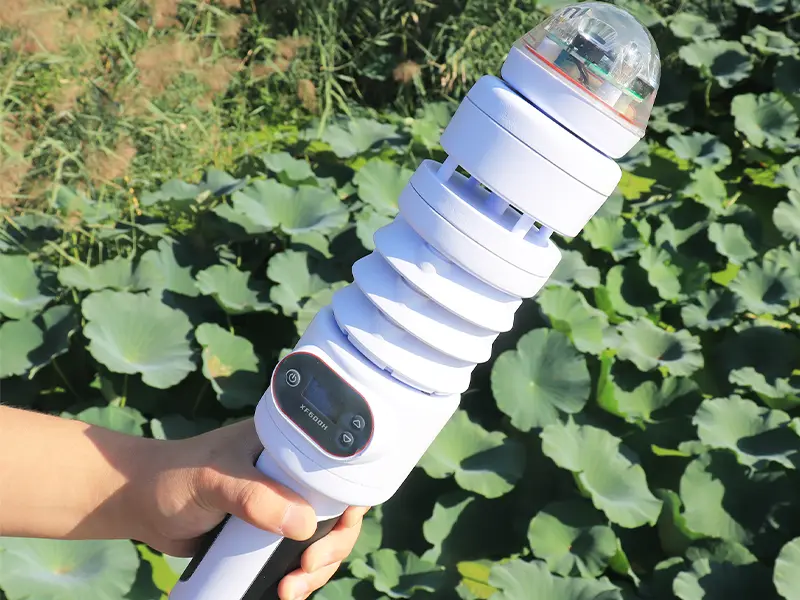
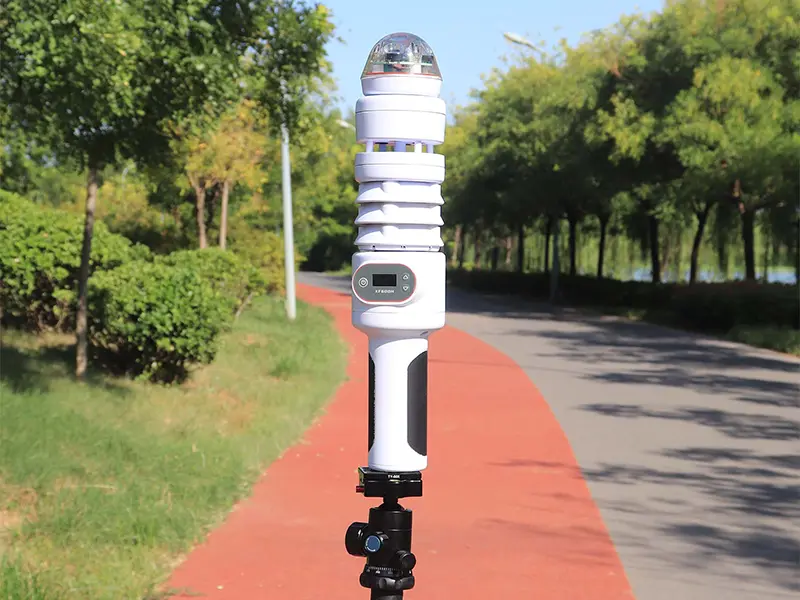
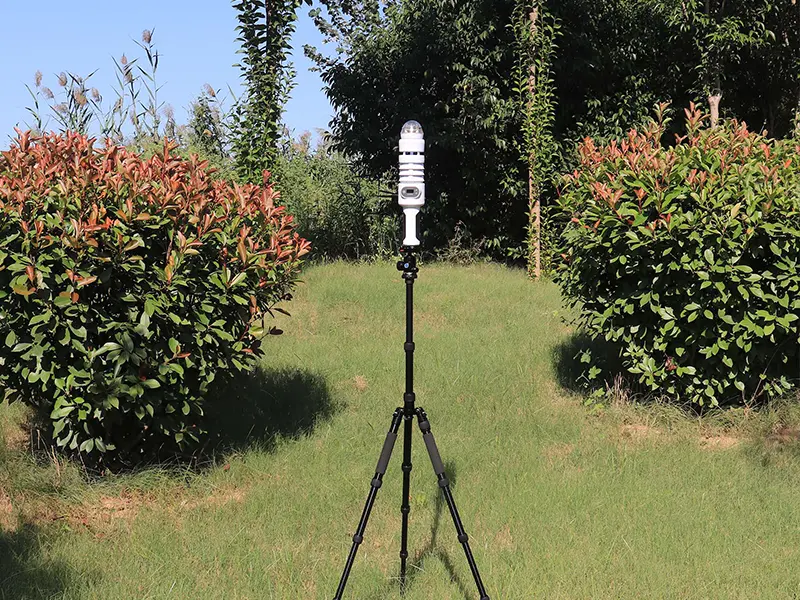
Portable meteorological equipment has further expanded the scope of meteorological monitoring applications and can be flexibly deployed in a variety of mobile and field settings. The equipment achieves a data collection success rate of 99.9% in high-temperature, high-humidity environments, with a failure rate of less than 1%.
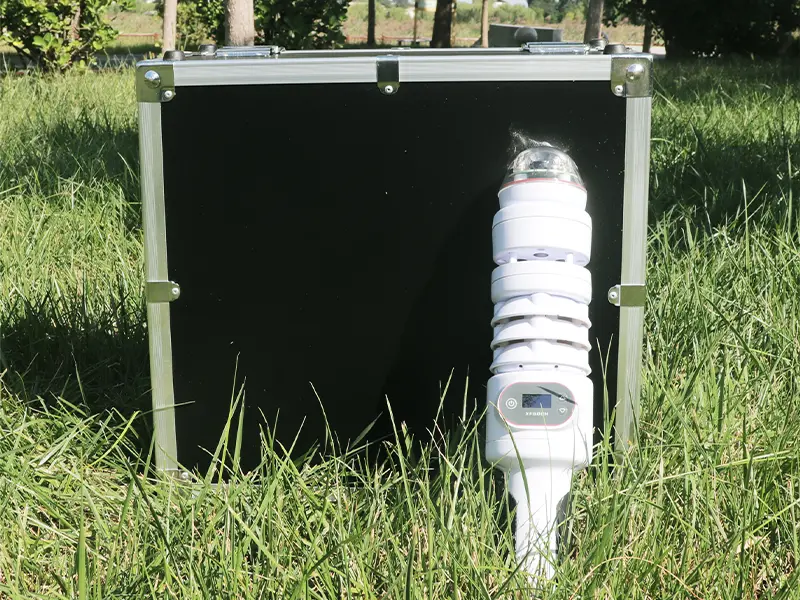
- Cultural Heritage Preservation — Enables precise, real-time monitoring of the microclimate in protected areas, supporting cultural heritage conservation and disaster early warning.
- Scientific Research and Education — Collects meteorological data during field expeditions; campus weather stations are used for meteorological science education.
- Marine Industry Services — Provides marine meteorological data to ensure safe production at offshore wind farms and marine aquaculture farms and to enhance operational safety and efficiency.
Key Benefits of Weather Monitoring Systems
| Benefit | Описание |
|---|---|
| Improved Safety | Real-time monitoring of wind, rainfall, temperature, and extreme weather conditions helps reduce accidents and protect personnel and equipment. |
| Reduced Operational Risks | Early weather warnings minimize losses caused by unexpected weather disruptions in agriculture, construction, and energy projects. |
| Increased Productivity | Accurate weather data helps optimize scheduling and operations, improving efficiency across multiple industries. |
| Better Decision-Making | Provides reliable real-time environmental data for planning, forecasting, and resource management. |
| Higher Energy Efficiency | Enhances solar and wind power performance by optimizing operations based on weather conditions. |
| Automation and IoT Integration | Supports remote monitoring and automated control through IoT platforms and communication systems. |
| Improved Resource Management | Helps optimize water, energy, and agricultural inputs, reducing waste and operational costs. |
| Environmental Compliance Support | Assists industries in meeting regulatory requirements for environmental monitoring and reporting. |
Как выбрать подходящую систему мониторинга погодных условий
Selecting the right weather monitoring system requires taking into account the application scenario, monitoring requirements, and system capabilities, with a focus on measurement parameters, data transmission methods, environmental adaptability, and scalability.
- Define the Application Scenario — Select based on the intended use, such as agriculture, solar power plants, construction sites, or environmental monitoring; different scenarios have different parameter requirements.
- Determine Monitoring Parameters — Determine whether data such as temperature, humidity, wind speed, wind direction, precipitation, solar radiation, or atmospheric pressure are needed.
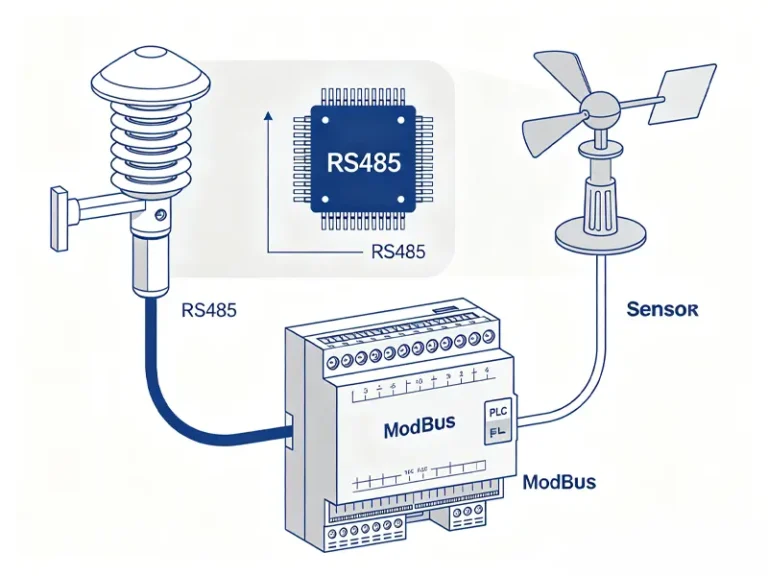
- Select a Communication Method — Common options include RS485, Modbus, 4G, LoRa, and NB-IoT, depending on the deployment distance and data transmission requirements.
- Consider Environmental Adaptability — For outdoor use, pay attention to protection ratings (e.g., IP65/IP67) and weather resistance.
- Data Platform and Integration Capabilities — Determine whether the system supports IoT platforms, remote monitoring, or integration with third-party systems.
- System Scalability — Determine whether the system supports the addition of sensors or feature upgrades in the future to meet long-term usage needs.
Selection Guide for Different Scenarios
| Application Scenario | Core Selection Requirements |
|---|---|
| Campus Science Popularization | Priority is given to products with compact size, easy installation, solar power supply, anti-collision safety design, and preferably equipped with science popularization teaching plans. |
| Professional Monitoring/Scientific Research | Support flexible configuration of multiple parameters, all-weather unattended operation, long-term data storage, and abnormal warning; high-end models can be equipped with ultrasonic wind speed and direction probes. |
| Road Traffic | Accurate monitoring of visibility and road surface conditions (water/ice/snow thickness) is required, with real-time data transmission and compliance with the national standard for expressway meteorological monitoring. |
| Сельскохозяйственное производство | Priority is given to soil moisture stations that support multi-layer soil parameter monitoring, which can capture soil moisture changes and provide data support for scientific irrigation. |
| Photovoltaic Power Station | Accurate monitoring of solar radiation and module temperature is required; the solar radiation sensor must be calibrated by a first-class standard chip, with an uncertainty of <1%. |
| Field Exploration/Emergency Monitoring | Portable equipment with lightweight (no more than 5KG in total), easy deployment, and support for offline data storage is recommended. |
Why Choose Yantai Sensor Weather Monitoring Systems
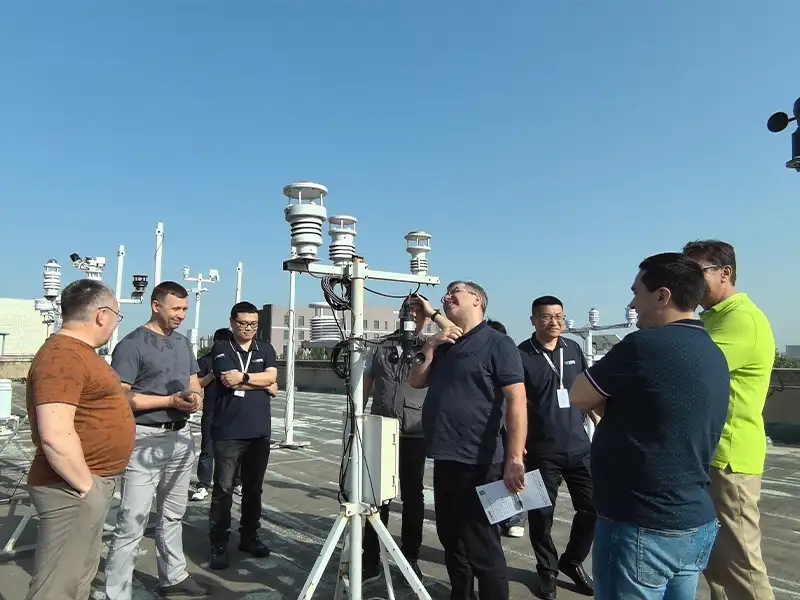
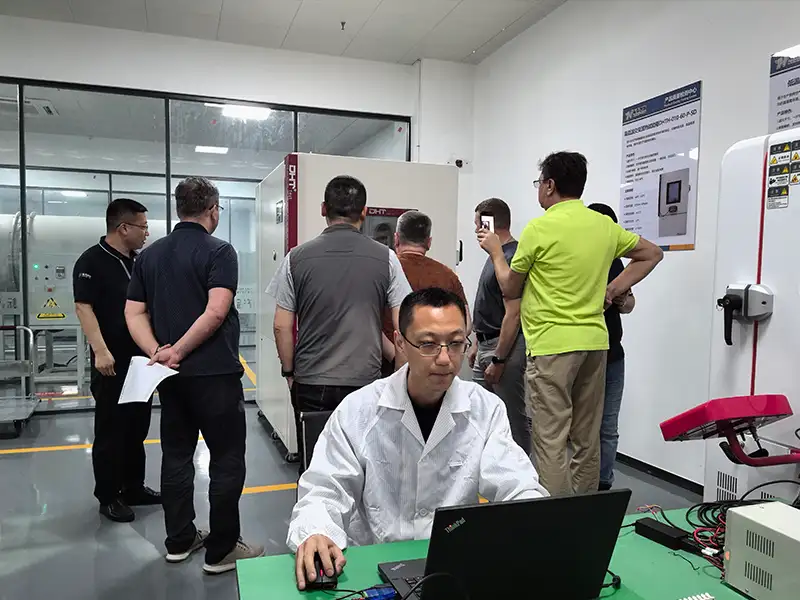
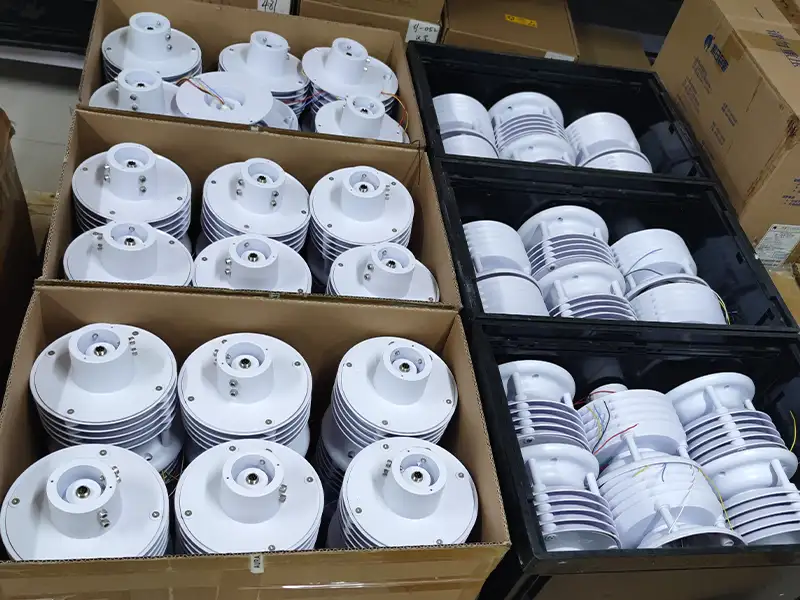
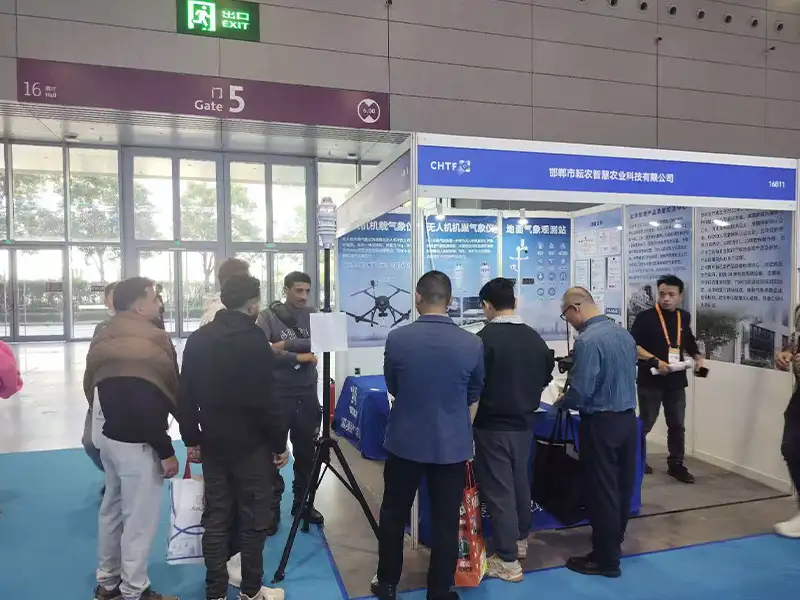
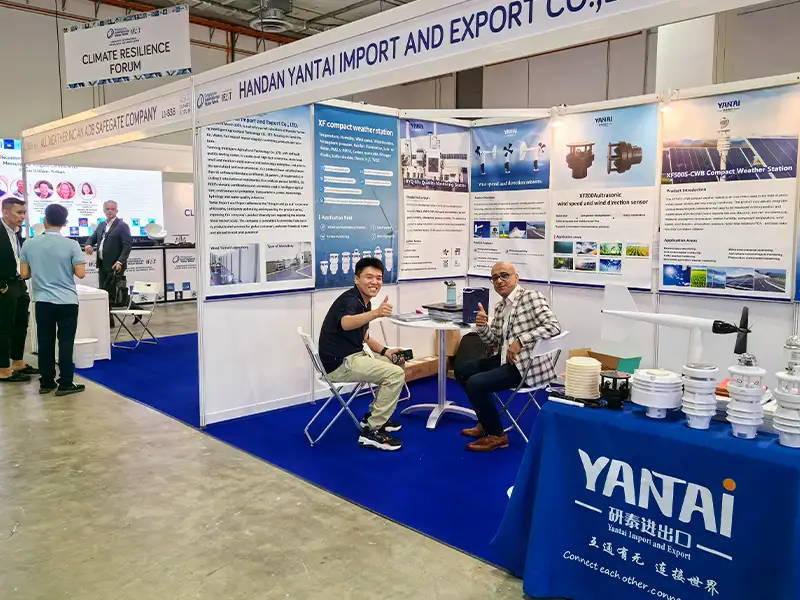
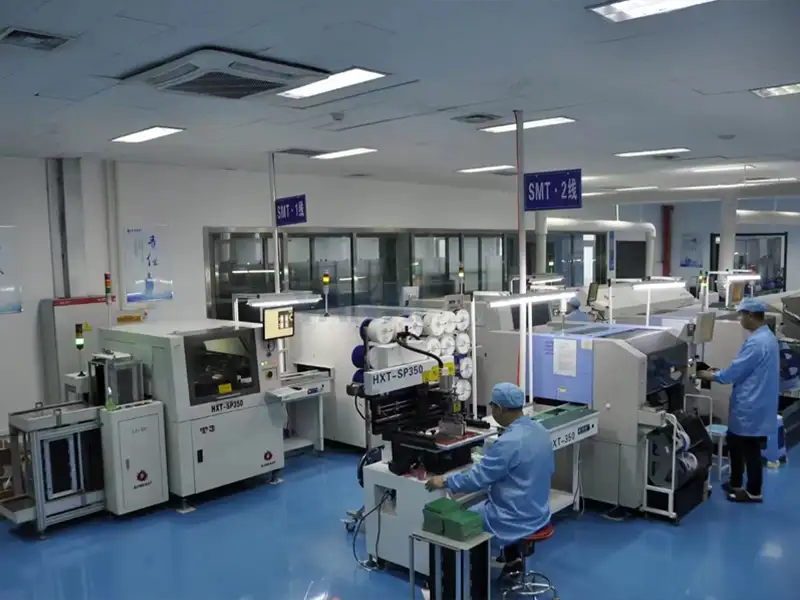
Yantai Sensor focuses on stable, accurate, and industrial-grade weather monitoring solutions designed for long-term outdoor operation. With full in-house R&D and production, the systems are built to meet the requirements of agriculture, renewable energy, construction, and environmental monitoring projects.
If you are looking for the right weather monitoring system solution, please feel free to contact our technical team at any time for product selection advice and customized weather monitoring solution support.
Заключение
Weather monitoring systems have become essential tools in modern industrial operations and are widely used across various fields, including agriculture, construction, energy, transportation, and environmental management. By collecting and analyzing meteorological data in real time, businesses can better manage risks, optimize resource allocation, and improve overall operational efficiency. With the advancement of IoT technology, weather monitoring systems are evolving toward greater intelligence and integration.
When selecting a suitable system, it is essential to consider specific application scenarios, monitoring parameter requirements, and data transmission and scalability capabilities to ensure the system can operate stably over the long term and meet actual business needs. For users with customization or project integration needs, choosing a supplier with R&D capabilities and industry experience is particularly important.
If you are looking for a reliable weather monitoring solution, please feel free to contact us for more product information and technical support.