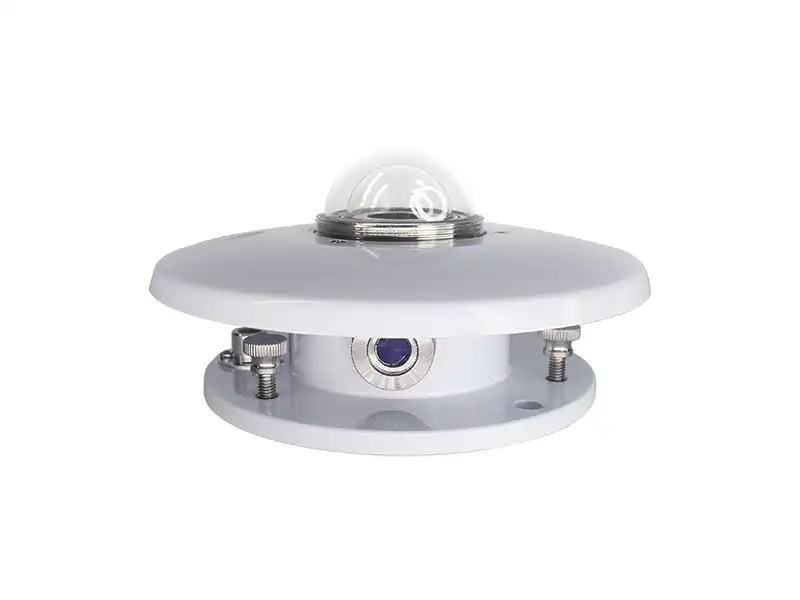
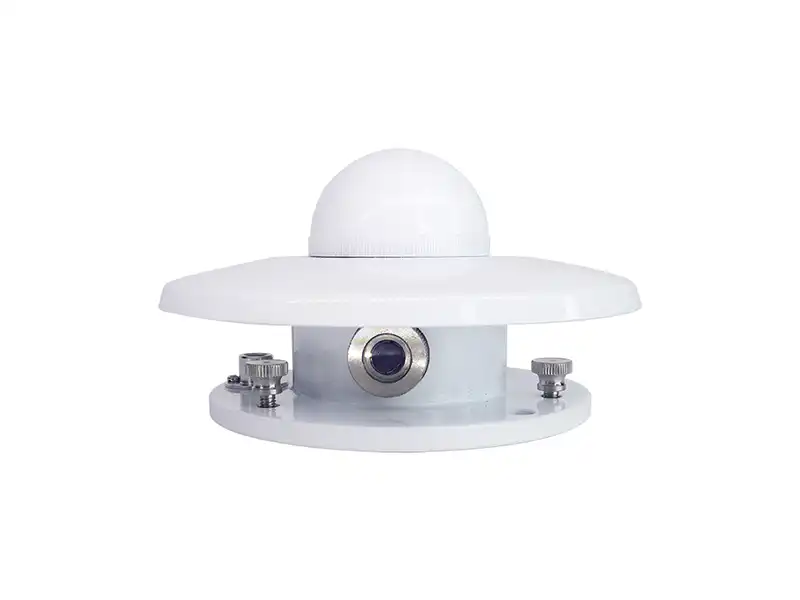
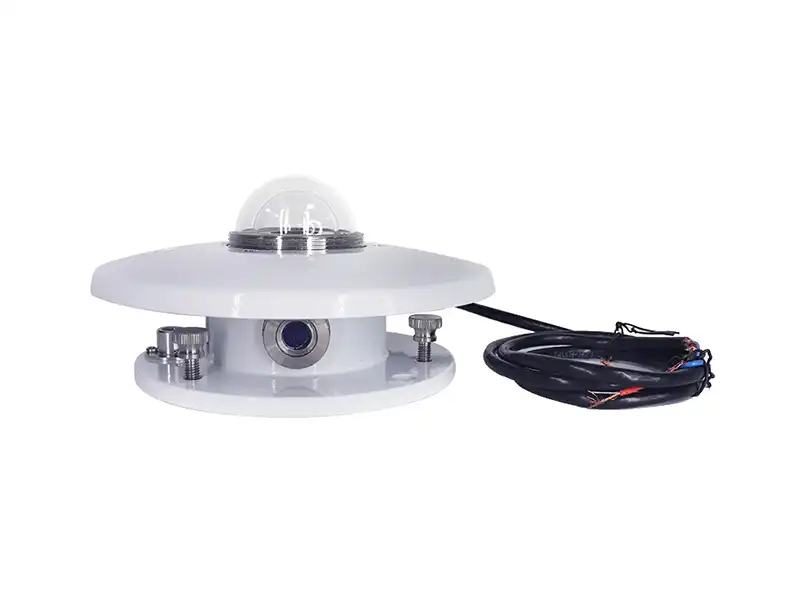
Датчик суммарной солнечной интенсивности
Датчик интенсивности солнечного излучения - это высокоточное устройство мониторинга окружающей среды, используемое для измерения интенсивности солнечного излучения. Он широко используется в фотоэлектрических станциях, метеорологическом мониторинге, "умном" сельском хозяйстве, энергосбережении зданий и научных исследованиях. Датчики интенсивности солнечного излучения эффективно решают проблемы, связанные с традиционным ручным мониторингом, такие как низкая эффективность, прерывистость данных и трудности с оценкой эффективности выработки энергии солнечными системами. Они помогают пользователям осуществлять интеллектуальный мониторинг окружающей среды, оптимизировать использование солнечной энергии, сократить расходы на эксплуатацию и обслуживание, а также повысить научную обоснованность управления энергетикой и сельскохозяйственным производством.
- Выход: 200 мВ от исходной мощности
- Чувствительность: 7~14μV∕W.m-2
- Время отклика: <35 с (ответ 99%)
- Косинусная реакция: ≤ ±7% (при угле высоты солнца 10°)
- Азимут: ≤ ±5% (при угле высоты солнца 10°)
- Нелинейность: Не более ±2%
- Спектральный диапазон: 0,3-3,2 мкм
Цена: $259-$279
Введение
Датчик солнечной радиации (также известный как датчик солнечного излучения или солнечный фотометр) - это специализированное устройство, используемое для измерения энергии солнечного излучения. Этот датчик отслеживает изменения солнечного излучения в режиме реального времени, предоставляя достоверные данные для анализа эффективности выработки солнечной энергии, исследований климата и окружающей среды, а также управления орошением в сельском хозяйстве. Его ключевыми особенностями являются высокая чувствительность, высокая точность измерений, быстрое время отклика, высокая устойчивость к помехам, водонепроницаемость и коррозионная стойкость, а также длительная стабильная работа. Он способен выдерживать сложные внешние условия, такие как высокие и низкие температуры, а также сильные ветры и песчаные бури.
Конструкция датчика интенсивности солнечного излучения
- Фотодетектор: Используется высокочувствительный фотодатчик для точного обнаружения изменений интенсивности солнечного излучения.
- Система оптической фильтрации: Встроенный спектральный фильтр снижает уровень помех от паразитного света и повышает точность измерений.
- Сигнальная цепь: Преобразует световые сигналы в стабильные электрические сигналы для удобного сбора и передачи данных.
- Вывод данных: Поддерживает несколько стандартных выходных форматов, включая RS485, 0-5 В и 4-20 мА.
- Защитный корпус: Водонепроницаемые и коррозионностойкие материалы, пригодные для длительного использования на открытом воздухе.
- Монтажный кронштейн: Оснащен регулируемым монтажным кронштейном для установки под разными углами и в различных условиях.
- Компенсация температуры: Встроенный модуль температурной компенсации позволяет минимизировать влияние температуры окружающей среды на результаты измерений.
- Герметичная конструкция: Конструкция с высокой степенью герметичности эффективно предотвращает попадание пыли, дождя и влаги внутрь устройства.
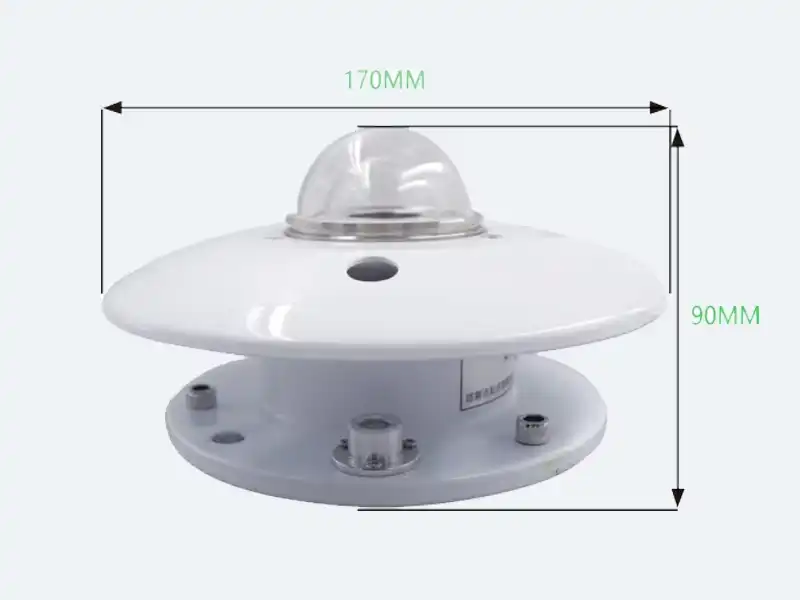
Подробнее Показать
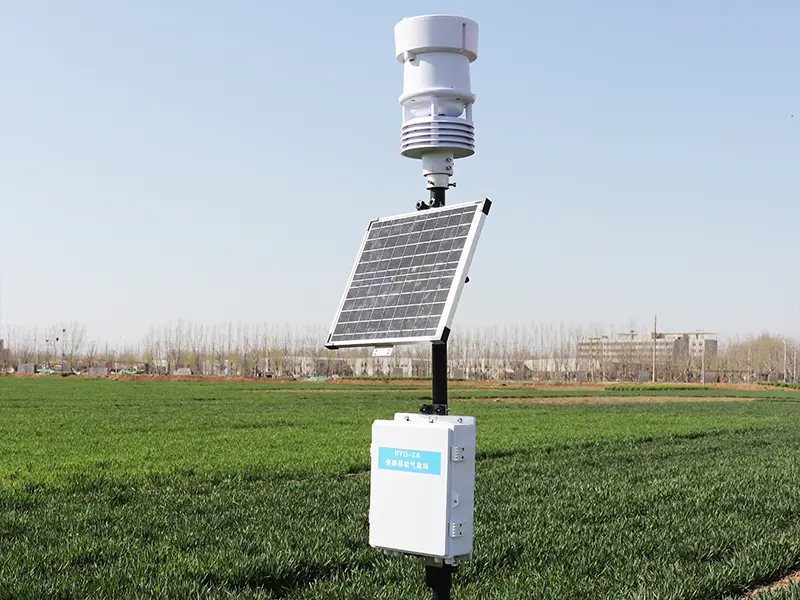
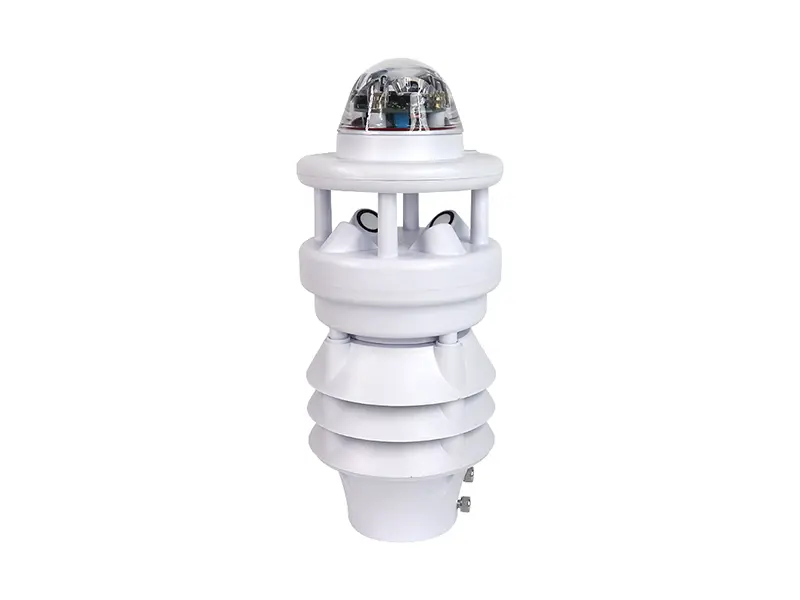
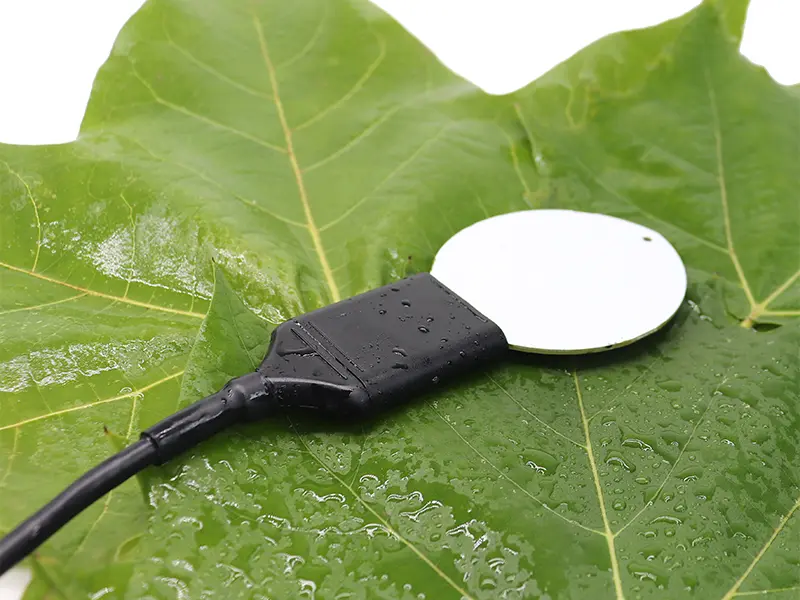
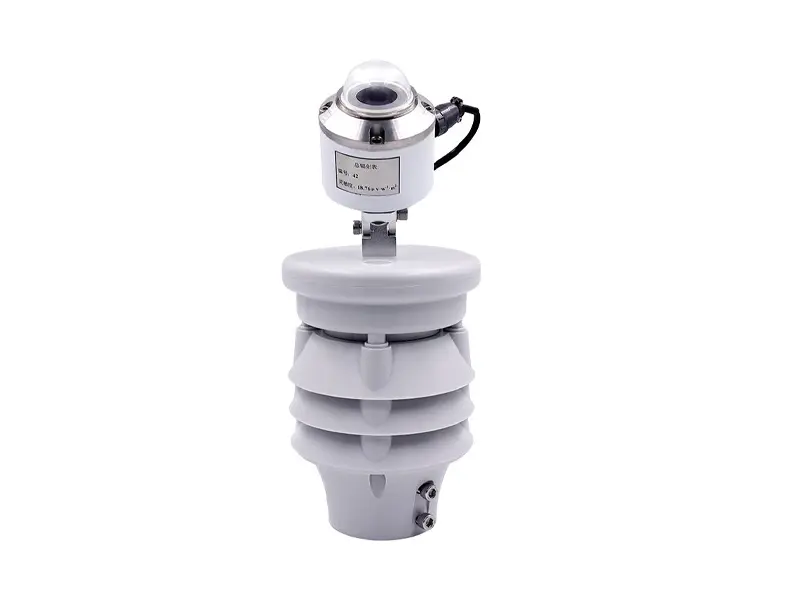
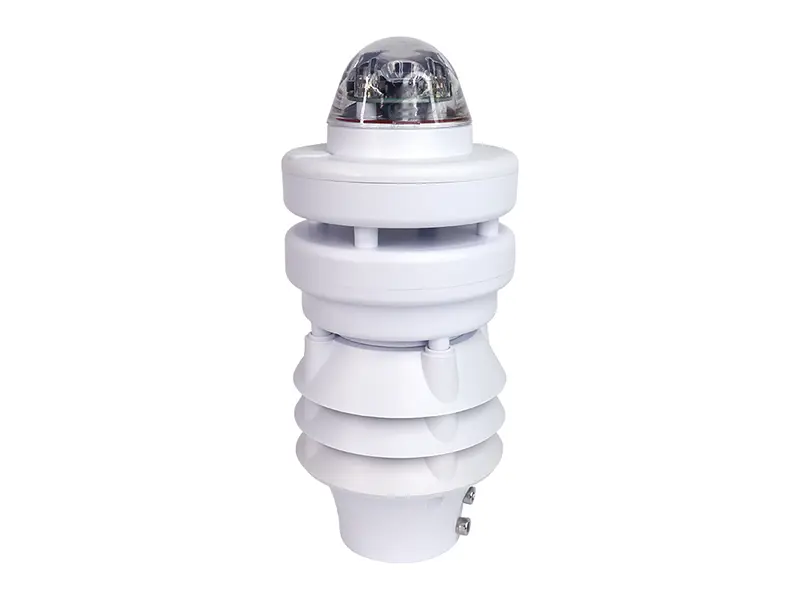
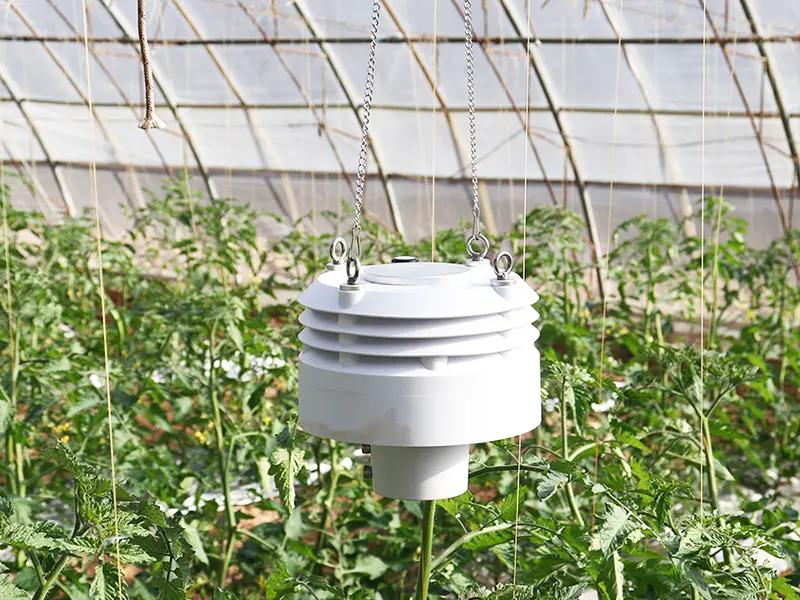
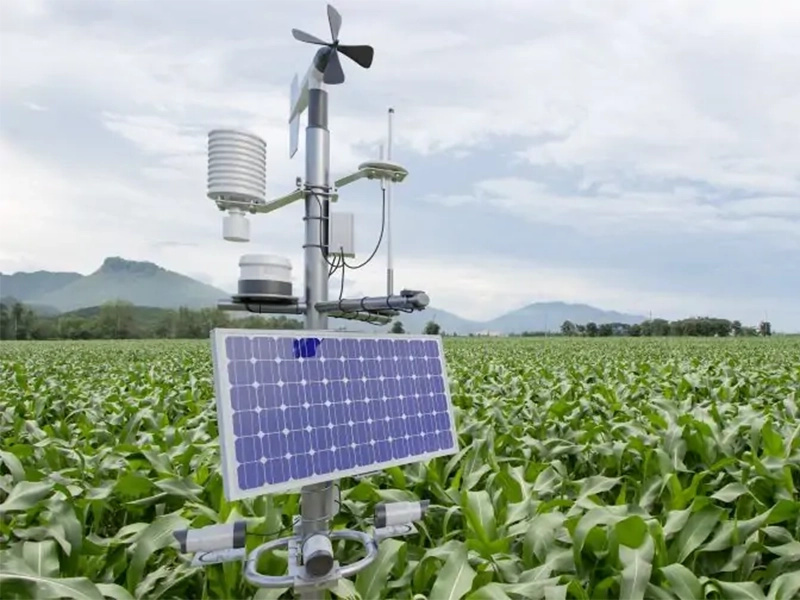
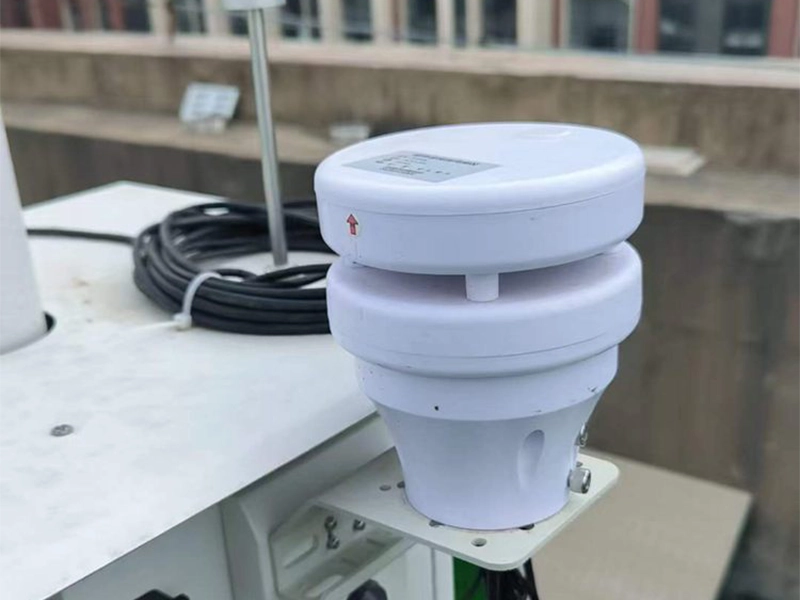
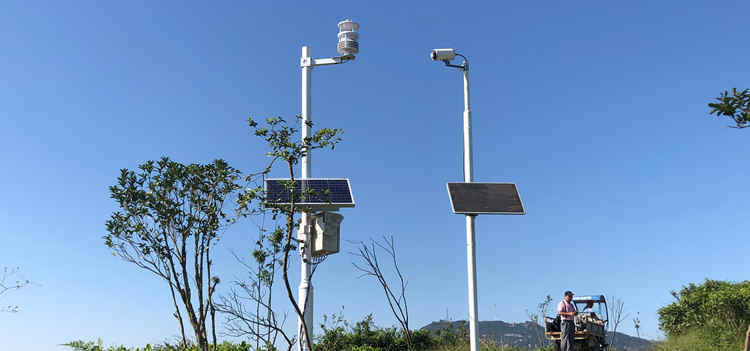
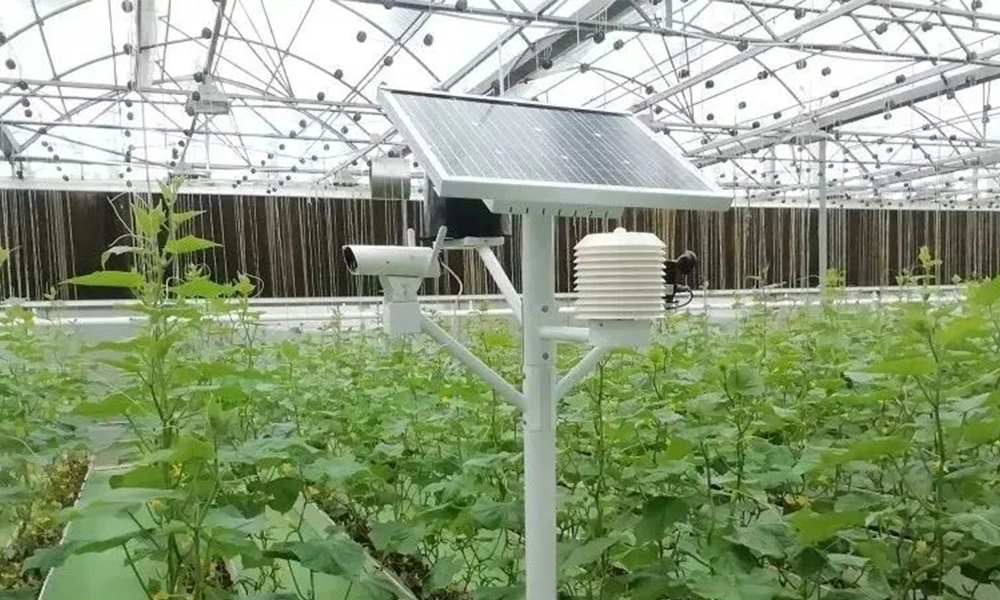
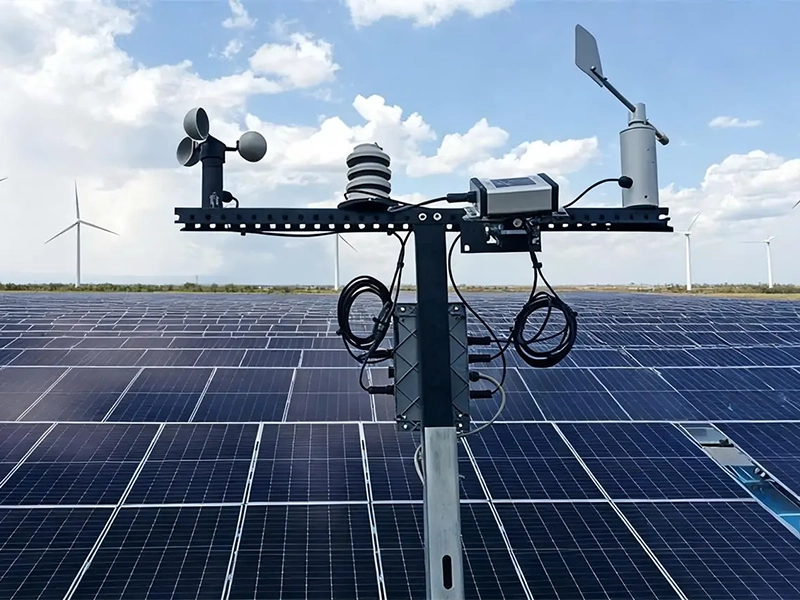
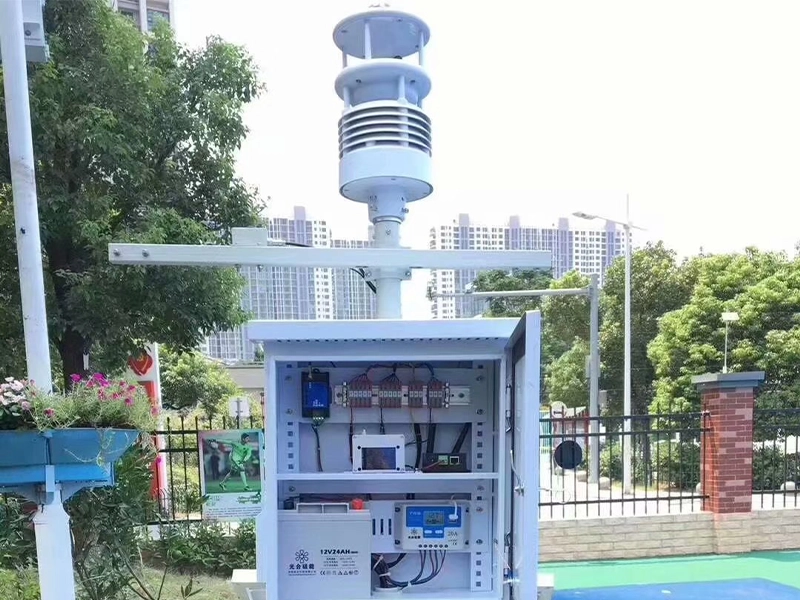
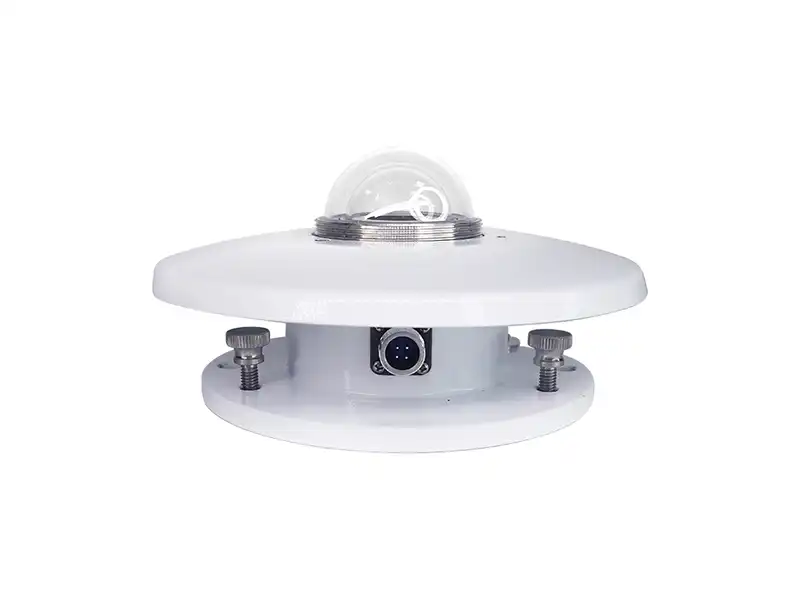
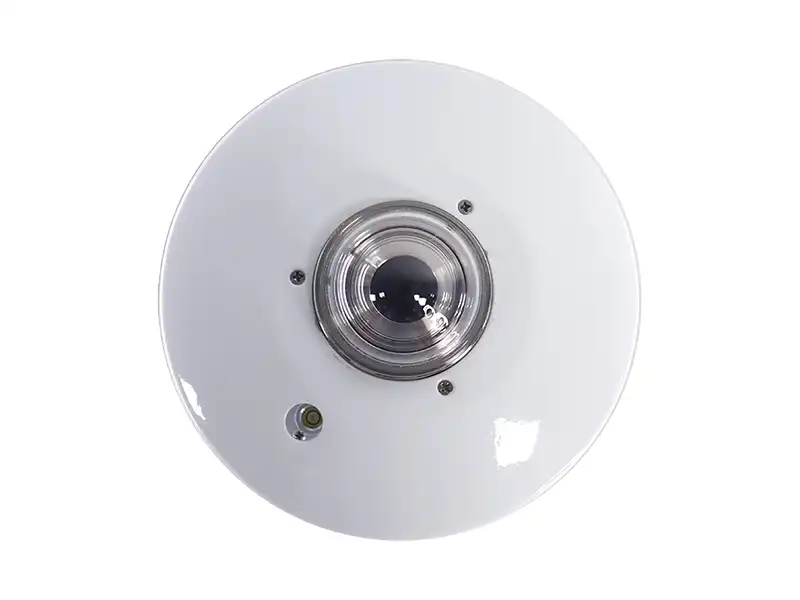
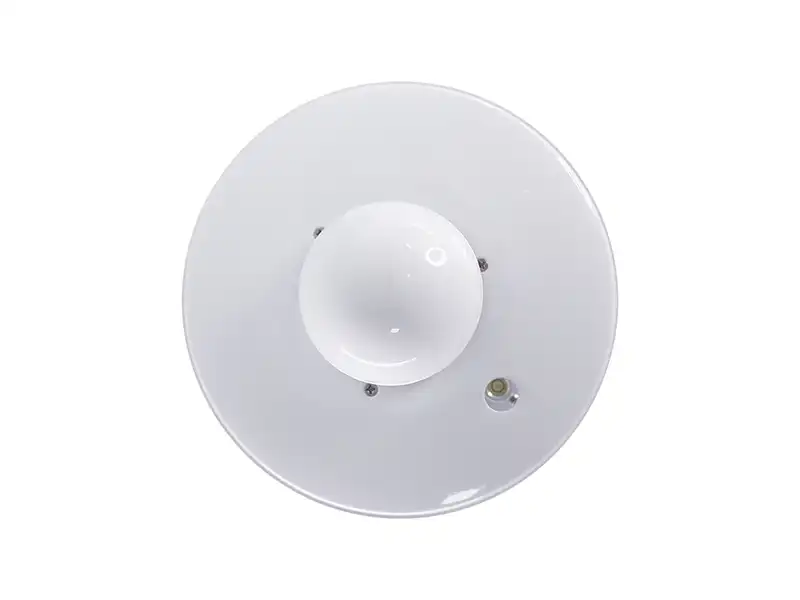
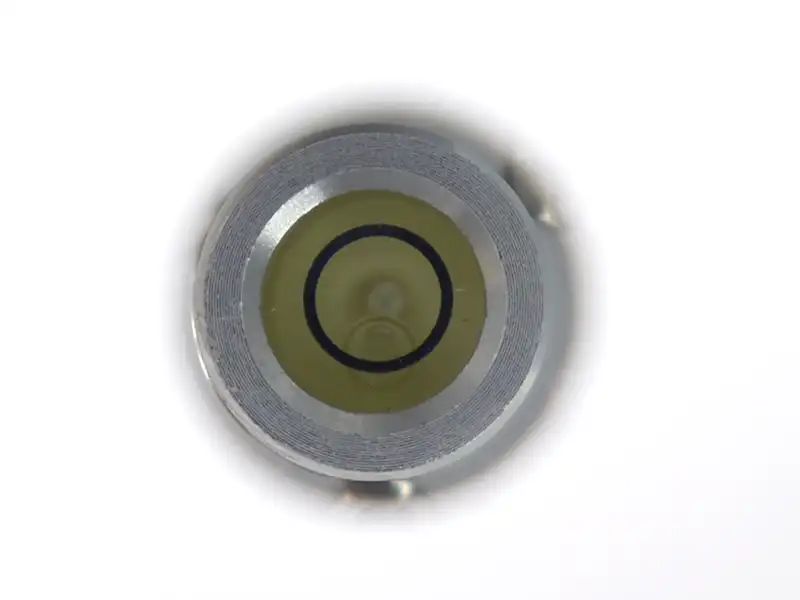
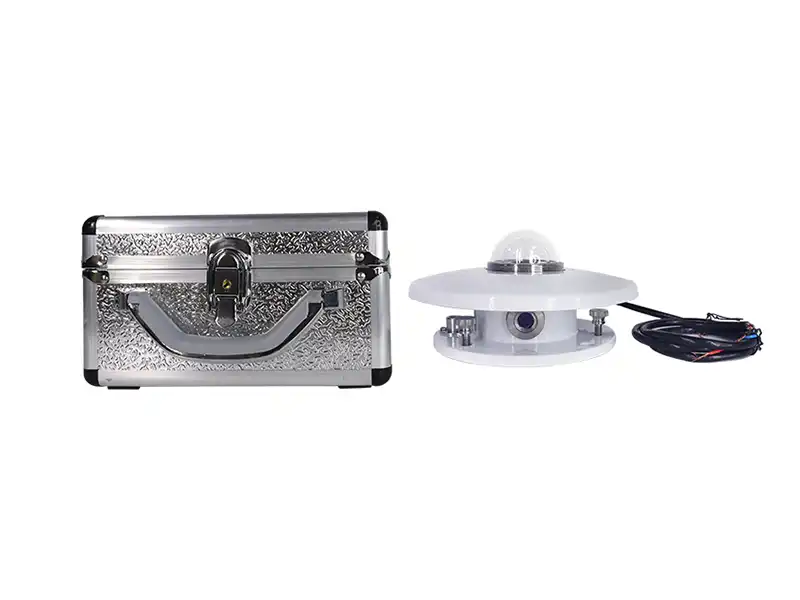
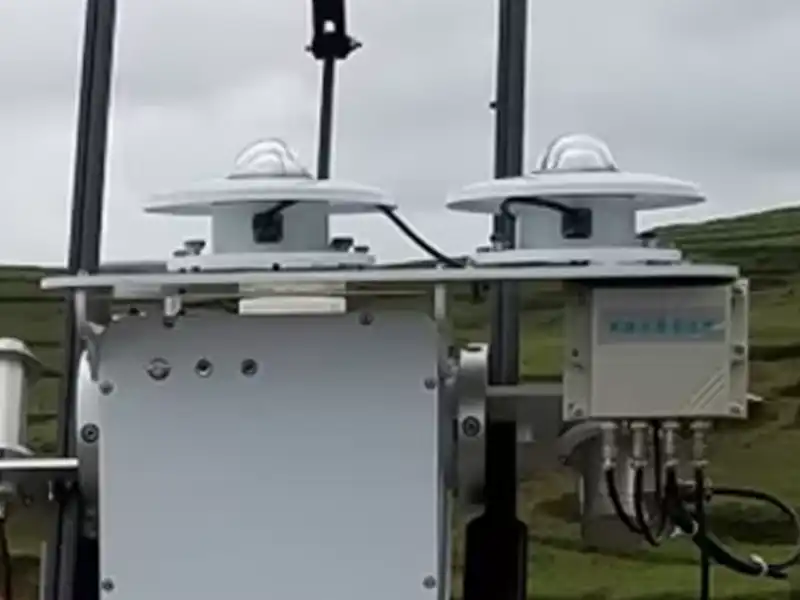
Эти фотографии датчика солнечной радиации, сделанные под разными углами, дают возможность увидеть его внешнюю структуру, основные компоненты датчика, порты для подключения и мастерство изготовления корпуса, наглядно демонстрируя качество сборки и детали дизайна изделия. Ниже представлены детали датчика солнечной радиации:
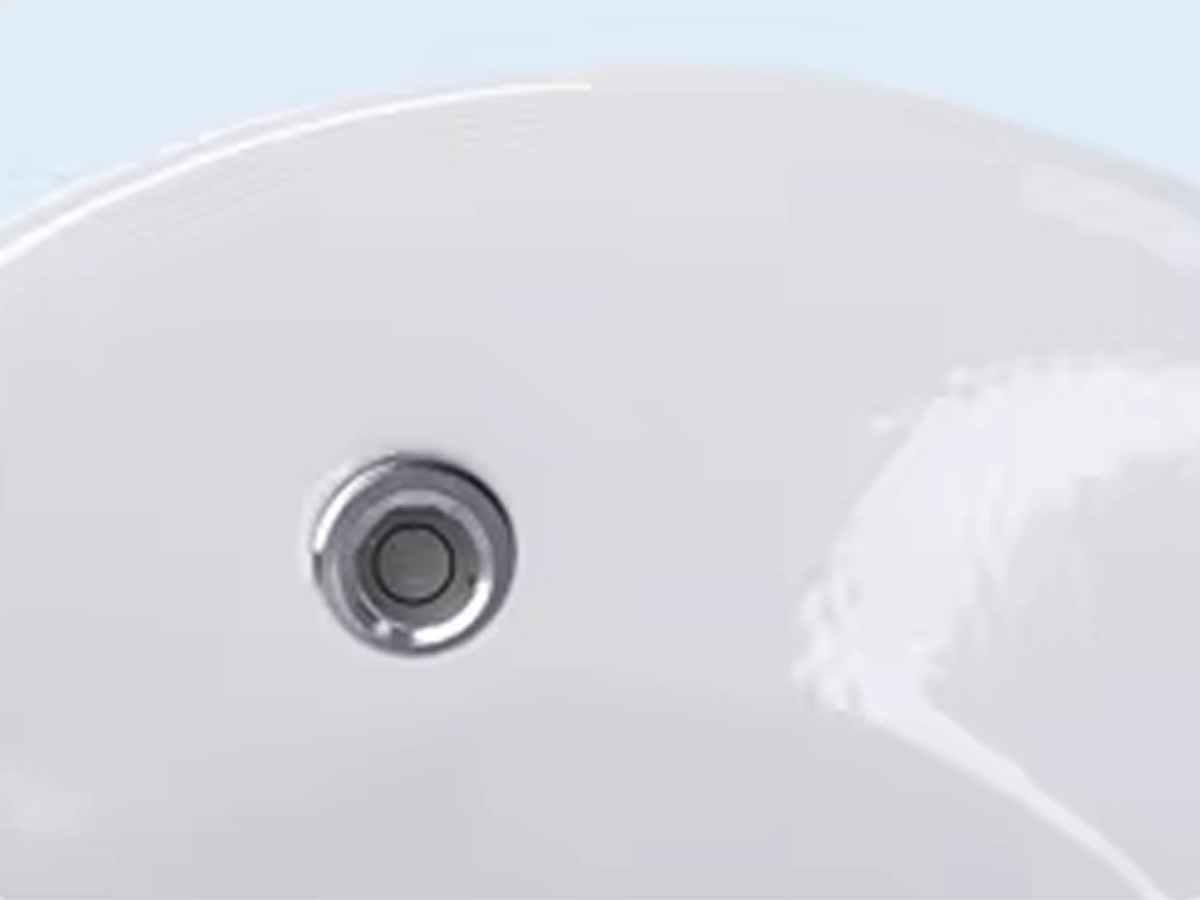
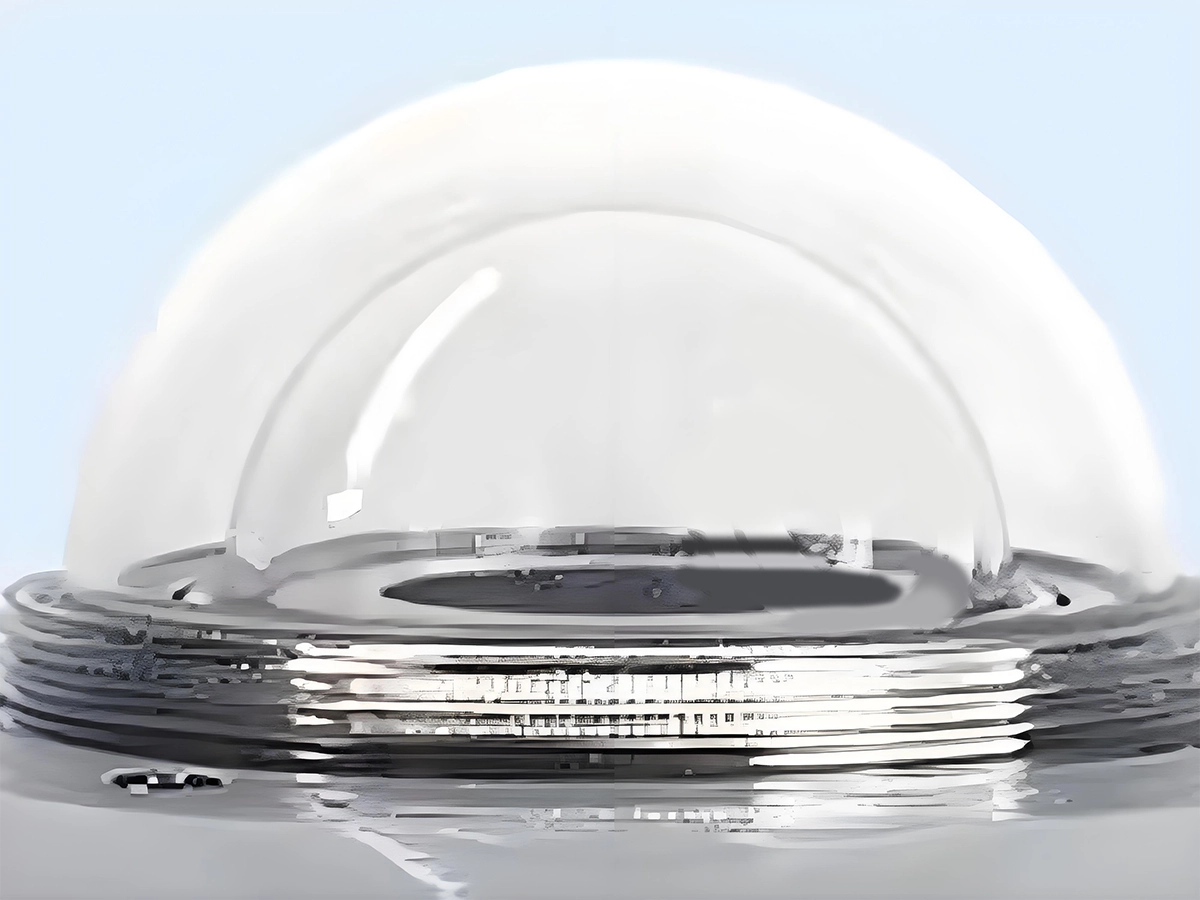
принцип работы датчика интенсивности солнечного излучения
Датчики солнечного излучения в основном работают на основе термоэлектрического эффекта или принципа фотоэлектрического преобразования.
- Термоэлектрические (наиболее распространенные)
Основным компонентом является чувствительная поверхность термобатареи, которая имеет черное покрытие с высоким коэффициентом поглощения в верхней части и белый слой с высоким коэффициентом отражения в нижней части. Под воздействием солнечного излучения чувствительная поверхность поглощает тепло и нагревается, создавая разницу температур с нижним слоем. На основе Эффект Зеебека, При этом генерируется слабый термоэлектрический потенциал, величина которого прямо пропорциональна интенсивности излучения. После преобразования схемой на выходе получается стандартный электрический сигнал, который затем используется для расчета величины излучения. - Тип фотоэлектрической установки
Этот метод использует фотоэлектрический эффект светочувствительных элементов. Световое возбуждение заставляет электроны генерировать электрический ток, а интенсивность тока изменяется в зависимости от изменения освещенности. После обработки сигнала получаются данные измерений. Этот метод в основном используется для обнаружения излучения в видимом световом спектре.
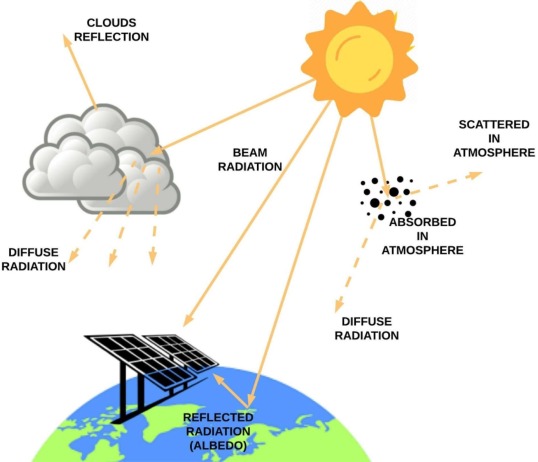
Датчики солнечного излучения могут измерять различные типы излучения, включая суммарная радиация, Прямое излучение и диффузное излучение. Среди них солнечный фотометр - это тип датчика солнечной радиации, использующий принцип спектрофотометра с многополосным оптическим фильтром для измерения таких атмосферных параметров, как оптическая глубина аэрозолей и мутность.
Технические характеристики
Технические характеристики датчика интенсивности солнечного излучения обычно включают основную информацию об изделии, способах установки, типах выходных сигналов и ключевых показателях производительности, что помогает пользователям получить полное представление об измерительных возможностях датчика и диапазоне его применения. Ниже приведены технические характеристики датчика интенсивности солнечного излучения:
Параметры
| Серия | HCD |
| Характеристики | Высокая чувствительность |
| Тип крепления | Многофункциональный |
| Описание | Установка фланца |
| Номер модели | XF-C60 |
| Тип | метеостанция |
| Название бренда | Яньтайский датчик |
| Использование | PAR |
| Выход | RS485 |
| Описание | Датчик солнечной радиации с общим пиранометром |
| Описание | датчик солнечного излучения |
| Выход | 200 мВ от исходной мощности |
| Чувствительность | 7-14мв/квт*-2 |
| Время отклика | <35 с (реакция 99%) |
| Ежегодная стабильность | ≤±2% |
| Косинусная характеристика | ≤±7% (высота солнца 10°) |
| Позиция | ≤±5%(высота солнца10°) |
| Нелинейный | ≤±2% |
| Спектральный диапазон | 0,3-3,2 мкм |
| Температурный коэффициент | ≤±2%(-10-40℃) |
Датчик интенсивности солнечного излучения
Точное измерение
Высококачественные сенсорные компоненты обеспечивают минимальную погрешность и стабильный, надежный сбор данных.
Быстрое реагирование
Отличается высокой чувствительностью, позволяющей быстро фиксировать изменения интенсивности излучения.
Устойчивость к атмосферным воздействиям
Водонепроницаемые, пылезащищенные и антивозрастные; разработаны для работы в суровых внешних условиях.
Сверхнизкое энергопотребление
Все устройство потребляет минимум энергии, что делает его идеальным для длительного мониторинга без присмотра в полевых условиях.
Широкий диапазон измерений
Охватывает широкий спектр интенсивности солнечного излучения, что делает его пригодным для широкого спектра применений.
Прочная конструкция
Корпус изготовлен из прочных материалов, что обеспечивает долгий срок службы.
Применение пиранометрического датчика
Пиранометрические датчики широко используются в отраслях, где требуется мониторинг солнечной радиации и интенсивности света, обеспечивая точные данные в режиме реального времени для экологического мониторинга, управления энергопотреблением и интеллектуальных систем управления. Их применение охватывает множество областей, включая производство фотоэлектрической энергии, сельскохозяйственную метеорологию, научные исследования, энергоэффективность зданий, транспорт и мониторинг окружающей среды, что делает их жизненно важным компонентом современных интеллектуальных систем мониторинга.
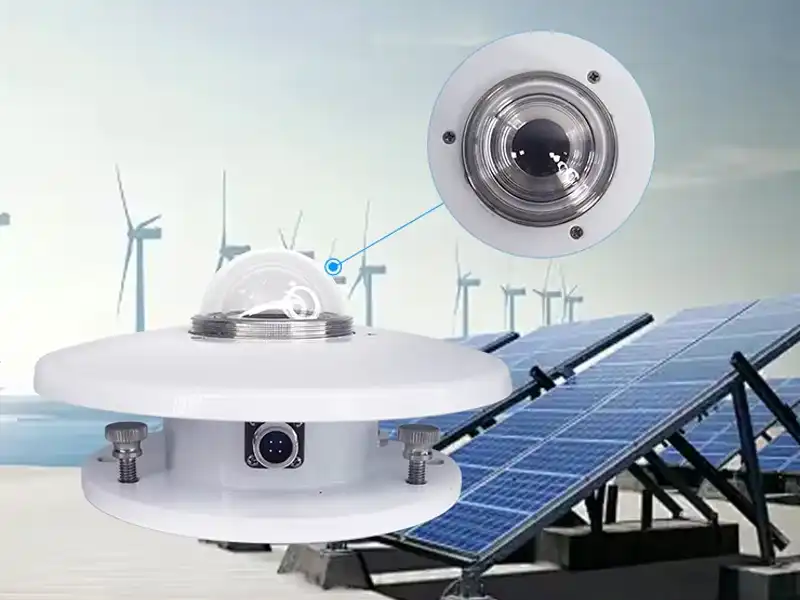
Мониторинг фотоэлектрических станций
Мониторинг солнечного излучения в режиме реального времени для повышения эффективности производства солнечной энергии и возможностей оперативного управления.
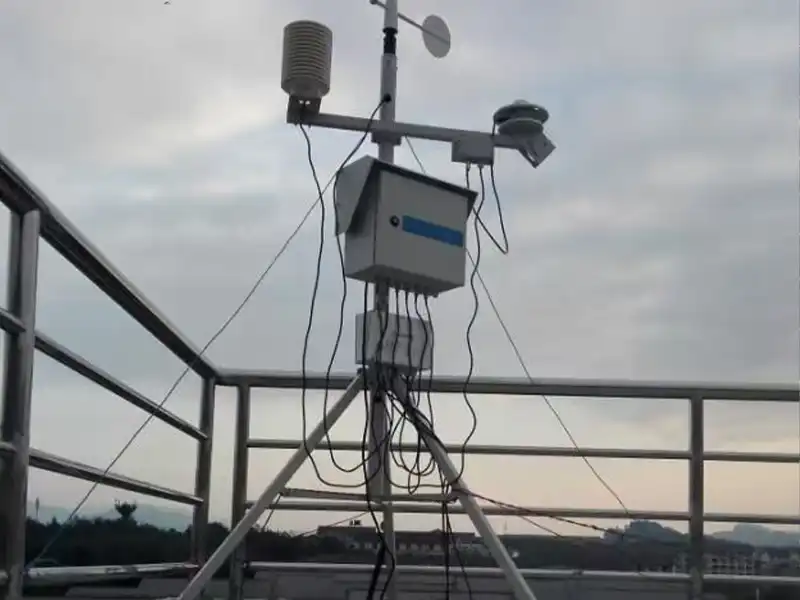
Метеорологические и экологические
Седло для наблюдения за солнечной радиацией на метеостанциях, предоставляющее данные для анализа погоды и исследования климата.
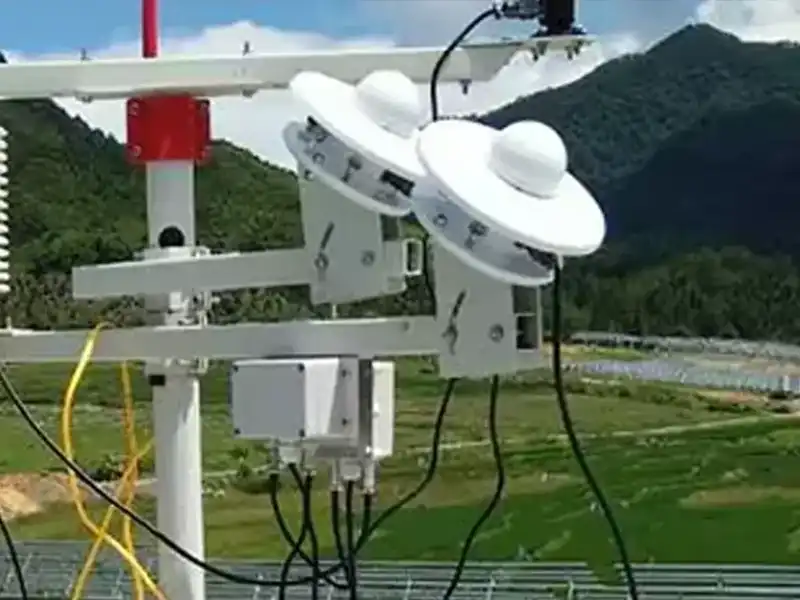
Умное сельское хозяйство
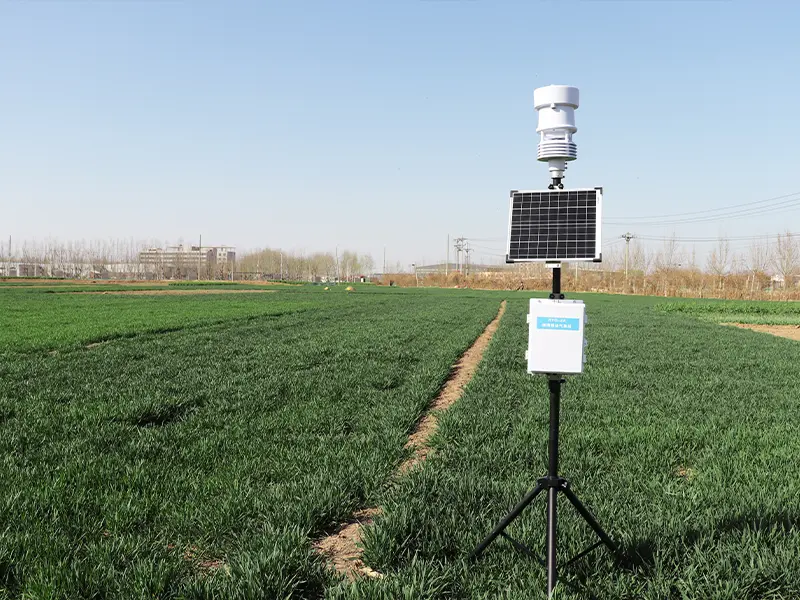
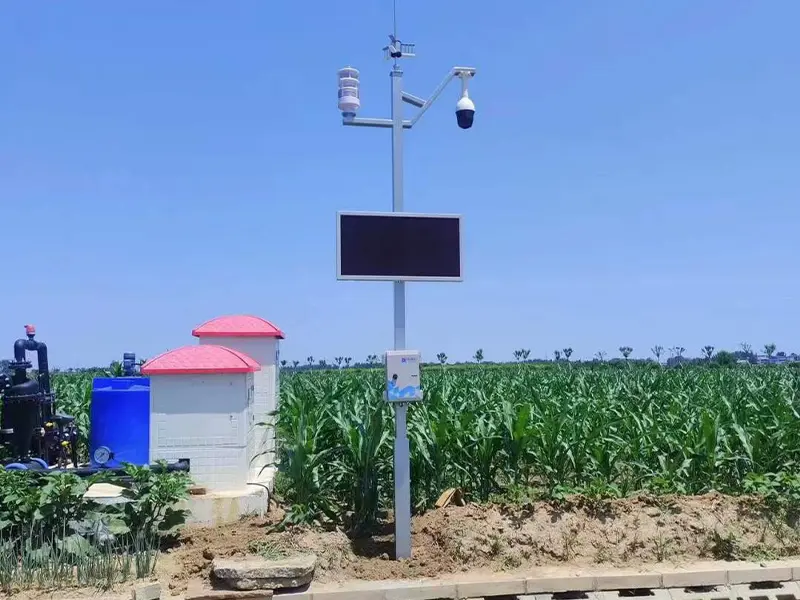
Контролирует освещенность на сельскохозяйственных полях, облегчая управление теплицами и точное орошение.
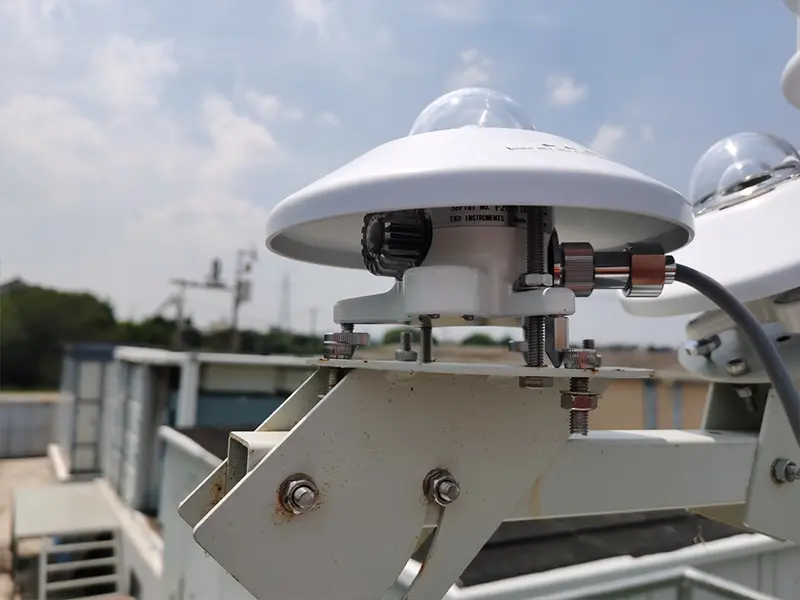
Системы энергосбережения в зданиях
В сочетании с интеллектуальной системой управления зданием это решение позволяет оптимизировать управление естественным освещением и энергопотреблением.
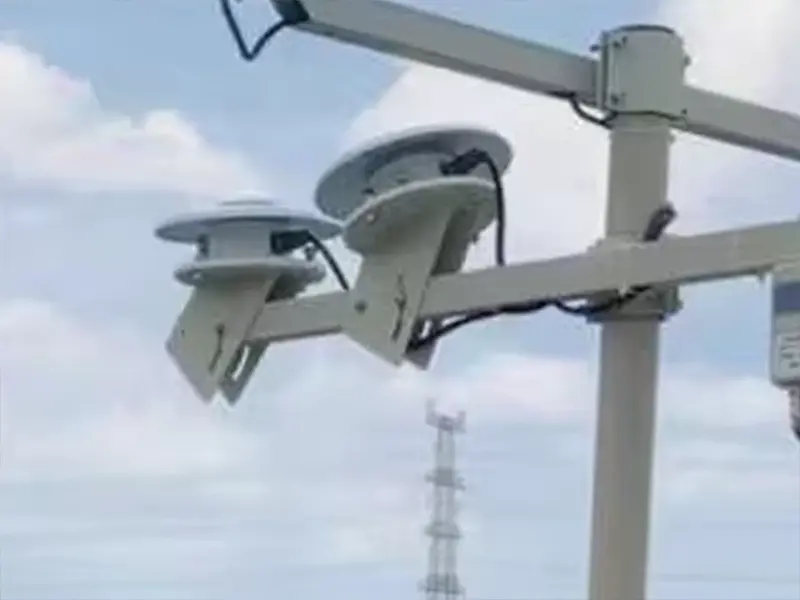
Мониторинг дорог и дорожного движения
Используется для мониторинга окружающей среды на автомагистралях и в туннелях для повышения безопасности движения.
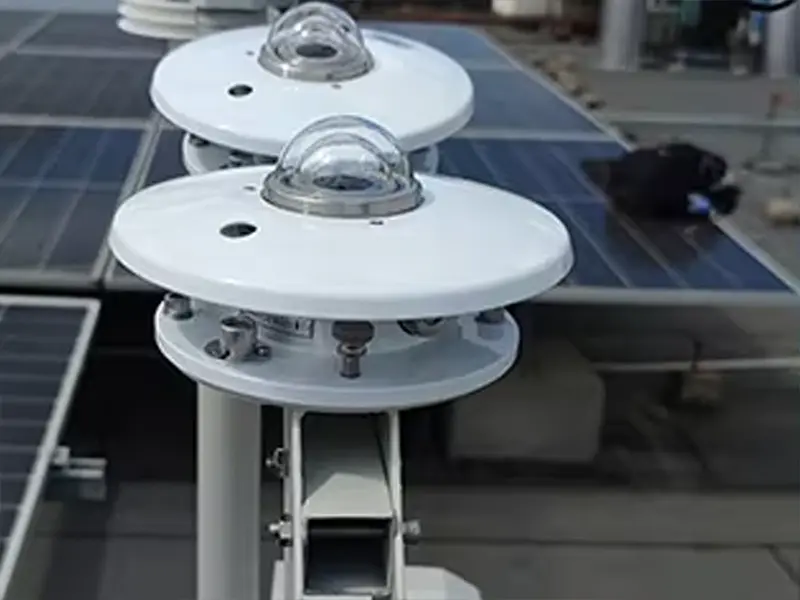
Экология и окружающая среда
Поддерживает долгосрочный анализ данных о освещенности в природоохранных зонах и на станциях экологического мониторинга.
датчик интенсивности солнечного излучения на заказ
Датчик интенсивности солнечного излучения поддерживает многомерную персонализированную настройку, позволяя гибко изменять конфигурацию в зависимости от различных сценариев применения, условий установки, требований к выходным данным и эксплуатационных стандартов. Баланс функциональной совместимости, физических характеристик и интеграции аксессуаров позволяет разрабатывать решения для сбора данных, оптимально соответствующие конкретным условиям эксплуатации.
Параметры настройки
- Методы вывода: Поддерживает различные сигнальные выходы, включая RS485, Modbus, 0-5 В и 4-20 мА.
- Диапазон измерений: Диапазон измерения солнечного излучения может быть настроен в соответствии с различными требованиями к интенсивности освещения.
- Варианты крепления: Поддерживает различные варианты крепления, включая кронштейны, фланцы и настенный монтаж.
- Длина кабеля: Соединительные кабели могут иметь различную длину в зависимости от требований к проводке на объекте.
- Материал корпуса: Поддерживает специальные решения корпуса, устойчивые к коррозии, солевому туману и ультрафиолетовому излучению.
- Рейтинг защиты: Имеются защитные конструкции для сред с высокими температурами, высокой влажностью и пылью.
- Коммуникационные протоколы: Поддерживает совместимость с различными промышленными протоколами связи и системными платформами.
- Источник питания: Поддерживает солнечную энергию, энергию постоянного тока и решения с низким энергопотреблением.
- Логотип и маркировка: Предлагает услуги по персонализации логотипов, табличек и упаковки.
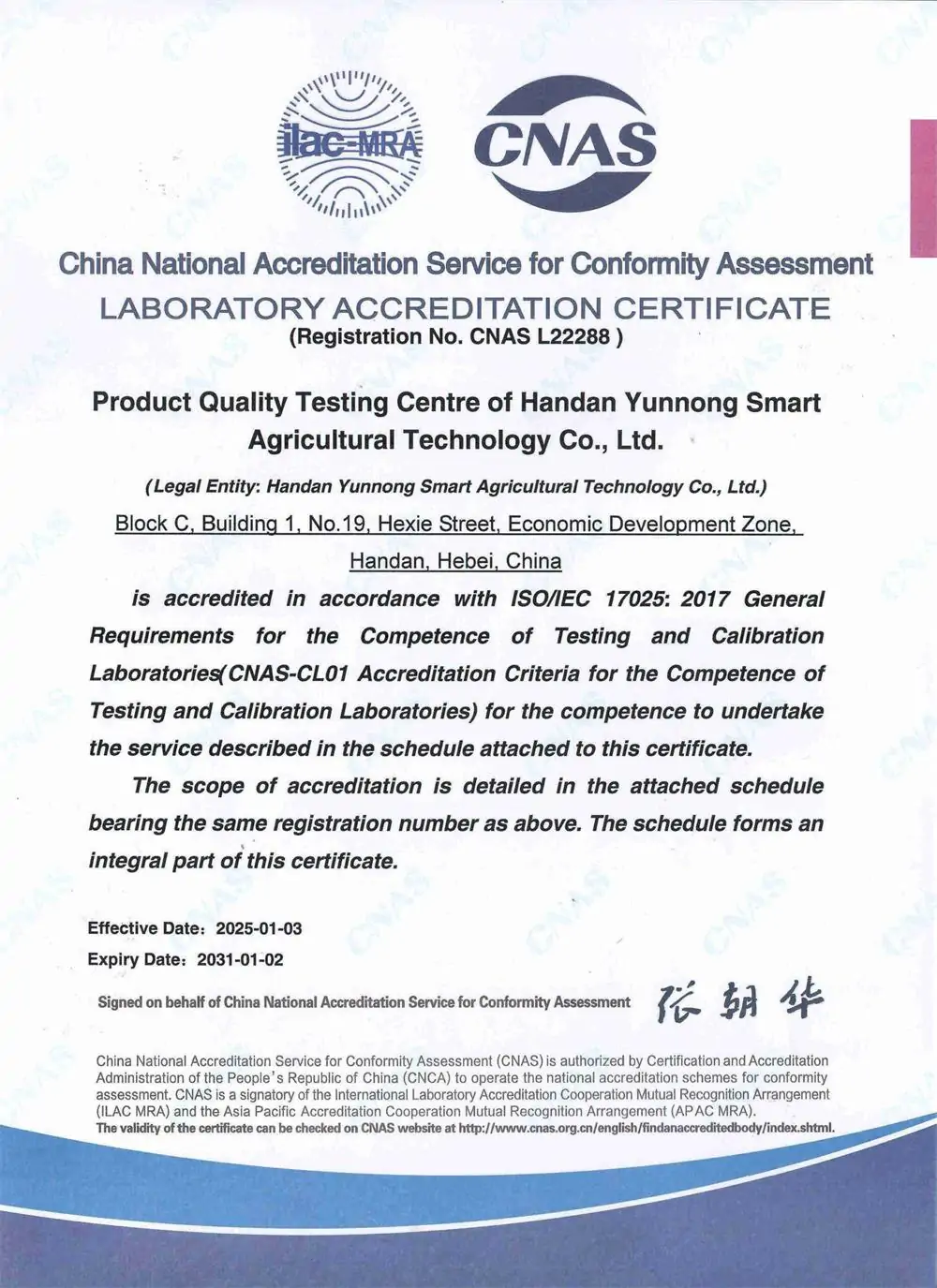
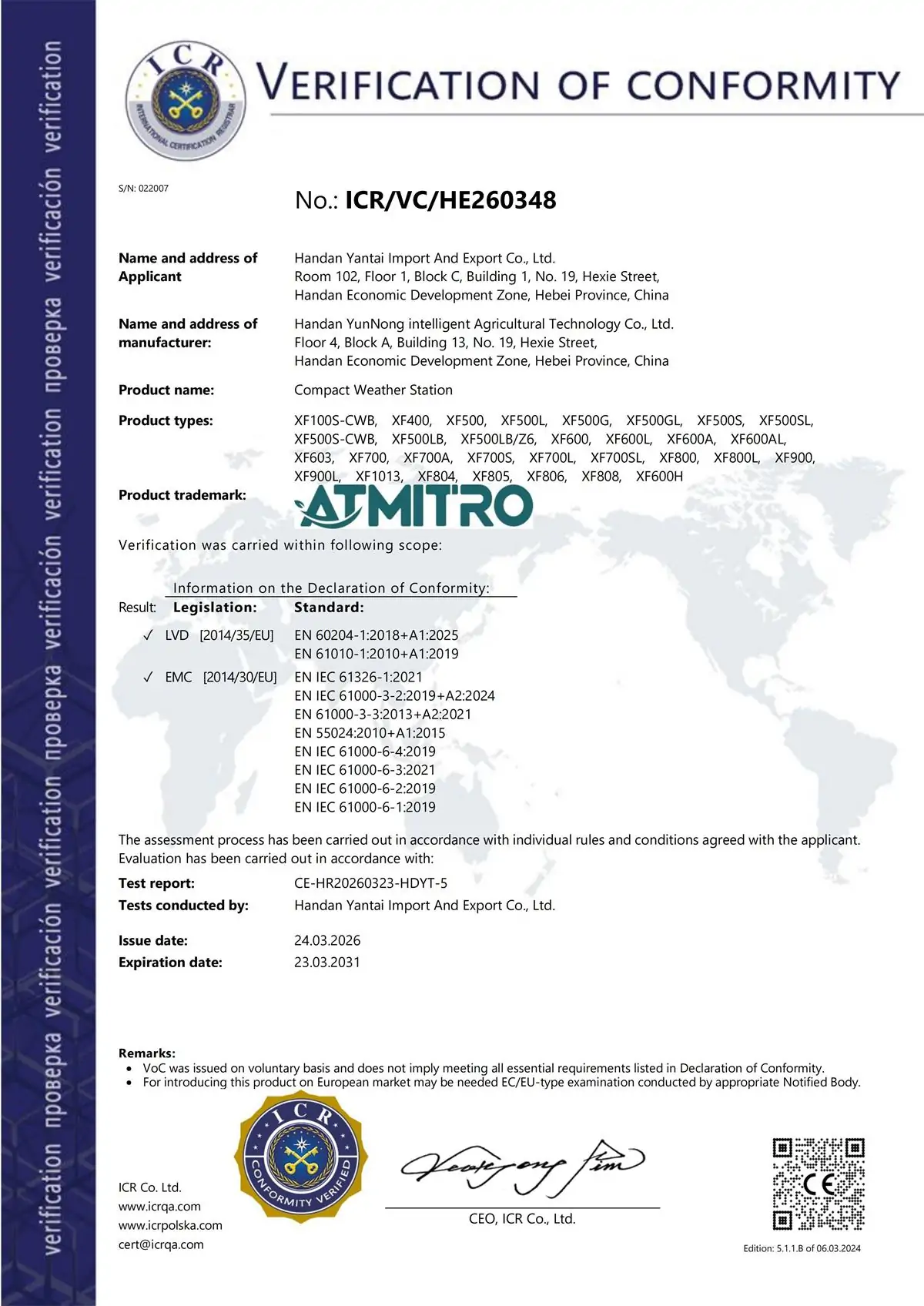
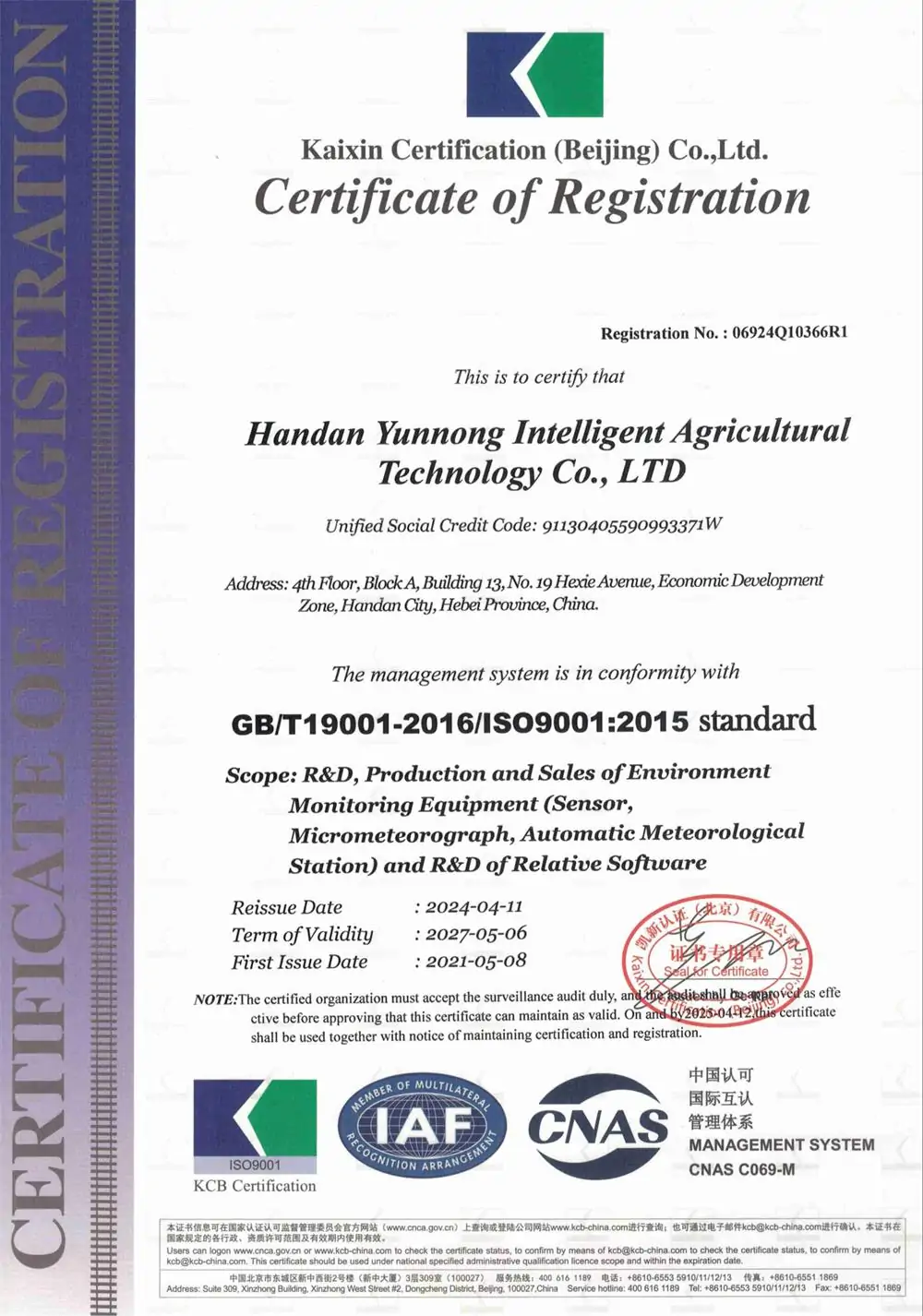
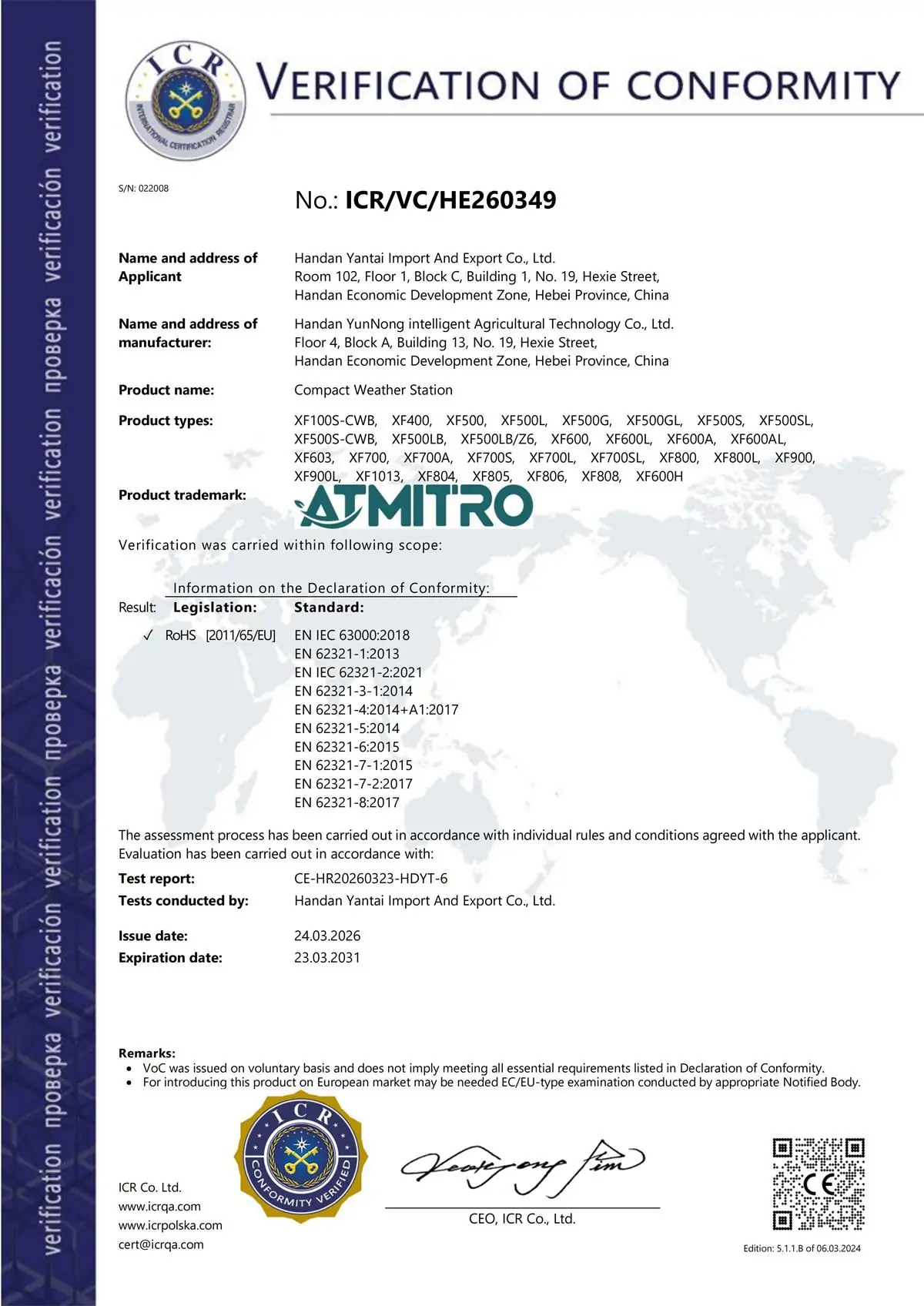
солнечный датчик интенсивности производитель и поставщик
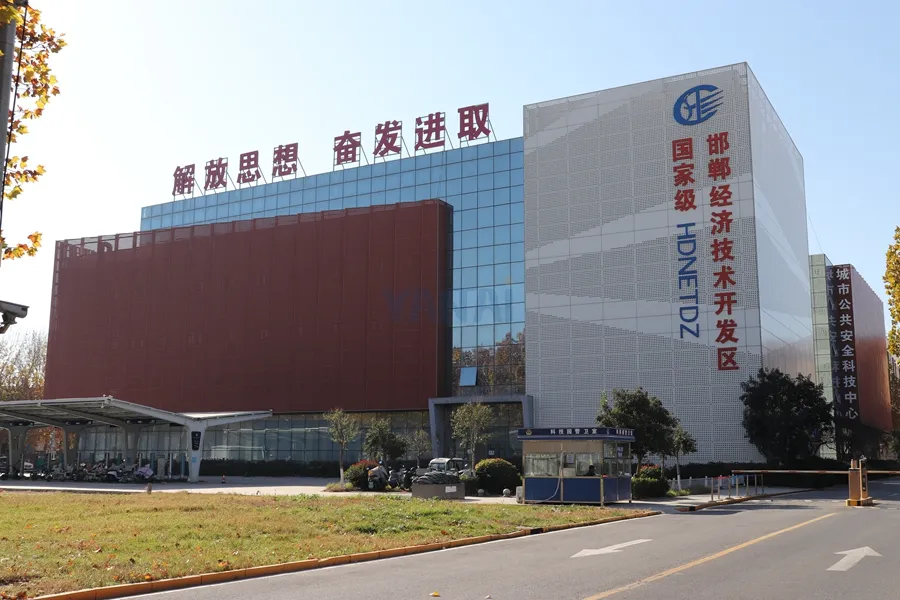
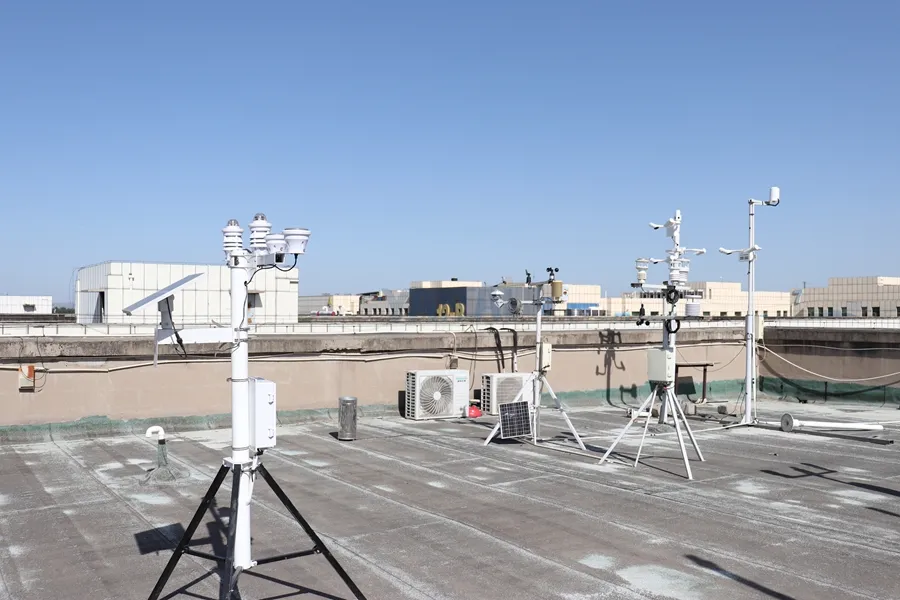
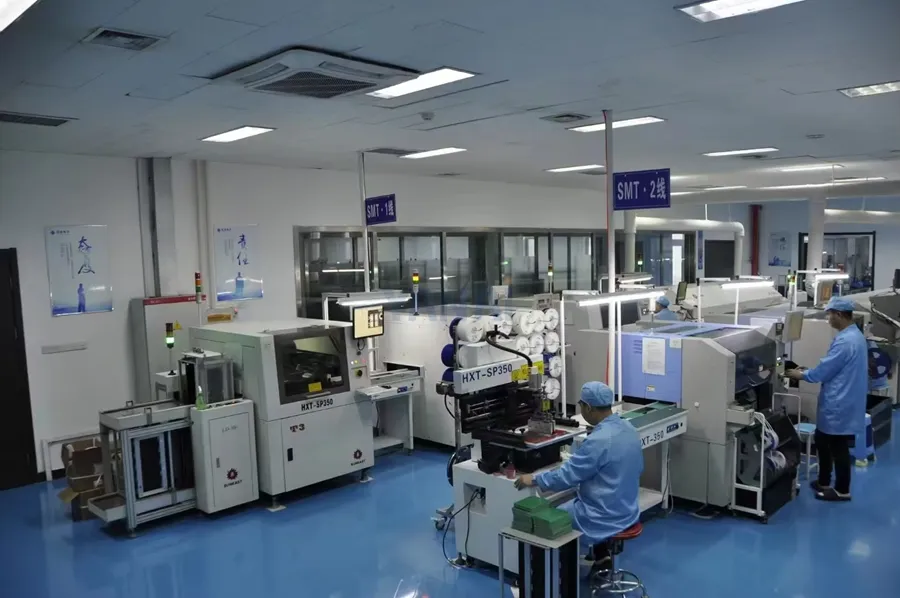
Yantai Sensor является профессиональным производителем и поставщиком датчиков интенсивности солнечного излучения, предоставляя передовые решения для мониторинга окружающей среды для солнечные электростанции, интеллектуальном сельском хозяйстве, промышленной автоматизации, транспорте и экологических исследованиях. Наш высокопроизводительный датчик солнечной радиации обеспечивает точное измерение солнечной радиации в режиме реального времени, гарантируя надежный и непрерывный сбор данных для точного мониторинга и оптимизации энергопотребления в современных приложениях, включая интеллектуальные сельскохозяйственные системы, фотоэлектрические электростанции и промышленные IoT-развертывания.
Наши датчики для систем мониторинга солнечной активности поддерживают множество интерфейсов связи, таких как RS485, Modbus RTU, 4G, LoRa, NB-IoT и WiFi, что обеспечивает беспрепятственную интеграцию с облачными платформами и системами мониторинга сторонних производителей. Благодаря водонепроницаемой защите промышленного класса, антикоррозийному корпусу, низкому энергопотреблению и опциональным конфигурациям с питанием от солнечных батарей, система обеспечивает стабильную длительную работу в суровых внешних условиях. Мы также предлагаем услуги по гибкой настройке OEM/ODM для удовлетворения различных требований проекта. Связаться с Мы предлагаем надежный датчик интенсивности солнечного излучения и профессиональную техническую поддержку для ваших проектов по мониторингу солнечной активности.