Введение
Насколько точным должно быть измерение солнечной радиации? Ответ зависит от того, для каких целей используется измерение. Оценка солнечных ресурсов, промышленный фотоэлектрический проект и обычная метеорологическая станция могут предъявлять совершенно разные требования к качеству данных. Это означает, что не существует единого значения точности, подходящего для всех приложений мониторинга солнечной радиации.
На практике точность измерения солнечной радиации зависит не только от самого датчика, но и от того, как он откалиброван, установлен и обслуживается в полевых условиях. То же самое справедливо при оценке точности датчика солнечной радиации: технические характеристики датчика предоставляют важную информацию о его производительности, но не обязательно отражают точность измерения солнечной радиации всей измерительной системы в реальных наружных условиях.
Понимание этих различий помогает пользователям выбрать подходящее измерительное оборудование, не просто выбирая датчик с заявленной максимальной точностью. В этом руководстве объясняется, что влияет на точность измерения солнечной радиации, как следует интерпретировать классы ISO 9060, какие требования предъявляют различные приложения и как выбрать подходящий датчик солнечной радиации для надежного долгосрочного мониторинга.
Насколько точным должно быть измерение солнечной радиации?
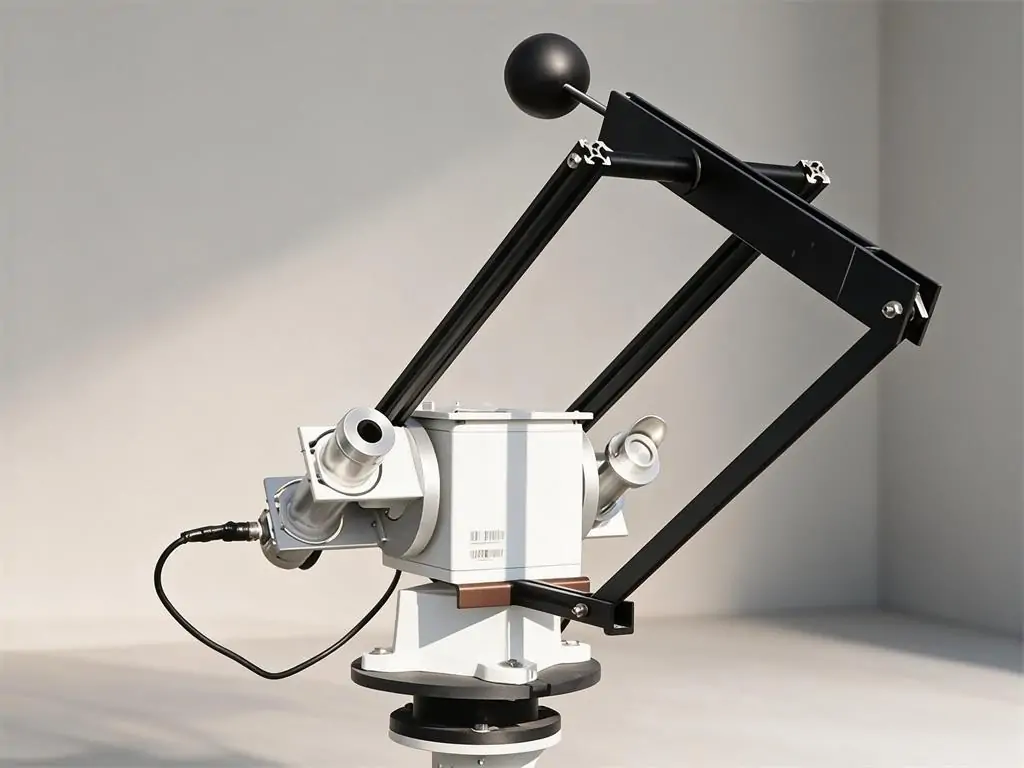
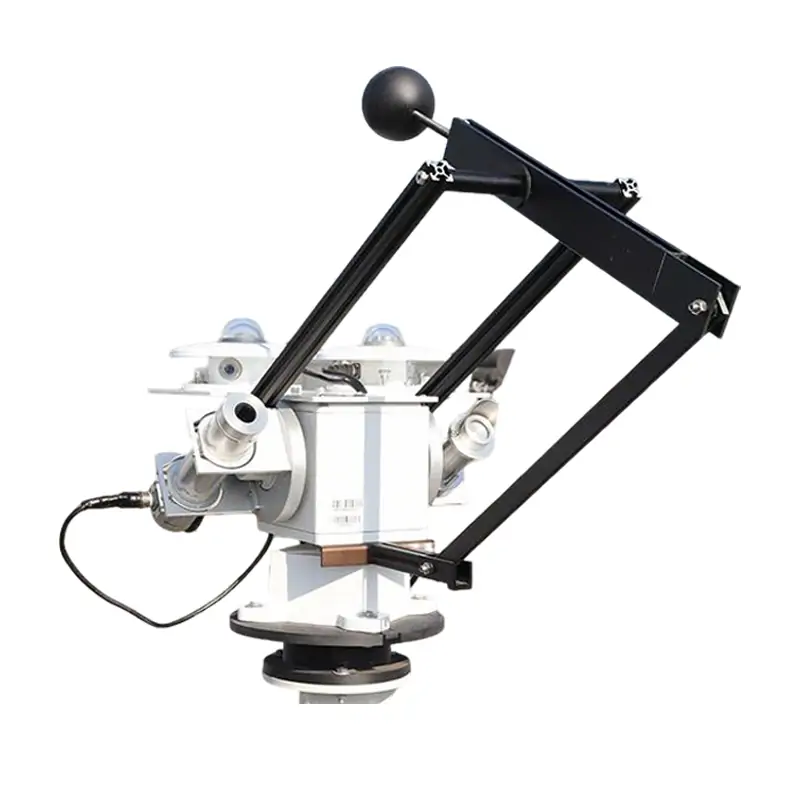
Не существует единого уровня точности для каждого проекта измерения солнечной радиации. Требования зависят в основном от назначения данных. Метеорологическая станция может нуждаться только в надежных рутинных измерениях, в то время как оценка солнечных ресурсов или анализ производительности фотоэлектрических систем могут требовать более строгого контроля неопределенности измерений. Чтобы узнать больше, нажмите на “Что такое автоматическая система измерения с отслеживанием солнца?”
Оценка ресурсов солнечной энергии
Оценка солнечных ресурсов основана на долгосрочных данных GHI, DNI или DHI для характеристики доступного солнечного ресурса. Небольшие систематические погрешности измерений могут повлиять на итоговые оценки солнечных ресурсов, особенно при сборе данных в течение длительных периодов времени.
Для этого приложения точность измерения солнечной радиации следует рассматривать вместе с прослеживаемостью калибровки, стабильностью датчика, косинусной характеристикой, спектральной характеристикой и условиями на площадке. Хорошо откалиброванный датчик со стабильными полевыми характеристиками, как правило, более ценен, чем выбор оборудования, основанный только на рекламном показателе точности.
Мониторинг производительности PV-систем
Мониторинг фотоэлектрических систем использует данные об irradiance для оценки выработки энергии и производительности системы. В зависимости от проекта измерения могут включать GHI или irradiance в плоскости массива (POA).
Требуемая точность измерения солнечной радиации должна соответствовать стандарту мониторинга и цели анализа. Классификация ISO 9060 полезна при сравнении приборов, но ее не следует рассматривать как единый общий процент точности. Отдельные характеристики, такие как нелинейность, нестабильность, направленная характеристика и температурная характеристика, также имеют значение.
Метеорологический и экологический мониторинг
Для рутинных метеорологических, сельскохозяйственных и экологических измерений датчик с максимальной производительностью не всегда необходим. Приоритетом обычно является разумный баланс между точностью, стабильностью, устойчивостью к воздействию окружающей среды, обслуживанием и стоимостью.
В этих приложениях правильно установленный и обслуживаемый датчик, обеспечивающий стабильные данные, может быть более практичным, чем излишне высокотехнологичный прибор.
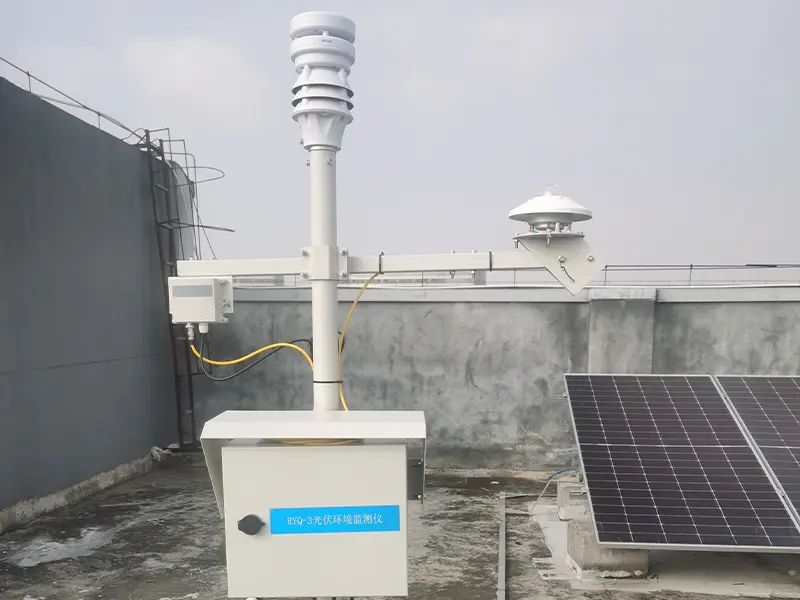
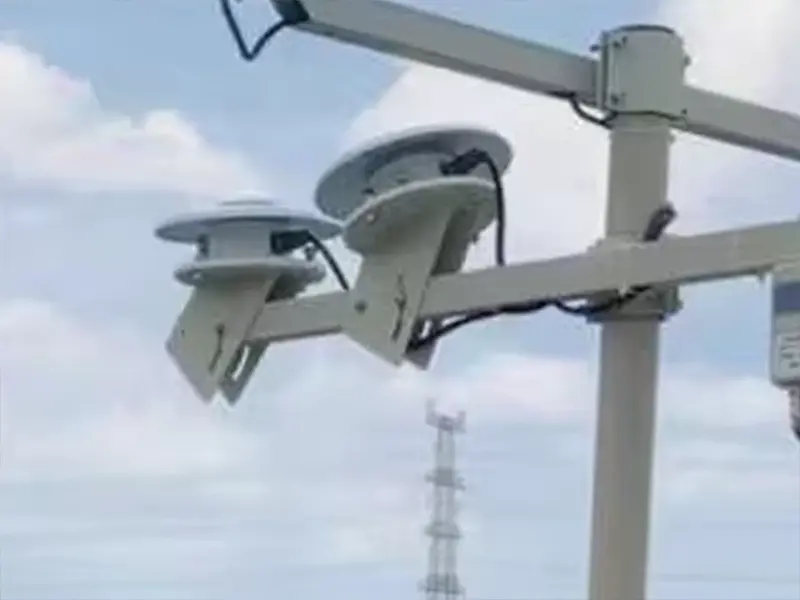
Что определяет точность измерения солнечной радиации?
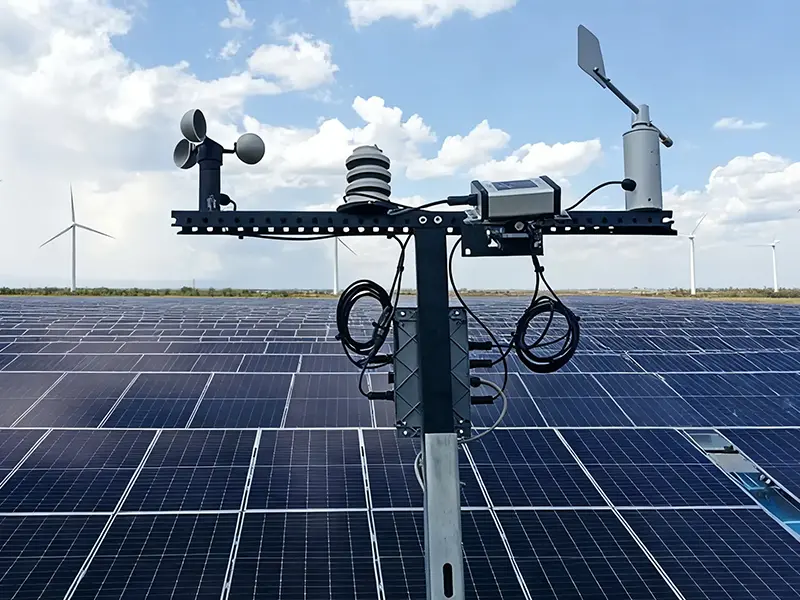
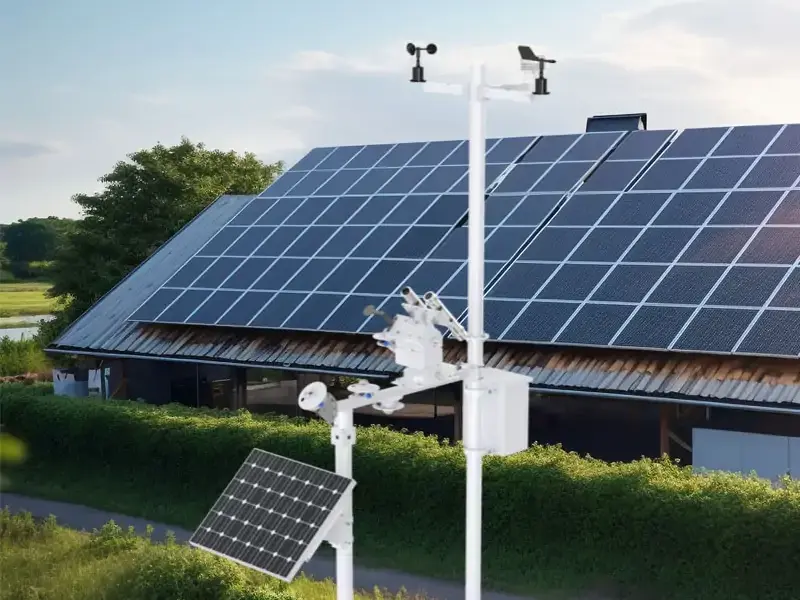
Точность системы измерения солнечной радиации определяется не только характеристиками датчика. Производительность датчика, калибровка, установка, условия окружающей среды, обслуживание и сбор данных — все это может повлиять на конечный результат. При долгосрочном мониторинге фотоэлектрических систем и оценке солнечных ресурсов даже относительно небольшие источники погрешности могут стать значимыми при сравнении измерений в течение месяцев или лет.
На практике основная задача заключается не просто в выборе датчика с хорошими техническими характеристиками. Измерительная установка должна оставаться пригодной в условиях, в которых она будет фактически эксплуатироваться. Поэтому следующие факторы важны при оценке точности измерения солнечной радиации в полевых условиях. Чтобы узнать больше, нажмите здесь: Ошибки при измерении солнечной радиации: распространенные ошибки, влияющие на качество данных о солнечной радиации.
Производительность датчика
Отправной точкой для точности датчика солнечной радиации является производительность чувствительного элемента и оптической конструкции. Ключевые характеристики включают нелинейность, нестабильность, спектральную характеристику, температурную характеристику, направленную характеристику, характеристику наклона и время отклика. Эти спецификации описывают различные аспекты поведения датчика и должны рассматриваться совместно, а не сводиться к единому показателю точности измерения солнечной радиации.
Для пиранометра эти характеристики определяют, насколько последовательно прибор реагирует на изменения irradiance, положения солнца, температуры и атмосферных условий. Например, направленная характеристика становится более актуальной при низких углах возвышения солнца, в то время как долгосрочная стабильность особенно важна для систем мониторинга, которые должны работать непрерывно в течение нескольких лет. Для более подробного ознакомления с конструкцией пиранометра и принципами измерения см. Что такое пиранометр и как он работает?
Калибровка и прослеживаемость
Калибровка устанавливает взаимосвязь между выходным сигналом датчика и эталонным измерением при определенных условиях. При оценке датчика солнечной радиации сертификат калибровки полезен, но покупатели также должны учитывать метод калибровки, эталонный стандарт, прослеживаемость, измеренную чувствительность и заявленную неопределенность калибровки.
Калибровка не устраняет погрешности, которые могут возникнуть после установки датчика. Изменения чувствительности с течением времени, условия установки, загрязнение, температурные эффекты и другие элементы измерительной цепи могут влиять на конечный полевой результат. Для долгосрочных проектов ведение записей калибровки и периодическая проверка производительности датчика могут помочь выявить дрейф до того, как он существенно повлияет на набор данных измерений.
Косинусная и направленная характеристика
Солнечная радиация достигает датчика под разными углами в течение дня, поэтому прибор должен сохранять адекватную реакцию при изменении зенитного угла солнца. Эта характеристика обычно оценивается через направленную или косинусную реакцию, которая становится особенно актуальной, когда радиация поступает под большим углом к нормальной оси датчика.
Эффект особенно заметен вблизи восхода и заката, когда солнце находится близко к горизонту. Установка может дополнительно увеличить погрешность, если датчик не выровнен точно по уровню. Для измерений, где низкоугловая солнечная радиация вносит значительный вклад в анализ, следует учитывать как направленные характеристики датчика, так и точность его установки.
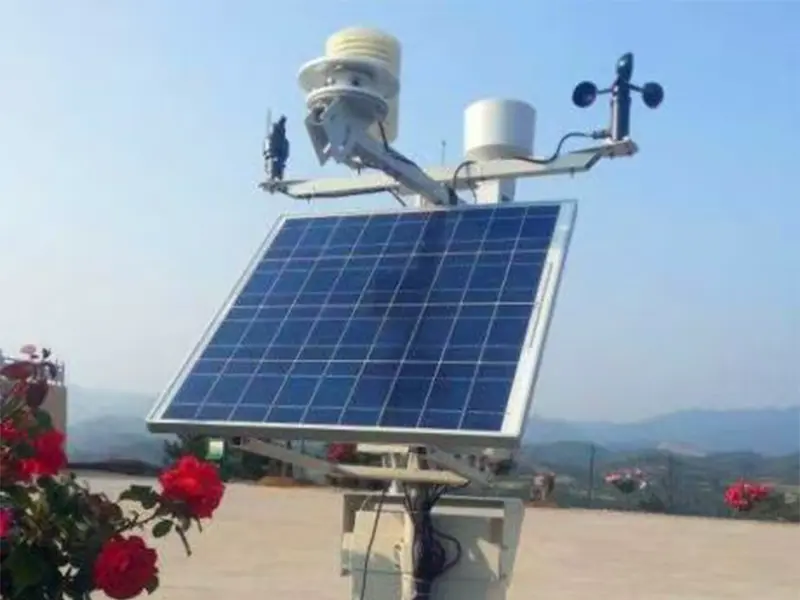
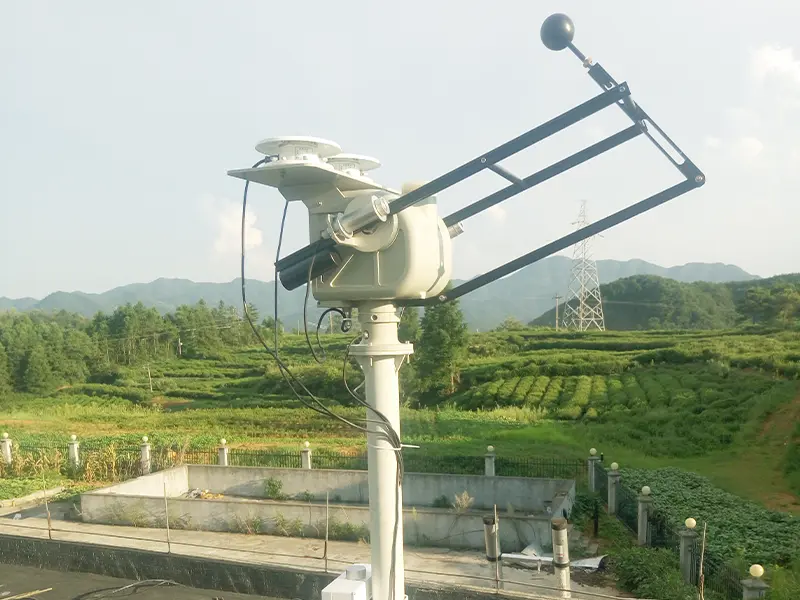
Температурная характеристика
Наружные солнечные датчики работают в широком диапазоне температур окружающей среды, и изменения температуры могут влиять на выходной сигнал датчика. Температурная характеристика прибора поэтому является важным фактором при оценке точности датчика солнечной радиации, особенно для систем мониторинга, подверженных значительным суточным или сезонным колебаниям температуры.
Соответствующая спецификация — это не просто рабочий диапазон температур датчика. Покупателям следует также изучить, как изменяется реакция измерения в этом диапазоне и применимы ли заявленные характеристики в условиях, ожидаемых на месте установки. Это одна из причин, по которой лабораторные характеристики или характеристики при комнатной температуре не следует автоматически считать репрезентативными для долгосрочных наружных измерений.
Спектральная характеристика
Спектр падающего солнечного света изменяется в зависимости от высоты солнца, атмосферных условий, облачности и воздушной массы. Поскольку датчик не обязательно реагирует одинаково на каждую длину волны, его спектральная характеристика может влиять на соотношение между измеренным значением и фактической широкополосной irradiance.
Это соображение становится более важным при сравнении различных технологий детекторов или использовании данных irradiance для анализа производительности фотоэлектрических систем. Вместо того чтобы рассматривать только номинальный диапазон длин волн, инженеры должны учитывать, как датчик реагирует в этом диапазоне и соответствуют ли его спектральные характеристики предполагаемому применению измерений.
Установка и выравнивание
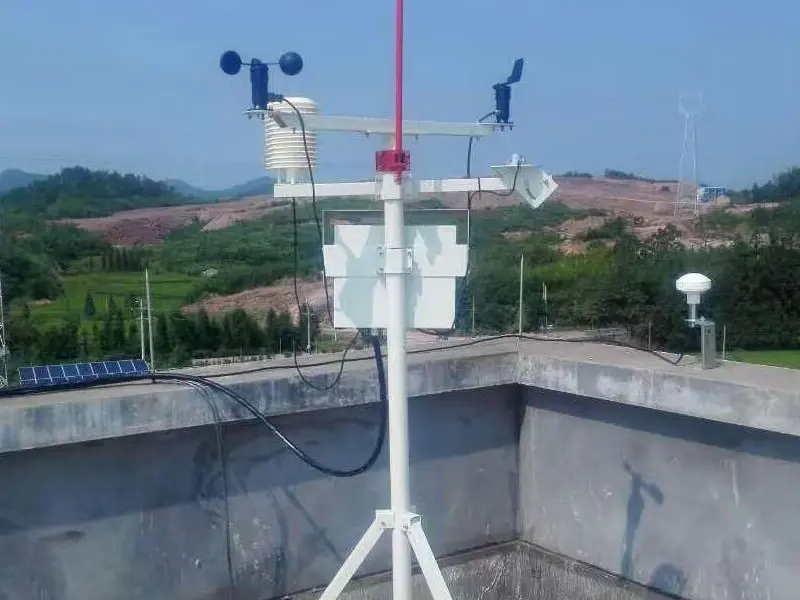
Правильная установка необходима для достижения надежных полевых измерений. Пиранометр, используемый для измерения горизонтальной irradiance, должен быть точно выровнен по уровню, надежно закреплен и расположен так, чтобы близлежащие конструкции, оборудование или растительность не создавали значительного затенения или отраженного излучения. Монтажная конструкция также должна оставаться стабильной в течение всего периода мониторинга.
Геометрия установки должна соответствовать цели измерения. Для irradiance в плоскости массива (POA) датчик должен повторять ориентацию и наклон оцениваемой фотоэлектрической поверхности, в то время как измерение GHI требует горизонтальной опорной плоскости. На следящих системах схема измерений также может потребовать учета движения массива. Эти детали могут напрямую влиять на качество собираемых данных irradiance.
Очистка и условия окружающей среды
Наружное воздействие может постепенно влиять на оптическую поверхность датчика солнечной радиации. Пыль, пыльца, солевые отложения, снег, иней, роса и капли воды могут уменьшать или изменять радиацию, достигающую чувствительного элемента. Степень воздействия сильно зависит от местного климата и условий площадки, поэтому один и тот же интервал технического обслуживания может не подходить для каждой установки.
Конденсат может быть особенно трудно обнаружить, поскольку он может возникать в периоды, когда датчик выглядит чистым при плановом осмотре. Регулярный осмотр и очистка, а также соответствующая защита окружающей среды помогают поддерживать стабильные измерения. Для проектов в пыльных, прибрежных, снежных или влажных средах план технического обслуживания следует рассматривать как часть измерительной системы, а не как отдельный эксплуатационный вопрос.
Точность измерения солнечной радиации против неопределенности измерения
Заявленная точность датчика описывает его ожидаемую производительность в определенных условиях испытаний, в то время как неопределенность измерения отражает диапазон значений, которые могут быть обоснованно связаны с результатом измерения. Эти два термина связаны, но не взаимозаменяемы. Спецификация, такая как ±2%, не должна рассматриваться как прямое утверждение о неопределенности каждого измерения, выполненного в полевых условиях.
Для мониторинга солнечной радиации на конечный результат измерения могут влиять несколько факторов, помимо самого датчика, включая калибровку, установку, температуру, затенение, загрязнение и систему сбора данных. Сертификат калибровки предоставляет важную информацию о калиброванных характеристиках и прослеживаемости прибора, но неопределенность калибровки является лишь одним из компонентов общей неопределенности полевых измерений.
Это различие особенно важно при выборе датчика солнечной радиации для долгосрочного мониторинга. Вместо сравнения приборов только по одному процентному показателю точности измерения солнечной радиации покупателям следует учитывать соответствующие эксплуатационные характеристики, калибровку и прослеживаемость, требования к установке, условия окружающей среды и ожидаемое техническое обслуживание. На практике: Спецификация датчика ≠ Неопределенность калибровки ≠ Общая неопределенность полевых измерений. Если вы хотите узнать больше, нажмите на “Что такое пиранометр и как он работает?”
Объяснение классов точности ISO 9060
Что такое ISO 9060?
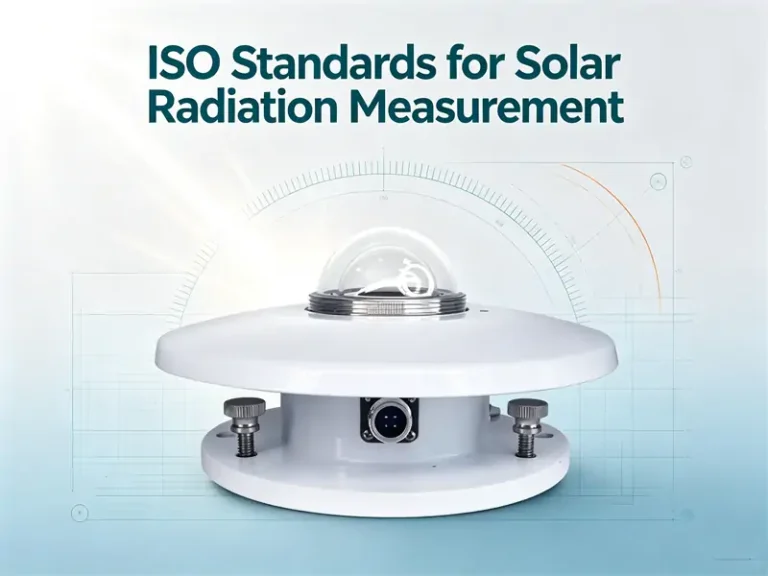
ISO 9060:2018 предоставляет систему классификации для приборов, используемых для измерения полусферической и прямой солнечной радиации. Для пиранометров классификация учитывает несколько эксплуатационных характеристик, а не присваивает один общий процент точности. К ним относятся время отклика, смещение нуля, нестабильность, нелинейность, направленная характеристика, спектральная характеристика, температурная характеристика и характеристика наклона.
Это означает, что класс ISO 9060 не следует интерпретировать как простое утверждение, например, “Класс A = ±1%” или “Класс B = ±2%”. Класс указывает на то, соответствует ли прибор установленным требованиям к производительности по нескольким характеристикам. При оценке датчика солнечной радиации класс следует рассматривать вместе с индивидуальными спецификациями, данными калибровки, условиями установки и требованиями измерительного проекта.
Класс A, Класс B и Класс C
Классы ISO 9060 предоставляют практический способ различать приборы с разными уровнями производительности. Класс A представляет наивысшую категорию производительности, тогда как Класс B и Класс C обеспечивают постепенно менее строгие уровни производительности. Соответствующий выбор зависит от того, как будут использоваться данные об irradiance, какой уровень погрешности измерения допустим для проекта, и применяется ли конкретный стандарт мониторинга или договорное требование.
Например, долгосрочный проект оценки солнечных ресурсов может оправдать использование приборов Класса A, поскольку согласованность данных и качество измерений важны на протяжении всего периода мониторинга. Многие стандартные приложения для фотоэлектрических систем и метеорологии могут использовать Класс B, если его индивидуальные спецификации соответствуют требованиям проекта, тогда как Класс C может подходить для базового мониторинга. Важно выбирать класс на основе цели измерения, а не автоматически выбирать наивысший доступный класс.
| Классификация | Общий уровень производительности | Типичные соображения для применения |
| Класс A | Наивысшая категория производительности | Оценка солнечных ресурсов, исследования, высококачественный мониторинг irradiance, требовательные фотоэлектрические приложения |
| Класс B | Промежуточная категория производительности | Стандартный мониторинг фотоэлектрических систем, метеорологические станции, общие измерения солнечной радиации |
| Класс C | Базовая категория производительности | Универсальный мониторинг и приложения с менее строгими требованиями к данным |
Как выбрать правильный класс ISO 9060?
Начните с цели измерения, а не с класса датчика. Если данные будут использоваться для характеристики солнечных ресурсов, поддержки банковских проектных исследований, сравнения долгосрочных данных irradiance или оценки производительности фотоэлектрических систем, где качество измерений критически важно, может подойти прибор класса A с более высокой производительностью. Для стандартного операционного мониторинга, метеорологических станций и приложений, где умеренная производительность измерений достаточна, класс B может обеспечить более практичный баланс между производительностью и стоимостью. Класс C следует рассматривать, когда цель измерения не требует более жестких характеристик.
Класс — это только первый фильтр. Перед покупкой проверьте конкретные характеристики, relevantные для площадки и измеряемого параметра, а также неопределенность калибровки, прослеживаемость, температурную характеристику, направленную характеристику, нестабильность, требования к установке, защиту окружающей среды и потребности в обслуживании. Датчик класса B с соответствующей калибровкой и контролируемой установкой может быть более подходящим для конкретного проекта, чем прибор более высокого класса, который плохо соответствует применению или условиям эксплуатации.
Какая точность нужна для различных солнечных приложений?
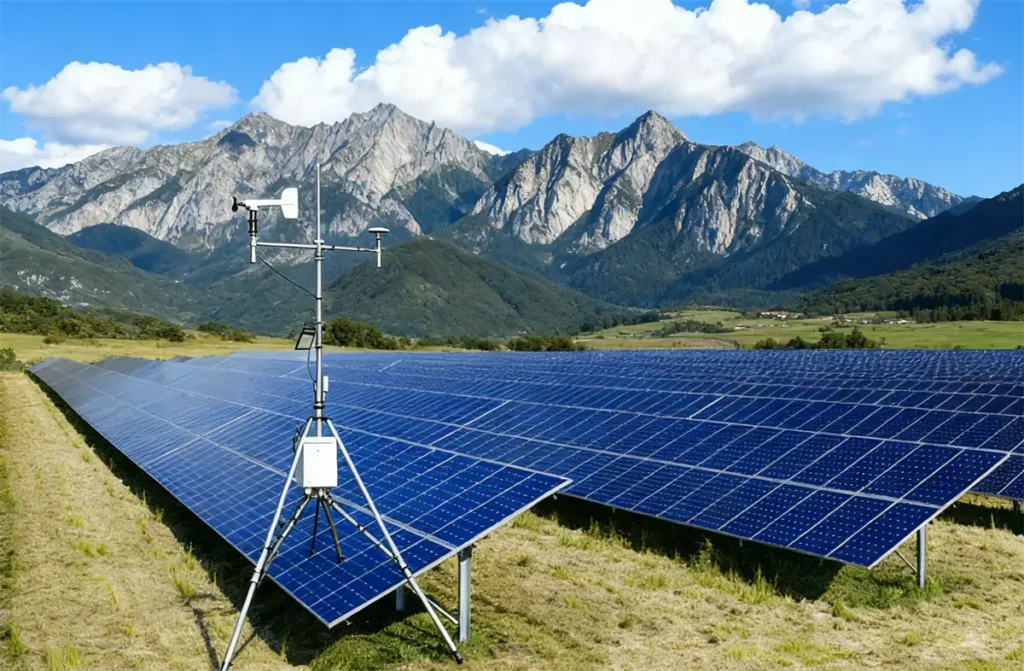
Требуемая точность измерений солнечной радиации в основном зависит от того, как будут использоваться данные irradiance. Оценка солнечных ресурсов и высококачественный мониторинг производительности фотоэлектрических систем обычно требуют более строгого контроля характеристик датчика, калибровки и долгосрочной стабильности, в то время как стандартный метеорологический, сельскохозяйственный и общий мониторинг может использовать более специфический для приложения подход. Цель — не выбирать датчик с наивысшим рейтингом в каждом случае, а выбрать измерительную систему, которая обеспечивает достаточное качество данных для предполагаемой цели.
| Приложение | Приоритет точности солнечных измерений | Рекомендуемый подход |
| Оценка ресурсов солнечной энергии | Очень высокий | Высокопроизводительный датчик с надежной калибровкой и прослеживаемостью |
| Мониторинг производительности PV-систем | Высокий | Соответствующий класс ISO 9060, согласованный с требованиями мониторинга |
| Мониторинг фотоэлектрических систем коммунального масштаба | Высокий | Датчик и измерительная установка, соответствующие стандартам |
| Метеорологический мониторинг | Средний–Высокий | Датчик, выбранный в соответствии с требуемым качеством наблюдений |
| Сельскохозяйственный мониторинг | Средний | Точность, соответствующая цели, с хорошей стабильностью на открытом воздухе |
| Общий мониторинг солнечной радиации | Средний | Сбалансированное решение на основе точности, надежности и стоимости |
Основные характеристики для сравнения при выборе датчика солнечной радиации
При выборе датчика солнечной радиации покупатели должны сравнивать не только заявленное значение точности. Наиболее relevantные спецификации описывают, как датчик работает при различных уровнях irradiance, углах падения солнечных лучей, температурах, спектральных условиях и долгосрочной эксплуатации на открытом воздухе. Информация о калибровке и выходных данных также должна быть проверена, чтобы убедиться, что датчик может быть интегрирован и обслуживаться должным образом в измерительной системе.
| Технические характеристики | Почему это важно |
| Калибровка и неопределенность | Показывает, как устанавливается характеристика датчика и насколько надежно измерение может быть прослежено до эталонного стандарта. |
| Нестабильность | Указывает, как характеристики датчика изменяются со временем, что важно для долгосрочного мониторинга. |
| Нелинейность | Показывает, сохраняет ли датчик постоянную характеристику в пределах своего диапазона измерений. |
| Направленная характеристика | Определяет, насколько точно датчик измеряет радиацию при различных углах падения солнечных лучей. |
| Температурная характеристика | Указывает, как изменения температуры могут влиять на выходной сигнал датчика в условиях открытого воздуха. |
| Спектральная характеристика | Показывает, как датчик реагирует на солнечный спектр и влияет на согласованность измерений при изменяющихся атмосферных условиях. |
Как повысить точность измерений солнечной радиации?
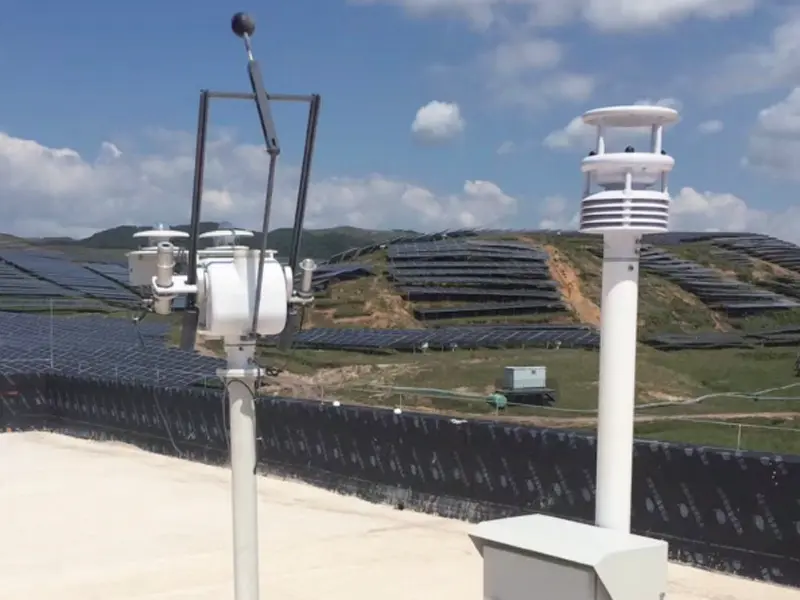
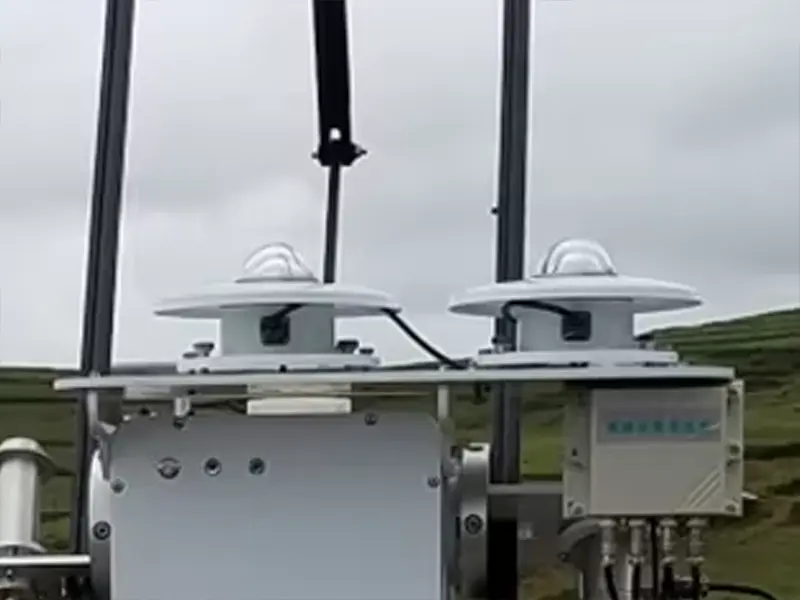
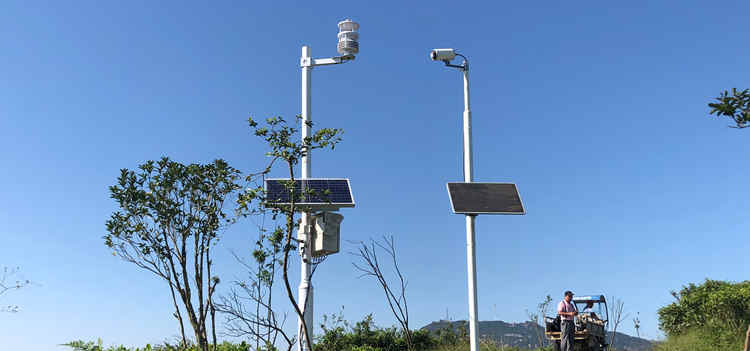
Повышение точности солнечных измерений — это не просто выбор датчика с более жесткими характеристиками. В полевой установке датчик, калибровка, монтаж, условия окружающей среды, обслуживание и система сбора данных — все вносит вклад в конечный результат измерения. Практический подход заключается в том, чтобы сначала согласовать прибор с целью измерения, а затем контролировать факторы, которые могут вносить дополнительную ошибку во время эксплуатации.Если вы хотите узнать больше, нажмите на “Преимущества слежения за солнцем при измерении радиации.”
Выберите правильный датчик и уровень калибровки
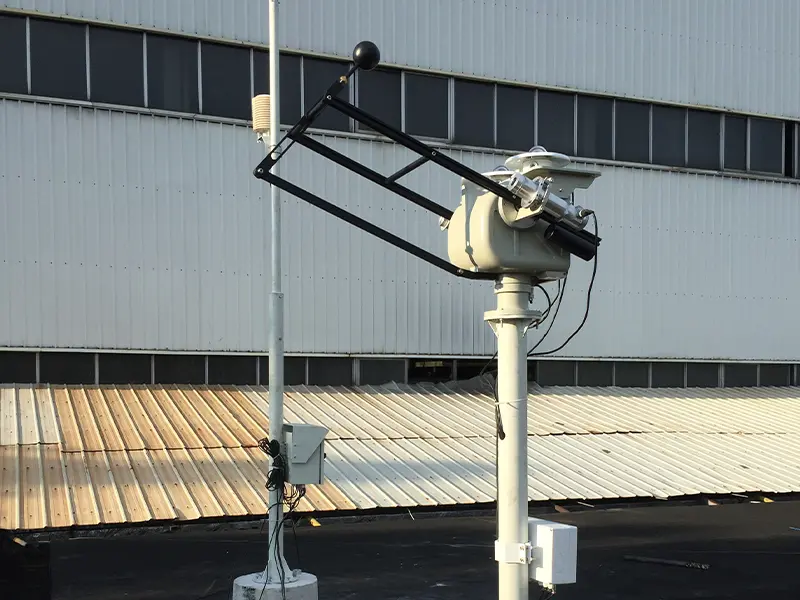
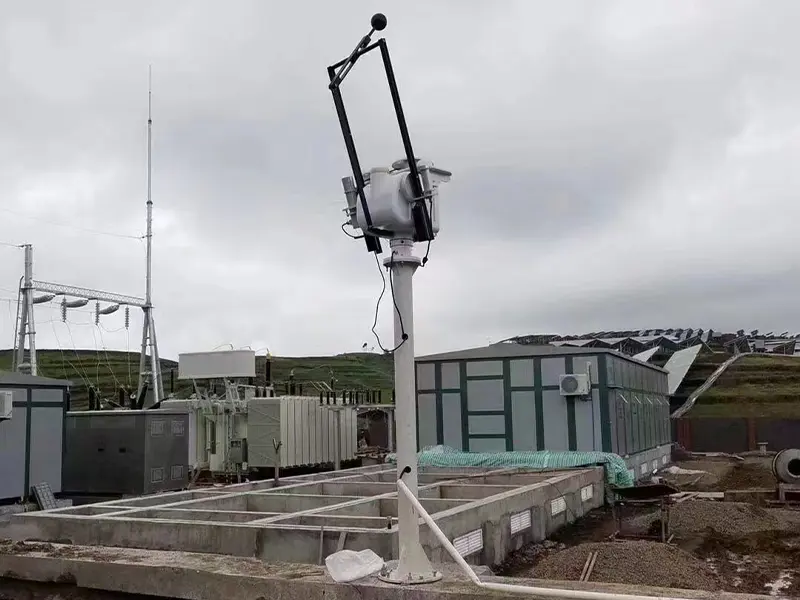
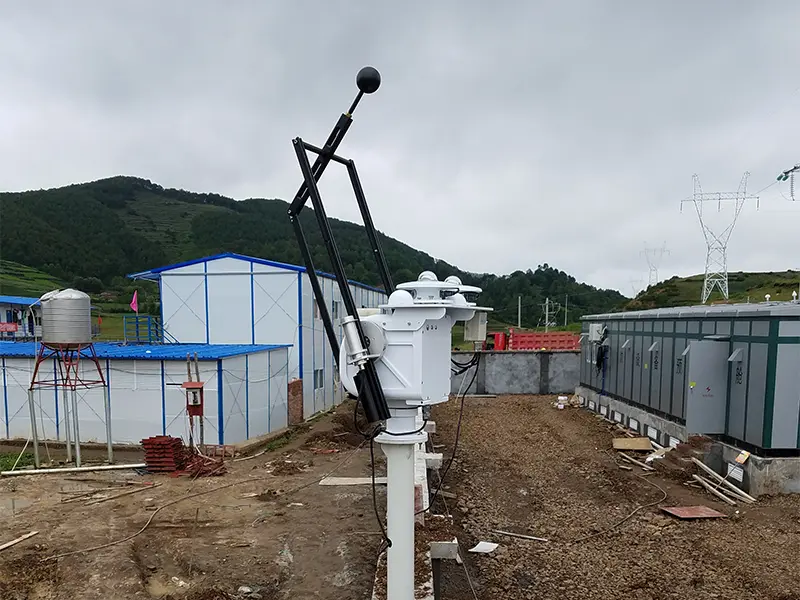
Выбор датчика должен начинаться с измеряемого параметра — такого как GHI, DHI, DNI или POA irradiance — и требуемого качества данных для проекта. Классификация ISO 9060 обеспечивает полезную основу для сравнения производительности пиранометров, но покупатели также должны проверять неопределенность калибровки, нестабильность, направленную характеристику, температурную характеристику и спектральные характеристики. Для измерений DNI пиргелиометр и система слежения должны рассматриваться как единая измерительная установка, а не как отдельные компоненты.
Записи о калибровке также важны. Соответствующий сертификат калибровки должен идентифицировать метод калибровки, эталонный стандарт, прослеживаемость и применимую неопределенность. Для долгосрочного мониторинга следует также учитывать ожидаемый интервал калибровки и стабильность датчика с течением времени. Высокопроизводительный датчик с четкой прослеживаемостью обеспечивает более прочную основу для сравнения данных между площадками и выявления изменений в характеристиках измерений.
Правильно установите и обслуживайте датчик
Даже хорошо откалиброванный датчик может давать плохие полевые данные, если он установлен неправильно. Датчик должен быть правильно выровнен и надежно закреплен, а ориентация установки должна соответствовать цели измерения. Площадка также должна быть проверена на затенение, отраженную радиацию, близлежащие препятствия и другие условия, которые могут повлиять на экспозицию датчика к небу. Для долгосрочных наружных станций монтажная конструкция должна оставаться стабильной при сезонных изменениях температуры и погоды.
Регулярное техническое обслуживание является частью точности измерений солнечной радиации, а не просто уходом за оборудованием. Пыль, пыльца, птичий помет, роса, иней и конденсат могут изменить оптическую реакцию поверхности датчика. Поэтому осмотр и очистка должны проводиться с учетом условий окружающей среды на объекте, а не только по фиксированному графику. В районах с частым конденсатом, инеем или сильным загрязнением может потребоваться соответствующая вентиляция, обогрев или защита окружающей среды для поддержания пригодности измерений.
Контролируйте качество данных в течение всего периода эксплуатации
Надежные измерения солнечной радиации также требуют внимания к цепи сбора данных. Выходной сигнал датчика, кабельные соединения, регистратор данных, источник питания, интервал выборки и обработка данных должны проверяться как часть измерительной системы. Внезапные смещения, нереалистичные значения, плоские линии данных или необычные отклонения от ближайших эталонных измерений могут указывать на проблемы, которые не видны на самом датчике.
Для долгосрочного мониторинга фотоэлектрических систем и оценки солнечных ресурсов особенно полезна периодическая валидация данных. Сравнение датчика с подходящим эталонным прибором, анализ долгосрочных тенденций и ведение записей о калибровке и техническом обслуживании могут помочь отличить реальные изменения irradiance от проблем с измерениями. На практике это часто более ценно, чем reliance на номинальную точность датчика.
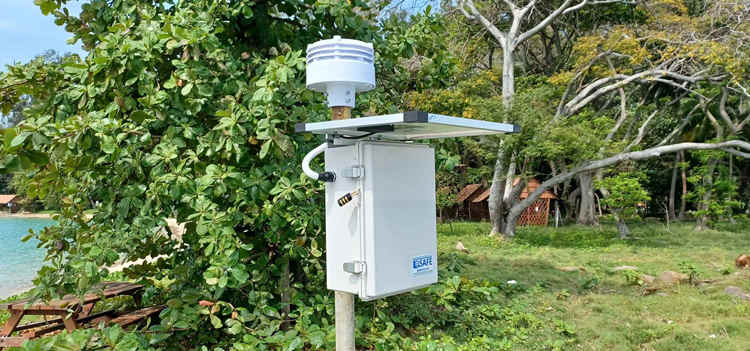
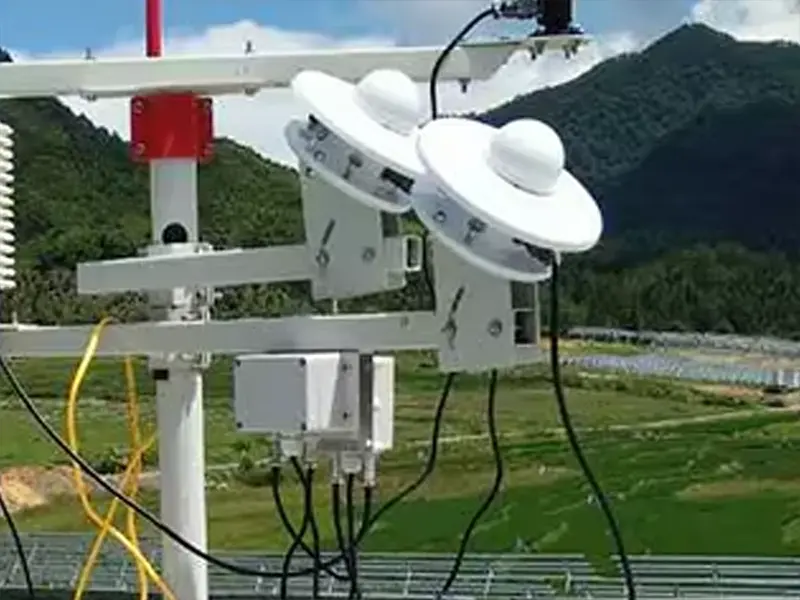
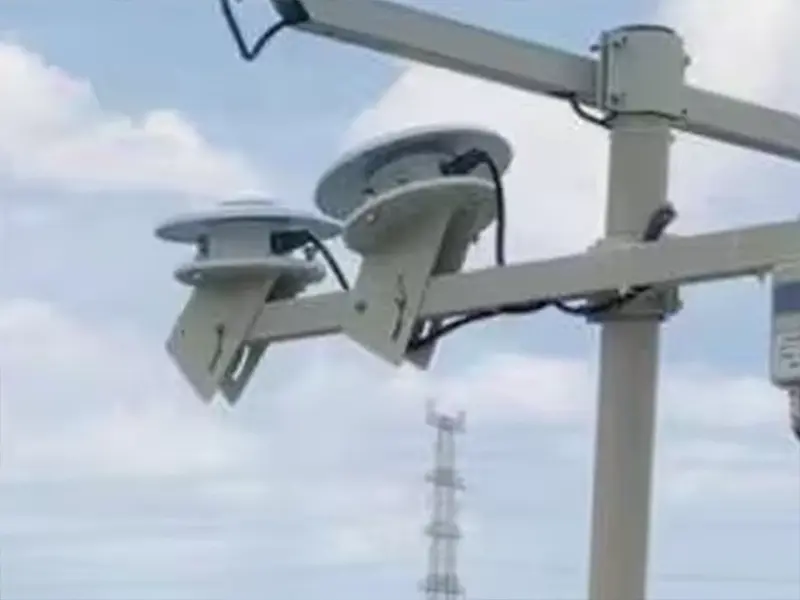
Как выбрать датчик солнечной радиации для вашего проекта?
Первый шаг — определить, что необходимо измерять и как будут использоваться данные. GHI, DHI, DNI, POA irradiance и альбедо не являются взаимозаменяемыми измерениями, и каждое из них может требовать различной конфигурации датчиков. Например, для измерений GHI и POA обычно используется пиранометр, тогда как для измерения DNI требуется пиргелиометр с соответствующей системой слежения. Требуемый интервал измерений и то, будут ли данные использоваться для оценки ресурсов, анализа производительности фотоэлектрических систем, исследований или общего мониторинга, также должны быть установлены до сравнения моделей датчиков.
После того как цель измерения ясна, сравните характеристики, которые напрямую влияют на качество предполагаемых данных. Классификация ISO 9060 является полезной отправной точкой, но отдельные эксплуатационные характеристики все равно должны быть рассмотрены, особенно когда измерения будут использоваться для долгосрочного анализа или проверки проекта. Документация по калибровке, прослеживаемость, спектральная характеристика, направленная характеристика, температурная характеристика и долгосрочная стабильность могут выявить различия между приборами, которые не очевидны из одного показателя точности измерения солнечной радиации.
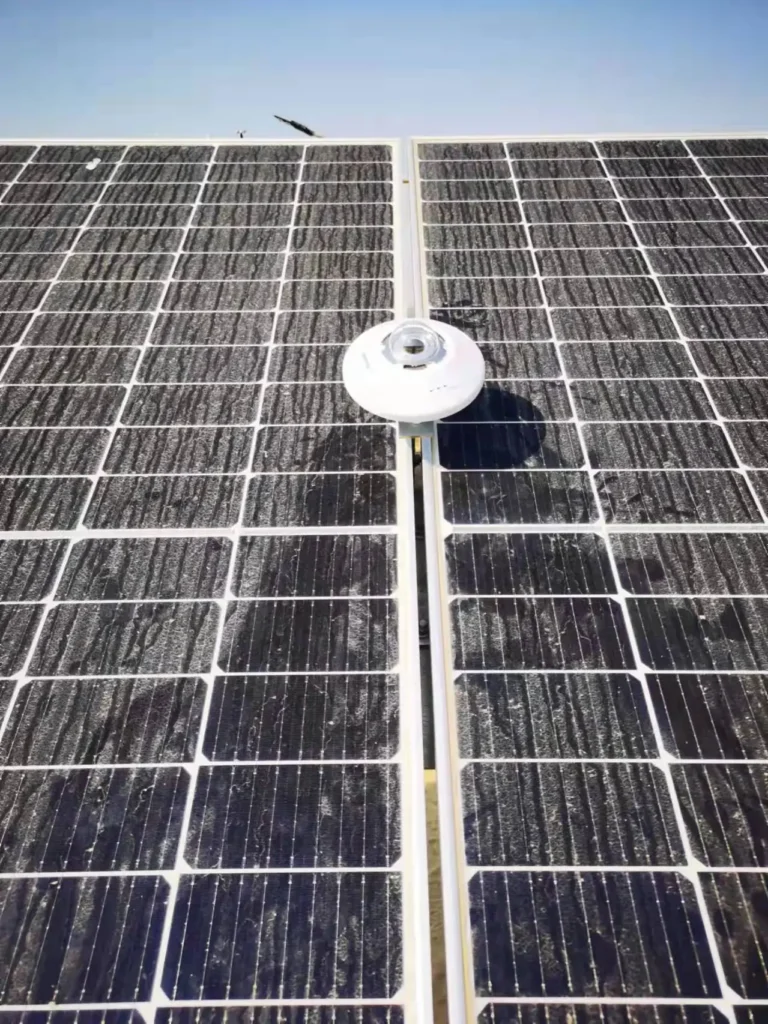
Окончательное решение также должно учитывать фактические условия установки и эксплуатации. Датчик, установленный на пыльном промышленном фотоэлектрическом объекте, может требовать иных мер защиты и обслуживания, чем датчик, используемый на контролируемой исследовательской станции. Тип выходного сигнала и совместимость с регистратором данных должны быть подтверждены до покупки, особенно для систем, использующих RS485, Modbus или другие цифровые интерфейсы. Для долгосрочных проектов запасные части, требования к очистке, договоренности о калибровке и техническая поддержка являются практическими соображениями, которые могут повлиять на надежность и общую стоимость измерительной системы в течение нескольких лет.
Заключение
Хорошее измерение солнечной радиации — это не просто выбор датчика с наивысшим классом точности. Правильный выбор зависит от того, что необходимо измерять, как будут использоваться данные и в каких условиях будет работать датчик. Датчик, который хорошо подходит для обычной метеостанции, может не подойти для долгосрочного мониторинга производительности фотоэлектрических систем или оценки солнечных ресурсов.
В реальных проектах класс датчика, калибровка, установка, условия окружающей среды, слежение, техническое обслуживание и проверка данных — все это влияет на итоговое качество данных. Уделение внимания этим деталям с самого начала помогает снизить предотвратимые ошибки измерения и делает собираемые данные более согласованными и полезными с течением времени.
Yantai Sensor предлагает решения для измерения солнечной радиации для мониторинга фотоэлектрических систем, метеорологических наблюдений, оценки солнечных ресурсов и других применений на открытом воздухе. Мы можем помочь подобрать тип датчика, уровень производительности и конфигурацию измерений в соответствии с требованиями вашего проекта. Свяжитесь с нами чтобы обсудить подходящее решение для измерения солнечной радиации для вашего применения.