บทนำ
เหตุใดแผงโซลาร์เซลล์ที่ระบุกำลังไฟฟ้า 550 วัตต์จึงมักผลิตไฟฟ้าได้น้อยกว่าในสภาพการทำงานจริง? นี่คือข้อกังวลทั่วไปสำหรับเจ้าของระบบ PV และทีมปฏิบัติการและบำรุงรักษา โดยเฉพาะอย่างยิ่งเมื่อค่ากำลังไฟฟ้าที่วัดได้ต่ำกว่าระดับที่คาดหวังอย่างต่อเนื่อง การผลิตไฟฟ้าที่ลดลงไม่ได้บ่งชี้ว่าโมดูลชำรุดเสมอไป การเปลี่ยนแปลงของ ปริมาณรังสีอาทิตย์, อุณหภูมิโมดูล การบังเงา สิ่งสกปรก และสภาพของระบบไฟฟ้า ล้วนสามารถลดกำลังไฟฟ้าที่ระบบ PV จ่ายออกไปได้.
กำลังไฟฟ้าที่กำหนดและประสิทธิภาพของแผงโซลาร์เซลล์วัดภายใต้สภาวะการทดสอบมาตรฐาน ในขณะที่สภาพการทำงานในภาคสนามมีความแปรผันตลอดทั้งวันและในแต่ละฤดูกาล ด้วยเหตุนี้ การประเมินการสูญเสียประสิทธิภาพของแผงโซลาร์เซลล์จึงต้องมากกว่าการพิจารณาค่ากำลังไฟฟ้าที่กำหนดของโมดูล ผู้ปฏิบัติงานระบบ PV จำเป็นต้องเปรียบเทียบการผลิตไฟฟ้าจริงกับสภาพการทำงานที่สำคัญ เพื่อพิจารณาว่ากำลังไฟฟ้าที่ต่ำลงเกิดจากการเปลี่ยนแปลงของสภาพอากาศและทรัพยากรแสงอาทิตย์ หรือเกิดจากการสูญเสียประสิทธิภาพของระบบที่สามารถวัดได้.
การทำความเข้าใจปัจจัยการสูญเสียประสิทธิภาพโซลาร์เซลล์เหล่านี้มีความสำคัญทั้งต่อการประเมินประสิทธิภาพและการวางแผนการบำรุงรักษา ความเข้มรังสีอาทิตย์ อุณหภูมิโมดูล การบังเงา สิ่งสกปรก และการสูญเสียระดับโมดูลหรือระบบ เป็นปัจจัยหลักที่ควรพิจารณาเมื่อวิเคราะห์ประสิทธิภาพ PV ในสภาพจริง บทความนี้อธิบายว่าปัจจัยเหล่านี้ส่งผลต่อกำลังไฟฟ้าที่ผลิตได้ของแผงโซลาร์เซลล์อย่างไร ข้อมูลใดที่สามารถใช้ระบุแหล่งที่มาของการสูญเสียได้ และการตรวจวัดเชิงปฏิบัติสามารถสนับสนุนการวิเคราะห์ประสิทธิภาพ PV และการตัดสินใจด้านการบำรุงรักษาที่แม่นยำยิ่งขึ้นได้อย่างไร.
อะไรเป็นสาเหตุของการสูญเสียประสิทธิภาพแผงโซลาร์เซลล์?
ปัจจัยหลักที่ทำให้เกิดการสูญเสียประสิทธิภาพโซลาร์เซลล์ในระบบ PV ได้แก่ ความเข้มรังสีอาทิตย์ อุณหภูมิโมดูล การบังเงา สิ่งสกปรก และการสูญเสียระดับโมดูลหรือระบบ ปัจจัยเหล่านี้ไม่ได้ส่งผลกระทบต่อทุกโครงการในลักษณะเดียวกัน และผลกระทบขึ้นอยู่กับสภาพพื้นที่ เทคโนโลยีโมดูล การออกแบบระบบ และสภาพการทำงาน การทำความเข้าใจว่าตัวแปรใดที่ต้องตรวจวัดเป็นจุดเริ่มต้นเชิงปฏิบัติสำหรับการระบุสาเหตุของกำลังไฟฟ้า PV ที่ต่ำกว่าที่คาดหวัง หากคุณต้องการเรียนรู้ วิธีเพิ่มผลผลิตของฟาร์มโซลาร์โดยใช้เซนเซอร์สิ่งแวดล้อม, คลิกที่บทความ.
| ปัจจัยการสูญเสียประสิทธิภาพโซลาร์เซลล์ | ผลกระทบหลัก | วิธีการตรวจวัดทั่วไป |
| การแผ่รังสีของแสงอาทิตย์ | การเปลี่ยนแปลงของพลังงานแสงอาทิตย์ที่มีอยู่ | ไพราโนมิเตอร์ / เซนเซอร์วัดความเข้มรังสีอาทิตย์ |
| โมดูลอุณหภูมิ | การเปลี่ยนแปลงประสิทธิภาพการทำงานของโมดูล | เซนเซอร์วัดอุณหภูมิด้านหลังโมดูล |
| การบังเงา | การลดลงของความเข้มรังสีที่มีประสิทธิผล | การตรวจสอบภาคสนาม / การเปรียบเทียบความเข้มรังสี |
| สิ่งสกปรก | แสงที่เข้าถึงเซลล์ลดลง | อุปกรณ์ตรวจวัดสิ่งสกปรก / การเปรียบเทียบประสิทธิภาพ |
| การสูญเสียระดับโมดูลและระบบ | ความแตกต่างระหว่างพลังงานที่คาดหวังและพลังงานจริงที่ผลิตได้ | อินเวอร์เตอร์ / กำลังไฟฟ้า / ระบบตรวจวัดประสิทธิภาพ PV |
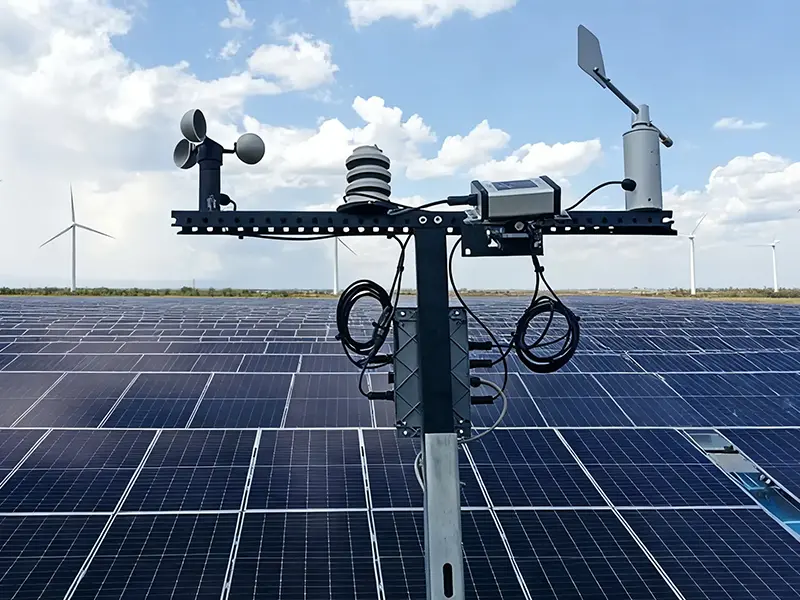
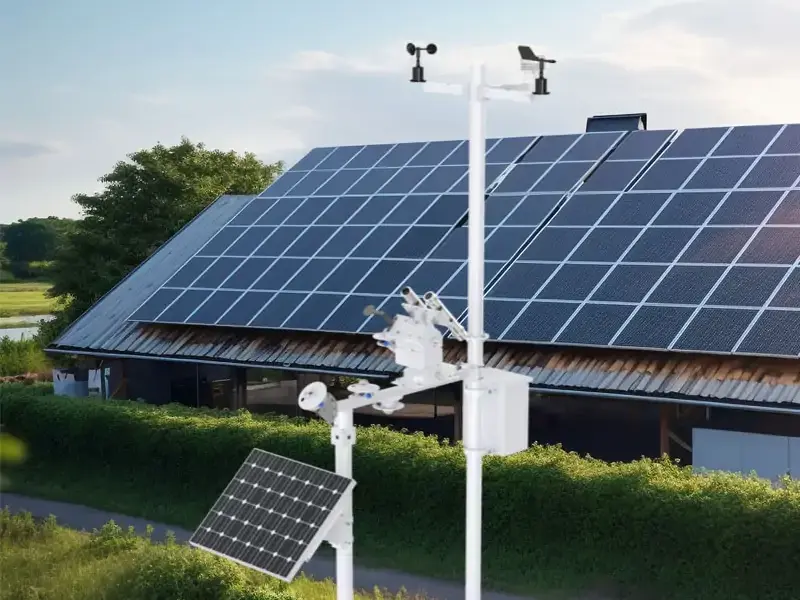
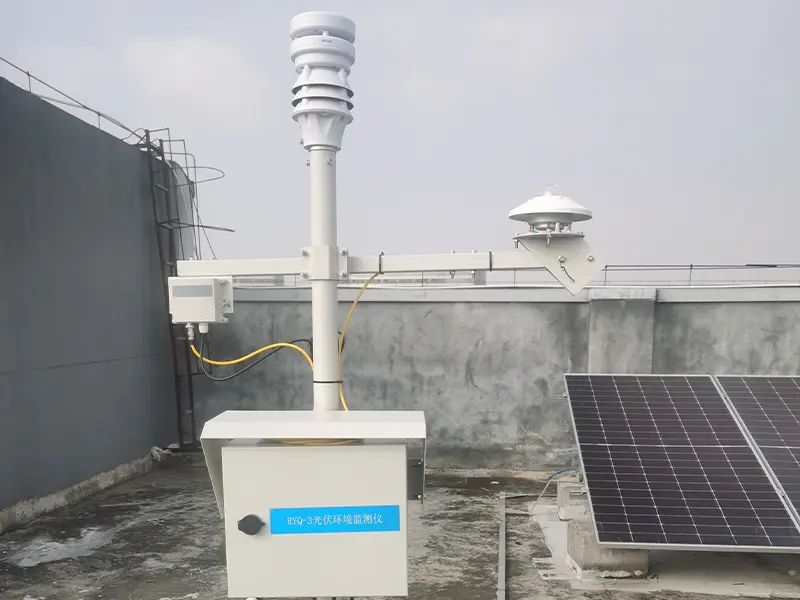
5 อันดับปัจจัยการสูญเสียประสิทธิภาพโซลาร์เซลล์
แผงโซลาร์เซลล์อาจมีกำลังไฟฟ้าที่กำหนดสูง แต่กำลังไฟฟ้าจริงที่ผลิตได้สามารถเปลี่ยนแปลงได้ในแต่ละวัน ช่วงเช้าที่มีเมฆมาก อุณหภูมิโมดูลสูง การบังเงาบางส่วน ฝุ่นบนพื้นผิว หรือปัญหาทางไฟฟ้า ล้วนสามารถลดพลังงานที่ระบบ PV ผลิตได้ คำถามสำคัญไม่ใช่เพียงว่ากำลังไฟฟ้าสูญเสียไปเท่าใด แต่คืออะไรเป็นสาเหตุของการสูญเสีย และสามารถวัดและจัดการได้หรือไม่ ด้านล่างนี้คือปัจจัยทั่วไปห้าประการที่อาจส่งผลต่อประสิทธิภาพของแผงโซลาร์เซลล์ในการทำงานจริง.
ความเข้มรังสีอาทิตย์และสภาพอากาศ
ความเข้มรังสีอาทิตย์เป็นตัวกำหนดปริมาณพลังงานแสงอาทิตย์ที่ระบบ PV จะได้รับ เมฆ สภาพอากาศ ช่วงเวลาของวัน และการเปลี่ยนแปลงตามฤดูกาล ล้วนส่งผลต่อรังสีที่มีอยู่ได้ ดังนั้นกำลังไฟฟ้า PV ที่ต่ำลงจึงไม่ได้หมายความว่าแผงมีปัญหาอย่างเสมอไป เพื่อทำความเข้าใจสาเหตุของการผลิตไฟฟ้าที่ลดลง ข้อมูลความเข้มรังสีจำเป็นต้องพิจารณาควบคู่ไปกับกำลังไฟฟ้าที่ผลิตได้จริง.
โครงการ PV อาจใช้การวัดความเข้มรังสีที่แตกต่างกันเพื่อวัตถุประสงค์ที่แตกต่างกัน GHI (ความเข้มรังสีรวมในแนวราบ), POA (ความเข้มรังสีบนระนาบแผง), DNI (ความเข้มรังสีตรงในแนวตั้งฉาก) และ DHI (ความเข้มรังสีกระจายในแนวราบ) อธิบายองค์ประกอบหรือระนาบการวัดที่แตกต่างกันของรังสีอาทิตย์ สำหรับการวิเคราะห์ประสิทธิภาพ PV นั้น POA มีประโยชน์เป็นพิเศษเนื่องจากสะท้อนรังสีที่โมดูลได้รับในทิศทางการติดตั้งจริง สำหรับคำอธิบายโดยละเอียด โปรดดู พลังงานแสงอาทิตย์ GHI, DNI และ DHI คืออะไร?.
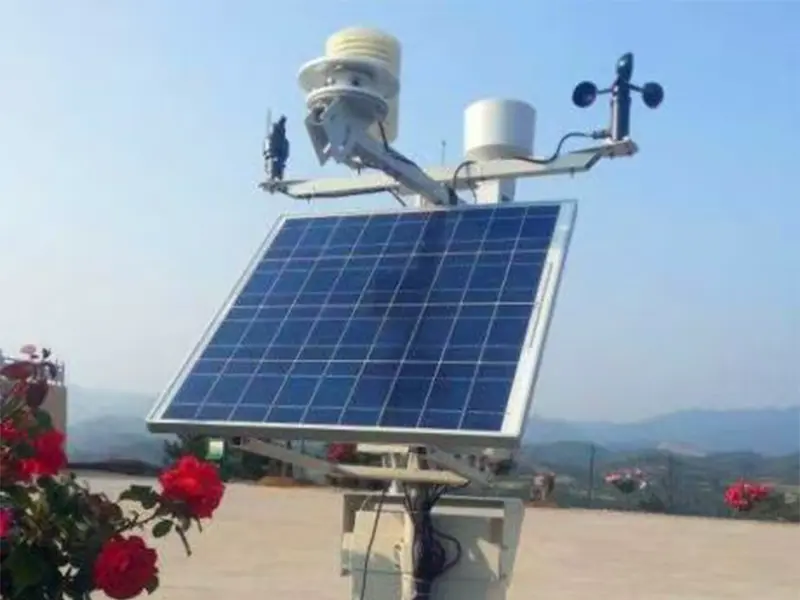
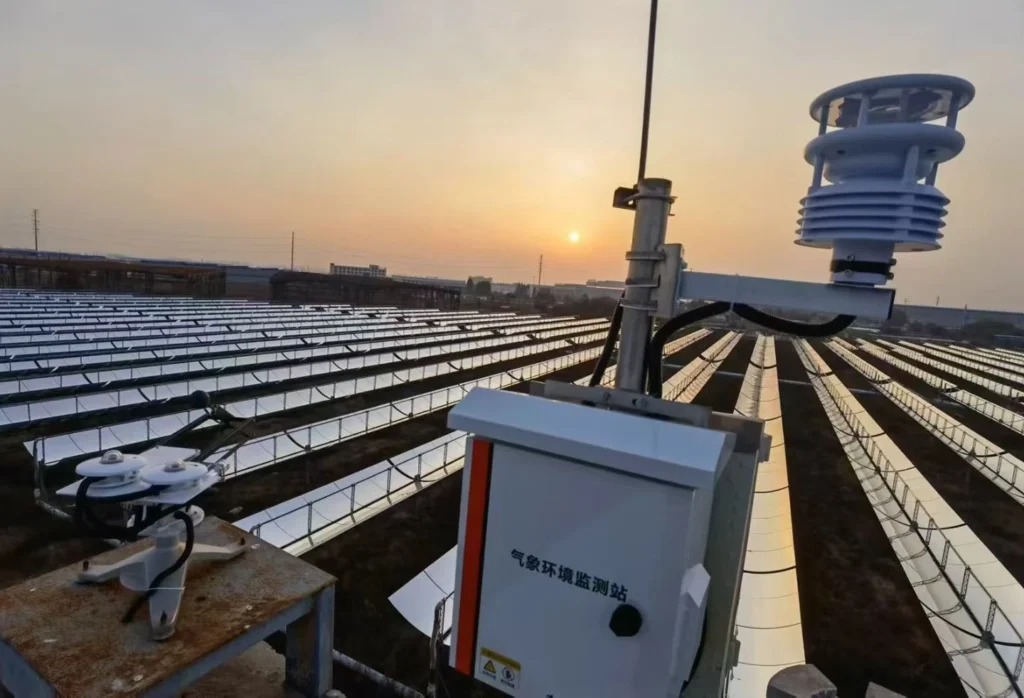
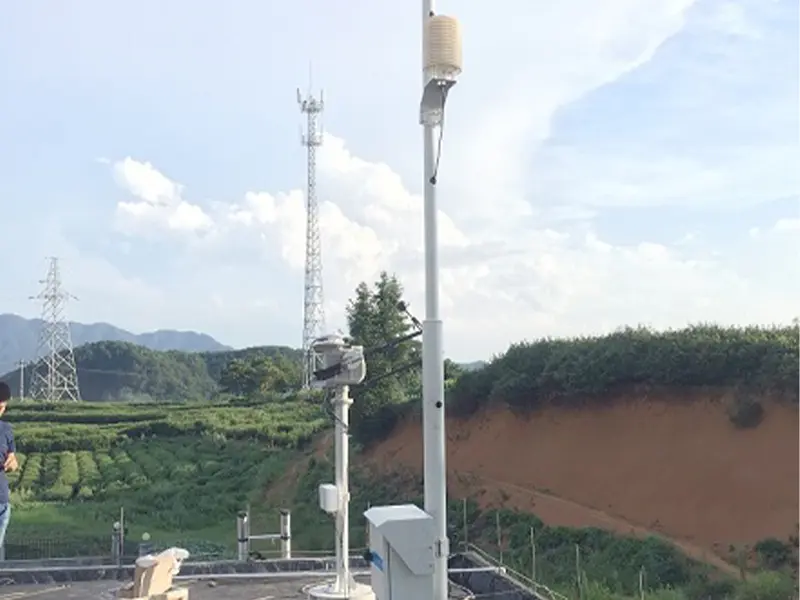
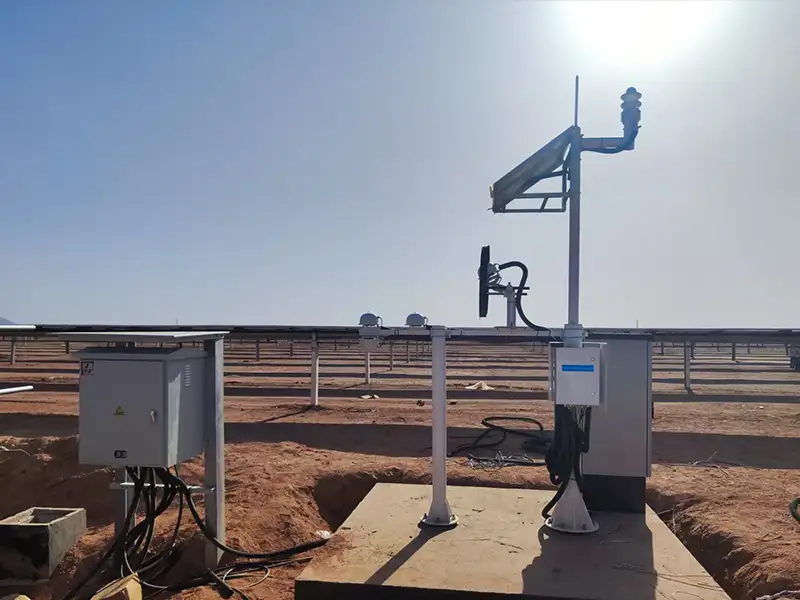
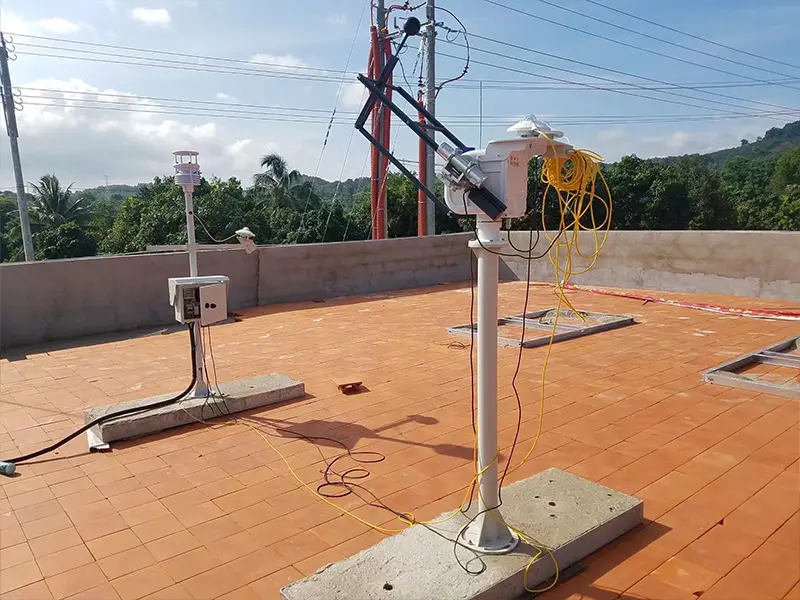
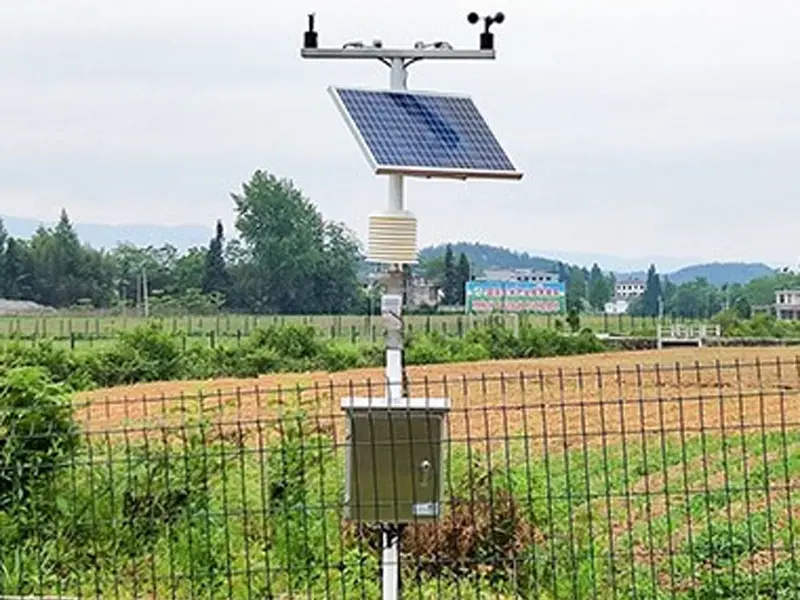
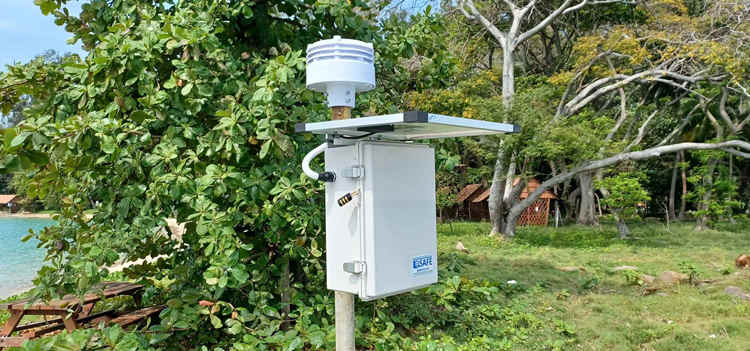
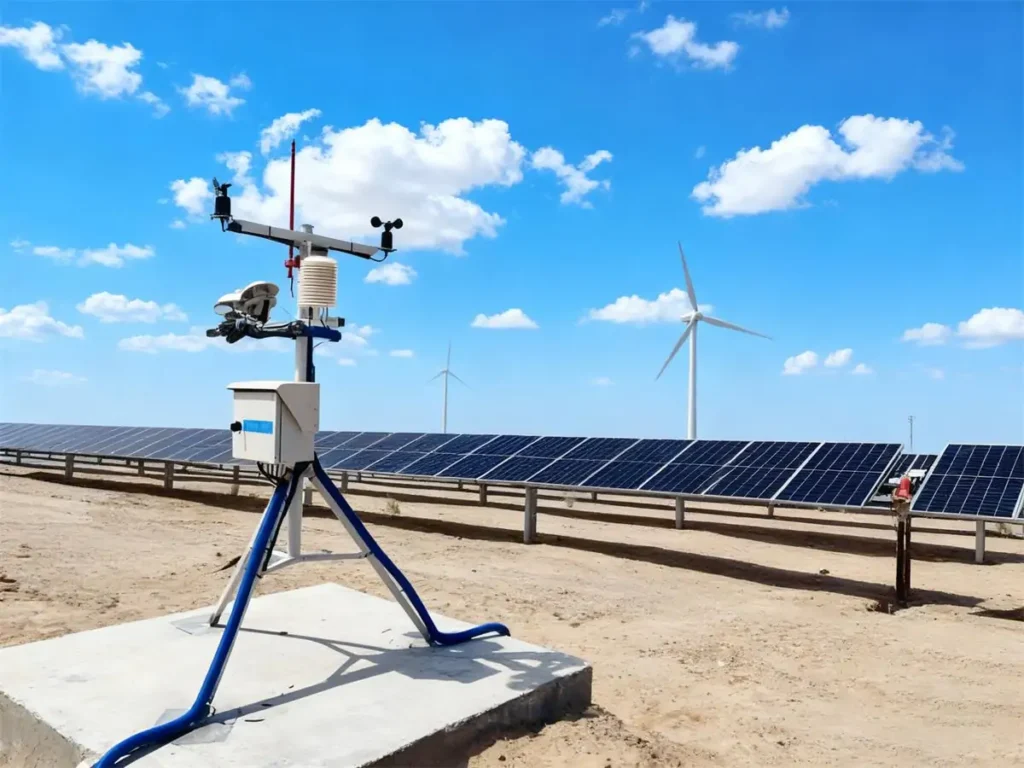
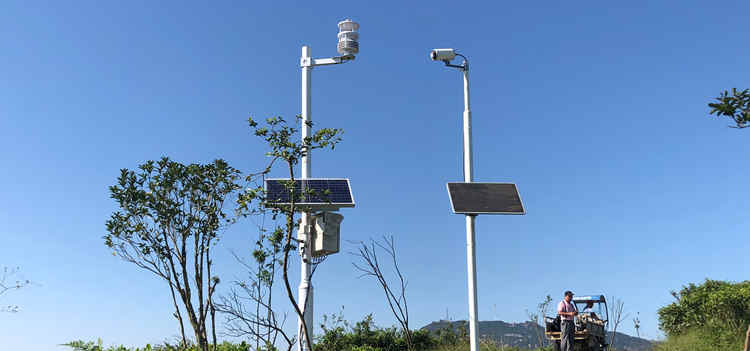
สำหรับการตรวจวัดประสิทธิภาพในแต่ละวัน ข้อมูลหลักอาจรวมถึงความเข้มรังสีอาทิตย์ อุณหภูมิอากาศ อุณหภูมิโมดูล ความเร็วและทิศทางลม และความชื้นสัมพัทธ์ เซนเซอร์วัดความเข้มรังสีอาทิตย์ ไพราโนมิเตอร์ หรือสถานีตรวจอากาศขนาดกะทัดรัดสามารถให้ข้อมูลเหล่านี้ได้ ช่วยให้ผู้ปฏิบัติงานสามารถเปรียบเทียบสภาพแสงอาทิตย์กับกำลังไฟฟ้า PV ที่ผลิตได้ และพิจารณาว่าการผลิตไฟฟ้าที่ลดลงเกี่ยวข้องกับสภาพอากาศหรือประสิทธิภาพของระบบ.
อุณหภูมิโมดูลสูง
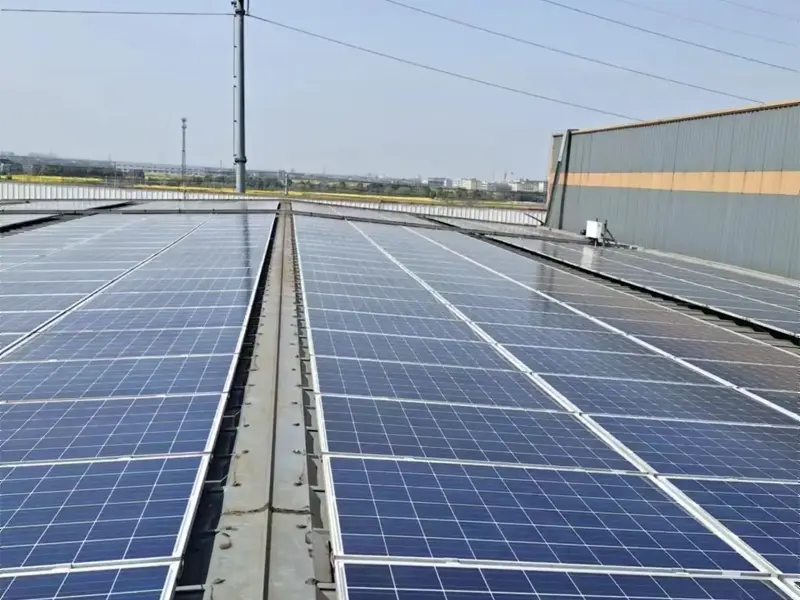
แผงโซลาร์เซลล์อาจร้อนกว่าอากาศโดยรอบมากเมื่อได้รับแสงแดดจัด เมื่ออุณหภูมิเซลล์สูงขึ้น คุณสมบัติทางไฟฟ้าของโมดูลจะเปลี่ยนแปลงและกำลังไฟฟ้าที่ผลิตได้โดยทั่วไปจะลดลง ผลกระทบที่แน่นอนขึ้นอยู่กับค่าสัมประสิทธิ์อุณหภูมิกำลังไฟฟ้าของโมดูล ซึ่งสามารถดูได้จากเอกสารข้อมูลของผู้ผลิต สำหรับการอ้างอิงอย่างง่าย การเปลี่ยนแปลงกำลังไฟฟ้าที่เกี่ยวข้องกับอุณหภูมิสามารถประมาณได้ดังนี้:
การเปลี่ยนแปลงกำลังไฟฟ้าที่เกี่ยวข้องกับอุณหภูมิ ≈ ค่าสัมประสิทธิ์อุณหภูมิ × (อุณหภูมิเซลล์ − 25°C)
ประเด็นสำคัญคืออุณหภูมิอากาศไม่เหมือนกับอุณหภูมิโมดูล แผงที่ได้รับความเข้มรังสีสูงอาจร้อนกว่าอากาศโดยรอบอย่างมีนัยสำคัญ ในขณะที่ลม โครงสร้างยึดติด และการไหลเวียนอากาศด้านหลังโมดูลสามารถเปลี่ยนอัตราการร้อนขึ้นหรือเย็นลงได้ นี่คือเหตุผลที่ข้อมูลสภาพอากาศเพียงอย่างเดียวอาจไม่เพียงพอเมื่อตรวจสอบการสูญเสียประสิทธิภาพแผงโซลาร์เซลล์ที่เกี่ยวข้องกับอุณหภูมิ.
เซนเซอร์วัดอุณหภูมิโมดูลที่ติดตั้งที่ด้านหลังของแผงให้การวัดสภาพการทำงานโดยตรงมากขึ้น เมื่อเปรียบเทียบอุณหภูมิโมดูลกับความเข้มรังสีอาทิตย์และกำลังไฟฟ้า PV ที่ผลิตได้ ทีมปฏิบัติการและบำรุงรักษาสามารถระบุได้ดีขึ้นว่าการผลิตไฟฟ้าที่ลดลงเกี่ยวข้องกับอุณหภูมิการทำงานที่สูงหรือปัจจัยอื่น สำหรับโครงการ PV ขนาดใหญ่ ข้อมูลนี้ยังสามารถรวมกับ สถานีตรวจอากาศพลังงานแสงอาทิตย์ หรือ ระบบตรวจวัดประสิทธิภาพ PV.
การบังเงาและการได้รับแสงอาทิตย์ที่ไม่สม่ำเสมอ
การบังแสงเป็นสาเหตุทั่วไปที่ทำให้ประสิทธิภาพของแผงโซลาร์เซลล์ลดลง โดยเฉพาะเมื่อระบบ PV ติดตั้งใกล้ต้นไม้ อาคาร สิ่งก่อสร้าง หรืออุปสรรคอื่นๆ ผลกระทบสามารถเปลี่ยนแปลงได้ตลอดทั้งวันเมื่อดวงอาทิตย์เคลื่อนที่ ดังนั้นแผงที่ทำงานปกติในตอนเช้าอาจประสบปัญหาการบังแสงในช่วงบ่าย ในโรงไฟฟ้าขนาดใหญ่ ระยะห่างระหว่างแถวและการจัดวางของชุดแผง PV ยังสามารถส่งผลต่อปริมาณแสงแดดที่ไปถึงแต่ละโมดูลได้.
แหล่งที่มาทั่วไปของการบังแสง ได้แก่:
- การบังแสงจากต้นไม้และอาคาร
- การบังแสงระหว่างแถวและการบังแสงด้วยตัวเอง
- เสา สายเคเบิล และโครงสร้างยึดติดตั้ง
- การบังแสงบางส่วนบนโมดูลแต่ละตัว
การบังแสงบางส่วนต้องได้รับความสนใจเป็นพิเศษ เนื่องจากการสูญเสียผลผลิตของชุดแผงไม่ได้เป็นสัดส่วนกับพื้นที่ที่ถูกบังเสมอไป พื้นที่ที่ถูกบังเพียงเล็กน้อยสามารถส่งผลต่อผลผลิตของโมดูลหรือสตริง ขึ้นอยู่กับการกำหนดค่าทางไฟฟ้า ไบพาสไดโอด การออกแบบสตริง และการทำงานของ MPPT ในอินเวอร์เตอร์ ซึ่งหมายความว่าการประมาณพื้นที่ที่ถูกบังเพียงอย่างเดียวอาจไม่แสดงการสูญเสียพลังงานที่เกิดขึ้นได้อย่างแม่นยำ.
เพื่อตรวจสอบการสูญเสียจากการบังแสง ผู้ปฏิบัติงานสามารถเปรียบเทียบรังสีแสงอาทิตย์กับผลผลิตของ PV และตรวจสอบว่าการผลิตเปลี่ยนแปลงอย่างไรในช่วงเวลาต่างๆ ของวัน. เซ็นเซอร์วัดรังสี ที่ติดตั้งใกล้ชุดแผง PV สามารถให้ข้อมูลต่อเนื่องเกี่ยวกับรังสีแสงอาทิตย์ที่มีอยู่ ทำให้ง่ายต่อการเปรียบเทียบสภาพแสงที่เปลี่ยนแปลงกับผลผลิตของโมดูล สตริง หรืออินเวอร์เตอร์ การตรวจสอบด้วยความร้อนยังช่วยระบุโมดูลที่ผิดปกติ ในขณะที่ข้อมูลจากสตริงและ MPPT สามารถช่วยระบุตำแหน่งของปัญหาการบังแสงที่เกิดขึ้นซ้ำได้.
ฝุ่น สิ่งสกปรก และการปนเปื้อนบนพื้นผิว
สิ่งสกปรกบนแผงโซลาร์เซลล์เป็นสาเหตุทั่วไปที่ทำให้ผลผลิตของ PV ลดลง ฝุ่น ทราย ละอองเกสร มูลนก อนุภาคอุตสาหกรรม เศษเหลือทางการเกษตร และคราบเกลือสามารถสะสมบนพื้นผิวโมดูลและลดปริมาณแสงแดดที่ไปถึงเซลล์ได้ ผลกระทบอาจเห็นได้ชัดเจนมากขึ้นในสภาพแวดล้อมที่แห้ง เต็มไปด้วยฝุ่น ชายฝั่ง การเกษตร หรืออุตสาหกรรม.
สิ่งสกปรกไม่เพียงแต่ลดการส่งผ่านแสงเท่านั้น การสะสมที่ไม่สม่ำเสมอสามารถสร้างการบังแสงที่ไม่เท่ากันทั่วโมดูล และอาจส่งผลต่อสภาพความร้อนของโมดูลด้วย ผลกระทบที่เกิดขึ้นจริงขึ้นอยู่กับชนิดและการกระจายของวัสดุ ปริมาณน้ำฝน ลม ความชื้น มุมเอียงของโมดูล และสภาพพื้นที่เฉพาะ ดังนั้นระดับสิ่งสกปรกที่เท่ากันไม่จำเป็นต้องทำให้เกิดการสูญเสียพลังงานที่เท่ากันในทุกพื้นที่ติดตั้ง PV.
จะรู้ได้อย่างไรว่าเมื่อใดควรทำความสะอาดแผงโซลาร์เซลล์?
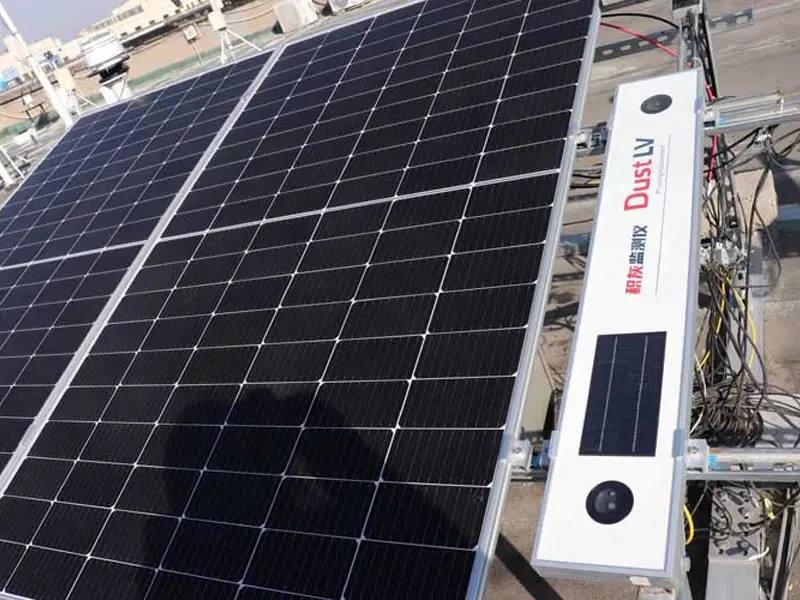
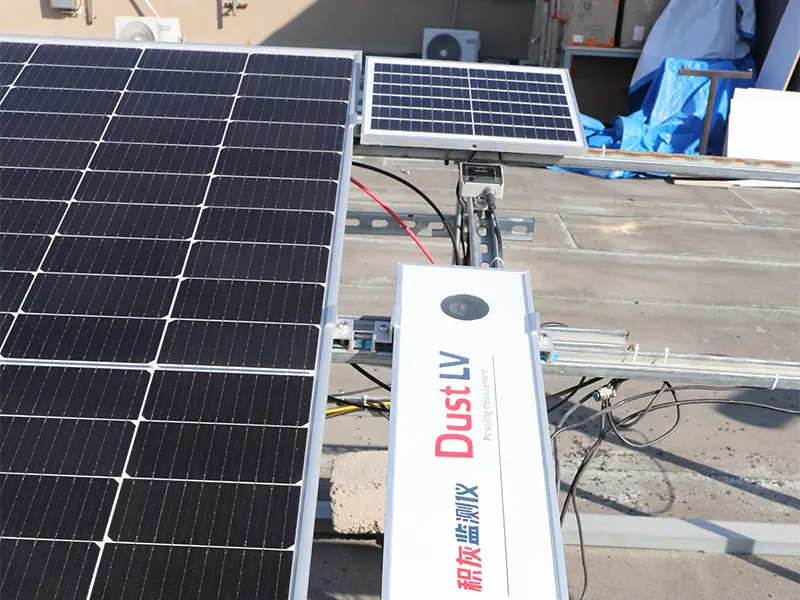
ตารางการทำความสะอาดแบบคงที่ไม่ได้เป็นวิธีที่ประหยัดที่สุดเสมอไป ความถี่ในการทำความสะอาดควรพิจารณาจากอัตราการสกปรก สภาพอากาศในพื้นที่ ลักษณะของฝุ่นละออง ค่าประสิทธิภาพที่วัดได้ และต้นทุนการทำความสะอาด. อุปกรณ์ตรวจวัดสถานะการปนเปื้อนของแผงเซลล์แสงอาทิตย์ DustLV สามารถใช้เพื่อตรวจสอบสภาพการปนเปื้อนของแผงโซลาร์เซลล์ ช่วยให้ทีมปฏิบัติการและบำรุงรักษา (O&M) เข้าใจว่าการปนเปื้อนบนพื้นผิวเปลี่ยนแปลงไปตามเวลาอย่างไร.
สำหรับโครงการที่ต้องการการประเมินสภาพฝุ่นละอองในวงกว้างมากขึ้น, ระบบตรวจวัดดัชนีฝุ่นโฟโตโวลตาอิก DustCom สามารถให้ข้อมูลการตรวจวัดที่เกี่ยวข้องกับฝุ่นละอองสำหรับการประเมินระดับมลพิษของพื้นที่และผลกระทบที่อาจเกิดขึ้นต่อการดำเนินงานของระบบโซลาร์เซลล์ การใช้ DustLV สำหรับการตรวจสอบการปนเปื้อนบนพื้นผิวโมดูลและ DustCom สำหรับการตรวจวัดดัชนีฝุ่นช่วยให้ผู้ปฏิบัติงานมีข้อมูลเพิ่มเติมสำหรับการวางแผนการทำความสะอาดและการประเมินการสูญเสียประสิทธิภาพที่เกี่ยวข้องกับการสกปรก.
สำหรับโรงไฟฟ้าพลังงานแสงอาทิตย์ขนาดใหญ่ การตรวจวัดเหล่านี้สามารถรวมกับข้อมูลรังสีแสงอาทิตย์ อุณหภูมิโมดูล และข้อมูลผลผลิตของระบบโซลาร์เซลล์เพื่อให้เข้าใจผลกระทบที่แท้จริงของการสกปรกได้ดีขึ้น ซึ่งช่วยให้ผู้ปฏิบัติงานตัดสินใจได้ว่าเมื่อใดควรทำความสะอาดแทนที่จะพึ่งพาตารางเวลาที่ตายตัวเพียงอย่างเดียว.
การสูญเสียประสิทธิภาพในระดับโมดูล ระดับไฟฟ้า และระดับระบบ
การสูญเสียผลผลิตของระบบโซลาร์เซลล์ไม่ได้เกิดจากสภาพอากาศหรือสภาพพื้นผิวเพียงอย่างเดียว การเสื่อมสภาพของโมดูล ความไม่สม่ำเสมอของชิ้นส่วน การสูญเสียในสายไฟ ประสิทธิภาพของอินเวอร์เตอร์ และข้อบกพร่องทางไฟฟ้าสามารถลดพลังงานที่ระบบผลิตได้เช่นกัน ปัญหาเช่นรอยแตกขนาดเล็ก (microcracks) ปรากฏการณ์ PID ปัญหาขั้วต่อ หรือการสูญเสียในสายเคเบิล DC อาจพัฒนาไปอย่างช้าๆ และไม่สามารถมองเห็นได้เสมอในการตรวจสอบพื้นที่ขั้นพื้นฐาน.
โมดูลอาจดูเหมือนทำงานปกติในขณะที่ระบบโซลาร์เซลล์โดยรวมยังผลิตพลังงานน้อยกว่าที่คาดไว้ การเปรียบเทียบผลผลิตของระบบโซลาร์เซลล์กับรังสีแสงอาทิตย์ อุณหภูมิโมดูล ข้อมูลอินเวอร์เตอร์ และการตรวจวัดทางไฟฟ้าสามารถช่วยให้ทีม O&M ระบุได้ว่าการสูญเสียมาจากโมดูลหรือส่วนอื่นๆ ของระบบ.
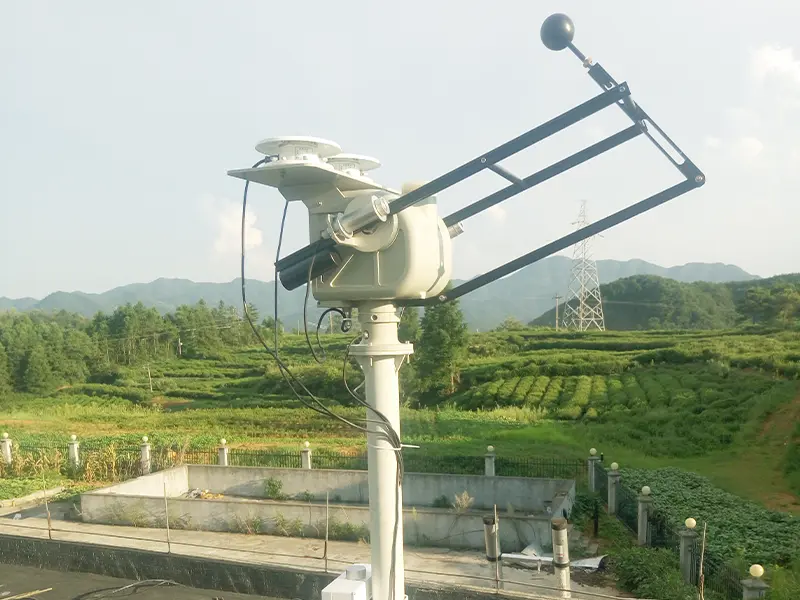
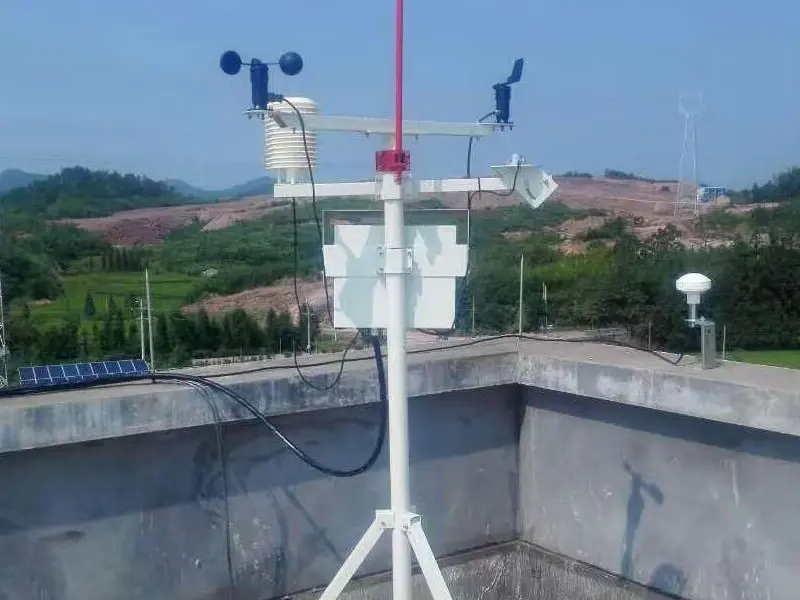
จะวัดการสูญเสียประสิทธิภาพพลังงานแสงอาทิตย์ในภาคสนามได้อย่างไร?
เมื่อระบบโซลาร์เซลล์ผลิตพลังงานน้อยกว่าที่คาดไว้ การดูเพียงผลผลิตพลังงานเพียงอย่างเดียวไม่ได้แสดงสาเหตุเสมอไป การผลิตที่ลดลงอาจเกิดจากแสงแดดที่ลดลง อุณหภูมิโมดูลที่สูง การสกปรก การบังเงา หรือปัญหาในระบบไฟฟ้า.
การประเมินภาคสนามเชิงปฏิบัติเริ่มต้นด้วยการวัดรังสีแสงอาทิตย์ที่มีอยู่และเปรียบเทียบกับการผลิตจริงของระบบโซลาร์เซลล์ ข้อมูลการทำงานอื่นๆ เช่น อุณหภูมิโมดูลและสภาพอากาศ สามารถช่วยระบุได้ว่าการเปลี่ยนแปลงเกิดจากสิ่งแวดล้อมหรือจากตัวระบบโซลาร์เซลล์เอง.
วัดความเข้มรังสีแสงอาทิตย์ (Solar Irradiance) เป็นค่าอ้างอิง
ความเข้มรังสีแสงอาทิตย์เป็นหนึ่งในค่าอ้างอิงที่สำคัญที่สุดในการประเมินประสิทธิภาพของระบบโซลาร์เซลล์ ปริมาณแสงแดดที่ตกกระทบแผงเปลี่ยนแปลงตลอดทั้งวันและตามสภาพอากาศ ดังนั้นการผลิตพลังงานจริงจึงต้องพิจารณาร่วมกับรังสีแสงอาทิตย์ที่มีอยู่.
การใช้งานที่แตกต่างกันอาจใช้การตรวจวัดรังสีที่แตกต่างกัน ไพรานอมิเตอร์ (Pyranometer) วัดรังสีแสงอาทิตย์โดยรวม ในขณะที่เซนเซอร์วัดความเข้มรังสี POA วัดรังสีที่ตกกระทบแผงโซลาร์เซลล์ตามมุมติดตั้ง การตรวจวัด GHI และ DNI ยังสามารถใช้สำหรับข้อกำหนดเฉพาะด้านการตรวจวัดทรัพยากรแสงอาทิตย์ได้.
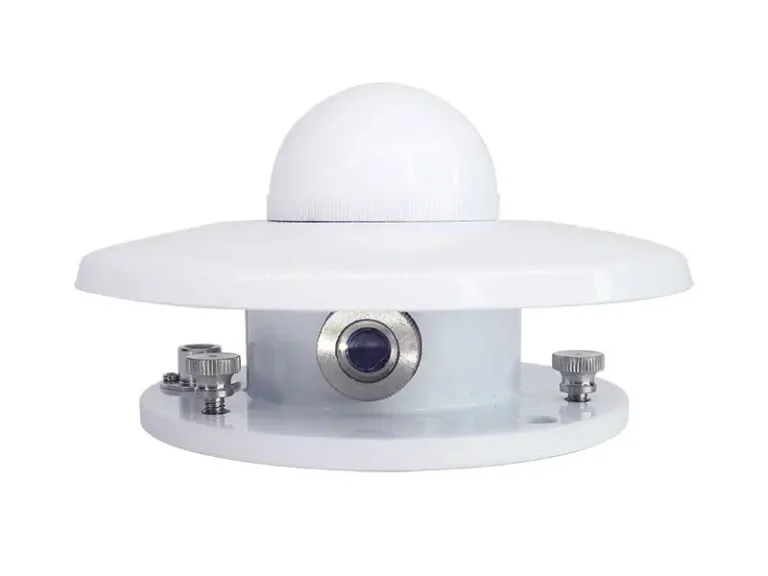
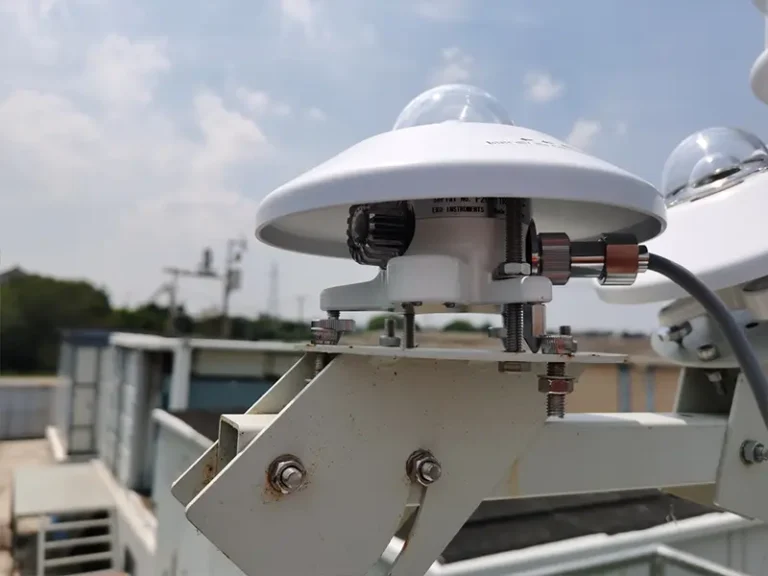
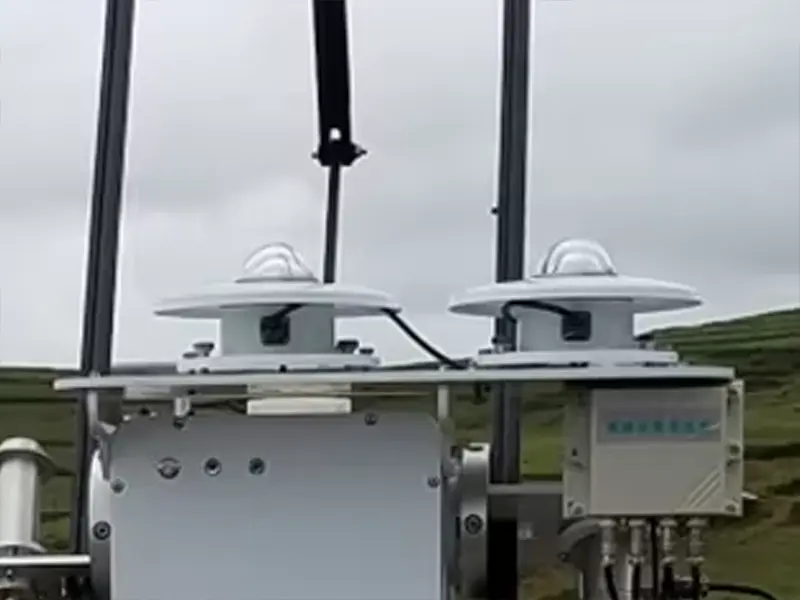
สำหรับการตรวจวัดรังสีแสงอาทิตย์อย่างต่อเนื่อง, ไพรานอมิเตอร์ TBQ-2C เป็นวิธีที่ใช้งานได้จริงในการเก็บข้อมูลความเข้มรังสีสำหรับการประเมินประสิทธิภาพของระบบโซลาร์เซลล์. เซนเซอร์วัดรังสีแสงอาทิตย์ SR30 สามารถใช้สำหรับโครงการที่ต้องการโซลูชันการตรวจวัดรังสีแสงอาทิตย์ขั้นสูงยิ่งขึ้น.
ด้วยข้อมูลความเข้มรังสีที่เชื่อถือได้ ผู้ปฏิบัติงานจะมีค่าอ้างอิงในการพิจารณาว่าการเปลี่ยนแปลงของผลผลิตระบบโซลาร์เซลล์เกี่ยวข้องกับแสงแดดที่เปลี่ยนแปลงเพียงอย่างเดียวหรือต้องมีการตรวจสอบเพิ่มเติม.
เปรียบเทียบความเข้มรังสีกับผลผลิตของระบบโซลาร์เซลล์
ข้อมูลความเข้มรังสีจะมีประโยชน์มากขึ้นเมื่อนำมาเปรียบเทียบกับการผลิตจริงของระบบโซลาร์เซลล์ หากรังสีแสงอาทิตย์ลดลงและผลผลิตของระบบโซลาร์เซลล์เปลี่ยนแปลงตามไปด้วย การผลิตที่ลดลงอาจเกี่ยวข้องกับสภาพอากาศ หากรังสียังค่อนข้างคงที่ในขณะที่ผลผลิตต่ำกว่าที่คาดไว้อย่างต่อเนื่อง ระบบอาจต้องได้รับการตรวจสอบเพิ่มเติม.
อุณหภูมิโมดูล สภาพการสกปรก การบังเงา ข้อมูลอินเวอร์เตอร์ และข้อมูลการทำงานอื่นๆ สามารถให้บริบทเพิ่มเติมเมื่อตรวจสอบการลดลงของประสิทธิภาพ โดยการติดตามข้อมูลเหล่านี้เมื่อเวลาผ่านไป ทีม O&M สามารถเปรียบเทียบผลผลิตที่คาดหวังกับผลผลิตจริง ระบุรูปแบบการสูญเสียที่เกิดขึ้นซ้ำ และกำหนดว่าเมื่อใดจำเป็นต้องตรวจสอบหรือบำรุงรักษา.
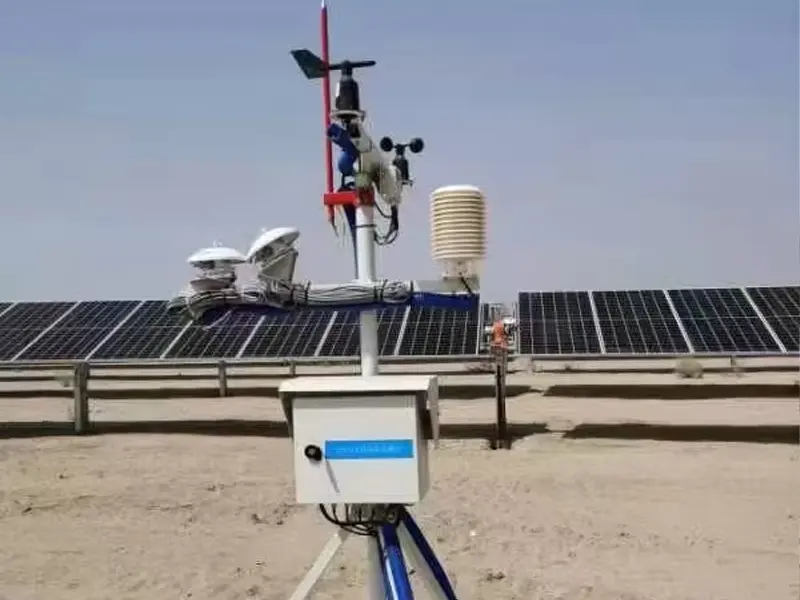
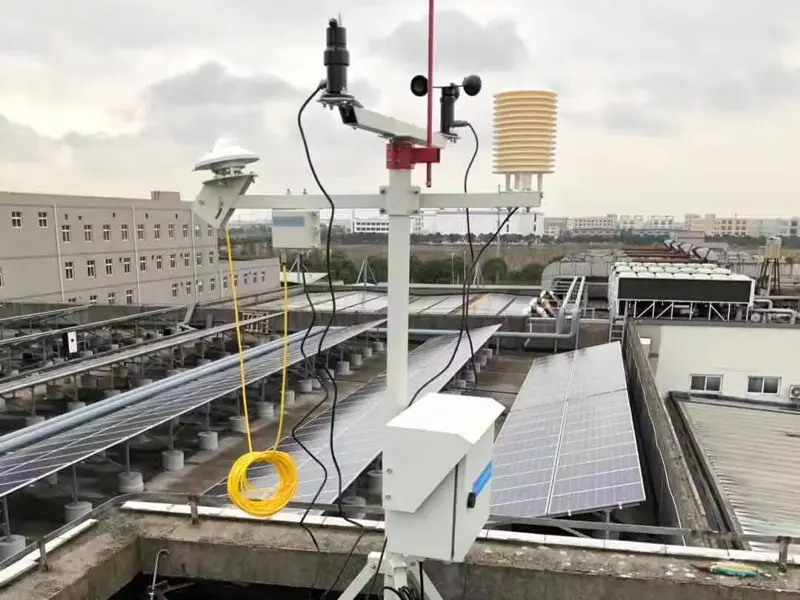
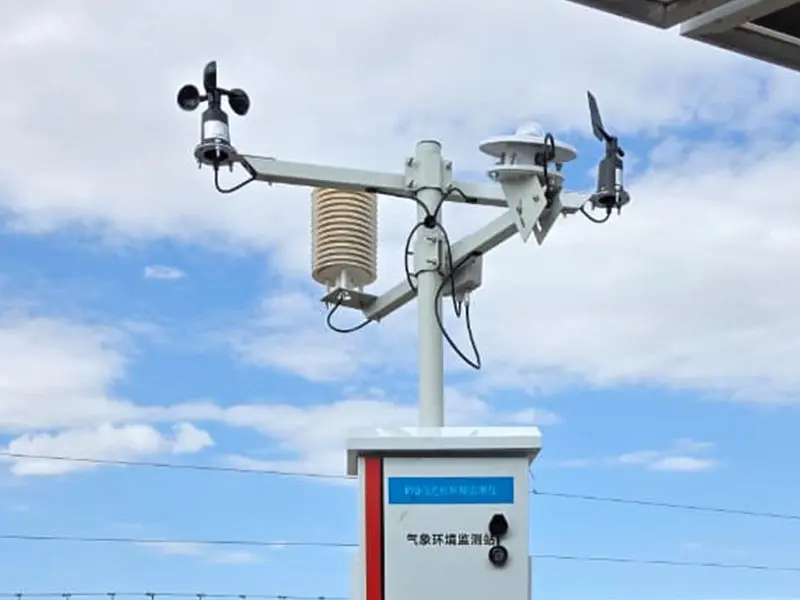
ปัจจัยการสูญเสียประสิทธิภาพพลังงานแสงอาทิตย์เทียบกับสิ่งที่คุณสามารถควบคุมได้
ไม่ใช่ทุกการสูญเสียประสิทธิภาพพลังงานแสงอาทิตย์จะสามารถกำจัดได้ การสูญเสียบางส่วนเกิดจากการเปลี่ยนแปลงของทรัพยากรแสงอาทิตย์และสภาพธรรมชาติ ในขณะที่บางส่วนสามารถลดลงได้ผ่านการออกแบบระบบที่ดีขึ้น การบำรุงรักษาเป็นประจำ และการตรวจวัดอย่างทันท่วงที สำหรับโครงการโซลาร์เซลล์ เป้าหมายเชิงปฏิบัติคือการระบุว่าการสูญเสียใดที่สามารถควบคุมได้ เข้าใจผลกระทบต่อการผลิต และมุ่งเน้นความพยายามในการบำรุงรักษาในจุดที่ให้คุณค่าสูงสุด.
| ปัจจัยการสูญเสียประสิทธิภาพโซลาร์เซลล์ | ระดับการควบคุม | การดำเนินการหลัก |
| การแผ่รังสีของแสงอาทิตย์ | ควบคุมไม่ได้ | การประเมินและตรวจวัดทรัพยากรแสงอาทิตย์อย่างแม่นยำ |
| โมดูลอุณหภูมิ | ควบคุมได้บางส่วน | การเลือกโมดูลที่เหมาะสมและการระบายอากาศ |
| การบังเงา | ควบคุมได้ | การออกแบบพื้นที่ ผังการติดตั้งแผง และการควบคุมพืชพรรณ |
| สิ่งสกปรก | ควบคุมได้ | กลยุทธ์การทำความสะอาดและการตรวจวัดการสกปรก |
| การสูญเสียทางไฟฟ้าและระบบ | ควบคุมได้ | การออกแบบระบบ การตรวจสอบ และการบำรุงรักษาที่เหมาะสม |
| การเสื่อมสภาพของโมดูล | ควบคุมได้บางส่วน | การเลือกโมดูลคุณภาพและการตรวจสอบประสิทธิภาพเป็นประจำ |
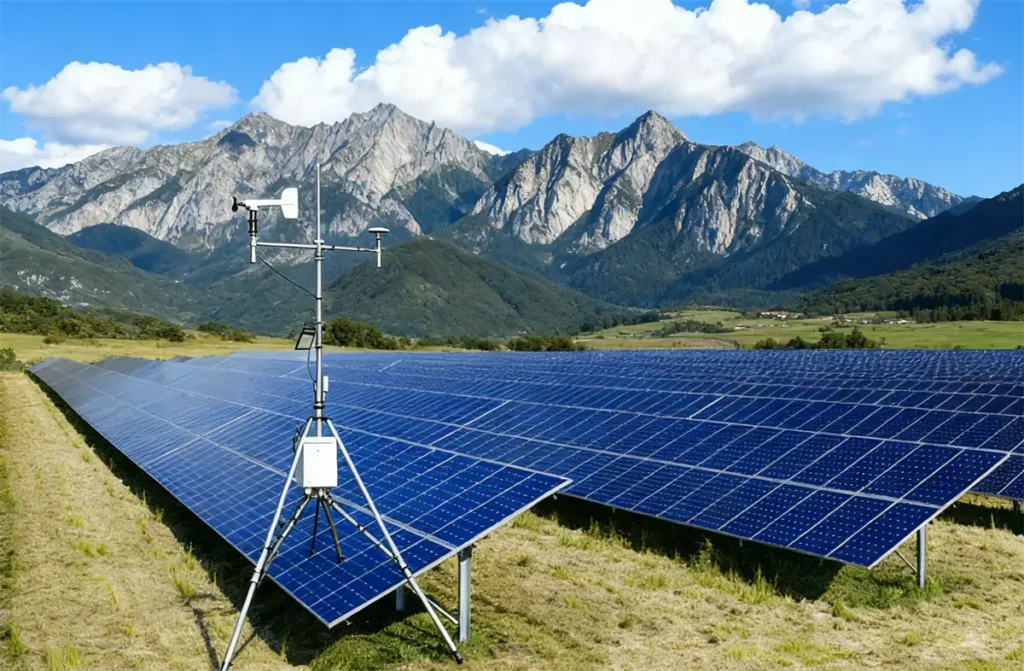
จะวินิจฉัยการลดลงของผลผลิตโซลาร์เซลล์ได้อย่างไร?
เมื่อผลผลิตของระบบโซลาร์เซลล์ลดลง คำถามแรกคือการเปลี่ยนแปลงเกิดจากทรัพยากรแสงอาทิตย์ที่ลดลงหรือปัญหาจริงของระบบ การวินิจฉัยเชิงปฏิบัติเริ่มต้นจากข้อมูลการทำงาน จากนั้นจึงพิจารณาจากสภาพแวดล้อมไปยังปัญหาที่มองเห็นได้และส่วนประกอบทางไฟฟ้า ซึ่งช่วยหลีกเลี่ยงการเข้าใจผิดว่าการเปลี่ยนแปลงที่เกี่ยวข้องกับสภาพอากาศปกติเป็นความผิดปกติของอุปกรณ์.
ขั้นตอนที่ 1: ตรวจสอบความเข้มรังสีแสงอาทิตย์
เริ่มต้นด้วยการตรวจสอบความเข้มรังสีแสงอาทิตย์ในช่วงเวลาที่ผลผลิตของระบบโซลาร์เซลล์ลดลง หากความเข้มรังสีลดลงเช่นกันเนื่องจากเมฆ หมอกควัน หรือสภาพอากาศอื่นๆ การผลิตที่ลดลงอาจเป็นสิ่งที่คาดได้ หากความเข้มรังสียังค่อนข้างคงที่ในขณะที่ผลผลิตของระบบโซลาร์เซลล์ลดลงอย่างเห็นได้ชัด จำเป็นต้องมีการตรวจสอบเพิ่มเติม.
ขั้นตอนที่ 2: ตรวจสอบอุณหภูมิโมดูล
หากค่ารังสีดวงอาทิตย์เป็นปกติ ให้ตรวจสอบอุณหภูมิการทำงานของแผงโซลาร์เซลล์ อุณหภูมิแผงที่สูงสามารถลดกำลังผลิตไฟฟ้าของแผงโซลาร์เซลล์ได้ โดยเฉพาะในช่วงที่มีแสงแดดจัด การเปรียบเทียบอุณหภูมิแผงกับค่ารังสีดวงอาทิตย์และข้อมูลการทำงานในอดีตสามารถช่วยระบุได้ว่าอุณหภูมิเป็นสาเหตุที่ทำให้กำลังผลิตลดลงหรือไม่.
ขั้นตอนที่ 3: ตรวจสอบความสกปรกและการบังเงา
หากค่ารังสีดวงอาทิตย์และอุณหภูมิไม่อธิบายการเปลี่ยนแปลงได้ ให้ตรวจสอบแผงโซลาร์เซลล์เพื่อหาฝุ่น มูลนก พืชพรรณ สิ่งก่อสร้างใกล้เคียง หรือแหล่งบังเงาอื่นๆ ให้ความสนใจกับการเปลี่ยนแปลงในช่วงเวลาที่เฉพาะเจาะจงของวันหรือในส่วนของแผงชุดใดชุดหนึ่ง เนื่องจากการบังเงาบางส่วนอาจส่งผลต่อการผลิตไฟฟ้าเฉพาะในช่วงเวลาหนึ่งเท่านั้น.
ขั้นตอนที่ 4: ตรวจสอบระบบไฟฟ้า
หากสภาพแวดล้อมดูเป็นปกติ ให้ตรวจสอบด้านระบบไฟฟ้าของระบบ สถานะของอินเวอร์เตอร์ กำลังผลิตของสตริง ตัวเชื่อมต่อ สายเคเบิล และสภาพของแผงโซลาร์เซลล์ ควรตรวจสอบเพื่อหาค่าที่ผิดปกติหรือข้อบกพร่อง ปัญหาที่จำกัดอยู่เพียงสตริงเดียว MPPT หรืออินเวอร์เตอร์ตัวเดียว มักสามารถระบุได้โดยการเปรียบเทียบกำลังผลิตกับส่วนอื่นๆ ที่ทำงานอยู่.
ตรรกะการวินิจฉัยอย่างง่าย
| สภาพการทำงานของระบบ PV | จุดเน้นการวินิจฉัยที่แนะนำ |
| ความเข้มรังสีอาทิตย์ต่ำ | ตรวจสอบสภาพอากาศและปริมาณรังสีอาทิตย์ที่มีอยู่ |
| ความเข้มรังสีปกติ + อุณหภูมิโมดูลสูง | ตรวจสอบการสูญเสียประสิทธิภาพที่เกี่ยวข้องกับอุณหภูมิ |
| ความเข้มรังสีปกติ + อุณหภูมิปกติ + การปนเปื้อนที่มองเห็นได้ | ตรวจสอบความสกปรกของโมดูลและสภาพพื้นผิว |
| สภาพปกติ + การสูญเสียผลผลิตเฉพาะช่วงเวลาหรือเฉพาะพื้นที่ | ตรวจสอบการบังเงาจากต้นไม้ สิ่งปลูกสร้าง หรือรูปแบบการจัดวางแผง |
| สภาพปกติ + ผลผลิตต่ำอย่างต่อเนื่อง | ตรวจสอบอินเวอร์เตอร์ สตริง สายเคเบิล ขั้วต่อ และโมดูล |
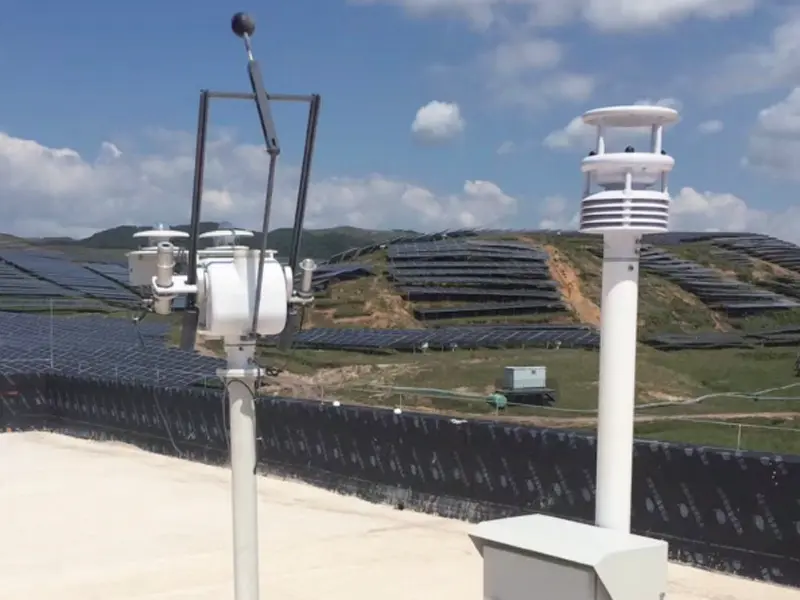
สำหรับการดำเนินงานระยะยาว การตรวจสอบประสิทธิภาพ PV อย่างต่อเนื่องทำให้กระบวนการนี้ง่ายขึ้น การเก็บข้อมูลความเข้มรังสี อุณหภูมิ สภาพอากาศ และการผลิตไฟฟ้าไว้ด้วยกัน ช่วยให้ผู้ปฏิบัติงานระบุการเปลี่ยนแปลงที่ผิดปกติได้เร็วขึ้น และตัดสินใจได้ว่าเมื่อใดจำเป็นต้องตรวจสอบหน้างานหรือดำเนินการบำรุงรักษา.
สรุป
ประสิทธิภาพของระบบ PV พลังงานแสงอาทิตย์ไม่สามารถประเมินได้จากผลผลิตไฟฟ้าเพียงอย่างเดียว ระบบ PV เดียวกันสามารถผลิตไฟฟ้าในปริมาณที่แตกต่างกันภายใต้ความเข้มรังสี อุณหภูมิ สภาพอากาศ และสภาพพื้นผิวที่แตกต่างกัน เมื่อประเมินผลผลิตจริงร่วมกับสภาพการทำงานเหล่านี้ จะระบุได้ง่ายขึ้นว่าการลดลงเกิดจากการเปลี่ยนแปลงปกติของทรัพยากรแสงอาทิตย์หรือปัญหาด้านประสิทธิภาพภายในระบบ.
แนวทางที่มีประโยชน์คือ วัดผล → เปรียบเทียบ → ระบุ → วัดปริมาณ → แก้ไข ความเข้มรังสีอาทิตย์และข้อมูลการทำงานอื่นๆ เป็นข้อมูลอ้างอิงสำหรับการเปรียบเทียบกับการผลิตจริง เมื่อสภาพที่วัดได้และผลผลิตไฟฟ้าไม่สอดคล้องกับรูปแบบการทำงานที่คาดหวัง การวิเคราะห์เพิ่มเติมสามารถใช้ระบุสาเหตุและพิจารณาว่าการดำเนินการแก้ไขมีความคุ้มค่าหรือไม่.
สำหรับการดำเนินงาน PV ระยะยาว นี่คือจุดที่การตรวจสอบมีคุณค่า ข้อมูลการวัดที่เชื่อถือได้ช่วยให้ทีมปฏิบัติการและบำรุงรักษา (O&M) มีพื้นฐานที่สอดคล้องกันสำหรับการประเมินประสิทธิภาพ ติดตามการเปลี่ยนแปลงเมื่อเวลาผ่านไป และตัดสินใจด้านการบำรุงรักษาตามสภาพหน้างานจริง แทนที่จะใช้ข้อมูลผลผลิตเพียงอย่างเดียว.
ต้องการระบุสาเหตุของการสูญเสียประสิทธิภาพ PV หรือไม่? สำรวจโซลูชันการตรวจวัดรังสีอาทิตย์ สภาพอากาศ อุณหภูมิโมดูล และความสกปรกของเรา หรือ ติดต่อทีมเทคนิคของเรา เพื่อหารือเกี่ยวกับความต้องการด้านการตรวจวัดสำหรับโครงการ PV ของคุณ.