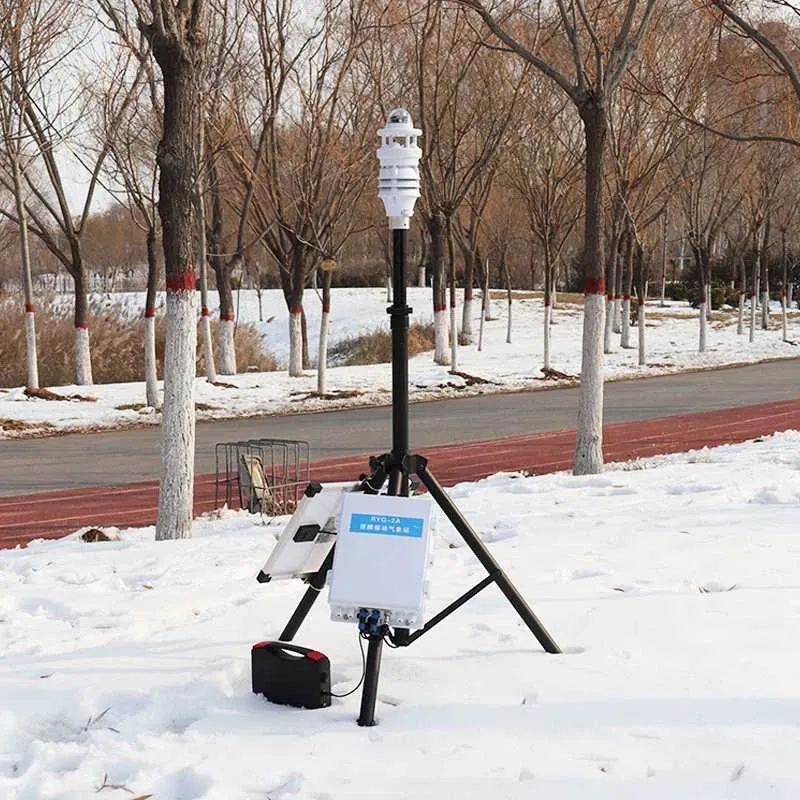
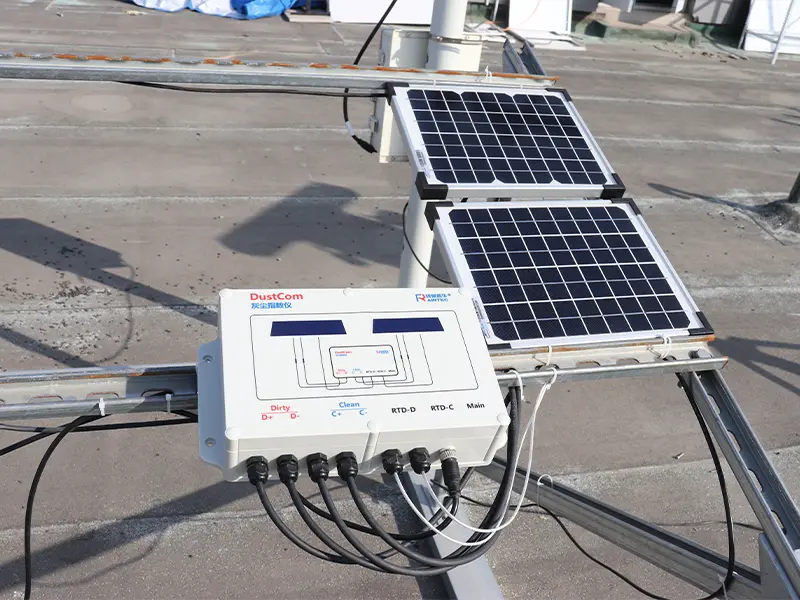
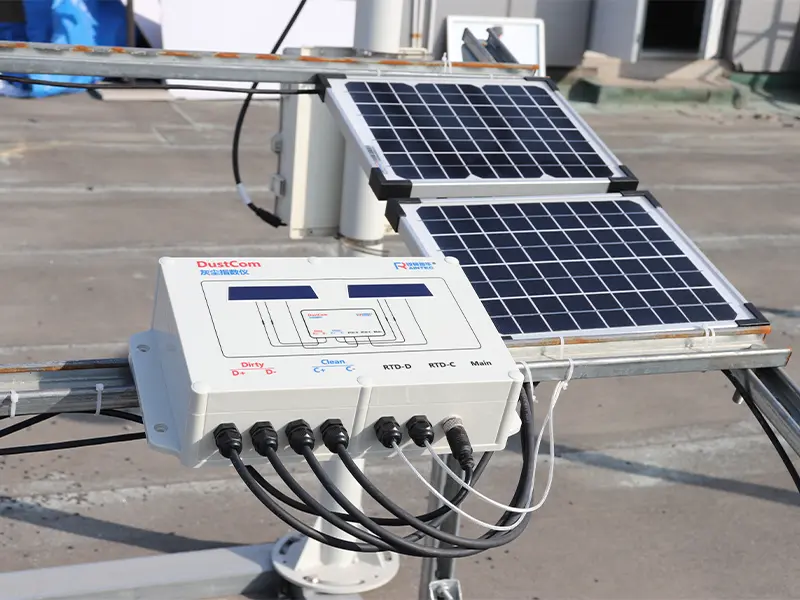
ระบบตรวจสอบดัชนีฝุ่นโฟโตโวลตาอิก DustCom
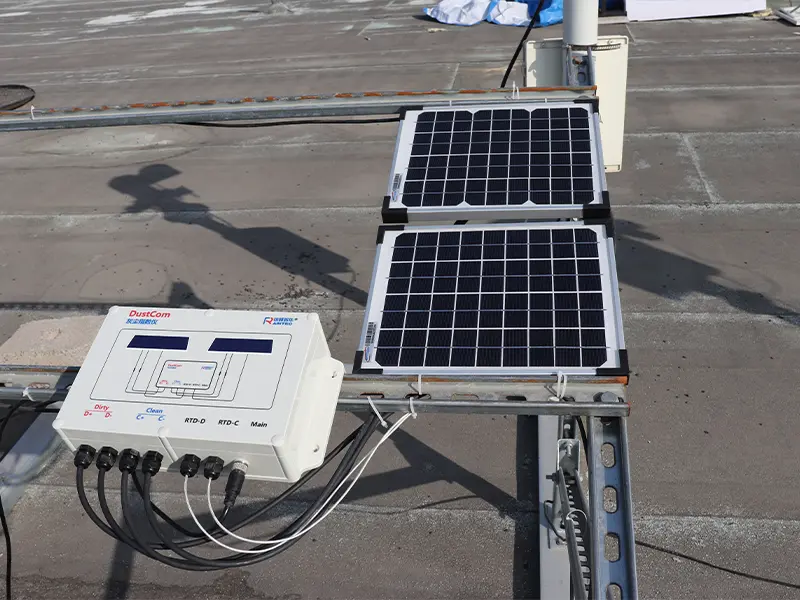
ระบบตรวจสอบดัชนีฝุ่นโฟโตโวลตาอิก DustCom เป็นอุปกรณ์ตรวจสอบอัจฉริยะที่ออกแบบมาสำหรับโรงไฟฟ้าพลังงานแสงอาทิตย์โดยเฉพาะ ระบบนี้สามารถตรวจจับการสะสมของฝุ่นบนพื้นผิวโมดูลได้แบบเรียลไทม์ และประเมินระดับความปนเปื้อนได้อย่างแม่นยำ การสะสมของฝุ่นจะลดประสิทธิภาพในการดูดซับรังสีแสงอาทิตย์ของแผงโซลาร์เซลล์ ส่งผลต่อการผลิตไฟฟ้า นอกจากนี้ยังเร่งการเสื่อมสภาพของโมดูลและเพิ่มค่าใช้จ่ายในการดำเนินงานและการบำรุงรักษา.
- อัตราการชำรุด: 0–100%
- ความละเอียด: 0.1%
- ความแม่นยำในการวัด: 1%
- ช่วงแรงดันไฟฟ้า: 12–24V DC
- การใช้พลังงานสูงสุด: 20mA @12V DC
- อุณหภูมิในการทำงาน: -40℃~+70℃
- ช่วงสเปกตรัม: 0.3–3.2 μm
ราคา: $497.01-$596.41
บทนำ
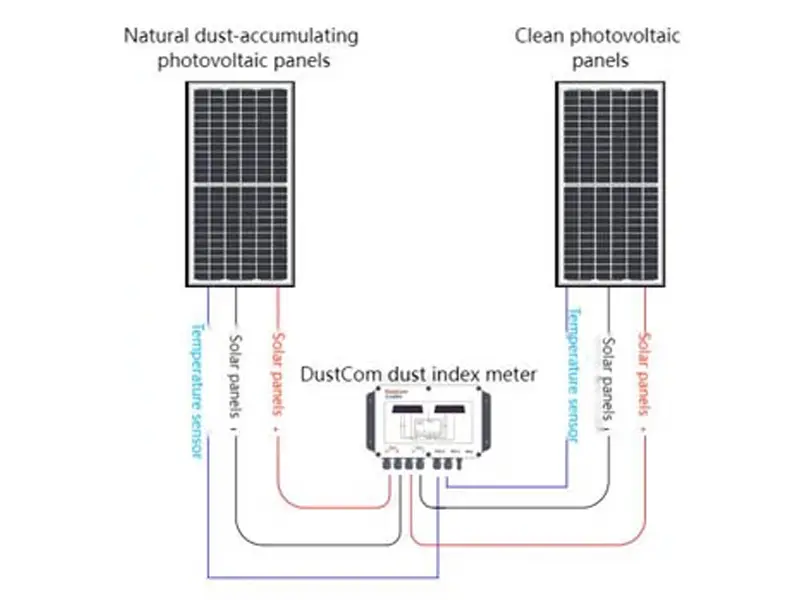
เครื่องวัดดัชนีฝุ่น DustCom เป็นวิธีการที่ใช้วัดผลกระทบของการปนเปื้อนฝุ่นต่อประสิทธิภาพการผลิตไฟฟ้า โดยเปรียบเทียบพารามิเตอร์ประสิทธิภาพทางไฟฟ้า (เช่น กระแสไฟฟ้าลัดวงจรและกำลังไฟฟ้าสูงสุด) ของแผงเซลล์แสงอาทิตย์ที่สะอาดและแผงที่ปนเปื้อนฝุ่น หลักการสำคัญของเครื่องนี้คือการวัดความแตกต่างของประสิทธิภาพทางไฟฟ้าของแผงที่สะอาดและแผงที่ปนเปื้อนภายใต้สภาวะที่เหมือนกัน เพื่อคำนวณการสูญเสียประสิทธิภาพที่เกิดจากการปนเปื้อนฝุ่น ซึ่งช่วยให้มีข้อมูลสนับสนุนสำหรับการดำเนินงานและการบำรุงรักษาโรงไฟฟ้าพลังงานแสงอาทิตย์.
ระบบตรวจสอบฝุ่นบนแผงโซลาร์เซลล์ (Photovoltaic Dust Monitoring System) รองรับแผง PV ที่มีพิกัดสูงสุด 30A, 50V และ 700W เซนเซอร์วัดอุณหภูมิ Pt100 ชนิดติดตั้งบนพื้นผิวที่มาพร้อมกับระบบใช้สำหรับวัดอุณหภูมิด้านหลังของแผง PV และข้อมูลจะถูกส่งผ่านโปรโตคอล Modbus RTU (RS485) หากคุณต้องการเรียนรู้เกี่ยวกับ ผลกระทบของฝุ่นต่อประสิทธิภาพของแผงโซลาร์เซลล์, กรุณาคลิกที่บทความ.
หลักการวัด เซ็นเซอร์การปนเปื้อนในเซลล์แสงอาทิตย์
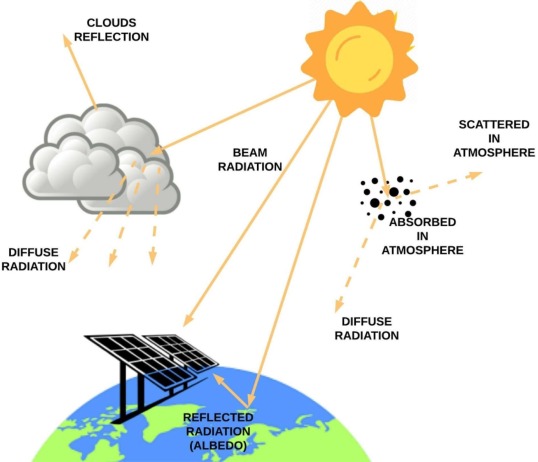
หลักการสำคัญเบื้องหลังวิธีการอ้างอิงสำหรับการวัดการปนเปื้อนของโมดูลโฟโตโวลตาอิกมีดังนี้: โมดูลโฟโตโวลตาอิกสองชุดที่มีรุ่นและชุดการผลิตเดียวกันจะถูกวางไว้ในสภาพแวดล้อมเดียวกัน โดยหนึ่งชุดจะรักษาให้สะอาด ส่วนอีกชุดหนึ่งจะปล่อยให้ฝุ่นสะสมตามธรรมชาติ ตามมาตรฐาน IEC 60904 ความเข้มรังสีที่มีประสิทธิภาพจะคำนวณโดยการวัดกระแสไฟฟ้าลัดวงจรและอุณหภูมิที่ด้านหลังของโมดูลทั้งสองชุดการสูญเสียจากการปนเปื้อนถูกกำหนดโดยการเปรียบเทียบค่าการแผ่รังสีที่มีประสิทธิภาพของโมดูลที่ปนเปื้อนกับโมดูลอ้างอิงที่สะอาด
.
สูตรสำหรับการคำนวณดัชนีการสูญเสียจากการปนเปื้อน (SLI) มีดังนี้:
SLI = (1 – Geffs/Geffc) × 100%. ที่นี่, Geffs คือค่าความเข้มแสงที่มีประสิทธิภาพคำนวณสำหรับโมดูลที่สกปรก, และ Geffc คือค่าความเข้มแสงที่มีประสิทธิภาพคำนวณสำหรับโมดูลอ้างอิงที่สะอาด.
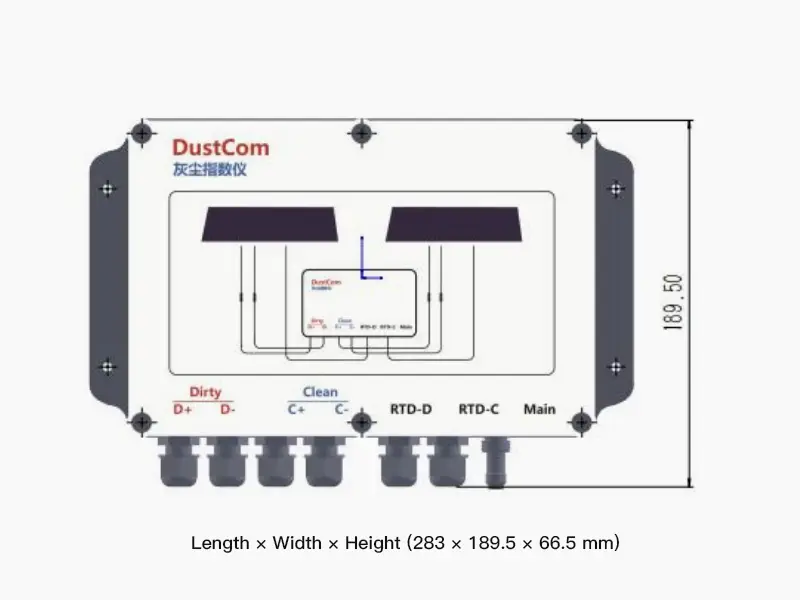
โครงสร้าง โฟโตโวลตาอิก เซ็นเซอร์ตรวจจับสิ่งสกปรก
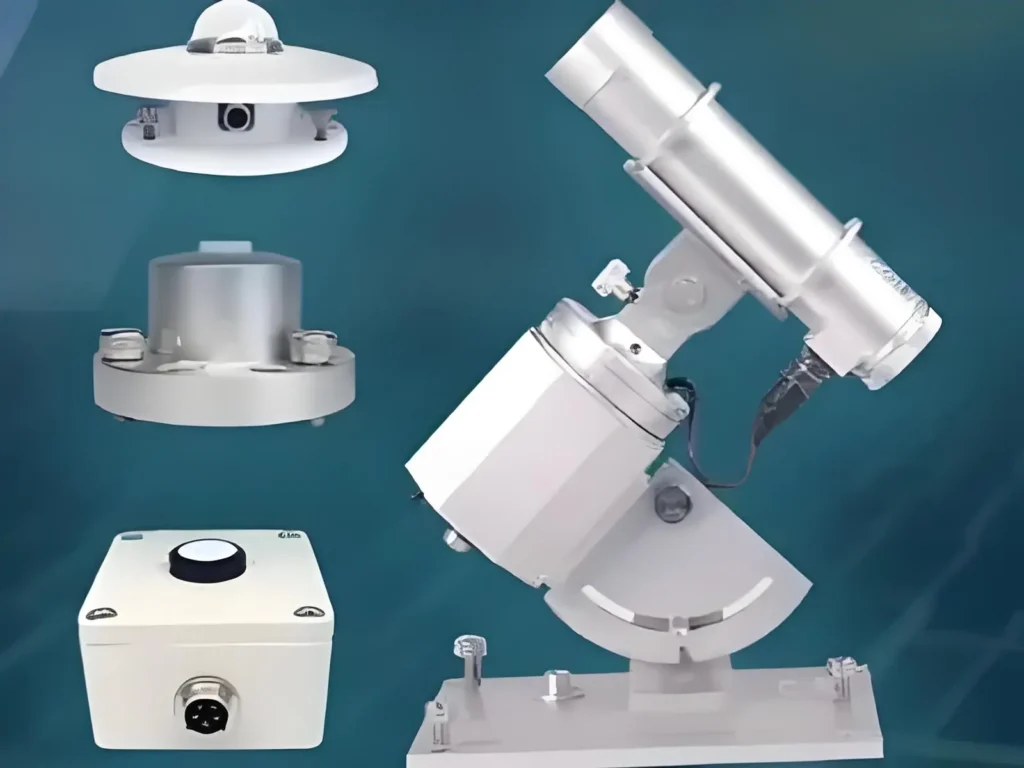
- หน่วยเซ็นเซอร์ตรวจจับฝุ่น: ใช้สำหรับตรวจสอบการสะสมของฝุ่นบนพื้นผิวของแผงเซลล์แสงอาทิตย์แบบเรียลไทม์และเก็บข้อมูลการปนเปื้อน
- โมดูลการวัดการอ้างอิงและการเปื้อน: คำนวณดัชนีความสกปรกโดยการเปรียบเทียบความแตกต่างของรังสีระหว่างพื้นผิวที่สะอาดและพื้นผิวที่ปนเปื้อน
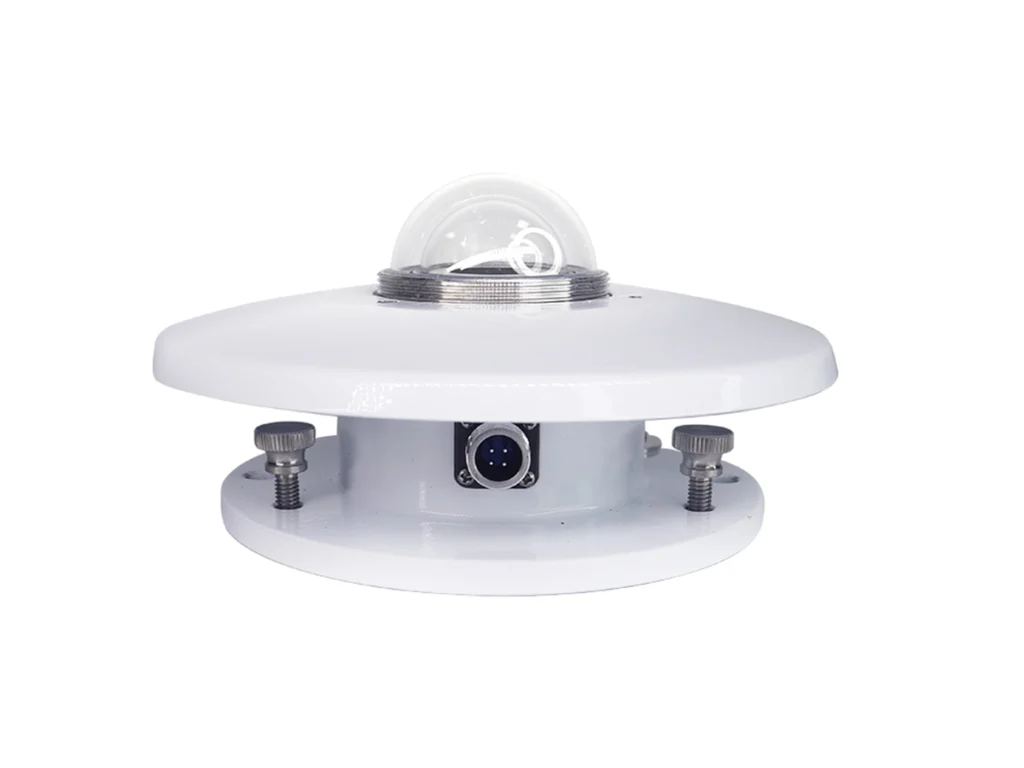
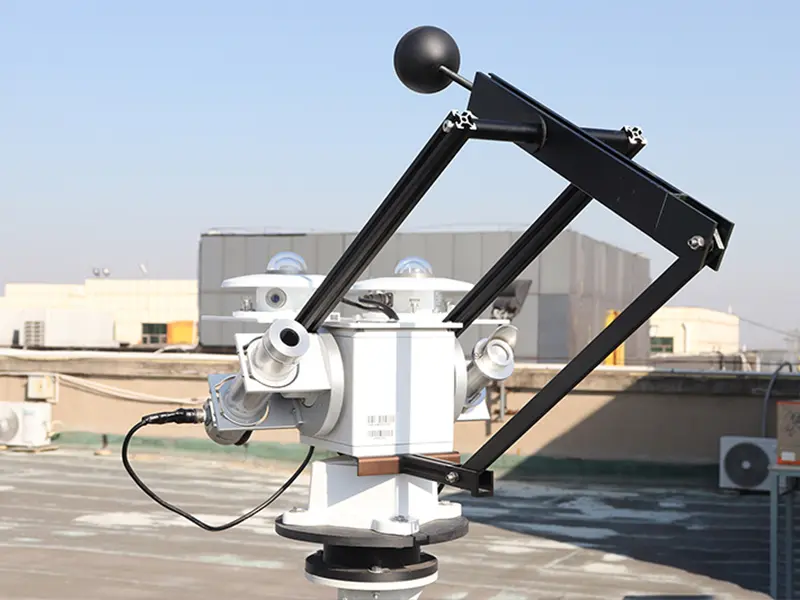
- เซ็นเซอร์รังสีดวงอาทิตย์ (ไพราโนมิเตอร์): วัดความเข้มของรังสีแสงอาทิตย์เพื่อเป็นข้อมูลพื้นฐานสำหรับการวิเคราะห์การปนเปื้อน
- หน่วยเก็บข้อมูล (DAQ): รับผิดชอบในการรวบรวมข้อมูลจากเซ็นเซอร์ต่าง ๆ และดำเนินการประมวลผลเบื้องต้น
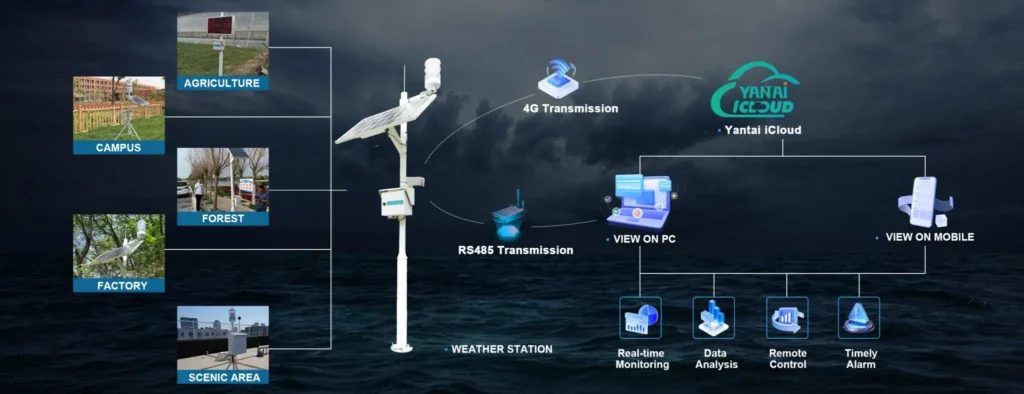
- โมดูลการส่งข้อมูล: รองรับการสื่อสารแบบไร้สายหรือแบบมีสายเพื่ออัปโหลดข้อมูลไปยังแพลตฟอร์มการตรวจสอบ
- ระบบจ่ายไฟฟ้า: โดยทั่วไปใช้ระบบพลังงานแสงอาทิตย์เพื่อให้การทำงานของอุปกรณ์มีความเสถียรและยาวนาน
- แพลตฟอร์มการติดตามและจัดการ: ช่วยให้สามารถแสดงข้อมูล วิเคราะห์ข้อมูล และจัดการการดำเนินงานและการบำรุงรักษาจากระยะไกล
- โครงสร้างการติดตั้งและตัวเรือนป้องกัน: ให้การสนับสนุนโครงสร้างสำหรับการติดตั้งอุปกรณ์ และให้การป้องกันฝุ่น, กันน้ำ, และทนต่อการกัดกร่อน เพื่อทนต่อสภาพแวดล้อมกลางแจ้ง
รายละเอียดแสดง
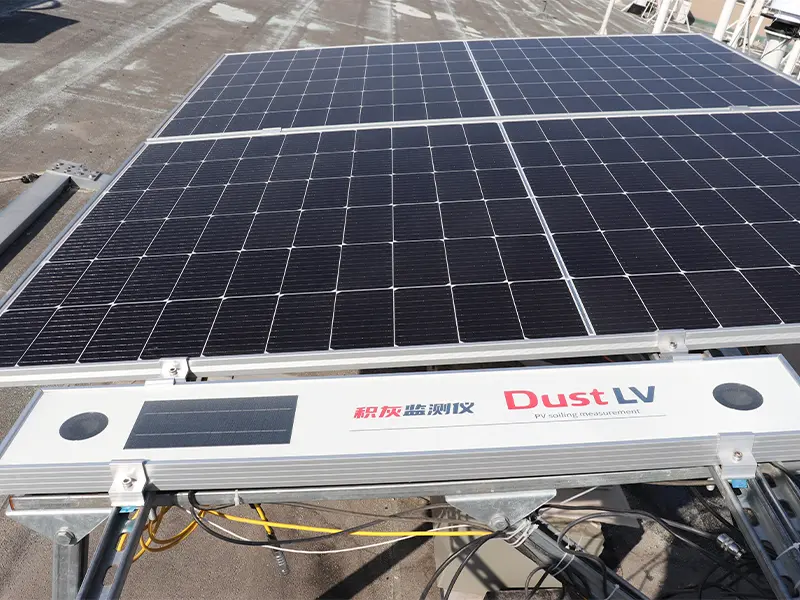
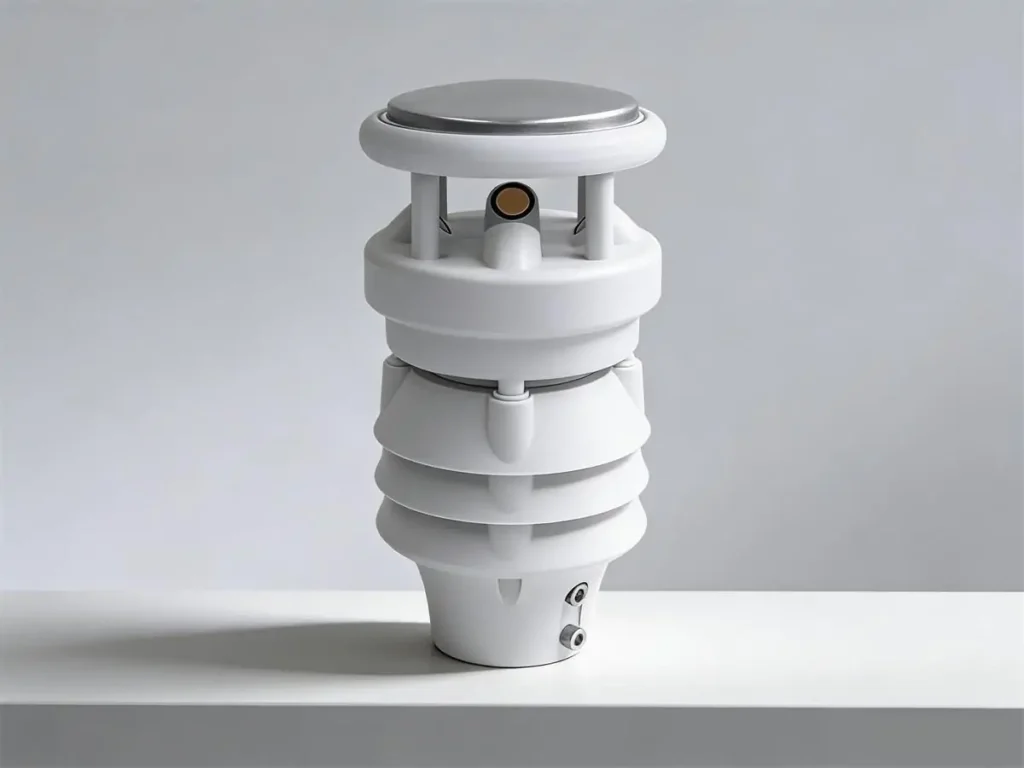
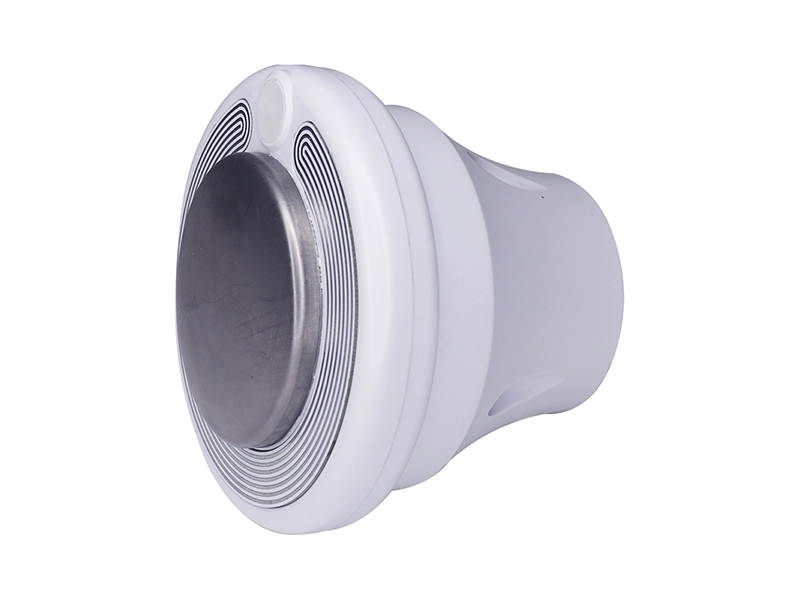
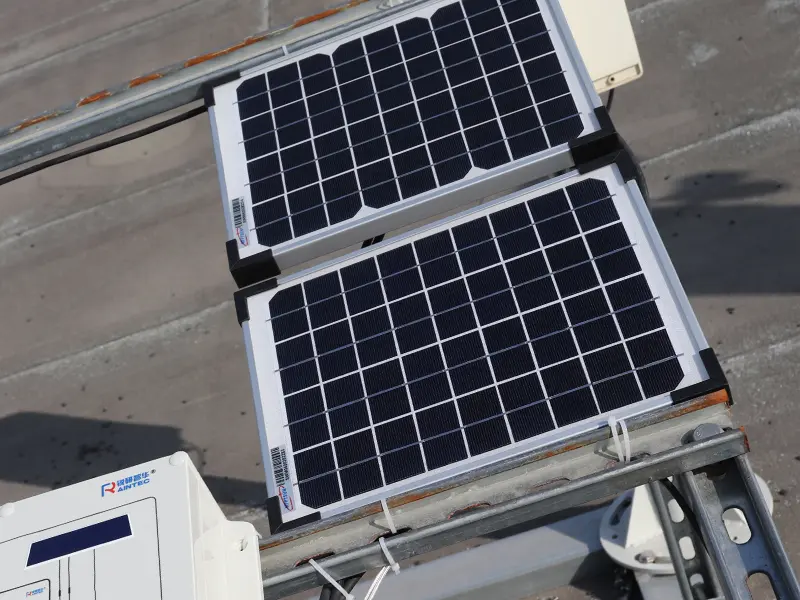
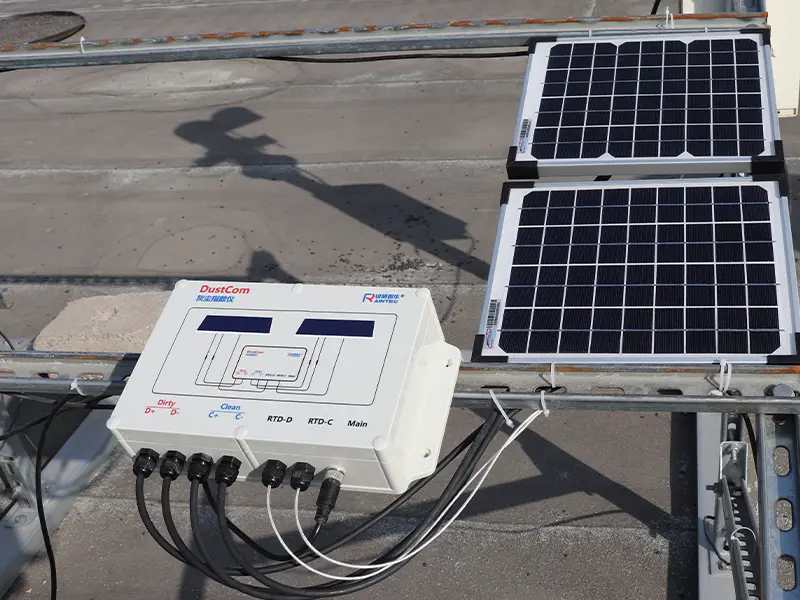
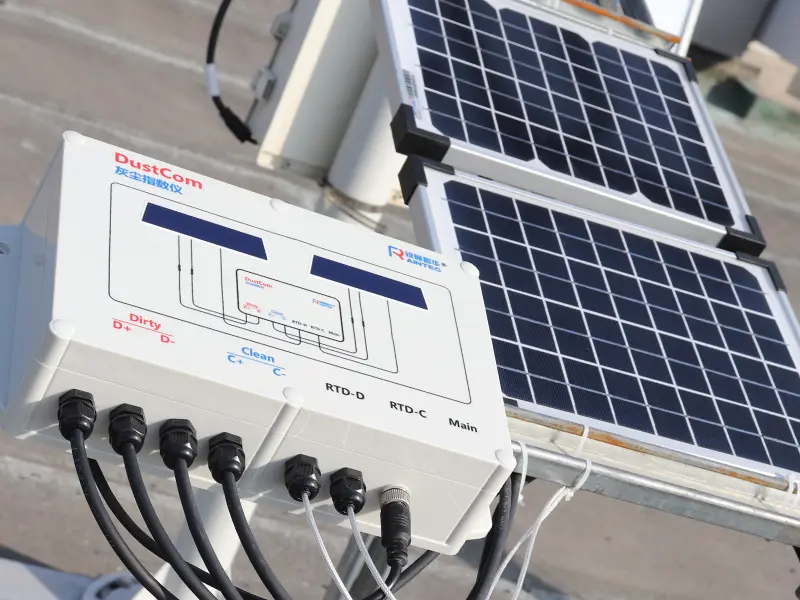
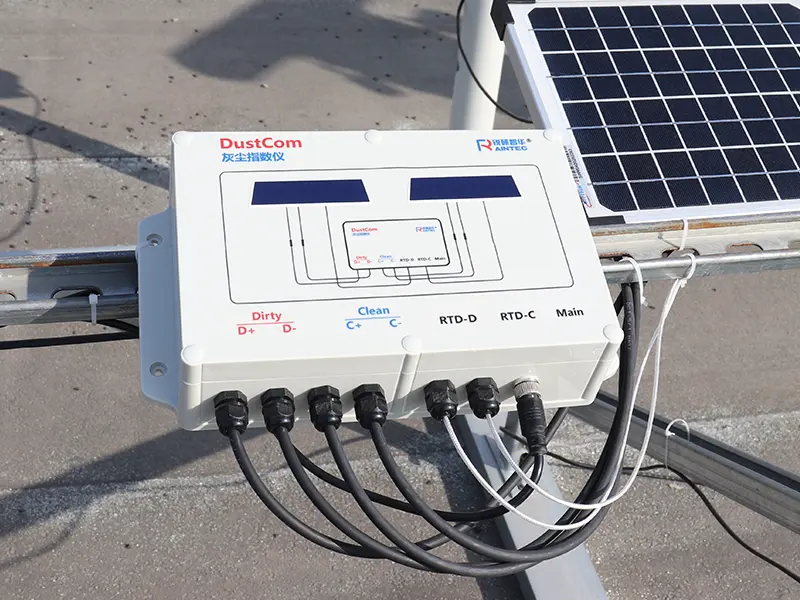
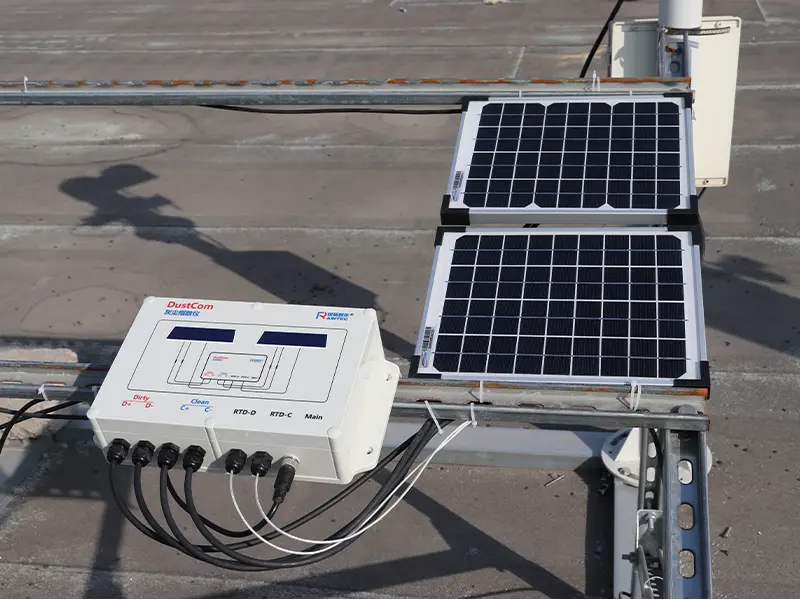
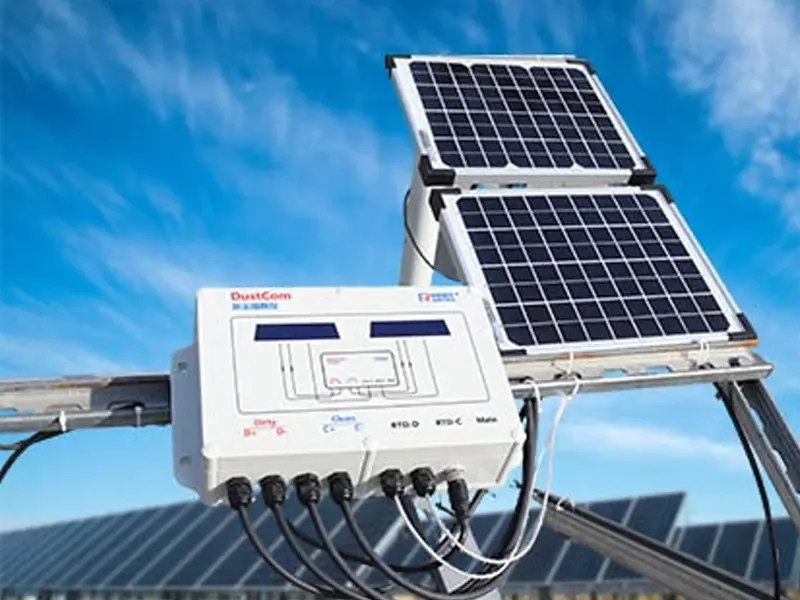
ระบบตรวจสอบดัชนีฝุ่น DustCom PV มีดีไซน์ที่เรียบง่ายและโครงสร้างกะทัดรัด ทำให้ติดตั้งใกล้กับแผงโซลาร์เซลล์ได้ง่าย ตัวเครื่องผลิตจากวัสดุแข็งแรงทนทาน มีพื้นที่ตรวจจับเซ็นเซอร์อยู่ด้านบน ส่วนด้านข้างมีช่องเชื่อมต่อสำหรับรับและส่งข้อมูล และที่ด้านล่างมีขาติดตั้งที่มั่นคง รายละเอียดเฉพาะมีดังนี้:
คำแนะนำการติดตั้ง
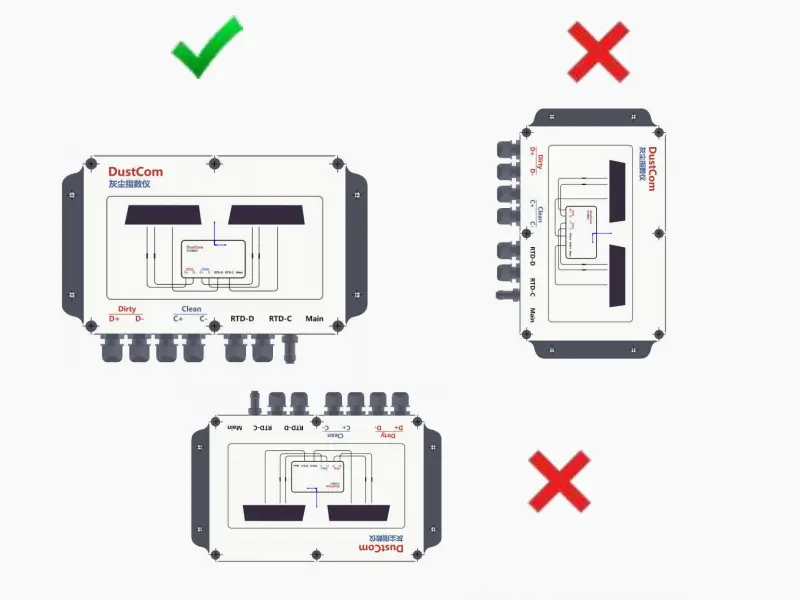
ติดตั้ง DustCom ให้ใกล้กับโมดูลเป้าหมายที่กำลังวัดมากที่สุดเท่าที่จะเป็นไปได้ หากเป็นไปได้ ให้เลือกตำแหน่งที่มีร่มเงาอยู่ใต้โมดูล เมื่อติดตั้งเครื่องวัดฝุ่น DustCom ให้จัดตำแหน่งทางเข้าสายเคเบิลให้หันลงด้านล่างเพื่อป้องกันไม่ให้น้ำไหลเข้าไปทางสายเคเบิล.
วิธีการติดตั้ง
มันมีระบบติดตั้งแบบหนีบสแตนเลสที่ช่วยให้สามารถปรับขนาดเส้นผ่าศูนย์กลางได้อย่างอิสระ DustCom สามารถติดตั้งได้บนระบบสนับสนุนแนวตั้งต่าง ๆ ในระบบโฟโตโวลตาอิก รวมถึงเสาติดตั้งหรือเสาหลัก ตามที่แสดงในภาพต่อไปนี้:
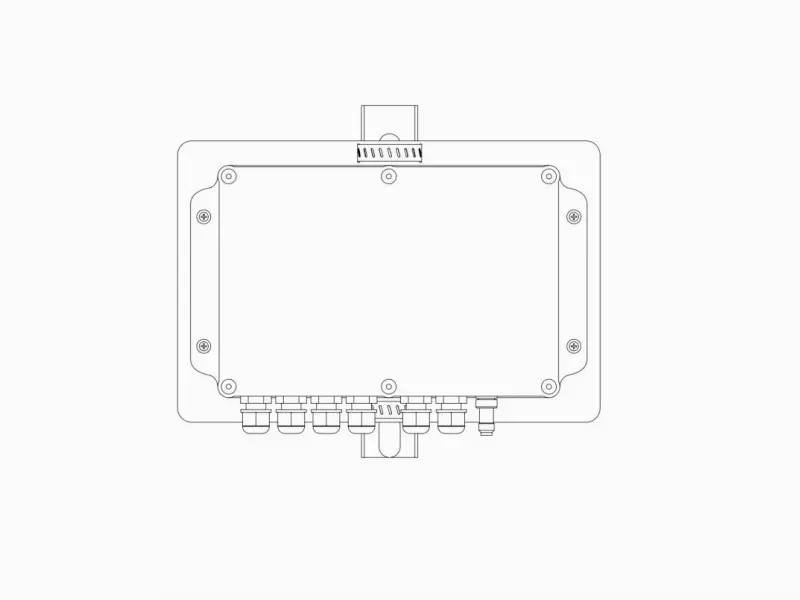
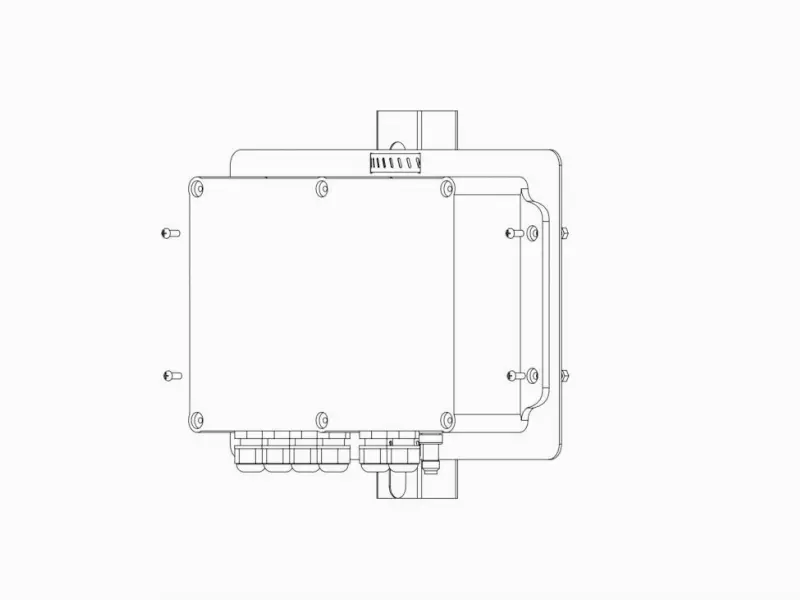
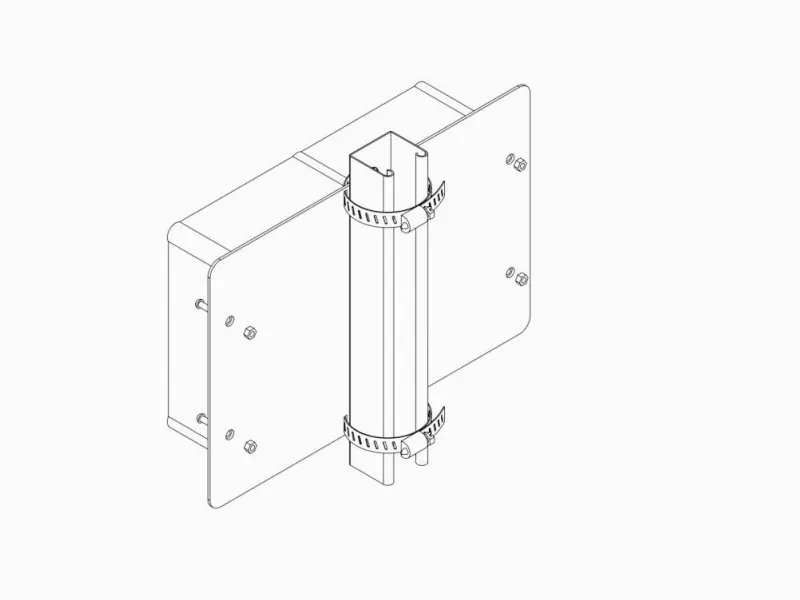
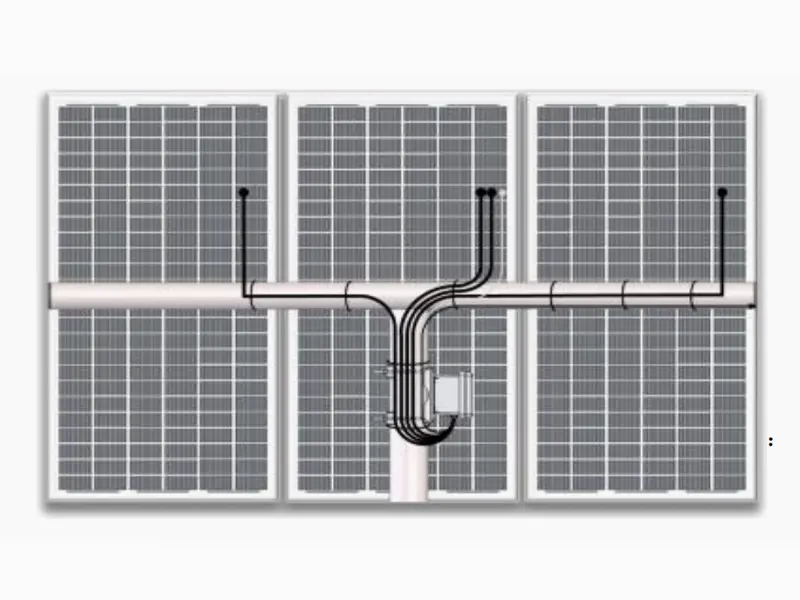
ติดตั้ง DustCom ลงบนขายึดที่ลูกค้าจัดเตรียมไว้ จากนั้นยึดให้แน่นกับโครงสร้างแนวตั้งที่คุณเลือกโดยใช้แคลมป์ ตรวจสอบให้แน่ใจว่าสายเคเบิลยึดแน่นหนา และหากใช้ตัวติดตาม ให้แน่ใจว่าสายเคเบิลมีความยาวเพียงพอที่จะรองรับการเคลื่อนไหวของแผงโซลาร์เซลล์.
ข้อมูลจำเพาะ
ต่อไปนี้คือคำอธิบายเกี่ยวกับข้อกำหนดหลักของระบบตรวจสอบดัชนีการปนเปื้อนของฝุ่นในแผงโซลาร์เซลล์ DustCom Photovoltaic Soiling Index Monitoring System ซึ่งครอบคลุมตัวชี้วัดที่สำคัญ เช่น ประสิทธิภาพการตรวจสอบอัตราการปนเปื้อน ความสามารถในการวัดอุณหภูมิของโมดูล ช่วงค่าพารามิเตอร์ทางไฟฟ้า วิธีการสื่อสารและแหล่งจ่ายไฟ รวมถึงความสามารถในการปรับตัวต่อสภาพแวดล้อม นอกจากนี้ยังมีข้อมูลเกี่ยวกับขนาดโครงสร้างของอุปกรณ์และระดับการป้องกัน ซึ่งให้ภาพรวมที่ครอบคลุมเกี่ยวกับประสิทธิภาพและขอบเขตการใช้งานของระบบ ด้านล่างนี้คือข้อกำหนดของระบบวัดฝุ่นในแผงโซลาร์เซลล์:
พารามิเตอร์
| อัตราการชำรุด | 0–100% |
| การแก้ไขปัญหา | 0.10% |
| ความถูกต้องของการวัด | 1% |
| ช่วงการวัดอุณหภูมิของส่วนประกอบ | –40–+150°C |
| ความแม่นยำในการวัดอุณหภูมิของส่วนประกอบ | บวก 0.15 + 0.002t องศาเซลเซียส |
| หัววัดอุณหภูมิของส่วนประกอบ | พีที100 คลาส เอ |
| กำลังของส่วนประกอบที่ทดสอบ | 20–700 วัตต์ |
| กระแสลัดวงจรสูงสุดของส่วนประกอบที่ทดสอบ | 30 A |
| แรงดันไฟฟ้าสูงสุดแบบวงจรเปิดของส่วนประกอบที่ทดสอบ | 50 โวลต์ |
| มาตรฐานอ้างอิง | IEC 61724-1 (2021) |
| ช่วงของแหล่งจ่ายไฟ | 12–24 โวลต์ DC |
| การใช้พลังงานสูงสุด | 20 มิลลิแอมแปร์ @ 12 โวลต์ DC |
| รูปแบบสัญญาณขาออก | มาตรฐาน RS485 โปรโตคอล Modbus |
| อุณหภูมิการทำงาน | –40°C ถึง +70°C |
| ความชื้นในการทำงาน | 0–100% RH |
| อุณหภูมิในการจัดเก็บ | –50 ถึง 85°C |
| ขนาดของเครื่องมือ | 283*165*66มม. (ความกว้างไม่รวมขั้วต่อกันน้ำ) |
| น้ำหนัก | 2.3 กิโลกรัม |
| ระดับการกันน้ำ | IP65 |
คุณสมบัติ ระบบวัดฝุ่นบนแผงโซลาร์
การตรวจสอบแบบเรียลไทม์
ติดตามการสะสมของฝุ่นบนแผงเซลล์แสงอาทิตย์แบบเรียลไทม์
ความแม่นยำสูง
รับประกันผลการวัดที่เชื่อถือได้และแม่นยำ
คำแนะนำในการทำความสะอาด
ช่วยเพิ่มประสิทธิภาพตารางการทำความสะอาดและลดการสูญเสีย
ติดตั้งง่าย
โครงสร้างกะทัดรัดเพื่อการติดตั้งและบำรุงรักษาที่รวดเร็ว
ความสามารถในการปรับตัวได้หลากหลาย
ทำงานได้อย่างเชื่อถือได้ในสภาพแวดล้อมกลางแจ้งที่รุนแรง
การใช้พลังงานต่ำ
ออกแบบมาเพื่อการดำเนินงานระยะยาว ประหยัดพลังงาน
แอปพลิเคชันเซ็นเซอร์การปนเปื้อนในเซลล์แสงอาทิตย์
ระบบตรวจสอบดัชนีฝุ่นโฟโตโวลตาอิก DustCom ถูกใช้อย่างแพร่หลายในโครงการพลังงานแสงอาทิตย์เพื่อตรวจสอบการสะสมของฝุ่นบนโมดูล PV และประเมินผลกระทบต่อประสิทธิภาพการผลิตไฟฟ้า ด้วยการให้ข้อมูลการปนเปื้อนที่แม่นยำและการวิเคราะห์ประสิทธิภาพ ระบบนี้ช่วยเพิ่มประสิทธิภาพกลยุทธ์การทำความสะอาด ลดการสูญเสียพลังงาน และปรับปรุงการดำเนินงานและการบำรุงรักษาของโรงงานโดยรวม ด้านล่างนี้คือการใช้งานเฉพาะของระบบตรวจสอบดัชนีฝุ่นพลังงานแสงอาทิตย์:

โรงไฟฟ้าพลังงานแสงอาทิตย์ขนาดใหญ่
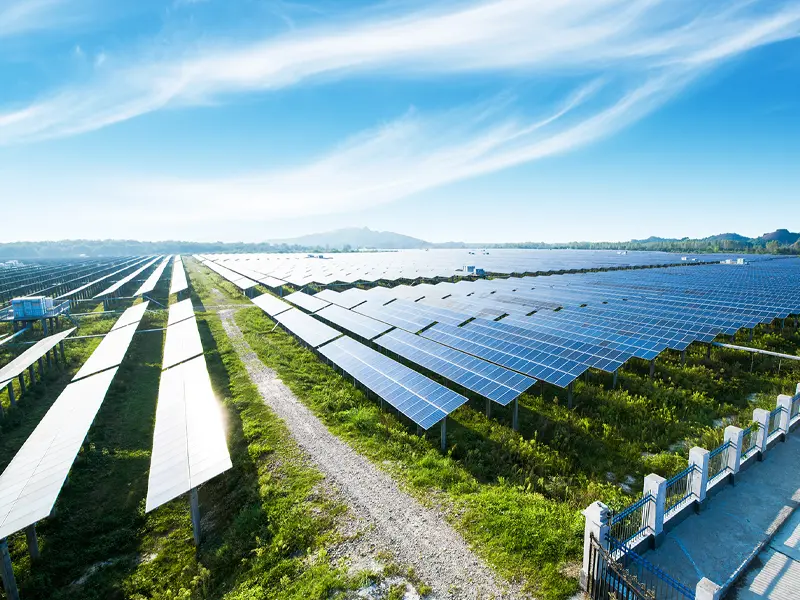
ตรวจสอบการสะสมของฝุ่นและเพิ่มประสิทธิภาพการดำเนินงานและการบำรุงรักษาสำหรับโรงไฟฟ้าขนาดใหญ่ที่ติดตั้งบนพื้นดิน ช่วยกำหนดตารางการทำความสะอาดที่มีพื้นฐานทางวิทยาศาสตร์.
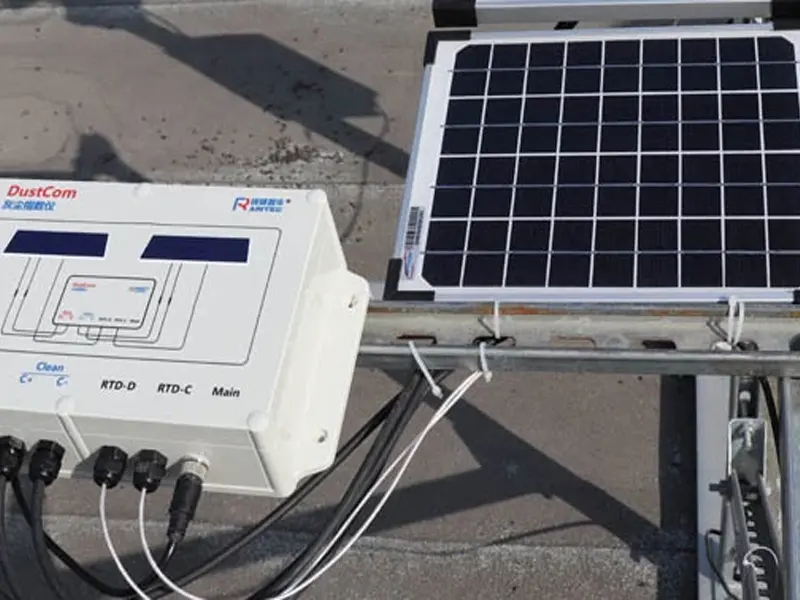
ระบบโซลาร์เซลล์แบบกระจายตัว
เหมาะสำหรับโครงการระบบโซลาร์เซลล์แบบกระจายศูนย์ในเชิงพาณิชย์ อุตสาหกรรม และบนหลังคา ให้ข้อมูลเชิงลึกแบบเรียลไทม์เกี่ยวกับการปนเปื้อนบนแผงเซลล์แสงอาทิตย์.
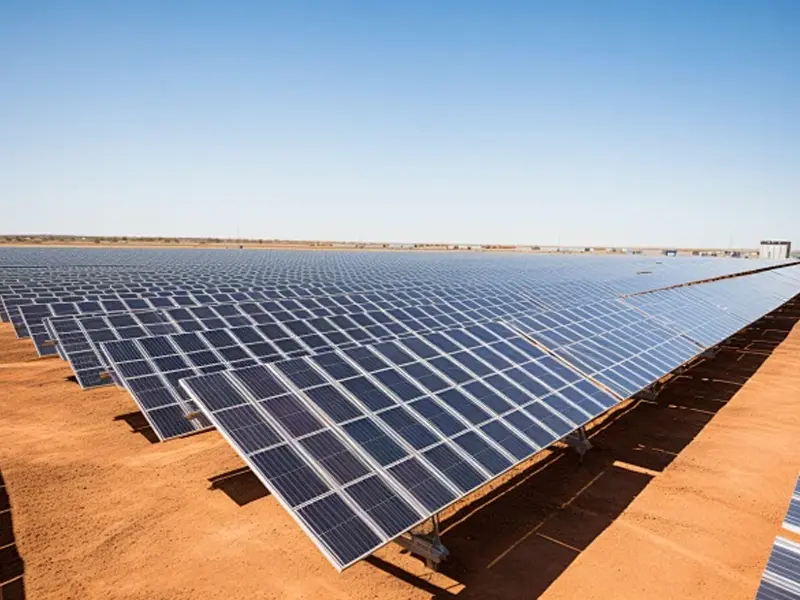
พื้นที่ทะเลทรายและพื้นที่ที่มีฝุ่นมาก
ให้ข้อมูลการตรวจสอบที่สำคัญในพื้นที่ที่มีพายุทรายและฝุ่นรุนแรง ช่วยแก้ปัญหาการสะสมของฝุ่นที่เกิดขึ้นบ่อยได้อย่างมีประสิทธิภาพ.
โครงการพลังงานแสงอาทิตย์เพื่อการเกษตร
สนับสนุนการจัดการประสิทธิภาพการผลิตพลังงานสำหรับโครงการเกษตรโซลาร์เซลล์ โดยปรับสมดุลสภาพแวดล้อมทางการเกษตรกับสถานะการทำงานของระบบโซลาร์เซลล์.
ระบบตรวจสอบพลังงานแสงอาทิตย์อัจฉริยะ
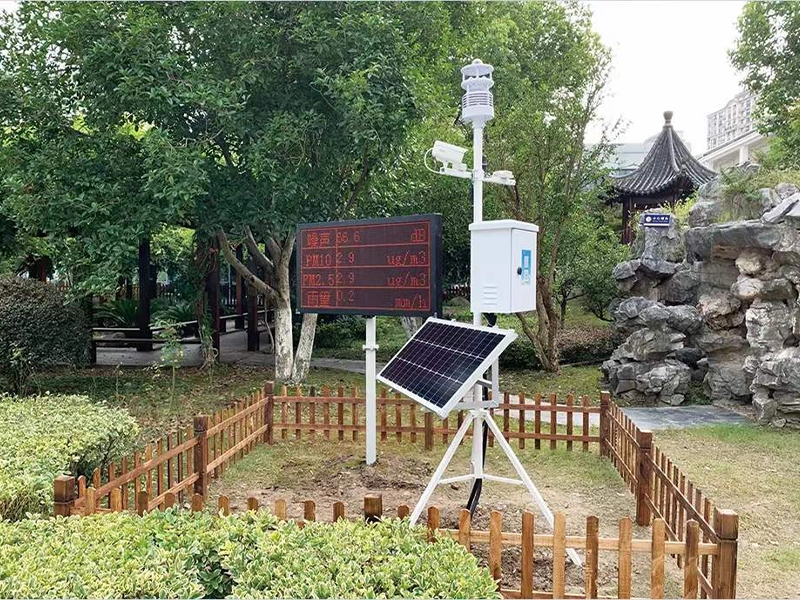
ผสานเข้ากับแพลตฟอร์มการตรวจสอบอัจฉริยะเพื่อรองรับการตรวจสอบข้อมูลระยะไกล การวิเคราะห์ และการแจ้งเตือนล่วงหน้า ช่วยเพิ่มประสิทธิภาพด้านข้อมูลอัจฉริยะในการดำเนินงานและการบำรุงรักษา.
สถาบันวิจัยและทดสอบ
ใช้สำหรับการวิเคราะห์ประสิทธิภาพของระบบ PV และการศึกษาผลกระทบต่อสิ่งแวดล้อม โดยให้ข้อมูลที่เชื่อถือได้สำหรับการเก็บรวบรวมข้อมูลเชิงทดลองและการเพิ่มประสิทธิภาพทางเทคนิค.
ระบบตรวจสอบดัชนีฝุ่นโฟโตโวลเทอิก DustCom แบบกำหนดเอง
ระบบตรวจสอบดัชนีฝุ่นโฟโตโวลตาอิก DustCom รองรับการปรับแต่งที่ยืดหยุ่นเพื่อตอบสนองความต้องการที่หลากหลายของโครงการพลังงานแสงอาทิตย์และสภาพแวดล้อมที่แตกต่างกัน ตั้งแต่การกำหนดค่าฮาร์ดแวร์ไปจนถึงโปรโตคอลการสื่อสารและวิธีการติดตั้ง ระบบสามารถปรับแต่งเพื่อให้มั่นใจถึงประสิทธิภาพที่ดีที่สุด การบูรณาการอย่างราบรื่น และการดำเนินงานที่มีประสิทธิภาพในสถานการณ์การใช้งานที่หลากหลาย.
ตัวเลือกการปรับแต่ง
- การกำหนดค่าเซ็นเซอร์: การผสมผสานเซ็นเซอร์ที่สามารถปรับแต่งได้ พร้อมประเภทและความแม่นยำที่แตกต่างกัน เพื่อตอบสนองความต้องการของโครงการ
- ช่วงการวัด: รองรับการปรับช่วงการวัดได้อย่างยืดหยุ่นสำหรับพารามิเตอร์ต่างๆ เช่น อัตราการปนเปื้อนและอุณหภูมิ
- โปรโตคอลการสื่อสาร: RS485, Modbus หรือโปรโตคอลการสื่อสารอื่น ๆ ตามต้องการ เพื่อความเข้ากันได้กับระบบต่าง ๆ
- ตัวเลือกแหล่งจ่ายไฟ: รองรับวิธีการจ่ายไฟหลายรูปแบบ เช่น ไฟฟ้ากระแสตรงหรือพลังงานแสงอาทิตย์
- การติดตั้งและการประกอบ มีโครงสร้างการติดตั้งหลากหลายรูปแบบเพื่อปรับให้เข้ากับสภาพแวดล้อมของโรงไฟฟ้าที่แตกต่างกัน
- การบูรณาการระบบ: สามารถผสานรวมกับ SCADA หรือแพลตฟอร์มการตรวจสอบของบุคคลที่สาม
- ระดับการป้องกันและการปิดล้อม: วัสดุตัวเรือนที่สามารถปรับแต่งได้และระดับการป้องกันเพื่อทนต่อสภาพแวดล้อมที่รุนแรง
- บริการสร้างแบรนด์และผลิตสินค้าภายใต้แบรนด์ของคุณ (OEM) รองรับการปรับแต่งแบรนด์ภายนอก โลโก้ และบรรจุภัณฑ์ของผลิตภัณฑ์
ระบบตรวจสอบดัชนีฝุ่นโฟโตโวลตาอิก DustCom ผู้ผลิต และผู้จัดหา
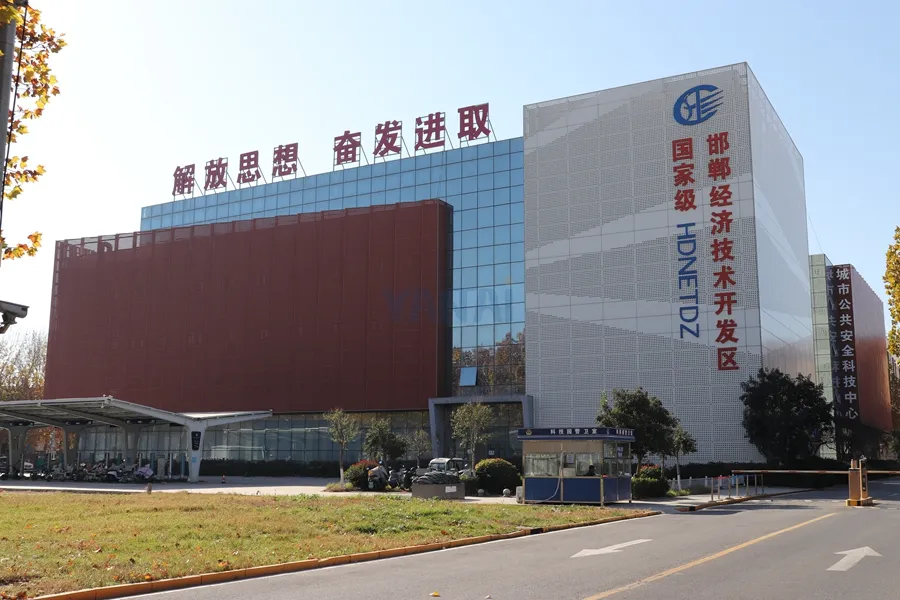
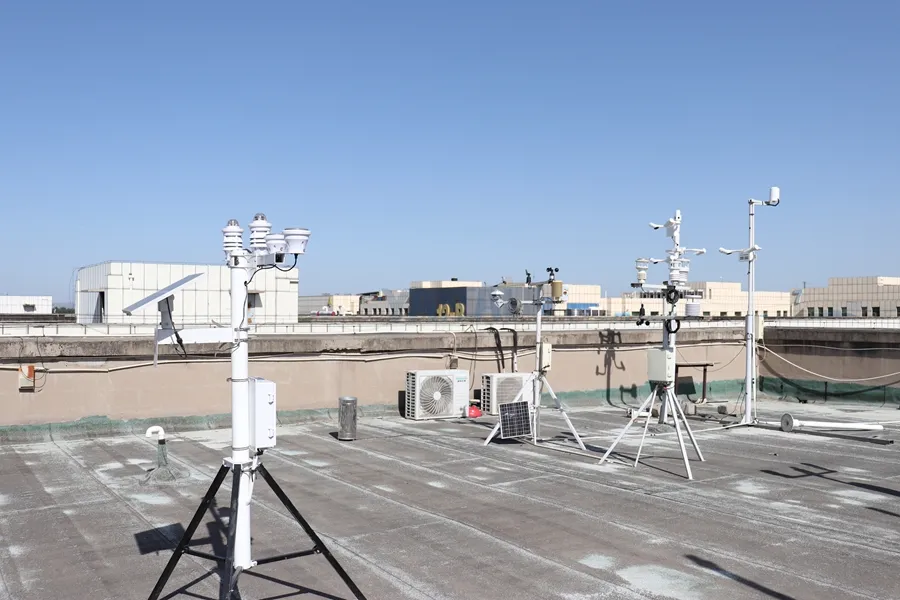
Yantai Sensor เป็นผู้ผลิตและจำหน่ายระบบตรวจสอบดัชนีฝุ่นโฟโตโวลตาอิก DustCom แบบมืออาชีพ ซึ่งเชี่ยวชาญในการให้บริการโซลูชันการตรวจสอบการปนเปื้อนที่มีความแม่นยำสูงสำหรับโรงไฟฟ้าพลังงานแสงอาทิตย์, การตรวจสอบสิ่งแวดล้อม, และการวิเคราะห์ประสิทธิภาพ. ระบบ DustCom ของเราได้รับการออกแบบมาเพื่อวัดการสะสมของฝุ่นบนโมดูล PV อย่างแม่นยำ ให้ข้อมูลที่เสถียรและเชื่อถือได้สำหรับการประเมินอัตราส่วนประสิทธิภาพ (PR), การเพิ่มประสิทธิภาพการทำความสะอาด, และการปรับปรุงผลผลิตพลังงาน.
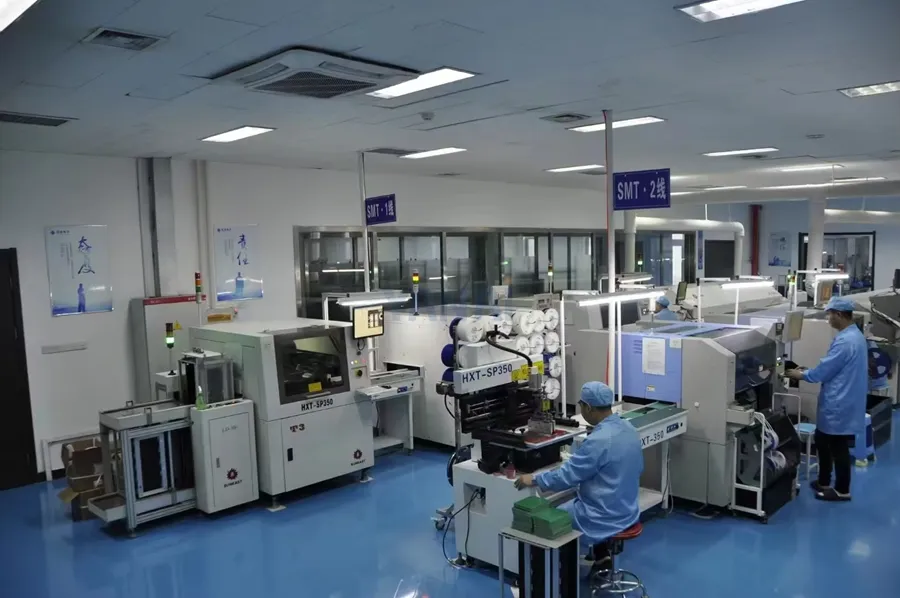
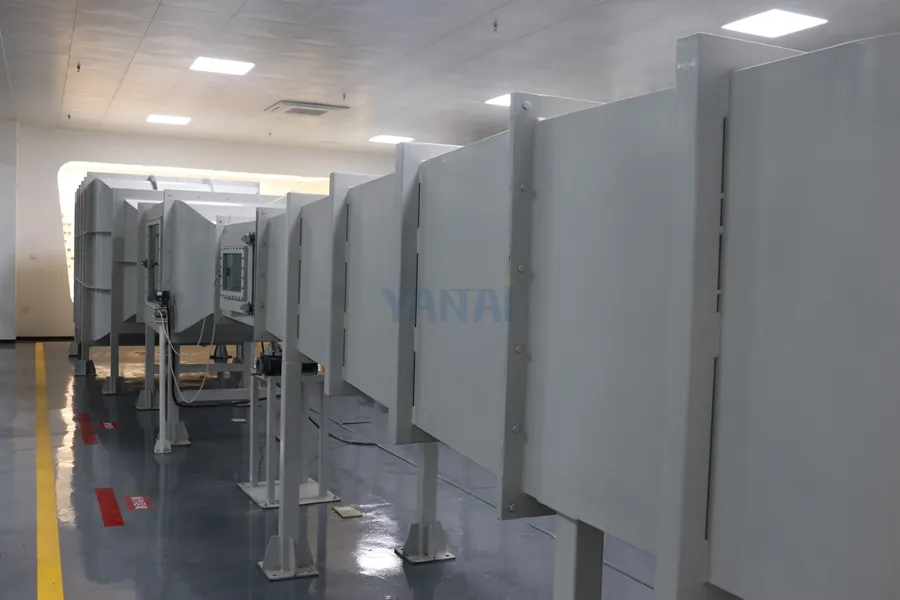
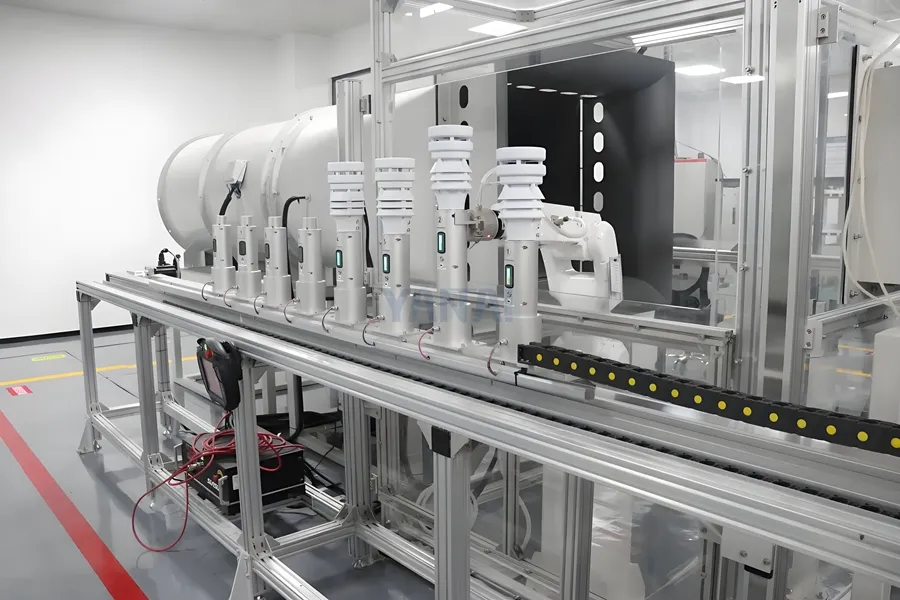
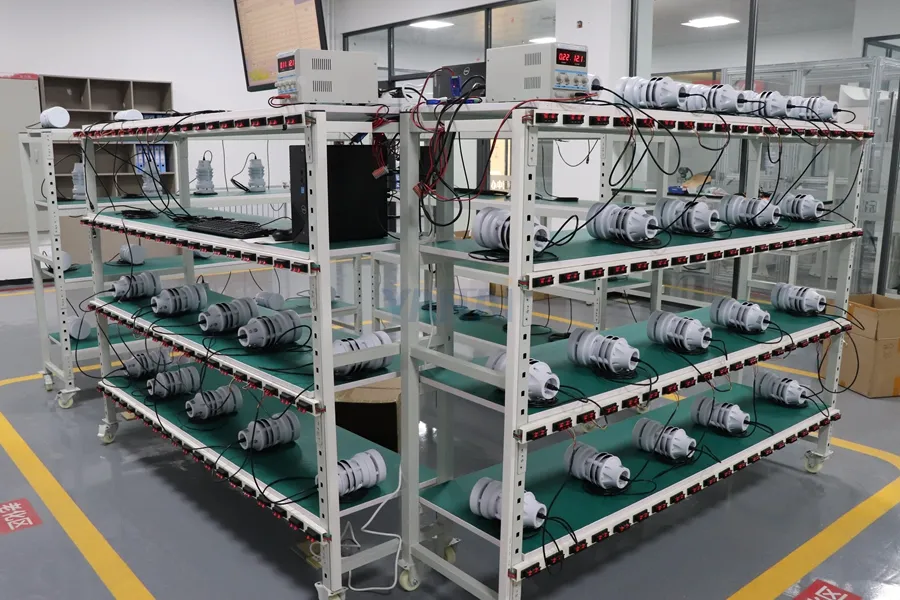
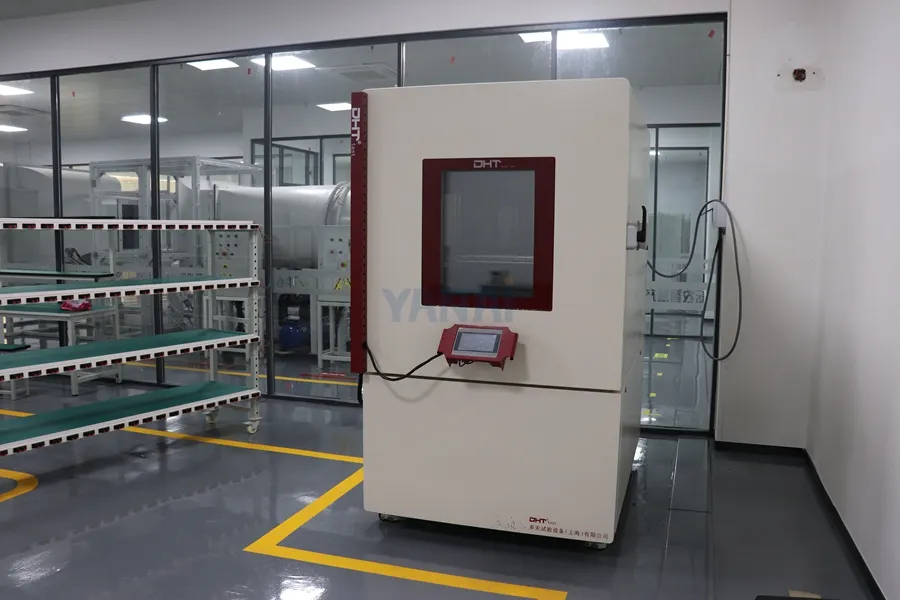
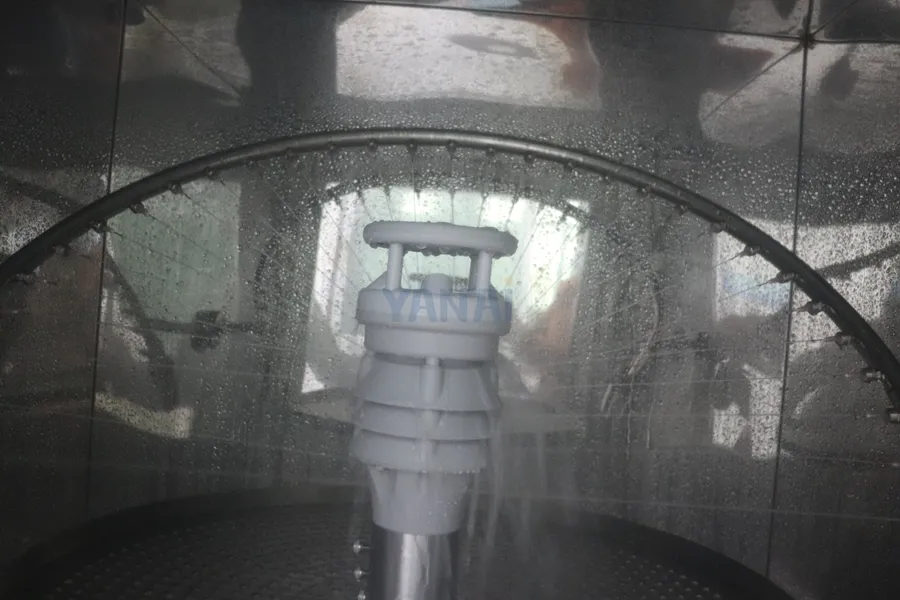
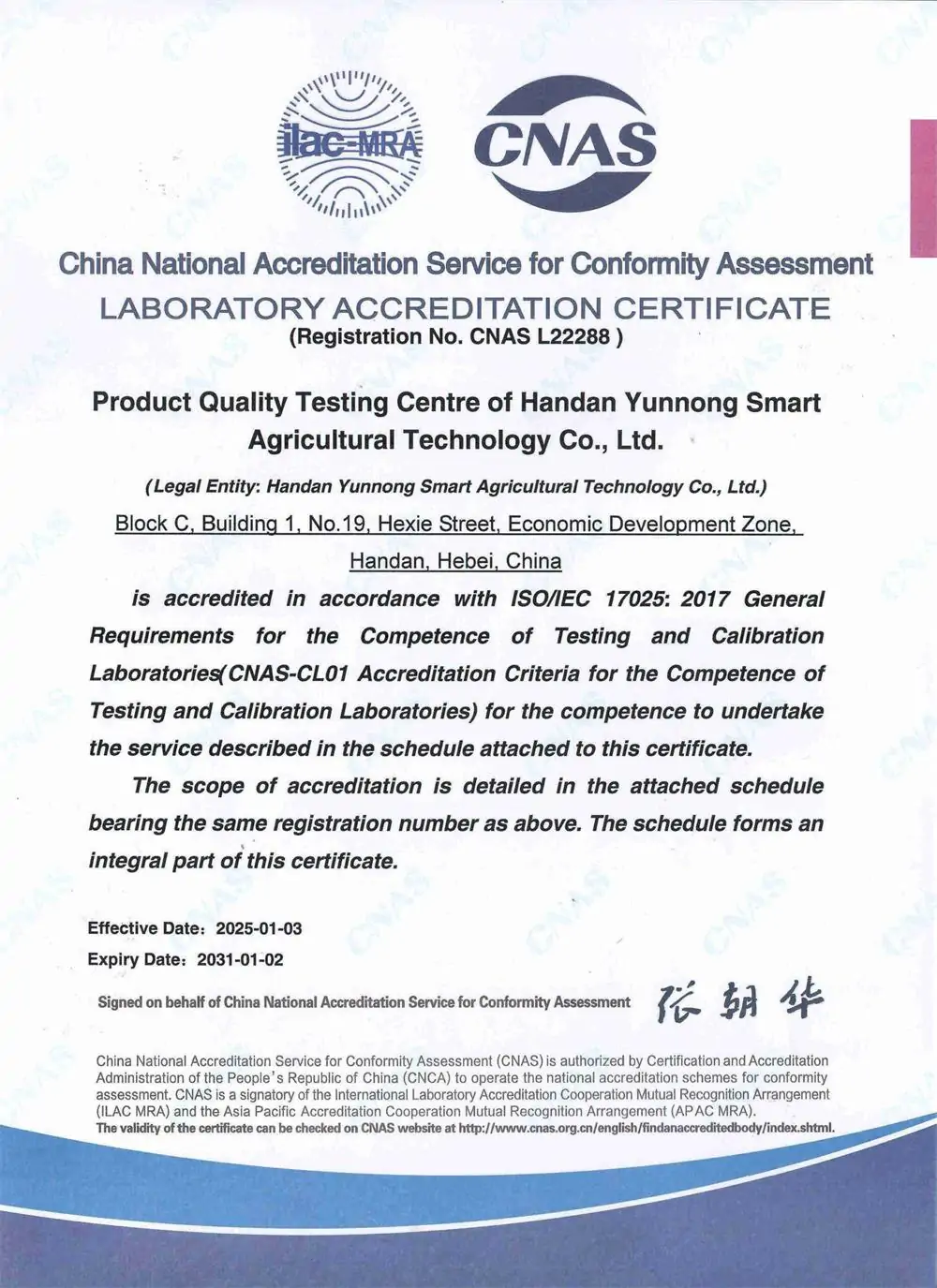
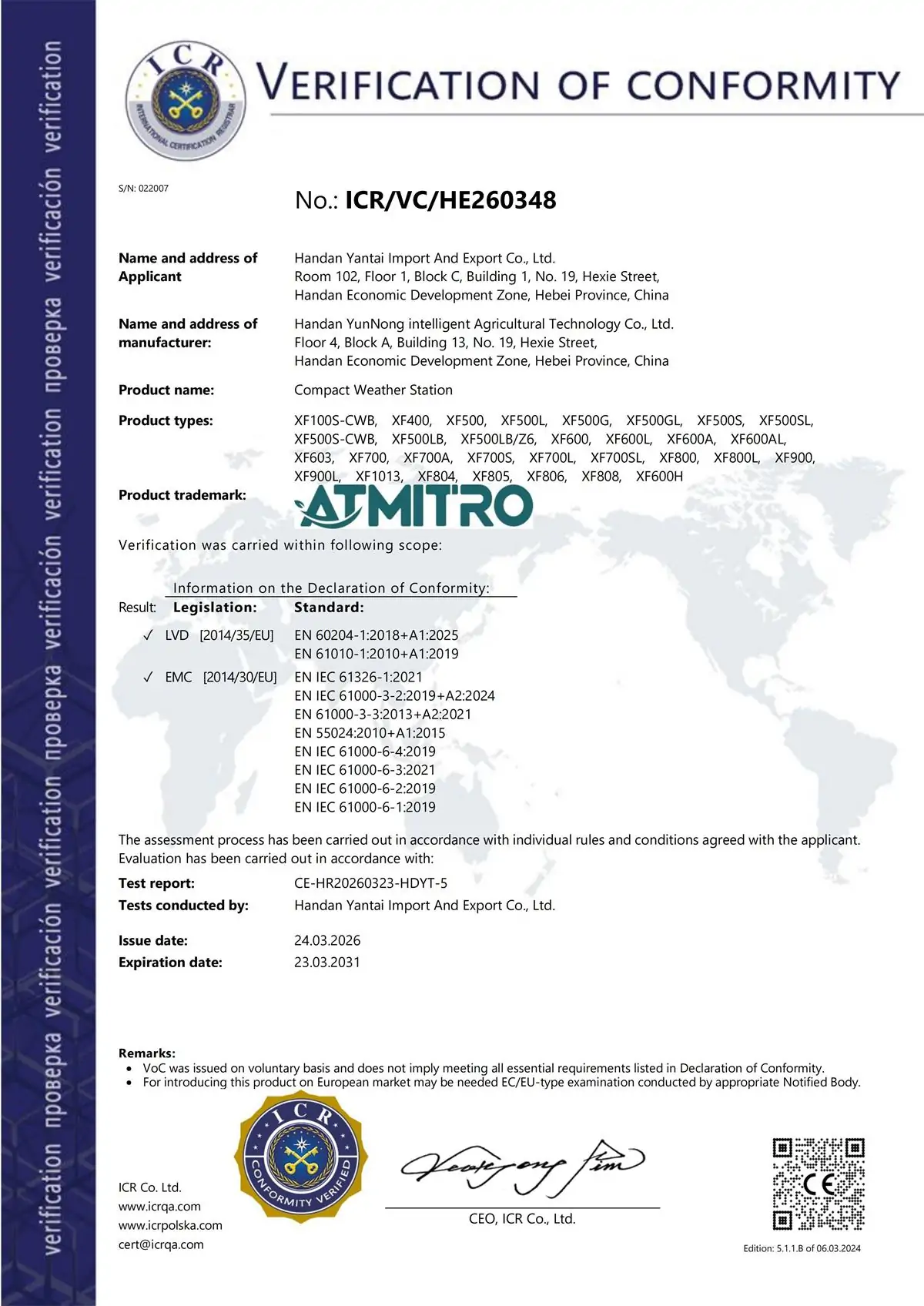
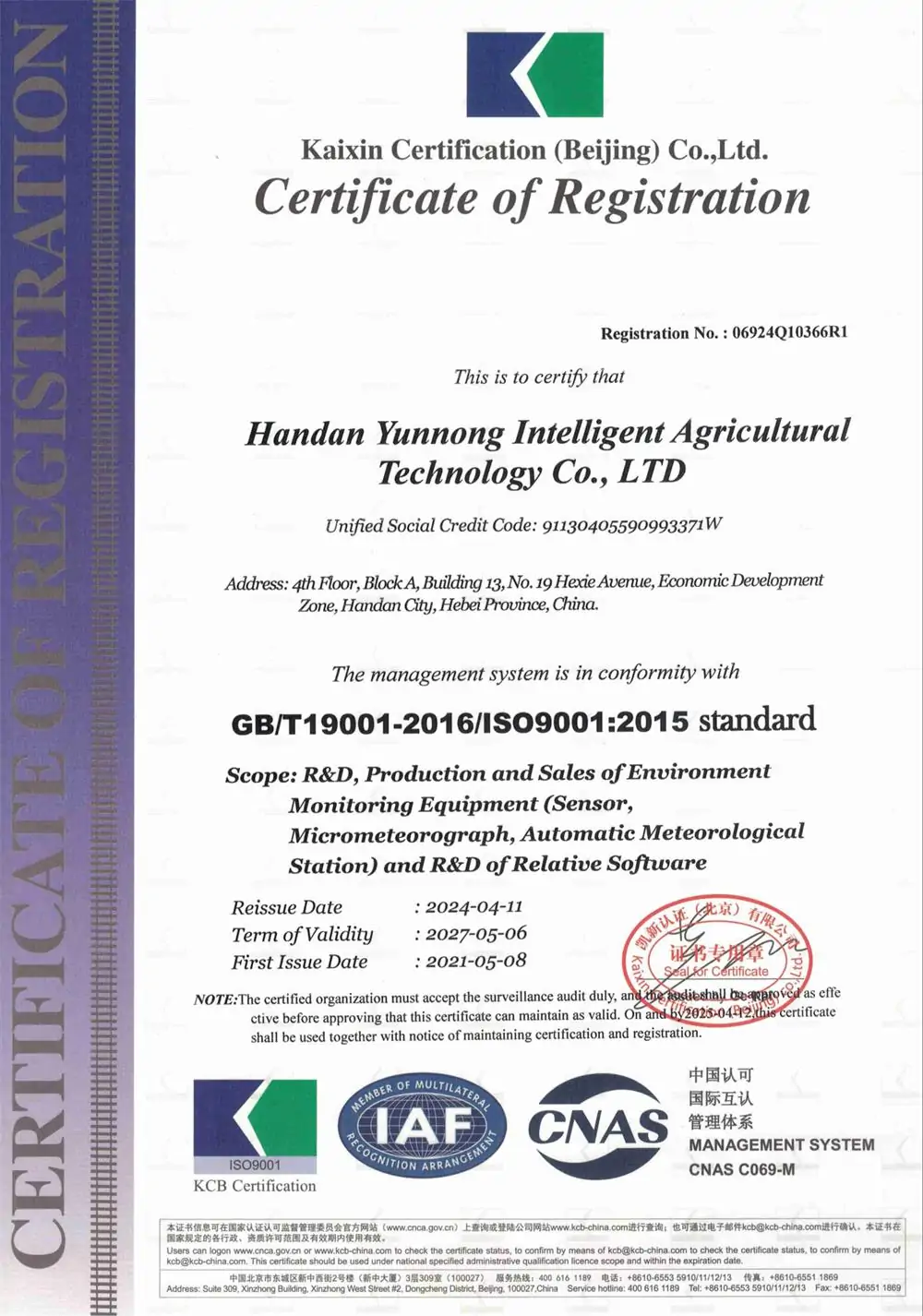
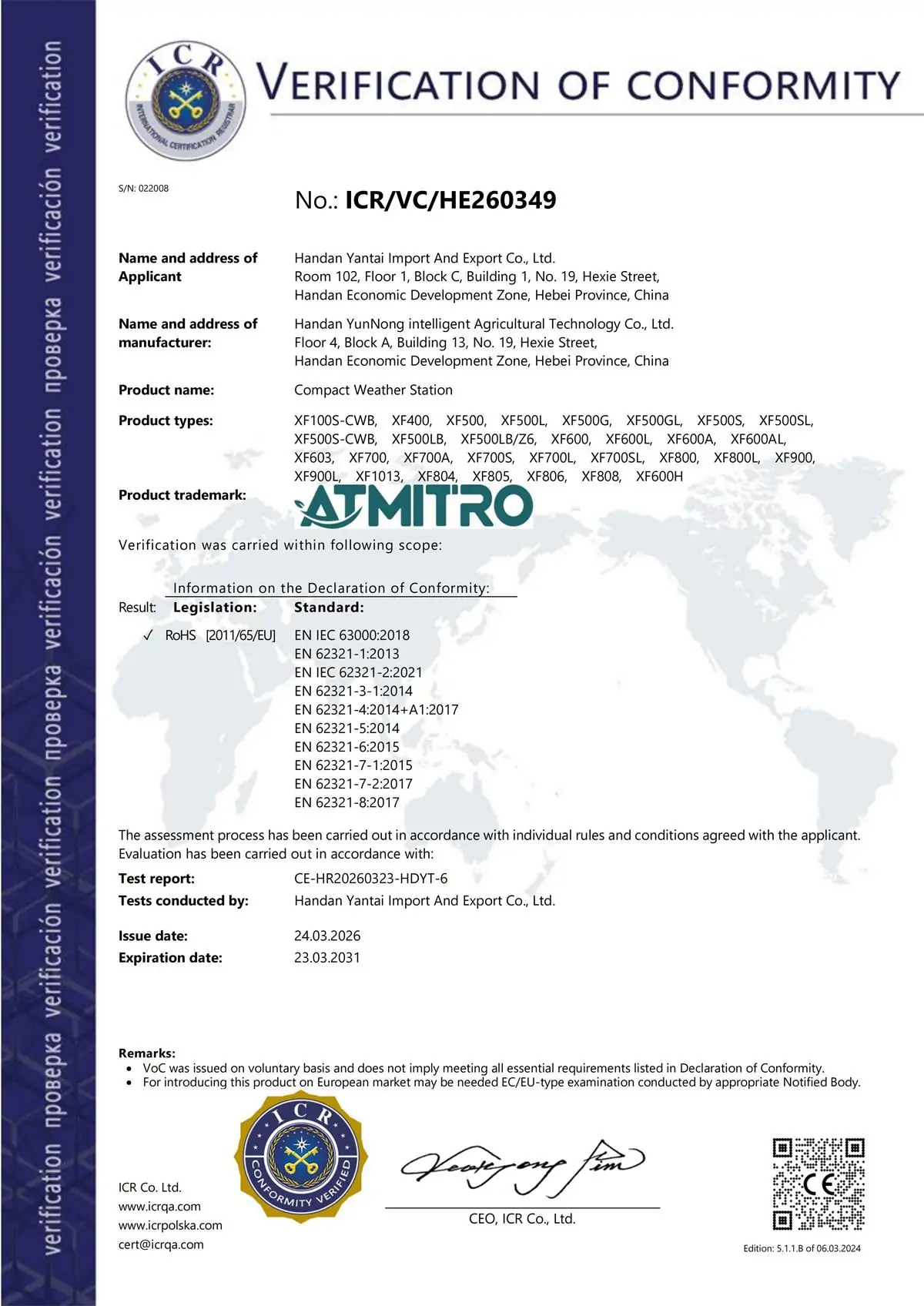
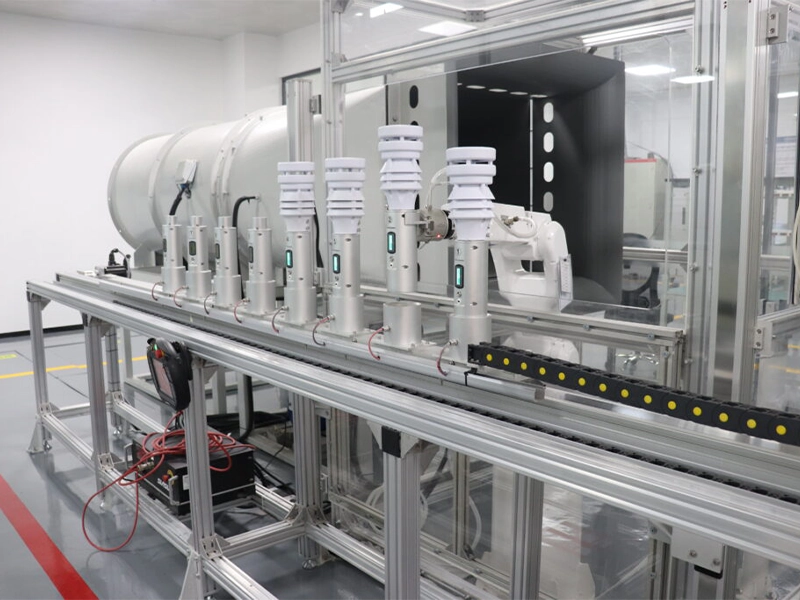
ด้วยศักยภาพด้านการวิจัยและพัฒนาที่เป็นอิสระและแข็งแกร่ง โรงงานผลิตที่ทันสมัย และห้องปฏิบัติการทดสอบสิ่งแวดล้อมโดยเฉพาะ ระบบแต่ละชุดจึงผ่านการควบคุมคุณภาพอย่างเข้มงวด รวมถึงการทดสอบอุณหภูมิ ความชื้น การสัมผัสฝุ่น และความเสถียรในระยะยาว ผลิตภัณฑ์ของเราได้รับการรับรองมาตรฐาน CE, ISO และ RoHS พร้อมให้บริการ OEM/ODM ที่ยืดหยุ่น เพื่อสนับสนุนโครงการพลังงานแสงอาทิตย์ทั่วโลกและการใช้งานระบบติดตามพลังงานแสงอาทิตย์อัจฉริยะ.