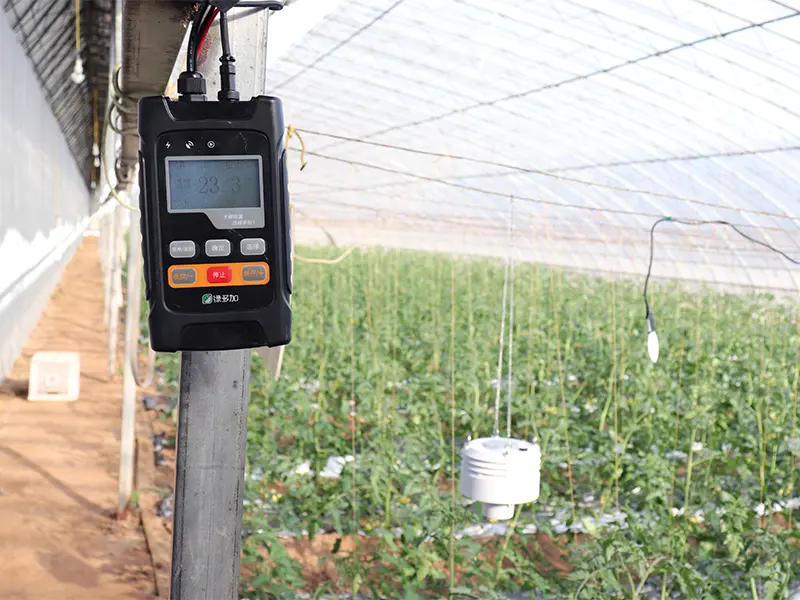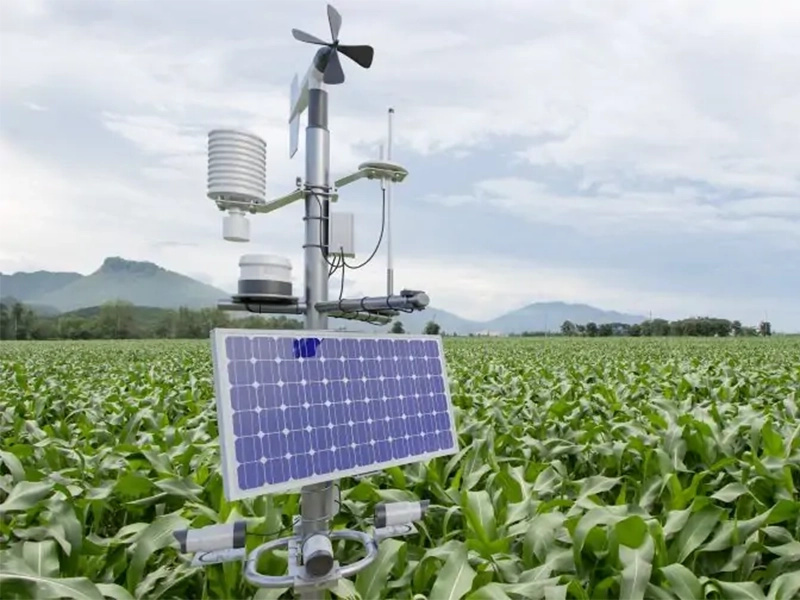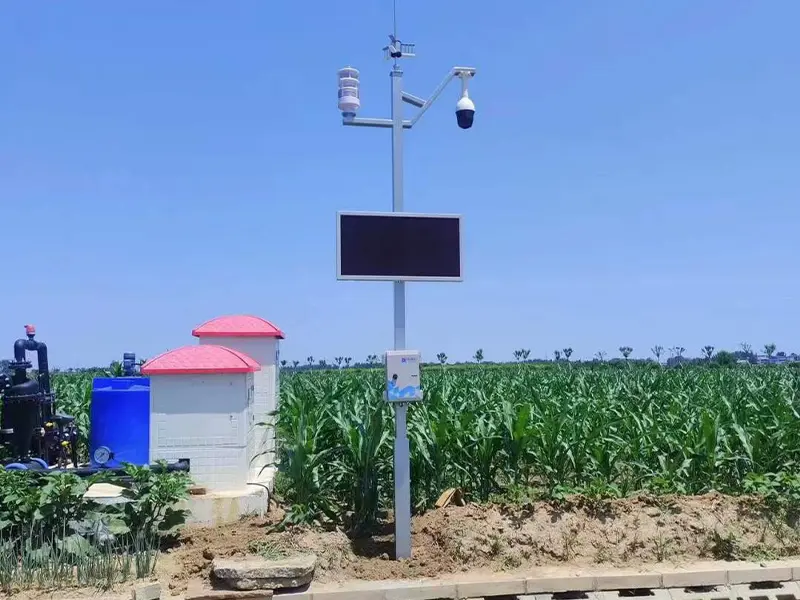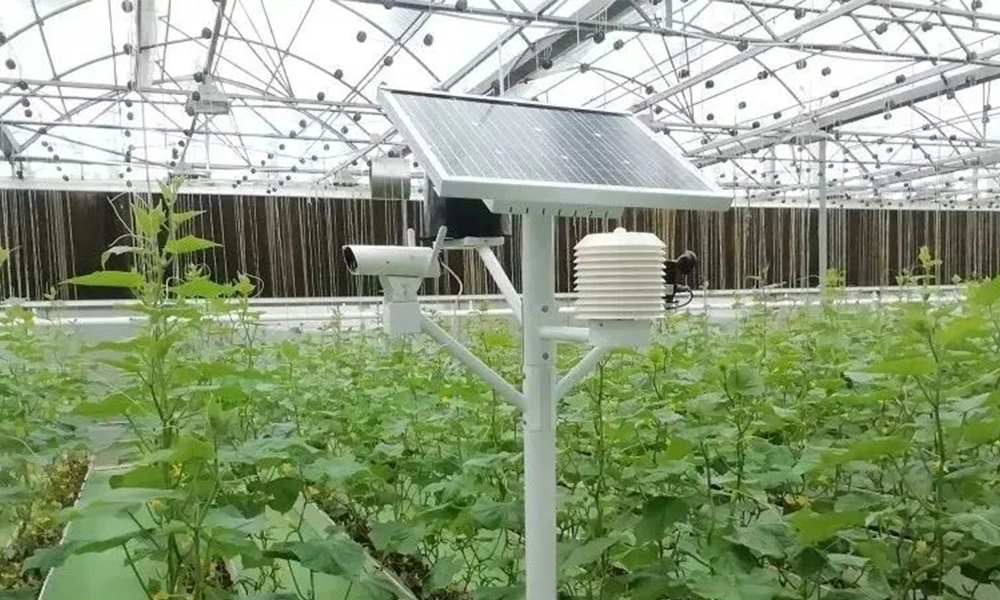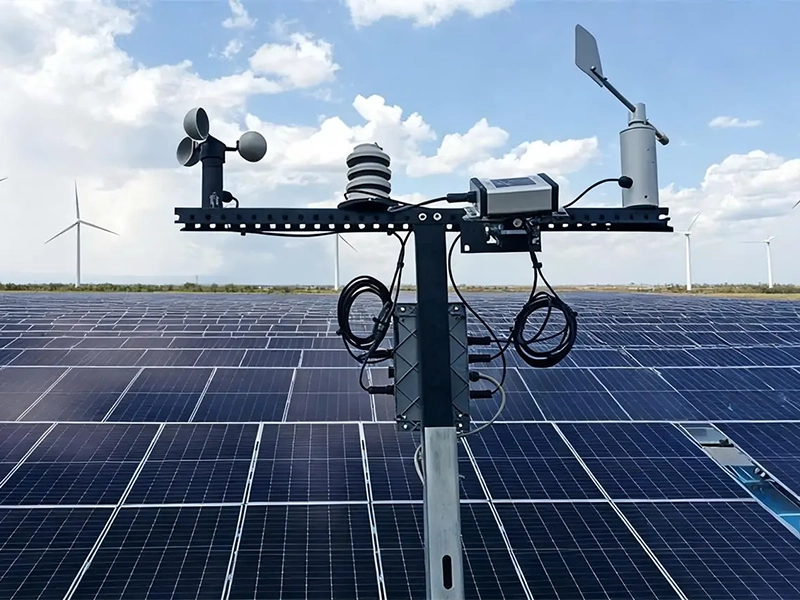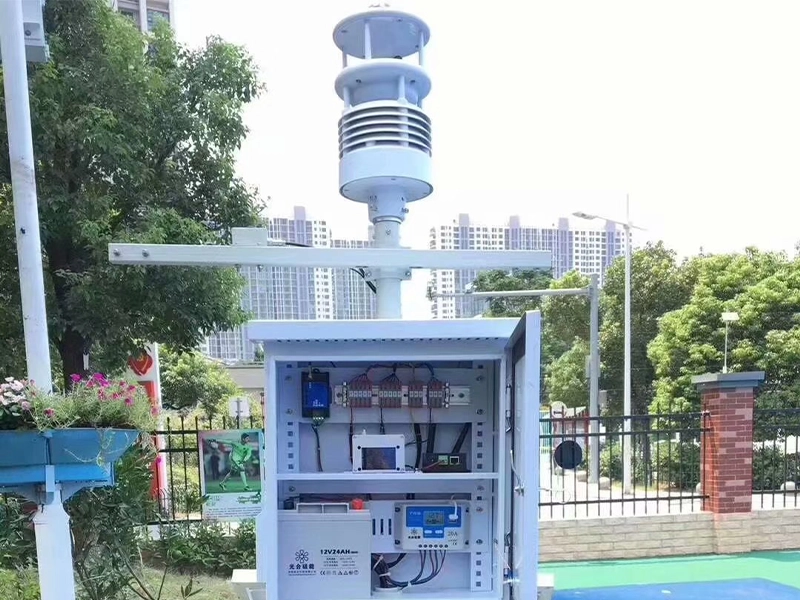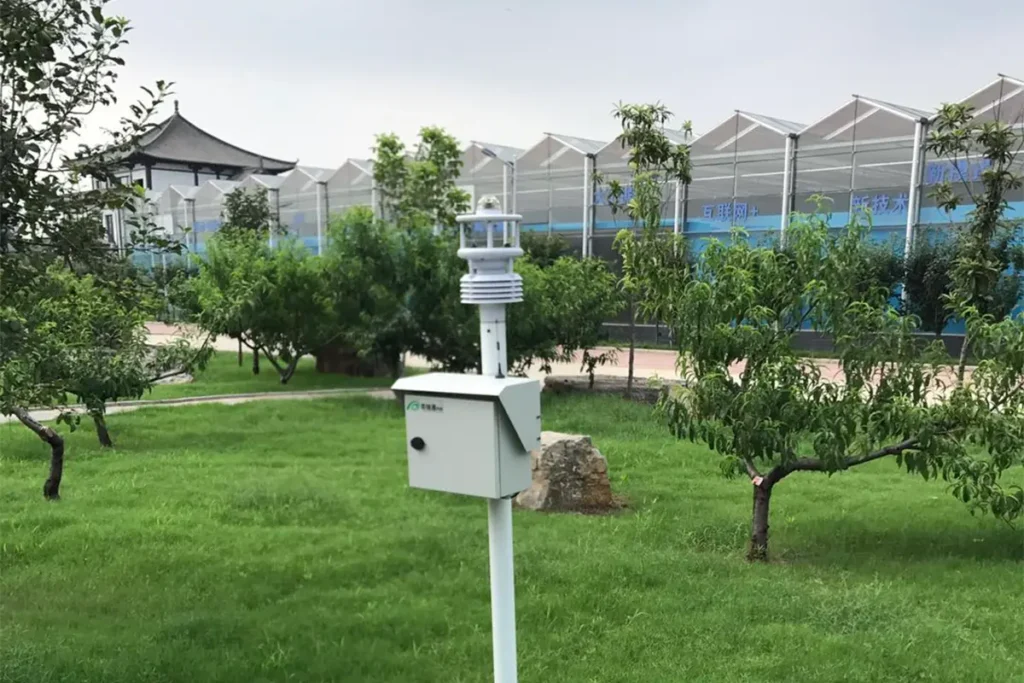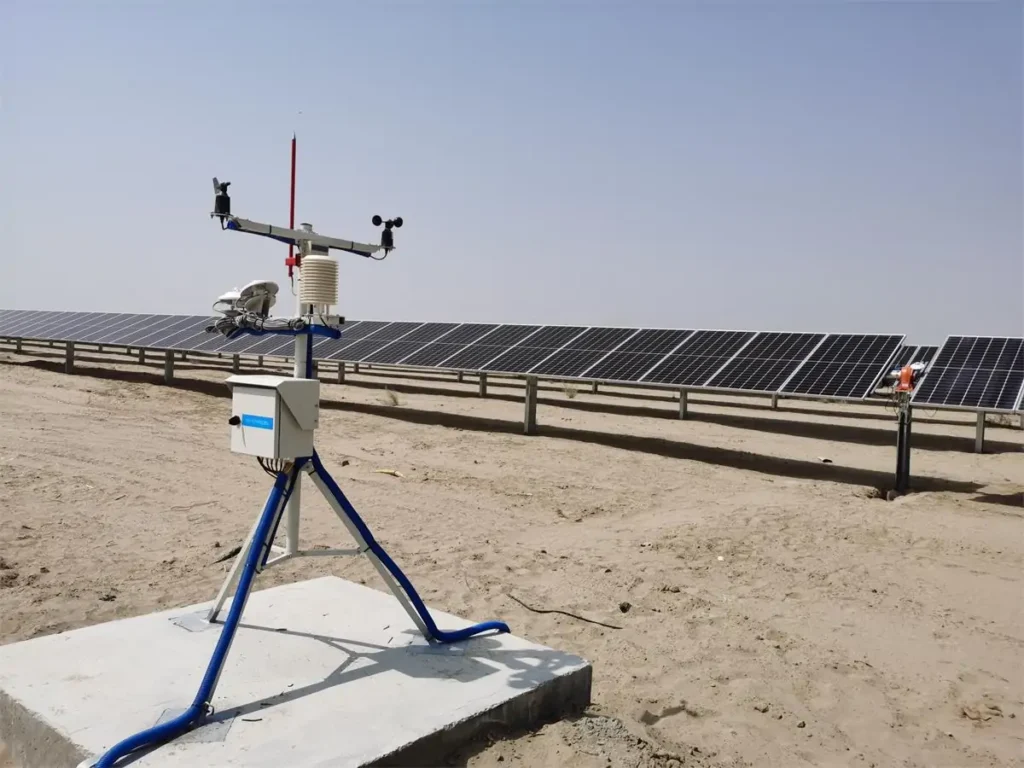
สถานีตรวจอากาศในโรงเรือนเพื่อการเกษตรอัจฉริยะ
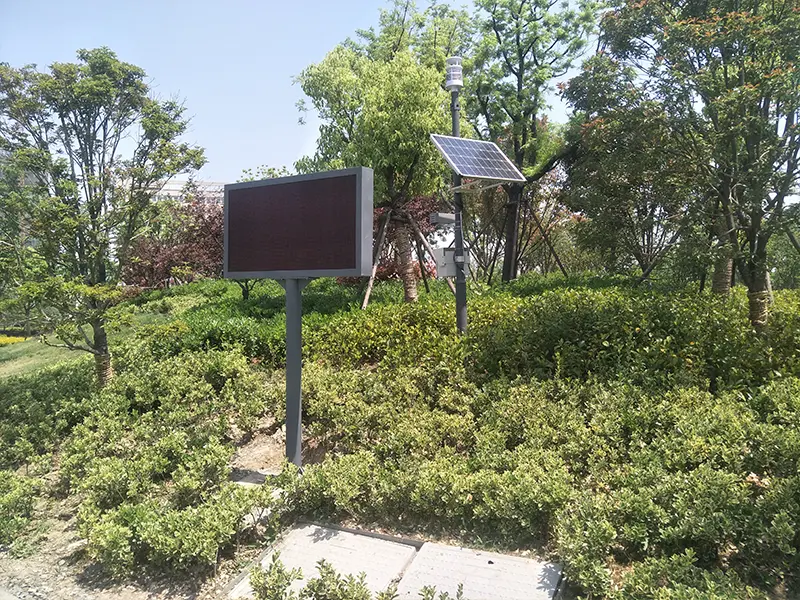
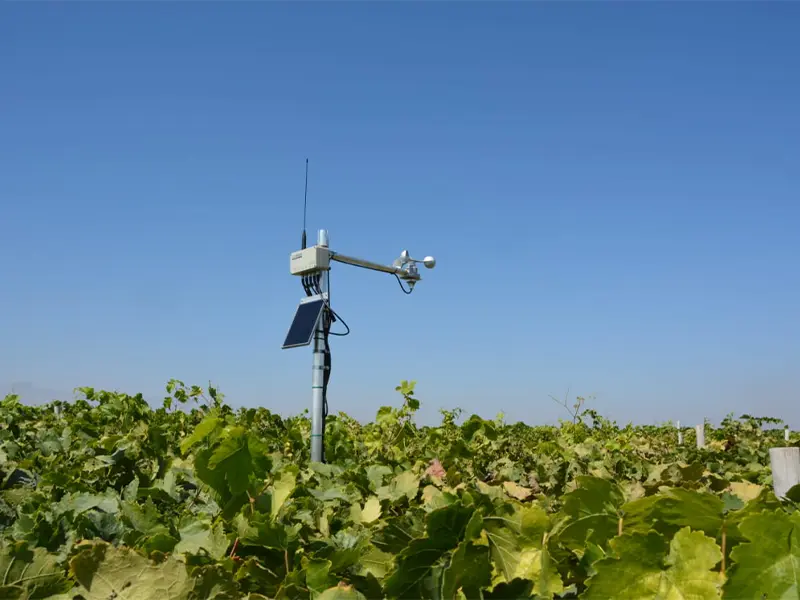
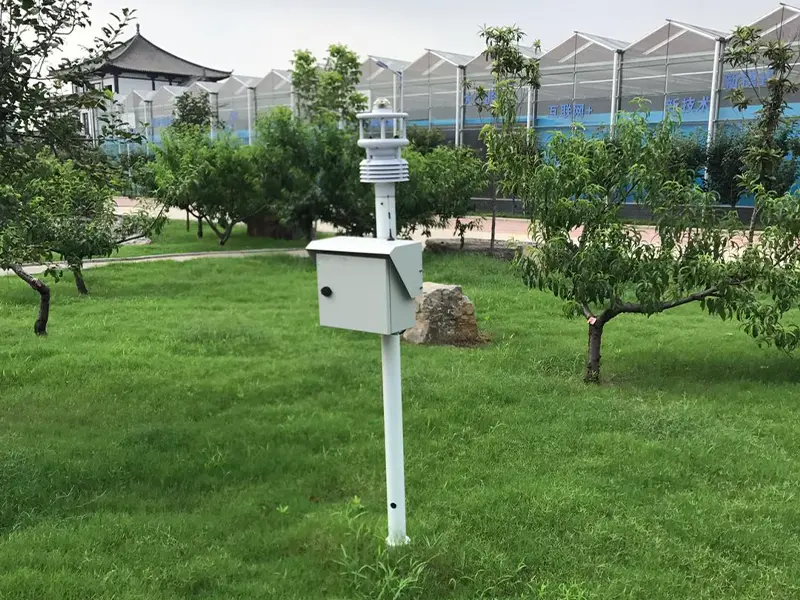
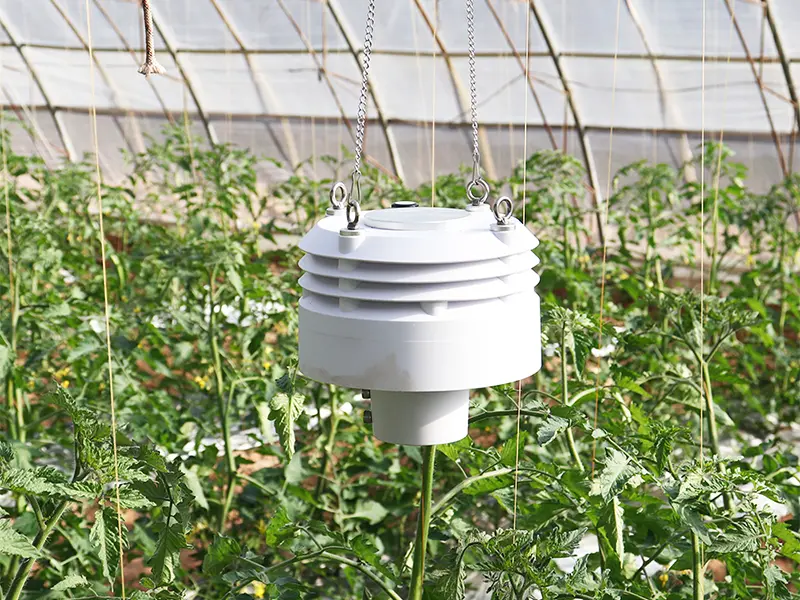
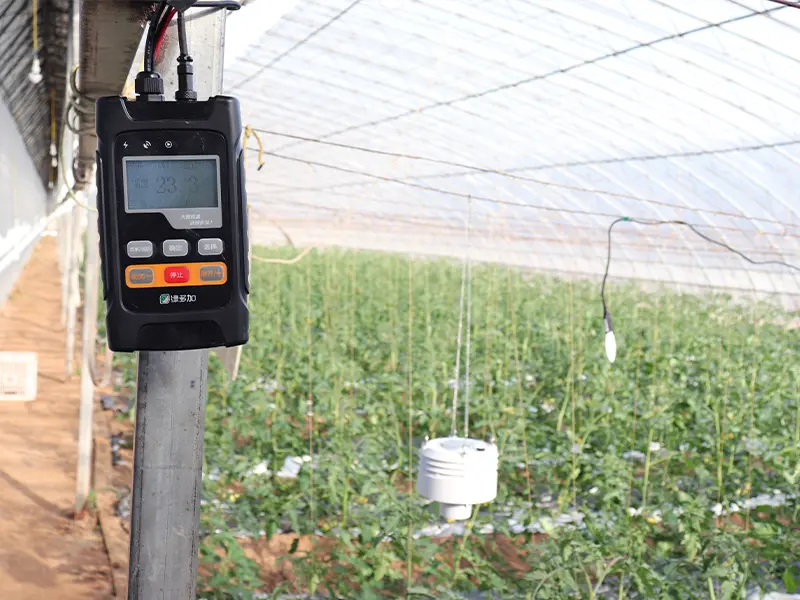
สถานีตรวจอากาศในโรงเรือนเป็นระบบติดตามที่ใช้ในโรงเรือนเพื่อวัดพารามิเตอร์สิ่งแวดล้อม เช่น อุณหภูมิ ความชื้น ความเข้มของแสง CO₂ และสภาพของดิน มันให้ข้อมูลแบบเรียลไทม์เพื่อช่วยเกษตรกรในการจัดการสภาพอากาศในโรงเรือน ปรับปรุงการเจริญเติบโตของพืช เพิ่มผลผลิต และลดการใช้น้ำและพลังงาน มันถูกใช้กันอย่างแพร่หลายในโรงเรือนเกษตร, การเพาะปลูก, และโครงการวิจัย.
- การวัดอุณหภูมิ: -40°C-80°C
- ความแม่นยำของอุณหภูมิ: ±0.3°C
- การวัดความชื้น: 0%-100% RH
- ความแม่นยำของความชื้น: ±3% RH
- ความเร็วลม: 0-60 เมตรต่อวินาที
- ความแม่นยำของปริมาณฝน: ±2%
ราคา: $1087.16–$1304.59
บทนำ
สถานีตรวจอากาศในโรงเรือน หรือที่รู้จักกันในชื่อระบบติดตามสภาพภูมิอากาศในโรงเรือน ถูกออกแบบมาเพื่อตรวจสอบและบันทึกสภาพแวดล้อมทั้งภายในและภายนอกโรงเรือน โดยการวัดพารามิเตอร์ต่างๆ เช่น อุณหภูมิ, ความชื้น, รังสีจากดวงอาทิตย์, ความเข้มข้นของคาร์บอนไดออกไซด์, และความชื้นในดิน, โดยรวบรวมข้อมูลสิ่งแวดล้อมแบบเรียลไทม์ผ่านเซ็นเซอร์หลายตัว. สิ่งนี้ช่วยให้เกษตรกรเปลี่ยนผ่านจาก “การปลูกผักตามประสบการณ์” ไปสู่ “การเกษตรที่ขับเคลื่อนด้วยข้อมูล” ซึ่งช่วยให้สภาพแวดล้อมการเพาะปลูกมีความเสถียรสำหรับพืชผล และปรับปรุงทั้งผลผลิตและคุณภาพ.
สถานีตรวจอากาศในโรงเรือนสมัยใหม่รองรับการตรวจสอบแบบเรียลไทม์ การส่งข้อมูลระยะไกล และการควบคุมอัตโนมัติแบบบูรณาการ ด้วยความคลาดเคลื่อนในการวัดอุณหภูมิอากาศ ≤±0.3°C และความชื้นสัมพัทธ์ ≤±3% RH และความคลาดเคลื่อนในการวัดความเข้มข้นของ CO₂ ≤±50 ppm สถานีเหล่านี้ให้ข้อมูลสภาพแวดล้อมที่เชื่อถือได้สำหรับโรงเรือนเพาะปลูกเชิงพาณิชย์ สถานที่เพาะปลูกพืชสวน โครงการวิจัย และการเกษตรอัจฉริยะ ติดต่อเราเพื่อเรียนรู้เพิ่มเติมเกี่ยวกับ โซลูชันการเกษตรอัจฉริยะ และระบบเซ็นเซอร์เรือนกระจก.
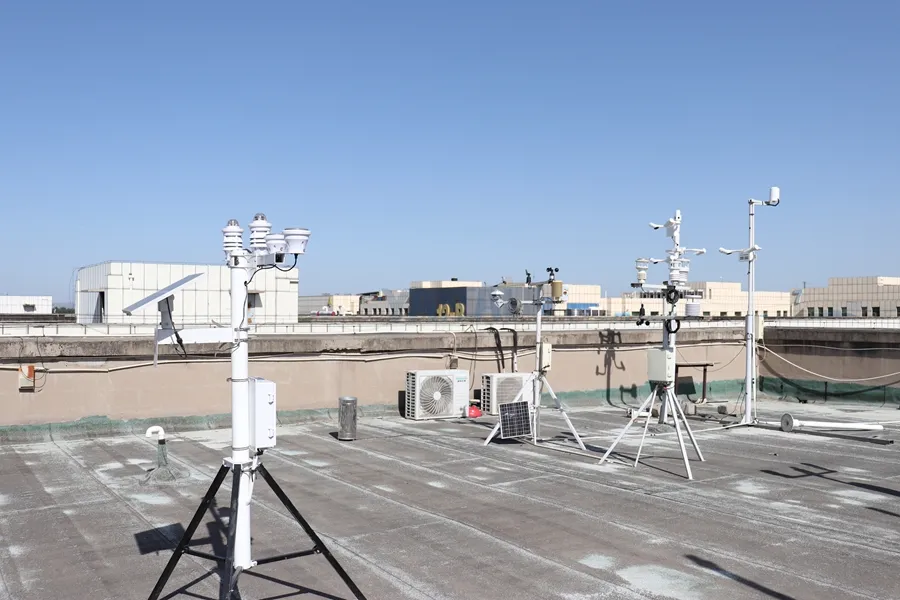
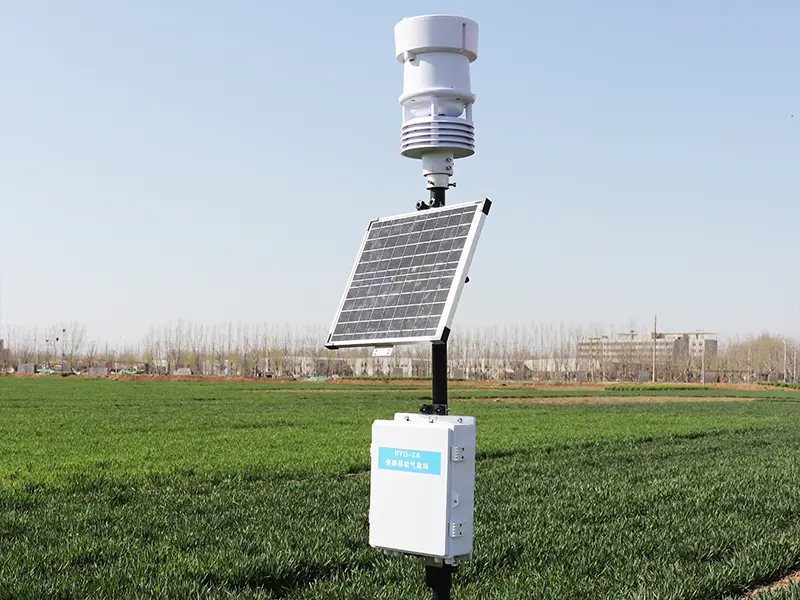
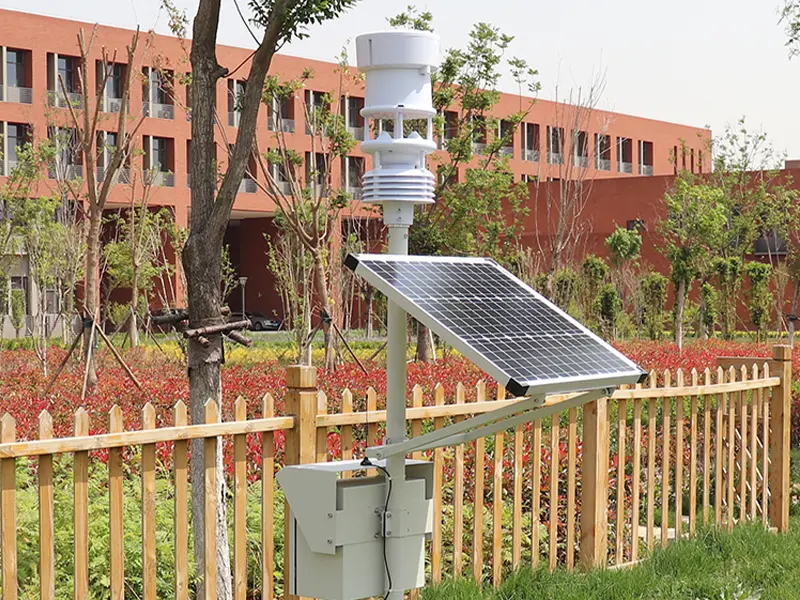
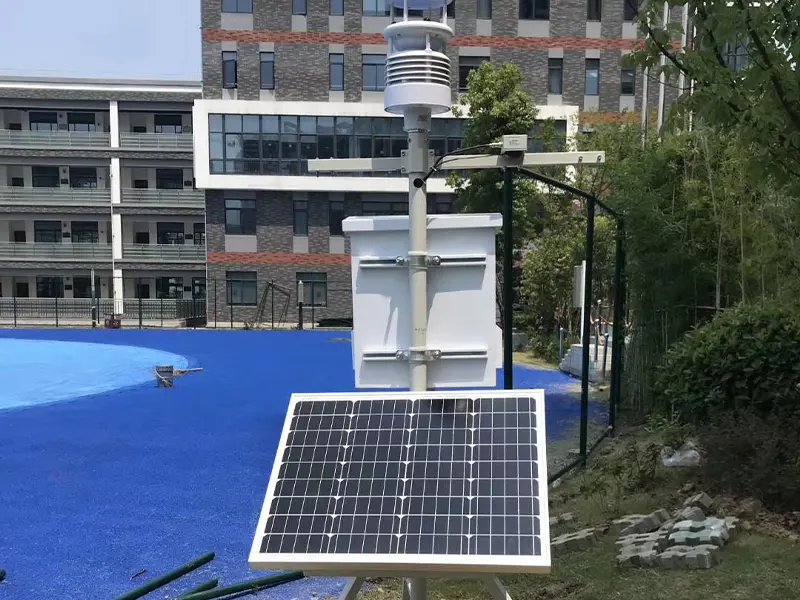
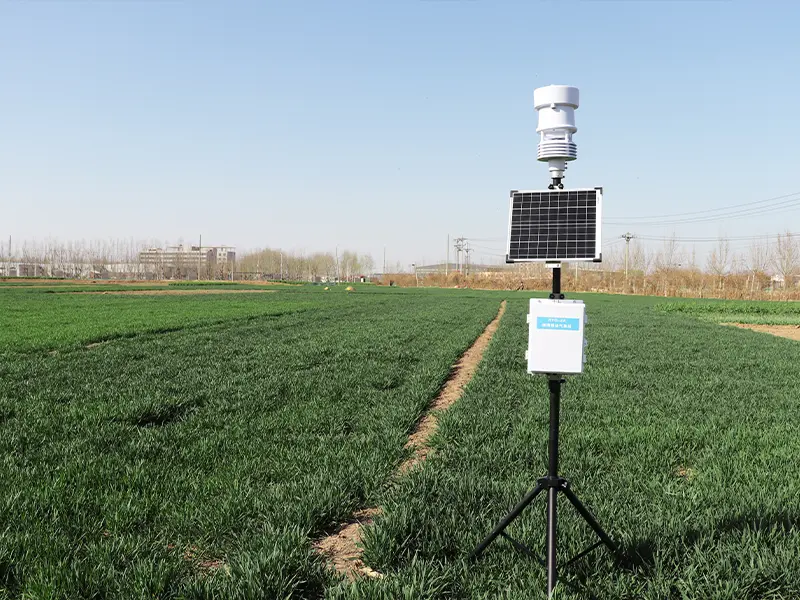
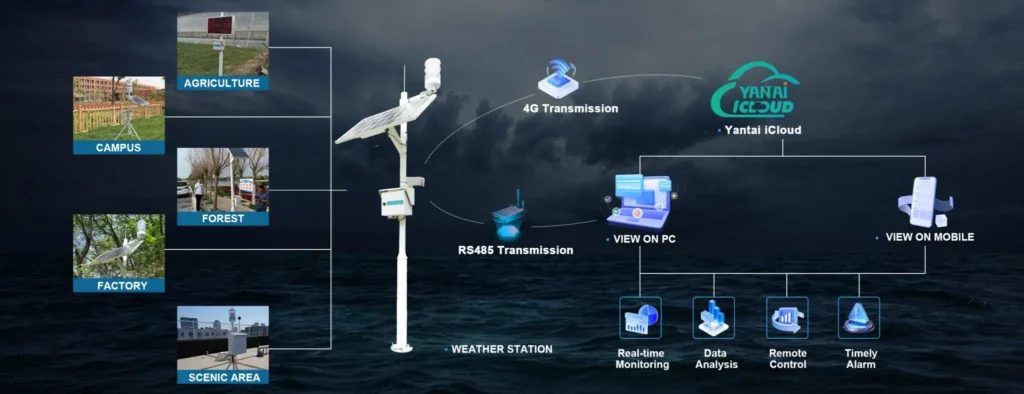
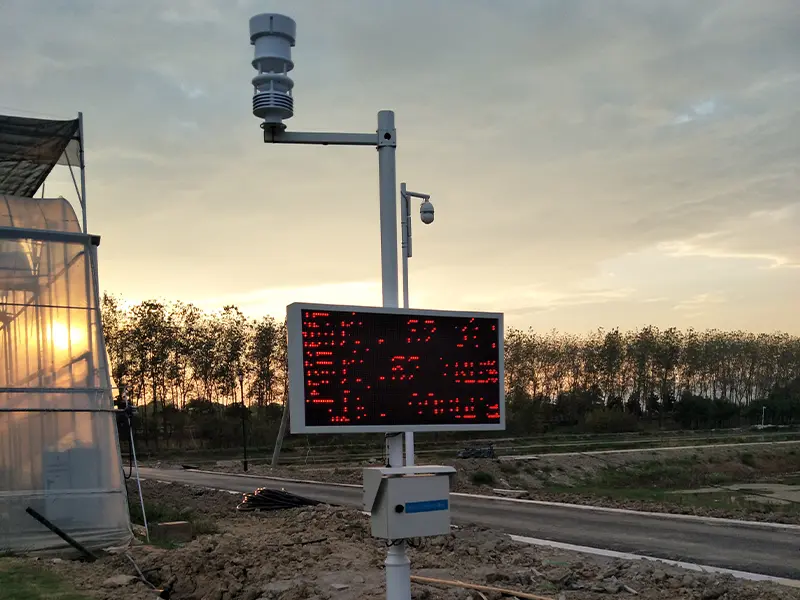
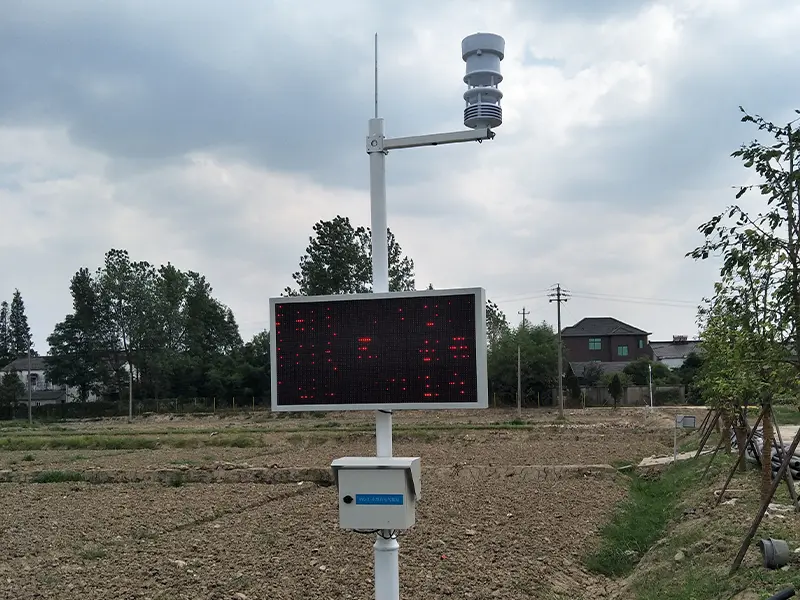
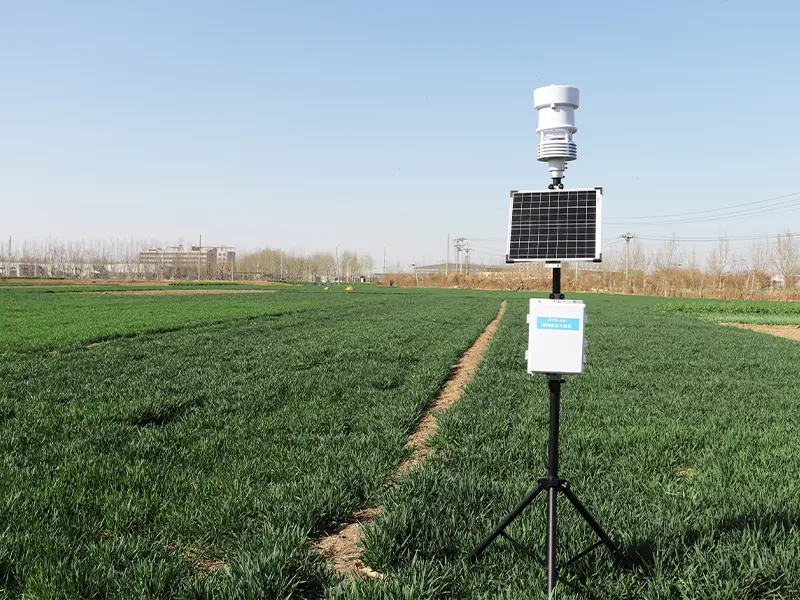
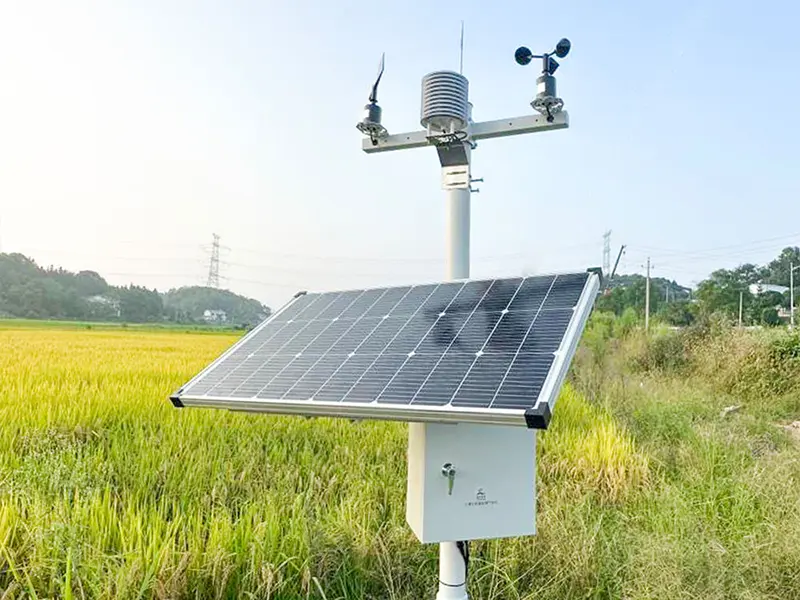
โครงสร้างสถานีอุตุนิยมวิทยาเกษตร
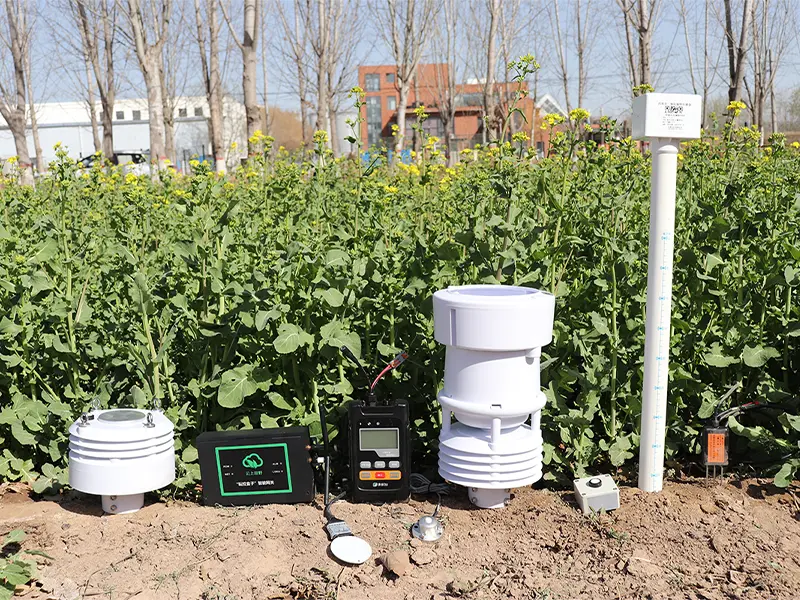
- หน่วยเซ็นเซอร์สภาพอากาศ:
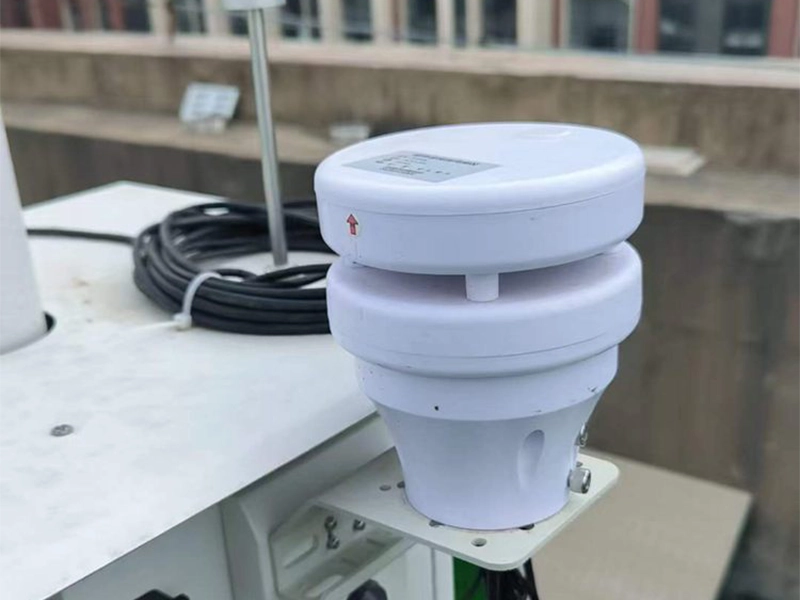
ใช้สำหรับวัดพารามิเตอร์สิ่งแวดล้อม เช่น อุณหภูมิ ความชื้น ความเข้มของแสง ความเข้มข้นของคาร์บอนไดออกไซด์ และความเร็วลม - เครื่องบันทึกข้อมูล:
รับผิดชอบการรวบรวมข้อมูล, การจัดเก็บ, และการประมวลผลเบื้องต้น - โมดูลการสื่อสาร:
รองรับการส่งข้อมูลแบบไร้สาย RS485, 4G, Wi-Fi หรือ LoRa สำหรับการอัปโหลดข้อมูลระยะไกล - ระบบจ่ายไฟฟ้า
พลังงานแสงอาทิตย์หรือพลังงานไฟฟ้าเพื่อรับประกันการทำงานที่เสถียรและยาวนานของอุปกรณ์ - ขายึดและตัวครอบป้องกัน
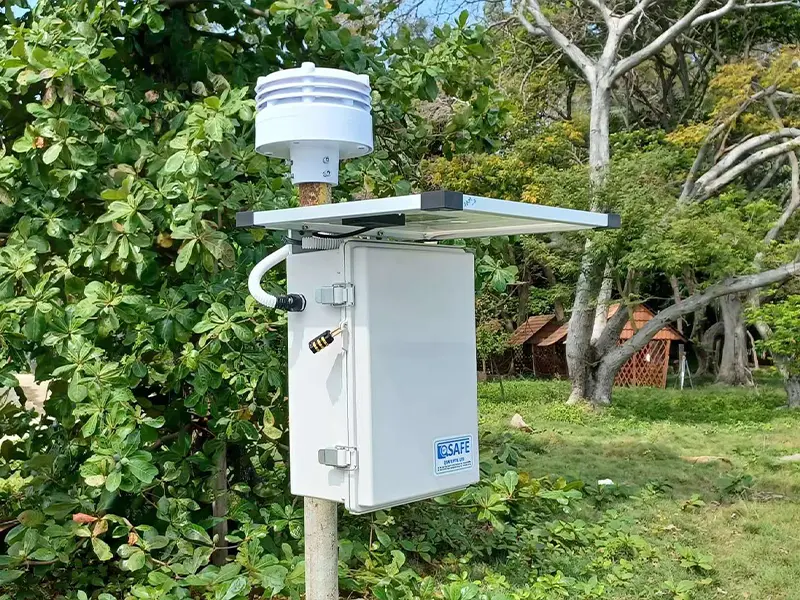
ออกแบบมาสำหรับการติดตั้งภายนอกอาคาร พร้อมคุณสมบัติกันน้ำ กันฝุ่น และทนต่อการกัดกร่อน - ระบบแพลตฟอร์ม/ซอฟต์แวร์สำหรับการติดตาม
ใช้สำหรับการแสดงข้อมูล การวิเคราะห์ และการจัดการควบคุมระยะไกล
ข้อมูลจำเพาะ
สถานีตรวจอากาศในโรงเรือนได้รับการออกแบบมาเพื่อตรวจสอบการเปลี่ยนแปลงของสภาพแวดล้อมทั้งภายในและภายนอกโรงเรือนแบบเรียลไทม์ ช่วยให้ผู้ใช้เข้าใจอย่างชัดเจนเกี่ยวกับอุณหภูมิ ความชื้น ระดับแสง และสภาพของดิน เพื่อช่วยให้ การชลประทานที่แม่นยำ และการควบคุมสิ่งแวดล้อม เหมาะสำหรับระบบเรือนกระจกอัจฉริยะสมัยใหม่ทุกประเภท.
พารามิเตอร์
| หมวดหมู่ | พารามิเตอร์ | ระยะ | ความถูกต้อง | ความละเอียด / ข้อกำหนด | หมายเหตุ |
|---|---|---|---|---|---|
| อากาศ | อุณหภูมิ | -40°C ถึง 80°C | ±0.3°C | 0.1 องศาเซลเซียส | การตรวจสอบเรือนกระจกแบบเรียลไทม์ |
| อากาศ | ความชื้น | 0% ถึง 100% RH | ±3% RH | 0.1% RH | การสนับสนุนการควบคุมสภาพอากาศ |
| แสง | ความเข้มของแสง | 0 ถึง 200,000 ลักซ์ | ±5% | 1 ลักซ์ | การวัดรังสีแสงอาทิตย์ |
| ก๊าซ | ความเข้มข้นของก๊าซคาร์บอนไดออกไซด์ | 0 ถึง 2000 ppm (ขยายได้) | ±50 ppm | 1 ส่วนในล้านส่วน | การกำหนดค่าแบบเลือก |
| ลม | ความเร็วลม | 0 ถึง 60 เมตรต่อวินาที | ±0.3 เมตรต่อวินาที | 0.1 เมตรต่อวินาที | โมดูลสิ่งแวดล้อมกลางแจ้ง |
| ฝน | ปริมาณน้ำฝน | 0 ถึง 200 มิลลิเมตรต่อชั่วโมง | ±2% | 0.2 มิลลิเมตร | การติดตามปริมาณน้ำฝน |
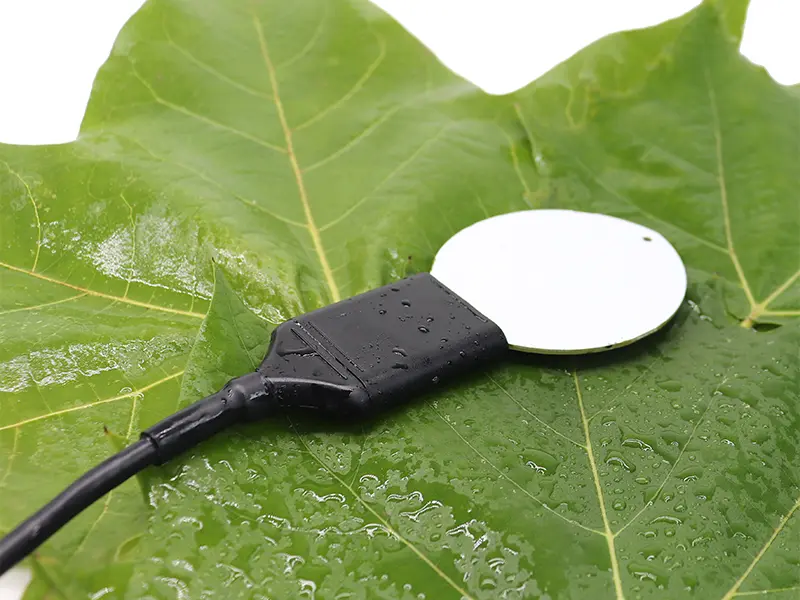
| ดิน | อุณหภูมิของดิน | -40°C ถึง 80°C | ±0.5°C | 0.1 องศาเซลเซียส | สภาพแวดล้อมของระบบราก |
| ดิน | ความชื้นในดิน | 0% ถึง 100% | ±3% | 0.1% | การจัดการระบบชลประทาน |
| ระบบ | ช่วงเวลาการอัปเดตข้อมูล | — | — | 1–60 วินาที (สามารถกำหนดค่าได้) | การรีเฟรชข้อมูลแบบเรียลไทม์ |
| ระบบ | การสื่อสาร | — | — | RS485 / Modbus / 4G / โลรา (ไม่บังคับ) | การเชื่อมต่อที่ยืดหยุ่น |
| ระบบ | แหล่งจ่ายไฟ | — | — | DC 12–24V / พลังงานแสงอาทิตย์ | การออกแบบที่ใช้พลังงานต่ำ |
| ระบบ | ระดับการป้องกัน | — | — | IP65 / IP66 | กล่องกันน้ำสำหรับใช้งานกลางแจ้ง |
คุณสมบัติของสถานีตรวจวัดสภาพอากาศในโรงเรือนอัจฉริยะ
การออกแบบที่เน้นโรงเรือน
ปรับให้เหมาะสมสำหรับสภาพแวดล้อมในโรงเรือนและโรงเรือนหลายช่วง
การใช้งานในหลากหลายสถานการณ์
เหมาะสำหรับผู้ปลูกขนาดเล็ก, ฐานเพาะชำ, และโครงการโรงเรือนเชิงพาณิชย์ขนาดใหญ่
การติดตามสภาพภูมิอากาศขนาดเล็ก
ตรวจจับการเปลี่ยนแปลงของอุณหภูมิและความชื้นภายในโรงเรือนเพื่อลดความเสี่ยงของโรค
ความสามารถในการบริหารจัดการอย่างชาญฉลาด
บางรุ่นได้รวมแบบจำลองการเจริญเติบโตของพืชเพื่อการสนับสนุนการตัดสินใจทางการเกษตร
การประมวลผลแบบเอดจ์และการวิเคราะห์ข้อมูล
รองรับการประมวลผลข้อมูลและการแสดงผลในท้องถิ่นเพื่อการตัดสินใจที่รวดเร็วขึ้น
แหล่งจ่ายไฟที่ยืดหยุ่น
รองรับการจ่ายไฟสองระบบ ทั้งไฟฟ้ากระแสสลับ (AC) และพลังงานแสงอาทิตย์ สำหรับพื้นที่นอกระบบไฟฟ้าหรือพื้นที่ที่มีกำลังไฟอ่อน
ระบบตรวจสอบโรงเรือนเพาะปลูก
ระบบตรวจสอบโรงเรือนได้รับการใช้ประโยชน์อย่างแพร่หลายในเกษตรกรรมสมัยใหม่เพื่อตรวจสอบและจัดการสภาพแวดล้อมภายในโรงเรือน ระบบนี้ช่วยให้เกษตรกรได้รับข้อมูลแบบเรียลไทม์เกี่ยวกับอุณหภูมิ ความชื้น แสงสว่าง คาร์บอนไดออกไซด์ ความชื้นในดิน และปัจจัยสำคัญอื่น ๆ ซึ่งช่วยให้สามารถควบคุมสภาพอากาศได้อย่างแม่นยำ ส่งเสริมการเจริญเติบโตของพืช และเพิ่มคุณภาพของผลผลิต ระบบนี้เหมาะสำหรับทั้งการเกษตรขนาดเล็กและโรงเรือนเชิงพาณิชย์ขนาดใหญ่ ด้านล่างนี้คือแบบฟอร์มการสมัครสำหรับสถานีอากาศในโรงเรือนเพื่อการเกษตรอัจฉริยะ:
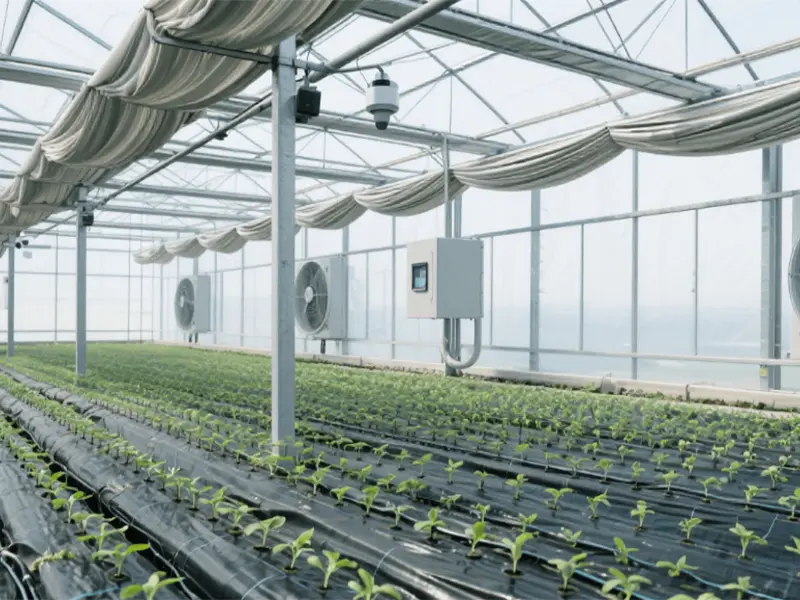
การเพาะปลูกในโรงเรือนเชิงพาณิชย์
การควบคุมสภาพอากาศสำหรับผัก ผลไม้ และดอกไม้ โดยการปรับอุณหภูมิ ความชื้น และแสง สามารถปรับปรุงความสม่ำเสมอของผลผลิตและความสามารถในการจำหน่ายได้.
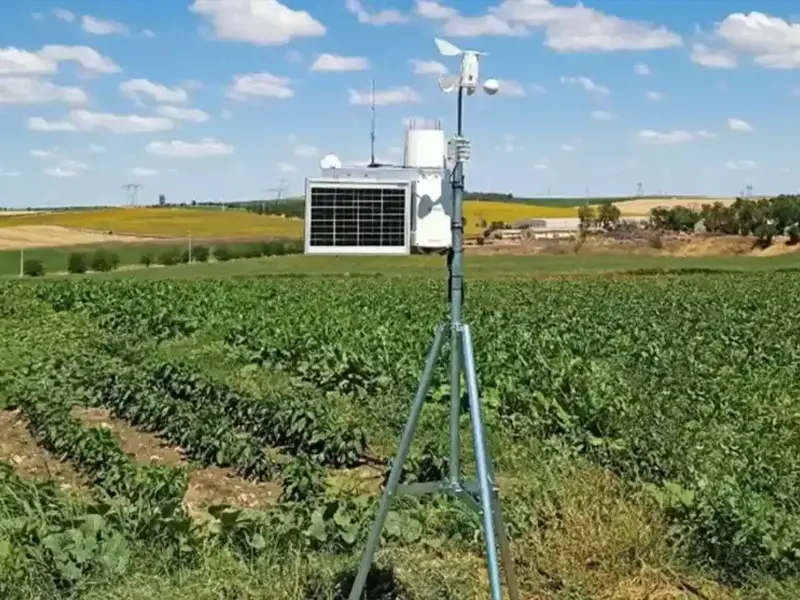
ระบบเกษตรอัจฉริยะ
เชื่อมต่อกับแพลตฟอร์ม IoT เพื่ออัตโนมัติการอัปโหลดข้อมูลและประสานงานอุปกรณ์การชลประทานและการระบายอากาศ, เพิ่มประสิทธิภาพการอัตโนมัติฟาร์มโดยรวม.
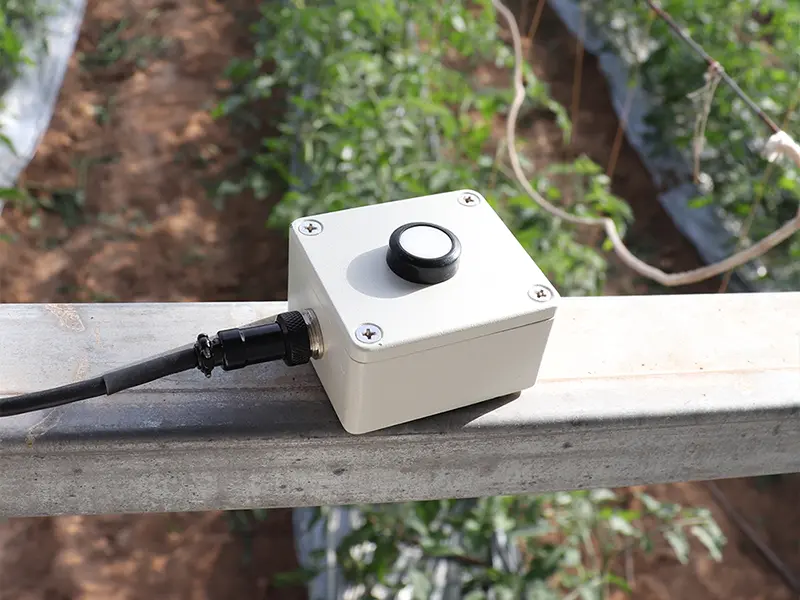
ฐานเพาะกล้าและเรือนเพาะชำ
ให้สภาพแวดล้อมที่มีอุณหภูมิ ความชื้น และแสงสว่างที่คงที่สำหรับต้นกล้า ช่วยลดอัตราการเจริญเติบโตที่อ่อนแอหรือตายของต้นกล้า และเพิ่มอัตราการรอดชีวิต.
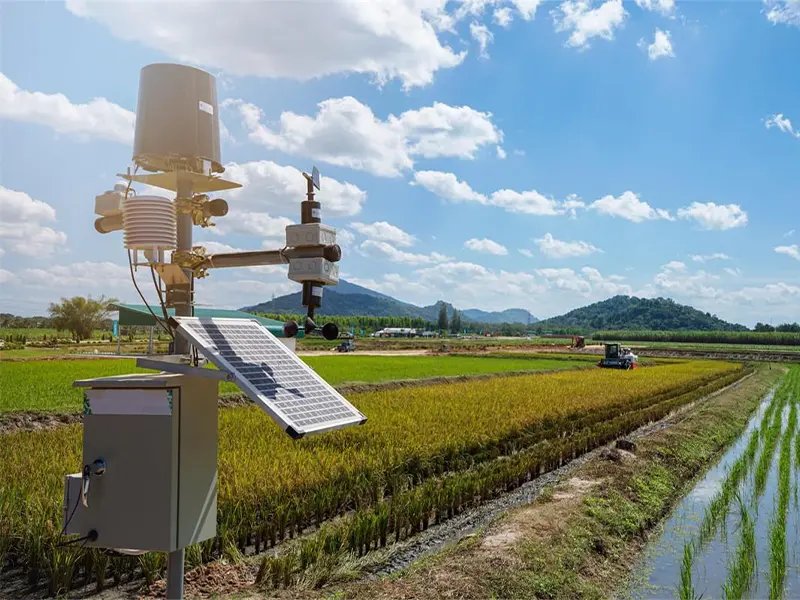
การวิจัยและทดลองทางการเกษตร
จัดหาข้อมูลสิ่งแวดล้อมที่ต่อเนื่องและสามารถตรวจสอบย้อนกลับได้สำหรับการทดลองการเจริญเติบโตของพืช สนับสนุนการวิเคราะห์การวิจัยและการพัฒนาแบบจำลอง.
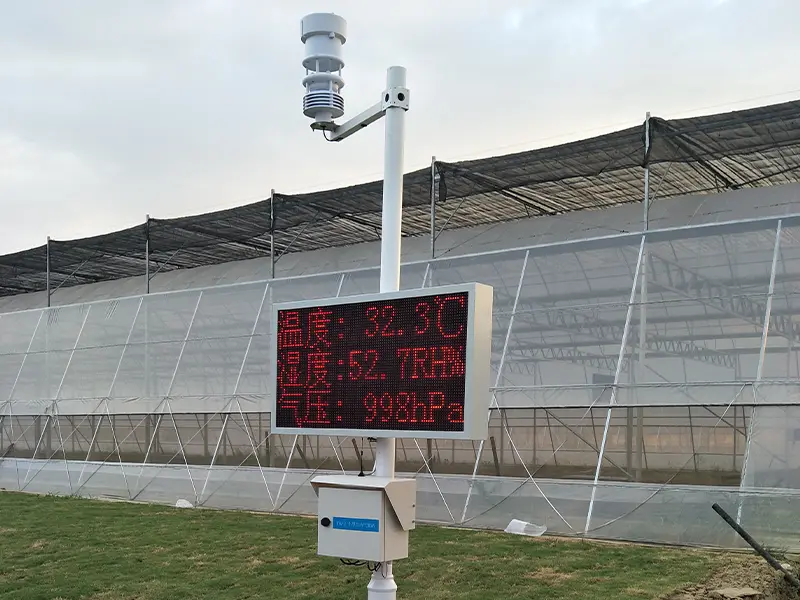
ระบบการเพาะปลูกแบบไร้ดิน
ตรวจสอบสภาพแวดล้อมสำหรับการเพาะปลูกแบบไฮโดรโปนิกส์และการเพาะปลูกบนวัสดุปลูก โดยติดตามการเปลี่ยนแปลงแบบเรียลไทม์ของความชื้นในเขตรากและสภาพของสารอาหาร.
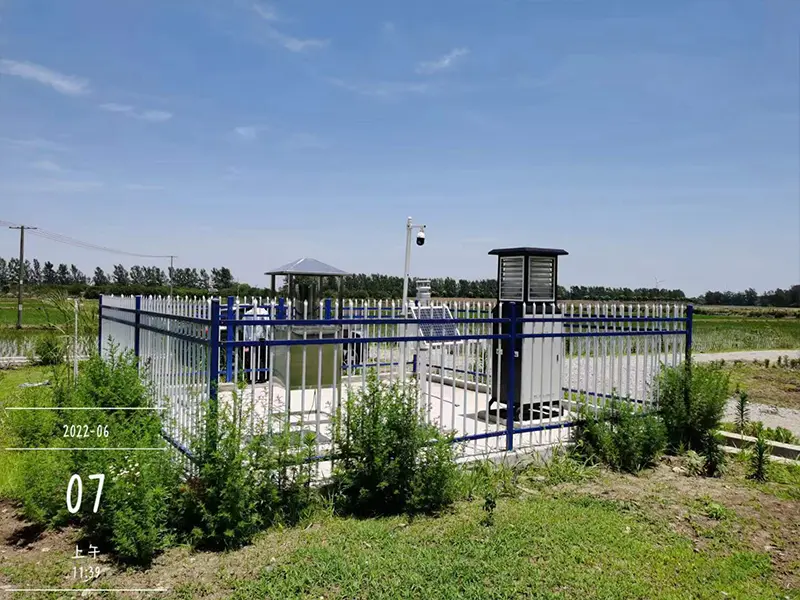
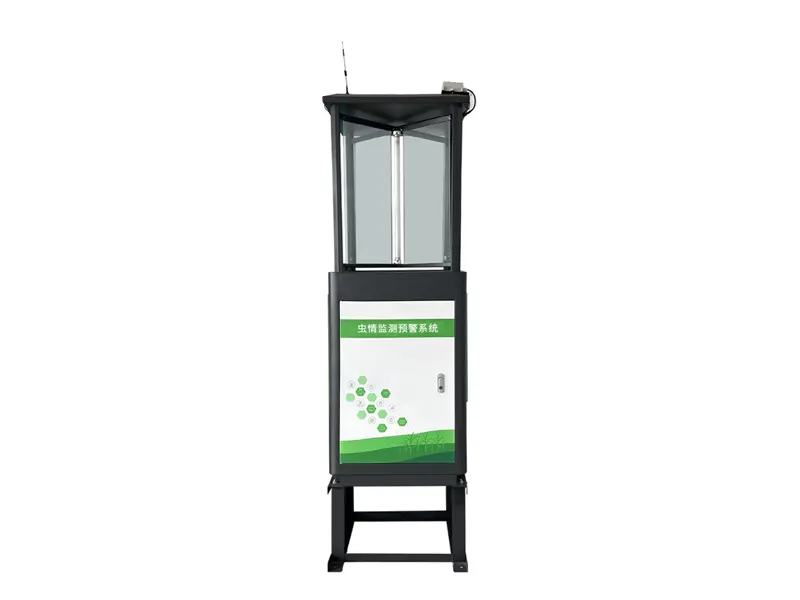
การเตือนภัยล่วงหน้าเกี่ยวกับศัตรูพืชและโรค
ระบุสภาพแวดล้อมที่มีความเสี่ยงสูงล่วงหน้าโดยการติดตามแนวโน้มของอุณหภูมิและความชื้น ซึ่งช่วยลดโอกาสการระบาดของโรค.
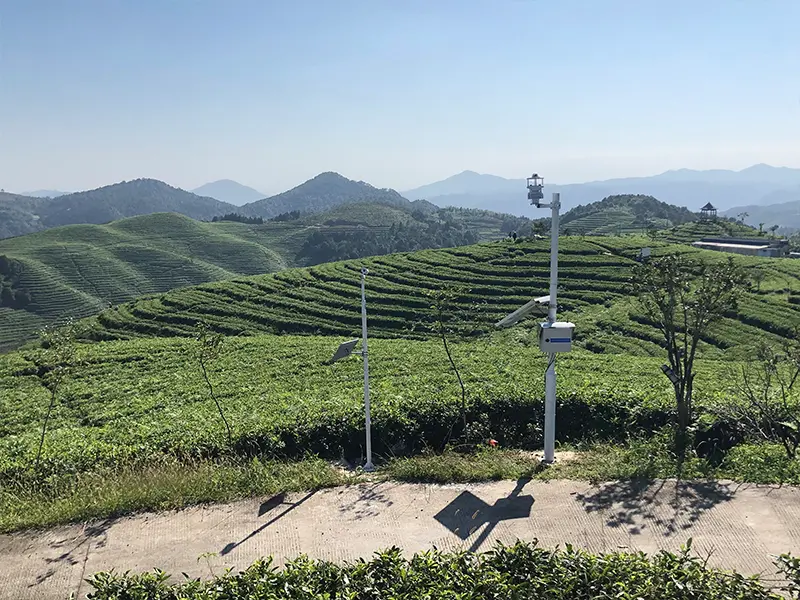
โครงการระบบตรวจสอบสภาพอากาศเพื่อการเกษตรอัจฉริยะเต๋อชิง
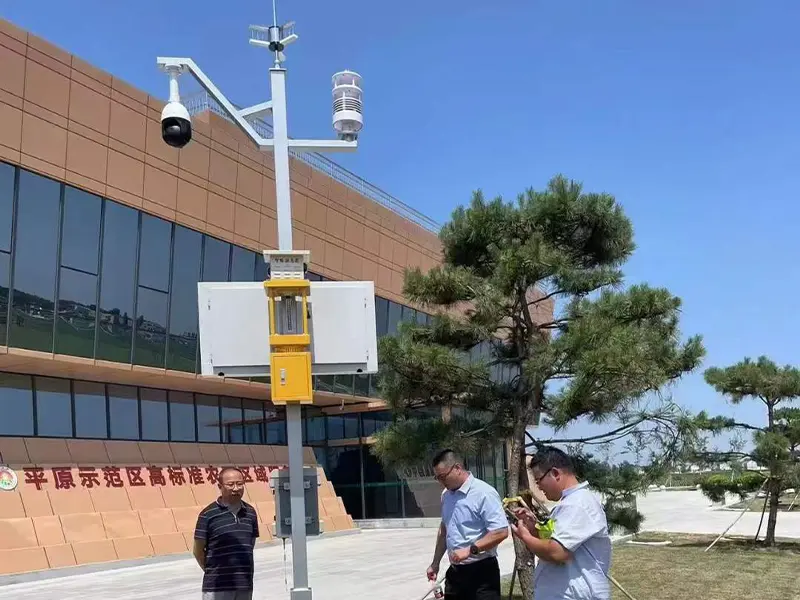
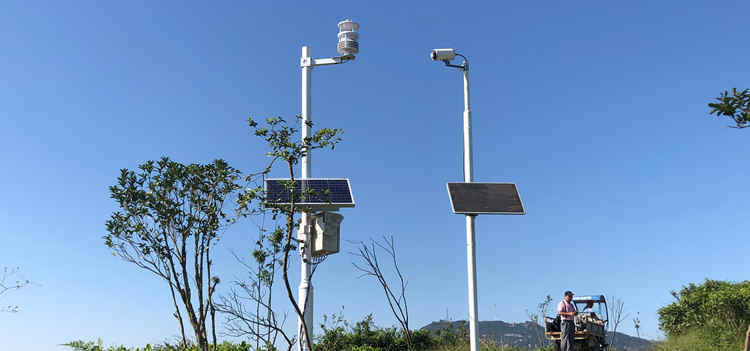
ในปี 2025 Yantai ได้ติดตั้งระบบตรวจสอบสภาพอากาศเพื่อการเกษตรอัจฉริยะในเมืองเต๋อชิง มณฑลเจ้อเจียง ประเทศจีน ครอบคลุมการเพาะปลูกในแปลงเปิด การเพาะปลูกในโรงเรือนแบบหลายช่วง และการตรวจสอบสภาพแวดล้อมในสวนผลไม้ โครงการนี้ได้บูรณาการสถานีตรวจอากาศเพื่อการเกษตรอัตโนมัติ สถานีตรวจอากาศในโรงเรือน เซ็นเซอร์ตรวจวัดดิน และสถานีตรวจสอบคุณภาพอากาศเพื่อการเกษตร เพื่อเก็บรวบรวมข้อมูลอุณหภูมิ ความชื้น ปริมาณน้ำฝน ลม รังสีดวงอาทิตย์ ความชื้นในดิน CO₂ และ PM2.5/PM10 อย่างต่อเนื่อง ผ่านการสื่อสารไร้สายและแพลตฟอร์มตรวจสอบบนคลาวด์ ผู้ปฏิบัติงานสามารถดูสภาพแบบเรียลไทม์จากระยะไกล ตรวจสอบบันทึกย้อนหลัง และรับการแจ้งเตือนเมื่อถึงค่าขีดจำกัด ซึ่งให้ข้อมูลที่เป็นประโยชน์สำหรับการชลประทาน การควบคุมสภาพอากาศในโรงเรือน การจัดการพืชผล และการตรวจสอบความเสี่ยงด้านสิ่งแวดล้อม.
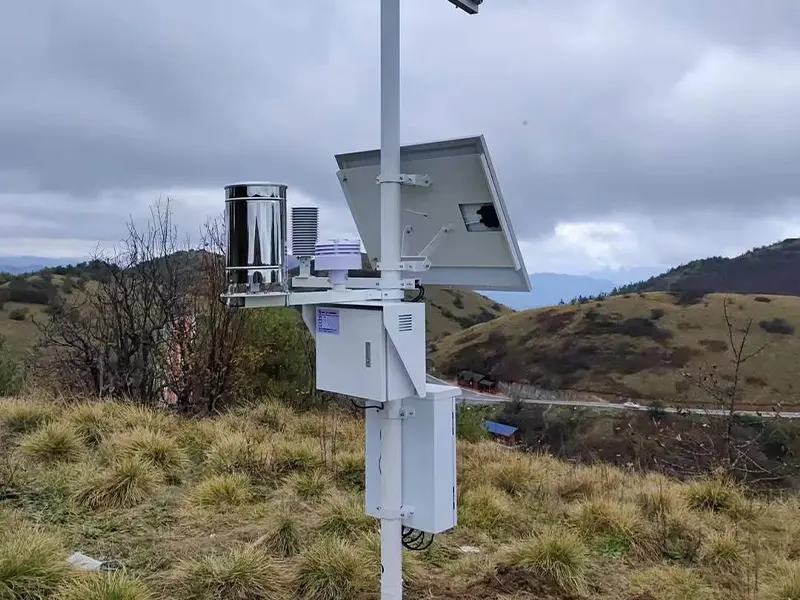
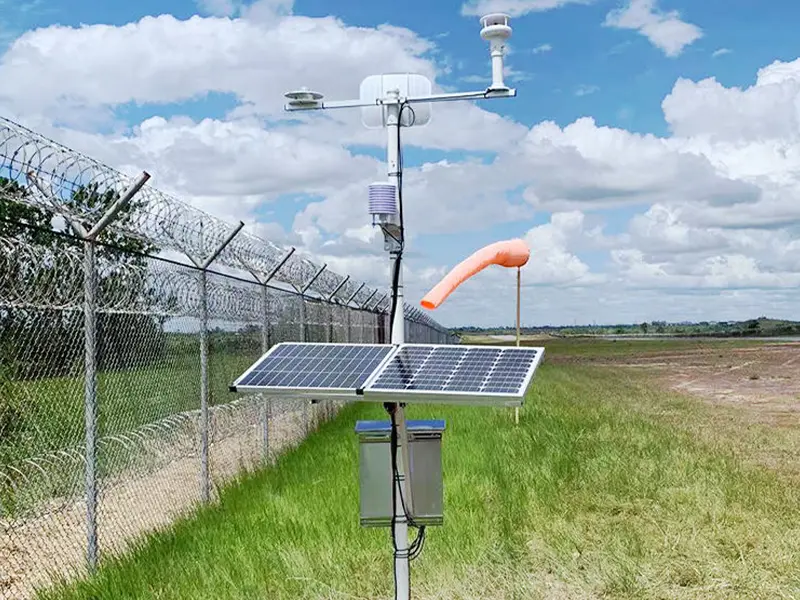
สถานีอากาศในโรงเรือนแบบกำหนดเอง
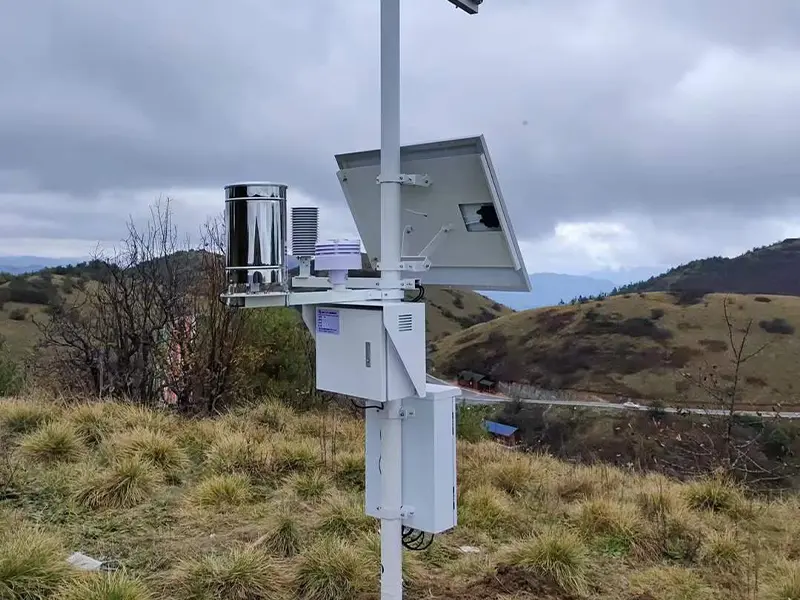
บริการปรับแต่งสถานีอากาศในโรงเรือนได้รับการออกแบบมาสำหรับระบบตรวจสอบสภาพแวดล้อมในโรงเรือนที่มีขนาดและรูปแบบการเพาะปลูกที่หลากหลาย โดยตอบสนองต่อความท้าทายที่อุปกรณ์มาตรฐานไม่สามารถรองรับสภาพแวดล้อมทางการเกษตรที่ซับซ้อนได้อย่างสมบูรณ์ จึงนำเสนอโซลูชันที่ยืดหยุ่นและแม่นยำยิ่งขึ้น โดยการปรับแต่งและเพิ่มประสิทธิภาพพารามิเตอร์การตรวจสอบ, การจัดวางเซ็นเซอร์, วิธีการสื่อสาร, และแพลตฟอร์มการจัดการข้อมูล บริการนี้ช่วยให้ผู้ใช้สามารถแก้ไขปัญหาหลัก เช่น สภาพแวดล้อมในโรงเรือนที่ไม่สม่ำเสมอ, ข้อมูลที่ไม่สมบูรณ์, และการควบคุมที่ไม่แม่นยำ ซึ่งช่วยให้การจัดการการเกษตรมีความแม่นยำอย่างแท้จริง สำหรับแผนการกำหนดค่าที่เหมาะสมกับโครงการของคุณมากขึ้น กรุณาติดต่อเราโดยตรงเพื่อรับการสนับสนุนทางเทคนิคและคำแนะนำในการเลือกผลิตภัณฑ์.
ตัวเลือกการปรับแต่ง
- พารามิเตอร์การตรวจสอบที่ปรับแต่งได้: การติดตามสิ่งต่าง ๆ เช่น CO₂, ความเข้มของแสง, สภาพของดิน, และระดับน้ำ/ปุ๋ย สามารถเพิ่มหรือลบออกได้ตามชนิดของพืช.
- การกำหนดค่าเซ็นเซอร์ที่เหมาะสมที่สุด: รองรับการติดตั้งหลายจุดเพื่อช่วยให้สามารถตรวจสอบสภาพอากาศขนาดเล็กในโซนต่าง ๆ ภายในโรงเรือนได้.
- ตัวเลือกการสื่อสาร: มีตัวเลือกหลายแบบให้เลือก รวมถึง RS485, Modbus, 4G, LoRa และ WiFi.
- โซลูชันระบบจ่ายไฟที่ปรับแต่งตามความต้องการ ระบบไฟฟ้าหลัก, พลังงานแสงอาทิตย์, หรือระบบจ่ายไฟแบบผสมผสานเพื่อรองรับสภาพการใช้งานที่แตกต่างกันในสถานที่.
- การผสานรวมแพลตฟอร์มข้อมูล: สามารถผสานรวมกับระบบท้องถิ่นหรือแพลตฟอร์มคลาวด์เพื่อเปิดใช้งานการจัดการระยะไกลและการวิเคราะห์ข้อมูล.
- การปรับปรุงโครงสร้างและการป้องกัน ปรับแต่งระดับการป้องกันและโครงสร้างการติดตั้งตามข้อกำหนดด้านสิ่งแวดล้อม.
- การผสานระบบเตือนภัยและการควบคุม: รองรับการควบคุมแบบบูรณาการร่วมกับพัดลม ระบบบังแสง และระบบชลประทาน.
- โซลูชันเฉพาะอุตสาหกรรม: การกำหนดค่าที่เหมาะสมสำหรับสถานการณ์ต่าง ๆ เช่น การเพาะปลูกผัก การเพาะเลี้ยงดอกไม้ การเพาะเลี้ยงต้นกล้า และการวิจัย.
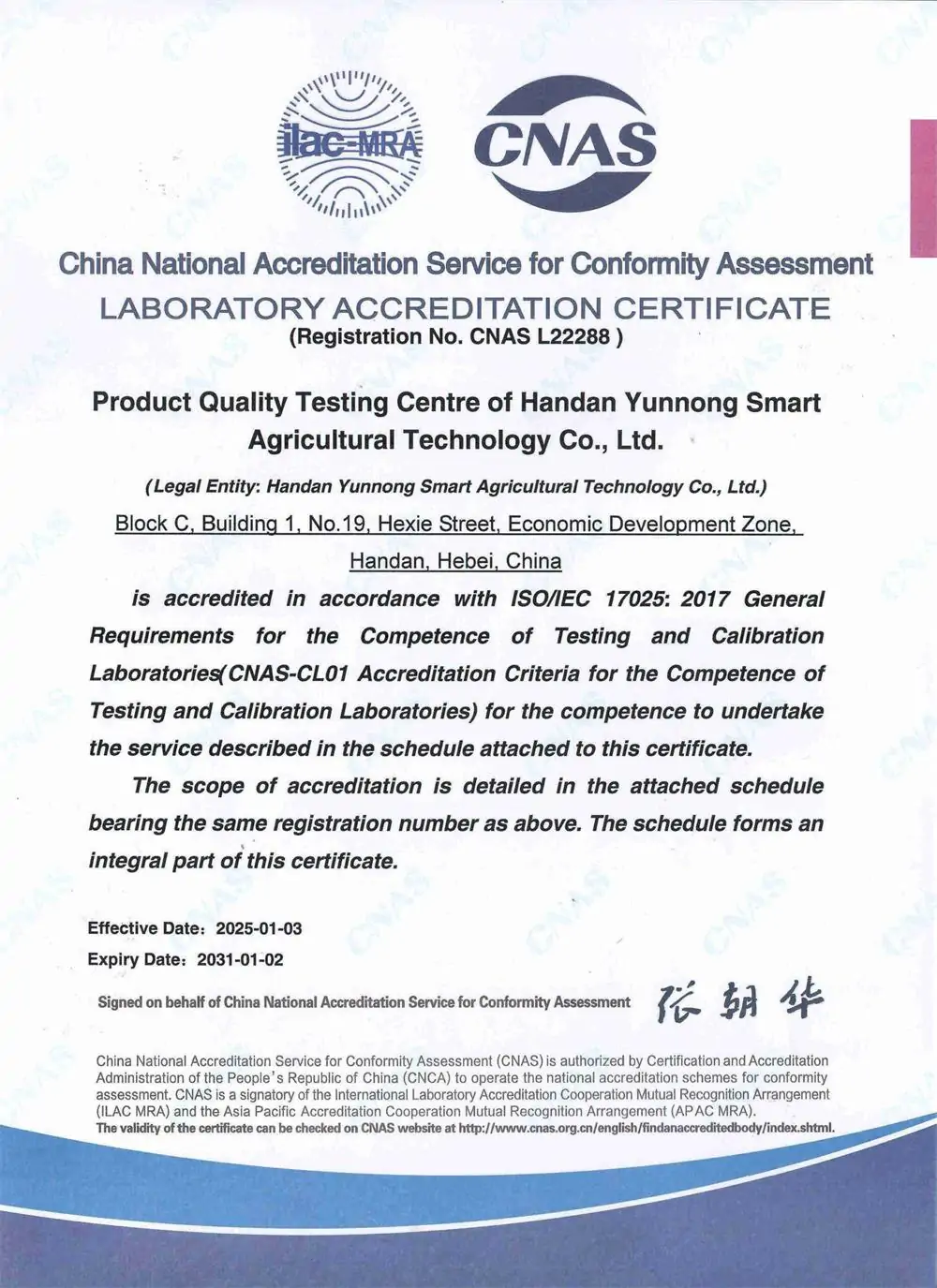
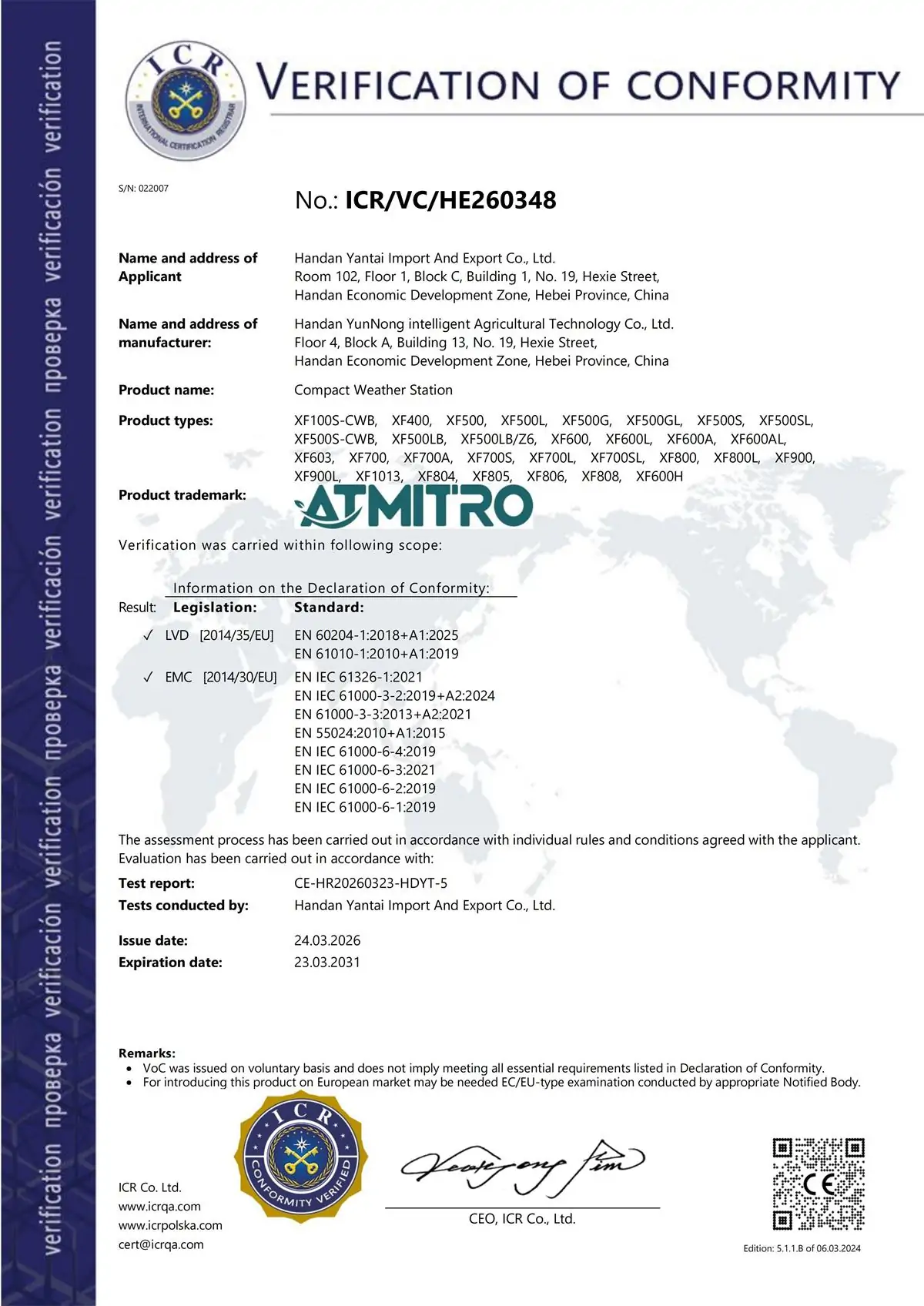
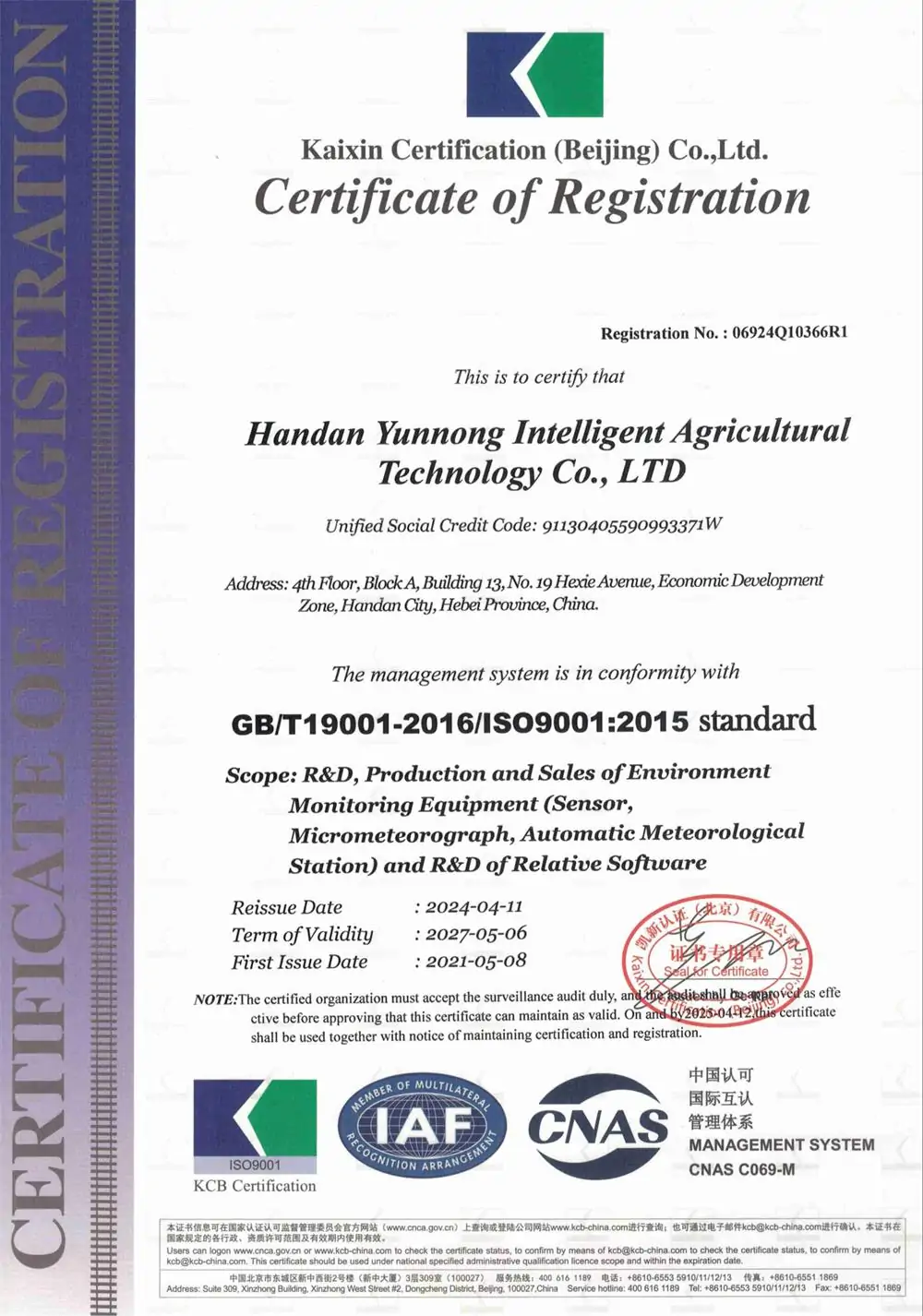
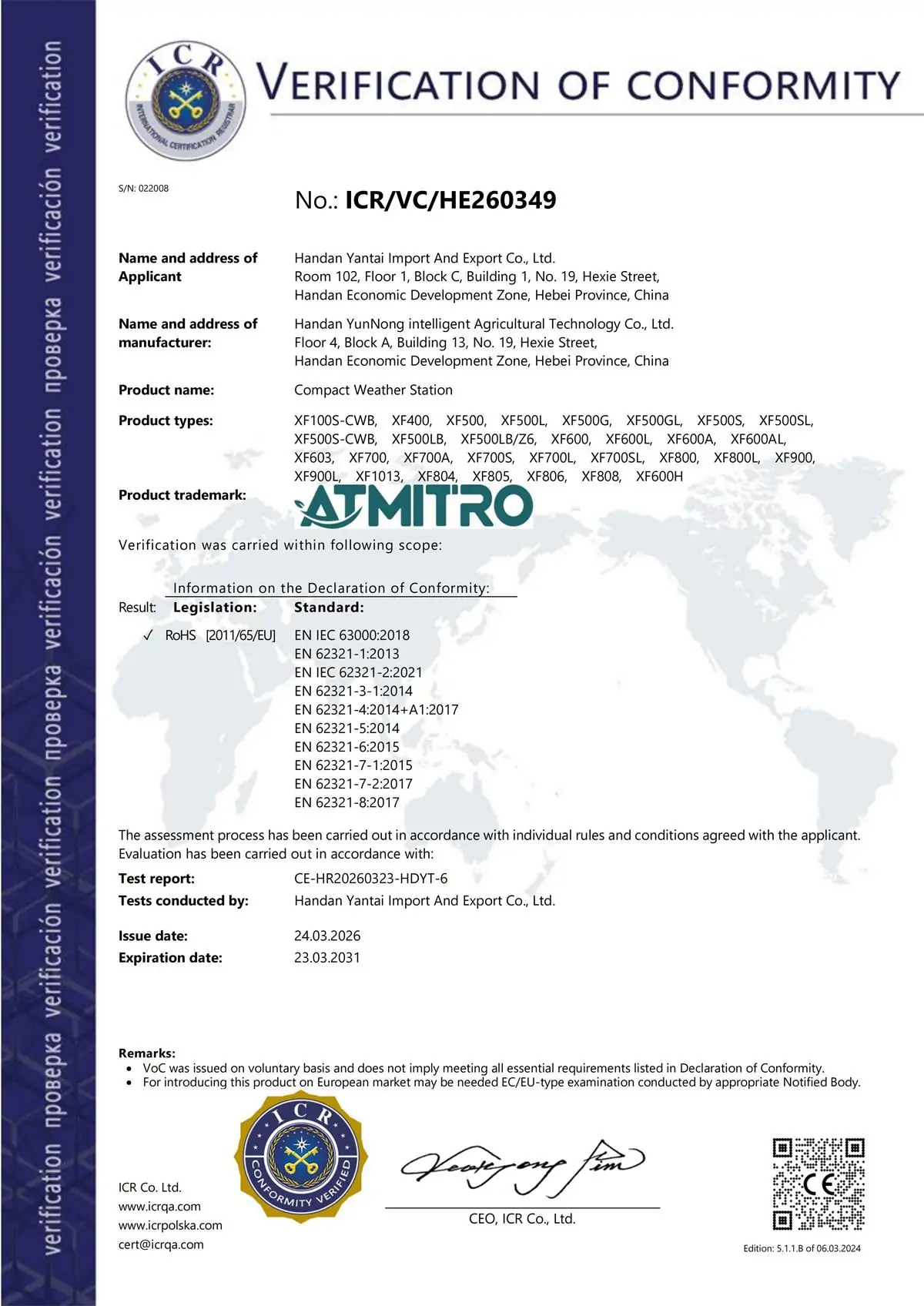
ผู้ผลิตและผู้จัดจำหน่ายสถานีตรวจอากาศในโรงเรือน
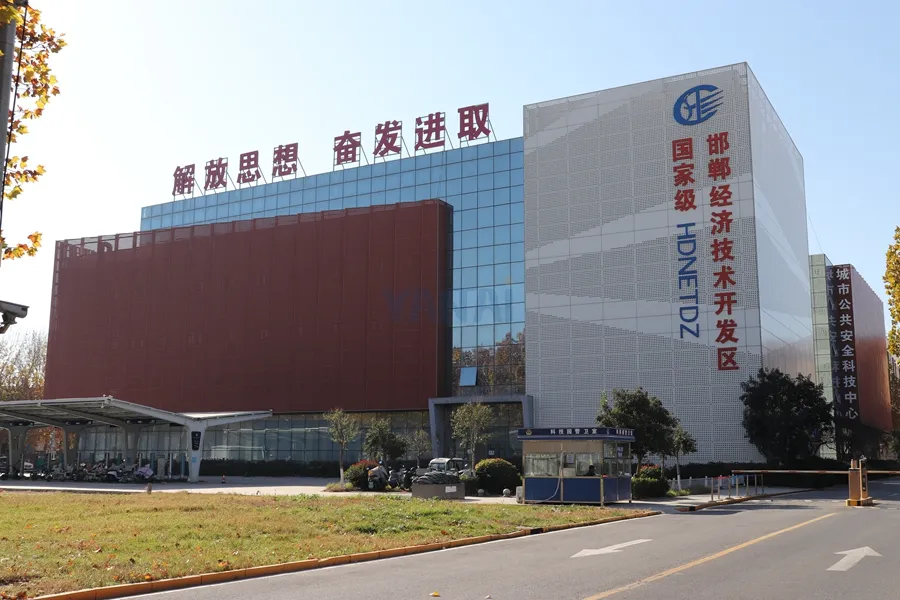
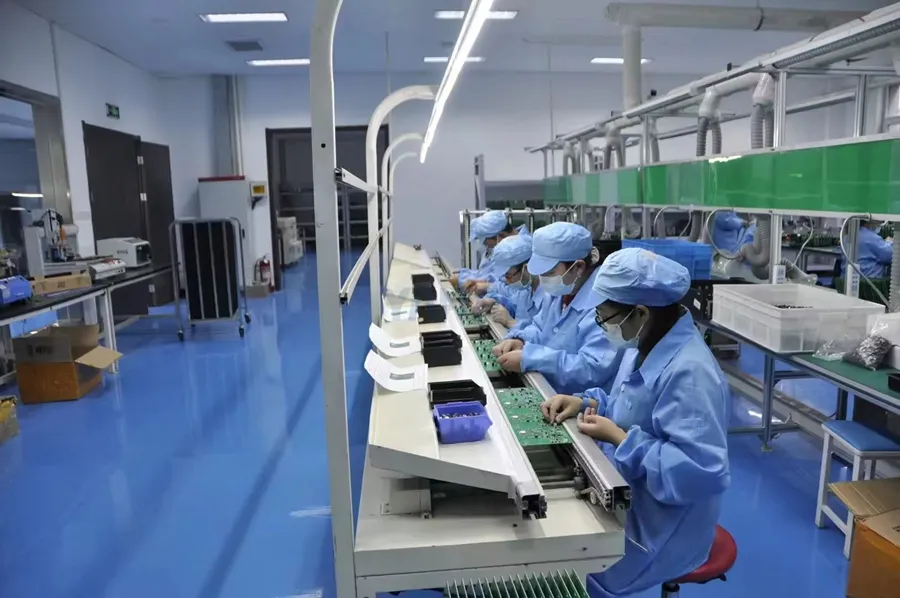
Yantai Sensor เป็นผู้ผลิตและจำหน่ายสถานีตรวจอากาศในโรงเรือนชั้นนำ โดยเชี่ยวชาญในการออกแบบและผลิตระบบตรวจสอบสภาพภูมิอากาศในโรงเรือนขั้นสูงสำหรับโรงเรือนเชิงพาณิชย์ สถานที่เพาะปลูกพืชสวน โรงเรือนเพาะชำ ฟาร์มไฮโดรโปนิกส์ สถาบันวิจัย และโครงการเกษตรอัจฉริยะ ระบบของเราให้การตรวจสอบแบบเรียลไทม์ของพารามิเตอร์สิ่งแวดล้อมที่สำคัญ รวมถึงอุณหภูมิอากาศ ความชื้น ความเข้มของแสง ความเข้มข้นของ CO₂ ความชื้นในดิน อุณหภูมิของดิน การแผ่รังสีของดวงอาทิตย์ ความเร็วลม และปริมาณน้ำฝน ออกแบบมาเพื่อสถานีอากาศในโรงเรือนที่เชื่อถือได้สำหรับการตรวจสอบทางการเกษตร โซลูชันของเราช่วยให้เกษตรกรสามารถปรับสภาพภูมิอากาศให้เหมาะสม ปรับปรุงคุณภาพของพืชผล เพิ่มผลผลิต และสนับสนุนการเกษตรที่ยั่งยืน.
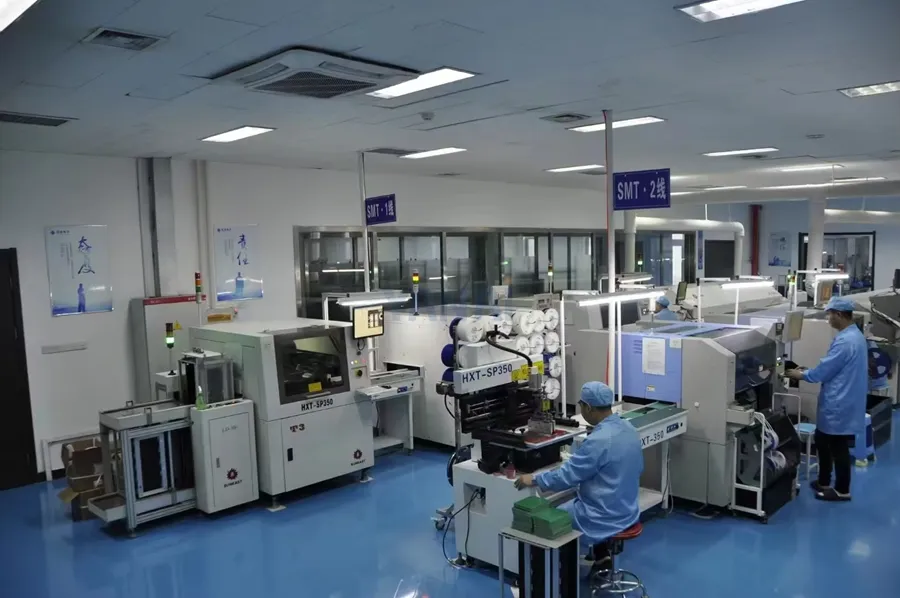
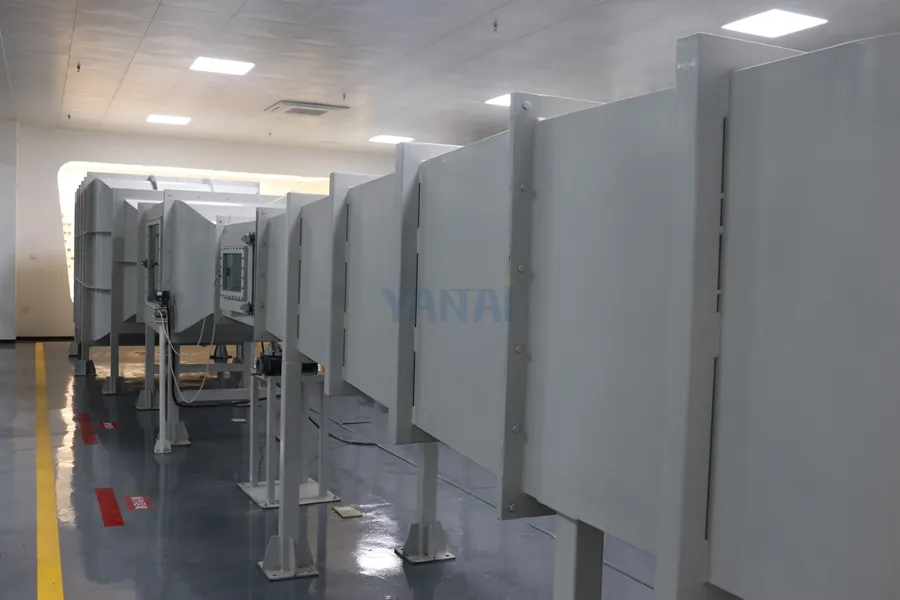
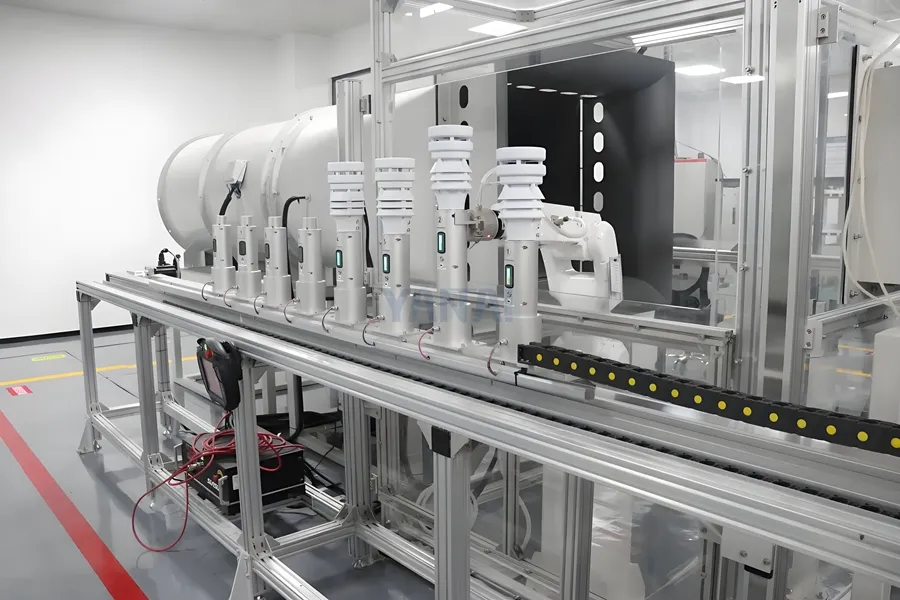
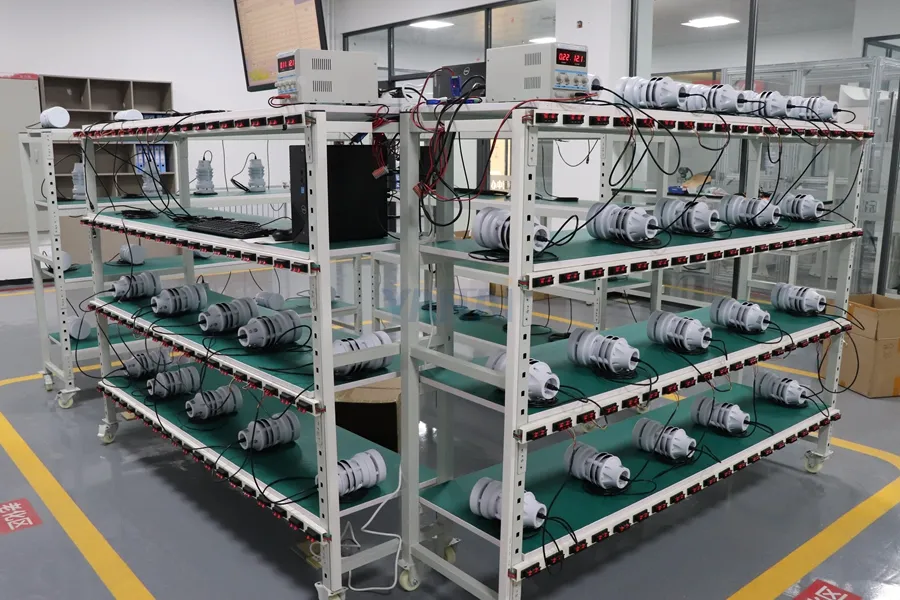
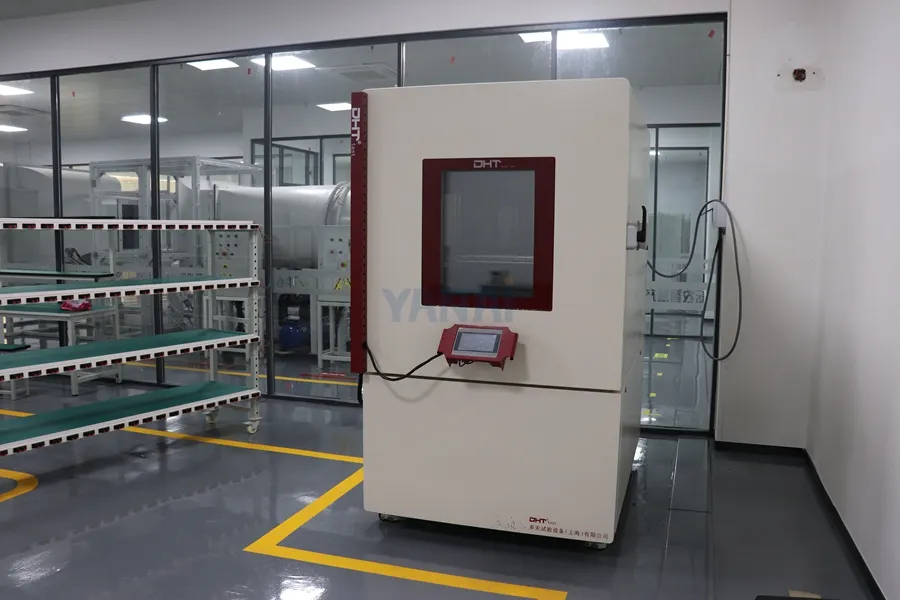
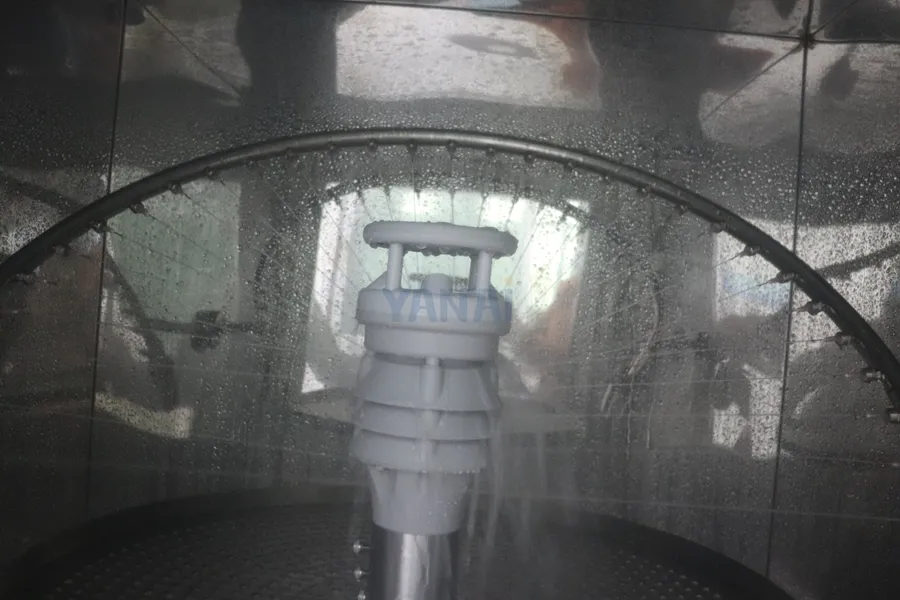
สร้างขึ้นบนแพลตฟอร์มการเก็บข้อมูลและการสื่อสารระดับอุตสาหกรรมที่แข็งแกร่ง, ของเรา สถานีอุตุนิยมวิทยาการเกษตร โซลูชันรองรับการสื่อสาร RS485, Modbus, 4G, LoRa, WiFi และ Ethernet เพื่อการผสานรวมที่ราบรื่นกับแพลตฟอร์มคลาวด์ ระบบควบคุมโรงเรือน และเครือข่ายการตรวจสอบการเกษตรแบบแม่นยำ เราให้บริการปรับแต่ง OEM/ODM ที่ยืดหยุ่น รวมถึงการเลือกเซ็นเซอร์ ตัวเลือกการสื่อสาร การกำหนดค่าแหล่งจ่ายไฟ โครงสร้างการติดตั้ง และการบูรณาการแพลตฟอร์มซอฟต์แวร์ ระบบทั้งหมดผ่านการทดสอบด้านสิ่งแวดล้อมและความน่าเชื่อถืออย่างเข้มงวด เพื่อให้มั่นใจในการทำงานที่เสถียรในระยะยาวในสภาพแวดล้อมเรือนกระจกที่ต้องการสูง ติดต่อเราวันนี้เพื่อรับโซลูชันสถานีตรวจอากาศในเรือนกระจกที่ปรับแต่งตามความต้องการในการตรวจสอบการเกษตรของคุณ.