บทนำ
ด้วยการพัฒนาเกษตรแม่นยำและเกษตรอัจฉริยะ ฟาร์มจำนวนมากขึ้นเรื่อยๆ เริ่มใช้ข้อมูลสภาพอากาศแบบเรียลไทม์เพื่อเพิ่มประสิทธิภาพการจัดการพืชผล แล้วสถานีตรวจอากาศมีความสำคัญอย่างไรในภาคการเกษตร? อันที่จริง สภาพอากาศส่งผลโดยตรงต่อการเจริญเติบโตของพืช ตารางการให้น้ำ การควบคุมศัตรูพืชและโรค ช่วงเวลาใส่ปุ๋ย และท้ายที่สุดคือผลผลิตพืชผล สถานีตรวจอากาศทางการเกษตรจะตรวจสอบพารามิเตอร์สำคัญอย่างต่อเนื่อง เช่น อุณหภูมิ ความชื้น ปริมาณน้ำฝน ความเร็วลม รังสีดวงอาทิตย์ และสภาพดิน โดยให้การสนับสนุนข้อมูลที่เชื่อถือได้สำหรับการผลิตทางการเกษตร และช่วยให้เกษตรกรตัดสินใจอย่างมีหลักวิทยาศาสตร์มากขึ้น.
ไม่ว่าจะเป็นฟาร์มเชิงพาณิชย์ขนาดใหญ่ การปลูกในโรงเรือน สวนผลไม้ หรือการผลิตพืชธัญญาหาร การติดตั้งสถานีตรวจอากาศทางการเกษตรได้กลายเป็นวิธีการสำคัญในการเพิ่มประสิทธิภาพการผลิตและลดความเสี่ยงในการดำเนินงาน บทความนี้จะอธิบายรายละเอียดเกี่ยวกับความสำคัญของสถานีตรวจอากาศในภาคการเกษตร และวิเคราะห์เชิงลึกถึงข้อได้เปรียบหลัก 10 ประการของสถานีตรวจอากาศทางการเกษตร สถานการณ์การใช้งานหลัก ตัวชี้วัดการตรวจสอบ และวิธีการเลือกโซลูชันการตรวจสอบสภาพอากาศที่เหมาะสมสำหรับโครงการเกษตรกรรมต่างๆ เพื่อช่วยให้คุณเข้าใจคุณค่าของการตรวจสอบสภาพอากาศในการเกษตรสมัยใหม่อย่างครอบคลุม.

สถานีตรวจอากาศทางการเกษตรคืออะไร?
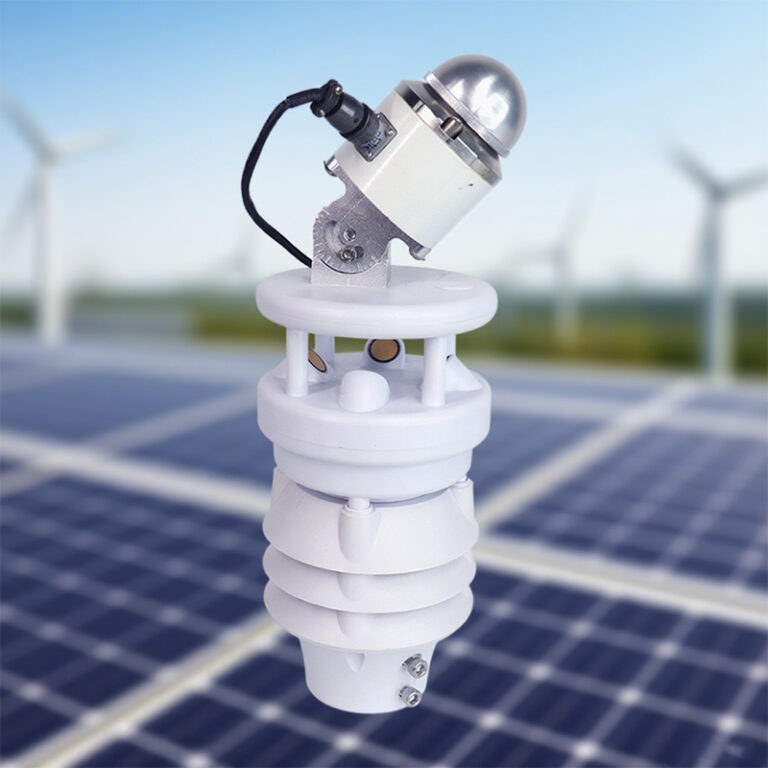
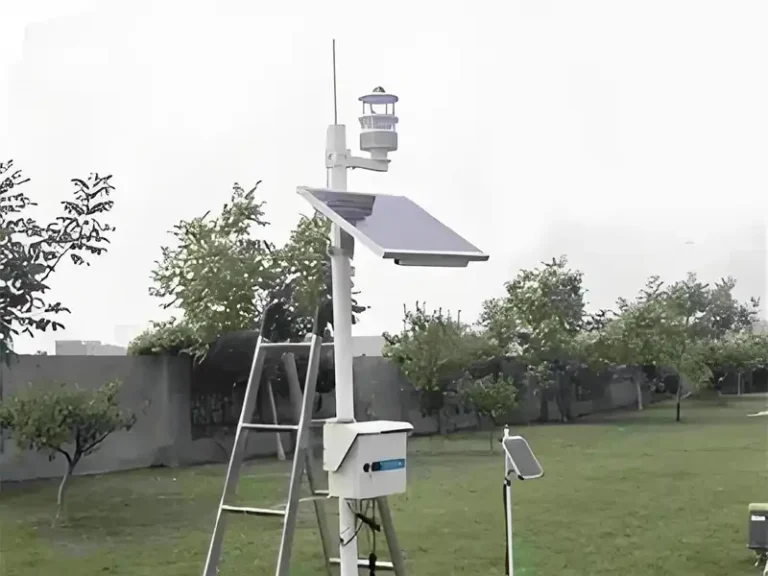
An สถานีอุตุนิยมวิทยาการเกษตร, หรือที่เรียกว่าสถานีตรวจอากาศฟาร์มหรือสถานีอุตุนิยมวิทยาการเกษตร เป็นระบบตรวจสอบที่ออกแบบมาเพื่อรวบรวมข้อมูลสภาพแวดล้อมแบบเรียลไทม์สำหรับการผลิตทางการเกษตร ด้วยการรวมเซ็นเซอร์หลายตัวเข้าด้วยกัน จึงวัดค่าพารามิเตอร์สำคัญอย่างต่อเนื่อง เช่น อุณหภูมิ ความชื้น ปริมาณน้ำฝน ความเร็วลม รังสีดวงอาทิตย์ และสภาพดิน โดยให้ข้อมูลสภาพอากาศที่เชื่อถือได้เพื่อสนับสนุนการให้น้ำ การจัดการพืชผล การป้องกันโรค และการทำฟาร์มแม่นยำ สถานีตรวจอากาศทางการเกษตรทั่วไปสามารถตรวจสอบพารามิเตอร์ด้านสิ่งแวดล้อมได้ 10 รายการขึ้นไปพร้อมกัน ทำให้เป็นเครื่องมือสำคัญสำหรับการเกษตรอัจฉริยะสมัยใหม่.
ส่วนประกอบหลักของสถานีตรวจอากาศทางการเกษตร
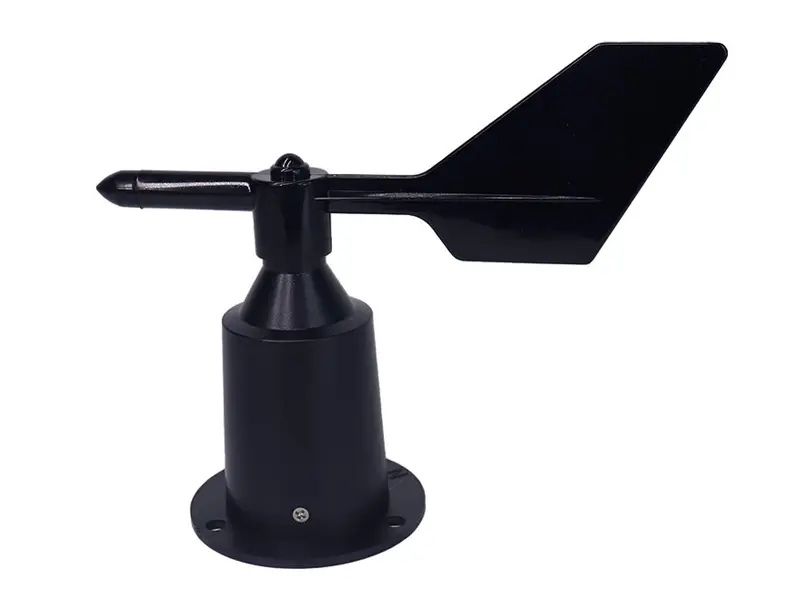
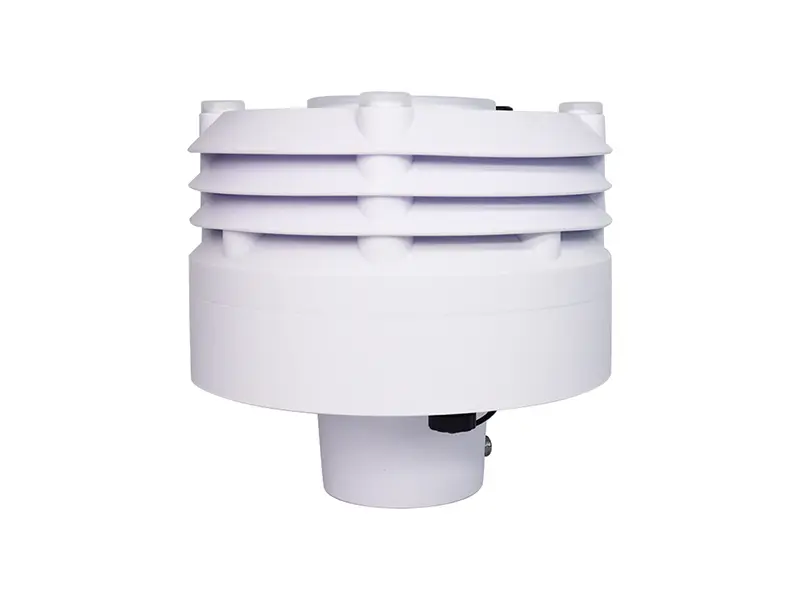
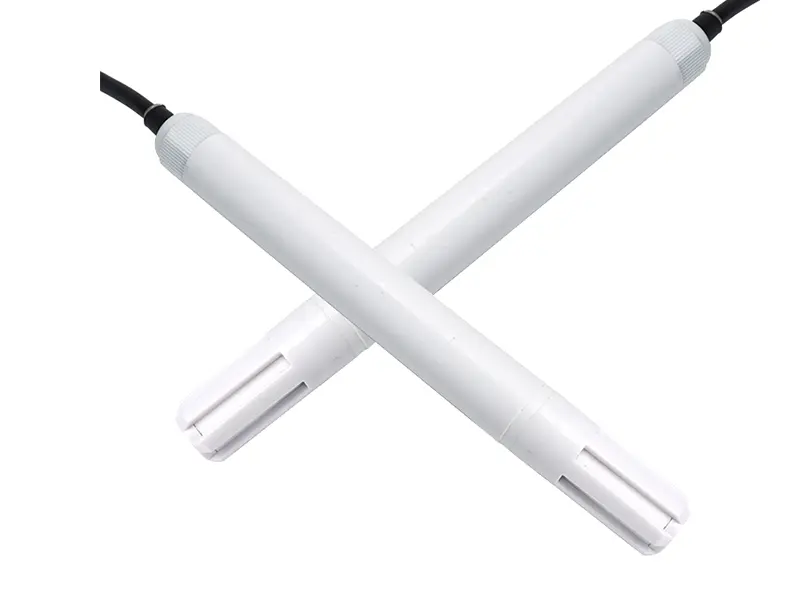
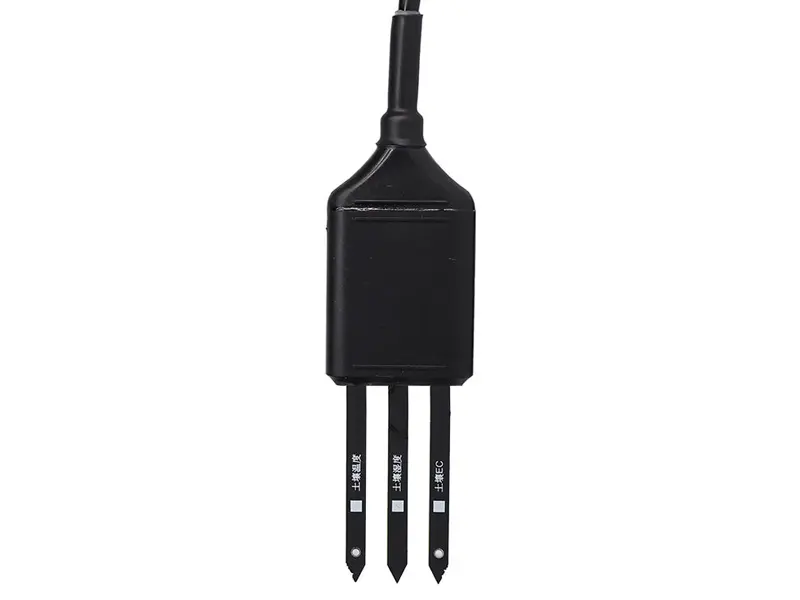
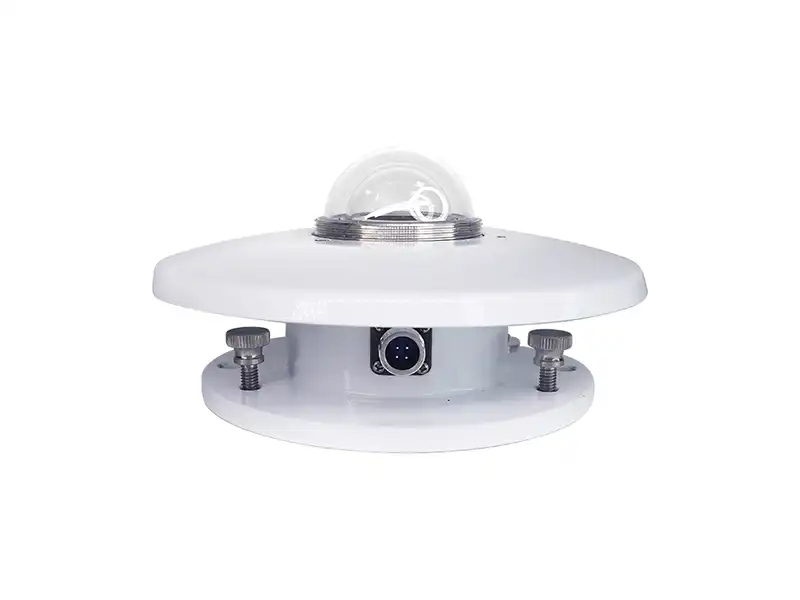
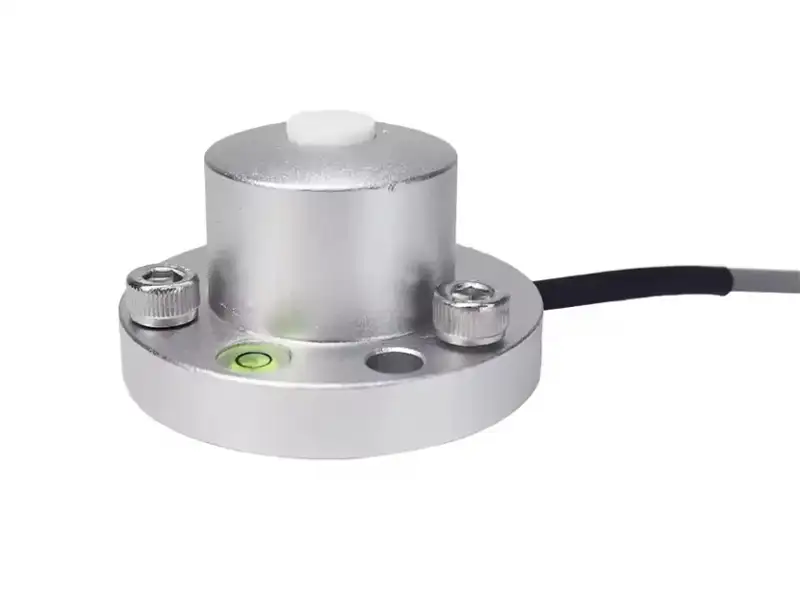
สถานีตรวจอากาศทางการเกษตรประกอบด้วยเครื่องบันทึกข้อมูลส่วนกลาง โมดูลสื่อสาร แหล่งจ่ายไฟ โครงสร้างยึด และเซ็นเซอร์สิ่งแวดล้อมต่างๆ สามารถกำหนดค่าชุดเซ็นเซอร์ที่แตกต่างกันตามประเภทพืช สภาพภูมิอากาศ และข้อกำหนดในการตรวจสอบ ทำให้สามารถรวบรวมข้อมูลสภาพอากาศและดินอย่างครอบคลุมสำหรับการใช้งานทางการเกษตรต่างๆ.
Working principle
- การตรวจจับสิ่งแวดล้อม – เซ็นเซอร์ตรวจสอบพารามิเตอร์สภาพอากาศและดิน เช่น อุณหภูมิ ปริมาณน้ำฝน ความชื้น ลม และรังสีดวงอาทิตย์.
- การรวบรวมข้อมูล – เครื่องบันทึกข้อมูลรับและประมวลผลการวัดจากเซ็นเซอร์ที่เชื่อมต่อทั้งหมด.
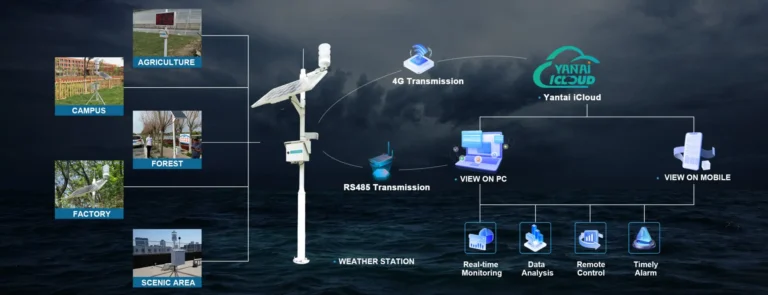
- การส่งข้อมูล – ข้อมูลถูกส่งไปยังแพลตฟอร์มคลาวด์หรือคอมพิวเตอร์ในพื้นที่ผ่าน RS485, LoRa, 4G, NB-IoT, Wi-Fi หรือ Ethernet.
- 数据分析 – ซอฟต์แวร์ตรวจสอบแสดงบันทึกประวัติ แนวโน้ม การแจ้งเตือน และรายงานสิ่งแวดล้อมแบบเรียลไทม์.
- การสนับสนุนการตัดสินใจ – เกษตรกรใช้ข้อมูลที่รวบรวมได้เพื่อเพิ่มประสิทธิภาพการให้น้ำ การใส่ปุ๋ย การป้องกันพืชผล และตารางการเก็บเกี่ยว.
ประเภทของสถานีตรวจอากาศทางการเกษตร
การใช้งานทางการเกษตรที่แตกต่างกันต้องการความสามารถในการตรวจสอบที่แตกต่างกัน สถานีตรวจอากาศทางการเกษตรสามารถจำแนกตามสภาพแวดล้อมการติดตั้ง วัตถุประสงค์การตรวจสอบ และวิธีการสื่อสาร.
- สถานีอุตุนิยมวิทยาอัตโนมัติ (AWS) – ดำเนินการตรวจสอบสิ่งแวดล้อมอย่างต่อเนื่องด้วยการรวบรวมและส่งข้อมูลอัตโนมัติ.
- สถานีตรวจอากาศแบบพกพา – รวมเซ็นเซอร์หลายตัวเข้ากับการออกแบบที่กะทัดรัดเพื่อการติดตั้งง่ายและการบำรุงรักษาต่ำ.
- สถานีตรวจอากาศทางการเกษตรไร้สาย – ใช้เทคโนโลยีการสื่อสารไร้สายสำหรับการตรวจสอบระยะไกลโดยไม่ต้องเดินสายที่ซับซ้อน.
- สถานีตรวจอากาศพลังงานแสงอาทิตย์ – ทำงานอย่างอิสระโดยใช้พลังงานแสงอาทิตย์ เหมาะสำหรับพื้นที่เกษตรกรรมห่างไกล.
- สถานีตรวจอากาศอัจฉริยะ IoT – เชื่อมต่อกับแพลตฟอร์มคลาวด์สำหรับการตรวจสอบแบบเรียลไทม์ การวิเคราะห์ข้อมูล และการเข้าถึงผ่านมือถือ.
- สถานีตรวจอากาศแบบพกพา – น้ำหนักเบาและเคลื่อนย้ายได้สำหรับการสำรวจภาคสนามชั่วคราว การวิจัย และการตรวจสอบพืชผลตามฤดูกาล.
- สถานีตรวจอากาศระดับการวิจัย – ให้การวัดที่มีความแม่นยำสูงสำหรับการทดลองทางการเกษตร มหาวิทยาลัย และการวิจัยทางวิทยาศาสตร์.
- สถานีตรวจอากาศฟาร์มแบบบูรณาการ – ผสมผสานการตรวจสอบสภาพอากาศเข้ากับระบบการจัดการดิน การให้น้ำ และพืชผลสำหรับการเกษตรแม่นยำ.
เหตุใดข้อมูลสภาพอากาศจึงมีความสำคัญในภาคการเกษตร?
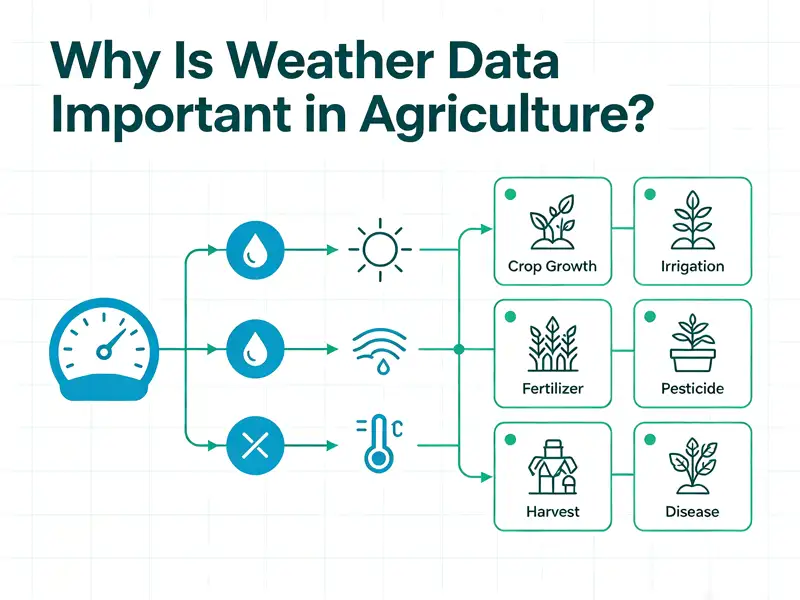
ข้อมูลอุตุนิยมวิทยาที่แม่นยำคือรากฐานของผลผลิตที่มั่นคงและรายได้ที่เพิ่มขึ้นในการเกษตรสมัยใหม่ ข้อมูลเกี่ยวกับอุณหภูมิ ปริมาณน้ำฝน แสงแดด และความชื้นในช่วงเวลาต่างๆ สามารถให้คำแนะนำโดยตรงสำหรับการดำเนินงานภาคสนามทั้งหมด: จากค่าอุณหภูมิสะสม สามารถทำนายวงจรการเจริญเติบโตของพืช ทำให้สามารถวางแผนวันหว่านและเก็บเกี่ยวล่วงหน้าได้;
การรวมข้อมูลปริมาณน้ำฝนเข้ากับการวัดความชื้นในดินสามารถลดการให้น้ำที่ไม่มีประสิทธิภาพได้มากกว่า 20% ช่วยอนุรักษ์ทรัพยากรน้ำ โดยการปรับช่วงเวลาใส่ปุ๋ยตามช่วงอุณหภูมิและความชื้น เกษตรกรสามารถหลีกเลี่ยงการสูญเสียปุ๋ยที่เกิดจากการใส่ปุ๋ยแต่งหน้าด้านบนในอุณหภูมิสูง;
การพึ่งพาการแจ้งเตือนปริมาณน้ำฝนและความชื้นสูงเพื่อกำหนดเวลาการใช้สารกำจัดศัตรูพืช เกษตรกรสามารถลดโอกาสการระบาดของศัตรูพืชและโรคได้อย่างมาก ขณะเดียวกันก็ลดการสูญเสียสารกำจัดศัตรูพืช;
เมื่อใกล้ถึงฤดูเก็บเกี่ยว การใช้การพยากรณ์ลมแรงและช่วงฝนตกยาวนานเพื่อวางแผนการเก็บเกี่ยวล่วงหน้า จะช่วยป้องกันผลไม้เน่าและต้นล้มที่ทำให้ผลผลิตเสียหาย;
การตรวจสอบสภาพอากาศในระยะยาวยังช่วยให้สามารถคาดการณ์ช่วงที่มีความเสี่ยงสูงที่ความชื้นสูงจะกระตุ้นให้เกิดโรคได้ล่วงหน้า ทำให้สามารถดำเนินมาตรการควบคุมในแปลงได้อย่างทันท่วงที เพื่อลดความเสี่ยงทางการเกษตรที่เกี่ยวข้องกับสภาพอากาศอย่างครอบคลุม และรักษาเสถียรภาพของผลผลิตโดยรวม.
10 ประโยชน์หลักของสถานีตรวจอากาศในการเกษตร
การผลิตทางการเกษตรขึ้นอยู่กับสภาพอากาศเป็นอย่างมาก ทุกขั้นตอนตั้งแต่การหว่านเมล็ด การให้น้ำ การควบคุมศัตรูพืชและโรค ไปจนถึงการเก็บเกี่ยว ล้วนต้องการข้อมูลสิ่งแวดล้อมที่แม่นยำเป็นข้อมูลอ้างอิง สถานีตรวจอากาศทางการเกษตรจะตรวจสอบอุณหภูมิ ความชื้น ปริมาณน้ำฝน ความเร็วลม รังสีดวงอาทิตย์ และสภาพดินอย่างต่อเนื่อง ให้การสนับสนุนข้อมูลแบบเรียลไทม์สำหรับการจัดการฟาร์ม โดยการวิเคราะห์ข้อมูลเหล่านี้ทางวิทยาศาสตร์ ผู้ปลูกสามารถปรับแผนการผลิตให้เหมาะสม ลดต้นทุนการดำเนินงาน และปรับปรุงคุณภาพและผลผลิตของพืชผล ด้านล่างนี้คือข้อได้เปรียบหลักสิบประการของสถานีตรวจอากาศทางการเกษตรในการเกษตรสมัยใหม่.
ปรับปรุงประสิทธิภาพการให้น้ำ
สถานีอุตุนิยมวิทยาการเกษตรสามารถตรวจสอบตัวชี้วัดสำคัญ เช่น ปริมาณน้ำฝน อุณหภูมิและความชื้นในอากาศ และปริมาณความชื้นในดินแบบเรียลไทม์ ช่วยให้เกษตรกรจัดเวลาและปริมาณการให้น้ำได้อย่างเหมาะสม ลดการให้น้ำมากเกินไปและการสูญเสียน้ำ และเพิ่มประสิทธิภาพการให้น้ำ.
เพิ่มผลผลิตพืชผล
ข้อมูลสภาพแวดล้อมที่เสถียรสามารถช่วยปรับมาตรการการจัดการการเพาะปลูกเพื่อให้สภาพแวดล้อมการเจริญเติบโตที่เหมาะสมยิ่งขึ้นสำหรับพืชผล โดยการติดตามการเปลี่ยนแปลงของสภาพอากาศ สามารถลดผลกระทบเชิงลบจากปัจจัยแวดล้อมต่อพืชผล และปรับปรุงผลผลิตและคุณภาพให้ดียิ่งขึ้น.
3. ลดความเสี่ยงโรคพืช
ความชื้นสูง อุณหภูมิสูง และความชื้นที่ต่อเนื่องบนใบสามารถกระตุ้นให้เกิดโรคต่างๆ ได้ง่าย สถานีตรวจอากาศเกษตรสามารถติดตามปัจจัยแวดล้อมที่ส่งผลต่อการเกิดโรค ให้การเตือนล่วงหน้าและการควบคุม และลดความสูญเสียของพืชผล.
4. ปรับปรุงการใช้ปุ๋ยให้เหมาะสม
ประสิทธิภาพของการใส่ปุ๋ยได้รับผลกระทบจากปริมาณน้ำฝน อุณหภูมิ และความชื้นในดินได้ง่าย เมื่อรวมกับข้อมูลสภาพอากาศแบบเรียลไทม์ เกษตรกรสามารถใส่ปุ๋ยในเวลาที่เหมาะสม เพิ่มประสิทธิภาพการใช้ปุ๋ยพร้อมทั้งลดการสูญเสียสารอาหาร.
5. ปรับปรุงการจัดการศัตรูพืช
สภาพภูมิอากาศบางอย่างเอื้อต่อการเกิดและการพัฒนาของโรคพืชและแมลงศัตรูพืช สถานีตรวจอากาศให้ข้อมูลที่สามารถช่วยเกษตรกรติดตามการเกิดสภาวะเหล่านี้ เช่น ความชื้นสูงหรือการผกผันของอุณหภูมิ ซึ่งช่วยให้เกษตรกรสามารถดำเนินมาตรการได้ทันท่วงทีเพื่อป้องกันหรือบรรเทาการระบาดของโรคและแมลงศัตรูพืช.
6. สนับสนุนการเกษตรแม่นยำ
สถานีตรวจอากาศเกษตรเป็นส่วนสำคัญของการเกษตรแม่นยำ พวกเขาสามารถทำงานร่วมกับแพลตฟอร์มอินเทอร์เน็ตของสรรพสิ่ง ระบบชลประทานอัตโนมัติ และซอฟต์แวร์การจัดการเกษตร เพื่อให้บรรลุการติดตามสภาพแวดล้อม การวิเคราะห์ข้อมูล และการจัดการระยะไกล และยกระดับระดับการจัดการดิจิทัลของฟาร์ม.
ปกป้องพืชผลจากสภาพอากาศรุนแรง
เมื่อเผชิญกับสภาพอากาศรุนแรง เช่น น้ำค้างแข็ง อุณหภูมิสูง ฝนตกหนัก หิมะ และลมแรง สถานีตรวจอากาศเกษตรสามารถติดตามการเปลี่ยนแปลงของสภาพแวดล้อมล่วงหน้าและออกคำเตือนล่วงหน้า ด้วยวิธีนี้ เกษตรกรสามารถลดความสูญเสียที่เกิดจากภัยธรรมชาติ.
ลดต้นทุนการผลิต
การตัดสินใจทางวิทยาศาสตร์โดยอิงจากข้อมูลสภาพแวดล้อมแบบเรียลไทม์สามารถลดการให้น้ำ การใส่ปุ๋ย และการใช้สารกำจัดศัตรูพืชที่ไม่จำเป็น ลดการลงทุนด้านแรงงานและการใช้ทรัพยากร และควบคุมต้นทุนการผลิตอย่างมีประสิทธิภาพพร้อมทั้งรับประกันการเจริญเติบโตของพืชผล.
ปรับปรุงการวางแผนการเก็บเกี่ยว
การติดตามสภาพอากาศ เช่น ปริมาณน้ำฝน ความเร็วลม และความชื้นก่อนการเก็บเกี่ยวสามารถช่วยเลือกเวลาการเก็บเกี่ยวที่เหมาะสม ลดการเสื่อมคุณภาพและความสูญเสียจากการเก็บเกี่ยวที่เกิดจากสภาพอากาศเลวร้าย และเพิ่มมูลค่าทางการค้าของผลิตผลทางการเกษตร.
สนับสนุนการจัดการฟาร์มระยะยาว
การสะสมข้อมูลสภาพแวดล้อมในระยะยาวก่อให้เกิด “แฟ้มสภาพอากาศ” ที่สมบูรณ์ ซึ่งสามารถใช้สำหรับการตรวจสอบย้อนกลับของผลิตผลทางการเกษตร การรับรองโครงการ และการปรับแผนการเพาะปลูกสำหรับปีถัดไป ทำให้การจัดการมีมาตรฐานและเป็นระบบมากขึ้น.
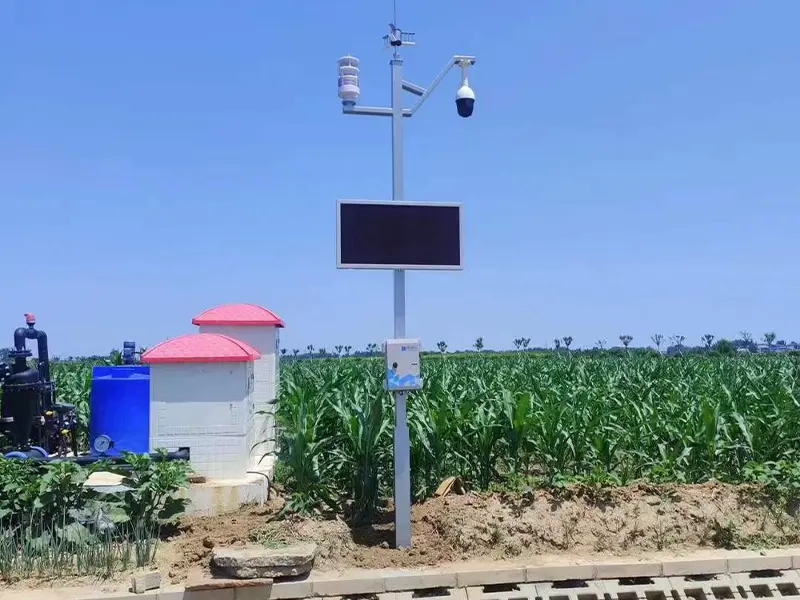
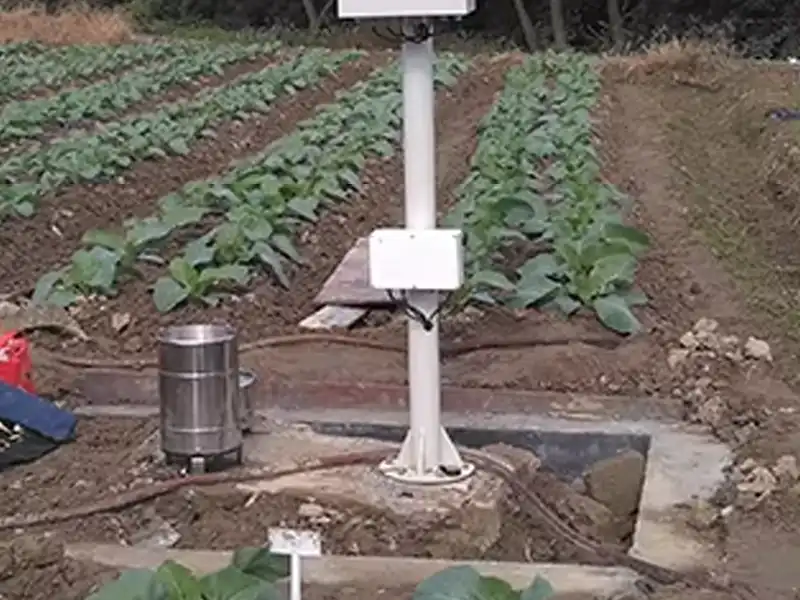

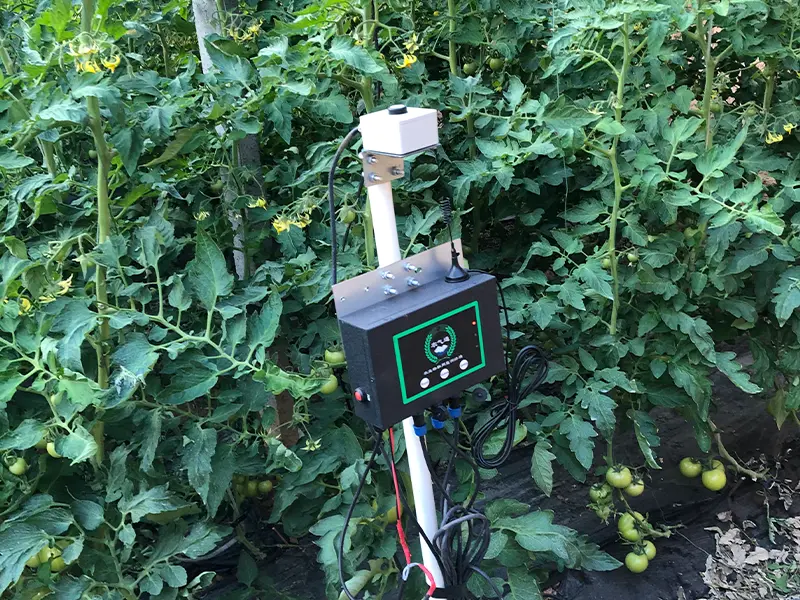
สถานีตรวจอากาศไม่ใช่อุปกรณ์ที่แยกเดี่ยว มันเป็นส่วนหน้าส่วนกลางของระบบการเกษตรอัจฉริยะทั้งหมด สถานีตรวจอากาศสามารถเชื่อมโยงกับ ระบบน้ำและปุ๋ยอัจฉริยะ, วาล์วชลประทาน, พัดลม ม่านบังแดด และอุปกรณ์อื่นๆ เปิดการระบายอากาศโดยอัตโนมัติเมื่อความชื้นเกินมาตรฐาน และให้น้ำโดยอัตโนมัติเมื่อดินขาดน้ำ ทำให้เกิดการจัดการแบบอัตโนมัติเต็มรูปแบบและประหยัดแรงงานอย่างมาก.
เกษตรกรควรตรวจสอบพารามิเตอร์สภาพอากาศใดบ้าง?
สภาพอากาศส่งผลโดยตรงต่อการเจริญเติบโตของพืชผล การกำหนดเวลาชลประทาน การควบคุมโรคและแมลงศัตรูพืช และระยะเวลาเก็บเกี่ยว โดยการติดตามพารามิเตอร์แวดล้อมที่สำคัญด้วยสถานีตรวจอากาศเกษตร เกษตรกรสามารถตัดสินใจจัดการได้ทันท่วงที เพิ่มประสิทธิภาพการใช้ทรัพยากร และลดความเสี่ยงในการผลิต ตารางต่อไปนี้สรุปพารามิเตอร์สภาพอากาศที่สำคัญที่สุดสำหรับสถานีตรวจอากาศฟาร์มและการประยุกต์ใช้ในทางปฏิบัติ.
| พารามิเตอร์สภาพอากาศ | เหตุใดจึงสำคัญ |
|---|---|
| อุณหภูมิอากาศ | มีอิทธิพลต่อการงอกของเมล็ด การเจริญเติบโตของพืชผล การออกดอก การพัฒนาผล และการจัดการความเครียดจากน้ำค้างแข็งหรือความร้อน. |
| ความชื้นสัมพัทธ์ | ช่วยประเมินความเสี่ยงโรค สภาพอากาศในเรือนกระจก และความต้องการน้ำของพืชผล. |
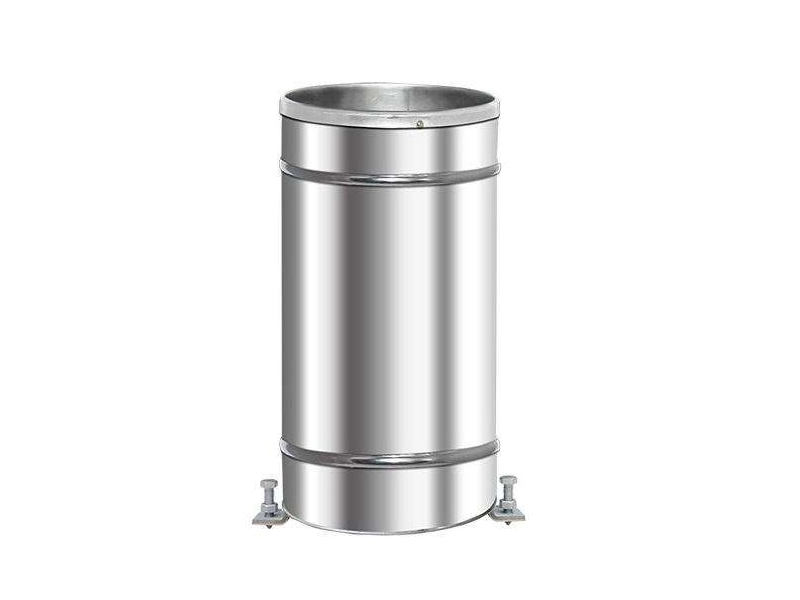
| ปริมาณน้ำฝน | สนับสนุนการวางแผนชลประทานและป้องกันทั้งการขาดแคลนน้ำและการให้น้ำมากเกินไป. |
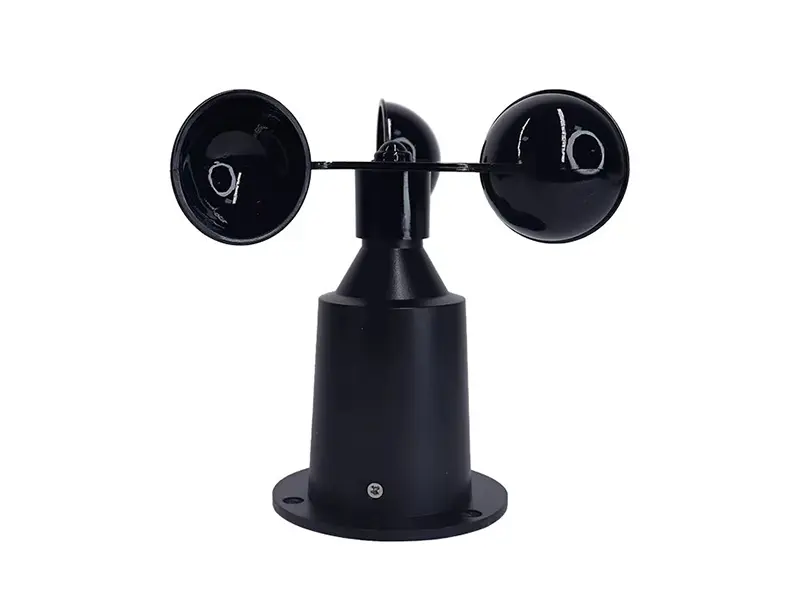
| ความเร็วลม | ปรับปรุงความปลอดภัยในการพ่นสารกำจัดศัตรูพืช ปกป้องพืชผล และติดตามสภาพอากาศรุนแรง. |
| ทิศทางลม | ช่วยลดการปลิวของละอองสารและให้ข้อมูลเชิงลึกเกี่ยวกับรูปแบบสภาพอากาศในท้องถิ่น. |
| รังสีดวงอาทิตย์ | วัดแสงแดดที่มีอยู่สำหรับการสังเคราะห์แสง การพัฒนาพืชผล และการคำนวณการคายระเหยน้ำ. |
| ความชื้นในดิน | บ่งชี้ความพร้อมของน้ำในดินสำหรับการชลประทานแม่นยำและการจัดการน้ำอย่างมีประสิทธิภาพ. |
| อุณหภูมิของดิน | สนับสนุนการตัดสินใจปลูก การงอกของเมล็ด และการพัฒนารากที่แข็งแรง. |
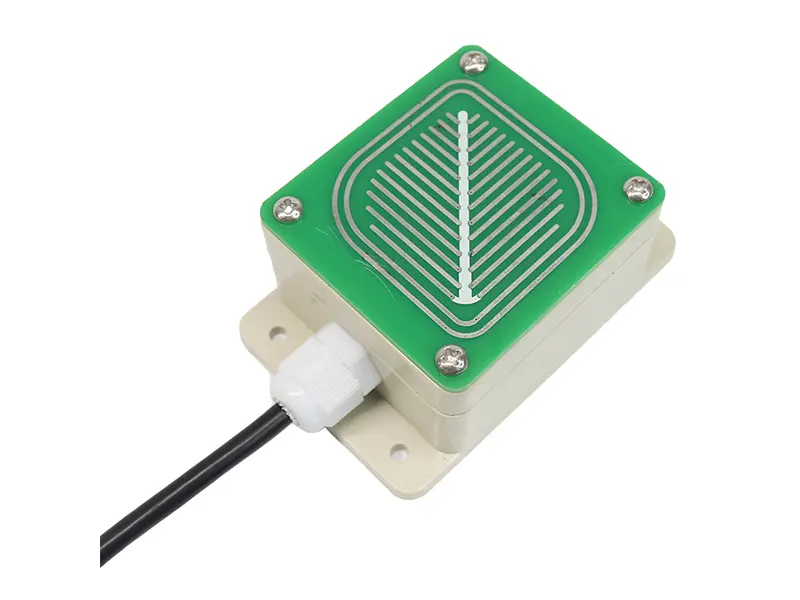
| ความเปียกของใบ | ระบุสภาวะที่เอื้อต่อโรคพืชและปรับปรุงการพยากรณ์โรค. |
| ความดันบรรยากาศ | ช่วยในการระบุการเปลี่ยนแปลงสภาพอากาศระยะสั้นและการพยากรณ์แนวโน้ม. |
| การคายระเหยน้ำ (ET) | ประมาณการการใช้น้ำของพืชผลเพื่อปรับตารางการชลประทานให้เหมาะสม. |
| การตรวจจับฝน/หิมะ | ตรวจจับเหตุการณ์ฝนตกหรือหิมะตกแบบเรียลไทม์เพื่อสนับสนุนการควบคุมชลประทาน การดำเนินงานภาคสนาม และการแจ้งเตือนสภาพอากาศ. |
คำแนะนำ: การผสมผสานที่เหมาะสมของพารามิเตอร์ที่ตรวจสอบขึ้นอยู่กับการใช้งาน เรือนกระจกมักให้ความสำคัญกับอุณหภูมิ ความชื้น และรังสีดวงอาทิตย์ ในขณะที่สวนผลไม้อาจต้องมีการตรวจสอบปริมาณน้ำฝน ลม และน้ำค้างแข็ง การทำฟาร์มภาคสนามขนาดใหญ่มักรวมการวัดความชื้นในดิน ปริมาณน้ำฝน รังสีดวงอาทิตย์ และลมเพื่อสนับสนุนการเกษตรแม่นยำ.
สถานีตรวจอากาศช่วยปรับปรุงการเกษตรได้อย่างไร?
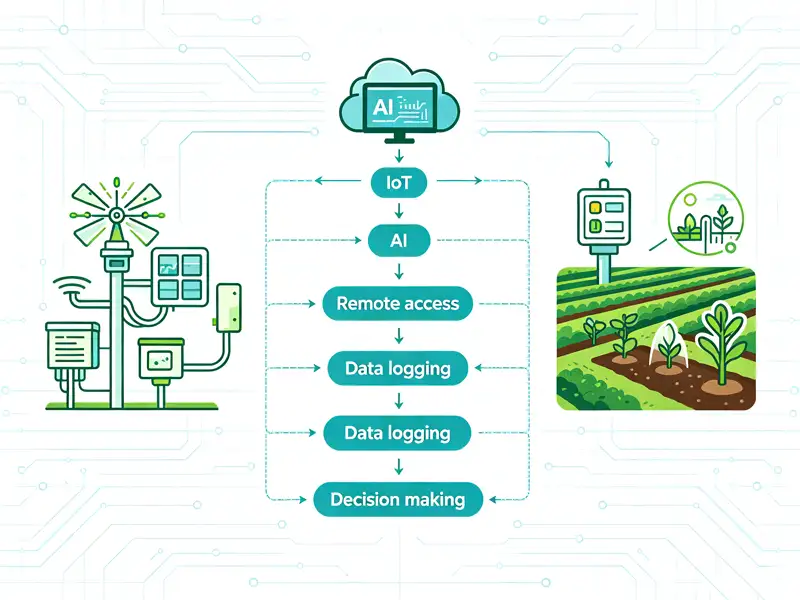
การเกษตรแม่นยำอาศัยข้อมูลสภาพแวดล้อมที่แม่นยำและแบบเรียลไทม์เพื่อเพิ่มประสิทธิภาพทุกขั้นตอนของการผลิตพืชผล สถานีตรวจอากาศเกษตรสมัยใหม่รวมการเชื่อมต่อ IoT แพลตฟอร์มคลาวด์ และการวิเคราะห์ข้อมูลอัจฉริยะเพื่อเปลี่ยนข้อมูลสภาพอากาศดิบเป็นการตัดสินใจทางการเกษตรที่ใช้งานได้จริง โดยการให้การติดตามอย่างต่อเนื่องและการเข้าถึงสภาพภาคสนามจากระยะไกล พวกเขาช่วยเกษตรกรปรับปรุงประสิทธิภาพ ลดการสูญเสียทรัพยากร และตัดสินใจจัดการอย่างมีข้อมูล.
- การเชื่อมต่อ IoT – เชื่อมต่อสถานีตรวจอากาศกับเซ็นเซอร์ ระบบชลประทาน และแพลตฟอร์มการจัดการฟาร์มเพื่อการแบ่งปันข้อมูลแบบเรียลไทม์ที่ราบรื่น.
- การติดตามบนคลาวด์ – อัปโหลดข้อมูลสิ่งแวดล้อมไปยังแพลตฟอร์มคลาวด์ ช่วยให้ผู้ใช้สามารถเข้าถึงข้อมูลสภาพอากาศจากทุกสถานที่ผ่านคอมพิวเตอร์หรืออุปกรณ์เคลื่อนที่.
- การวิเคราะห์ด้วย AI – ใช้ข้อมูลสภาพอากาศในอดีตและแบบเรียลไทม์เพื่อระบุแนวโน้ม สนับสนุนการพยากรณ์โรค และปรับกลยุทธ์การจัดการการชลประทานและพืชผลให้เหมาะสม.
- การเข้าถึงระยะไกล – ช่วยให้เกษตรกรและผู้จัดการฟาร์มสามารถตรวจสอบสภาพแปลงเพาะปลูกจากระยะไกลโดยไม่ต้องเดินทางไปยังพื้นที่ ช่วยเพิ่มประสิทธิภาพการดำเนินงาน.
- การบันทึกข้อมูลอย่างต่อเนื่อง – บันทึกข้อมูลสภาพอากาศและดินในระยะยาวโดยอัตโนมัติ สร้างฐานข้อมูลที่มีค่าสำหรับการวิเคราะห์ตามฤดูกาลและการวางแผนฟาร์มในอนาคต.
- การแจ้งเตือนแบบเรียลไทม์ – ส่งการแจ้งเตือนเมื่อค่าที่ตั้งไว้ล่วงหน้าสำหรับอุณหภูมิ ปริมาณน้ำฝน ความเร็วลม น้ำค้างแข็ง หรือพารามิเตอร์อื่นๆ เกินเกณฑ์ ช่วยให้สามารถตอบสนองได้ทันท่วงที.
- การควบคุมการชลประทานแบบแม่นยำ – ผสานข้อมูลสภาพอากาศและความชื้นในดินเพื่อกำหนดตารางการให้น้ำที่เหมาะสม ลดการใช้น้ำในขณะที่รักษาสุขภาพของพืชผล.
- การตัดสินใจที่ดีขึ้น – ให้ข้อมูลสิ่งแวดล้อมที่เชื่อถือได้เพื่อสนับสนุนการตัดสินใจเกี่ยวกับการปลูก การใส่ปุ๋ย การใช้สารกำจัดศัตรูพืช การเก็บเกี่ยว และการจัดสรรทรัพยากร.
- การบูรณาการกับระบบฟาร์มอัจฉริยะ – ทำงานร่วมกับ GPS ระบบชลประทานอัตโนมัติ โดรน และซอฟต์แวร์การจัดการเกษตรกรรม เพื่อสนับสนุนการดำเนินงานเกษตรแม่นยำแบบบูรณาการอย่างสมบูรณ์.
- ผลผลิตที่สูงขึ้นและต้นทุนที่ลดลง – ช่วยเพิ่มประสิทธิภาพผลผลิตพืชผลสูงสุด ในขณะที่ลดปัจจัยนำเข้า เช่น แรงงาน น้ำ ปุ๋ย และสารกำจัดศัตรูพืช ช่วยเพิ่มความสามารถในการทำกำไรโดยรวมของฟาร์ม.
สถานการณ์การประยุกต์ใช้ในภาคการเกษตรต่างๆ
การเพาะปลูกพืชไร่: ใช้ข้อมูลตรวจสอบอุตุนิยมวิทยาเพื่อจัดการการชลประทาน การใส่ปุ๋ย และการควบคุมศัตรูพืชและโรค คาดการณ์ความเสี่ยงจากภัยแล้ง น้ำท่วม และการหักล้ม และปรับการจัดการการเพาะปลูกข้าวสาลี ข้าวโพด และข้าวในพื้นที่ขนาดใหญ่ให้เหมาะสม
การเพาะปลูกผักและผลไม้ในเรือนกระจก: ควบคุมอุณหภูมิ ความชื้น แสง และระดับคาร์บอนไดออกไซด์ในเรือนกระจกแบบเรียลไทม์ ควบคุมสภาพแวดล้อมอย่างแม่นยำในช่วงออกดอกและติดผล ลดการเน่าเสียและความผิดปกติของผลไม้ และปรับปรุงคุณภาพผักและผลไม้
การทำสวนผลไม้และไม้ยืนต้นเชิงพาณิชย์: ตรวจสอบน้ำค้างแข็ง ลมแรง และฝนตกเป็นเวลานาน เพื่อใช้มาตรการป้องกันน้ำค้างแข็ง ป้องกันลม และป้องกันโรคสำหรับไม้ผลตั้งแต่เนิ่นๆ เพื่อให้ได้ผลผลิตที่มั่นคงสำหรับพืชเชิงพาณิชย์ เช่น แอปเปิล ส้ม และชา.
การเพาะปลูกดอกไม้ในเรือนกระจก: ควบคุมอุณหภูมิ ความชื้น และระยะเวลาแสงอย่างแม่นยำเพื่อให้สอดคล้องกับวงจรการออกดอกของดอกไม้อย่างถูกต้อง ลดความสูญเสียในการเพาะปลูก และบรรลุการวางจำหน่ายในตลาดที่เหลื่อมเวลากัน.
การเลี้ยงปศุสัตว์: ตรวจสอบอุณหภูมิ ความชื้น และสภาพการระบายอากาศในฟาร์มเพื่อหลีกเลี่ยงความเครียดจากความร้อนและความเสียหายจากความหนาวเย็น ลดโรคในปศุสัตว์และสัตว์ปีก และเพิ่มอัตราการรอดชีวิต
การเพาะเลี้ยงสัตว์น้ำ: ตรวจสอบอุณหภูมิน้ำ ระดับออกซิเจนละลายน้ำ และปริมาณน้ำฝน เพื่อให้คำเตือนล่วงหน้าเกี่ยวกับการบานของสาหร่ายในบ่อและการเสื่อมสภาพของคุณภาพน้ำ ซึ่งจะช่วยรักษาเสถียรภาพของผลผลิตในการเลี้ยงปลา กุ้ง และปู
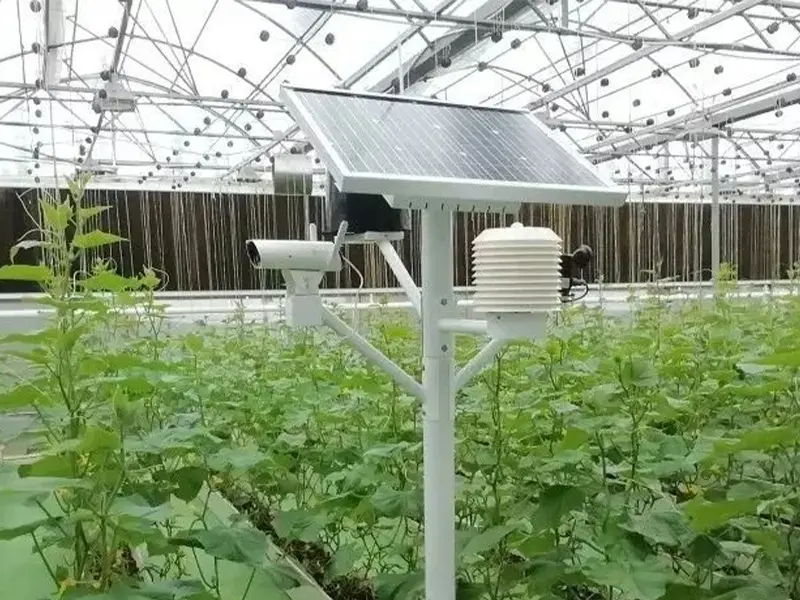
ปัจจัยสำคัญที่ต้องพิจารณาเมื่อเลือกสถานีตรวจอากาศ
การจับคู่ขนาดฟาร์ม: เลือกสถานีตรวจสอบตามขนาดฟาร์มของคุณ เกษตรกรรายย่อยที่มีแปลงกระจายควรเลือกอุปกรณ์แบบครบวงจรที่เรียบง่าย ในขณะที่พื้นที่ขนาดใหญ่ต่อเนื่องและสวนเกษตรควรเลือกใช้รุ่นโมดูลาร์ที่มีเซ็นเซอร์หลายตัว.
พารามิเตอร์การตรวจสอบ: ระบุองค์ประกอบทางอุตุนิยมวิทยาที่คุณต้องการตรวจสอบ หากคุณต้องการวัดเฉพาะอุณหภูมิ ความชื้น และปริมาณน้ำฝน ให้เลือกรุ่นพื้นฐาน หากคุณต้องการวางแผนการป้องกันพืชผลและการชลประทาน ให้เพิ่มเซ็นเซอร์สำหรับความเข้มแสง ความเร็วลม และความชื้นในดิน.
การรวบรวมข้อมูลและการเชื่อมต่อ: พิจารณาว่าสถานีตรวจอากาศรวบรวมและจัดเก็บข้อมูลอย่างไร สถานีตรวจอากาศบางแห่งมีเครื่องบันทึกข้อมูลในตัว ในขณะที่บางแห่งต้องการอุปกรณ์ภายนอก นอกจากนี้ ให้ตรวจสอบว่าสถานีตรวจอากาศมีตัวเลือกการเชื่อมต่อ เช่น Wi-Fi หรือเครือข่ายเซลลูลาร์ เพื่อให้สามารถเข้าถึงข้อมูลแบบเรียลไทม์จากระยะไกลได้หรือไม่.
ซอฟต์แวร์และการวิเคราะห์ข้อมูล: ประเมินซอฟต์แวร์หรือเครื่องมือวิเคราะห์ข้อมูลที่มาพร้อมกับสถานีตรวจอากาศ ซอฟต์แวร์ที่ใช้งานง่ายซึ่งช่วยให้เห็นภาพและตีความข้อมูลที่รวบรวมได้ง่ายจะช่วยอำนวยความสะดวกในการตัดสินใจอย่างมีข้อมูล ตรวจสอบให้แน่ใจว่าซอฟต์แวร์เข้ากันได้กับระบบปฏิบัติการของคอมพิวเตอร์หรืออุปกรณ์เคลื่อนที่ของคุณ.
ระดับการป้องกัน: สำหรับการใช้งานกลางแจ้งในระยะยาวในแปลงเพาะปลูก ให้เลือกรุ่นที่กันน้ำ กันฝุ่น และทนต่อลมแรง ในพื้นที่ที่มีฝนตกหนักหรือมีฝุ่นสูง ให้จัดลำดับความสำคัญของผลิตภัณฑ์ที่มีมาตรฐานการป้องกันสูง.
การบำรุงรักษาและการสนับสนุน: ประเมินข้อกำหนดในการบำรุงรักษาสถานีตรวจอากาศ ตรวจสอบว่าผู้ผลิตให้การสนับสนุนทางเทคนิค การอัปเดตเฟิร์มแวร์ และบริการรับประกันหรือไม่ ความพร้อมของชิ้นส่วนอะไหล่และบริการสนับสนุนในท้องถิ่นที่เพียงพออาจเป็นข้อได้เปรียบ.
งบประมาณ: พิจารณางบประมาณของคุณเมื่อเลือกสถานีตรวจอากาศ ราคาอาจมีตั้งแต่ไม่กี่ร้อยไปจนถึงหลายพันดอลลาร์ ประเมินความคุ้มค่าตามความต้องการเฉพาะของคุณและผลประโยชน์ระยะยาวที่สถานีตรวจอากาศมอบให้ เปรียบเทียบบริการหลังการขายและการสอบเทียบ เนื่องจากการใช้งานในระยะยาวต้องมีการสอบเทียบเซ็นเซอร์เป็นประจำ การเลือกผู้ผลิตที่ให้บริการสอบเทียบและซ่อมแซมในสถานที่จะช่วยลดความยุ่งยากให้คุณ.
สถานีตรวจอากาศการเกษตรกับการพยากรณ์อากาศแบบดั้งเดิม
การนำอุปกรณ์ตรวจสอบขนาดกะทัดรัดและต้นทุนต่ำมาใช้อย่างแพร่หลาย
ในอดีต ระบบสถานีตรวจอากาศแบบสมบูรณ์มีราคาค่อนข้างแพงและเหมาะสำหรับฟาร์มขนาดใหญ่เท่านั้น ในอนาคต ไมโครเซ็นเซอร์แบบครบวงจรน้ำหนักเบาจะถูกนำไปใช้ในแปลงเพาะปลูกอย่างแพร่หลาย เกษตรกรจะสามารถติดตั้งเซ็นเซอร์เหล่านี้ที่จุดต่างๆ ในแปลงของตนเองได้ ไม่ต้องพึ่งพาข้อมูลสภาพอากาศทั่วไปจากสถานีเดียวอีกต่อไป และจะสามารถตรวจสอบสภาพแวดล้อมเฉพาะของแปลงเพาะปลูกขนาดเล็กได้.
การบูรณาการข้อมูลสภาพอากาศกับอุปกรณ์การเกษตรอย่างลึกซึ้ง
แทนที่จะดูข้อมูลอุณหภูมิ ความชื้น และปริมาณน้ำฝนเพียงอย่างเดียว ระบบตรวจสอบจะเชื่อมต่อกับวาล์วชลประทาน เครื่องจักรป้องกันพืชผล และอุปกรณ์ระบายอากาศในเรือนกระจกโดยอัตโนมัติ เมื่อระบบตรวจพบความเสี่ยง เช่น ภัยแล้งหรือโรคที่เกี่ยวข้องกับความชื้นสูง ระบบจะเปิดใช้งานอุปกรณ์การเกษตรที่เกี่ยวข้องโดยอัตโนมัติ ทำให้สามารถจัดการแปลงเพาะปลูกแบบไร้คนขับและอัตโนมัติอย่างแท้จริง.
โมเดลการทำนาย AI ที่ปรับให้เหมาะกับสภาพการเกษตรในท้องถิ่นมากขึ้น
การบูรณาการข้อมูลสภาพอากาศอย่างลึกซึ้งกับอุปกรณ์การเกษตร.
แทนที่จะเพียงแค่ดูข้อมูลอุณหภูมิ ความชื้น และปริมาณน้ำฝน ระบบตรวจสอบจะเชื่อมต่อกับวาล์วชลประทาน เครื่องจักรป้องกันพืชผล และอุปกรณ์ระบายอากาศในเรือนกระจกโดยอัตโนมัติ เมื่อระบบตรวจพบความเสี่ยง เช่น ภัยแล้งหรือโรคที่เกี่ยวข้องกับความชื้นสูง ระบบจะเปิดใช้งานอุปกรณ์การเกษตรที่เกี่ยวข้องโดยอัตโนมัติ ทำให้เกิดการจัดการพื้นที่เกษตรกรรมแบบไร้คนขับและอัตโนมัติอย่างแท้จริง
โมเดลการทำนายด้วย AI ที่ปรับให้เหมาะกับสภาพการเกษตรในท้องถิ่นมากขึ้น.
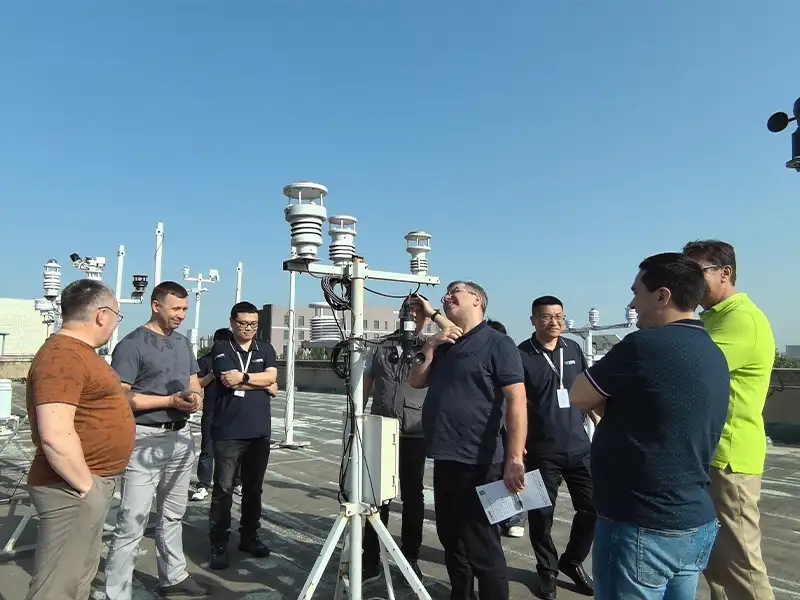
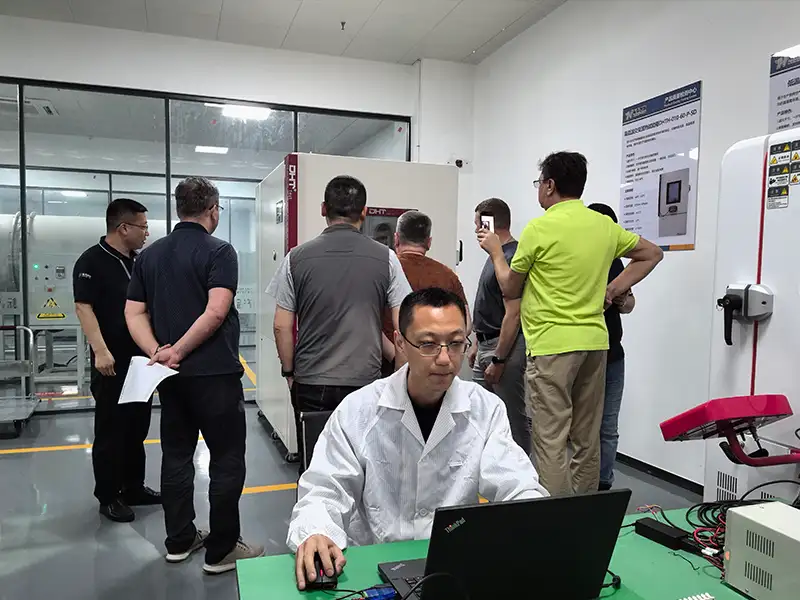
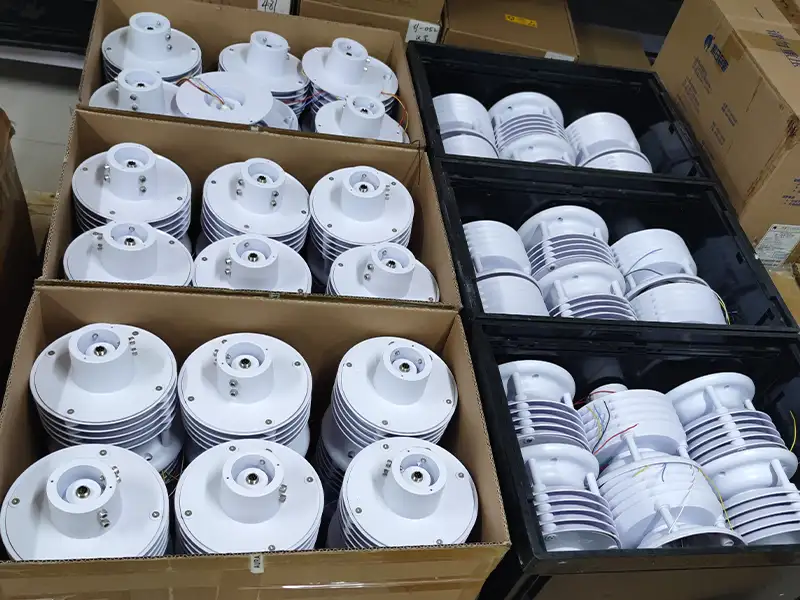
สรุป
การพยากรณ์อากาศแบบดั้งเดิมมักเป็นการคาดการณ์ในระดับภูมิภาคที่กว้าง ในอนาคต ด้วยการรวมข้อมูลภาคสนามจริงเป็นเวลาหลายปี ปัญญาประดิษฐ์จะสามารถให้การคาดการณ์ที่แม่นยำสำหรับพืชผลและแปลงเพาะปลูกเฉพาะได้ โดยจะทำนายน้ำค้างแข็ง ฝนตกหนัก และช่วงเวลาสูงสุดของศัตรูพืชและโรคล่วงหน้า พร้อมให้คำแนะนำที่ปฏิบัติได้จริงซึ่งปรับให้เหมาะกับแนวทางปฏิบัติทางการเกษตรในท้องถิ่น แทนที่จะเป็นข้อสรุปสภาพอากาศทั่วไป.
การตรวจสอบแบบบูรณาการข้อมูลหลายมิติ.
การตรวจสอบจะไม่จำกัดอยู่เพียงตัวชี้วัดอุตุนิยมวิทยาในบรรยากาศอีกต่อไป แต่จะรวมข้อมูลเกี่ยวกับความชื้นในดิน คุณภาพน้ำ และสภาพการเจริญเติบโตของพืชผลไปพร้อมกัน โดยการวิเคราะห์ข้อมูล เช่น อุณหภูมิและความชื้นในอากาศ อุณหภูมิและความชื้นในดิน ความเข้มของแสง และอุณหภูมิสะสม จะสร้างฐานข้อมูลสิ่งแวดล้อมทางการเกษตรที่ครอบคลุมเพื่อสนับสนุนการจัดการพืชผลตลอดวงจร ติดต่อ สถานีตรวจอากาศทางการเกษตรสมัยใหม่มีการขับเคลื่อนด้วยข้อมูลมากขึ้น และข้อมูลสภาพอากาศที่เชื่อถือได้เป็นสิ่งจำเป็นสำหรับการเพิ่มผลผลิตและลดความเสี่ยงในการดำเนินงาน สถานีตรวจอากาศทางการเกษตรให้ข้อมูลสิ่งแวดล้อมที่แม่นยำและเรียลไทม์ ซึ่งช่วยให้เกษตรกรปรับการชลประทาน การใส่ปุ๋ย การจัดการศัตรูพืช และการวางแผนการเก็บเกี่ยวให้เหมาะสม พร้อมทั้งสนับสนุนการเกษตรแม่นยำและแนวทางปฏิบัติทางการเกษตรที่ยั่งยืน เนื่องจากสภาพอากาศคาดเดาได้ยากขึ้น การลงทุนในระบบตรวจสอบสภาพอากาศจึงไม่ใช่แค่ข้อได้เปรียบอีกต่อไป แต่เป็นโซลูชันที่ใช้งานได้จริงสำหรับการตัดสินใจทางการเกษตรที่ชาญฉลาดยิ่งขึ้นและปรับปรุงประสิทธิภาพของฟาร์มในระยะยาว.